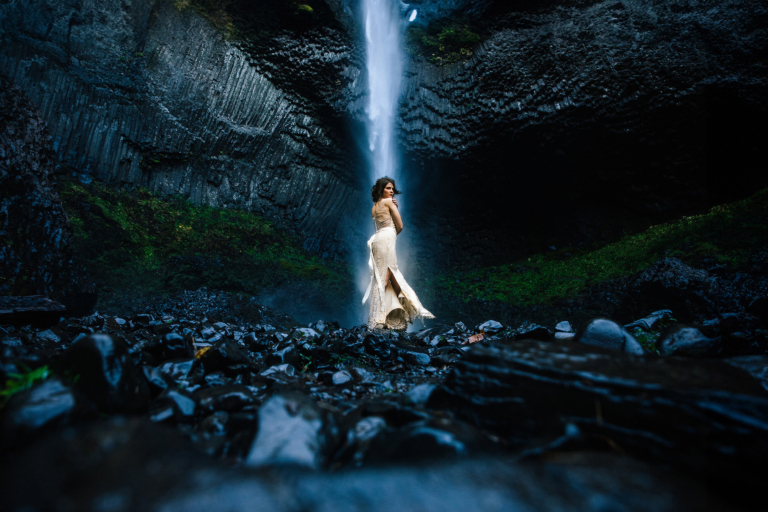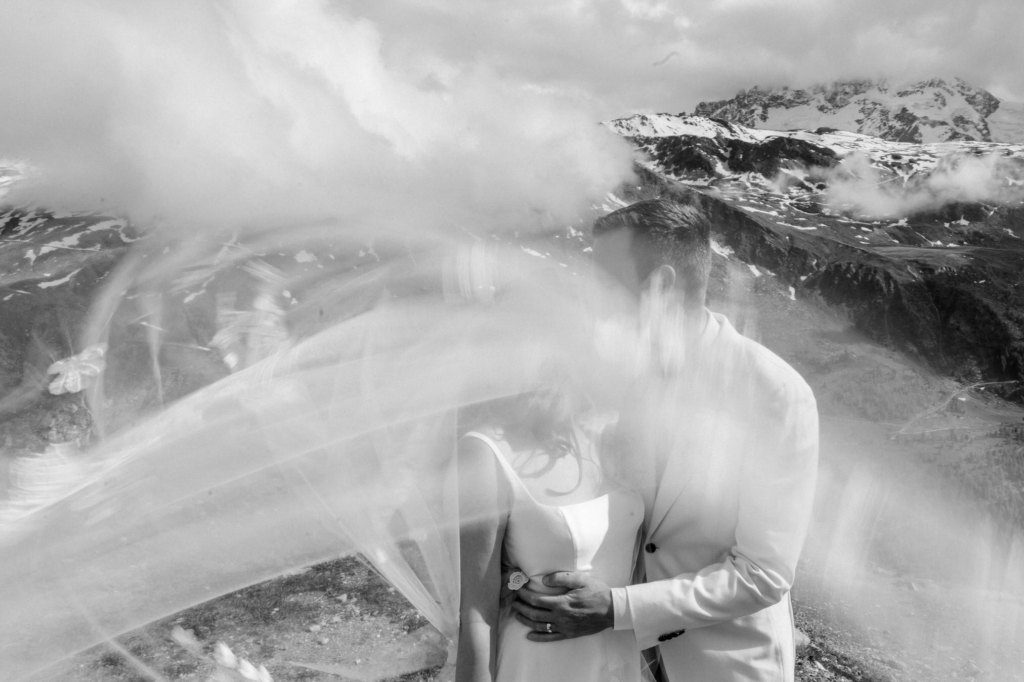

“Even a blurry photo tells a story.”
Short Bio:
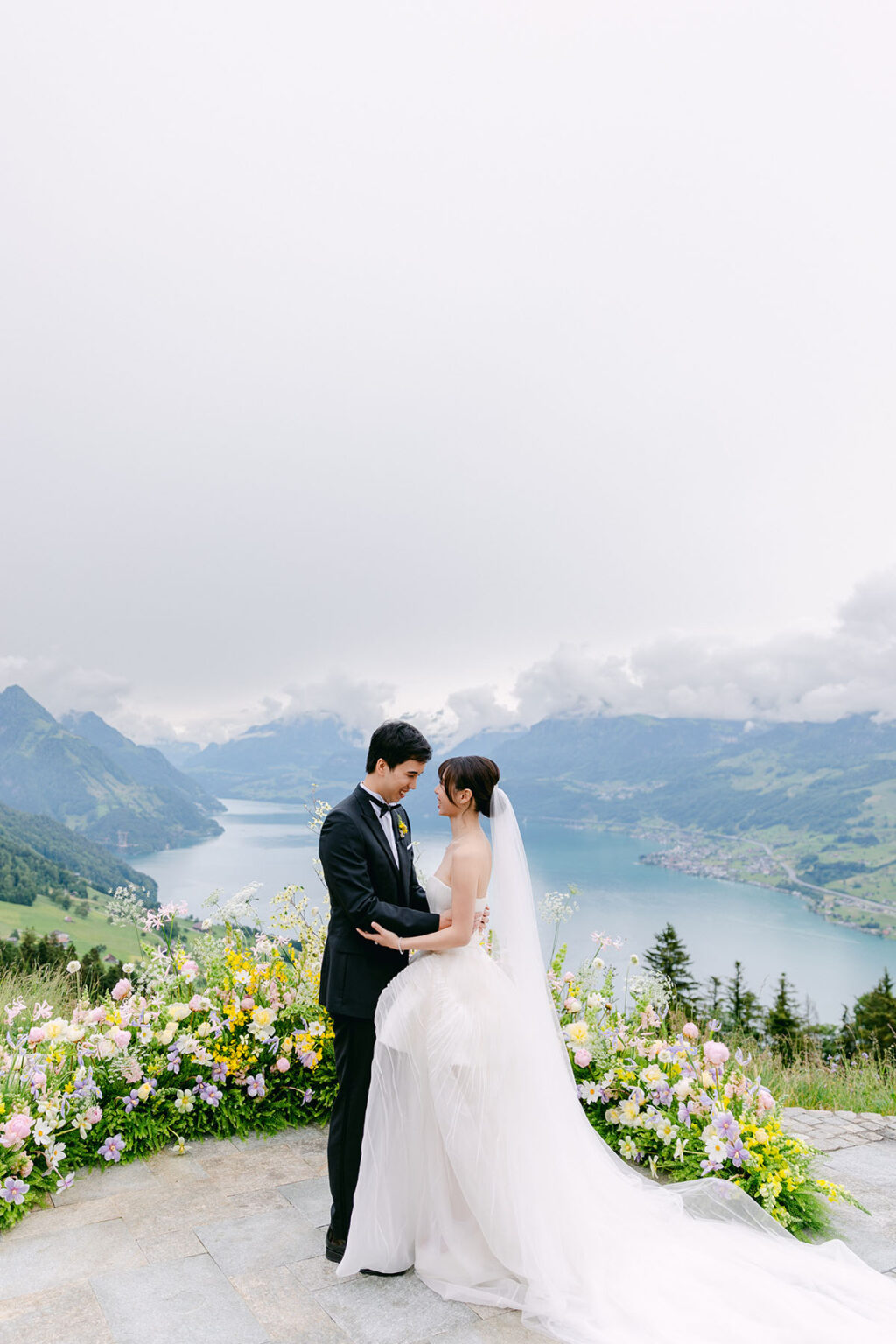
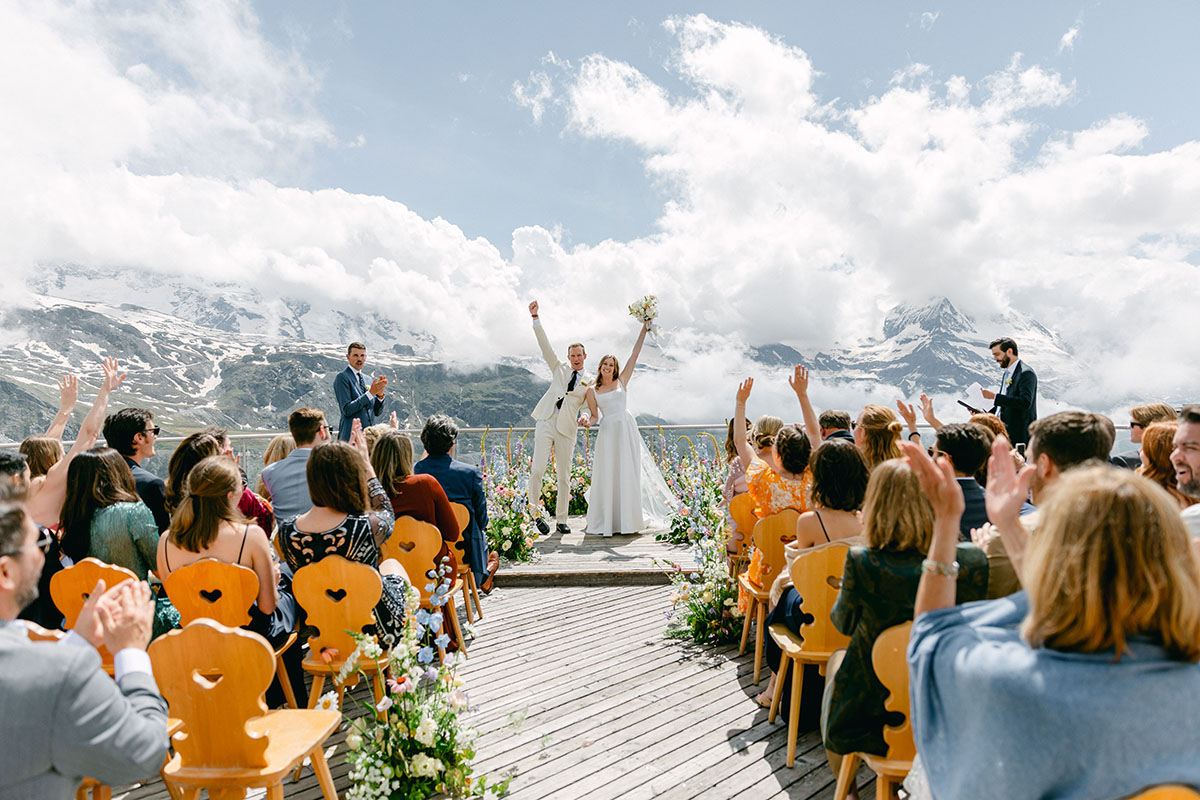
Based in Thun, in the Swiss Alps, David & Kathrin have spent the last eleven years building a body of work that feels both precise and deeply alive. Working across weddings, film, architecture, food, and commercial photography, their visual language that balances elegance with movement, technical control with emotional looseness.
What began almost accidentally – photographing friends’ weddings while studying Basel. Slowly evolved into one of the most visually coherent wedding photography brands in Europe. Featured by Switzerland Tourism as a defining voice in Swiss wedding photography, their work has become especially recognized within the world of luxury destination weddings across Switzerland and Italy, with a reputation built less through awards and more through consistency, trust, and a distinctly understated visual identity. Their images carry the calm of Switzerland, but underneath the perfection there is always motion, breath, and human unpredictability.
https://davidandkathrin.com/
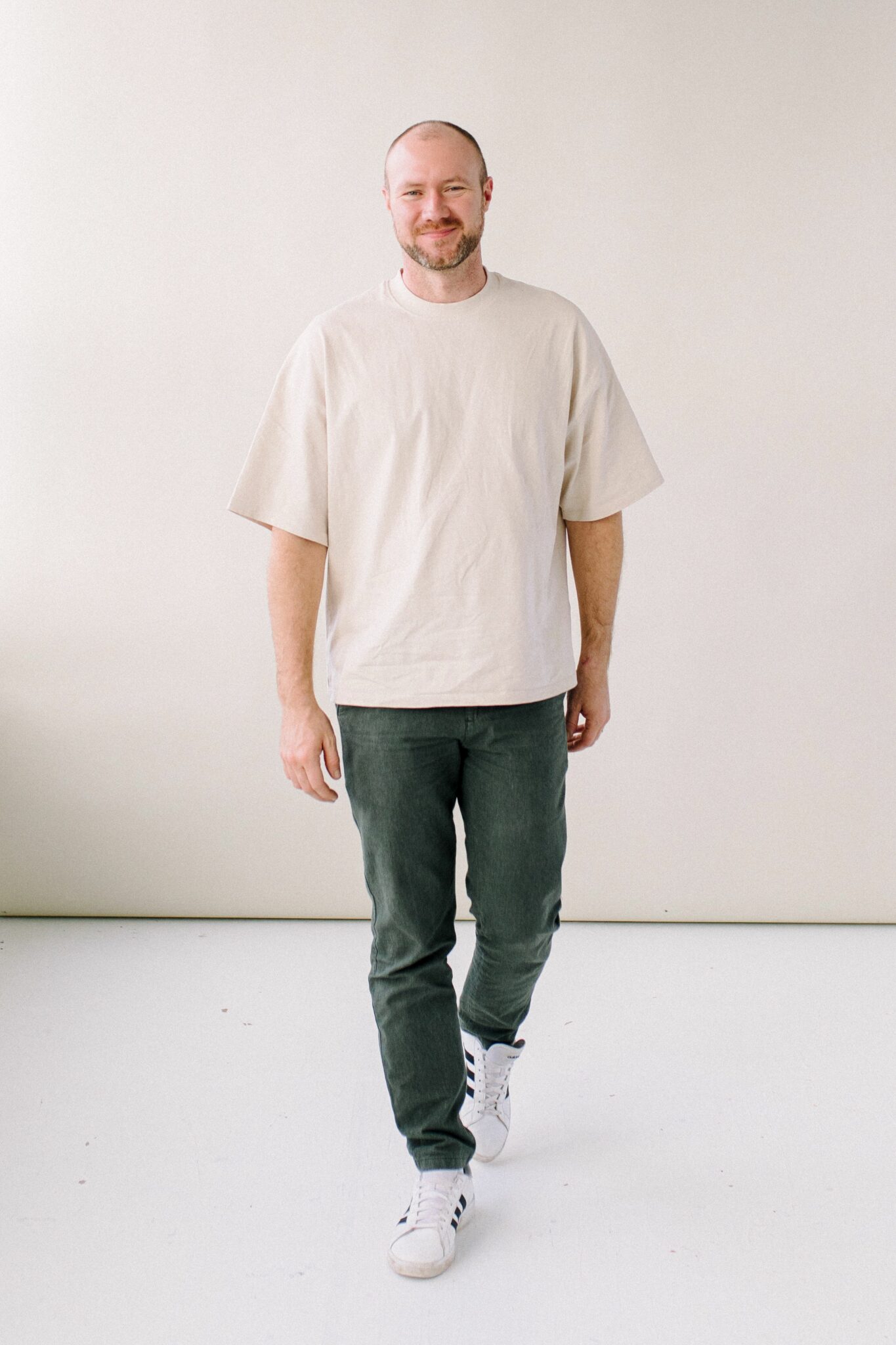
Today, we’re speaking with David.
How did photography enter your life?
It happened very naturally.
While I was studying in Basel, some friends from university started getting married.
They knew photography was my hobby and asked me to photograph their weddings.
The first one was really fun – I took way too many photos – but I loved it.
Then came the second wedding, then the third, and suddenly people I didn’t even know personally were asking me to photograph theirs.
That’s how it all started.
Your work spans weddings, architecture, food, and film. How do you keep a consistent visual language across such different genres?
I think Kathrin and I are both drawn to similar things visually, which helps a lot.
Even today, sometimes it’s difficult for us to tell who photographed which image because our visual language became so connected over the years.
There’s never really a fight between us creatively.
If we see something beautiful, we both naturally move toward it.
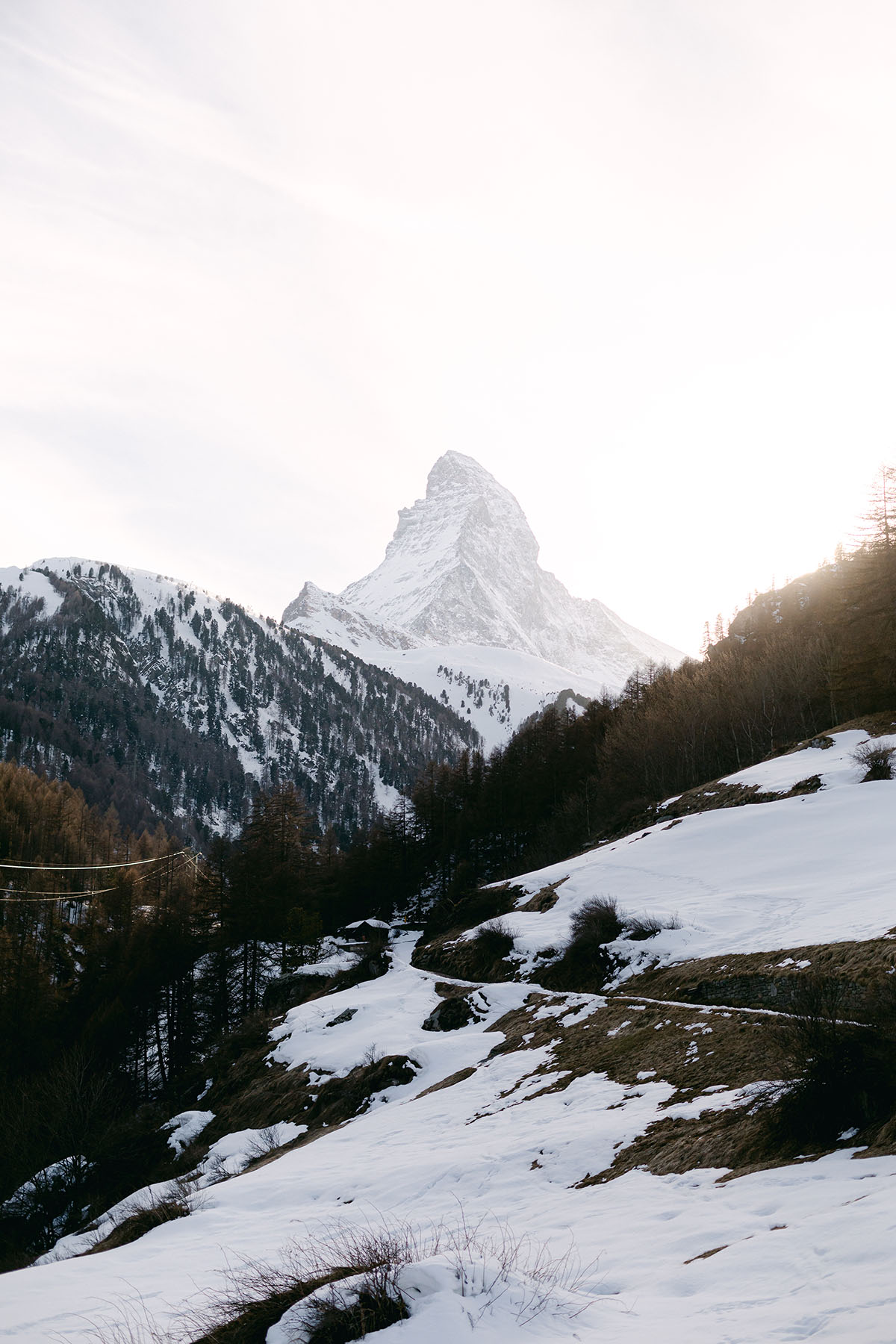
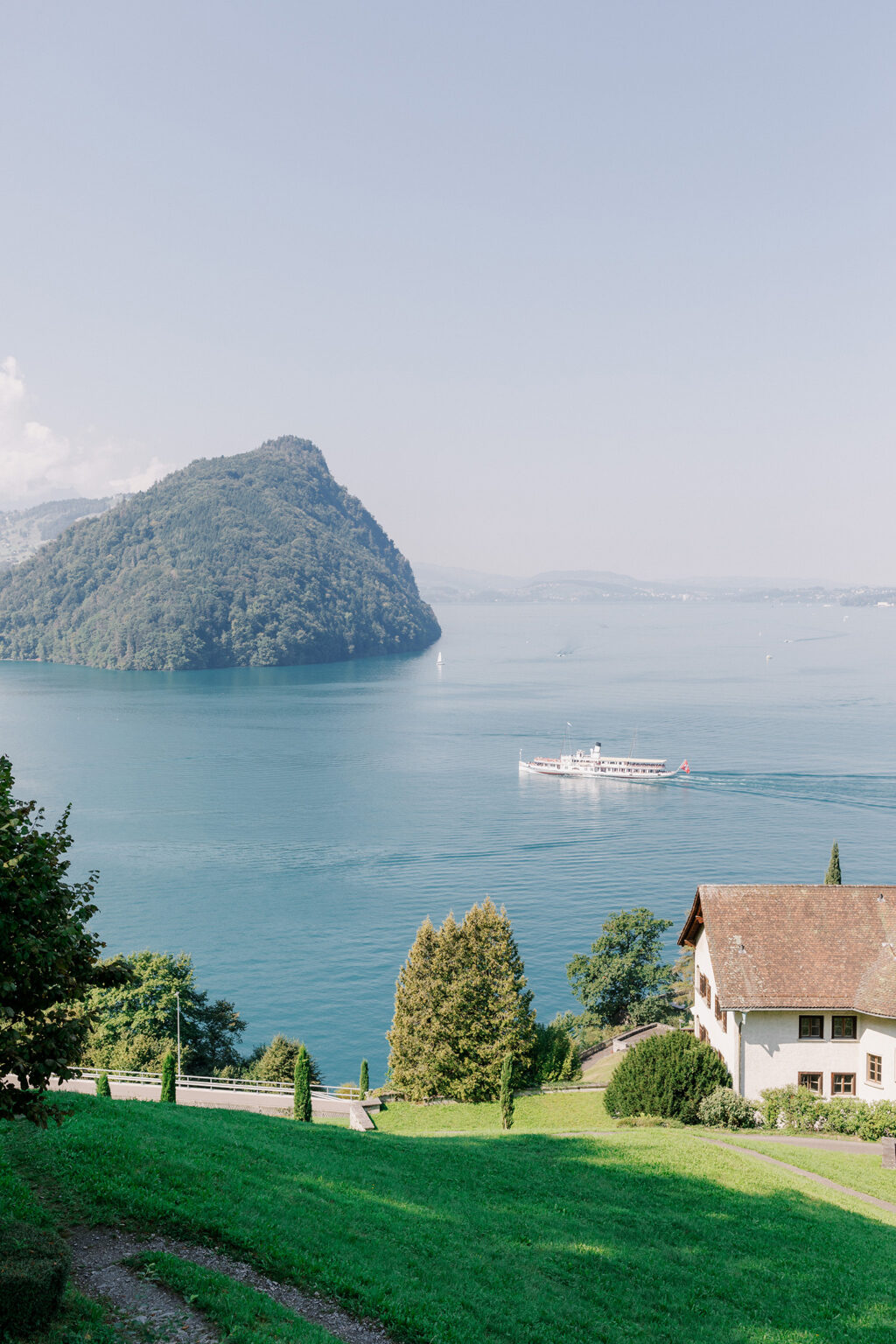
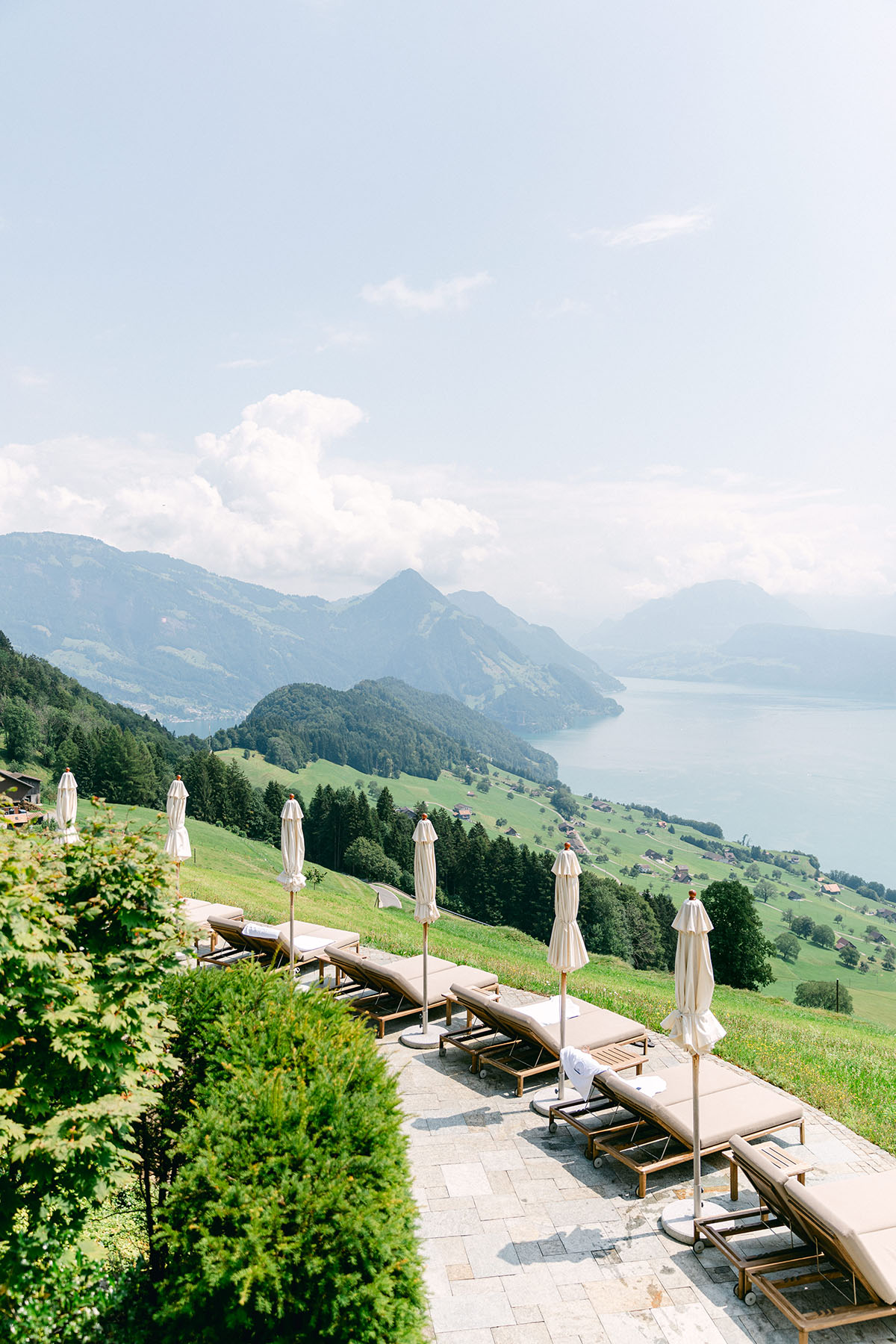
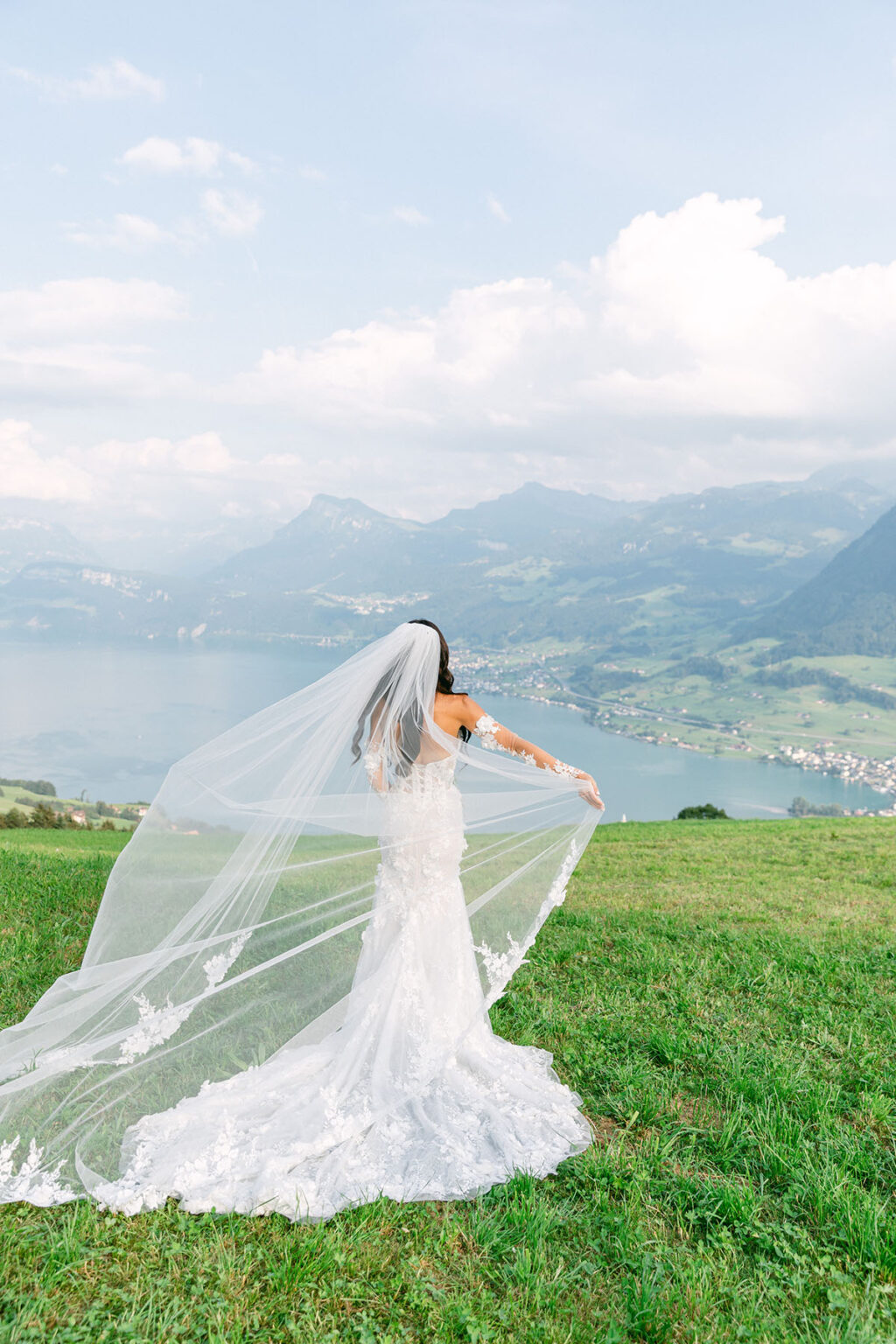
Especially living in Switzerland – surrounded by mountains and landscapes – certain images just feel right to us instinctively.
ow do you think about movement in a still image?
There is always this balance for me.
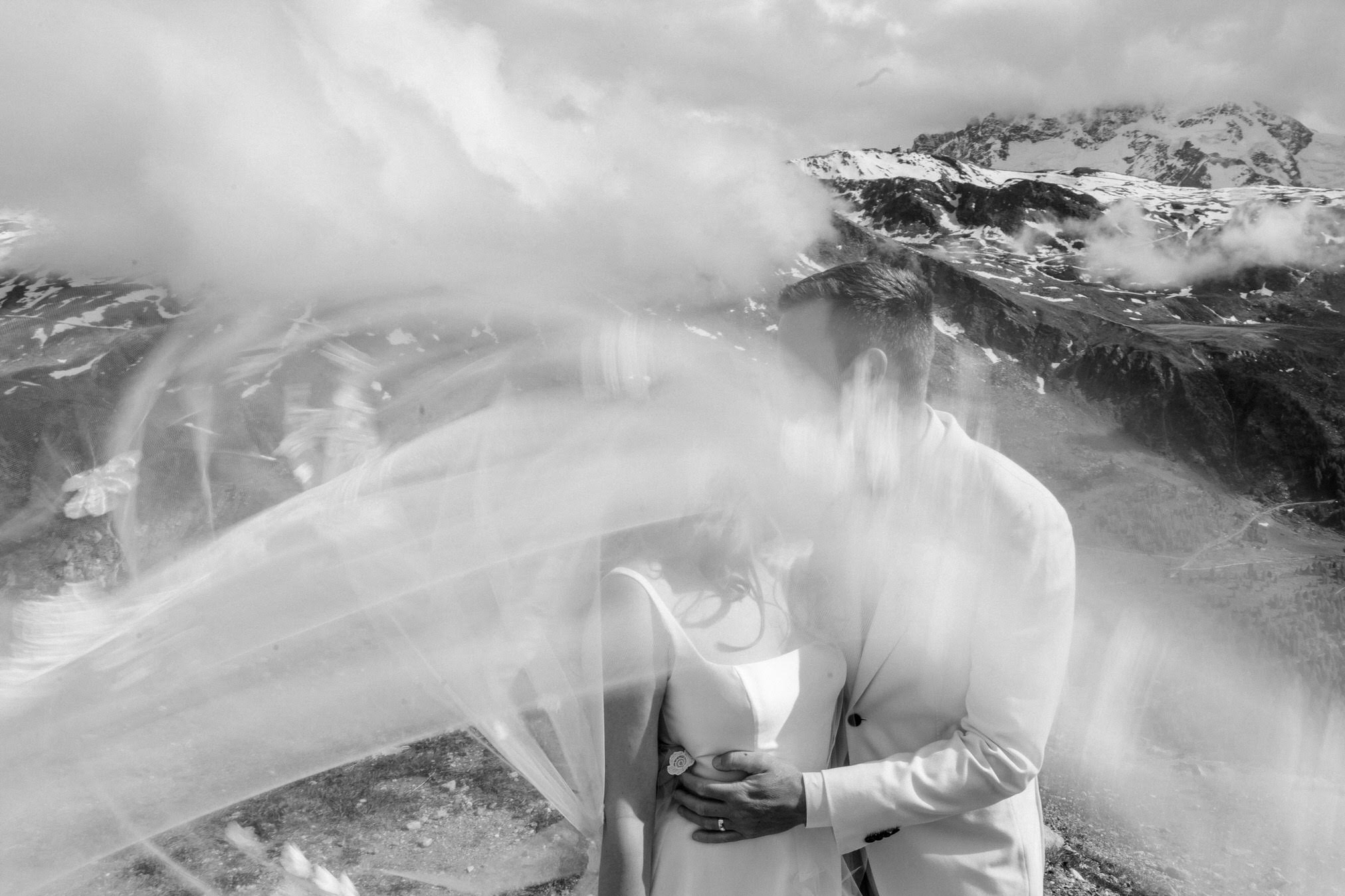
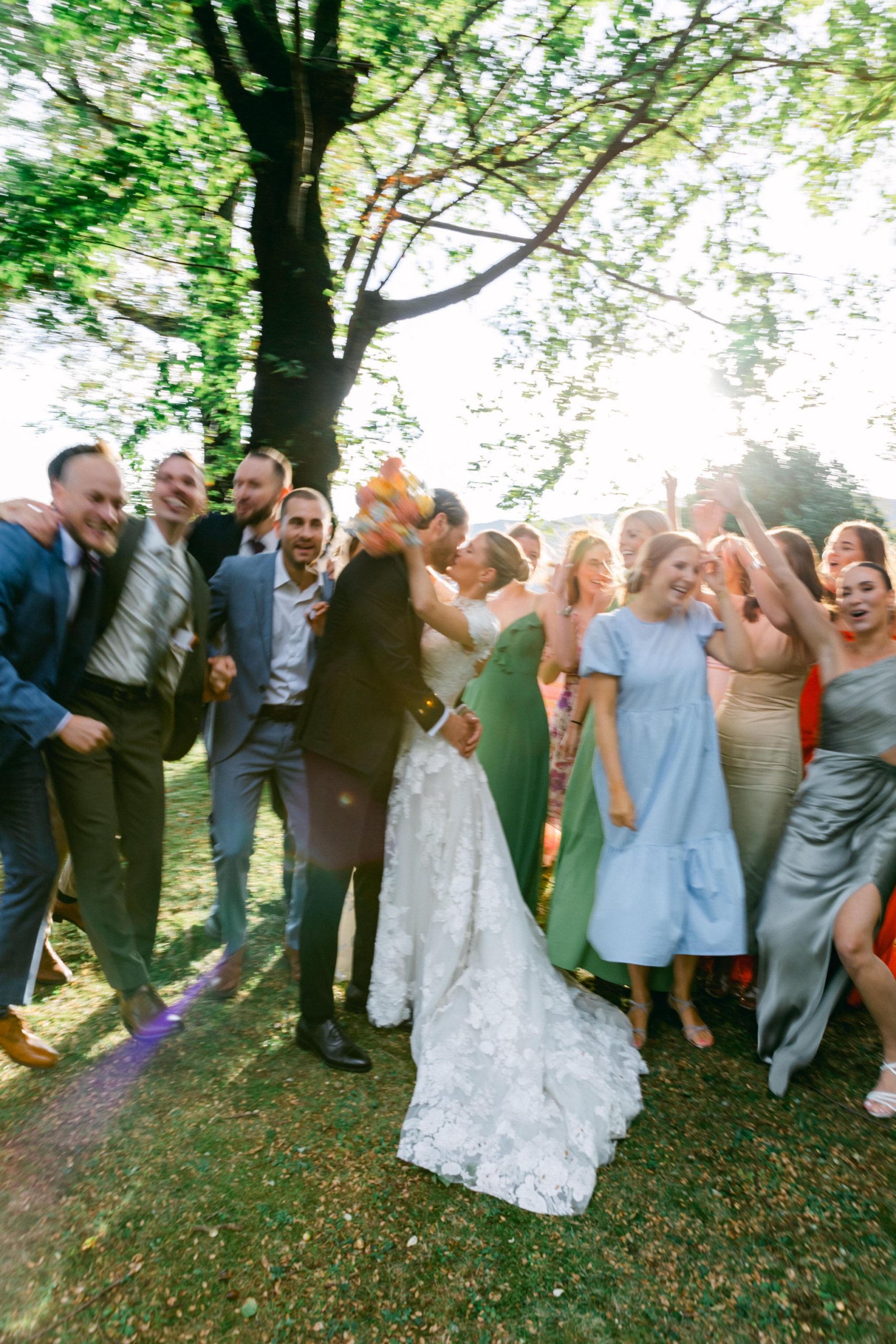
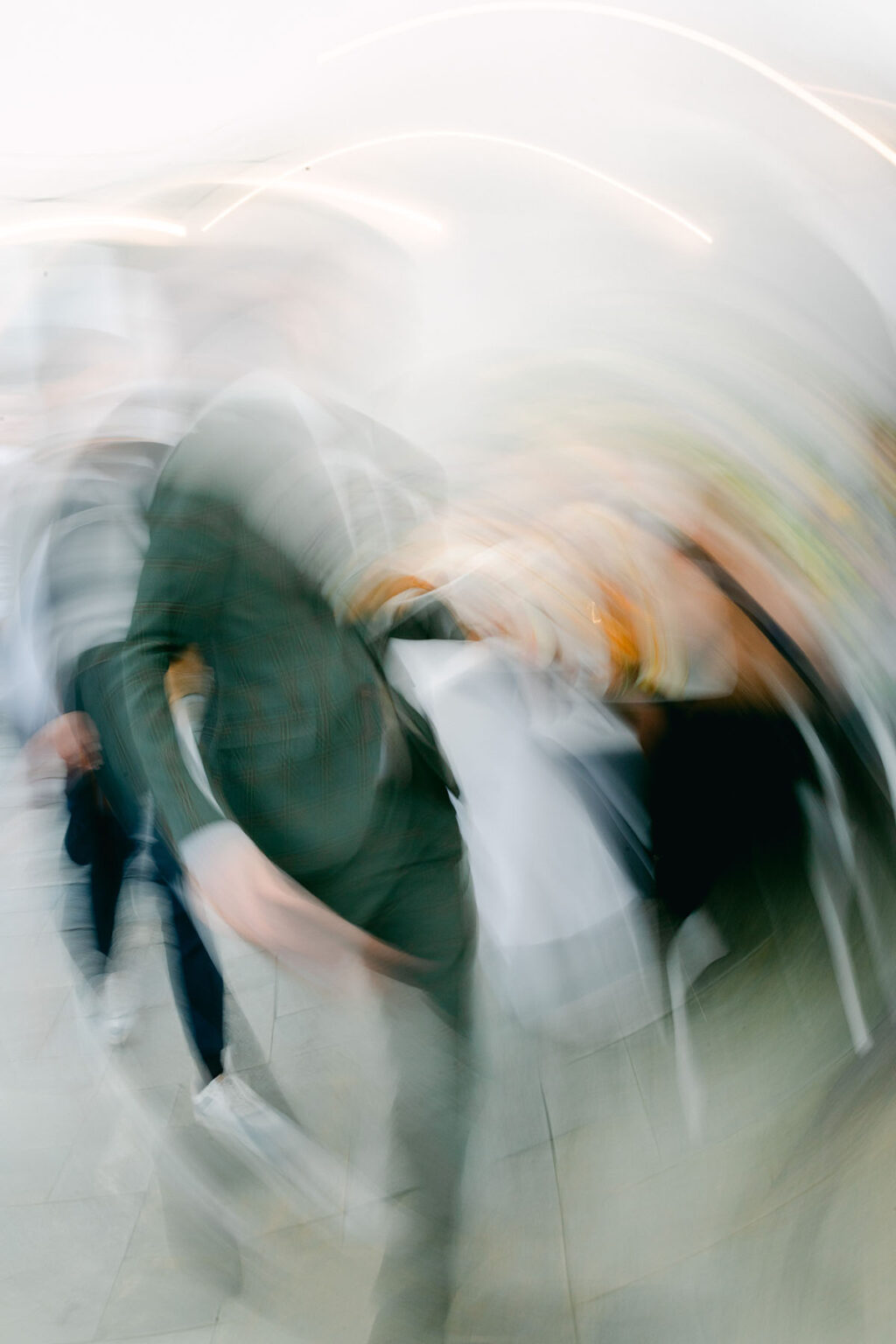
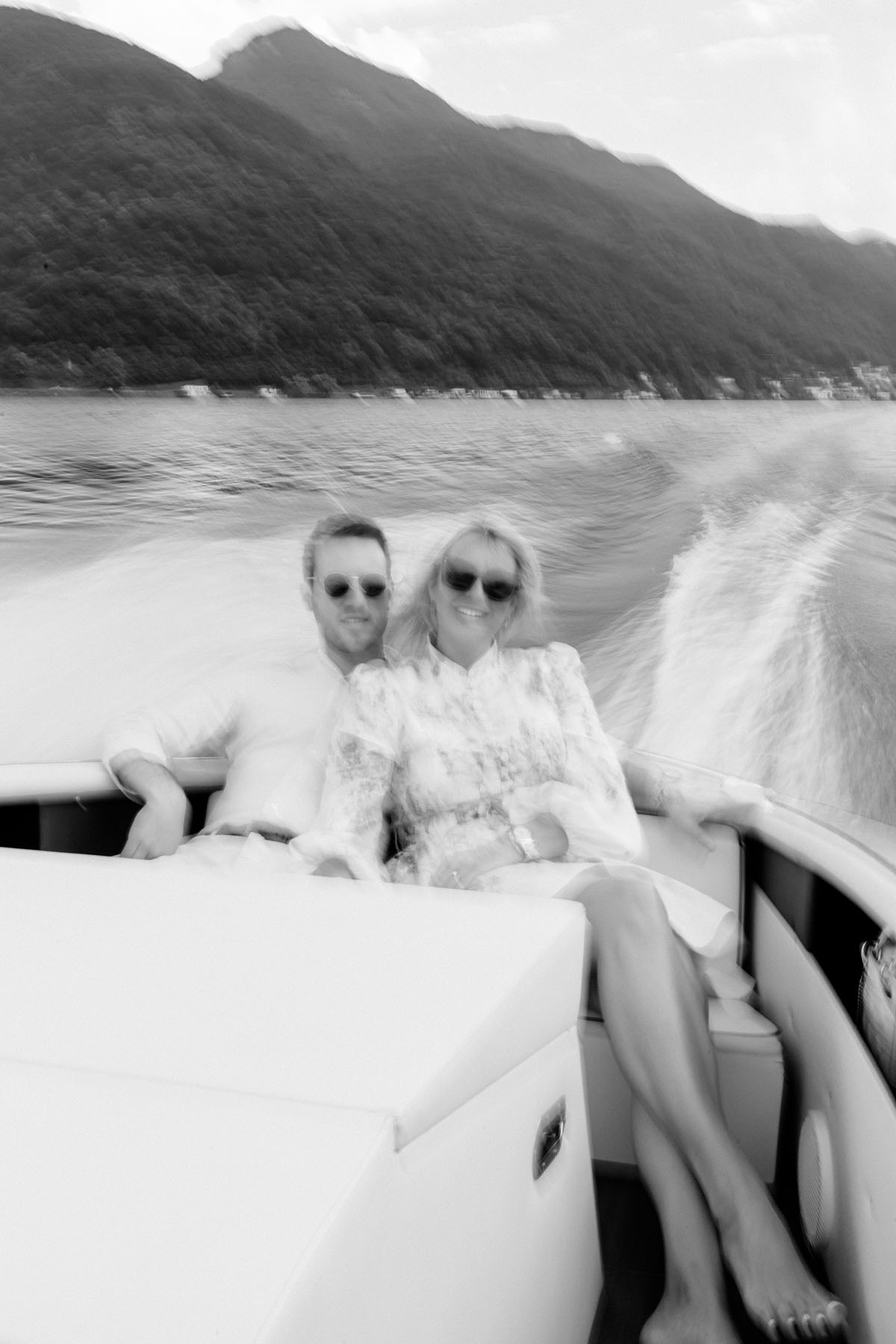
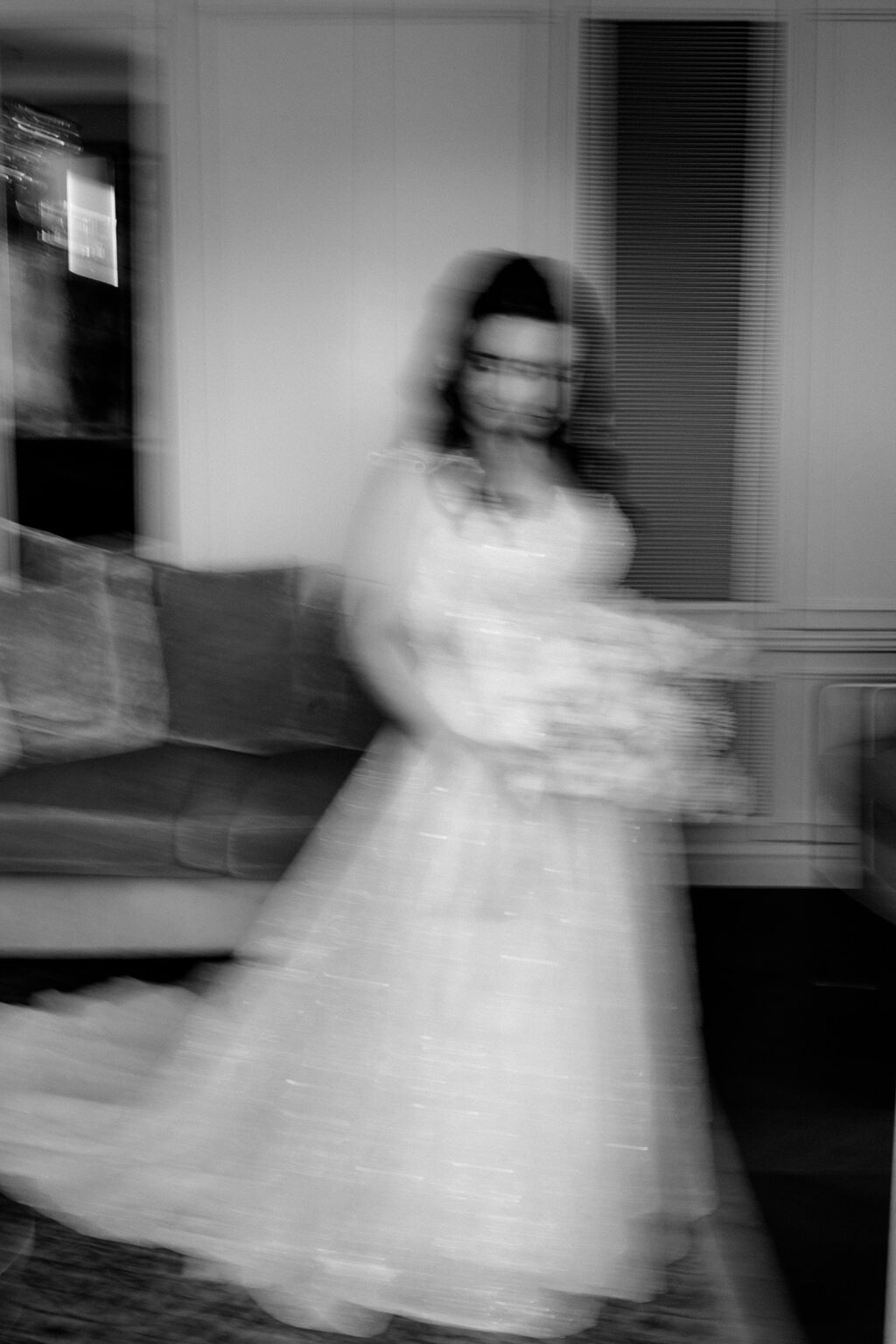
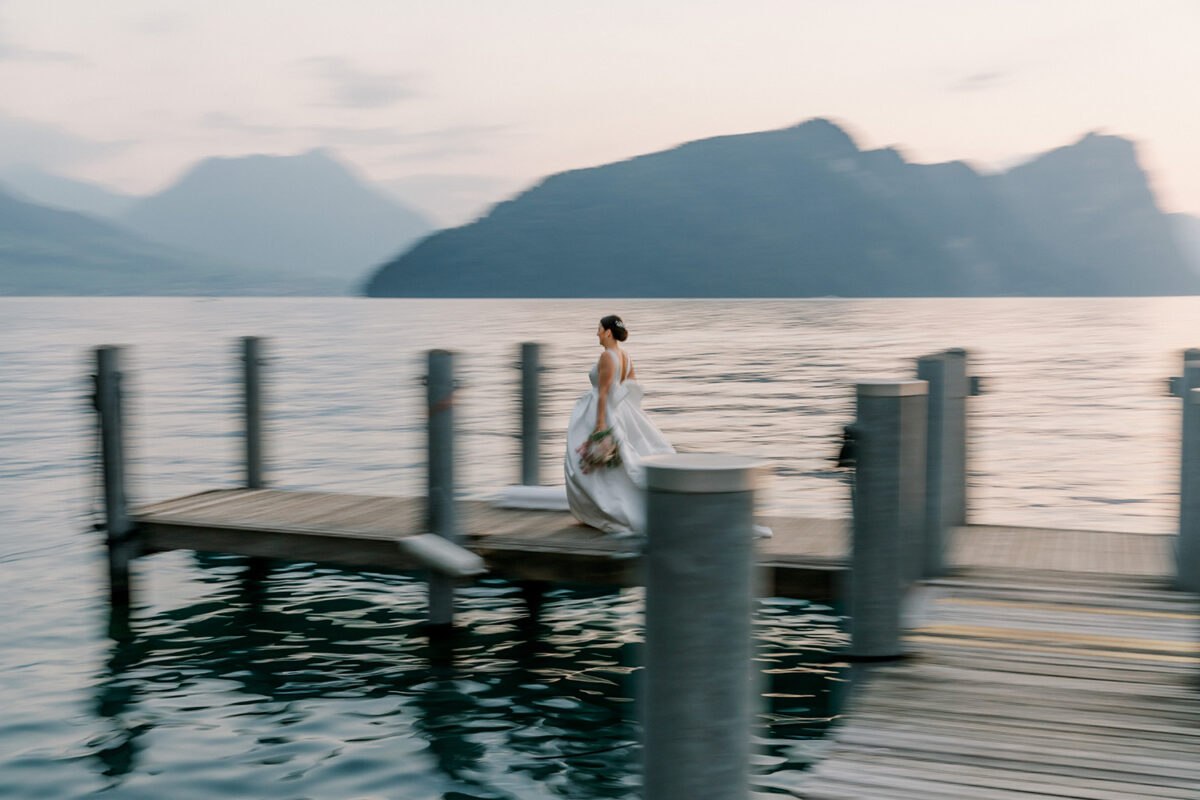
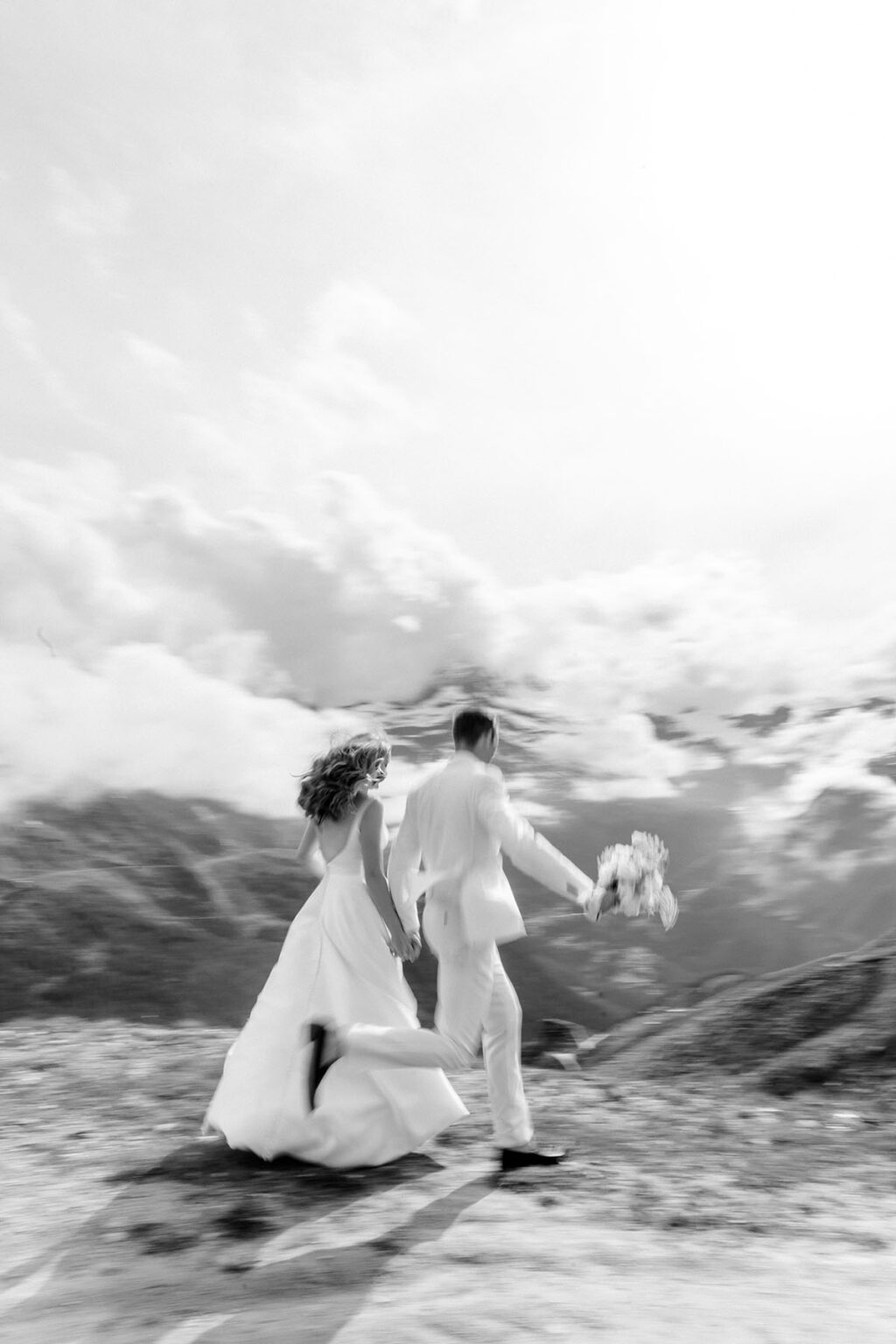
Especially in photography, because it’s a still image, sometimes movement is what makes the photograph feel alive.
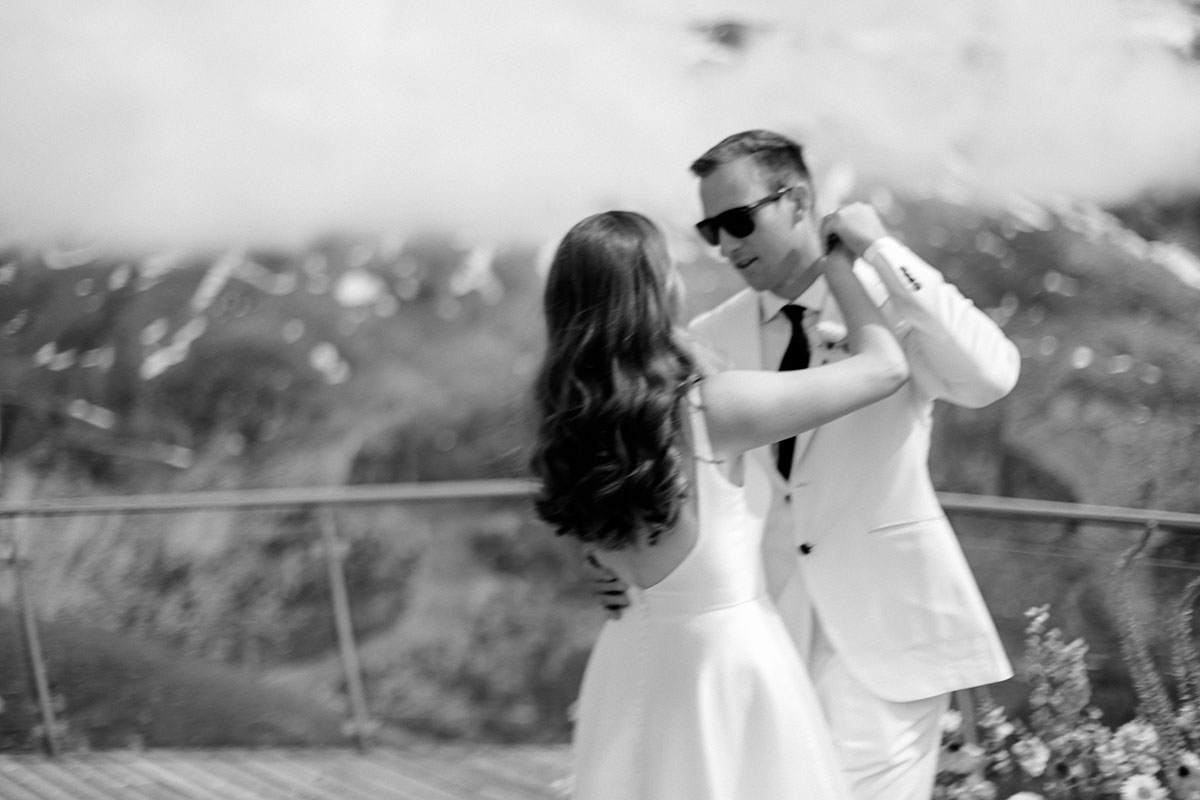
A blurry photo can still tell a story.
Technically someone might say it’s not perfect, but if there are people involved, people are moving all the time. Sometimes the blur carries exactly what the moment felt like.
And on the video side, it’s important for me not to fight movement too much.
I don’t want the cuts or camera movement to become hectic.
I like letting motion continue naturally inside the frame
Light feels central to everything you do. How do you approach it?
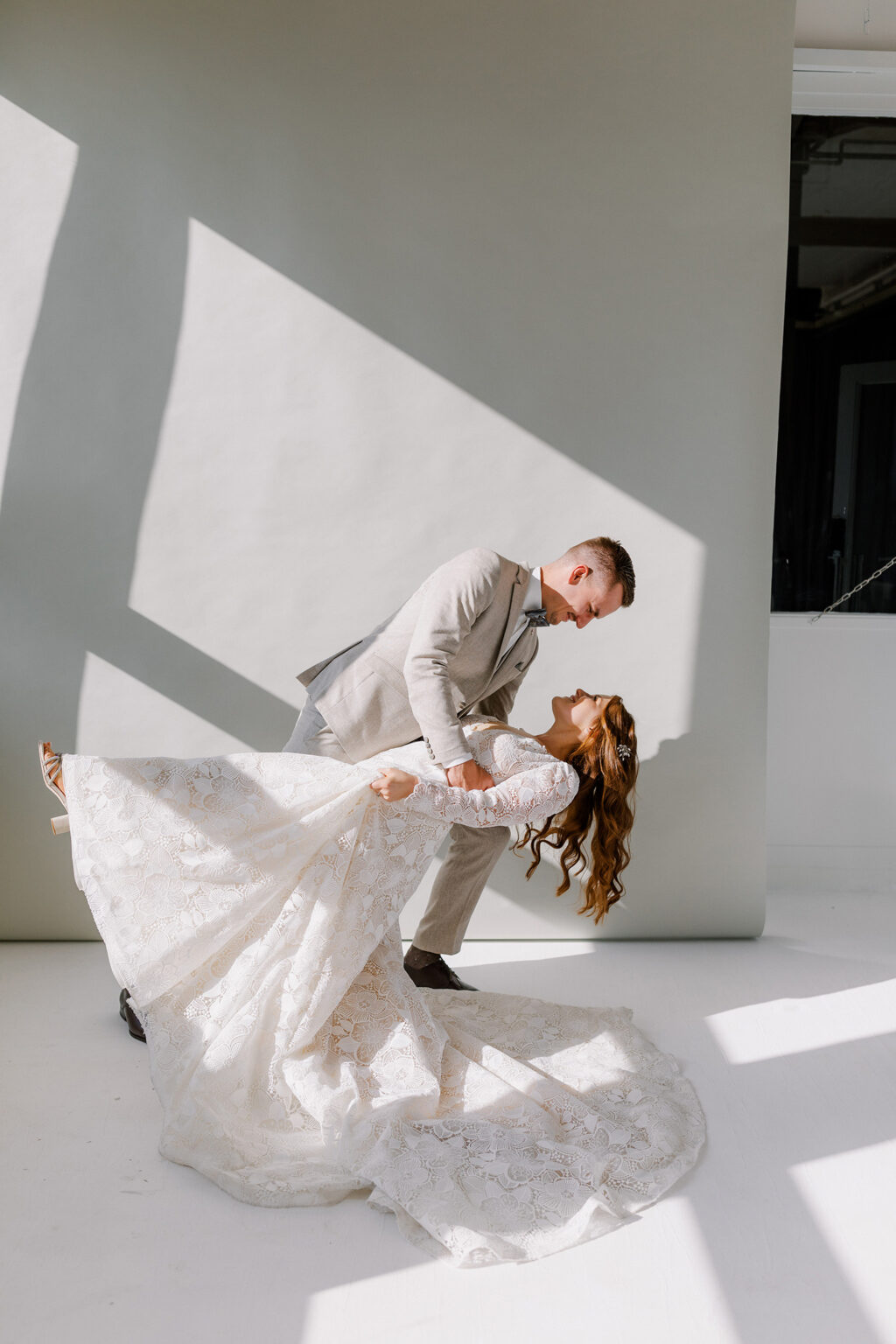
We really love natural light. Indoors we use window light as much as possible.
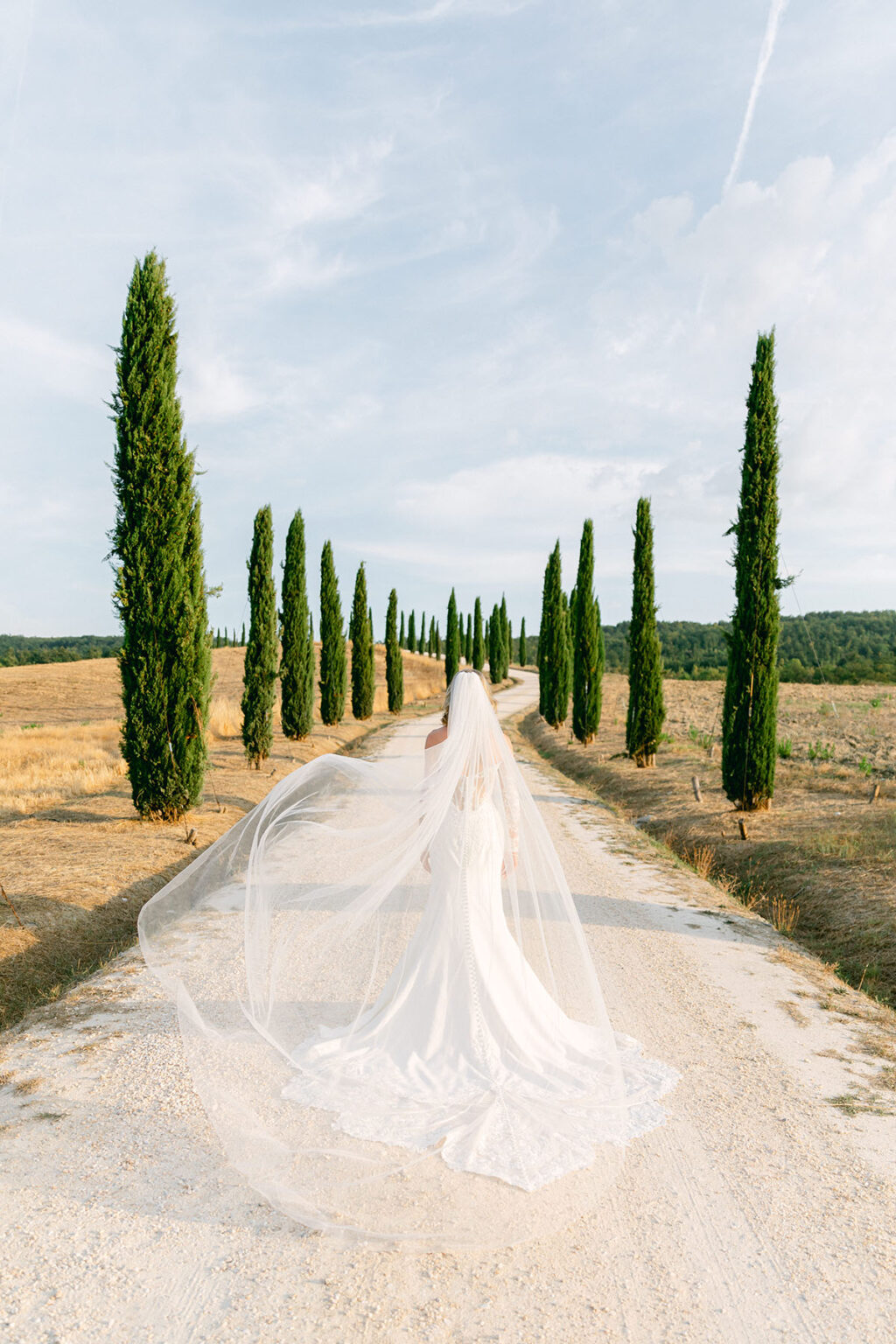
Outdoors, we think a lot about direction – front light, backlight, side light.
Especially in the mountains, side light often gives the image more depth.
Then it becomes about balancing the background carefully.
We only really use flash in the evening.
Most of the time we prefer to work with what already exists naturally in the environment.
You and Kathrin work together all the time.
How much do photography conversations continue after a shoot?
In the beginning, constantly.
We talked endlessly about photos, ideas, what worked, what we wanted to do next time.
Sometimes we talked so much that we realized we still had editing work waiting for us.
Now it’s less technical and more emotional.
We talk more about whether something felt worth the effort.
Like after a wedding, saying, “I’m really glad we pushed ourselves to make that image happen.”
We talk more about the energy we give to a photograph.
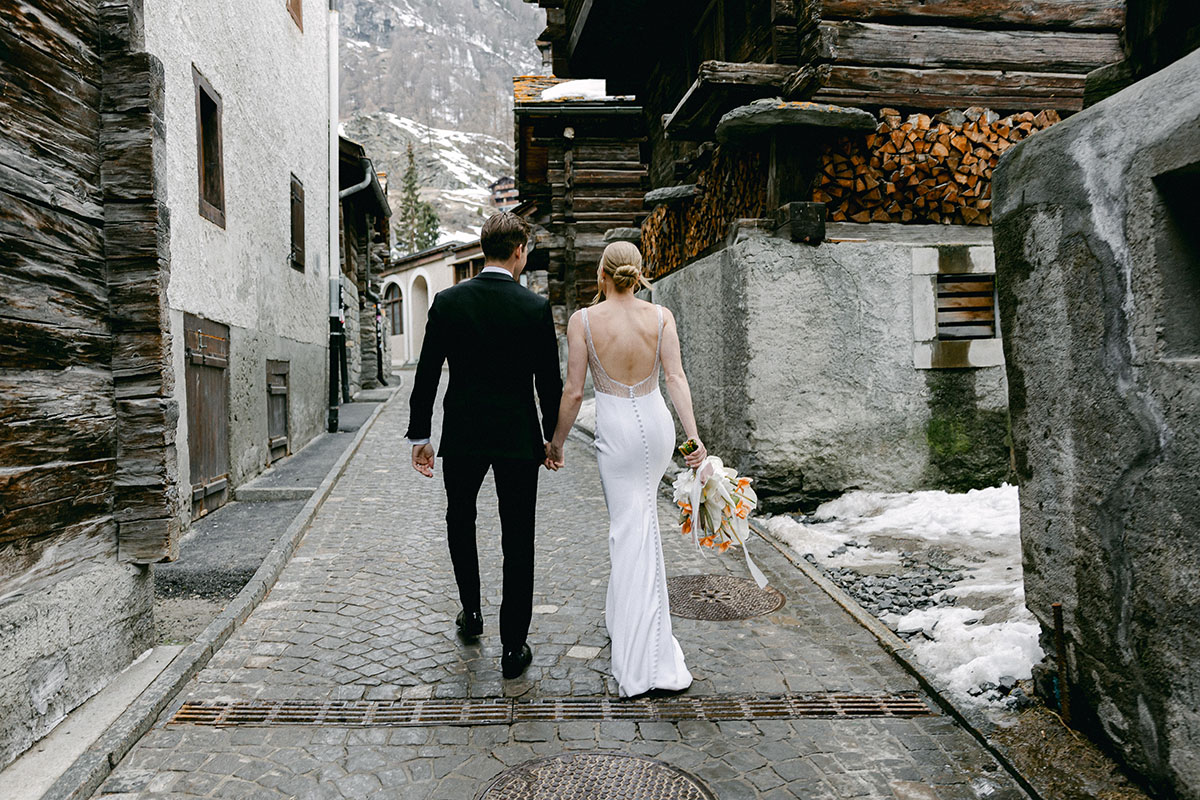
You photograph weddings that look effortless, but I’m guessing there were disasters along the way.
Oh yes.
The worst one was definitely forgetting all of our cameras at home before a wedding.
We drove about two and a half hours, opened the trunk, and realized neither of us had packed the cameras.
Luckily we had a tiny camera inside our photo booth setup.
Kathrin took that to get ready while I drove all the way back home to get the real equipment.
And somehow we got lucky because the bride was running late. Nobody ever realized we arrived with only one tiny “crappy” camera.
After that, we never forgot the cameras again!

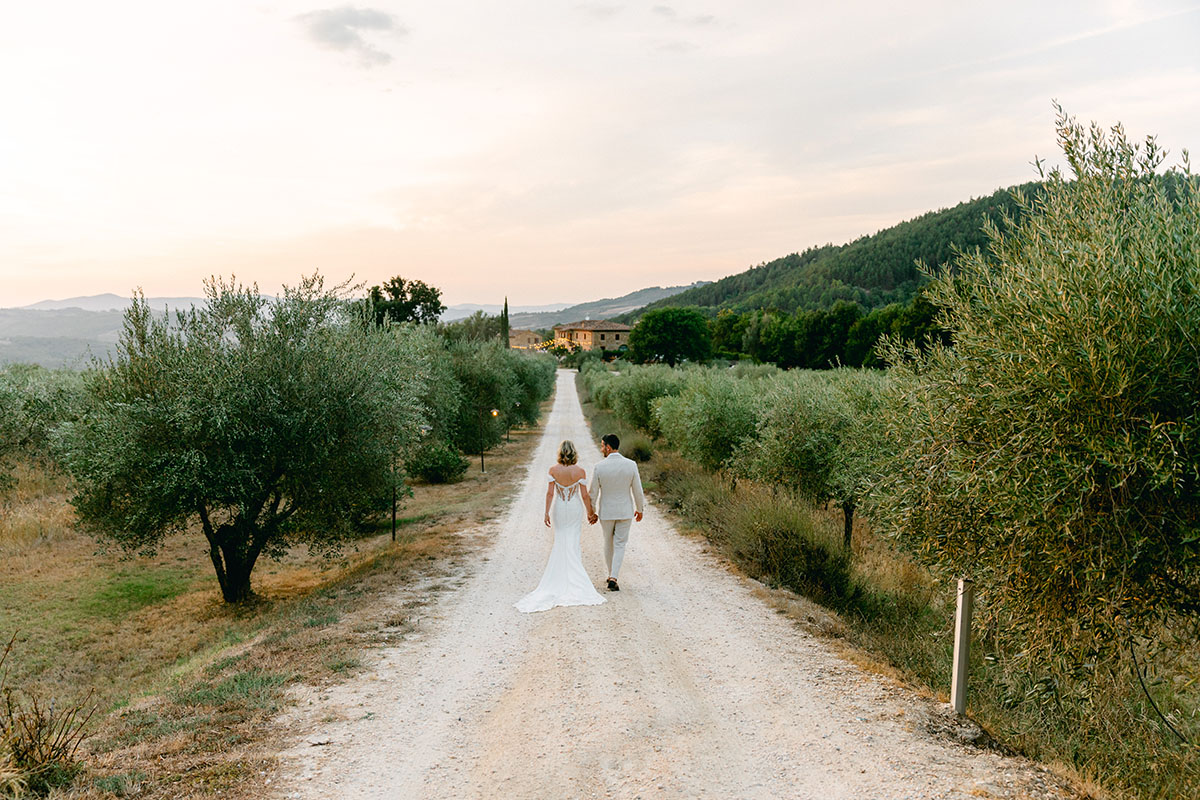
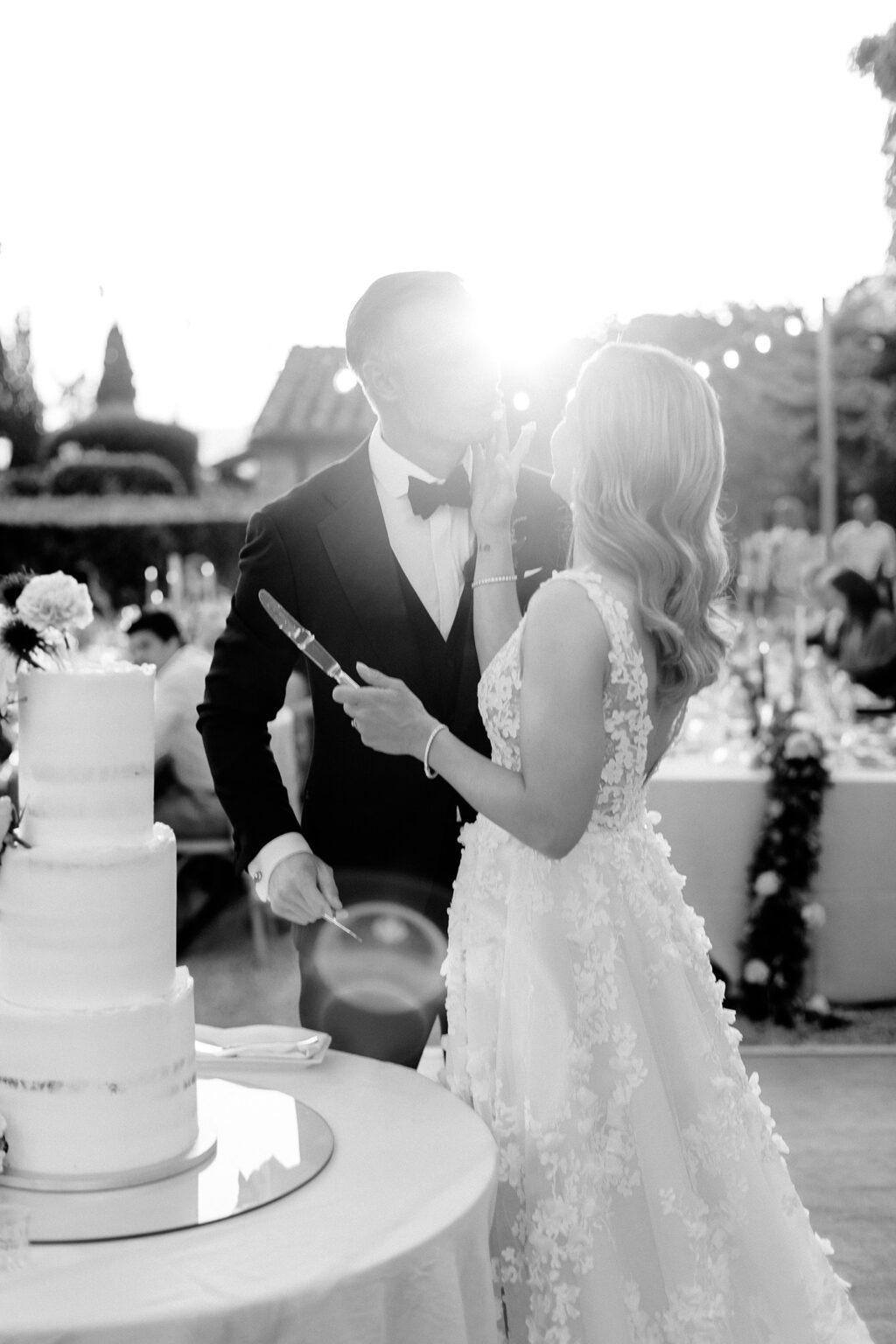
Many couples arrive nervous about being photographed. How do you help them feel comfortable?
A lot of people tell us, “We’re awkward in photos,” especially after seeing our website and thinking everyone must be a model.
So for me, it’s really important to create trust as early as possible.
We actually started doing that already on the first call.
And during the shoot itself, I try to get one really strong image very quickly – maybe within the first five minutes – and then I show it to them immediately on the back of the camera.
It changes everything.
Sometimes what we ask people to do can feel strange or unnatural in the moment, but once they see the image and realize, “Oh, this actually looks beautiful,” they relax completely.
It becomes less about performing and more about trusting the process.
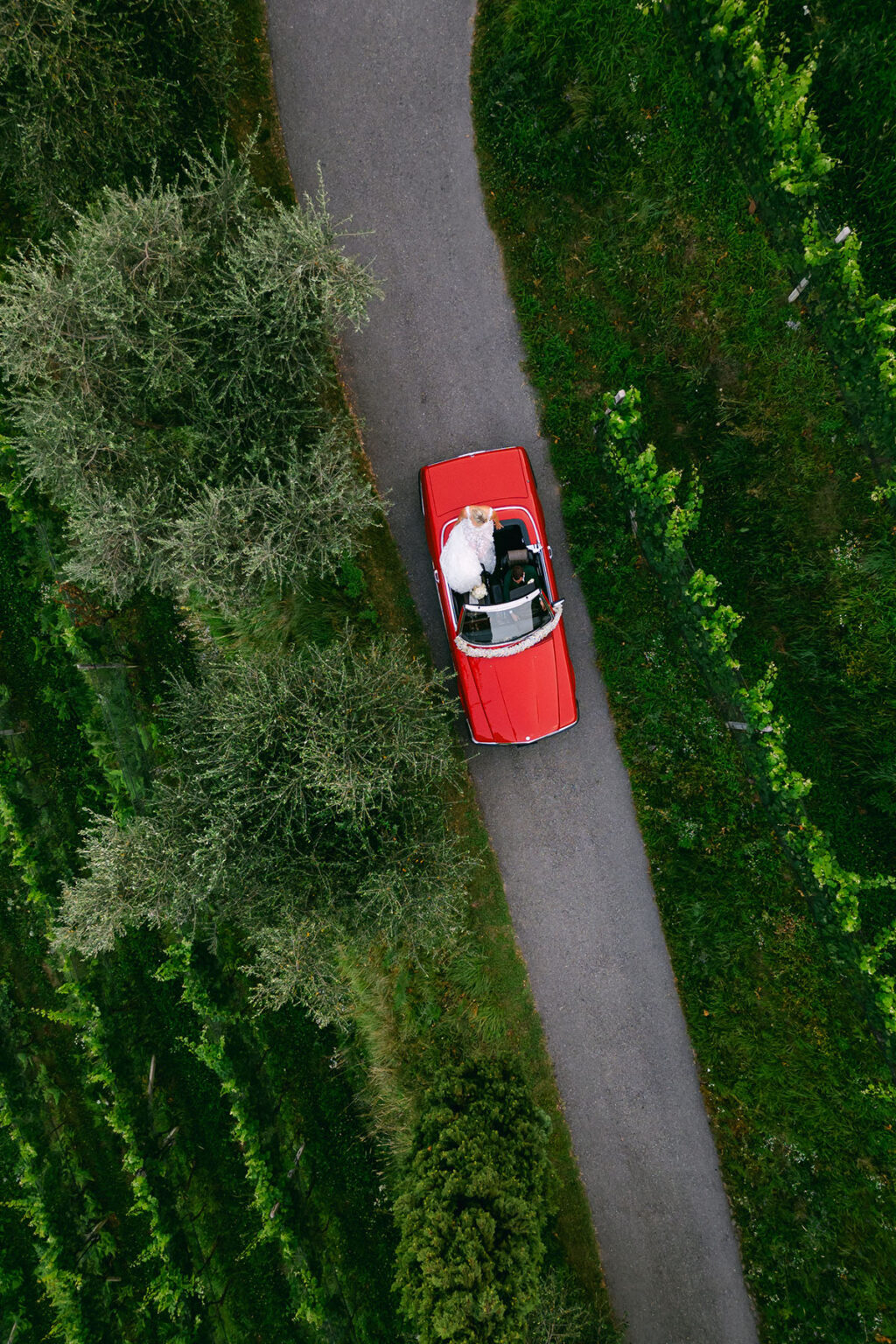
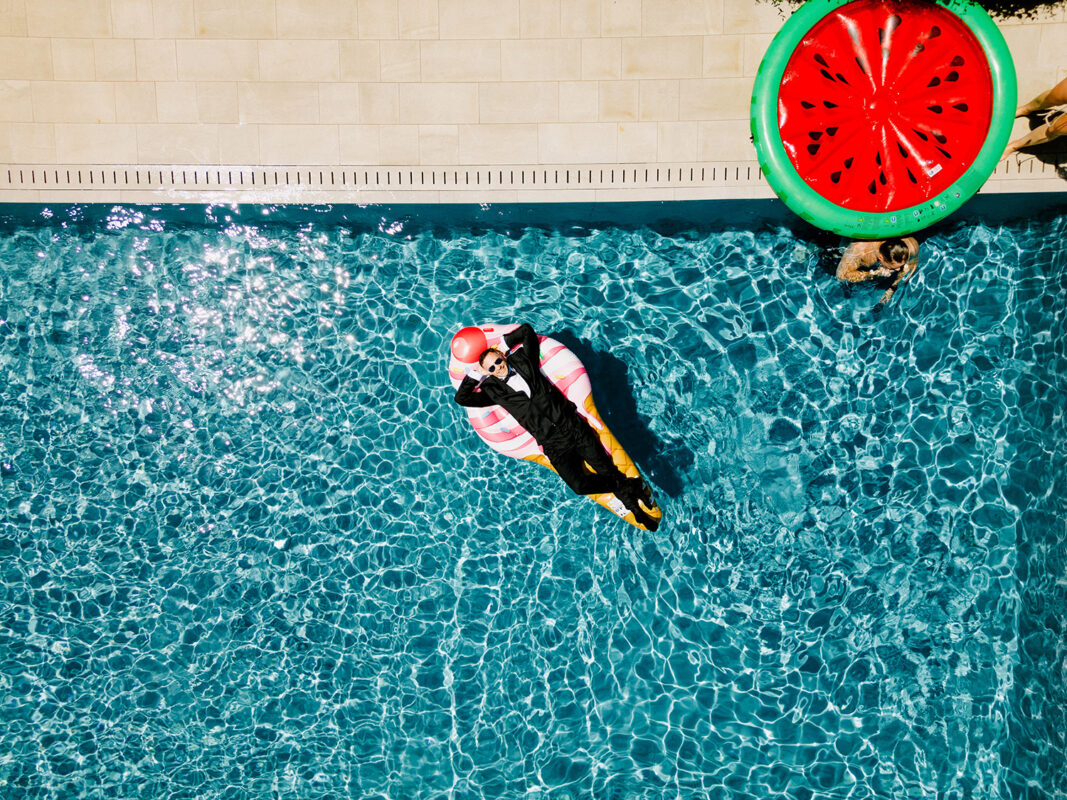
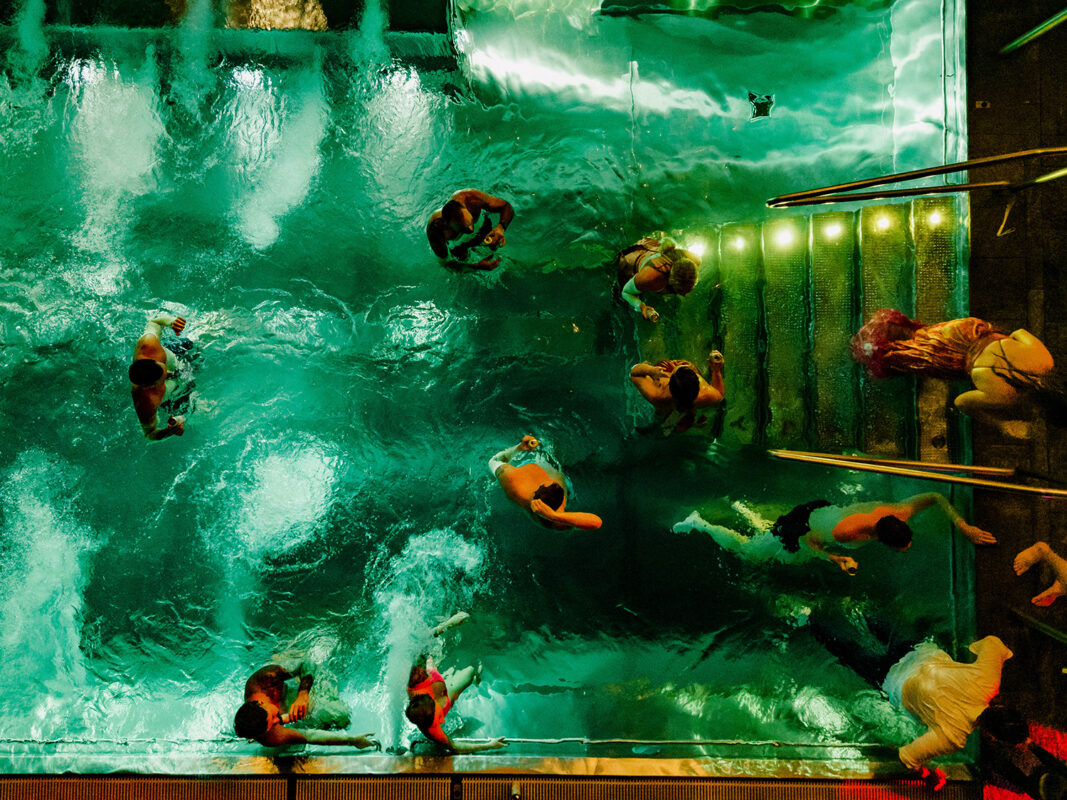
What’s your approach to drone photography – how do you use it without losing intimacy?
For me, the biggest thing with drones is distance.
Most people naturally fly too far away.
Usually the best image is much closer than you think.
And I try not to interrupt moments too much.
Sometimes people suddenly notice the drone and naturally react to it, and I love those moments much more than heavily directing people from above.

After photographing so many weddings, what still moves you emotionally?
The connections between people.
Parents and children. Families. Someone who may not be around much longer.
Those moments still affect me deeply.
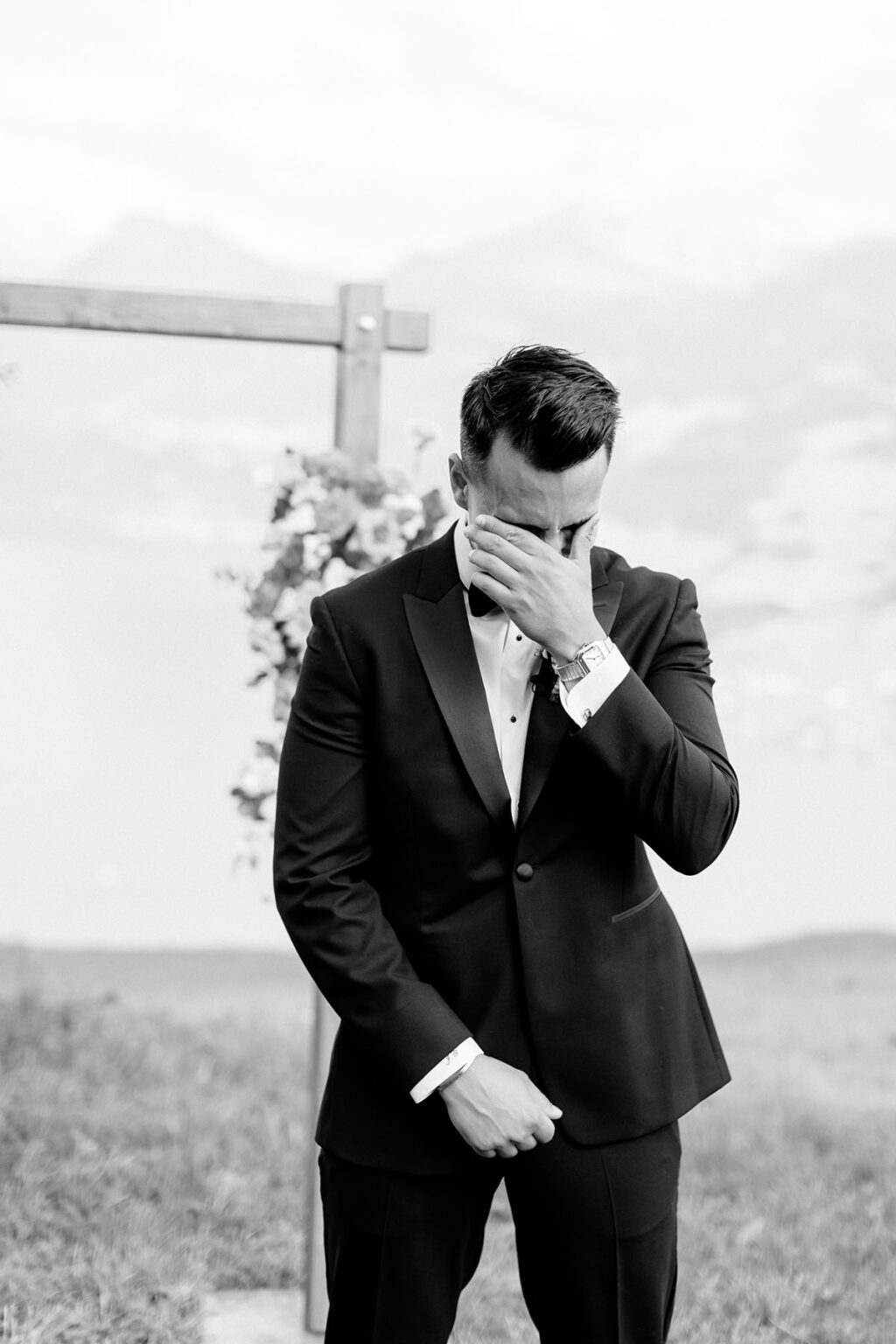
I don’t cry because it’s a wedding – I’m touched because of the connection between people.
And I still love that weddings require effort.
Some weddings flow naturally, some are difficult and stressful.
I think that mix helps me continue loving this work.
You’ve used JPEGmini for years. What role does it play in the way you deliver work?
At the beginning I was looking for a way to simplify my workflow.
File sizes were becoming difficult for online delivery, especially for weddings.
I originally thought I needed to reduce image dimensions, but then I found JPEGmini and realized I could keep the resolution while compressing the files.
For me, it feels lossless. I tested it endlessly – zooming in, comparing files – and I still use it for everything, even files going to print.
But it’s not only about storage.
Wedding photos are shared constantly between guests, grandparents, friends, family members, often on phones with slow internet or limited space.
JPEGmini simply makes the whole experience easier for everyone involved.
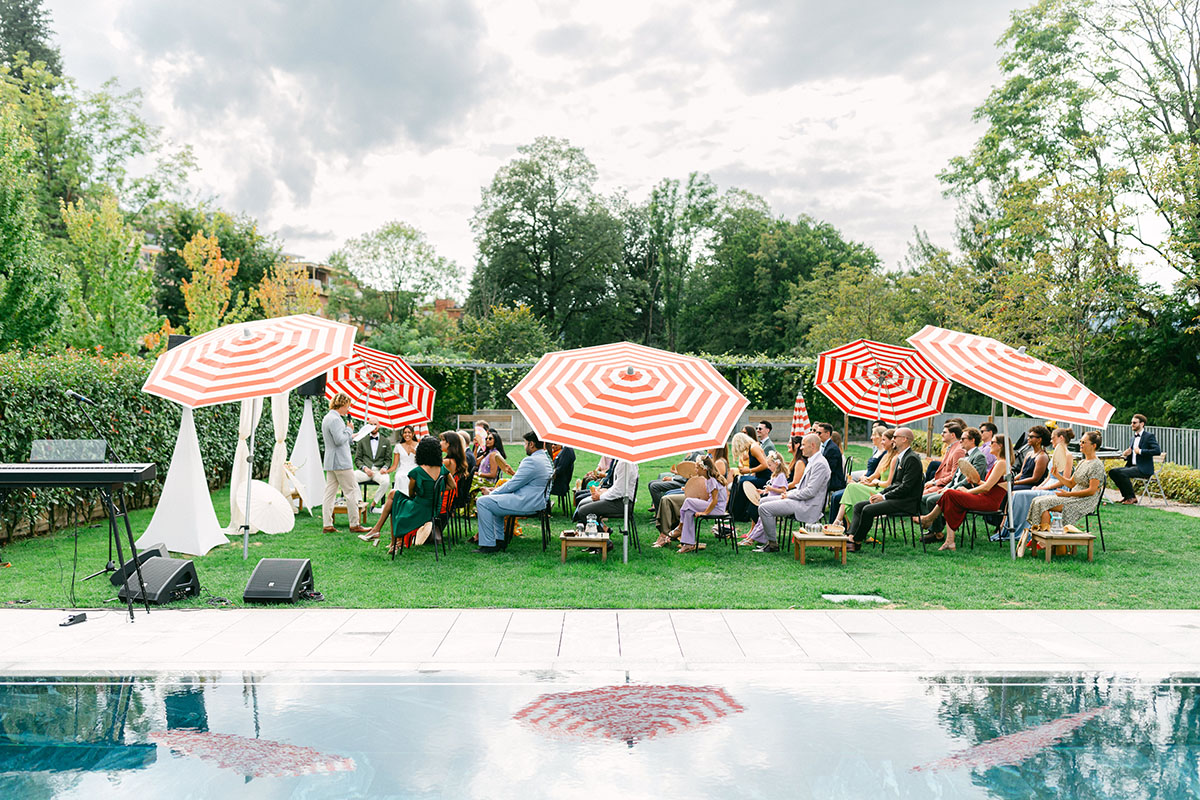
Tell us about the Basel Symphony project. What drew you to it?
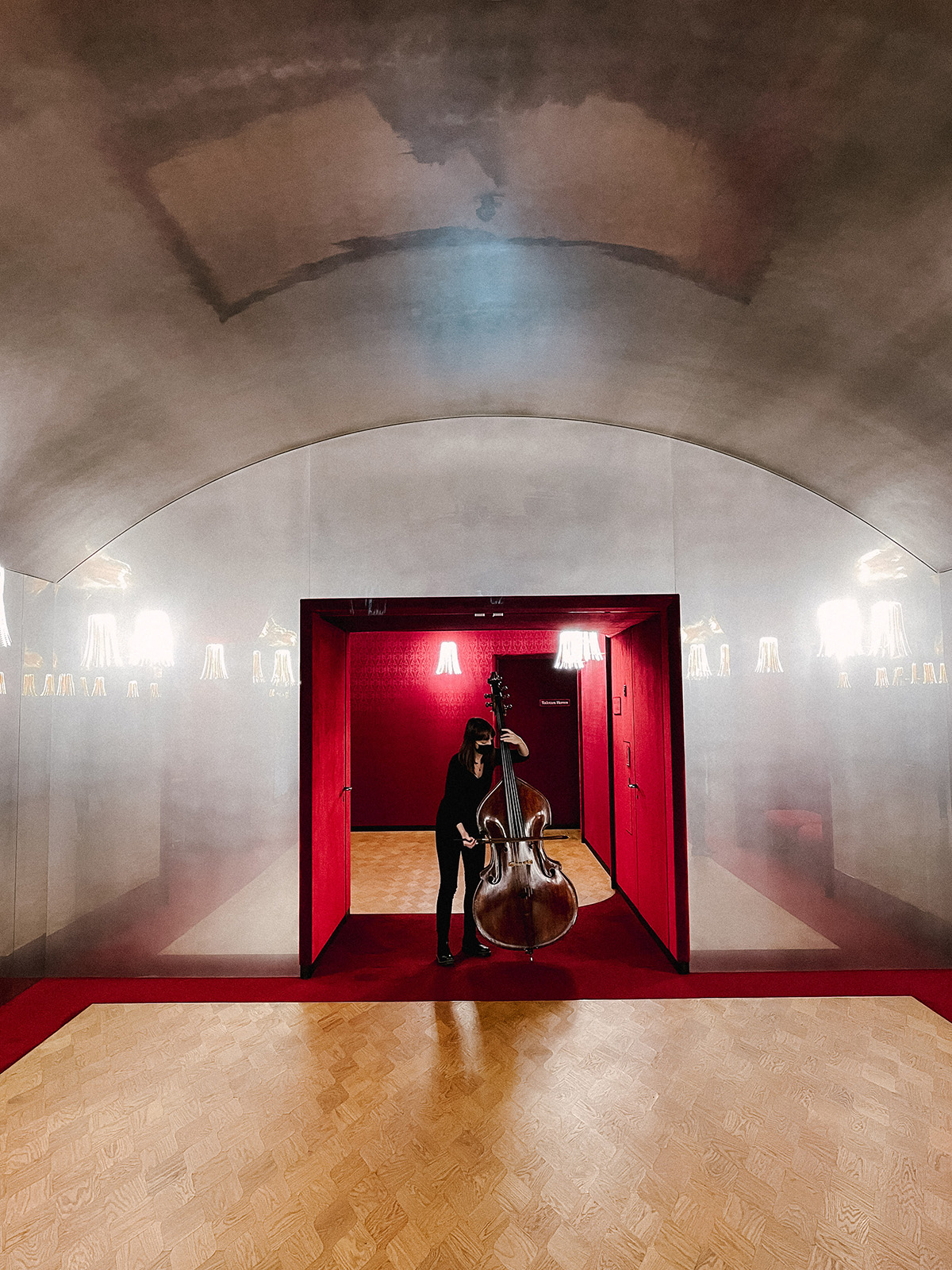
During Covid everyone was wearing masks, which made the project visually challenging in a strange way. But I loved working with the atmosphere that already existed there instead of changing it.
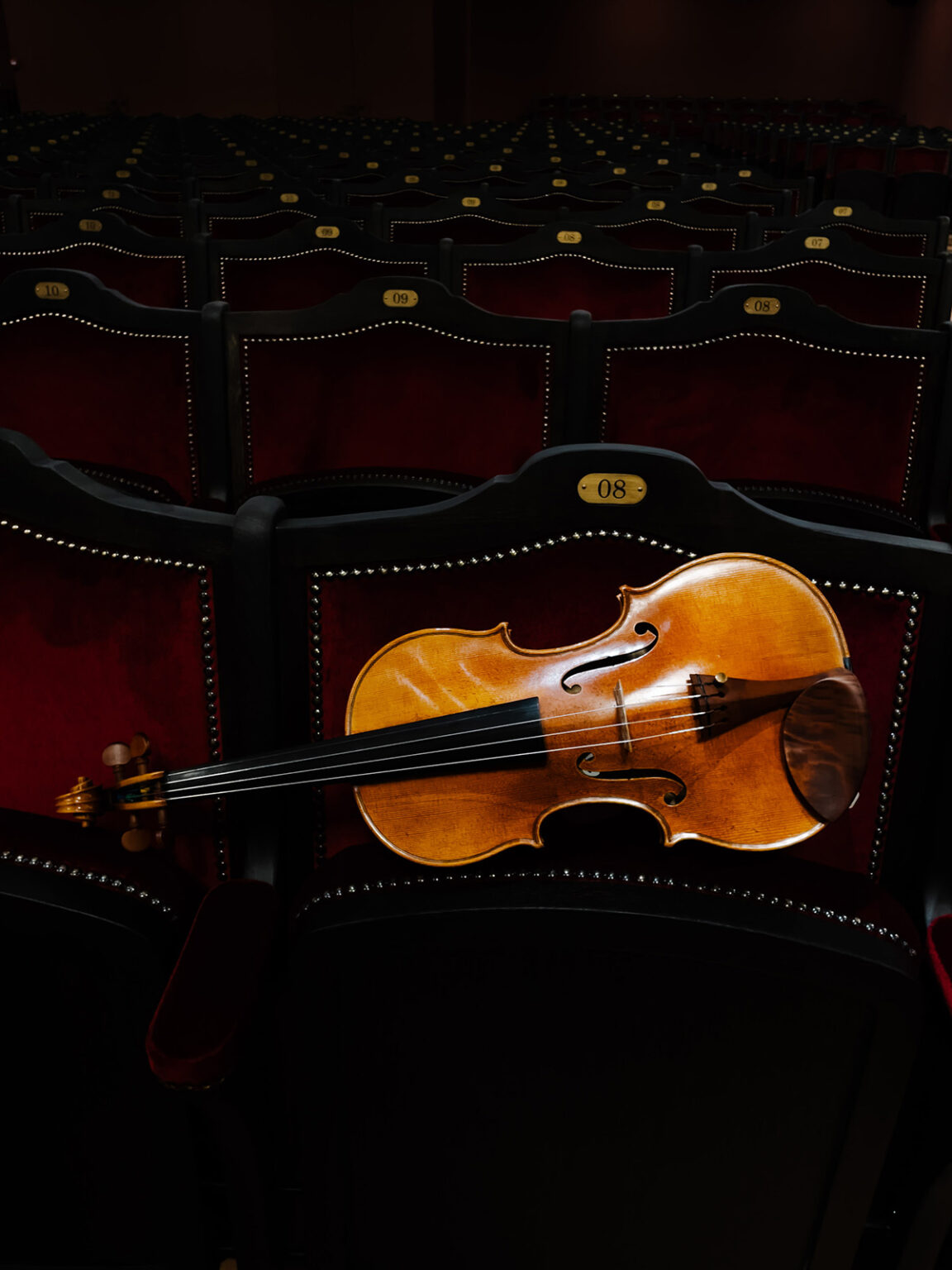
Most of the images were created using the real lighting from the concert hall itself.
Even some of the more cinematic-looking photographs – like the violin on the chair or the musician standing near the red doorway – were simply photographed with the available light in the space.
One of my favorite images was actually taken downstairs near the toilets in the basement of the concert hall.
The architecture there was unexpectedly beautiful, and the light already felt right.
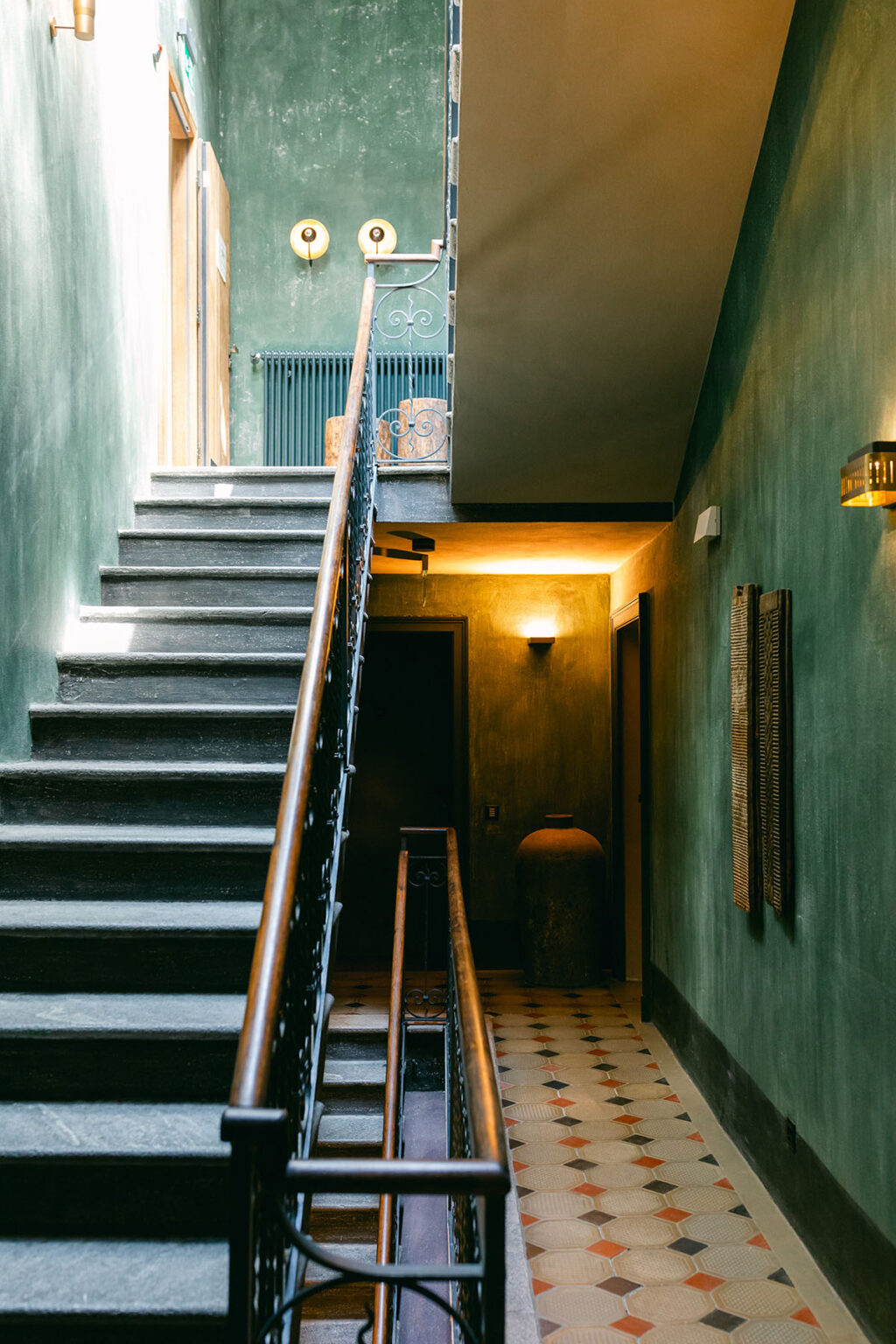
I think that’s something Kathrin and I are always looking for – places that already contain a certain atmosphere before we even touch the camera.
Has the rise of AI changed the way you think about perfection in photography?
Maybe a little, yes.
I think a lot of photographers are reacting to AI right now by trying to move away from images that feel too technically perfect.
You see more tilted compositions, more roughness, more things that feel intentionally imperfect.
And honestly, I really like that kind of quiet rebellion.
At the same time, I’m still very sensitive to composition and balance.
If a horizon is slightly off for no reason, I immediately want to straighten it.
That’s just naturally how I see images.
But I also don’t think perfection should remove life from a photograph.
For me, the interesting part is when an image can still feel human underneath the precision – when movement, awkwardness, or unpredictability remain inside the frame.
Otherwise it can start feeling too clean, almost disconnected from real experience.
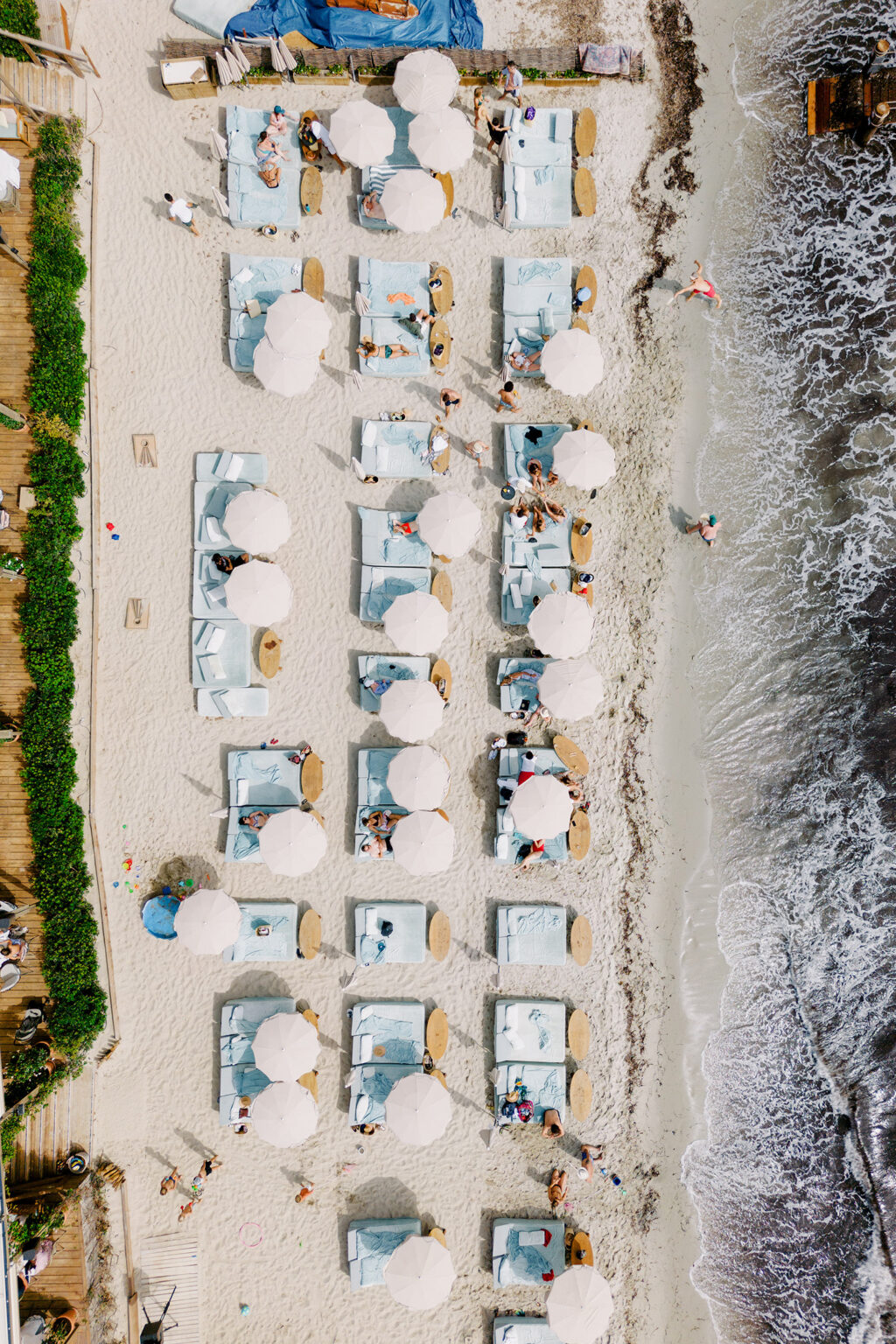
Final Thought
There’s something fascinating about photographers whose work appears technically perfect at first glance, but becomes more emotional the longer you stay with it.
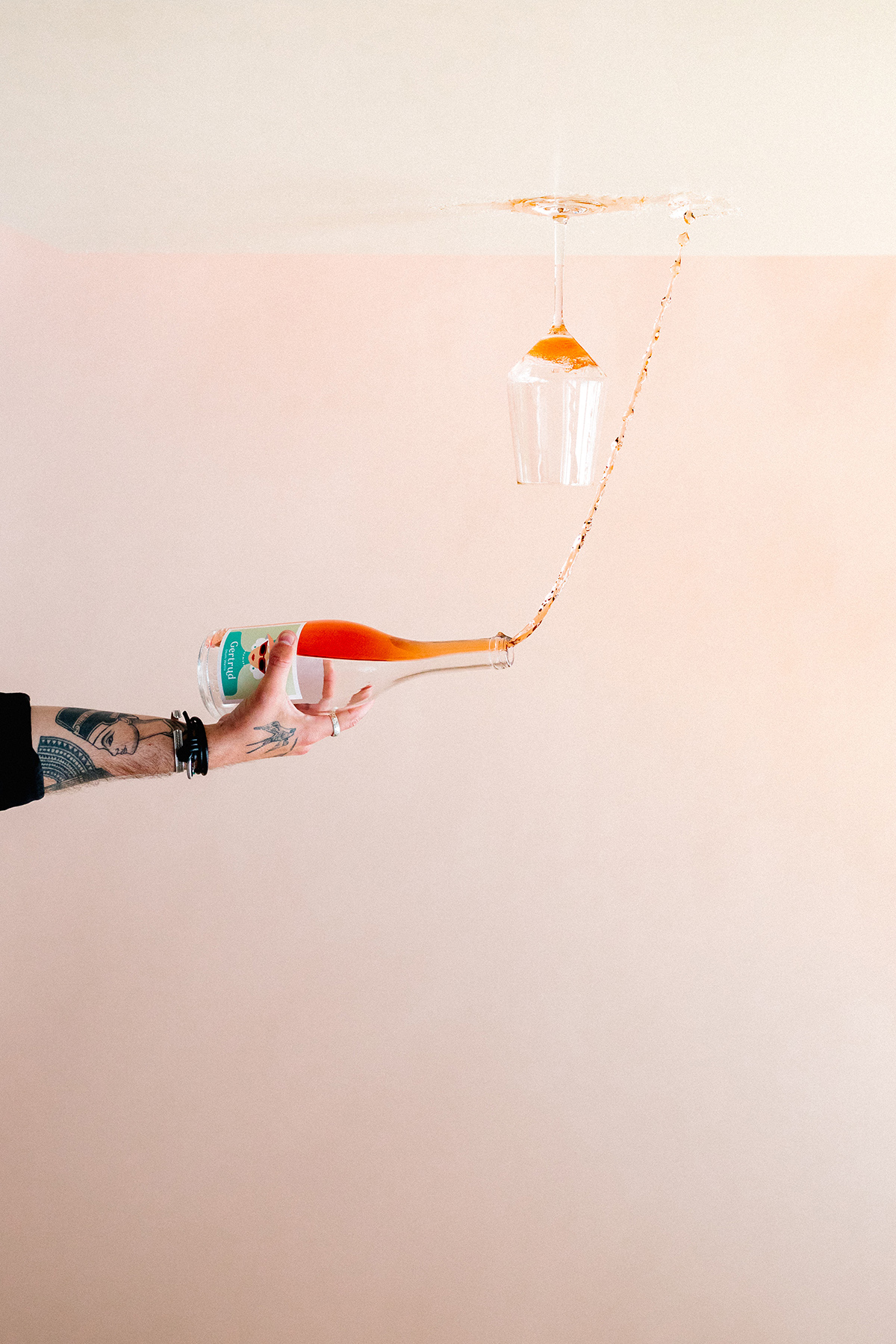
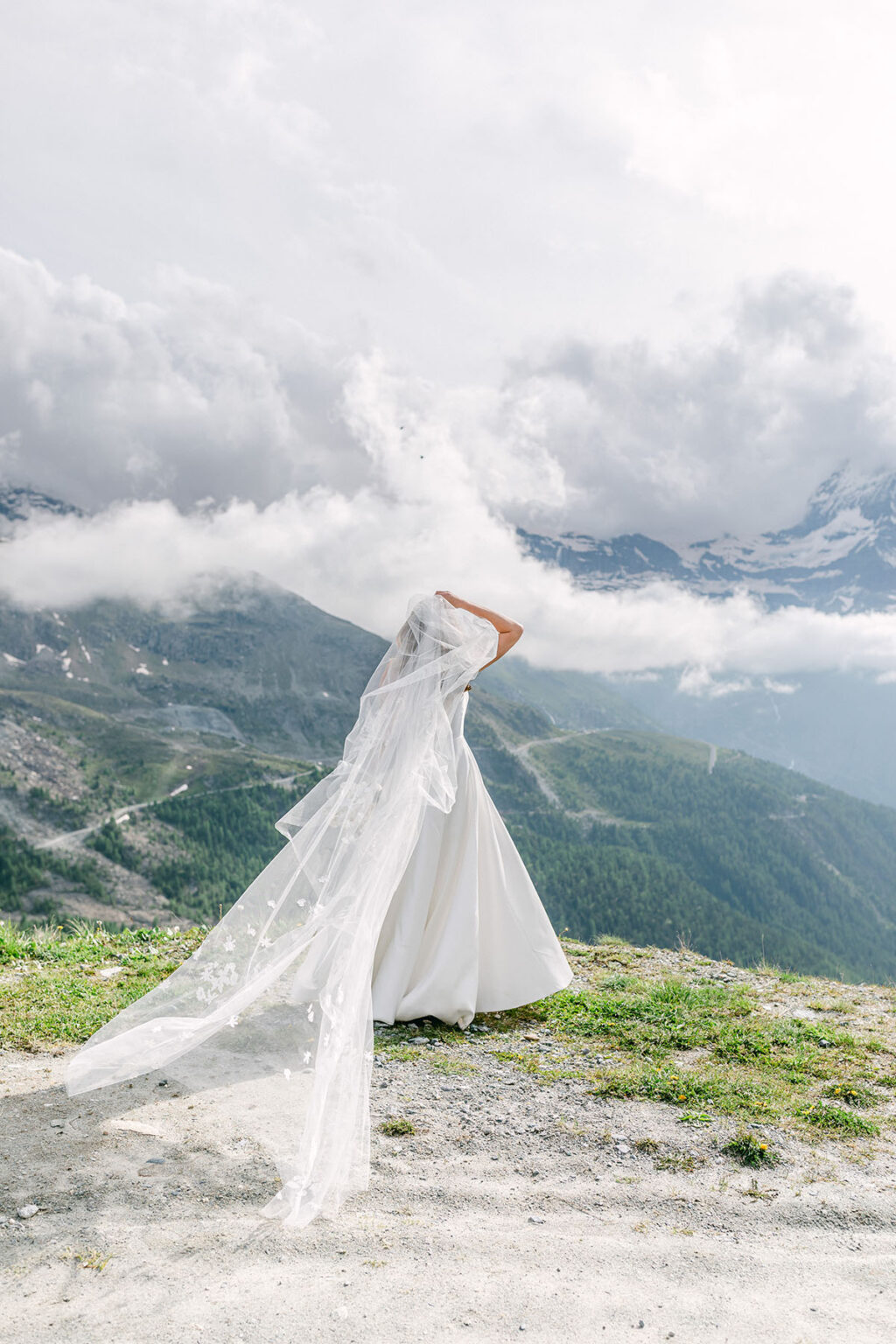
What makes their work memorable is the way movement keeps entering the frame: a butterfly escaping from a box, the blur of guests eating and talking over dinner, a bride running across a bridge in a rush of excitement, wine spilling mid-pour, bodies caught between gestures.
This is what makes us the viewers feel that we are there in a time machine.
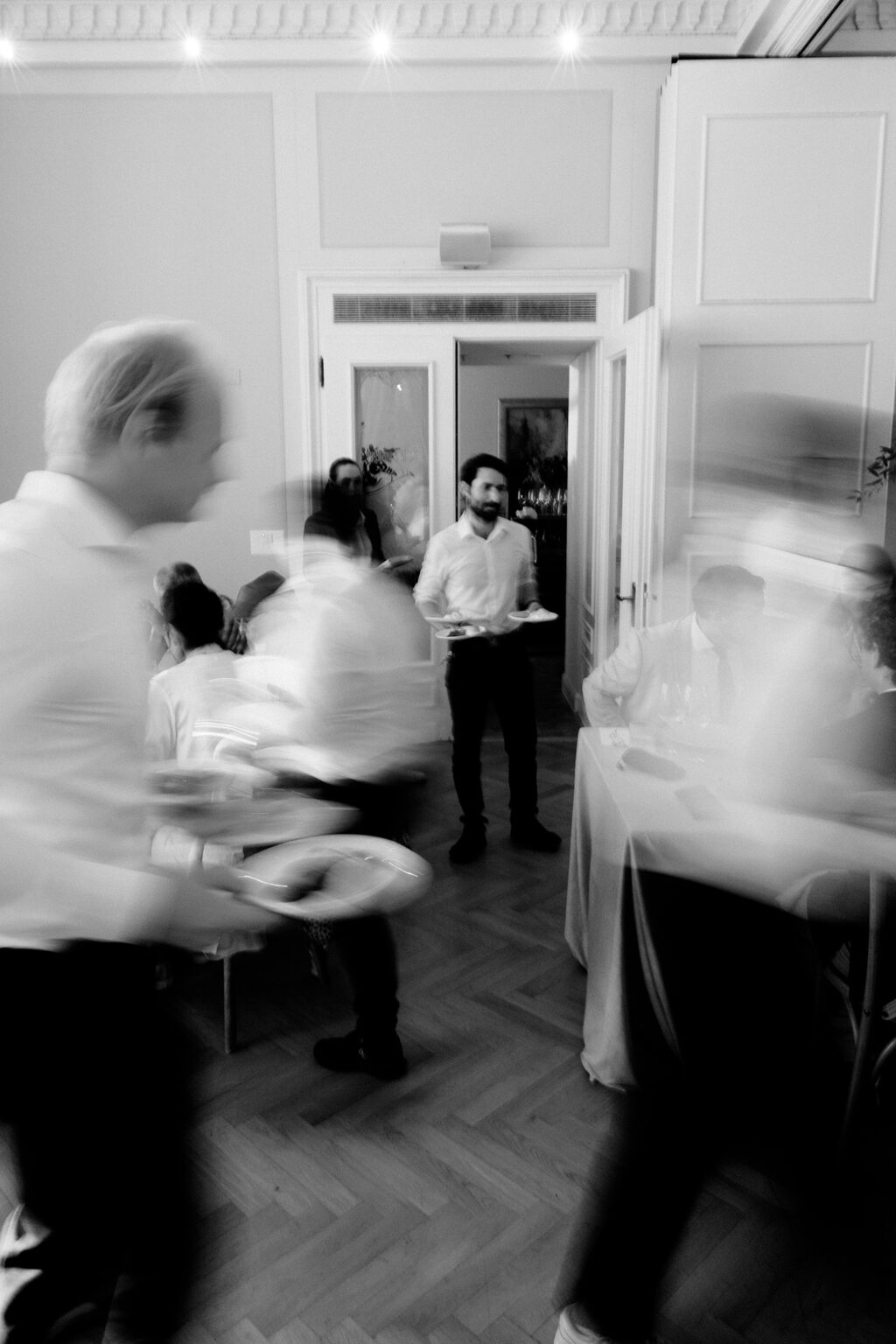
Movement exists everywhere in their work.
They create timeless films and stop-motion commercial pieces, yet even in highly controlled environments, nothing feels rigid.
Their images are so immersive you genuinely feel present inside them.
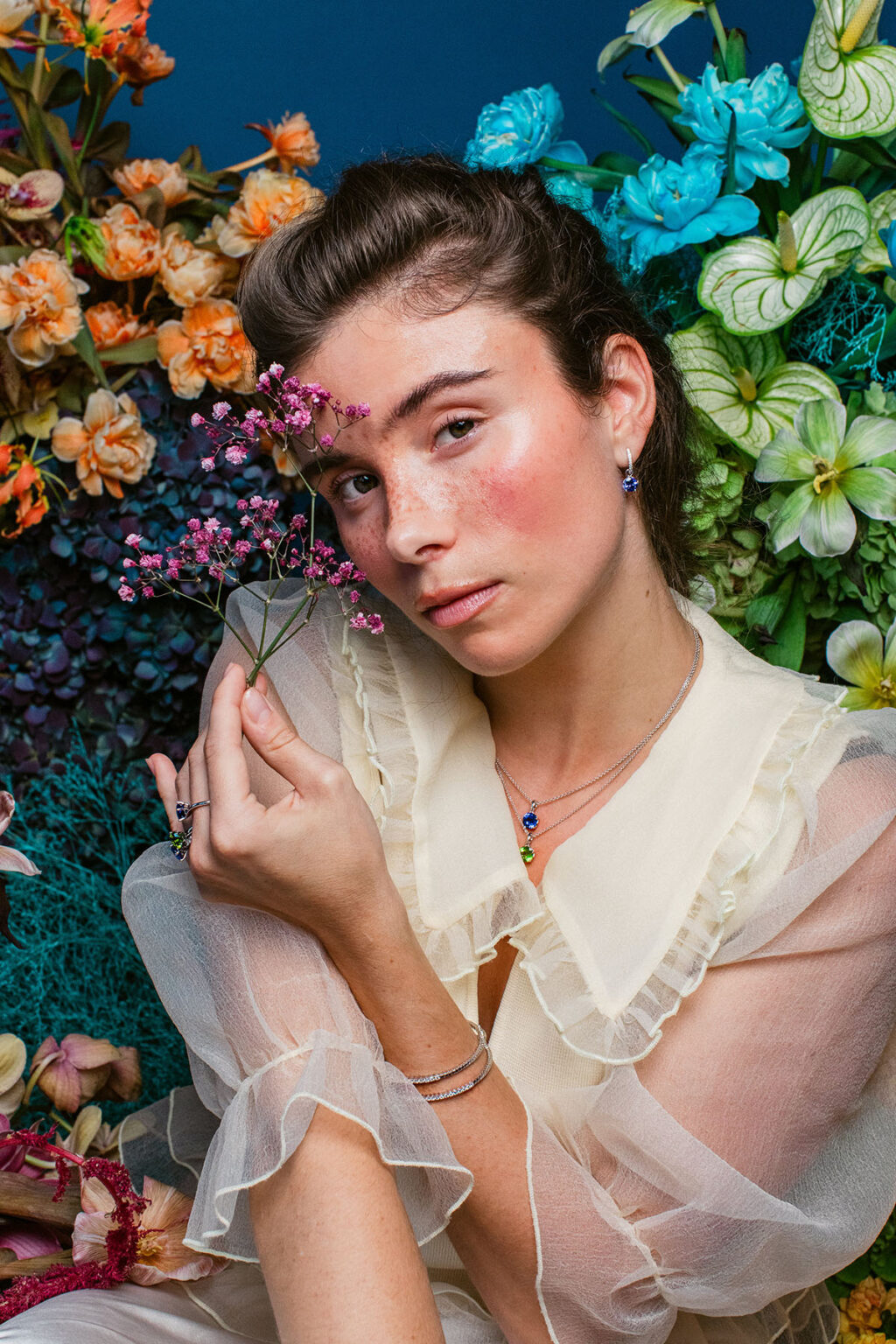
What also becomes visible through conversation is how deeply their partnership shapes the work itself. Not only practically, but visually.
The images feel less like two photographers dividing tasks and more like a shared visual instinct slowly developed over years of living and working side by side.
In many ways, contemporary AI aesthetics seem to borrow from the visual language photographers like David & Kathrin have refined for years – the precise light, the controlled softness, the cinematic compositions.
But their work reminds you that technical perfection alone is never enough.
What stays in the images is presence: the human unpredictability underneath the polish.