
“I’m capturing real moments inside a world I designed around them.”
Short Bio:
Govinda Rumi is a Bali-based wedding and portrait photographer, educator, and creative director whose work blends documentary spontaneity with graphic precision. Originally trained in graphic design, he began photographing weddings while still at university and has since photographed across Indonesia, Australia, Thailand, Singapore, and Europe.
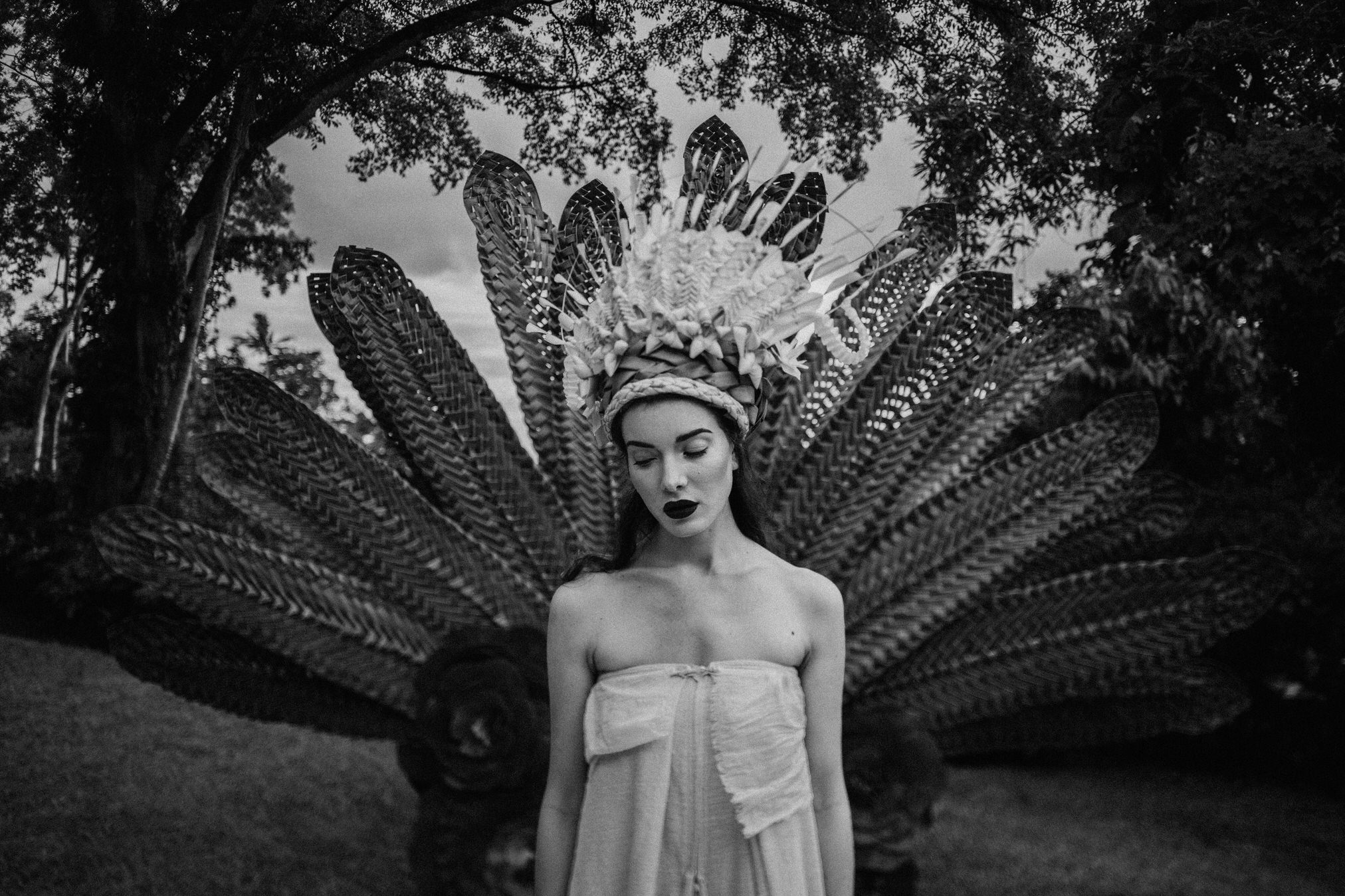
Known for his cinematic use of light, silhouettes, color relationships, and composition, Govinda creates images that feel both carefully designed and emotionally authentic. His background in design continues to influence his visual language, while his documentary approach leaves room for unexpected moments and genuine human connection.
Govinda is a recipient of multiple Fearless Awards and serves as a judge for the International Wedding Photographer of the Year Awards. Beyond his photography work, he regularly teaches workshops and mentors photographers, sharing his approach to creativity, storytelling, and visual growth with the international photography community.
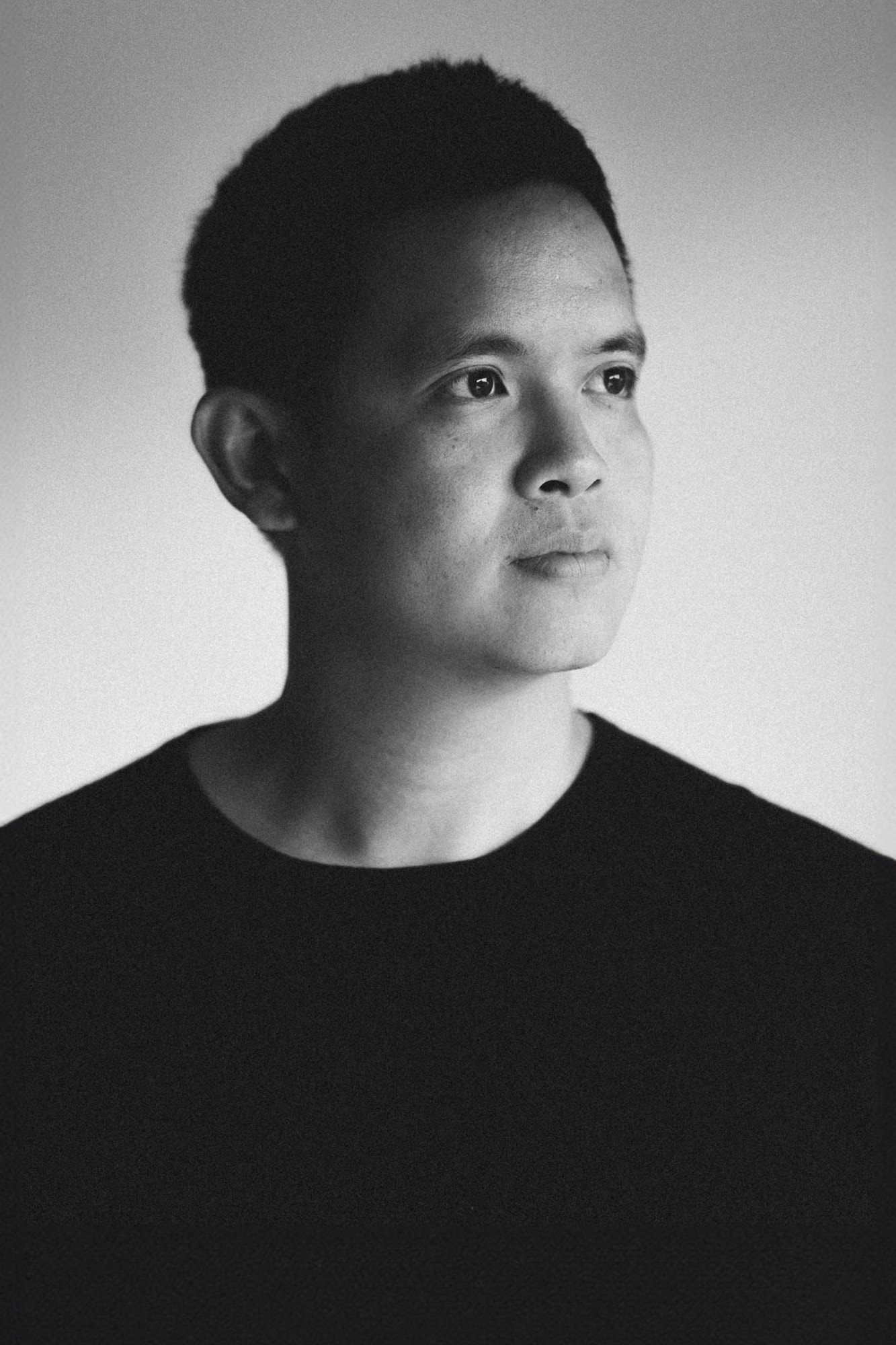
You studied graphic design before photography.
Do you still feel that influence in your images?
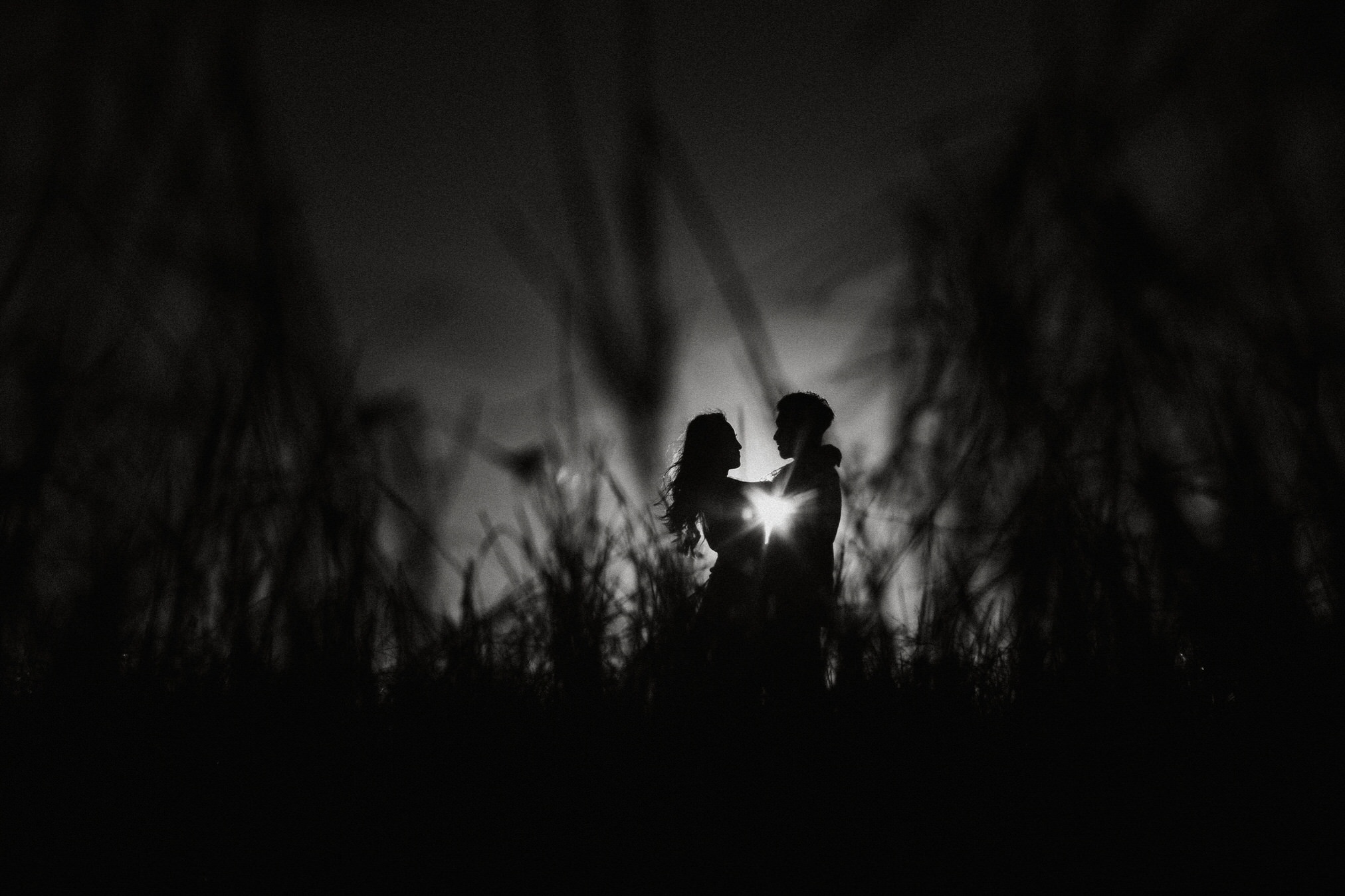
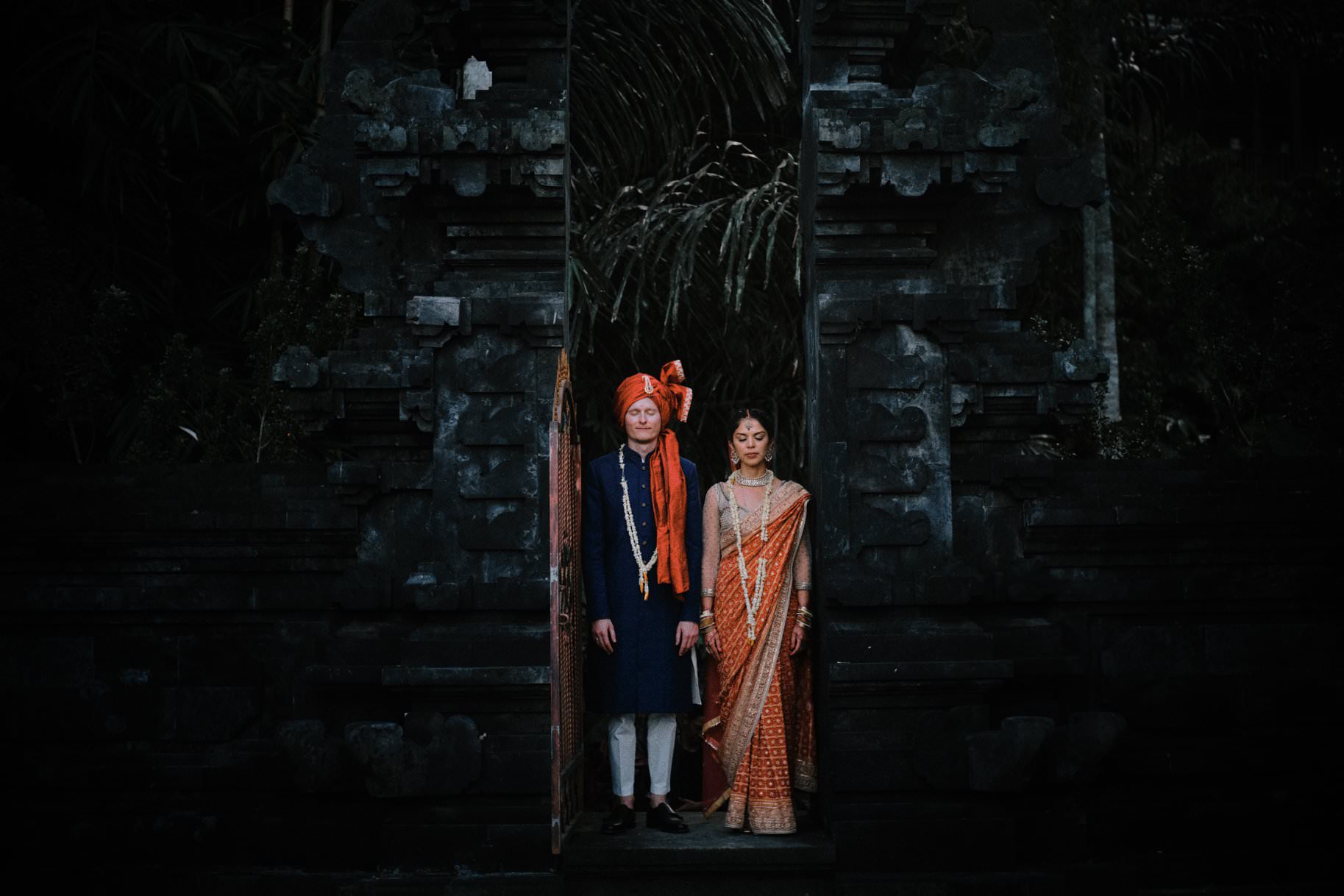
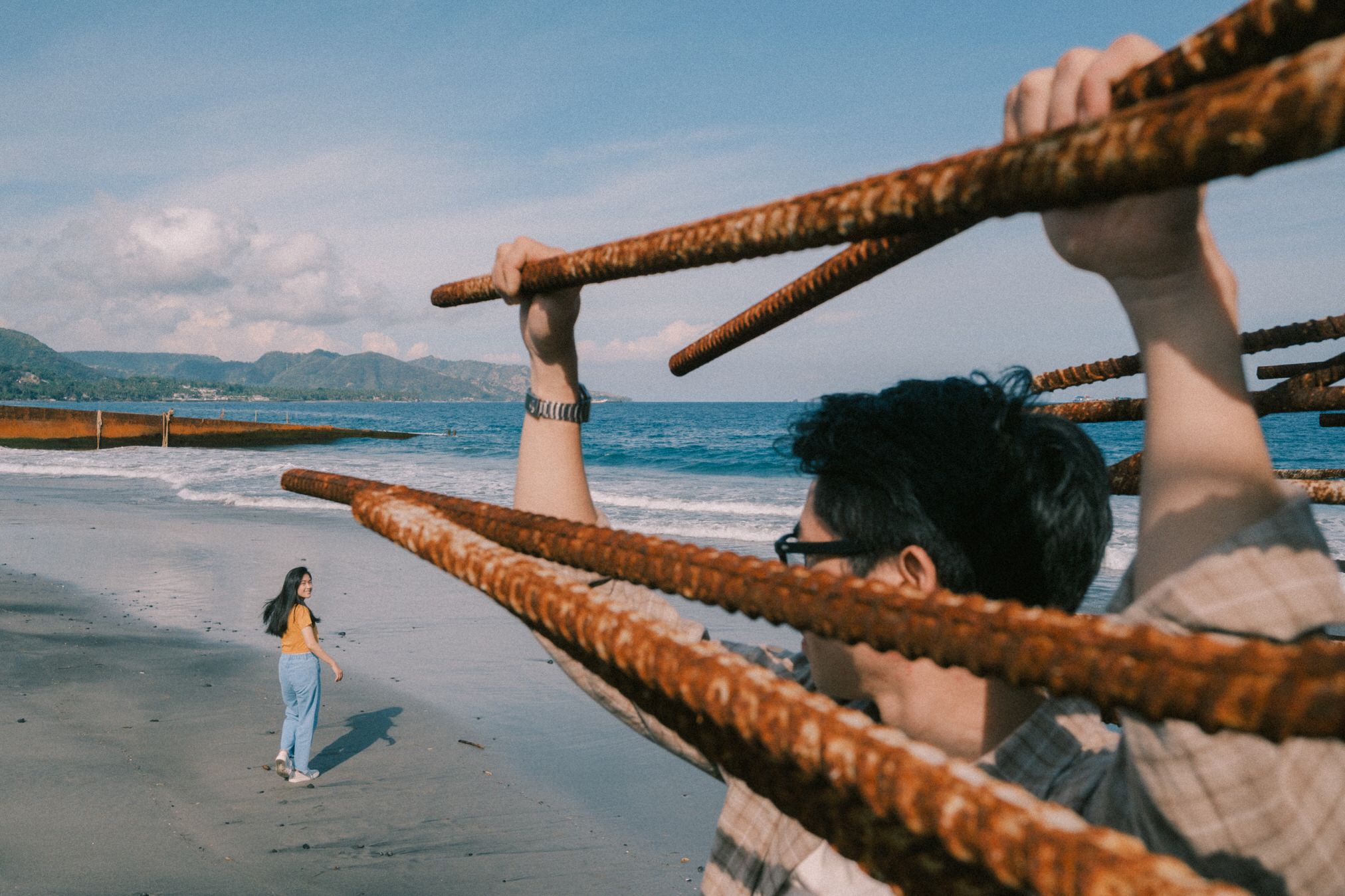
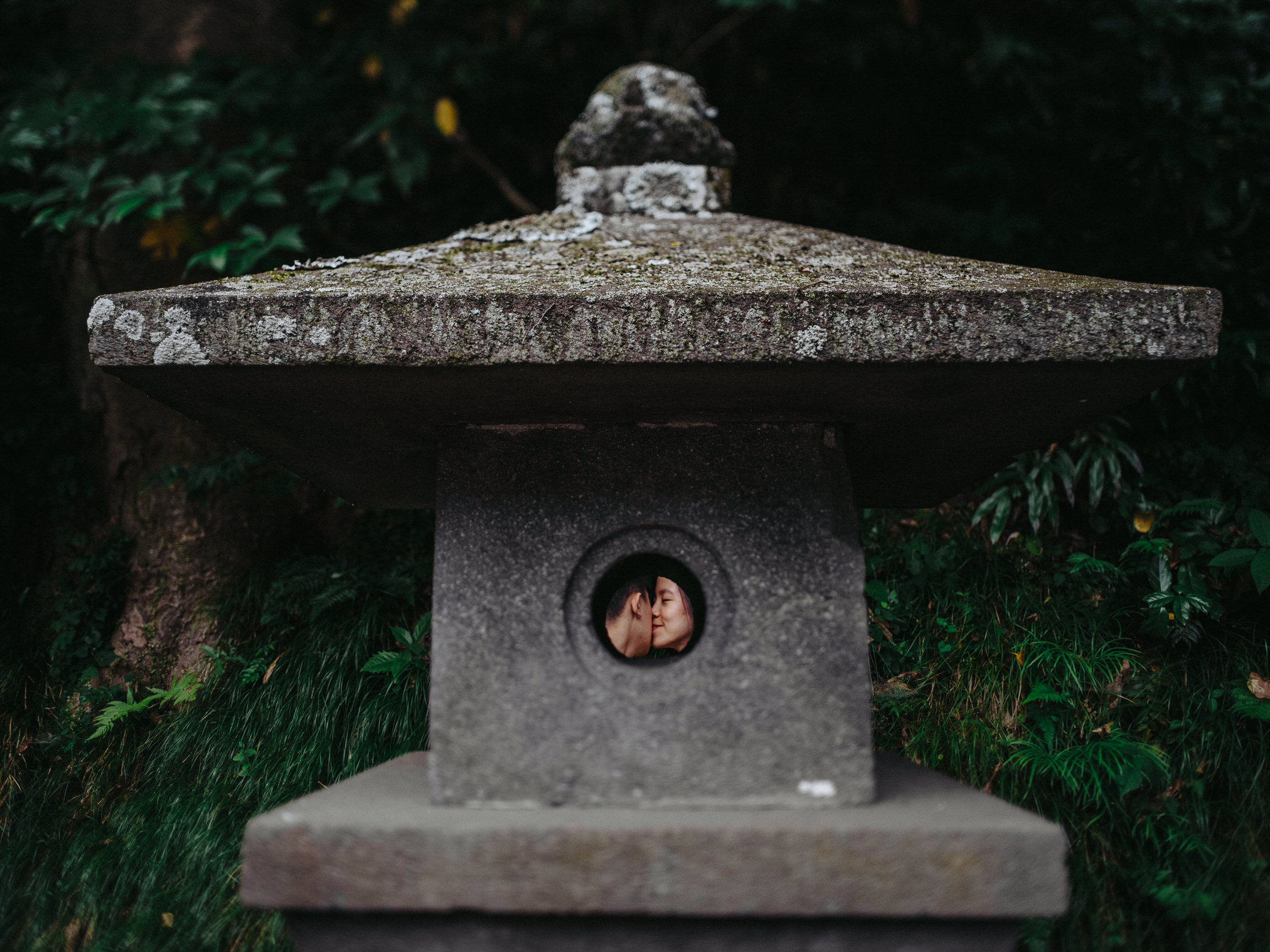
I think I’m influenced a lot by graphic design, especially with the lines and contrast and colors.
I really like to put those into my work and just combine them with moments, expressions.
And I think that creates a more unique image.
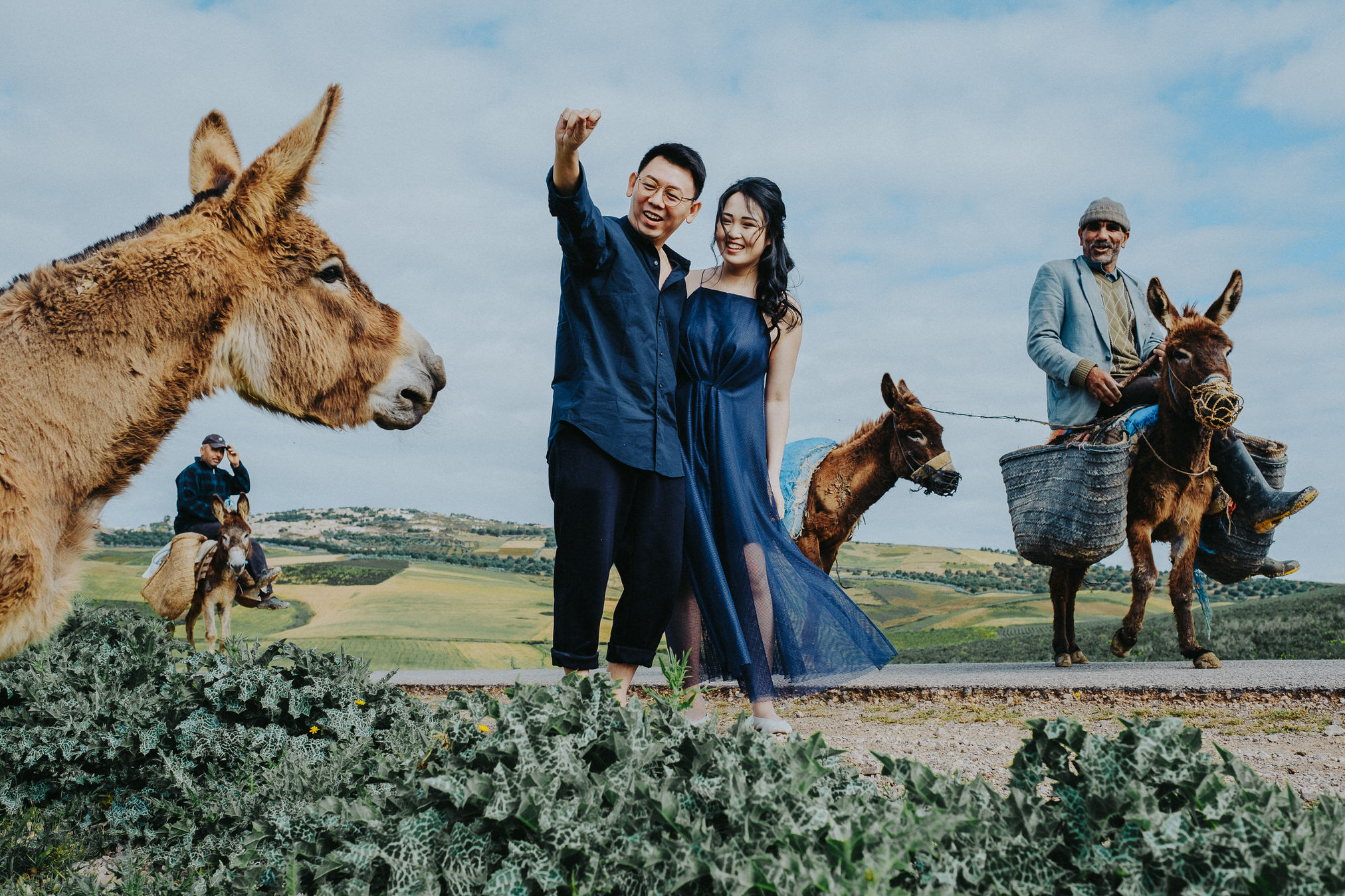
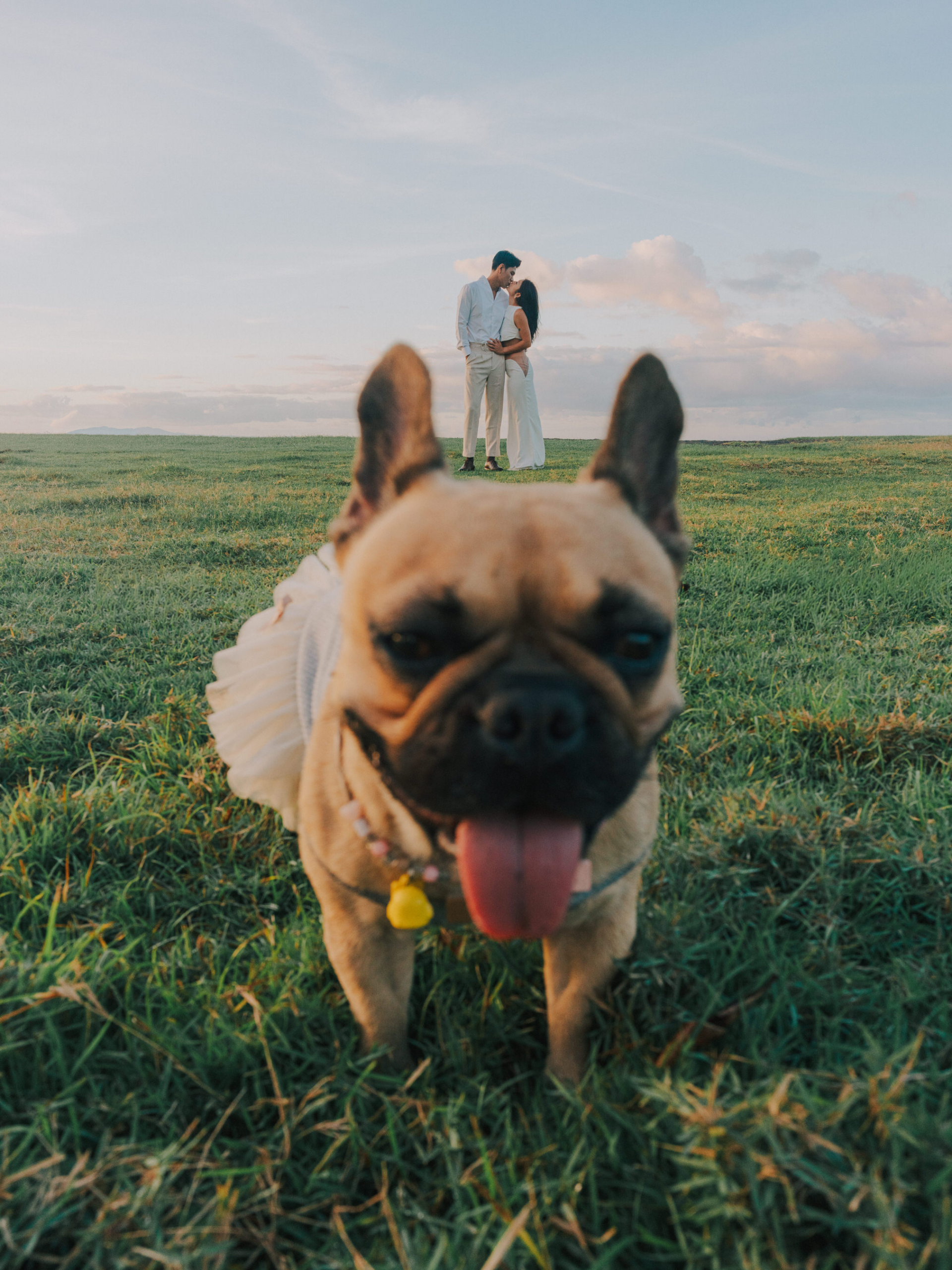
So it’s not just capturing moments as they are, but I like to design things around them to make it more graphical.
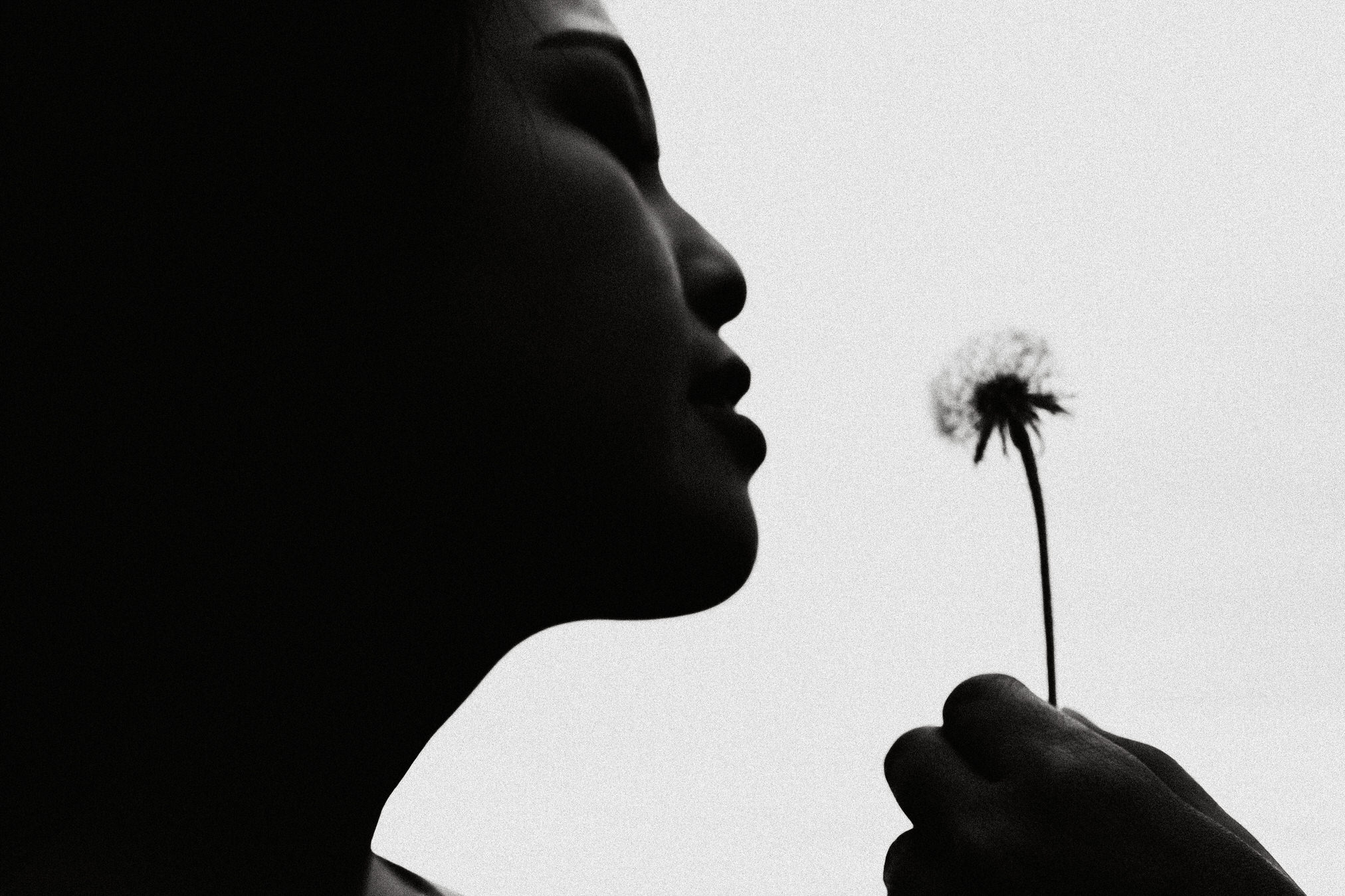
Your photographs feel personal to the couple, but also emotionally universal. Where does that come from for you?
For me, I try to connect.
Each experience is very personalized for each couple.
So that’s why I try to find stories that connect them to the way I see them.
I try to visualize their relationships and what they feel with each other.
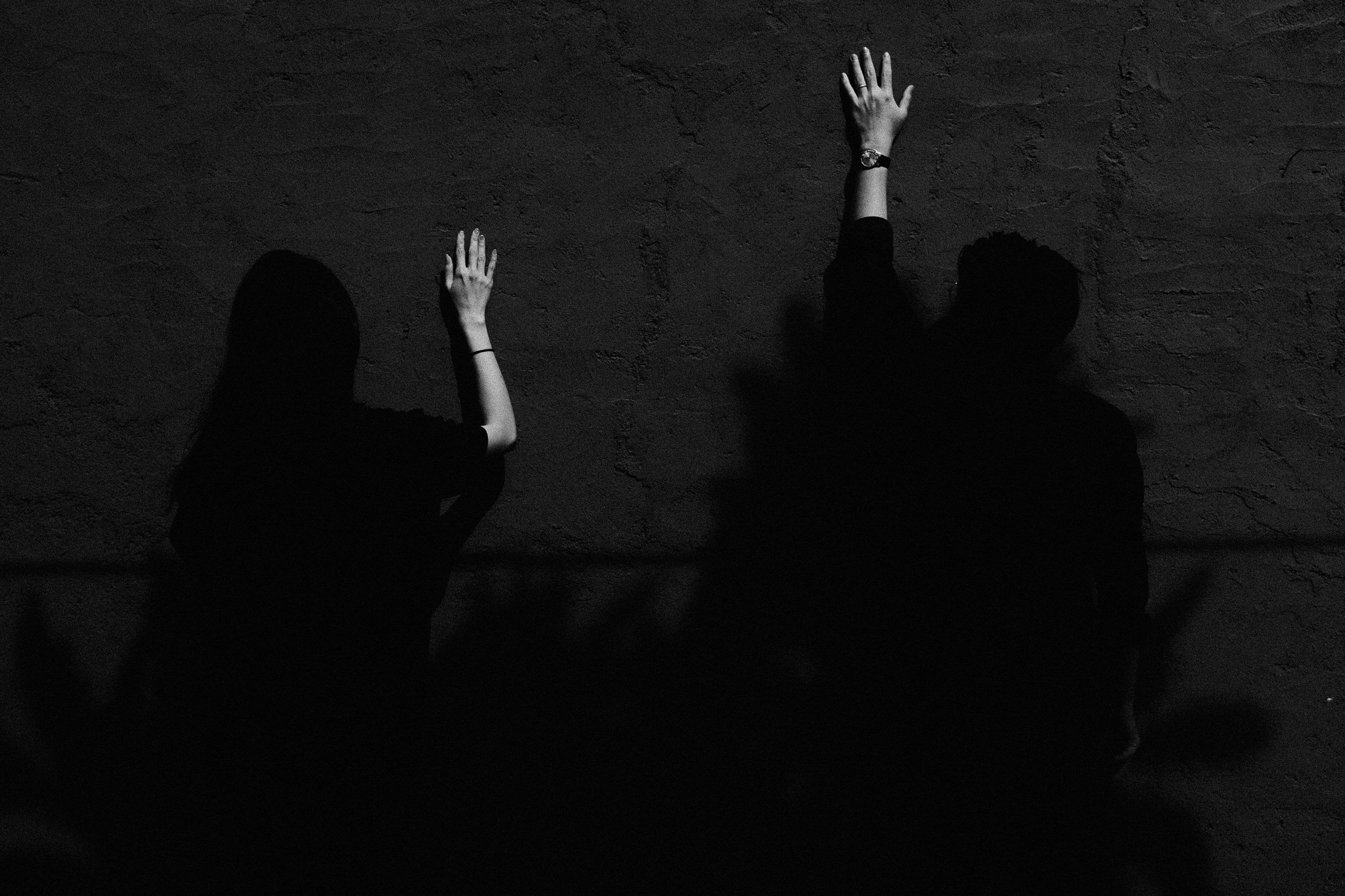
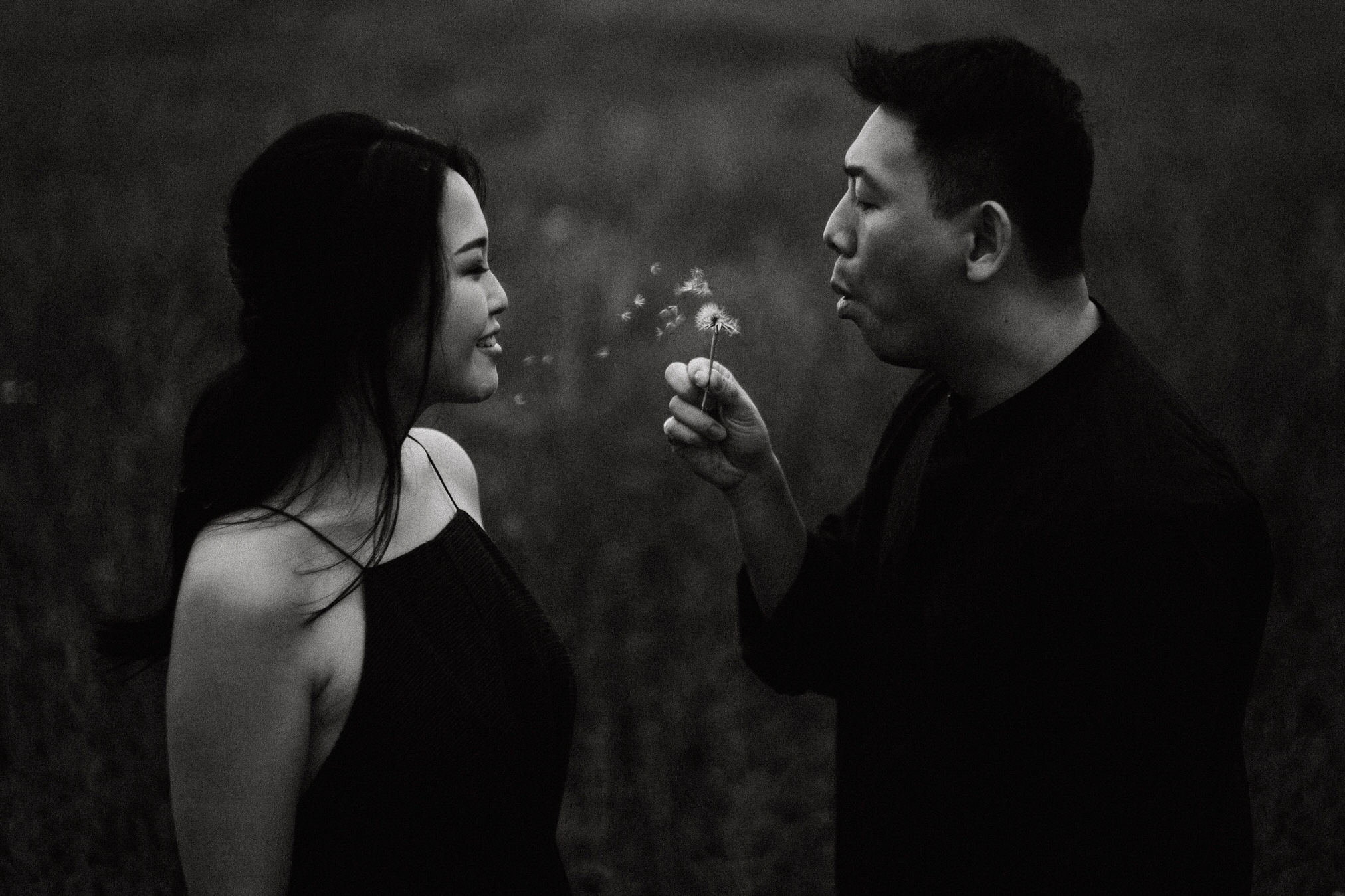
You insist on meeting couples before photographing them. Why is that important to you?
For me, I like to insert their stories into my photograph.
If the couple has a long-distance relationship, I would try to picture it.
I once photographed a couple where they didn’t touch each other during the whole session until the very end.
So at the end they hugged each other and it felt more meaningful.
I like to put those kinds of stories into the photographs when I meet my couples and interpret them the way I want it to be for my work.
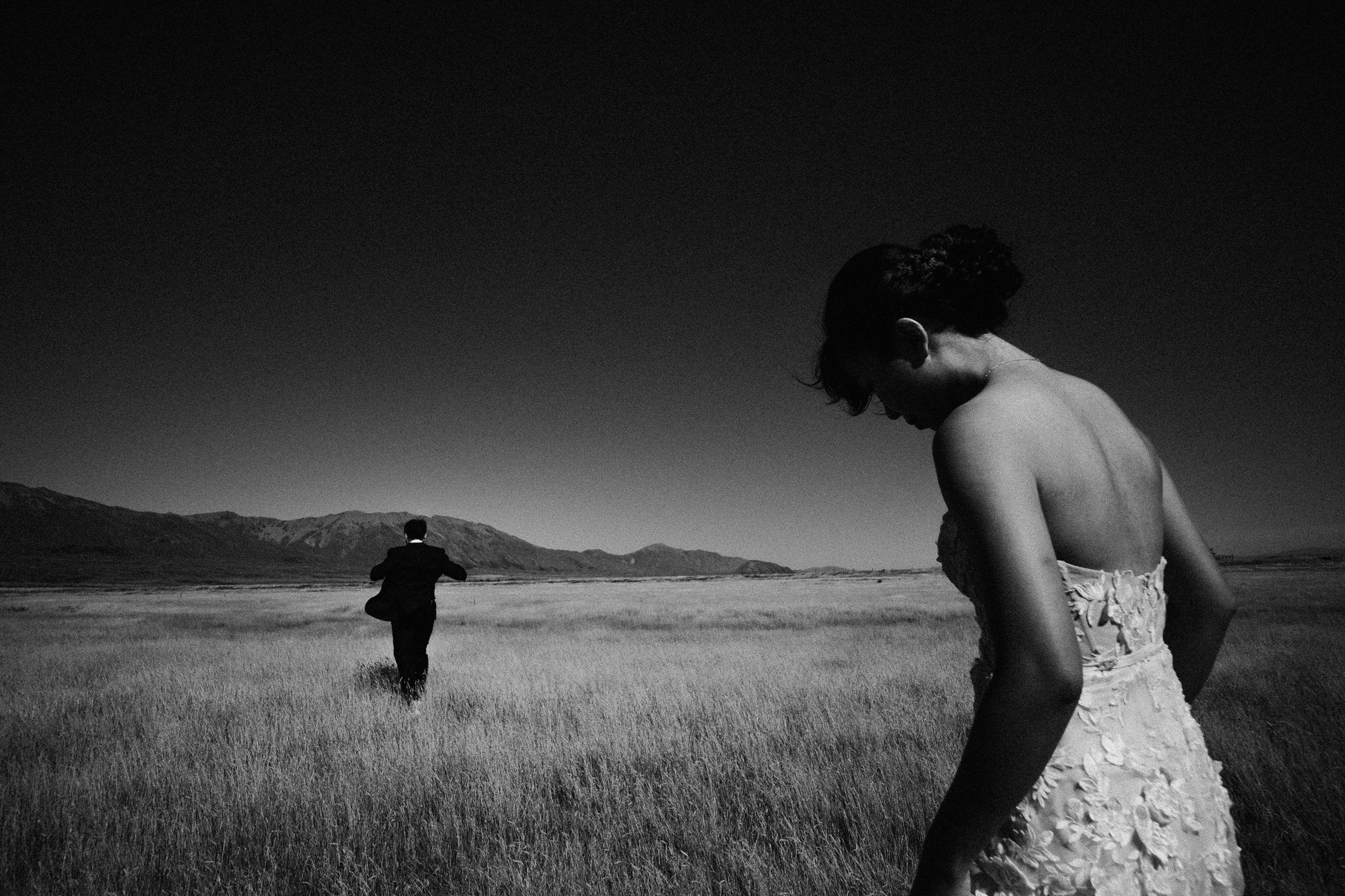
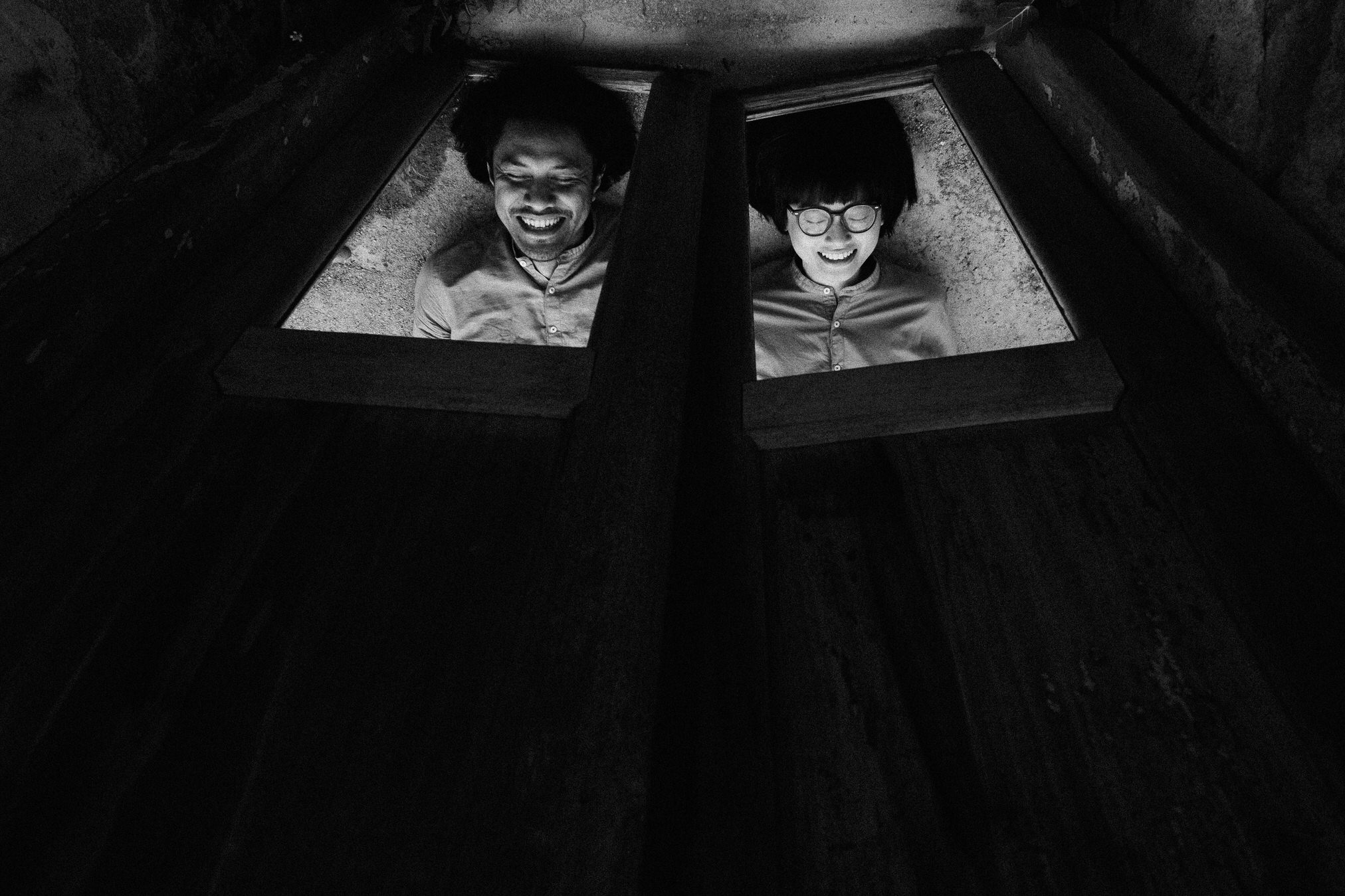
There’s a tension in your work between planning and spontaneity.
How much do you control beforehand?
I usually want them to wear something they’re comfortable with, but I also want to have control over the color of the clothes they’re wearing, so it still looks like a nice image.
But a lot of things happen spontaneously.
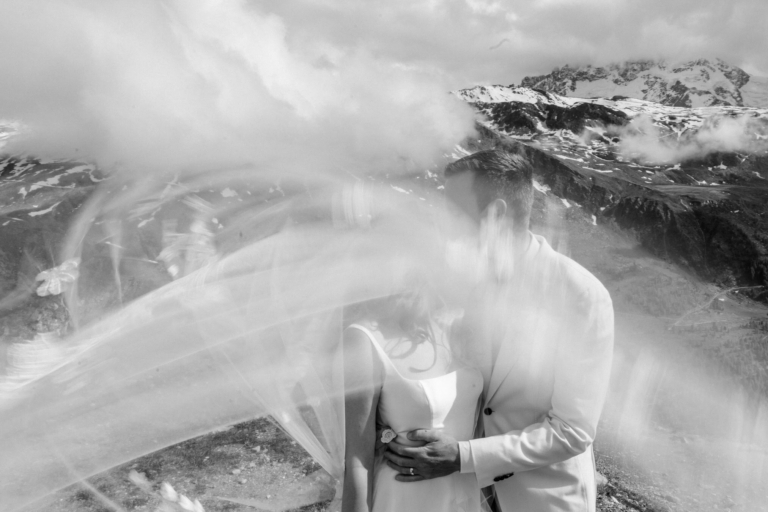
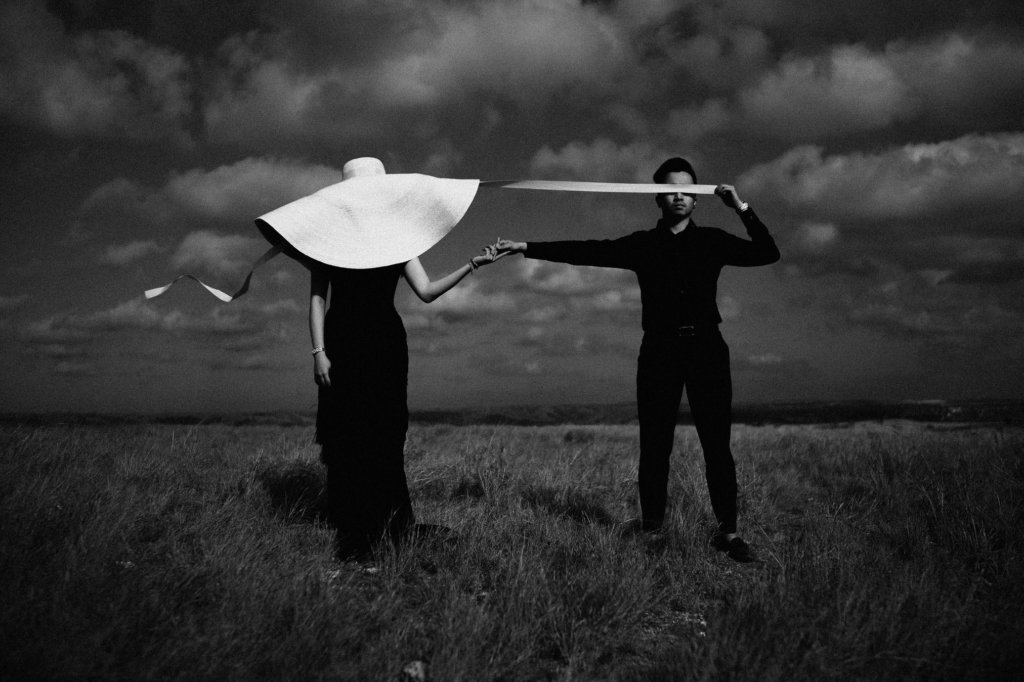
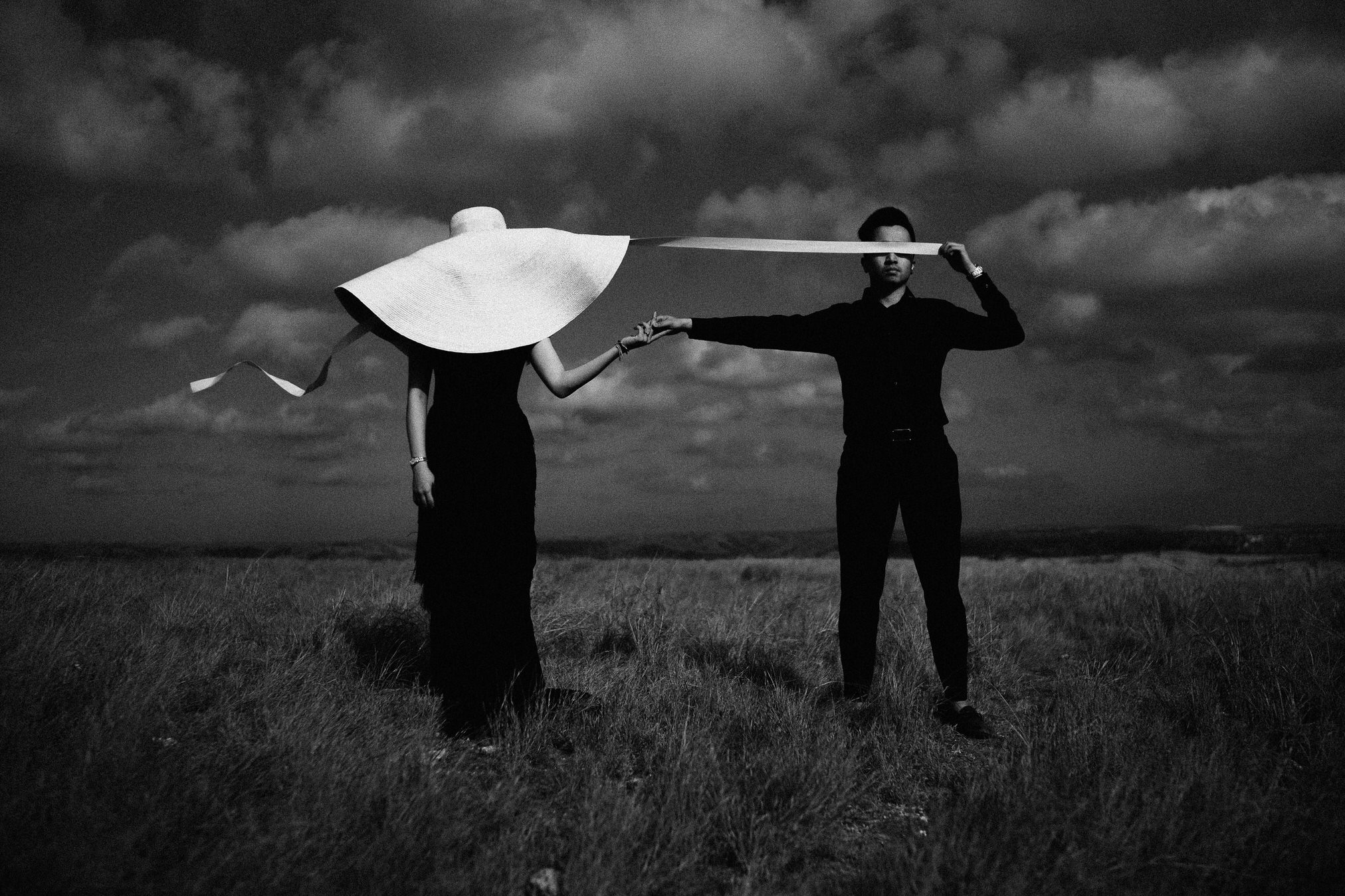
There’s one image where the guy is holding the ribbon from the woman’s hat.
That happened on the spot.
She was wearing the hat and the ribbon was flying around and I just told him to hold the ribbon.
That’s how the image happened.
It wasn’t really planned.
That’s what I love about the way I do photography – it’s very spontaneous.
Sometimes I don’t even know the results at the end.
It’s even a surprise for me what kind of image I would create at the end of the shoot.
That also feels true in your street photography.
You seem drawn to moments that almost escaped the frame.
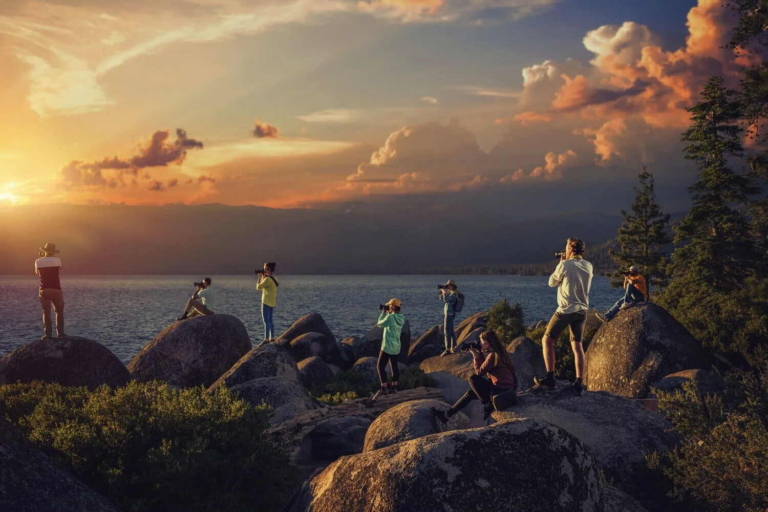
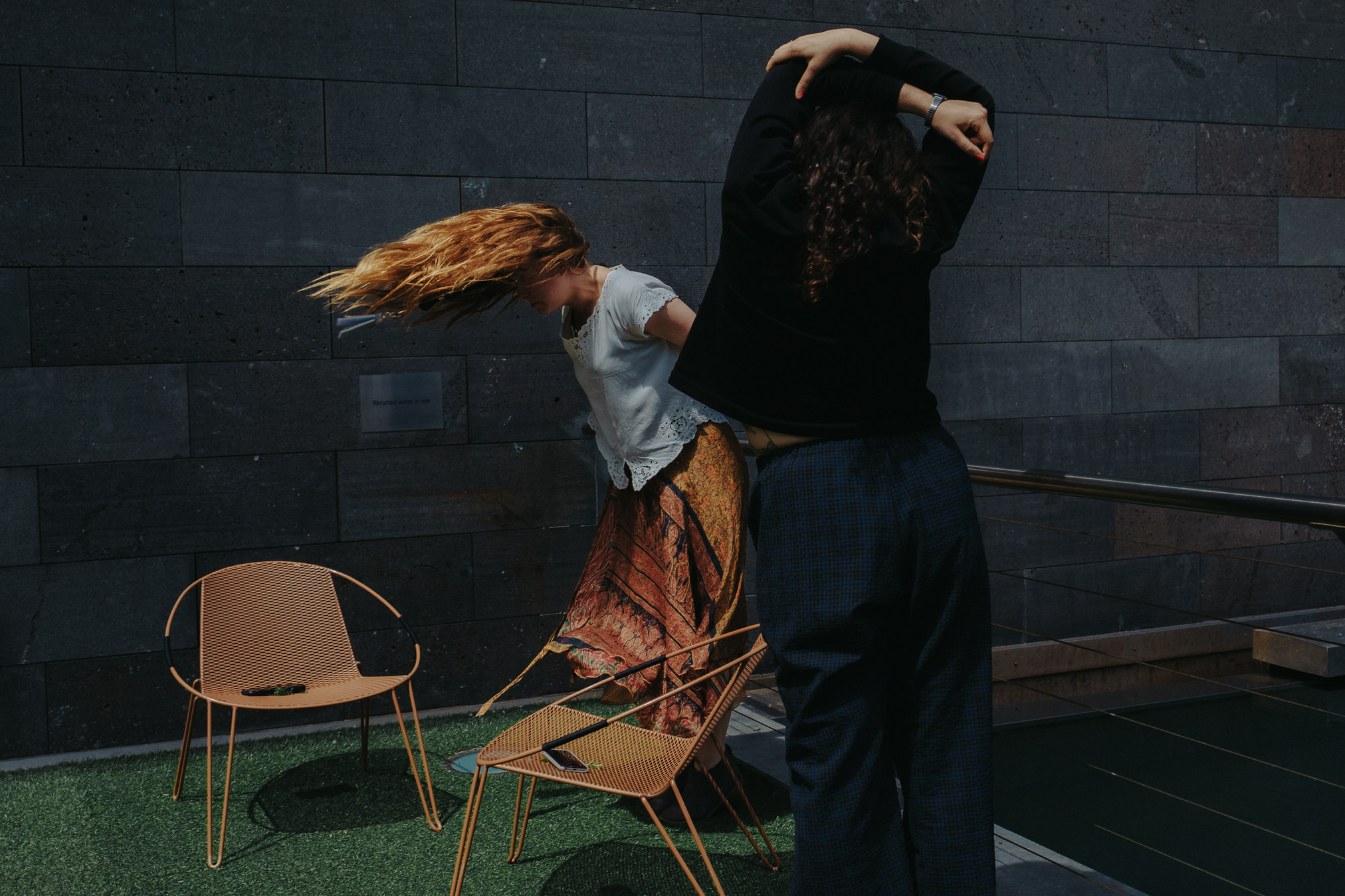
For me, what I love about the work I’m doing is I focus more on the moments where it didn’t mean to happen.
So let’s say I asked them to walk to a certain place, but along the walk maybe the bride slipped and fell and they laughed together.
That’s the kind of photos I’m looking for.
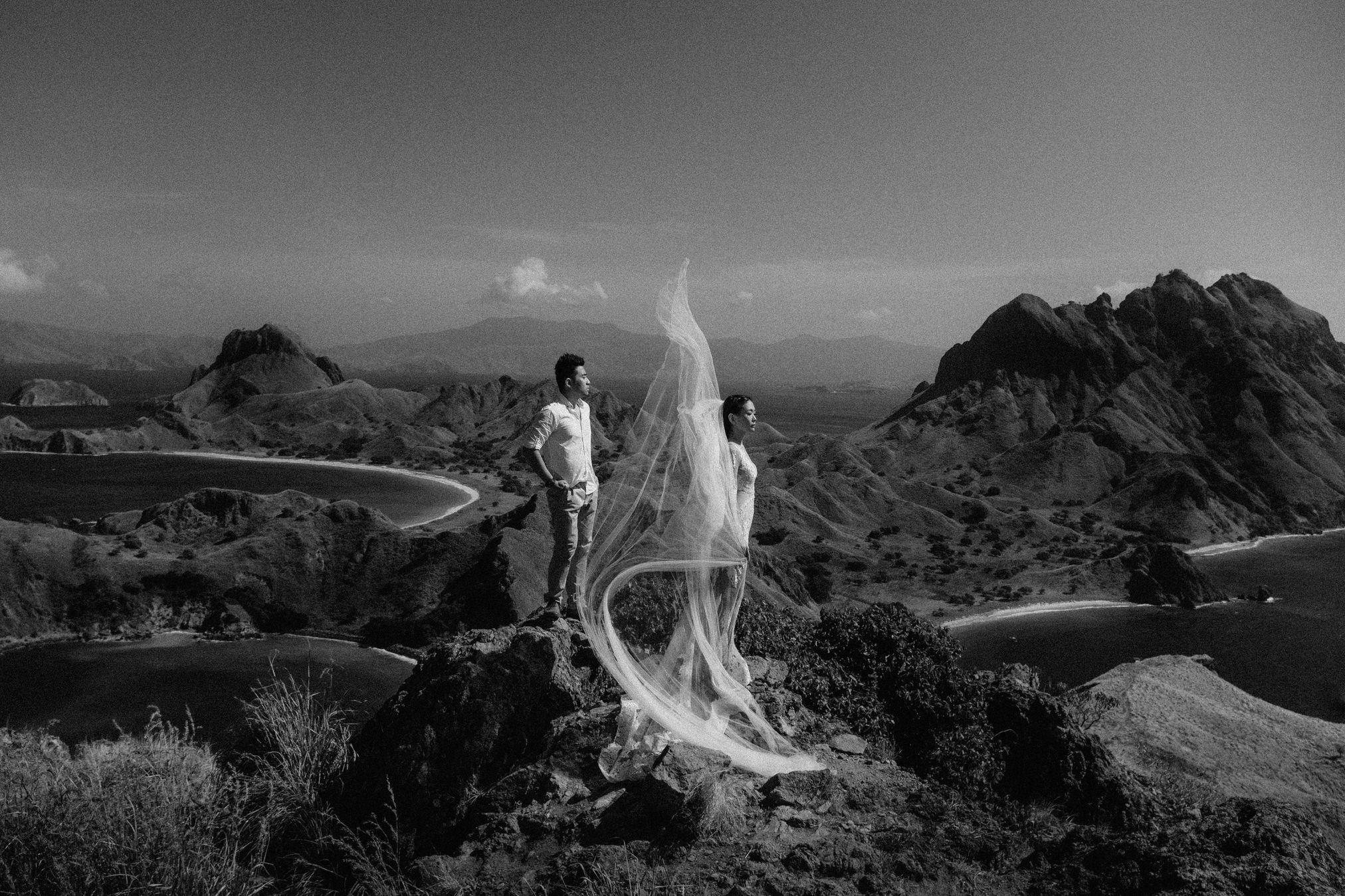
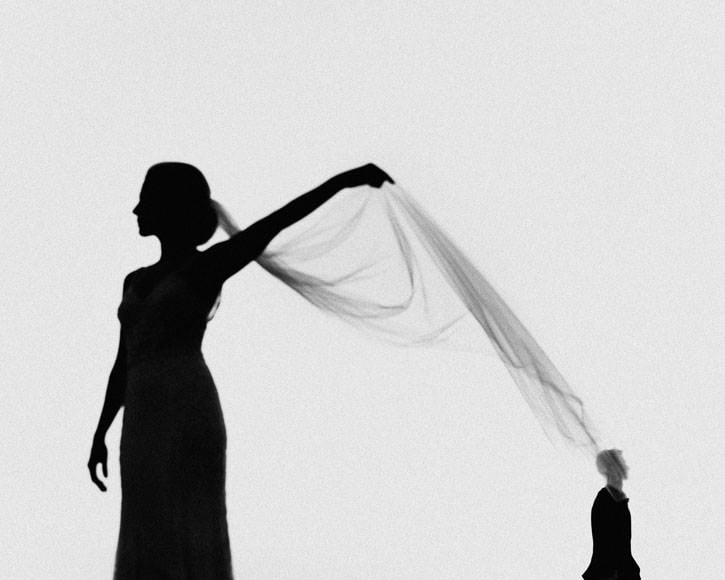
Your relationship with cameras feels very intuitive.
You choose different cameras for different emotional rhythms?
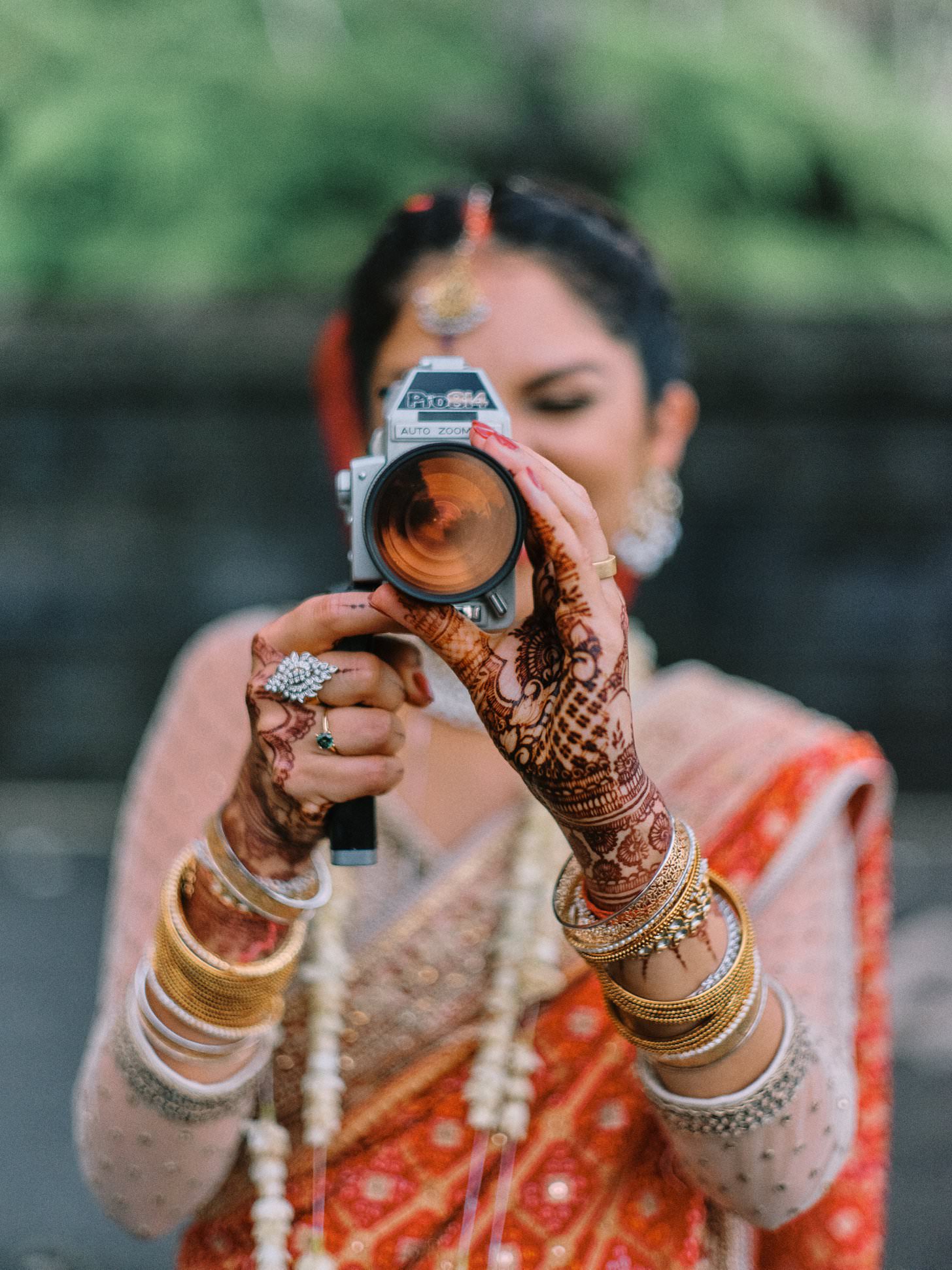
Every time I use a different camera, the way I shoot is different.
Although there’s a similarity between my work, when I use a certain camera it pushes me more to do street photography, or if I want to do a slower portrait session, I would use a slower camera, like a manual lens.
So it’s a very different process.
Was there a moment early in your career where you failed badly?
The first mistake I made as a wedding photographer was at my first job.
I was shooting a gala dinner for the Dutch Embassy Indonesia, and I was foolish enough to bring just an entry-level camera without flash.
I failed miserably because I didn’t know what I was doing.
But I actually believe that if you want to be successful, you need to understand what failure is like.
After that I learned more things.
I learned how to shoot with flash, what equipment to bring, and how to troubleshoot when something goes wrong.
You’ve been using JPEGmini for years.
Where does it fit into your workflow today?
My workflow is after I export my images from Lightroom, I drag everything into JPEGmini.
It makes the files lighter for the clients to view the images.
I use it mostly for online galleries, client delivery, and website uploads.
All my edited photos go through JPEGmini before I upload them to Canva or to my website.
Final Thought
What stayed with me after speaking to Govinda was not only his visual intelligence, but his resistance to becoming mechanical.
Wedding photography is often pushed toward repetition – the same poses, the same locations, the same trends recycled endlessly through Instagram.
But Govinda seems genuinely protective of uncertainty.
He leaves room for accidents, awkward gestures, weather, movement, imbalance.
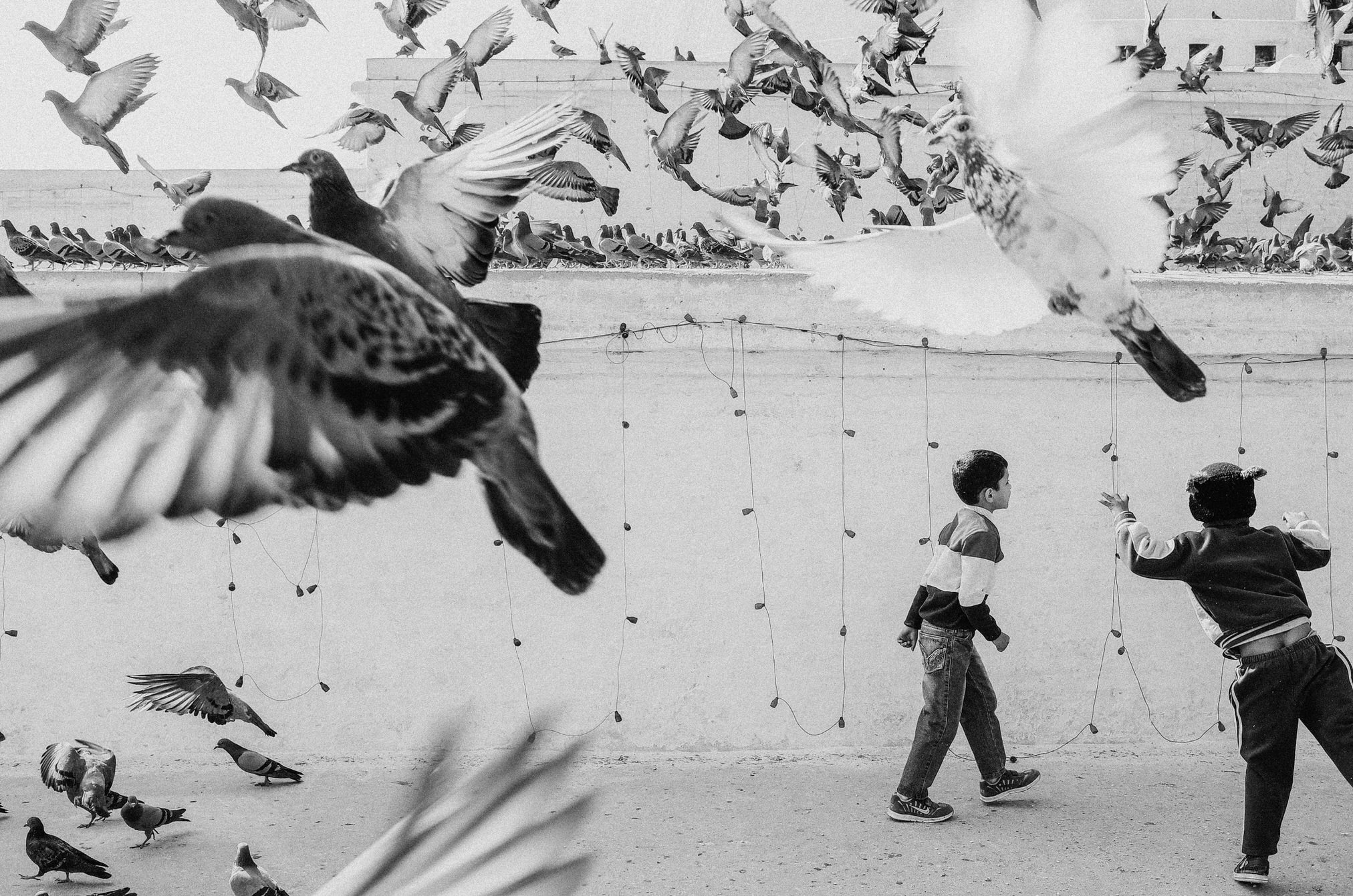
That tension is what gives the work its emotional life.
His background in graphic design is clearly visible: the silhouettes, the negative space, the way lines pull the eye through the frame.
But the photographs do not feel cold or over-controlled.
The structure exists so something human can happen inside it.
And maybe that is the real difference in his images. It’s art. It’s street photography. Its emotional in structure
They are carefully designed photographs that still allow us and him to be surprised.