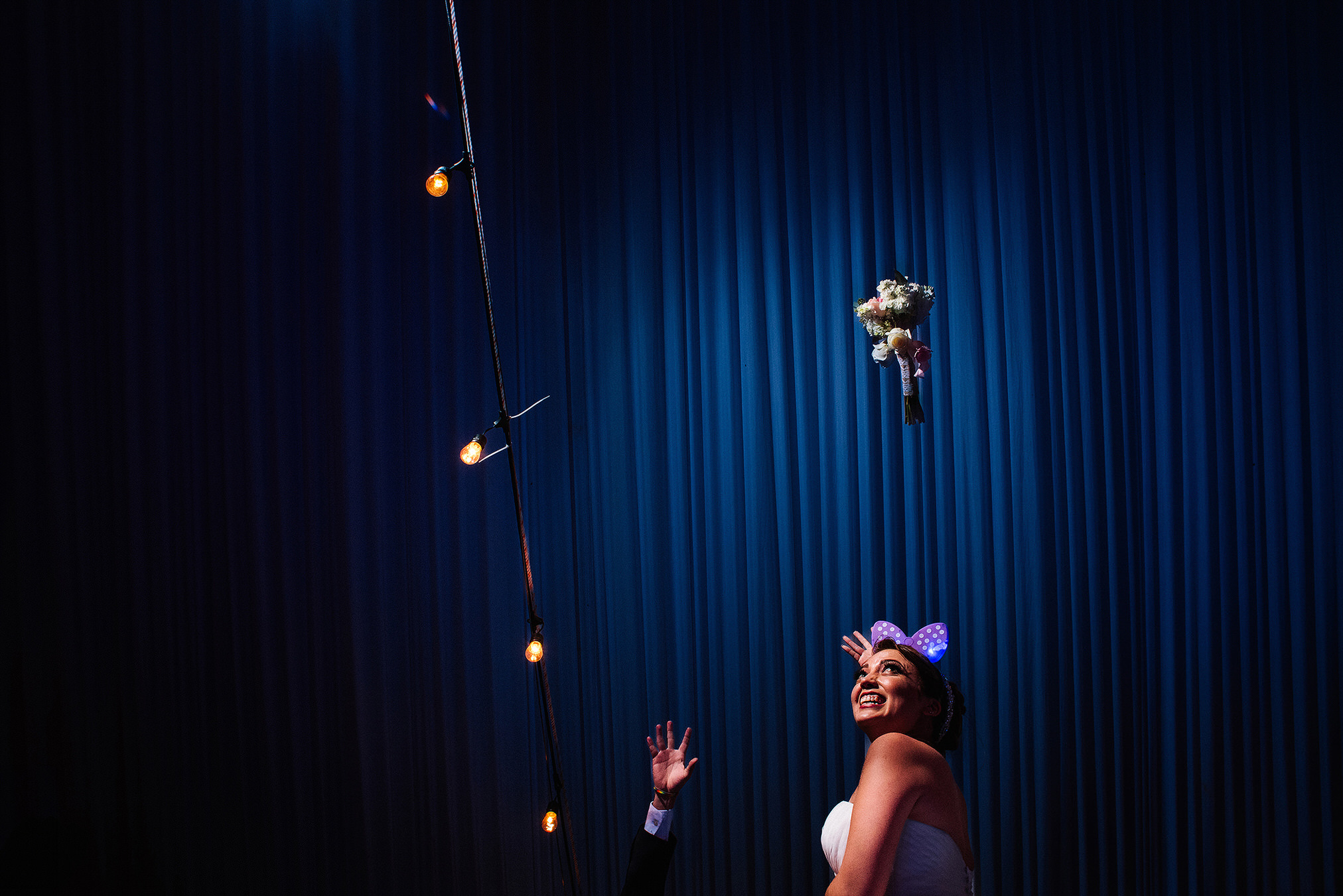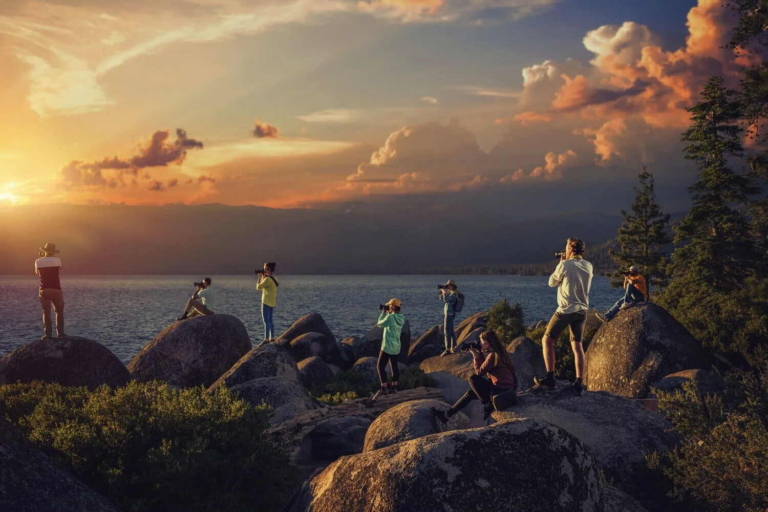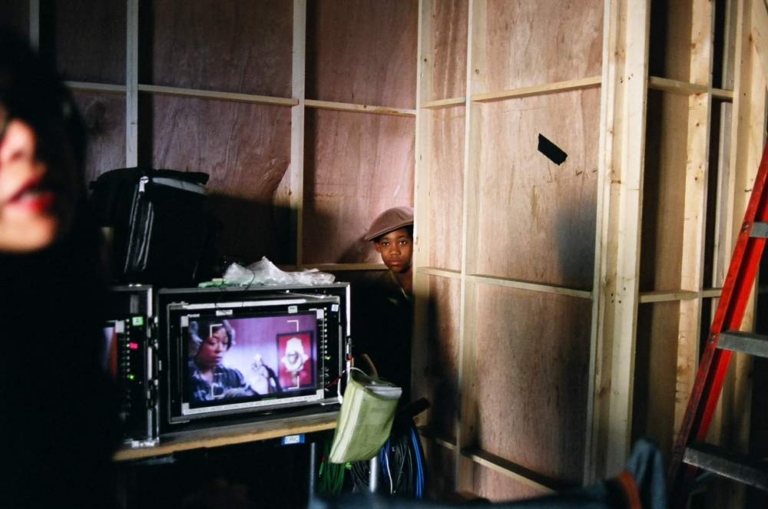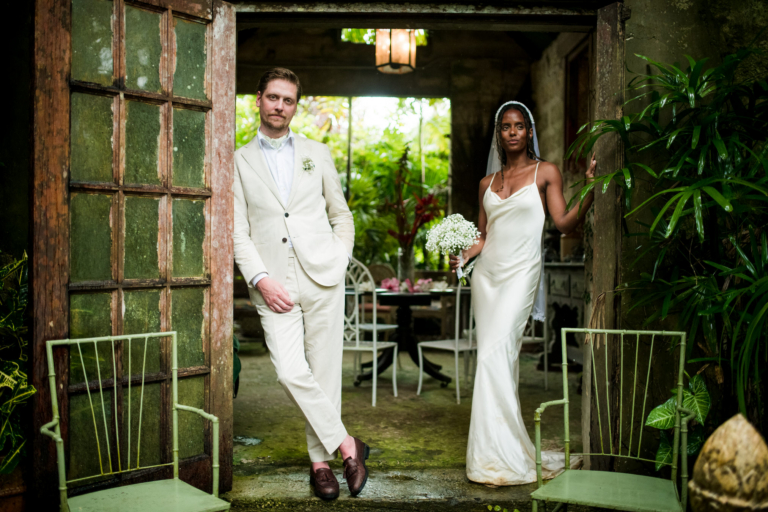

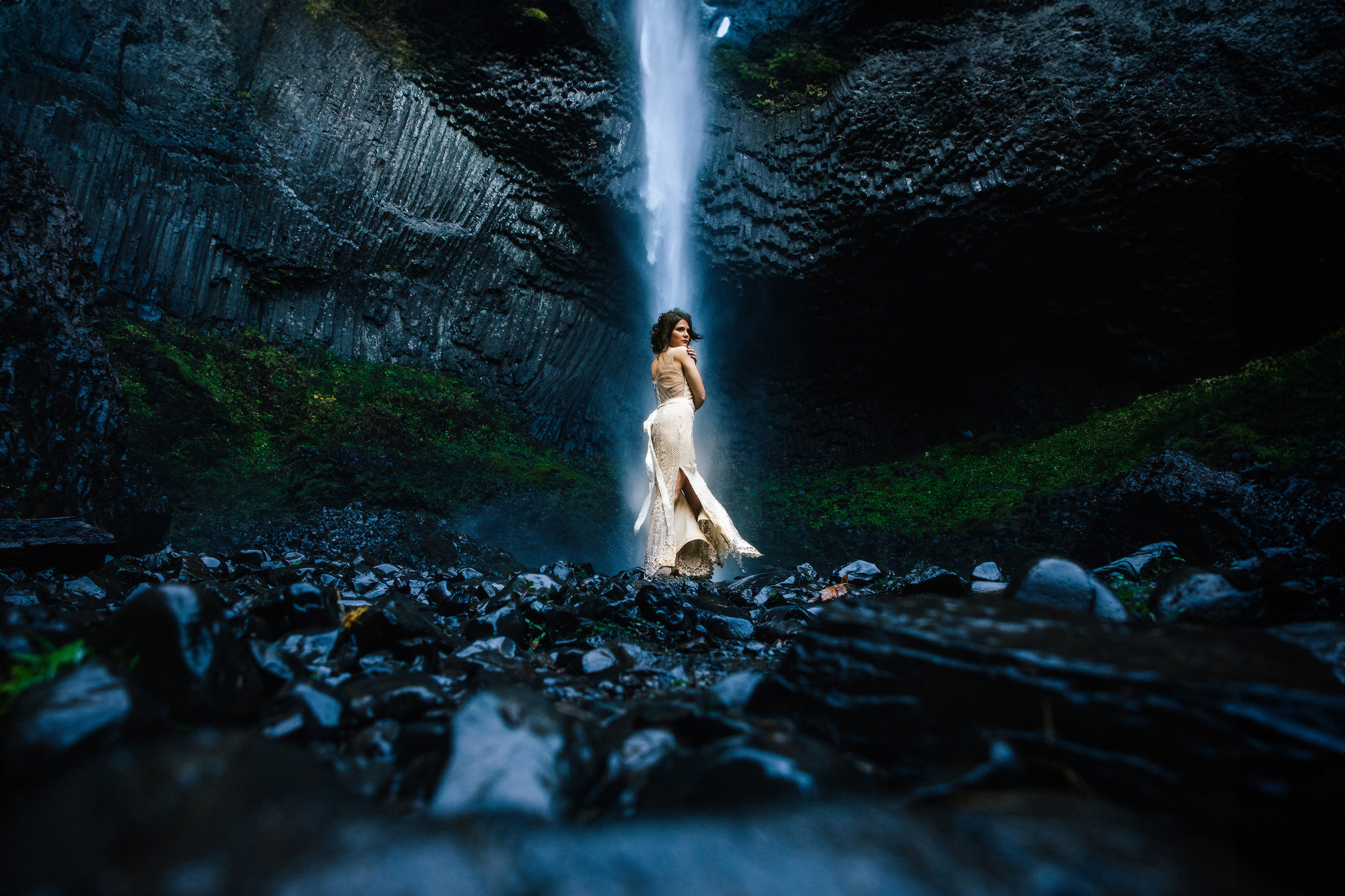
Jorge Romero is an award-winning wedding photographer based in Guadalajara, Mexico, known for blending bold compositions, vibrant energy, and emotional storytelling. With a background in graphic design, he brings a strong sense of structure and visual balance to his images while capturing the spontaneity and joy of real moments. He has been ranked among Mexico’s top wedding photographers by MyWed for more than two years, achieved 5th place worldwide with Fearless Photographers in 2021, and was recognized by Inspiration Photographers in 2023 and 2024. His work has taken him to weddings and destinations around the world, earning international recognition for a style that feels both polished and deeply human.

You started in graphic design before photography. When you look at your work today, where do you still see the designer inside the photographer?
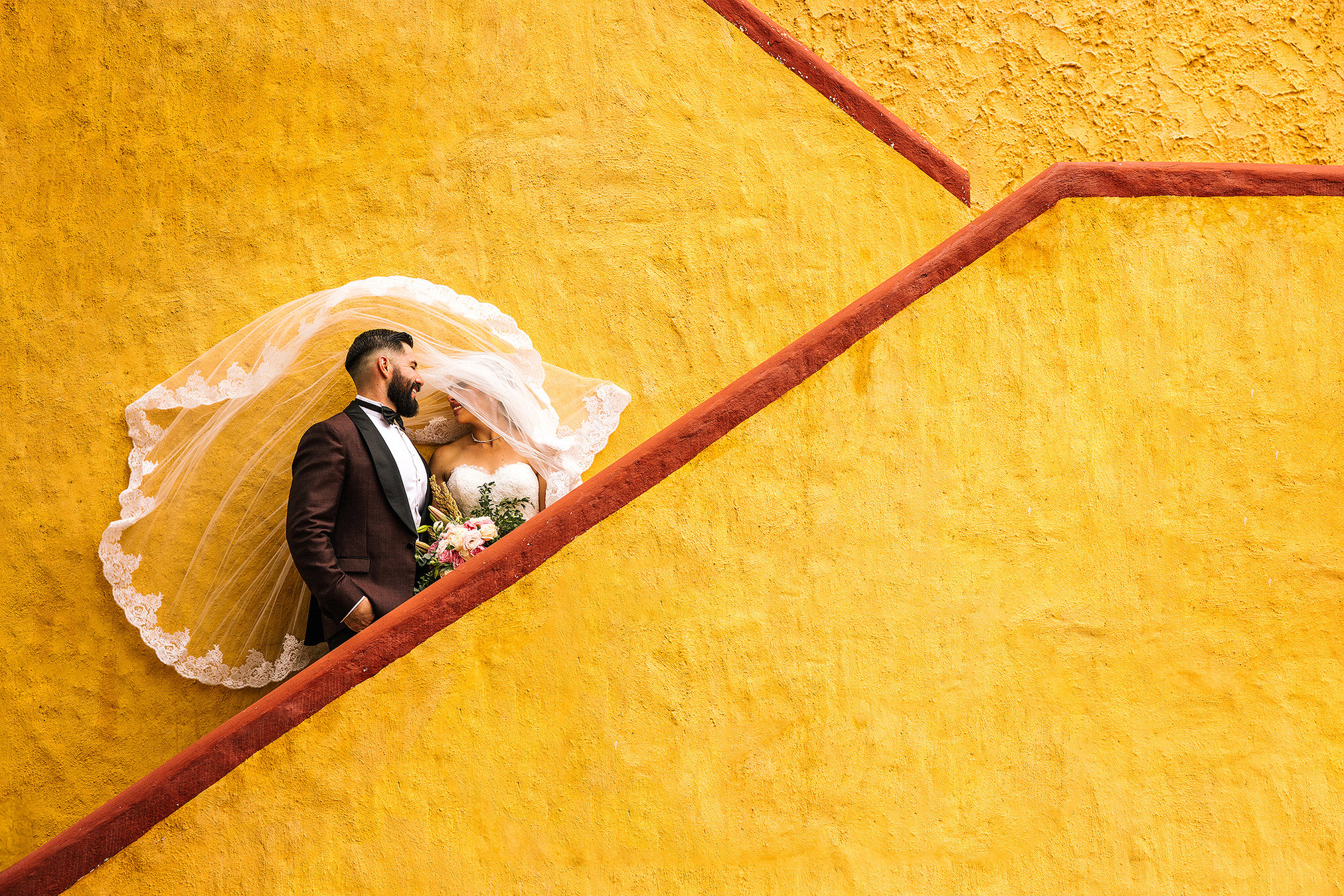
I think my background in graphic design helps me a lot in photography. I always try to create images with clean composition, visual harmony, and balance.
Design taught me to see the world through aesthetics and structure, and I believe that perspective still shapes the way I frame and tell stories today.
Nowadays, you also share your knowledge with other photographers. What do you usually teach, and what do people ask you about the most? And who were your mentors, and what did they teach you?
I like to be very real and practical when teaching. I want people to leave with tools they can immediately use the next day in their own work. I usually teach sales, mindset, flash techniques, composition, post-production, and workflow.
But more than anything, I believe in teaching photographers how to solve problems quickly and adapt under pressure. Weddings move fast, and being able to react creatively in difficult situations is one of the most important skills a photographer can have.
Over the years, I’ve learned from many photographers, experiences, and even mistakes. Every stage of my career has taught me something valuable.
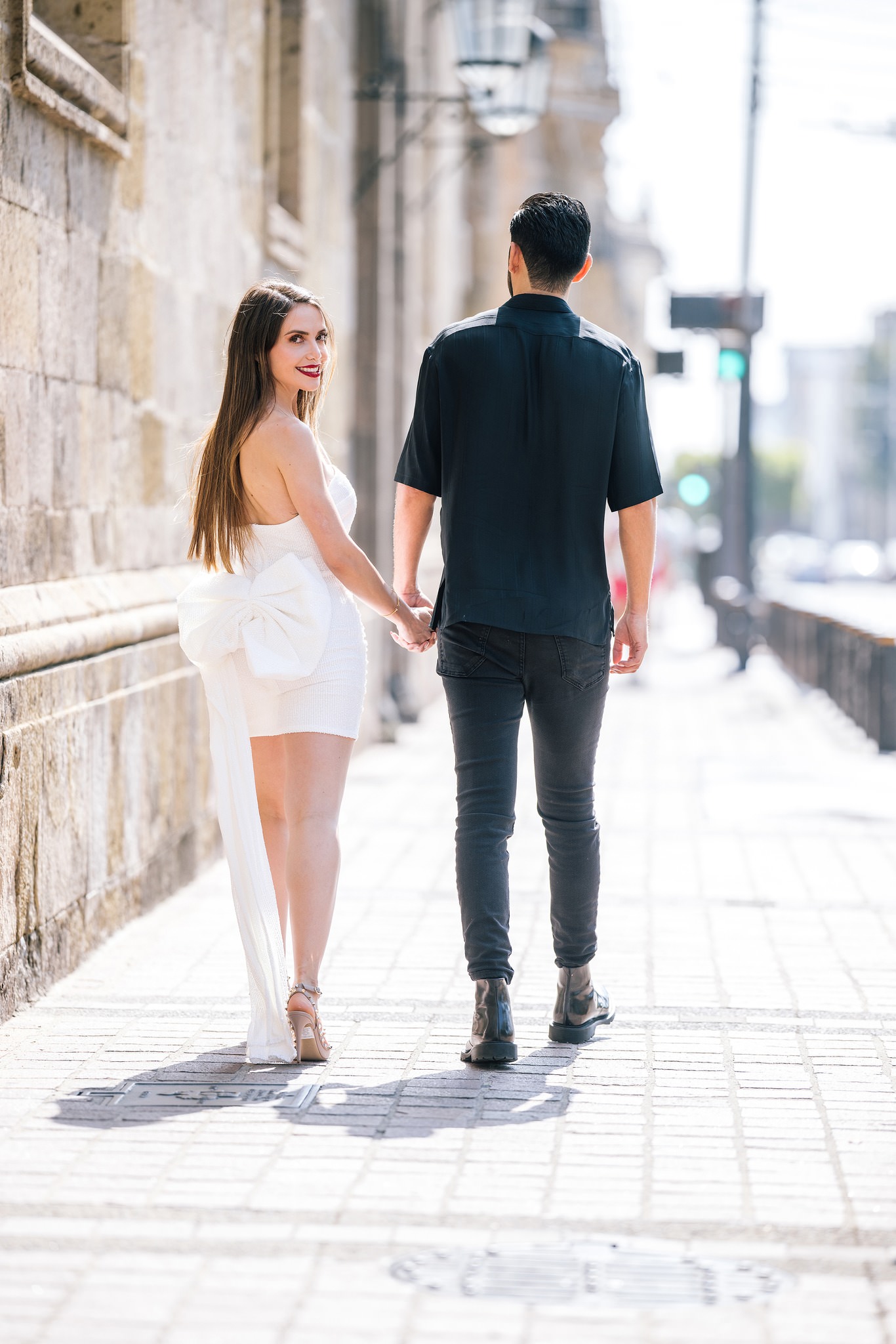
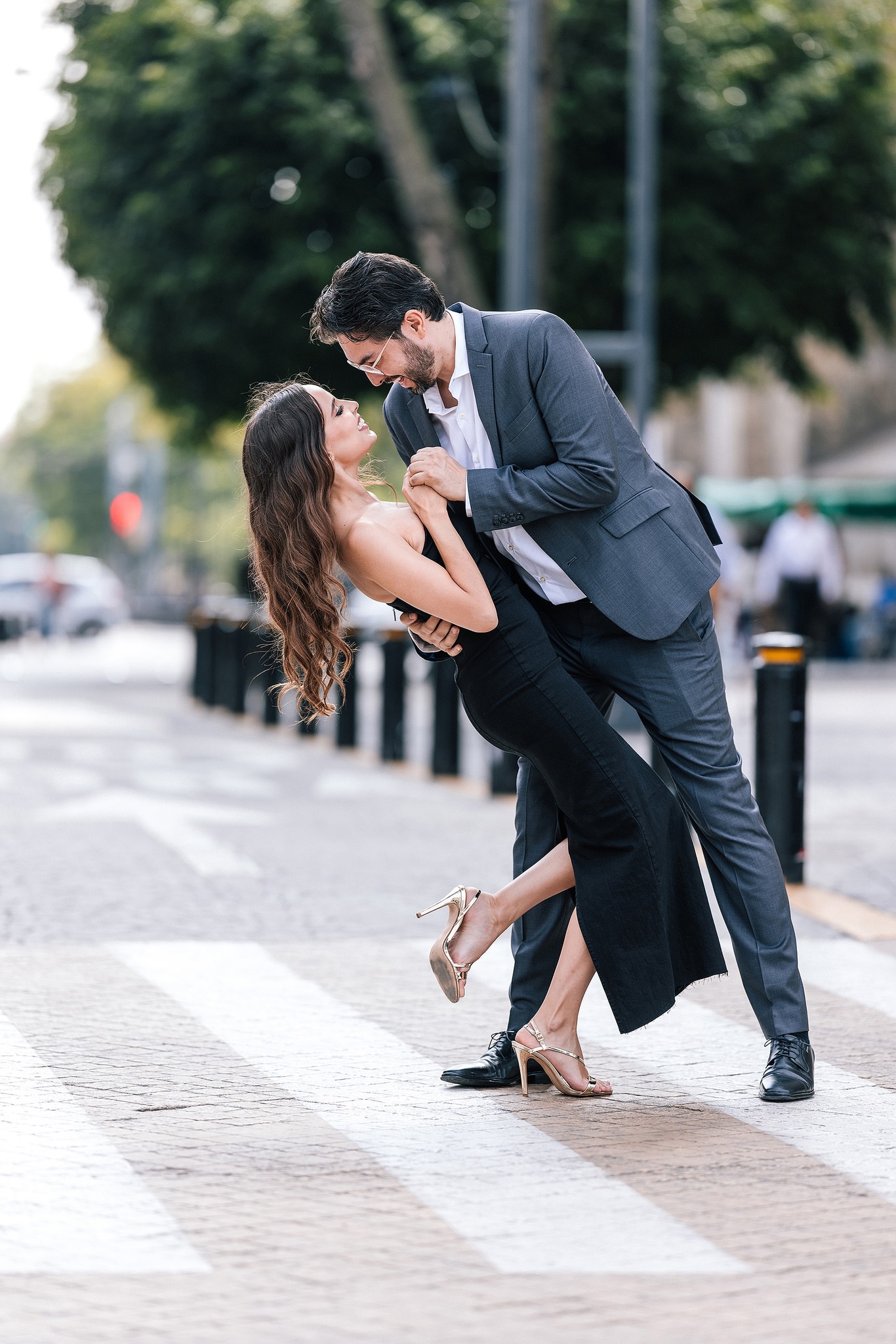
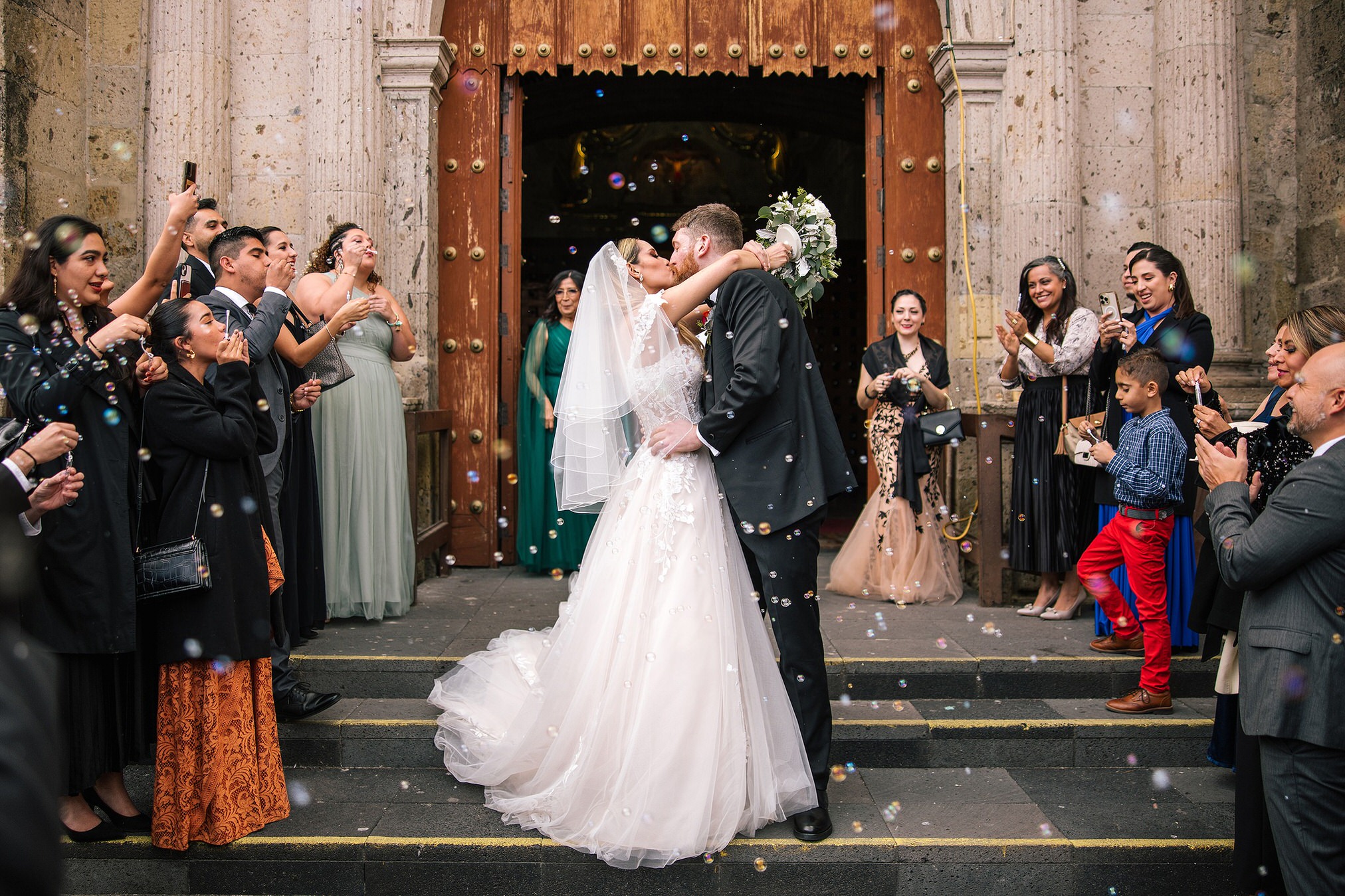
You said that competition pushes you forward. Has that competitive fire changed over the years – from proving who you were to challenging yourself? And what awards have you won?
Absolutely. Competition is still one of my biggest motivations because it pushes me to improve every single day. I think competition can be healthy when you use it the right way. For me, it’s never been about feeling better than others, but about becoming a better version of myself.
At this point in my career, staying relevant and continuing to grow is one of the greatest achievements I could ask for. Knowing that your work is still considered among the best gives you extra motivation to keep evolving.
Fearless Photographers has always been one of the most respected platforms in the world for me, and I currently have 27 Fearless Awards. I was also ranked the number one photographer on MyWed for many months, and I believe I’m still the photographer with the most Editors’ Choice awards there.
I was also ranked 11th in the world by ISPWP, along with recognition from several other international directories and associations.
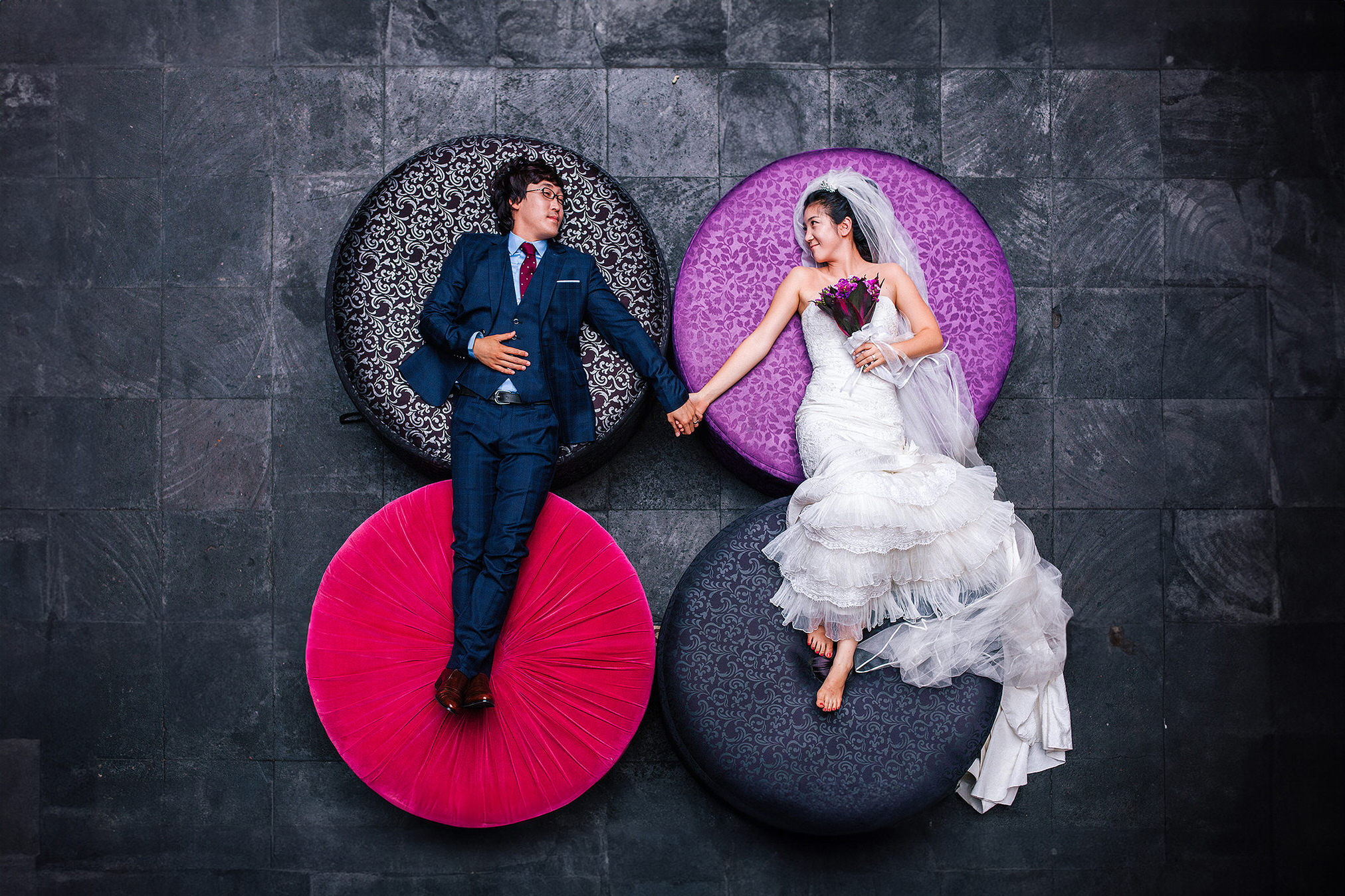
How do you keep your creativity alive?
That’s a great question. I think what keeps me inspired is constantly discovering new places for my photography, exploring work from photographers both inside and outside the wedding industry, and continuing to feel excited when I create something meaningful.
But honestly, one of the biggest motivations is seeing the reactions and smiles from my clients when they see their photos. That feeling never gets old.
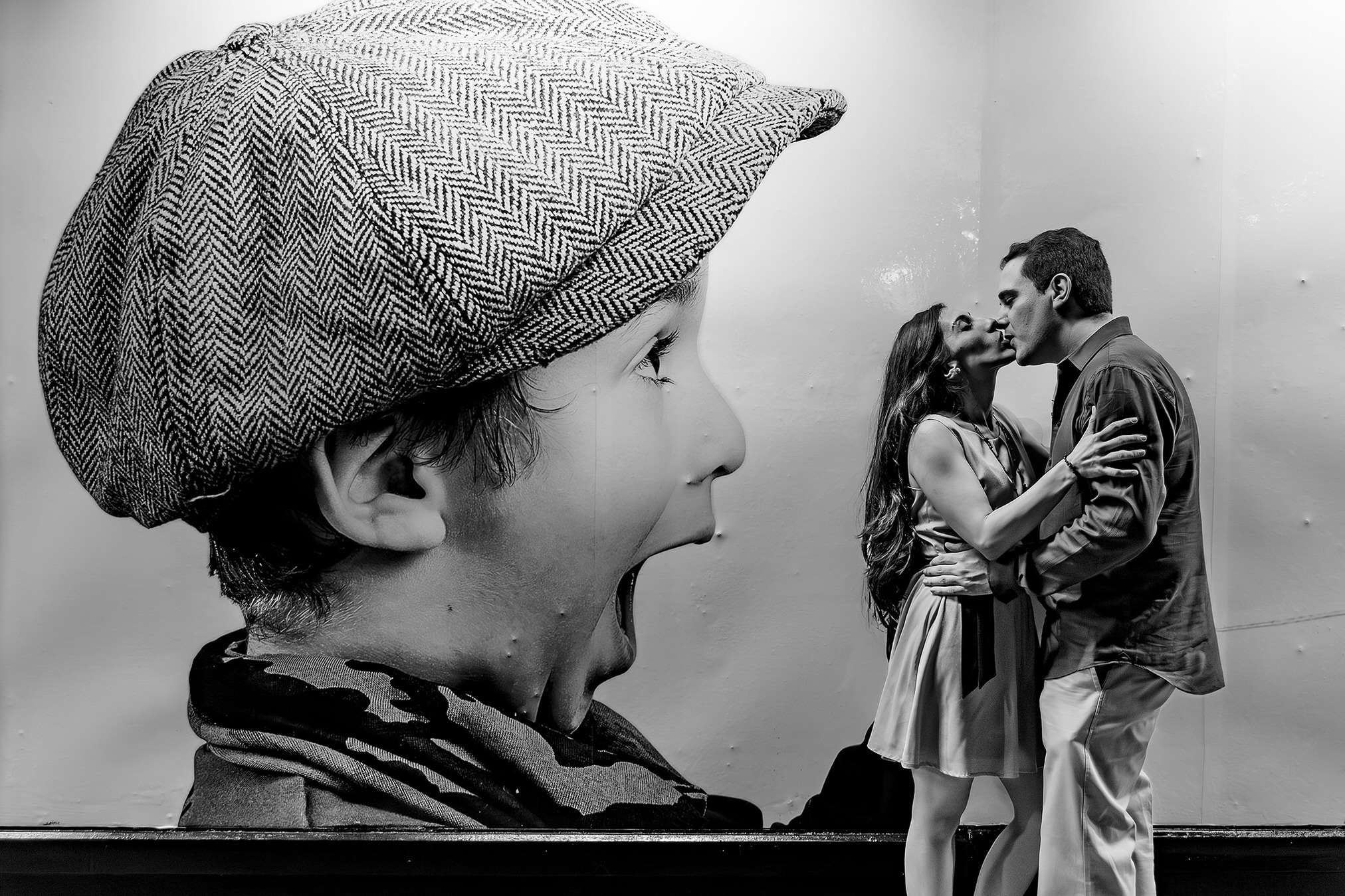
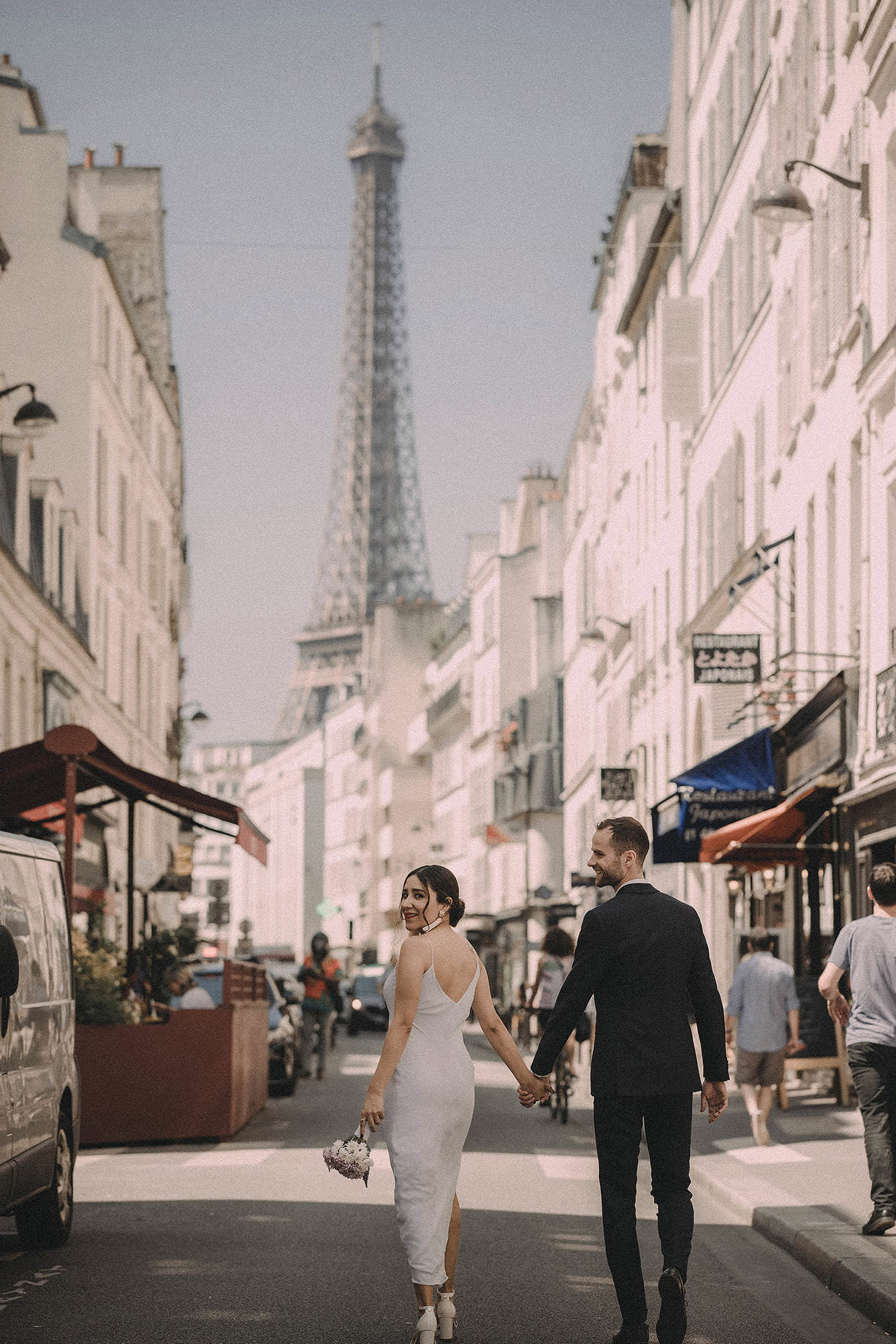
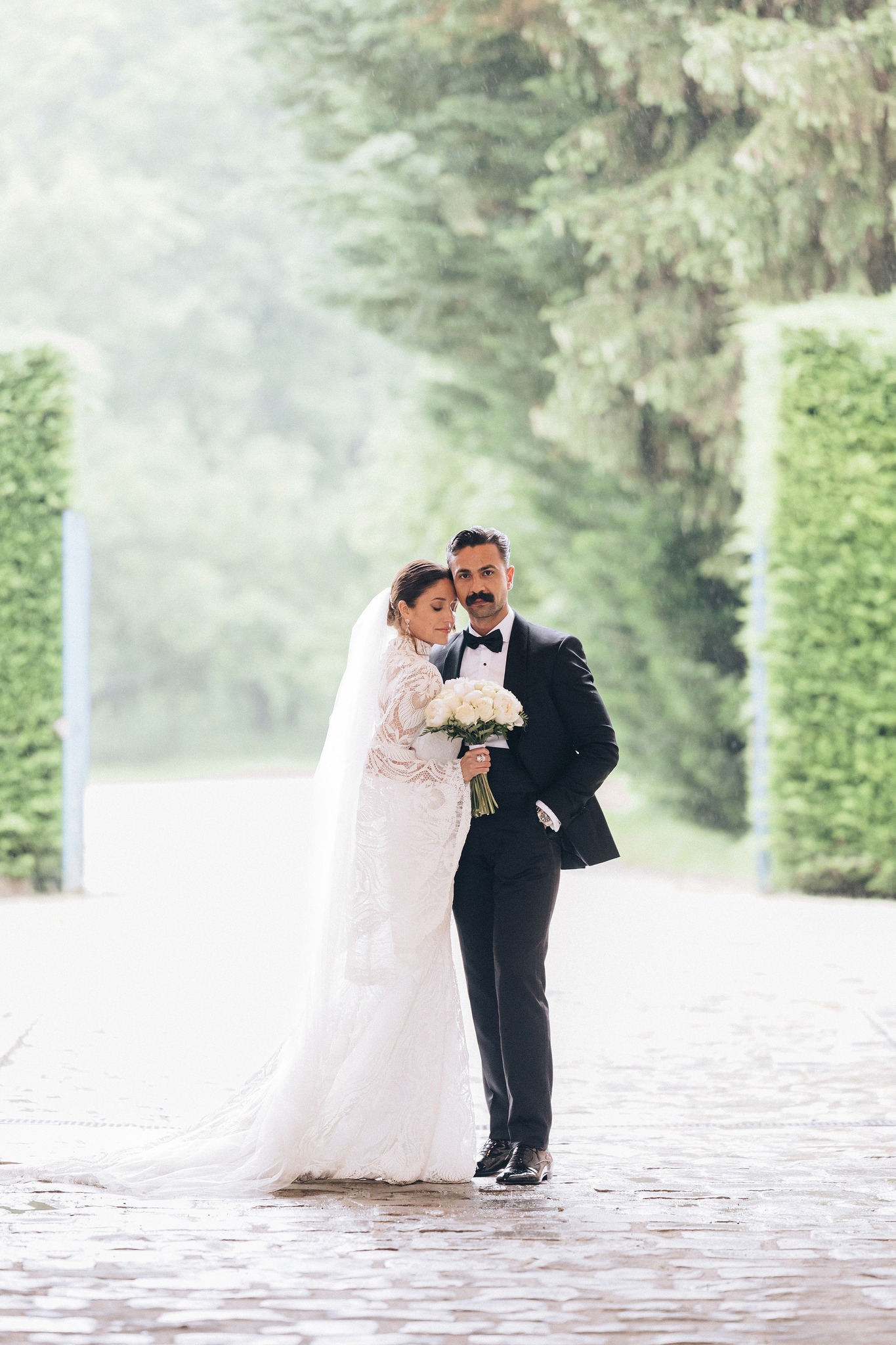
What do you love most about being a photographer, and what are the difficult parts?
I love that photography allows me to do things I would enjoy even if I weren’t getting paid for them: traveling, creating, meeting people, and experiencing emotional moments.
The difficult part is the responsibility. A wedding is one of the most important days in someone’s life, and there are no second chances. That pressure is real, but it’s also what makes the work meaningful.
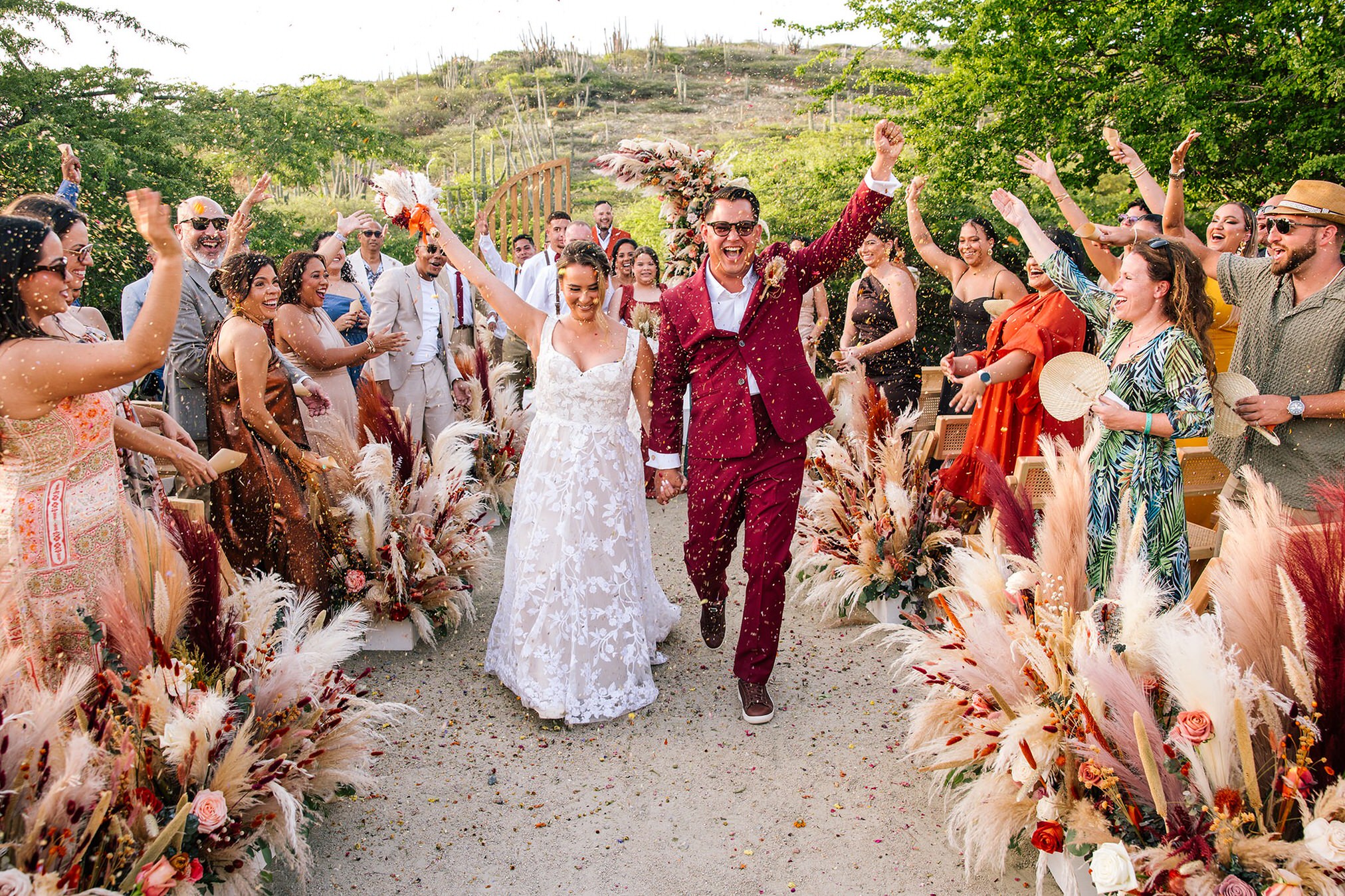
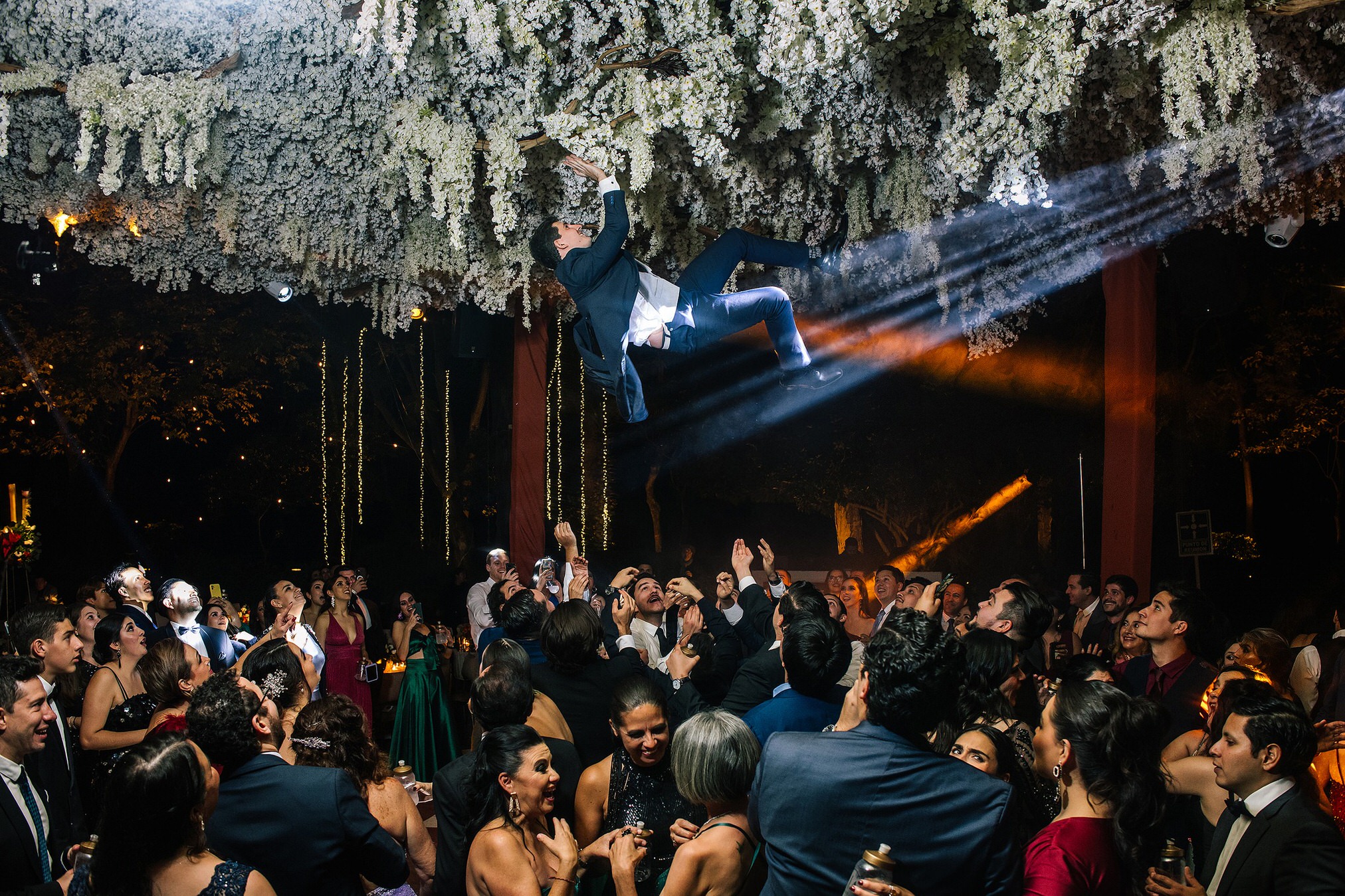
Mexico has a unique relationship with celebration, family, color, faith, and music. How has Mexican culture influenced the way you photograph weddings?
Mexican culture has a huge influence on the way I photograph weddings. We are people who truly love celebrations, emotions, family, traditions, music, and color. Mexican weddings are full of energy and meaningful moments, and I think that naturally reflects in my photography.
I also love that our culture values family so deeply. There’s always emotion, tradition, and connection in our weddings, and that makes them incredibly special to document.
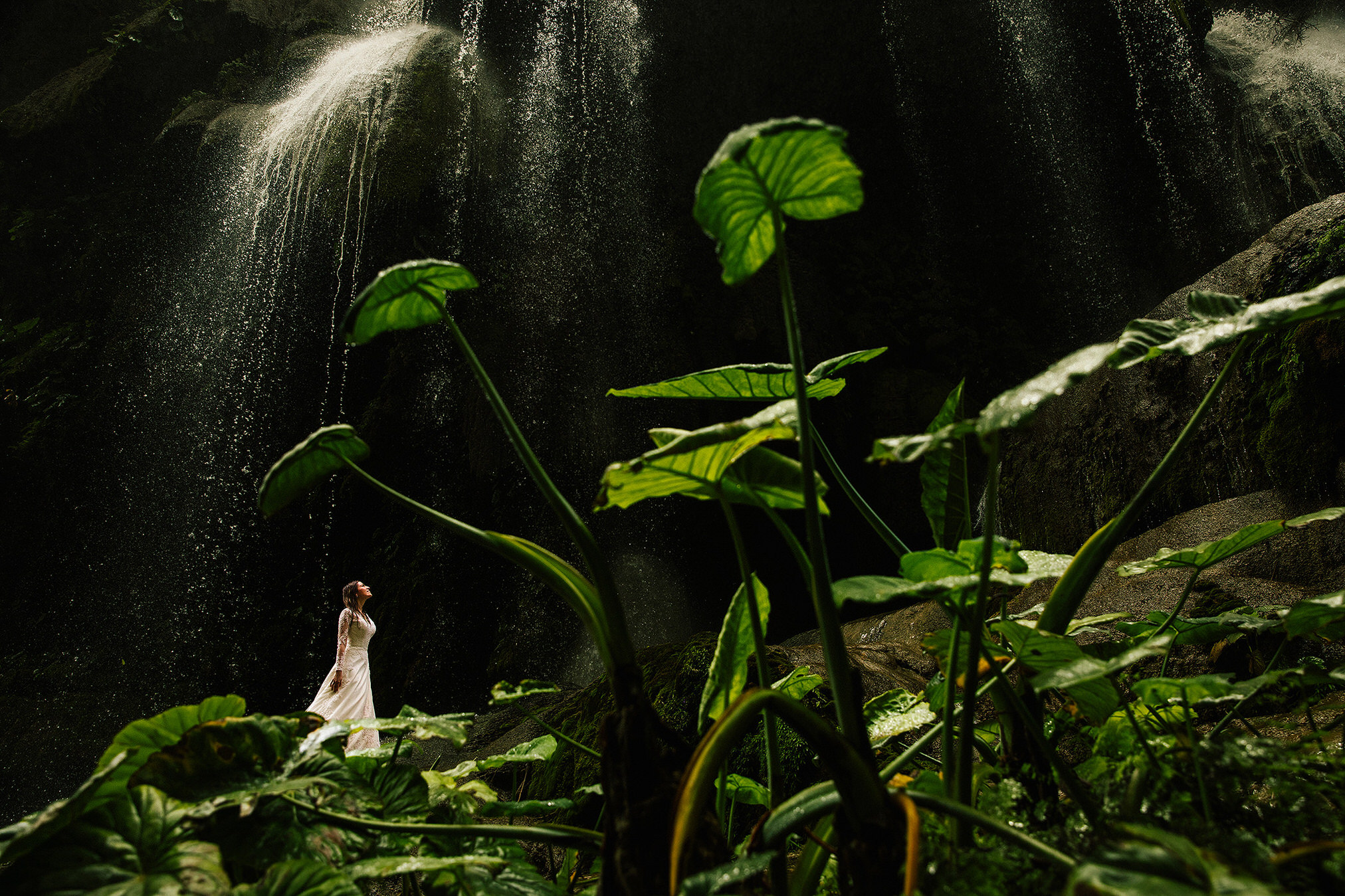
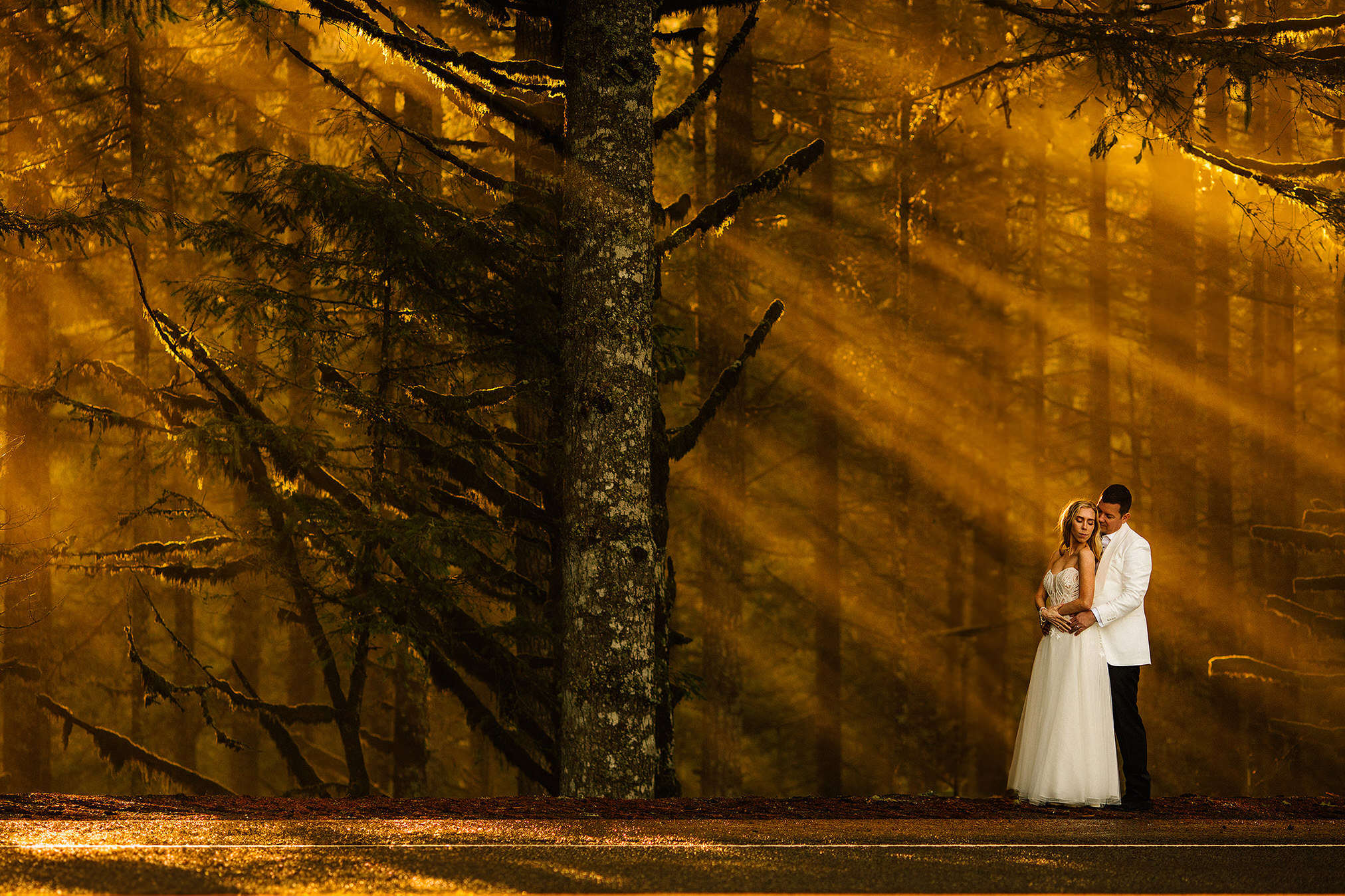
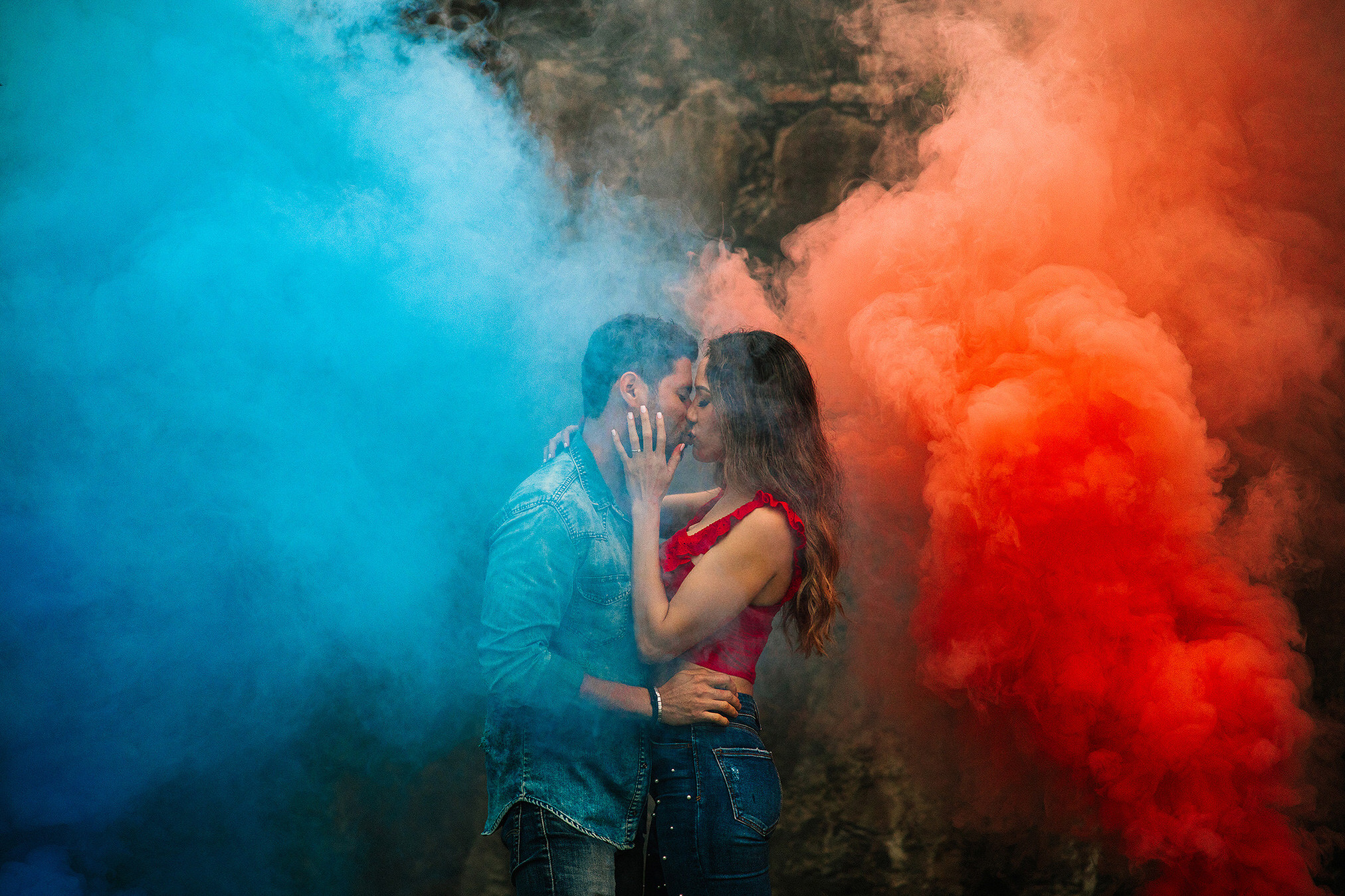
How do you discover new places and locations? Do you think there are still places left that nobody has photographed?
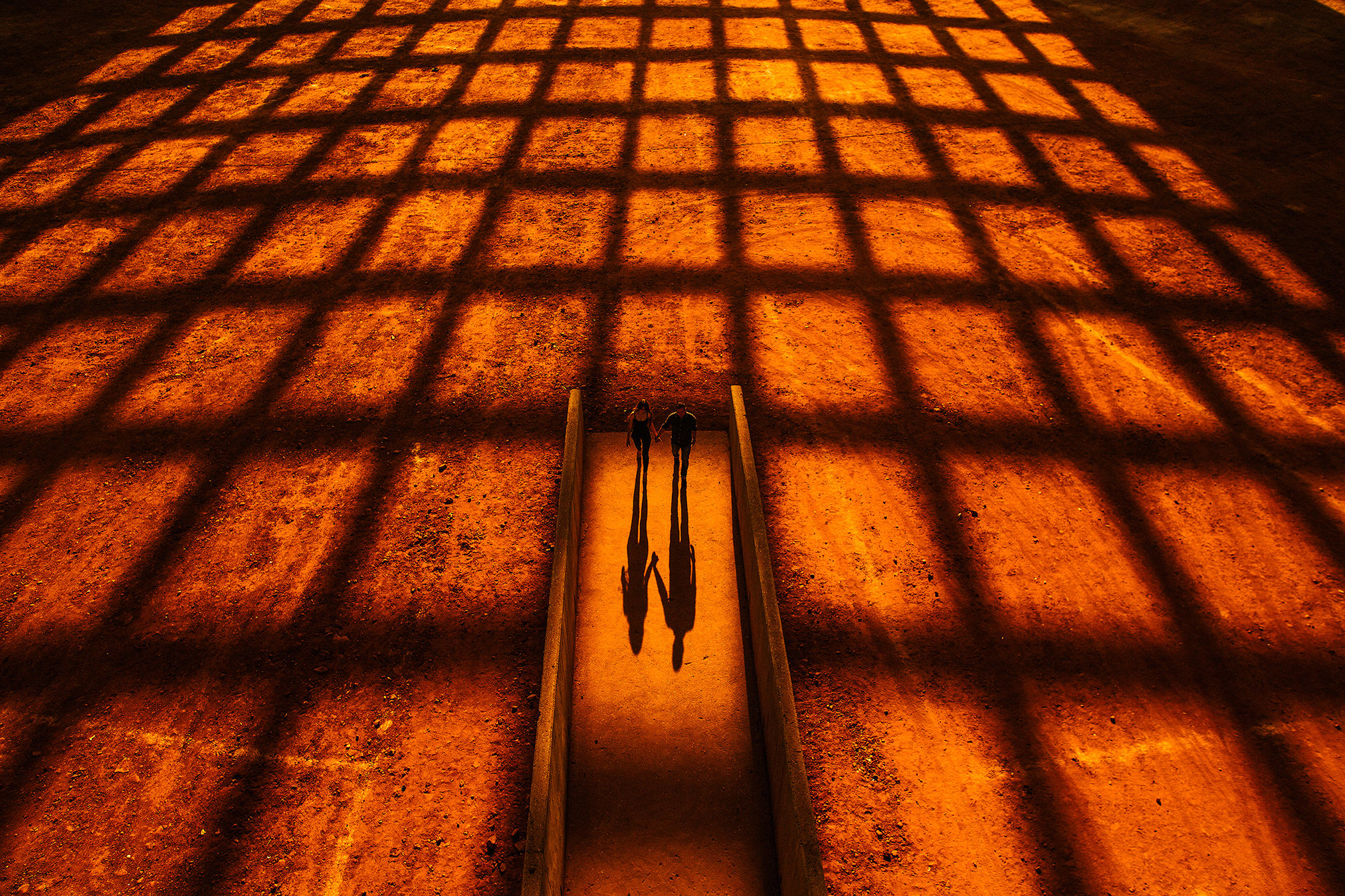
I love discovering new locations. I’m always searching for new landscapes, venues, and environments because I think photographers can become creatively stuck when they work in the same places over and over again.
I spend a lot of time researching, looking at landscapes, asking locals, and exploring ideas. When I find somewhere interesting, I talk with the couple and try to create something unique there. I absolutely believe there are still places and perspectives waiting to be discovered.
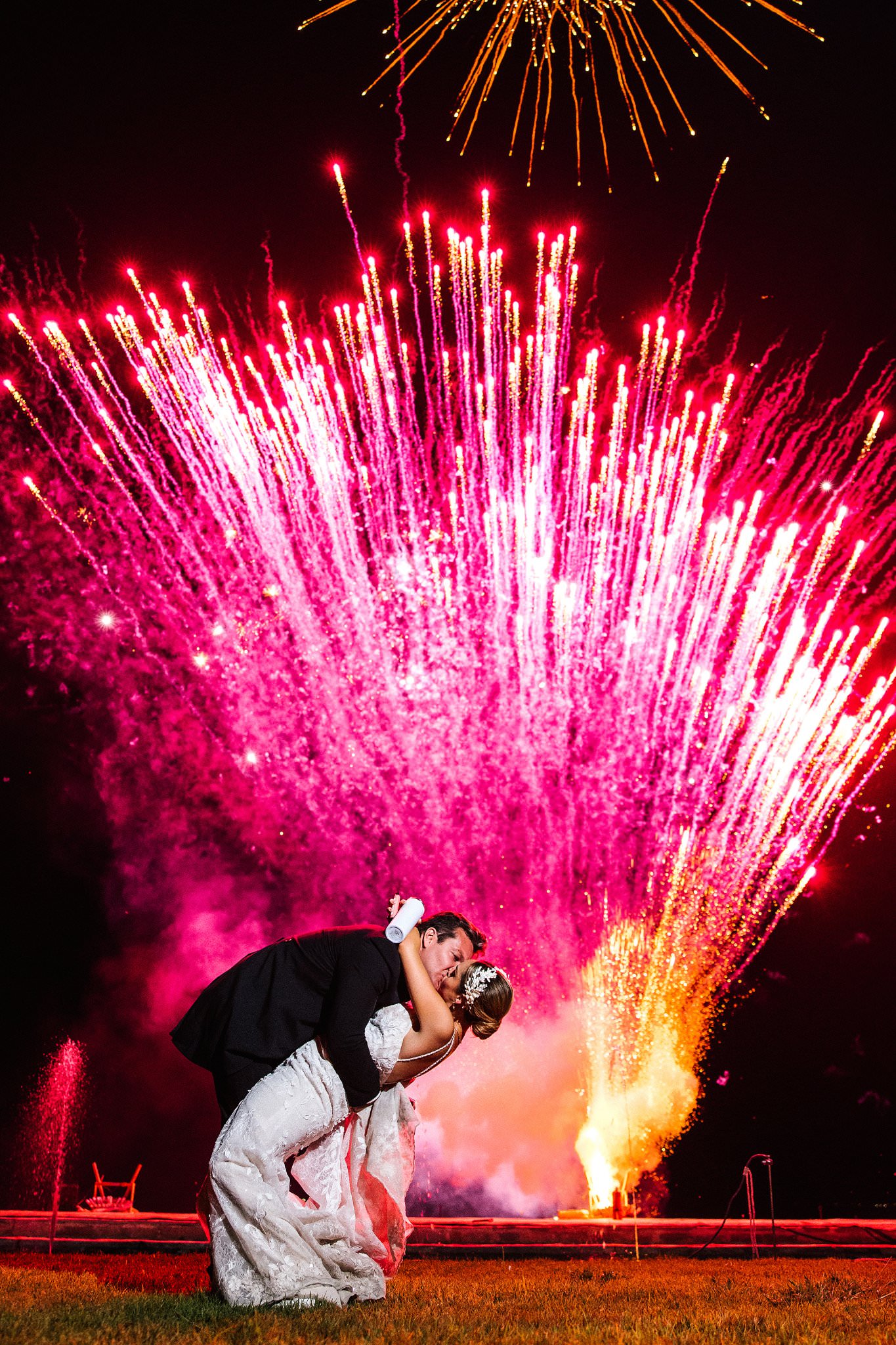
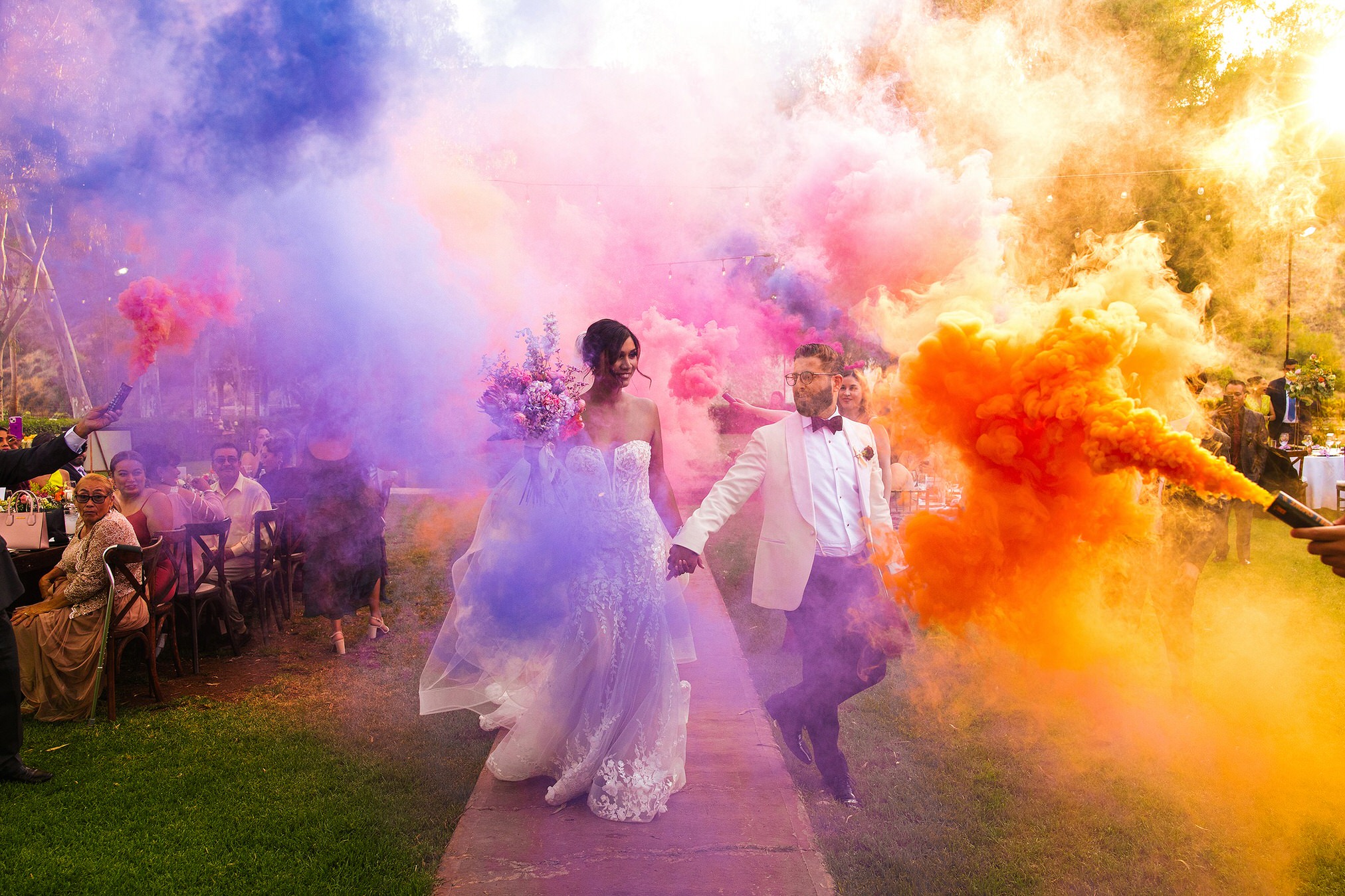
You’ve photographed thousands of weddings. What still excites you or even makes you emotional?
What excites me most are still the real moments. Weddings allow me to witness emotions and experiences that I may never personally live myself. For example, photographing a father-daughter dance always touches me deeply because I have three sons and will never experience that exact moment in my own life.
I’m also constantly inspired by different traditions, cultures, and ceremonies around the world. Every couple is different, and every wedding still has something unique to offer emotionally.
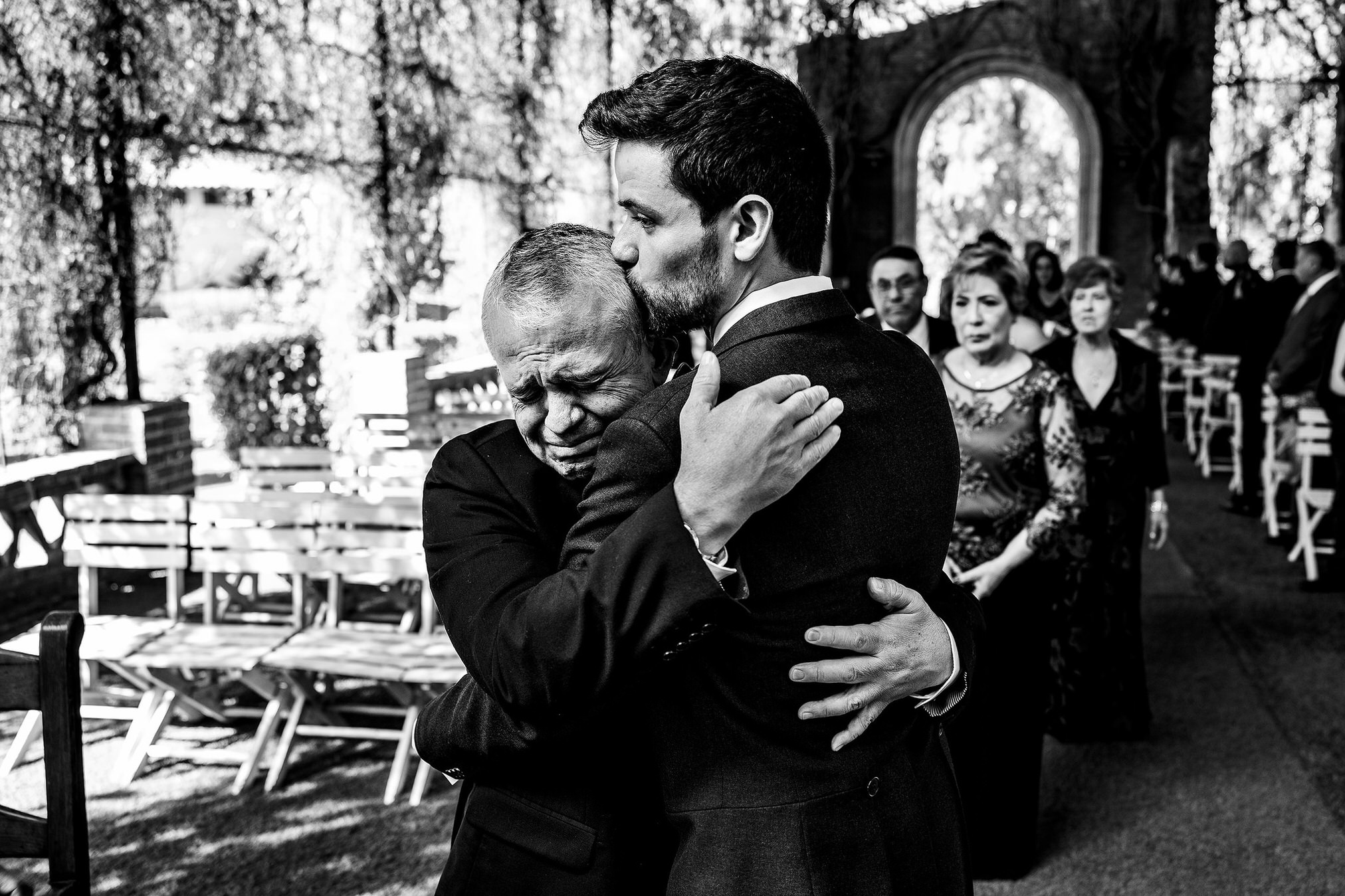
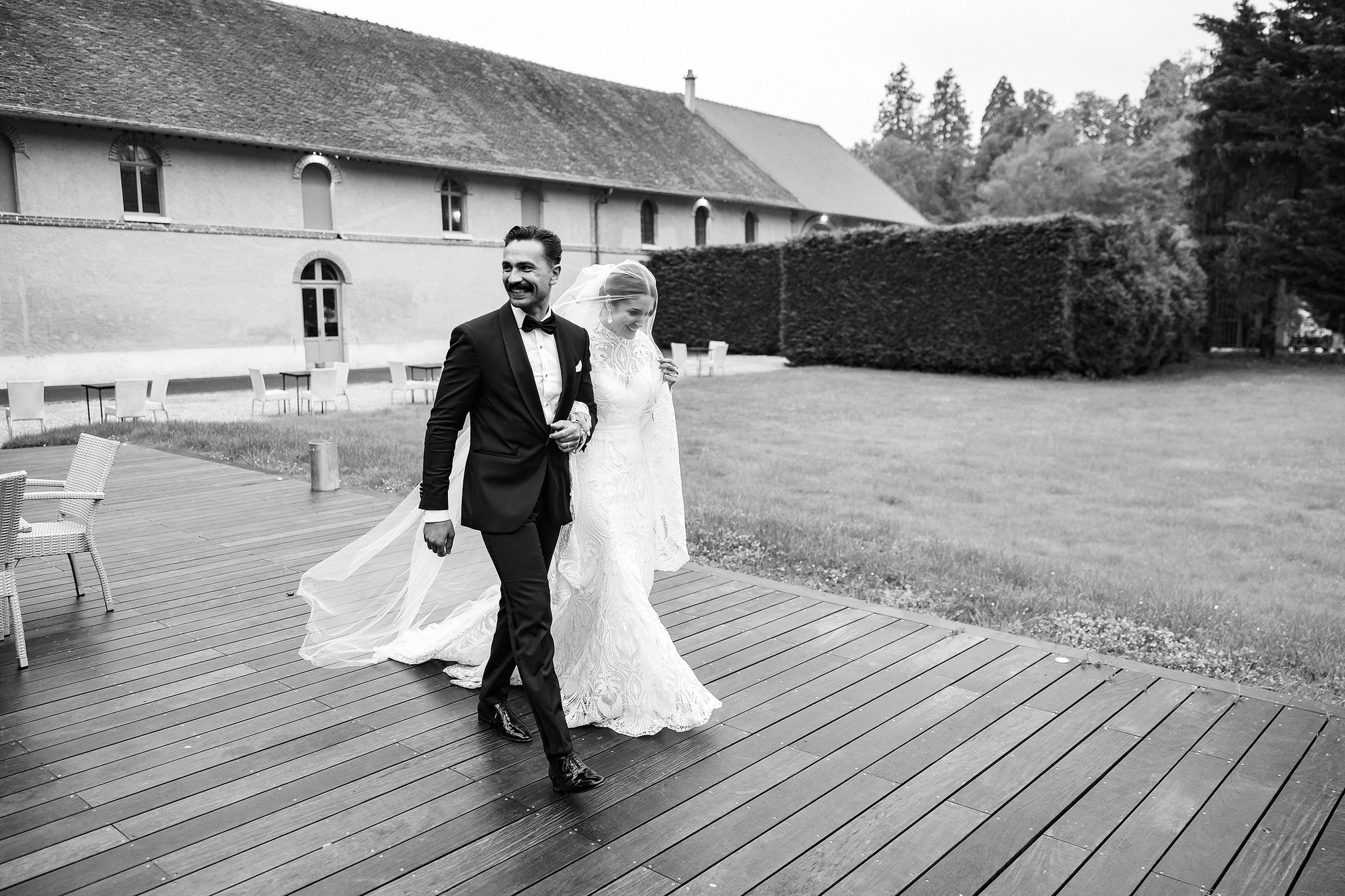
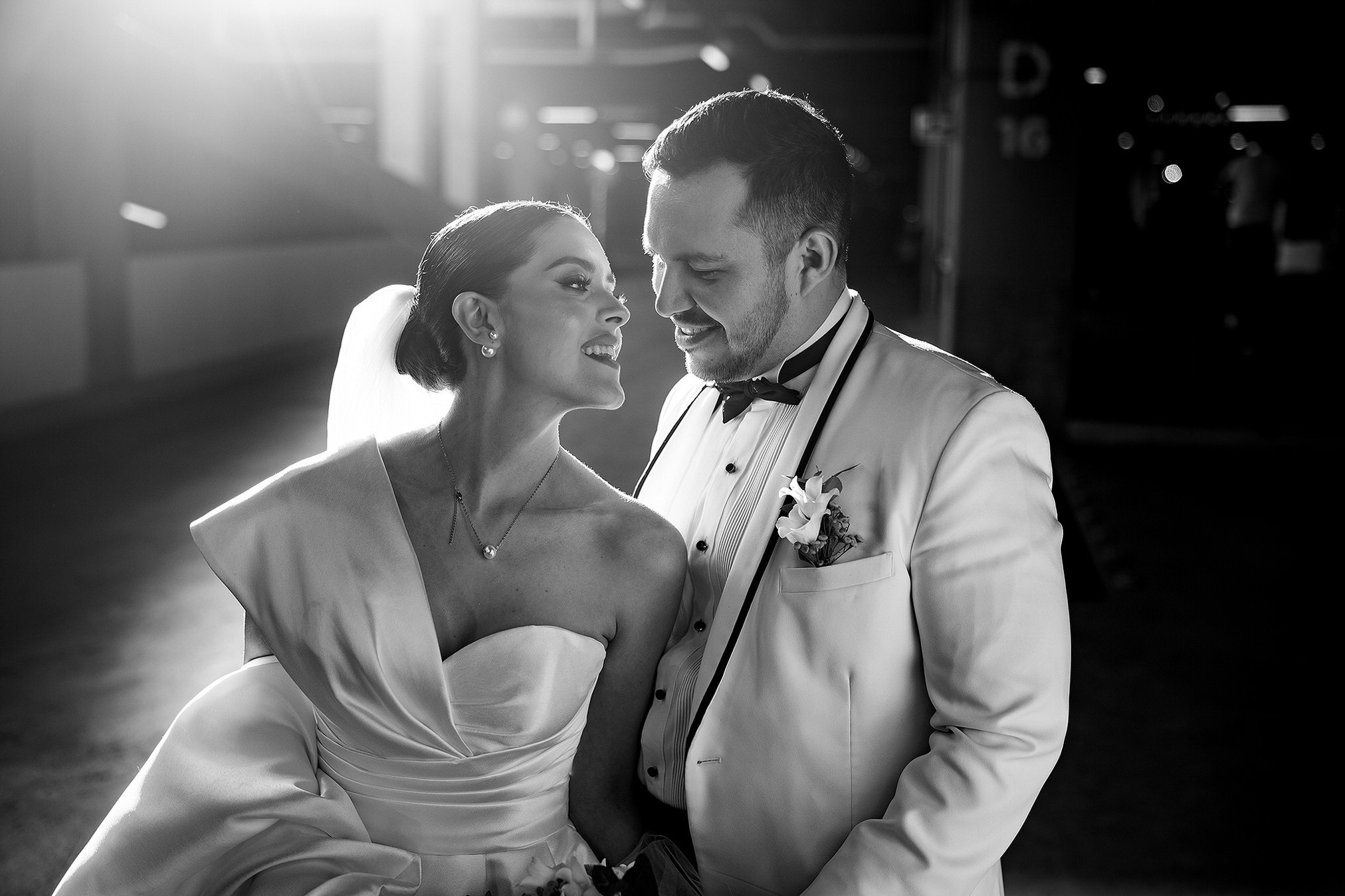
After photographing so many couples, what have weddings taught you about relationships, love, and the ritual of marriage?
Weddings have taught me that love is very real. People still choose to get married because they truly believe in love, family, and connection.
They’ve also reminded me how important it is to appreciate the people we love while they are still with us. Sometimes photographs become the memories we hold onto after someone is gone, and that gives photography a very deep emotional value.
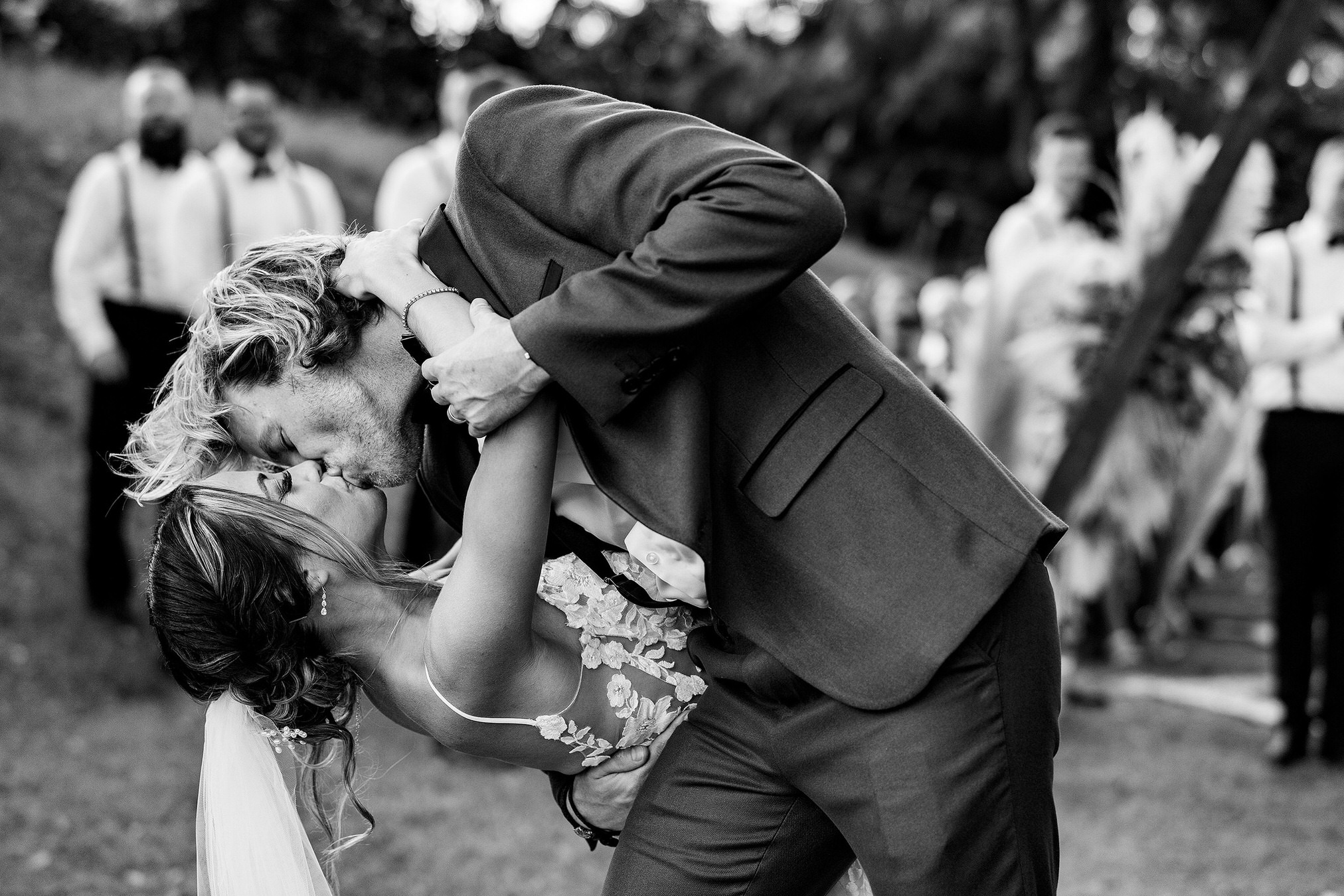
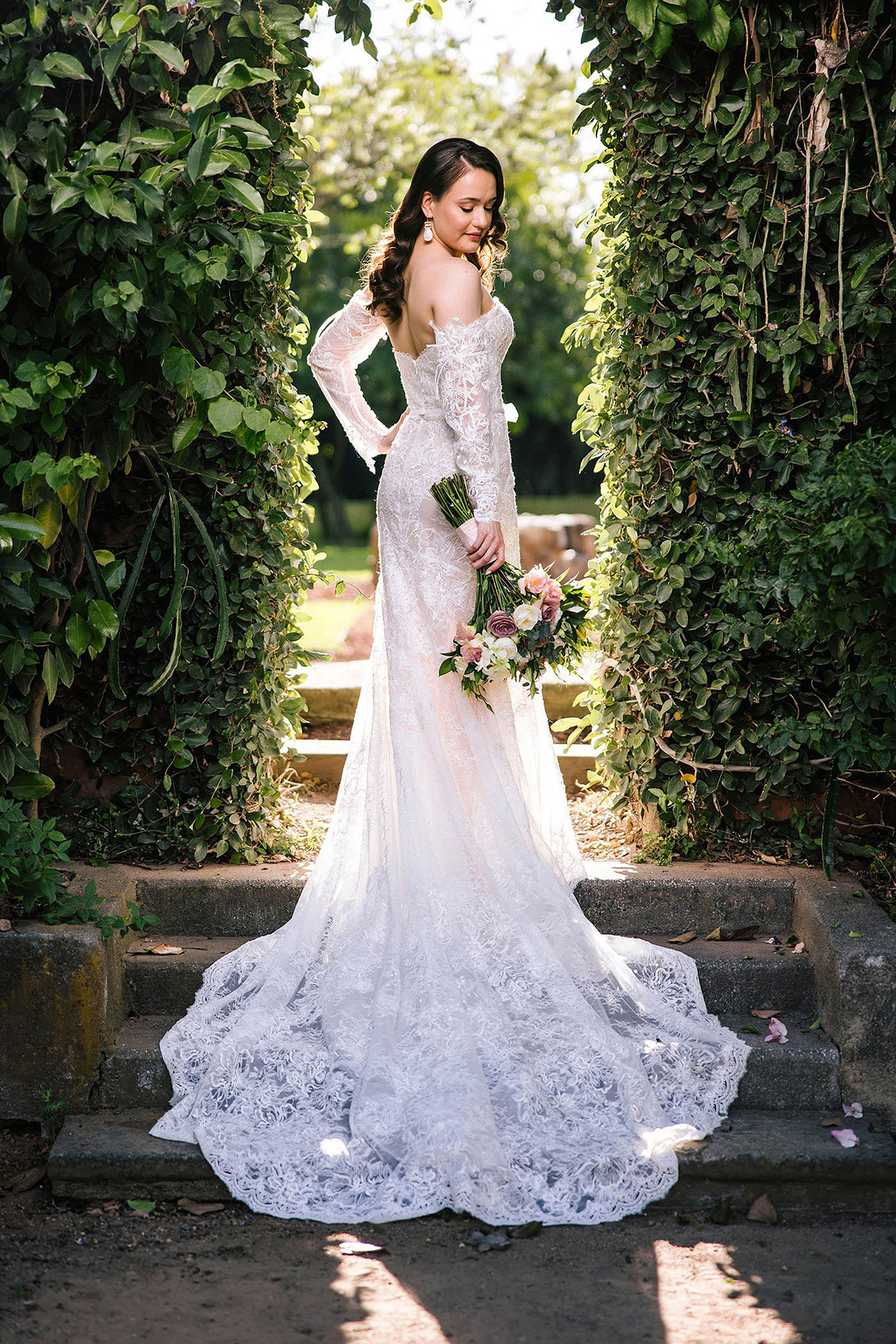
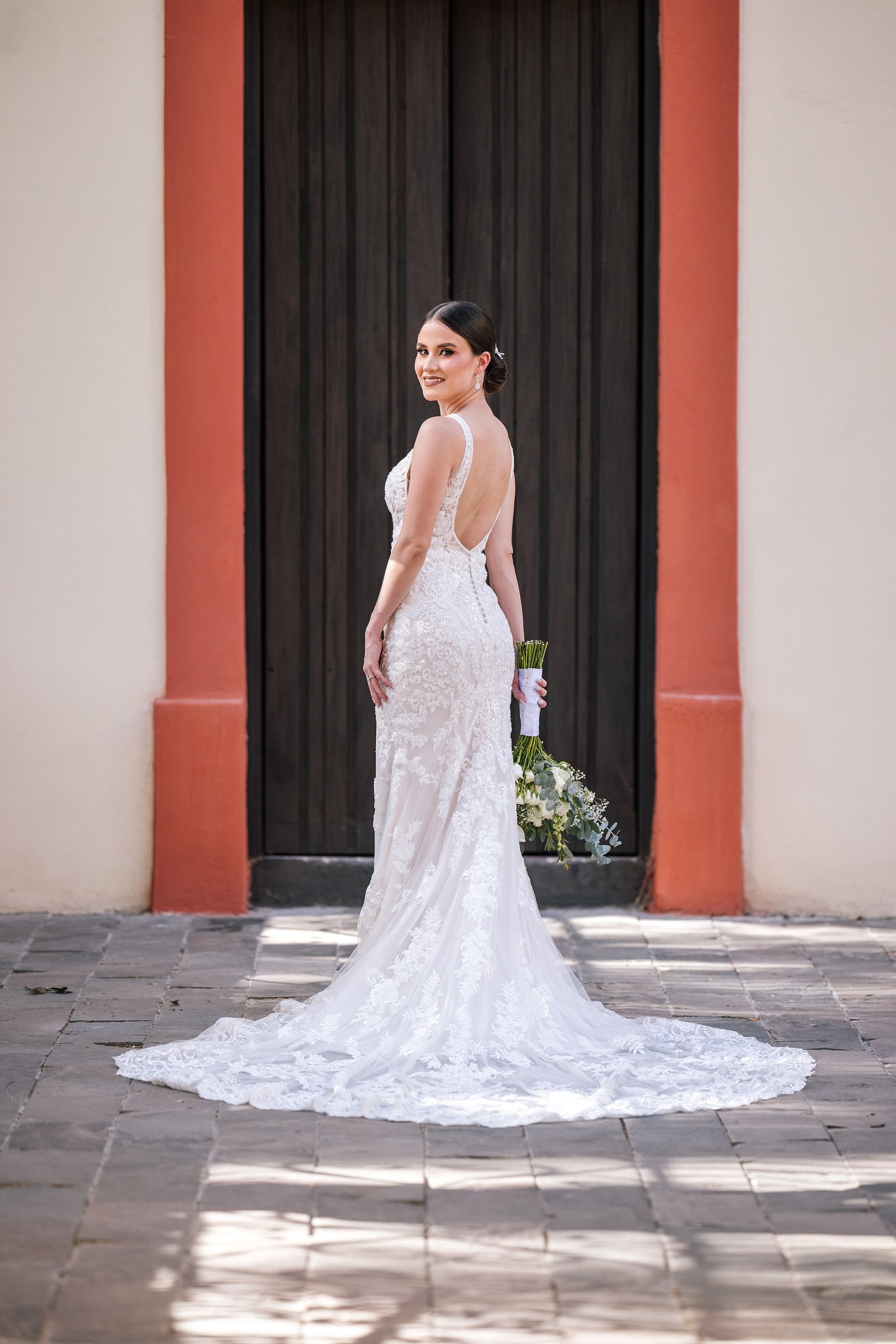
Do you feel photography can truly transmit emotion?
Yes, absolutely.
There’s no other answer for me.
Photography can transmit emotion in an incredibly powerful way.
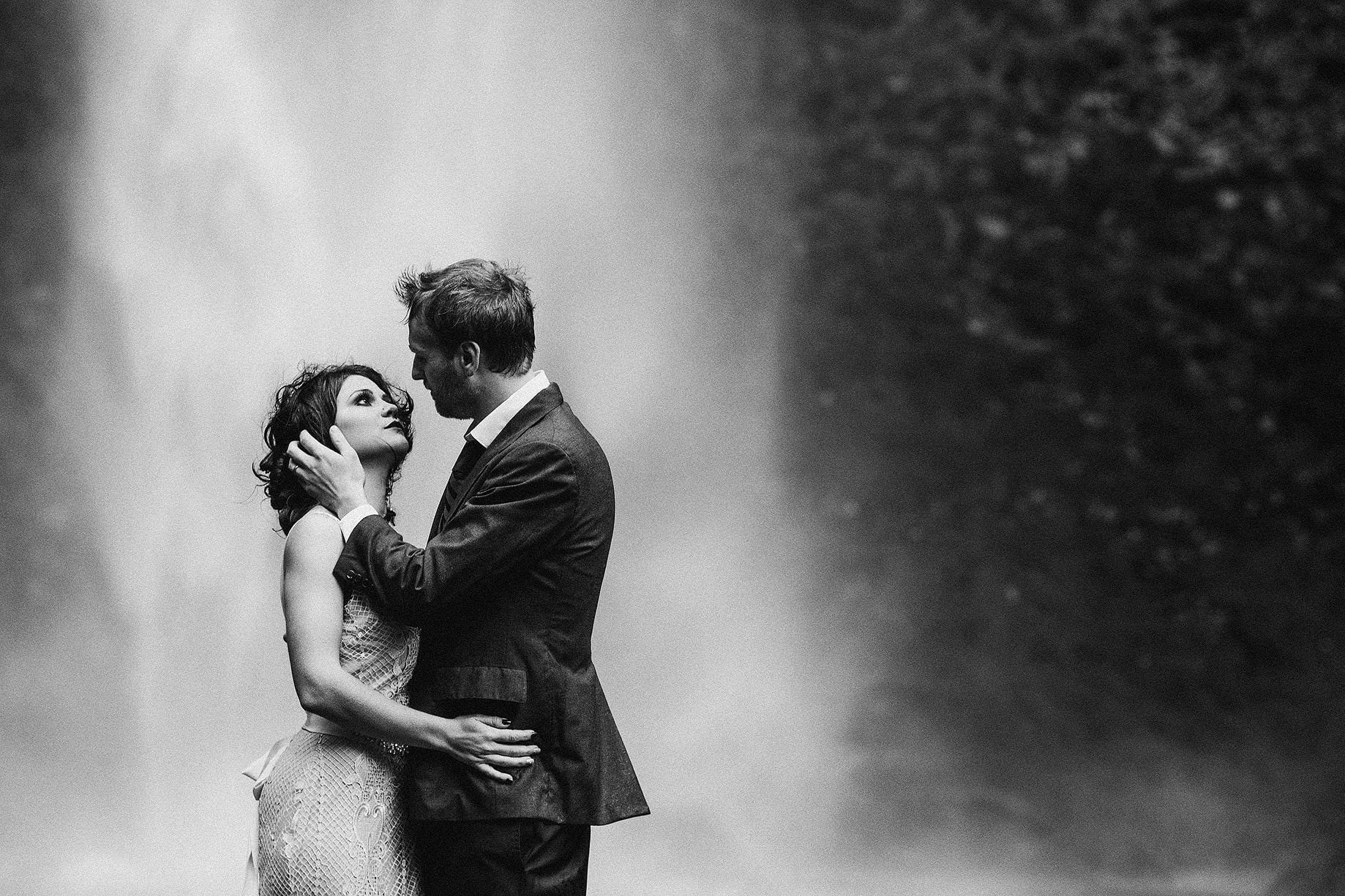
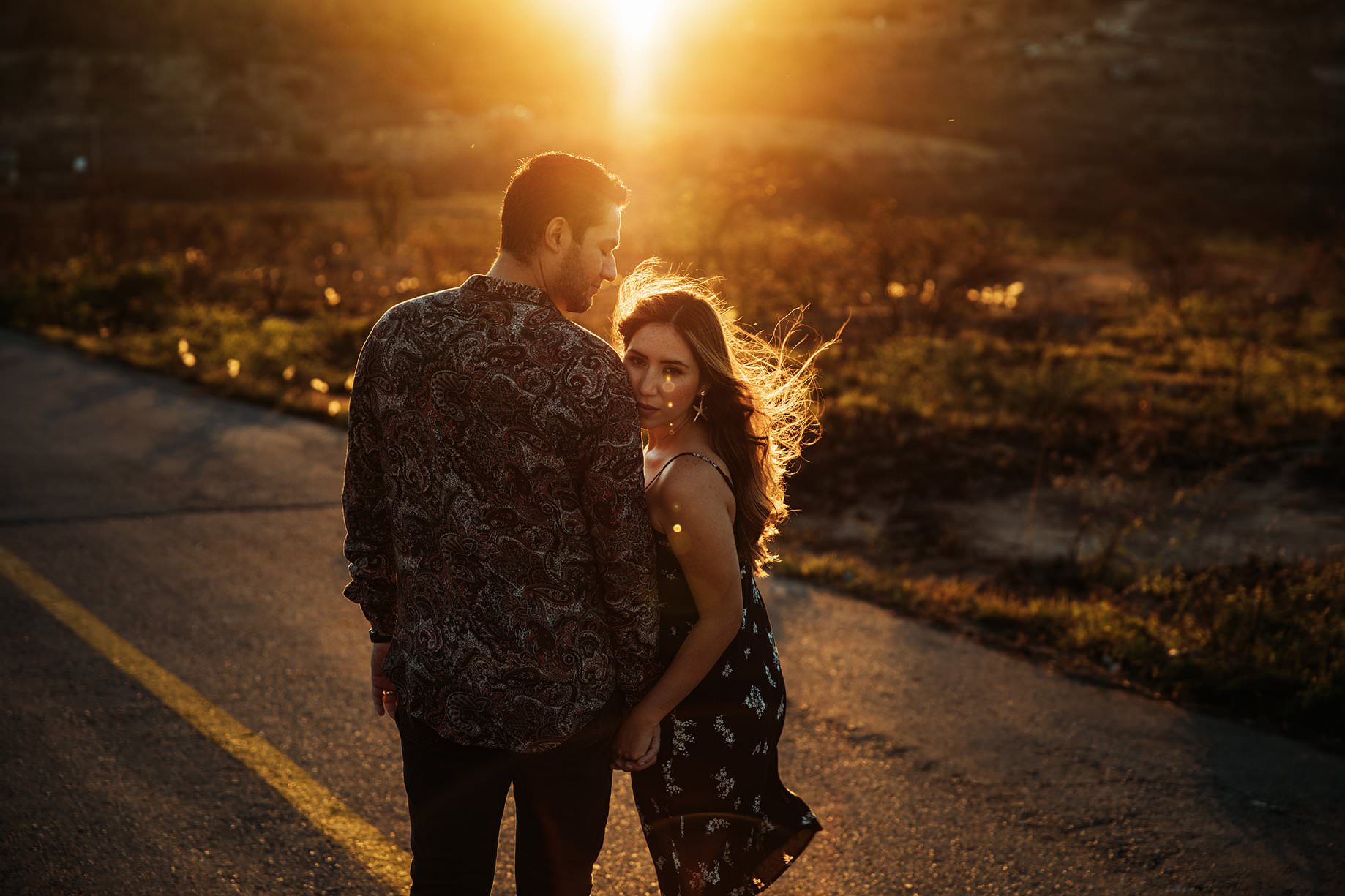
I like asking photographers not only about success, but also about failure, because I believe we learn the most from difficult moments. Do you have an experience like that you’d like to share?
I think most of my failures have come more from personal mistakes than from photography itself – things like acting impulsively or allowing ego and emotions to affect me at certain moments.
When you truly love what you do, failures in the work itself become less common, but of course there are still difficult moments.
A failure could be losing a client, disappointing someone, missing deadlines, or not being professional enough in certain situations.
Over time, I’ve learned that growth comes not only from success, but also from learning how to handle mistakes with maturity.
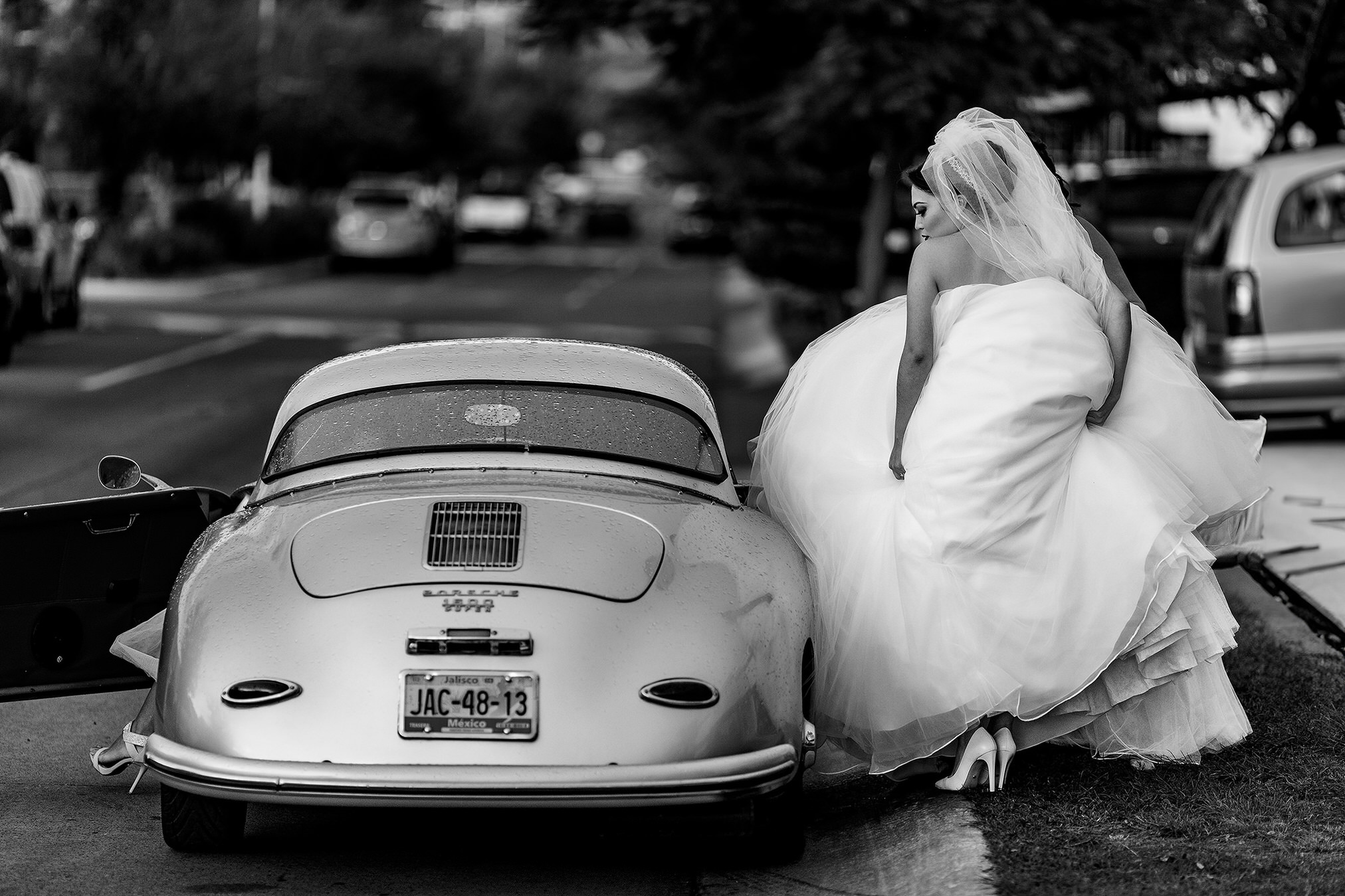
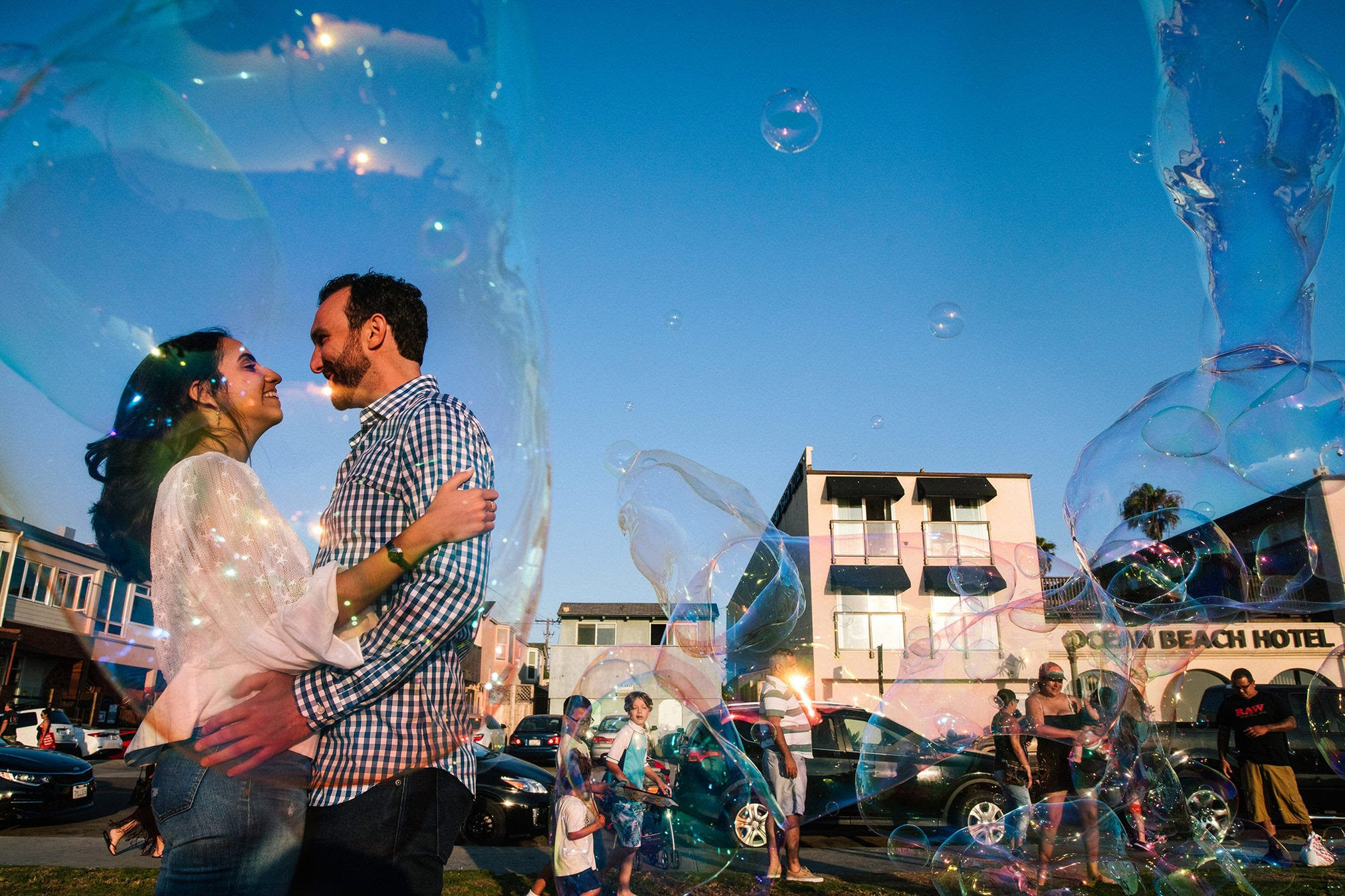
Can you tell us how you first discovered JPEGmini and how you use the software today in your workflow?
If I remember correctly, I first discovered JPEGmini around seven years ago, a little before the pandemic. Since then, it has become part of my workflow for every client delivery, whether through cloud galleries or USB drives.
I’ve never had any issues with image quality, even for large prints.
The software compresses files efficiently while maintaining excellent visual quality.
It has helped me save a significant amount of storage space, both on hard drives and in the cloud, which is incredibly important when working with thousands of wedding images every year.
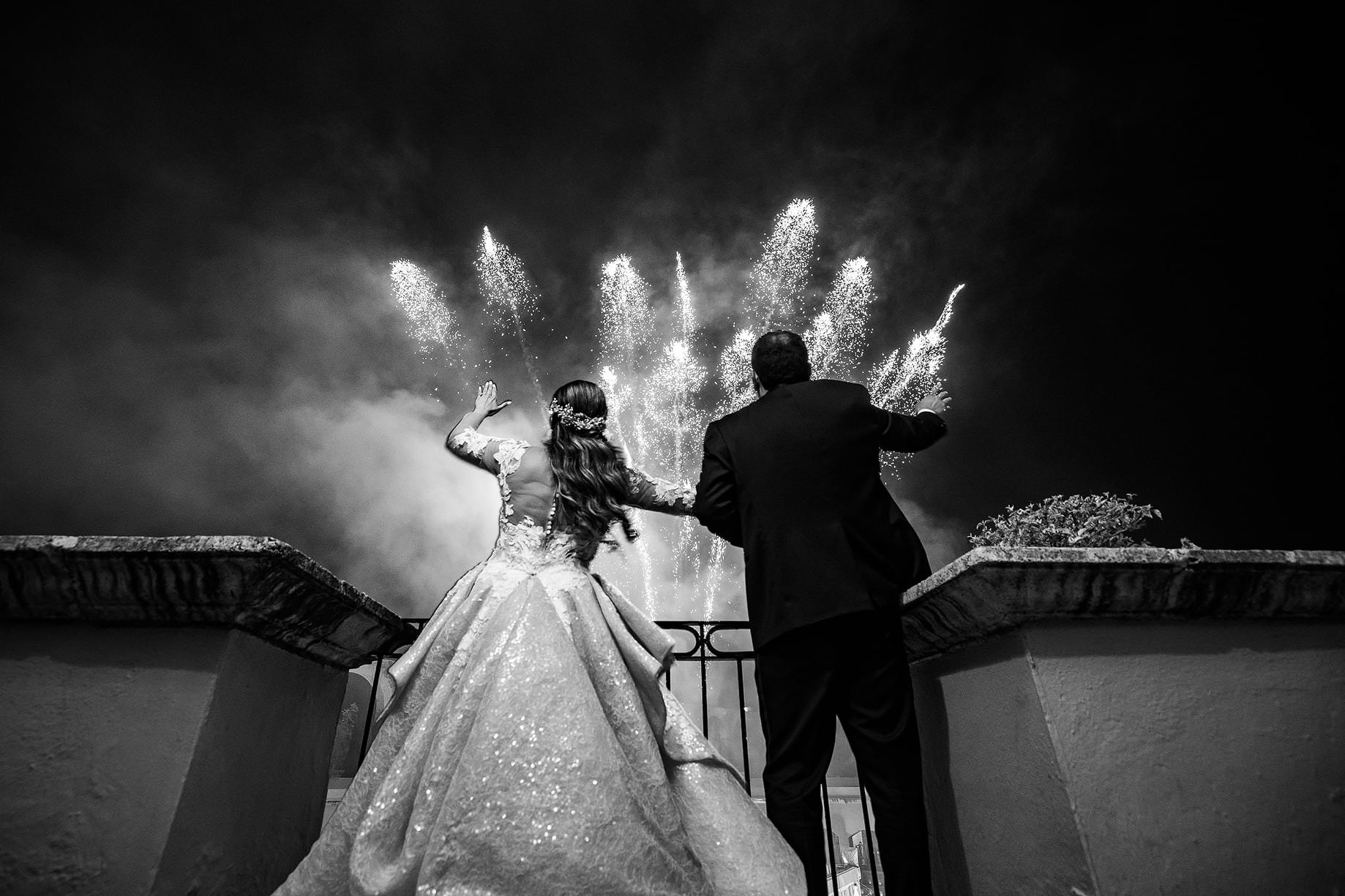
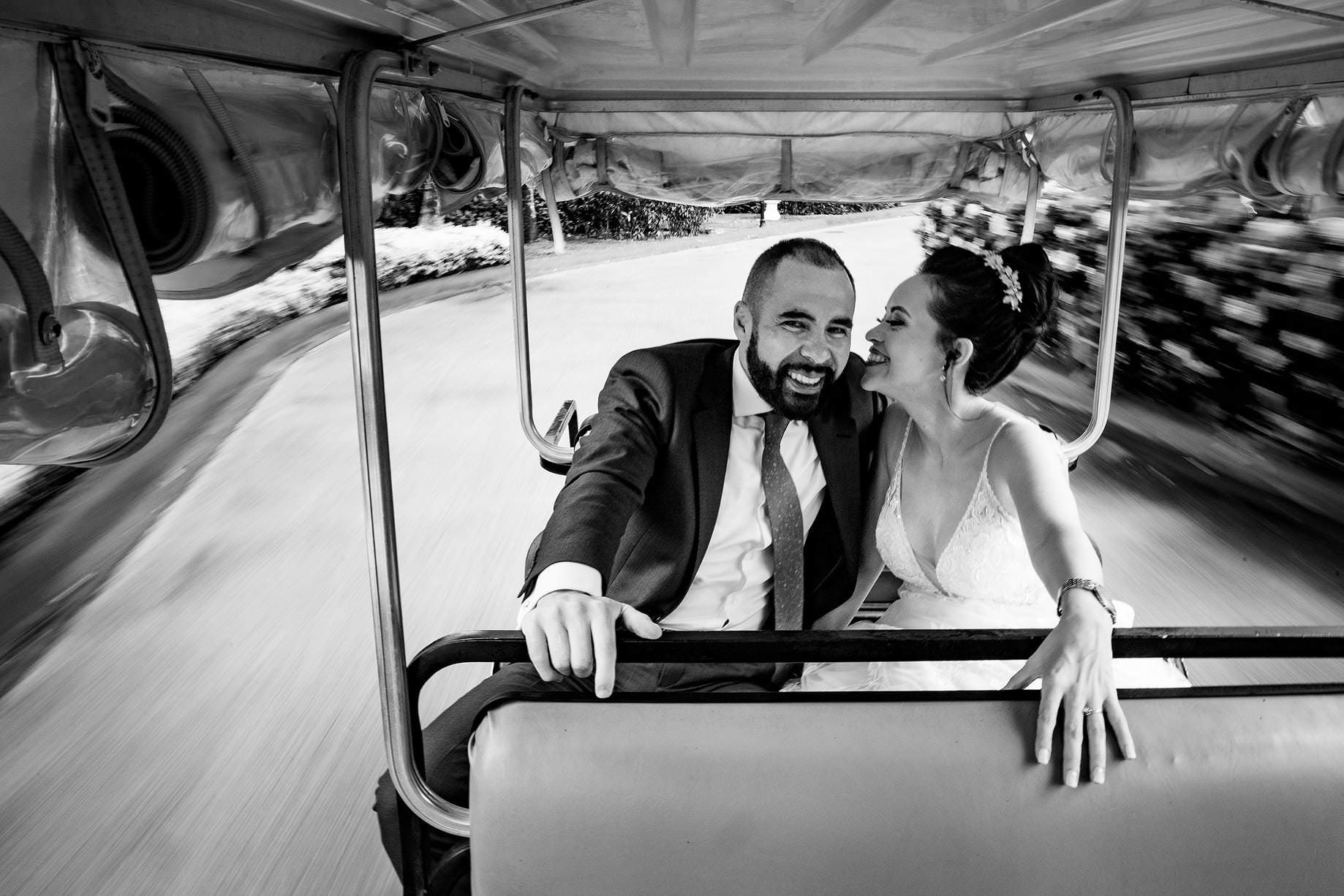
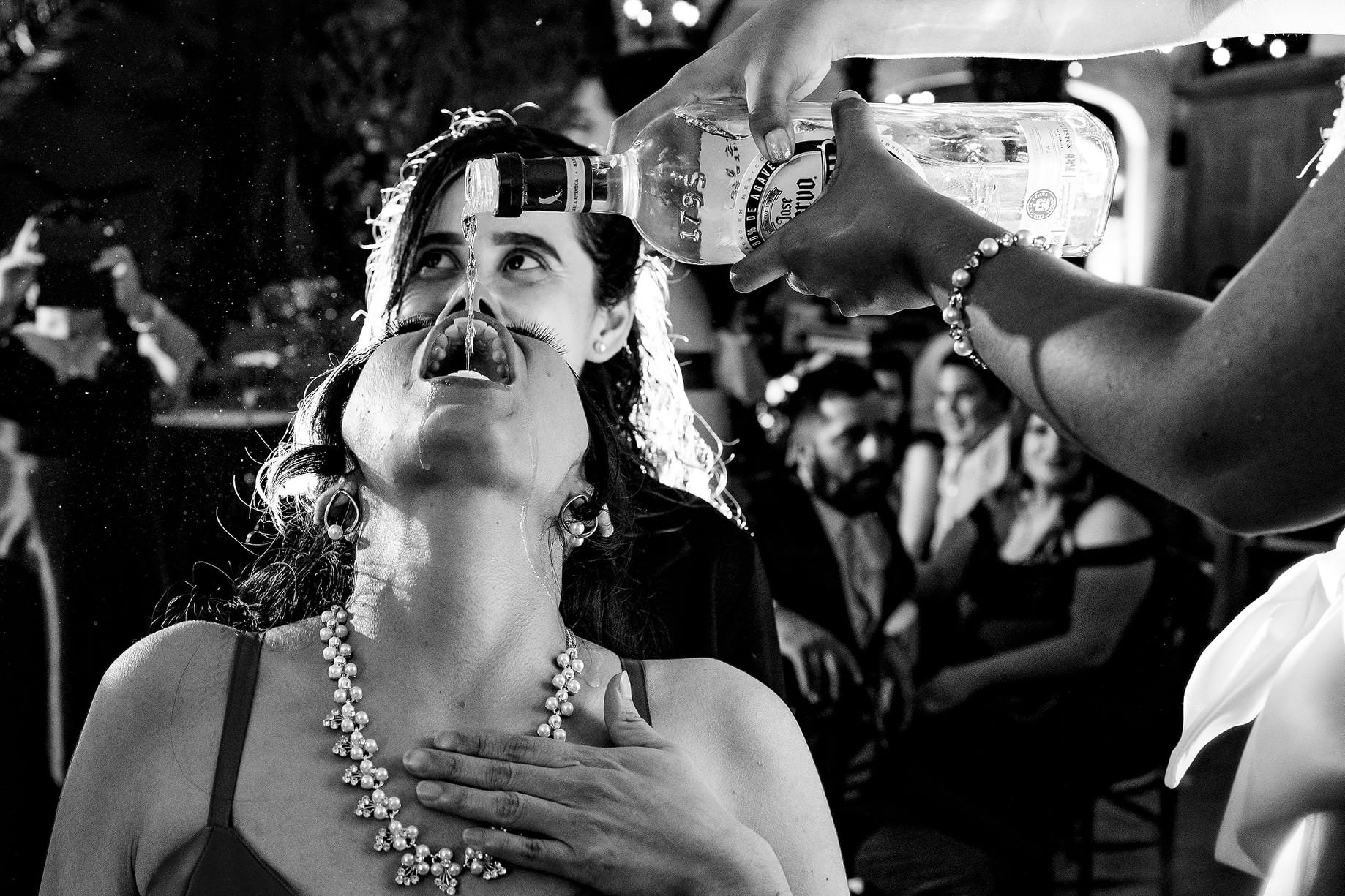
Final Thought
Jorge’s photographs carry the discipline of a designer, but they succeed because they never stay trapped inside perfection.
Beneath the clean compositions and controlled framing, there’s always movement trying to escape – noise, emotion, unpredictability, human energy.
That tension is what gives the work its life.
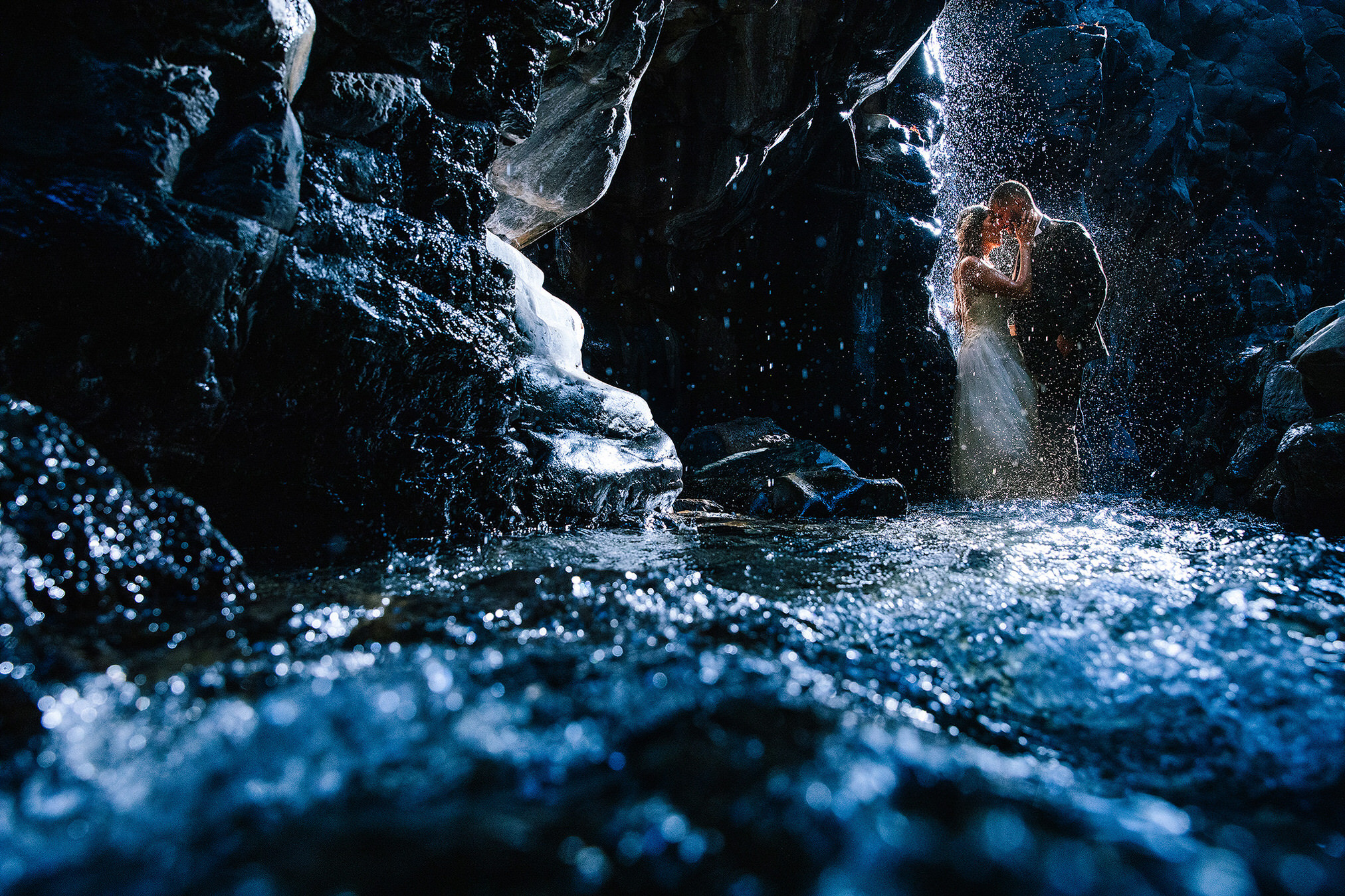
You can also feel how deeply Mexican culture shapes his visual language.
Celebration in his images is never treated as performance alone.
Family, music, religion, color, and physical closeness all exist with equal emotional weight inside the frame. Nothing feels ornamental.
The photographs understand these rituals from the inside.
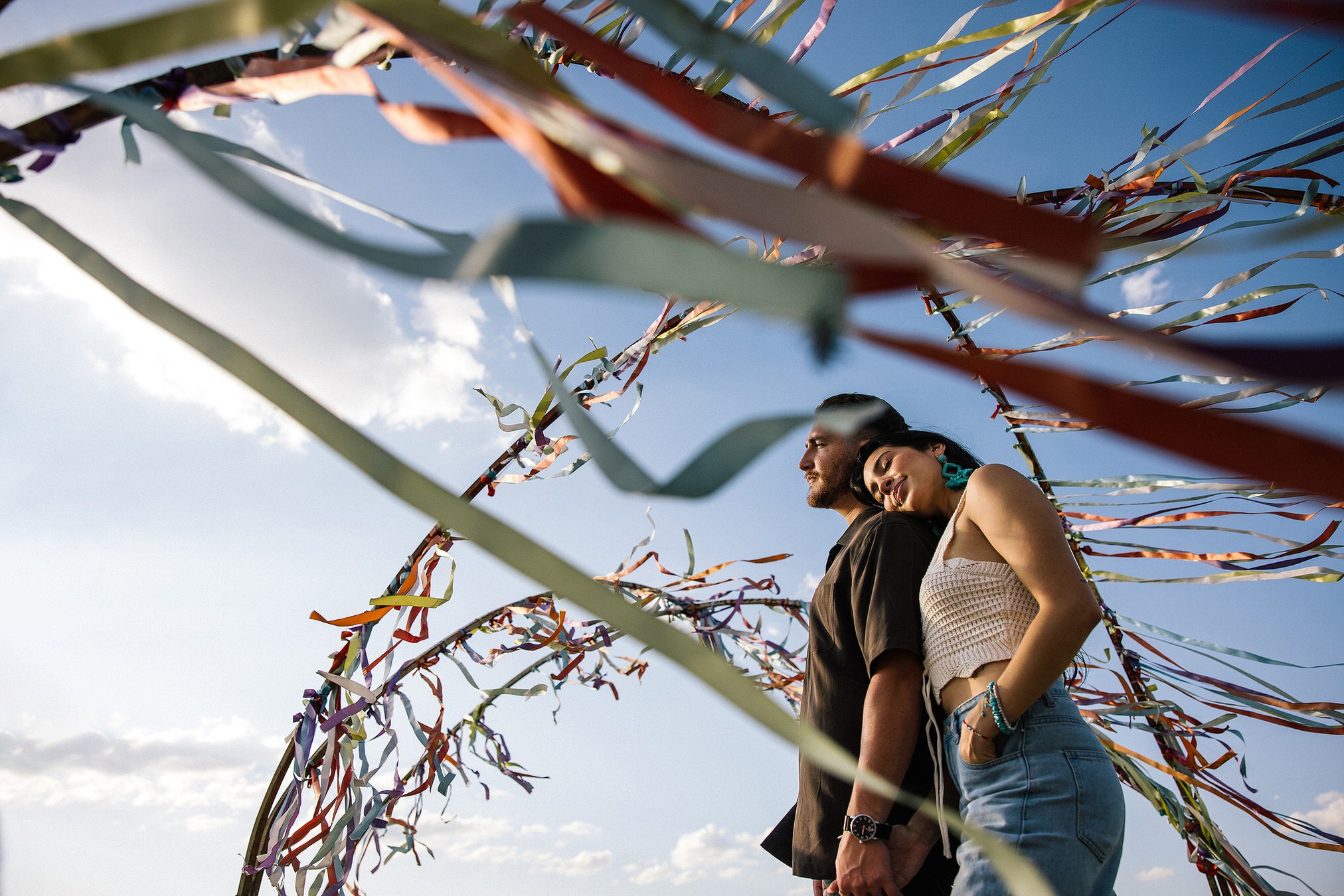
What feels most revealing, though, is the way he speaks about moments he will never personally experience himself – especially photographing father-daughter dances while raising three sons.
There’s something important in that. After thousands of weddings and international recognition, the work is still driven less by spectacle than by curiosity toward other people’s emotional lives.
And maybe that’s why the photographs continue to feel human, even at their most visually polished.
And at the end of the day, the photography itself is simply exceptional. Smart, energetic, emotional, and full of appetite for life. Some of the images carry something even harder to define – a kind of theatrical magic – where light, gesture, timing, and emotion align for a second into something almost unreal, but completely felt.