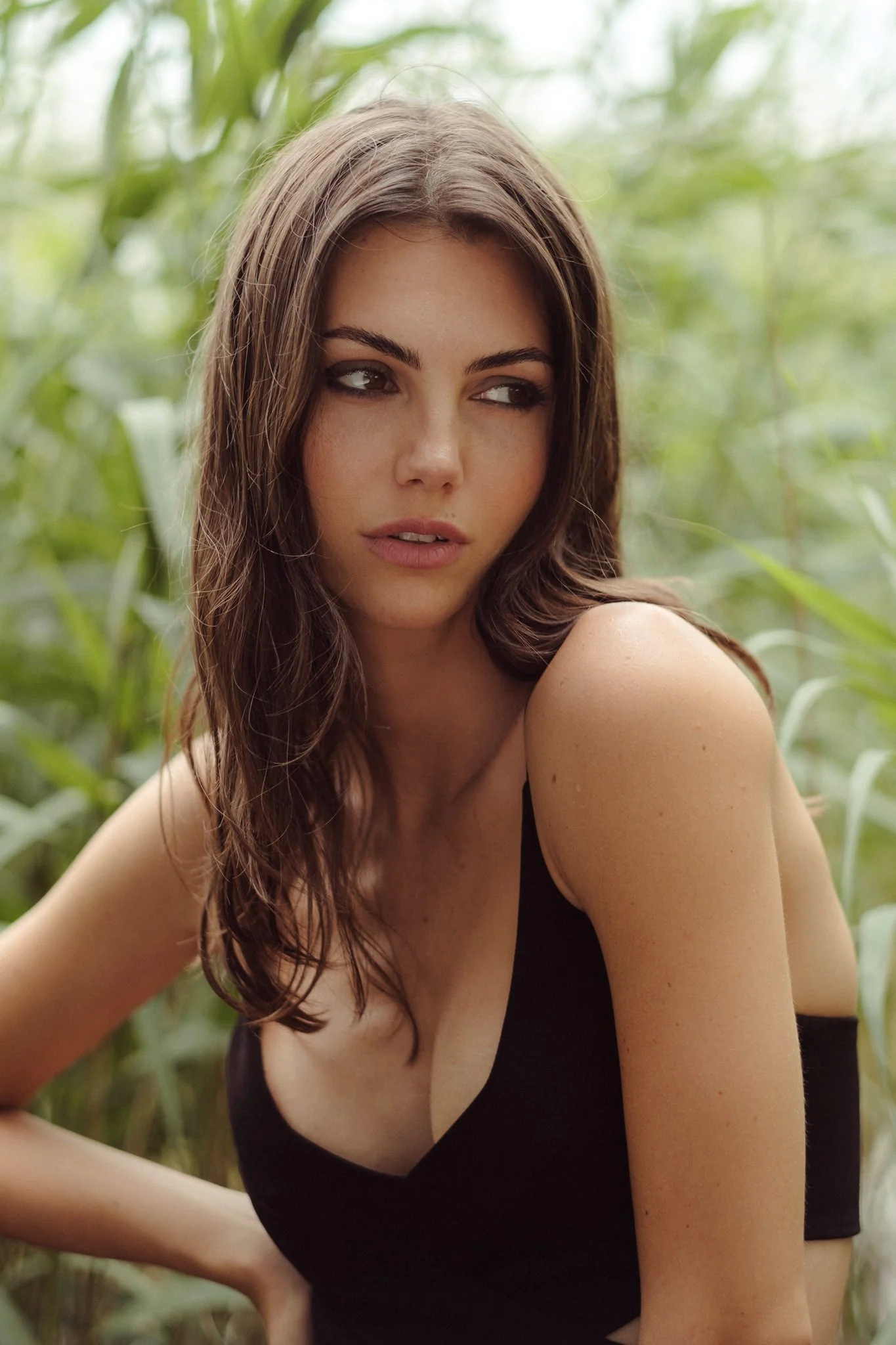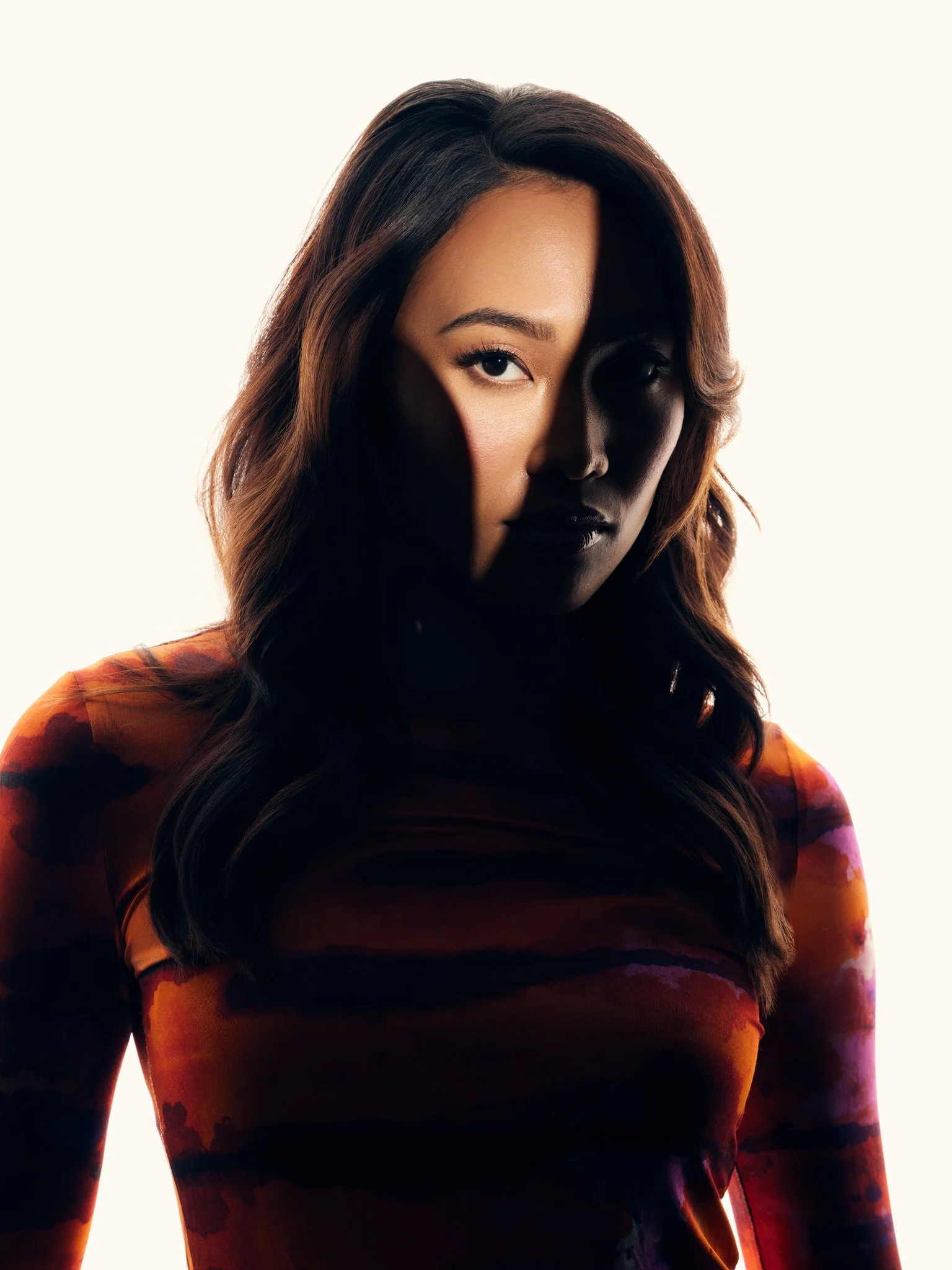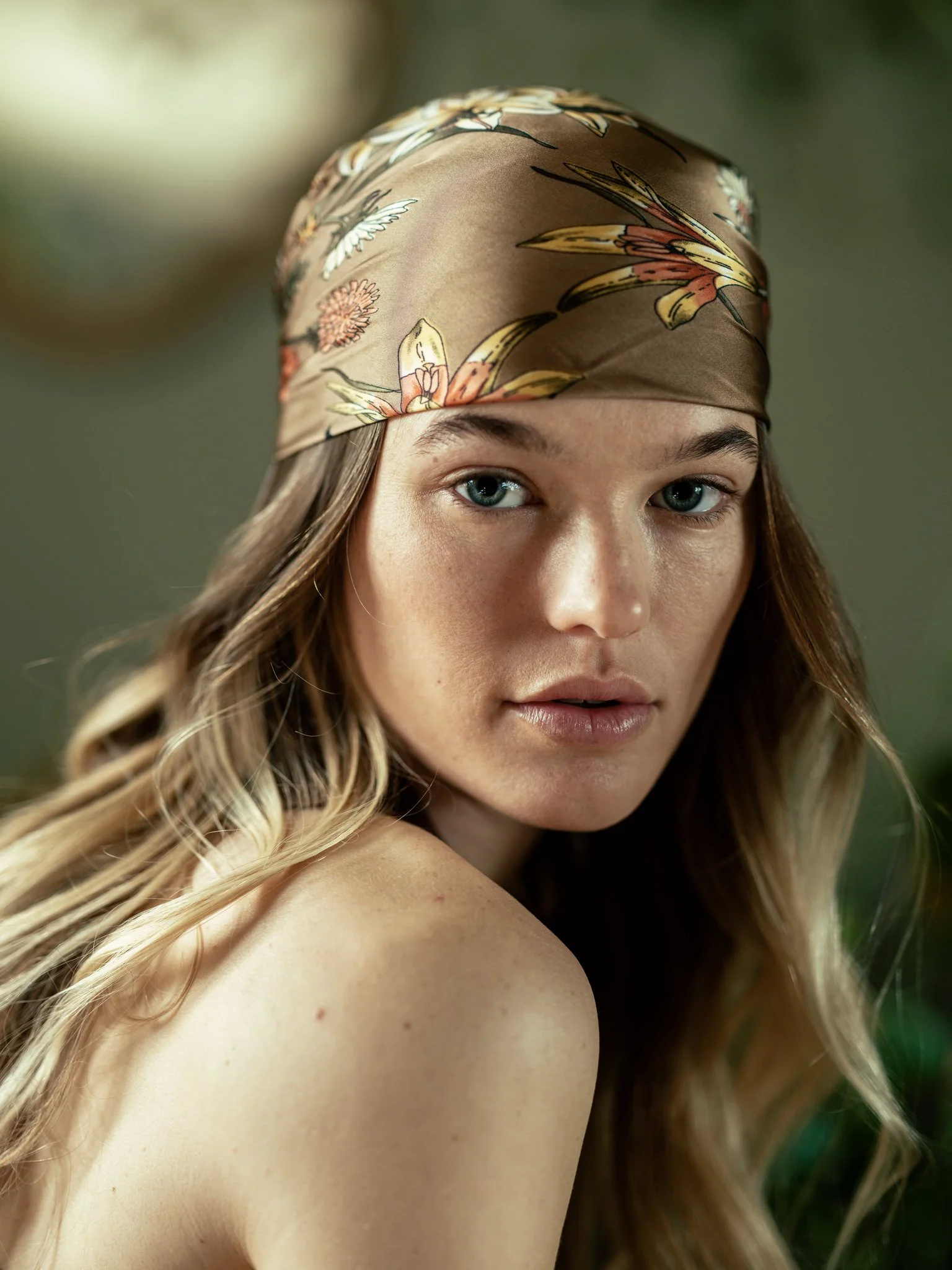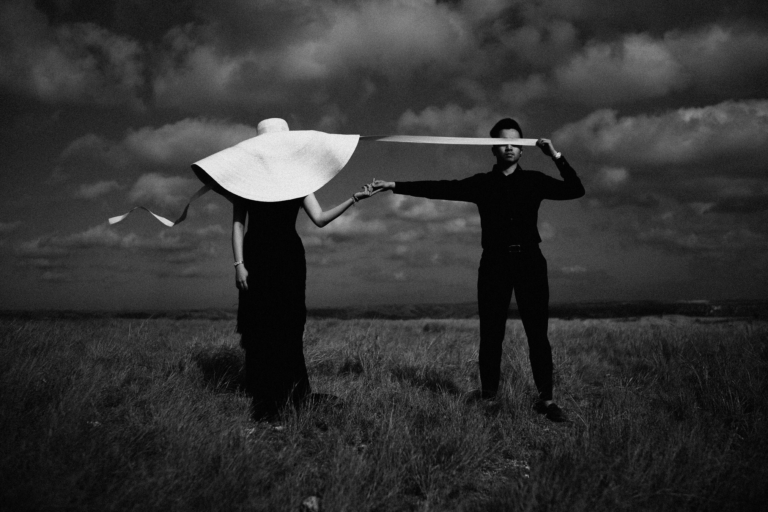

Kevin Titus: “My whole philosophy is to be curious about people.”
Short Bio
Kevin Titus is a North Carolina-based photographer, educator, speaker, and business coach known for his work in headshots, personal branding, and commercial photography. Today, he splits his time between photographing people and helping photographers build sustainable businesses of their own.
Long before he picked up a camera professionally, Kevin studied counseling and worked in mental health. That experience still sits at the center of how he approaches photography today. His sessions are built as much on conversation as they are on lighting, and his philosophy is simple: be curious about people. It’s a mindset that shapes everything from the way he photographs clients to the way he mentors photographers.
https://kevintitusphoto.com
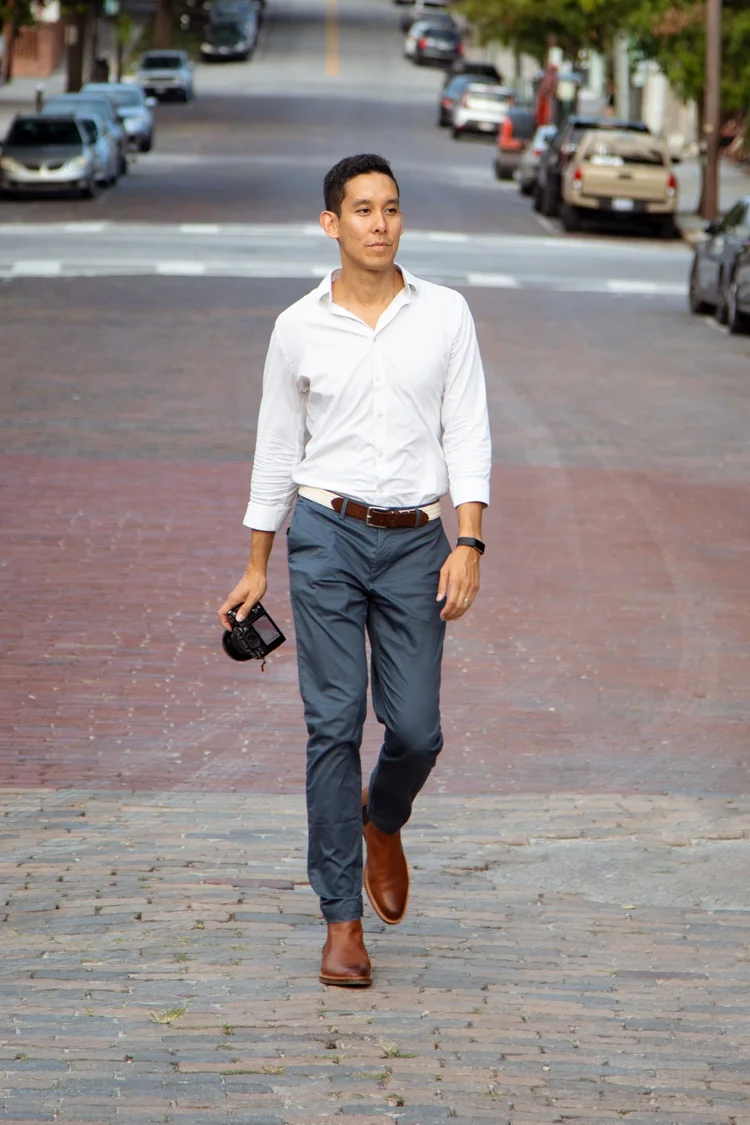
When did you realize that your background in counseling was shaping the way you photograph people?
That realization came fairly recently.
For years, I was focused on building the business and serving clients, but I never stopped to ask why certain things seemed to come naturally to me.
Then one day it clicked.
I realized the counseling work had never really left. It was still at the center of everything I was doing.
My whole philosophy, in business and in life, is to be curious about people.
When someone walks into my studio, I’m not thinking only about the lighting or the camera. I want to know who they are. What brought them here? What are they excited about? What’s challenging them right now?
Most people spend a lot of time trying to be understood. Very few people feel genuinely listened to.
I think that’s what allows people to lower their guard. They can tell when you’re interested in them as a person rather than just trying to get through a session.
The funny thing is that photographers often want to talk to me about cameras, lenses, or gear. And I honestly don’t spend much time thinking about any of that. I haven’t upgraded my camera in years.
What interests me is people.
That’s what fascinated me when I was a counselor, and it’s what fascinates me now. The camera just happens to be the tool I use.

You photograph people for a living. How often does someone walk into a session convinced they’re not photogenic?
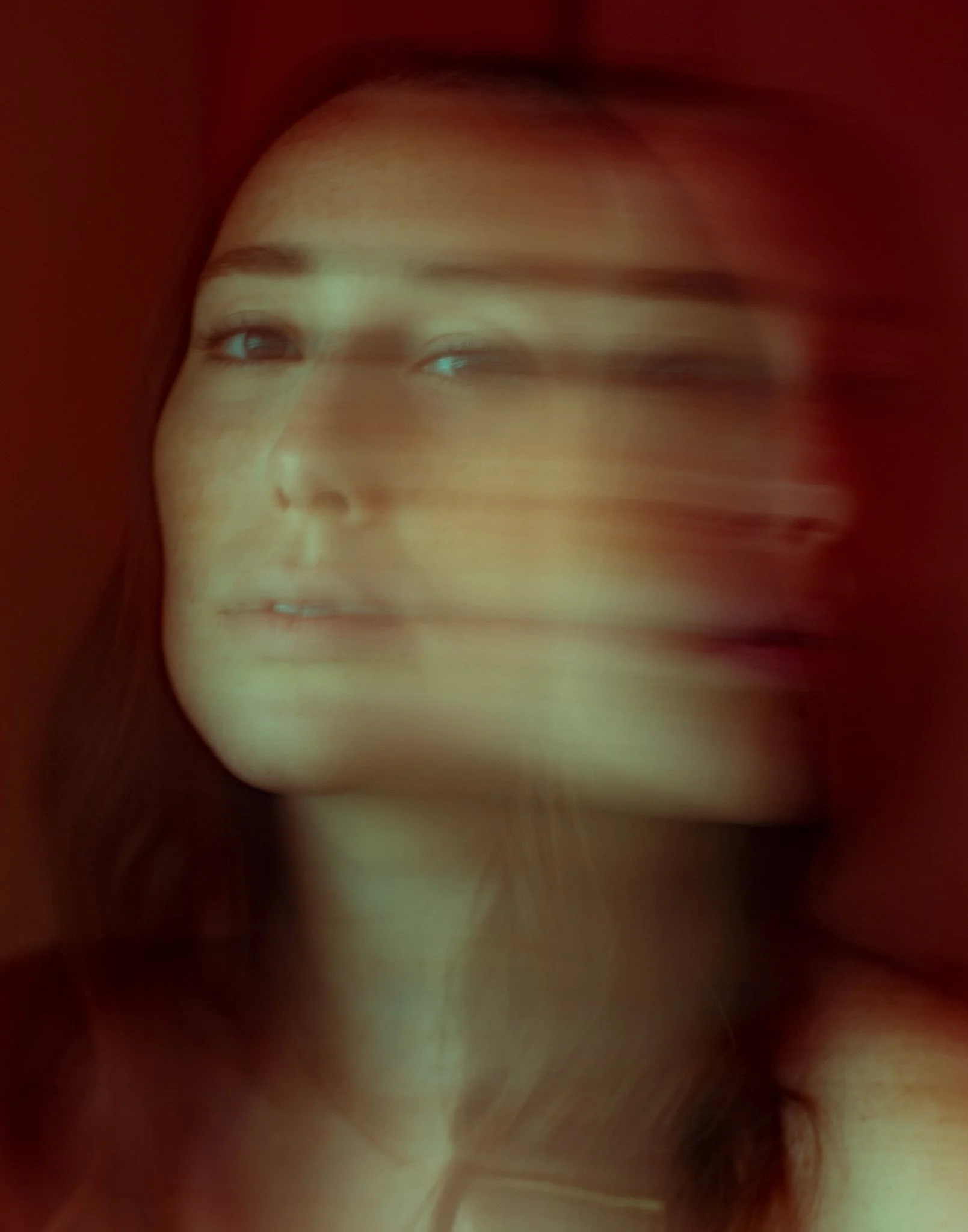
Almost every day. People usually arrive carrying a story about themselves long before I ever pick up the camera. They’ll tell me they’re awkward. They’ll tell me they hate having their photo taken. They’ll tell me they’re not photogenic. What’s interesting is that most of the time, those beliefs have very little to do with photography. They’re stories they’ve repeated to themselves for years.
One of the things I learned from counseling is that the stories we tell ourselves become reinforced over time. If you keep telling yourself you’re bad in front of a camera, eventually that starts to feel like a fact. I’ve had clients look at a perfectly good photograph and say, “That’s not a good picture of me.” What they really mean is, “That’s not how I see myself.” And that’s the difficult part.
The camera isn’t usually the problem. The problem is the relationship people have with themselves. A big part of my job is helping people put some of those assumptions down for an hour. When people feel heard, when they feel safe, when they stop trying to protect themselves, something shifts. They relax. Their expressions change. Their posture changes. Suddenly the person who insisted they weren’t photogenic starts looking completely different. Not because I changed them. Because they stopped fighting themselves.

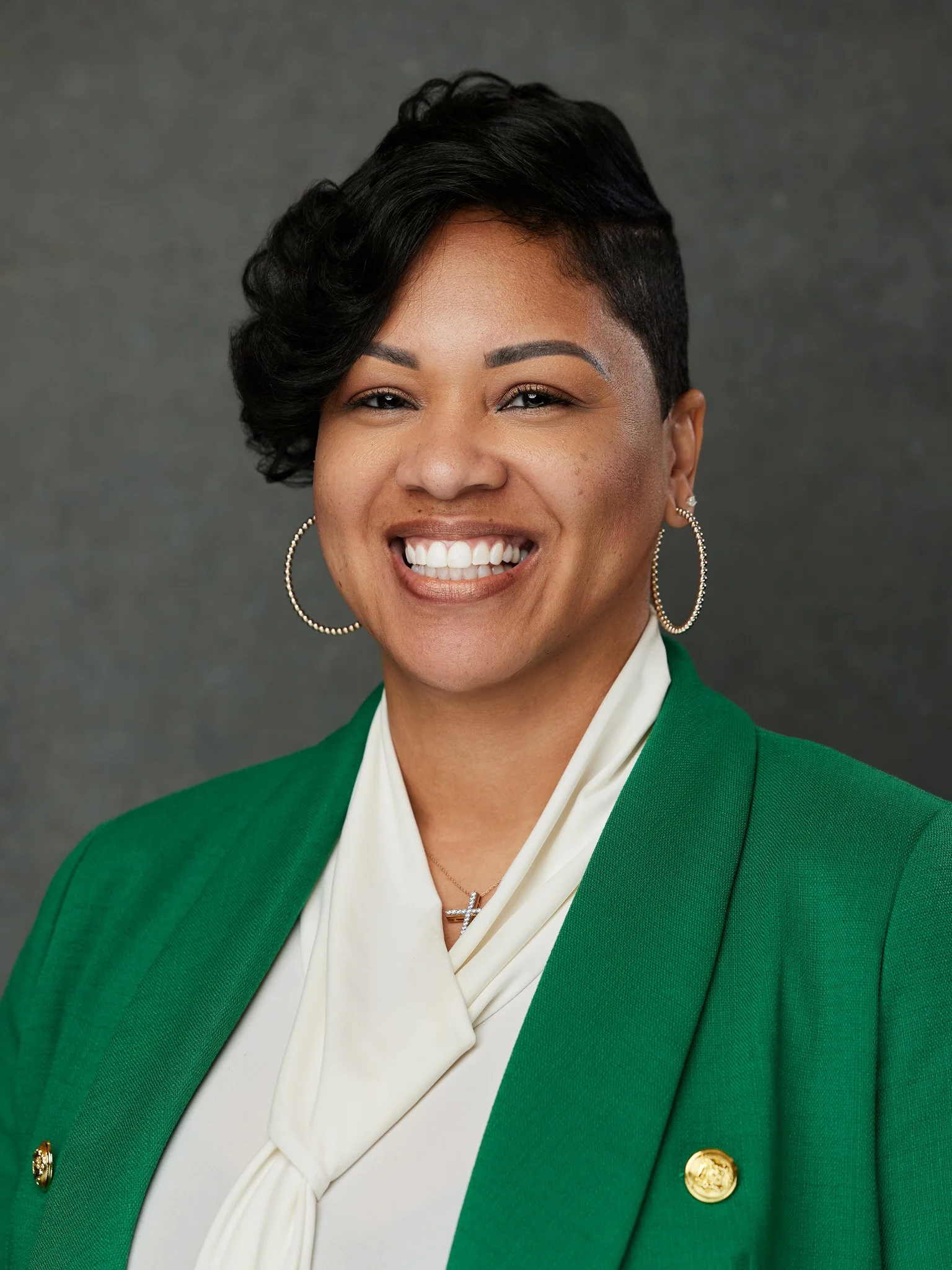
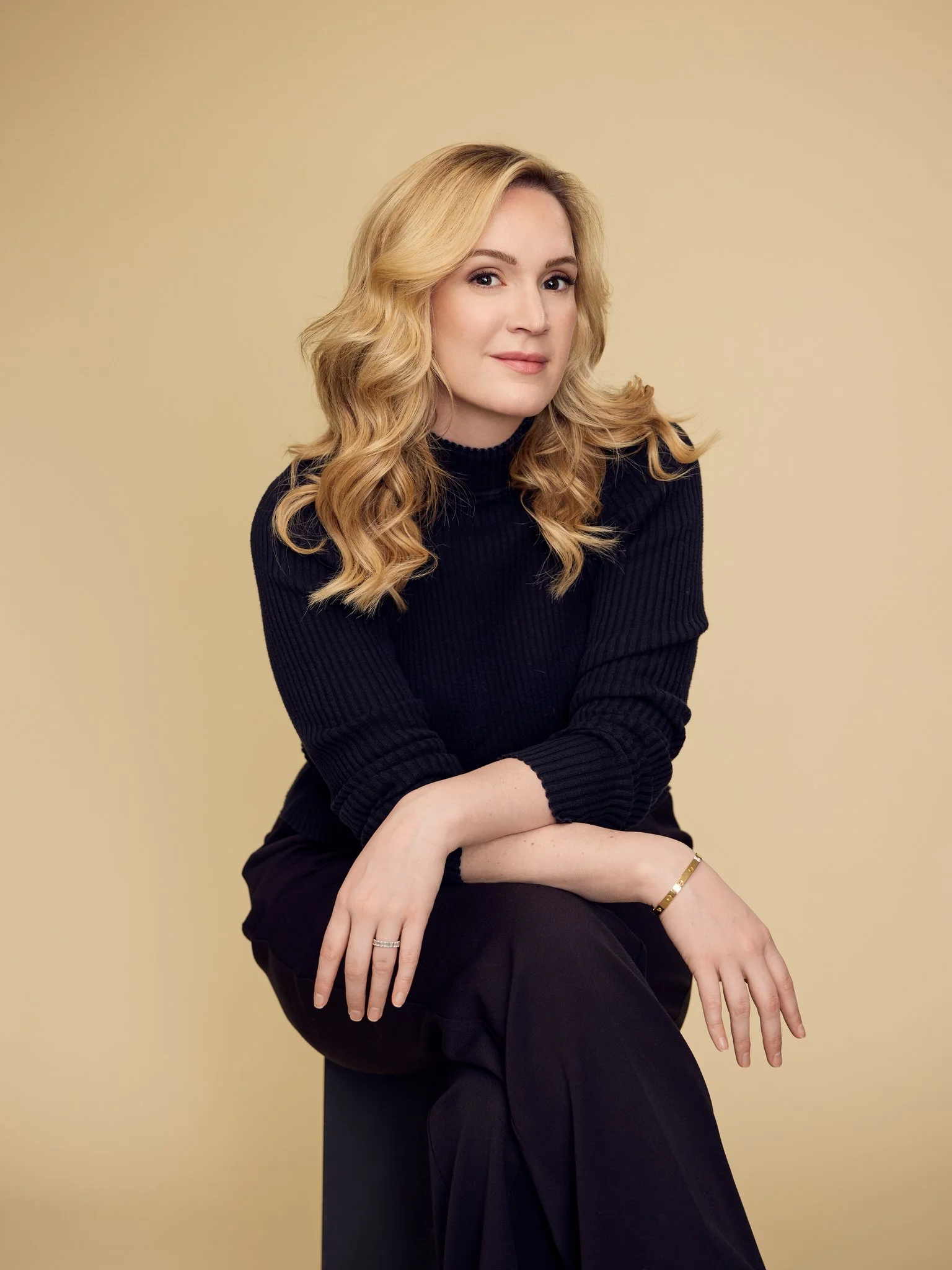
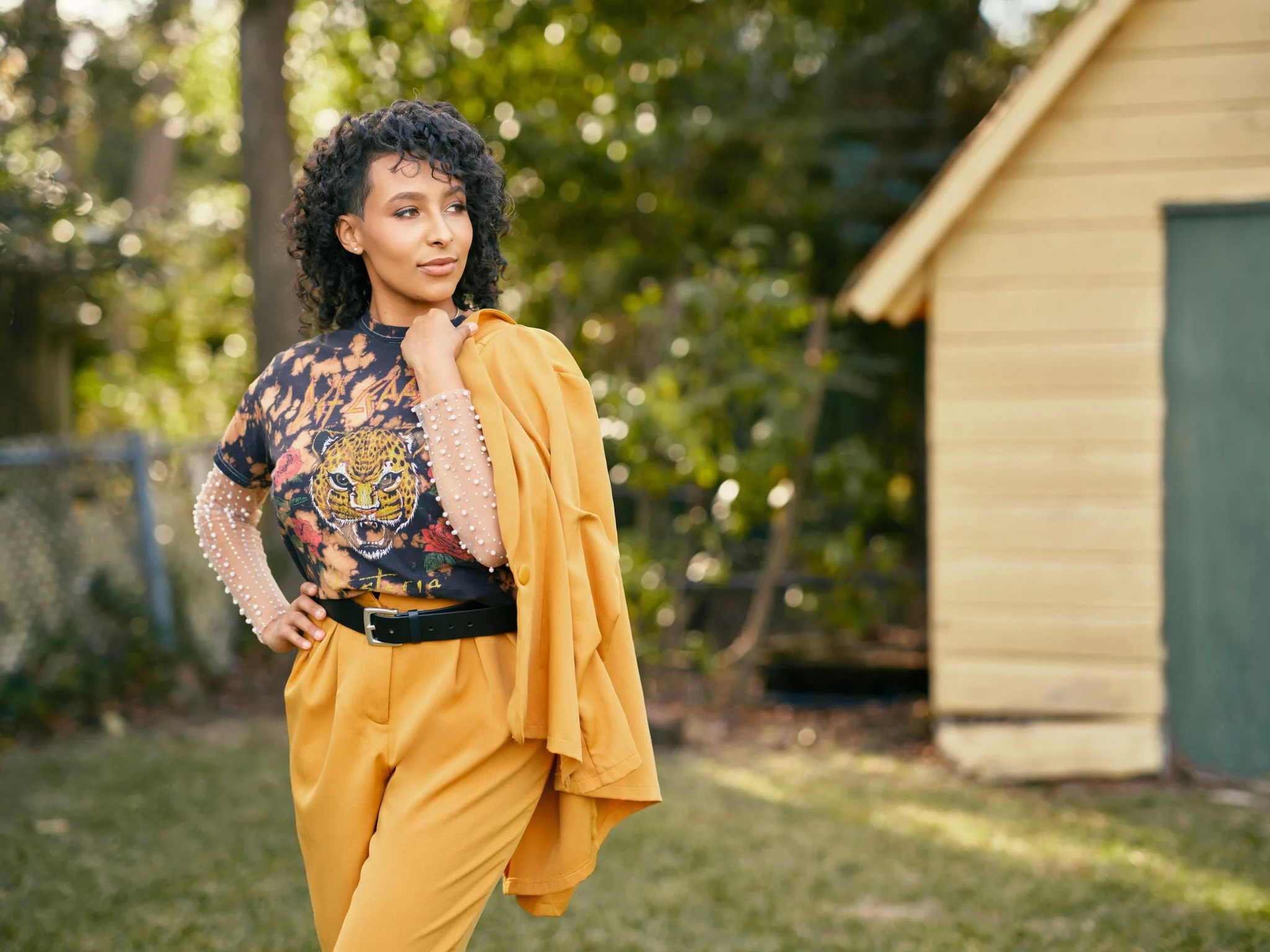
If technical skill isn’t what built your business, what did?
I don’t think I’m a world-class photographer. I look at some people’s work and I’m blown away.
Their compositions, their color work, the things they create – I couldn’t do that. What I’ve learned is to lean into my own strength.
The people skills are what separate me.
Most clients don’t walk into a session thinking about lighting ratios or camera gear. They’re thinking about themselves. They’re wondering if they’re going to look awkward. They’re worried they aren’t photogenic. If you can help someone feel comfortable, understood, and confident, you’ve already solved a huge part of the problem.
Of course the technical side matters. You should be good at what you do. But I think photographers sometimes underestimate how much of this job is simply helping people feel seen.
You also coach photographers. What patterns do you see when people struggle to grow their businesses?
A lot of photographers reject themselves before clients ever reject them. They’re afraid to raise their prices. They’re afraid to put themselves out there. They’re afraid they’re not good enough. Sometimes the biggest obstacle isn’t the market. It’s the story they’re telling themselves.
I’ve experienced that myself. When I first started putting videos of myself online, I hated it. I felt awkward. I didn’t enjoy seeing myself on camera. But I kept doing it.
Over time, I got more comfortable. I got better at it. My confidence grew.
I think that’s true for a lot of things in business. Confidence isn’t something that magically appears before you take action. It usually comes after. Confidence becomes a business skill. Not fake confidence. Real confidence that comes from understanding your value, believing in what you offer, and being willing to do things before you feel completely ready.
AI has become a major topic in photography. How do you think about it?
I’m not afraid of AI.
AI can do a lot of things. It can generate images. It can automate tasks. It can make businesses more efficient. But AI can’t make somebody feel comfortable in their own skin. It can’t build trust.
It can’t sit across from a person who feels insecure and help them see themselves differently. That’s where photography remains deeply human.
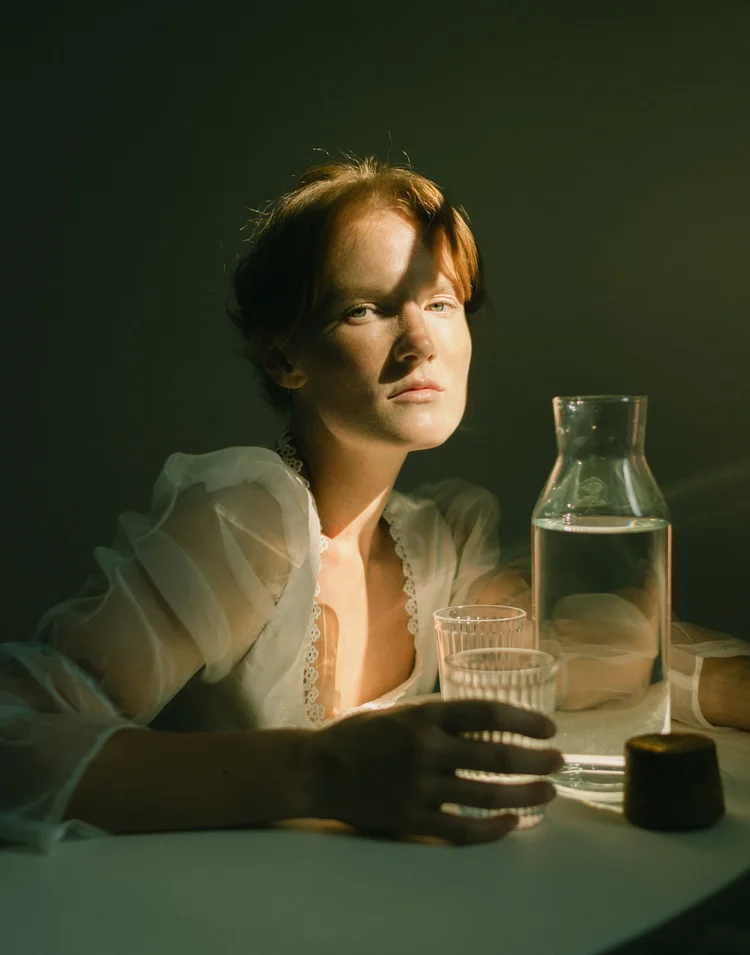
What keeps you excited about this work?
People.
Every person who walks into the studio brings a different story, a different personality, and a different set of experiences. That never gets old.
The camera gives me permission to meet people I never would have met otherwise. It gives me an opportunity to learn something about them, and often, something about myself too.
That’s what keeps it interesting.


What do you think photographers get wrong about success?
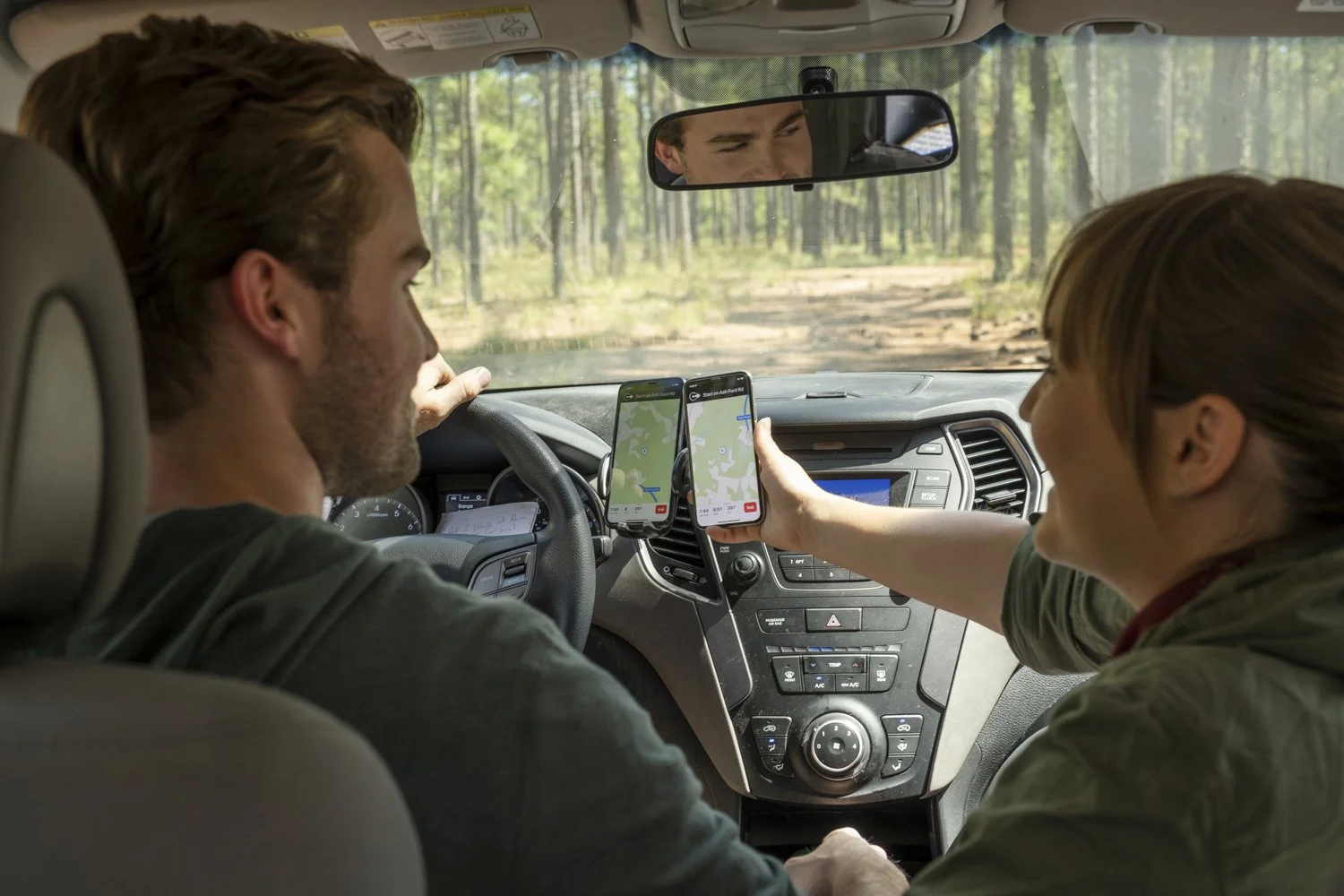
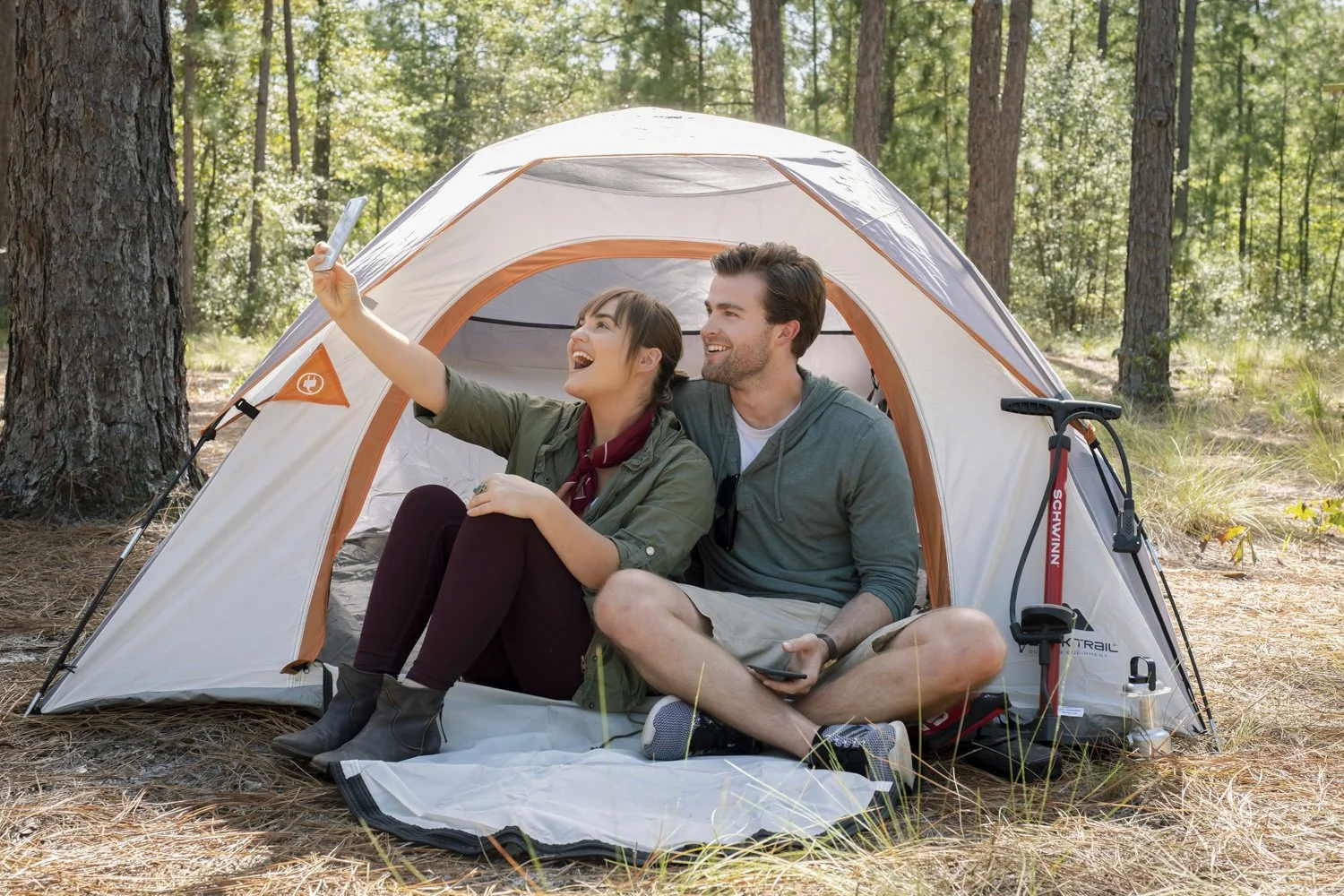
A lot of photographers focus on growth for the sake of growth. For me, success has never been about working every hour of the day.
I have three kids. I care deeply about my family. I care about being present.
The goal is to build something sustainable – something that allows you to serve people well while still having a life outside of your business.
I think that’s a question more photographers should ask themselves: What kind of life are you actually trying to build?
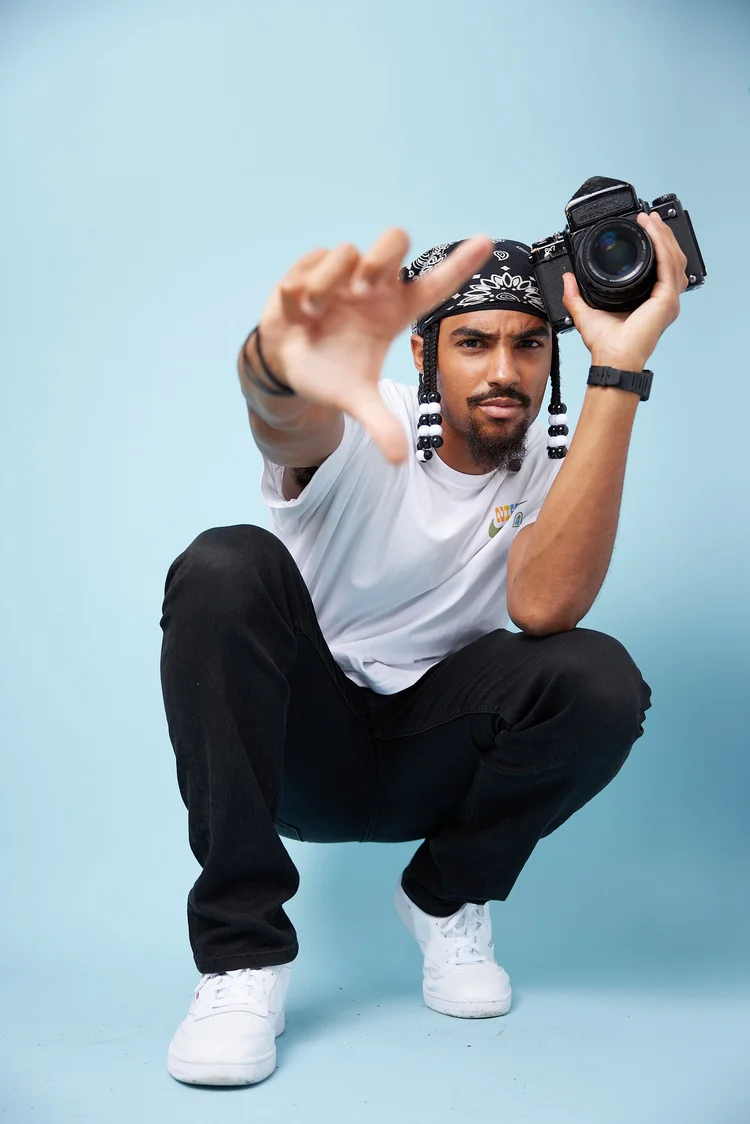
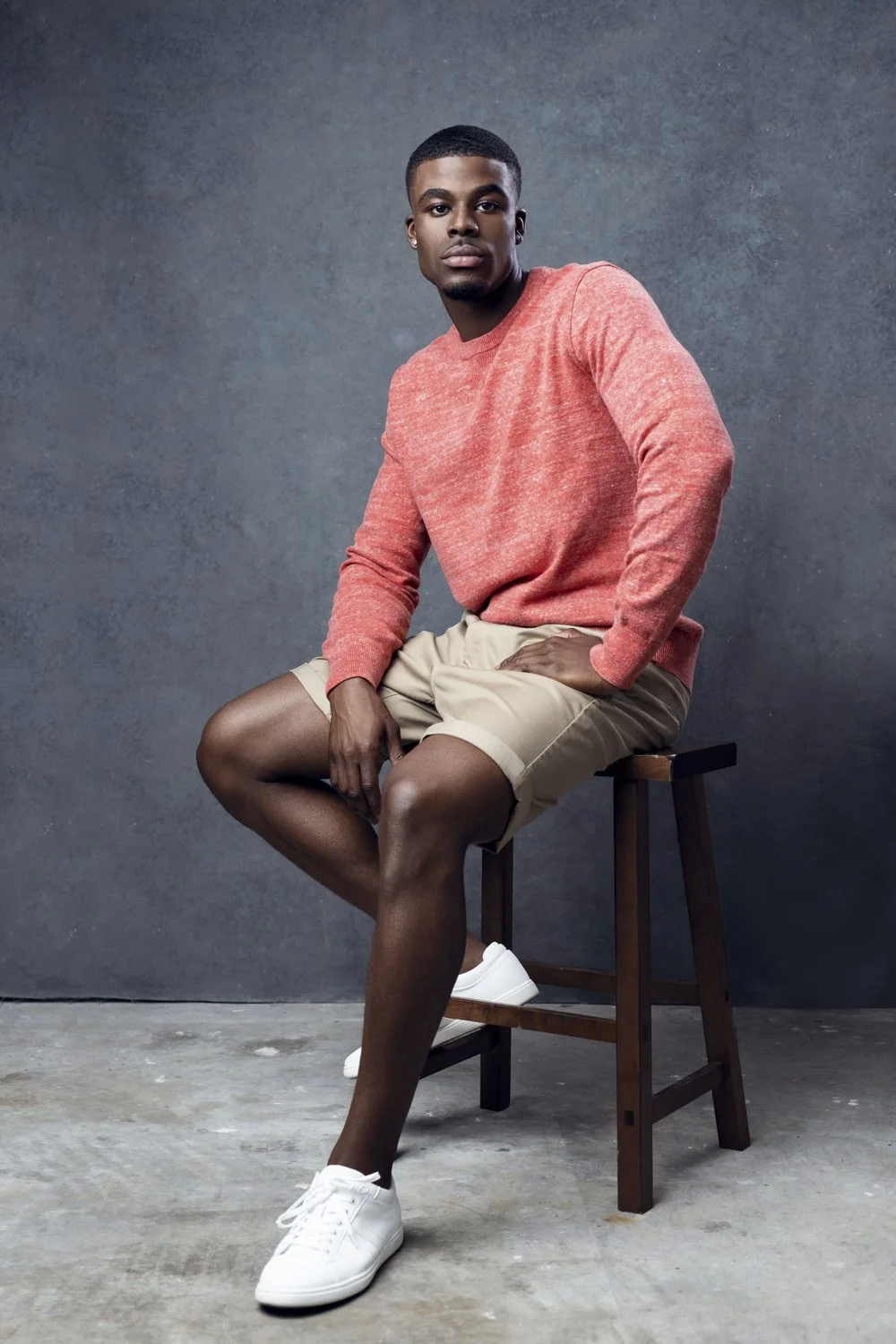
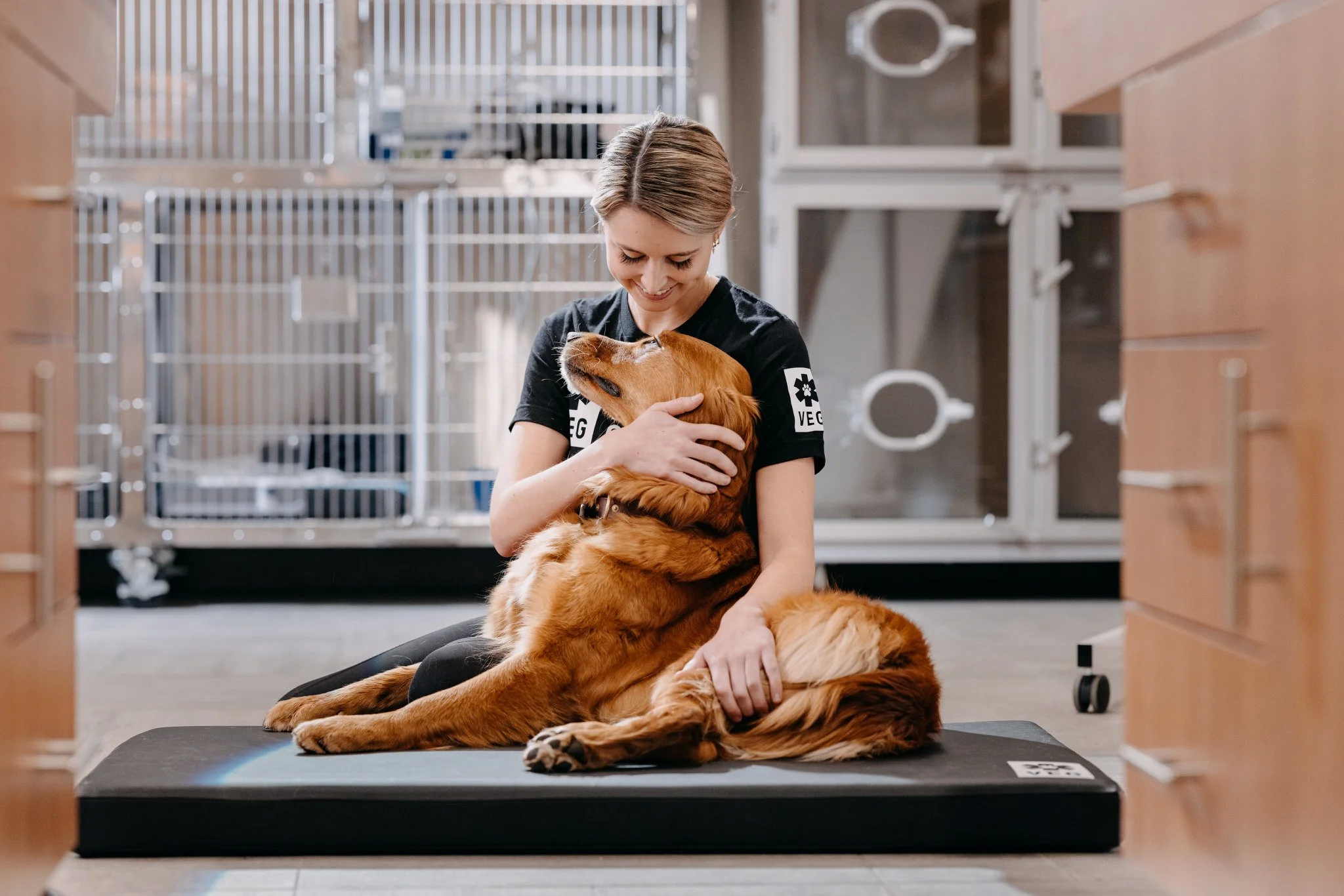
You’ve built a business around efficiency and client experience. Where does JPEGmini fit into that?
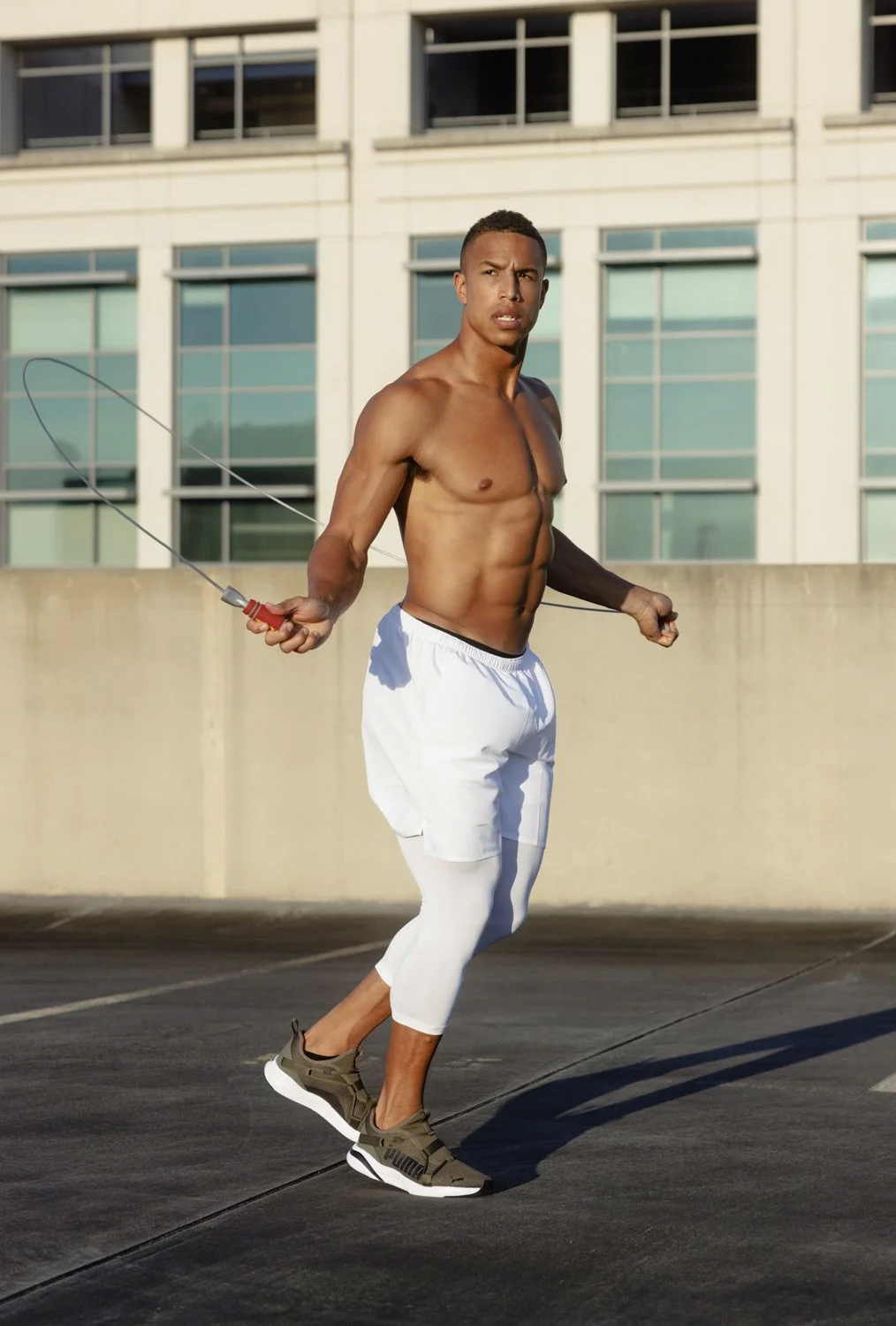
I’m always looking for ways to make things more efficient. JPEGmini is one of those tools that’s simply become part of the workflow. I deliver galleries through Pixieset, and I often provide both full-resolution files and JPEGmini versions for clients who are using images for email signatures, websites, or social media. The smaller files are easier to use and often perform better on those platforms.
I’ve been using JPEGmini for years. It’s one of those tools that quietly saves time and storage without creating extra work. Those small efficiencies add up.
The more streamlined the backend of a business becomes, the more energy you have available for the people you’re actually serving.
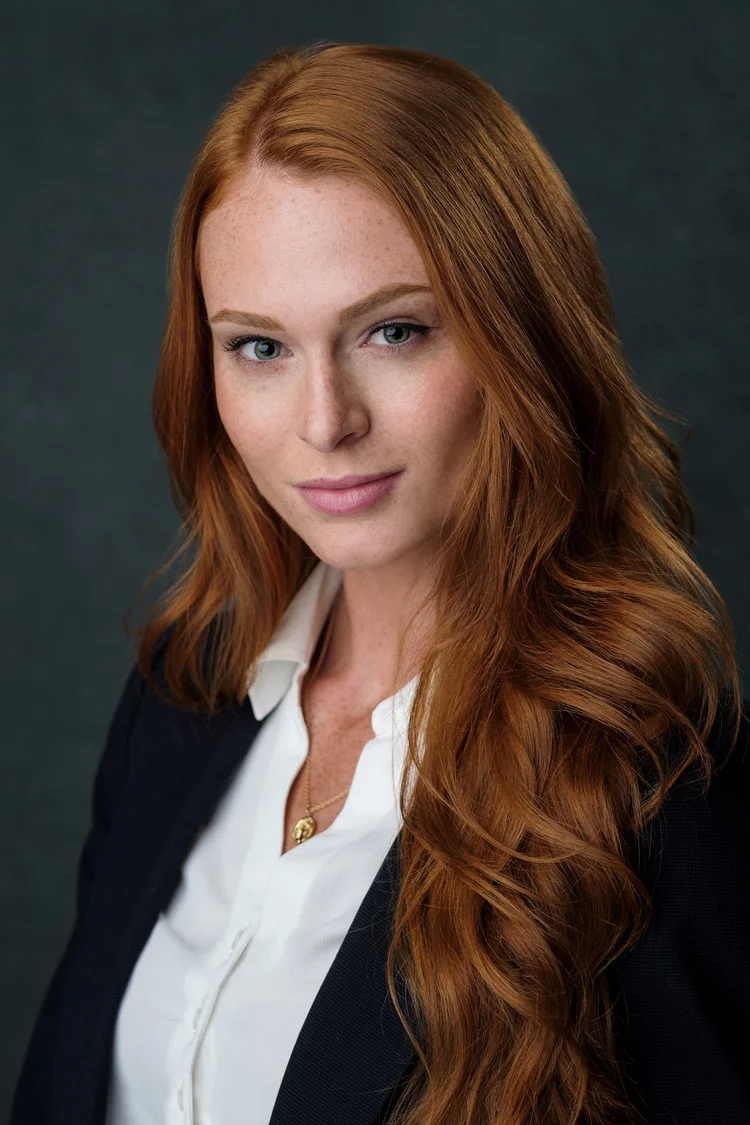


Working with Kevin Hart! What was that experience like?
It was an amazing experience.
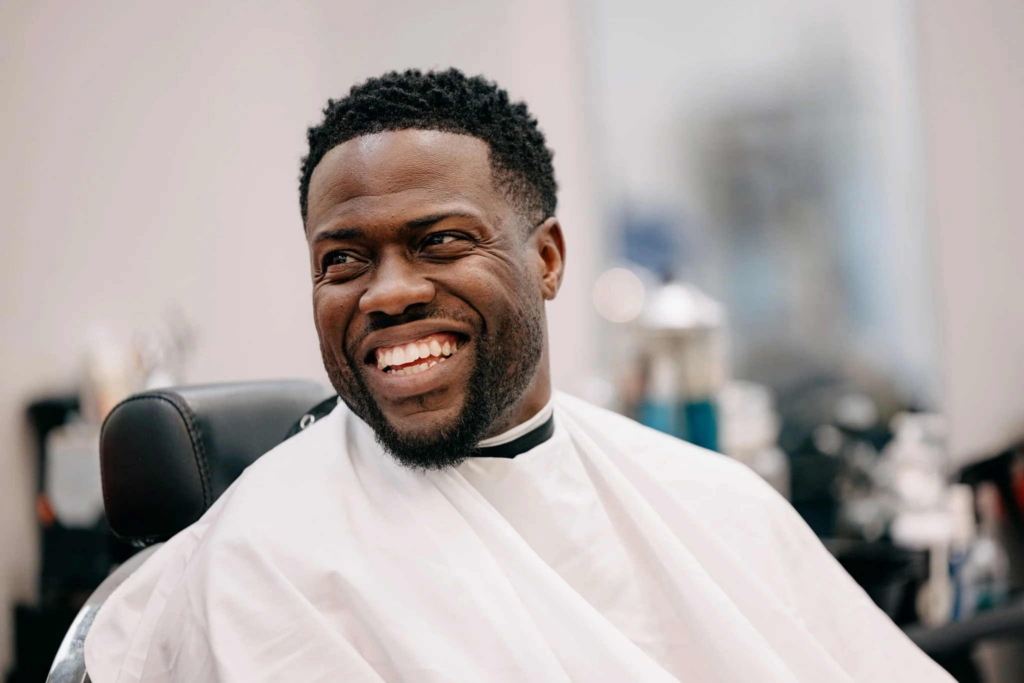
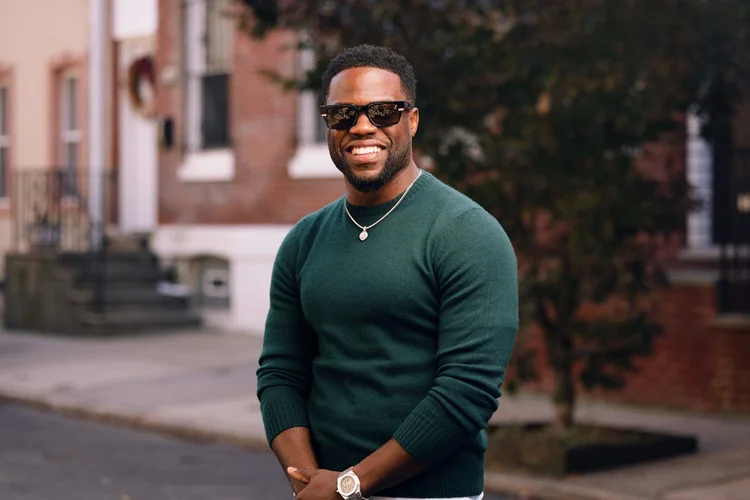
The biggest challenge was that he was incredibly busy. It was mainly a video production, so he was constantly moving between interviews, talks, and appearances. I’d get these tiny windows of time – sometimes just a minute or two – to make a portrait before he was pulled away again.
One thing I remember is asking whether he’d be willing to take off his glasses. I really wanted to capture his eyes, but he preferred to keep them on, so I worked with that. I did manage to get a few frames without them, but the portrait I had in my head was with his eyes fully visible.
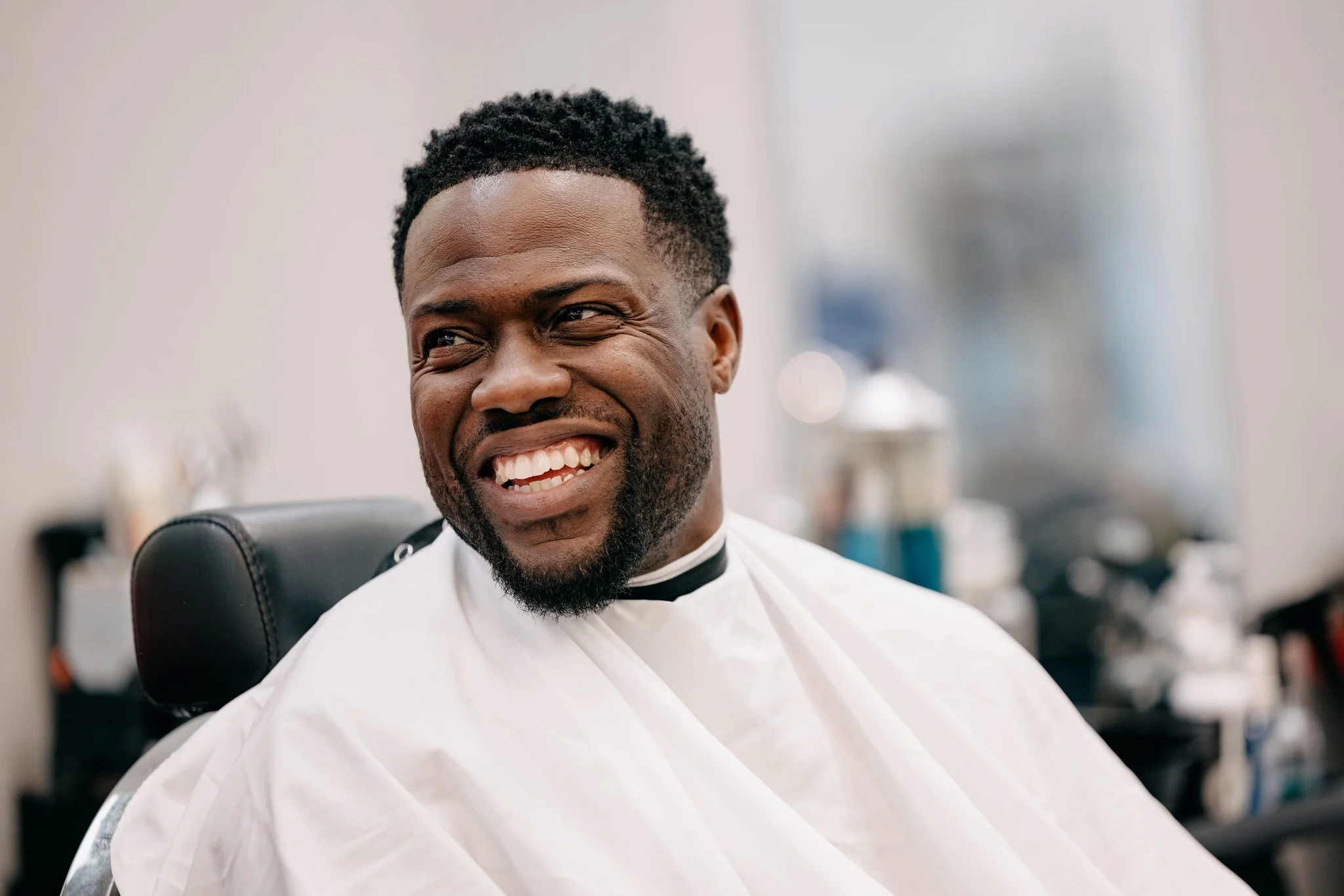
My favorite moment was showing him a portrait I made in a diner. He looked at the back of the camera and immediately got excited. He asked me to send it to him, and the next day he posted it on Instagram. He didn’t tag me – which was a little disappointing – but seeing something I created and shared with that many people was still pretty surreal.
Final Thought
What struck me is that Kevin doesn’t really separate counseling from photography.
Portrait photography is, consciously or not, often a space where people discover something about themselves: the gap between how they see themselves and how they are seen, the stories they carry, and the insecurities they rarely talk about.
For many people, standing in front of a camera is not easy.
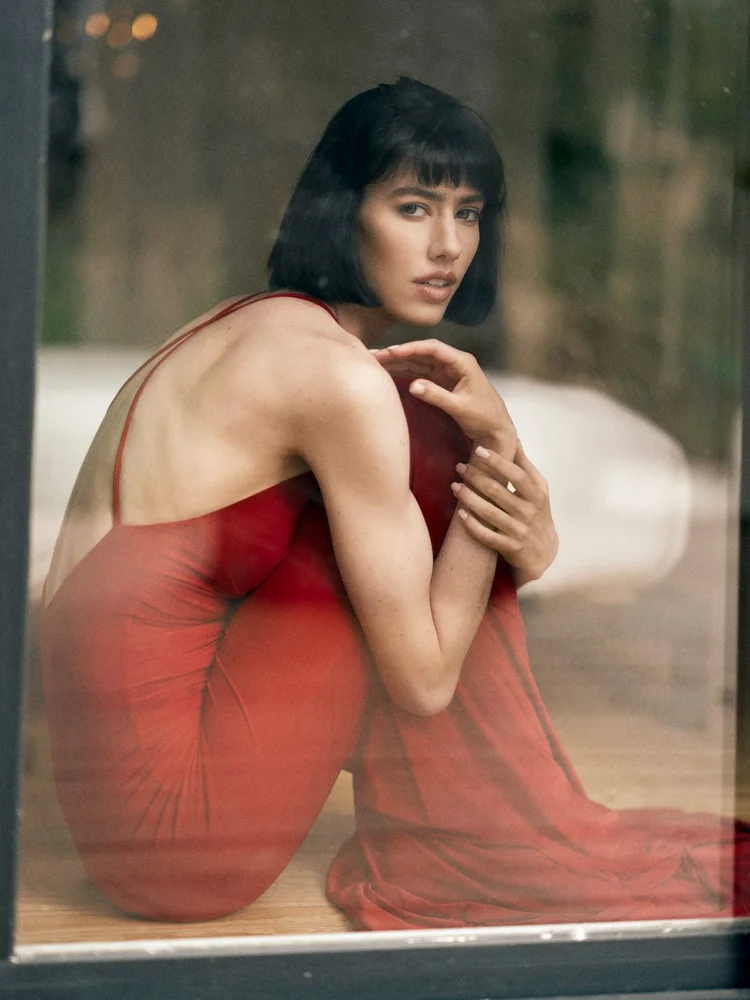
Kevin understands that from a perspective most photographers don’t have. His background in counseling taught him that knowing photography isn’t always enough. You also need to understand something about human nature.
What makes his work interesting is that this doesn’t stop with his clients. It extends to photographers too.
Anyone who has spent time around photographers knows the irony: most of us are far more comfortable behind the camera than in front of it. Kevin included. Yet he keeps putting himself out there. Not because it comes naturally, but because he understands how important it is.
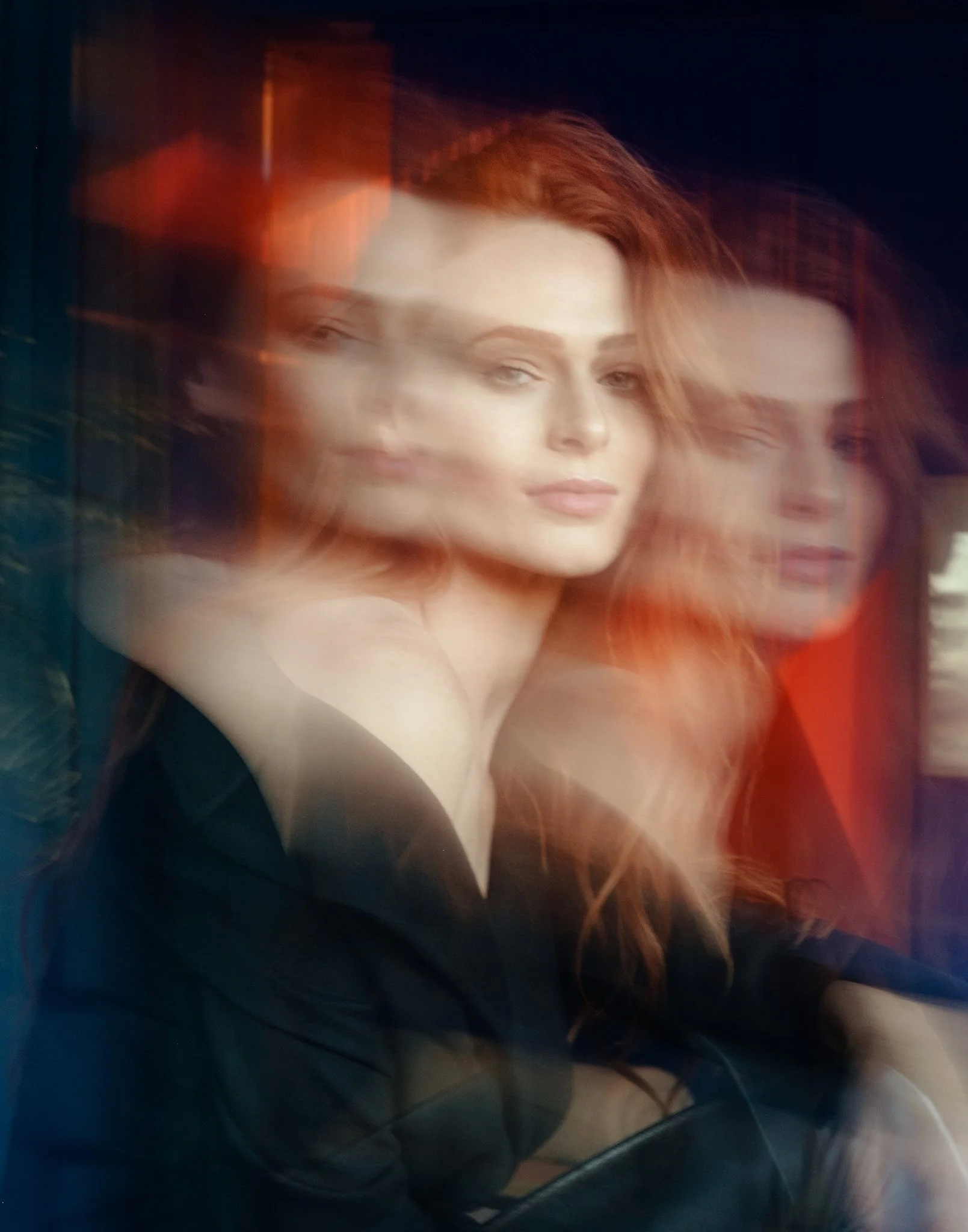
If you spend a little time with his videos, you’ll notice the same honesty that runs through this conversation. He talks openly about pricing, business, confidence, and the realities of building a photography career. Just as importantly, he’s willing to talk honestly about himself.
Perhaps that’s what connects everything he does: a belief that growth rarely begins with confidence. It begins with showing up anyway.