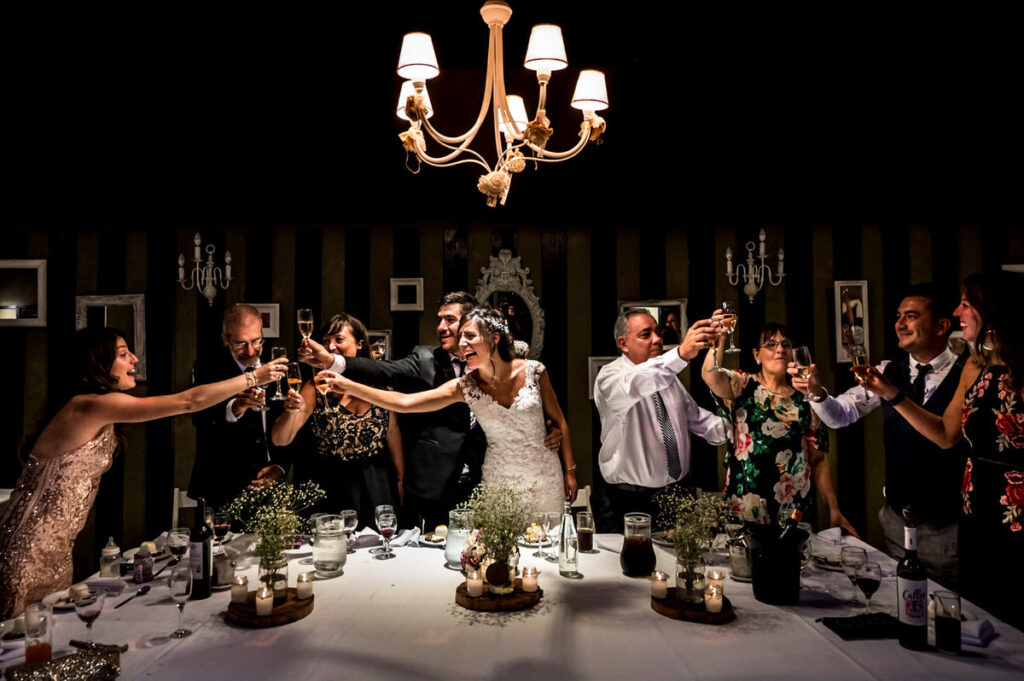

“If you know what you’re looking for, you can probably find it.”
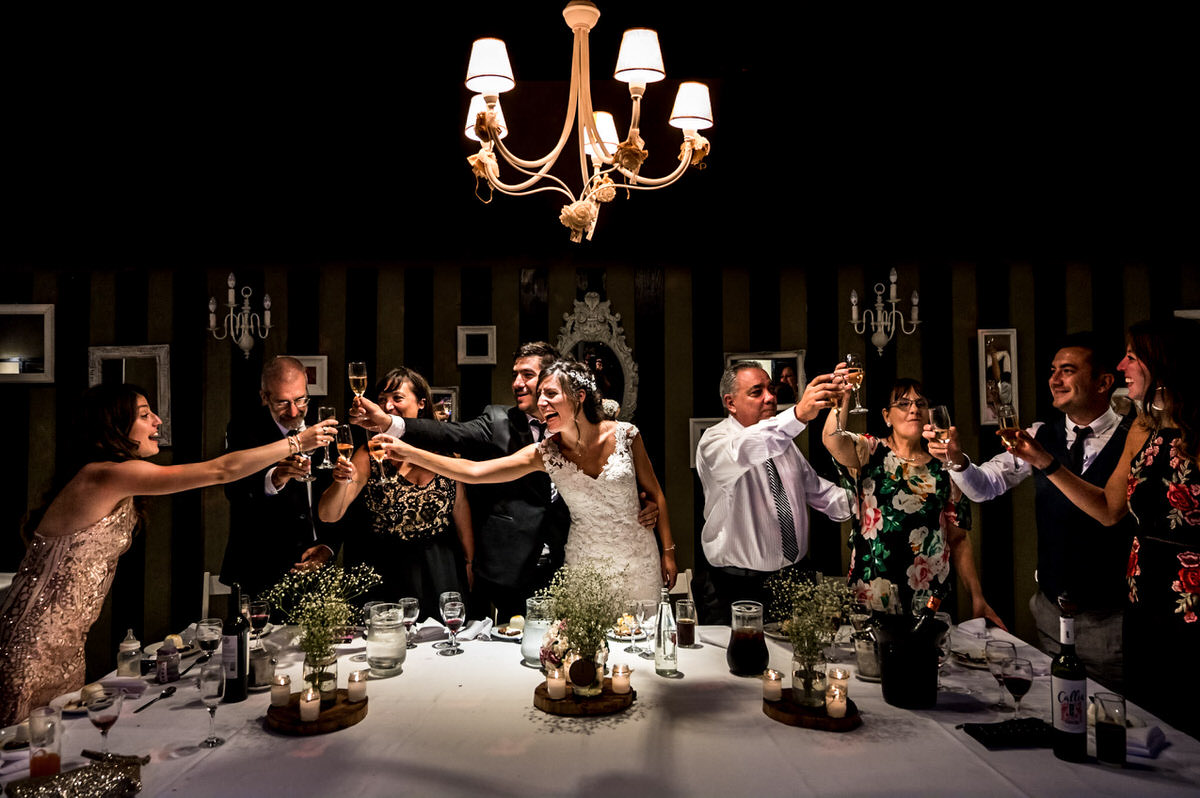
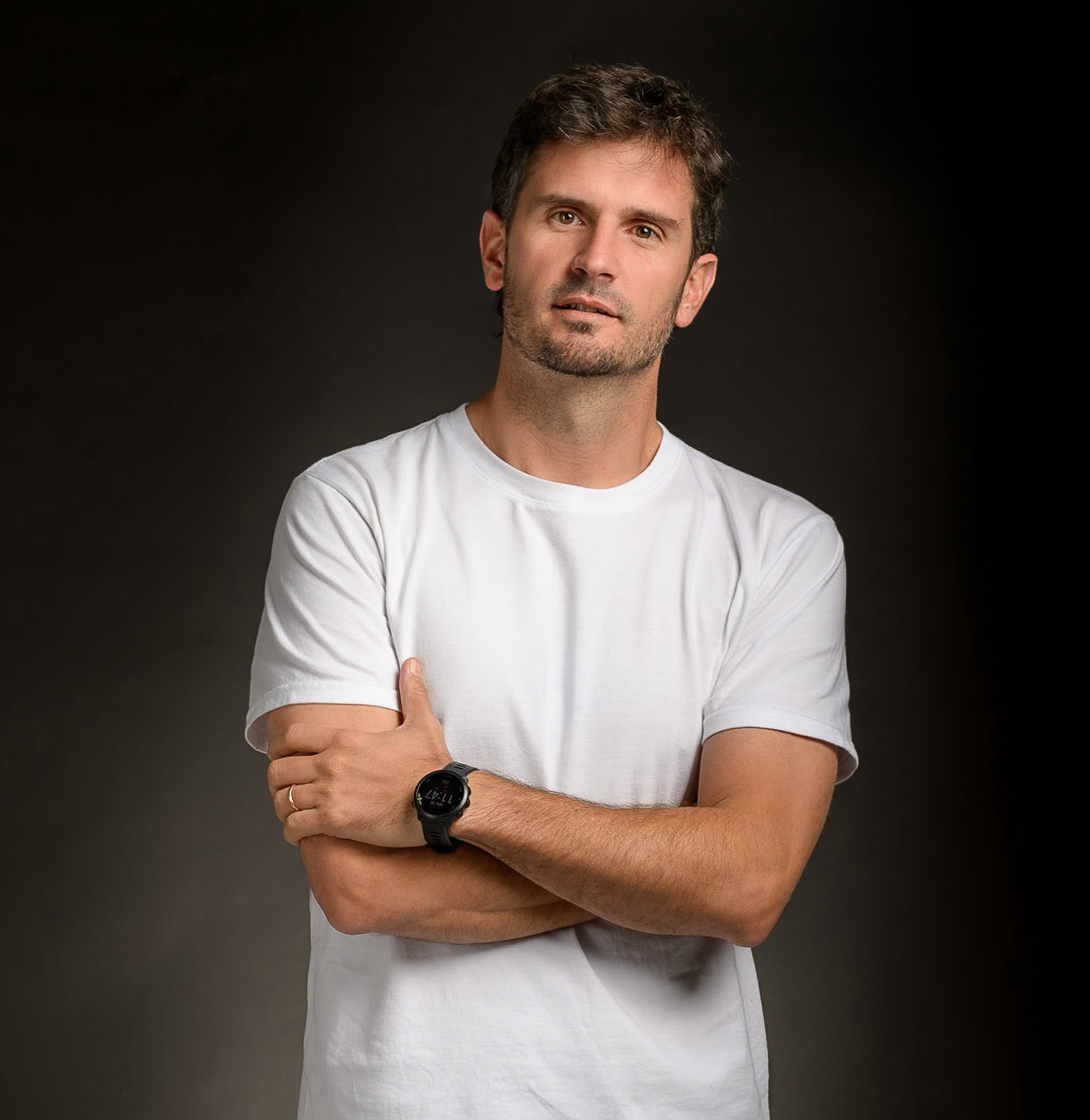
Andrés Preumayr is an award-winning documentary wedding photographer based in Rosario, Argentina. His work has received international recognition from some of the leading organizations in wedding photography, including 13 Fearless Awards, and in 2017 he was named one of the world’s Top 10 wedding photographers by the Wedding Photojournalist Association (WPJA).
That same year, Andrés was chosen as the official photographer for the wedding of Lionel Messi and Antonela Roccuzzo — a commission that brought his work to an international audience. Eight years later, one of his photographs from that wedding received an Inspiration Award, adding another recognition to a body of work that has been awarded in competitions in Argentina and abroad.
Andrés grew up in a family of artists and has had a camera in his hands since he was six. After studying business administration and working in the corporate world, he left that career behind and, in 2012, began working exclusively as a photographer.
Today, alongside photographing weddings in Argentina and internationally, Andrés teaches photography and speaks at photography conferences and workshops. Through it all, his approach remains rooted in documentary observation: staying close to people, anticipating what might happen, and allowing the photograph to come from the moment rather than directing it.
You describe your photography as spontaneous and documentary, but you also talk a lot about preparation. How do those two things work together?
Spontaneous photos are very important, but it’s not luck. If you get good pictures, it’s not just because you were lucky and got the moment. It’s the preparation and all the work you do before a wedding.
You have to prepare technically – cameras, flashes, settings – but you also have to prepare yourself. You have to get in touch with the bride and groom, have interviews, know what to ask, and prepare Plan A, Plan B, Plan C.
Life changes all the time. Things happen and you have to change your plans, under pressure, in a very short period of time. You have to react, but react professionally.
You studied business administration before becoming a professional photographer. How much of that thinking remains in the way you work now?
A lot.
It’s something I usually talk about in my workshops because many photographers don’t take it into consideration.
We are artists, but we are also running a business. Photography has this particular problem because we like it. It can be our hobby as well, so you can say, “I want to do it even though it’s not profitable.”
Maybe you can do that in the first year, but eventually it has to be sustainable.
That’s also why I don’t like making workshops that are only about inspiration. Inspiration is good – I listen to photographers for inspiration too – but I don’t think it’s enough to make your business grow.
We hear photographers talk about their successes all the time. I’m more curious about the failures. Can you remember a time when you really got something wrong?
Not one specific time. I usually forget those. But obviously, I make mistakes at every wedding. It’s impossible not to.
When you’re working with something you don’t completely control, unexpected things are going to happen. Maybe the lighting isn’t what you expected in a certain moment, or you see an angle and imagine a great photograph, but it doesn’t work the way you thought it would.
The important thing is what you do with that. You have to look at what happened, understand why it didn’t work, and think about what you can do differently next time. Maybe you solve that problem at the next wedding, and then you find another one.
You’re always going to have things that don’t go as planned. That’s part of the job. But if you don’t process the mistake, you don’t learn from it. Making a mistake without learning from it is useless, because then you’re just going to make the same mistake again.
I will probably make mistakes again – just not the same ones.
So what happens after you recognize a mistake?
I study what happened and why it happened.
Maybe I made a mistake during the bride’s entrance because of the lighting. Then I ask myself: what can I do so I don’t make the same mistake again?
Especially with a documentary approach, I don’t direct and I don’t control everything. Things happen. I have to stay concentrated and focused on what I’m doing.
You need to take some risks too. You have to believe in your intuition. Maybe it doesn’t work out, but you tried. If you always do the same thing, you’ll always get the same results.
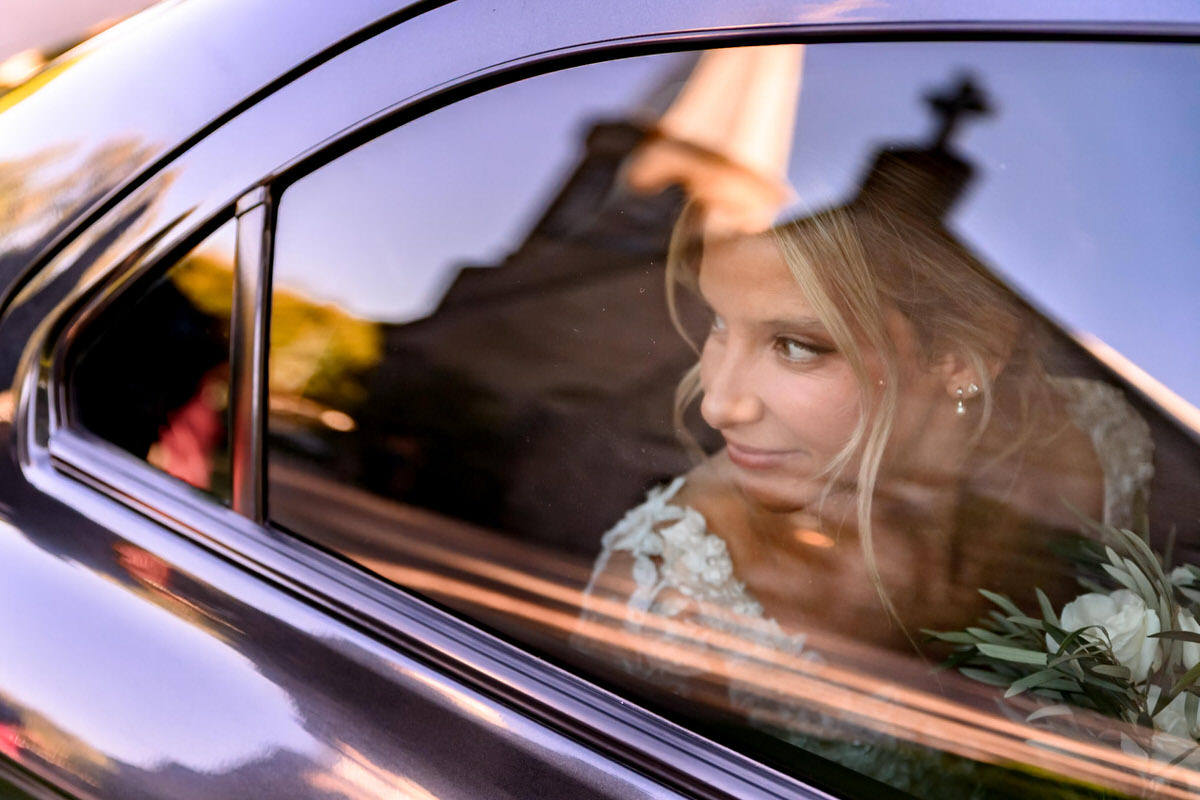
Looking through your work, two things really stood out to me: the way you catch gestures, and how beautifully you use backlight. Are those things you’re actively looking for?
Yes. With gestures, it’s something I learned to name maybe seven or eight years ago. I had always looked for them because I’m documenting, but once I understood what I was looking for, I started noticing them much more.
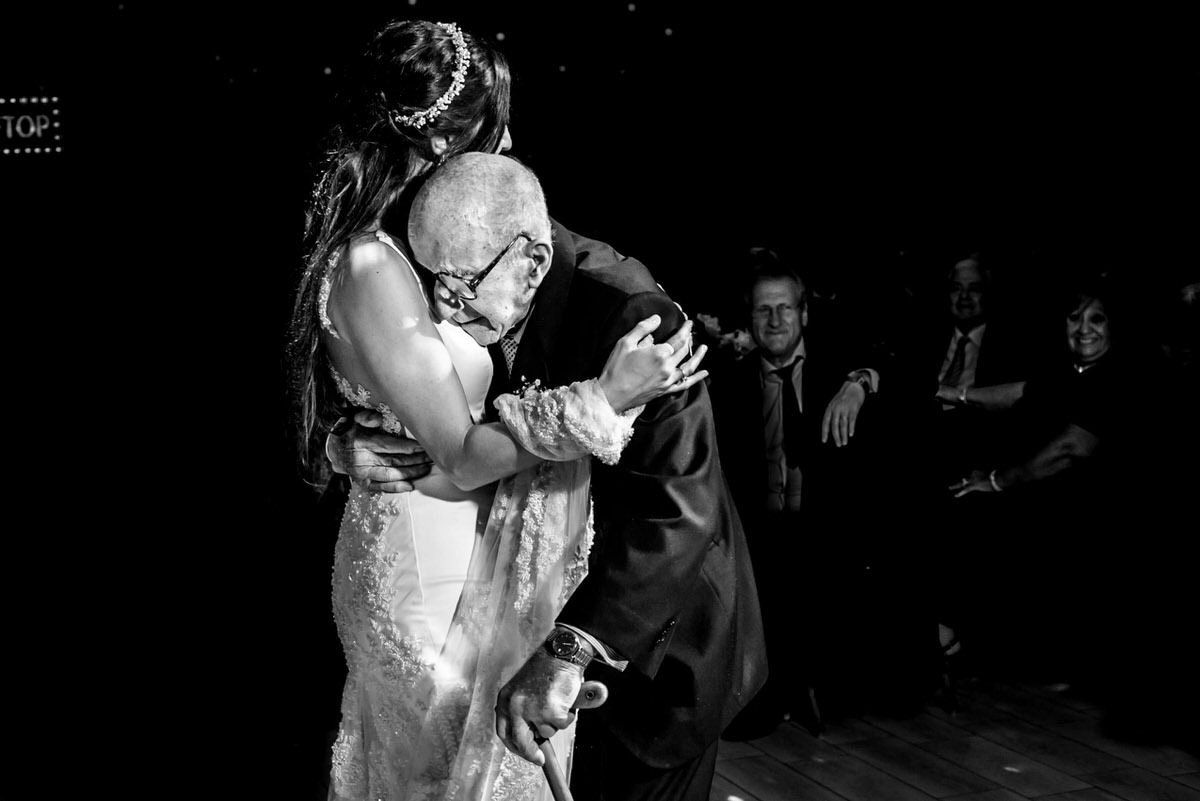
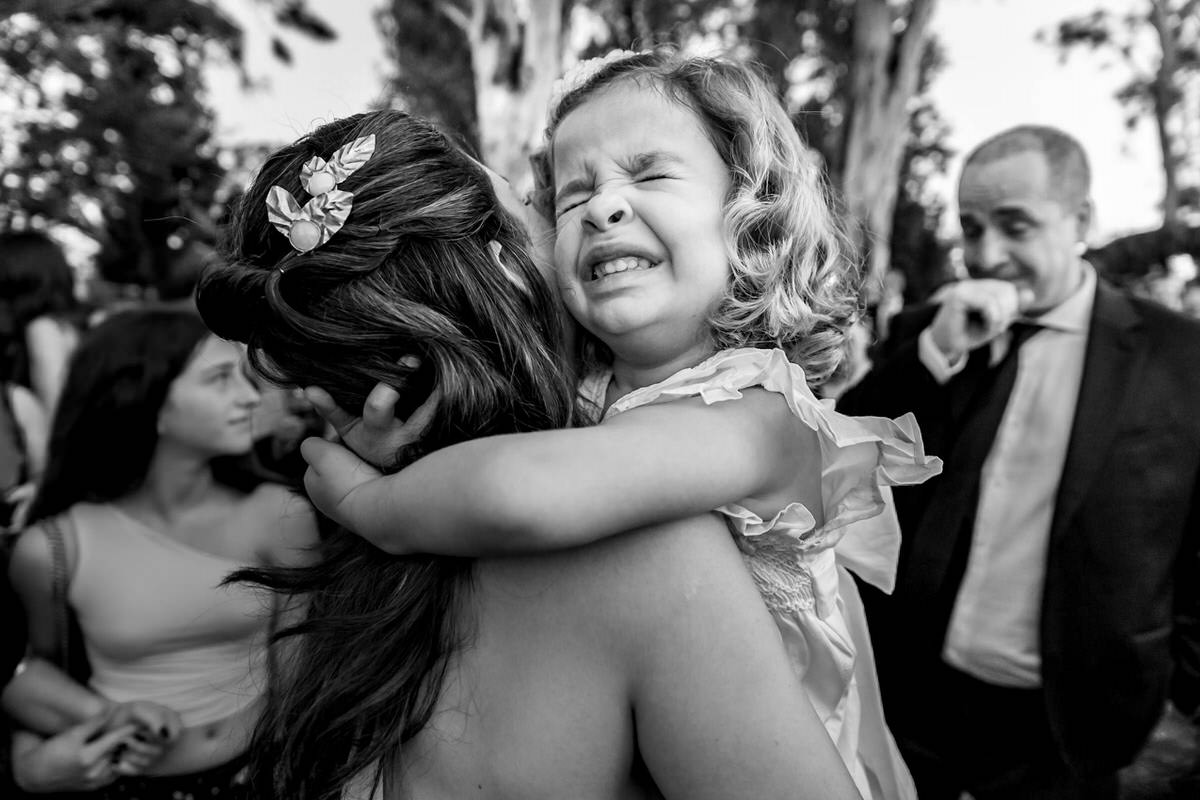
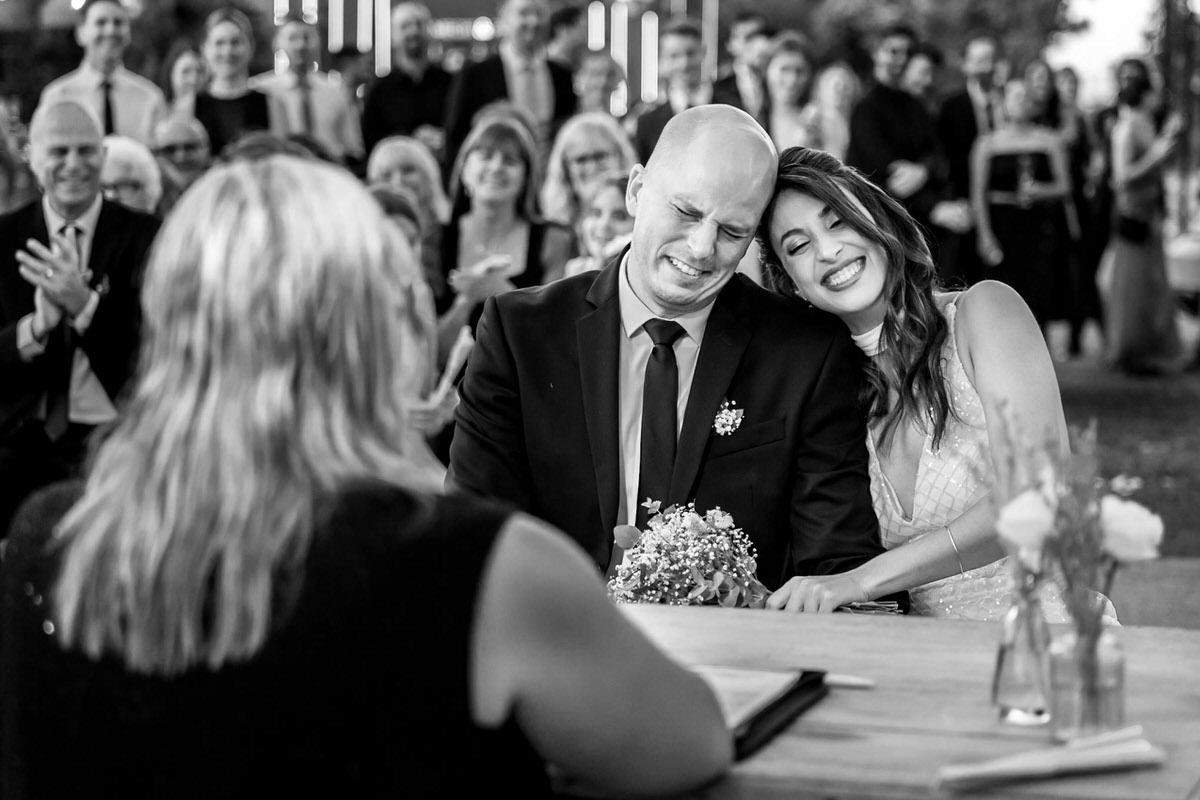
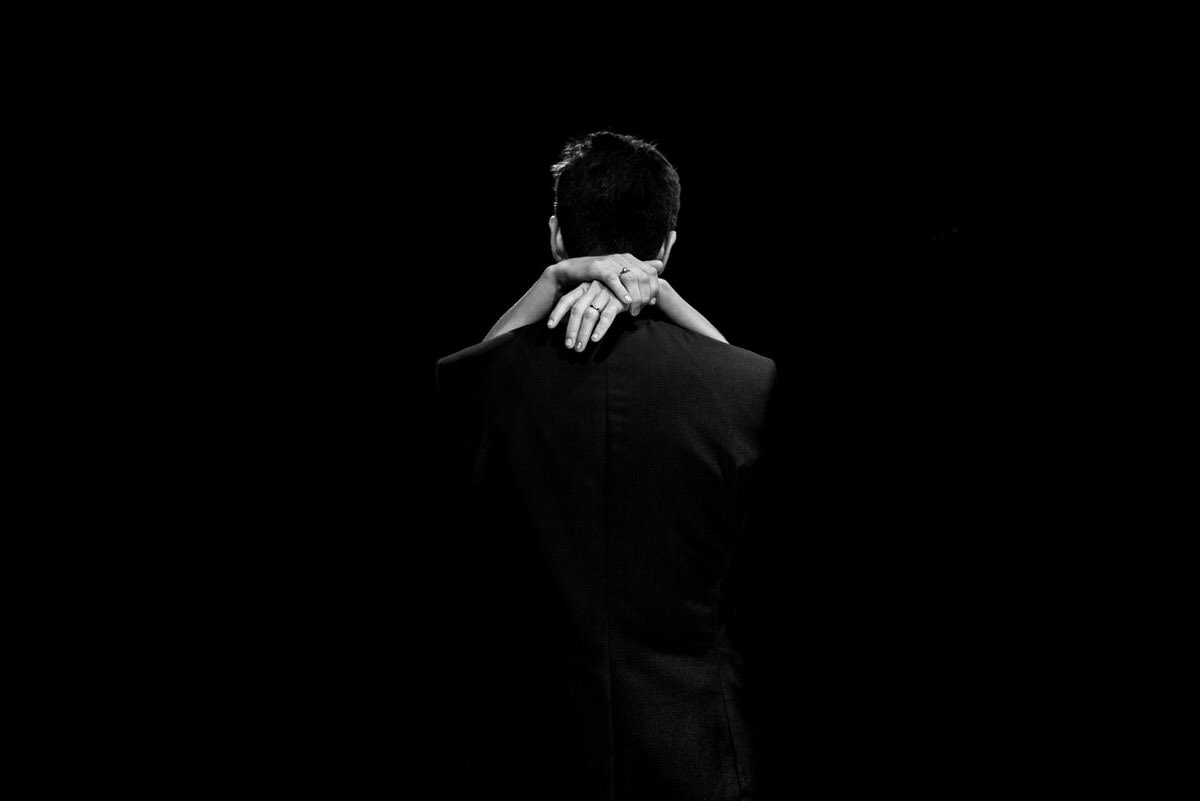
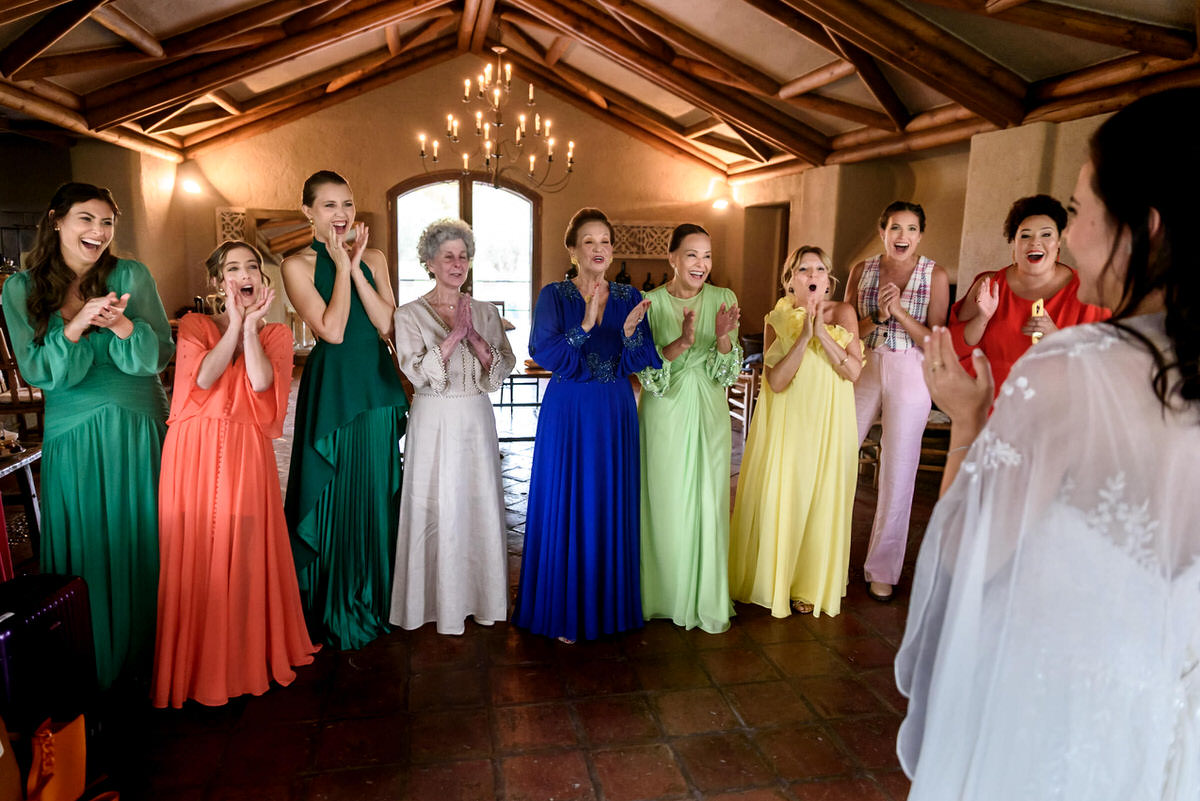
If you want to communicate what is happening and how people are living that moment, you need the exact moment that represents it. And often it’s a gesture – the posture of the body, the expression on a face.
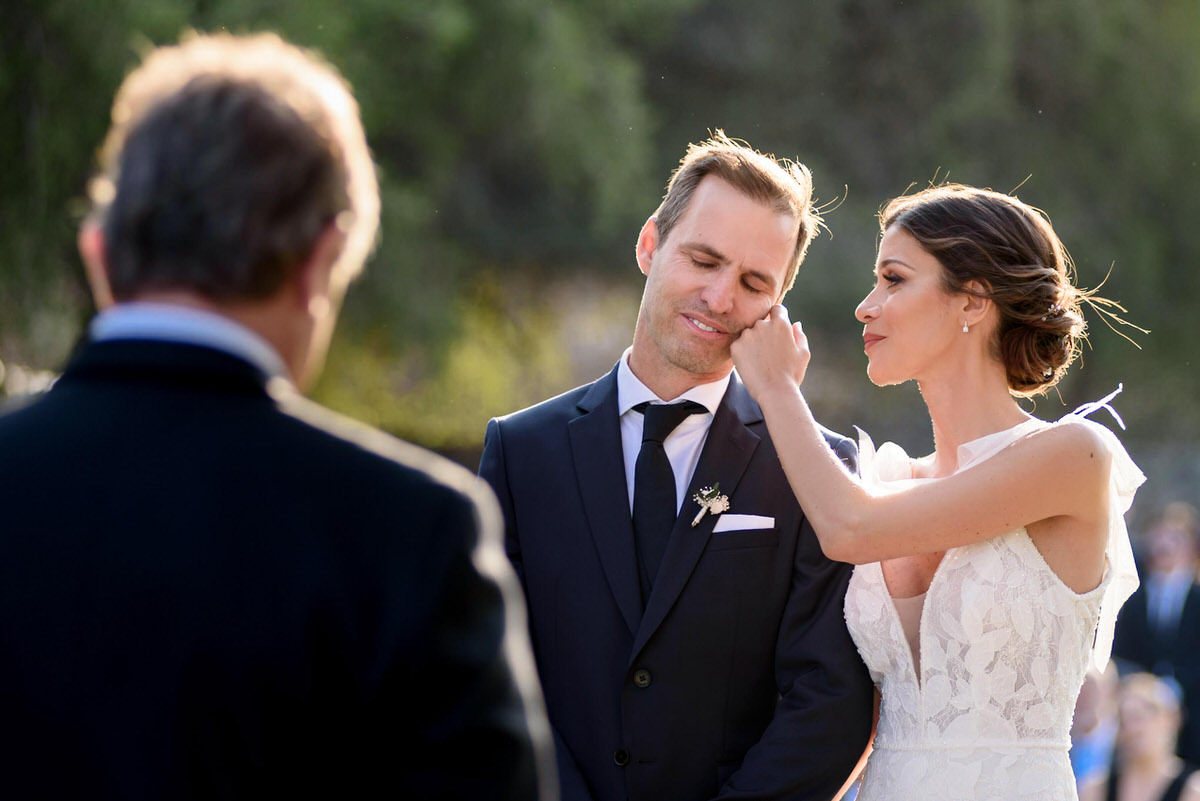
The difficult thing is that a gesture can disappear before you notice it. So you wait for it. You know what can happen, and you prepare for the possibility. If they’re saying their vows or exchanging rings, you know a face may say something, so you’re ready.
Sometimes the bride and groom don’t have many expressions. But maybe their mother does. So you start looking around and noticing who is more likely to give you that moment.
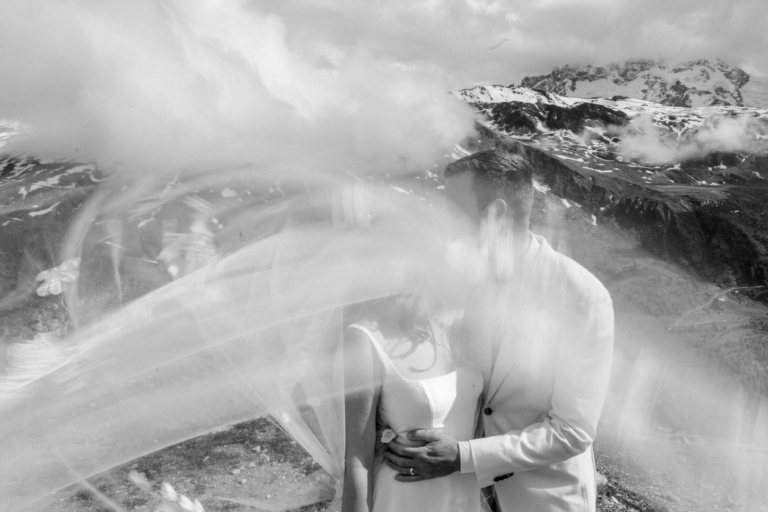
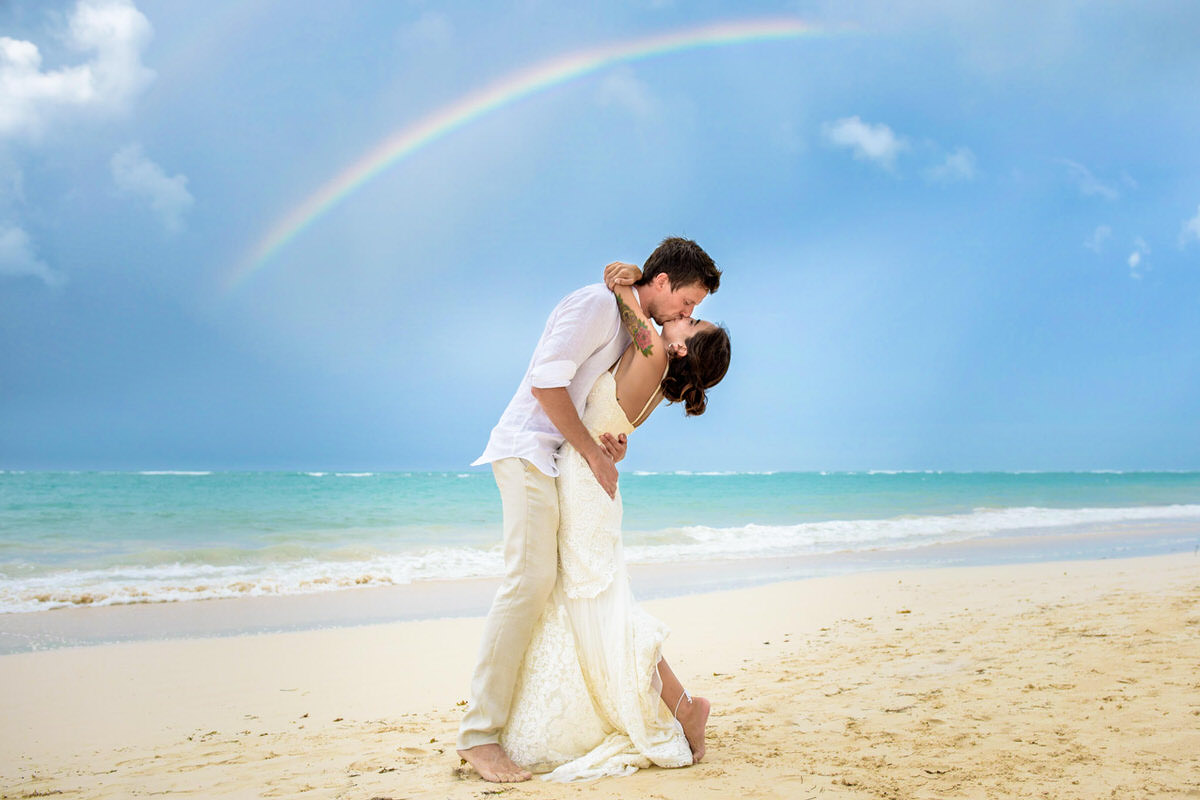
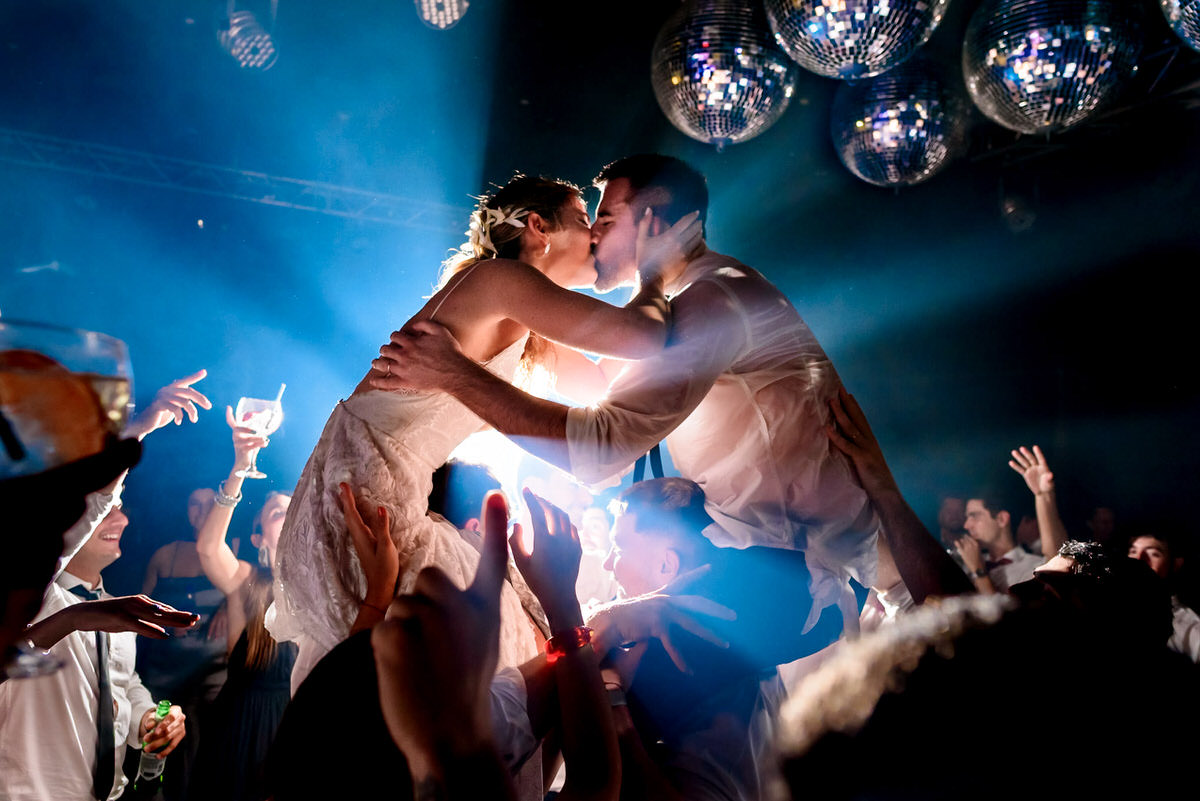
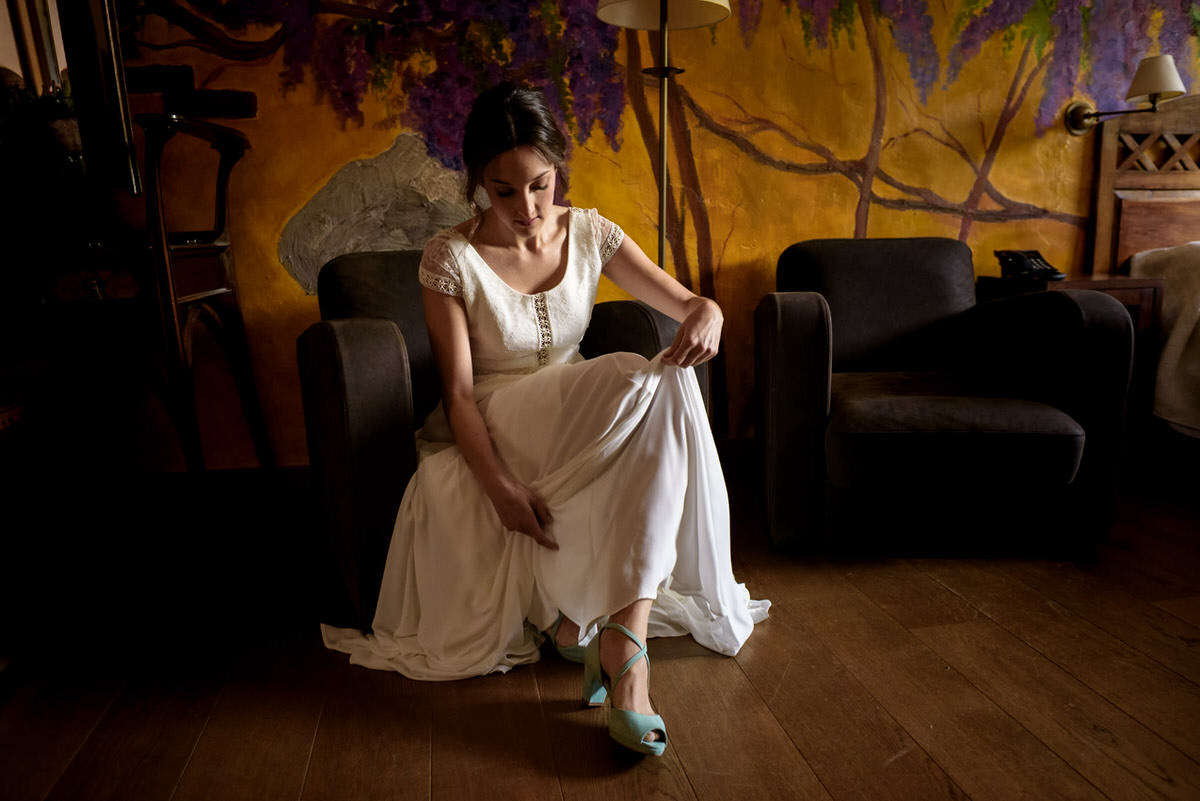
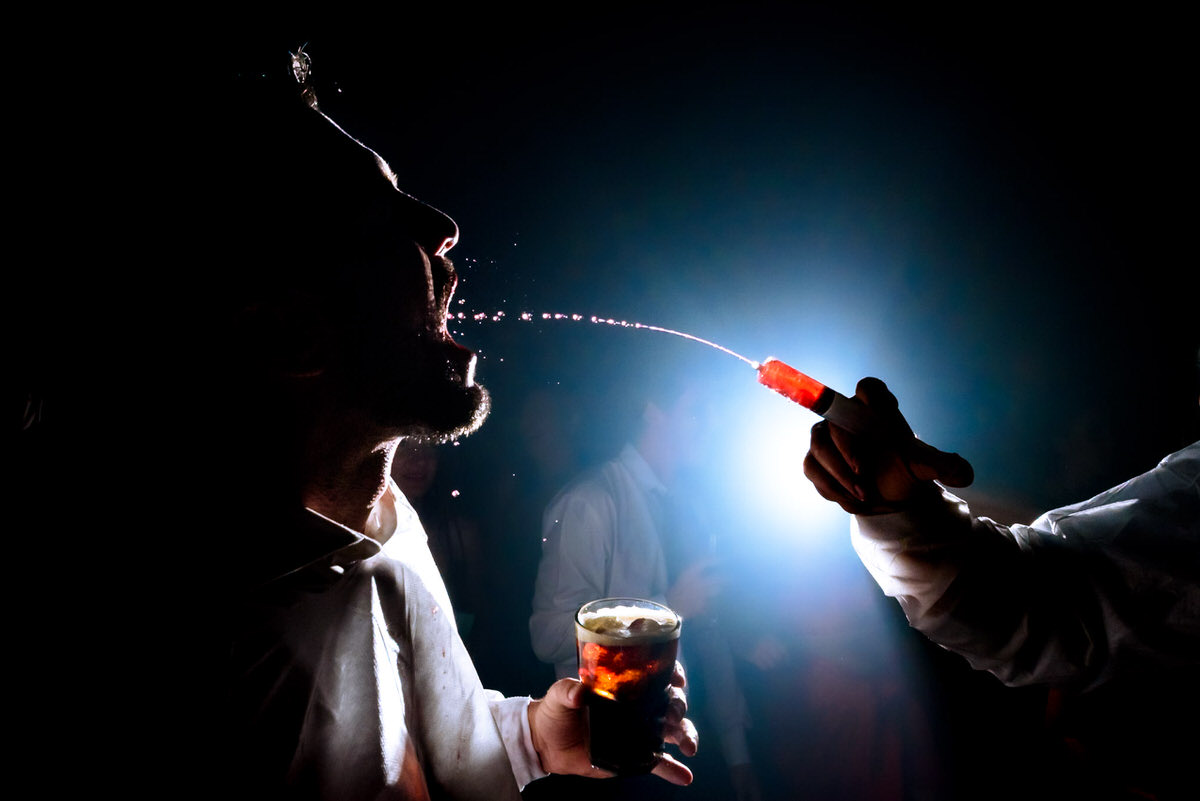
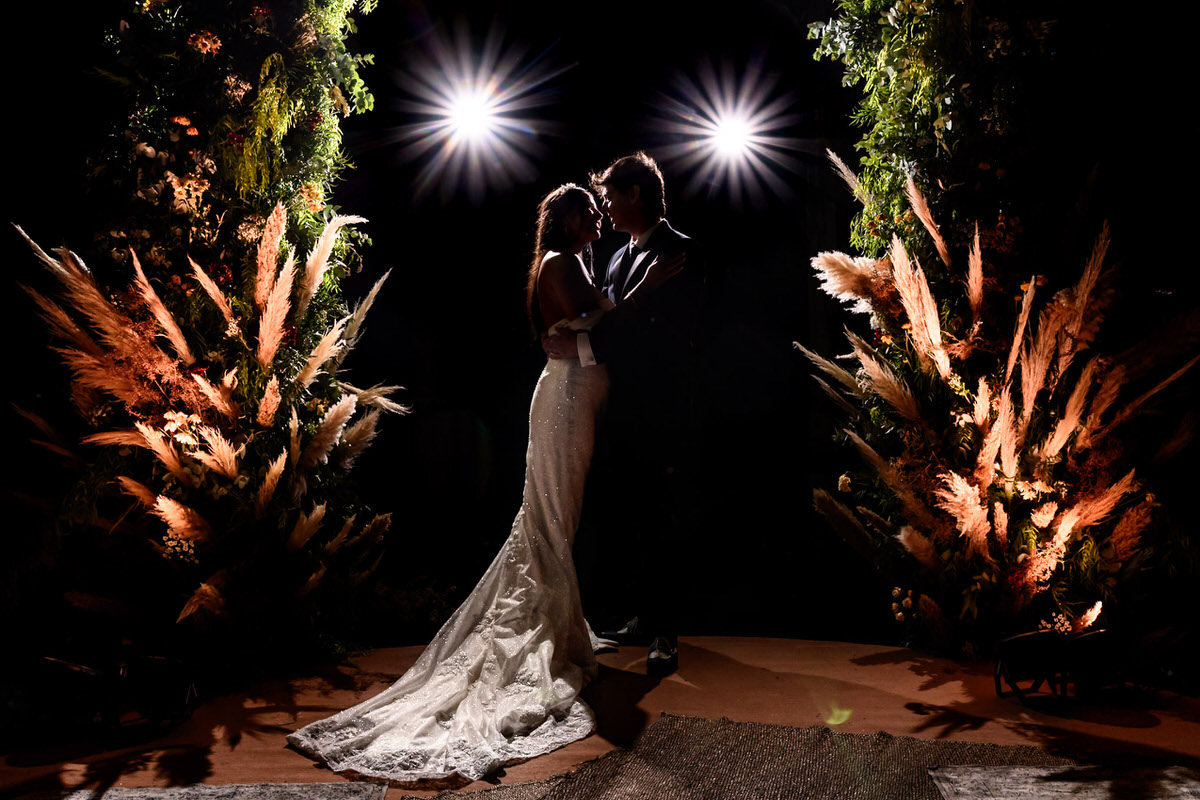
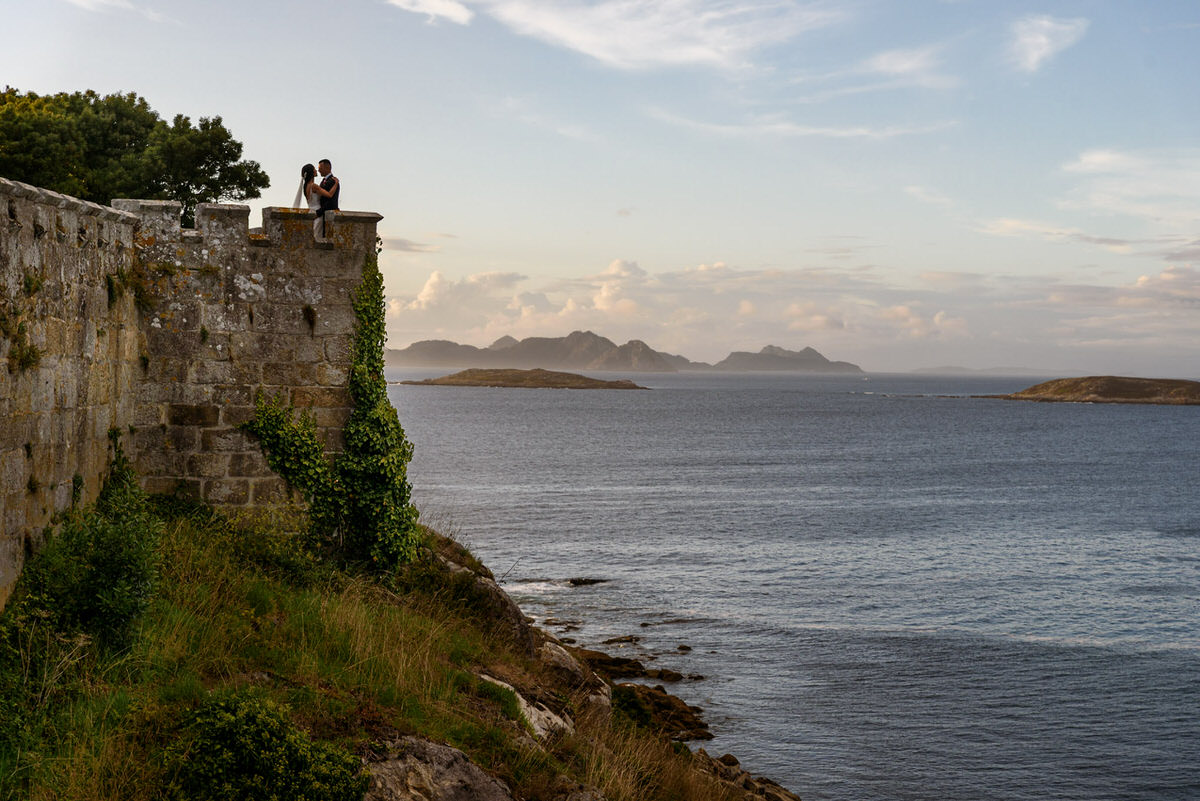
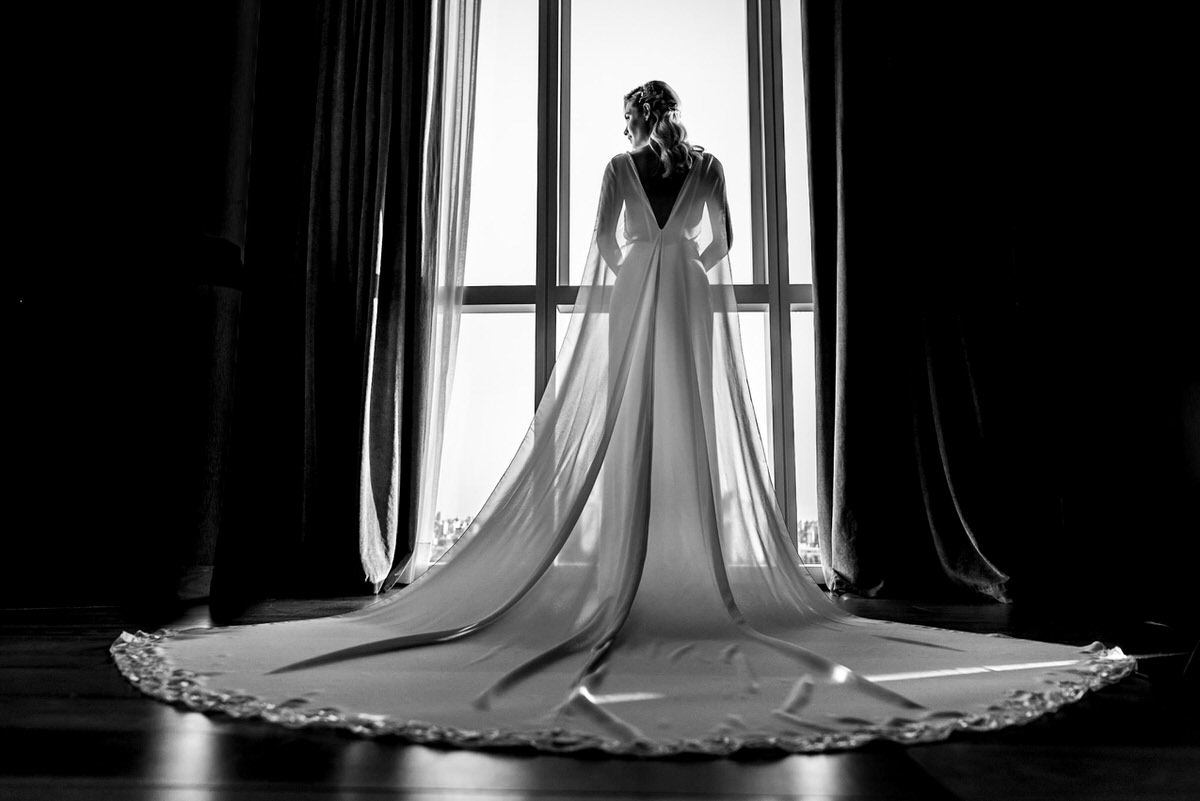
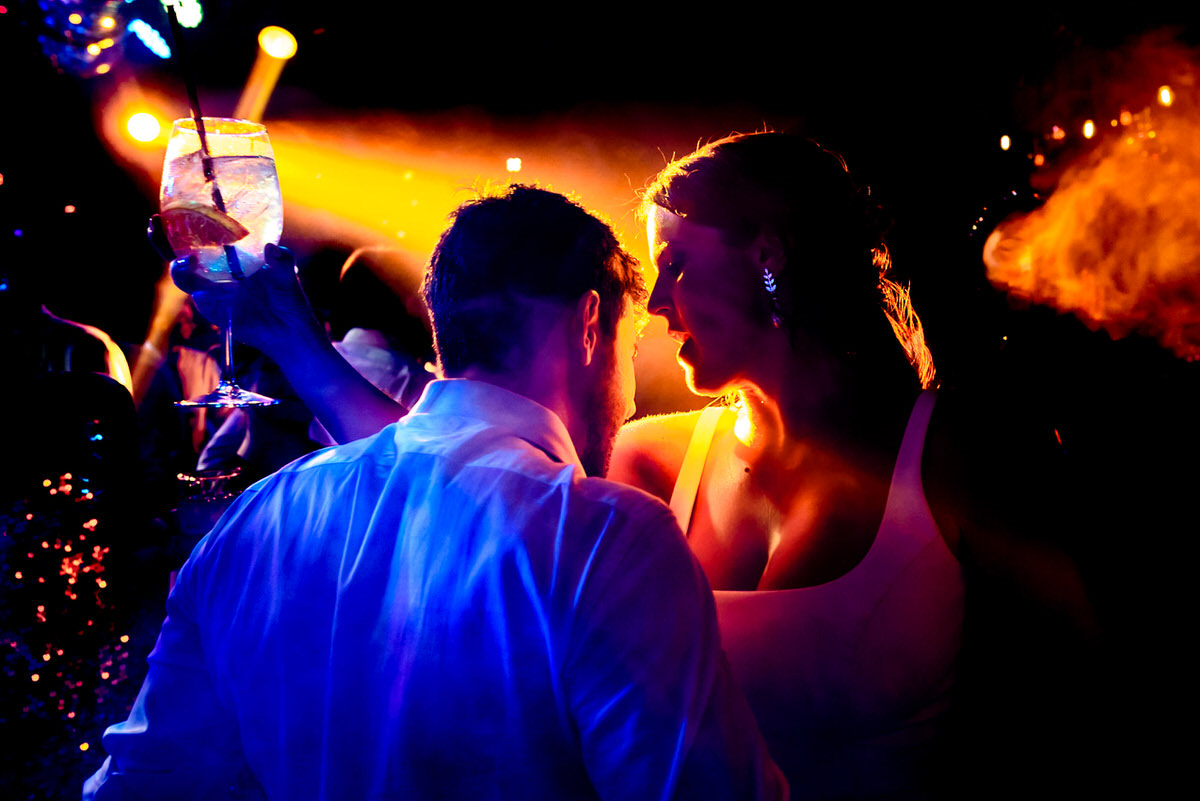
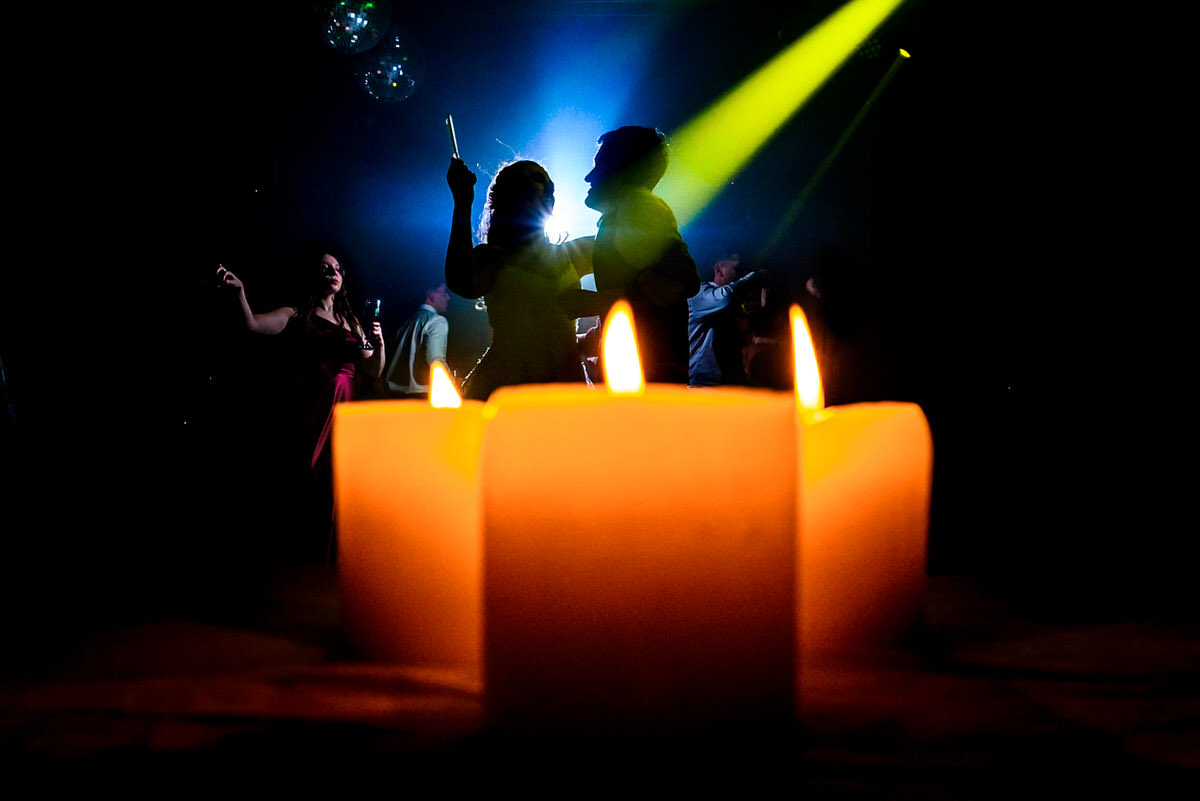
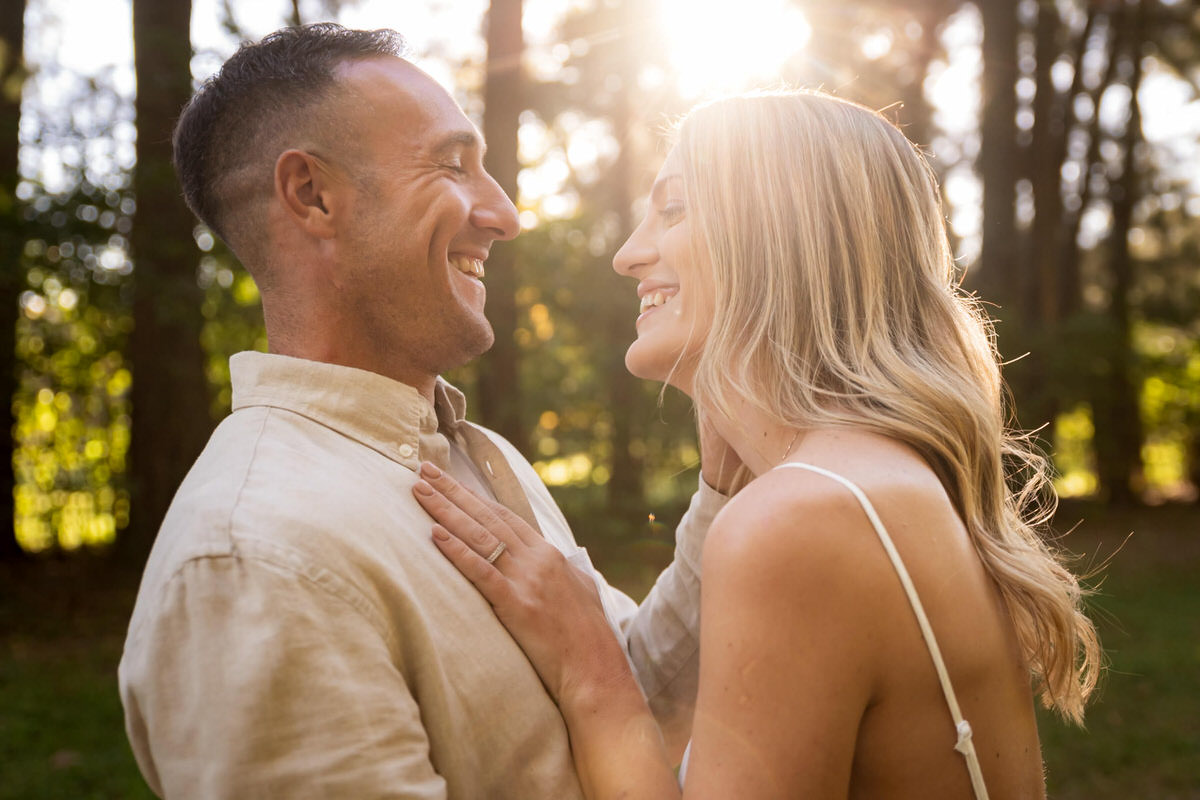
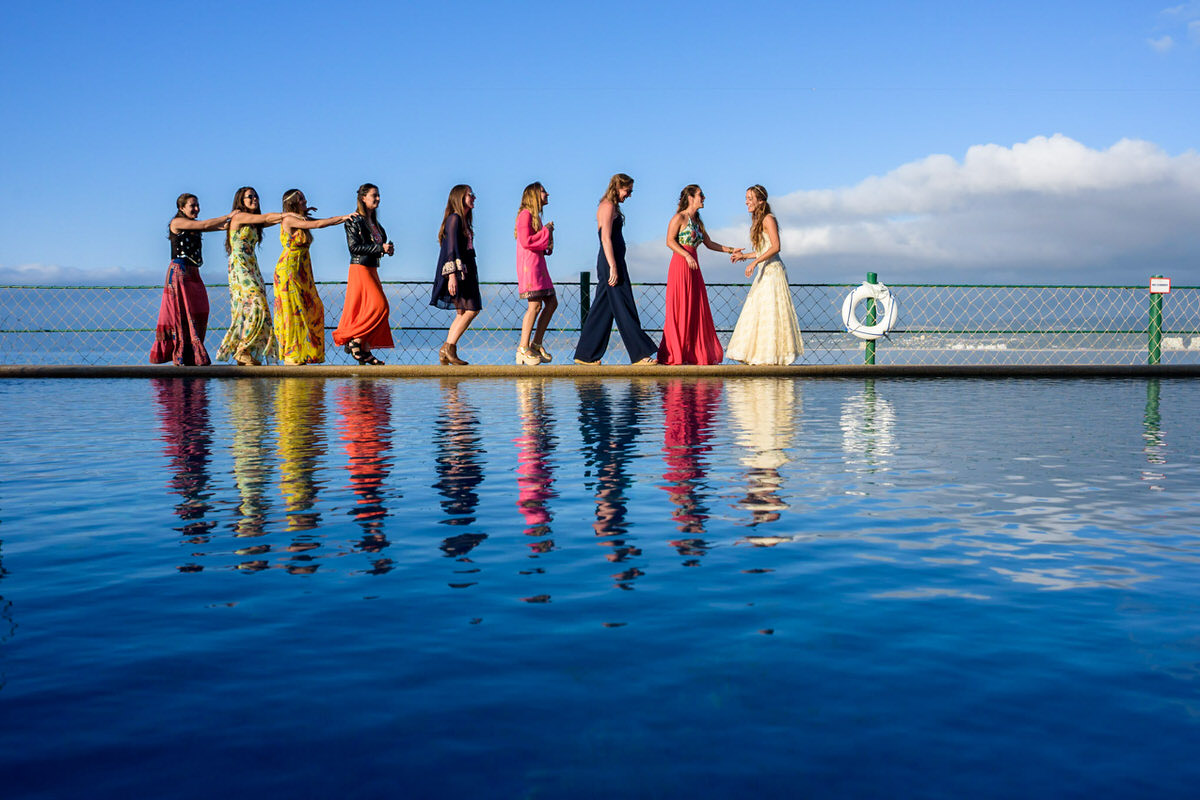
It’s similar with light. If you know what you’re looking for, you’re more likely to find it. I love backlight, so I know when it might happen. I don’t need it to happen, but when the situation appears, I’m ready to use it.
Especially during getting ready or at the party, I look for different kinds of light and what they can give me. It’s not something I have to do. It’s something I know I can do.
Then came Lionel Messi’s wedding. What actually changed for you after that?
It opened a very big door. People could say, “Well, he photographed Messi’s wedding – he must be kind of good. At least he cannot be bad.”
It gave me a way to introduce myself, but then I still had to prove myself. I still had to have good photographs, meet couples and wedding planners, and validate the work I was doing. Photographing that wedding was incredibly meaningful and opened an important door for me, but I never wanted to treat it as the destination of my career. It opened the door; then I had to do something with it.
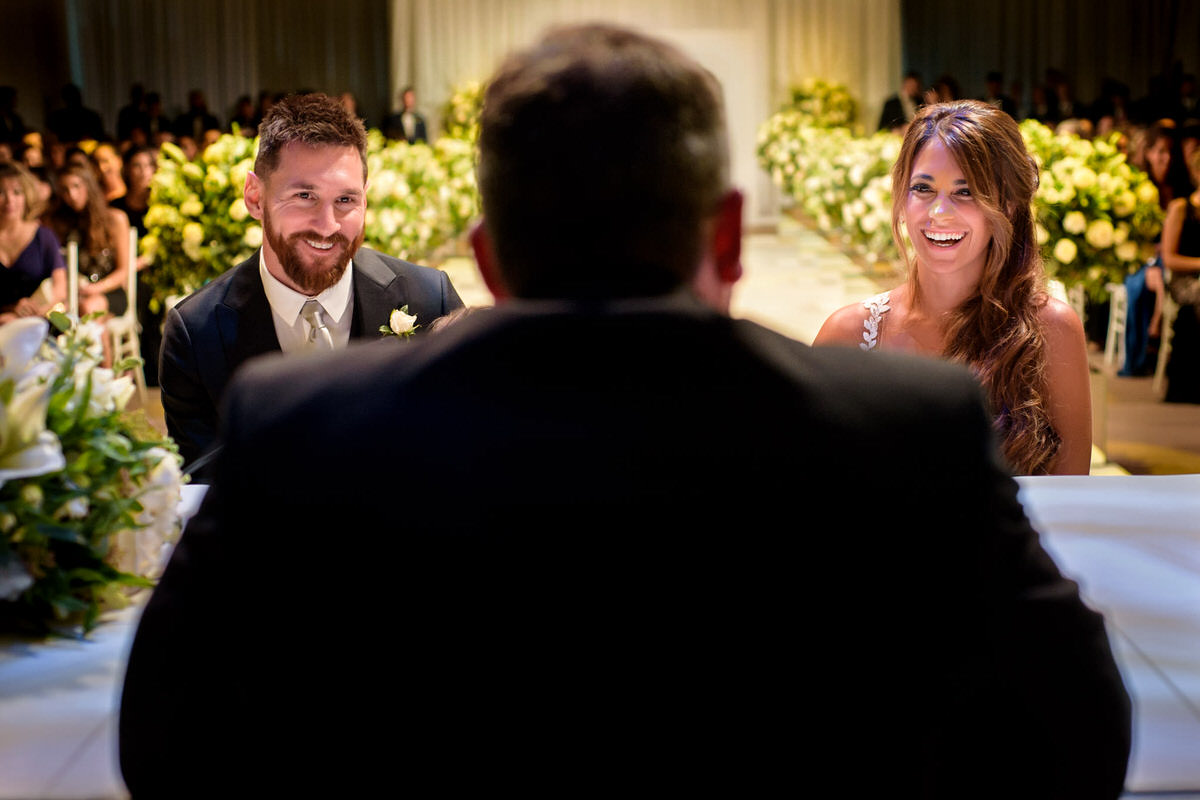
I had already worked with the family many times before, but nobody knew. So when they trusted me with the wedding, I understood that part of that trust came from the fact that I had never taken advantage of their name.
There was a lot of pressure, of course. But I tried to think of them as I would any other couple. They’re very famous, but when people are with their family and friends, they’re still a couple, a father, a son, a friend. They deserve to be treated as people before being treated like gods.
And then something happened that I really didn’t expect: in my own city, people stopped calling me.
They assumed that after photographing Messi, my prices must be very high, or that I only photographed stars. Several months later, I actually had to ask former couples, “If you liked what I did, please tell your friends that I still have the same style, the same approach and the same pricing structure.”
Then the work started coming back.
People asked me why I didn’t use the opportunity to start photographing luxury weddings in Dubai or wherever. But that’s not my style, and it’s not what makes me happy.
I prefer weddings with people who value what I do – people I can talk to and have confidence with.
So yes, that wedding opened a very big door for me. But it didn’t change the way I wanted to work.
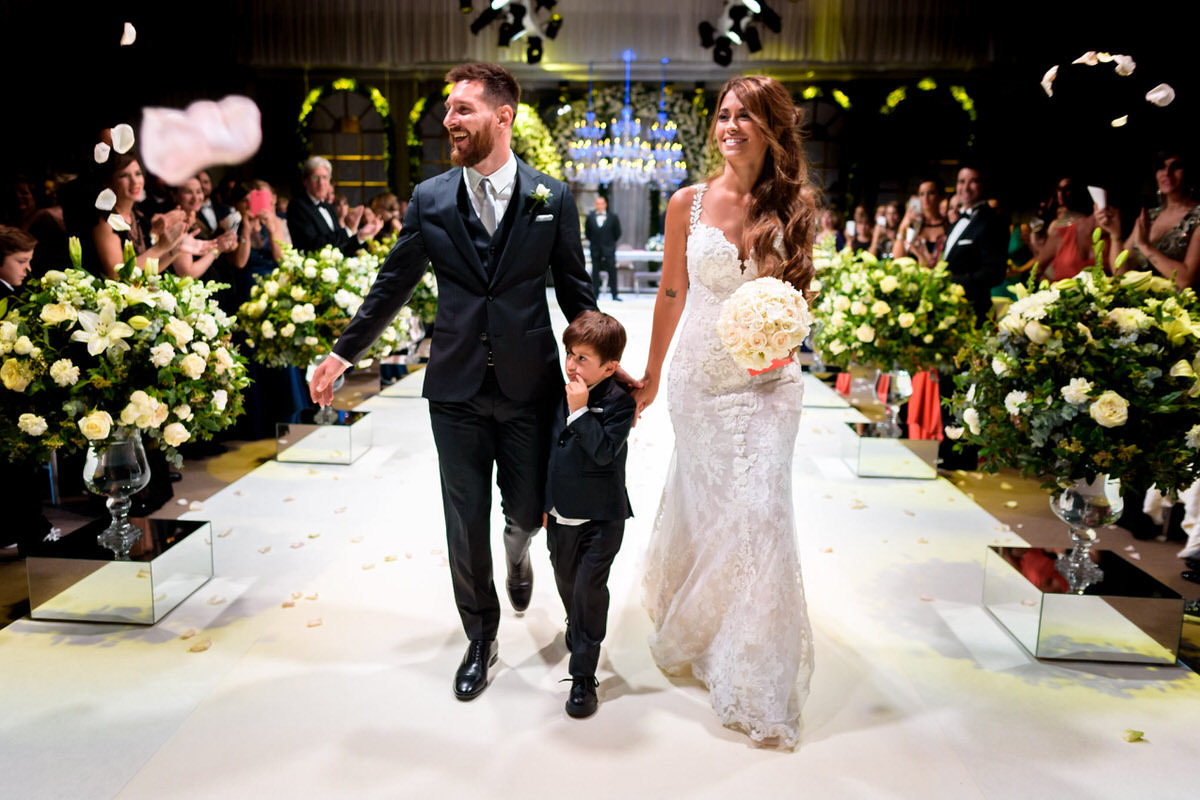
Did photographing a wedding of that scale require you to work differently?
The logistics were different. I had to build a big team because of how the wedding was going to be, and we had to manage the backups and the other photographers.
But after that, I treated it like a regular wedding.
We only did one family portrait because they didn’t want more, and I respected that. Everything else was about trying not to be seen, not to invade, not to bother them.
They are used to having cameras around them, and they probably hate it. It was their wedding. Let them enjoy it.
You seem very comfortable in front of the camera when you teach. Are you?
No. It’s a big effort. I’m usually shy and I don’t like to talk much.
But when it comes to photography, something changes. I can be at a congress with hundreds of photographers and not talk much at all, but if somebody asks me about photography, I can keep talking. I forget about the camera.
I discovered that when I started teaching, around 2011. I didn’t know if I was going to like it. I thought, I’m shy, I don’t talk — and then I started teaching and couldn’t stop talking for two hours.
I think being shy also has something to do with why I chose documentary photography. I chose to be on this side of the camera because I don’t like being photographed myself.
So I understand brides and grooms who are shy too. They don’t want to perform for the camera. They just want to enjoy their wedding. I try to get those spontaneous moments without making them uncomfortable.
How do you know if you’ve managed not to interfere?
At the end of every season, I send an anonymous feedback form to every couple. I want them to be able to tell me the truth.
One of the questions I ask is whether they felt my presence during the wedding – whether they ever changed their behavior because I was there.
Luckily, most of them say they didn’t feel pressured by the camera. They could just enjoy themselves.
I tell photographers who work with me the same thing: don’t stay in one place too long. Move. If there are two of us, we don’t need to be standing in the same spot because people are going to notice us.
Hide if you can.
What is the atmosphere like at an Argentinian wedding?
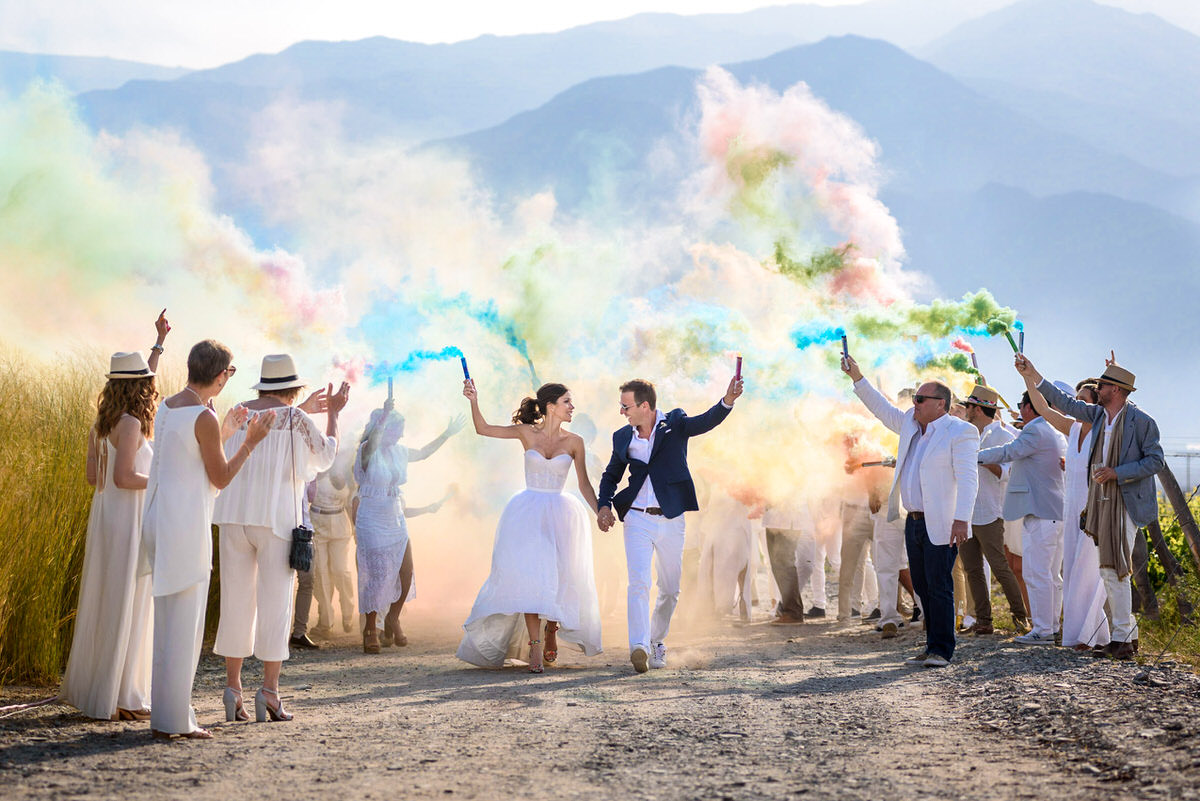
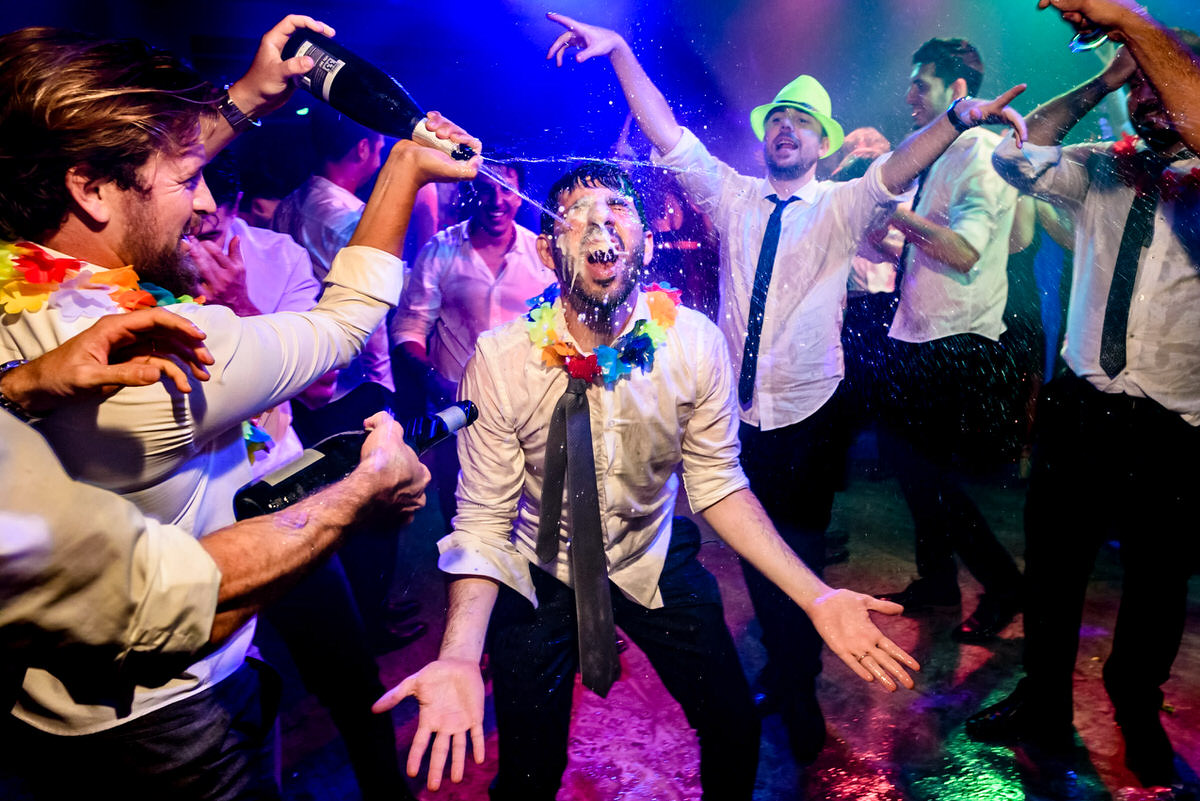
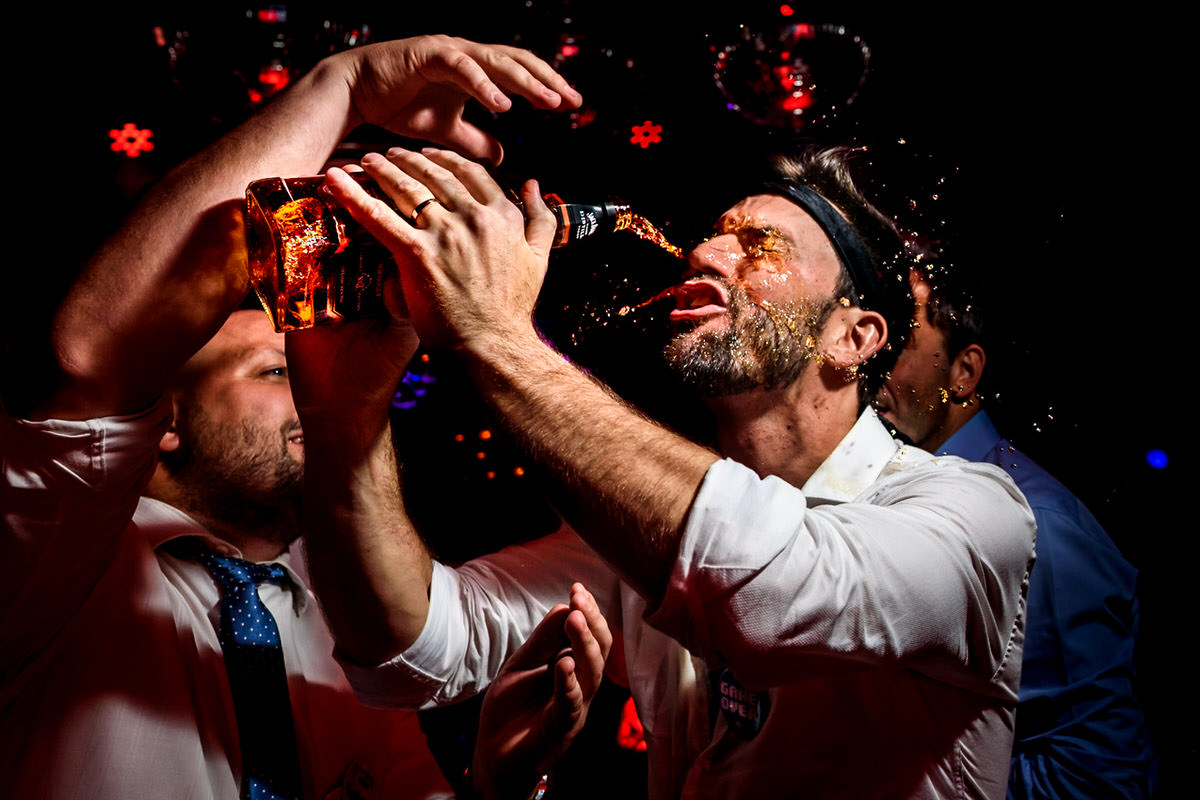
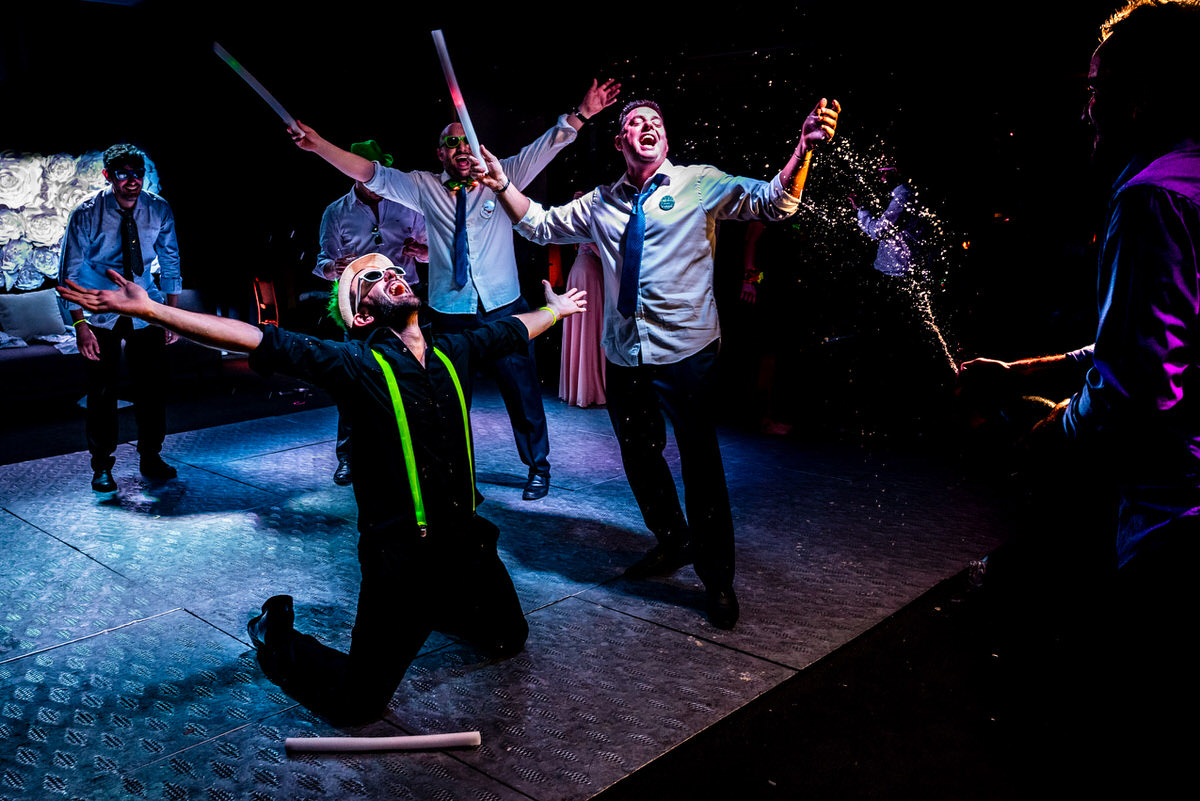
The party is a huge part of it. If I deliver 1,500 photographs from a wedding, a lot of them can be from the dance floor.
Here in Argentina, we give a lot of importance to dancing. People want those photographs. If I’m the groom, I want to see myself having fun, and I want to see my friends in the worst situations – in a good sense.
And the party keeps changing. You have the first dance, then the drinks, and later what we call cotillón, when people put on hats, glasses, makeup and all kinds of funny things. That’s usually when some people get a little crazy – and crazy moments are fun to photograph.
So four or five hours of dancing might sound like a long time, but photographically, it keeps changing.
How did JPEGmini become part of your workflow?
I think I first heard about JPEGmini from Dennis Berti, an Italian photographer who lived in Mexico. I took his workshop around ten years ago.
I tried it and knew it worked. Then I forgot about it for a while, remembered it, and started using it again.
I always have the same issue: I never have space on my computer. Storage is one of the biggest problems for me – what you do with all the files, how you deliver them, how you upload them. Even though uploading is much easier than it was ten years ago, the problem is always there.
I kept using JPEGmini, and eventually I started recommending it to other photographers and to my students because I know it works for me.
That matters to me. If something doesn’t work for me, I’m not going to recommend it.
Final Thought
There is a useful contradiction in Andrés’s photography: the more spontaneous the photograph appears, the more preparation sits behind it.
He studies the wedding before it happens. He makes plans for the unexpected. He thinks about light, bodies, expressions and where his photographers should stand – and then, when the moment arrives, he tries to remove himself from it.
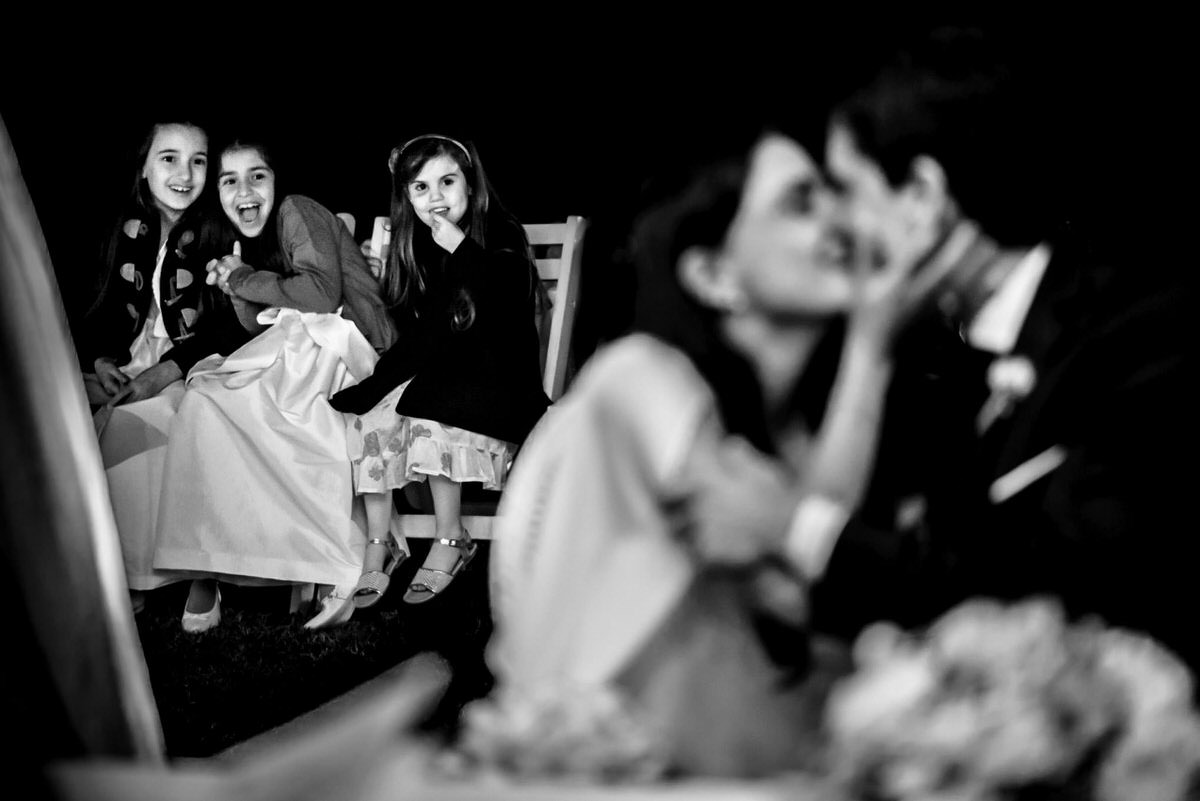
That invisibility is not passive. Looking for gestures requires anticipation; documentary photography requires decisions. Andrés knows that a face may change during the vows, that if the couple gives him nothing, a mother might, that backlight may briefly transform an ordinary corner of a room. He prepares to recognize these things without requiring them to happen.
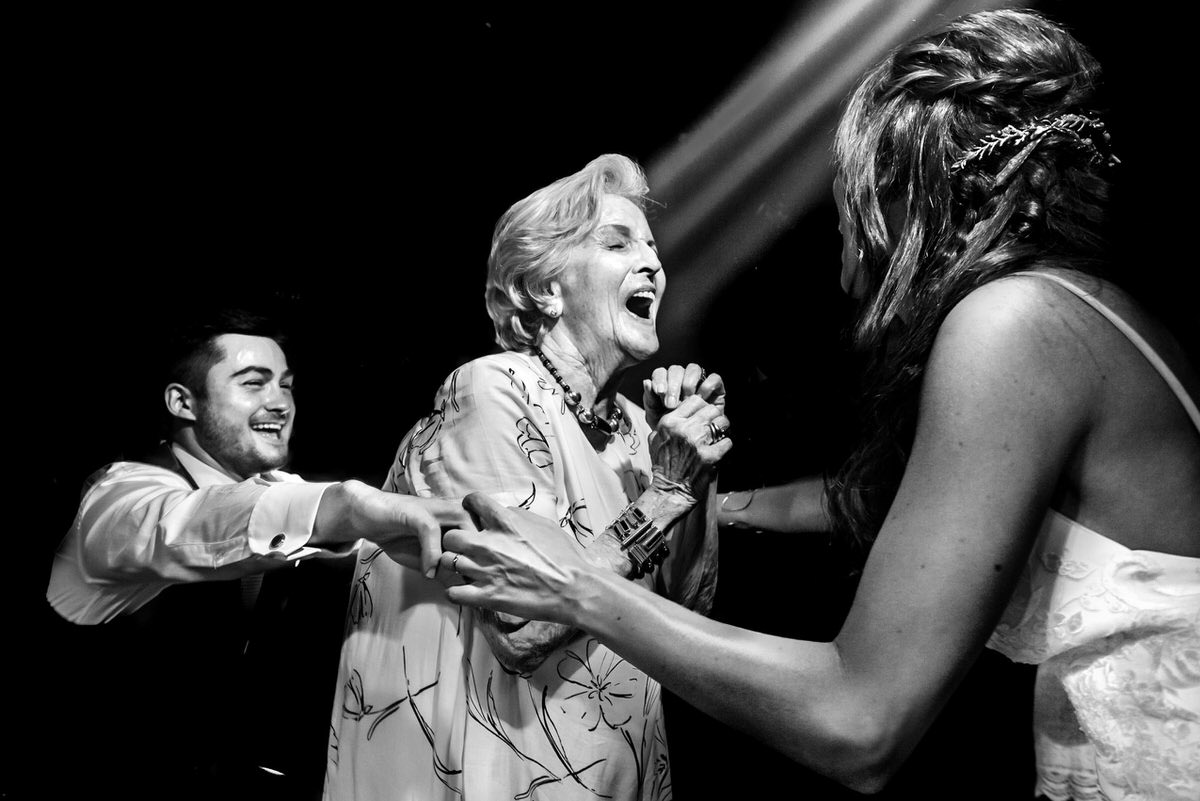
What surprised me about Andrés was his modesty. He photographed the wedding of one of the most recognizable people in the world, has won major awards, and yet he still talks about wanting to photograph weddings where he can know the people and work in the way he believes in.
That same consistency runs through the rest of his career. He teaches openly about his mistakes, and he recommends tools to other photographers only when he genuinely uses and trusts them – even when that position has cost him opportunities.
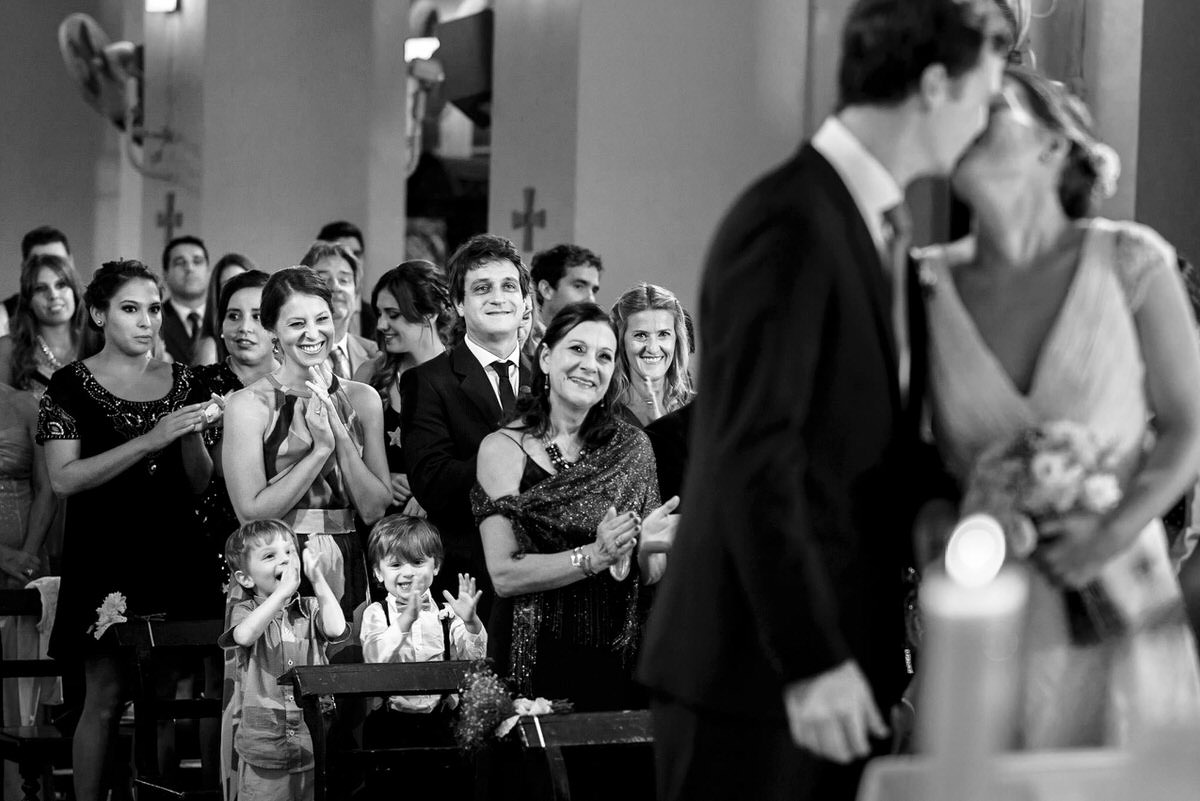
There is a connection between that attitude and the photographs. Andrés doesn’t need to impose himself on either. He prepares, watches and waits for the fraction of a second that matters.
Perhaps that is why his photographs feel so valuable as memories. They don’t try to make the moment bigger than it was. They simply make sure it isn’t lost.