
Short Bio:
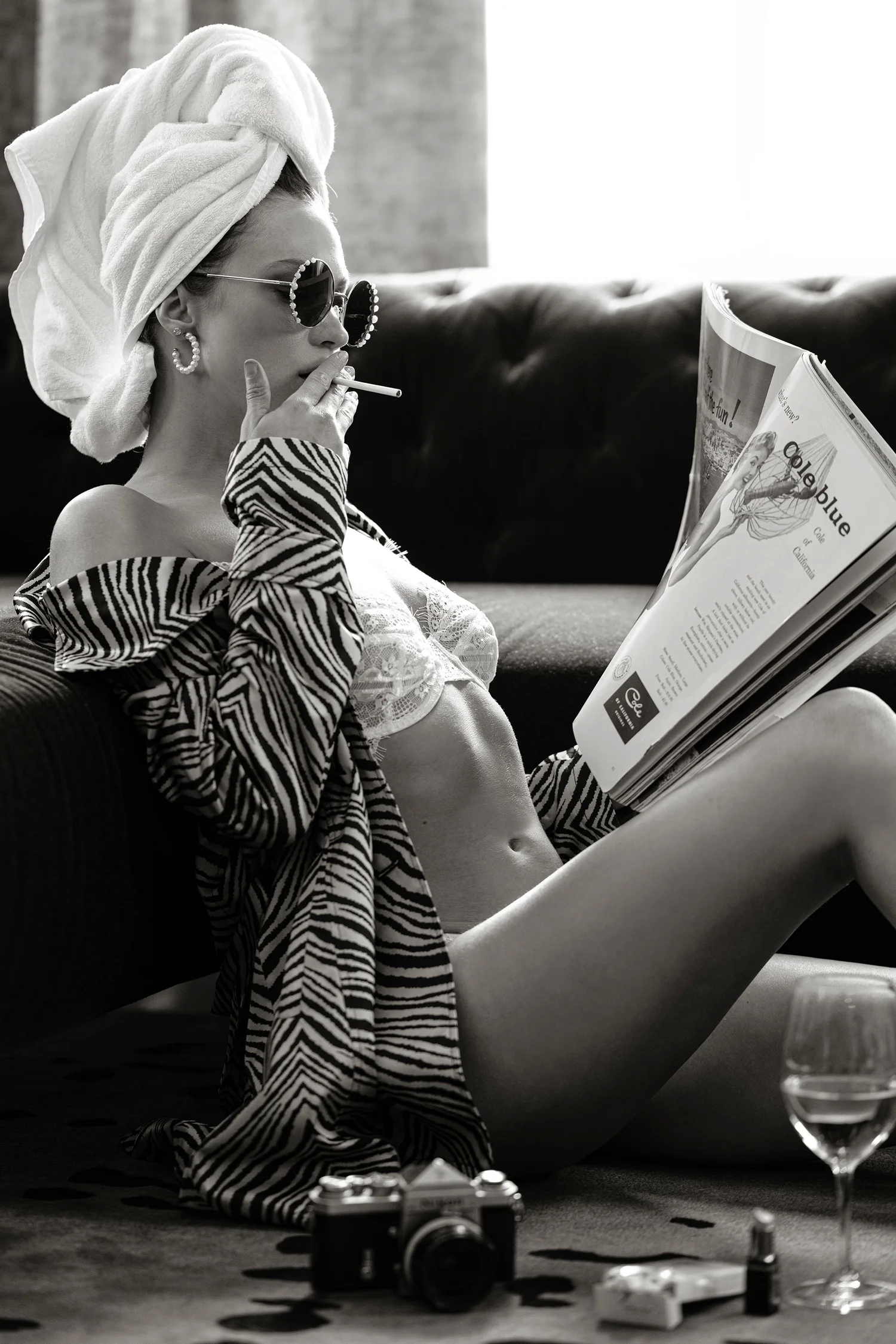
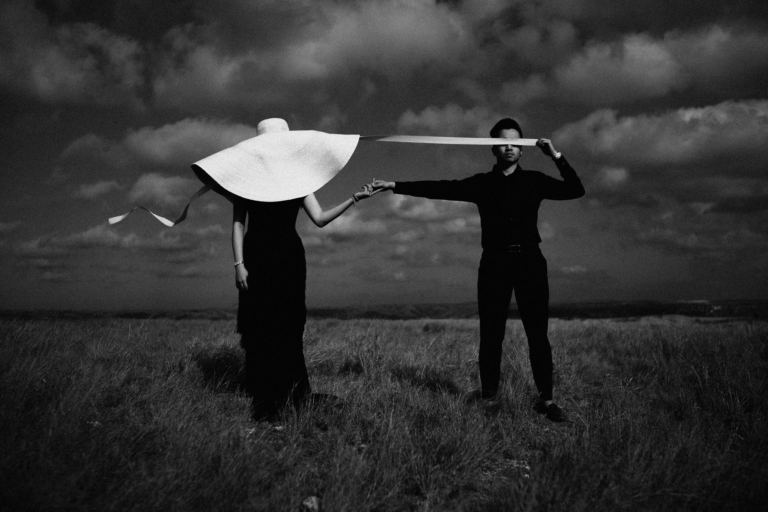
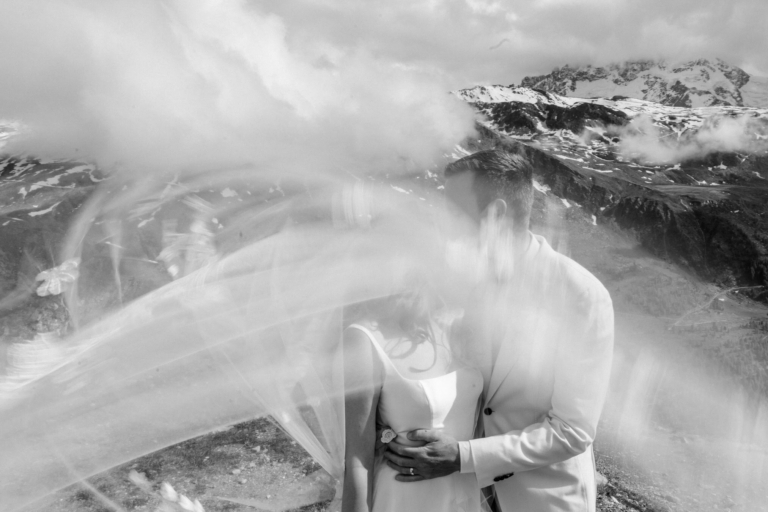
Dixie Dixon is a Texas‑born commercial fashion and lifestyle photographer and director whose work blends glossy, idealistic imagery with a touch of soulful realism.
She grew up in Texas, got her first camera at age 12, and spent long days in the darkroom, then later studied abroad in London with a leading fashion photographer, which pulled her decisively toward fashion and commercial work.
Over the years she has shot campaigns and motion projects around the world for major brands and agencies, creating upbeat, high‑energy visuals for lifestyle, beauty, and high‑fashion clients such Disney, Virgin, Florsheim and more.
Alongside her commercial work, She has been recognized with industry honors, including ranking #1 Top Fashion Photographer worldwide in the One Eyeland Awards, Earlier in her career, she received Rangefinder’s Hy Sheanin Scholarship at WPPI in 2021.
She has also recently become a Canon Explorer of Light! / https://www.dixiedixon.com/

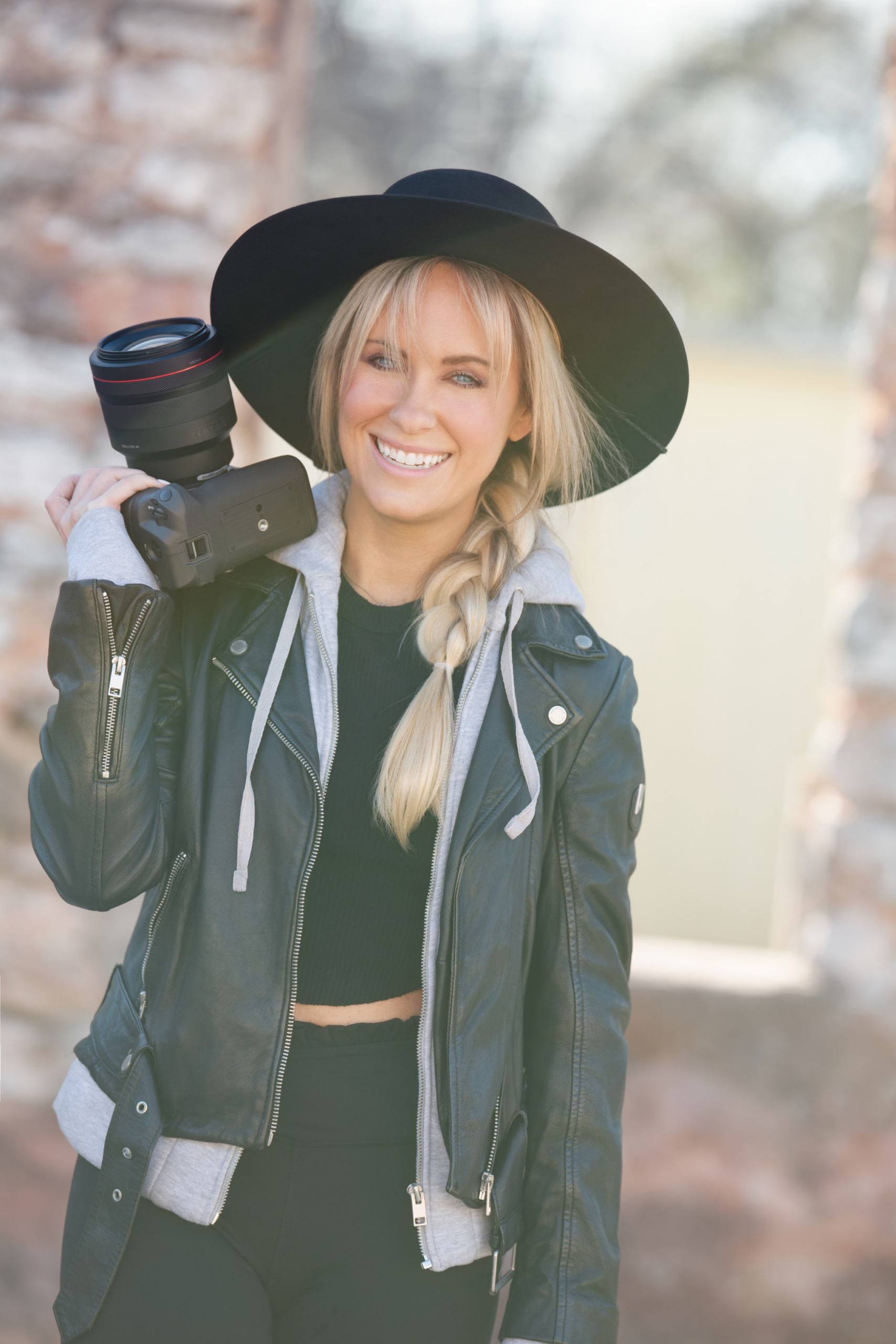
Do you have more hats or more cameras?
You know, I always loved costumes growing up.
I’m an only child, and I was always trying to entertain myself with crazy costumes and dressing up my stuffed animals and taking pictures of them.
with the hats – it was actually my mom.
She said:, “You need to find a way to differentiate yourself when you’re shooting, with your brand.”
She said, “You love wearing hats, so you should wear one to every shoot.”
So then it just became my thing, I can’t go to a shoot without having a hat on, so I’ve just worn them ever since.
I have a huge hat rack in the other room with like 30 hats on it.
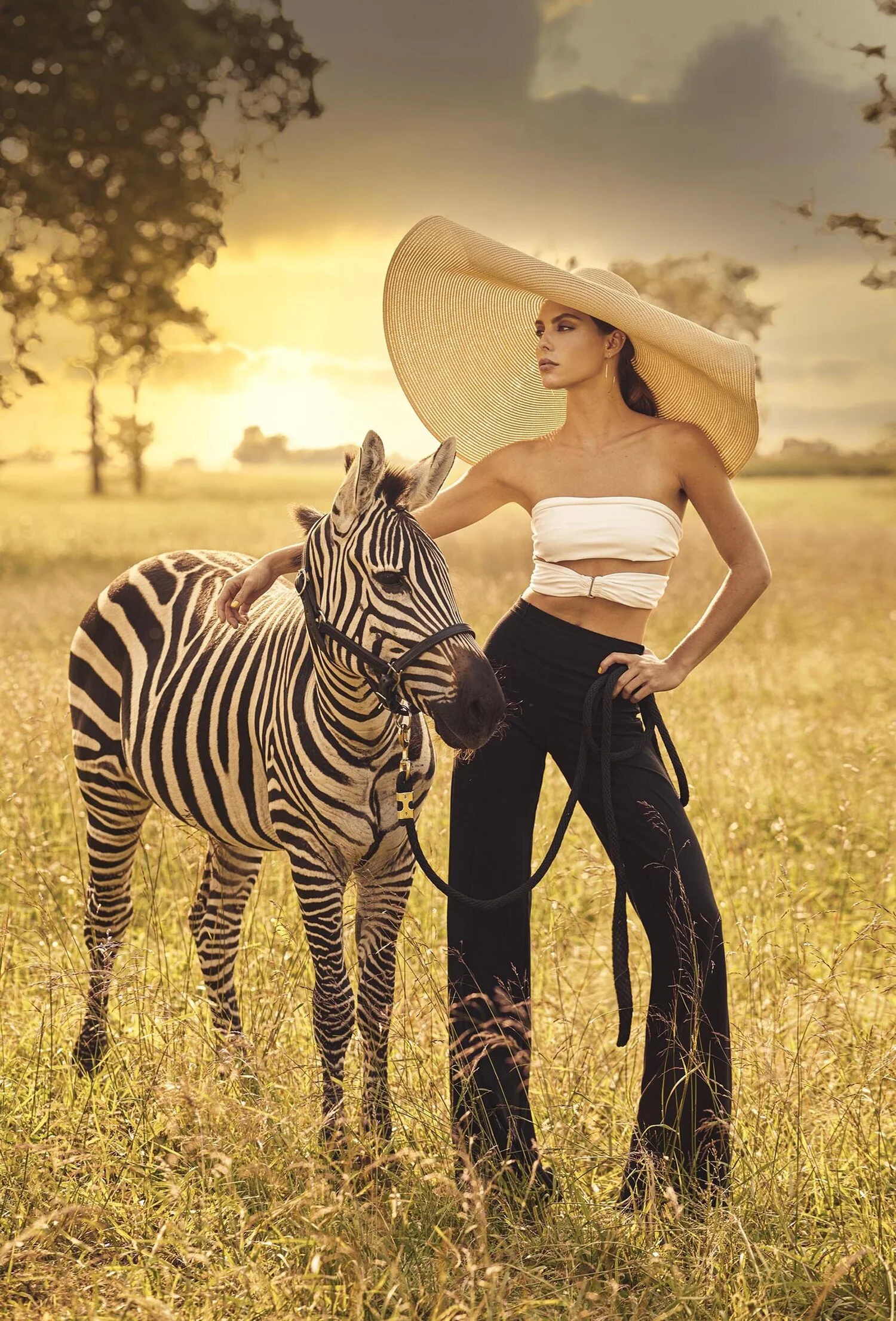
There has been a lot of conversation recently about how models are treated on set – from fashion stories to reality shows like America’s Next Top Model.
How do you approach working with models, and what kind of environment do you try to create on your sets?
The photography industry can sometimes be very directive toward models, and many photographers don’t really treat them like people. I hate that. It’s not my vibe at all.
When a model arrives on set, my main focus is making them feel comfortable.
I like to have food available, play their favorite music- anything that helps put them at ease.
Because the truth is, when you photograph someone, you can see it in their eyes whether they feel comfortable or not, whether they’re relaxed enough to fully express themselves.
So I see my job as creating that environment. If a model feels safe and relaxed, they can truly open up in front of the camera. I want them to leave the shoot feeling more confident than when they arrived. Throughout the session I keep the energy very positive – encouraging them, telling them when something looks beautiful or strong.
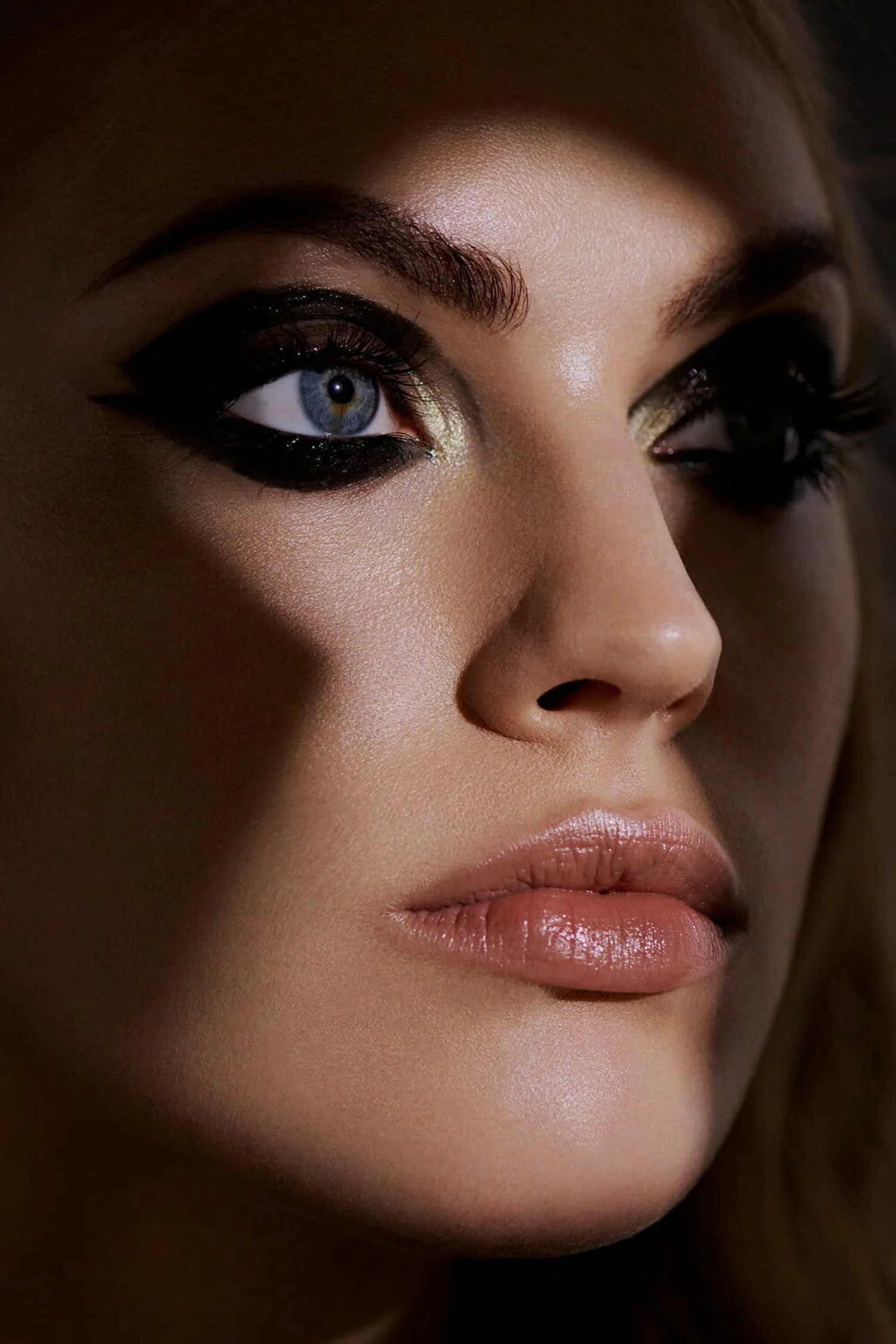
I once had a makeup artist who started tearing a model down while she was in the chair. He was making comments about her hair, her extensions – just being unnecessarily mean. I could see her shrinking in front of us. So I stopped it immediately. I told him he had to leave. We never worked with him again.
It actually took almost an hour to help her recover from that moment.
She wasn’t able to be expressive for a while because her confidence had been shaken. Experiences like that really show how important the atmosphere on set is.
When people feel respected and supported, it makes all the difference in the images you create together.
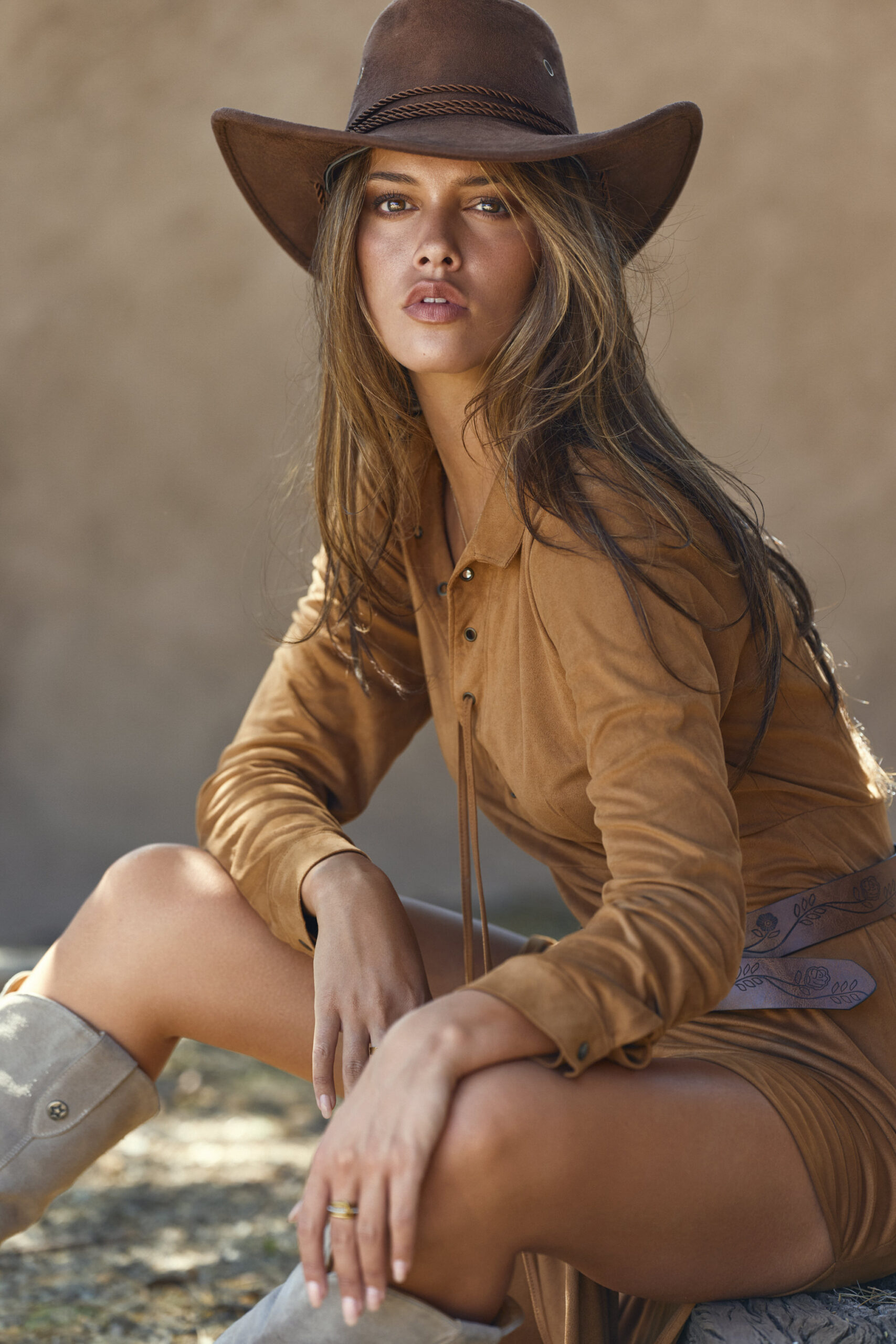
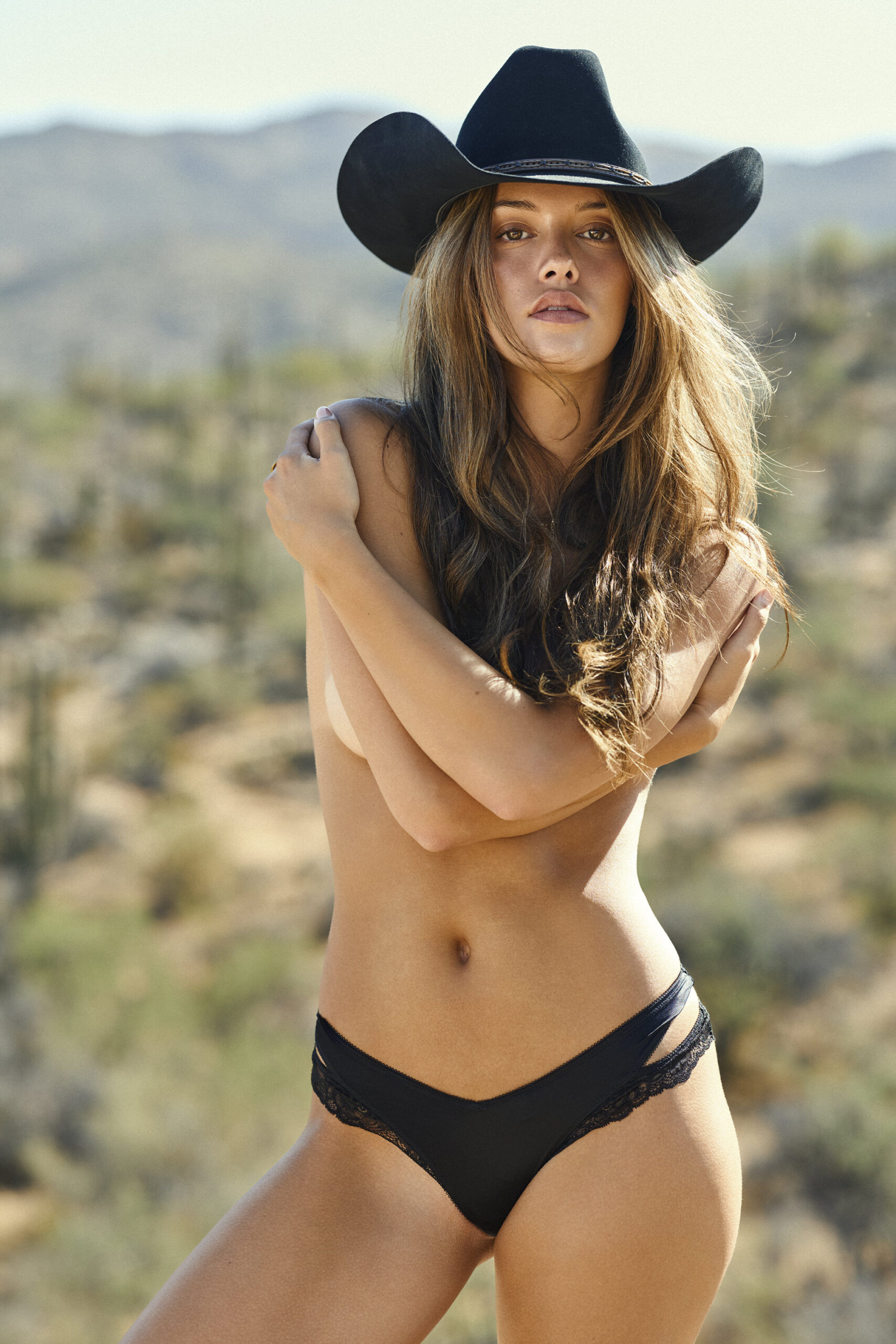
Actors are often said to have big egos on set.
Has that been your experience?
I photographed Billy Bob Thornton, and he has such a presence about him.
But he’s also incredibly down to earth.
When he first arrived on set, I could tell he was kind of feeling everyone out.
My crew is very laid back – we were just chatting, wearing cowboy hats, keeping the atmosphere relaxed. After a few minutes he seemed to let his guard down, and he ended up being one of the kindest, most authentic people I’ve ever photographed.
There’s something about him that just draws you in. I think it’s his authenticity.
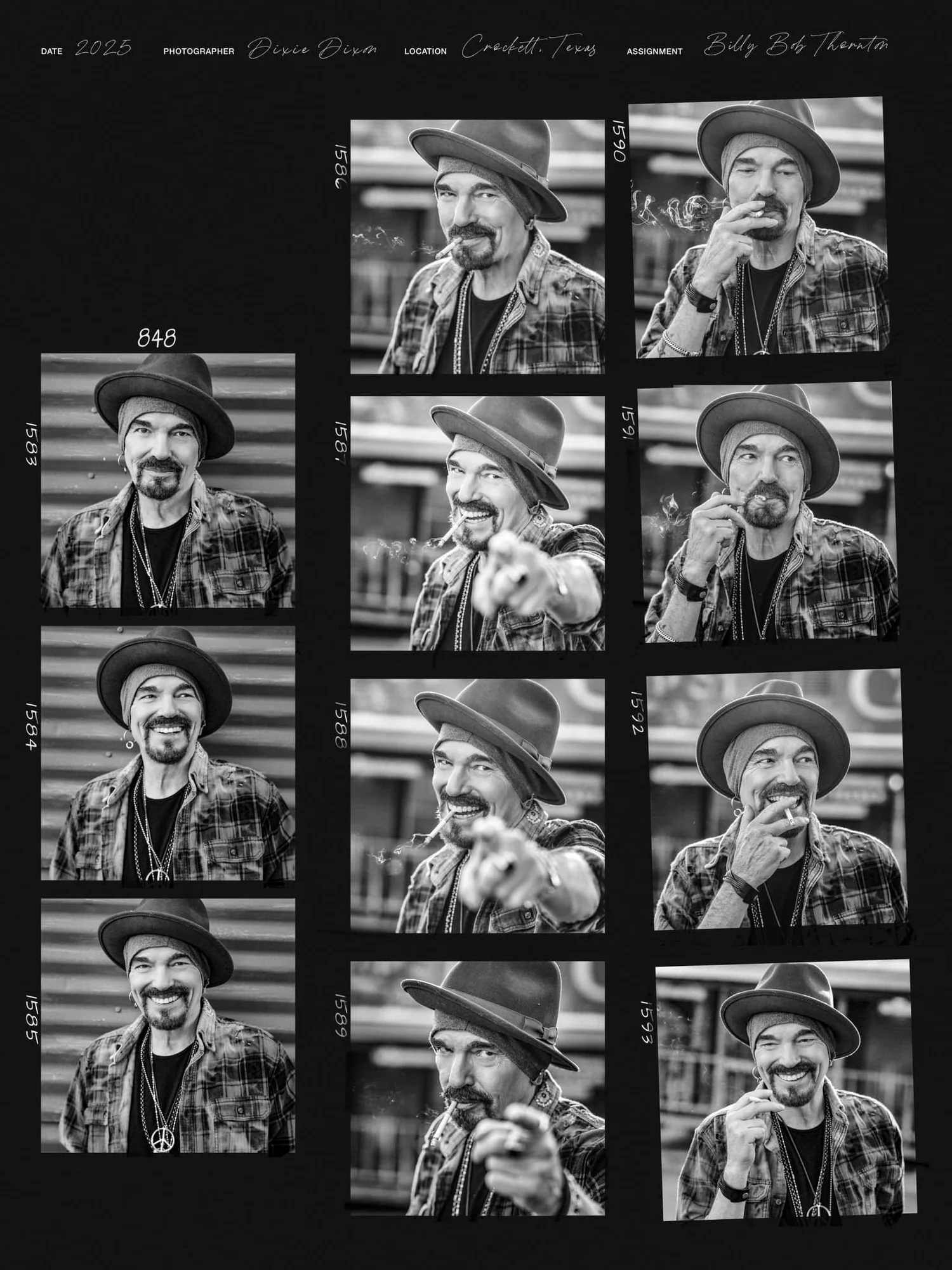
Interestingly, there was one moment during the shoot where his personality really came through. The magazine had sent over his full Landman wardrobe – all these cowboy looks – and I had steamed everything and prepared it for the shoot. But when he arrived, he didn’t want to wear any of it.
At first I thought, Oh no.
The magazine is very much a cowboy magazine, and that was the look we had planned. But then it made sense. That’s just not who he is. He’s more of a rocker – he’s in a band – and he only brought one outfit with him.
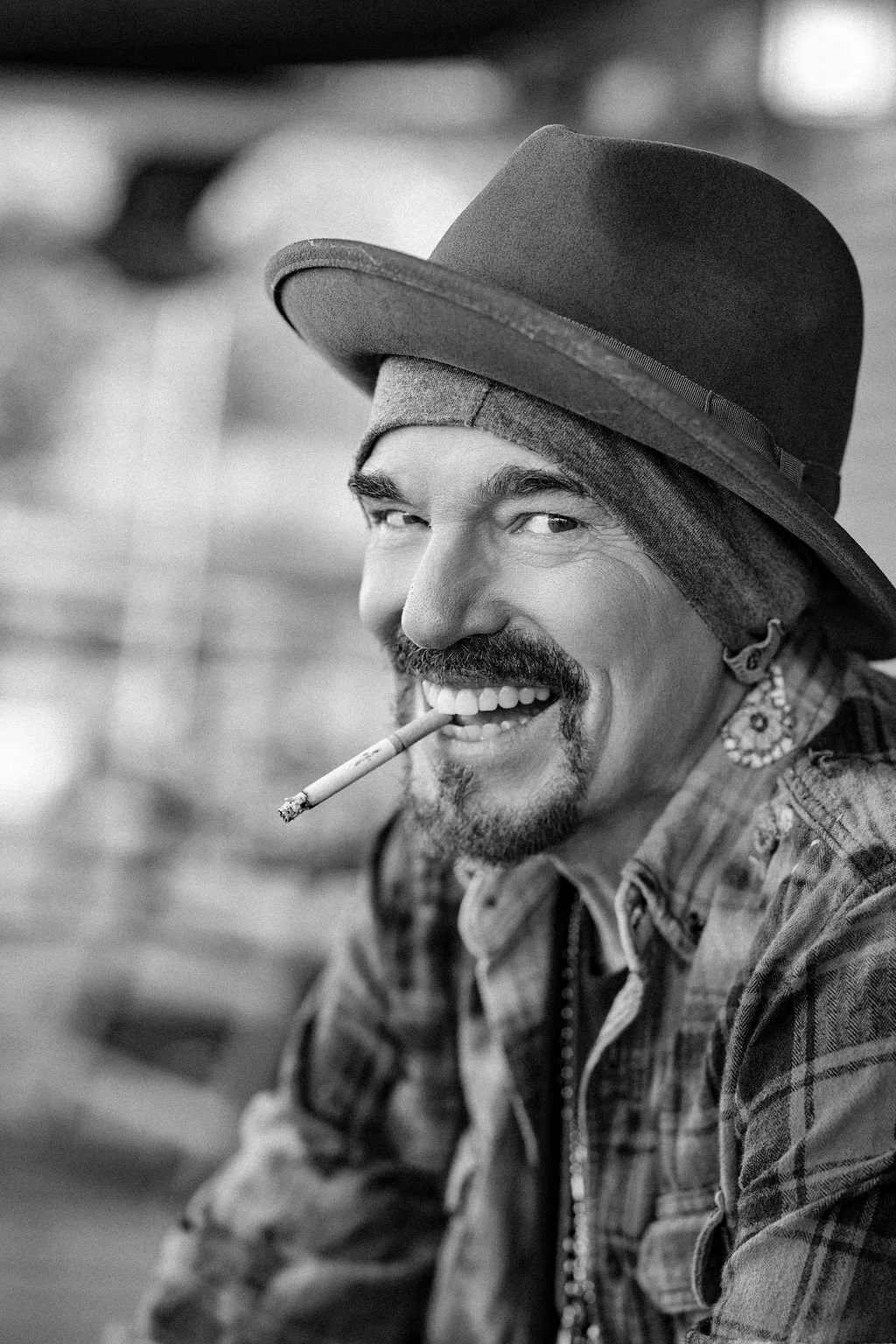
In the end it worked out great.
The shoot was amazing and I was really happy with the images.
He even stayed about an extra hour on set just talking with us – he probably would have stayed longer, but his tour manager finally said, “Dude, we’ve got to get out of here.”
Honestly, he was just the coolest.
I remember thinking, I’m totally crushing on him.
And he’s probably around seventy – I don’t even care. He was just so authentic.
Tell us about your crew
My producer, Nancy Franks, basically runs the shoot day. She books the models, handles invoicing, organizes meals, and keeps everything on schedule — especially since I tend to want to keep shooting longer. She’s very much a Type-A personality, while I’m more go-with-the-flow, so she keeps everything organized.
The rest of the team usually includes:
Hair & Makeup Artists
Depending on the project, we bring in different artists from a group we work with regularly.
Wardrobe Stylist
Responsible for bringing and styling the clothing on set.
Lighting Technician – Eric
We’ve worked together for about fifteen years. With nearly thirty years of lighting experience, he handles the technical side of the shoot so I can focus on the human connection in front of the camera – a balance that creates a really nice flow on set.
Digital Tech – Casey Kenny
Manages the tethered capture and backs up all the files during the shoot.
Cinematographer – Sheldon
Sometimes joins us to film behind-the-scenes footage.
The size of the crew really depends on the budget – larger productions might include a full team and client presence, while smaller shoots can be just me, an assistant, and the model.
I love the crew. I feel like I get with people that are on the same page and they’re super positive and those are the people that I work with.
How do you describe your photographic style?
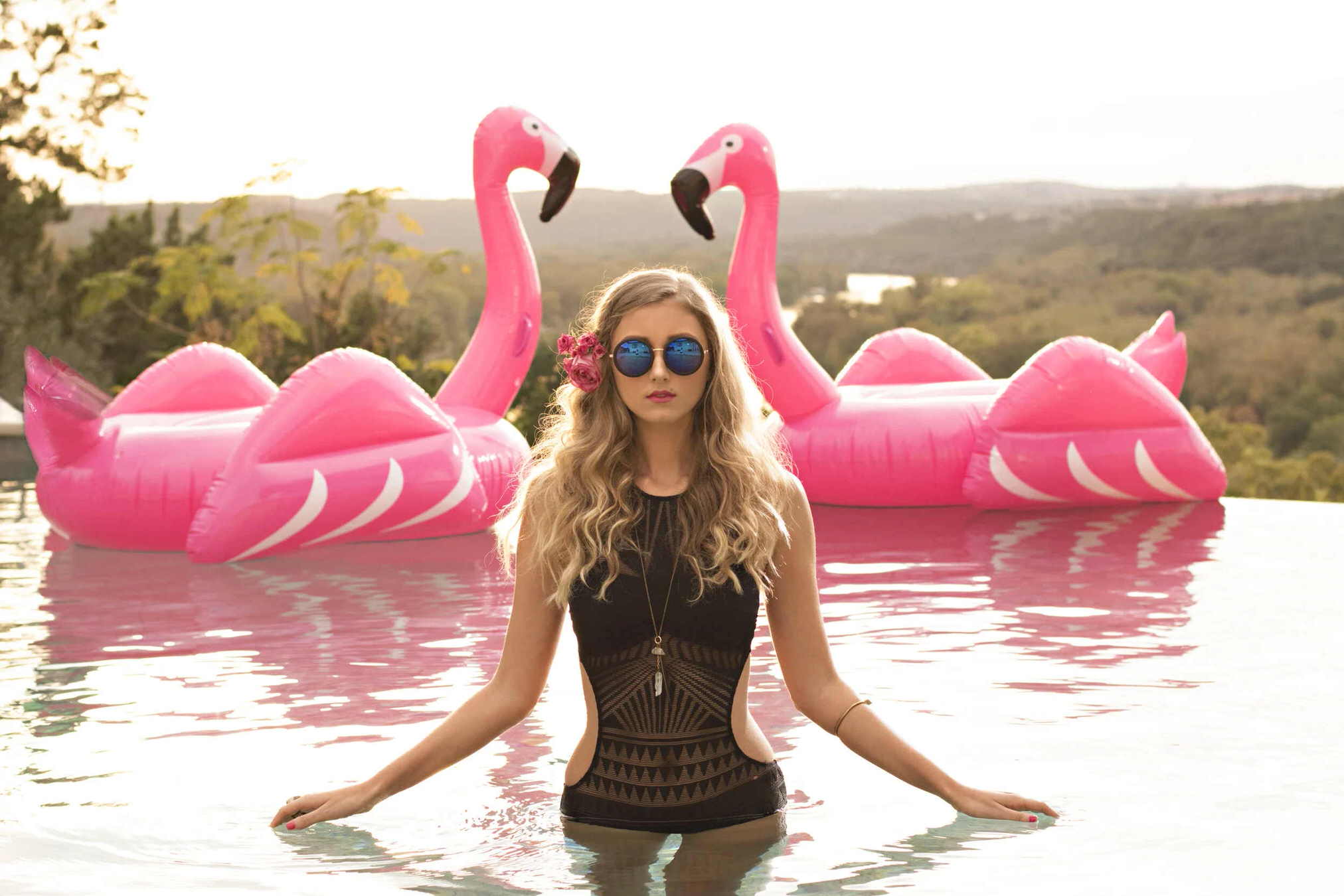
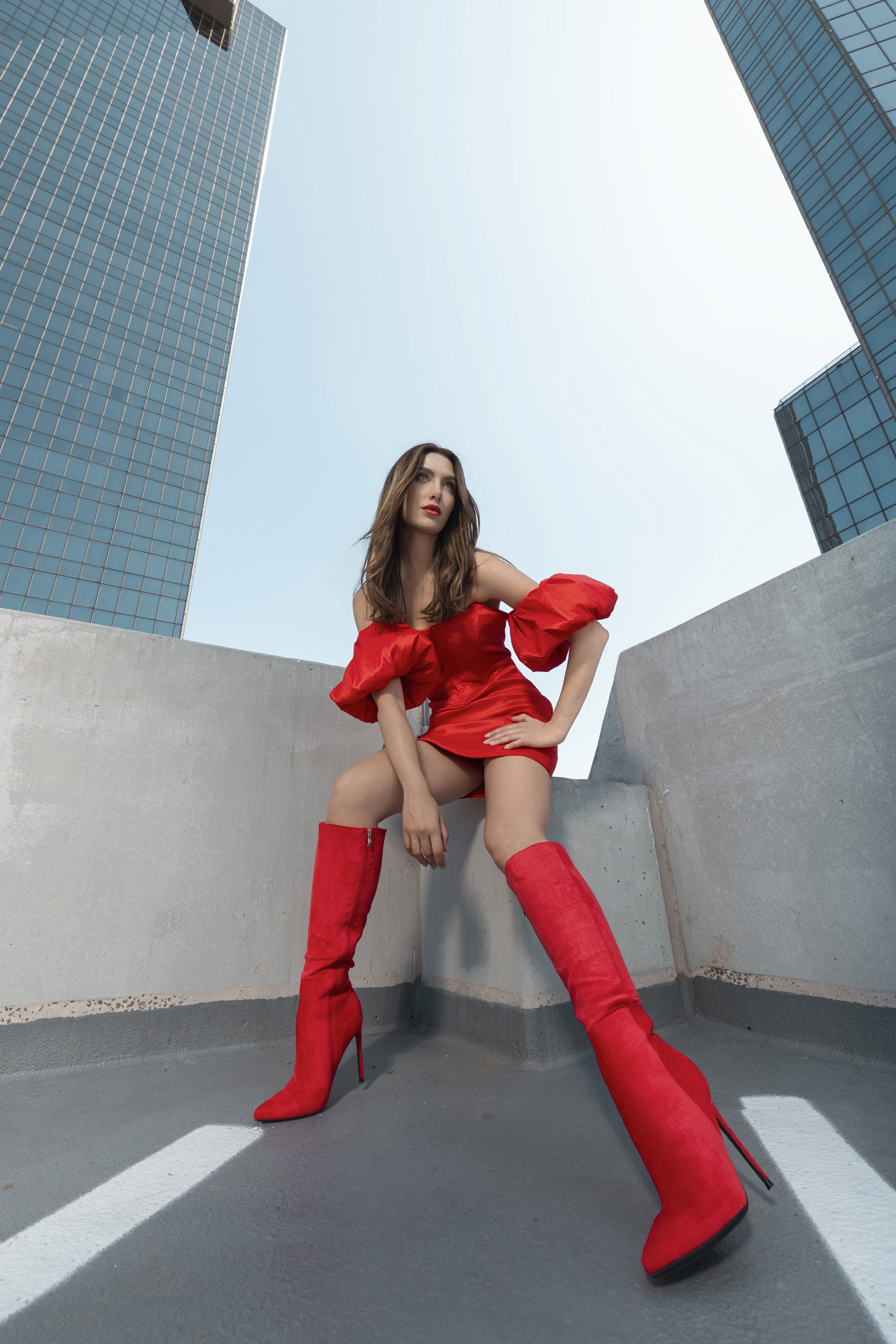
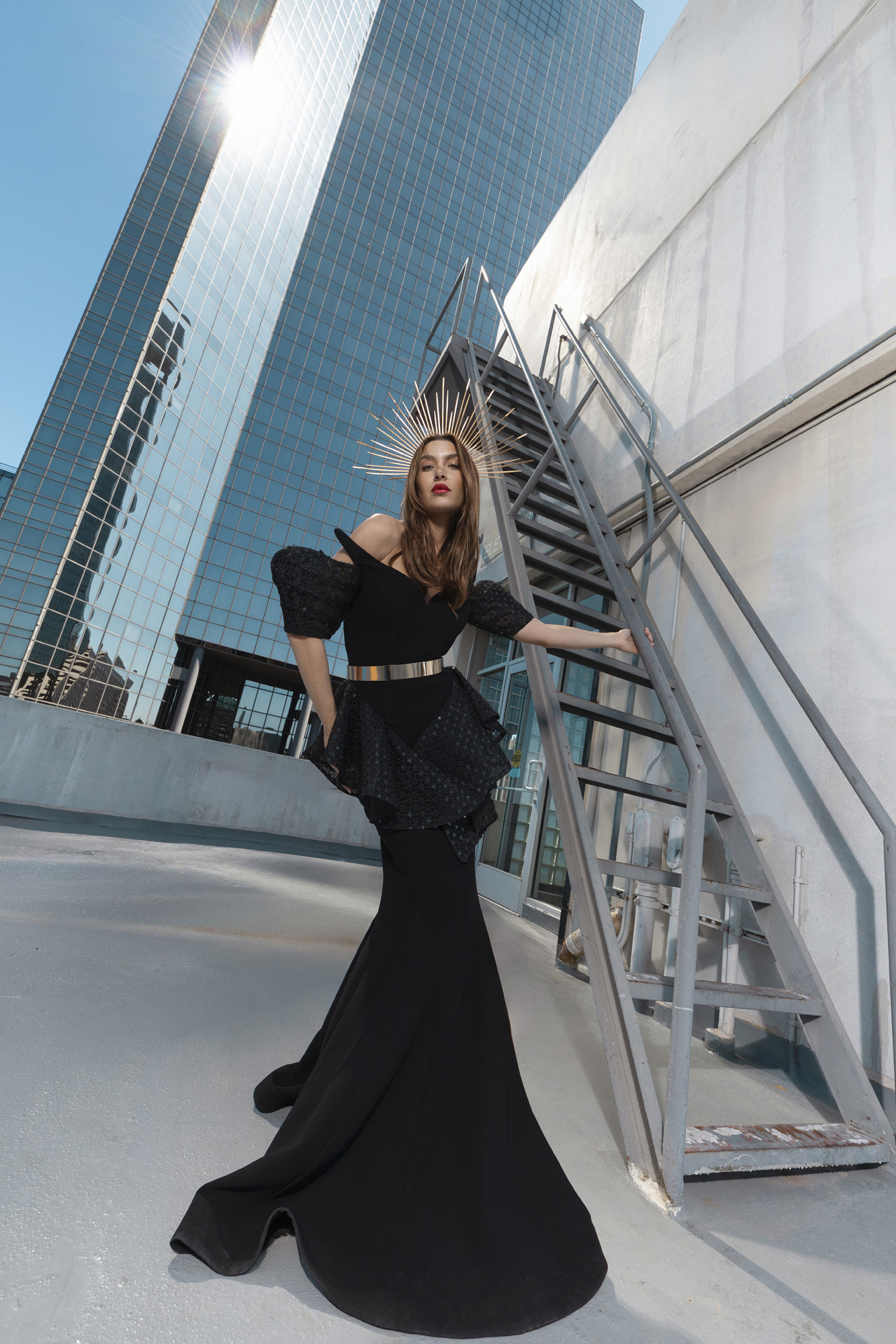
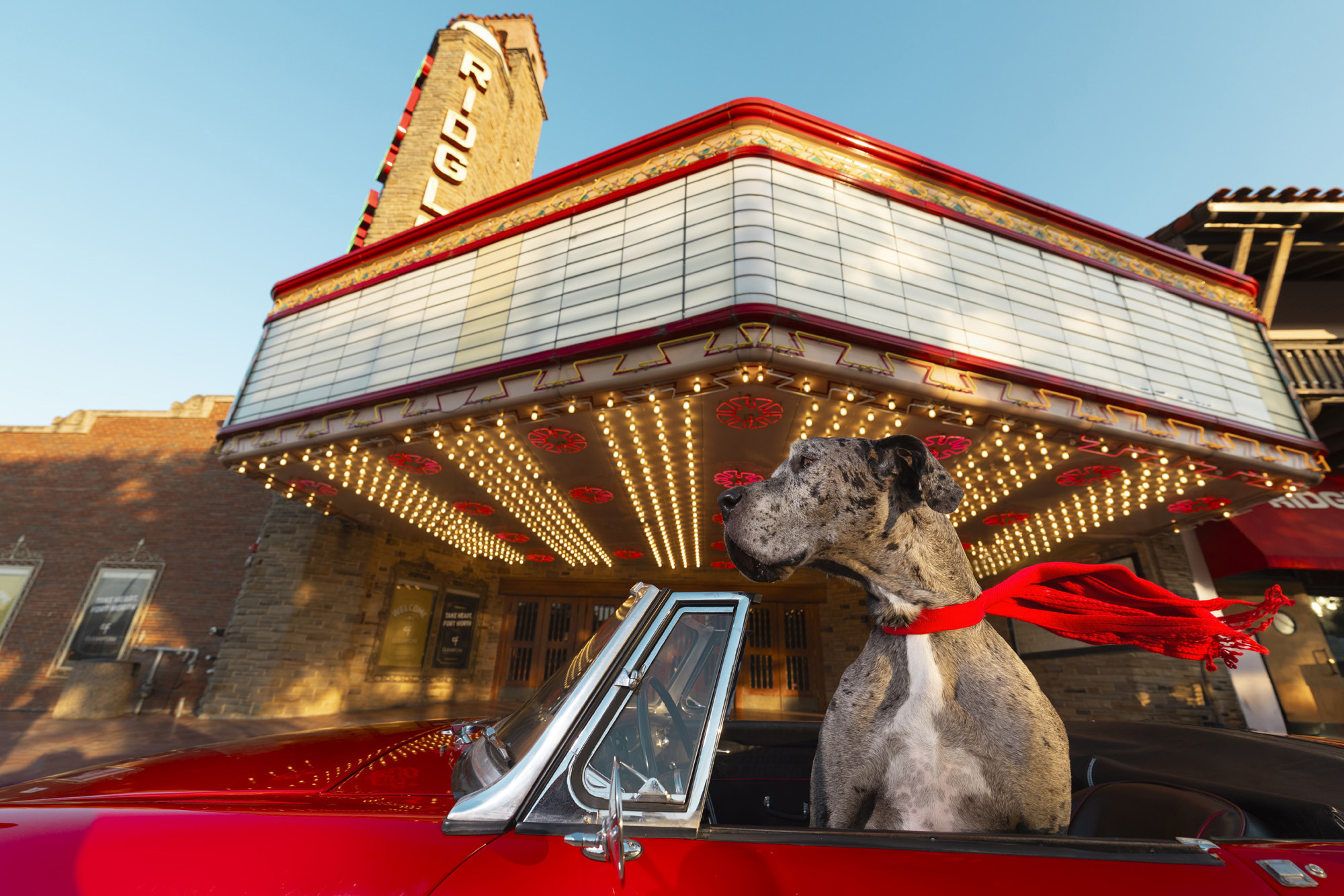
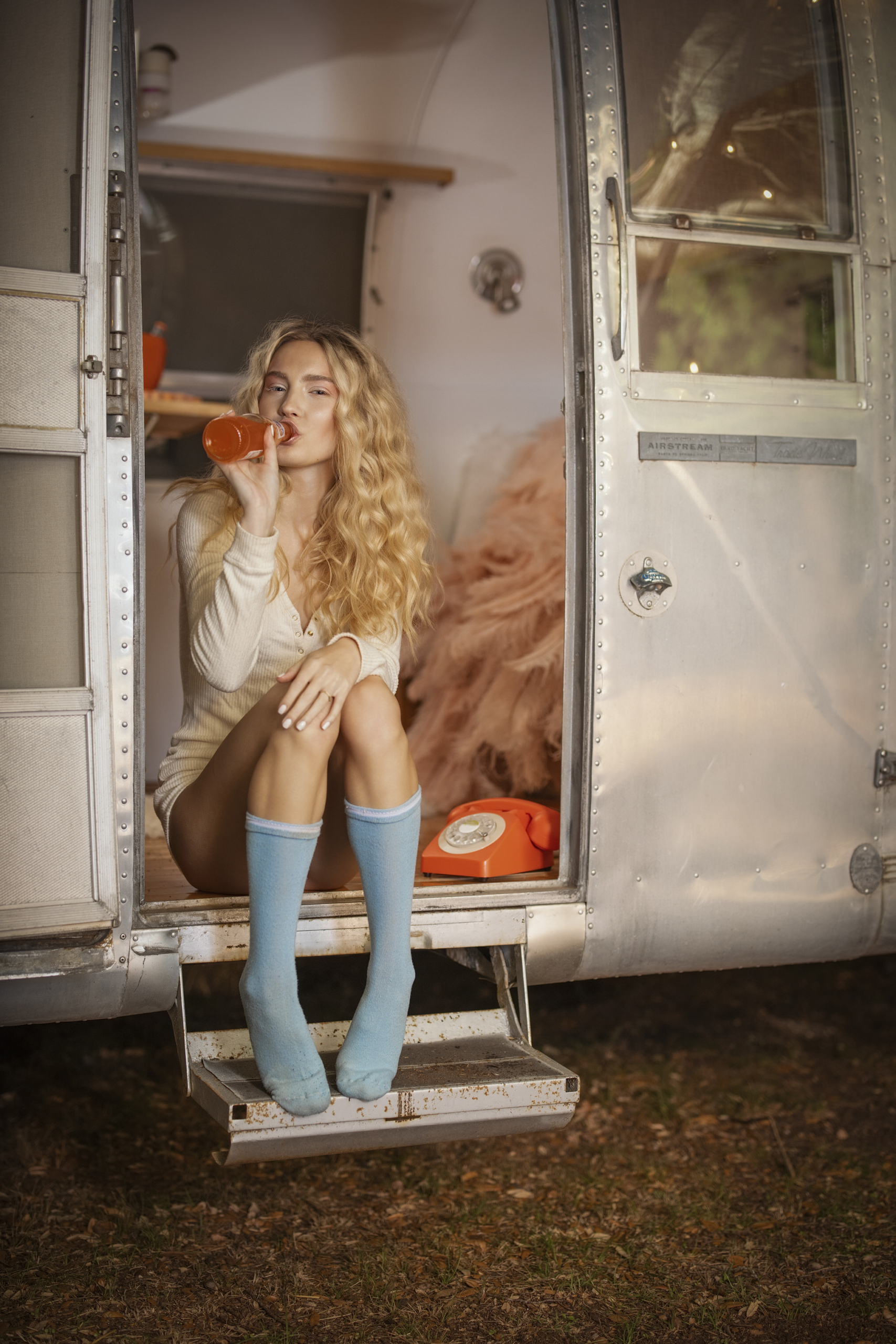
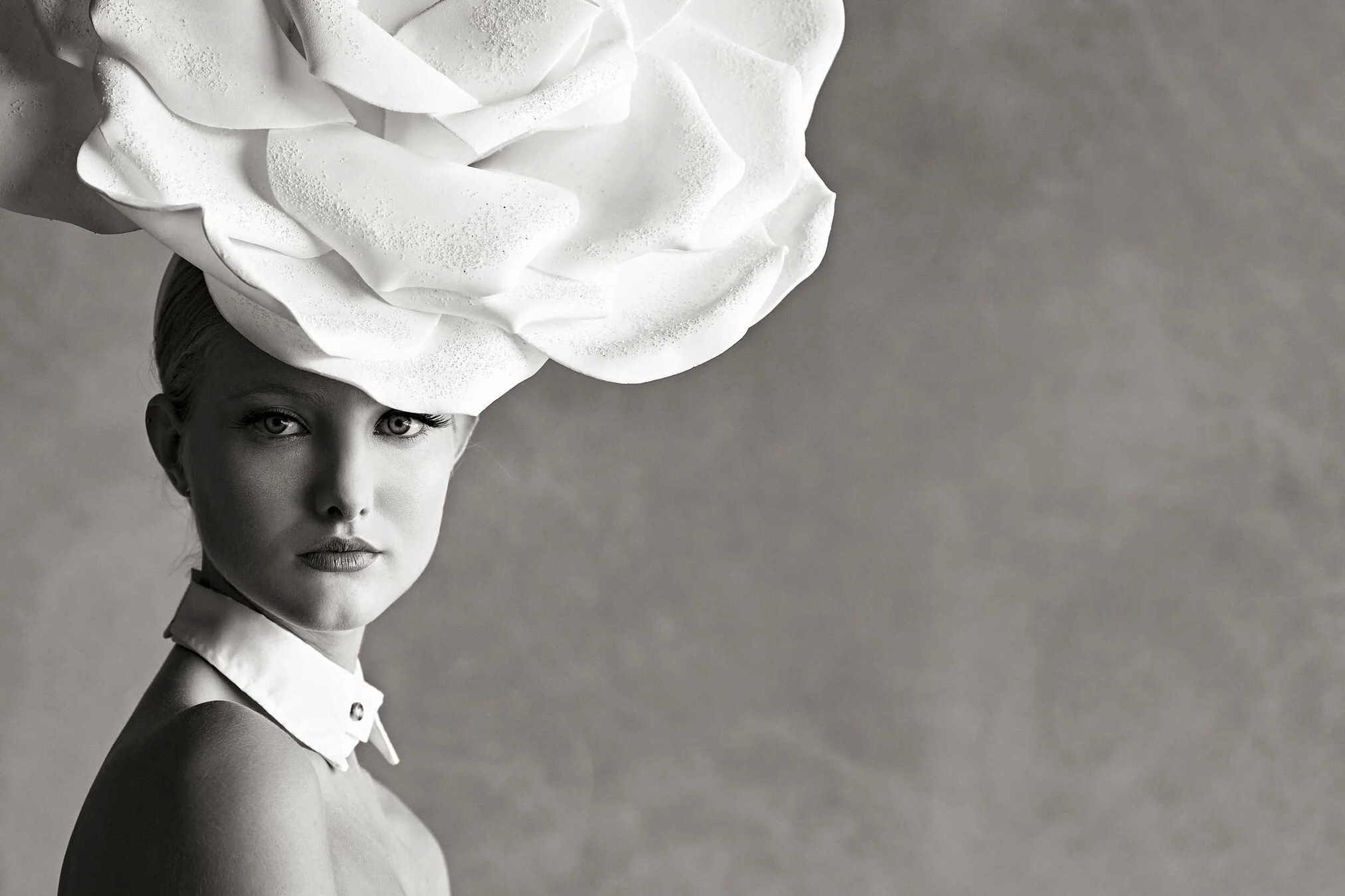
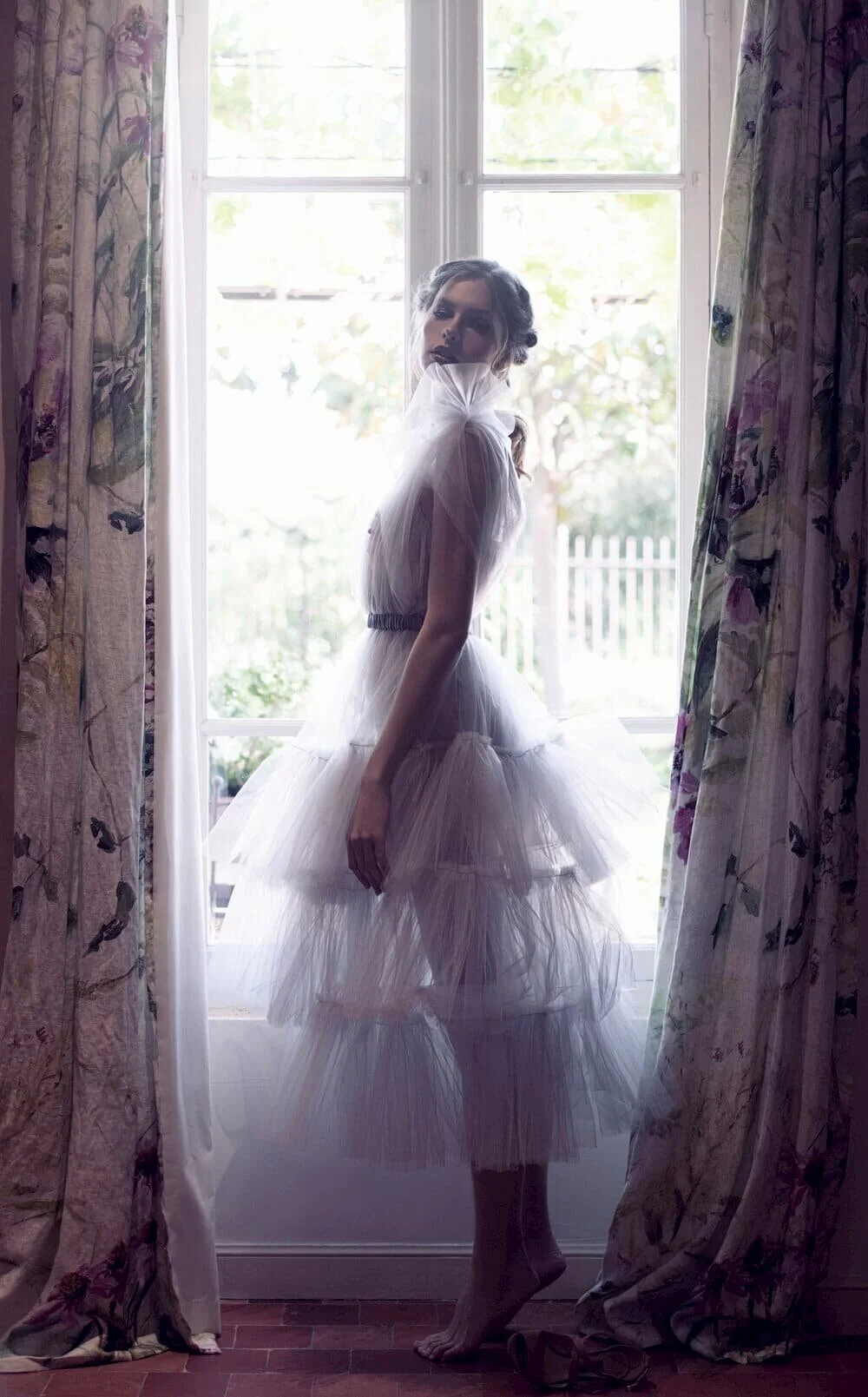
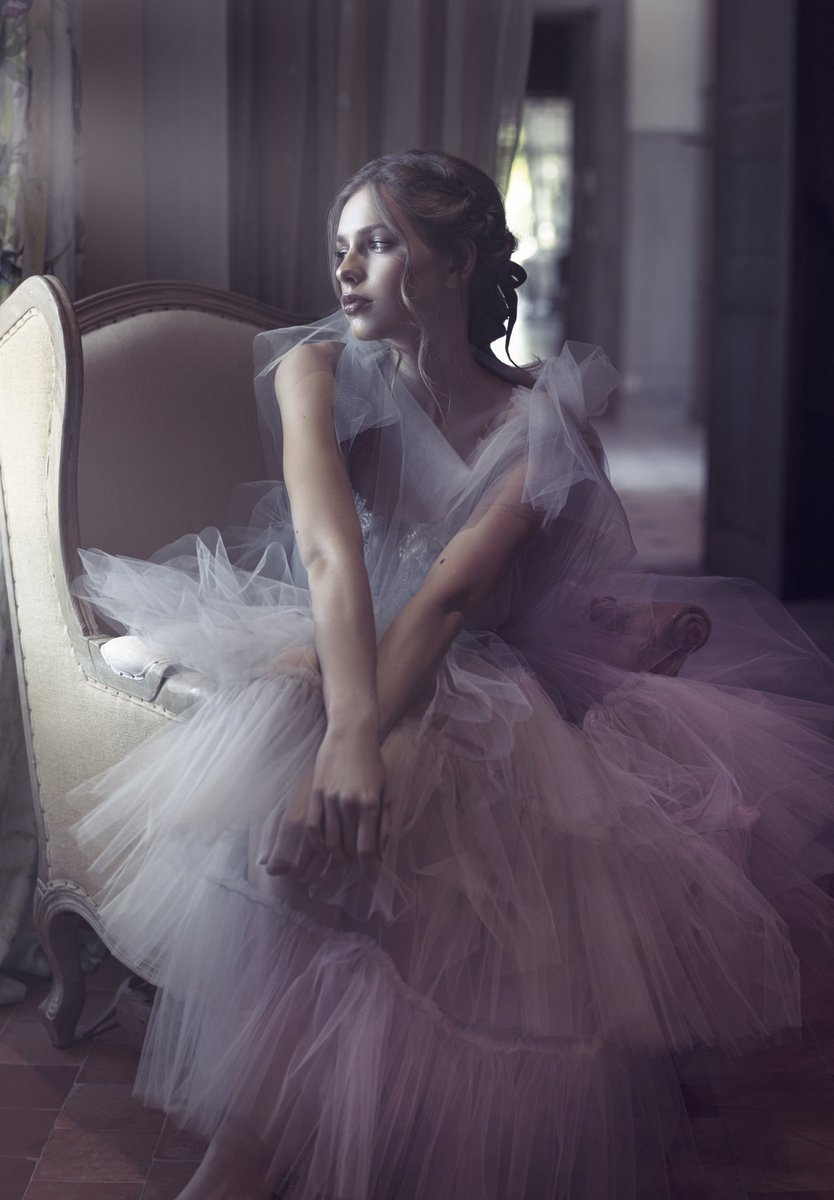
My style is rooted in reality.
It’s not completely fantasy – there’s always something real in it, especially in the connection between people.
In many ways, I feel like I’m curating the environment and the wardrobe, and then I let the models play within that space.
I’m capturing real moments inside a world that’s been carefully constructed.
I’m not overly focused on posing.
I’m never saying things like, “Put your arm here” or directing every movement.
Once everything is set up, I prefer to let things unfold and simply photograph the moments that happen.
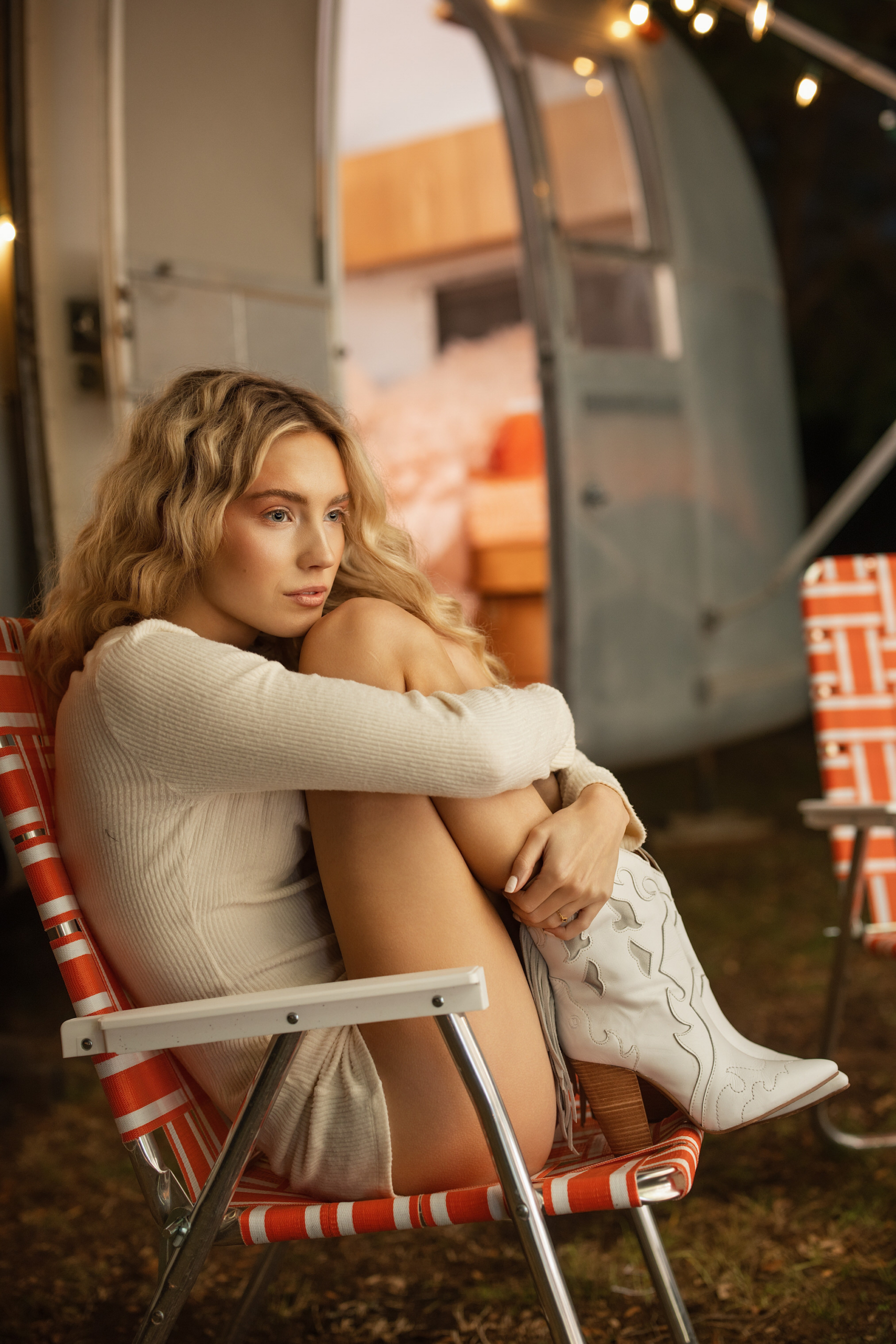
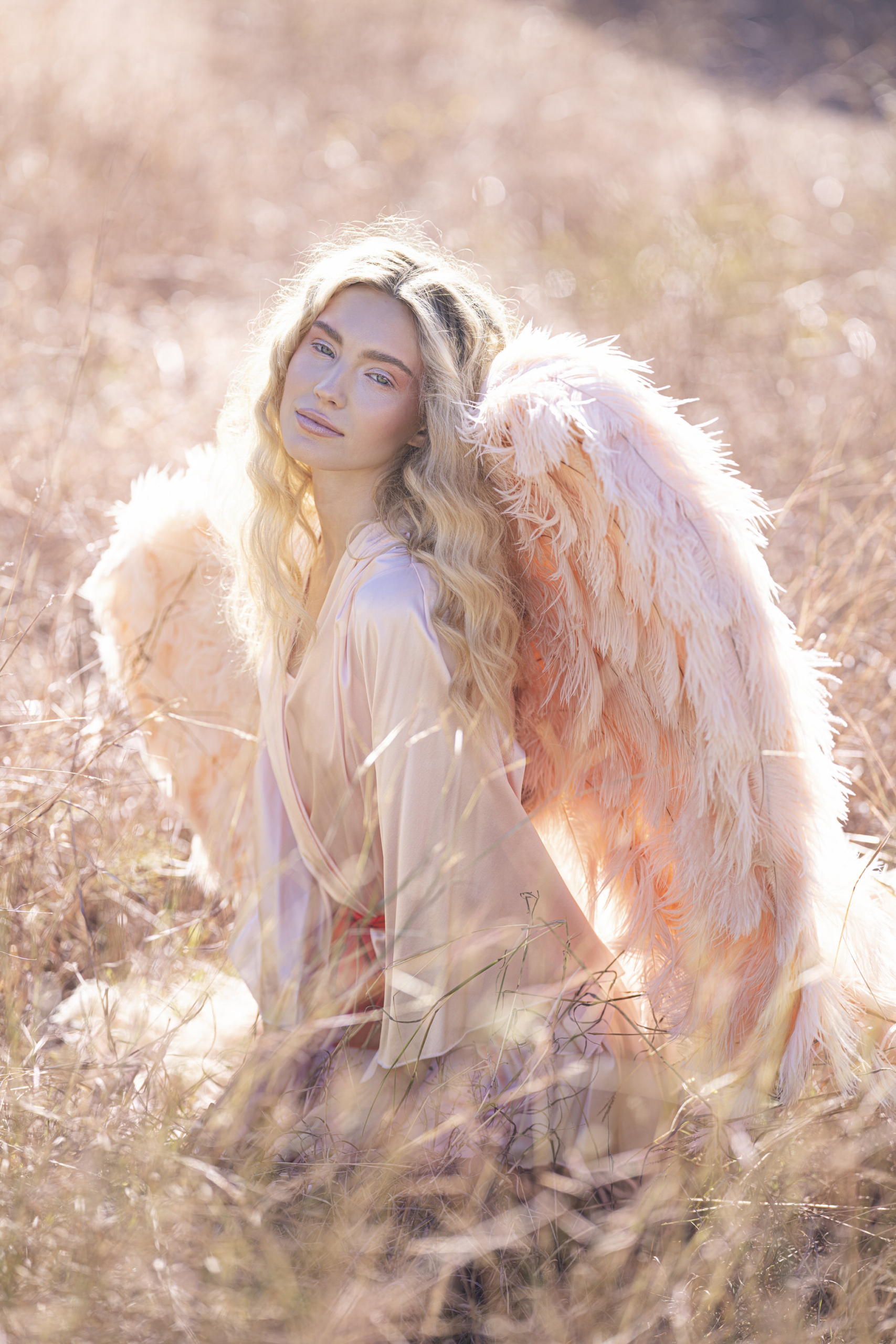
In a way, it’s almost like an idealized version of reality.
Life itself is messy, complicated, and gritty, so through photography I like to create a kind of dream version of the world – a glimpse of what a perfect moment might look like.
When a client sends you a mood board, how do you translate that into your own visual language?
Quite a lot.
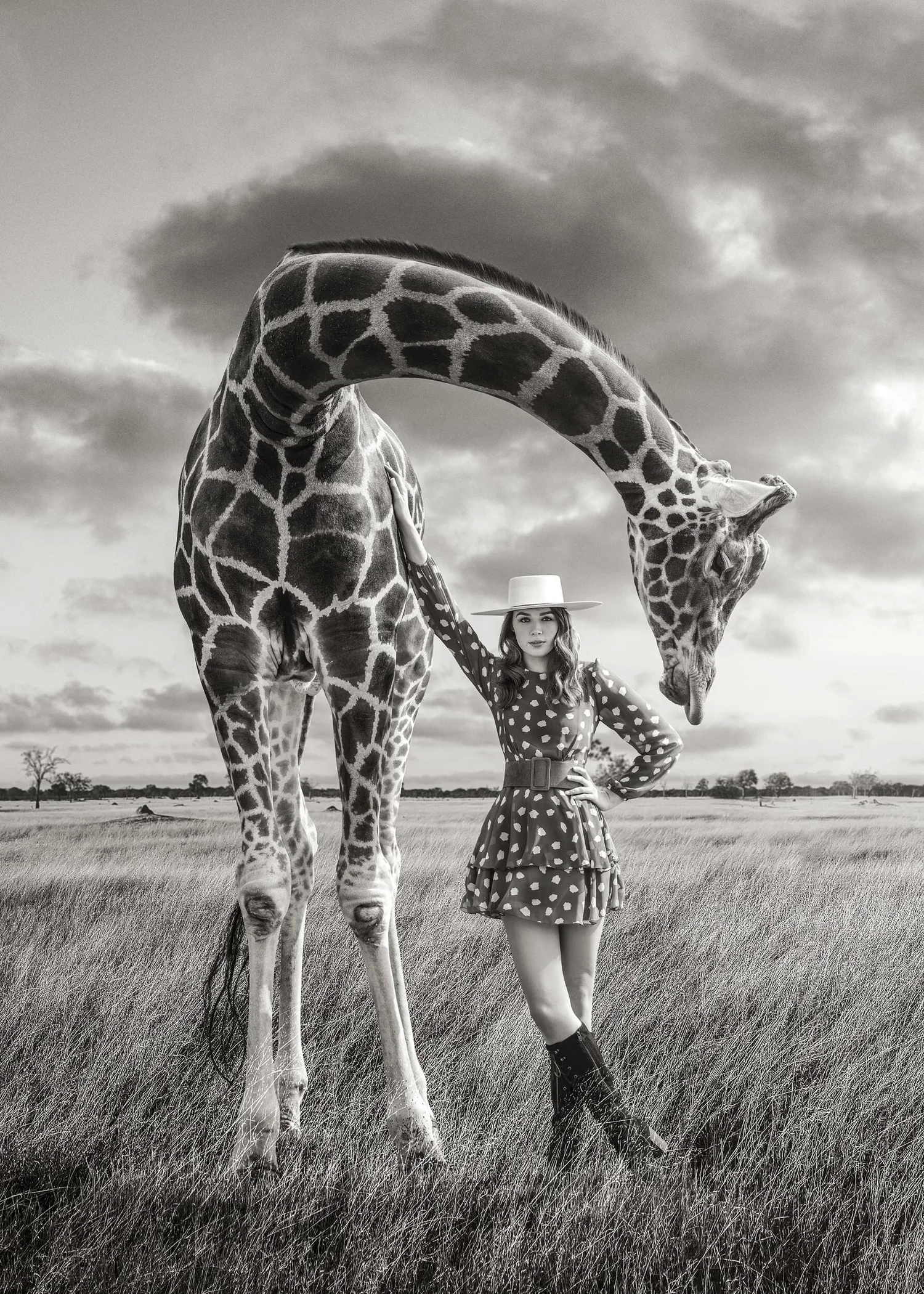
Usually the client will send a brief, and often they include some of my own images in their mood board, which is always nice because it tells me they already understand and appreciate my style.
They might be looking for a certain type of lighting or a specific direction, but once I see their mood board, I usually create my own as well – especially for posing and overall atmosphere. From there I start building on their ideas and shaping them in my own way.
So it’s really a collaboration, but I do bring a lot of my own creative input into the process.
Can you give an example of how you translate a client’s creative brief into a final image?
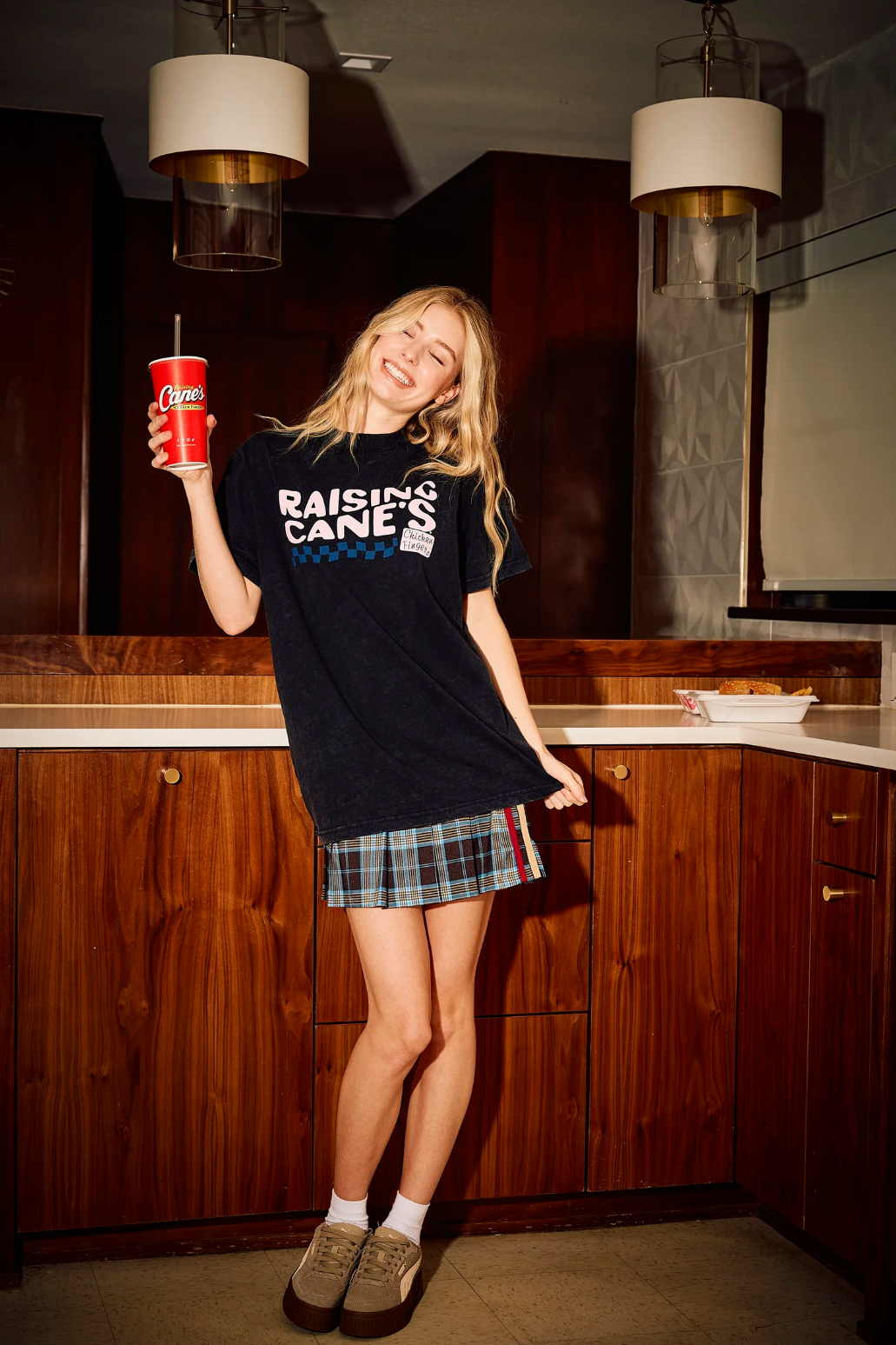
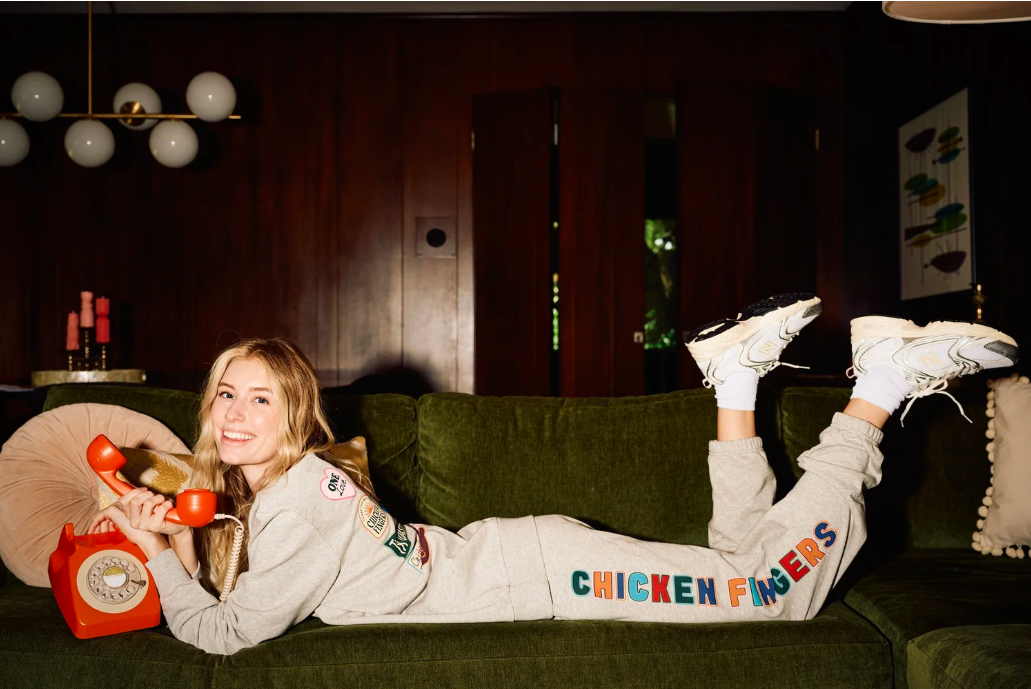
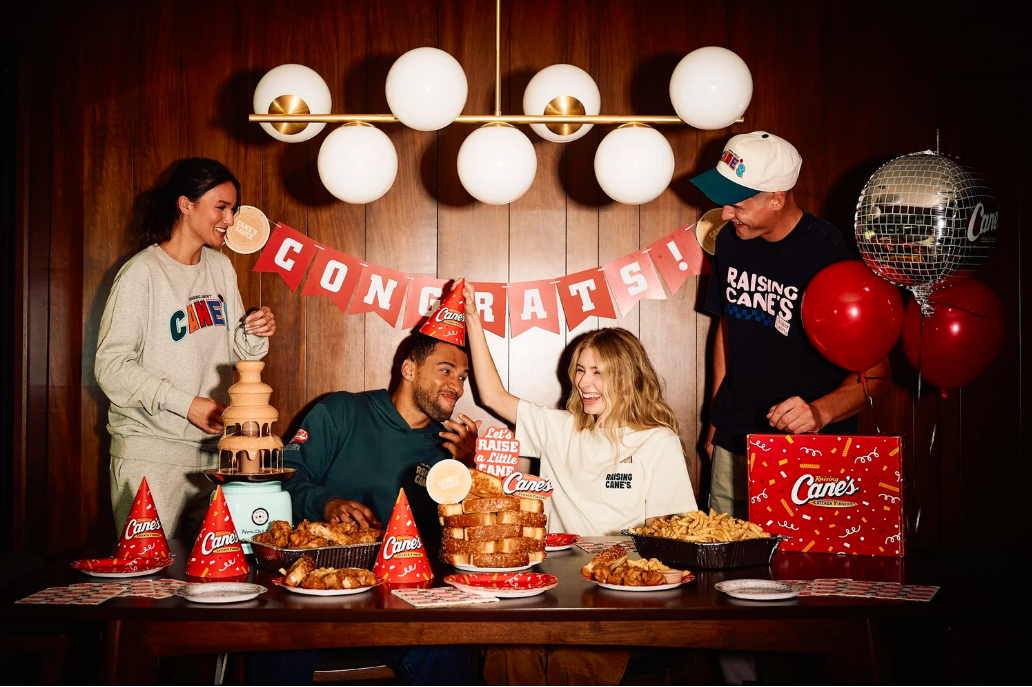
We recently did a shoot for Raising Cane’s, which is a very popular fast-food chain in the U.S. They have a merchandise line, and they wanted a shoot that felt very nostalgic.
The references they sent looked like Polaroids – very direct on-camera flash. When I first saw the mood board I thought, Are you sure you want me to shoot this? Because technically it’s just straight flash.
But I understood what they were going for. With AI everywhere now, I think people are craving something that feels more nostalgic and authentic – images that look like Polaroids or vintage film.
So we kept the spirit of their idea, but refined it. My lighting tech, Eric, stood next to me with a large strobe so we could recreate that direct-flash look in a way that felt more flattering.
In the end it was about taking their vision and elevating it – making it a little more beautiful and photographic while still keeping the original idea.
How do you handle retouching and editing?
I handle some of the retouching myself, especially for lifestyle work where the images are more natural and less detail-heavy.
Those kinds of photographs are more about capturing a slice of life, so the editing tends to be lighter.
For beauty work, though – things like makeup or jewelry – I usually outsource the retouching because the level of detail is so high.
I often work with Russell Dennis, who is an incredible retoucher based in Sri Lanka.
One of the nice things about that setup is the time difference: I can send him images in the evening, and by the time I wake up the next day he’s already worked on them.
I’ve also worked with Pratik Naik, who has done a lot of my retouching over the years.
So it really depends on the type of project:
for lifestyle work I often edit myself, but for beauty photography I prefer to bring in specialized retouches.
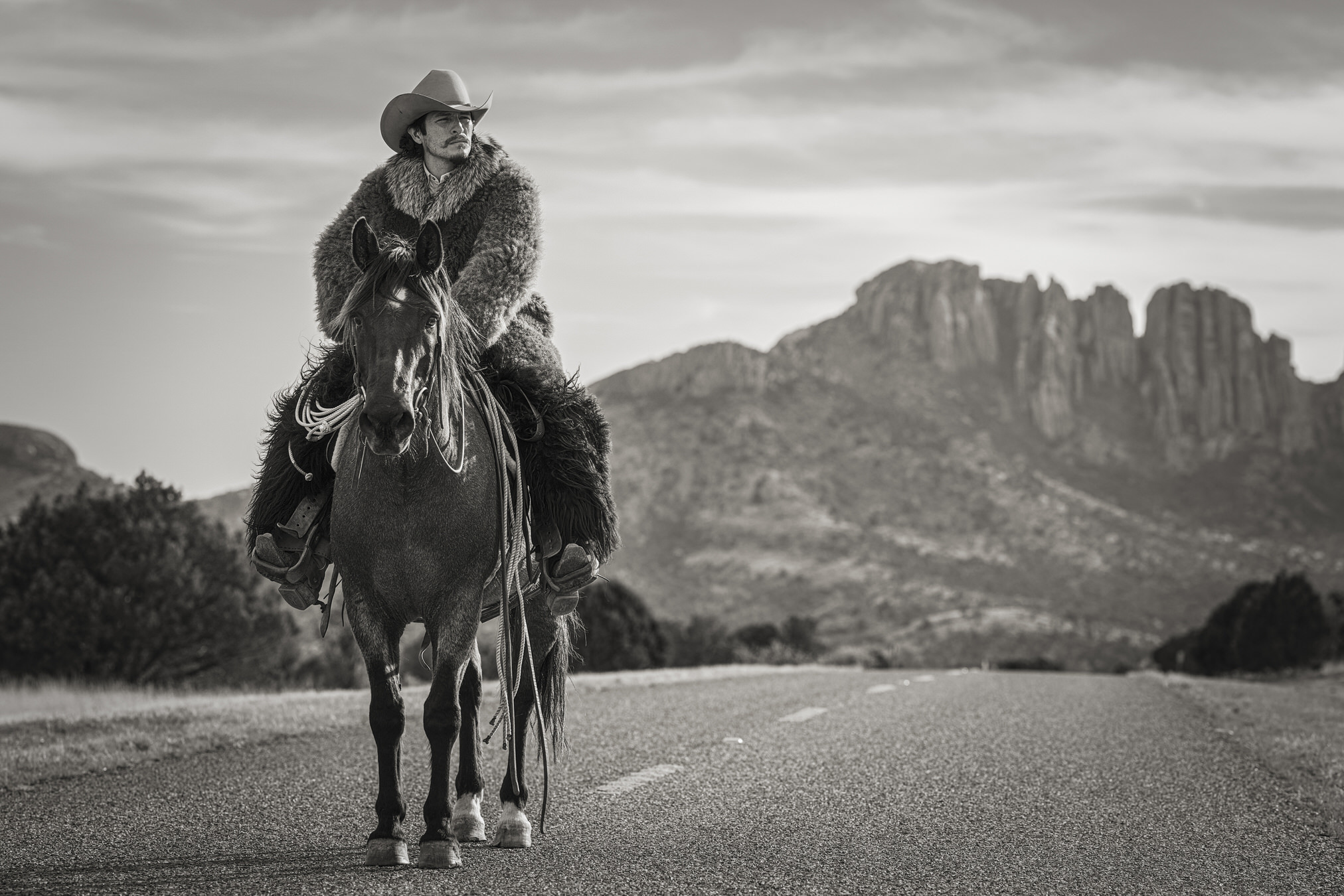
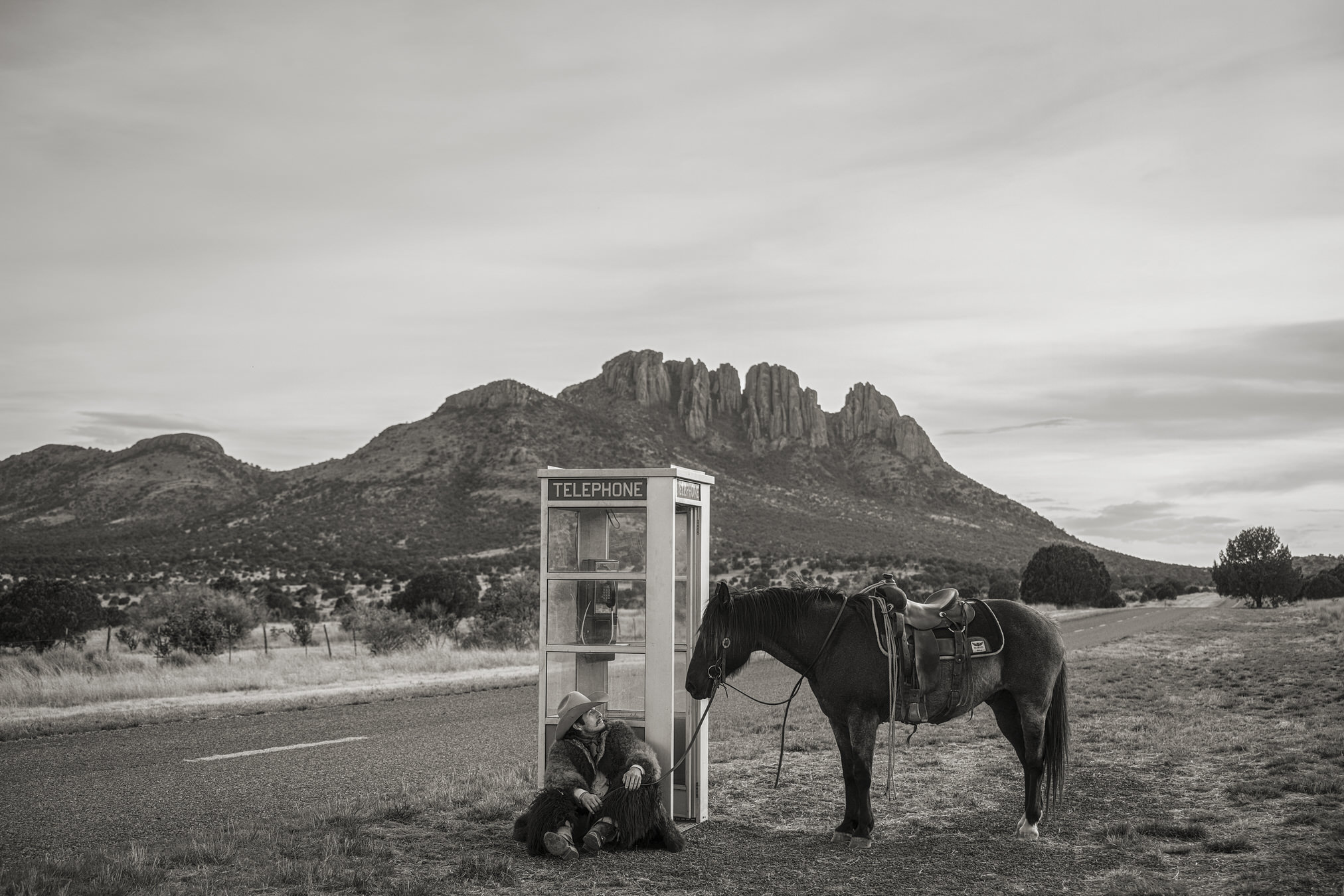
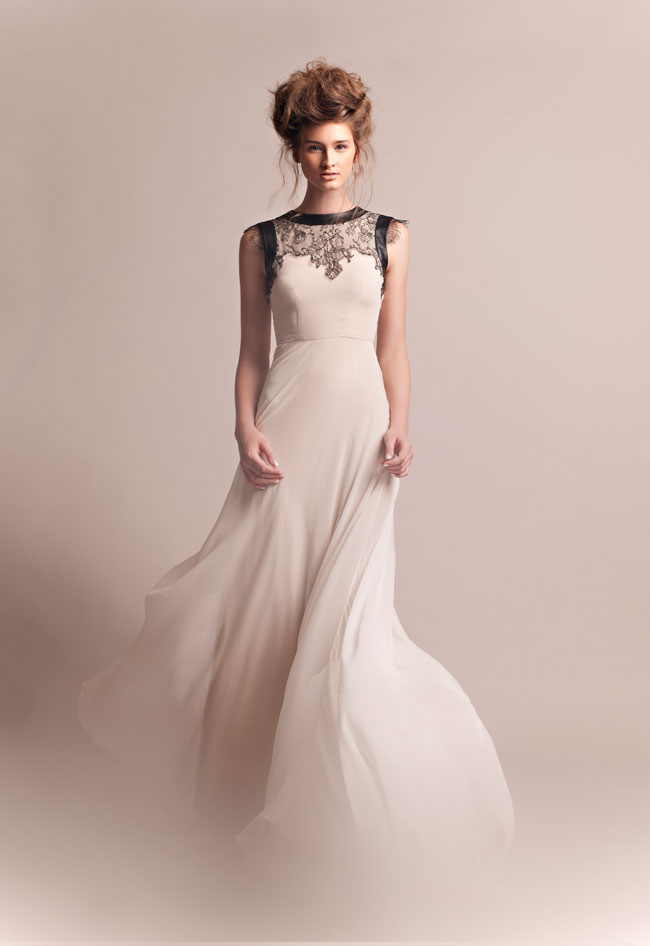
At one point you imagined a high-fashion career in New York, yet today your work embraces a strong Western aesthetic.
What brought you back to those Texas roots?
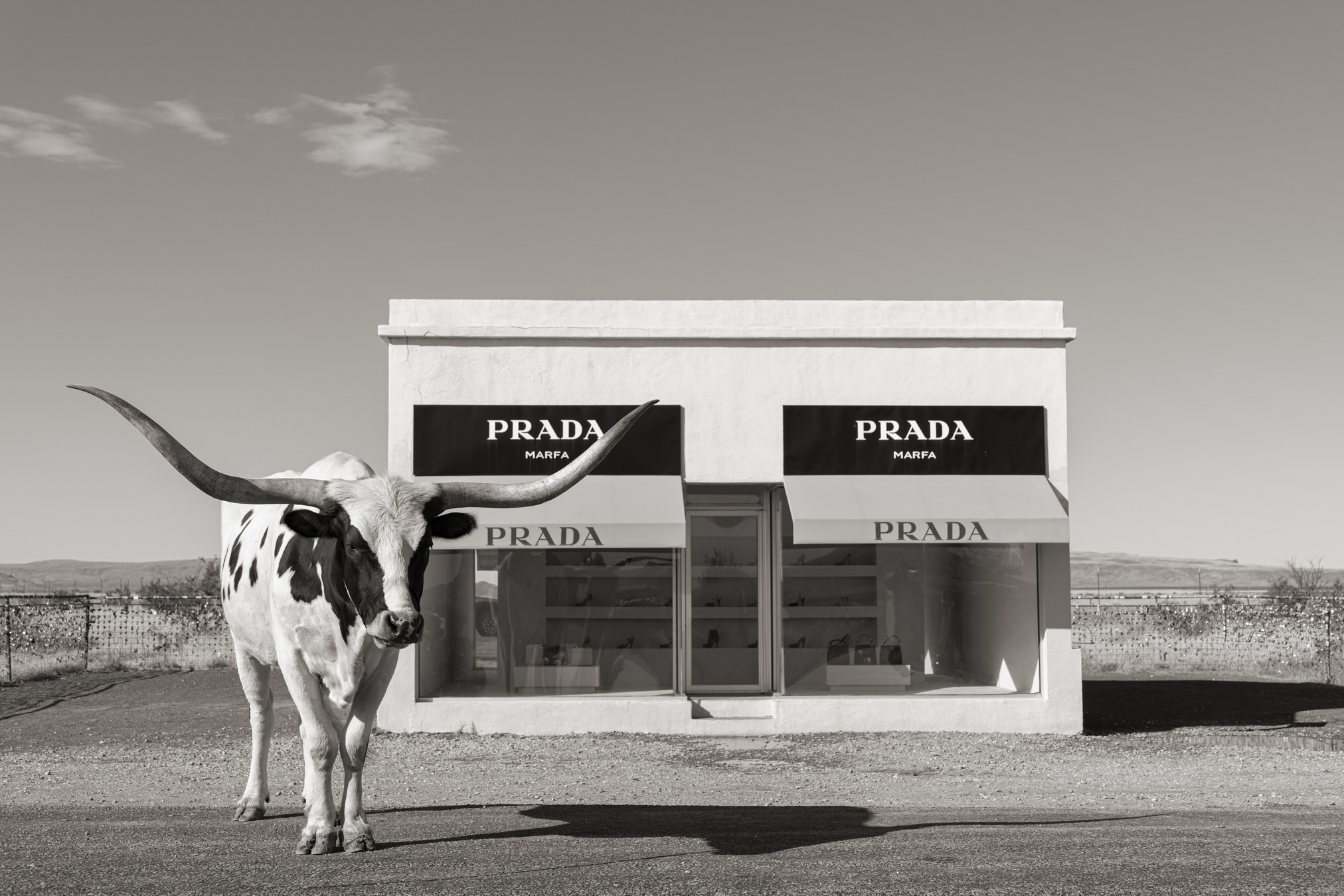
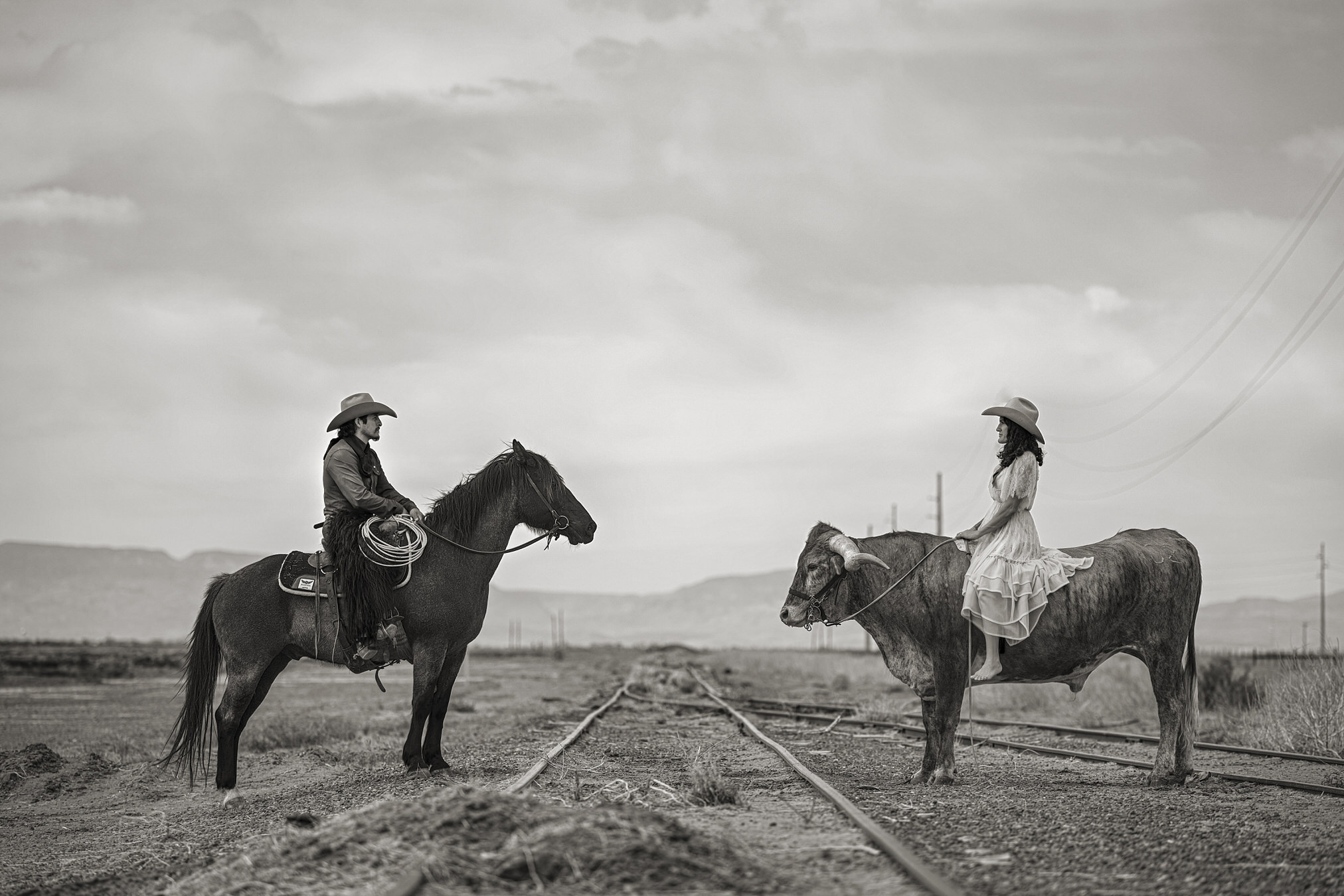
Growing up in Houston, Texas, definitely influenced me.
There’s a certain Western spirit there – the hats, the style, the attitude – and when I go to New York people can immediately tell I’m not from there.
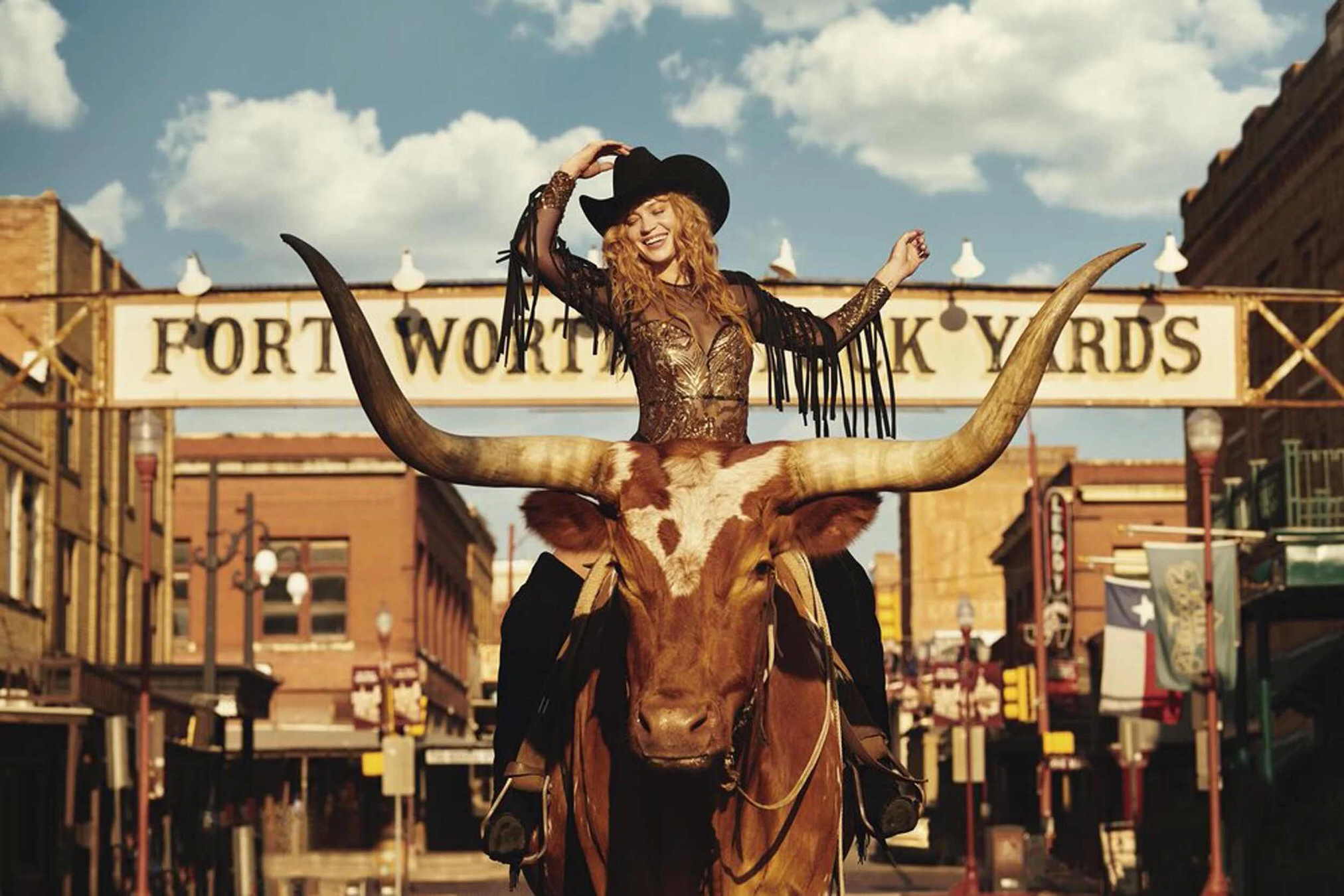
For a long time I thought I wanted to move toward high fashion in New York or Los Angeles, but over time I realized how much I actually love the Western aesthetic I grew up around.
It became even more present in my work after my mom and I watched the whole Yellowstone series together.
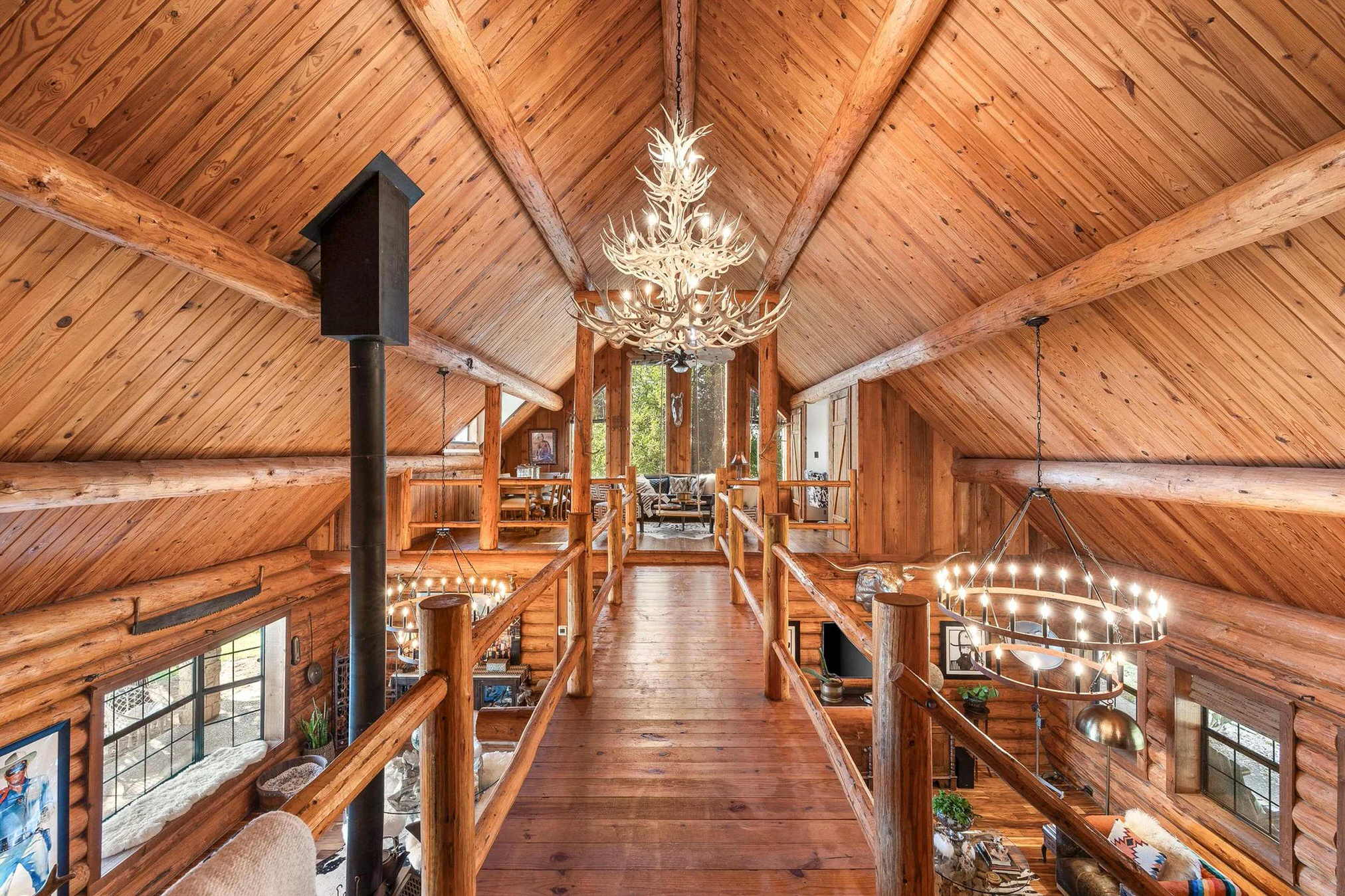
She ended up leaving her modern house and moving about thirty minutes outside the city into a log cabin.
Now she has five acres of land, and I’ve started building sets there.
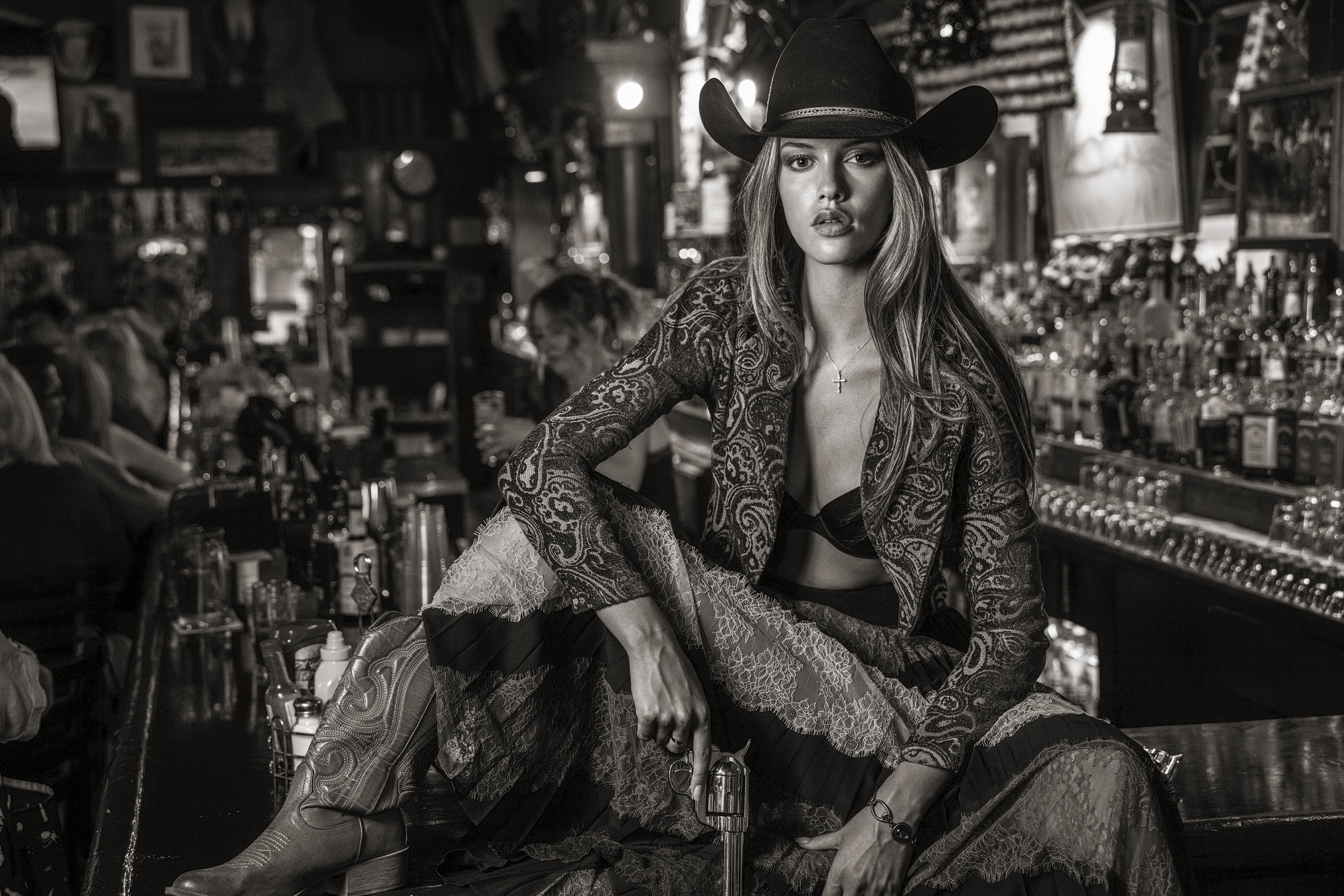
We turned it into a small Western shooting location called Thunderbird Film Ranch, and I now host other photographers and productions there – music videos, boot companies, different shoots. It’s been a really fun adventure, and it’s interesting to see how the Western vibe is becoming popular far beyond Texas.
How do you use JPEGmini in your workflow?
I actually started using JPEGmini years ago when I was building my website.
All my images were loading incredibly slowly, and I kept thinking, what is going on?
Trying to optimize images one by one in Photoshop was exhausting.
There were so many specifications and steps, and doing it manually just took forever.
Then I discovered JPEGmini, and it completely changed my workflow.
I can simply drop a whole batch of images into the software and it processes them instantly.
After that, they’re ready to upload to my website.
It was a total game changer for me.
Today I still use it all the time, especially when preparing images for online sharing and web use. It makes everything much faster and ensures the files are the right size without losing quality.
For client deliveries, I usually provide high-resolution TIFF files for things like billboards or large prints. But when it comes to web images and anything online, those are all formatted through JPEGmini.
It has saved me so much time in my workflow.
How important is personal work in your creative process?
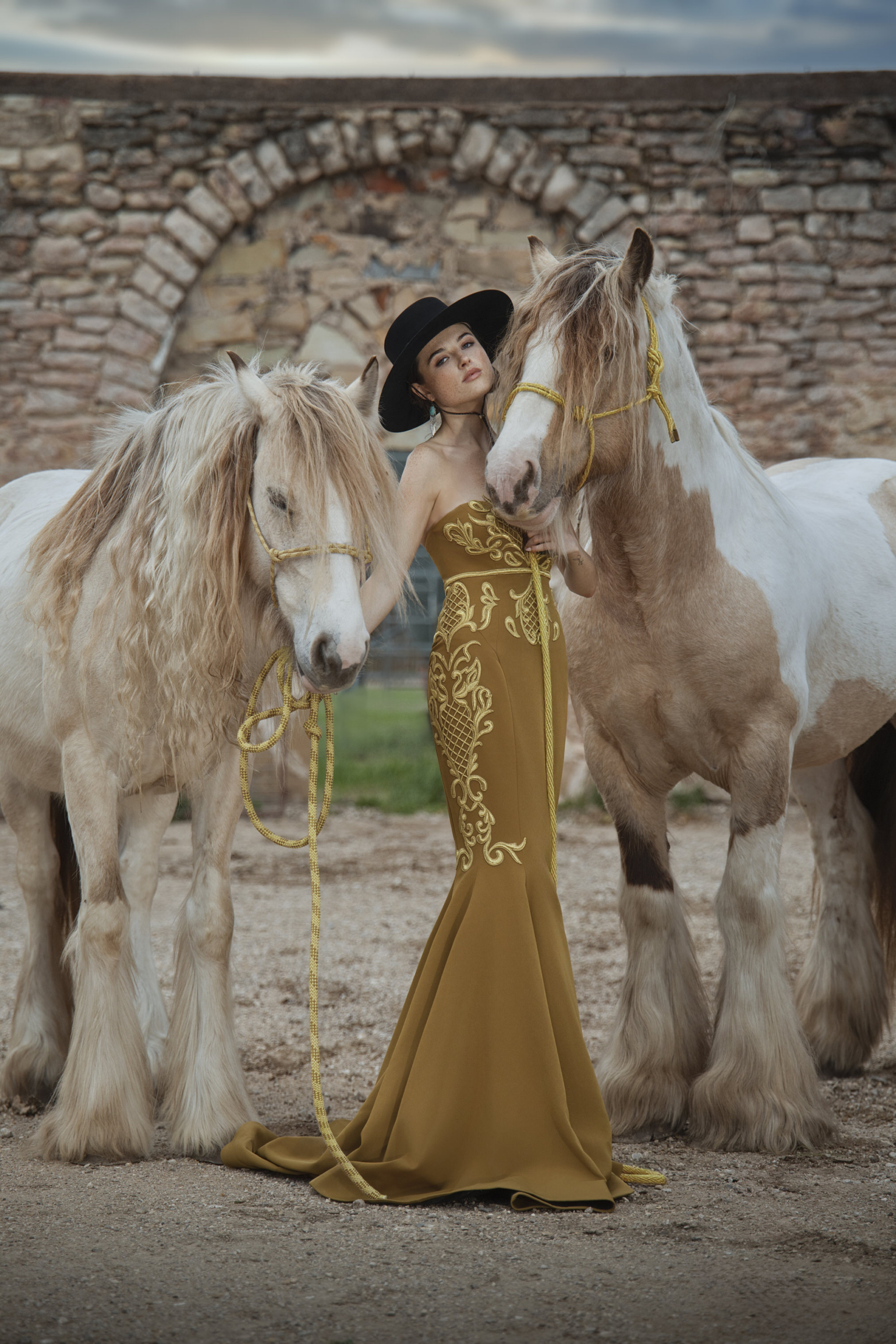
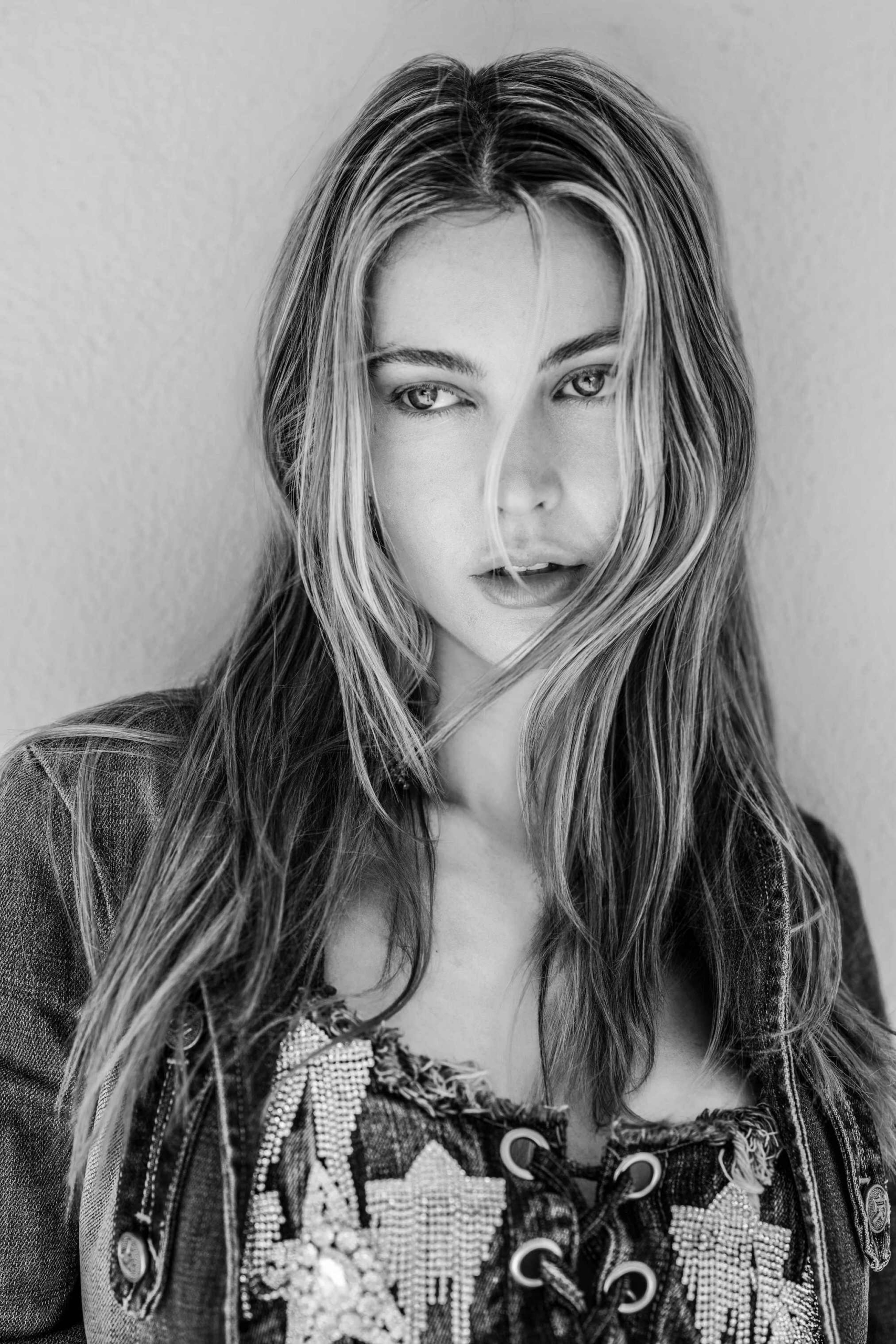
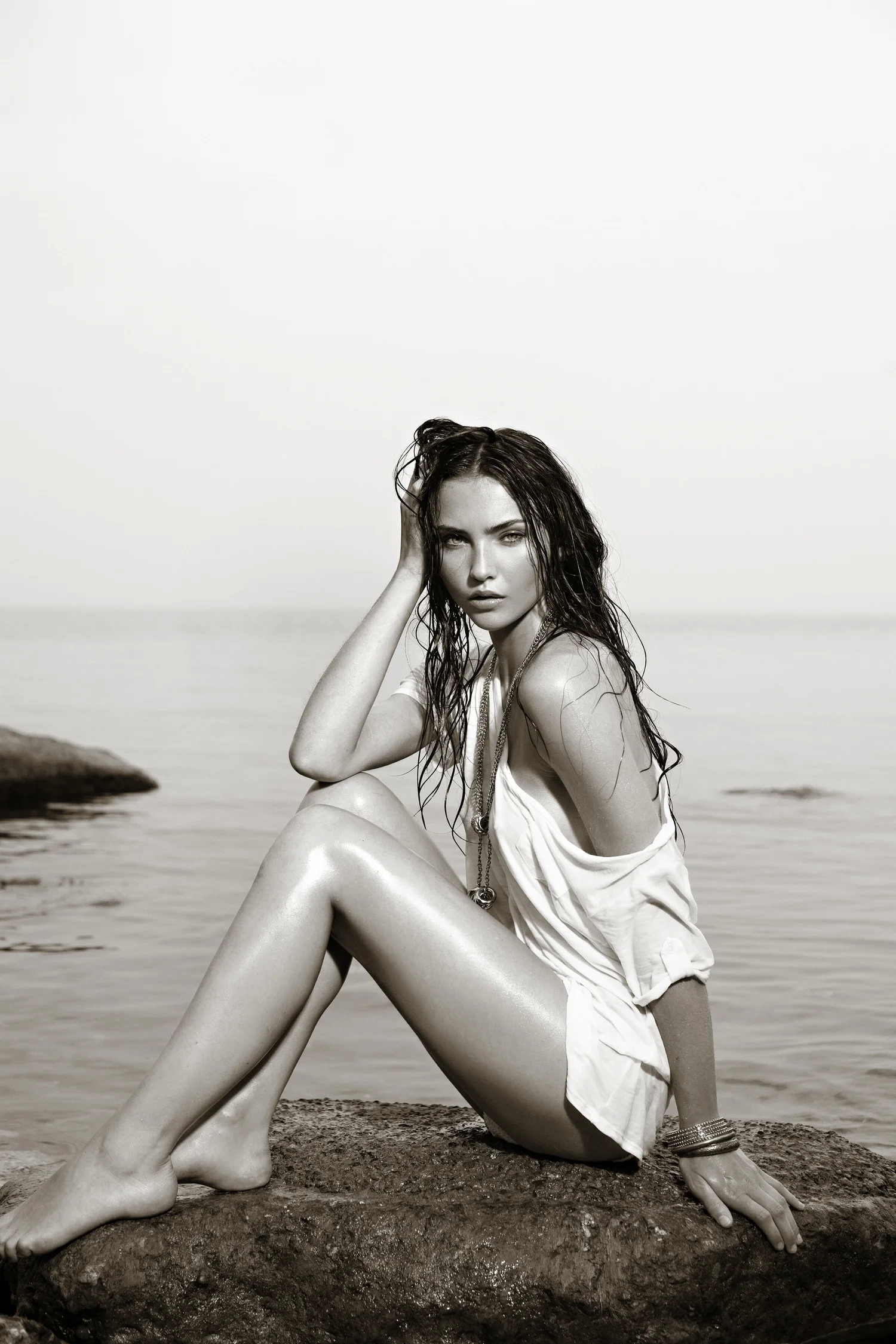
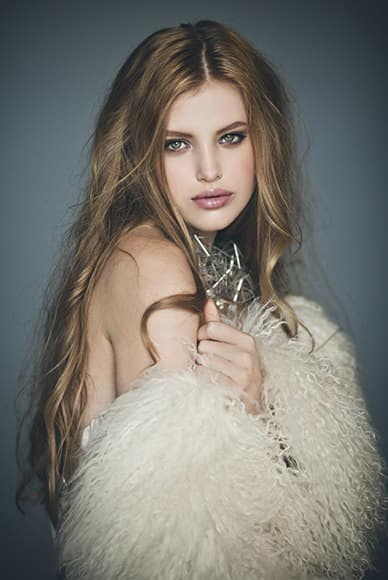
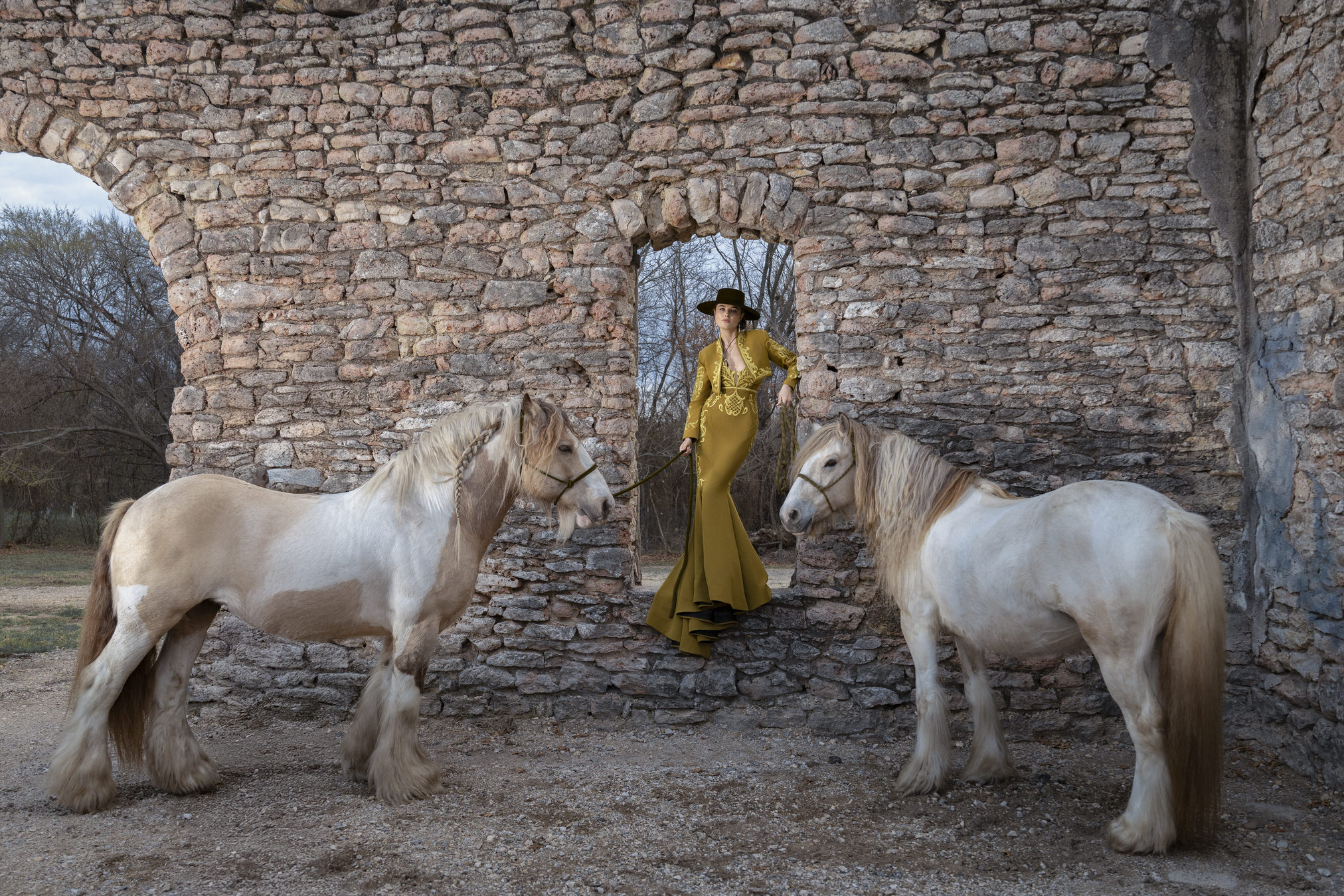
I actually shoot quite a lot of personal work. In fact, we’re doing a shoot tomorrow.
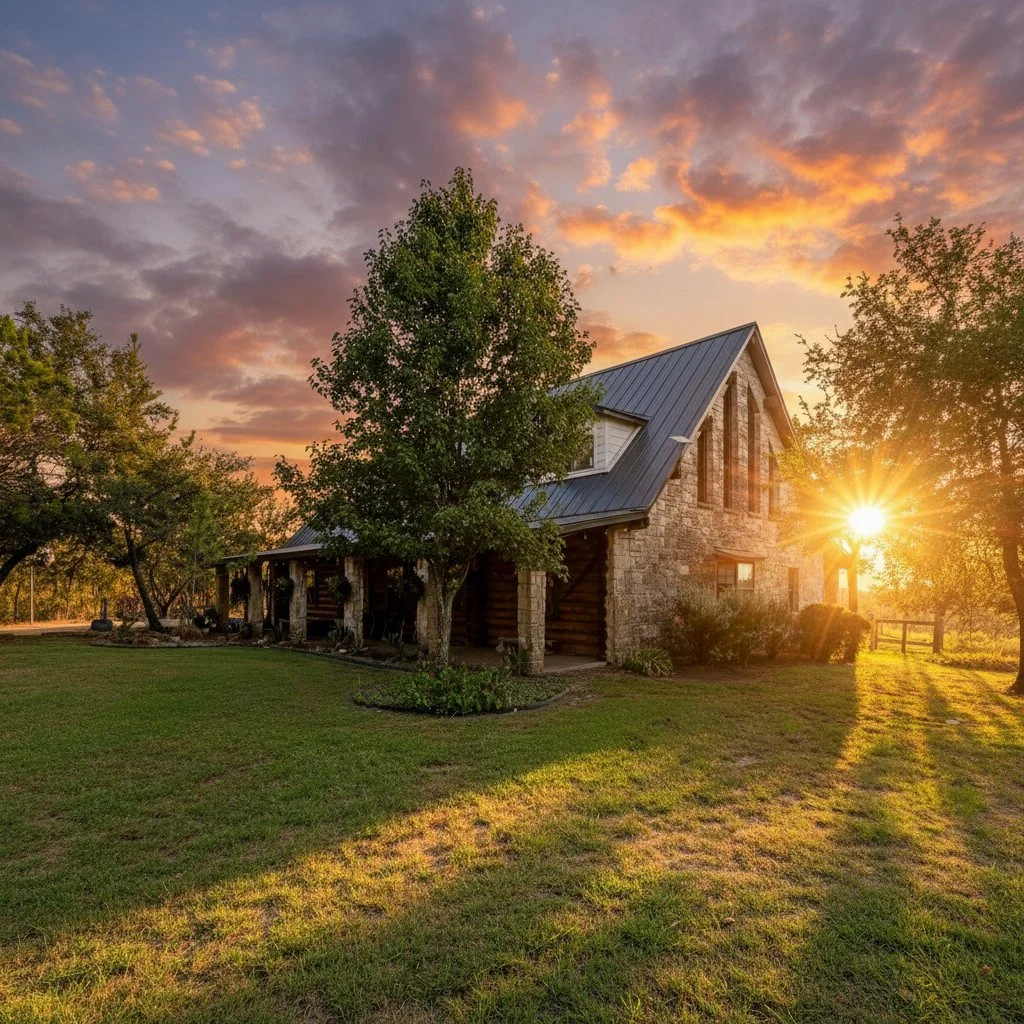
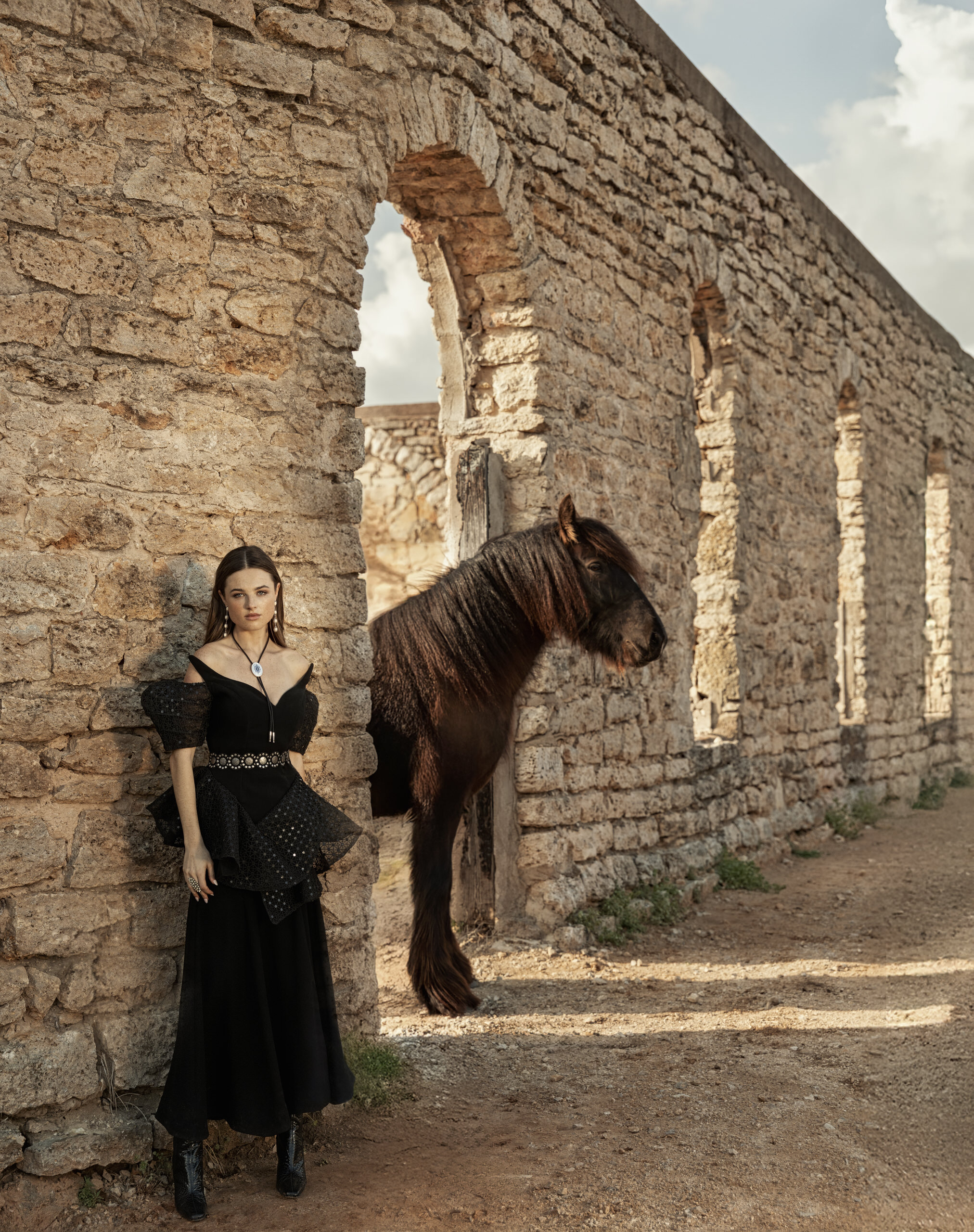
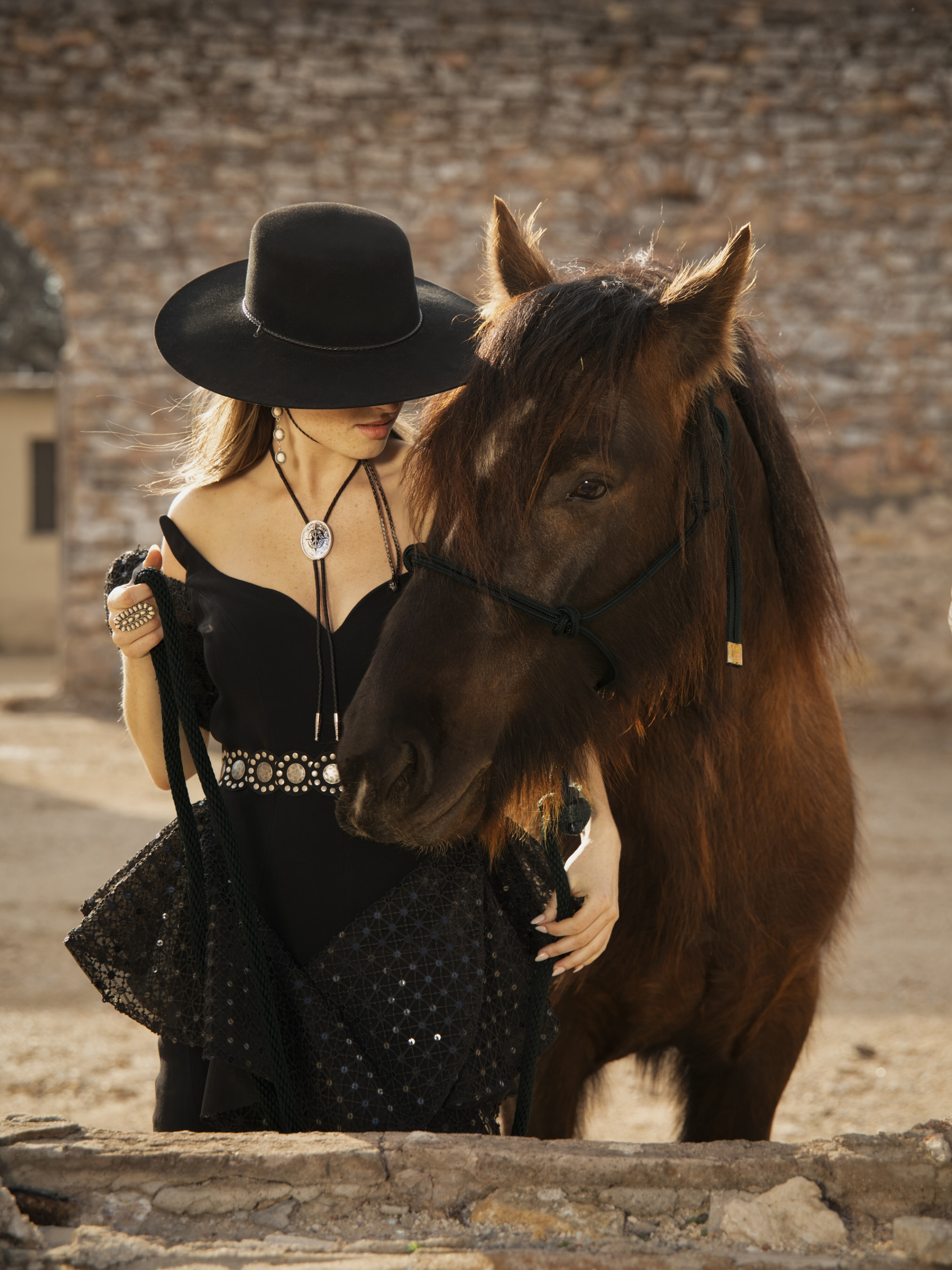
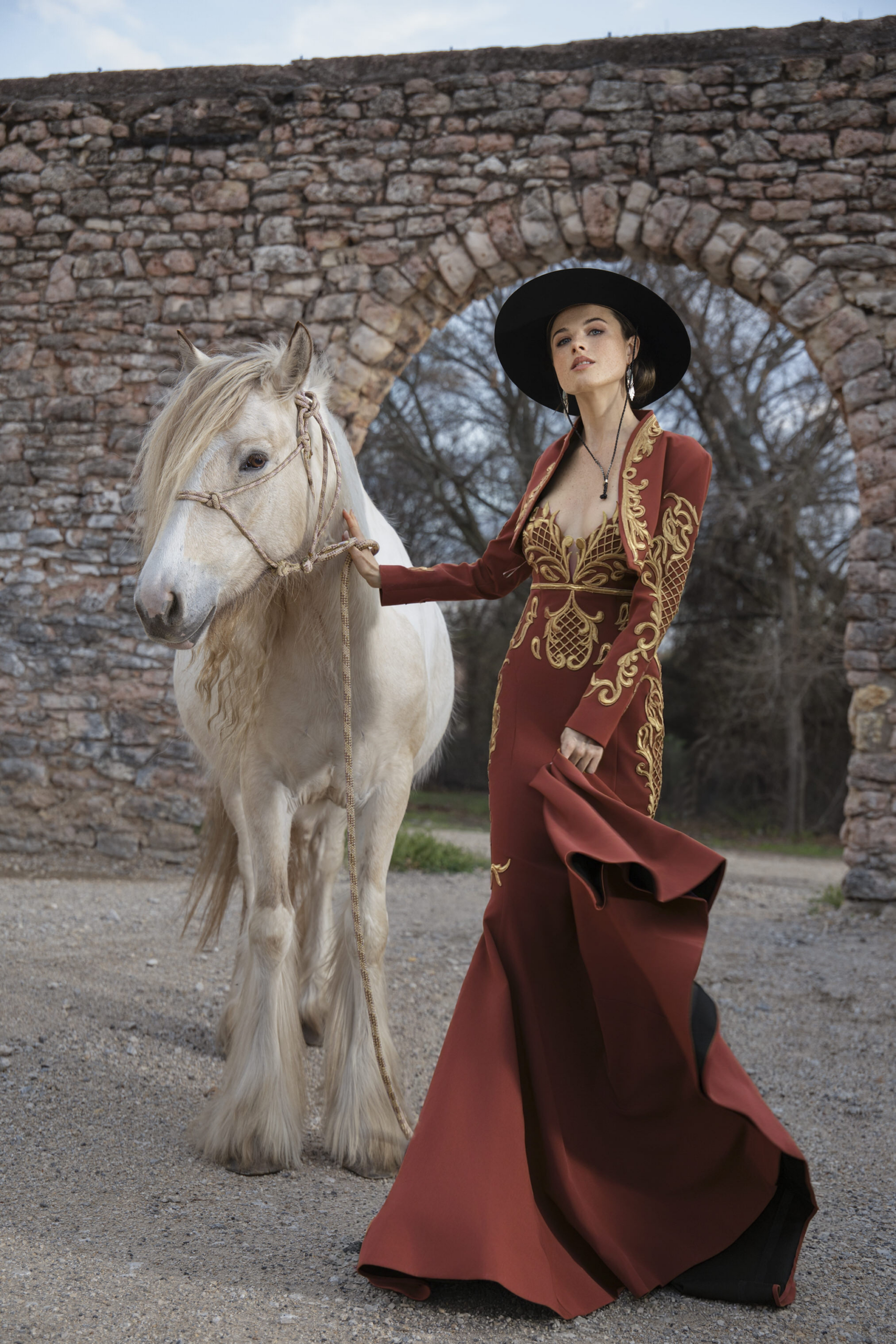
I recently found this incredible stone building in the middle of nowhere, and we’re bringing in five Clydesdale horses – the ones with the big feathered legs that almost look like they’re wearing bell bottoms. I got inspired yesterday and decided we had to shoot there, so I quickly called my favorite makeup artist, stylist, and model and pulled everything together.
The idea is a kind of high-fashion Western shoot, which is something I love exploring in my personal projects.
A lot of that personal work ends up mixed into my website alongside client projects. It’s not all commercial work – it’s really a blend. I’m actually planning to create a separate section for personal work, because I’d like people to see more of those experiments together.
And this year I’m trying to do even more of it
How do you feel about being photographed yourself?
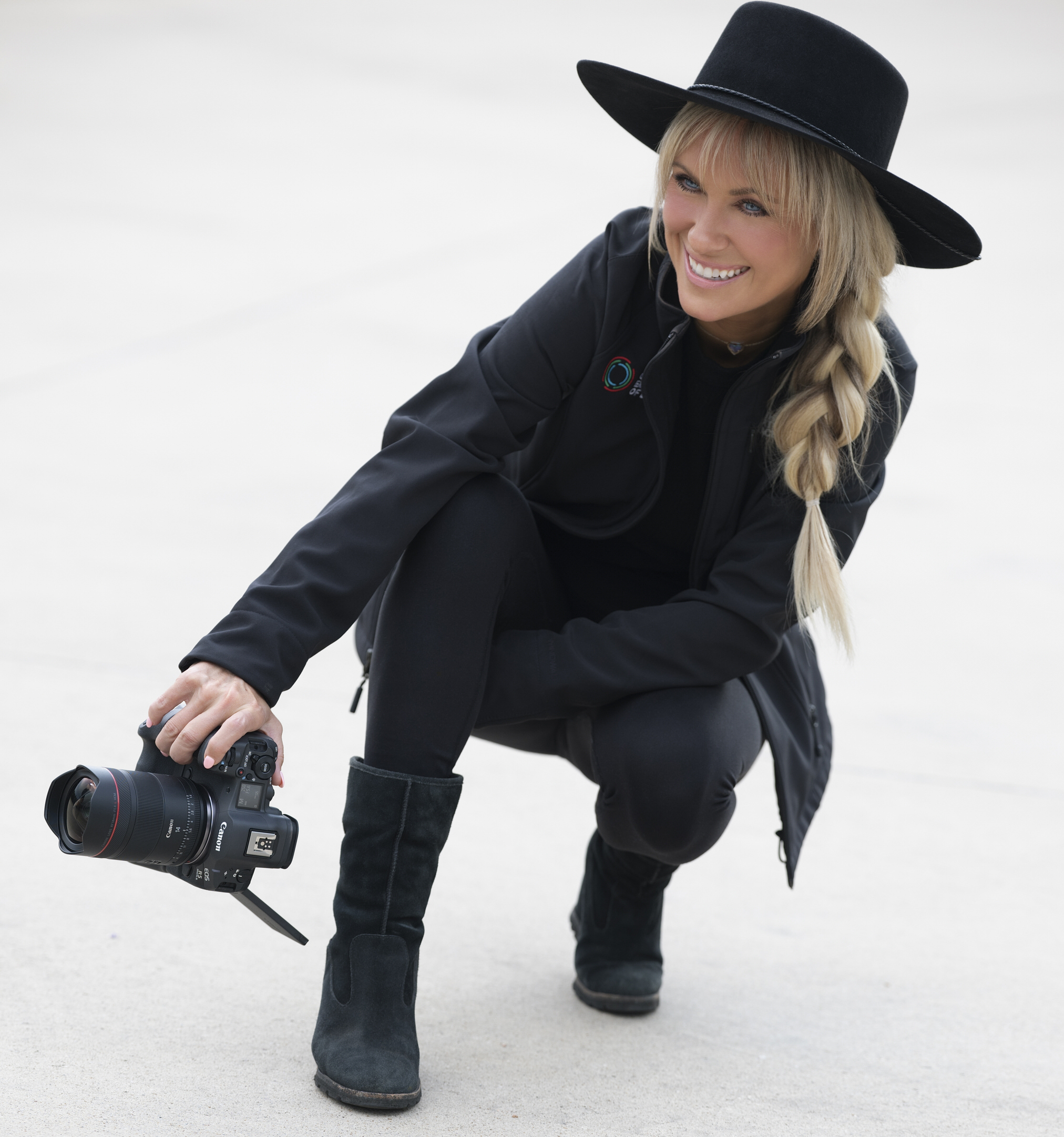
Honestly, I hate being photographed.
I immediately tense up in front of the camera.
One time Jerry Gionis photographed me, and he’s incredible.
But even then I was so uncomfortable. At one point he laughed and said,
“Dixie, you’re so jumpy – you have posing Tourette’s or something.”
So yes… I definitely feel the same way many people do when they step in front of the camera.
Who were some of the mentors who influenced your career, and how do you approach teaching today?
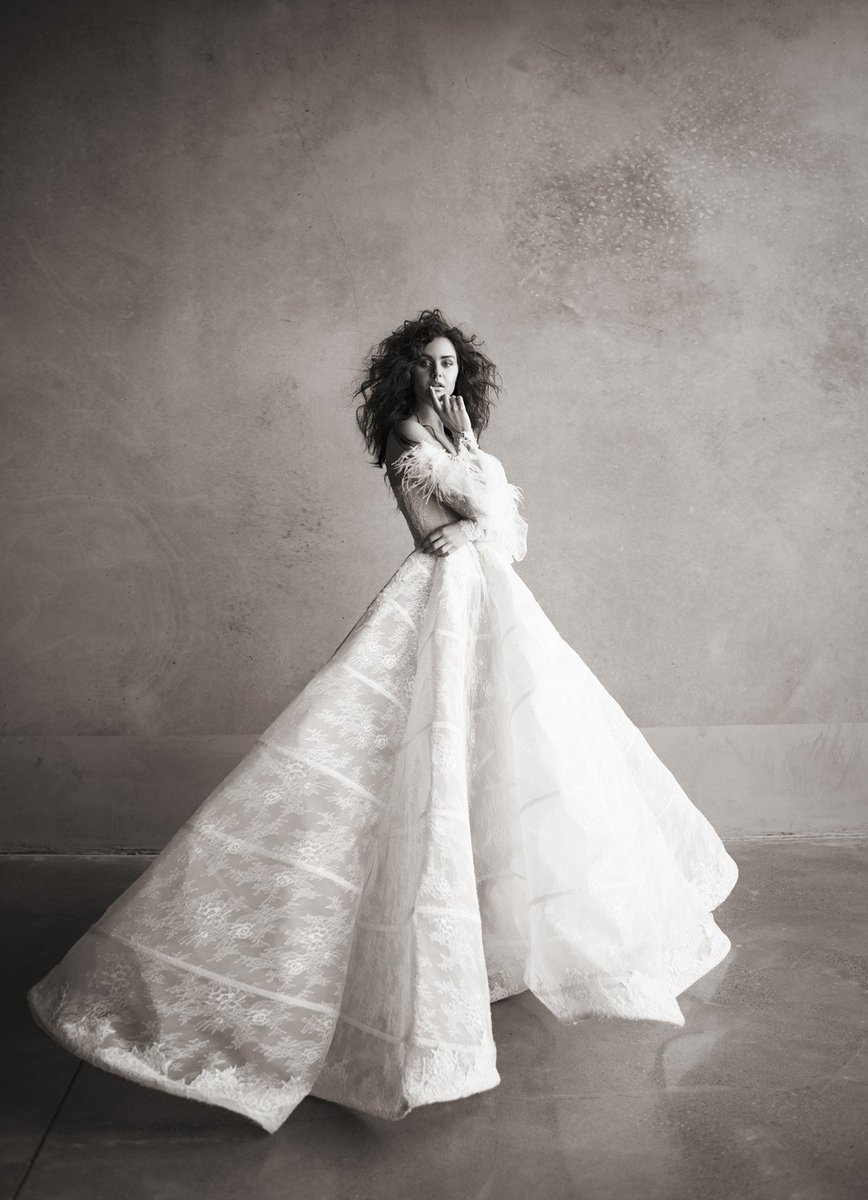
I’ve been lucky to learn from some incredible photographers – Jeff Licata, Matthew Jordan Smith, and Joe McNally, among many others.
They were all very generous with their knowledge, and that had a big impact on me.
Because of that, it feels really meaningful for me to also mentor photographers who are just starting out.
Teaching didn’t come naturally to me, though. I’m not someone who loves standing in front of a room with all eyes on me. In fact, the first talk I ever gave went terribly – I was so nervous I ended up crying afterward and thinking, I can’t do this.
But working with brands pushed me out of my comfort zone, and over time it became easier. At one point Western Digital even sent me on a speaking tour in Europe – I spoke at Apple stores in Berlin, London, and Amsterdam – and they also arranged professional presentation training for me.
That experience helped a lot. I still wouldn’t say teaching is my most natural skill, but I try to be very honest with people and share as much as I can to help them in their own process.
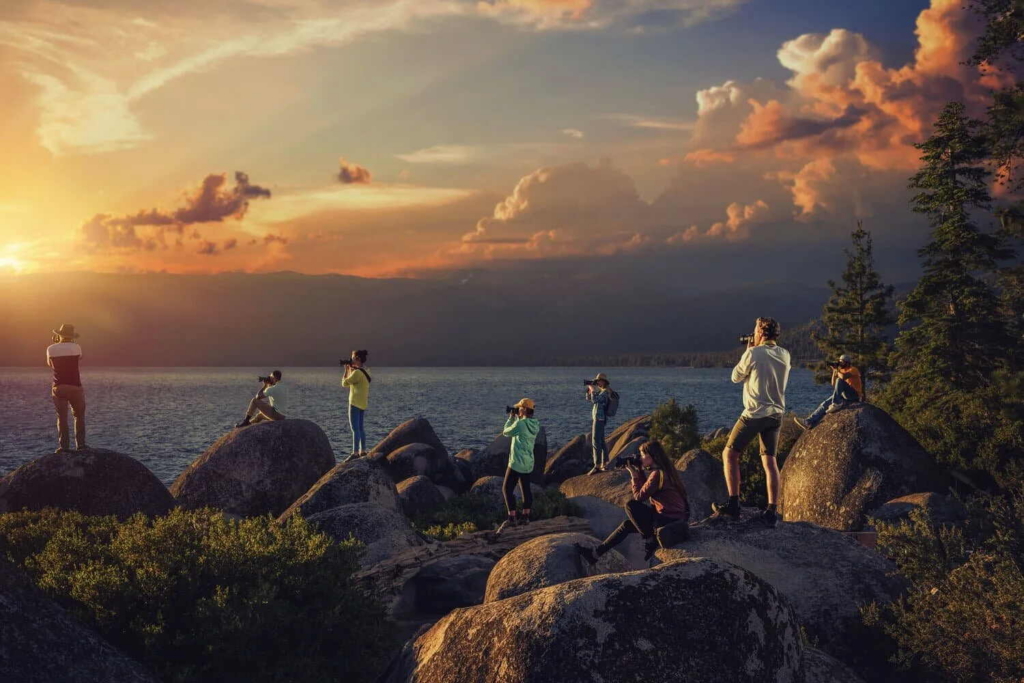
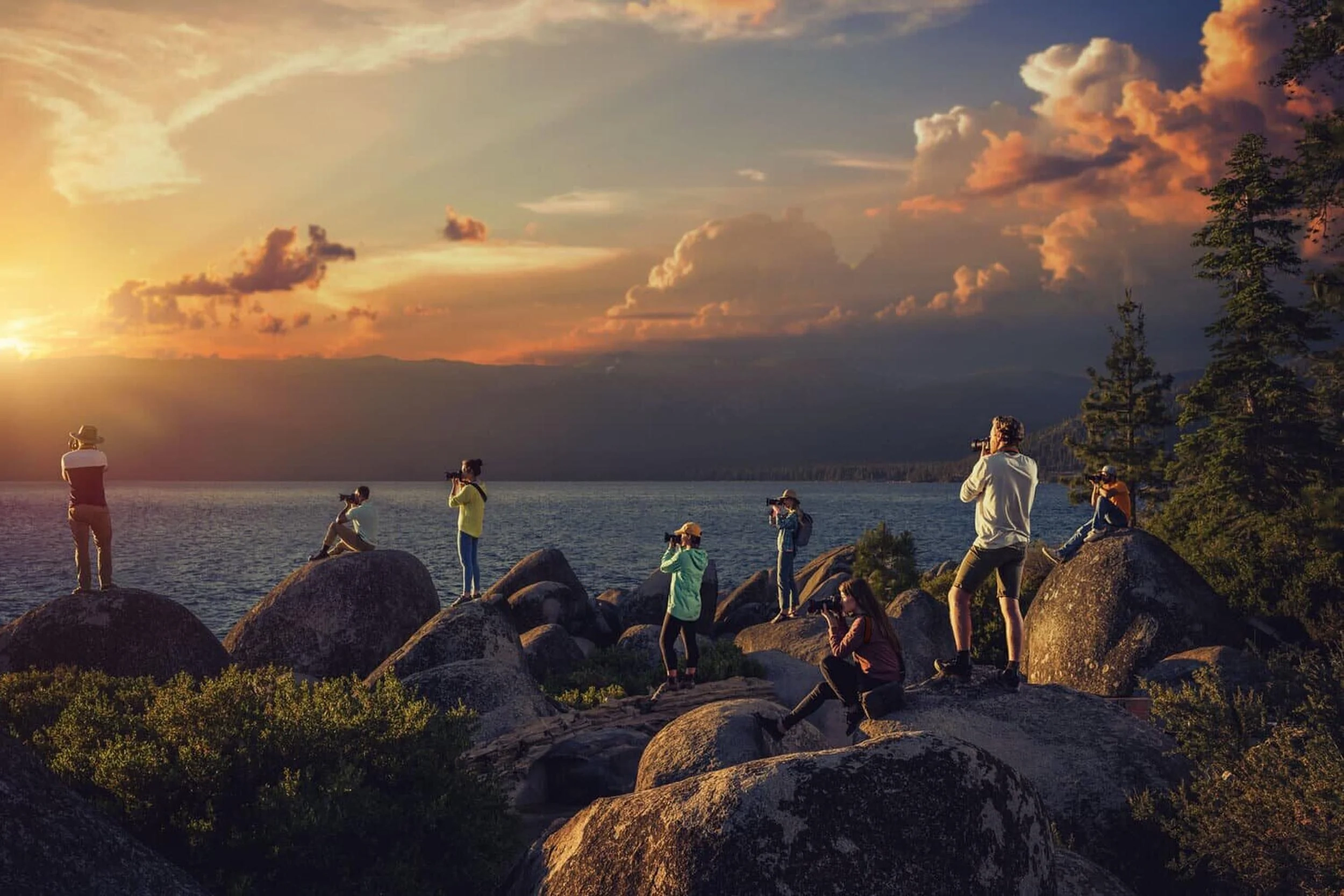
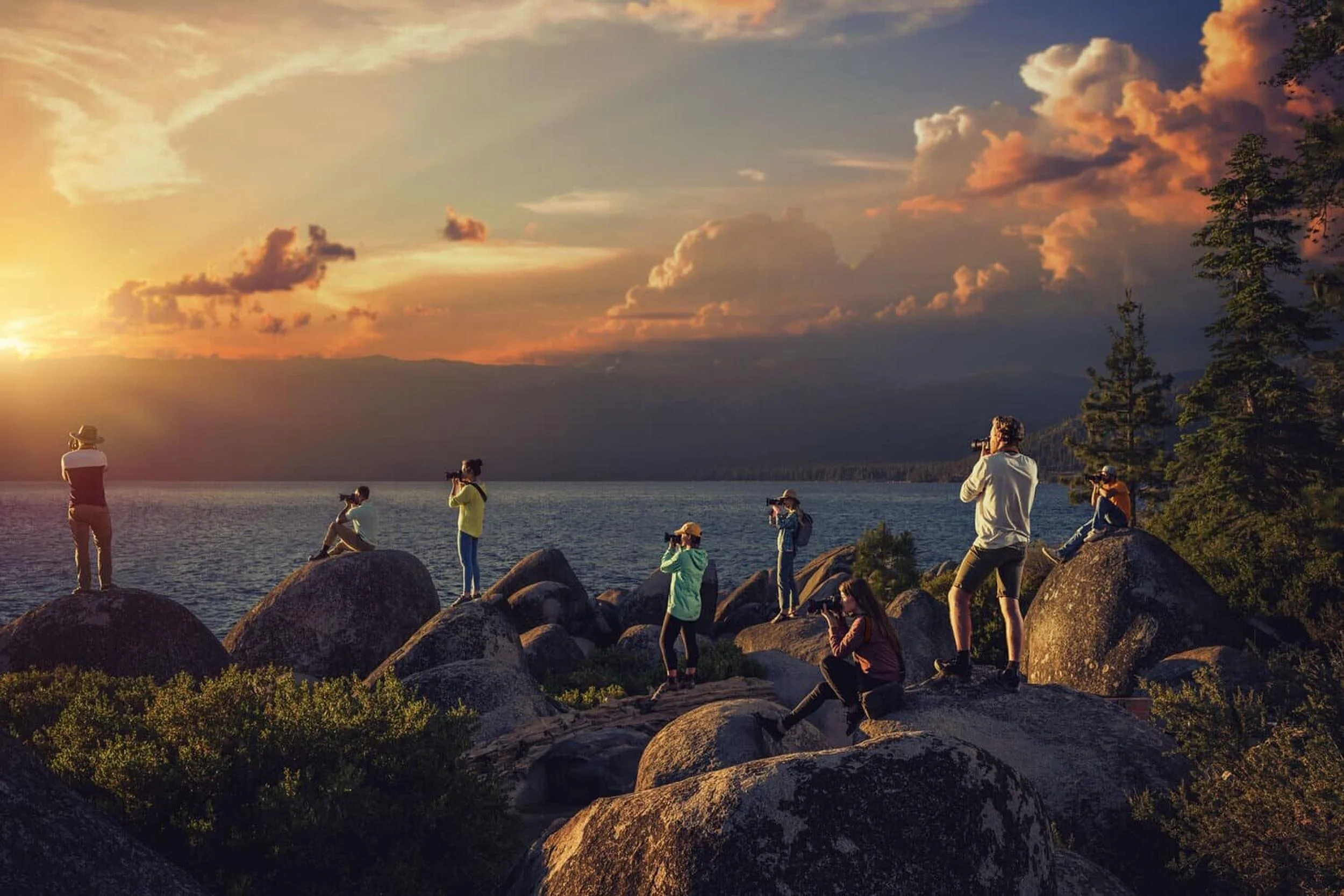
In that image of photographers shooting the sunset, it almost feels like you’re observing photography from the outside. Was that intentional?
That shoot actually took place in Lake Tahoe,
What made the moment interesting to me was the situation itself.
Sunsets are one of the most beautiful things to experience in real life – and yet they’re surprisingly difficult to photograph without them feeling cliché.
Sometimes when I see a sunset, I even think to myself:
“Maybe I should just experience this moment instead of trying to capture it.”
So seeing this whole line of photographers trying to photograph the same sunset was fascinating. In a way, it becomes almost a reflection on photography itself – all of us trying to capture something that always feels just a little more magnificent in person.
The shoot itself was pretty surreal.
We were standing on top of these rocks above the lake, the sun was dropping really quickly, and I remember thinking, we have to get this shot before the light disappears. I was trying to position everyone and keep them all in focus while the light was changing.
And the funny thing is, not everyone in the image was actually a photographer – some of them were just friends of friends posing with cameras.
But in the end, I was really happy with how the image turned out.
What’s your vision for the future?
This year I really want to focus on creating more personal work and giving it a dedicated space on my website so people can see those projects more clearly.
I’m also excited about the Western aesthetic becoming more popular. It’s something that’s always been part of my background, and it’s inspiring to see it resonate with a wider audience.
And honestly, I would love to one day work on something like Yellowstone – even just being behind the scenes would be incredible.
Of course, shooting the cover for a project like that would be even better.
Final Thoughts
When you first watch interviews with Dixie Dixon online, it’s easy to underestimate her.
She appears young, warm, even a little shy – often sitting beside seasoned photographers who seem genuinely puzzled by the images she produces.
You can almost see them wondering:
How is this shy, unassuming woman creating work that feels so polished and so powerful?
But underestimating Dixie Dixon would be a mistake.
Behind that calm presence is a true powerhouse – someone who combines sharp business instincts, exceptional visual talent, relentless hard work, and a remarkable ability to build genuine human connections on set.
And perhaps that combination explains the secret behind her images:
they may look effortless, but they are the result of someone who knows exactly what she’s doing.
Her photography may be rooted in reality, but it always reaches just beyond it – toward beauty, imagination, and the quiet wonder of seeing the world with fresh eyes.