
If you can make it in New York, you must be Susan Stripling!
“It’s the most competitive industry of the nicest people I’ve ever met.”
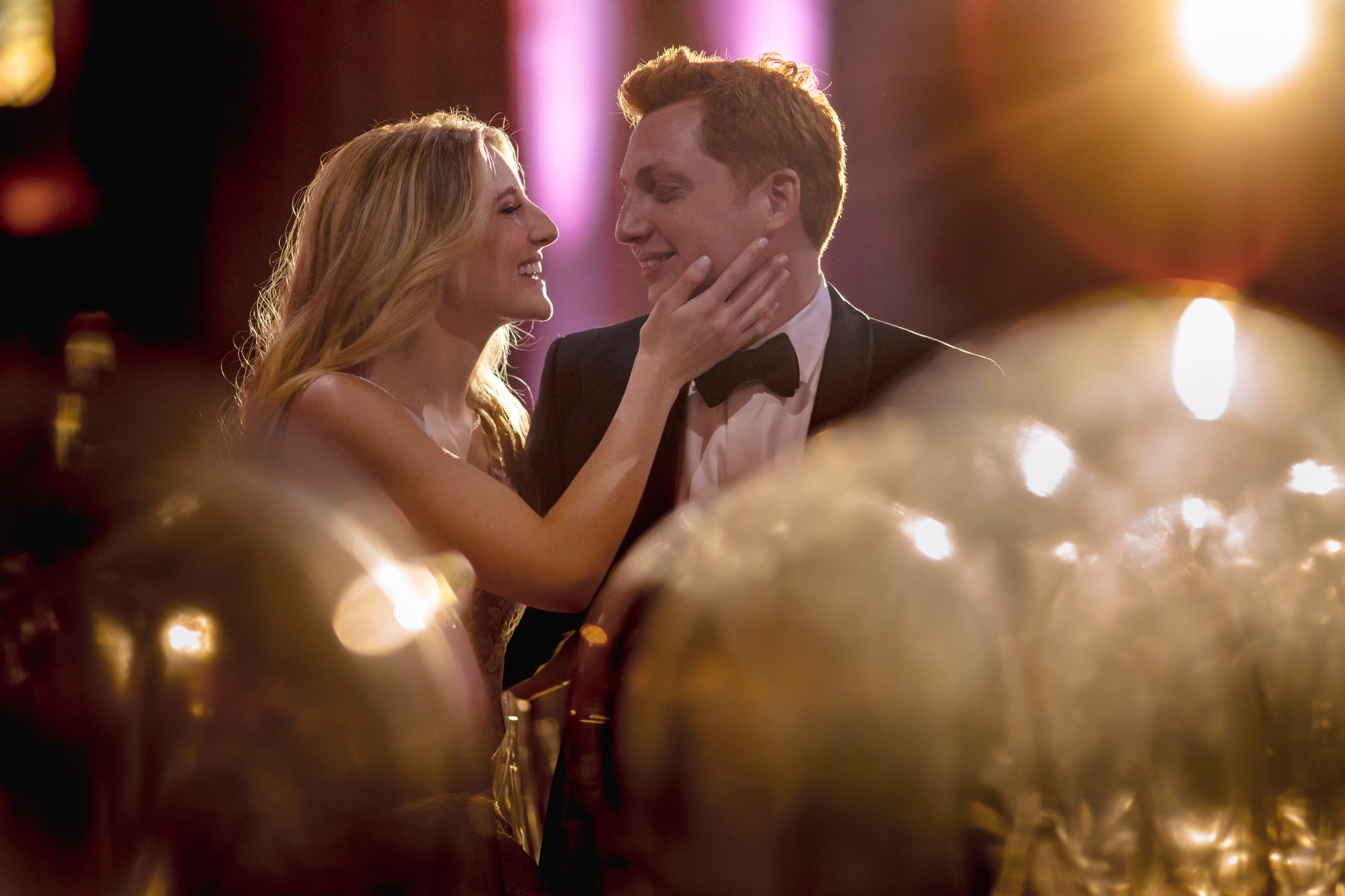
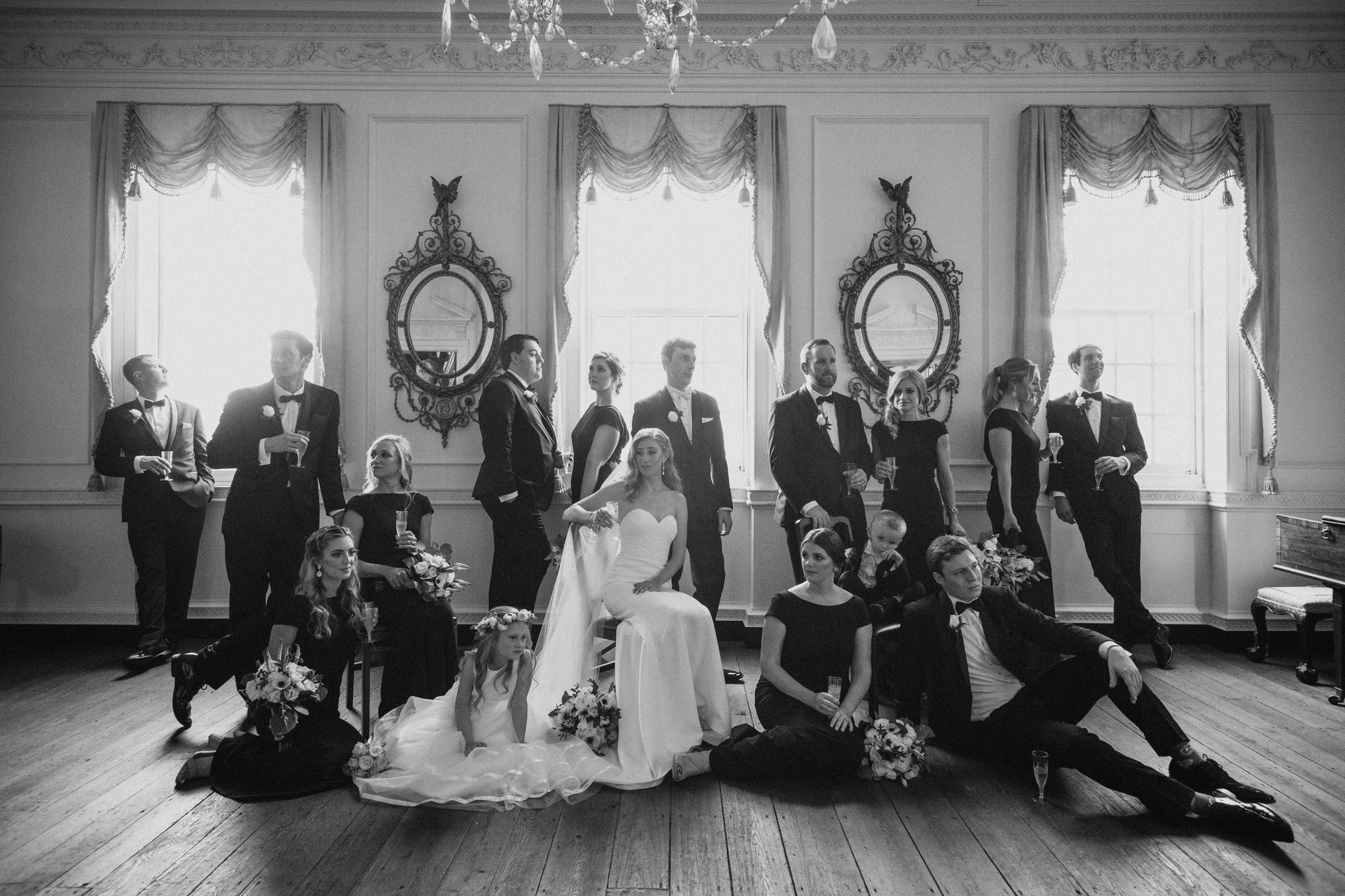
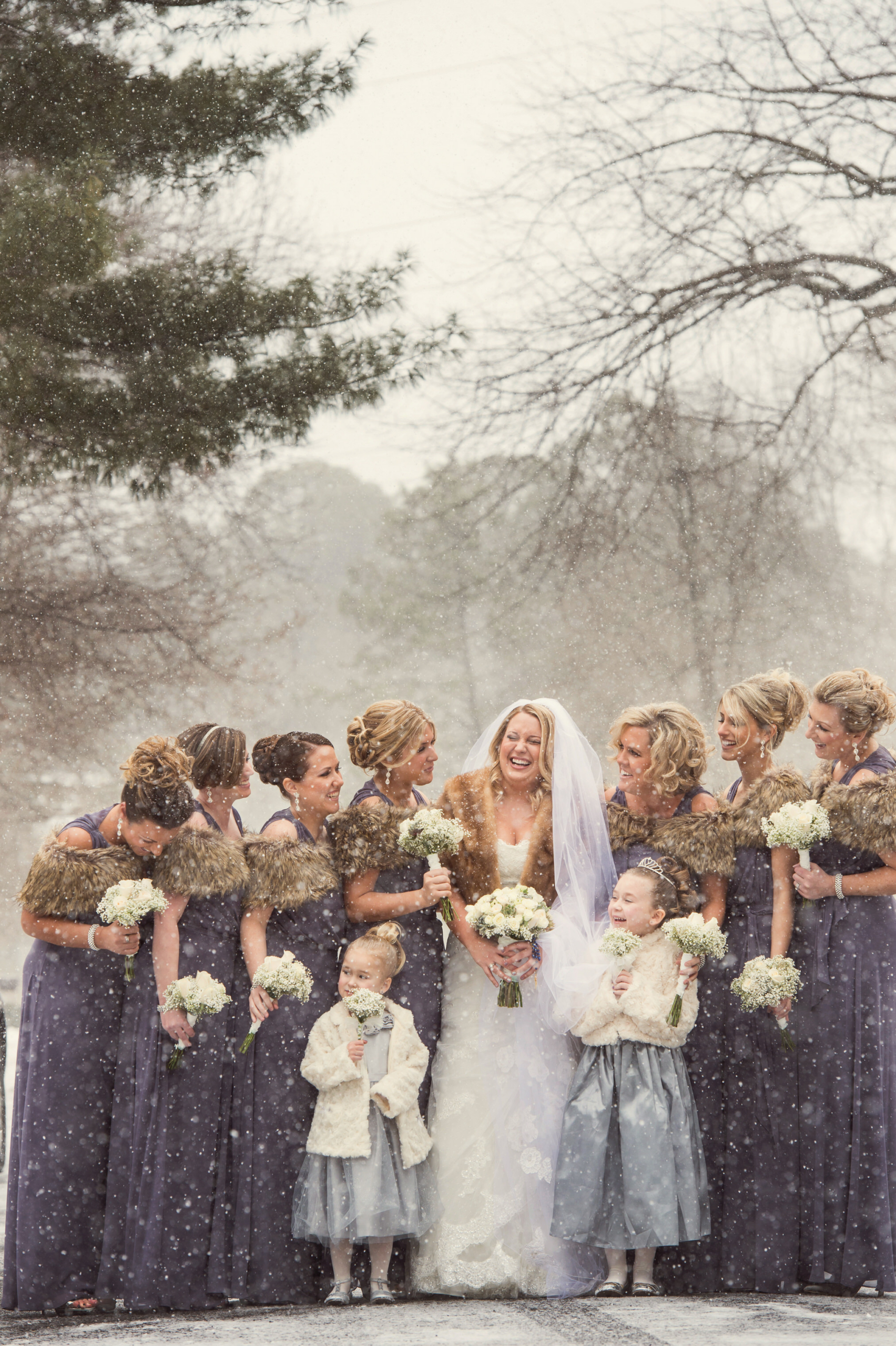
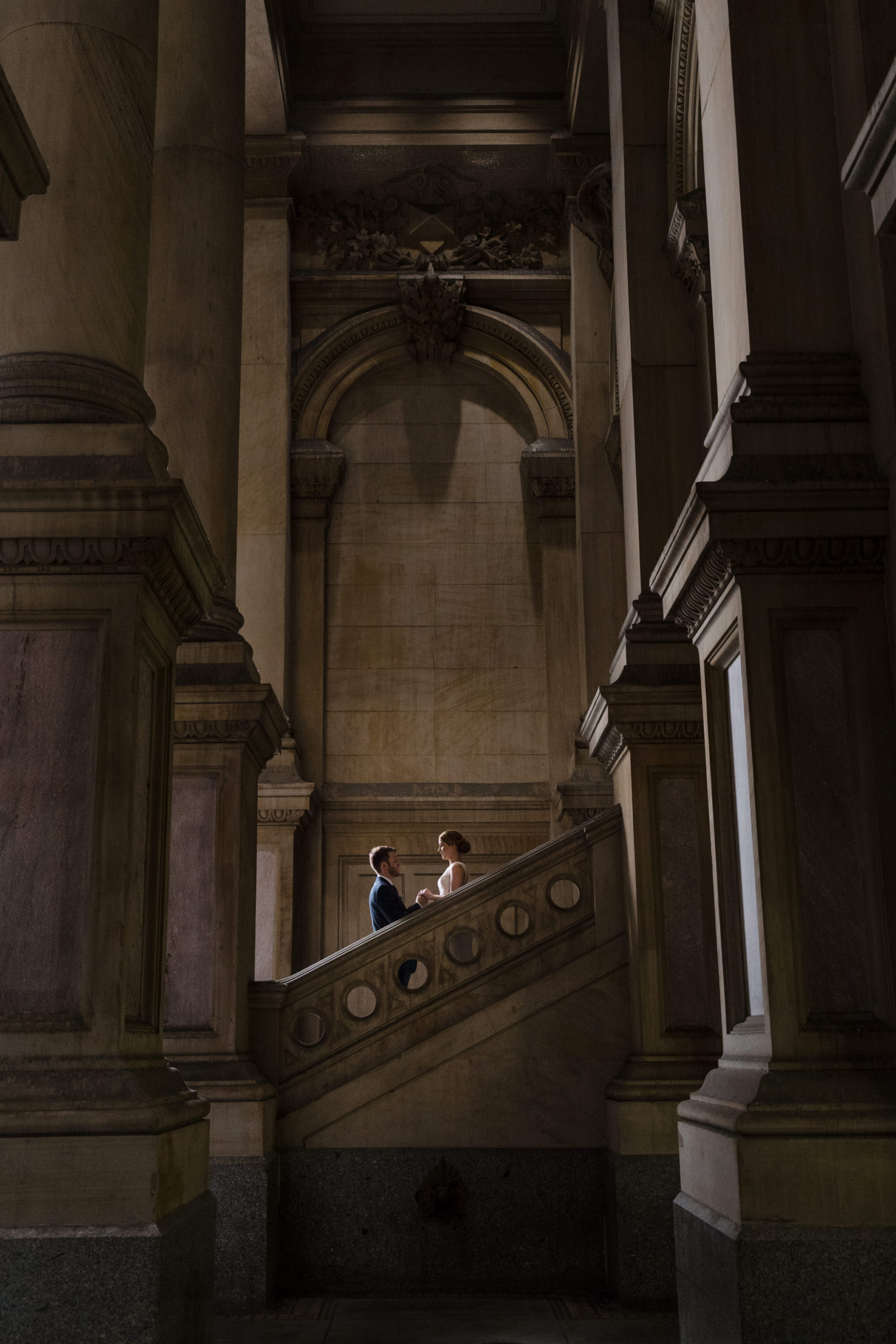
Susan Stripling has been photographing weddings, portraits, and theater for almost twenty-five years. Susan’s work has been published in Inside Weddings, Martha Stewart Weddings, Grace Ormonde Wedding Style, Modern Bride, Town and Country Weddings, the New York Times, New York Post, Rangerfinder, PDN, and in ads and advertorials for Nikon USA, Epson, and Canon USA.
She’s won multiple awards at the prestigious ICON International 16×20 print competition including the Grand Award in Wedding Photojournalism and the Grand Award in Weddings.
She holds the prestigious Grand Master Status at ICON as well.
Susan has been an educator for Photo Plus, WPPI, PPA, Mystic Seminars, Portrait Masters, and Creative Live.
She has been named one of the top ten wedding photographers in the world by American Photo Magazine.
She is also the founder of The Wedding School, which strives to bring real, honest education to wedding photographers worldwide. In her spare time, besides spending time with her incredible family, Susan is a voracious reader, lover of all horror movies, and inexplicably sleeps with the lights on.
https://susanstripling.com/
What drew you to wedding photography, and how has your theater background shaped your approach?
I actually came to photography quite by accident. Before that I went to school for theater, moved to New York, did a handful of auditions, and realized I didn’t want to perform professionally.
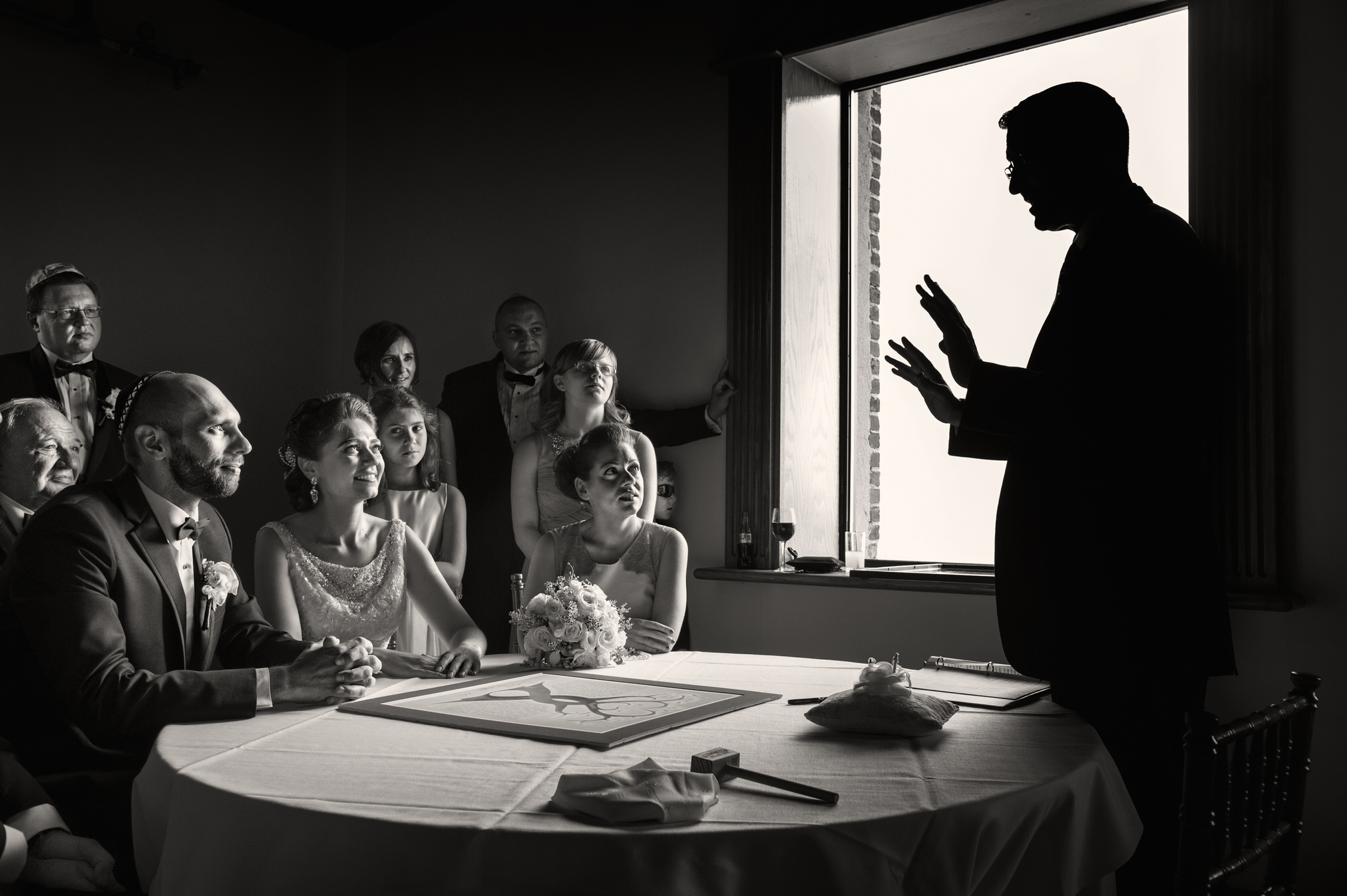
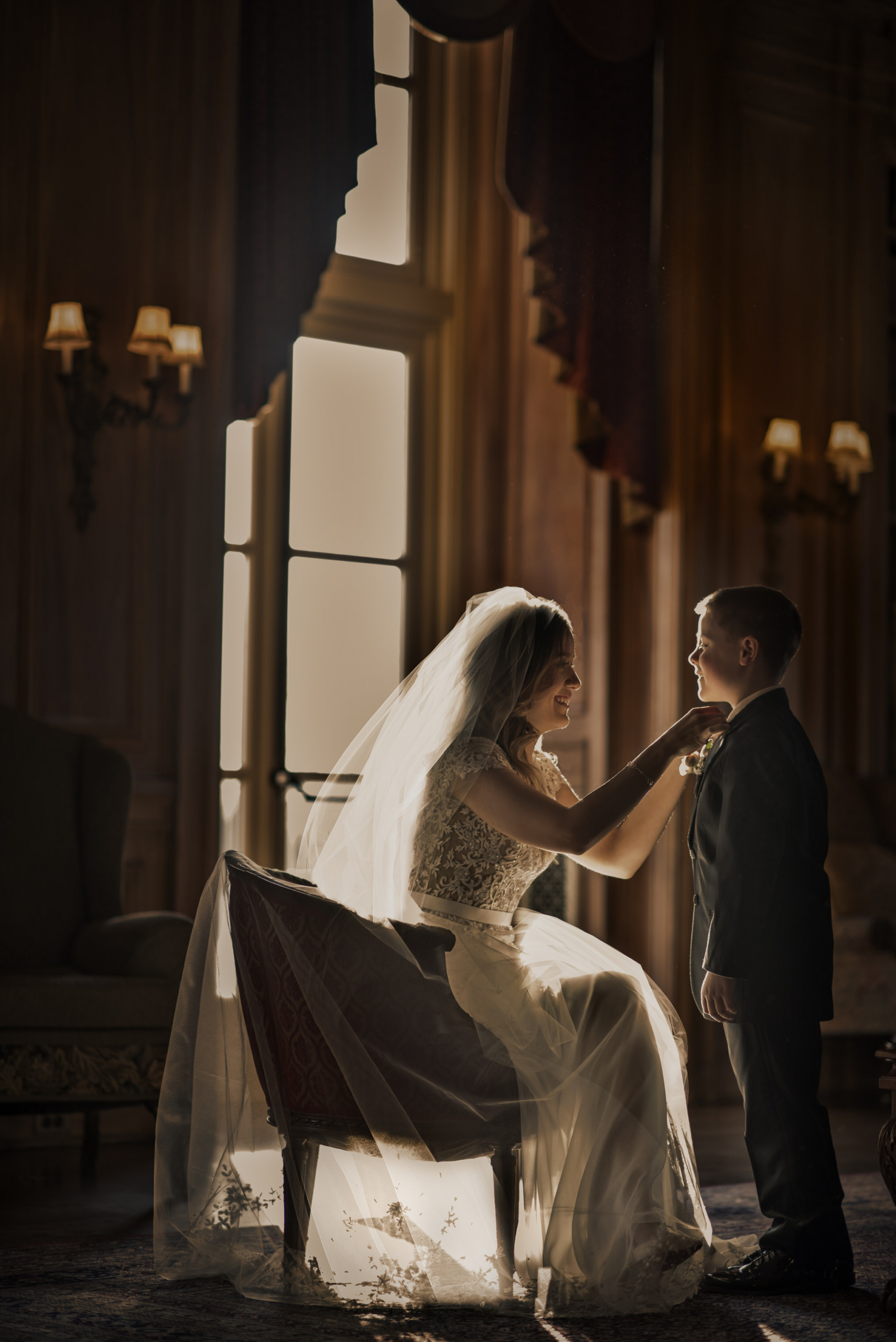
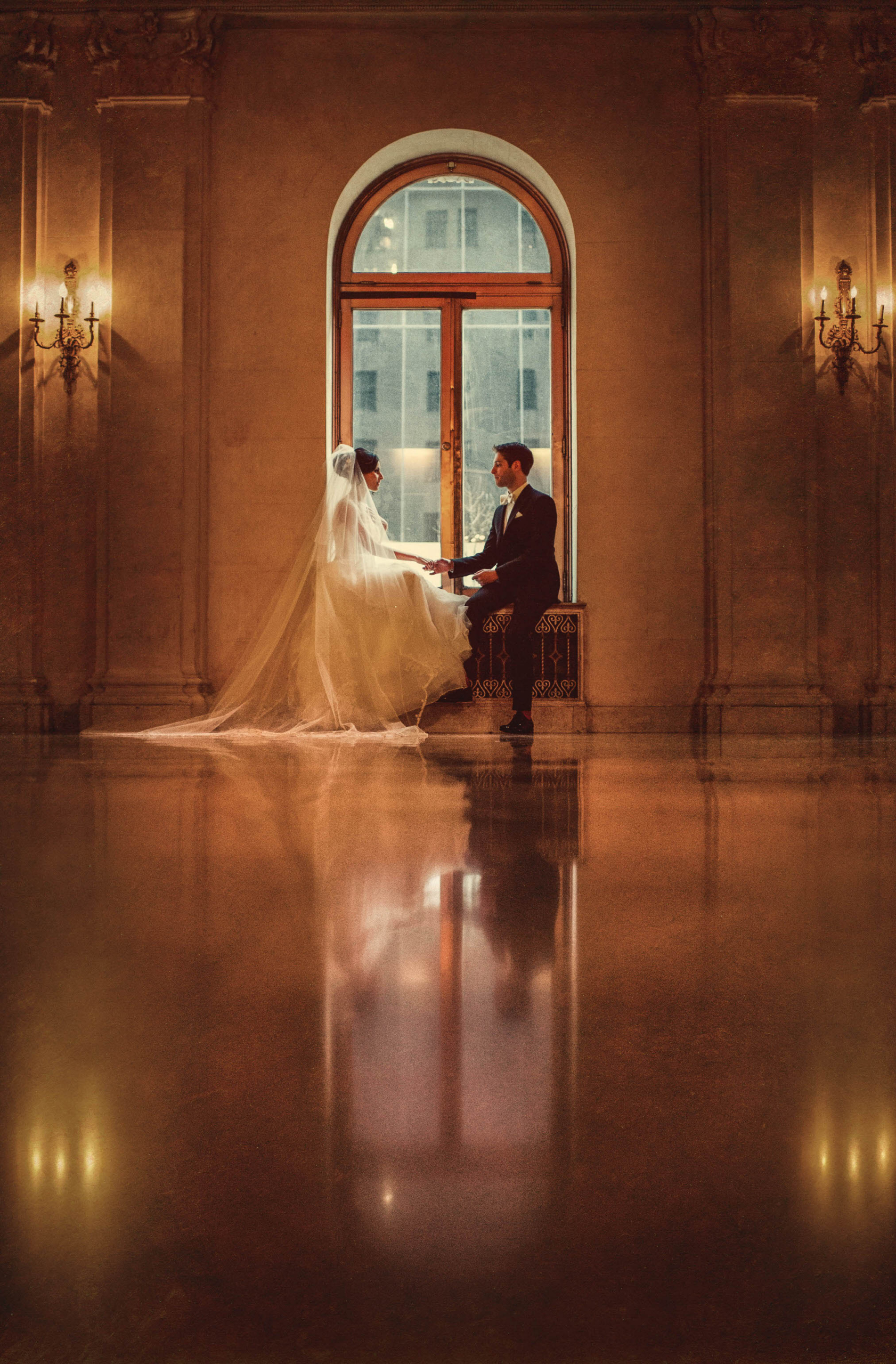
Loved the art of theater but hated the business side of it. A few years later, a friend of a friend asked if I’d shoot their wedding, and something just clicked. I realized that a wedding is essentially a theatrical production – there’s lighting, costumes, drama, emotion, and storytelling.
Everything I loved about theater, I found in wedding photography.
What’s funny is that I went to school thinking my theater degree was useless, but it turned out to be the perfect foundation. Even that one lighting class where my teacher explained the “hot spot” of a spotlight – I use those exact principles when I’m lighting weddings. The choices you make in your early twenties come back around in unexpected ways.
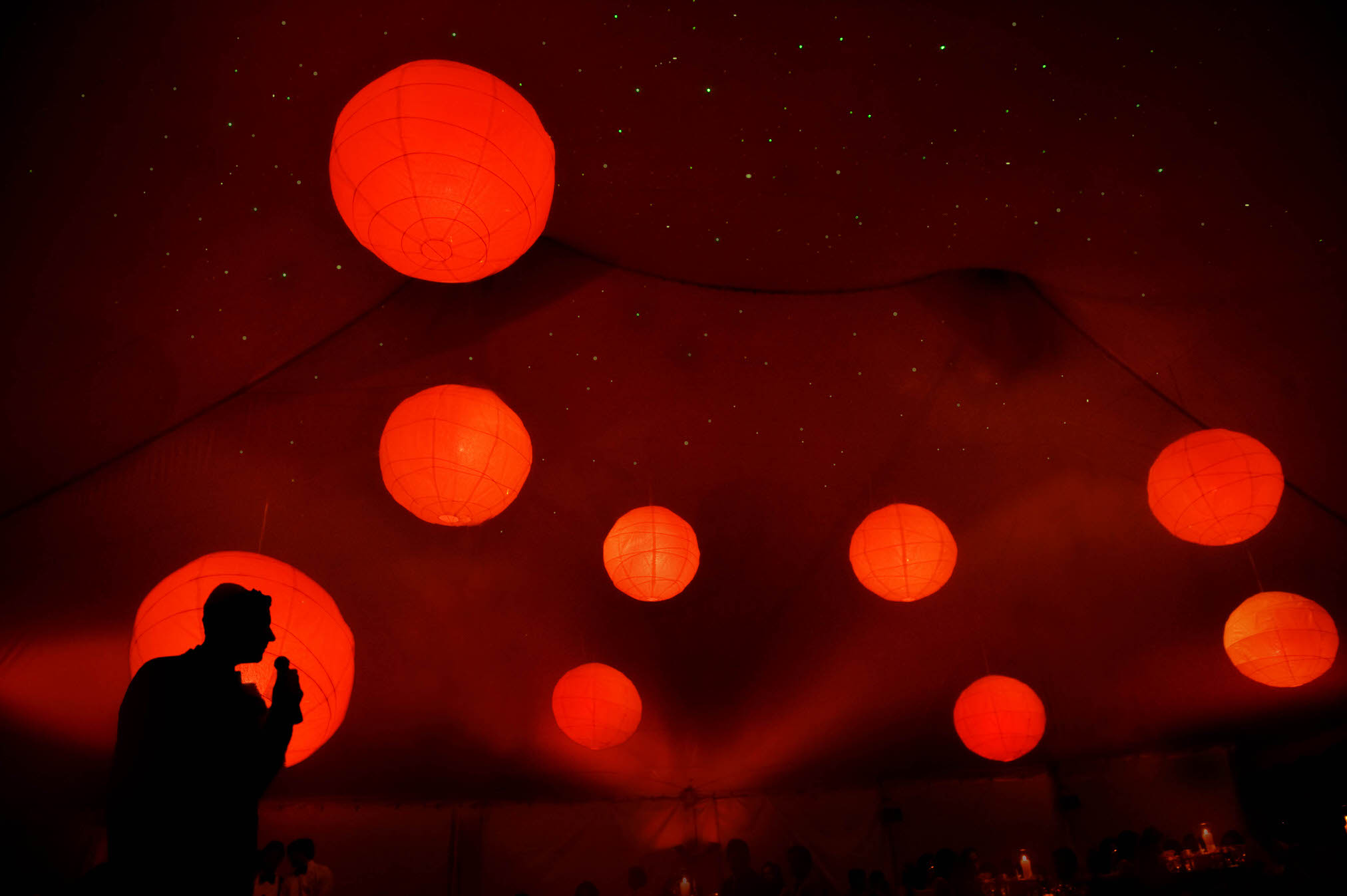
“A wedding is essentially a theatrical production – lighting, costumes, drama, emotion, and storytelling.”
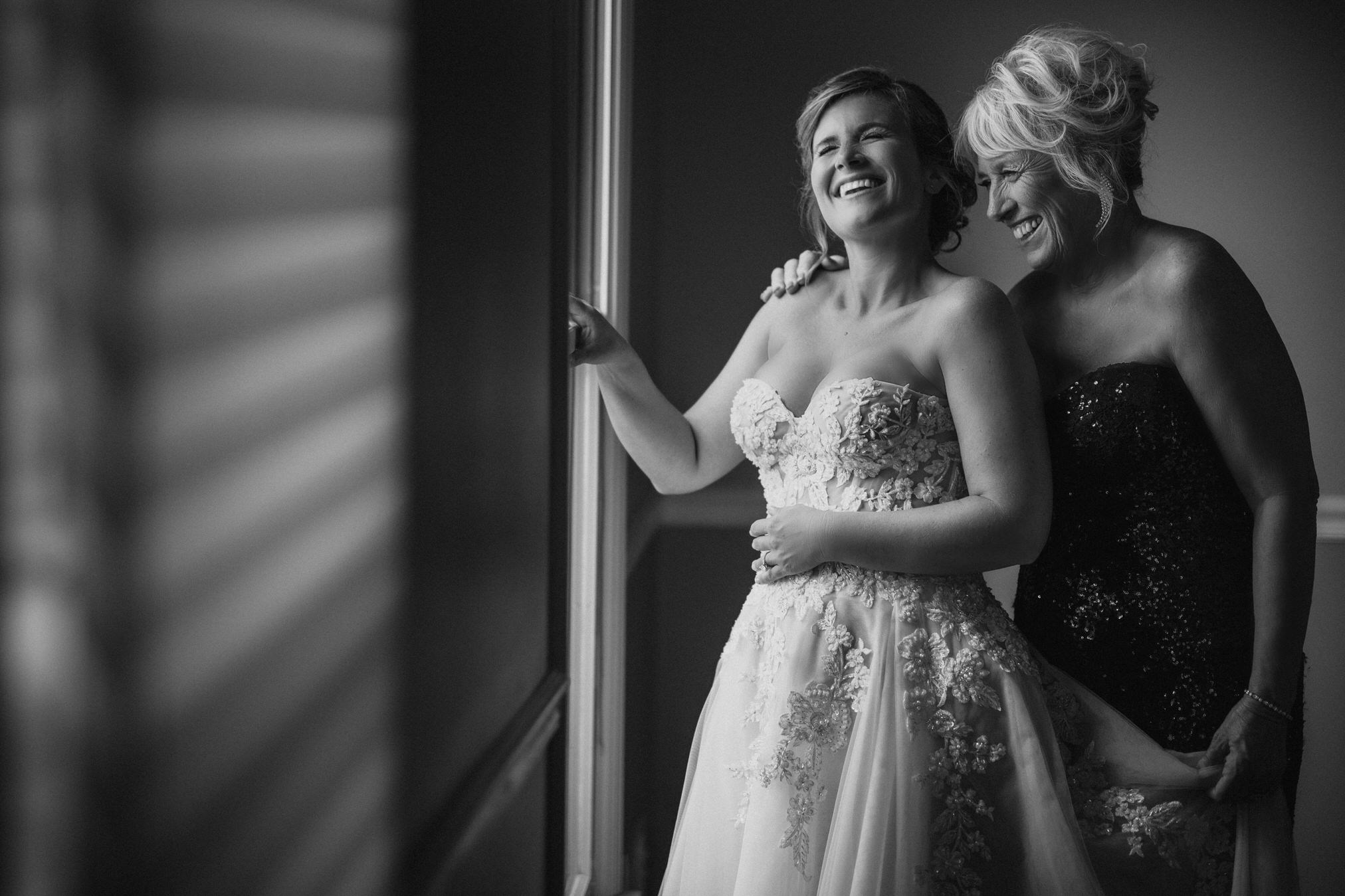
My theater background has been invaluable. I spent years learning how to understand lighting, how to work with people, how to read a scene and know when to capture the moment.
When I’m teaching or speaking publicly, I have zero fear because I spent so many years on stage learning how to manufacture scenes and fake emotions.
Now I just get up there and talk as myself, and it feels natural.
How did you transition into teaching, and what inspired you to create an online school?
I still can’t believe people want me to teach them things, because I’m still learning myself.
But it’s been incredibly rewarding to be asked to speak and share knowledge.
For a while, I actually built an online school for wedding photographers – a learning library called The Wedding School. Eventually I sold it to the company that owns WPPI a couple of years ago, so I’m not involved with it anymore, but it was such a meaningful project.
I brought in other teachers, and it was just so nice to create this hub of education for photographers.
I remember coming of age in photography at a time when I didn’t have access to good educational resources.
So I wanted to be that person and create the things I wished I’d had back then.
I feel a really strong pull to give back to the industry because the industry has literally given me so much. It’s absolutely the least I could do.
How has AI impacted your work as a wedding photographer?
I’m not scared of AI in wedding photography because weddings are genuinely hard to fake. Yes, headshots and family portraits might be affected by AI, and I’ve definitely noticed my headshot and portrait business has slowed down. But weddings are a full day of coverage – ceremonies, family photos, couple portraits, receptions. There’s so much complexity and so much demand for authenticity that I feel relatively safe for now.
That said, what really bothers me is when Instagram accounts post AI-generated wedding inspiration without disclosing that it’s AI. I remember seeing a photo of a couple hanging out of a train door kissing against a snowy mountainscape, captioned “winter wedding goals” – and the bride had seven fingers. When you present AI images as real inspiration, you give clients unrealistic expectations about what’s actually possible at a wedding.
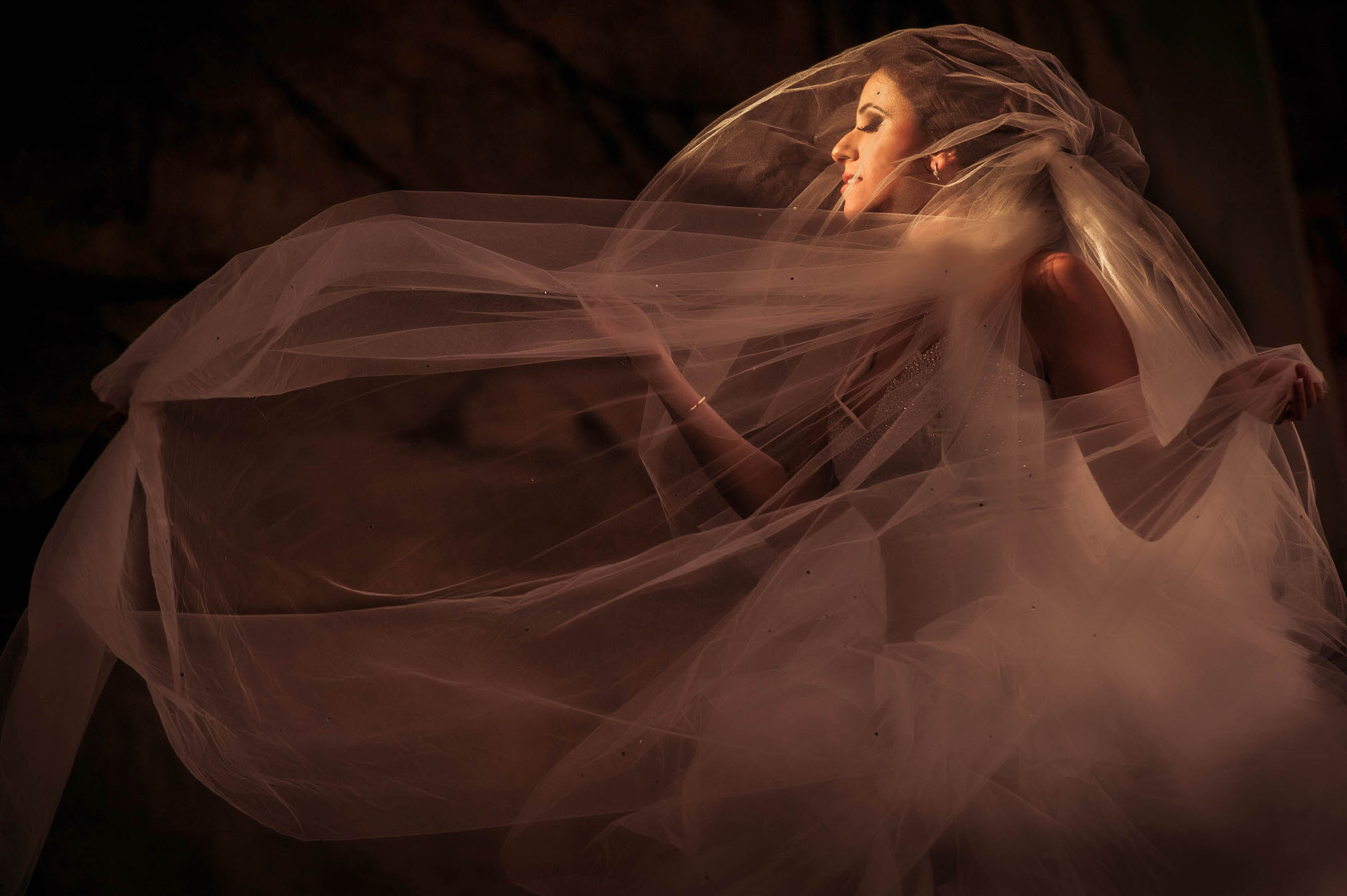
“When AI is presented as real inspiration, it creates unrealistic expectations.”
AI is a tool, and there are genuinely wonderful uses for it. I’m a huge advocate for using AI to take notes in meetings, recap conversations, read emails – anything that helps me be more creative and productive.
I use AI for editing tasks, like removing a light stand or an assistant from the background using generative fill. But I don’t use it to create things that aren’t there. I use it to clean up images, not to fundamentally alter them.
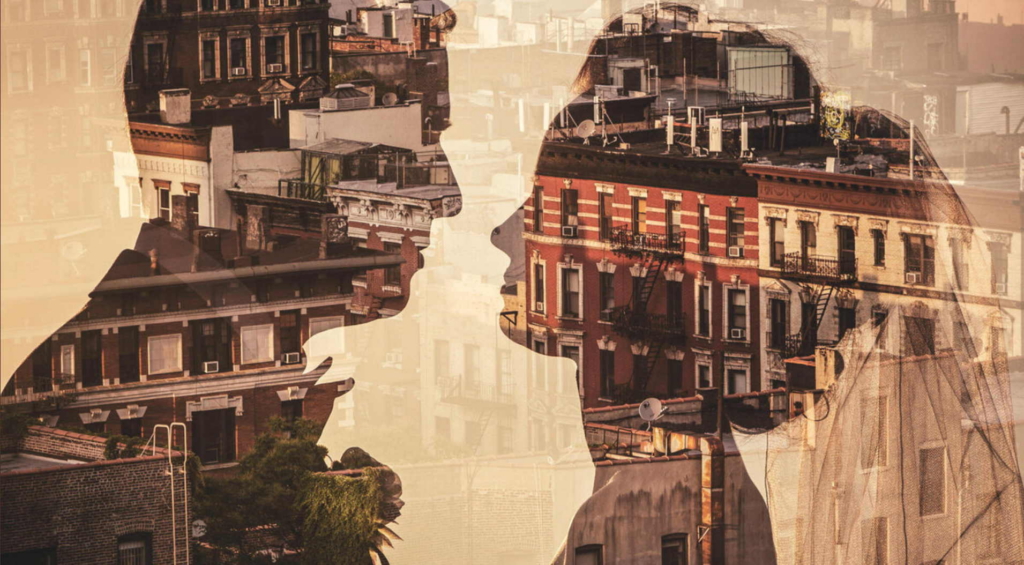
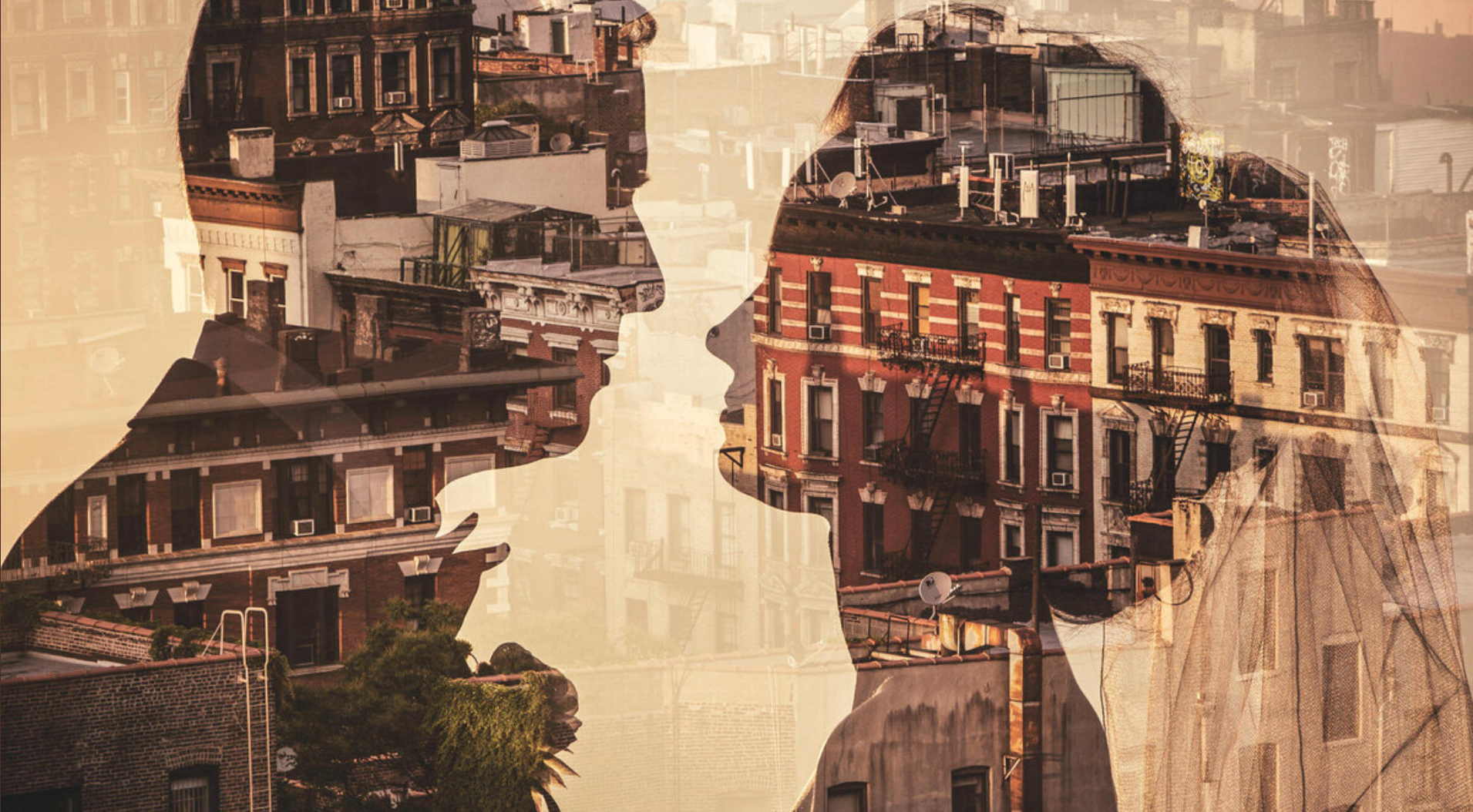
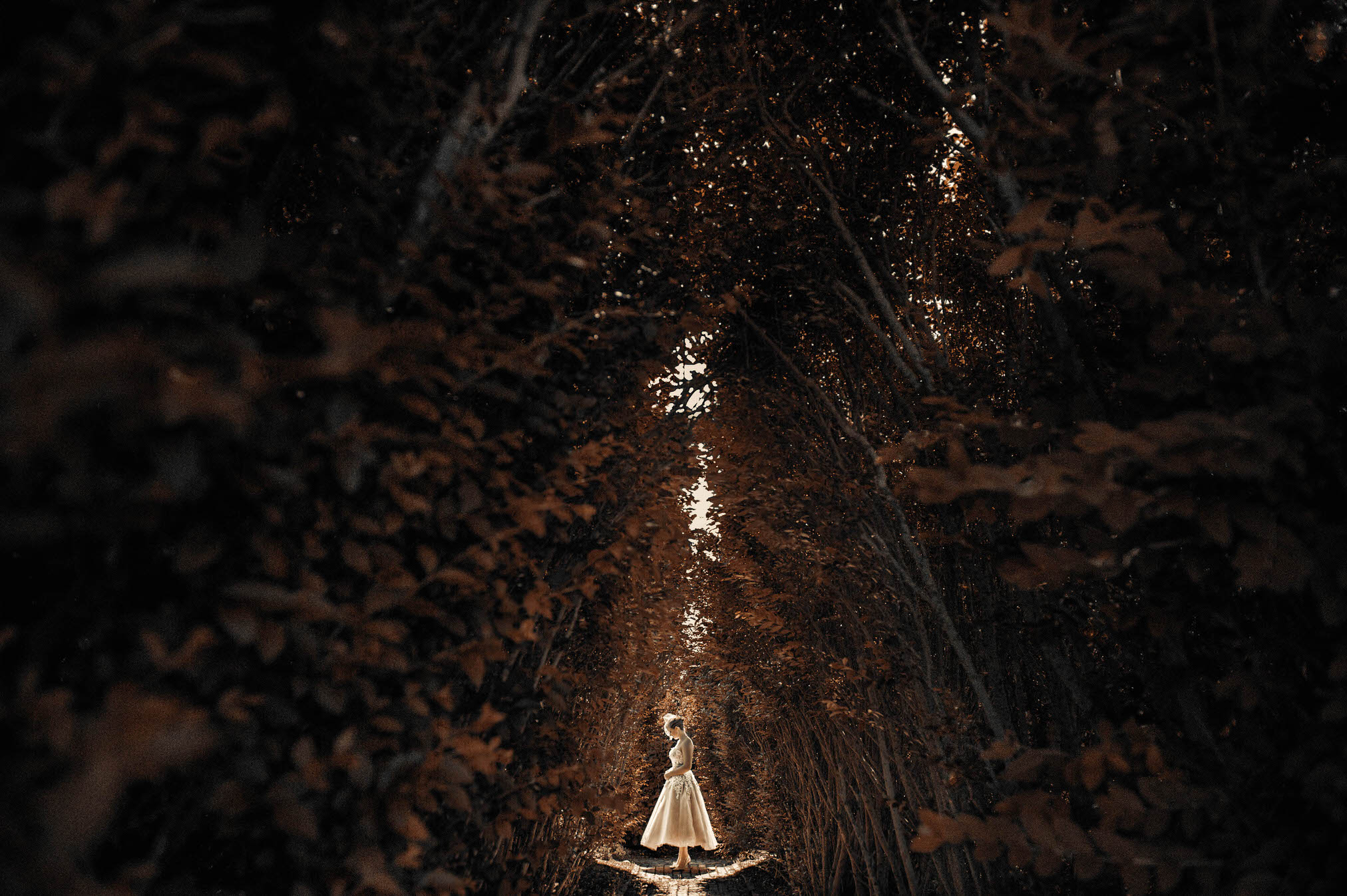
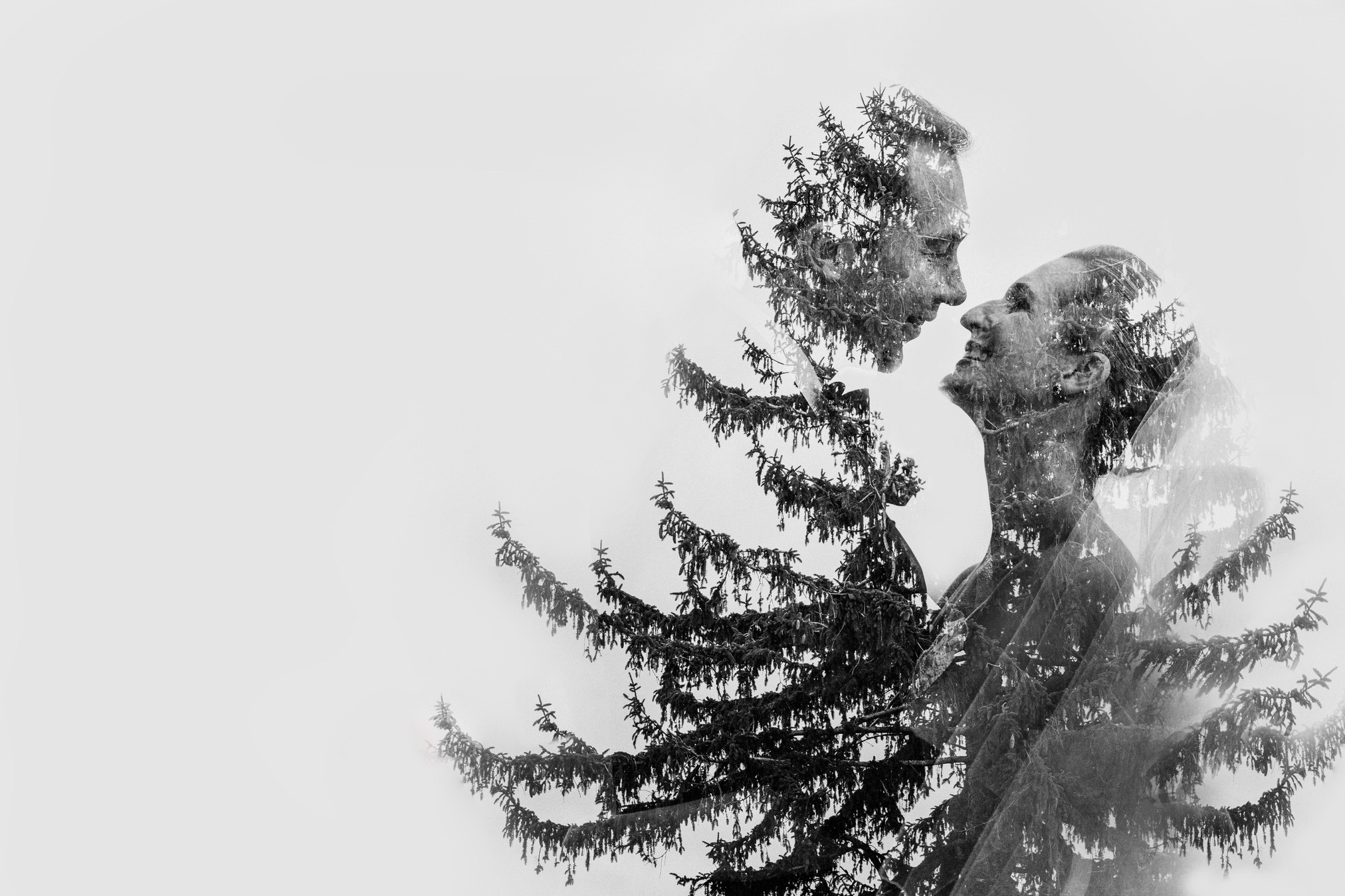
The only thing I make a point of doing in-camera that other photographers do in post is double exposures. I’m stubborn about it, but I like the challenge of creating them in-camera rather than in Photoshop. It’s my personal artistic challenge.
What’s your approach to business in wedding photography?
This might sound funny, but I actually started this business to have a business, not because I felt pulled to be a photographer. I had two young kids at home and wanted something I could do part-time to bring in extra income. Of course, it’s never part-time – it’s a full-time obsession.
But here’s the thing: I taught myself business and marketing simultaneously with photography. I love the business side of it because I have both sides of my brain firing. I have the creative, theatrical side of me that loves being on stage and creating beautiful images. But I also love putting numbers in order, organizing things, seeing the numbers line up, predicting budgets. Wedding photography scratches both itches.
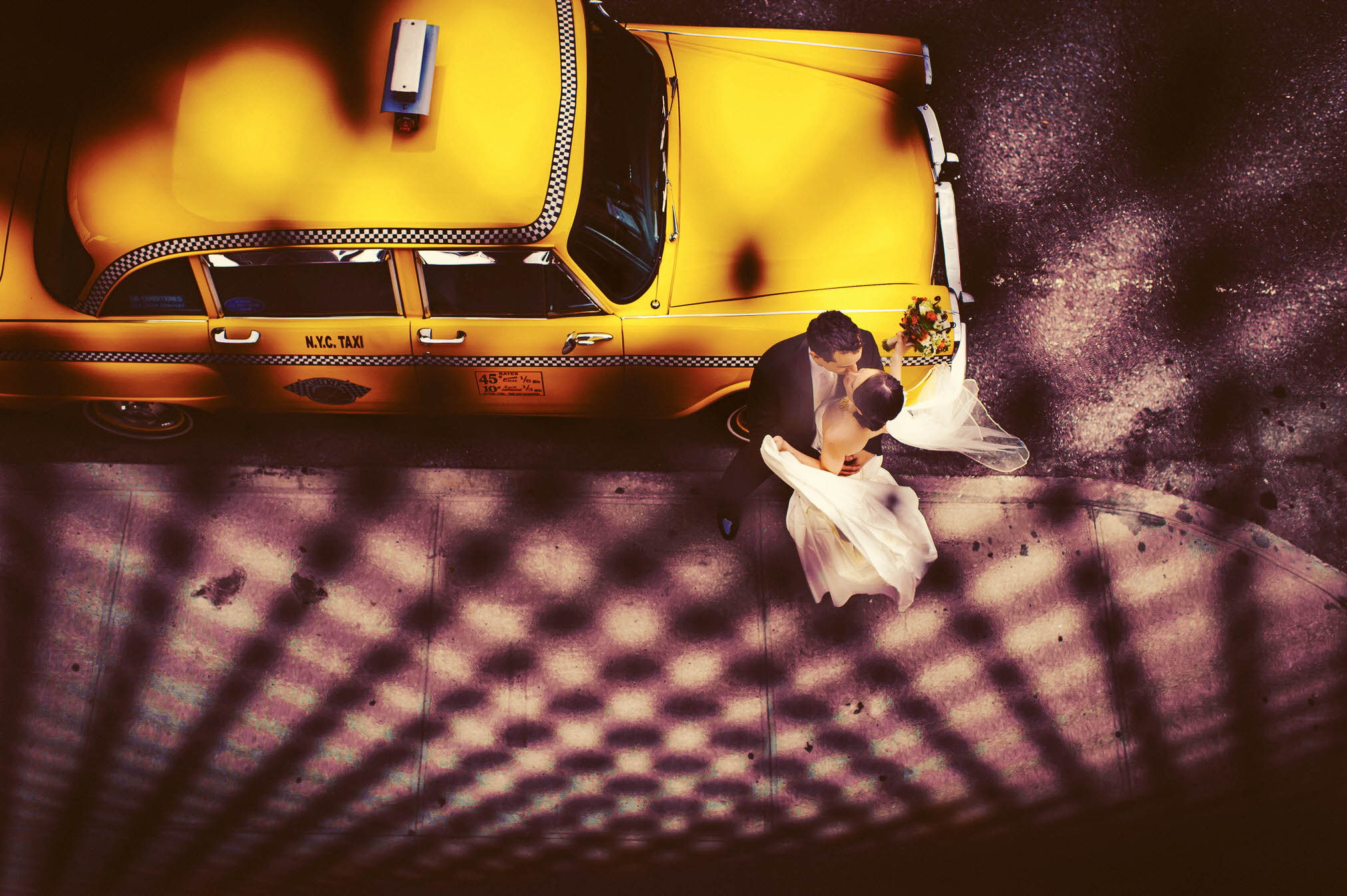
So many photographers hate the business side and want to hand it off to someone else. But you need to understand your business before you delegate it. I do my own bookkeeping – I don’t do my own taxes. That’s what CPAs are for – but I know exactly what my numbers look like. But I know if I’m being profitable. It’s important for me to understand my own finances. And that knowledge takes the fear out of the business.
New York is a competitive market, but what’s amazing is how cooperative and kind the photography community is here. We help each other out constantly. It’s the most competitive industry of the nicest people I’ve ever met. People will yell at you on the sidewalk for being slow, but they’ll help you carry your baby stroller down the subway stairs.
That’s New York.
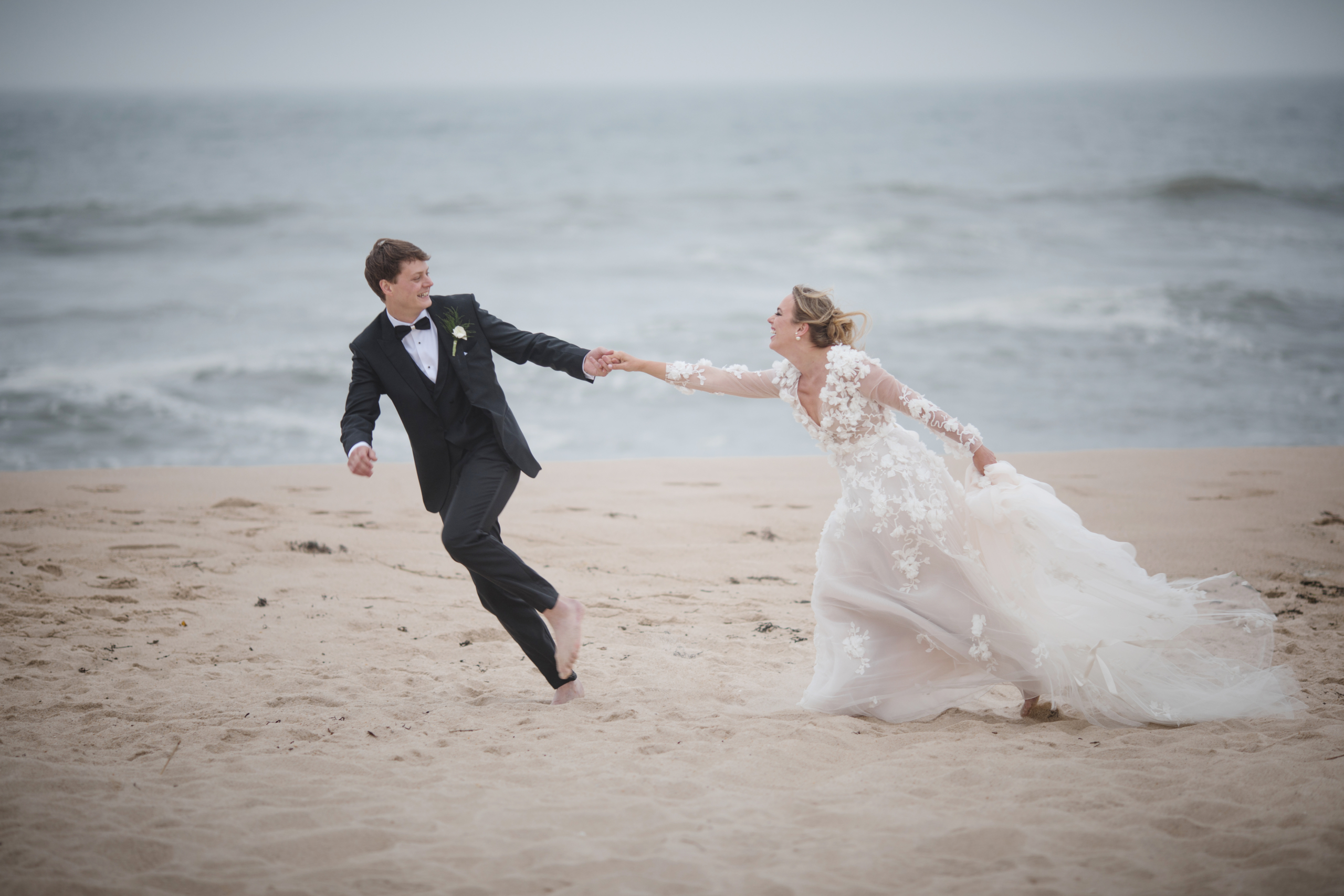
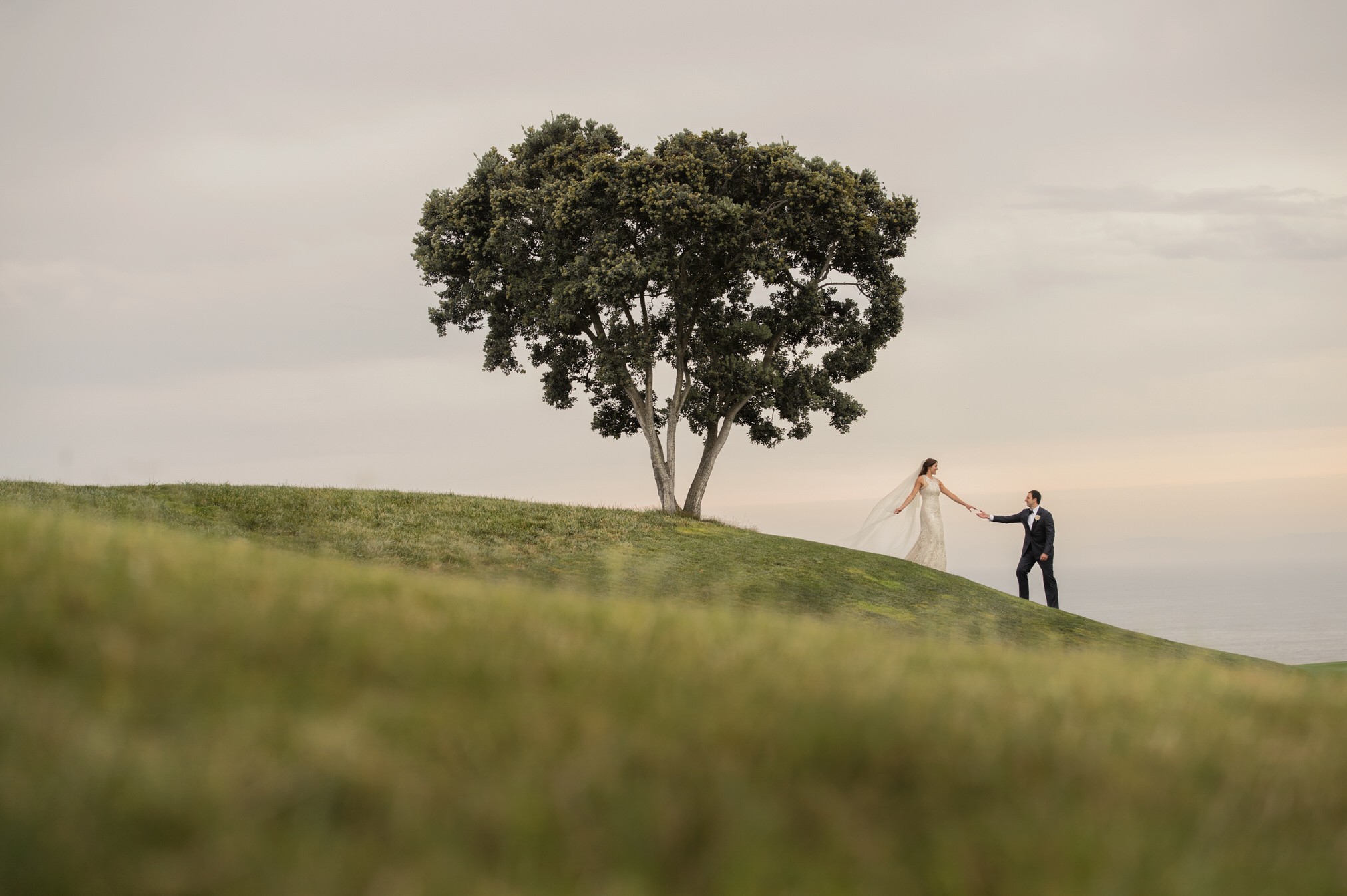
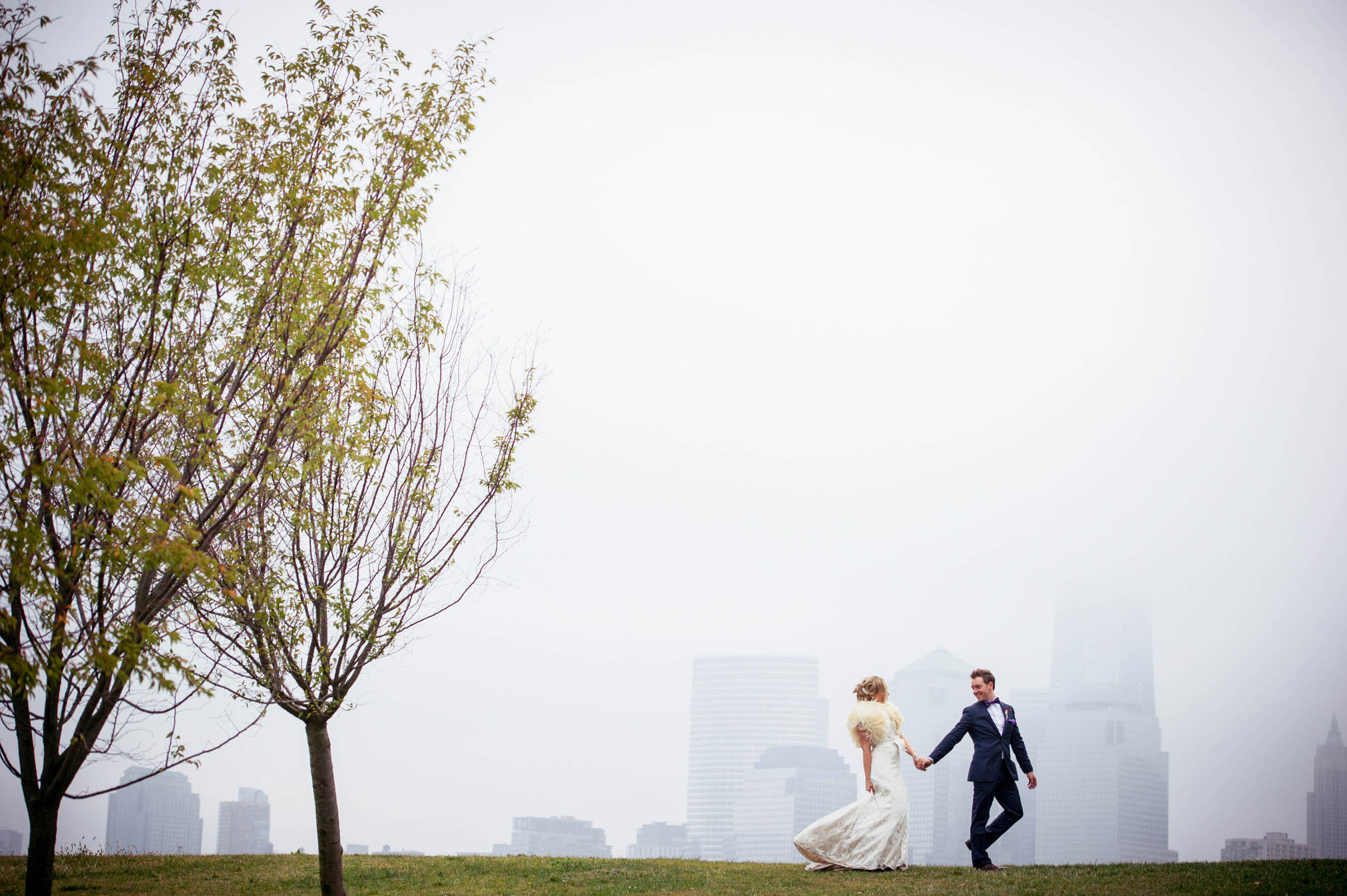
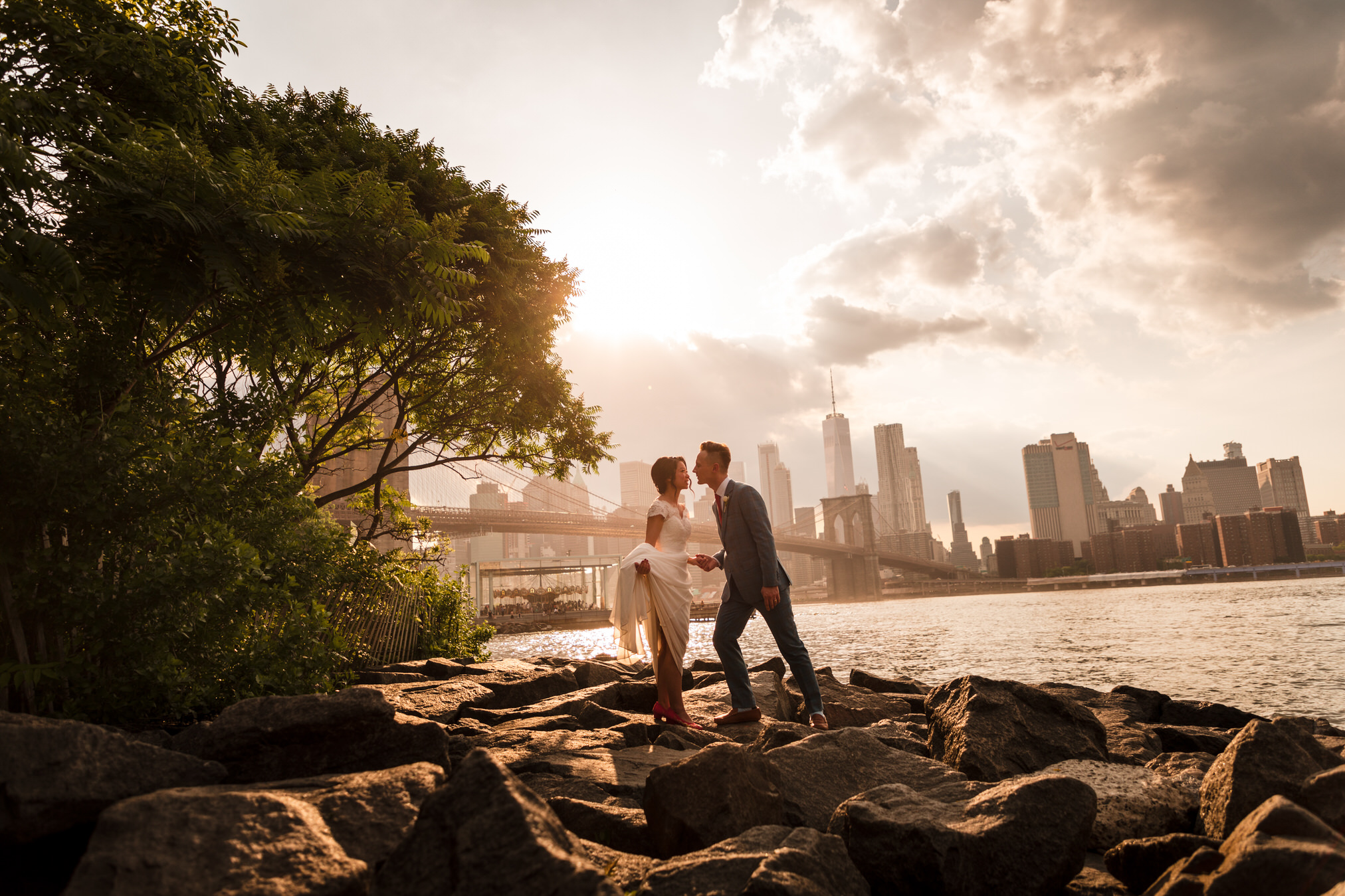
How do you handle the physical and emotional toll of wedding photography?
Wedding photography is brutally hard on your body and your mind. When a wedding starts, everything else goes away – if I have a cold or a headache, it just disappears until the wedding is over.
But the emotional and physical hangover afterward can be awful if you don’t take care of yourself.
I go to the gym, I’m a swimmer, I stay active. I make sure I drink enough water and get enough sleep.
If I slack on self-care, I feel terrible for days after a wedding, especially in the summer.
I’ve also learned that I can’t work the same way I did when I was 30. Back then, I could shoot a wedding, drive five hours to Boston, and shoot another wedding the next day.
Now, if I drive 30 minutes home from a wedding, I need to lay down for another day. You have to listen to your body and not take on more than you can handle.
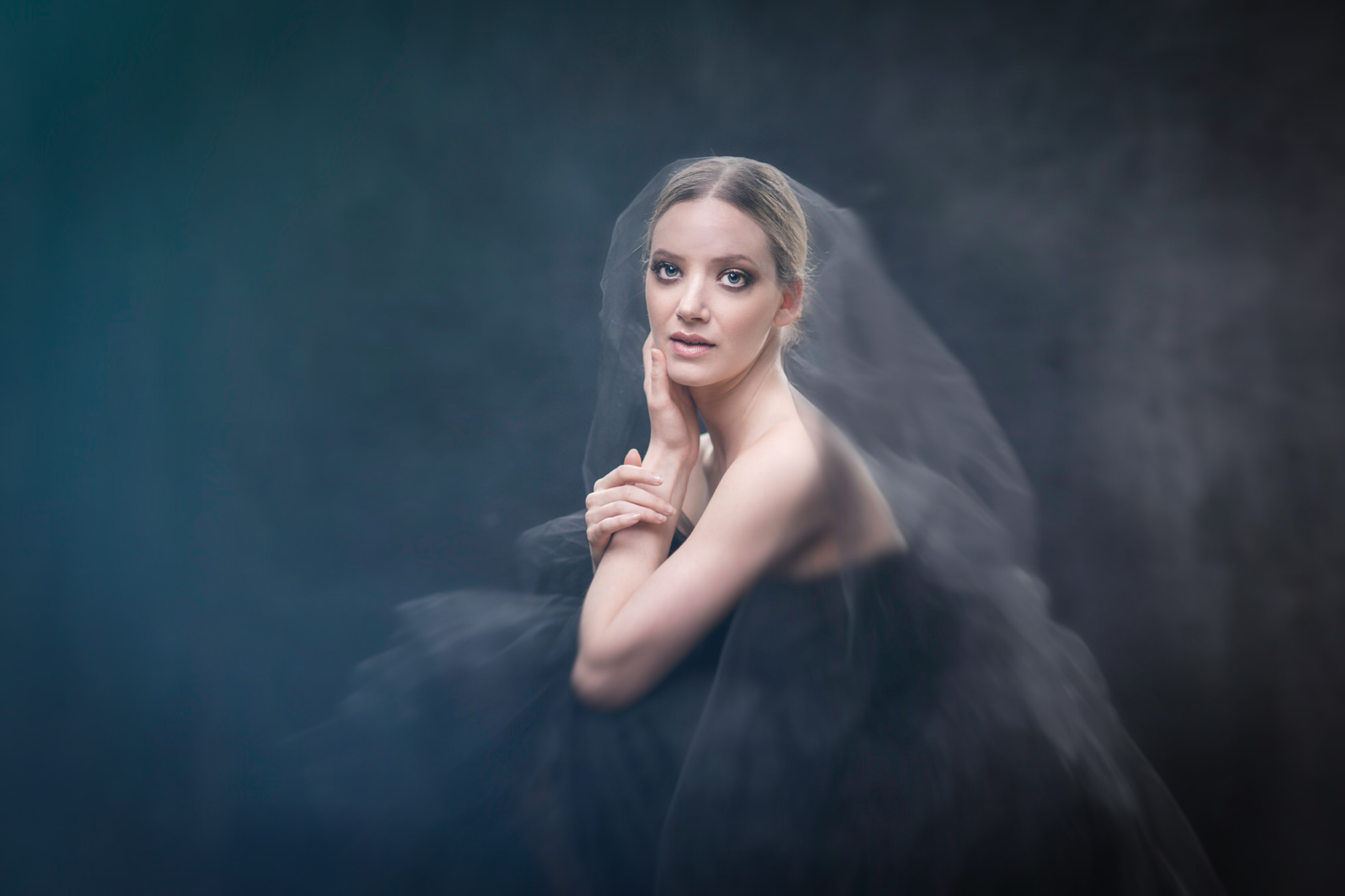
“wear earplugs at wedding receptions. Seriously.”
One thing I always do: wear earplugs at wedding receptions. Seriously. You’re basically going to a crazy loud concert every weekend, and I have photographer friends in their 50s and 60s with hearing damage because they never protected their ears. That’s an easy one to prevent.
I work with a small, tight team of the same people over and over – about five or six trusted assistants and second shooters. These are people who are also my friends, who know me, who understand when I’m stressed it’s not at them, and who know when I need a Diet Coke and a hug. Having a good team is essential.
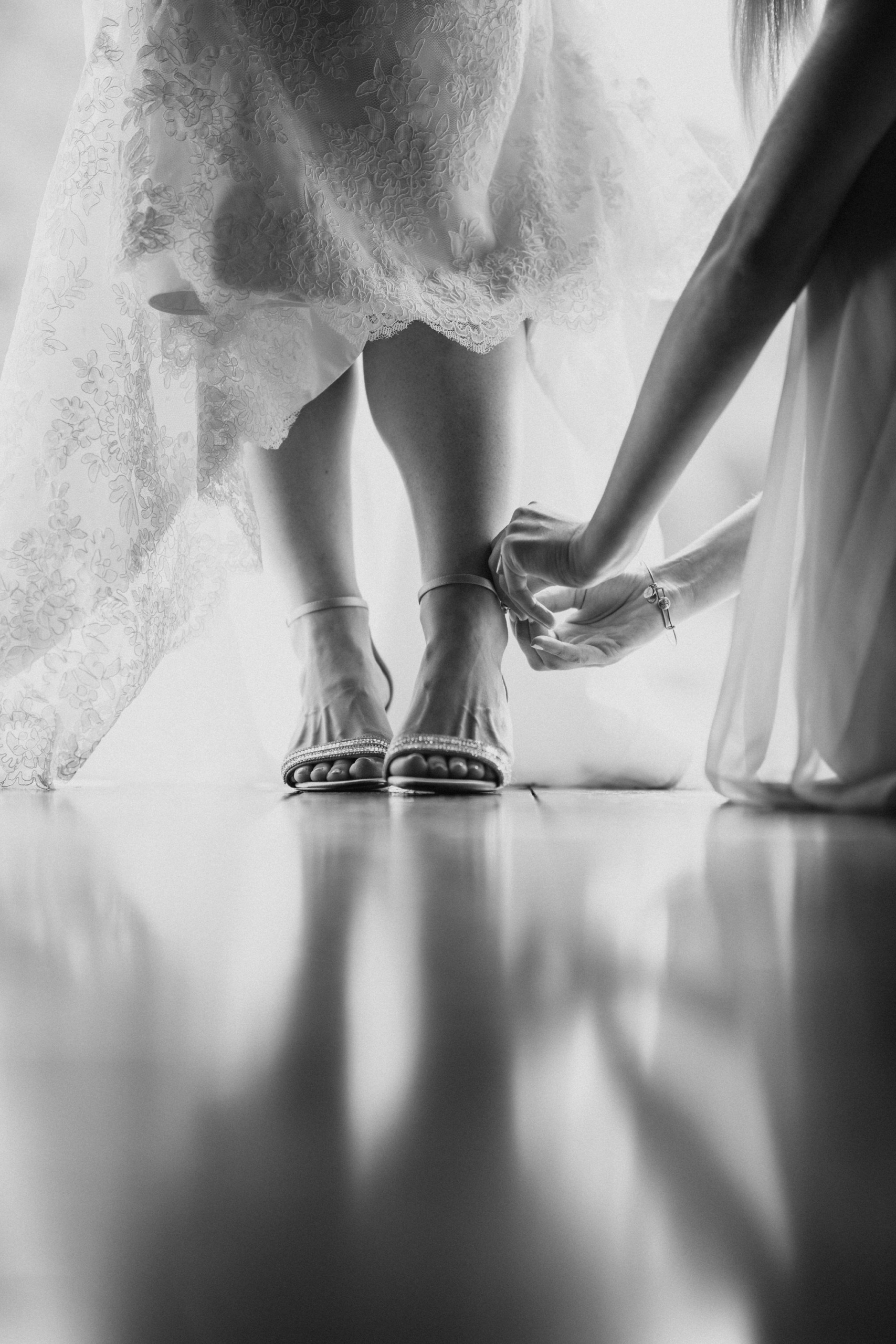
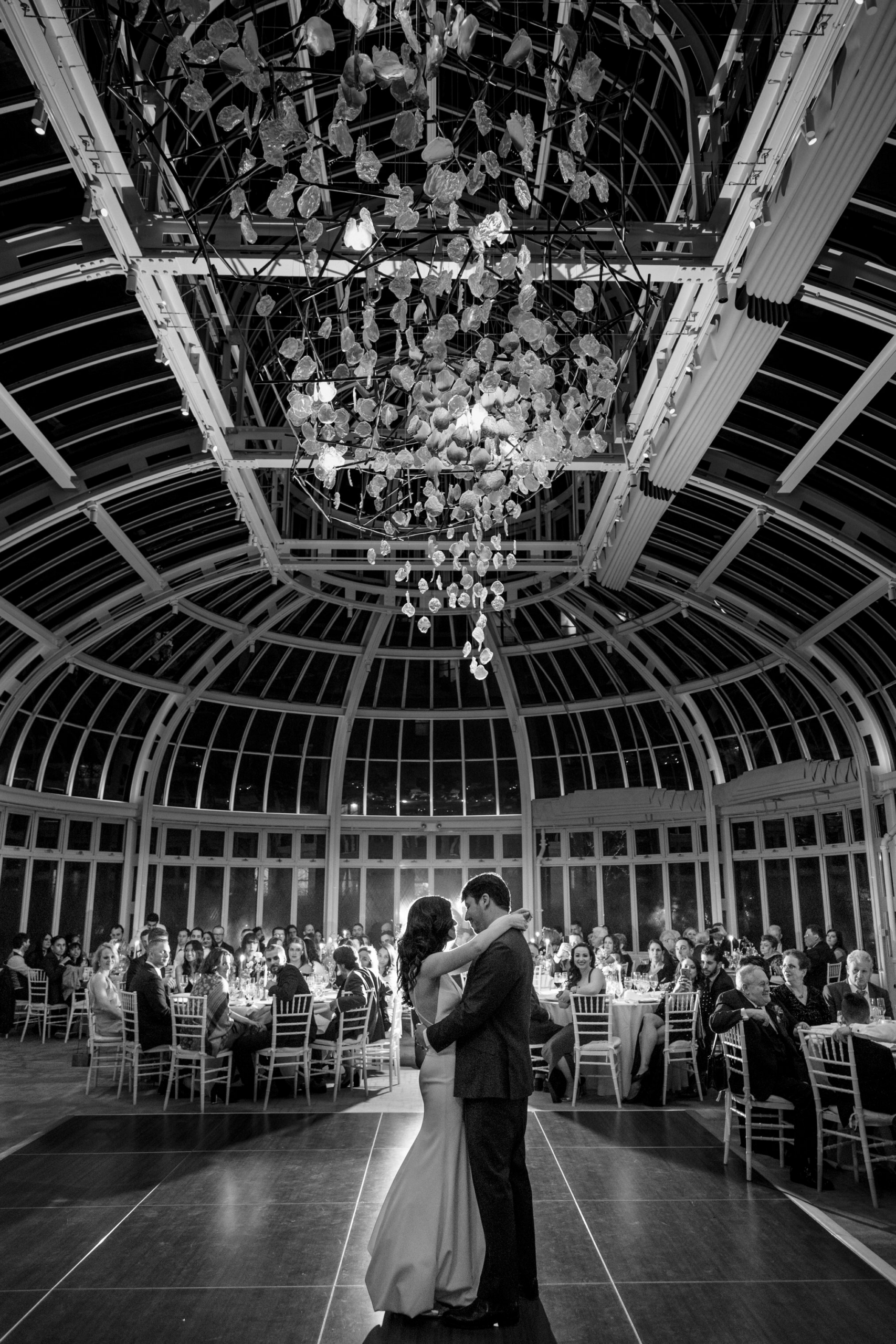
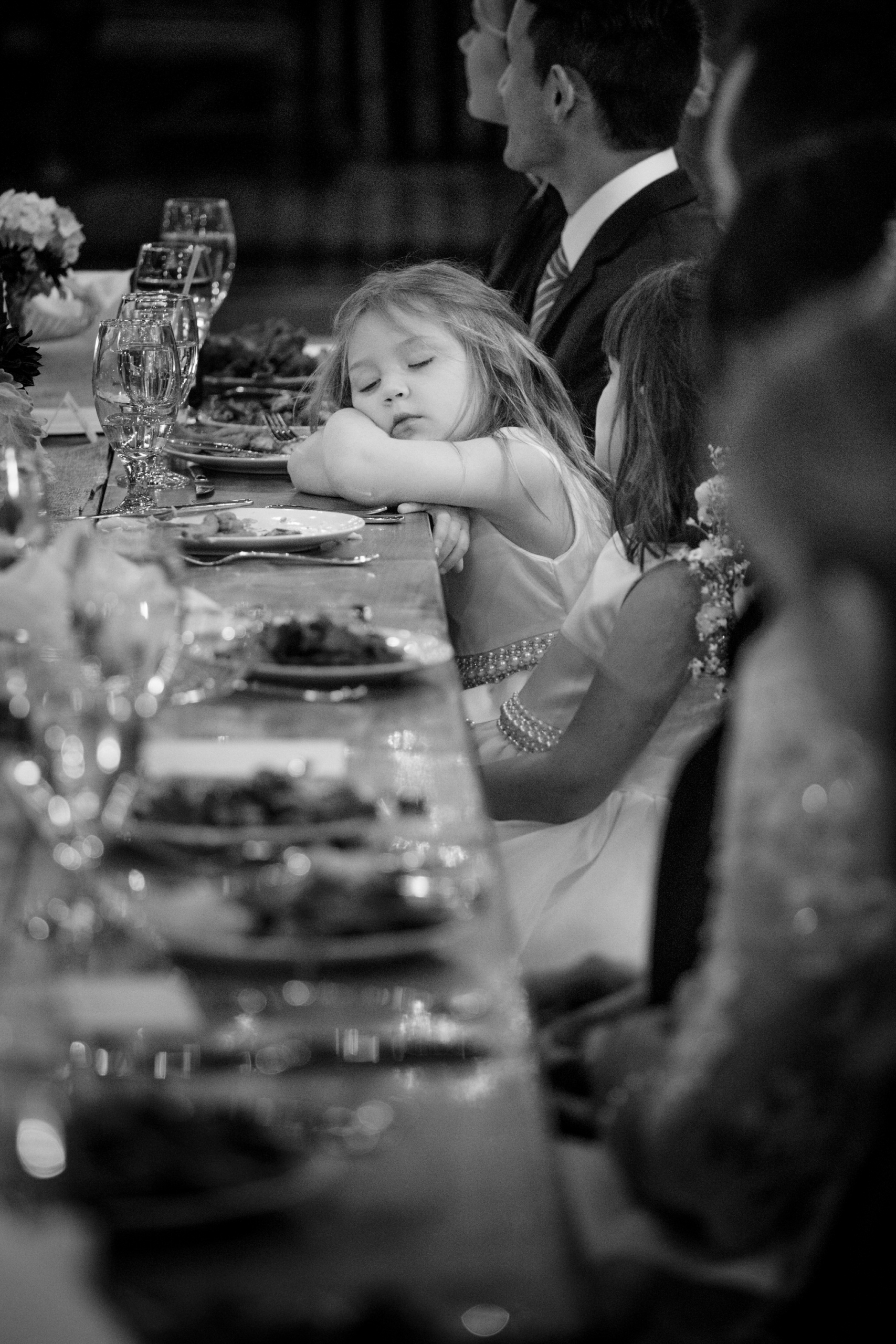
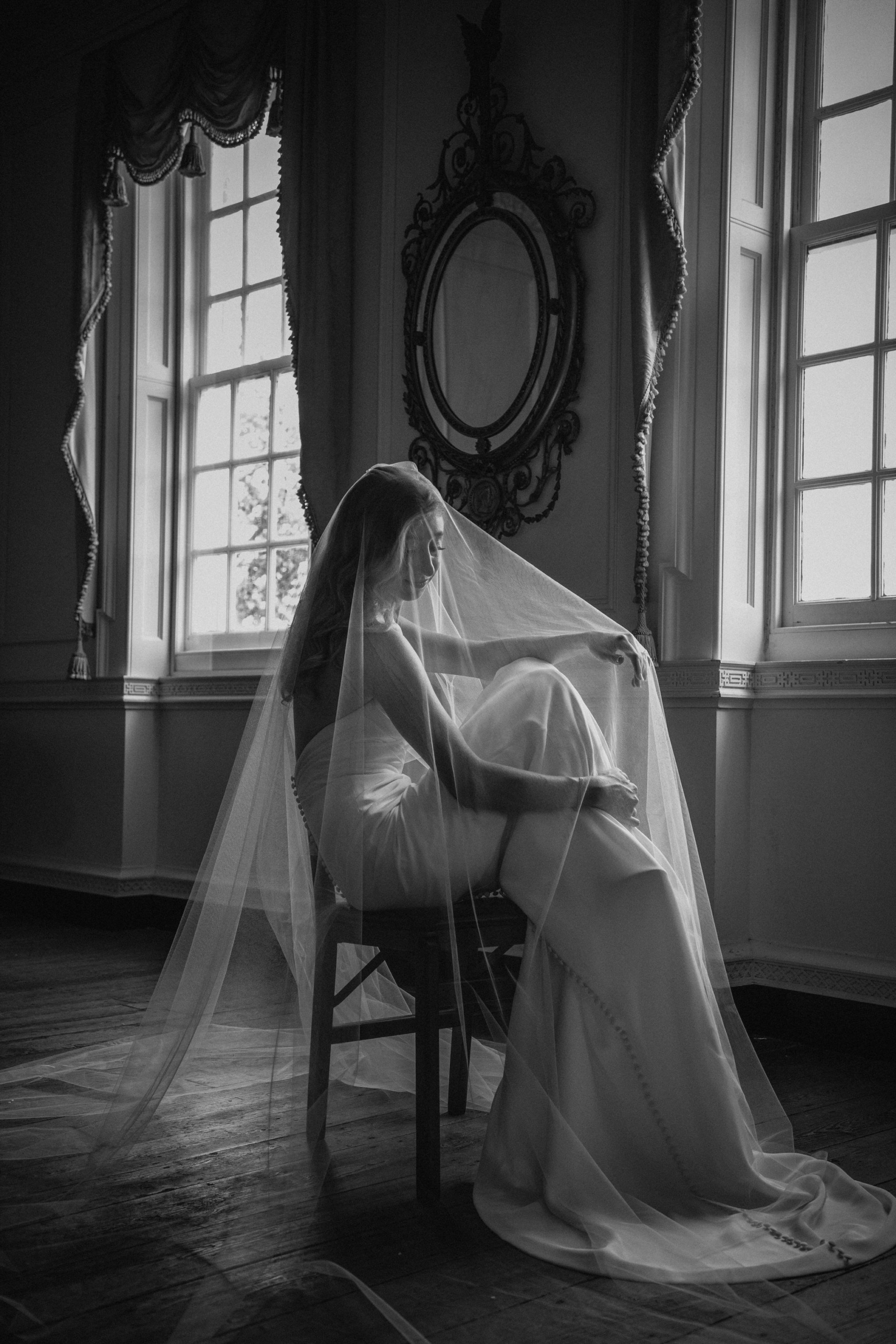
“JPEGmini is the last stop on the train before I deliver anything.”
Tell us about your JPEGmini workflow
JPEGmini has been the last step in my workflow for years – literally as long as I can remember.
When I shoot a wedding, I edit everything in Lightroom, create virtual copies, turn those into black and white versions, and export everything out. The very last thing I do, no matter what I’m shooting – whether it’s headshots or a full wedding – is dump that final folder into JPEGmini.
It’s the last stop on the train before I deliver anything to clients. I don’t want to be resizing on the way; what I want is – to have everything exactly as I want it, and then compress it all at once. I even do it with my personal images – it’s become this unconscious final step.
The beauty of it is that there’s absolutely no loss of quality. I don’t even want to know how you do the magic – I just want to use it. My files are massive these days with all the megapixels, and I don’t need files that large. JPEGmini makes everything smaller and faster to download for clients, easier for them to manage, and it saves me an enormous amount of storage space in my backups. It’s honestly one of the best decisions I made in my workflow.
My clients love it too. Downloads are faster, they don’t need massive storage, and they get beautiful images. I mention it in every workshop I teach when I talk about workflow. It’s literally the last thing I do, and I can’t imagine not doing it.
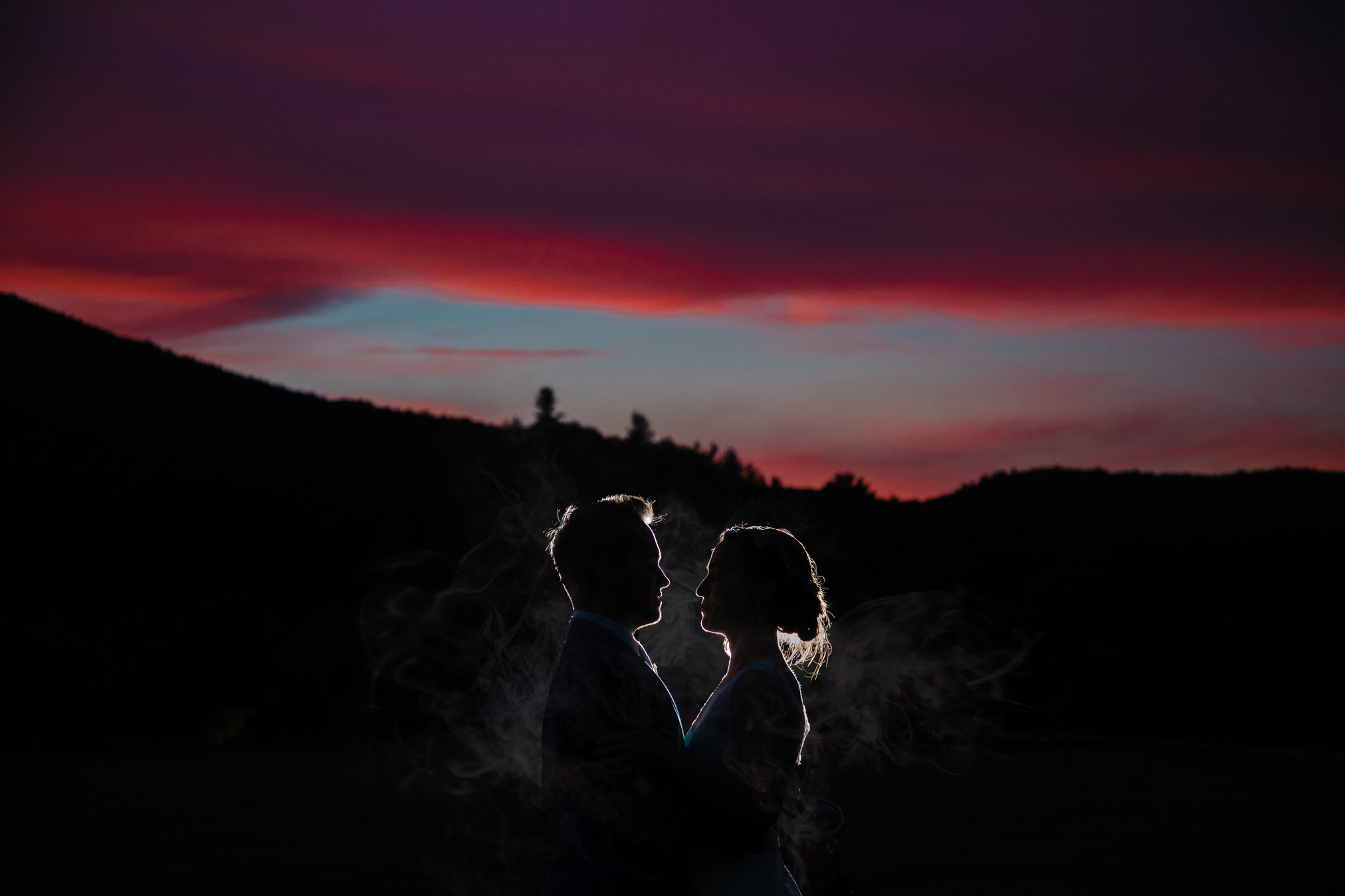
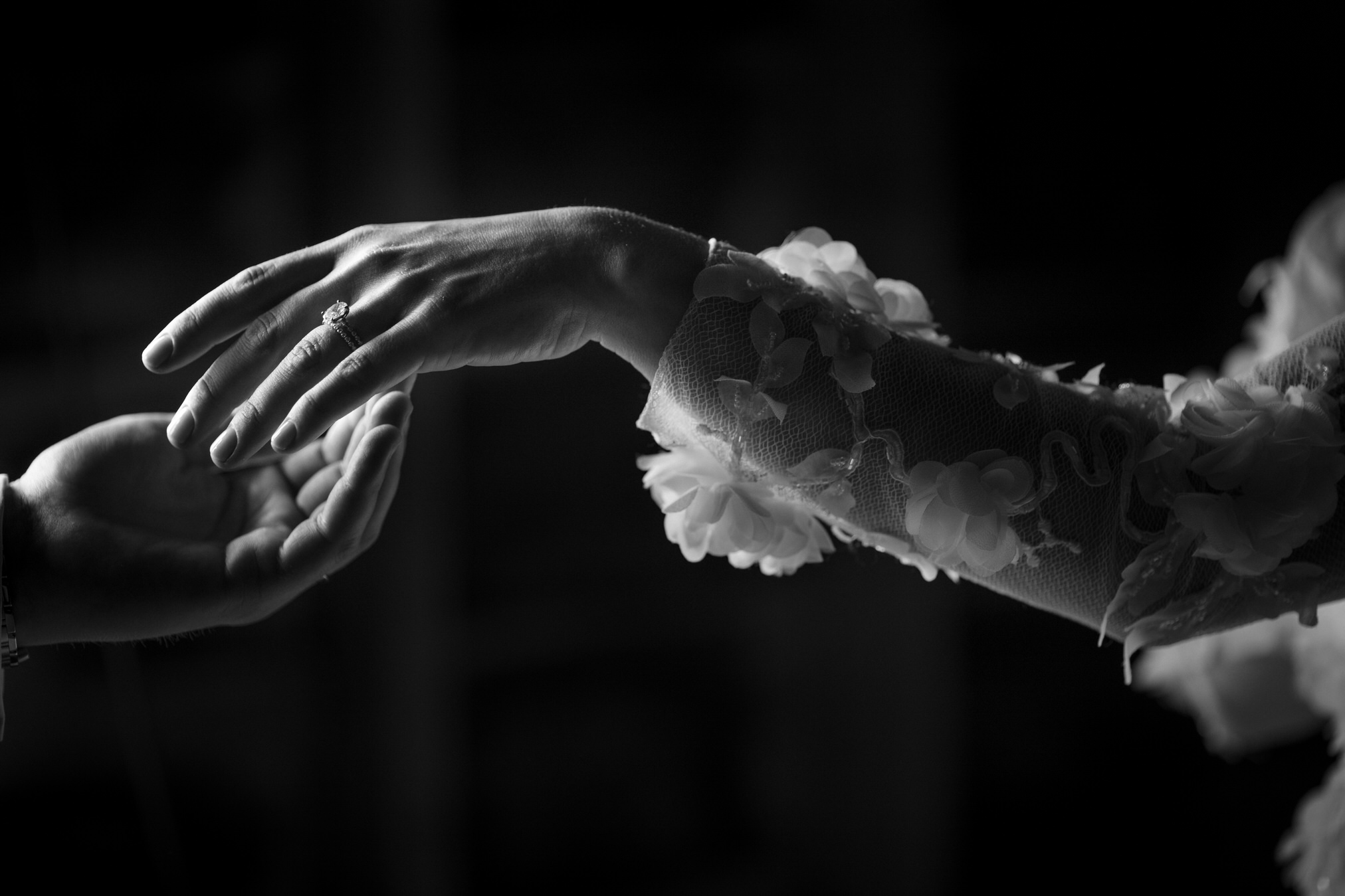
Tell us about your family and how they relate to your work
I actually have very few photos of myself, which is funny because when I need new shots for my website, I have to schedule it and put it in the calendar. Me and my boyfriend photograph each other for our websites and when we go to fancy events or networking things, but mostly we just stay behind the camera. It’s a safe place to be.
My family? To them I’m mom, daughter, kid. Me with a camera in my hand is second nature, but corralling them for photos has been historically so funny because I’m like “Hey, this is my job! People pay me for this! Round up, people!” We were recently on vacation for my parents’ 50th anniversary and only Mom and Dad showed up on time for the family photos I was taking! We had to drag everyone else out of the house – and I’m so glad we did.
I saw on your website the FAQ “What if you die?”
I actually have a funny section on my website’s FAQ that people find hilarious. The question is literally: “What if you die?” And the answer is: “I will not be coming to your wedding. I’m dead.”
People think it’s the funniest thing I’ve ever written, and it gets a lot of attention. But here’s why I included it: when you’re a solo business owner, clients are hiring you, not a company. They’re hiring me, Susan. So the awkward question everyone wants to ask but doesn’t is: what if something happens to me? What if I break my ankle? What if I get sick? What if I die? What happens to their wedding coverage?
I rewrote that FAQ so many times trying to find the perfect diplomatic way to address it, and finally I just decided to say exactly what people are thinking. Make it funny, but be direct. The real answer underneath the joke is that I’ve thought about this obsessively. I have contingencies. I have a second photographer for exactly this reason. I have backup plans. I know who has my passwords, who has my calendar, who would take over if something unforeseen happened to me.
“Humor makes it easier to talk about the hard stuff.”
What clients really want to know is that you’ve thought about the what-ifs and that you take your job seriously enough to have plans in place. The humor just makes it easier to have that conversation. People read my FAQ and tell me, “We really hope you don’t die,” and I’m like, “You read it! You actually engaged with my FAQ!” It hits as both a joke and helpful information, which is exactly what I was going for.
The truth is, as a solo photographer, you have so much more to worry about than whether your photographer might die. You’re juggling a hundred vendors, a million details, and you’re stressed about everything. The last thing you need is to also be anxious about random contingencies with every vendor you hire. So I try to address the elephant in the room, make it funny, and let them know that I’ve got this covered. It’s my way of saying: you can trust me, and I’ve thought through the hard stuff so you don’t have to.
What’s the worst thing that’s ever happened to you at a wedding?
Oh, I have a fantastic story for this. I was at a venue with a fake pond and a bridge over it – a photo op location. I was trying to get a reflection of the couple in the water, so I looked at the edge where there were some rocks. I thought, “I’ll put my foot on this rock, crouch down, and get the perfect angle.”
The rock was slippery and unstable. It went right out from under my feet, and I went completely underwater. I had two cameras and two lenses on my body. The second I realized I was going all the way under, I had this thought: “Well, I guess this is happening. I could just stay down here.” But I came back up.
Both cameras stopped working immediately. The clients are standing right there on the bridge. Their entire family is waiting behind me to do family photos. And I am soaking wet – head to toe, dripping water, with algae hanging from my clothes. I just laughed it off and said, “Well, that’s embarrassing. Let me let my cameras dry off a bit.”
I grabbed my backup cameras from my assistant, we shot the rest of the couple’s photos, we did the family portraits, and I went to my car to change into a dry sweater. My assistant asked if I was okay, and I said, “Oh, I’m not fine. I think I broke my knee or ankle.” We finished the wedding – me limping around, still soaking wet in places, my boots squelching when I walked, trying to dry my hair with decorative hand towels in the bathroom.
After it was over, we went to urgent care, and I found out I’d sprained my knee. They wrapped me up and sent me home. But here’s the thing: I had another wedding the next day. I called my second photographer and asked if she could bring her sister to be an extra assistant. Her sister’s entire job was to make sure I could get around without the clients seeing I was hurt, because I didn’t want them to stress out.
The worst part of this whole story? The bride worked in sales for Canon, and I’m a Canon ambassador. So I didn’t just fall into a pond in front of my client – I fell in front of a client who works for the company that sponsors me. I wonder if anyone ever clocked when I sent those cameras in for repair that it was right after her wedding.
Every time I see a video of someone falling into a baptismal font at a church, I’m like, “I did one better. I fell into a full-on lake with algae.”
What I learned: if you think you can step on something, you probably can’t. Don’t get near the water. Unless you want a really good story, which apparently I do. Because a year ago, I got certified to be a scuba diver. So maybe that pond incident sparked something in me. Now I have an underwater camera housing sitting on my shelf, and I’m about to go diving in Mexico in a couple of weeks. I went from falling into a pond to wanting to intentionally be underwater.
The real takeaway is this: if you haven’t done something dumb at a wedding, you will. You’ll fall, you’ll drop something, you’ll say something stupid. It’s all about how you handle it. My clients now joke about the pond incident with me. They still don’t know I got hurt. Nothing affected their day. But I learned to keep a full change of clothes in my car trunk at all times, just in case, because we’ve established that I can’t be trusted.
Final Thoughts
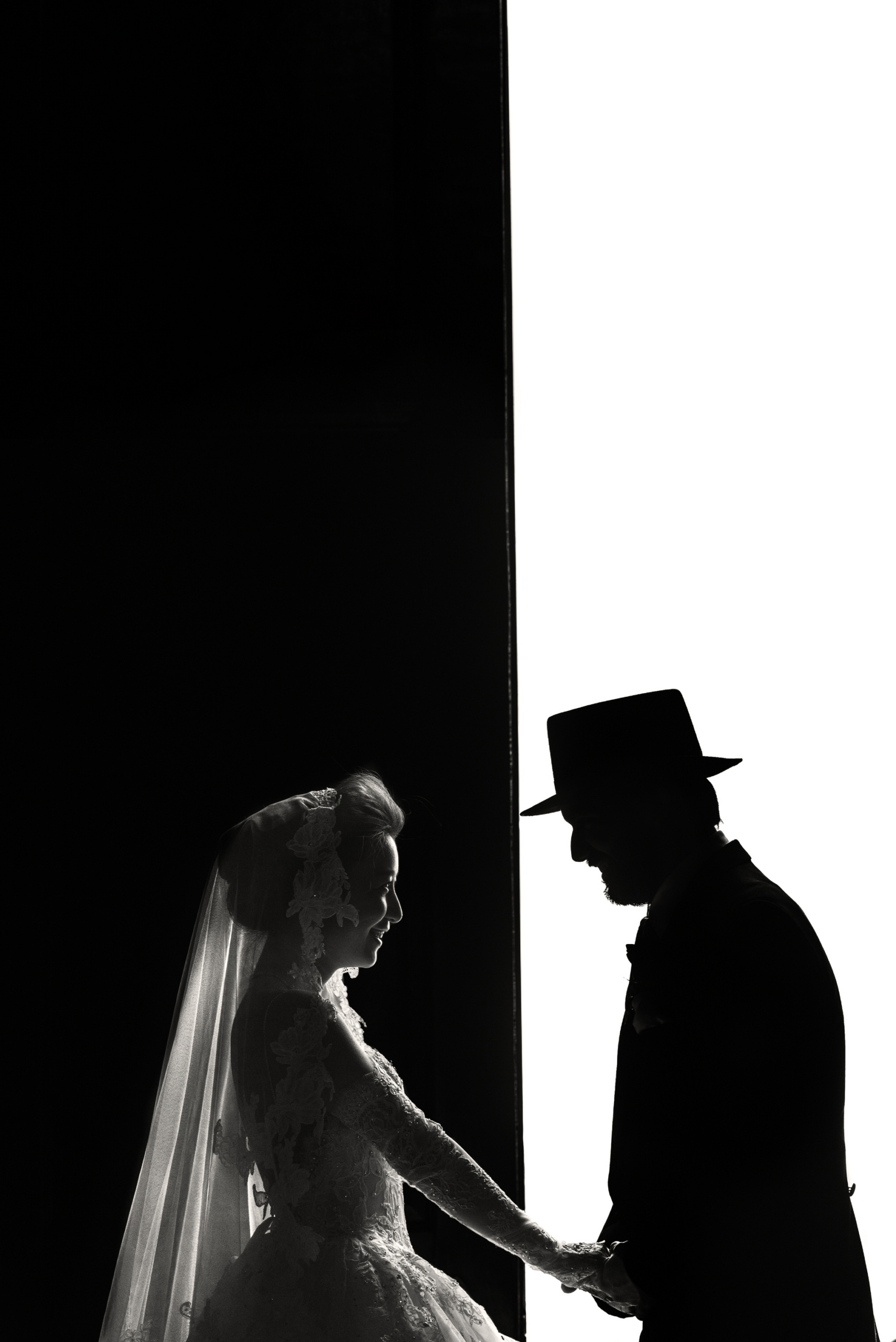
What struck me most about Susan is the contrast between who she is and how she works. She is open, funny, generous, and deeply human – and her photography is the exact opposite: razor-sharp, controlled, technically flawless. Her command of light, timing, and composition is exceptional, far beyond excellent, and never accidental. And yet, that precision never feels cold. It feels alive, attentive, and deeply connected to the people in front of her lens.
Susan is proof that true mastery is not just technical skill, but the ability to hold discipline and warmth, rigor and vulnerability, in the same frame. She also reminded me how essential it is to build a team that feels like family – people who support you, know you, and hold you when the work gets heavy. That rare balance is what makes her stand in a class of her own.