
Short Bio
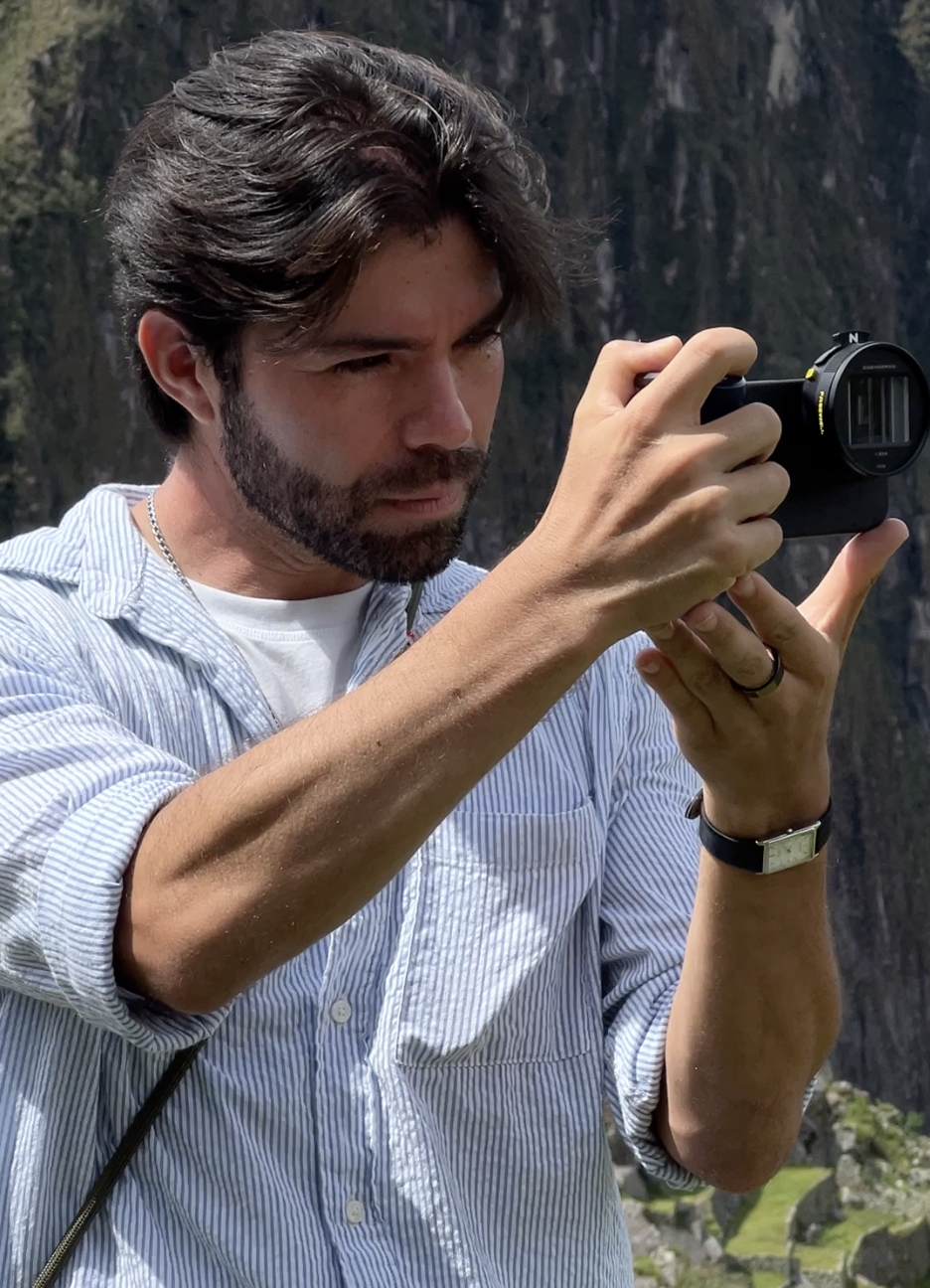
Braulio Lara is a Chilean photographer and graphic designer who has transformed his passion for visual storytelling into a unique approach to wedding and couple photography.
Starting with just a phone camera and a family poetry competition, he has evolved into a cinematic director of photography based in Prague.
His journey spans from South America to Dublin to Europe, driven by spontaneity and a commitment to breaking comfort zones.
With a background in graphic design and a self-directed learning philosophy, Braulio brings compositional sophistication, color theory, and directorial vision to every project.
His ultimate aspiration is to become a Director of Photography (DOP) in the film industry.
https://www.brauliolaraph.com/
How did you first become a photographer?
It’s a funny story, actually. I didn’t have a camera. I was just taking random pictures with my old phone for fun. My mom is a poet, and there was a competition in my city where you had to write a poem and put a picture behind it, like a poster.
I told my mom we could do it together, and we participated as a team.
We actually won!
But here’s the weird part: my father and sister entered with my photo and my mom’s poem, and they got first place, while my mom and I got second. Because of that first-place win, they invited my father to participate in another event to take pictures. He told them he was too busy, so I went instead.
That was my first paid job! €200 to photograph an event. I didn’t even have a camera, so I asked my parents to buy me one, promising to pay them back.
That’s how I got my first camera and my first photography job – 17 years ago.
How did you transition from that first job to becoming a wedding photographer?
After that initial event, I became a graphic designer. I was working at a company for three years doing 3D animation, websites, and logos. Then my boss got married and asked me if I’d photograph his wedding since he knew I took pictures for fun.
I charged him €70 -now I know it’s basically nothing.
But I fell in love with weddings immediately.
Everyone was happy, emotional, full of feelings.
After that wedding, I told my boss, “I’m sorry, but I’m quitting. I’m going to be a photographer, not a graphic designer anymore.”
He was sad to lose an employee but happy that I’d found my way.
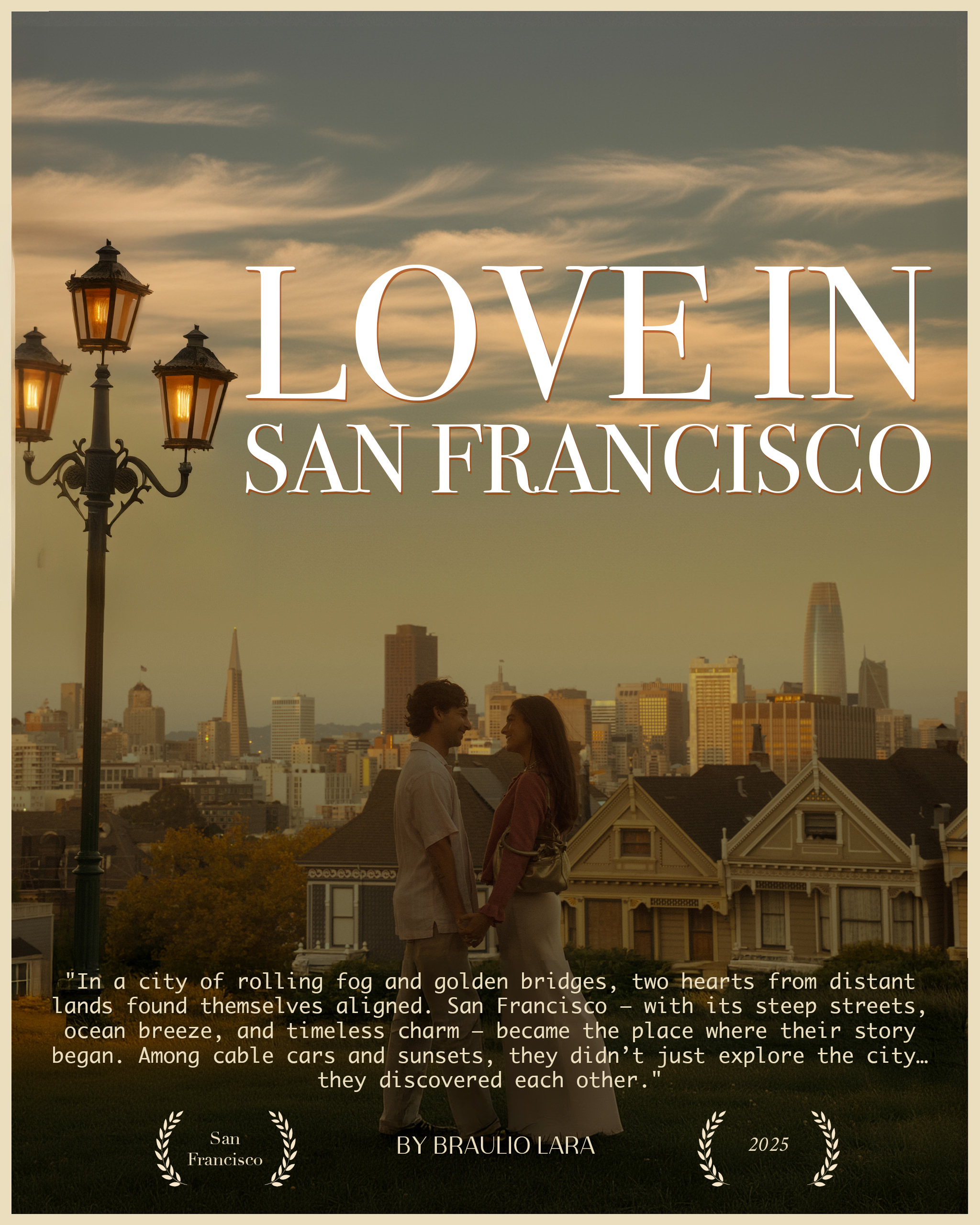
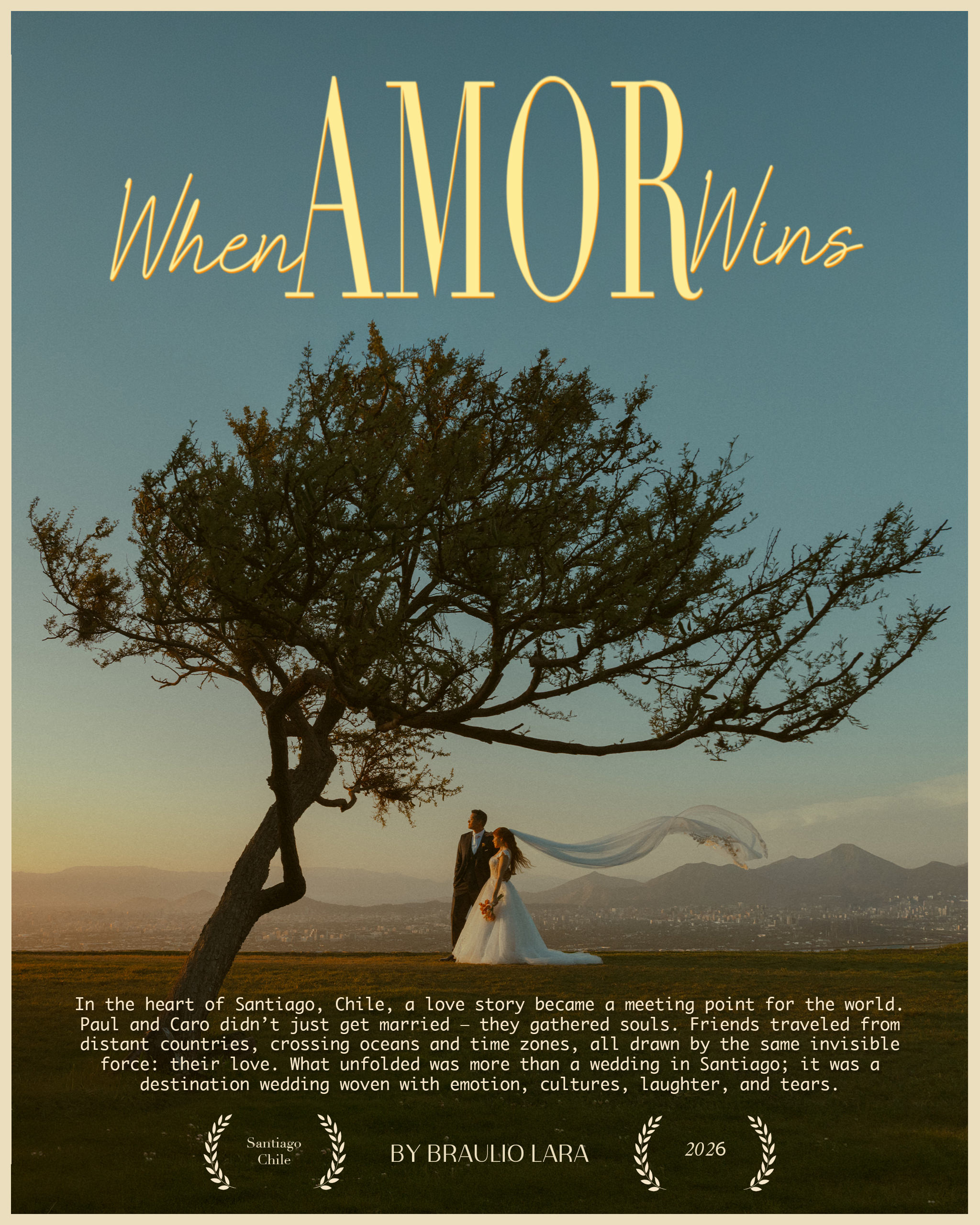
How has your background in graphic design influenced your photography?
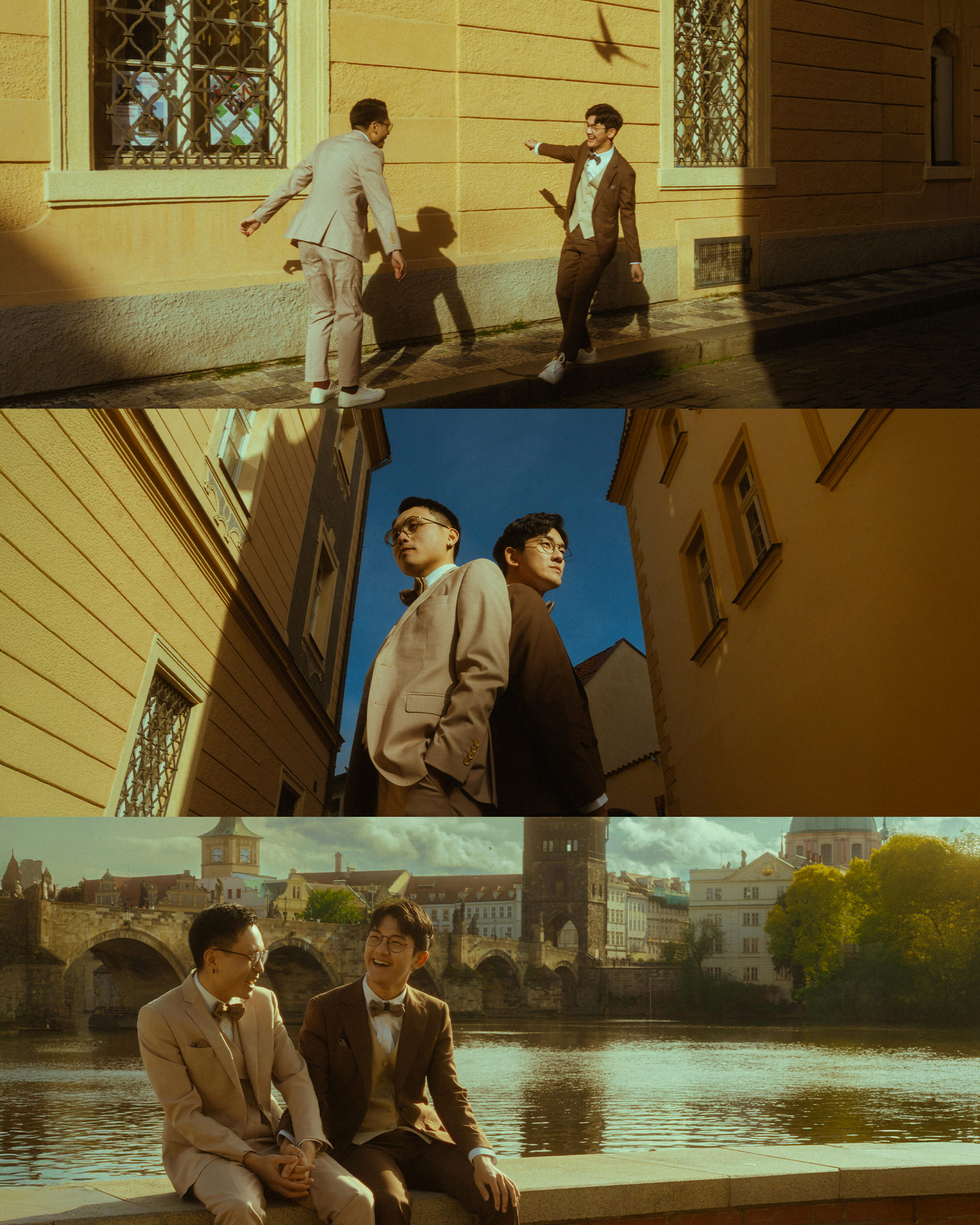
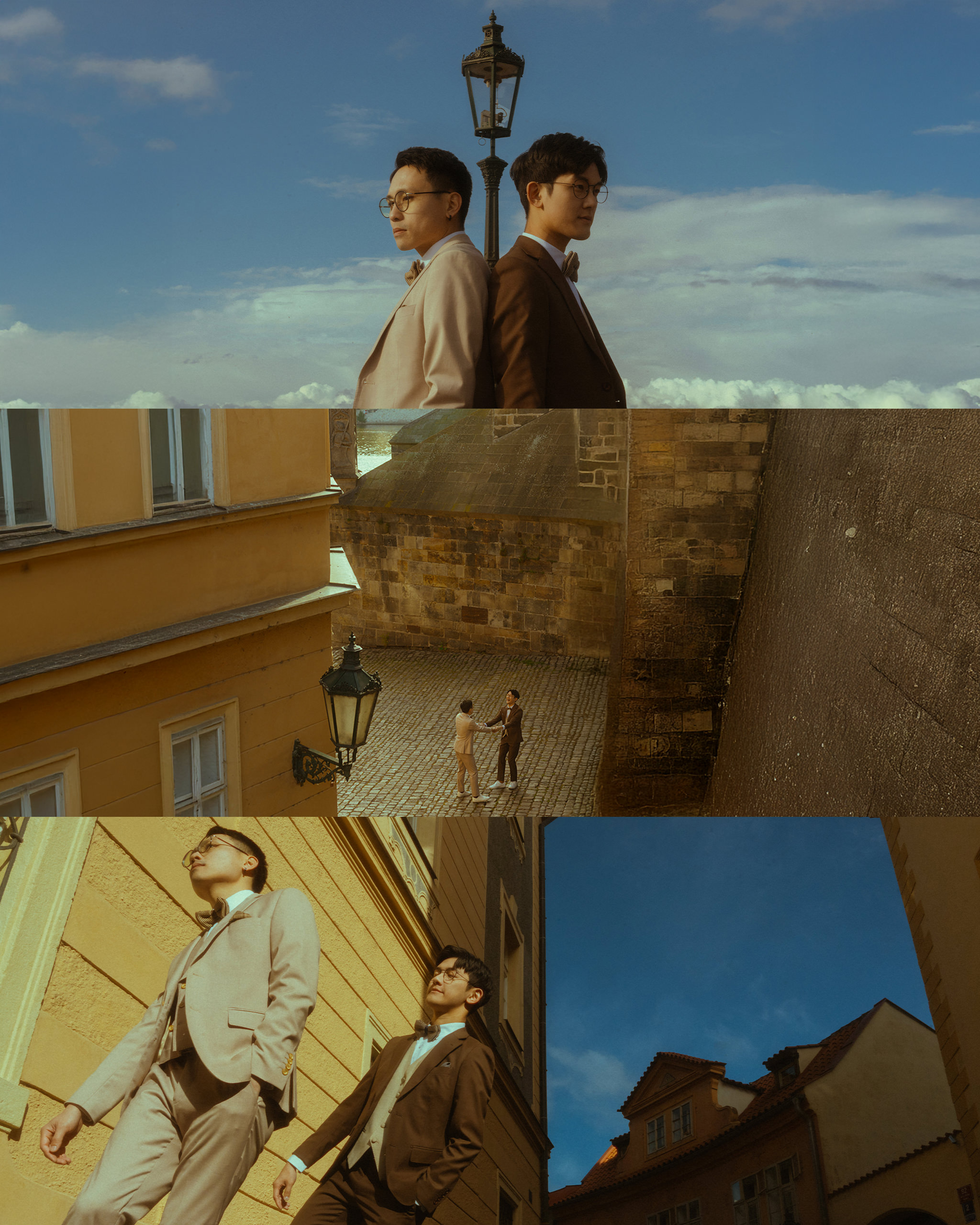
A lot! I notice that many photographers don’t pay attention to the background, composition, or what’s behind the couple.
They just focus on emotion and good light – like a nice sunset.
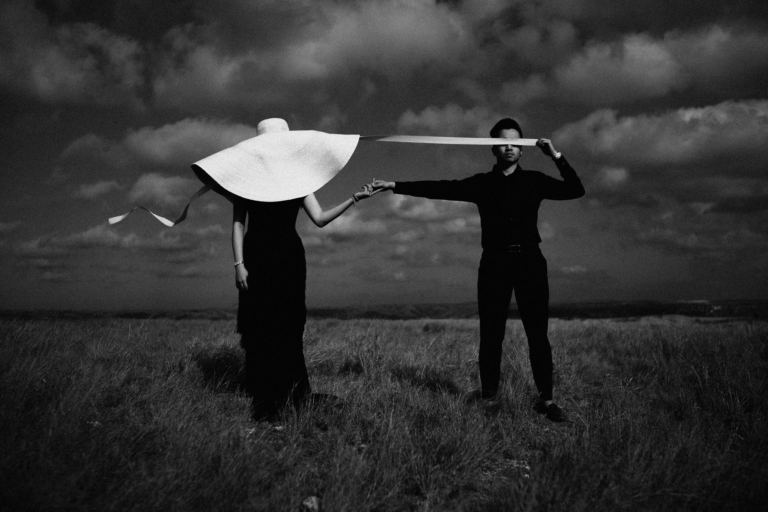
But I care deeply about composition, colors, and their meaning.
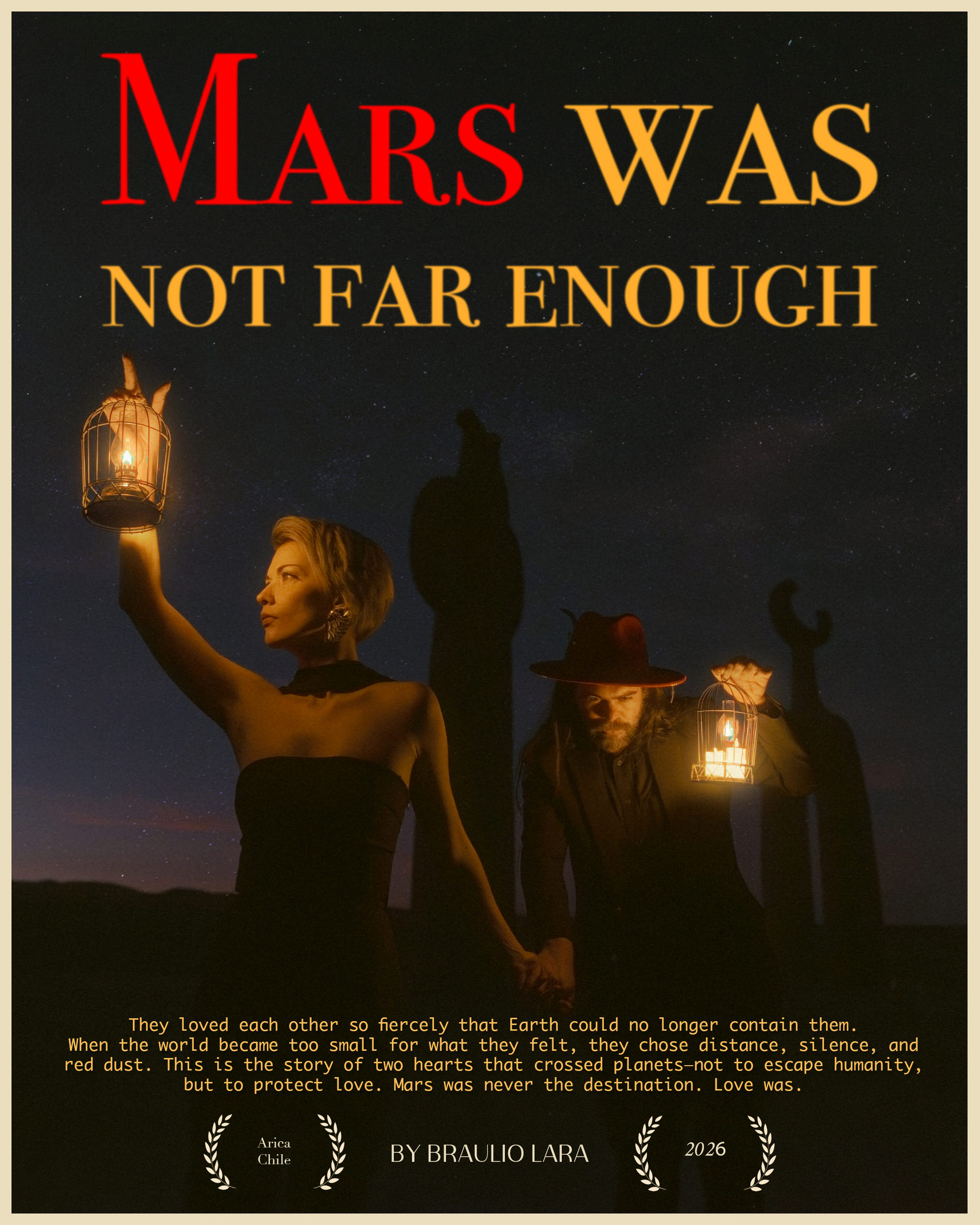
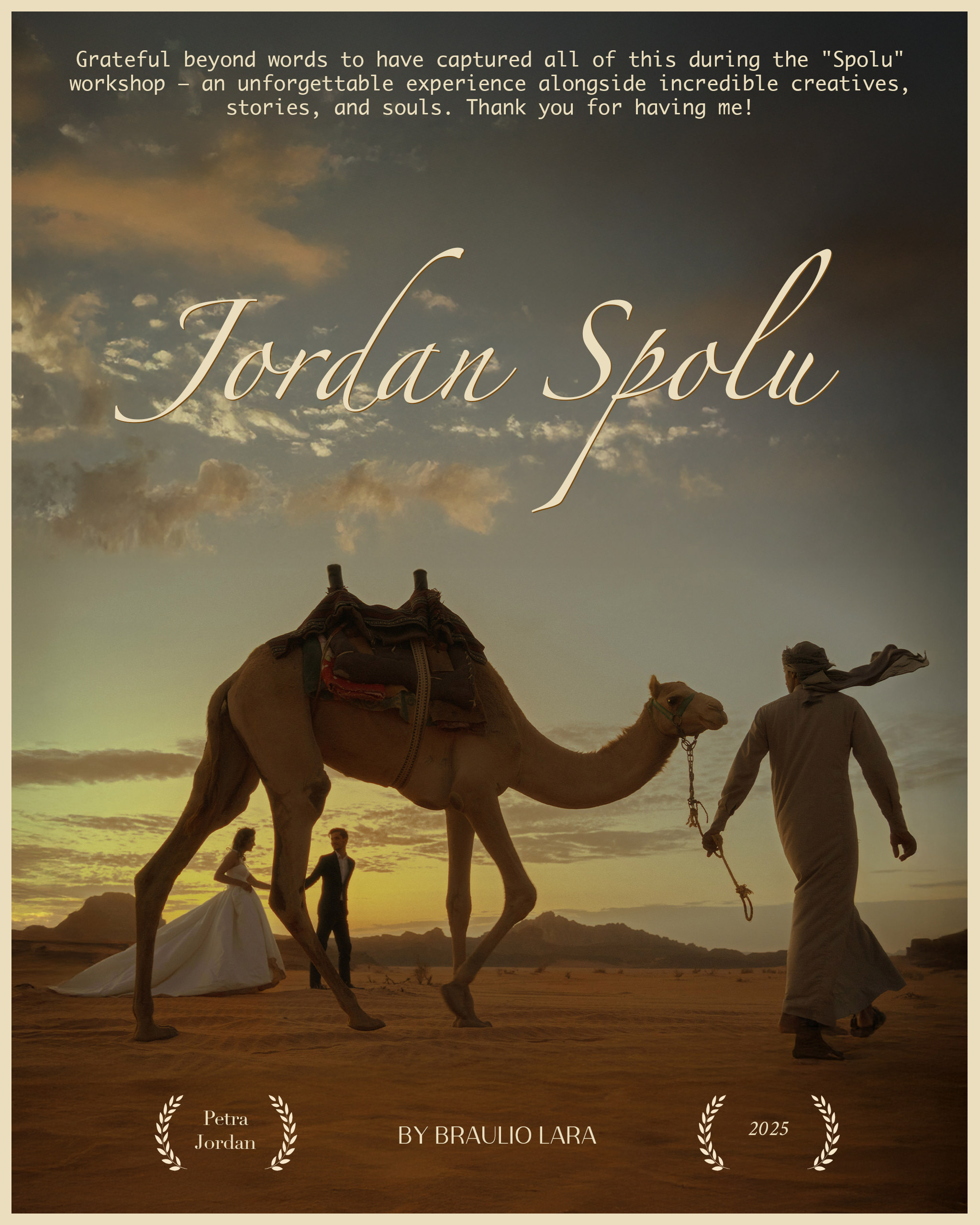
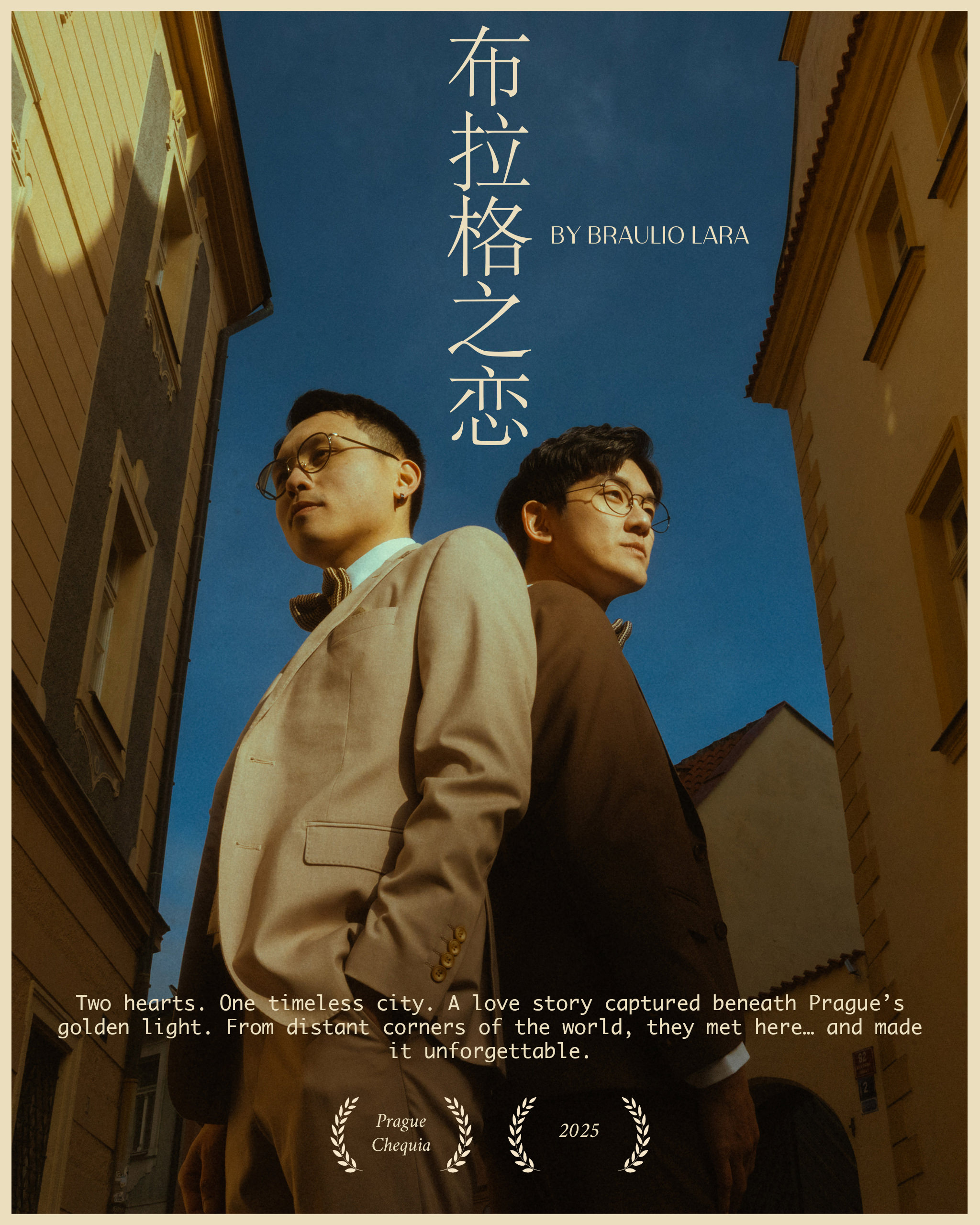
Because of my graphic design education, I can see the whole frame holistically. I also create posters with my images, something I learned from design. I use Photoshop very well, and I built my own website. Graphic design helps me with composition, color, organization, and editing.
It’s a big advantage.
What makes your approach to wedding photography unique?
Most photographers focus on romantic, clichéd moments – hugs and kisses.
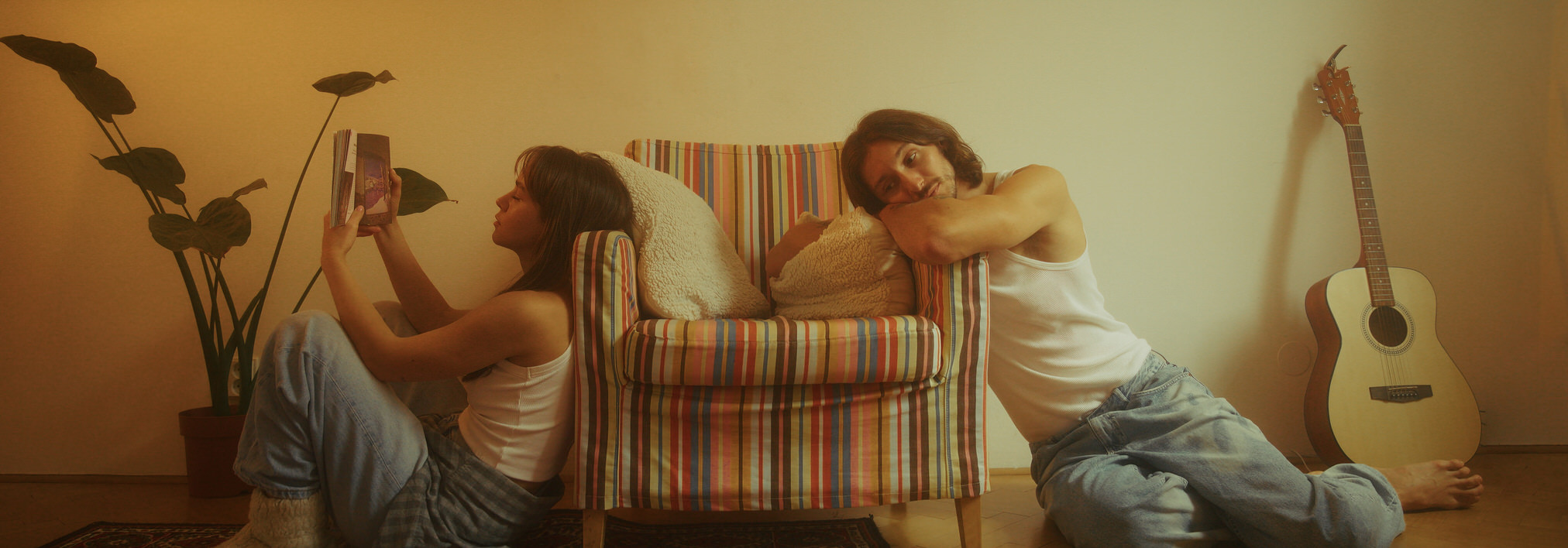
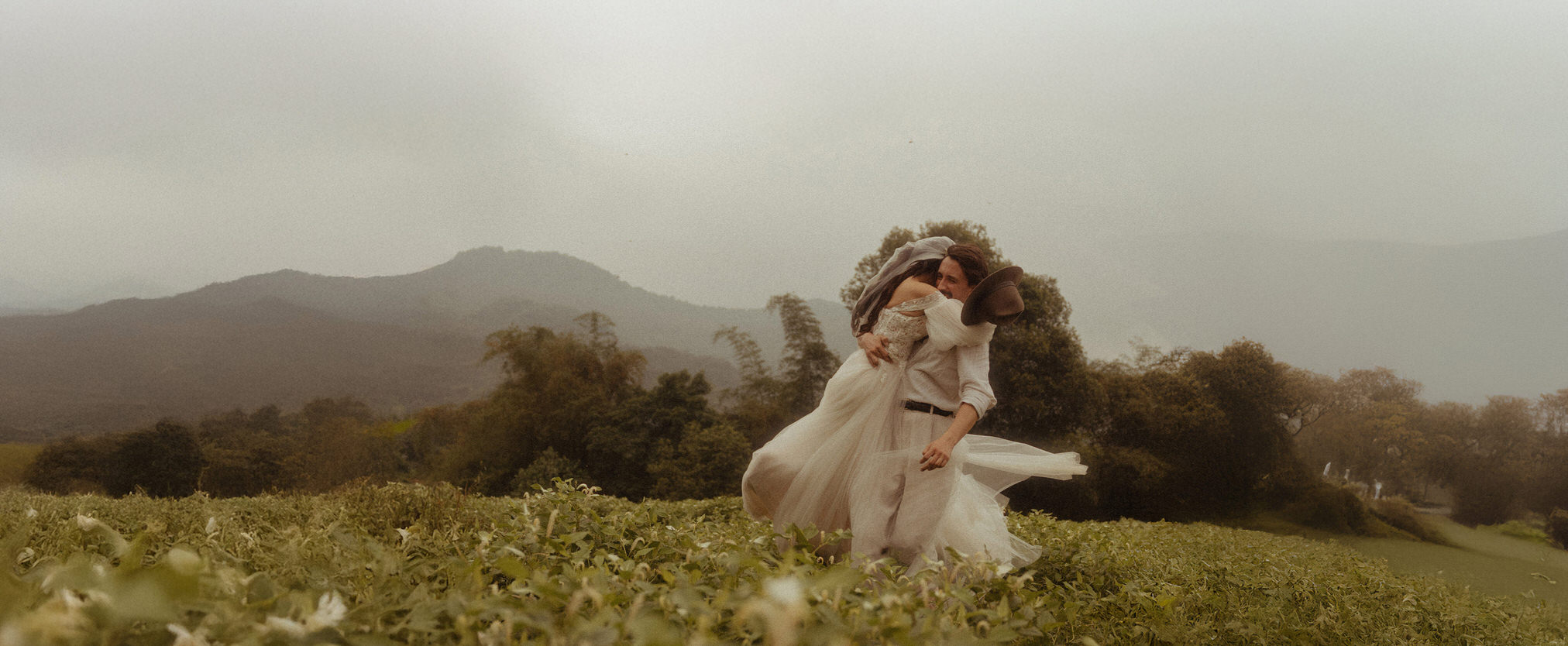
But I understand that a good story has conflict. I guide couples through different emotional waves during the shoot. I start by asking them, “You just met – how are you flirting? How are you connecting?” Then I say, “You had a fight, you had a problem. Everything doesn’t have to be perfect.”
They bring that reality into the shoot, and I capture it.
Then we move to resolution – they work through the problem together, and finally, they’re happy and united.
It’s like a short therapy session. I create a wave of feelings that tells a real story, not just a romantic fantasy.
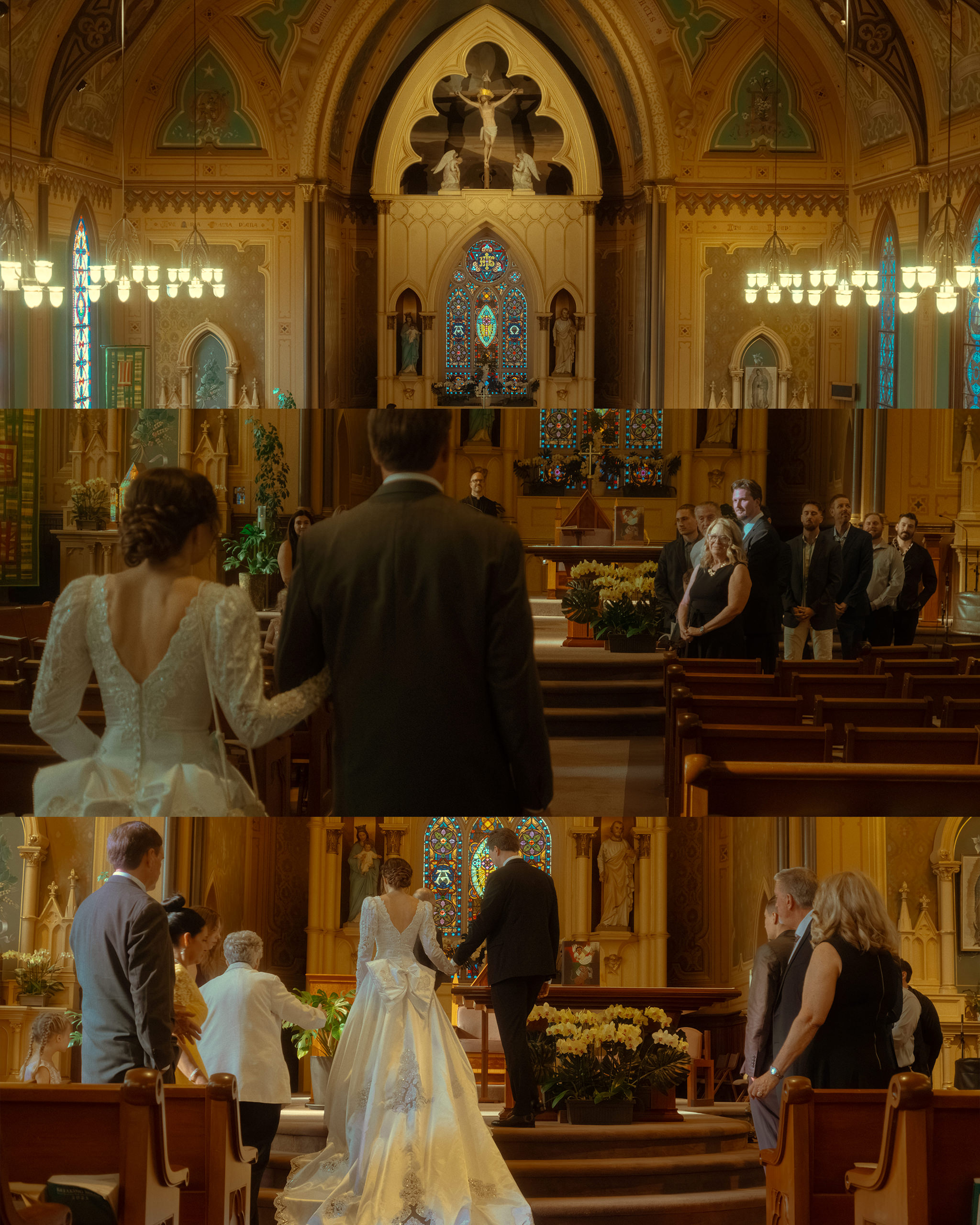
What is the concept “photo film.” that you created?
I created this concept because I don’t like how the word “cinematic” is overused.
Everyone adds vintage colors or grain and calls it cinematic.
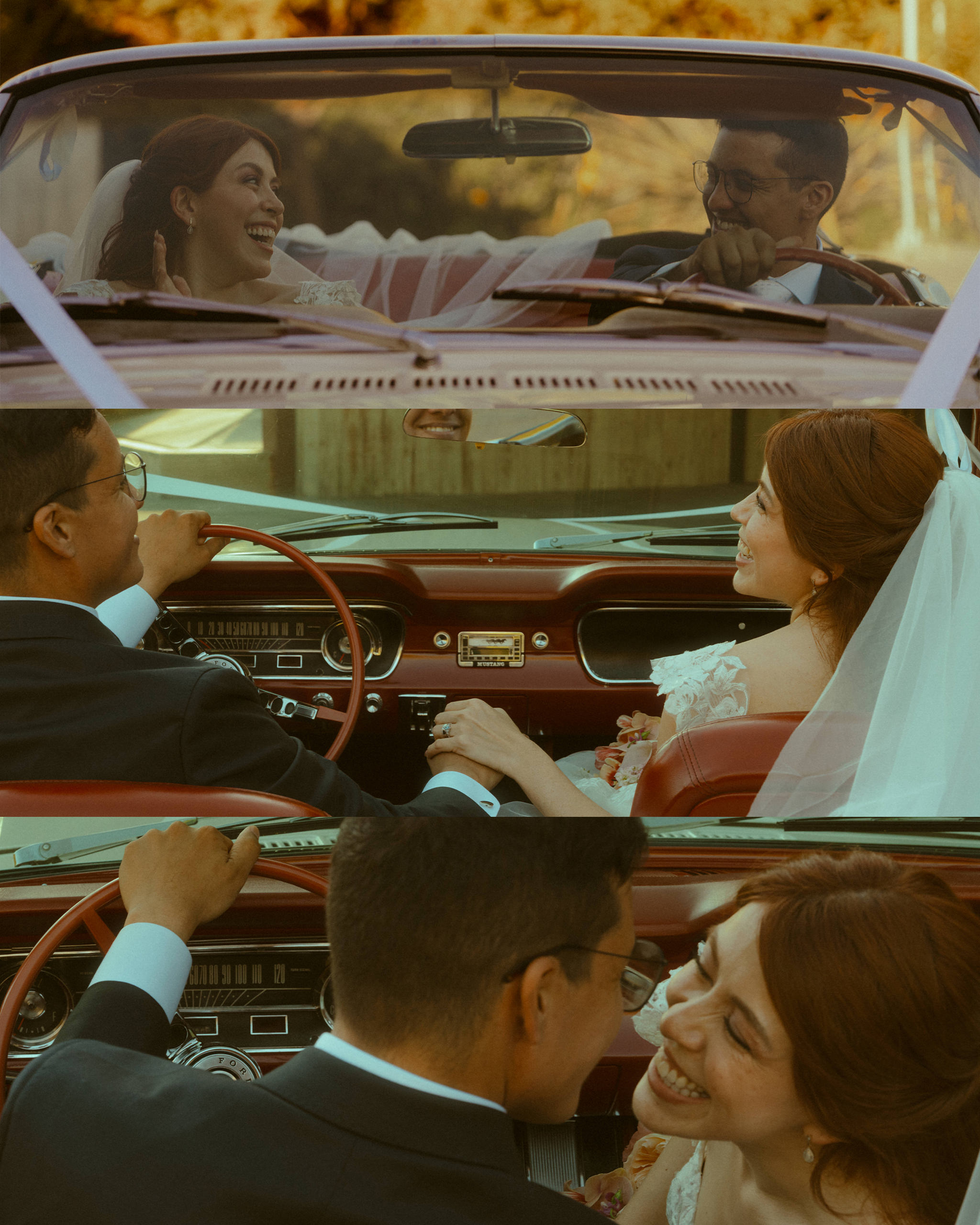
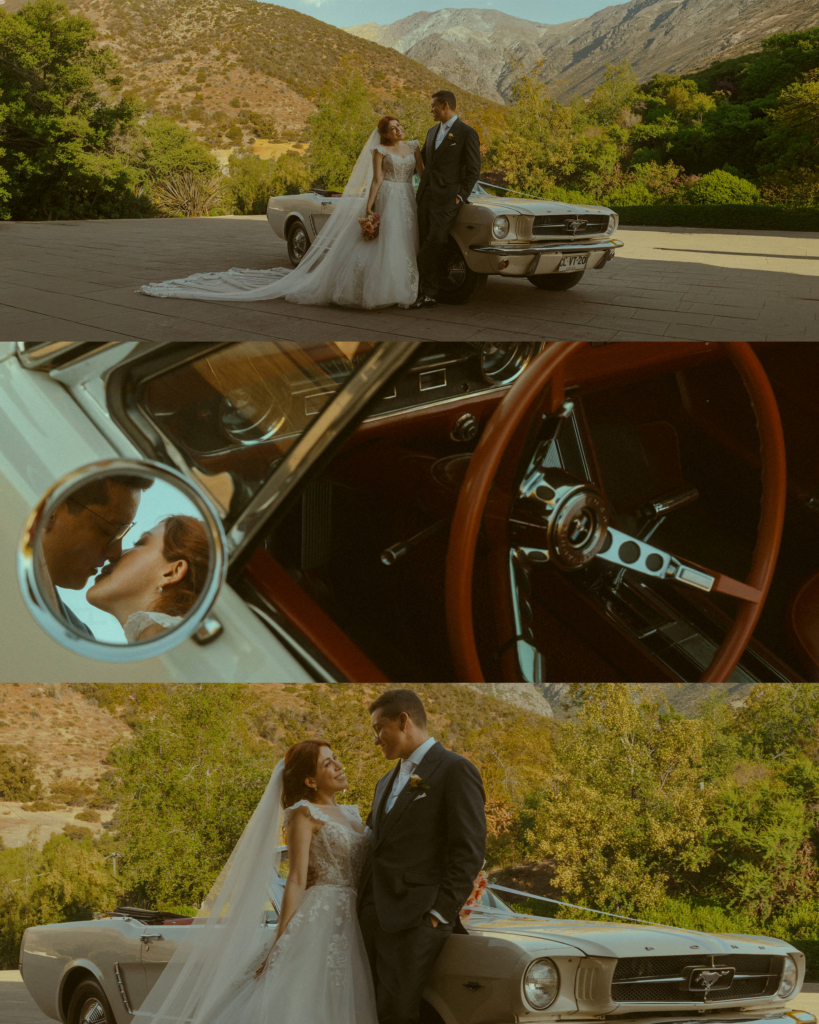
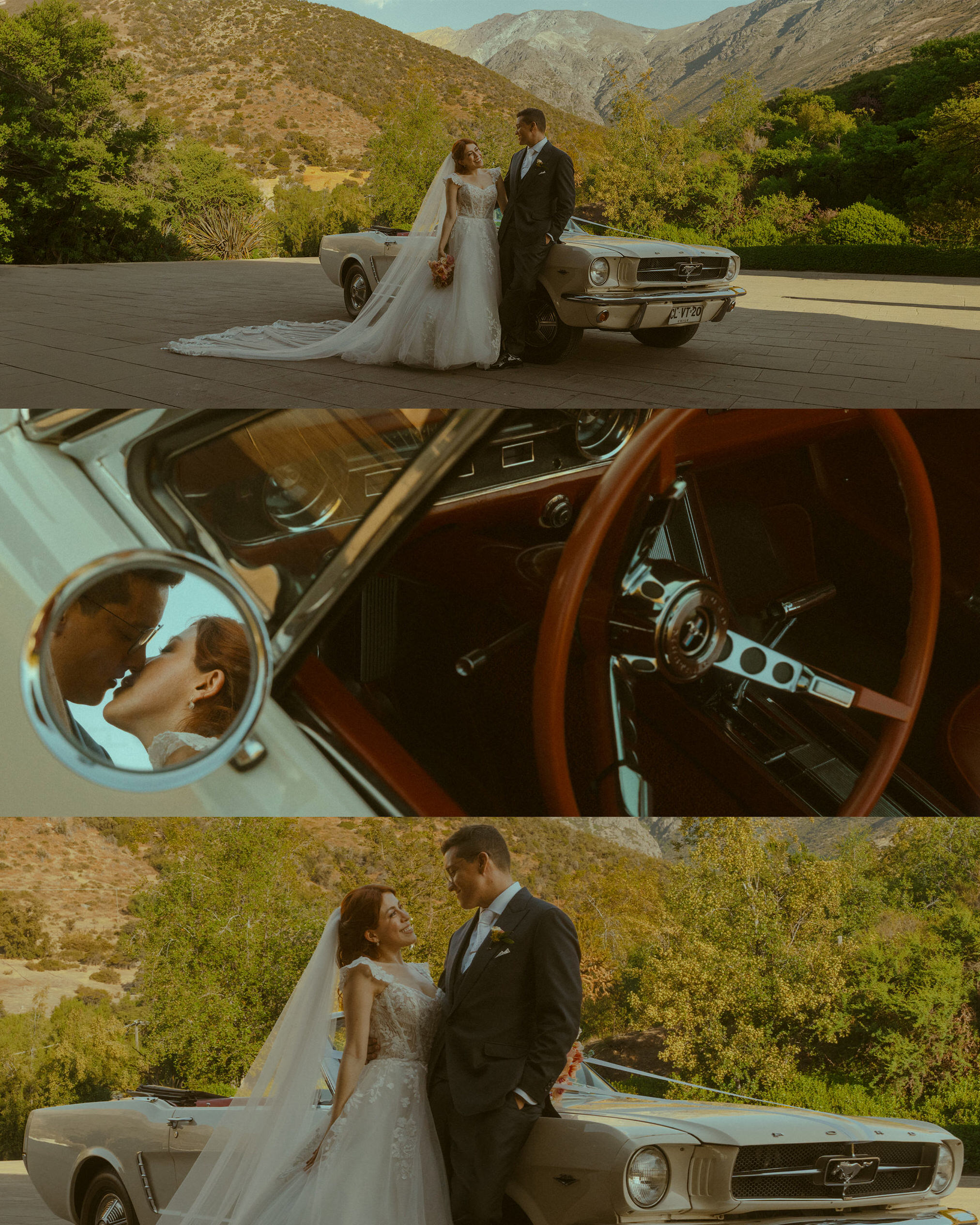
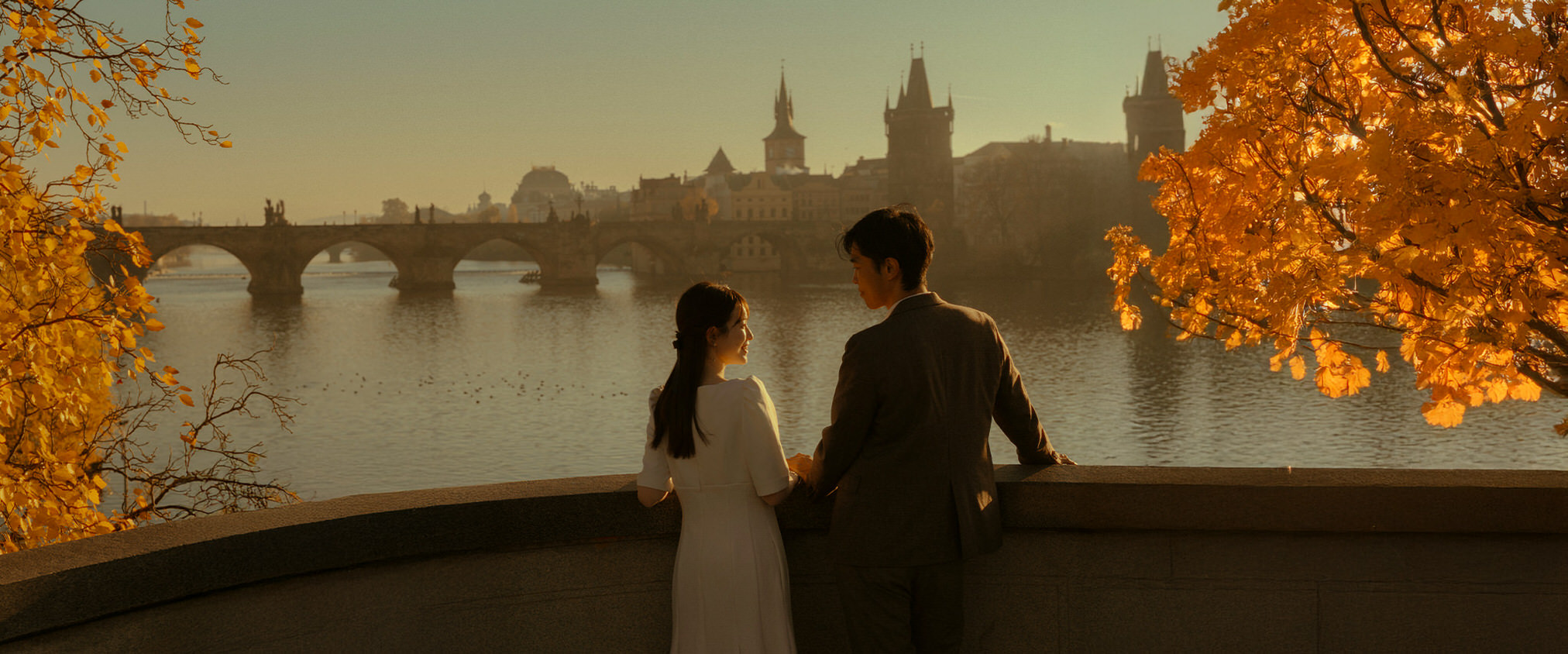
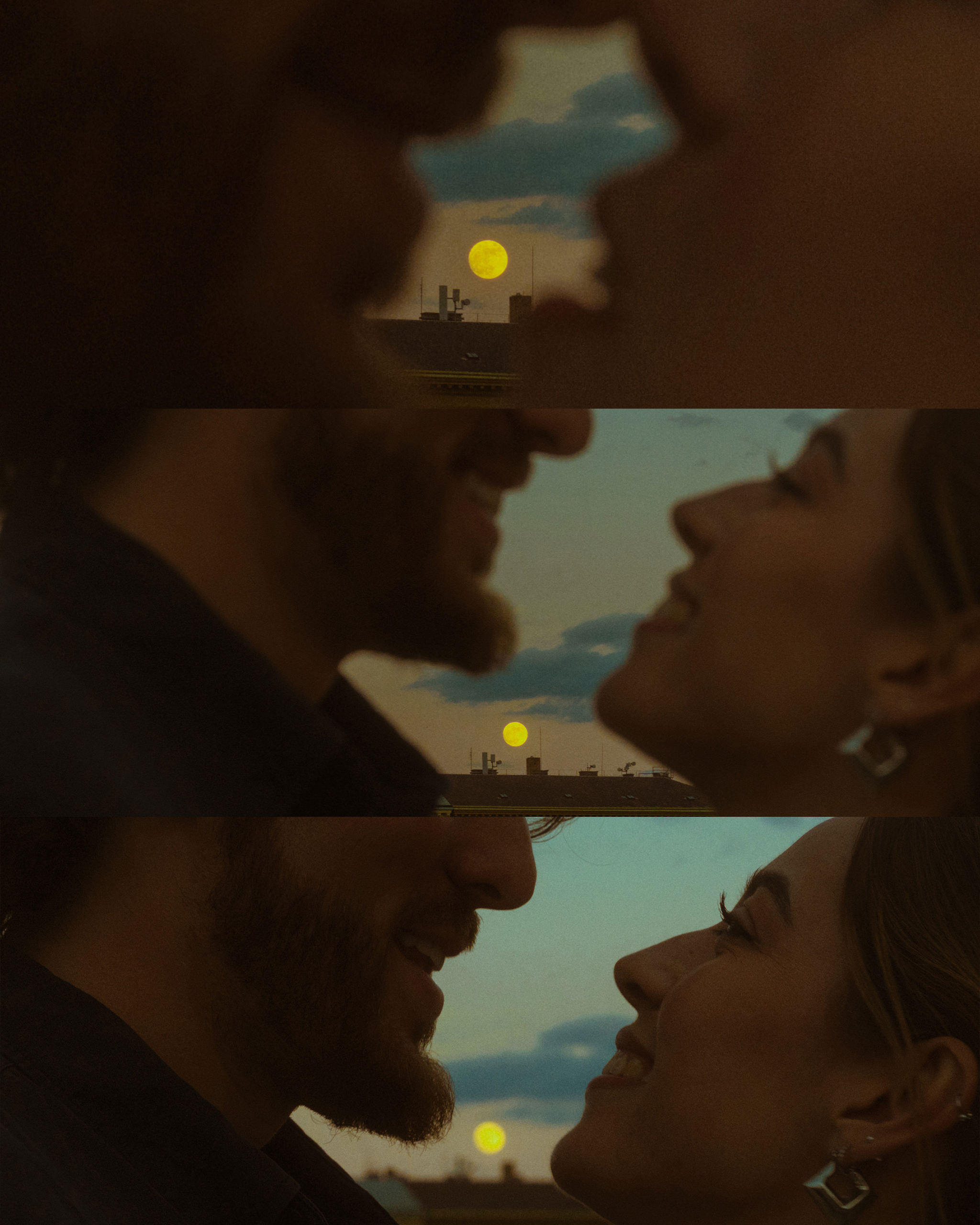
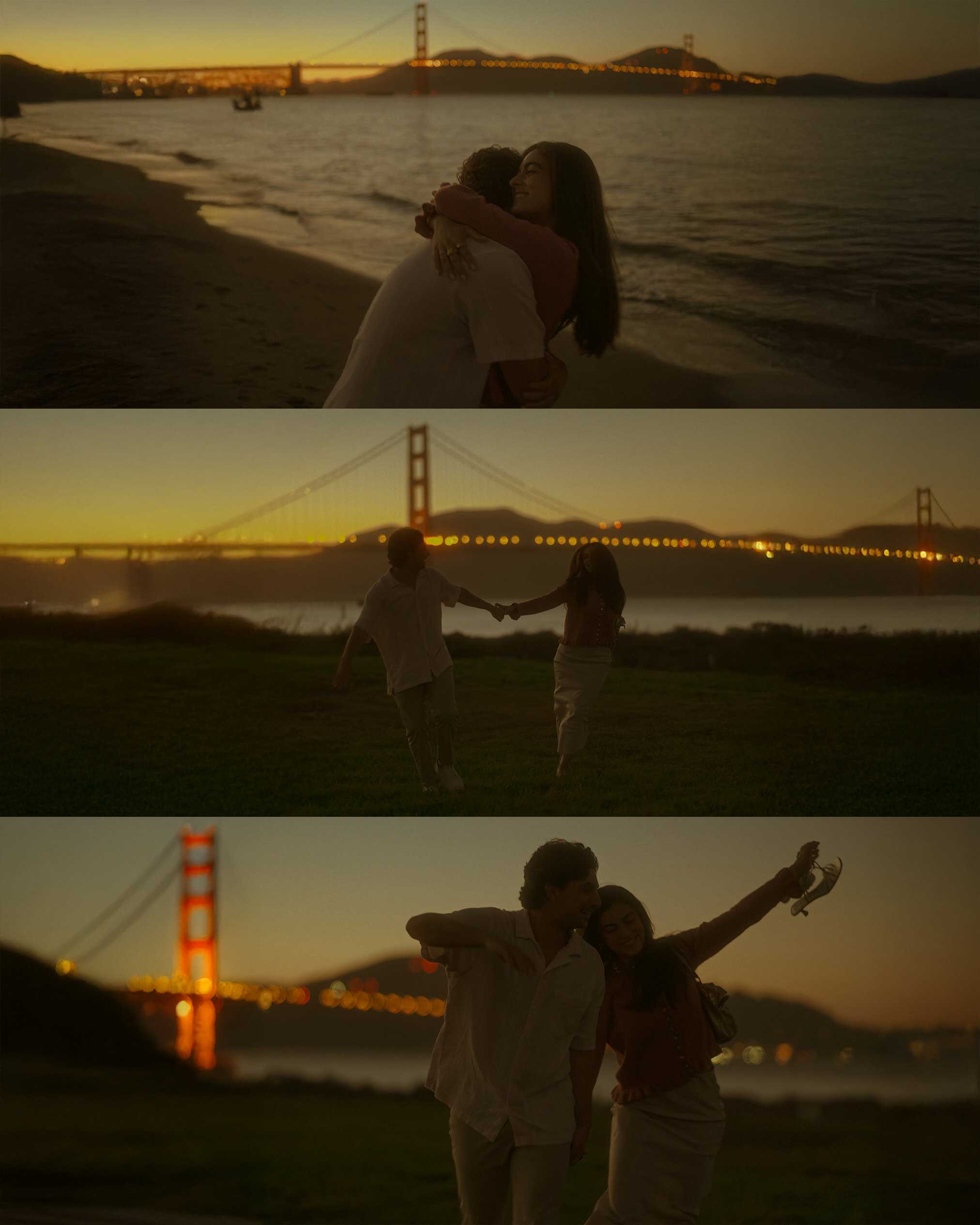
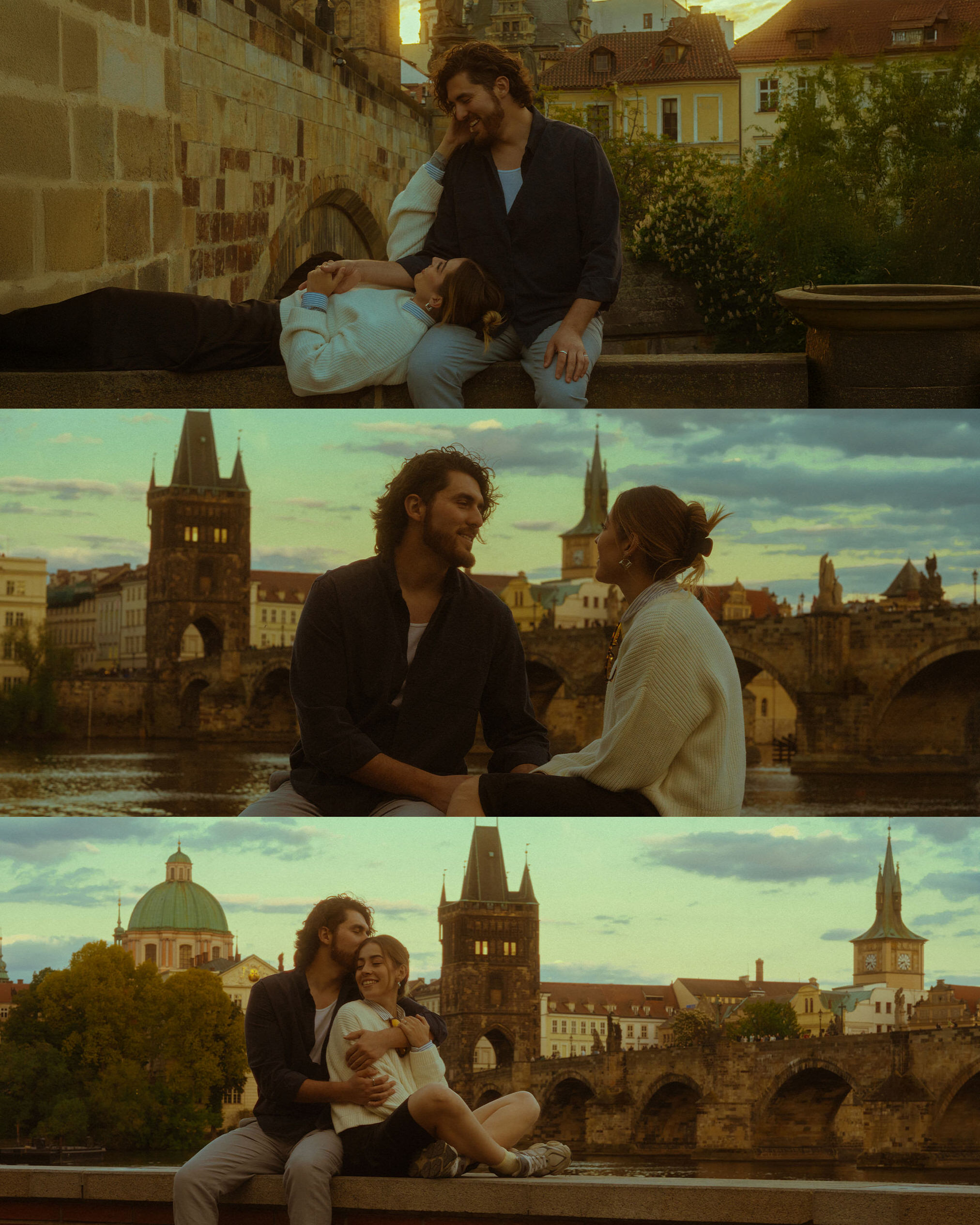
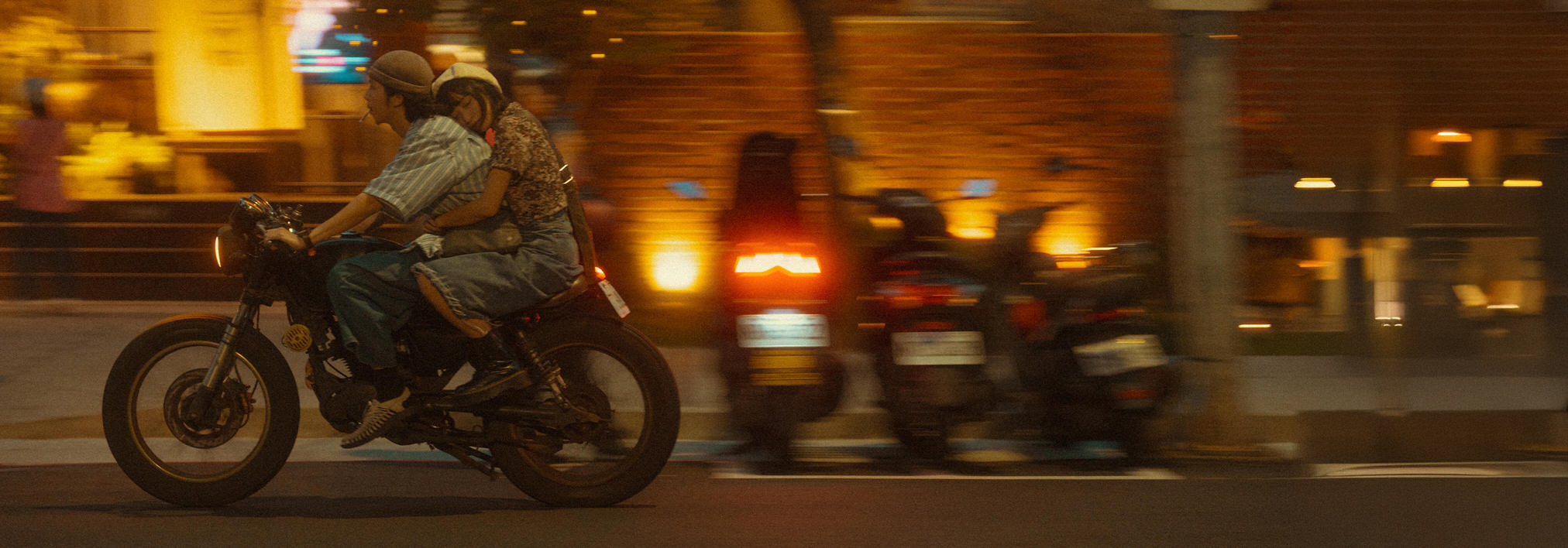
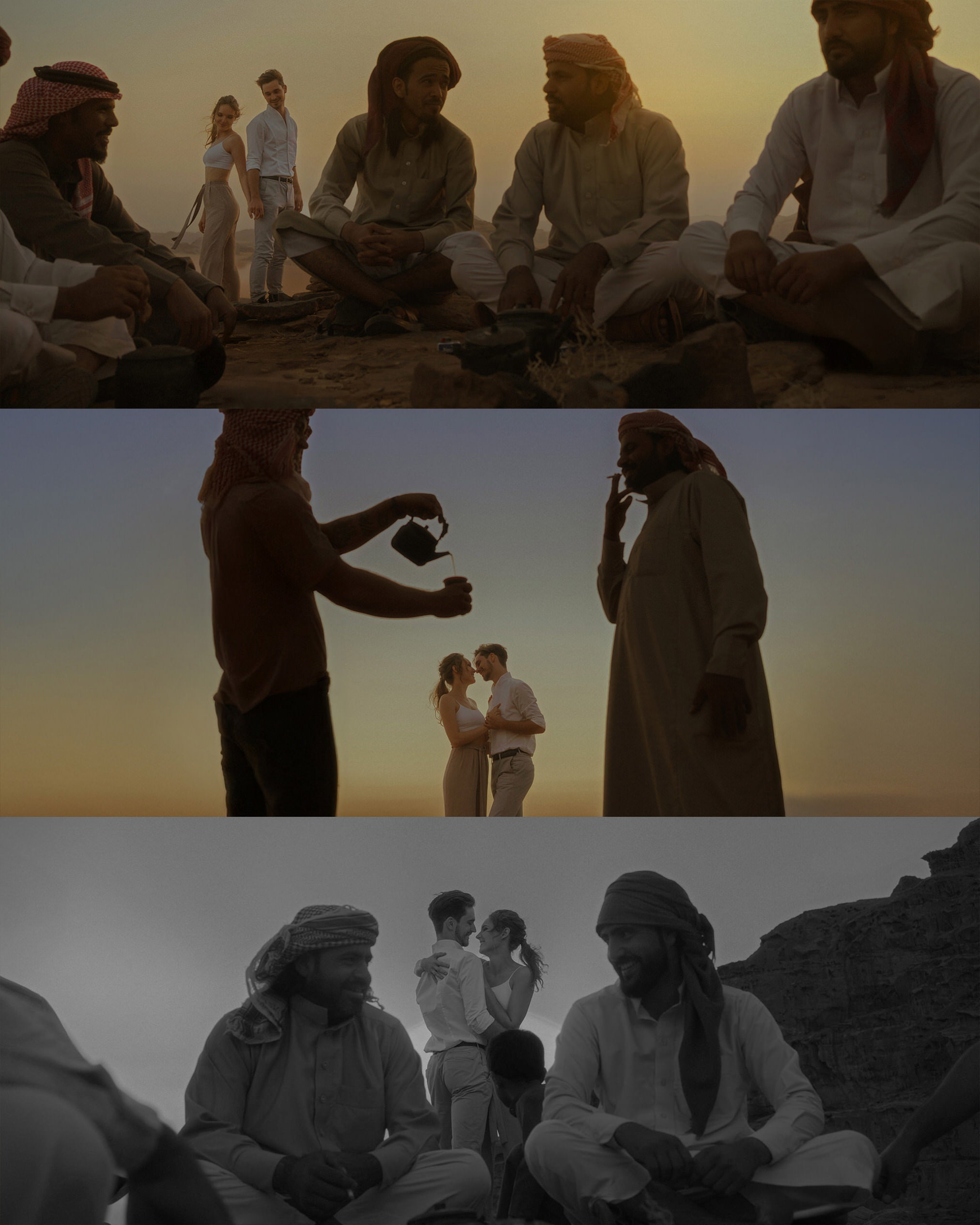
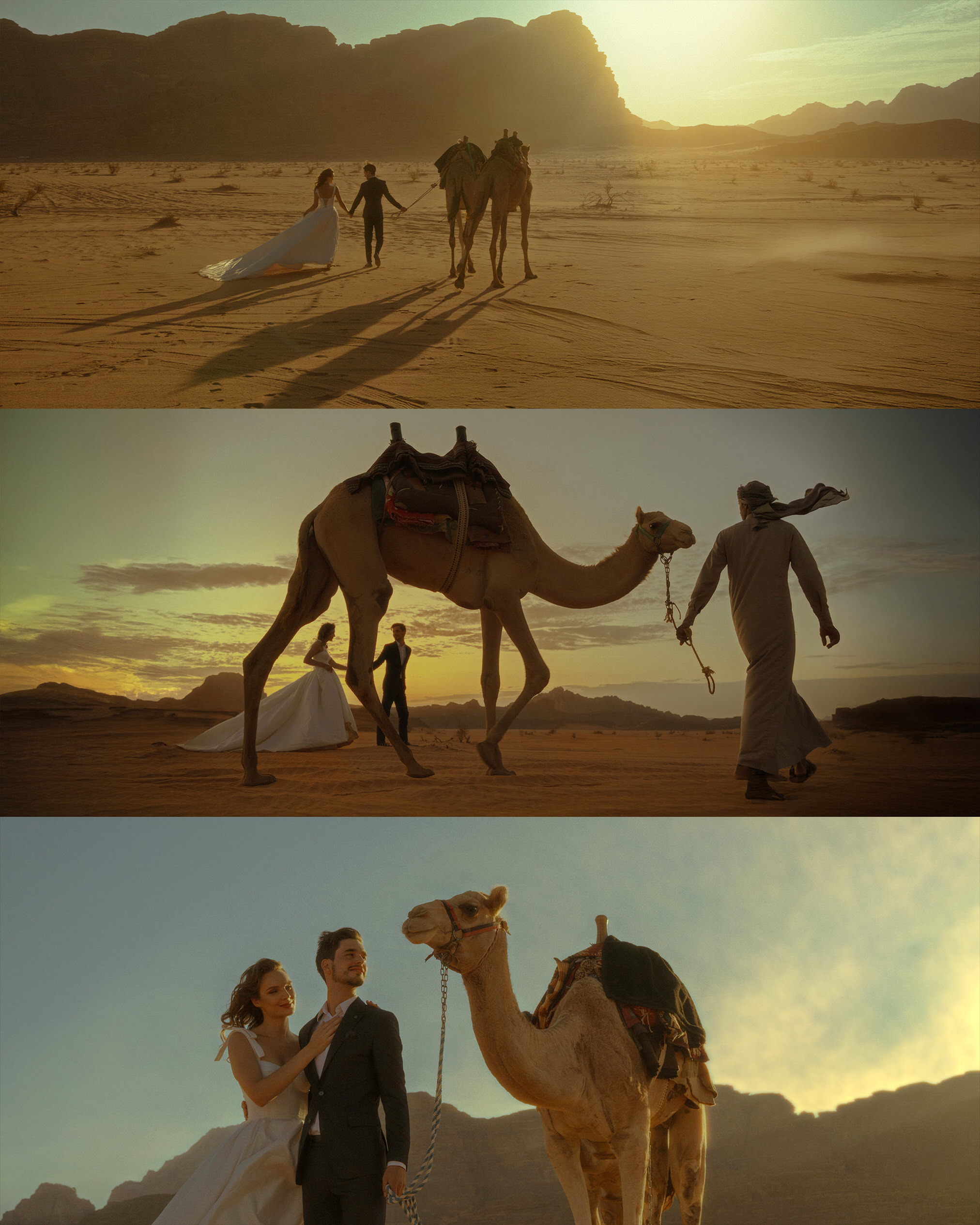
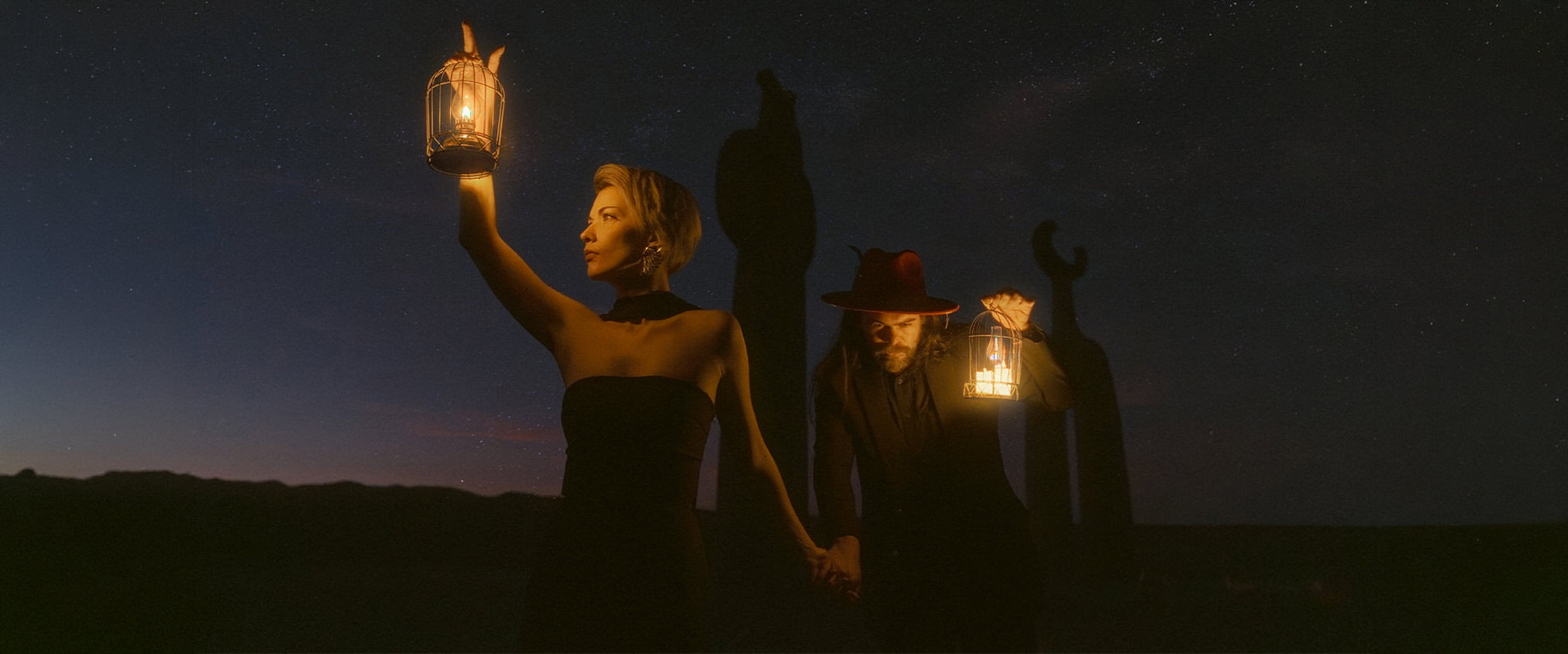
For me, “photo film” is different. I shoot video and then take screenshots from the video frames.
This gives me a natural, authentic cinematic look – like a frame from a real movie.
Since video is 24 frames per second, I get 24 potential photos from just one second of video.
The quality is high enough with 4K and 6K cameras to extract 24-megapixel images.
It’s also efficient because I can edit the entire video clip with one preset, and all 24 frames have the same color grading and consistency.
Then I just take screenshots without needing to edit each photo individually.
How did you end up moving to Europe from Chile?
It was very spontaneous. I was photographing weddings in Peru. The bride was German, And I thought, This is my connection to Europe. I photographed that wedding really well and naturally got contact information from the German guests.
The bride then asked if I could photograph a second wedding in Germany for her German family.
I told her, “Yes, actually, I’m going to be living in Germany next year” – even though I wasn’t planning that at all.
But once I said yes, I thought, “Okay, I have to make this happen.”So that week, I bought plane tickets to Germany. But then I realized I should learn English first, so I looked for English courses and found one in Dublin. I didn’t even know where Dublin was on the map – I thought it was near Germany!
I just bought tickets and moved to Dublin for nine months to learn English.
After that, I went back to Chile, sold my apartment, cars, and motorcycles, and moved to Prague.
Why Prague? Because when I was in Dublin, I went on a trip to Europe and fell in love with the Czech Republic.
Plus, Prague is close to Germany for the wedding I’d promised to do. It was all very spontaneous – I never overthink things because I always find a way to make them work.
How did you learn the technical side of photography?
I had one year of photography at university where they taught me ISO, aperture, shutter speed, and even analog photography with chemical development.
But I only learned the basics there. The real learning came from self-study.
My mom told me that university would teach me what everyone learns, but to be different, I needed to learn more on my own. So I was constantly reading articles, diving deeper into topics, and experimenting. I wasn’t shooting in manual mode at first – I was using aperture priority.
At my first job, I was even sending JPEGs without editing!
But I improved constantly through self-directed learning.
How do you approach finding locations for shoots?
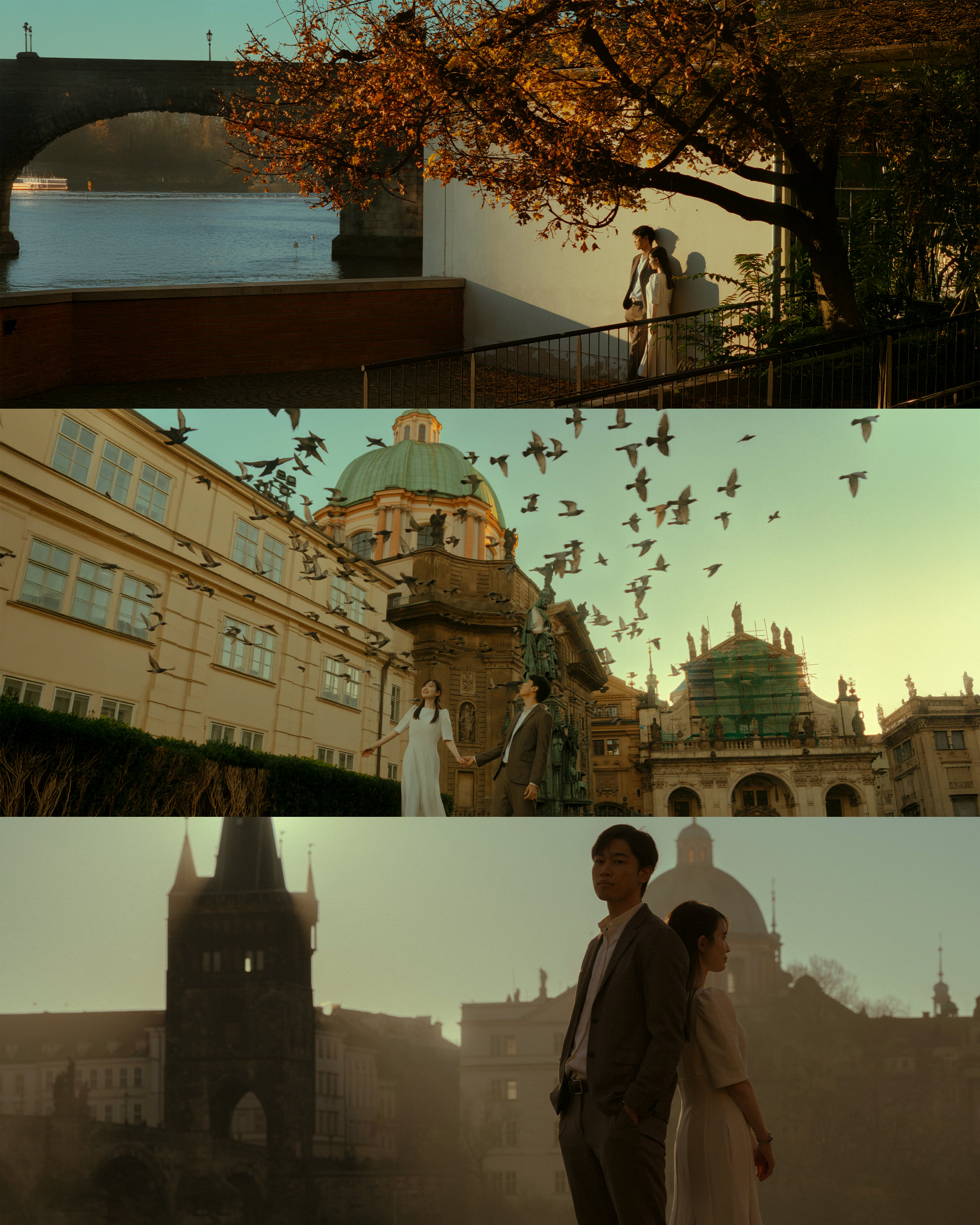
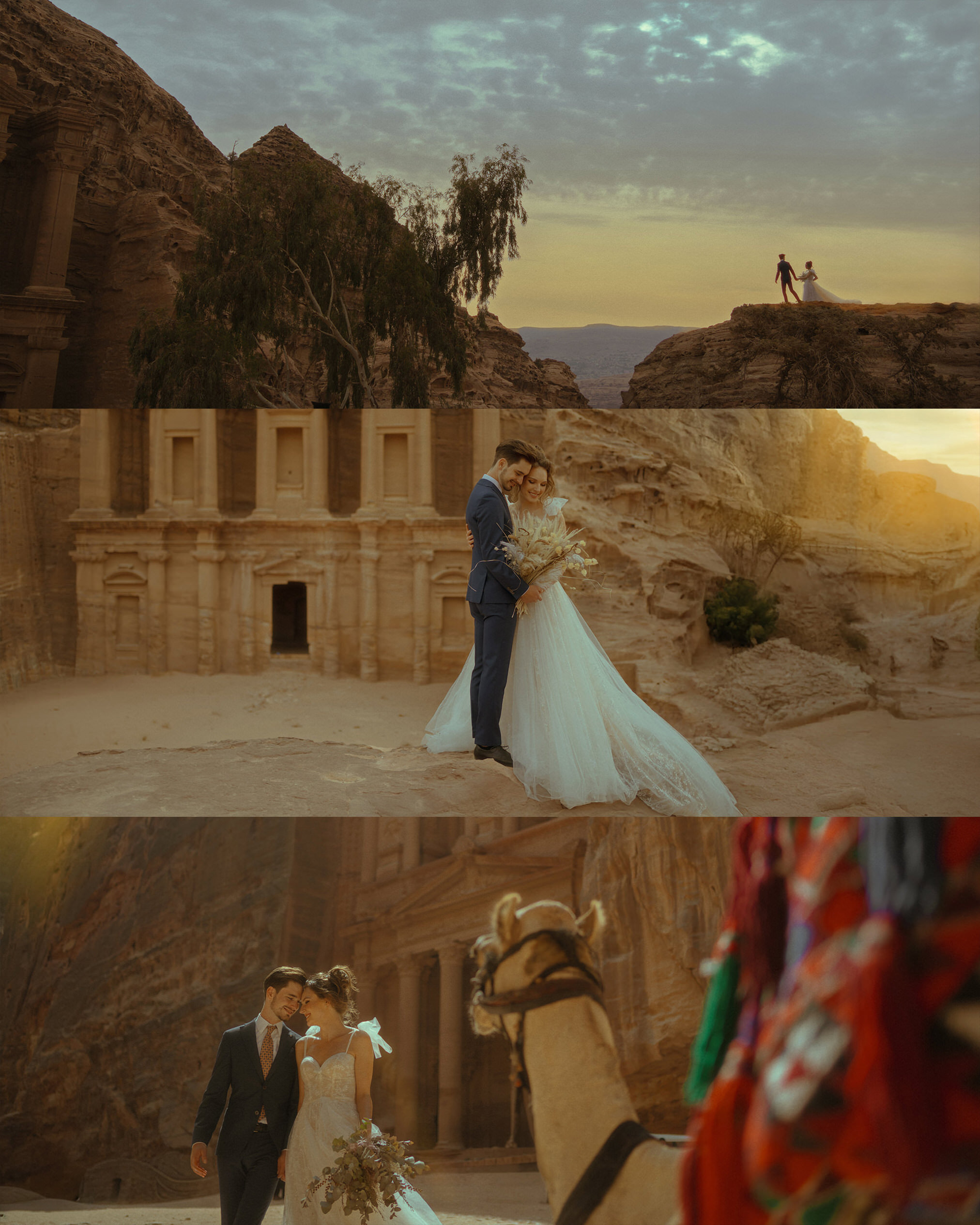
When I came to Europe, I decided not to use the typical, photogenic places that all photographers use—the main street, the famous bridge, the castle.
I wanted to be different.
So I learned two things:
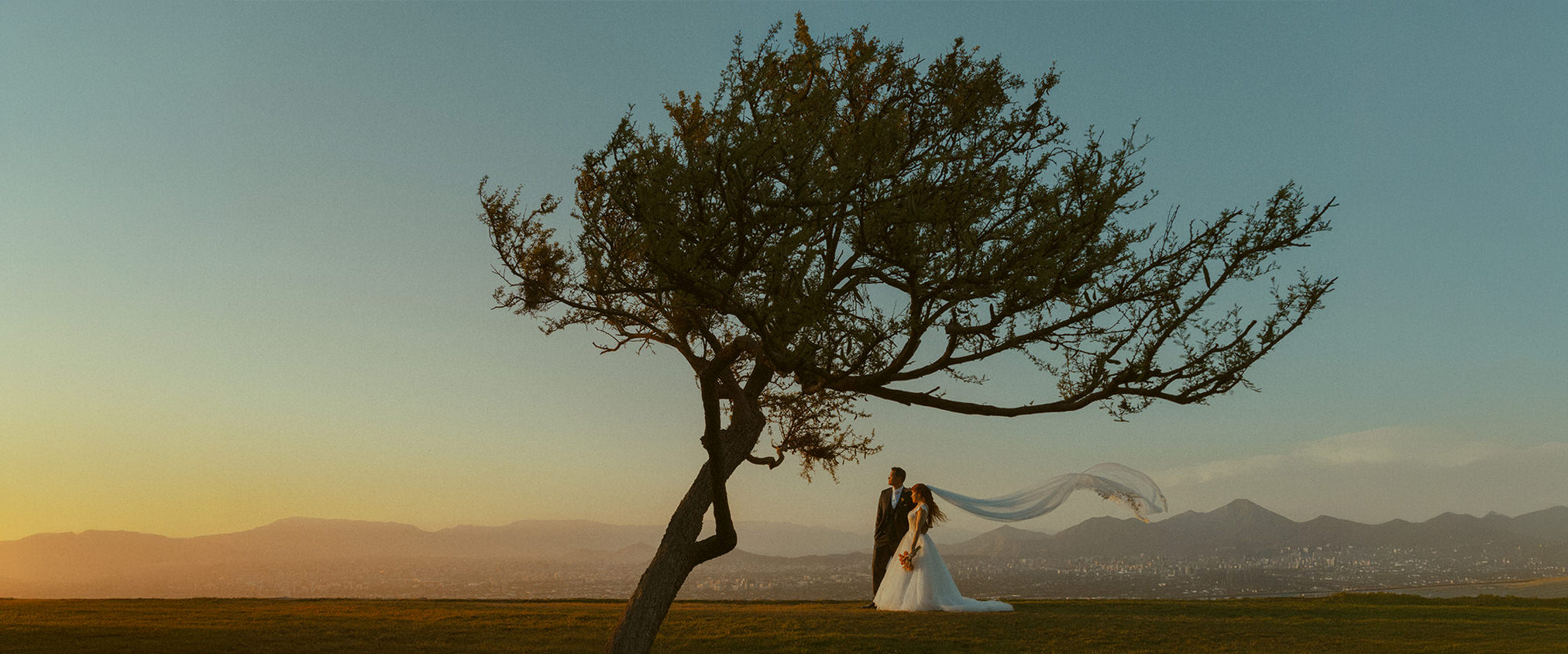
First, I stopped shooting during golden hour.
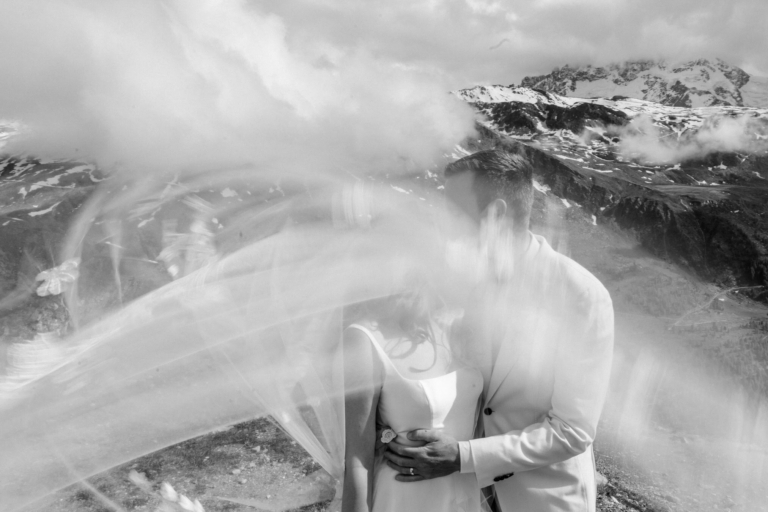
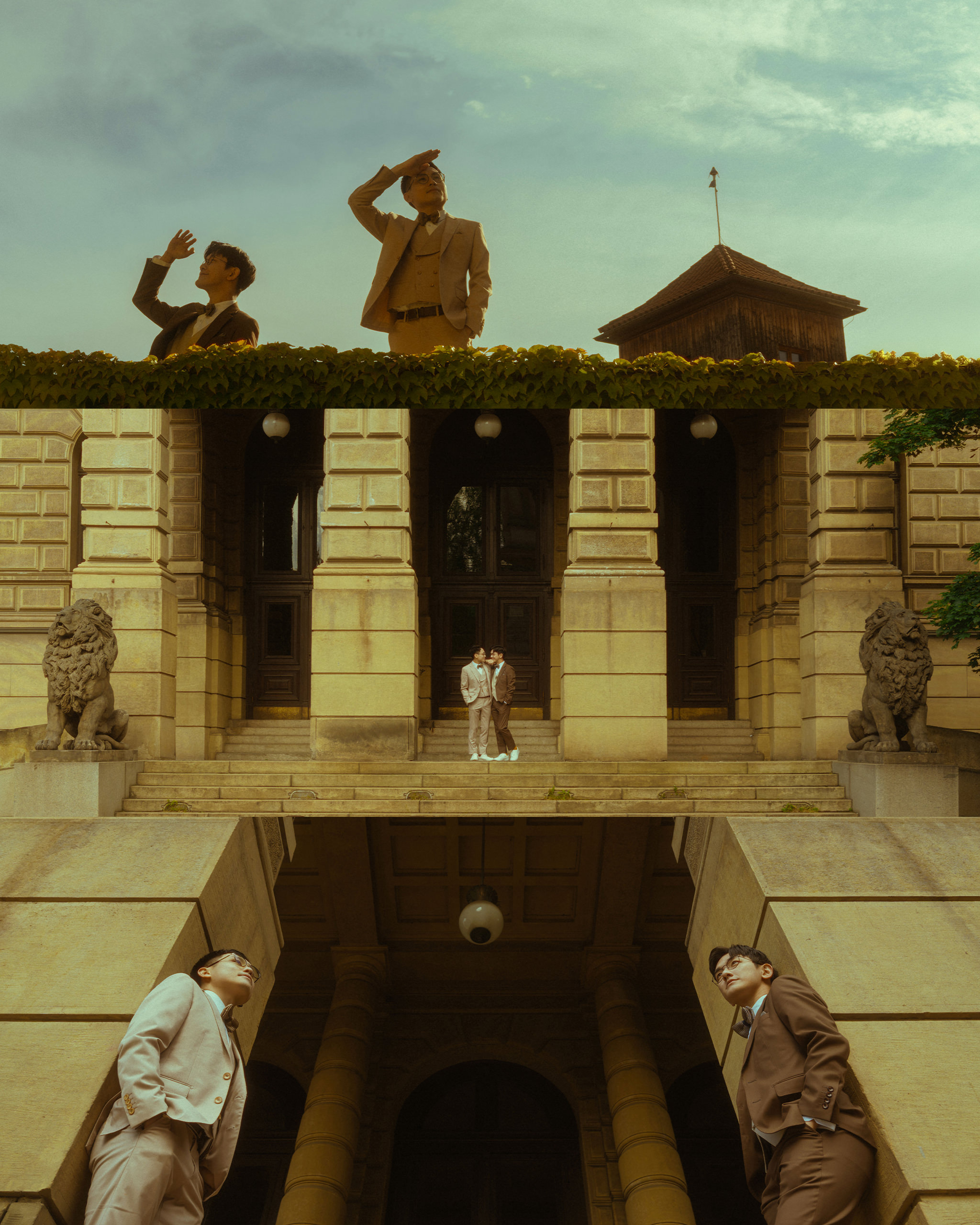
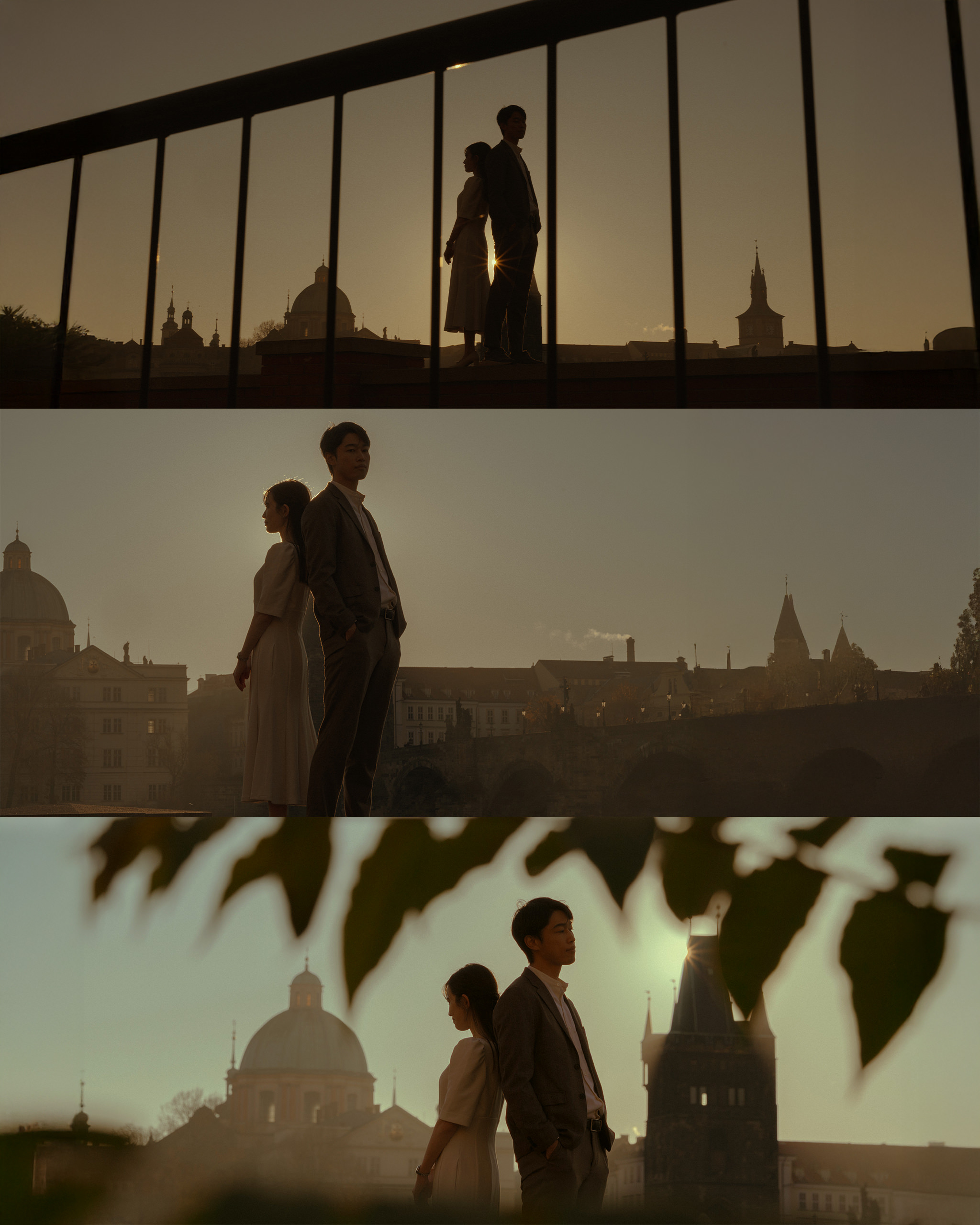
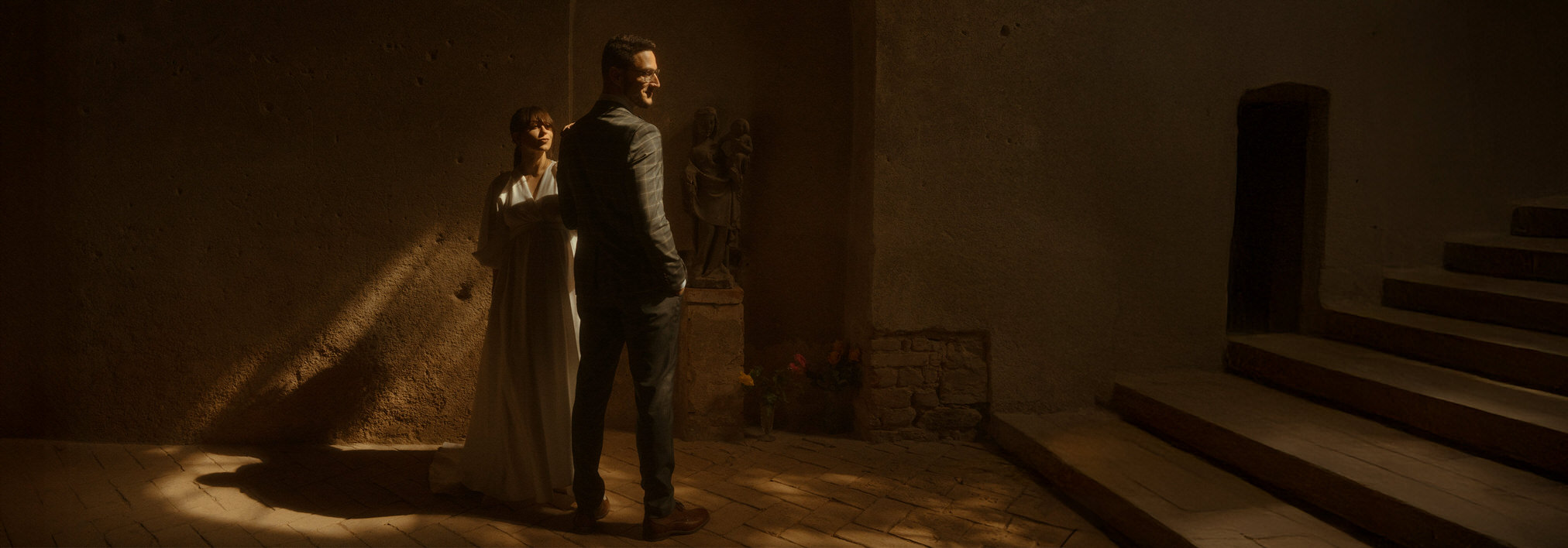
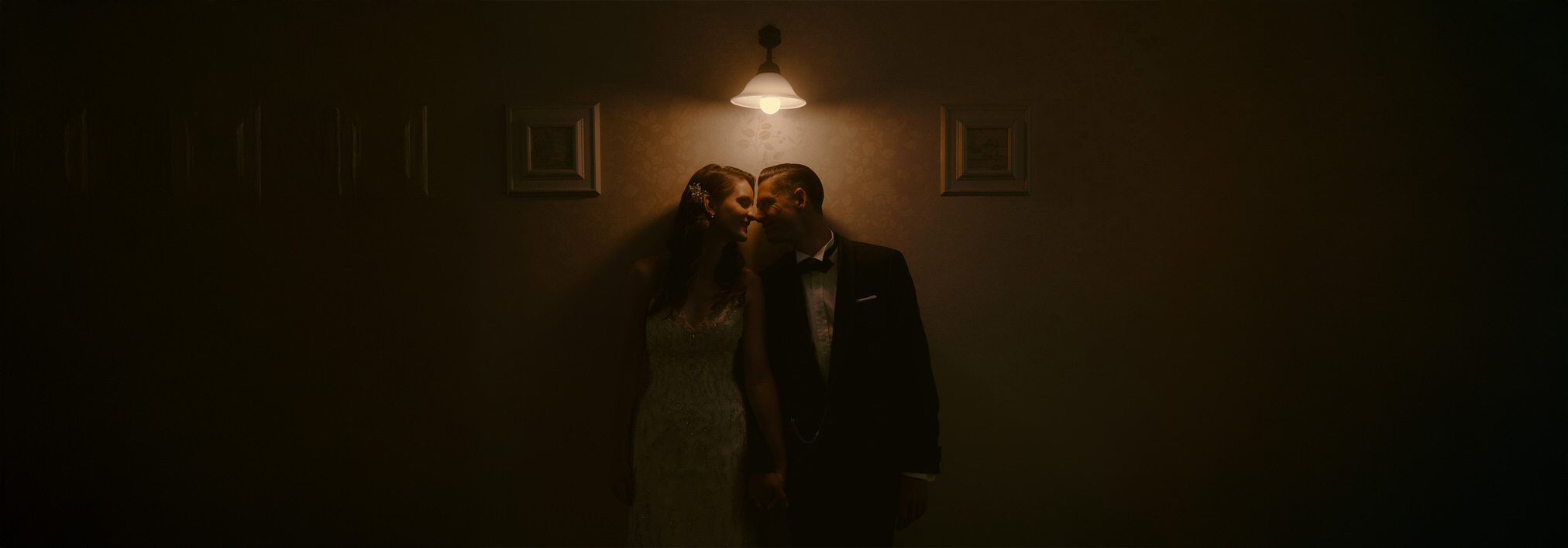
Everyone uses sunset light because it’s easy. Instead, I use a hard light – shooting at 3 or 4 PM when the light is harsh. I create interesting compositions using shadows and contrast.
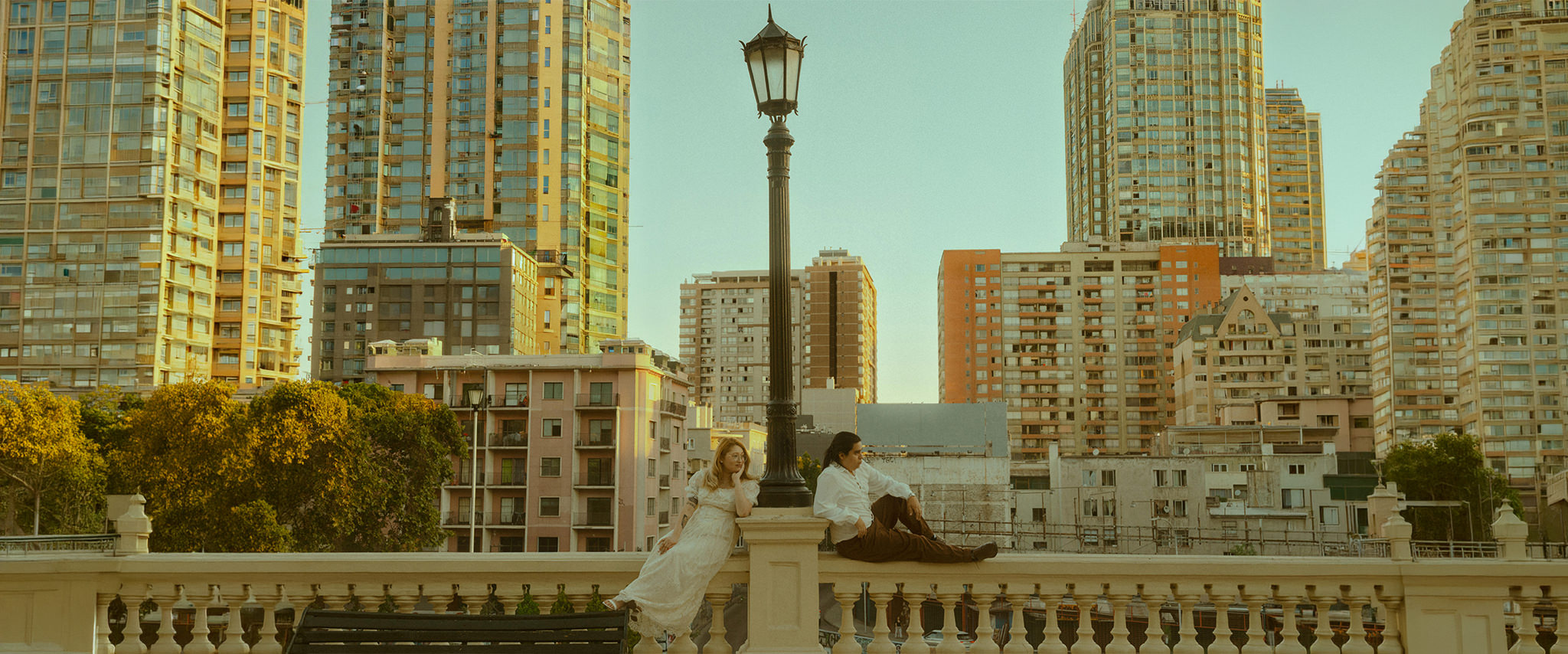
Second, I avoid famous locations entirely. I walk around and think, “How can I be creative here?”
Even if a place doesn’t look nice, I ask myself how I can make a good picture there.
My philosophy is: “In the ordinary, you can find the extraordinary.” Every place is photogenic if you find the right angle, composition, and light. It’s not about traveling to beautiful locations; it’s about being creative everywhere.
How did you get involved with JPEG Mini?
It was years ago. A friend told me about JPEG Mini, and I started using it to compress my files.
At some point, I reached out to the company and asked if I could cooperate somehow.
They gave me a free trial, and then a one-year license.
I use it for all my images.
After I finish editing in Lightroom, I put every single photo through JPEG Mini before uploading anywhere. I never upload pictures without compressing them first.
It saves a lot of storage space on my hard drive, in the cloud, and when uploading to my website and Instagram.
All my work goes through JPEG Mini – it’s an essential part of my workflow.
What are your future plans and aspirations?
My ultimate goal is to become a Director of Photography (DOP) in the film industry.
I’m already doing my own films and directing, so I have the skills.
What I need is connections and experience working with professional film crews.
I’ve been an extra on film sets just to meet directors and learn about the industry.
I’d love to assist on professional productions or get introduced to people in the industry.
I also want to continue expanding my YouTube channel with more educational and personal content.
Final Thoughts
What makes Braulio Lara particularly striking is not only his talent, but his mindset.
In just one year, he taught himself English in order to move to Europe and expand his opportunities – a decision that says a lot about the way he approaches life and work.
Again and again, he chooses the unknown over the comfortable. He moves toward things he has not yet mastered, guided by curiosity, courage, and a genuine hunger to grow.
(I think he gets it from his mother!)
There is something refreshing in the way Braulio constantly pushes himself forward.
He studies, experiments, and teaches himself new skills with an almost restless energy, always looking for the next step in his own development. It feels as if he is steadily climbing the ladder of his own potential.
Perhaps the clearest example of this attitude appears in the way he approaches locations.
While many photographers search for already beautiful places – sunsets, famous streets, romantic landscapes – Braulio does the opposite.
He looks for possibility in the ordinary.
A random corner, harsh afternoon light, an unremarkable wall.
For him, the challenge is not to find beauty, but to reveal it.
Braulio Lara may still be early in his journey, but his curiosity, discipline, and willingness to take risks suggest that this journey is only just beginning.