Beyond the Headshot: How Ivan Weiss Thinks About Faces and self awareness
Short bio
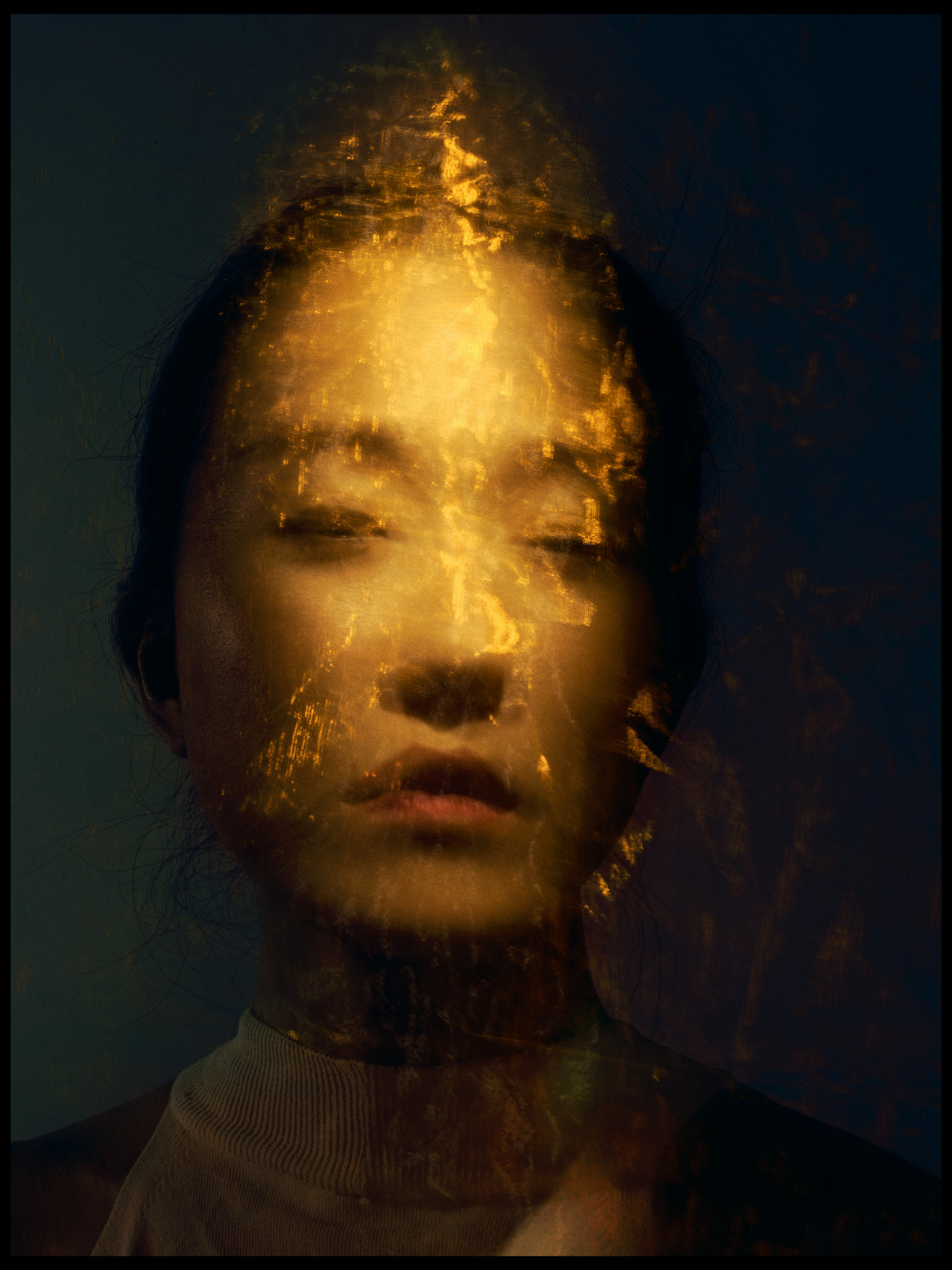
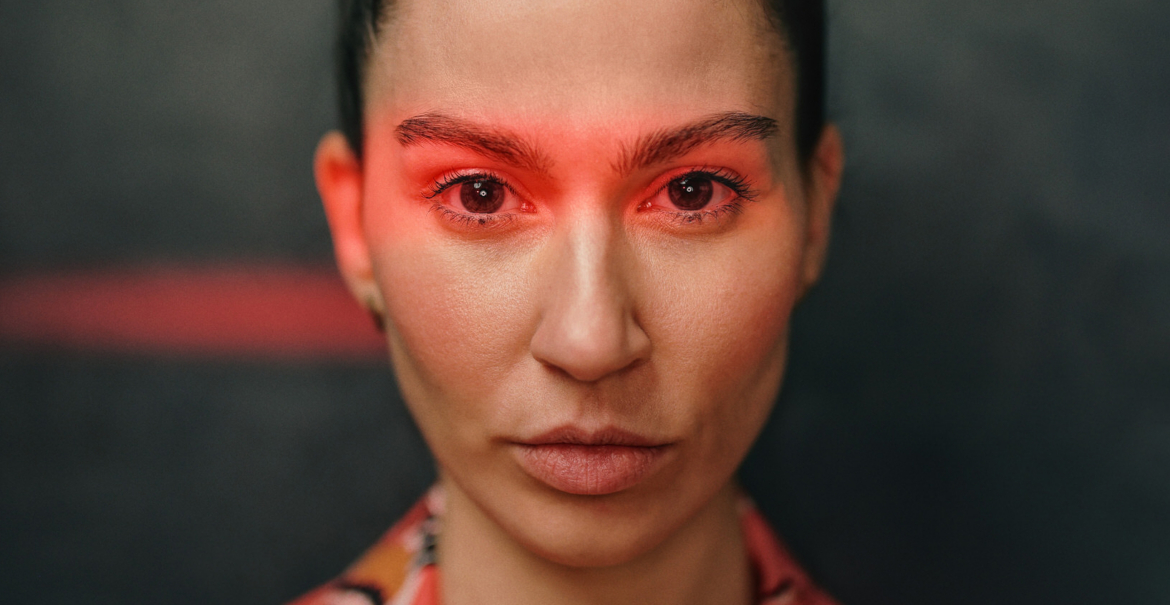
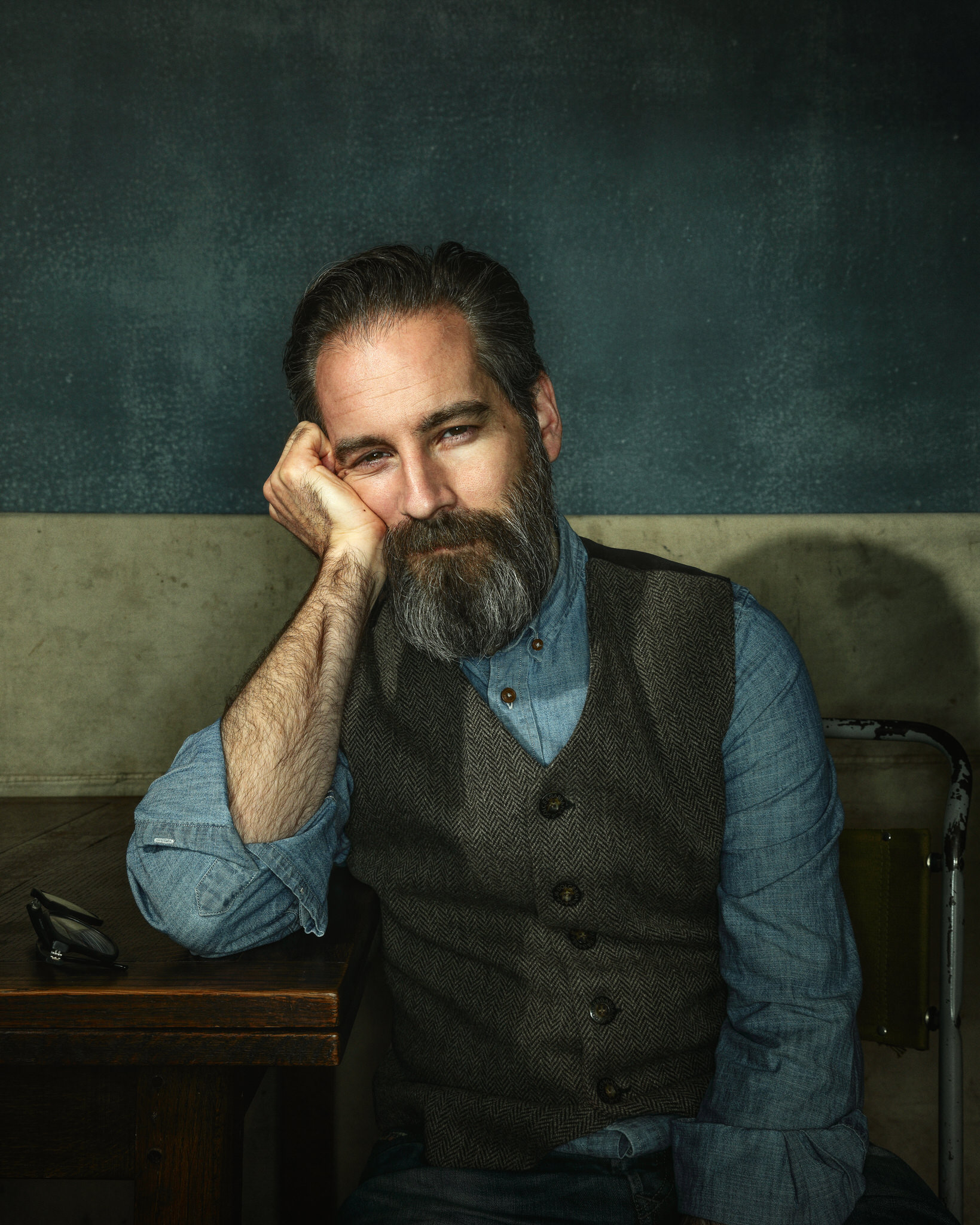
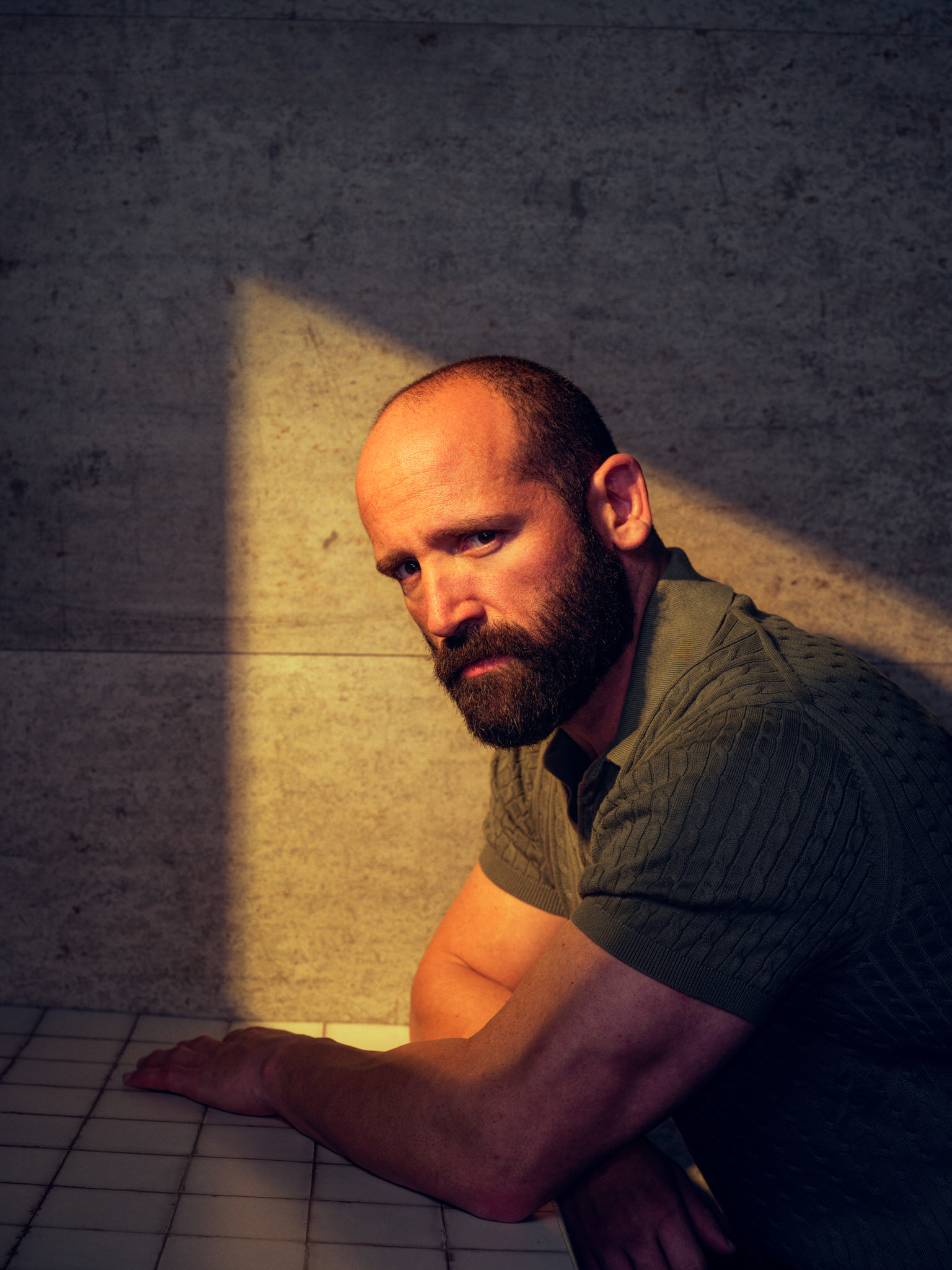
Ivan Weiss is a London-based portrait and headshot photographer known for his distinctive studio style that blends classical portrait aesthetics with modern digital techniques. Born to a photographer father, he grew up around the craft and later developed a deep passion for capturing people in a way that reflects their unique personality and presence.
His professional journey was shaped in part by mentorship with renowned headshot photographer
Peter Hurley, including intensive training in New York and ongoing involvement as a mentor and host of the weekly “Portrait Track” on Hurley’s education platform.
https://ivanweiss.london/
How did you find your way into photography?
I grew up around photography because my dad was a press photographer, so when I was a kid I learned analog photography very early – film, darkroom processing, making prints.
By the time I was seven or eight, I already knew how to use a darkroom.
But for a long time, photography was kind of put on the back burner.
Photography wasn’t seen as a viable option and at school I was actively discouraged from pursuing it.
My careers advisor basically told me I was “too clever” for it and should focus on academic subjects instead. So for a while, I did exactly that. I stepped away from photography as something serious.
When I eventually came back to it later in life, it was already the age of YouTube, and I started teaching myself digital photography, post-production, and lighting.
In a way, I had this strange mix of very early analog foundations from childhood and then a completely self-taught digital education as an adult.
Looking back, it’s interesting to see that the curiosity about light and about shaping reality with photography was already there when I was a kid – even in the first images I ever made – but it took me many years to actually give myself permission to take photography seriously as a profession.
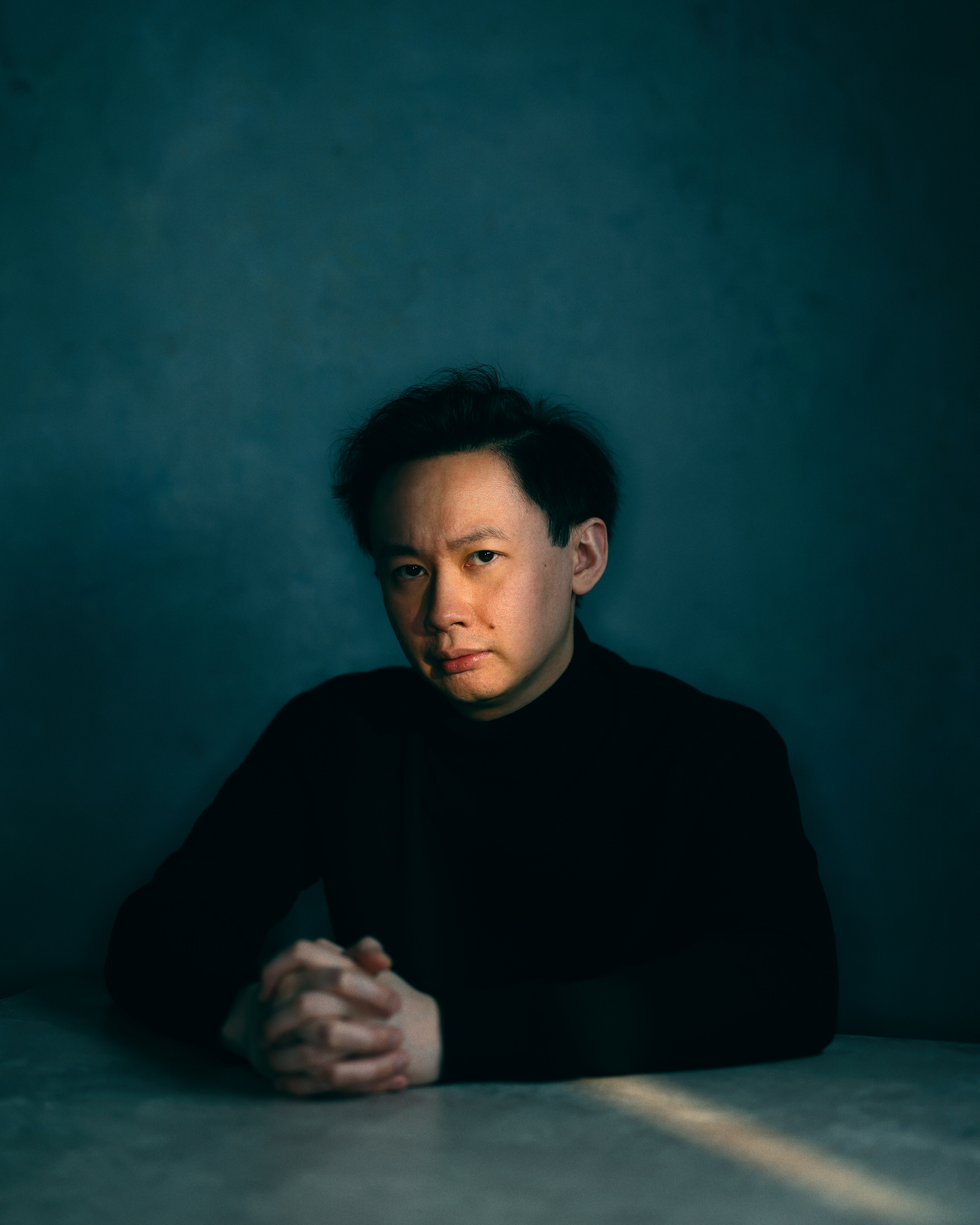
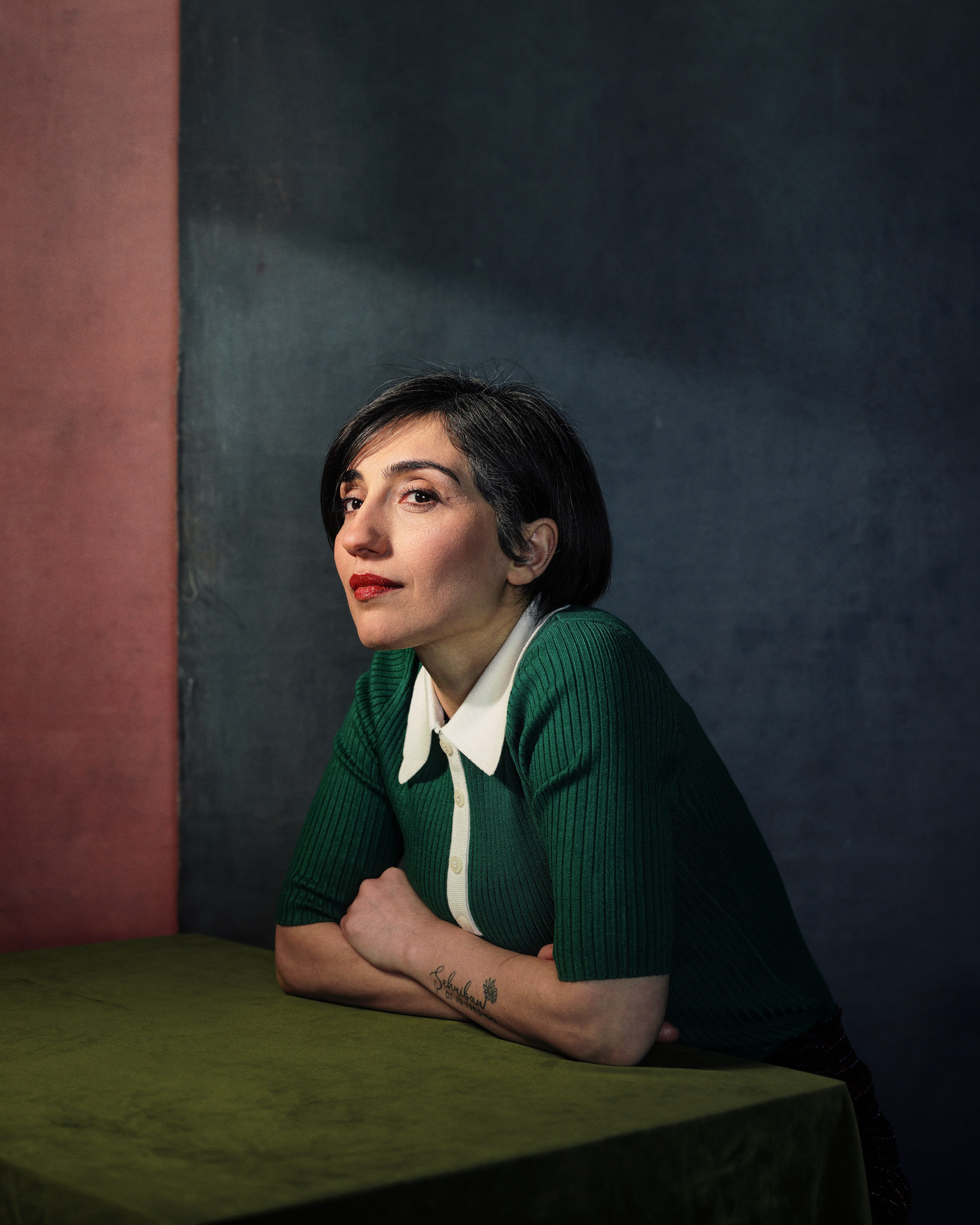
Your work is very consistent, Why is that important to you?
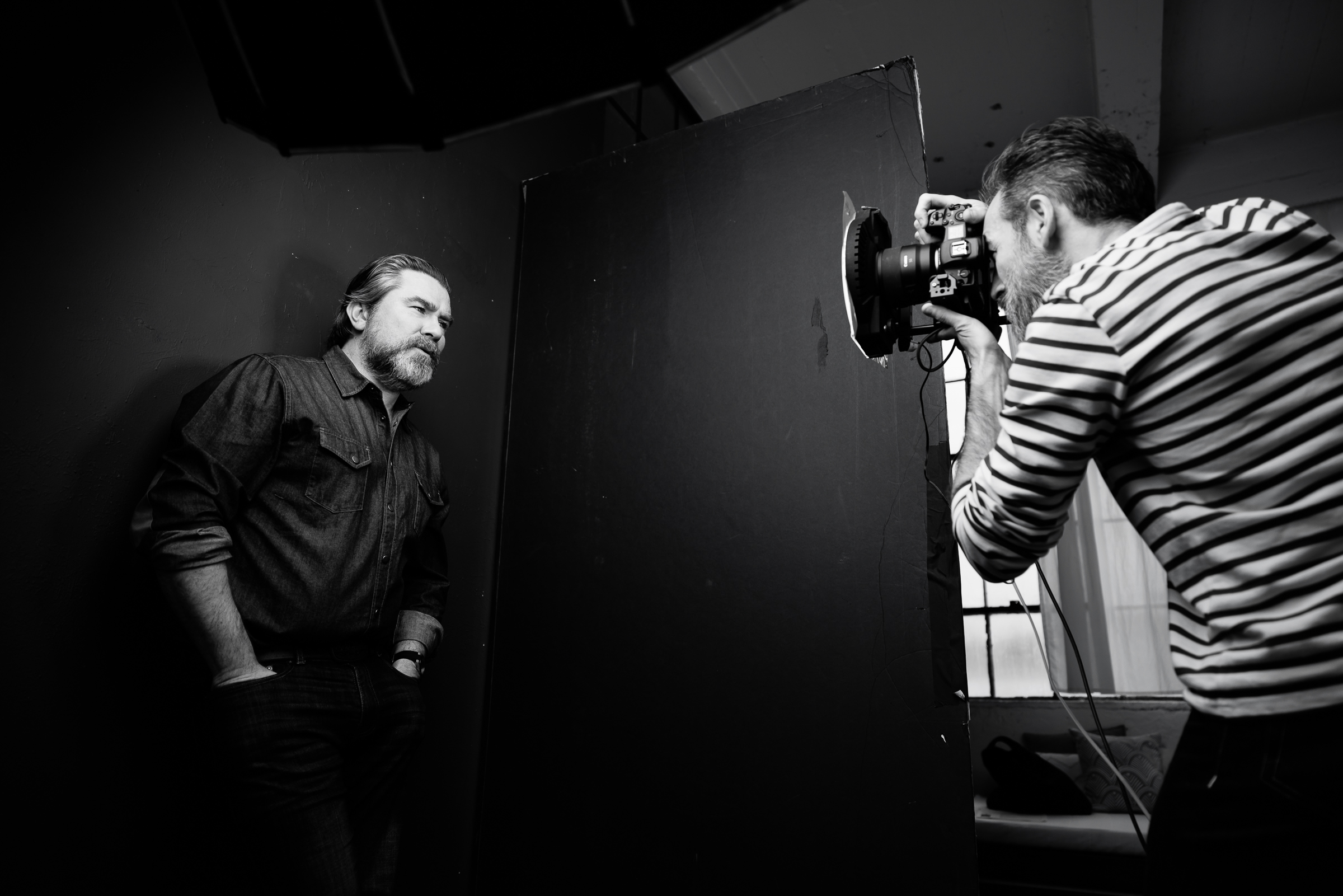
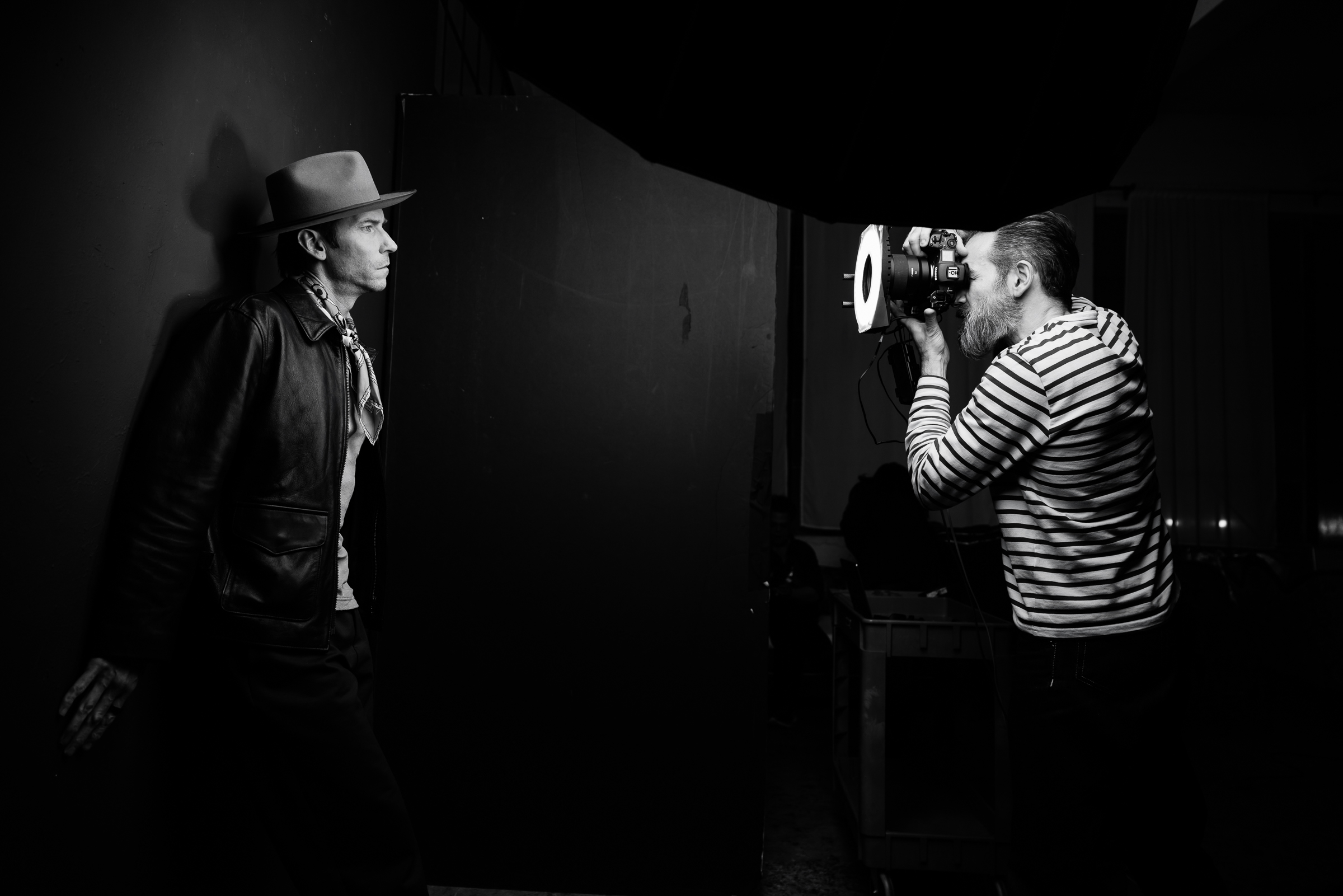
I think part of it is circumstance. I have a studio, and it’s not a very big studio, so there are natural limitations to what I can do there.
But more than that, I’ve always approached photography on my own terms.
If I take a picture, it’s going to look like the kind of picture I want to take.
I start from my taste, my approach, rather than reinventing myself for each job.
So a big part of me is always in the picture, and that creates consistency.
Why do you prefer working in the studio instead of outdoors?
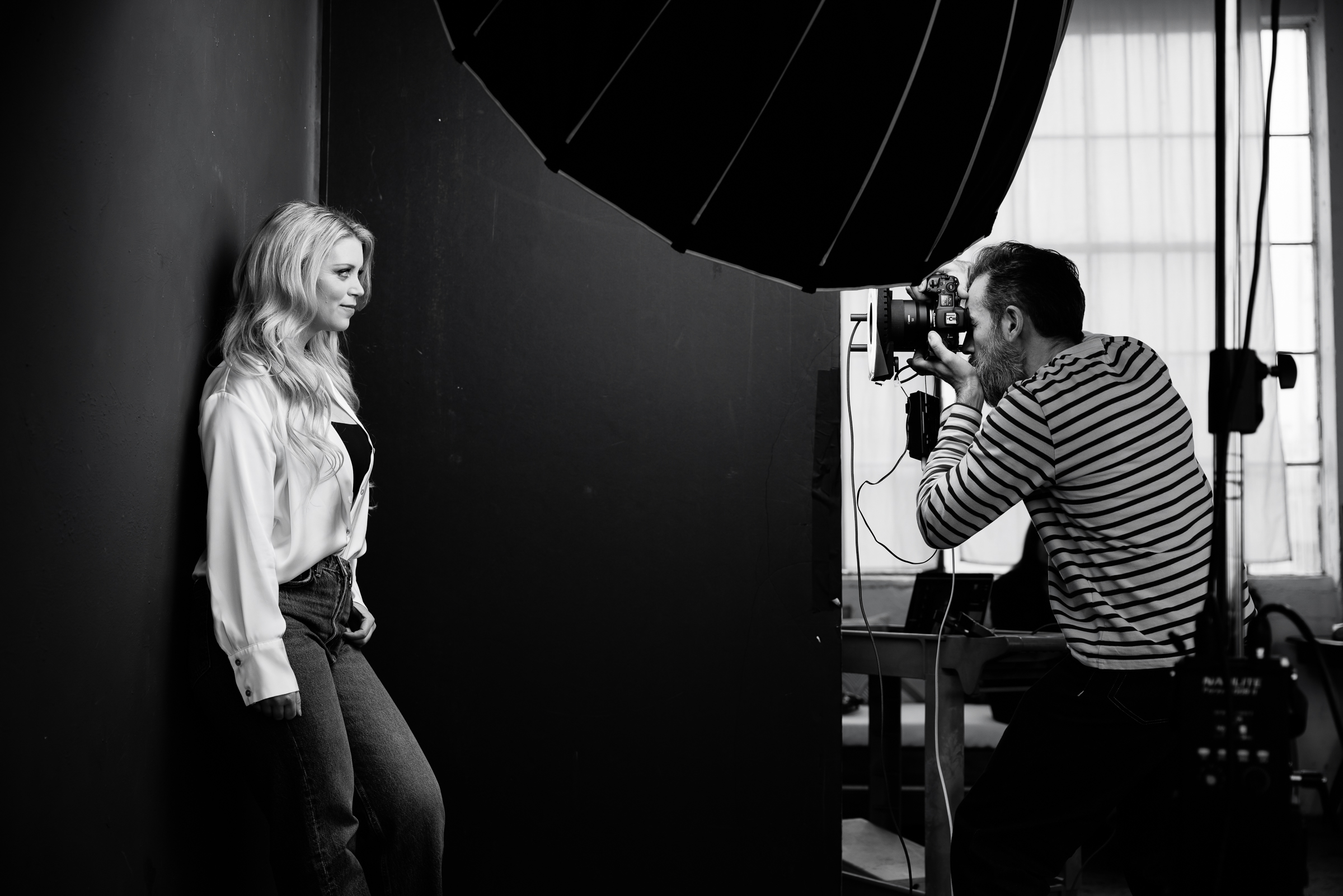
To me, being outdoors creates a lot of unnecessary problems.
The light is unpredictable, things get blown over, rained on, stolen, and you might have to deal with permits, passersby, and distractions.
It’s not a very comfortable experience for the subject. I actually started my working life doing outdoor jobs, and I knew very quickly that I never wanted to work outside again.
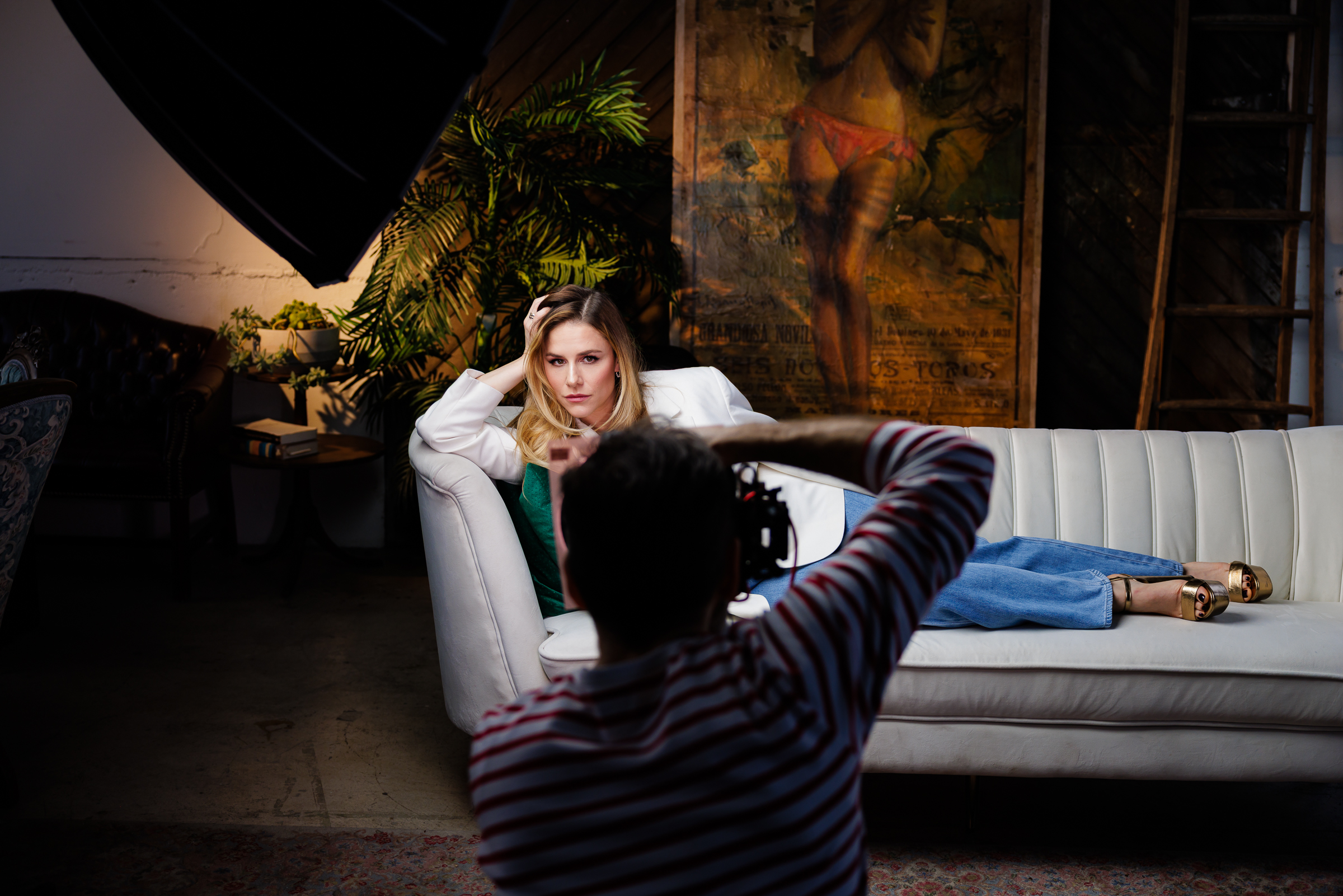
Light is the main component of what I do, and in London especially, light is incredibly unpredictable. In the studio, I can control the environment.
It removes obstacles instead of adding them.
In some industries there’s a belief that actors should be photographed with no makeup, no lighting, no studio –
just ‘natural.’
What do you think about that?
I really disagree with that approach. If you take that logic to its extreme, what you’re saying is that you want an image with no expression, no personality – basically a data sheet.
Height, hair color, eye color.
But humans don’t make decisions like that.
We respond emotionally first, and facial expression is the primary way we read emotion.
A “blank” face doesn’t help anyone.
Neutral is fine, but blank is meaningless.
You might as well be photographing a piece of paper.
Actors are on camera all the time. Why are so many of them uncomfortable in front of a still camera?
Because the discomfort doesn’t come from being an actor. It comes from knowing your image is being recorded and preserved. That makes people self-conscious.
For actors, there’s an extra layer: the headshot can feel like “make or break” for their career, so the stakes feel higher.
And still photography is different from film. In film, you’re in motion, constantly adjusting.
A still image feels like one frozen moment that has to be perfect, even though in reality we can shoot hundreds of frames.
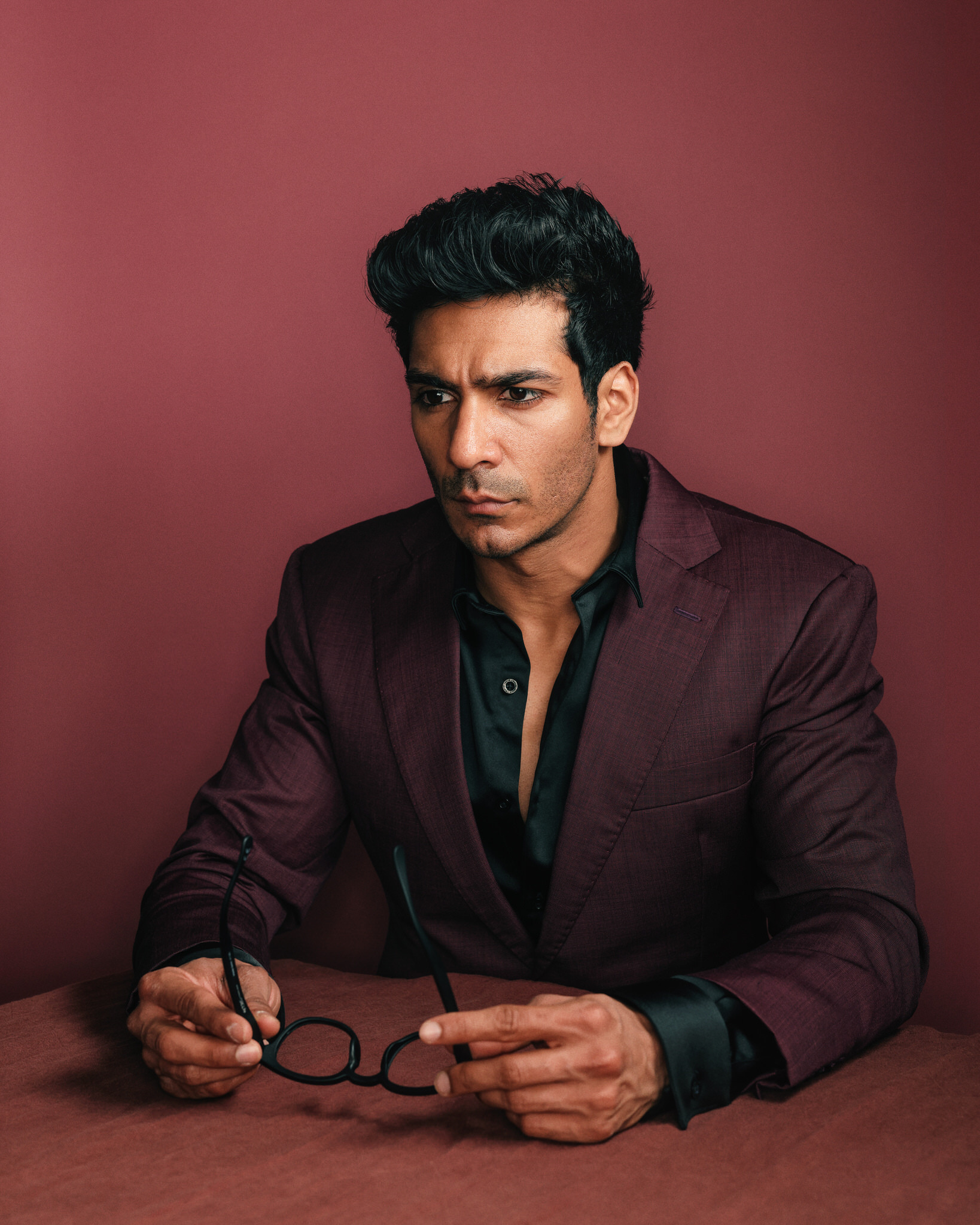
You mentioned how people tense their faces and bodies as soon as the camera comes up.
Yes, people hold tension in different places – jaw, mouth, eyes, eyebrows.
You only notice it when the camera comes up. The same goes for hands.
In everyday life, you never think about what your hands are doing. But the moment you become conscious of it, everything feels wrong:
“Are my hands weird? Are my eyebrows too tense? Why do my lips feel dry?”
Once that spiral starts, it’s hard to stop.
We pay much more attention to hands and subtle body language than we consciously realize. We may not be able to articulate what’s wrong, but we sense that something is off.
Hands are a huge part of communication.
The same with laughter – fake laughter is instantly recognizable unless someone is very practiced at faking it.
The moment you start questioning whether your smile looks real, it usually stops being real.
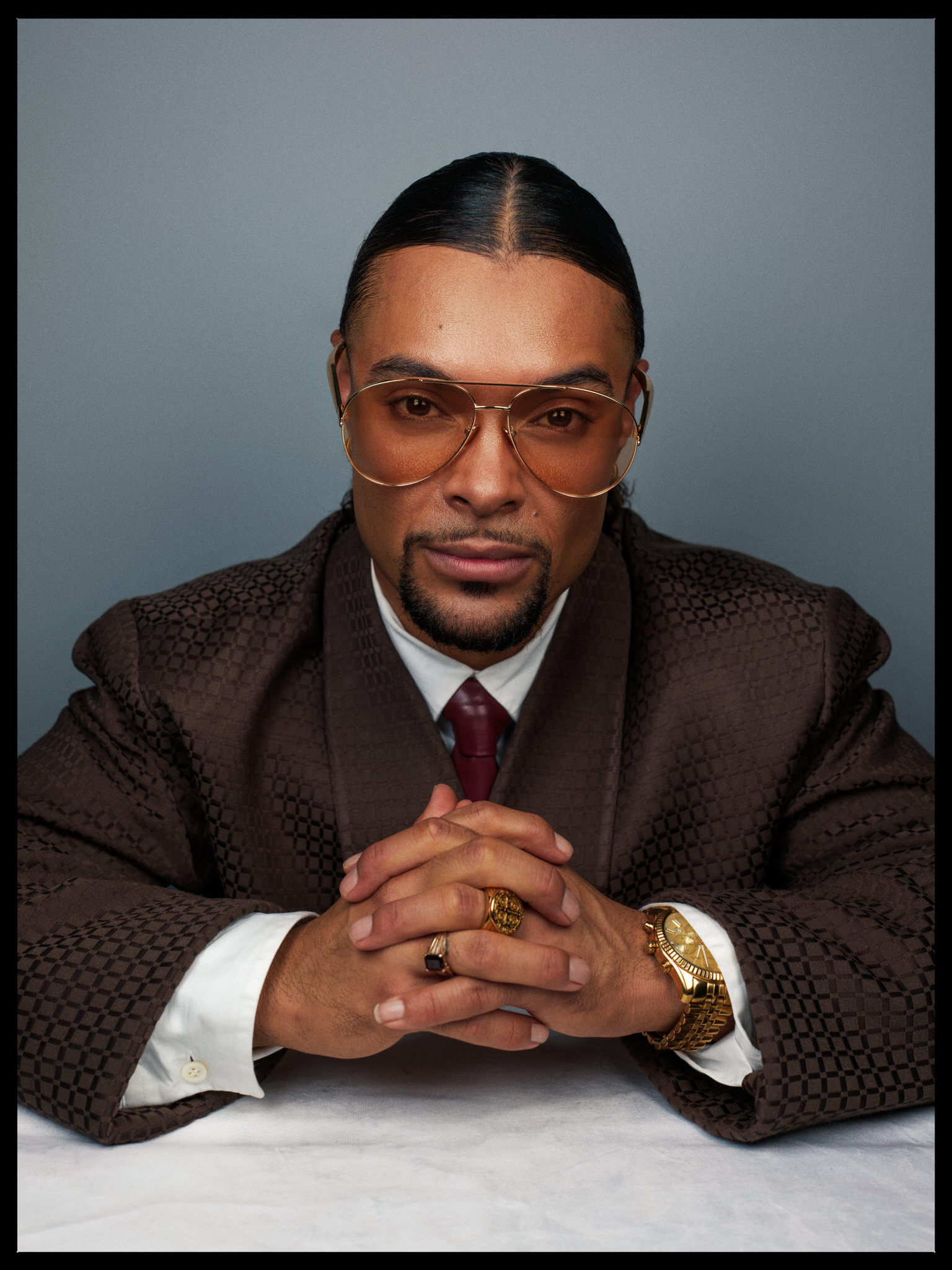
What’s your approach to making people beautiful in the photos? Creating flattering images?
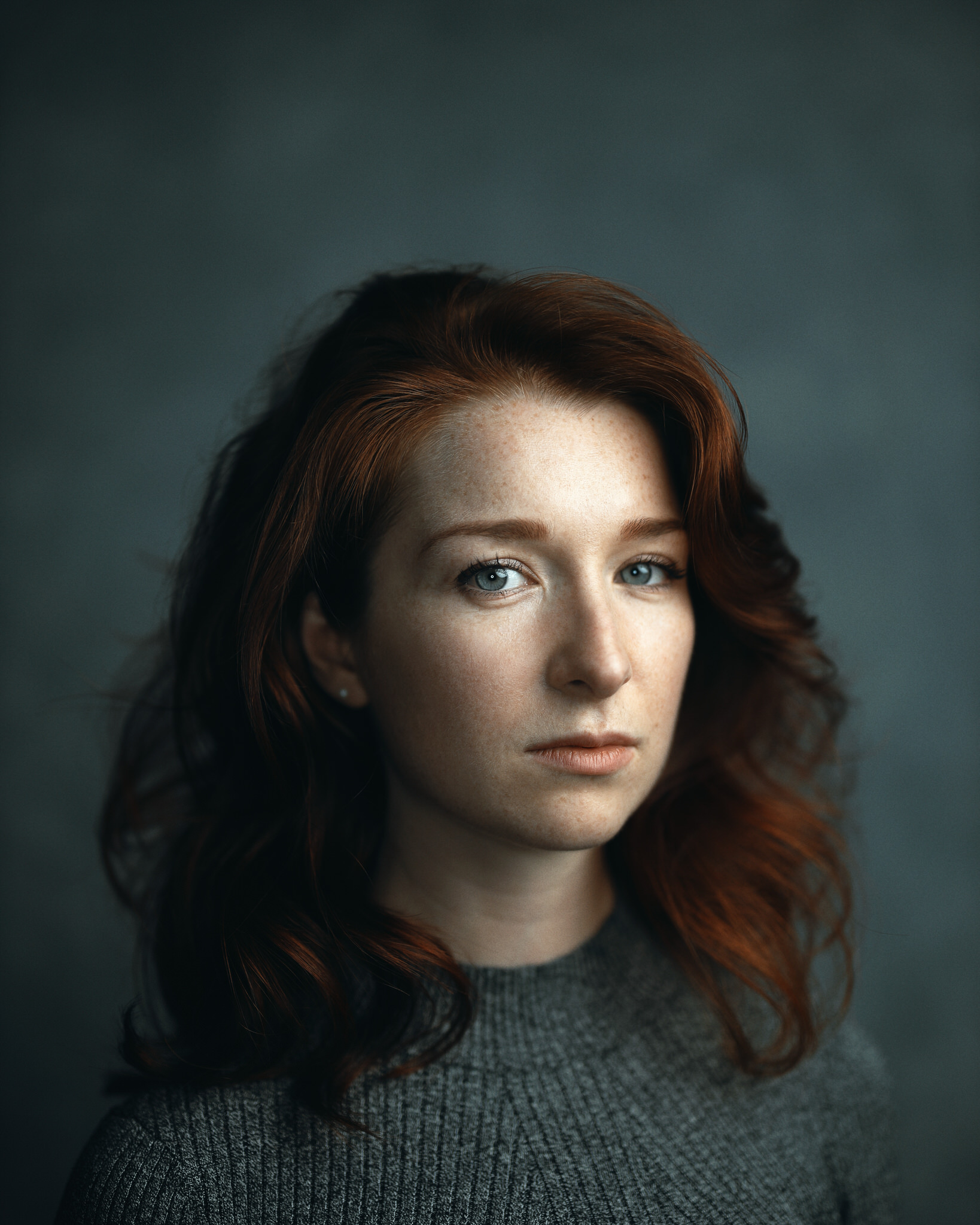
If flattering means pushing everyone toward some average ideal, then I don’t think that’s very interesting. I’d rather celebrate what’s unique.
If someone has a big nose, maybe I’ll shoot them in profile and celebrate it – obviously in a way that feels respectful, not like putting someone in a zoo.
Studio photography allows you to try both: the safe, flattering shots and the more experimental ones.
If nothing fails in a session, you probably didn’t take any creative risks.
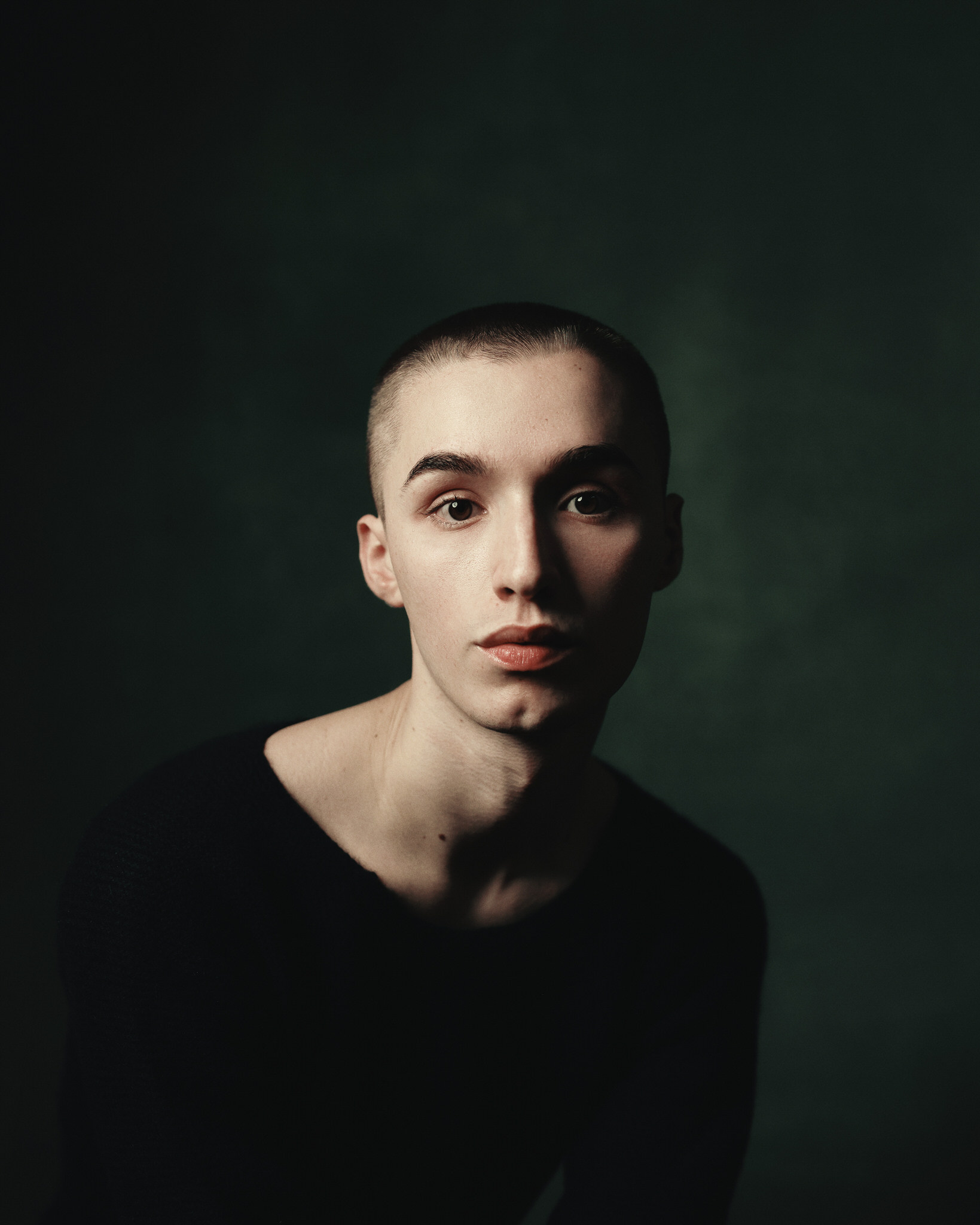
How much of a portrait session is also a therapy session?
There are similarities, we do deal with people’s insecurities, but I’m not a therapist.
As photographers, we have to be comfortable talking about appearance in a way that would be inappropriate in normal social situations.
Avoiding the subject entirely is also weird.
It’s about celebrating what makes people unique, not ridiculing them.
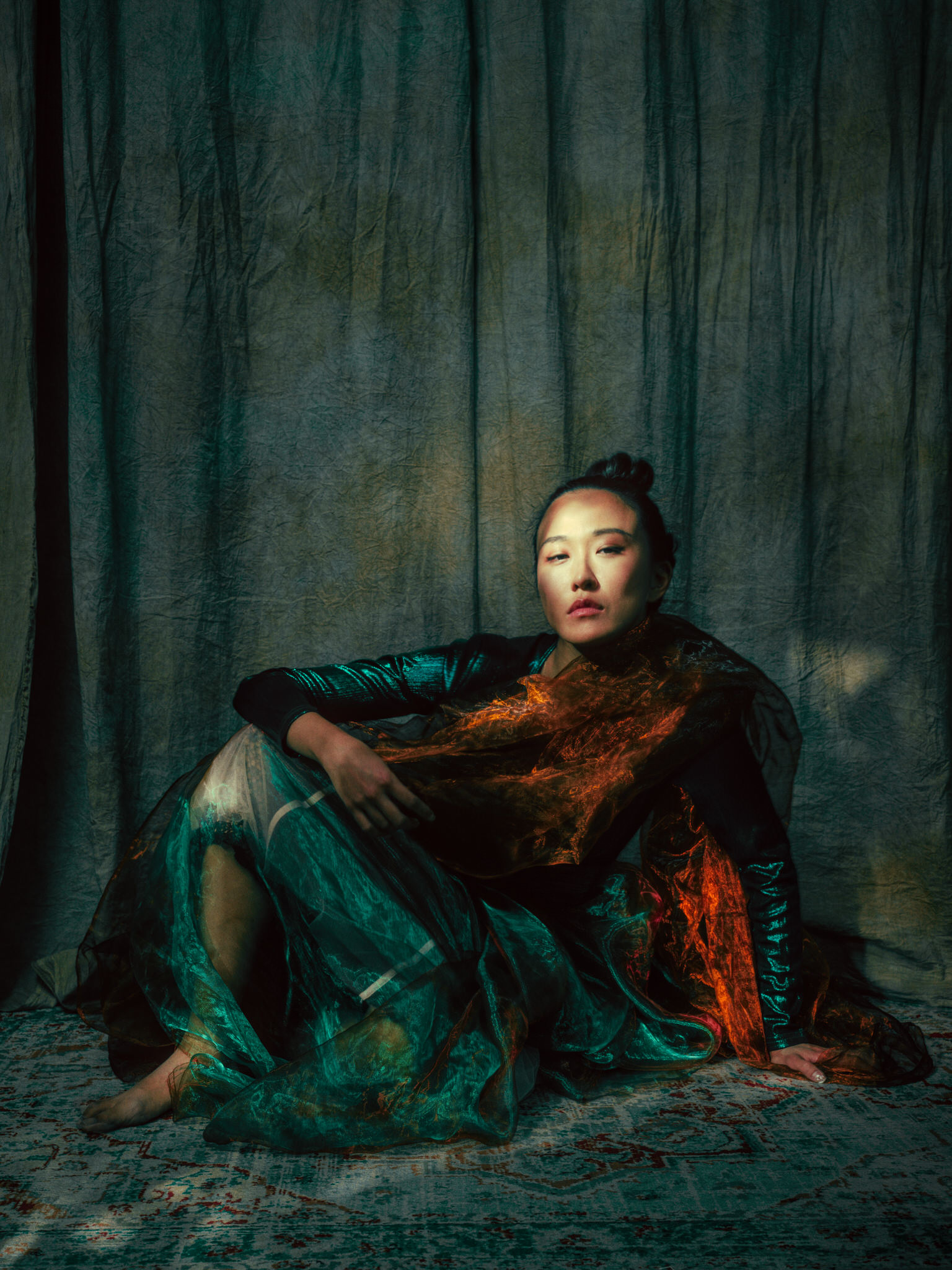
How do you create eye contact when you’re literally hiding behind a camera?
I always shoot with my eye to the viewfinder, and I talk to people while looking through it.
That trains them to relate to me through the lens.
Some people struggle with eye contact even without a camera, so sometimes you just have to gently guide them back: “Look here.”
Actors, especially, are used to never looking into the lens on set, so it’s an unfamiliar experience for them.
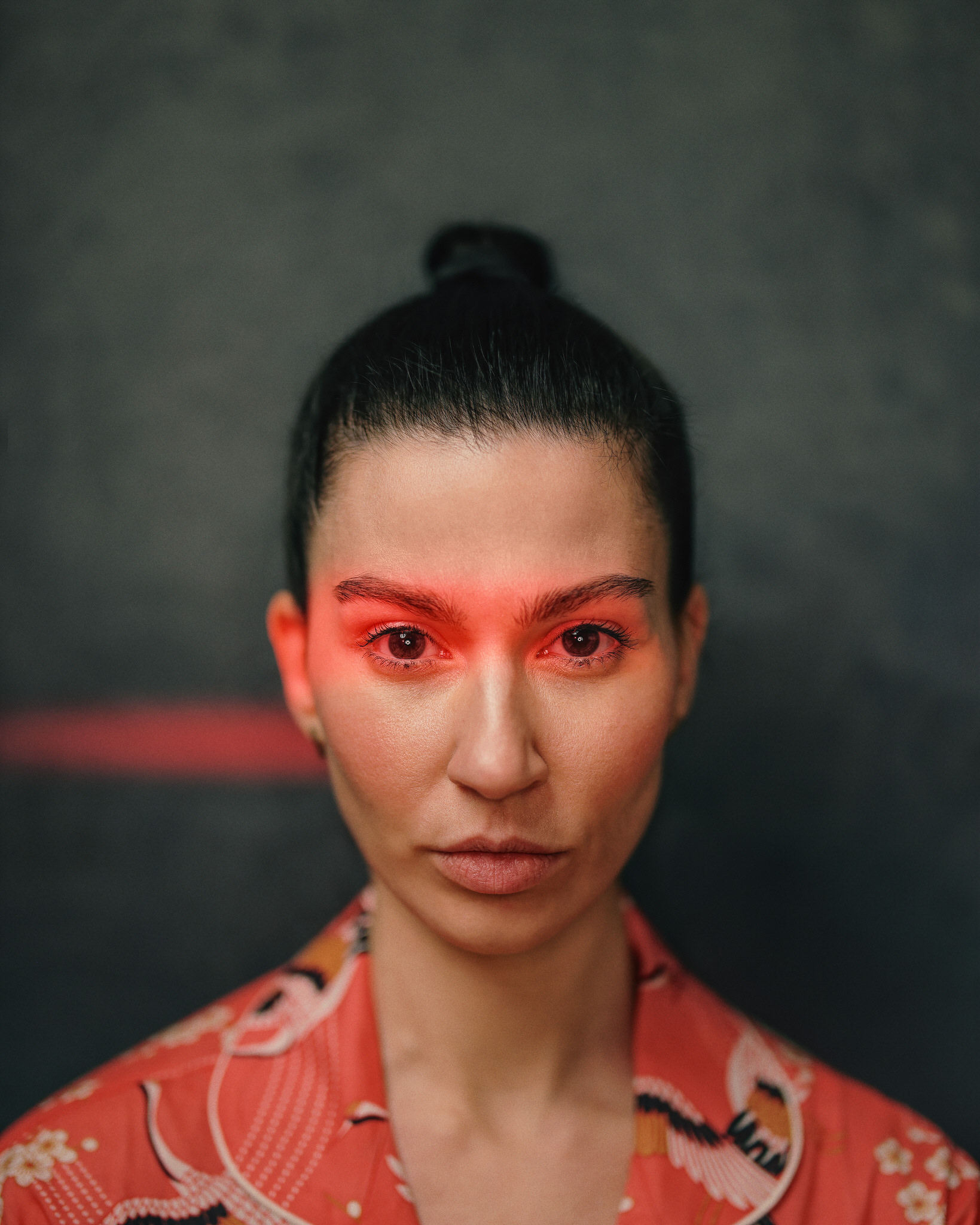
How did you first hear about JPEGmini, and how does it fit into your workflow?
Funnily enough, it was actually Peter Hurley who recommended JPEGmini to me in the first place. I use the standalone version, and it’s the very last stage of my workflow.
After post-production, I create a master JPEG that sits in my archive, and from that I generate all the deliverables for my clients. I just drag and drop the files into JPEGmini, and it outputs the two sizes I use, compresses them as much as possible without visible quality loss, and puts them into folders with my naming convention.
I then drop those folders straight into Dropbox to deliver to clients.
I also use JPEGmini for images that go on my website, because I want them to be as light and fast-loading as possible. And over time, I go back through my archive and compress older master JPEGs as well. After a year, it’s unlikely I’ll need to create new deliverables from those files, so I run them through JPEGmini without resizing, just to keep the archive from getting bloated. It can take files from 40–50MB down to a couple of megabytes, which makes a big difference when you’re sitting on tens of terabytes of storage. The preset function is probably what saves me the most time – I don’t have to think about it.
I just drag, drop, and it’s done.
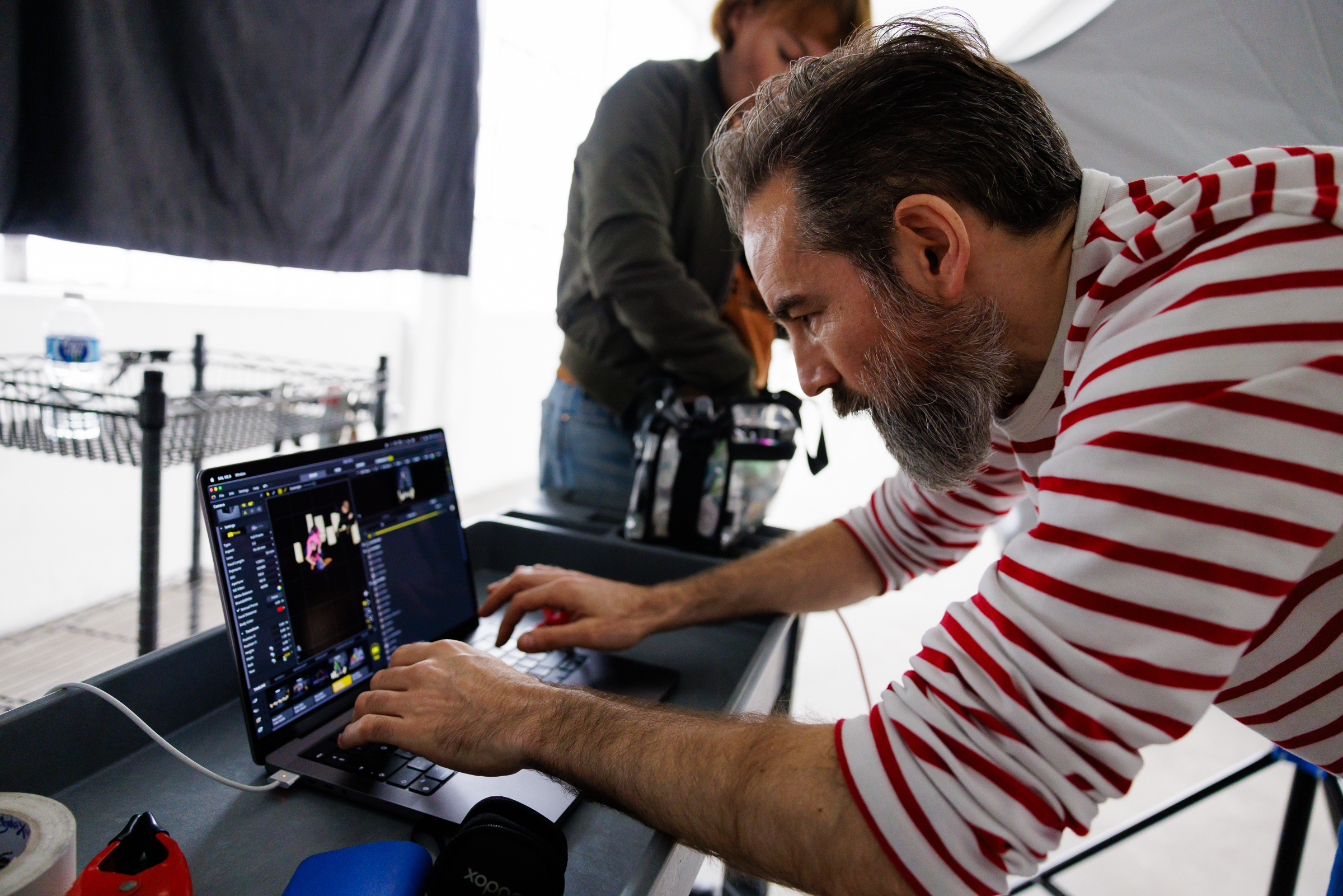
If photography is both your product and your marketing, how does that change the way you build your business?
As photographers, we’re essentially micro-businesses. The difference between being fully booked and being unemployed is often just one client.
We’re not Coca-Cola – we don’t need millions of customers.
We just need the right one person. That changes how you think about everything from how you present your work to how efficiently you run your workflow.
The brilliant thing about photography is that our product is also our marketing. The images we create are literally what we show the world. If people connect with that aesthetic, they reach out, they book you, and the whole thing starts reinforcing itself.
So it’s not just about making beautiful images – it’s also about making sure they’re delivered well, they load fast, and they live in the world in a way that represents you properly.
In that sense, having a clean, efficient workflow isn’t just a technical detail; it’s part of how you run your business.
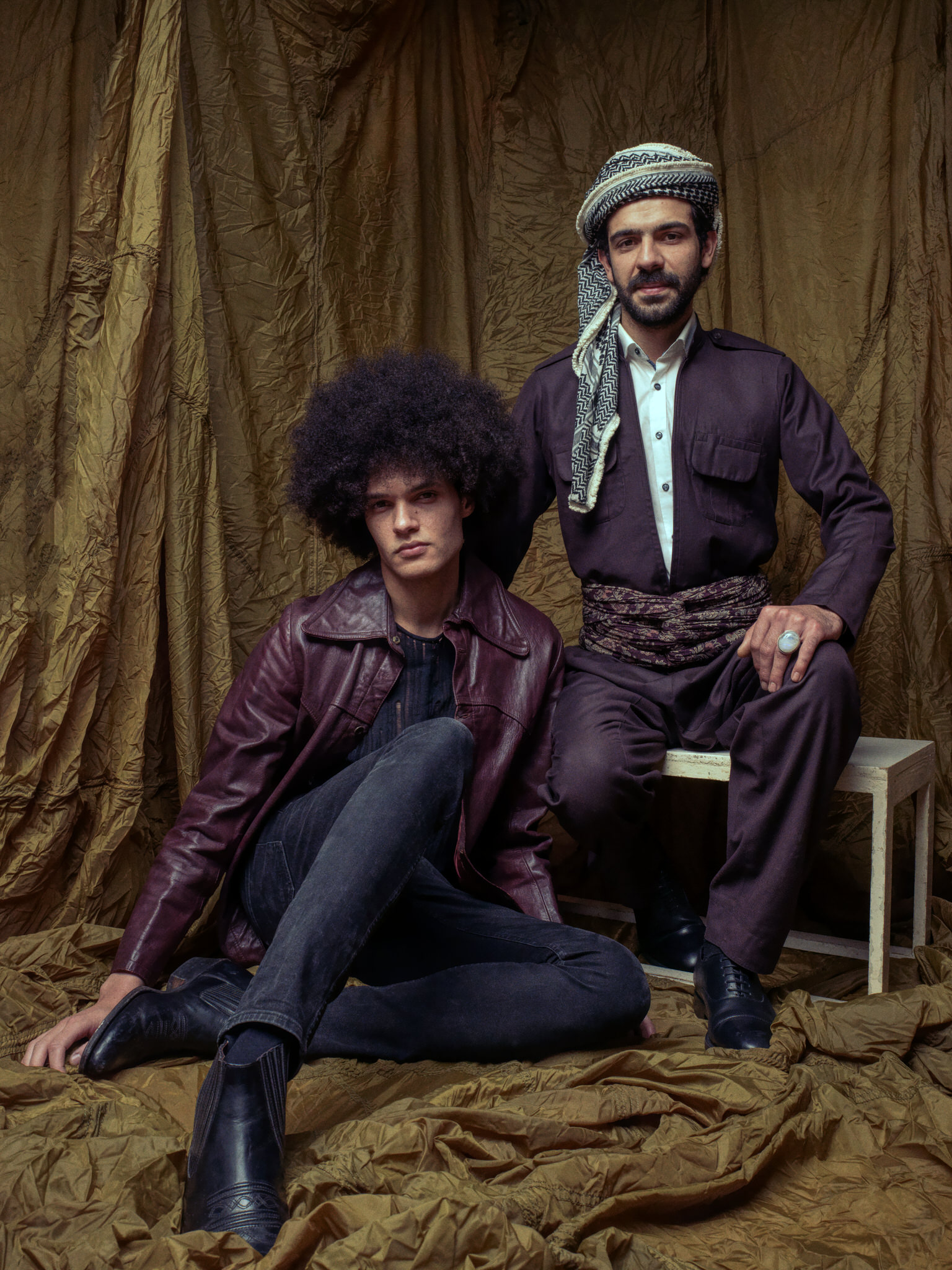
Has there ever been a shoot that completely failed?
On average, probably about once a year.
Sometimes I just can’t establish enough of a connection with someone to make images that either of us genuinely like. If that happens, I draw a line: I delete the images and refund the money. I don’t want to be paid for not having done my job.
It’s emotionally difficult, and it’s often more work than an easy, successful session. But ethically, I feel that’s the right thing to do. With some distance, those experiences become learning moments. In the long run, the insight you gain from a session that didn’t work is worth more to me than the money from one shoot.
If you don’t have three or four ideas that didn’t work in a session, you probably didn’t have a very good session.
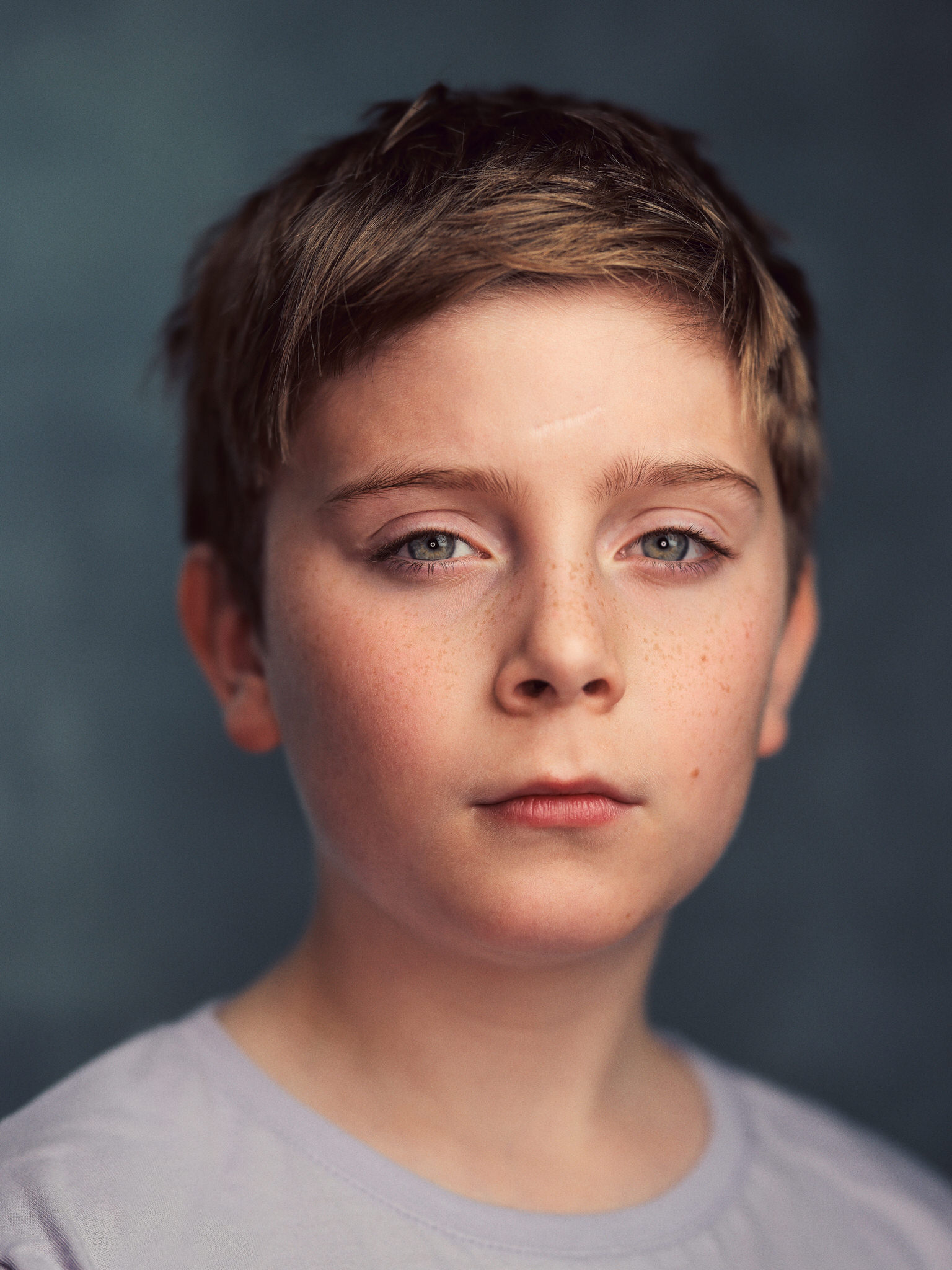
Looking back, how different are your first portraits from your work today?
Technically, they were worse: the focus wasn’t great, the lighting wasn’t refined.
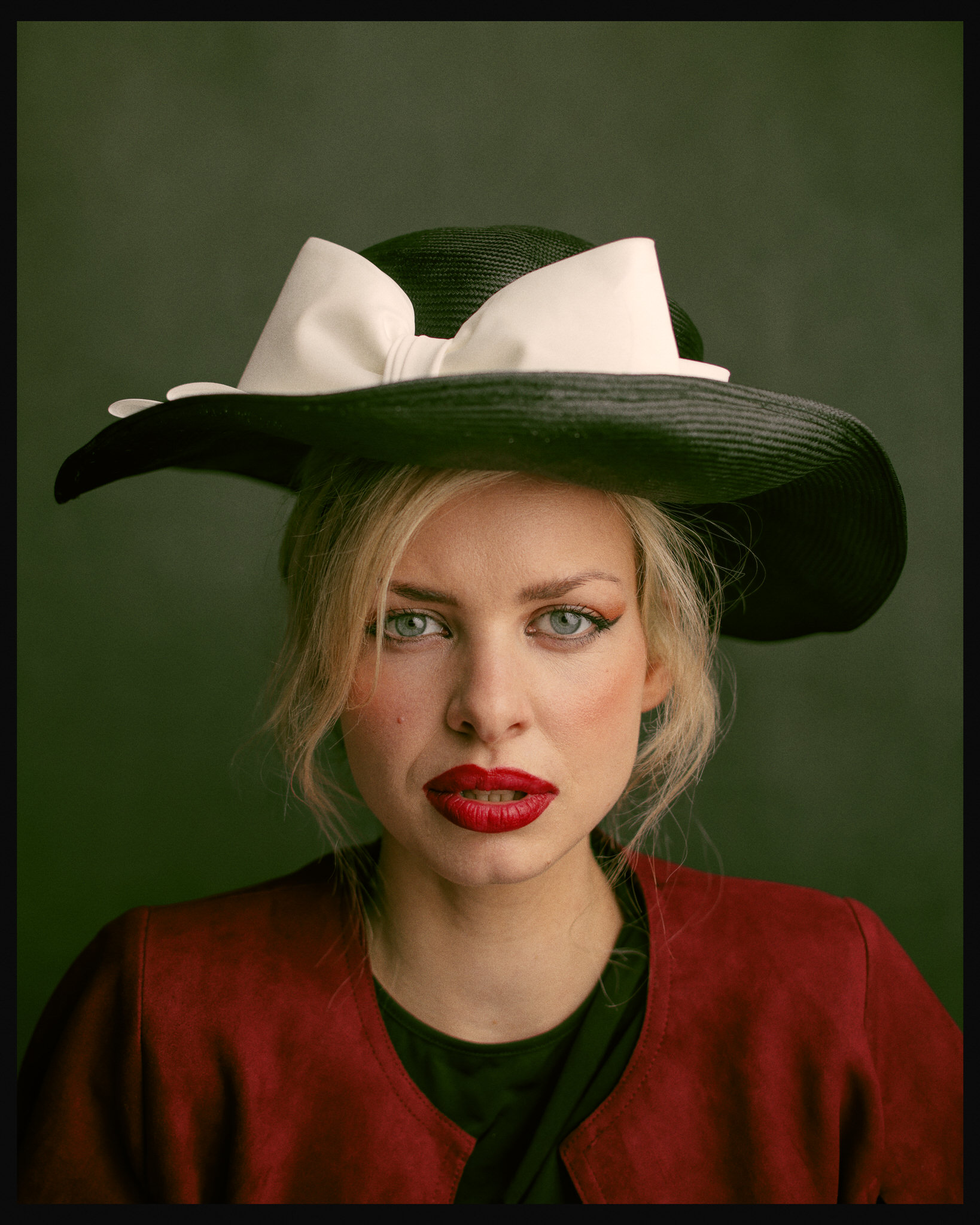
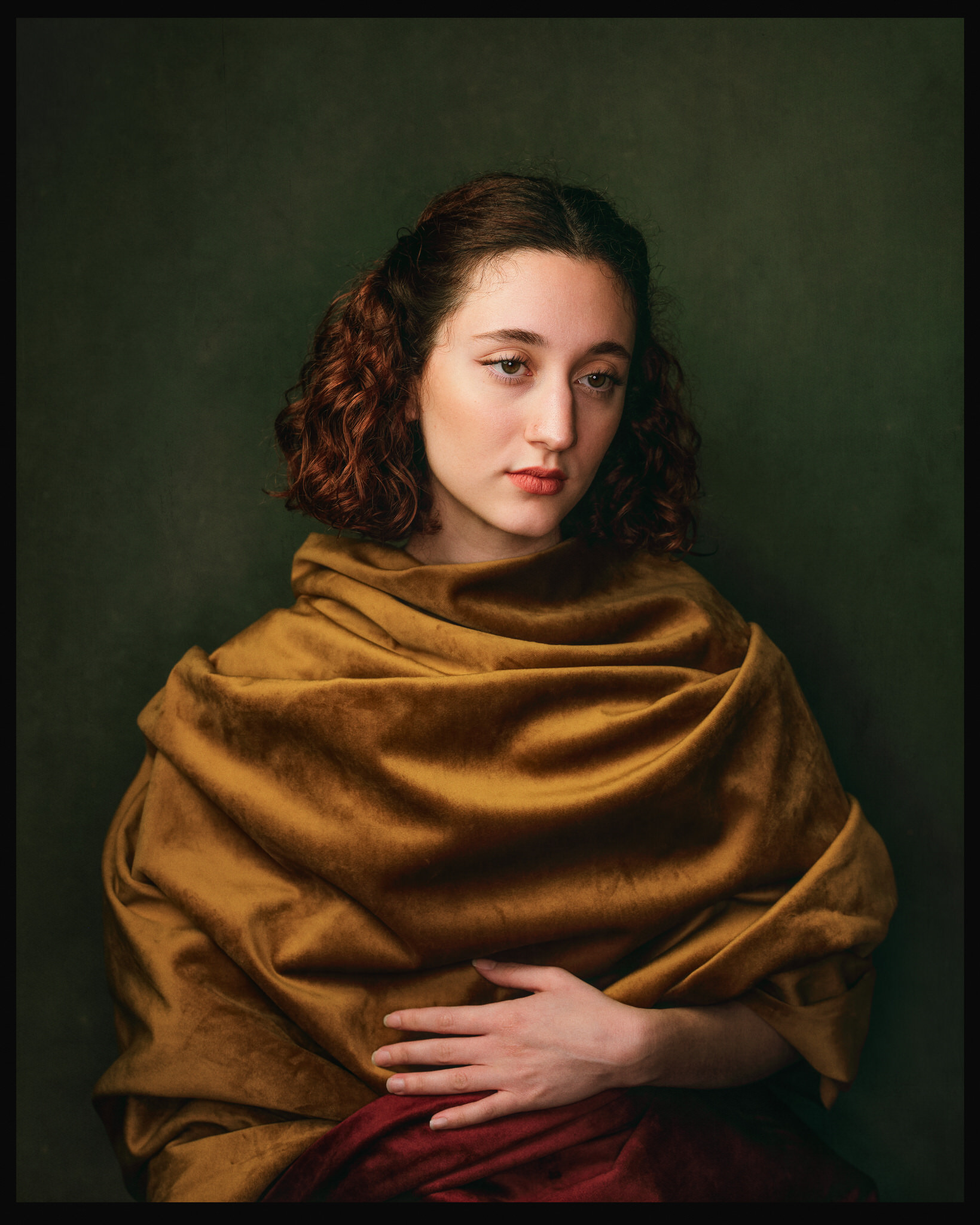
But the seeds of what I’m interested in now were already there – Renaissance-like lighting, warm fill light, a sense of classic portraiture.
Even when I was 11, I was experimenting with light in ways that went beyond simple documentation. That curiosity about manipulating light to reveal something emotional has always been there.
Final Thoughts
Ivan Weiss’s practice sits in that rare, thoughtful space where technical precision meets emotional literacy. Rooted in early darkroom discipline and matured through a self-taught digital journey, his portraits resist both formula and spectacle, choosing instead a quiet, deliberate language of light, presence, and attention.
Weiss treats the studio not as a neutral backdrop but as an ethical and psychological space – one where vulnerability can be held, tension gently dismantled, and individuality affirmed rather than flattened into an “ideal.”
What emerges is a body of work that understands portraiture as a form of relational practice:
A choreography of trust between photographer, subject, and lens.
In an industry often pulled toward speed and surface, Weiss’s work is a reminder that seeing – truly seeing.
It’s a slow craft, built on listening, consistency of vision, and the courage to let imperfect, human moments remain visible.
Most importantly, the photographs are simply stunning, visually striking and quietly thought-provoking.