
Short Bio:
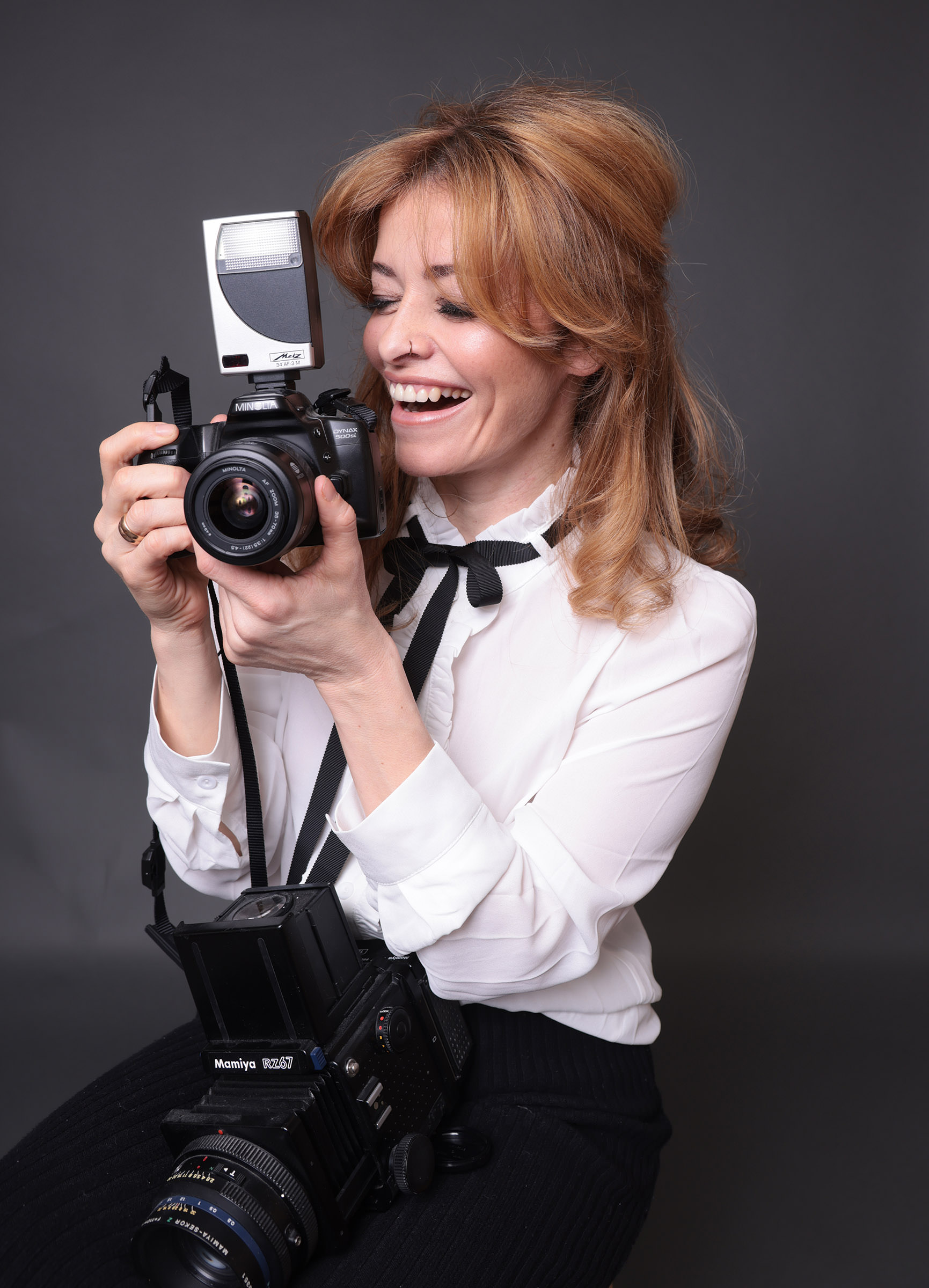
Alina Gross is a German-Ukrainian photographer whose bold, feminine visual language moves between fashion editorial and fine art. Published in multiple international editions of Vogue, British Vogue, Allure Korea, and others, Gross creates images where the body becomes sculpture and imperfection becomes elegance. Her clients include Schiaparelli, and her work has been exhibited across Europe.
Your work often begins with beauty – but doesn’t end there.
What are you really looking for when you photograph a body?
I want to show beauty in another way.
Not only the classical beauty we already see everywhere. I think there are enough pictures on social media showing the same ideal.
I want to show something different.
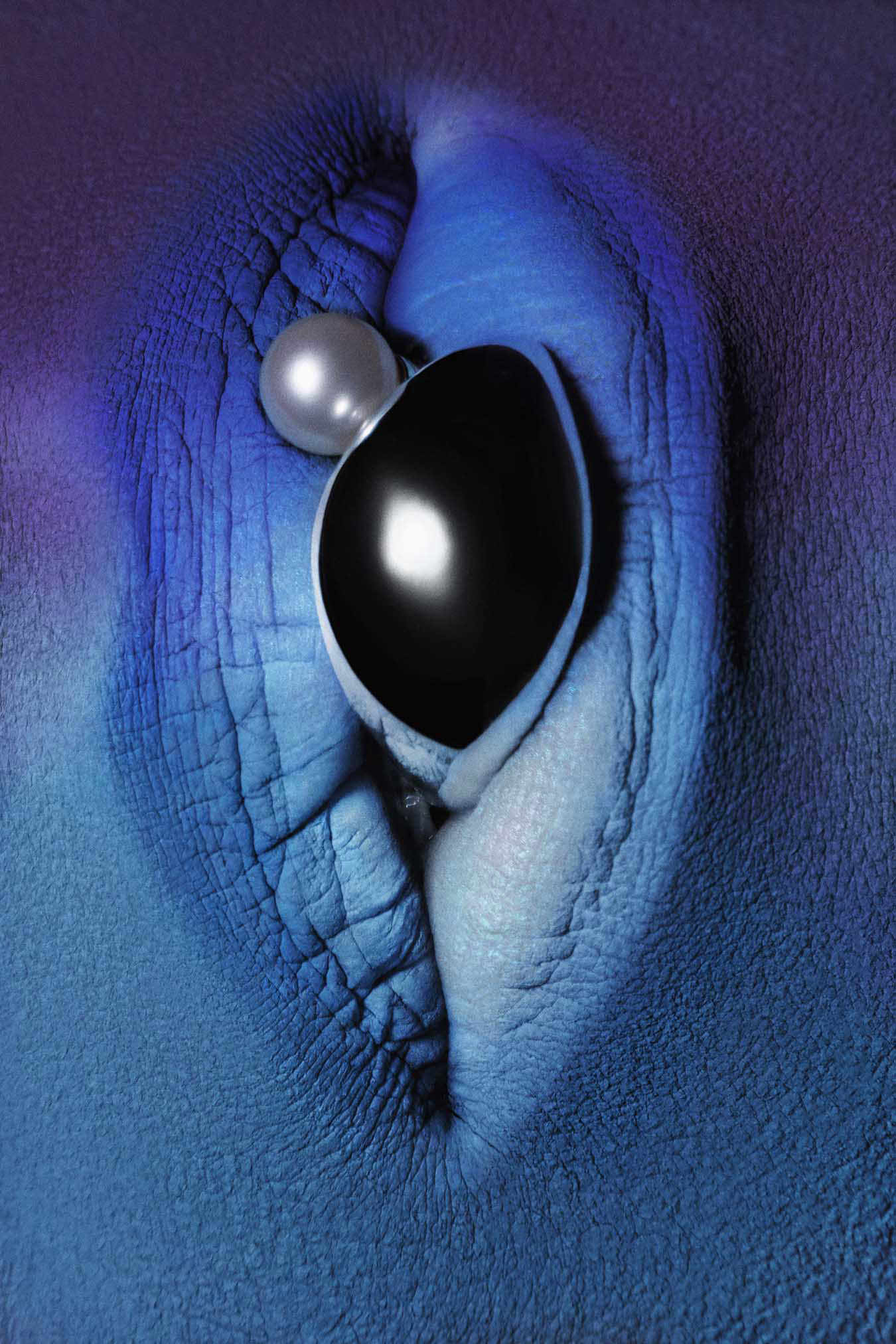
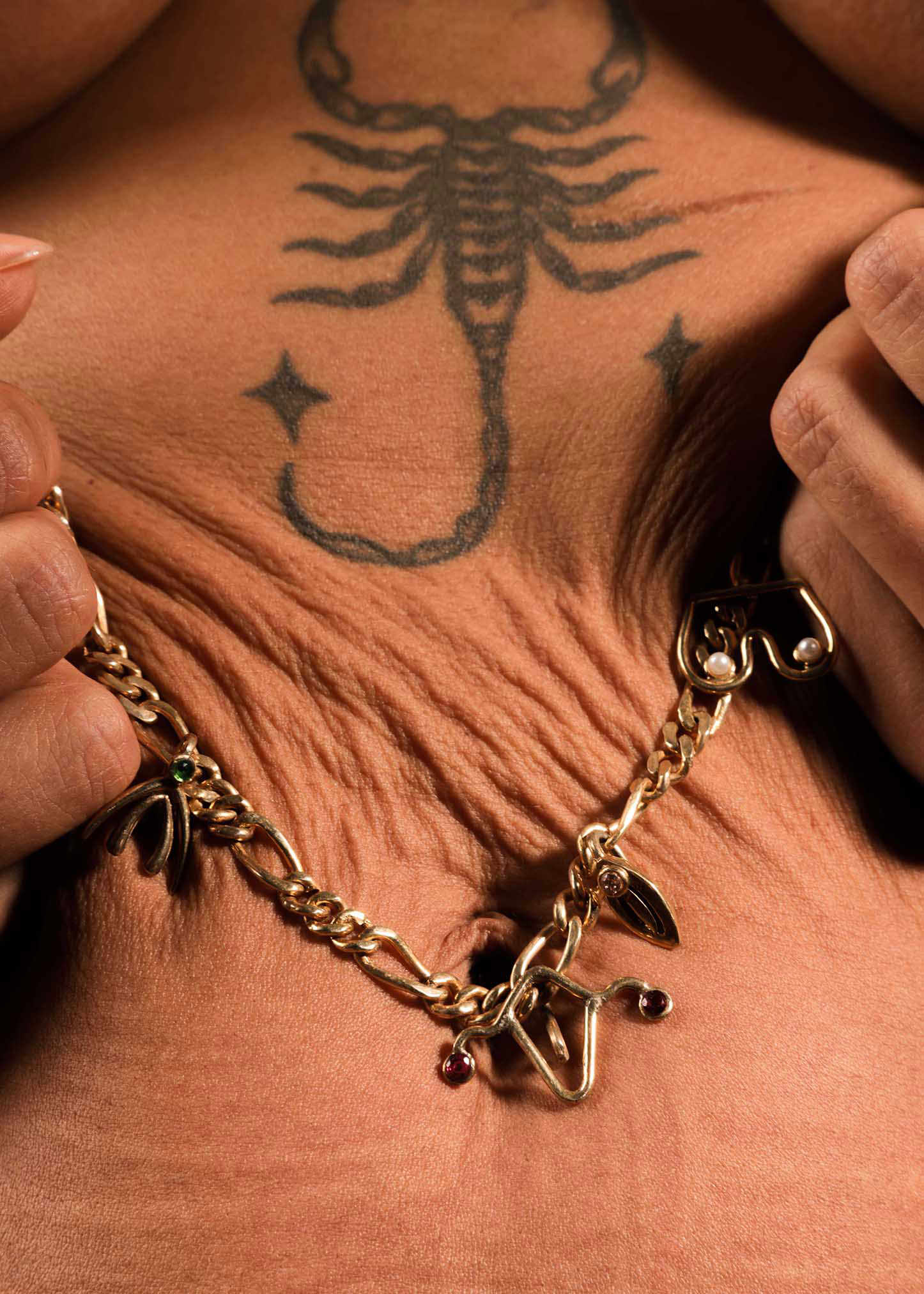
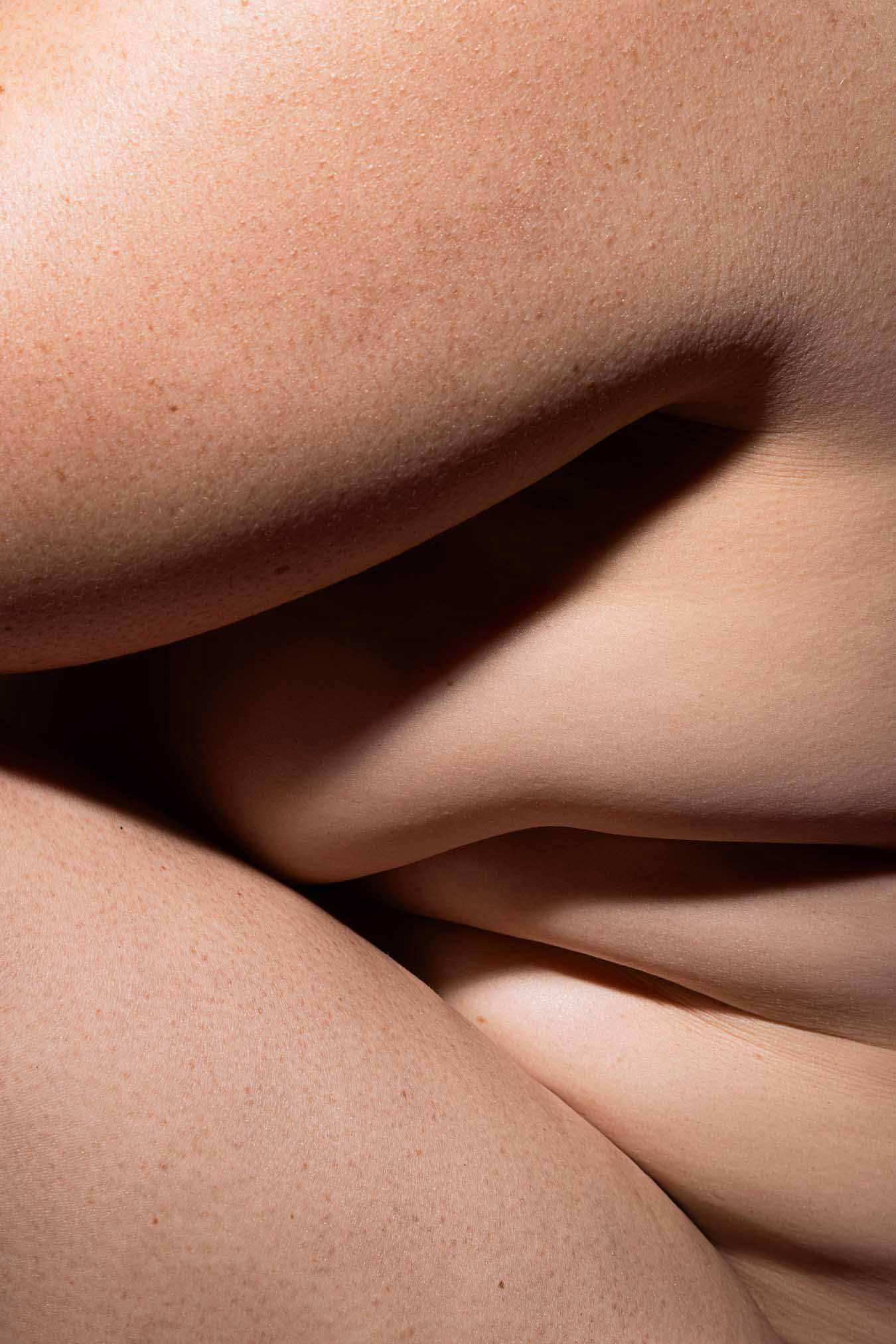
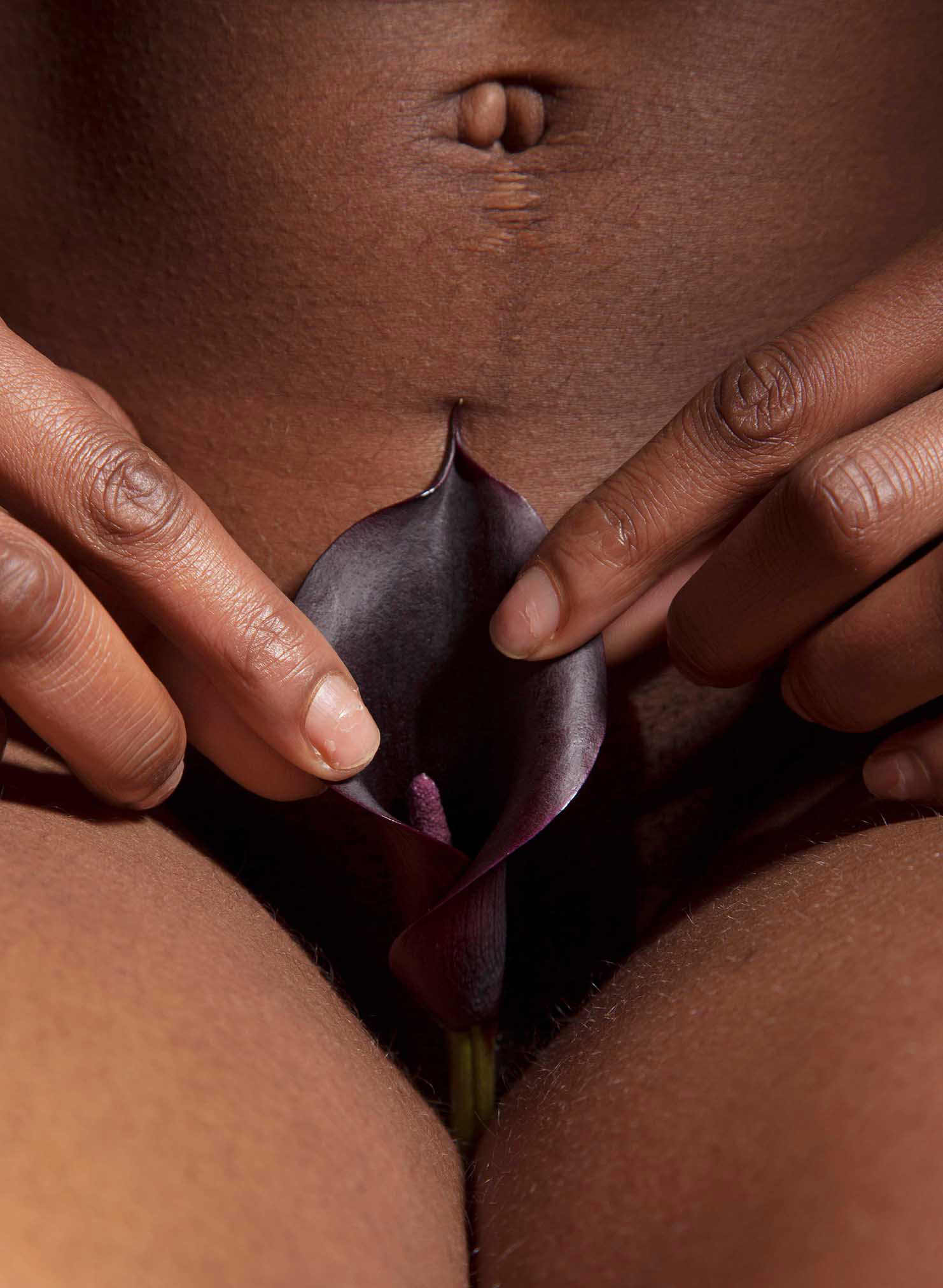
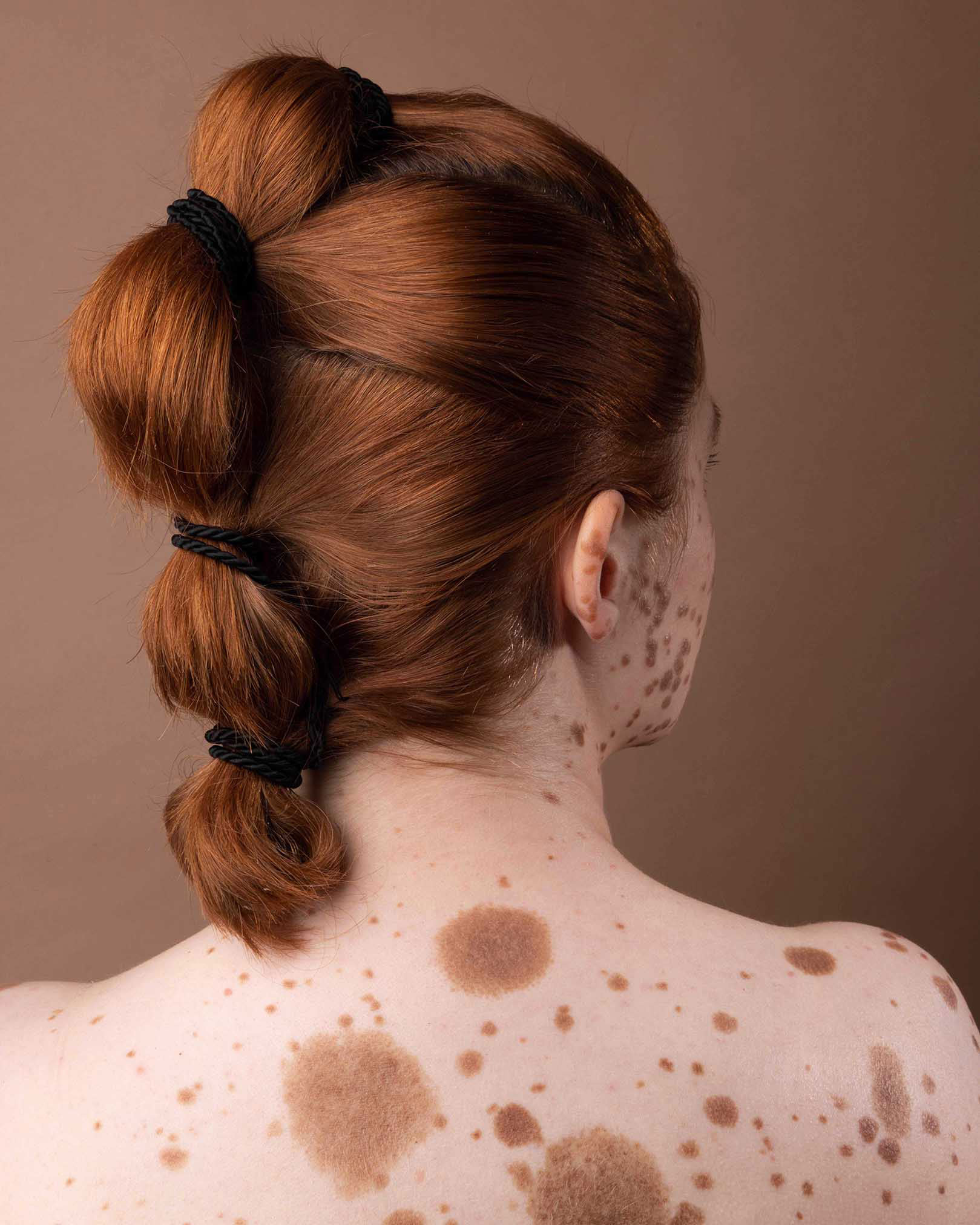
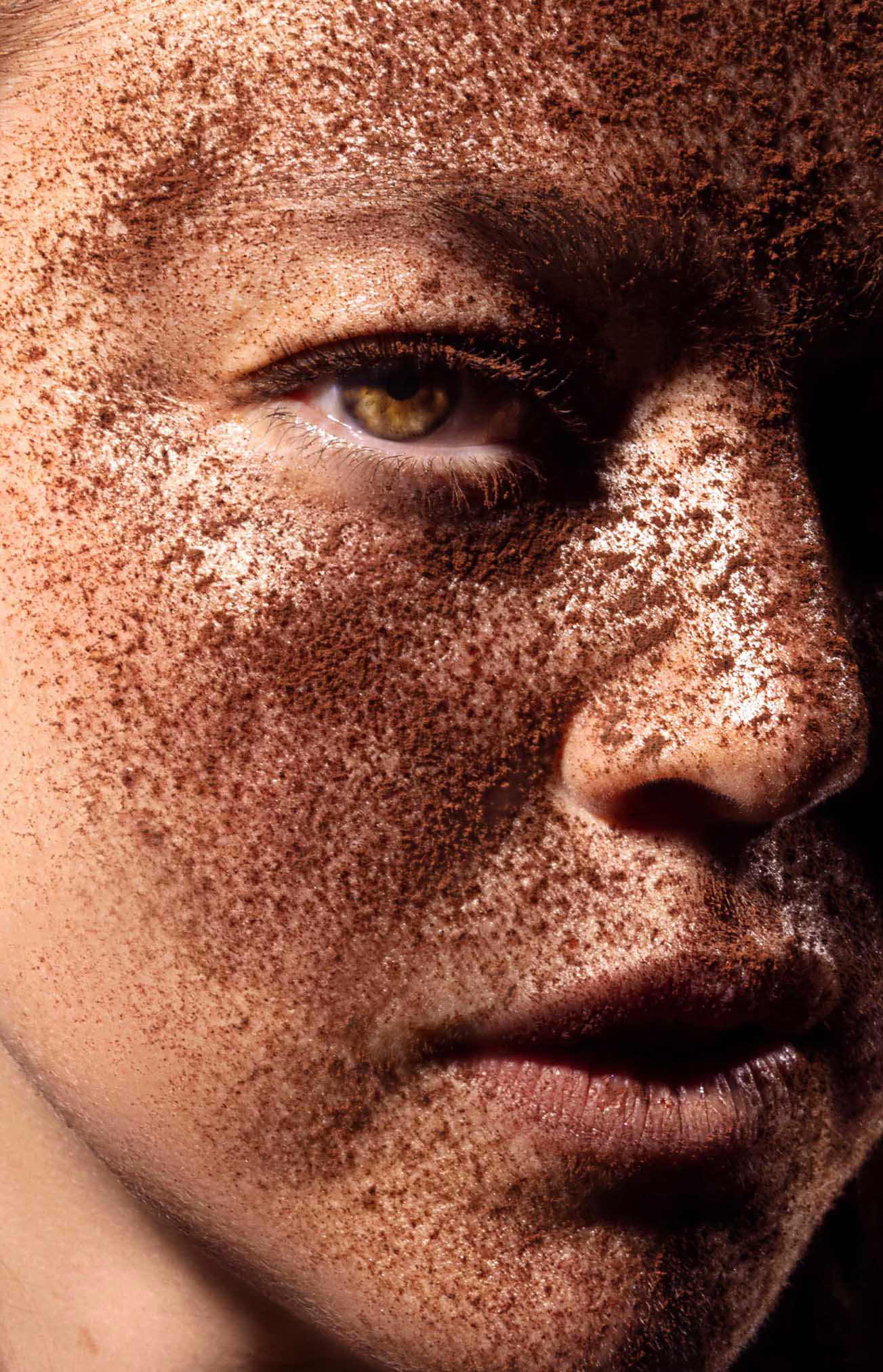
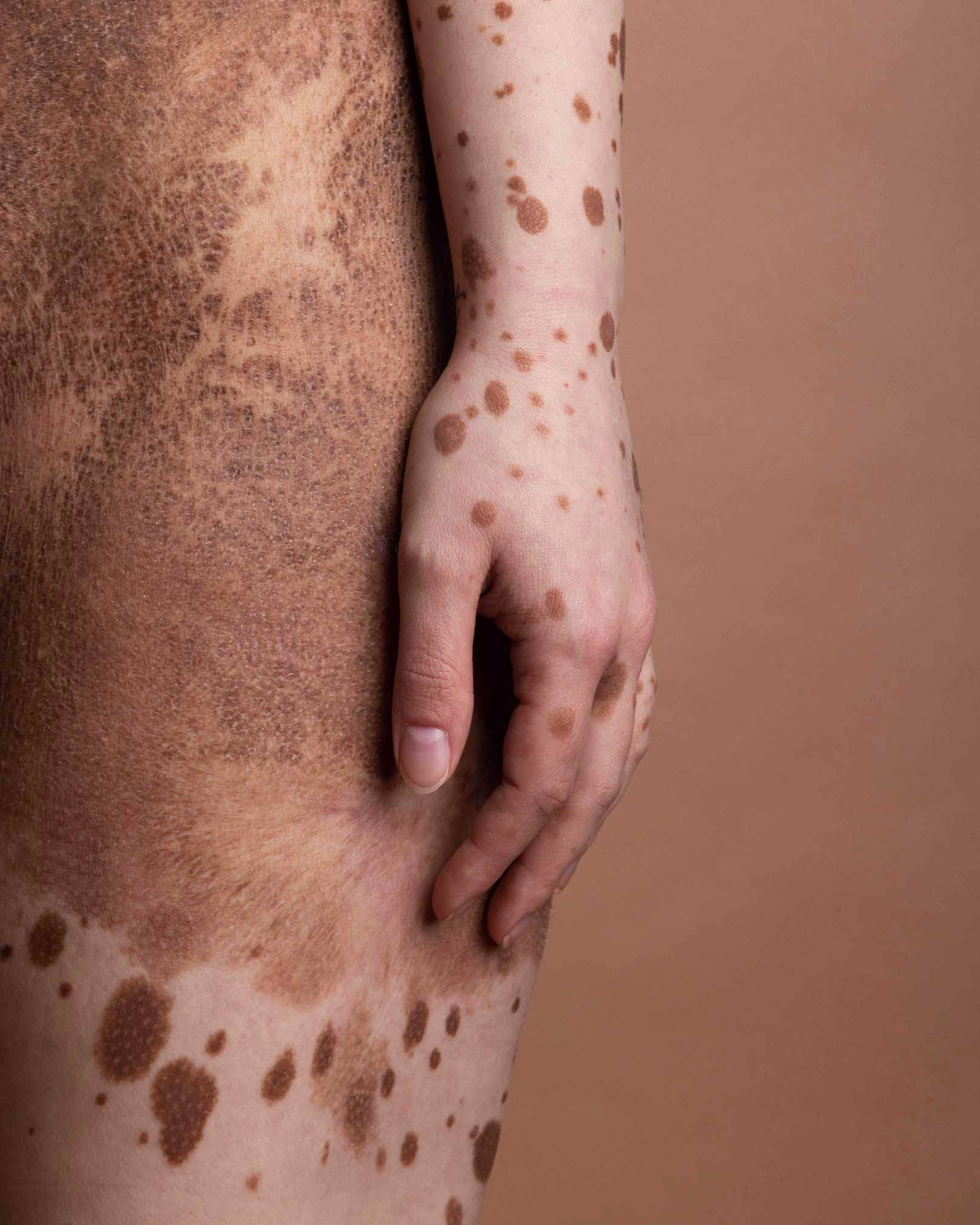
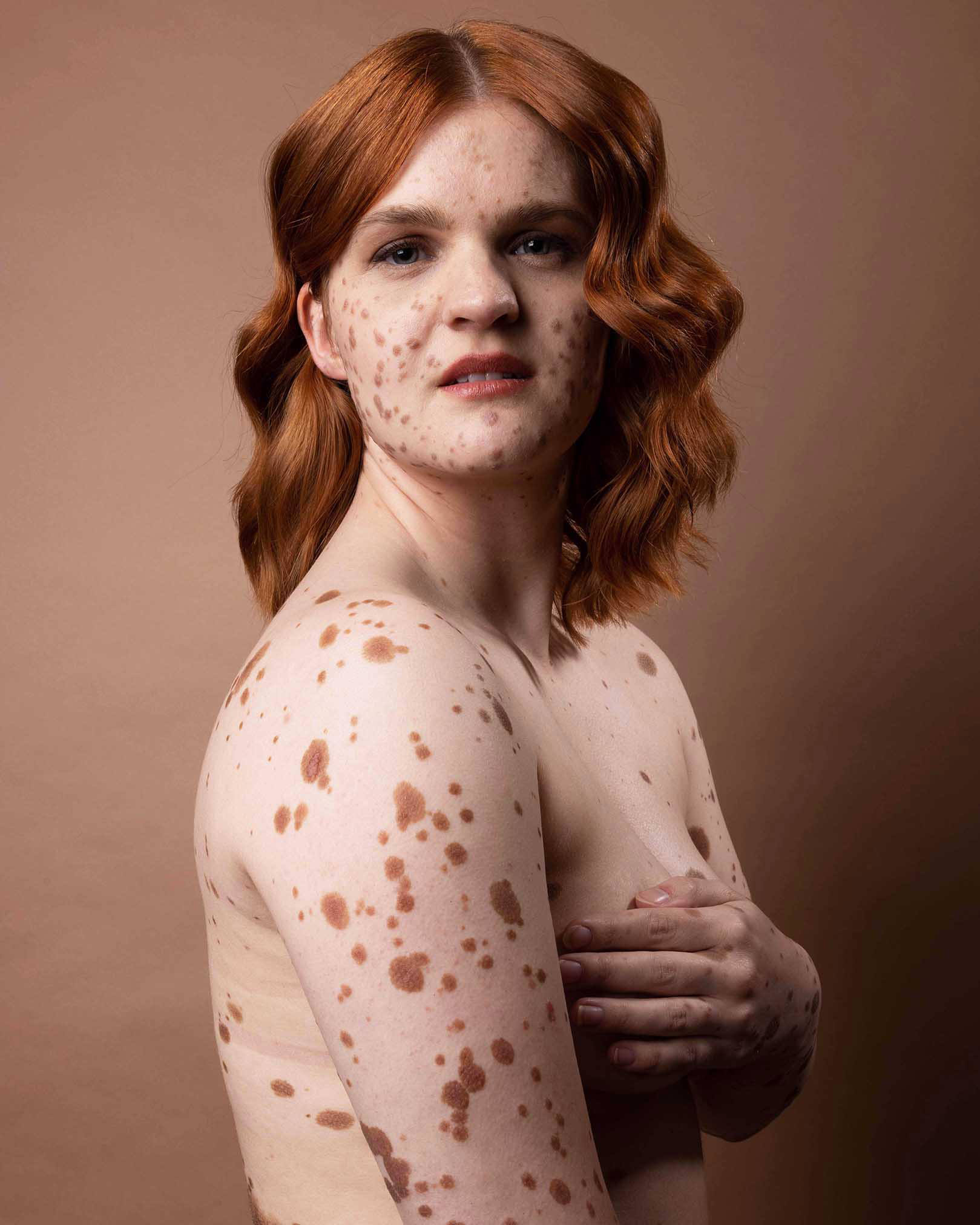
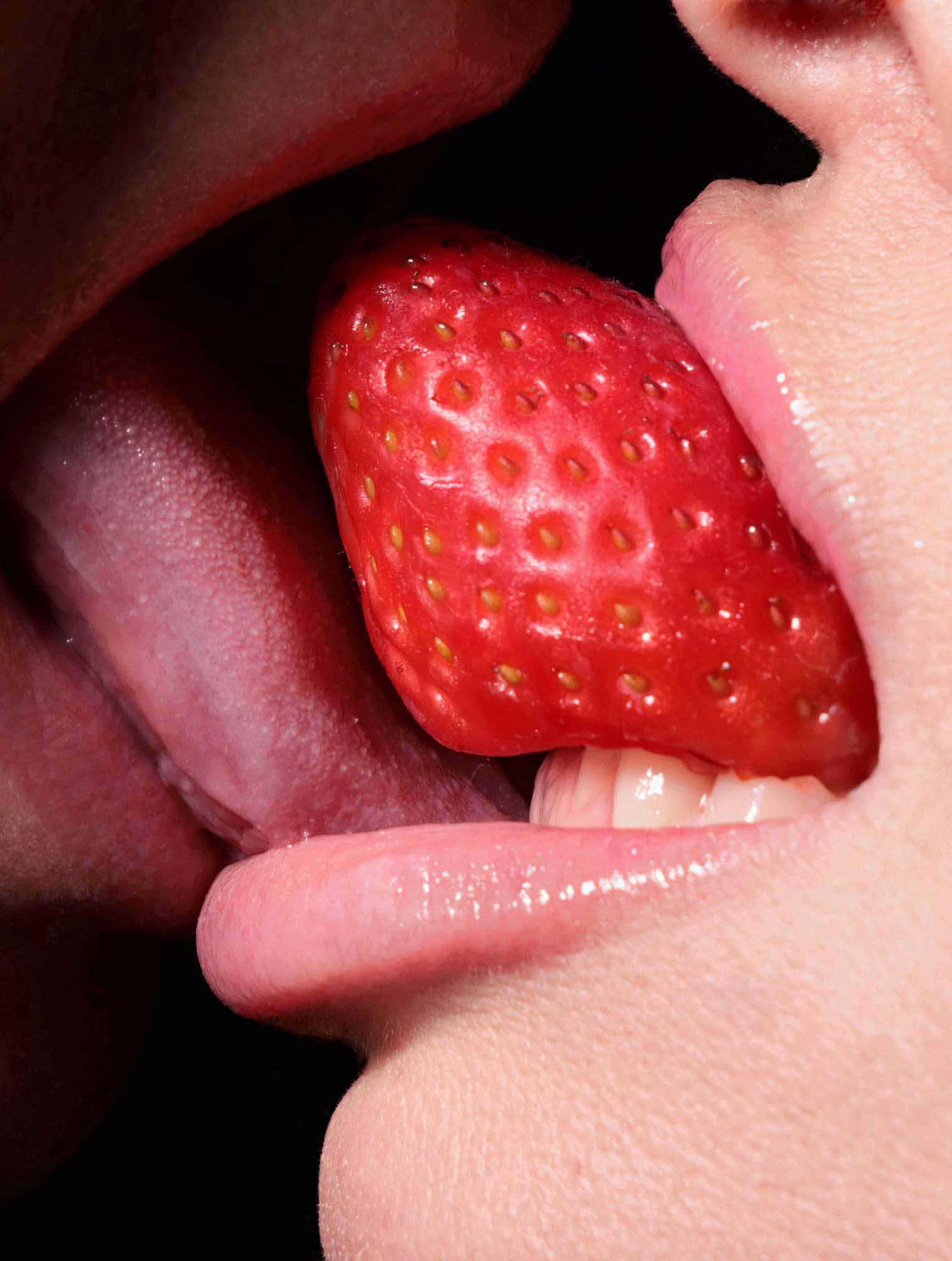
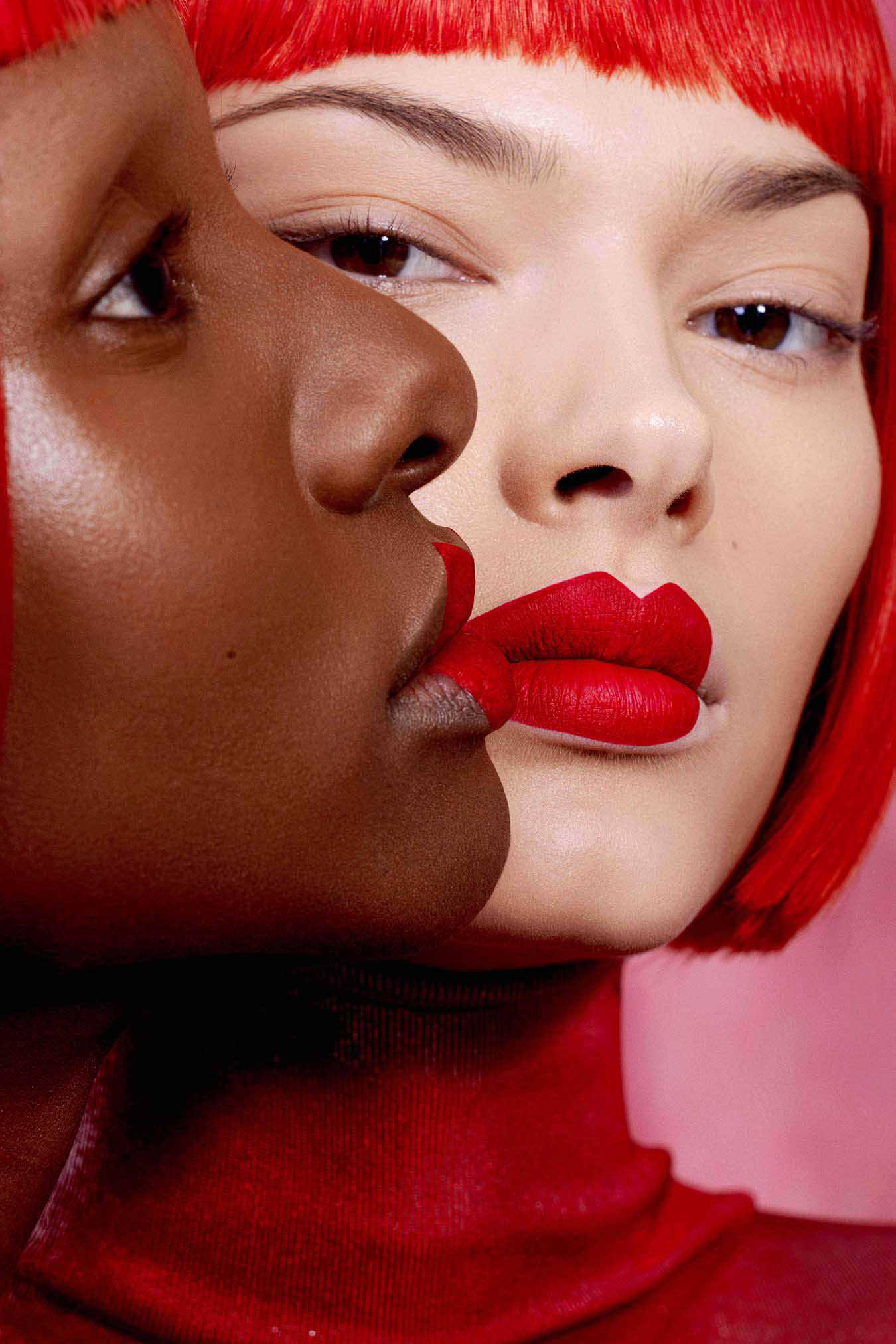
When I photograph wrinkles, skin, bellies, age, curves – these things also have beauty for me.
They have personality.
They have individuality.
I try to show them in a poetic and aesthetic way.
There’s tenderness in the work, but also strength.
Where does that come from?
Maybe from life.
Maybe from being a woman.
Maybe from giving birth.
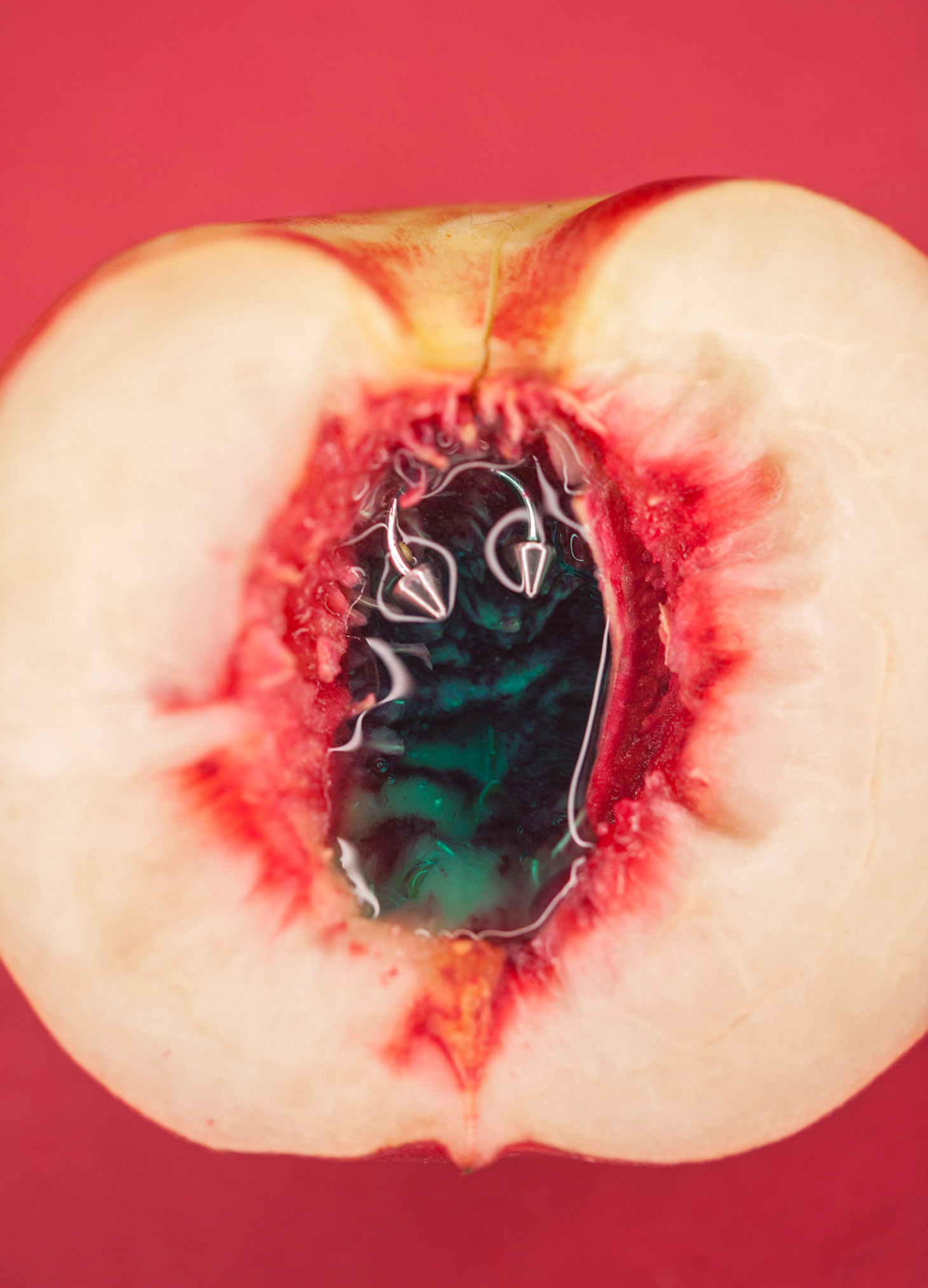
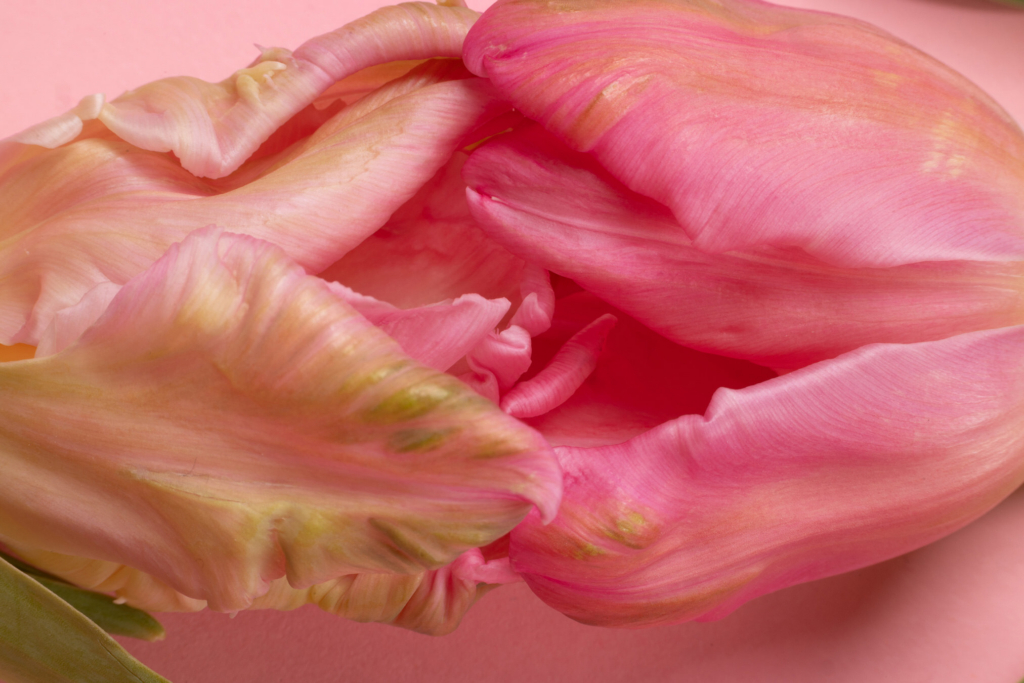
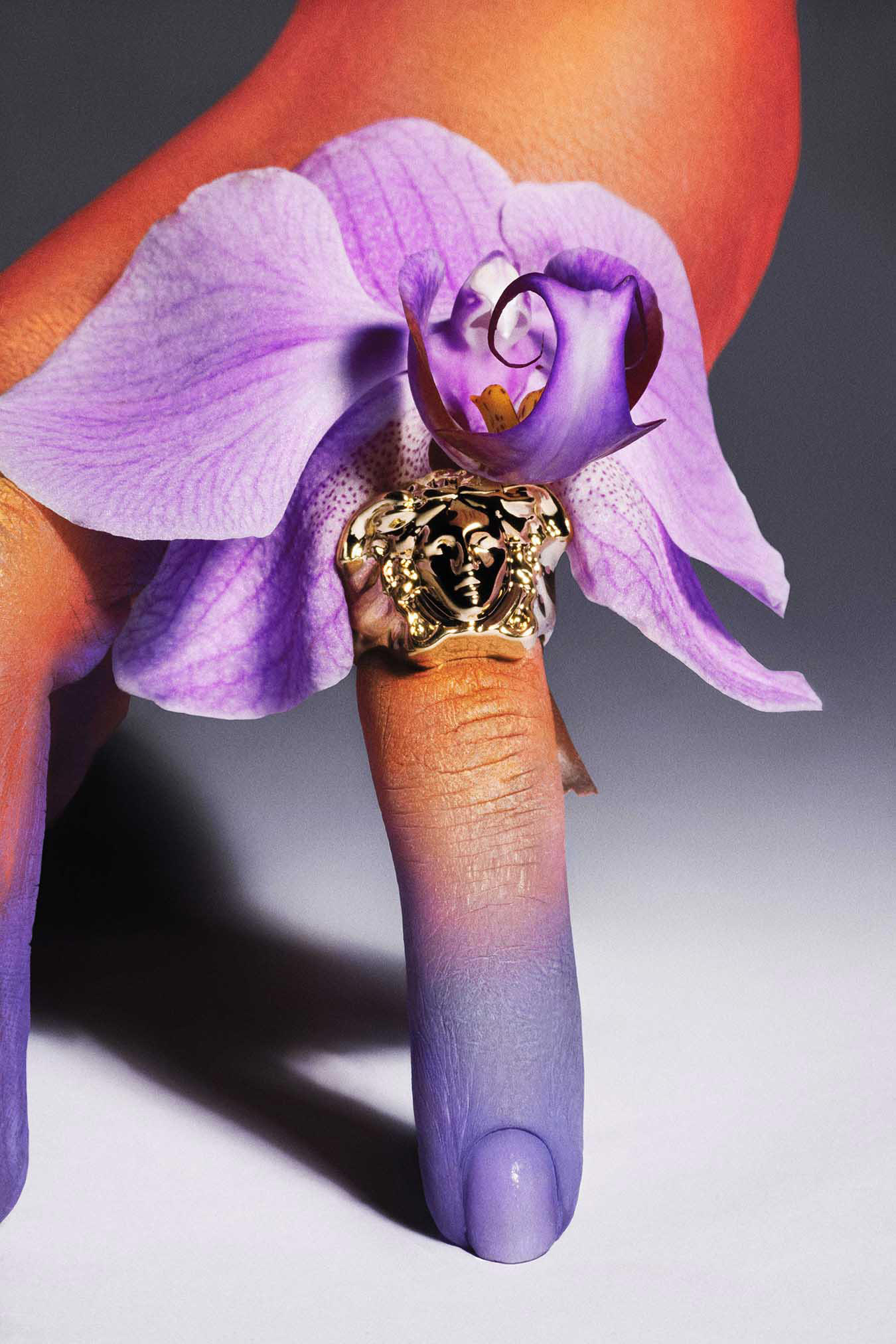
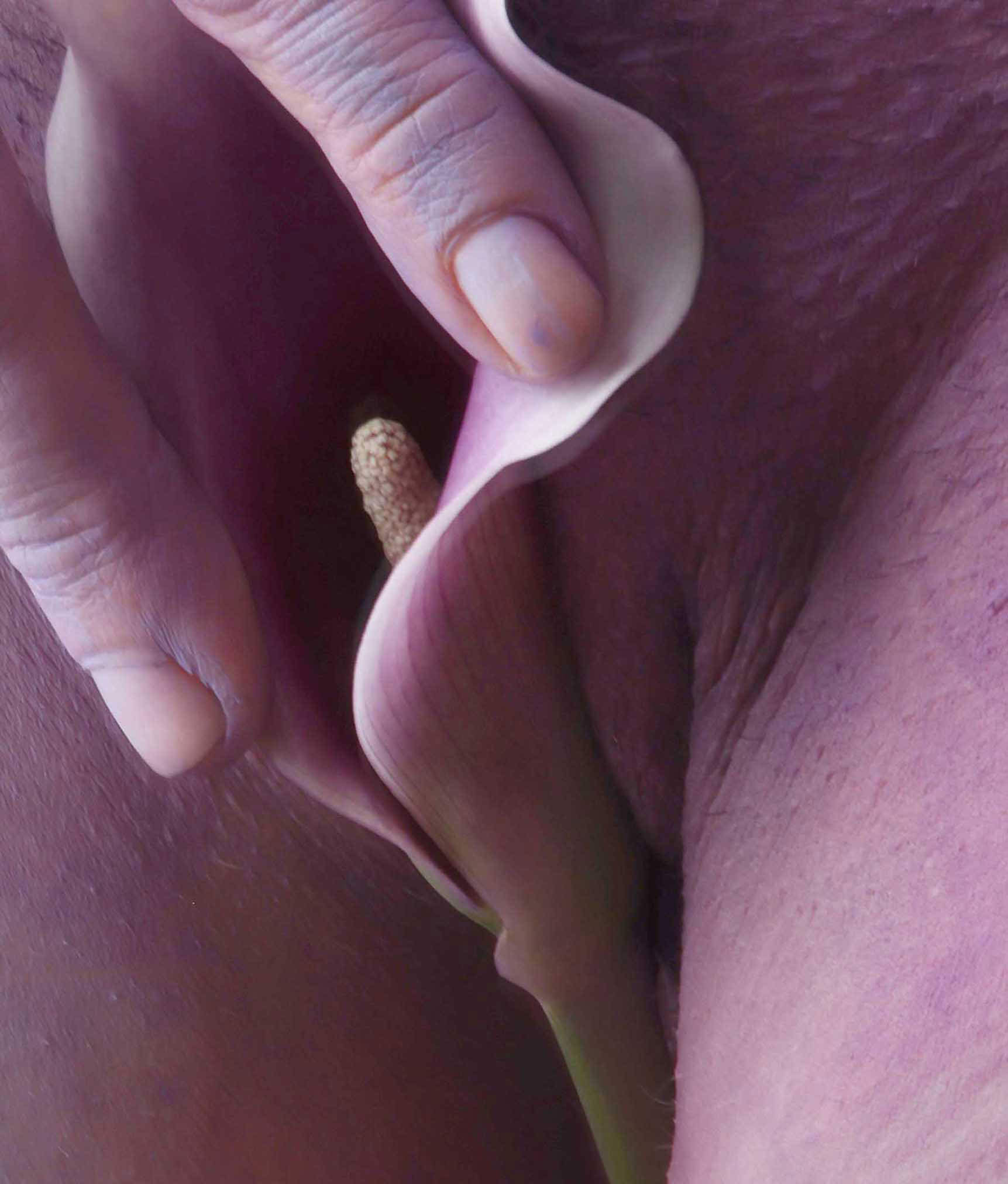
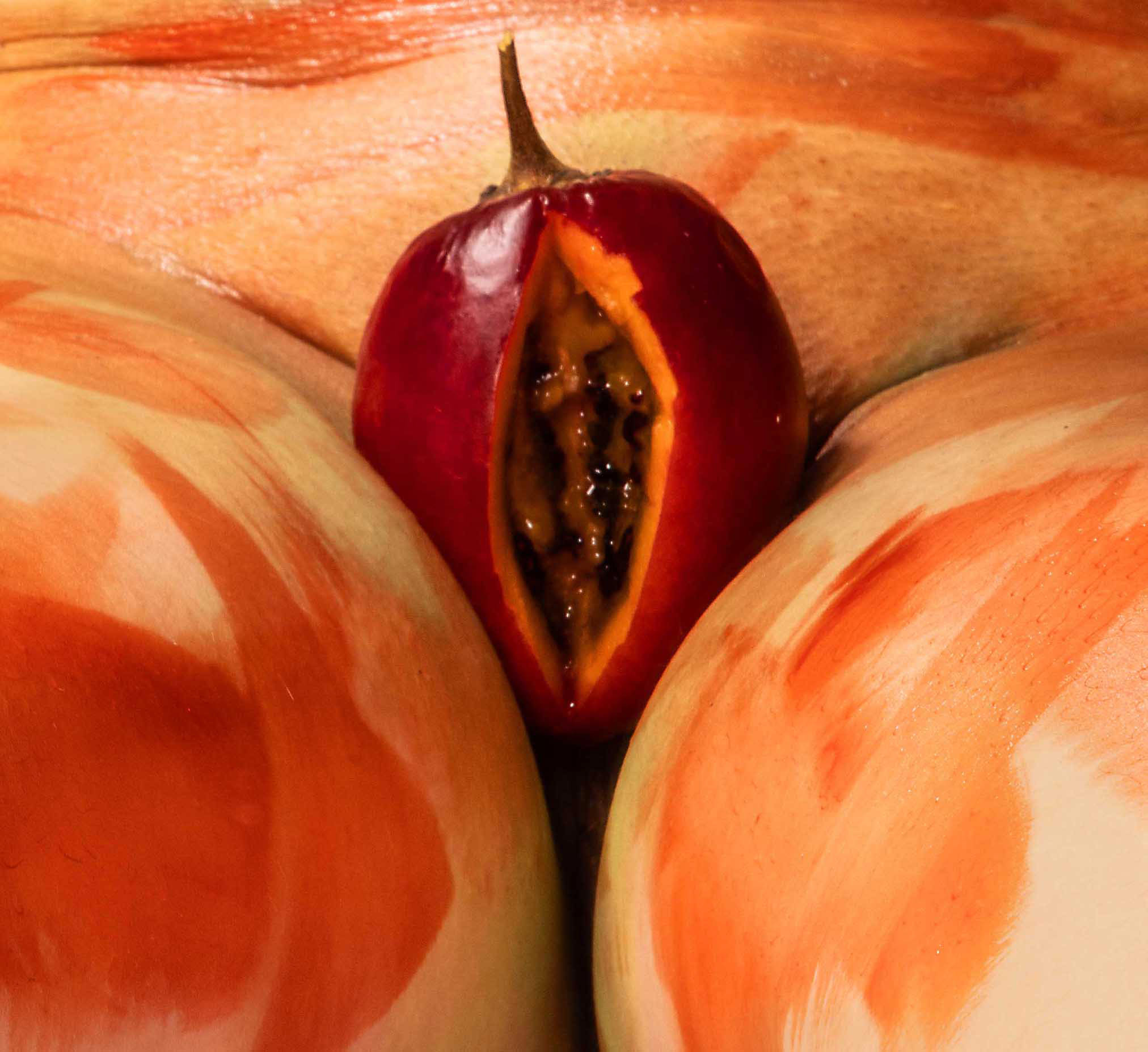
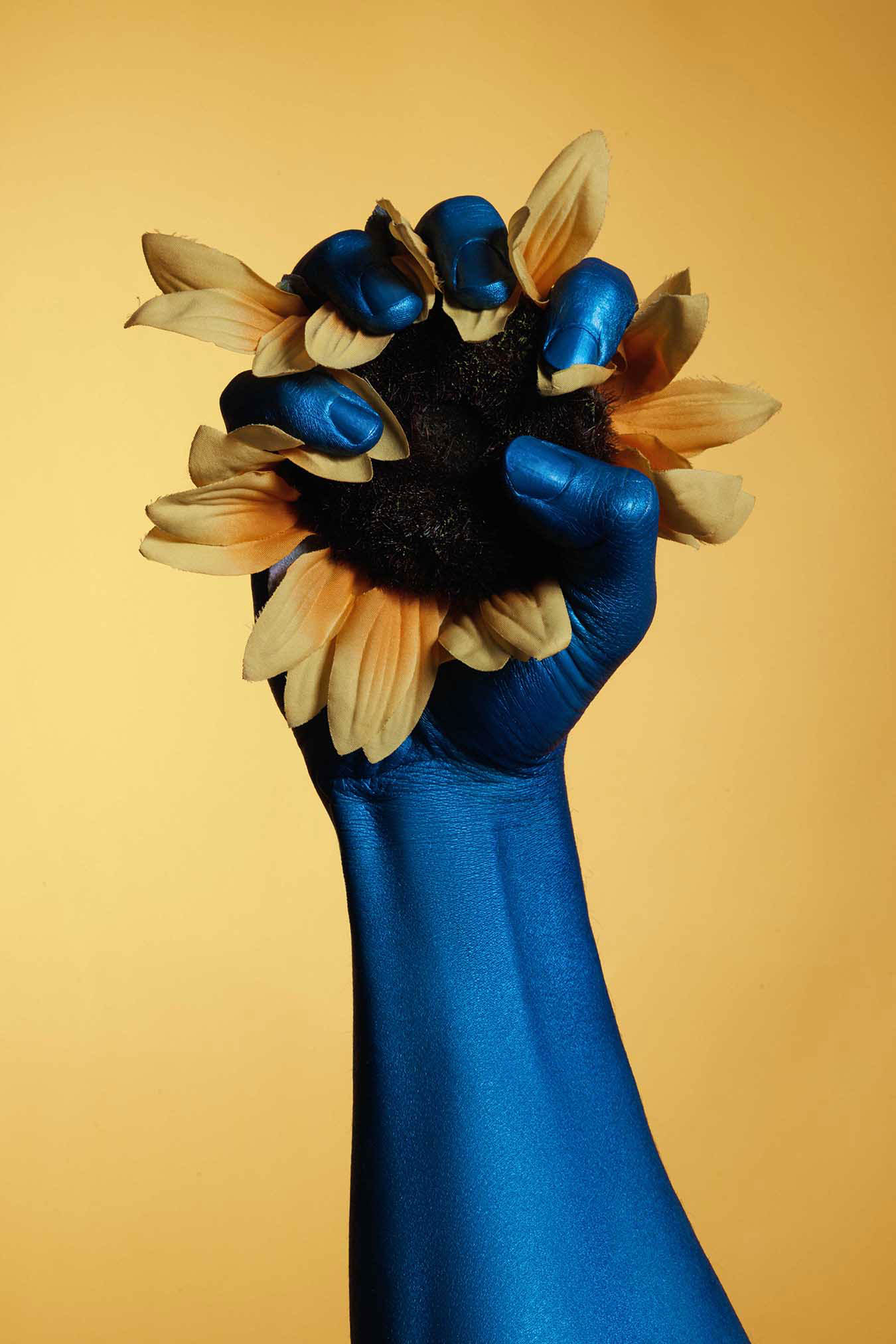
When something comes out of your body and changes your body forever, it changes how you see yourself. Flowers became a metaphor for me – something blooming, something aging, something temporary, something born.
The body changes.
Skin changes.
But it can still be beautiful. That was important for me to say.
You often photograph what women are taught to hide.
Yes!
Because many women don’t feel beautiful, even beautiful women.
They always find something wrong.
I also have daughters.
I don’t want them to grow up believing beauty is only one thing – huge lips, perfect skin, one body shape. Beauty can be many things.
This is also why I do the work.
Some of your images feel like fashion editorials.
Others feel almost like art.
I love both worlds.
I love aesthetics. I love creativity.
I love to imagine something in my mind and then bring it into the world – to see the idea become real.
That process is maybe the most important part for me.
Not only where the photo is published, but making it.
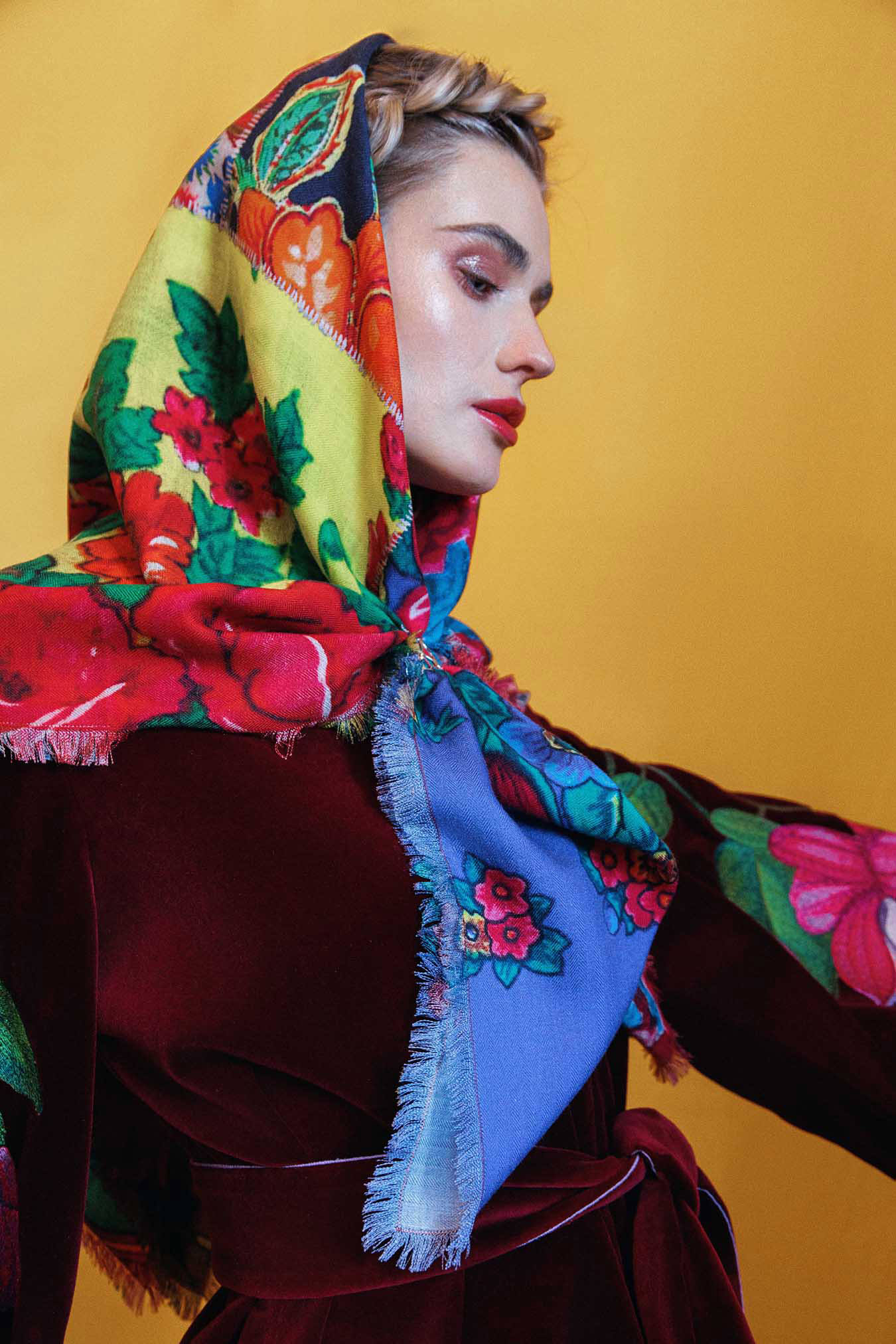
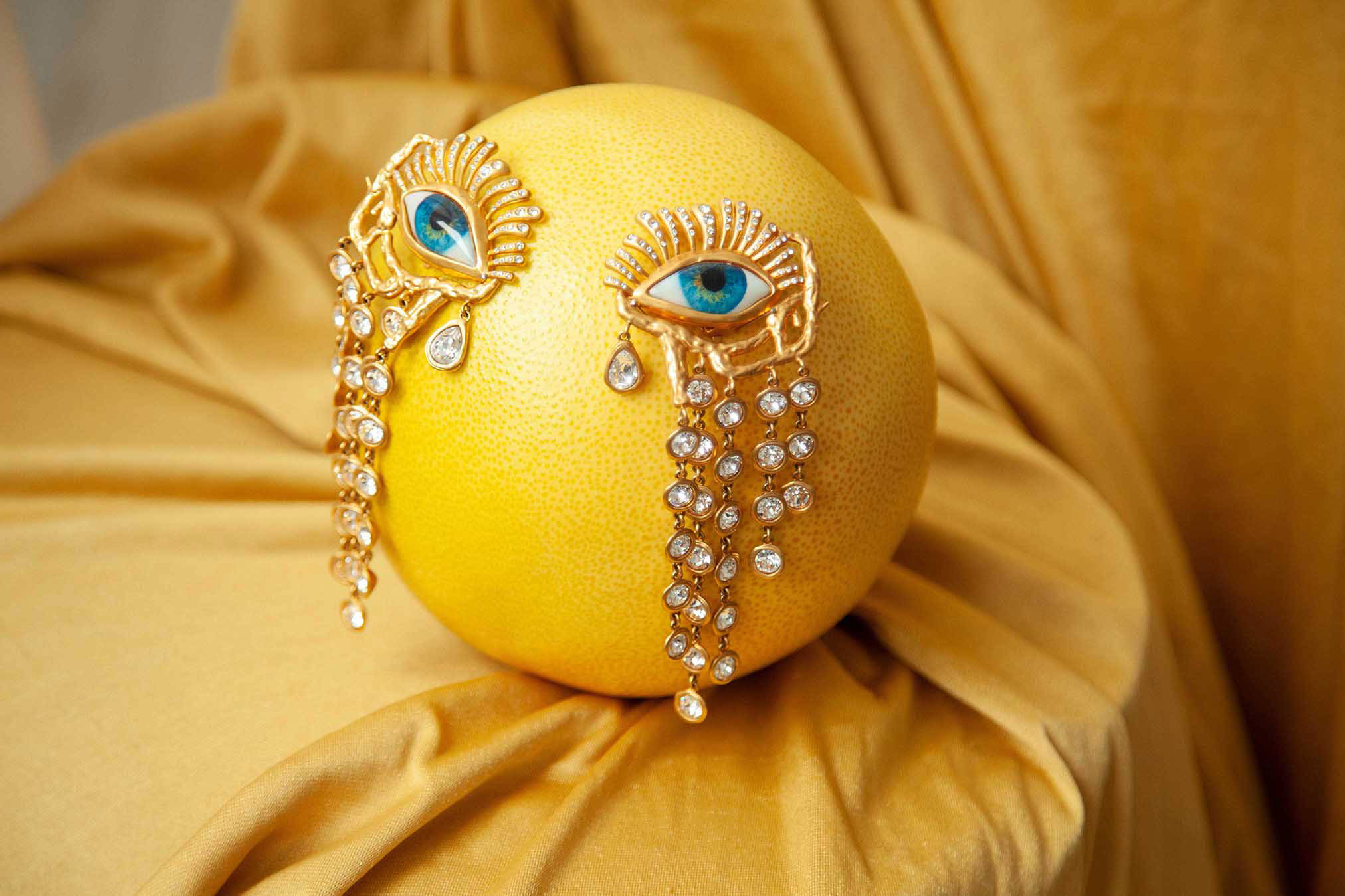
What does your creative process look like?
Sometimes I begin with an idea and make a mood board.
Sometimes I work with a creative director or stylist and we build it together.
Then I think about the team.
Who is the right model? Who is doing styling? Makeup? Hair? Where can this story live after we create it?
Editorial photography is beautiful, but it is not easy work.
You also need bread-and-butter jobs.
So you hope the personal work opens other doors.
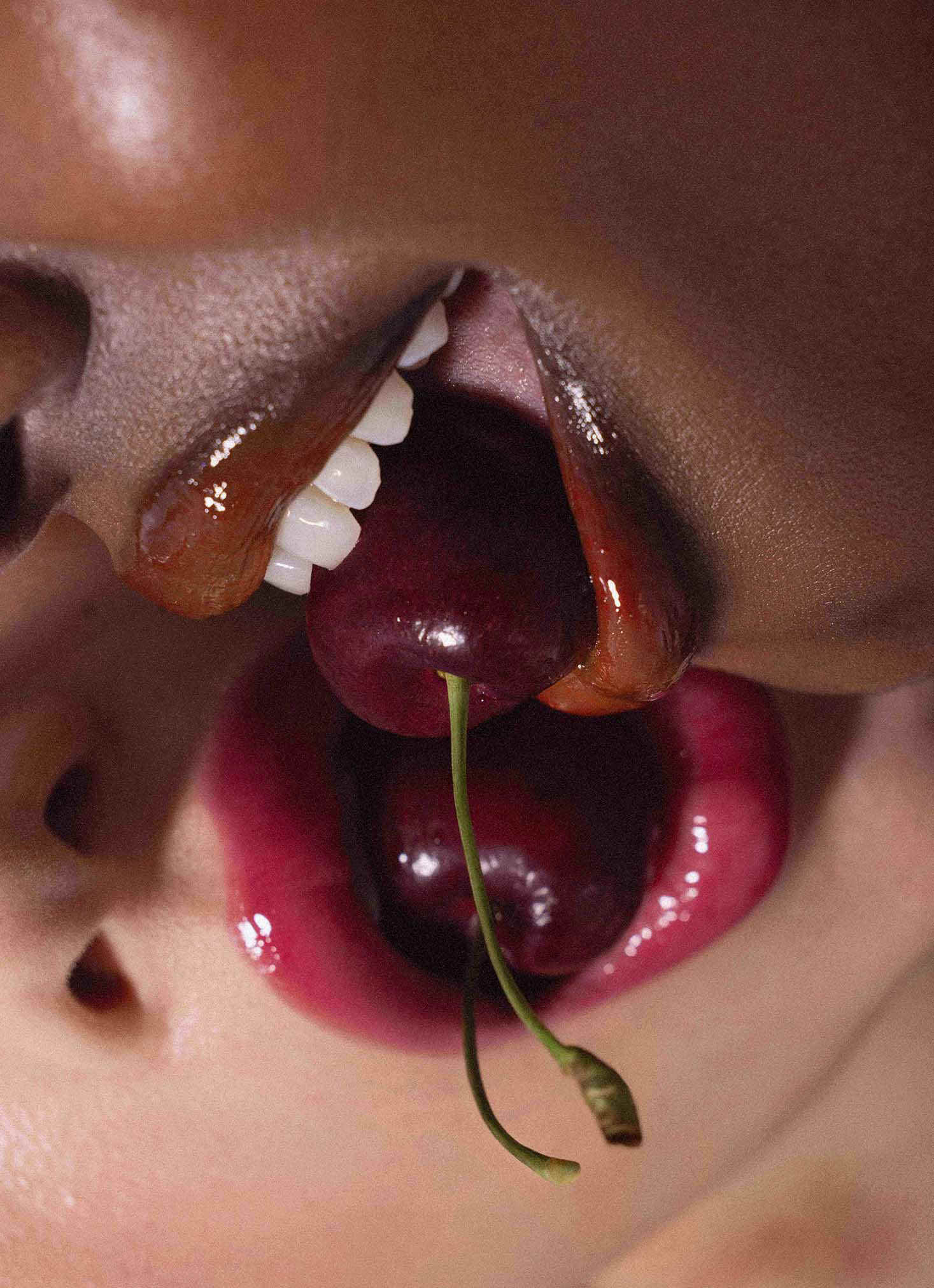

What equipment do you usually travel with for a shoot?
I live in a good place for this.
Paris is four hours by train, Brussels two hours, Amsterdam two hours, so I can move fast when I need to.
Many times I travel alone. Camera, lights, computer.
Sometimes two lights, sometimes three, sometimes daylight.
I don’t like things too complicated. If I can create something strong with less, I prefer that.
How do you choose the people you photograph?
I look for something special. Something that tells a story.
Sometimes it is a certain face, body, energy, or presence.
Sometimes it is someone who has not been photographed enough.
I am interested in what we don’t see enough.
You’ve embraced AI without becoming generic.
How do you keep authorship inside the machine?
I think it is a tool.
Some areas will change, especially commercial photography, because it can be cheaper and faster.
But not everything can be replaced.
Human creativity matters. Documentary work matters. Real connection matters.
For me, AI is interesting when I can bring my own visual language into it – not when it becomes something generic.
It is only a tool. Somebody still has to be behind it.
Final Thought
Some photographers use the camera to flatter.
Some use it to seduce. Some use it to sell fantasy.
Alina Gross is doing something different.
She uses photography to renegotiate beauty.
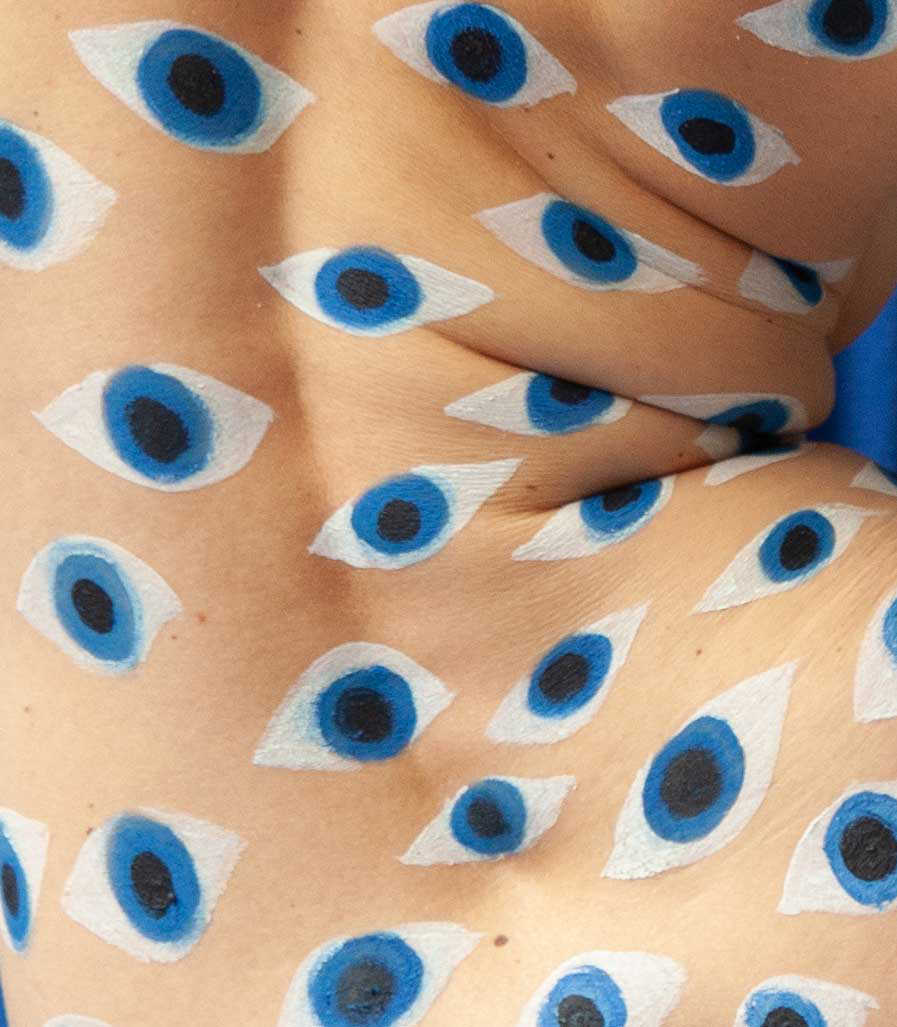
What interested me in our conversation was that she speaks about bodies without sentimentality and without cruelty.
She understands something many image-makers miss: women do not need to be corrected in order to be beautiful.
They need to be seen with intelligence.
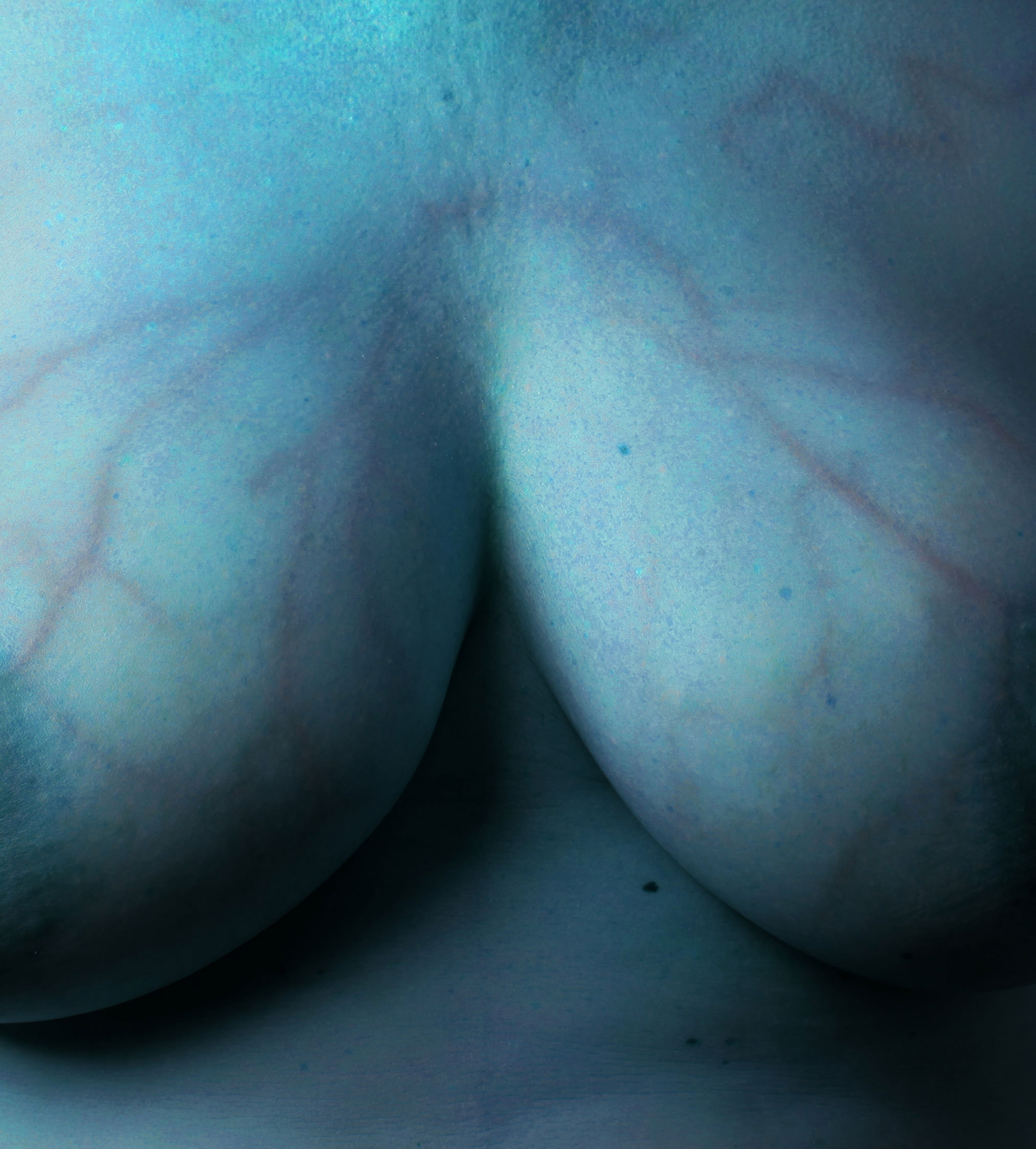
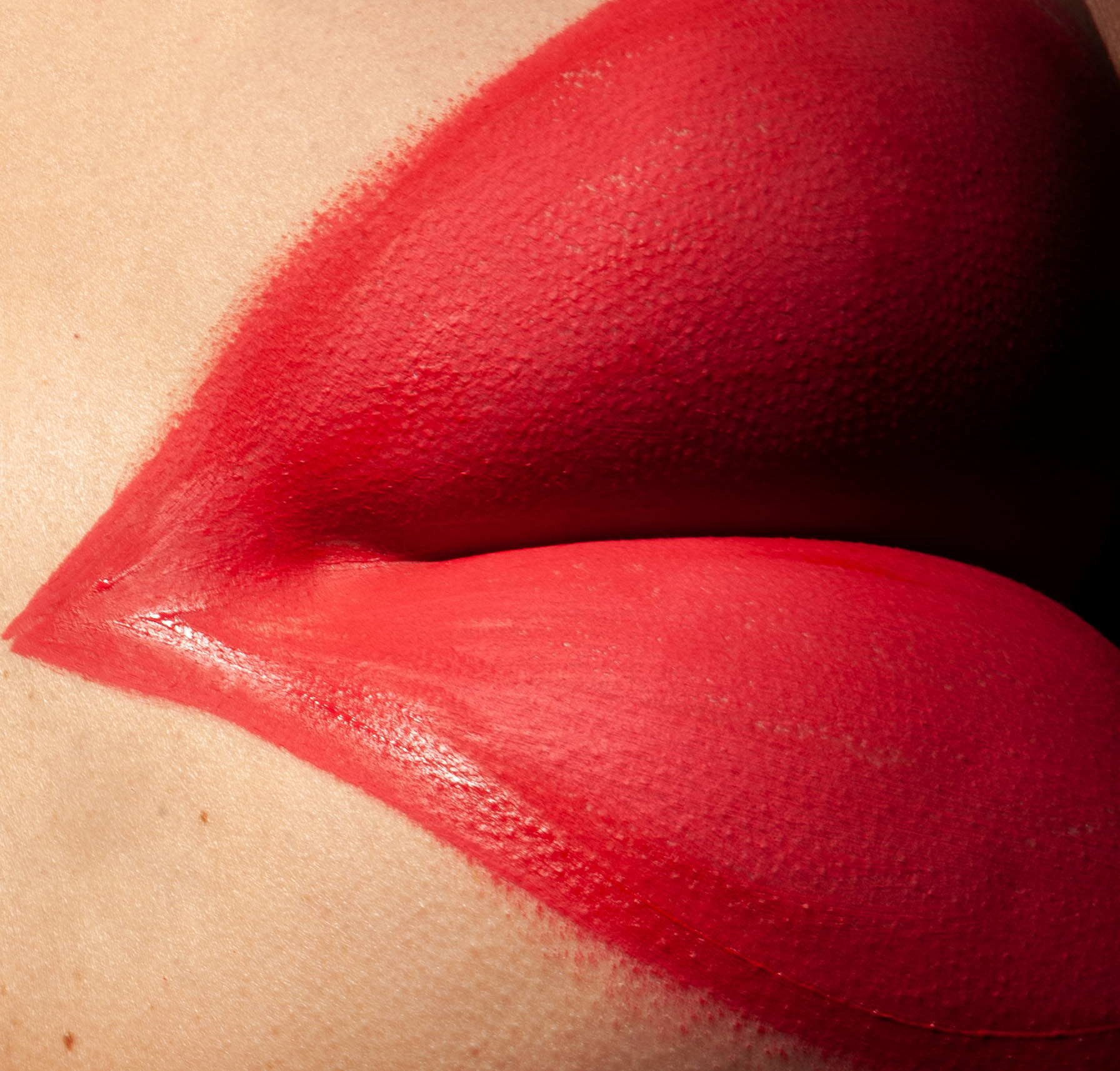
That is where her work becomes powerful. A stomach becomes sculpture. Wrinkles become texture. Skin becomes landscape. Flowers become flesh. What is usually dismissed as “too much,” “too old,” “not right,” or “after its prime” returns in her images with elegance and force.
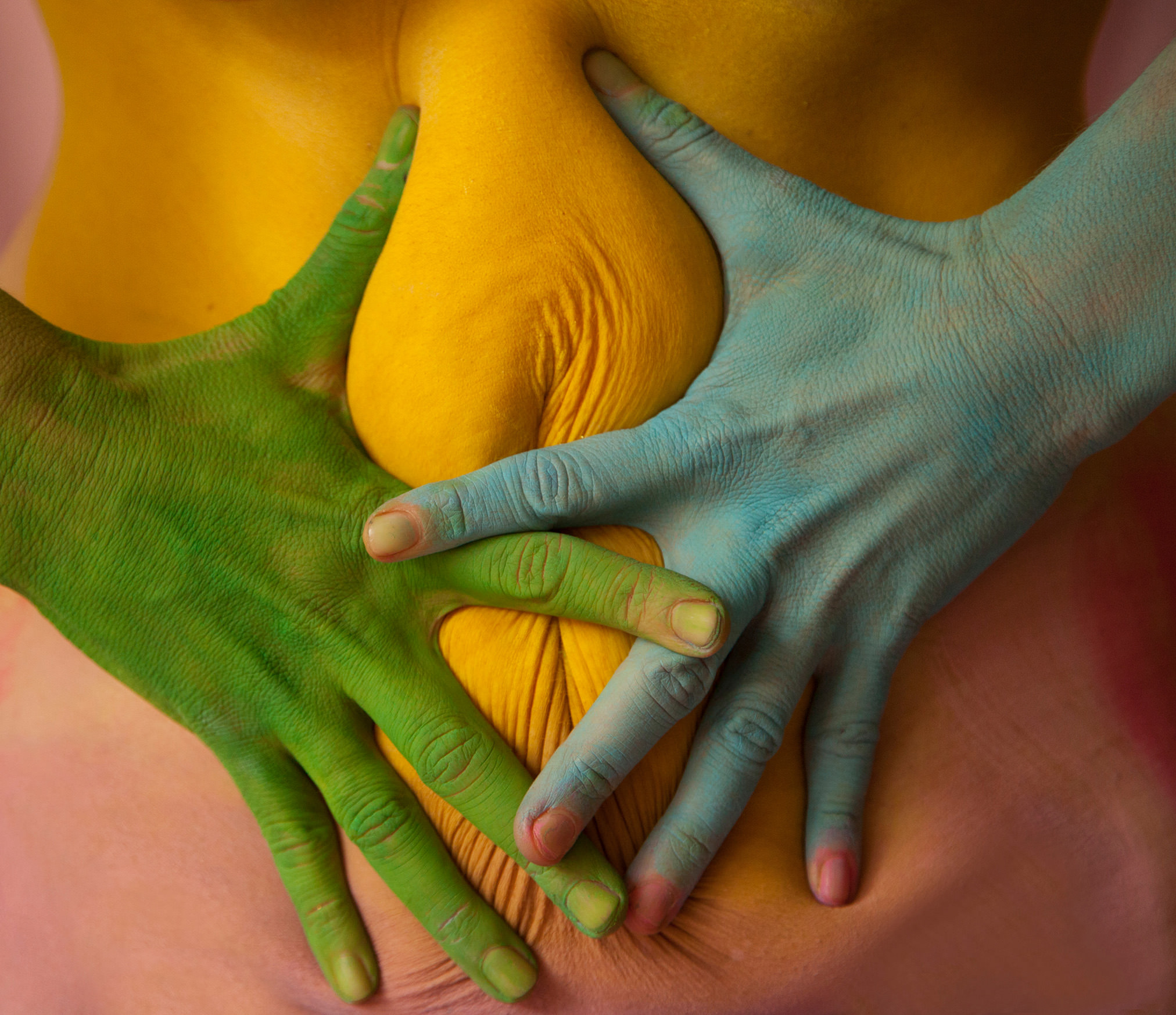
Like Robert Mapplethorpe, Gross understands that flowers, skin, and erotic form are never only decorative – they are symbols, charged with desire, power, and vulnerability.
But where Mapplethorpe often pursued control, precision, and severity, Gross moves through a more feminine language: softness, sensuality, tenderness, and acceptance. She keeps the tension of the body, but allows it warmth.
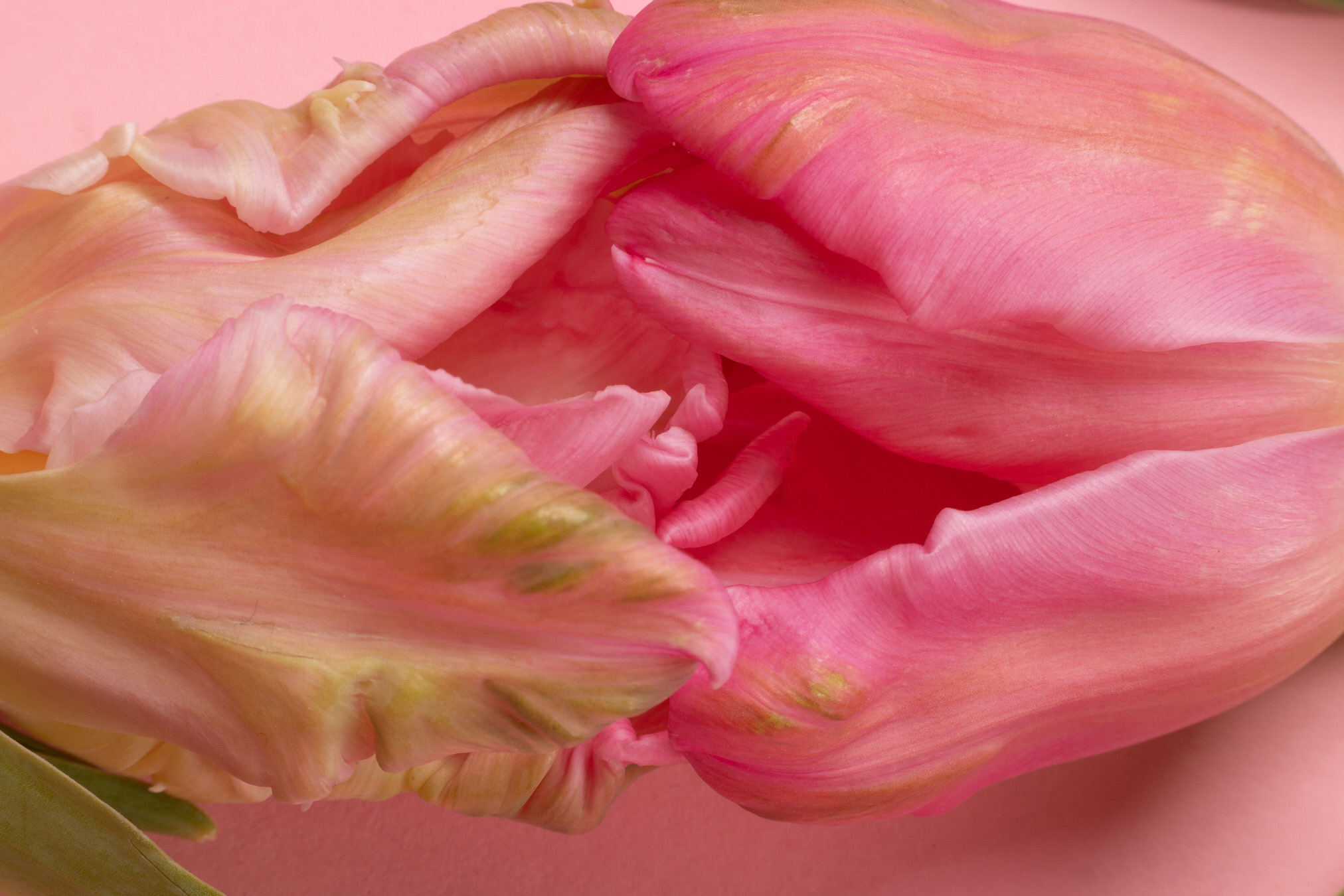
In her world, flowers behave like people, and people behave like flowers. Petals open like skin.
Bodies bloom, fold, bruise, soften, fade, and begin again.
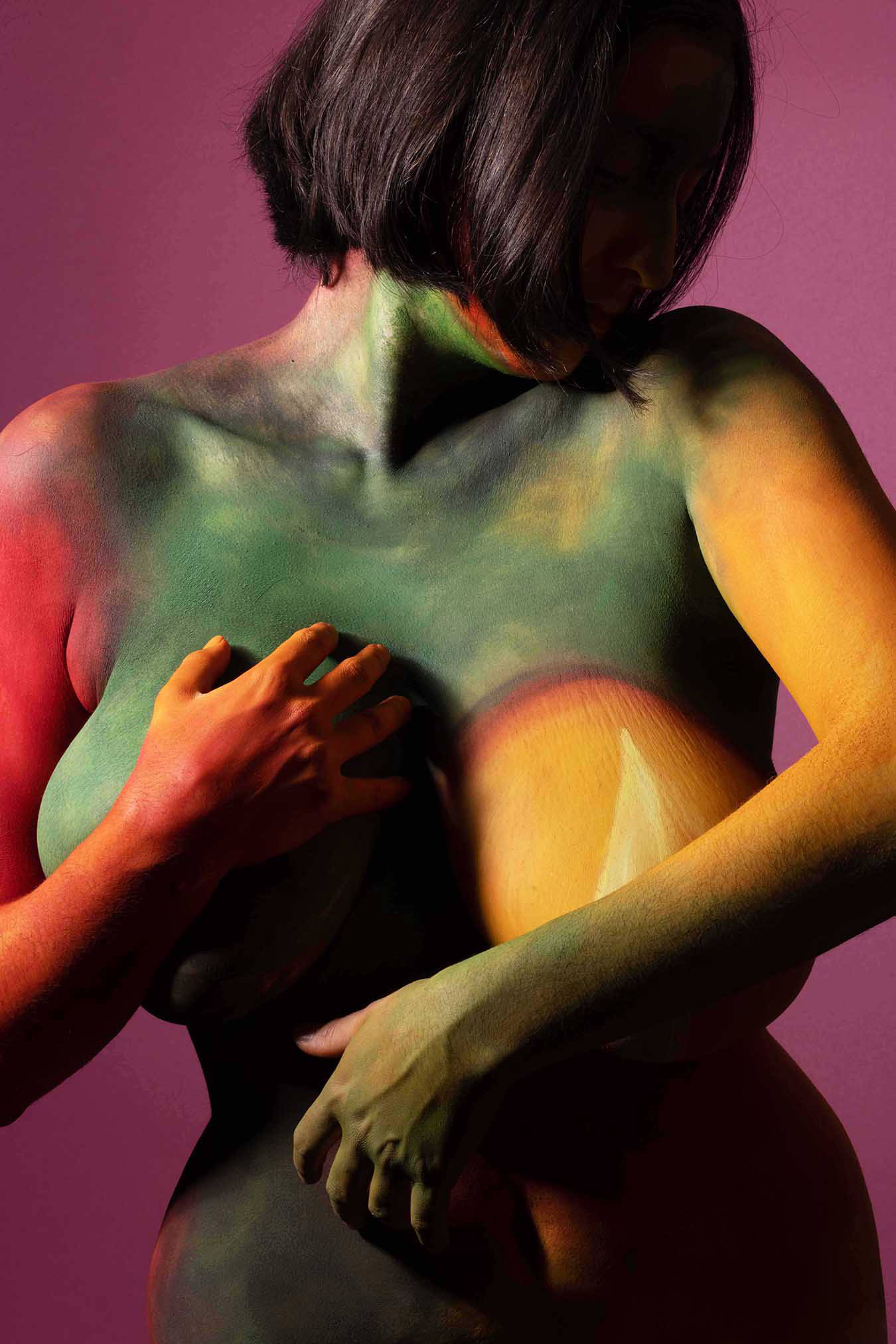
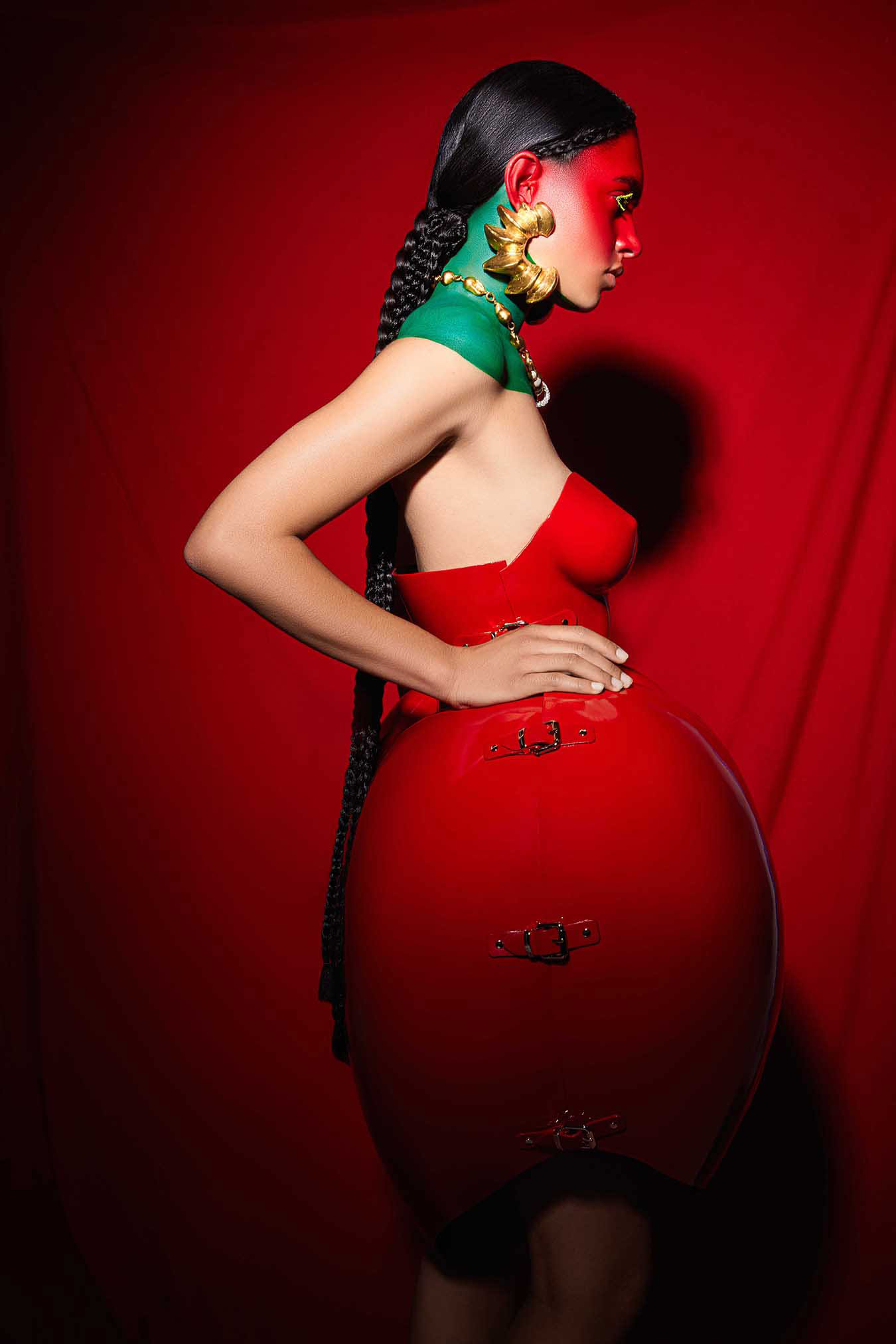
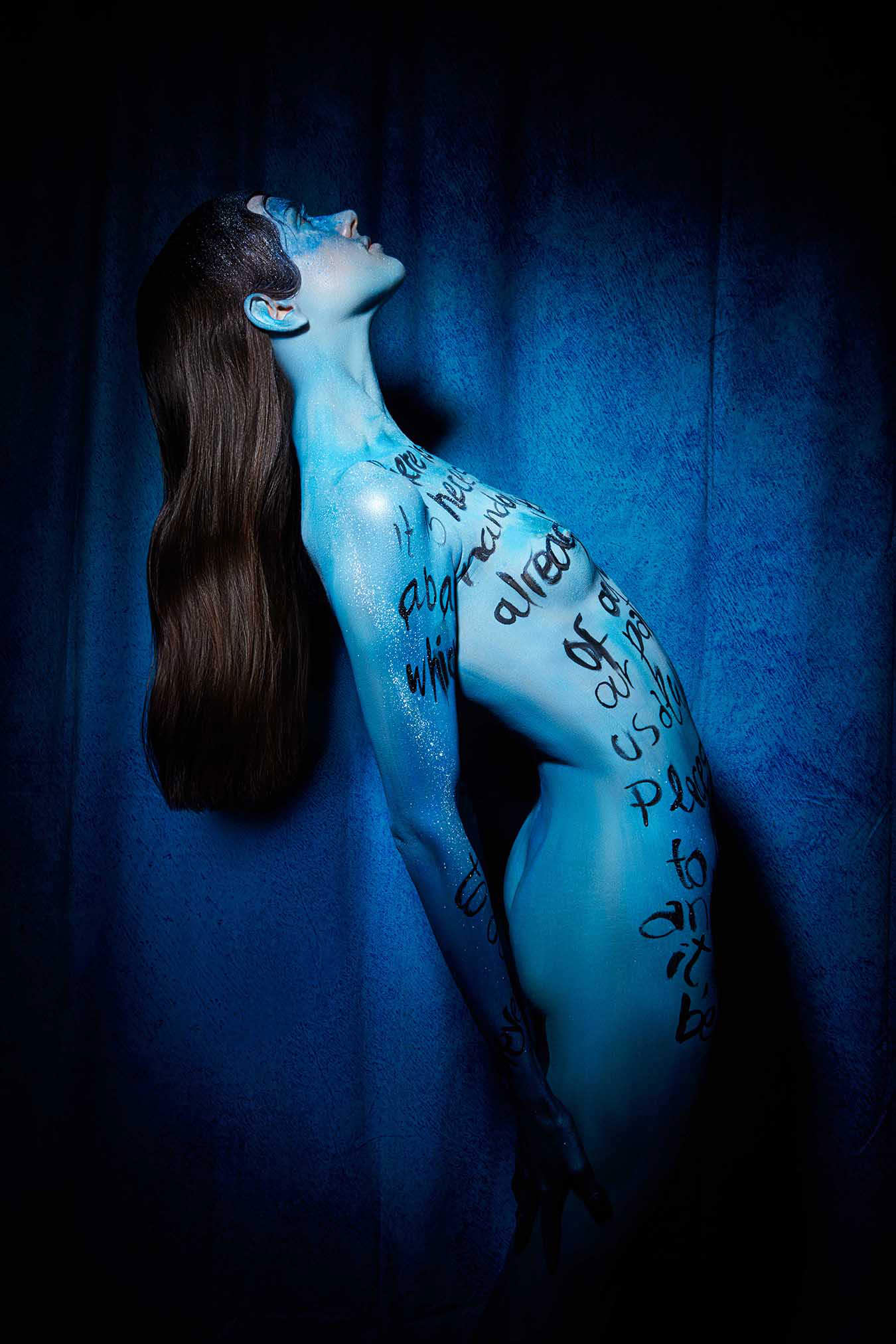
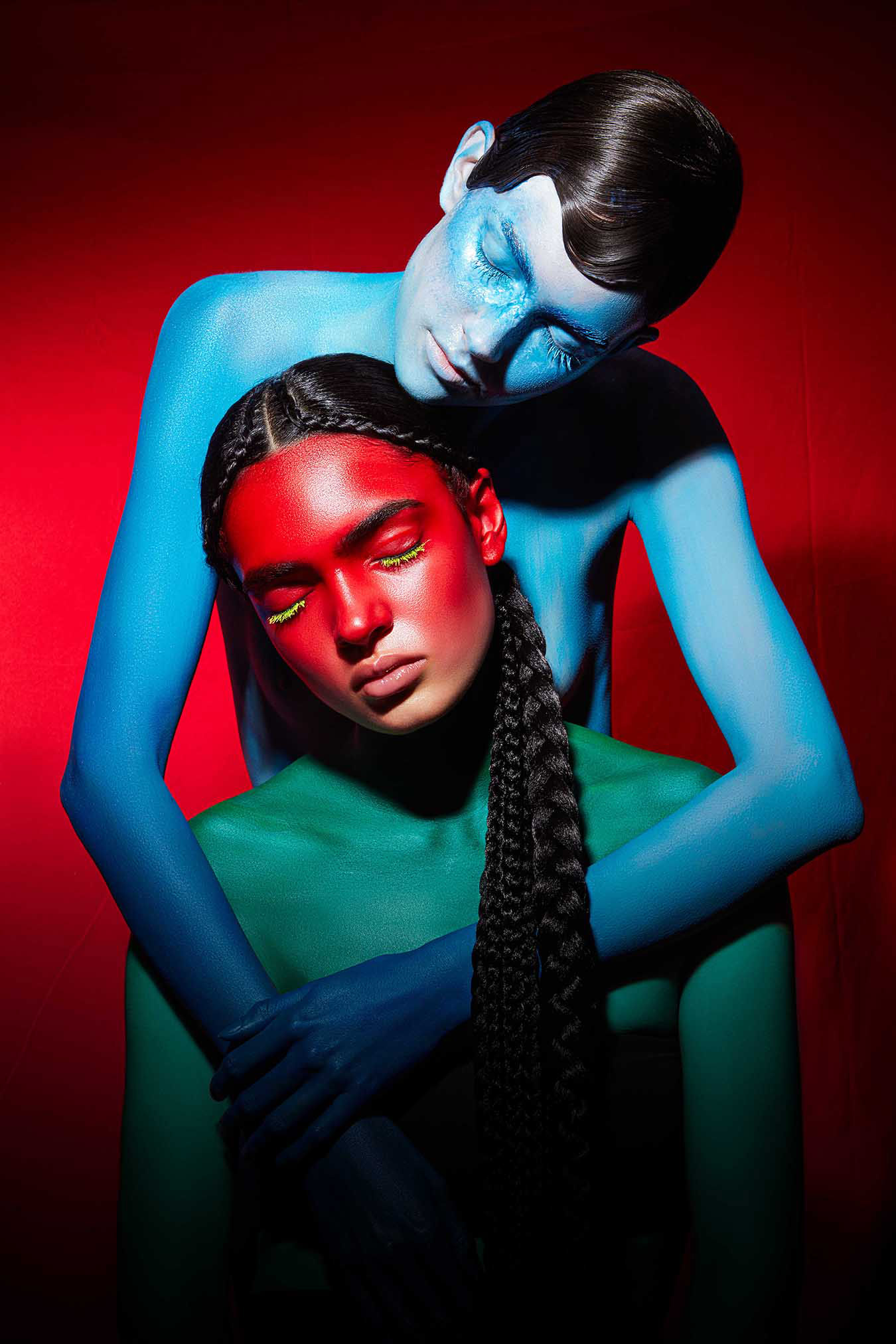
Flesh is painted blue, red, green, transformed into something emotional rather than literal.
Desire appears inside color, shape, and gesture.
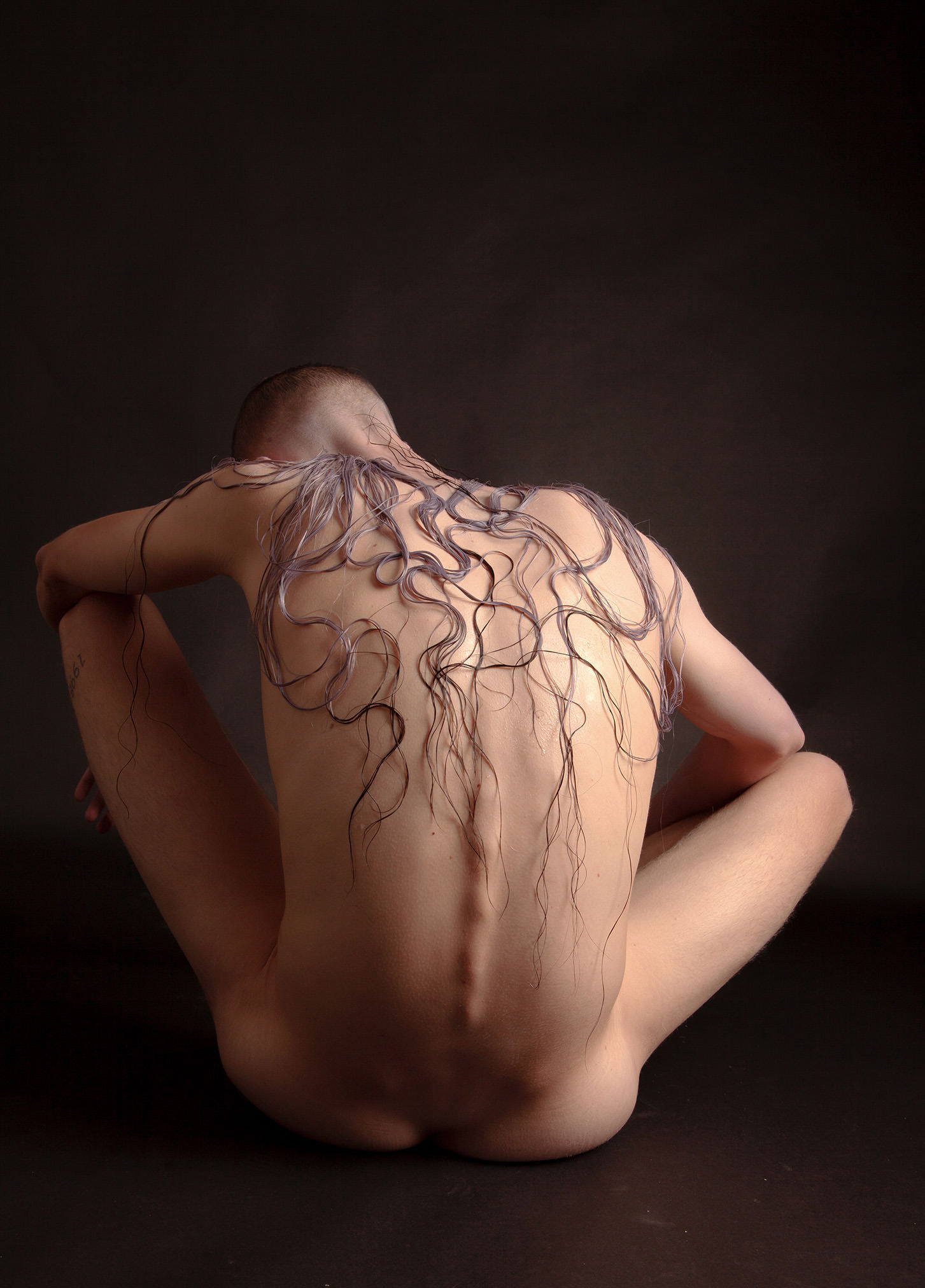
There is also confidence in her strangeness.
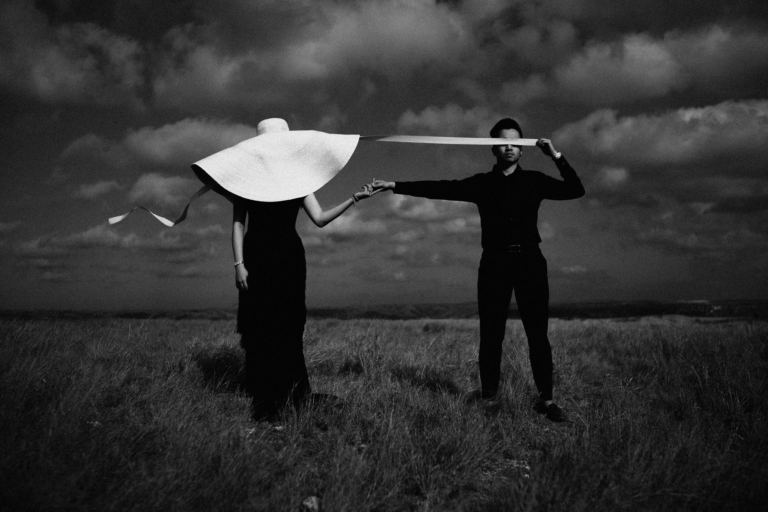
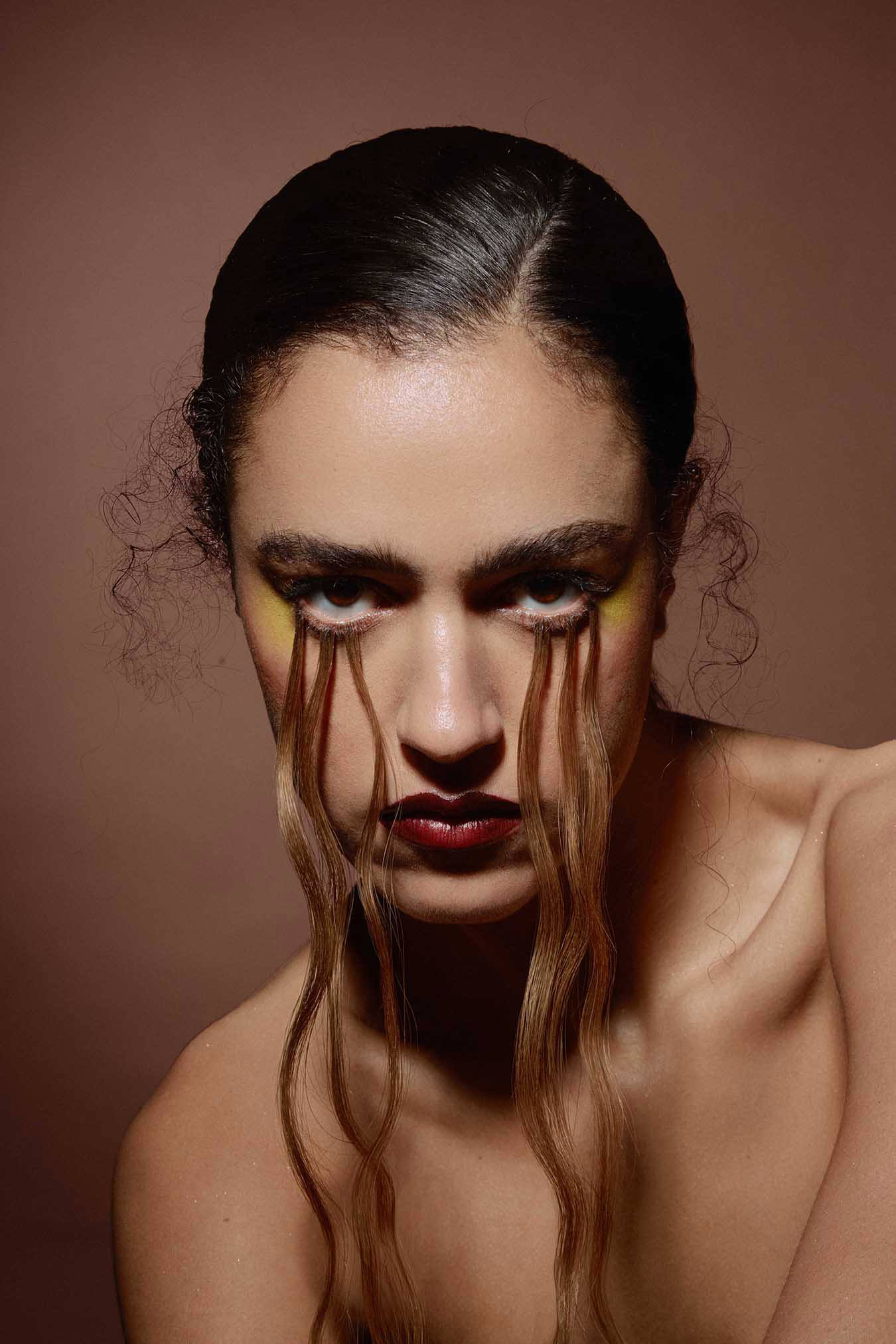
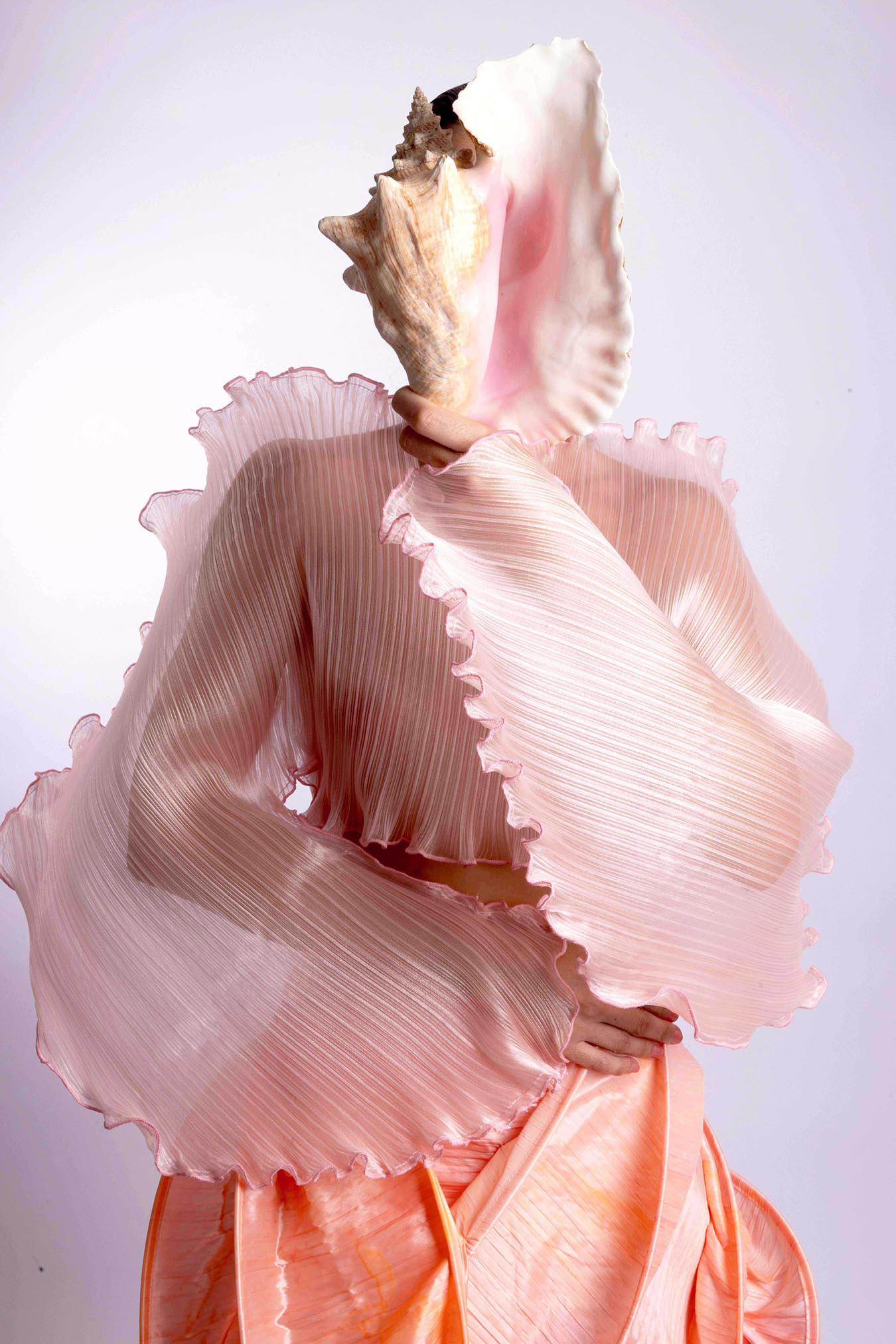
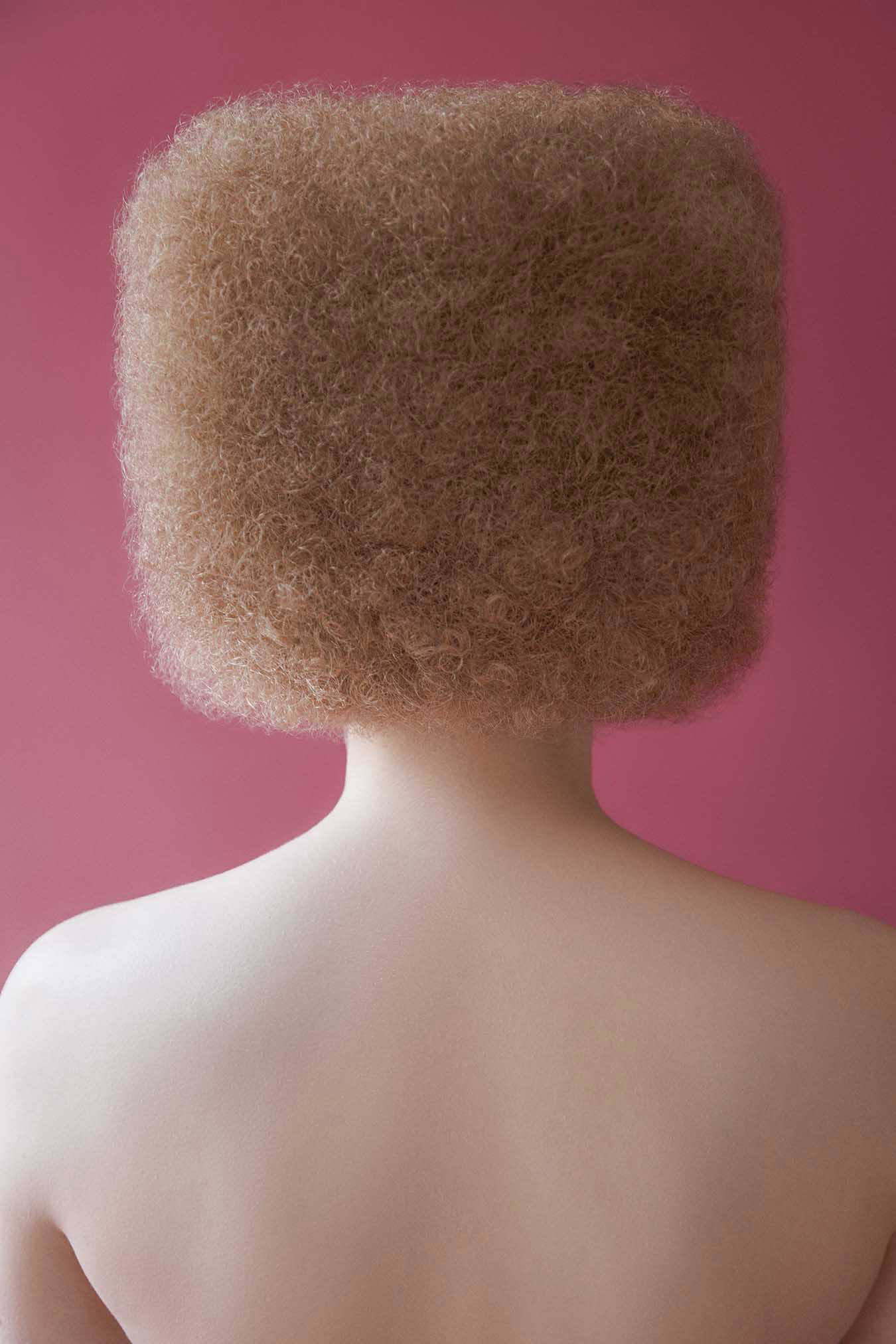
Some of the images feel almost surreal – human, but slightly transformed.
That matters.
Good photography does not only show us what we know.
It shifts the terms of looking.
Alina Gross does not ask women to fit the image.
She rebuilds the image until women fit inside it.