
Aniya Emtage Legnaro – photographer, former criminologist, and someone who discovered that a camera can give people back what a government file takes away.
Short Bio
Aniya Emtage Legnaro is a Barbados-based photographer working across weddings, portraiture, documentary family photography, and long-form personal projects focused on women, adolescence, and emotional intimacy.
Before turning to photography professionally, Aniya earned an Hons. BA specializing in Criminology and Anthropology from the University of Toronto, a Master’s degree in Criminal Justice from Boston University, and a Law degree from the University of the West Indies. She later worked in human trafficking and criminal justice research – experiences that continue to shape the emotional tension inside her work.
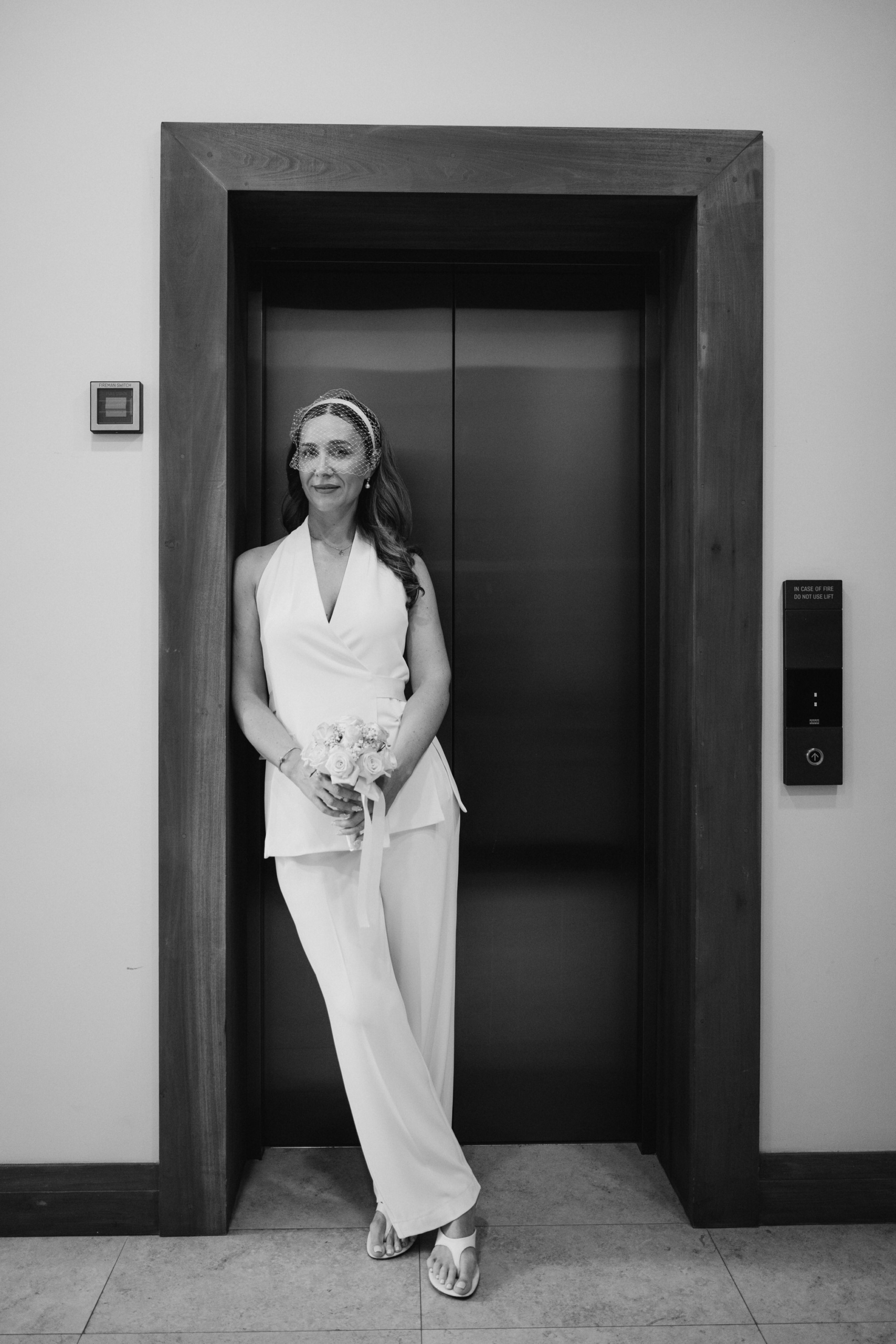
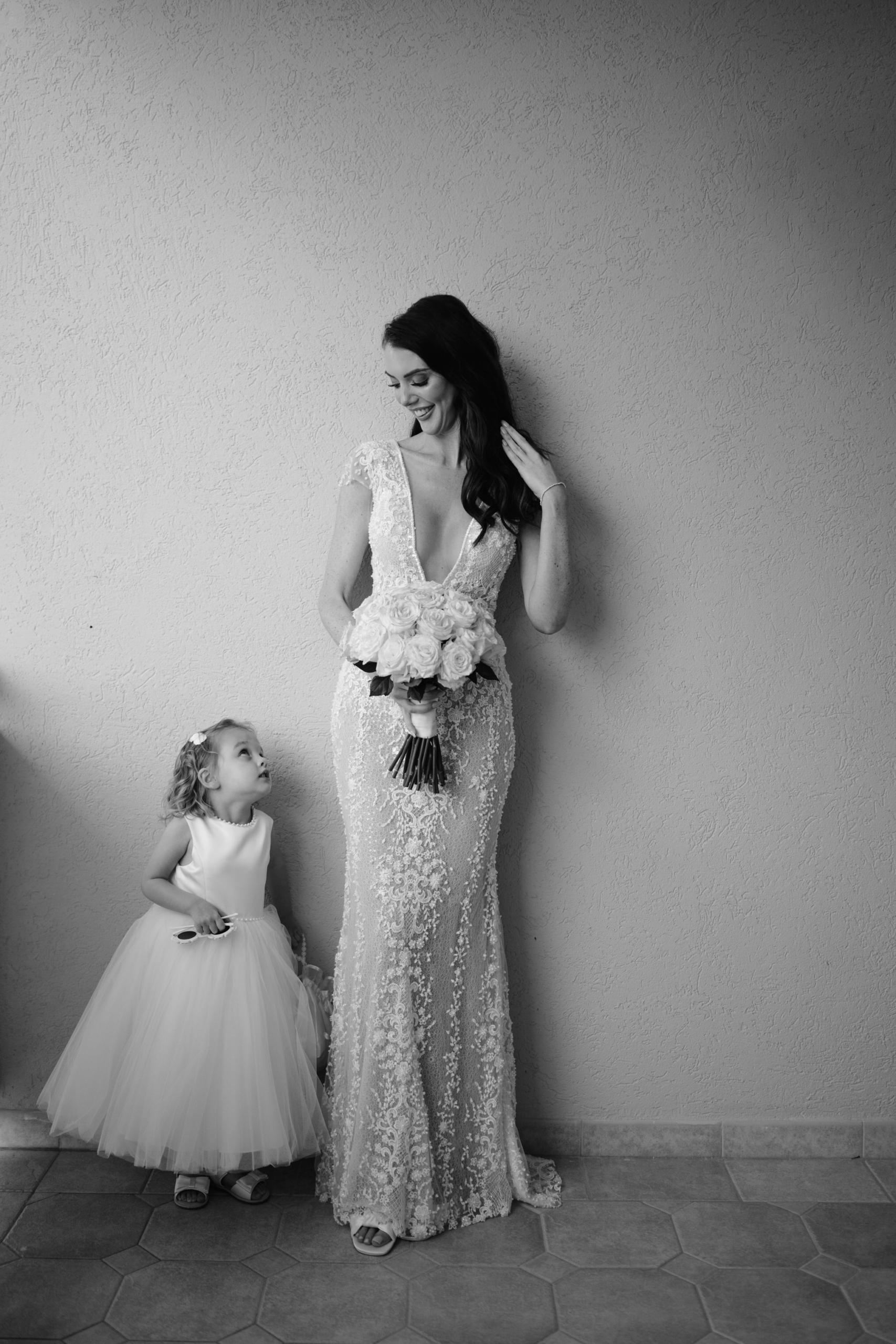
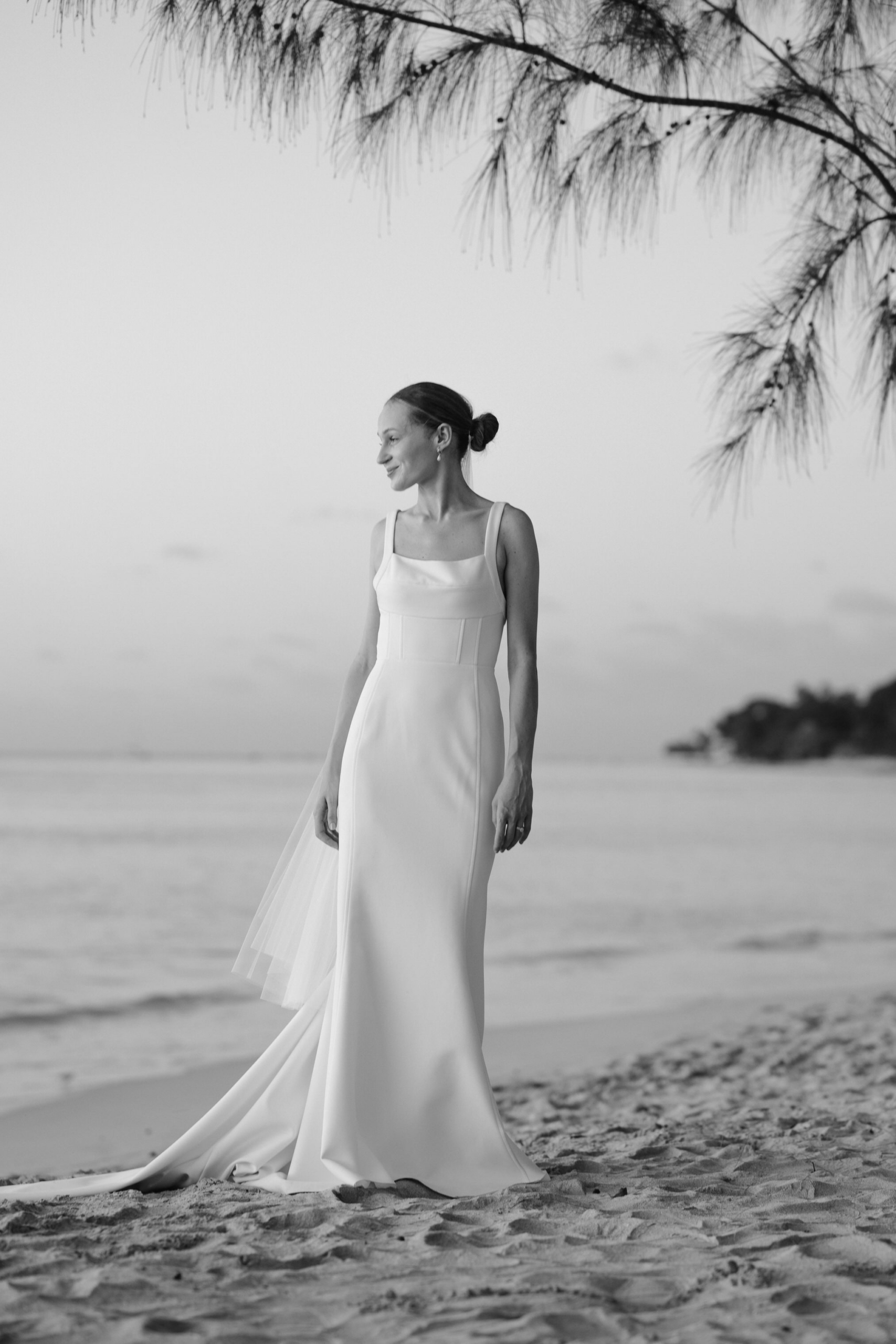
Her photographs move between tenderness and discomfort without trying to resolve either. Whether she’s photographing teenage athletes, incarcerated women, couples, or her own children, the work resists performance and sentimental polish, leaning instead toward moments of lowered guard, bodily stillness, and emotional recognition.
Aniya’s work has been recognized internationally through the Documentary Family Awards, where she received the 1st Place Best Overall Award, along with additional awards in the “Nothing Is Better Than Real Life” and “Environmental Portrait” categories. She has also served as a guest judge for the organization.
Alongside her wedding and portrait practice, she continues to develop documentary projects examining incarceration, girlhood, family dynamics, and the emotional structures people carry inside the body.
https://aniyaemtage.com/
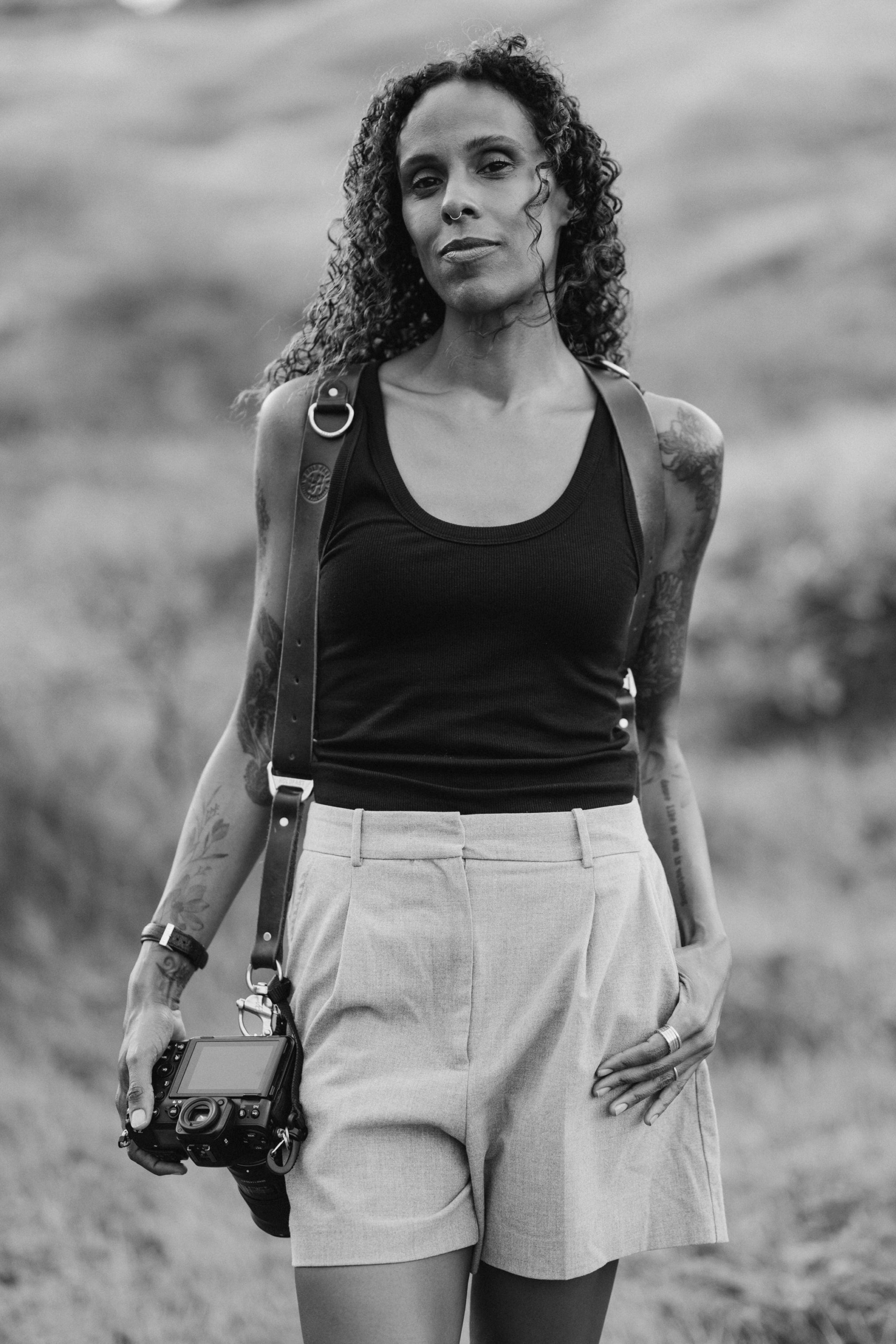
Before photography, you worked in criminology and human trafficking research. Do you think that changed the way you photograph people?
One hundred percent.
I worked specifically in human trafficking, sex trafficking, children. It was dark. Really dark.
At some point I started questioning humanity. I started imagining my own children in the stories I was hearing.
My therapist actually told me recently that she thinks I have PTSD from that work.
And the hardest part is feeling like you leave those people behind.
I had the option to say, “I don’t want to do this anymore,” and move on with my life.
Most victims don’t get that option.
I still think about that.
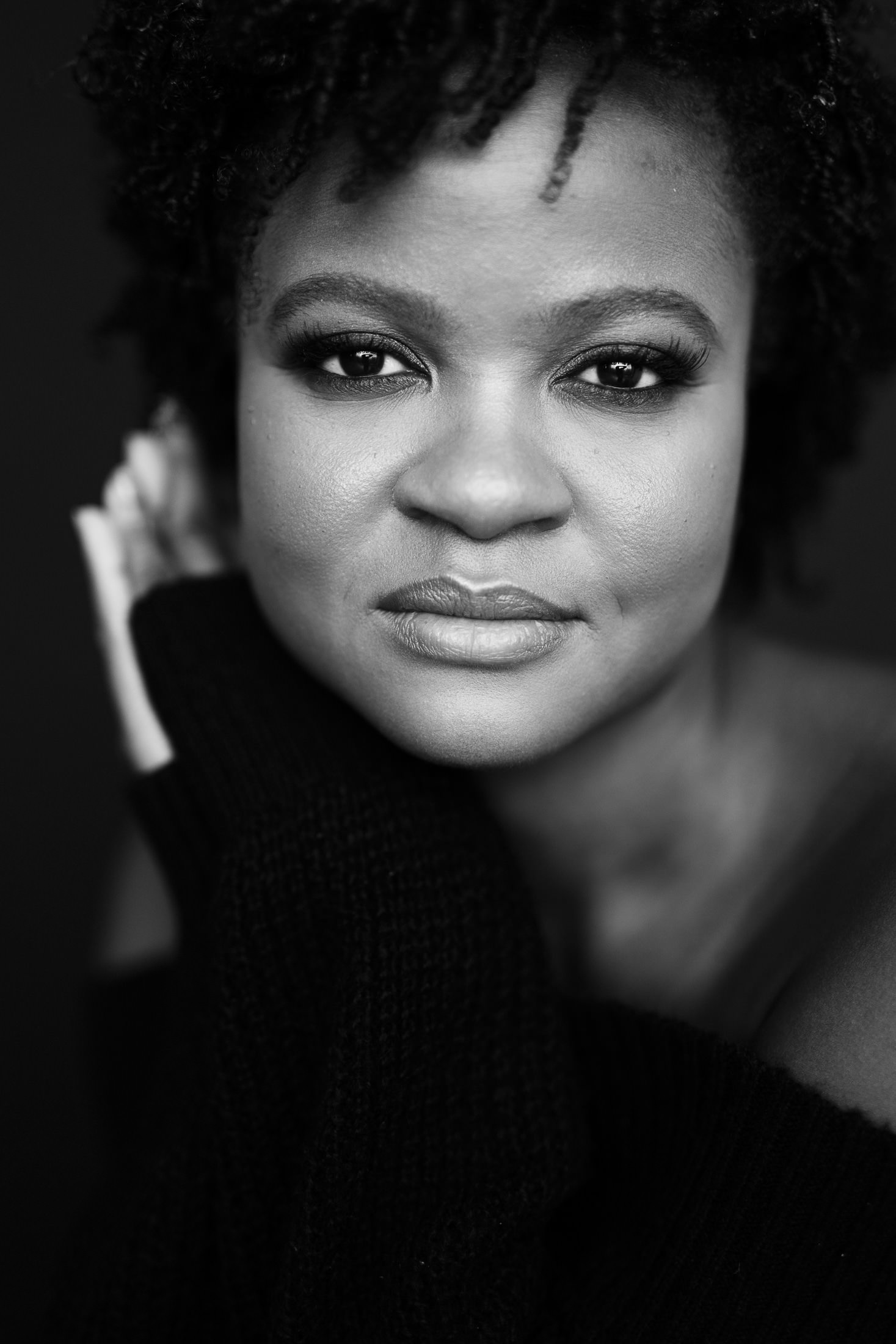
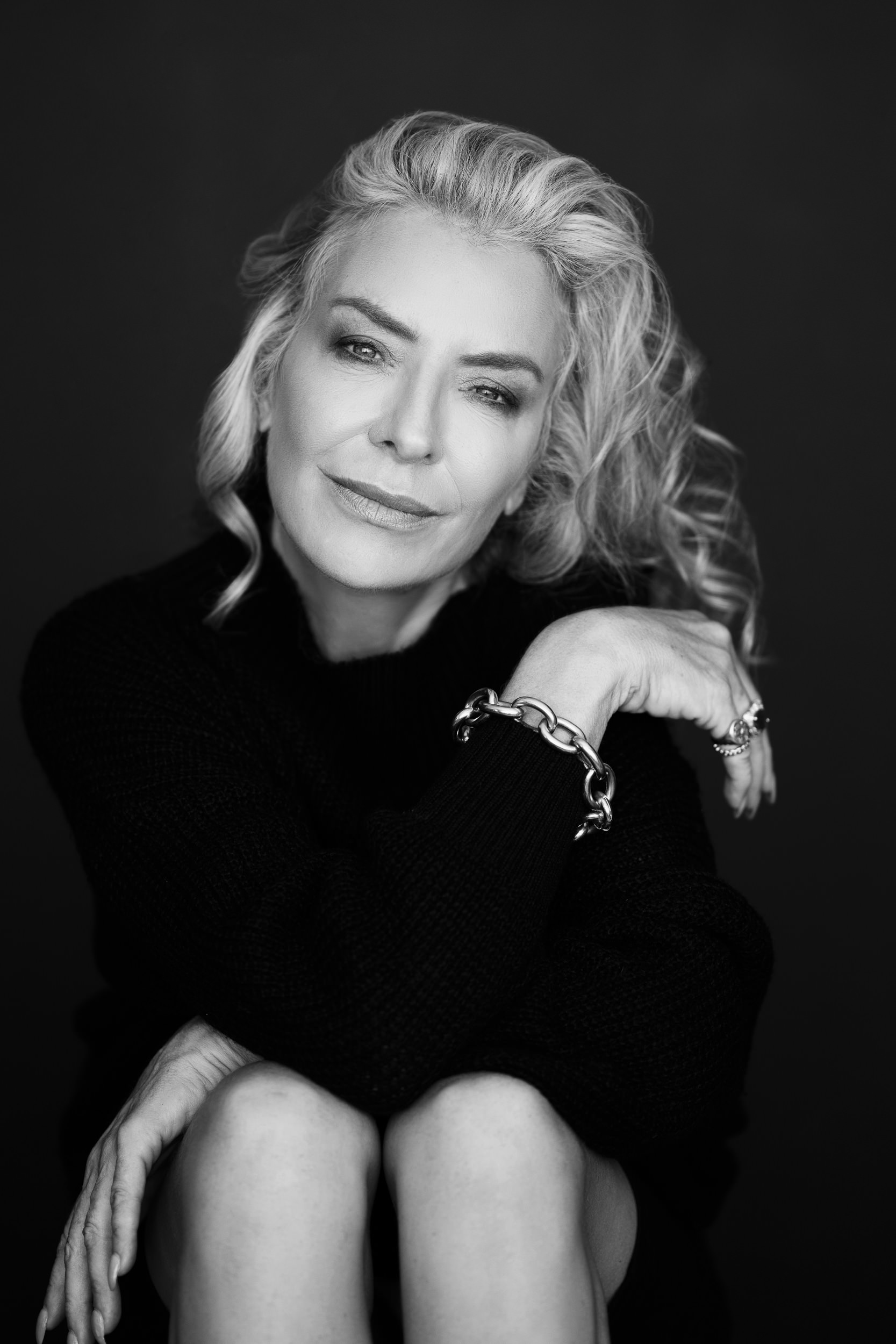
Which has more power – a law degree or a camera?
A camera.
As a criminologist, I was all research. I could hear someone’s story and then file it into a policy report, filtered through the Attorney General, watered down. I couldn’t rescue anyone. I couldn’t even report on someone because my role was with the government.
People become numbers in that system.
As a photographer, I can cross those lines. I can talk to people. I can listen. I can let them tell their story in their own words.
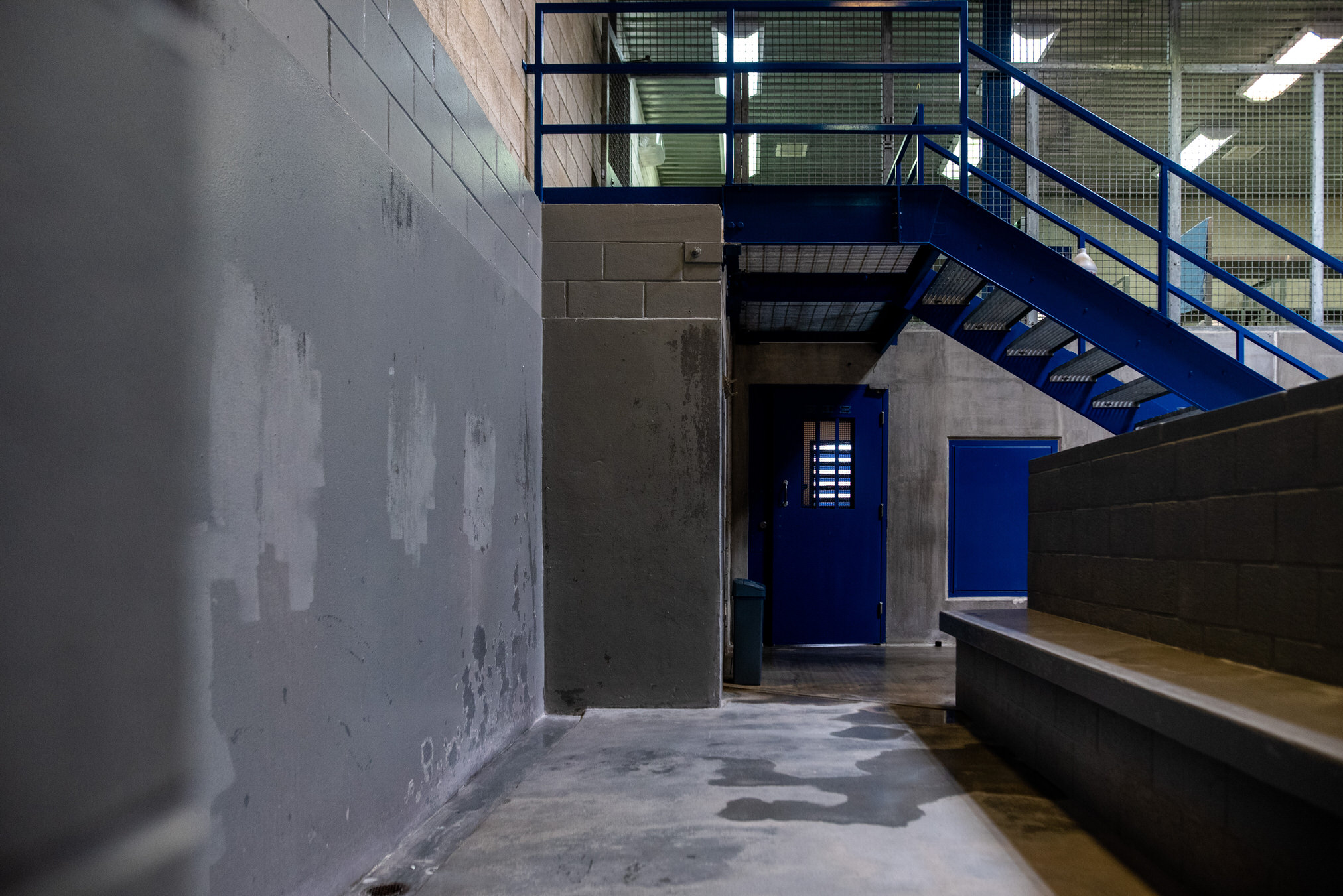
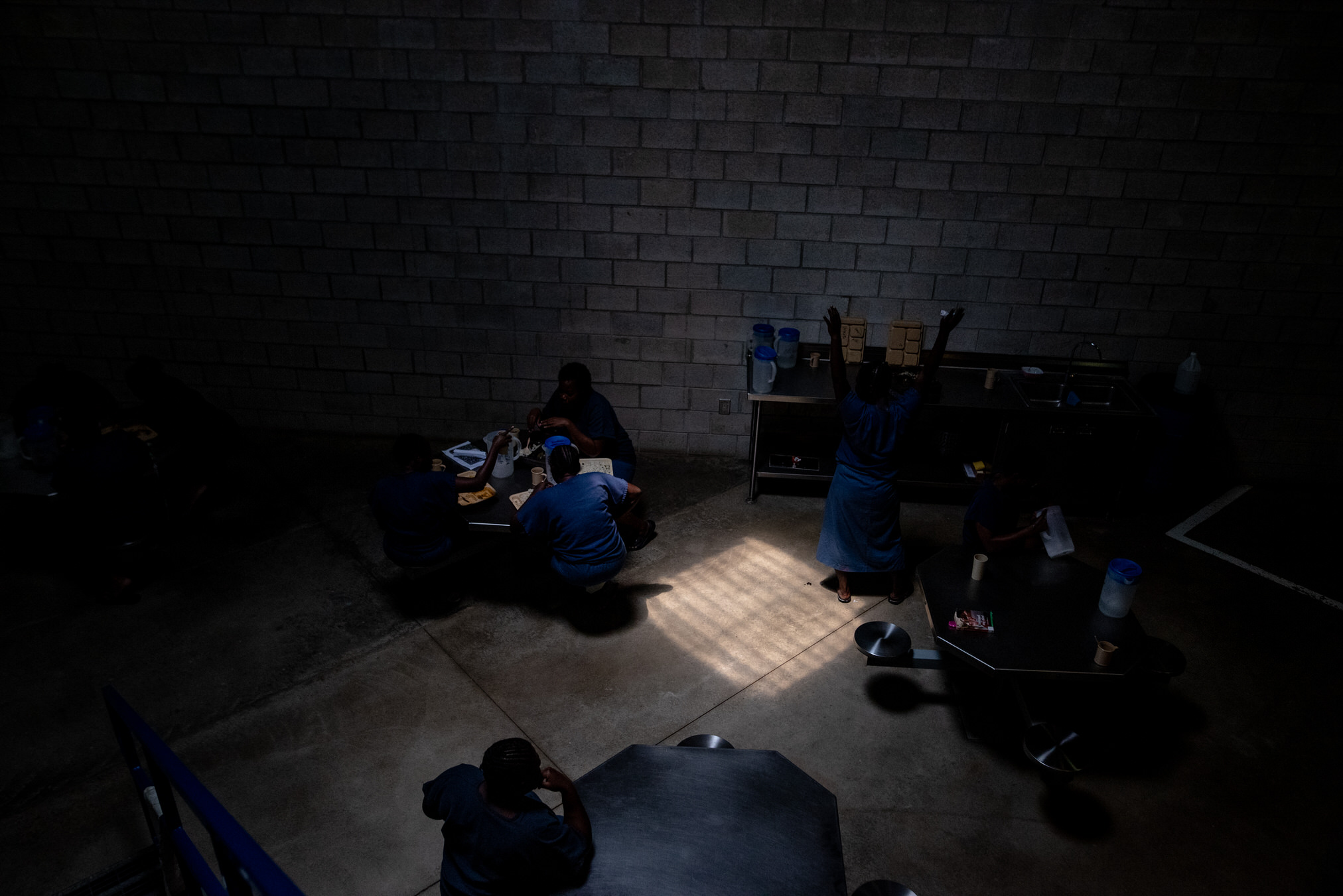
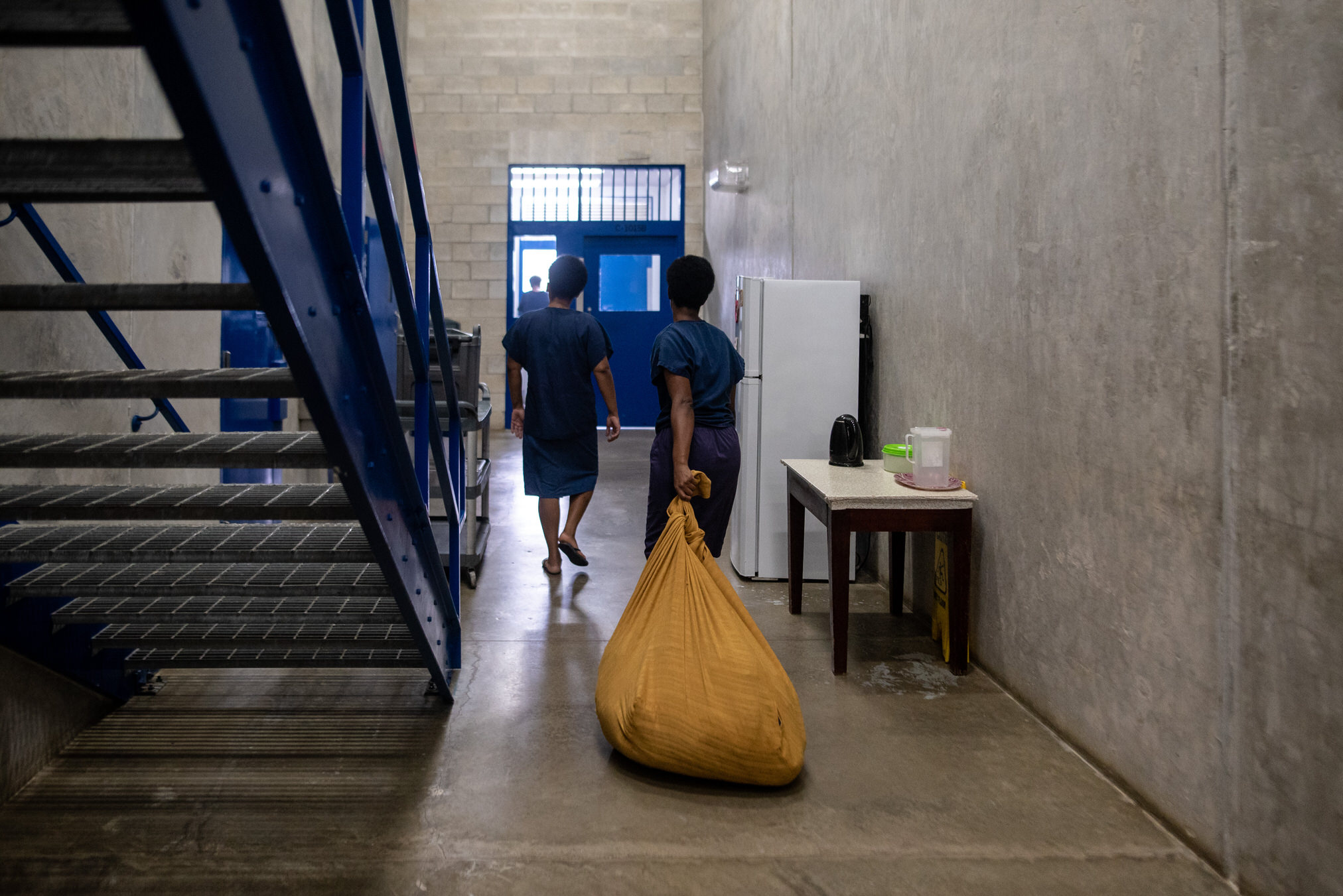
You’ve photographed inside a Barbadian prison. How did you gain access to that world?
The prison project came from my years working as a criminologist with the government and doing research in the prisons – trust was already established
they don’t just let anyone in, and they knew me, so there was trust there.
They don’t let just anybody in.
But once I was inside, what affected me most was one woman in particular.
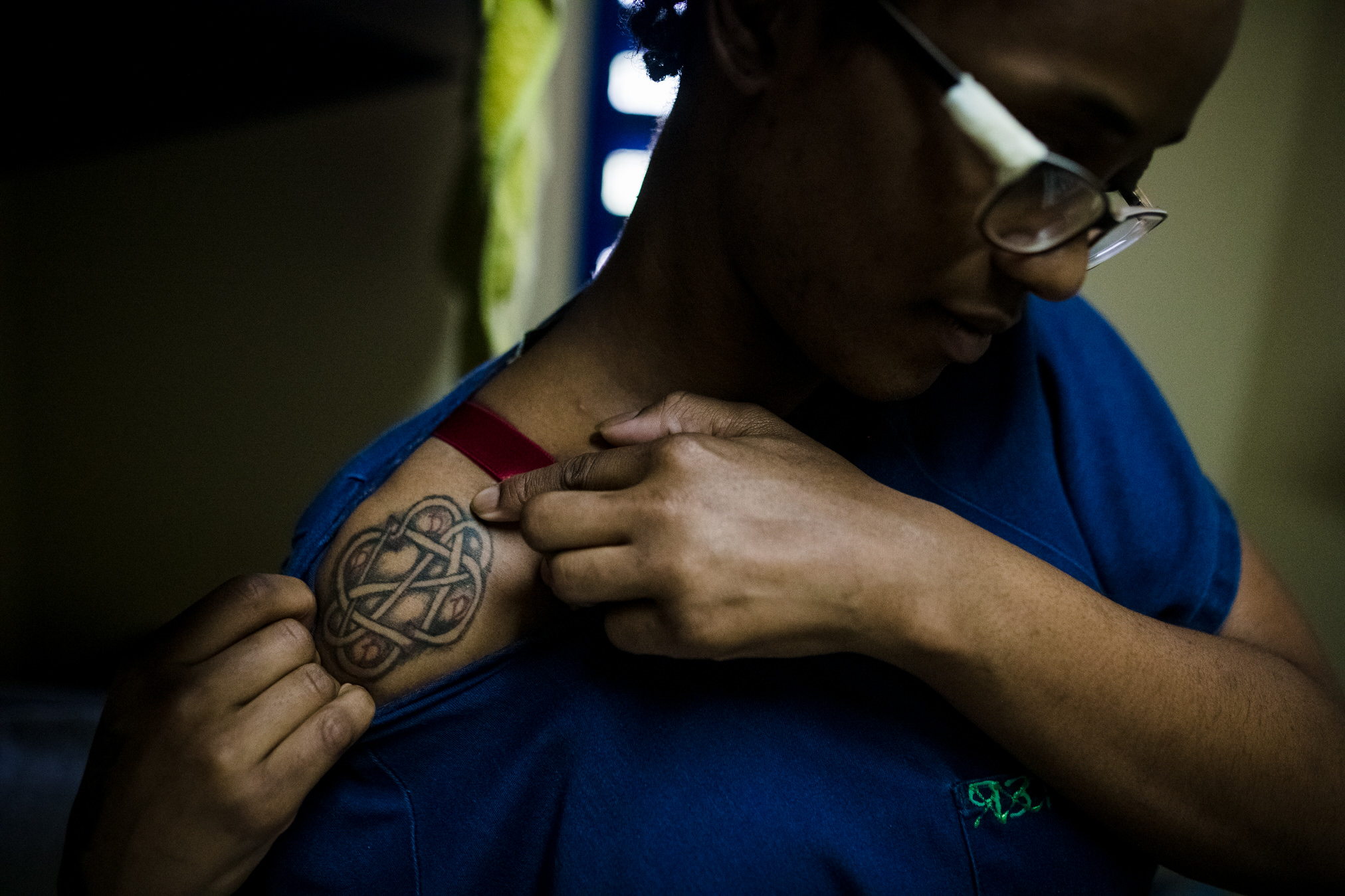
She had three children, and she was there because of a man.
Nobody really thinks about that part.
They just see the person carrying the drugs.
They don’t see the violence before it, or the fear, or the threats against their children.
As a criminologist, people become part of a system.
But with the camera, she stopped being just a case file. She could actually tell her story.
For her, being photographed released some of the shame of being there. It became a way of saying: this happened to me. I’m not a bad person.
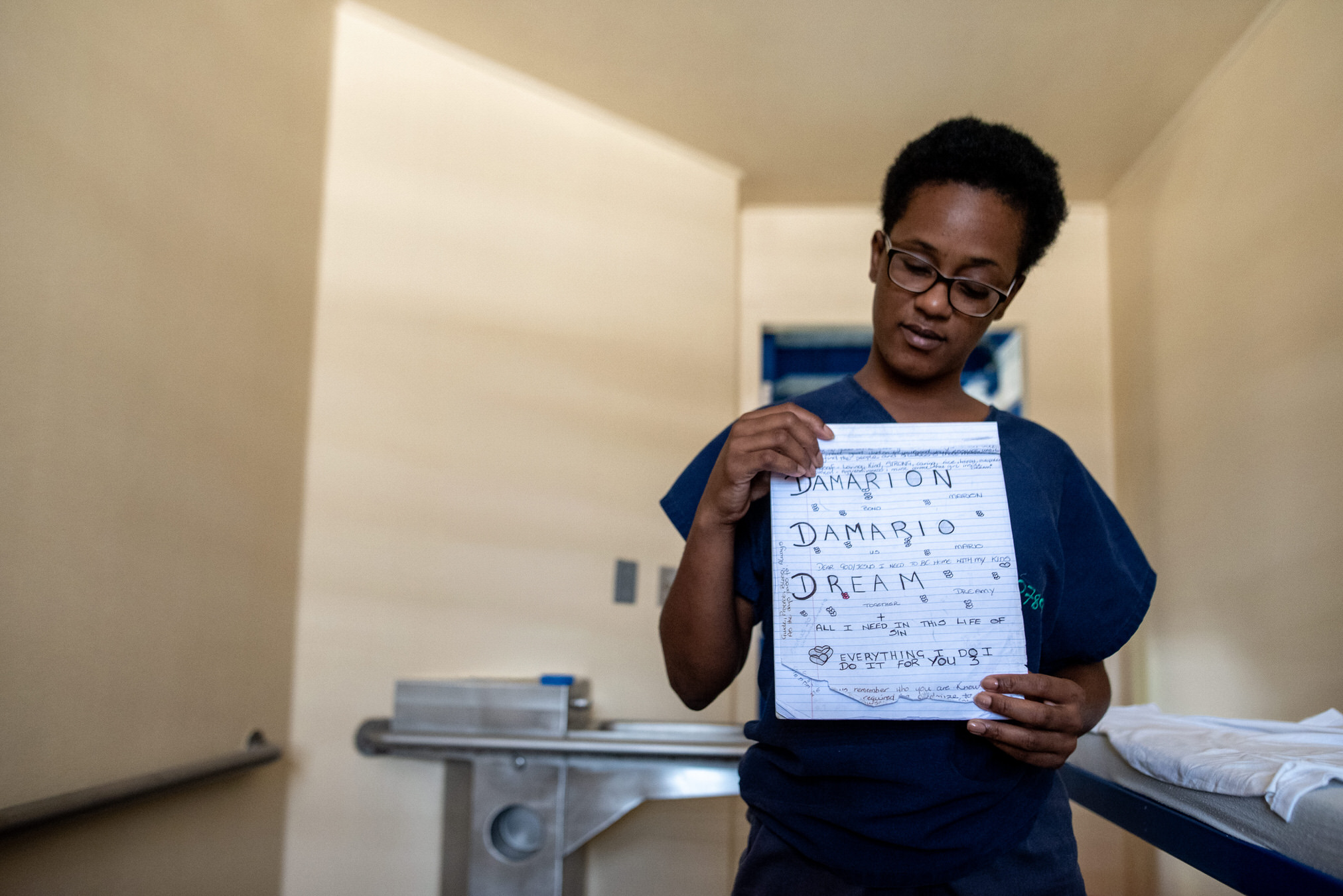
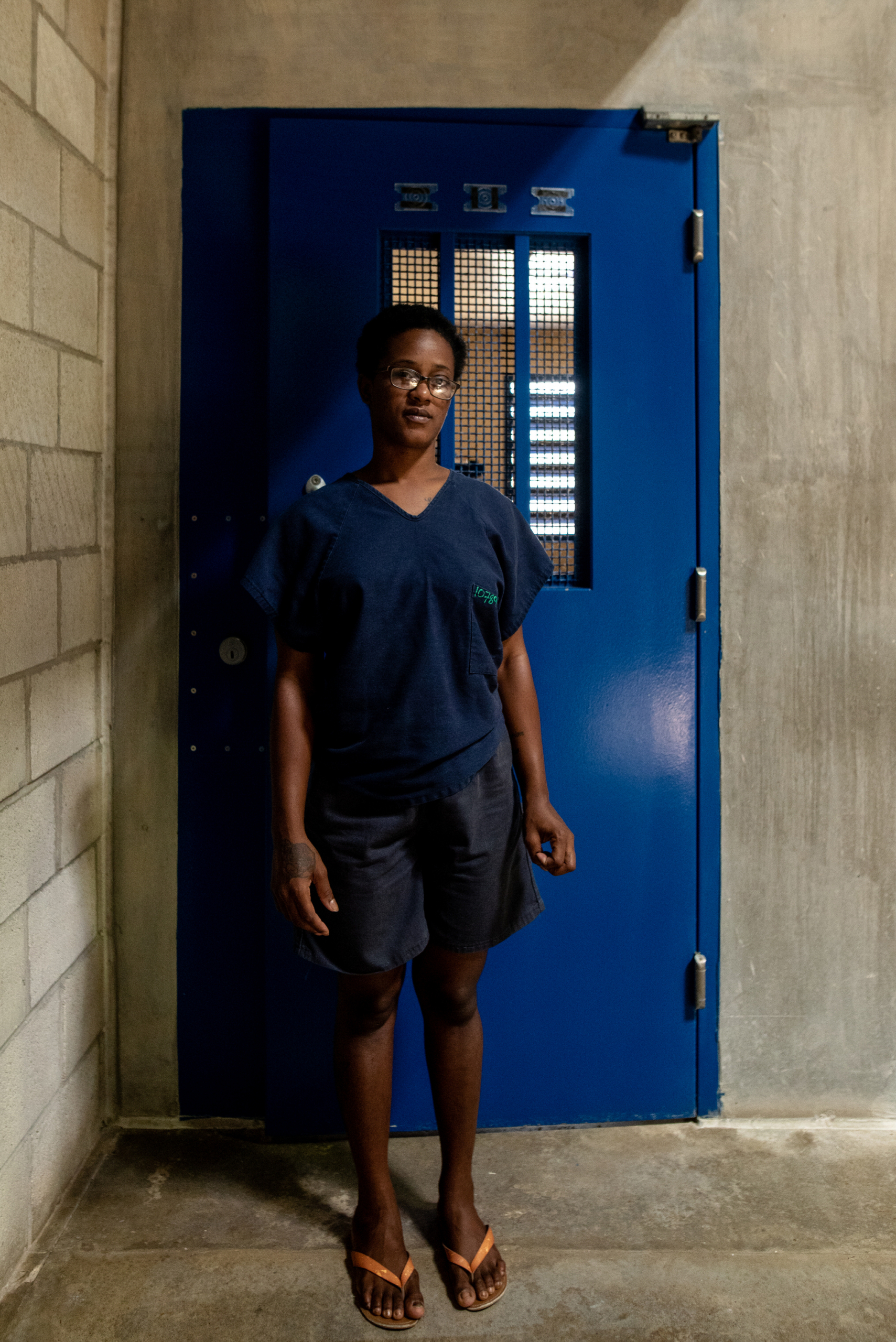
At the same time, I still struggle with the feeling that I got to leave.
I could walk out of that world.
A lot of the people I met there never really can.
Your portraits of women feel powerful without trying to perform “power.” How do you get there?
I think a lot of people are told things like, “stand there and be fierce,” and I don’t really work that way.
The biggest thing is getting somebody comfortable with you.
Not just the camera – you.
The more you talk, joke around, be silly, the more people let go of what they think they’re supposed to do. A lot of my images actually come after I quiet everything down.
I’ll literally say, “Okay, quiet now.”
And I just want them to look at me.
I’m not telling them to be powerful.
I just want them settled in their body. Relaxed. Once they let go of the embarrassment and the performance of it, that’s usually when the photograph happens.
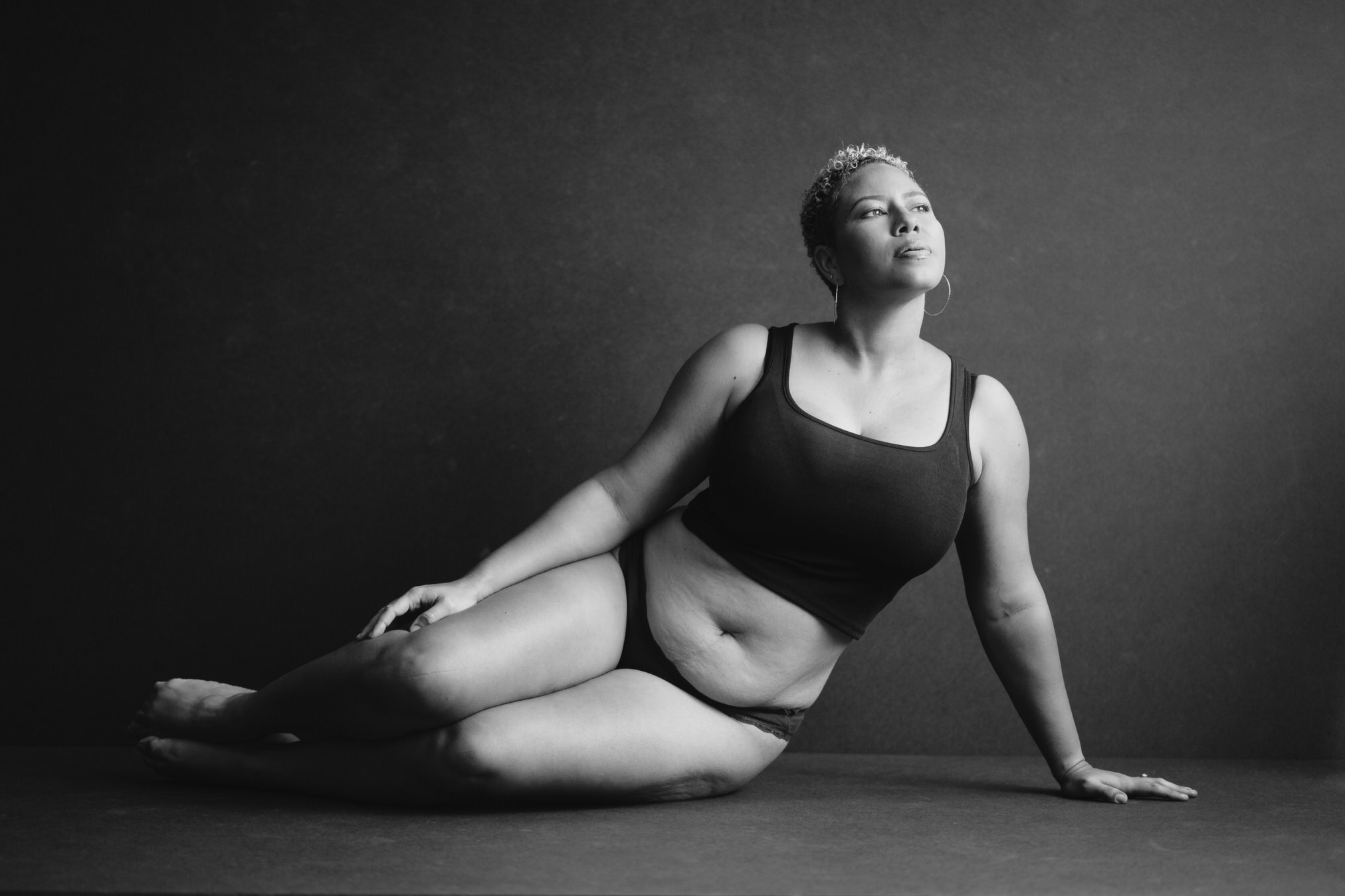
I always tell clients it’s like a dance. I tell them I’m nervous too. I think once people hear that, something shifts between you.
Then I bring the energy really high music, movement, joking around – and eventually really low. By then they’re tired. Their guard drops.
That’s when I ask them to sit down, let their body fall, and just look at me.
That’s the moment I’m waiting for.
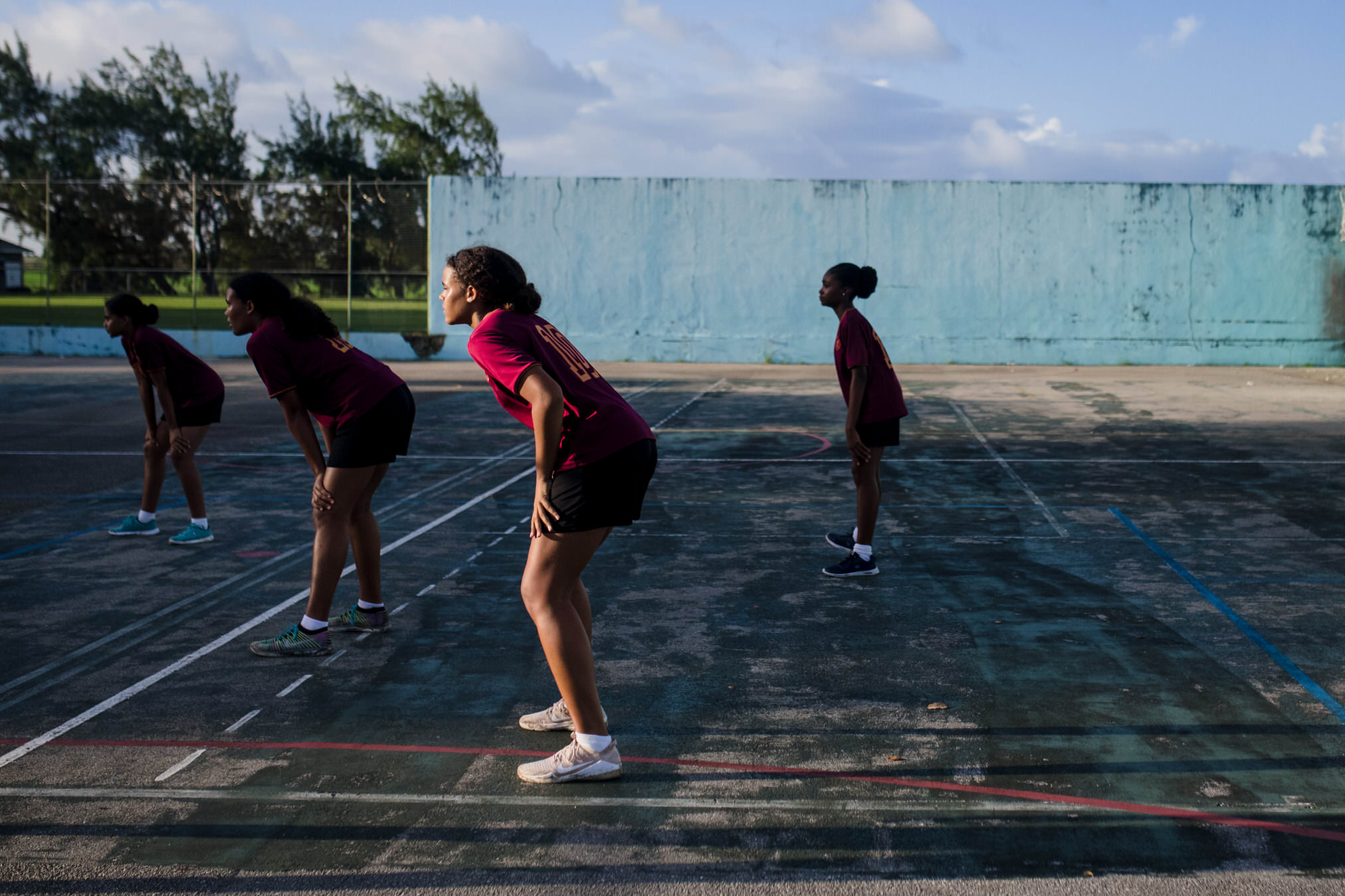
How did the Girls in Sport project begin?
The project actually began after I read a book called Ophelia Speaks, which collected letters from girls around the world about adolescence – body shaming, bullying, sex, drugs, all the struggles young women face.
One of the themes that came through very clearly was that girls involved in sports, especially team sports, face significantly lower risks during those years.
I started with my daughters’ volleyball team.
Being a mother to girls that age opened doors that credentials alone never would have.
From there, the project grew to include girls competing at national and international levels.
Along with the portrait, I asked each girl to write a handwritten letter – I didn’t want them typed.
They wrote their name, their age, their sport, and how it helped them navigate adolescence.
That part was really important to me.
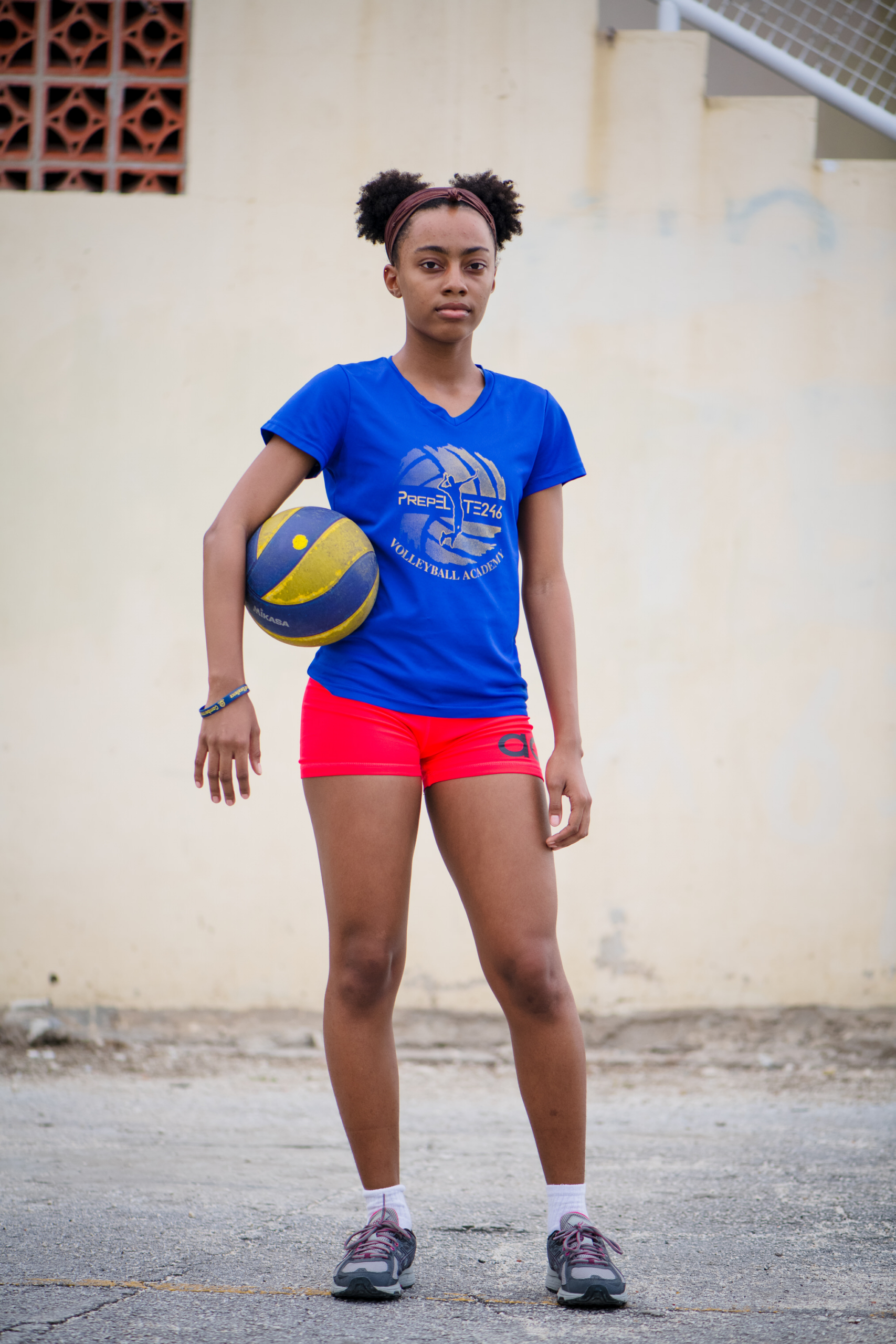
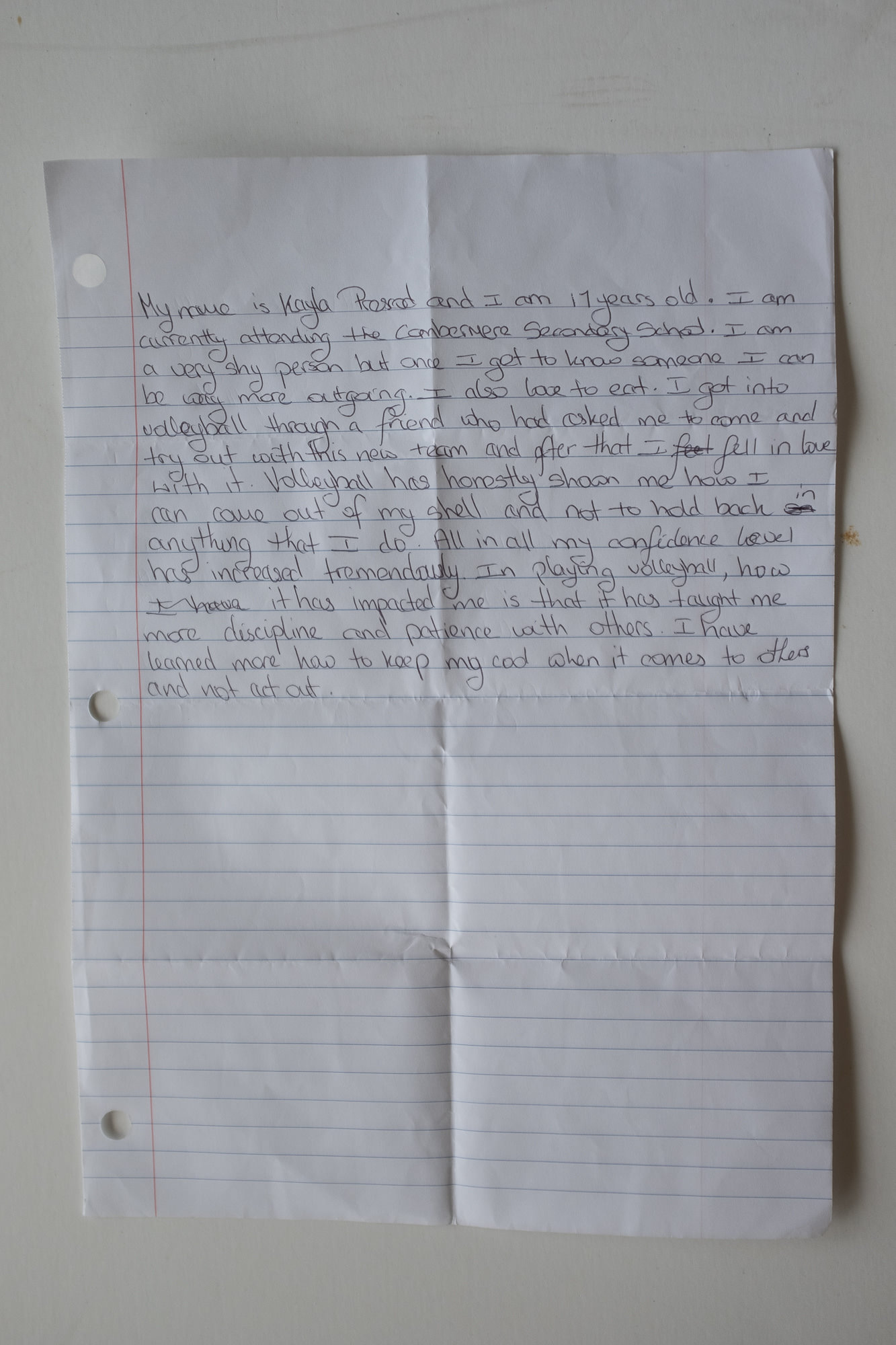
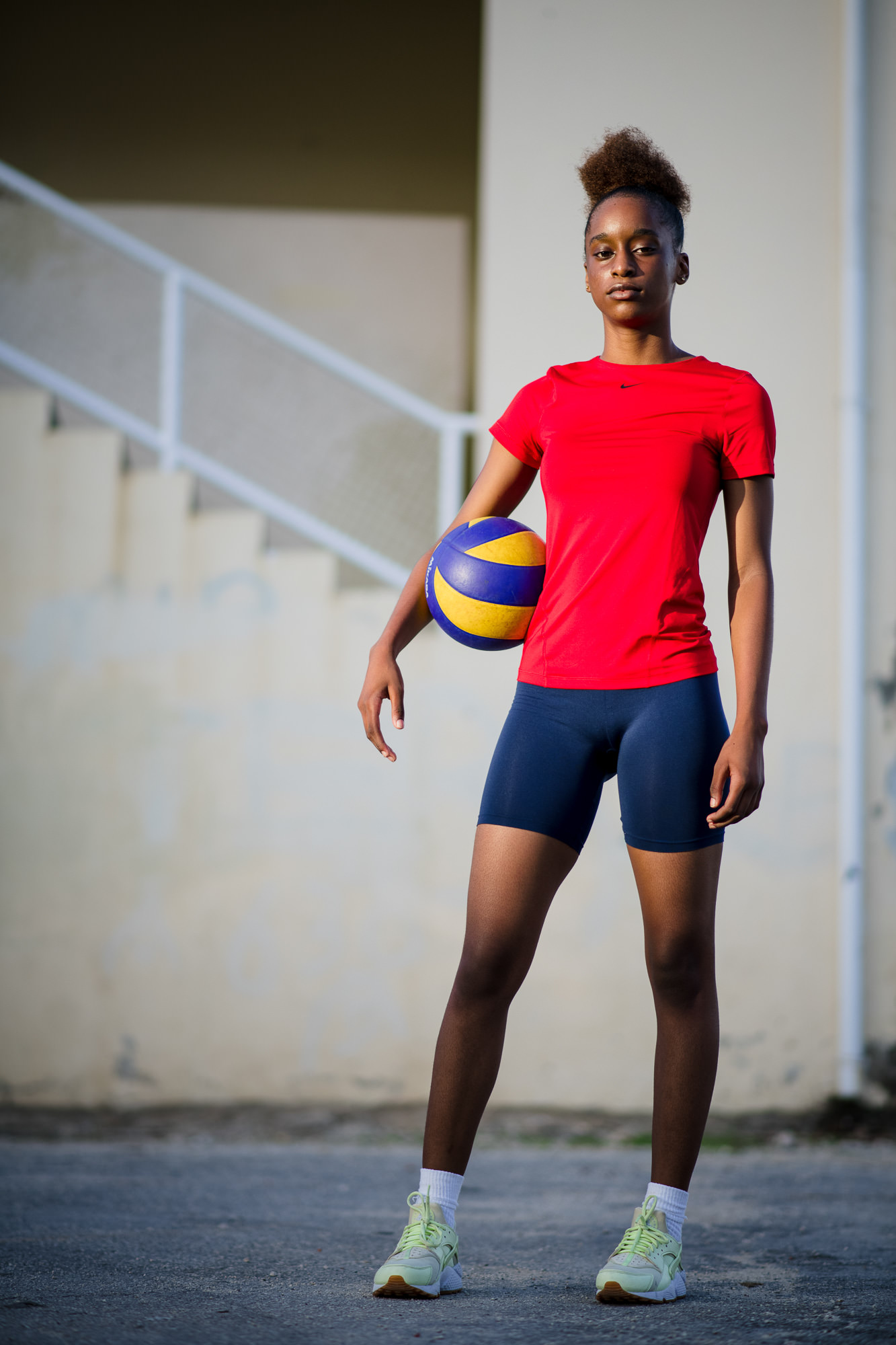
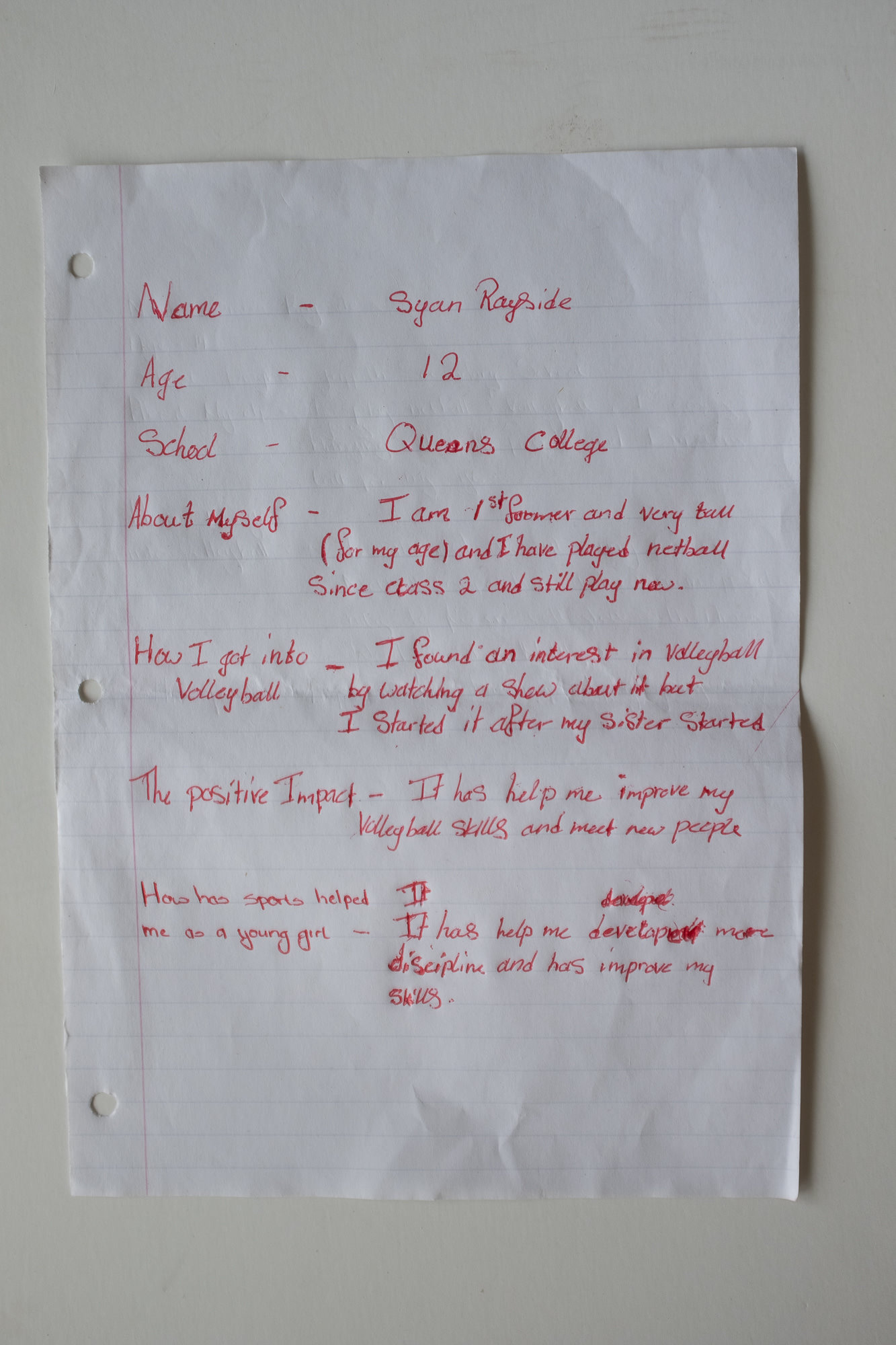
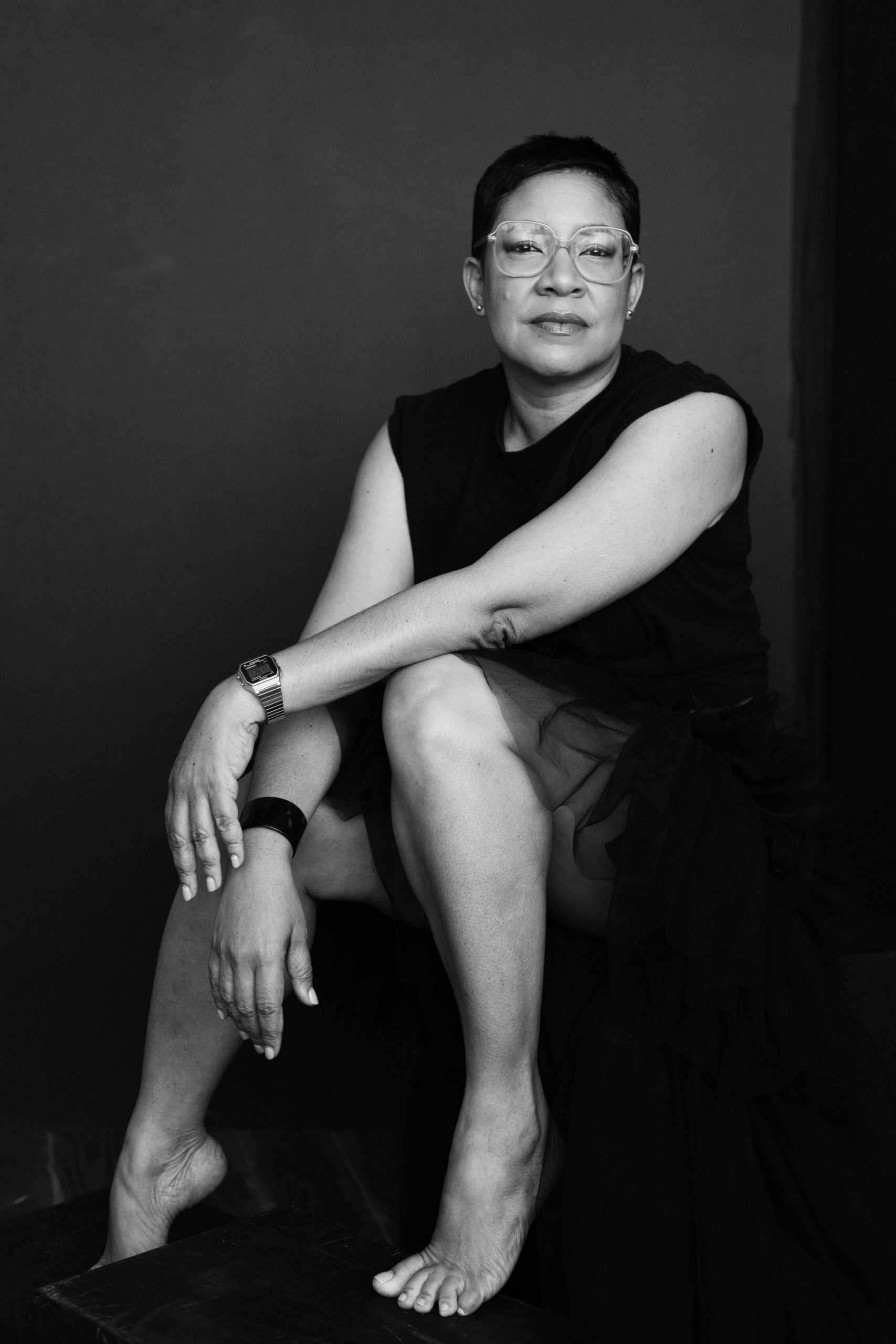
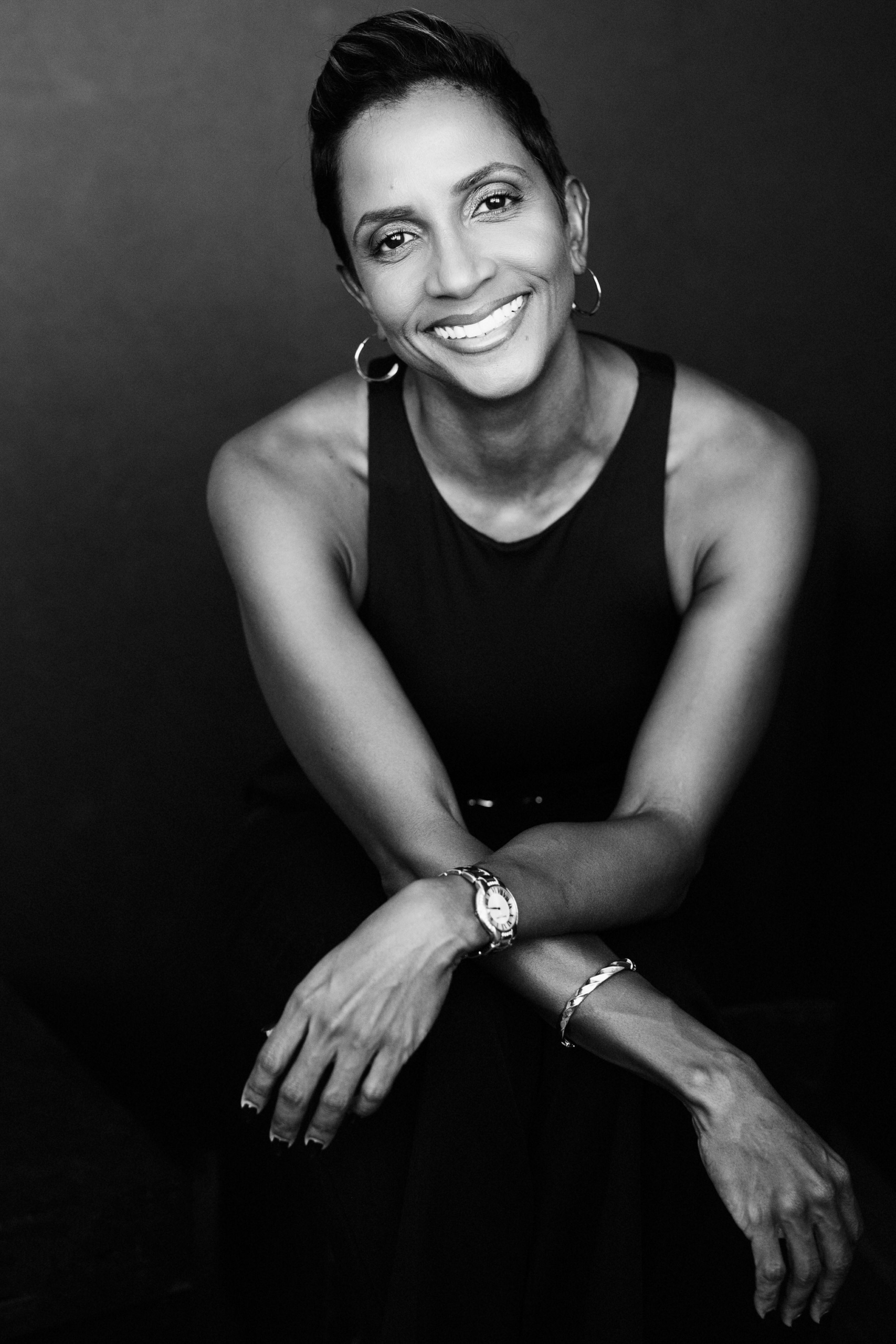
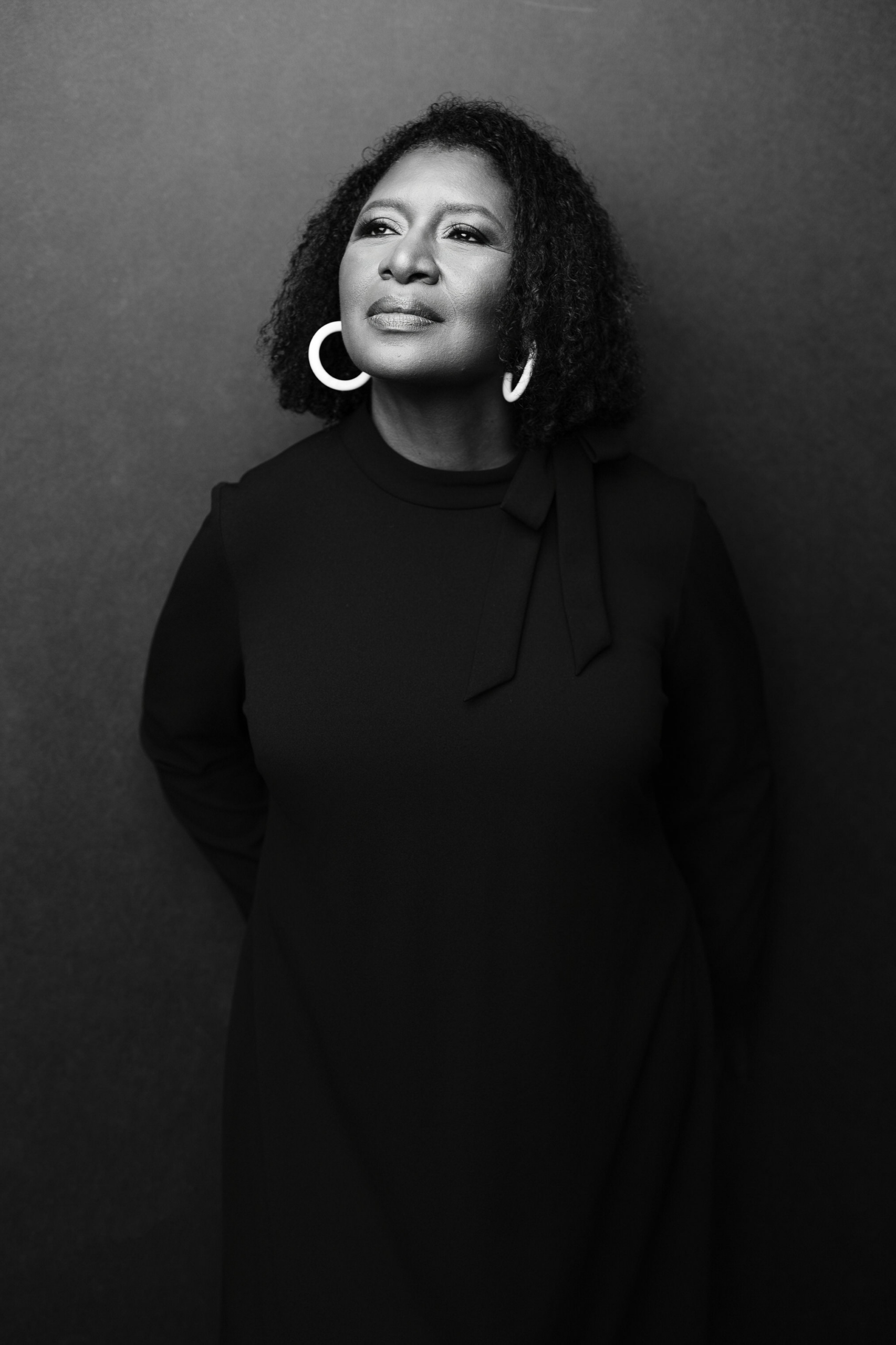
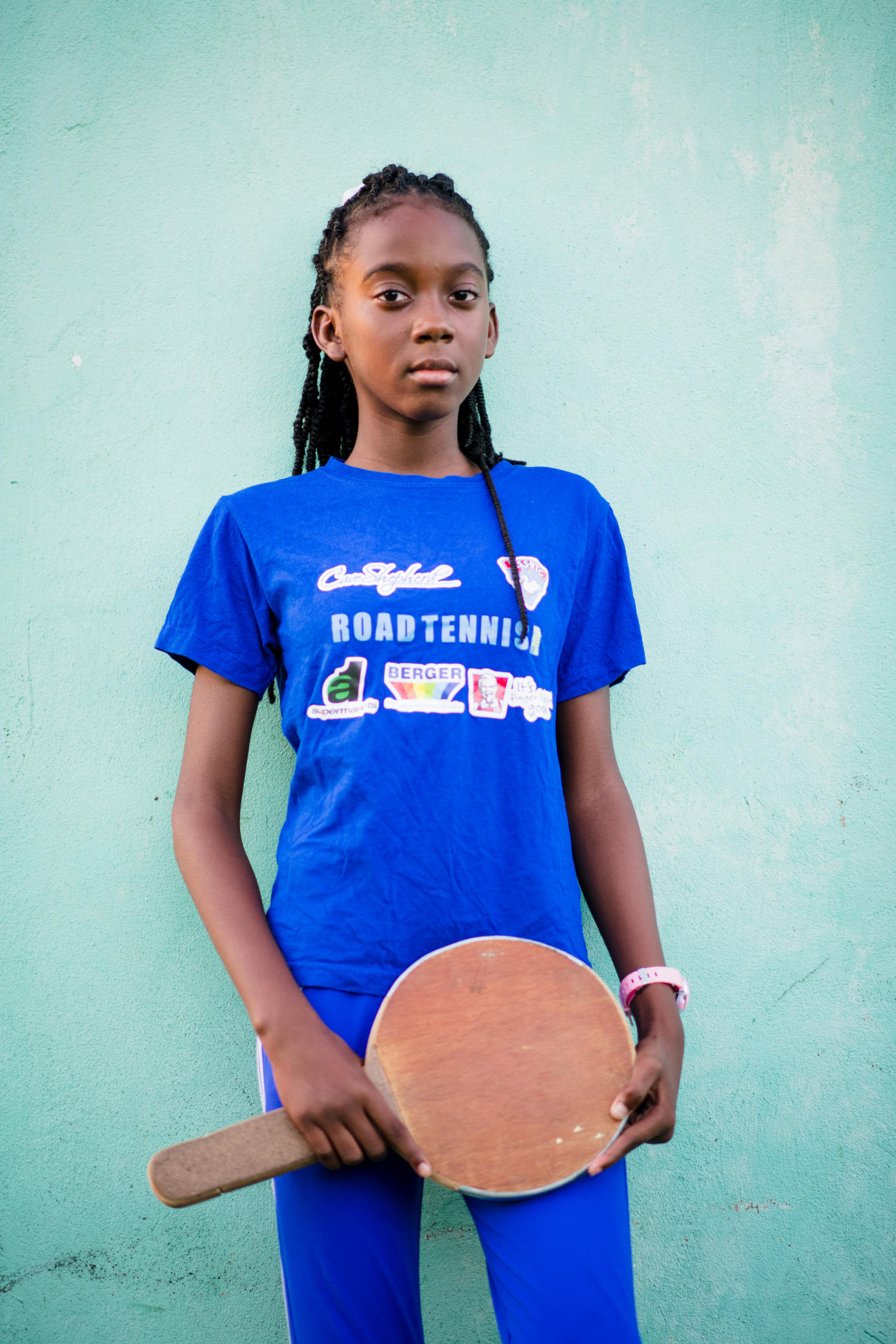
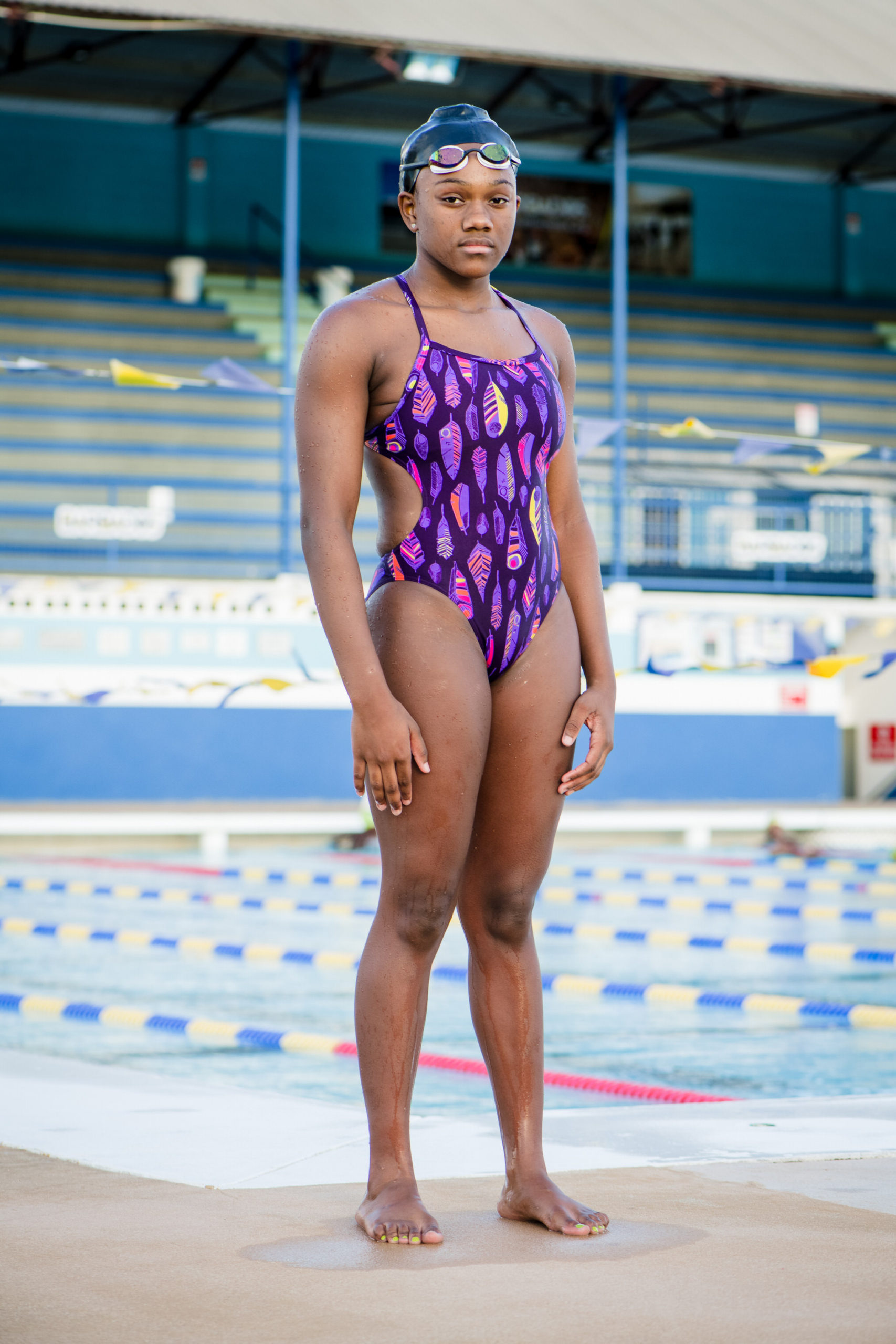
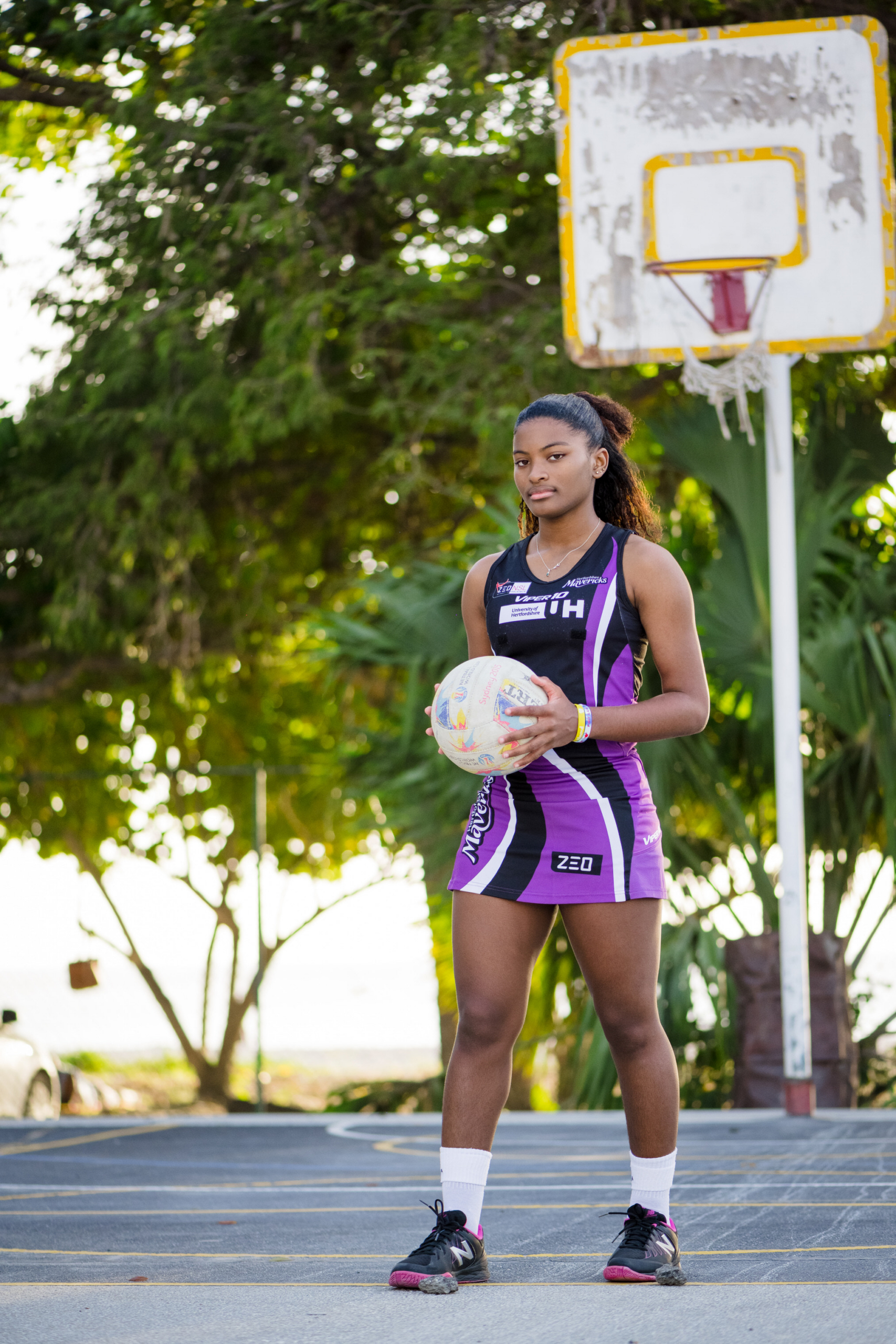
The girls in Girls in Sport don’t smile for the camera
No. I never wanted them to “look strong.”
I just wanted them to stand there, hold their ground, and look at me.
These girls were young – thirteen, fourteen, fifteen – but they were already competing internationally. To compete at that level, you have to develop self-awareness very early.
Discipline too. You have to become comfortable owning who you are.
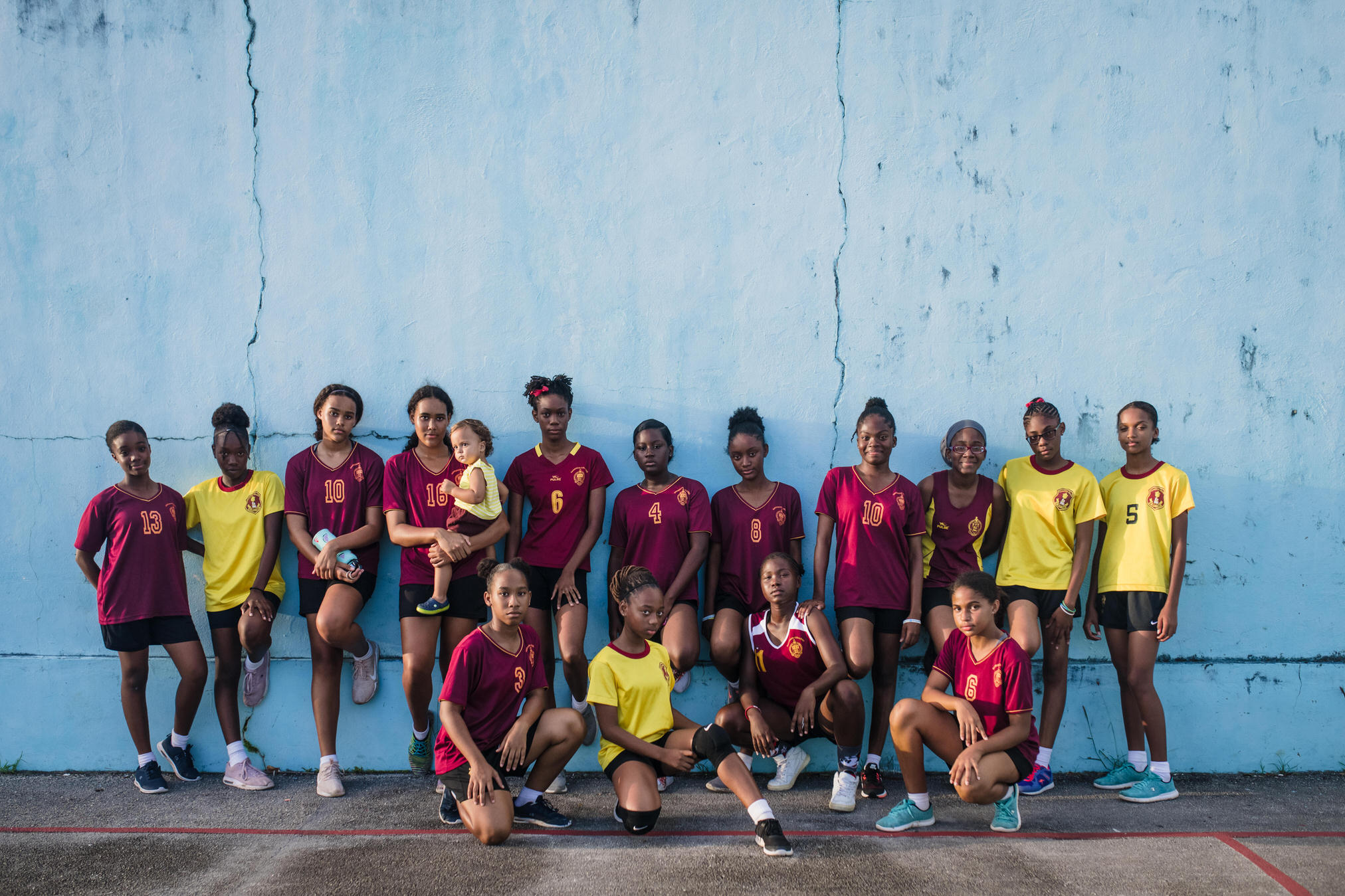
And they had it. Completely.
One thing I realized very quickly was that these girls weren’t just doing sports to fill up an afternoon after school.
They were at the top of their game. National competitors. International competitors.
Your photographs of your children sometimes remind me of the work of Sally Mann. Has she influenced you as a photographer, or is that comparison coming more from viewers?
Yeah !
People have mentioned her before, and I love her work.
But I think what connects us is probably that same dichotomy.
Because in real life I’m very bubbly, very smiley, very loud.
But my work – especially with my children and portraits – is much quieter.
A little more somber.
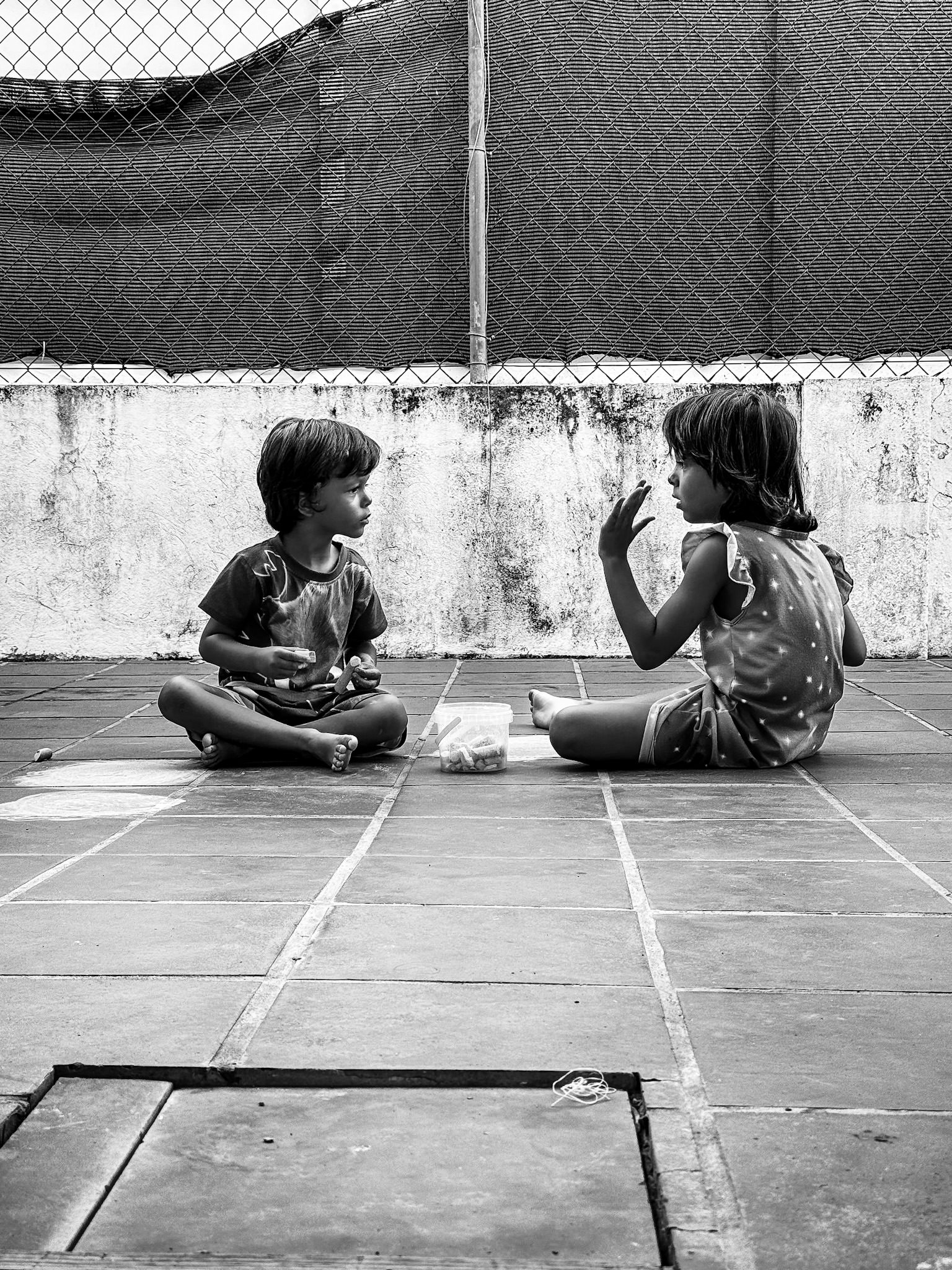
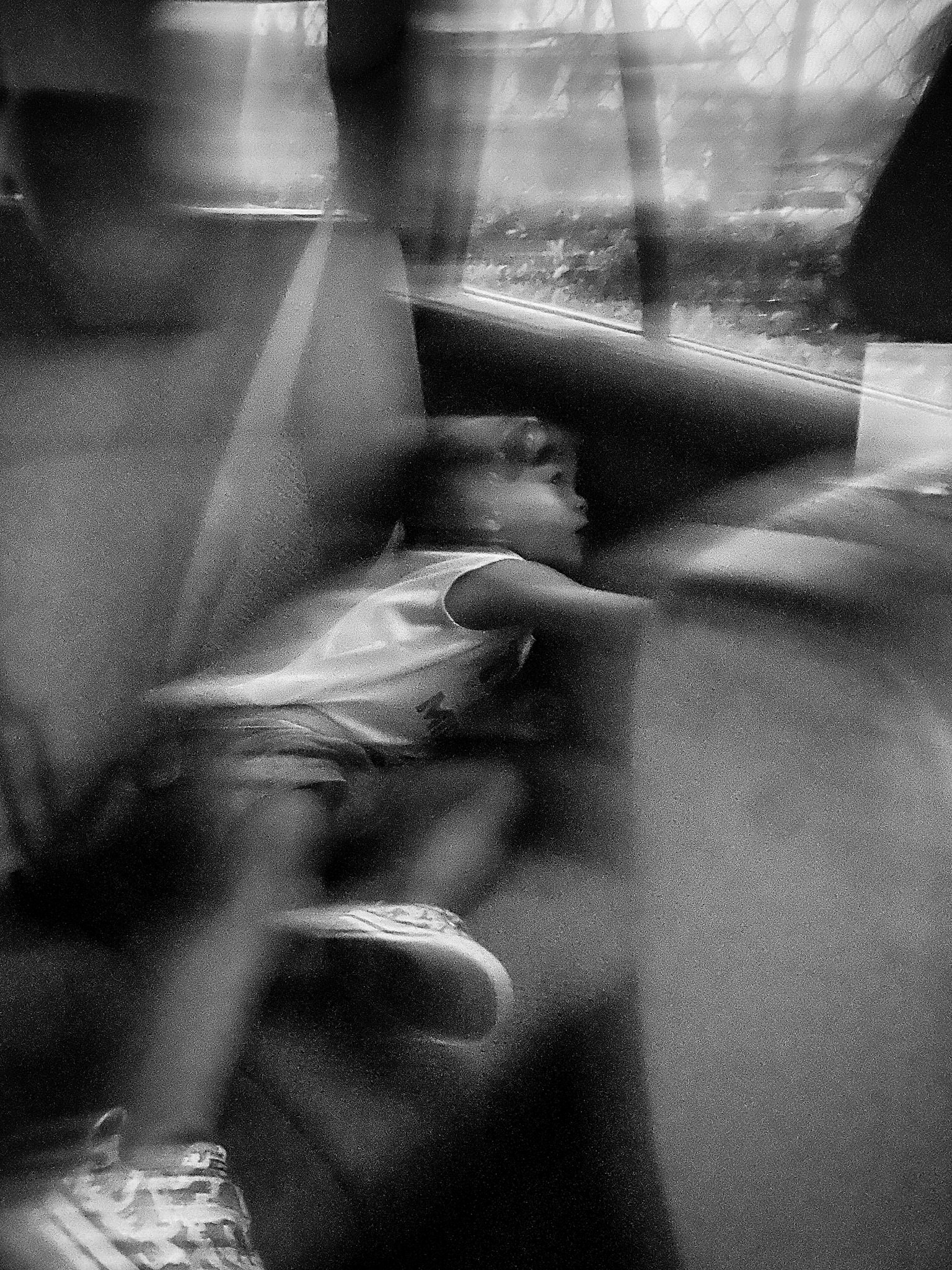
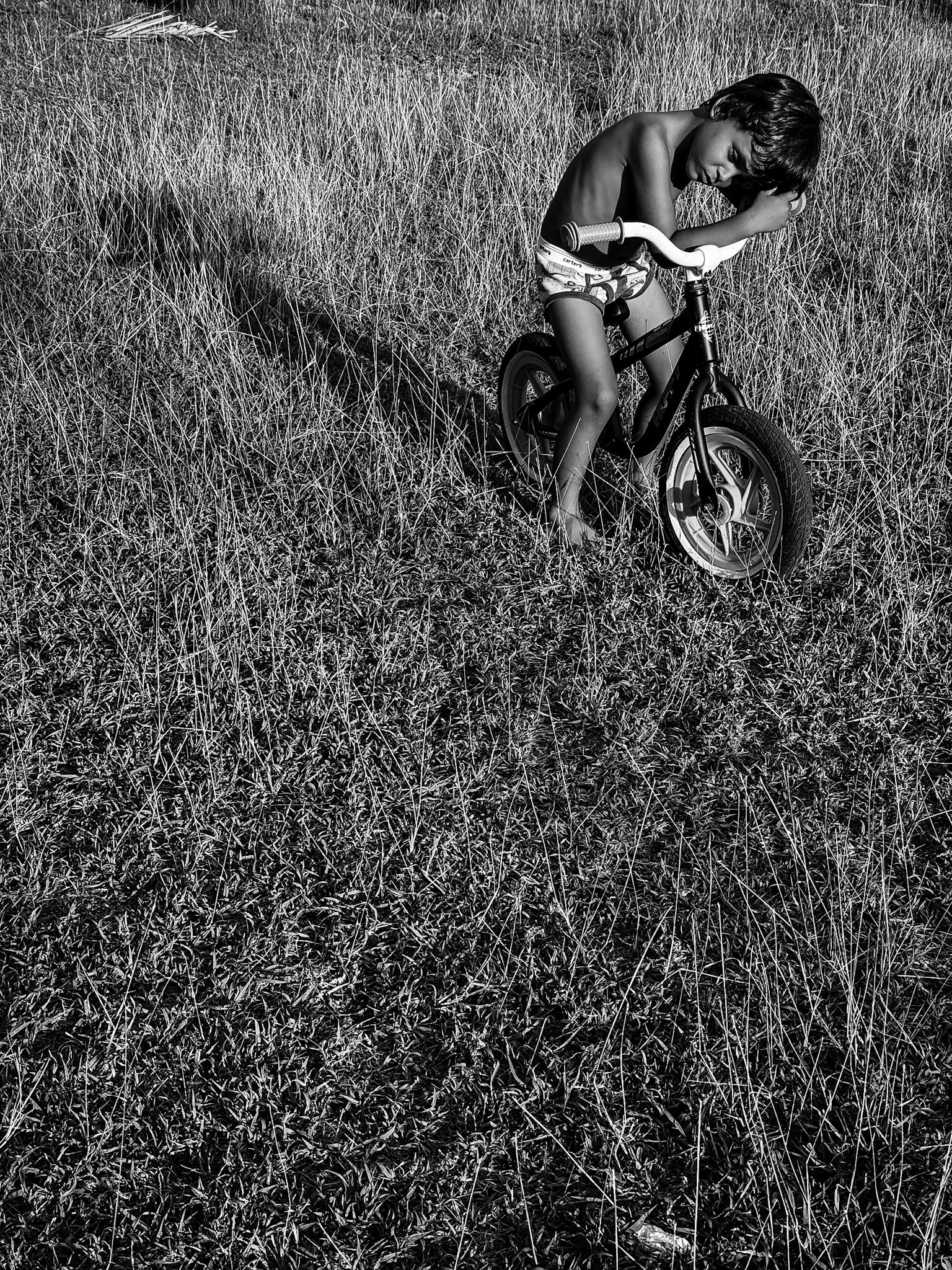
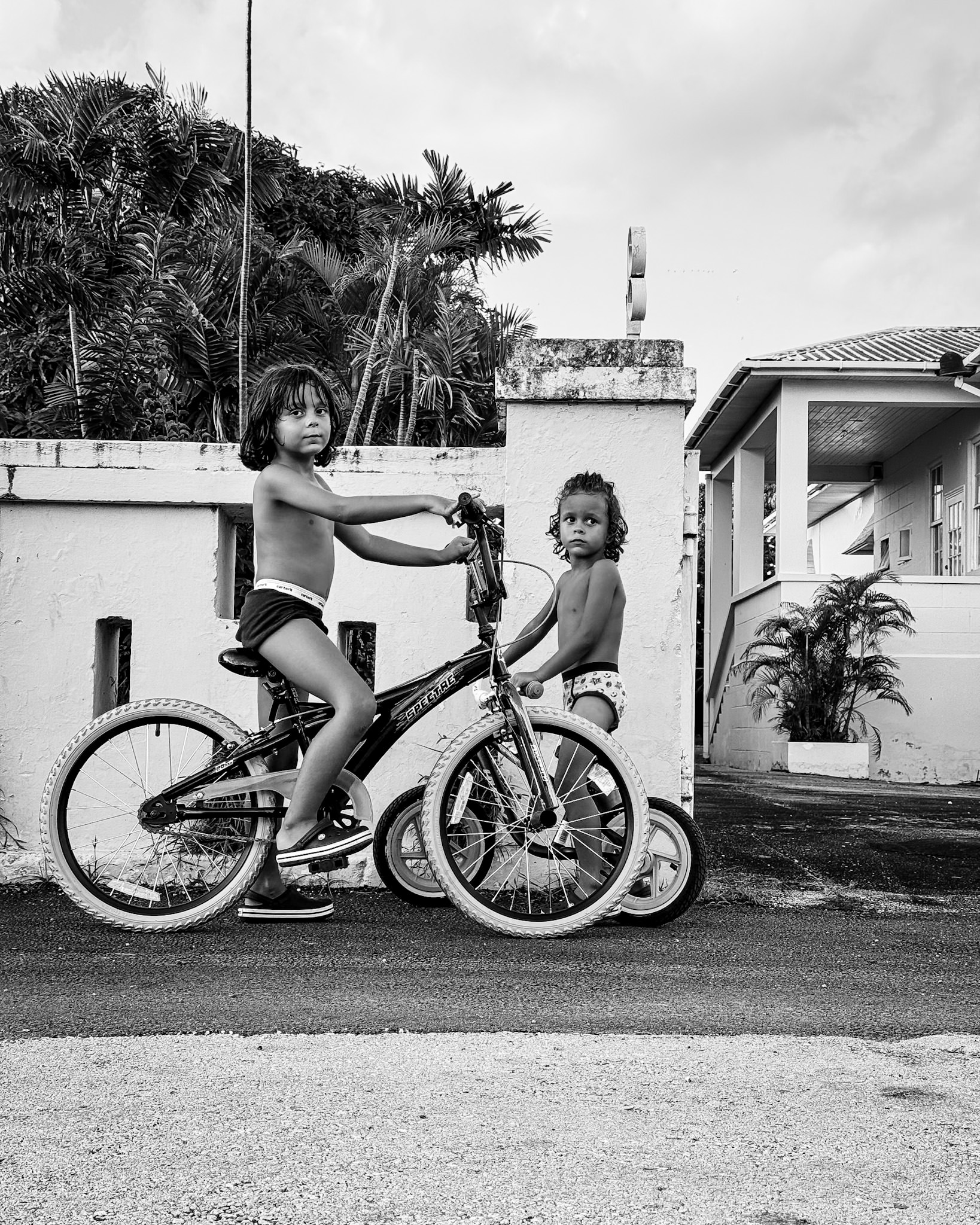
I never really photograph my kids in a beautiful, happy, smiling, jumpy space.
Never. It’s always quieter than that.
And I don’t shy away from those strange, difficult moments either.
If my kid is crying on the floor, I’m not leaving him there or anything – but I want to photograph it.
I want them to see that I photographed it.
You can’t feel joy unless you understand sadness. That’s what life is.
Some people can see beauty in both sadness and joy, and some people can’t.
But to me, that’s what actually captures a moment.
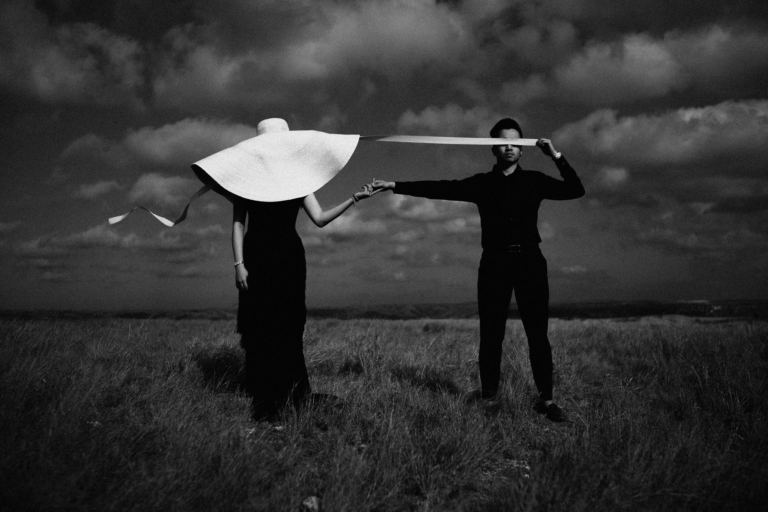
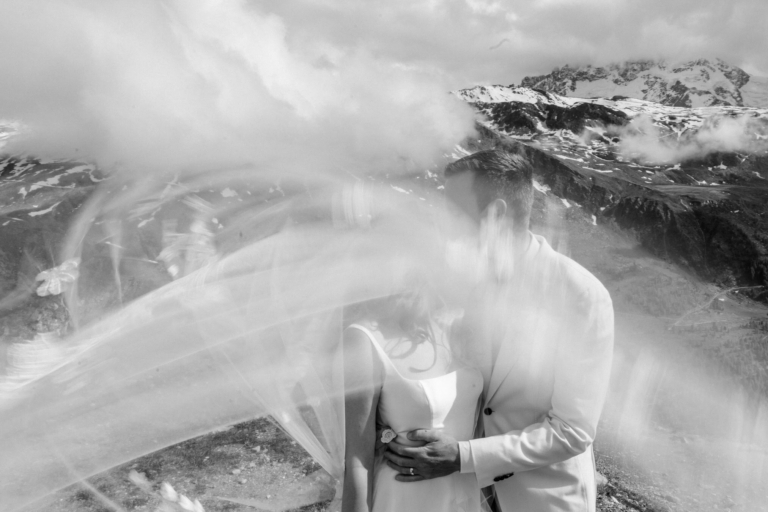
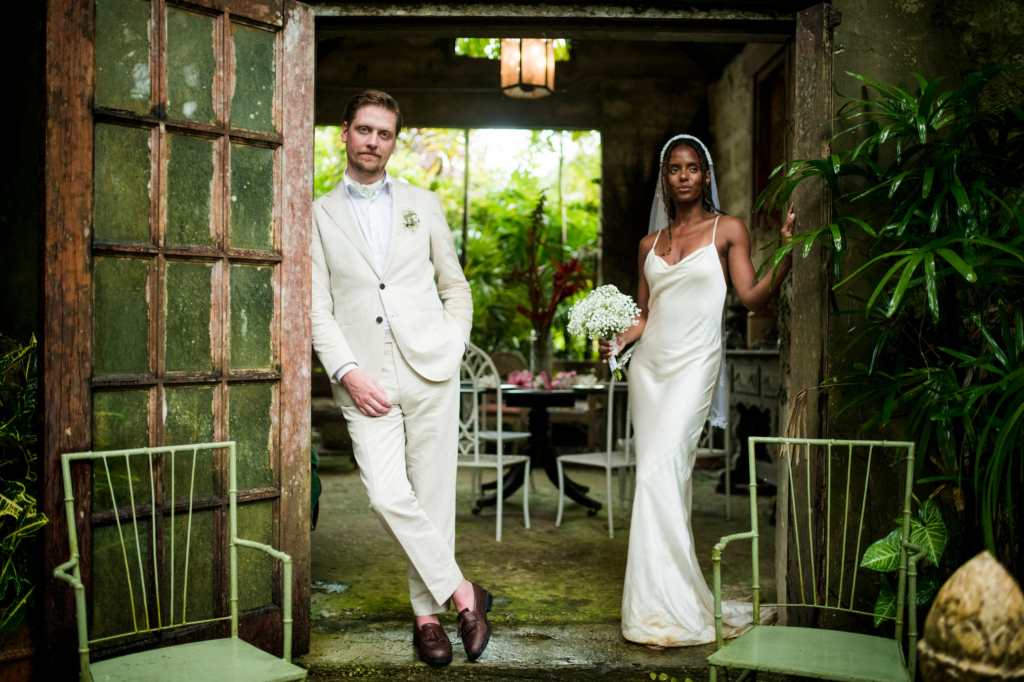
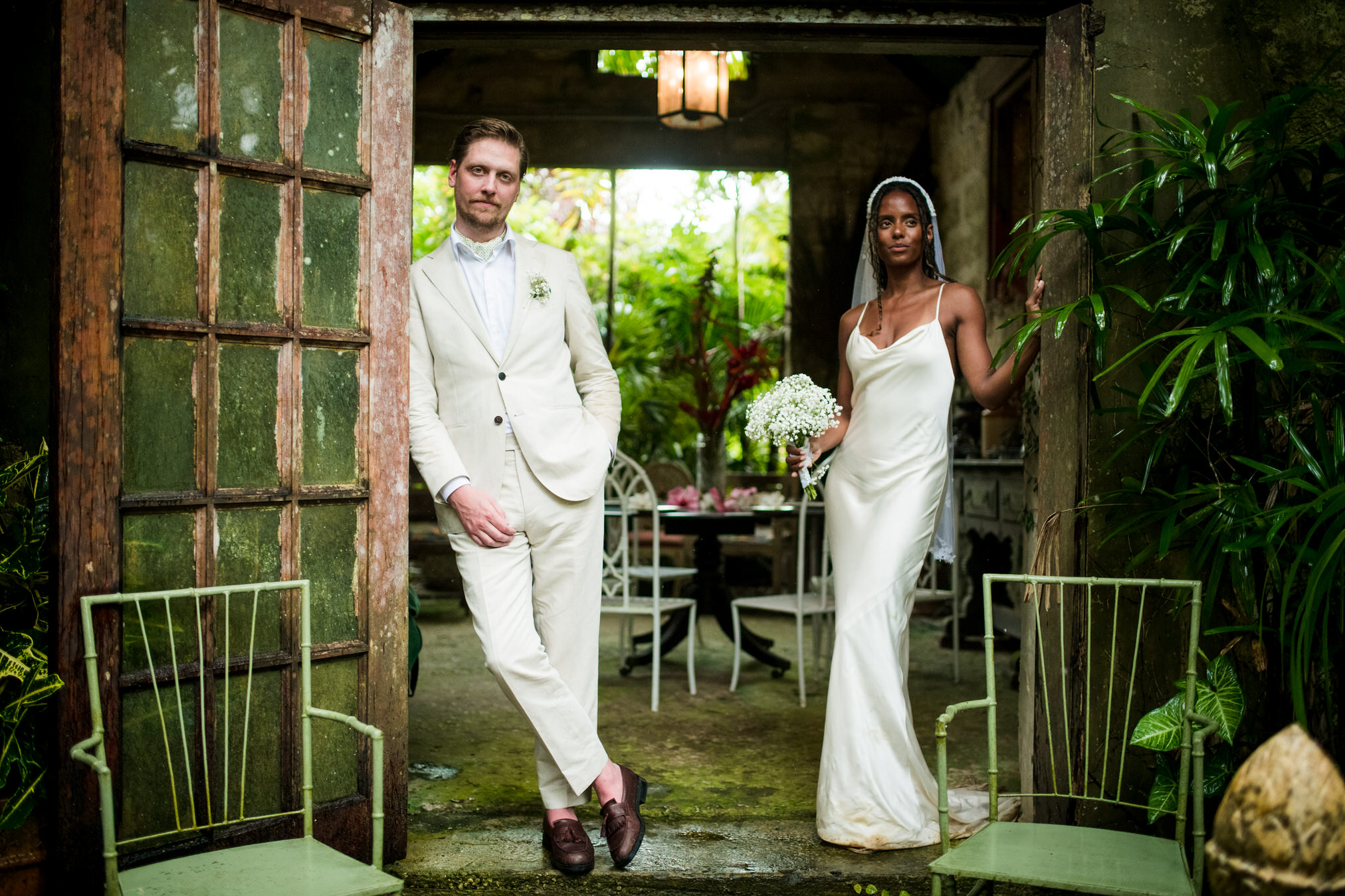
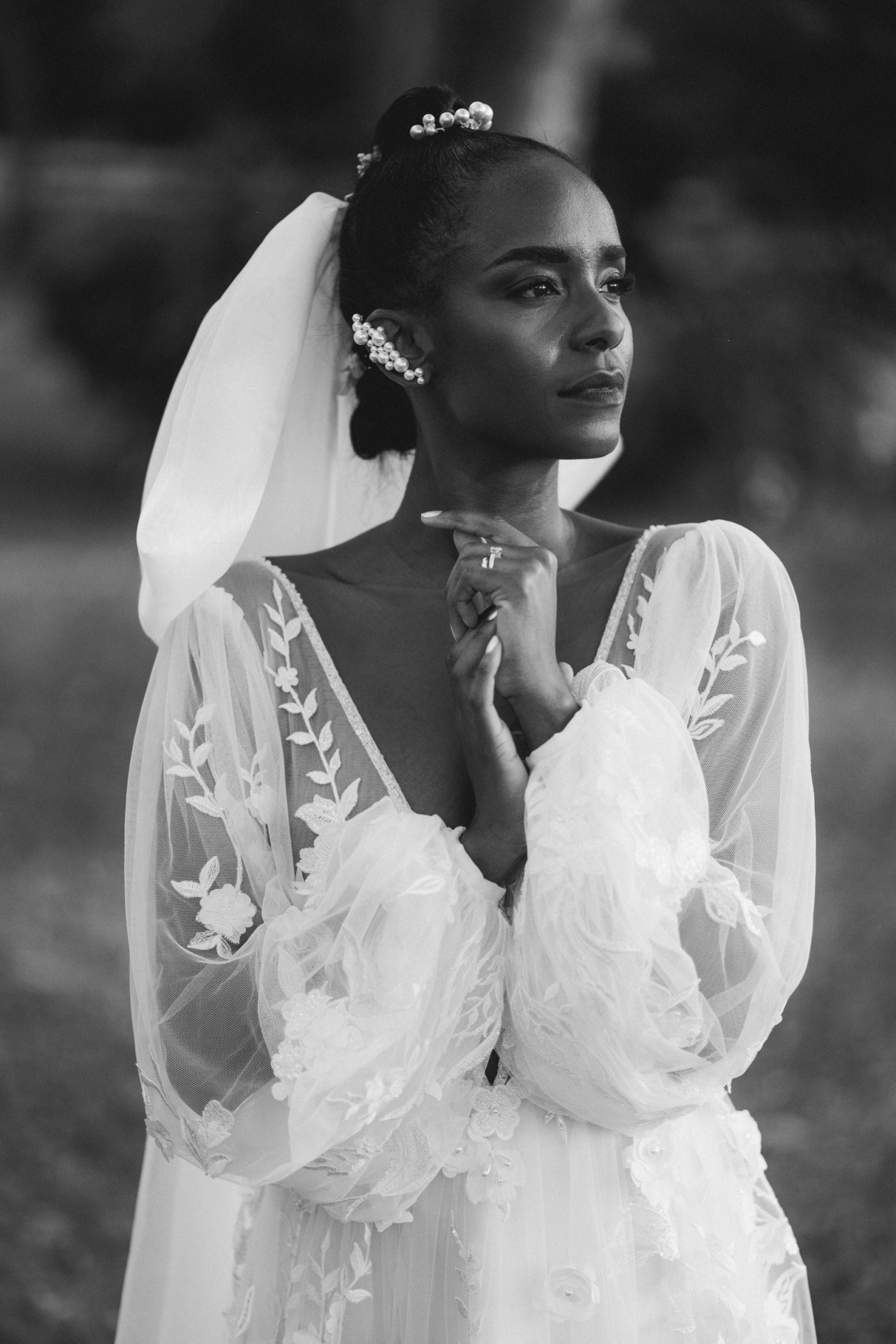
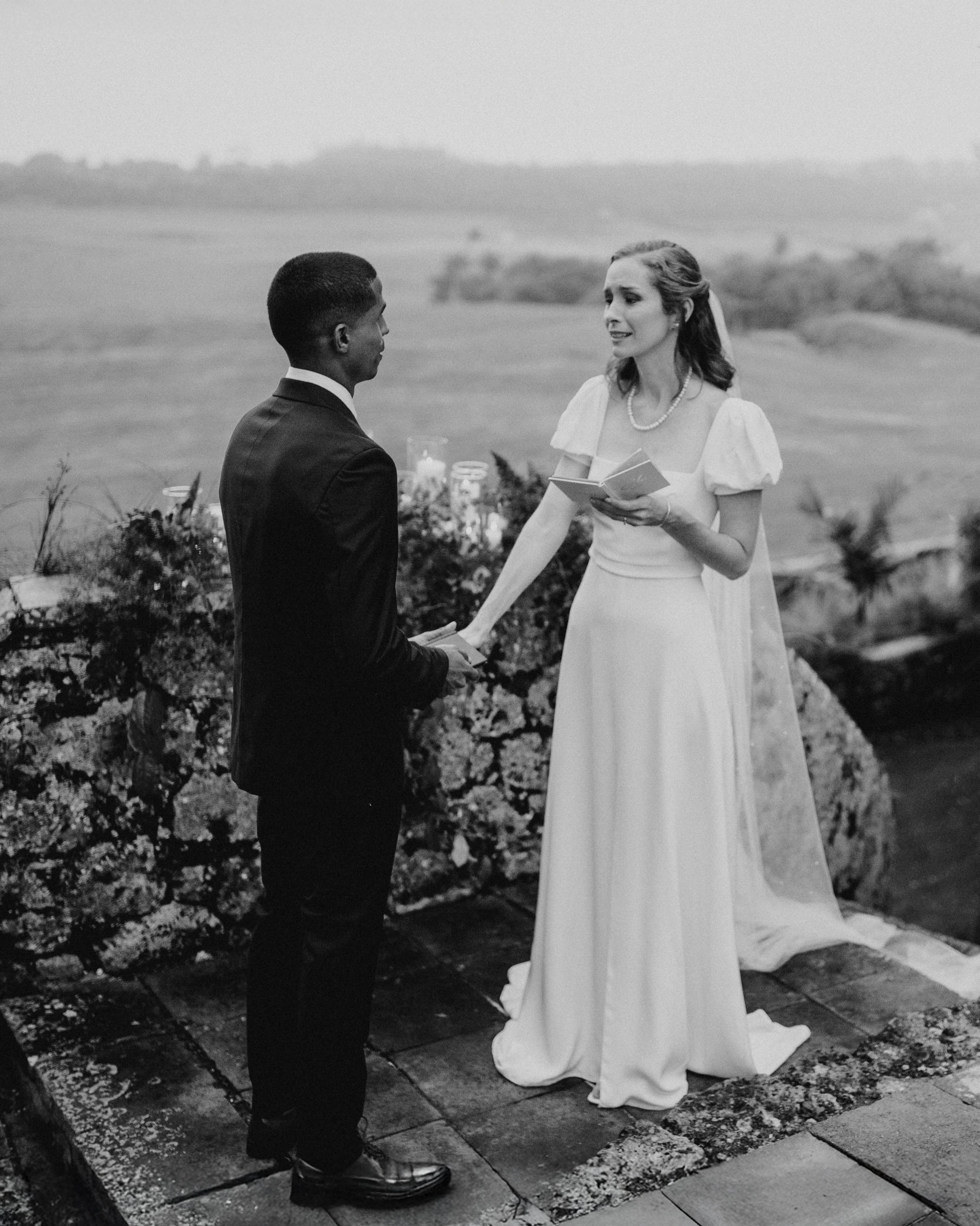
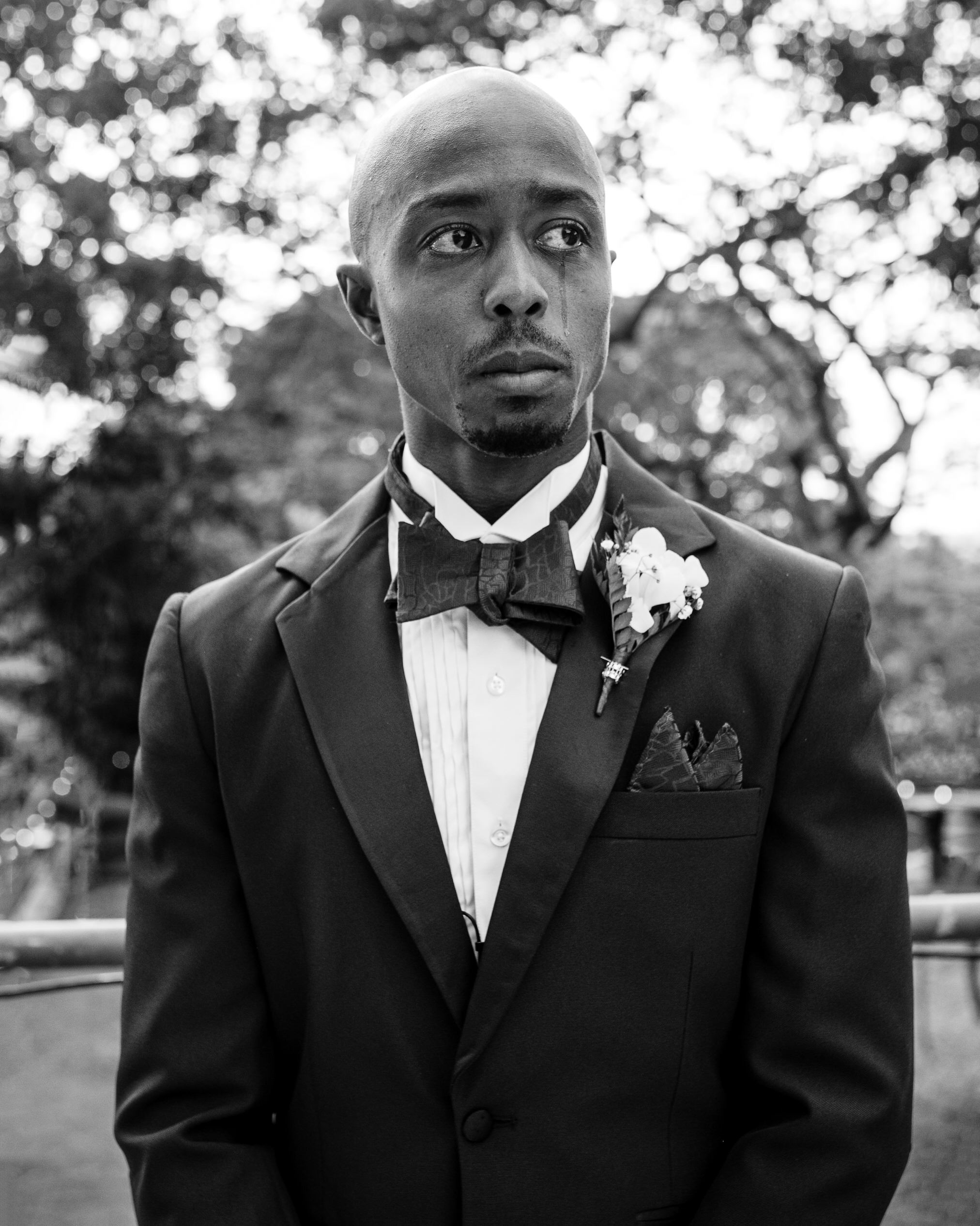
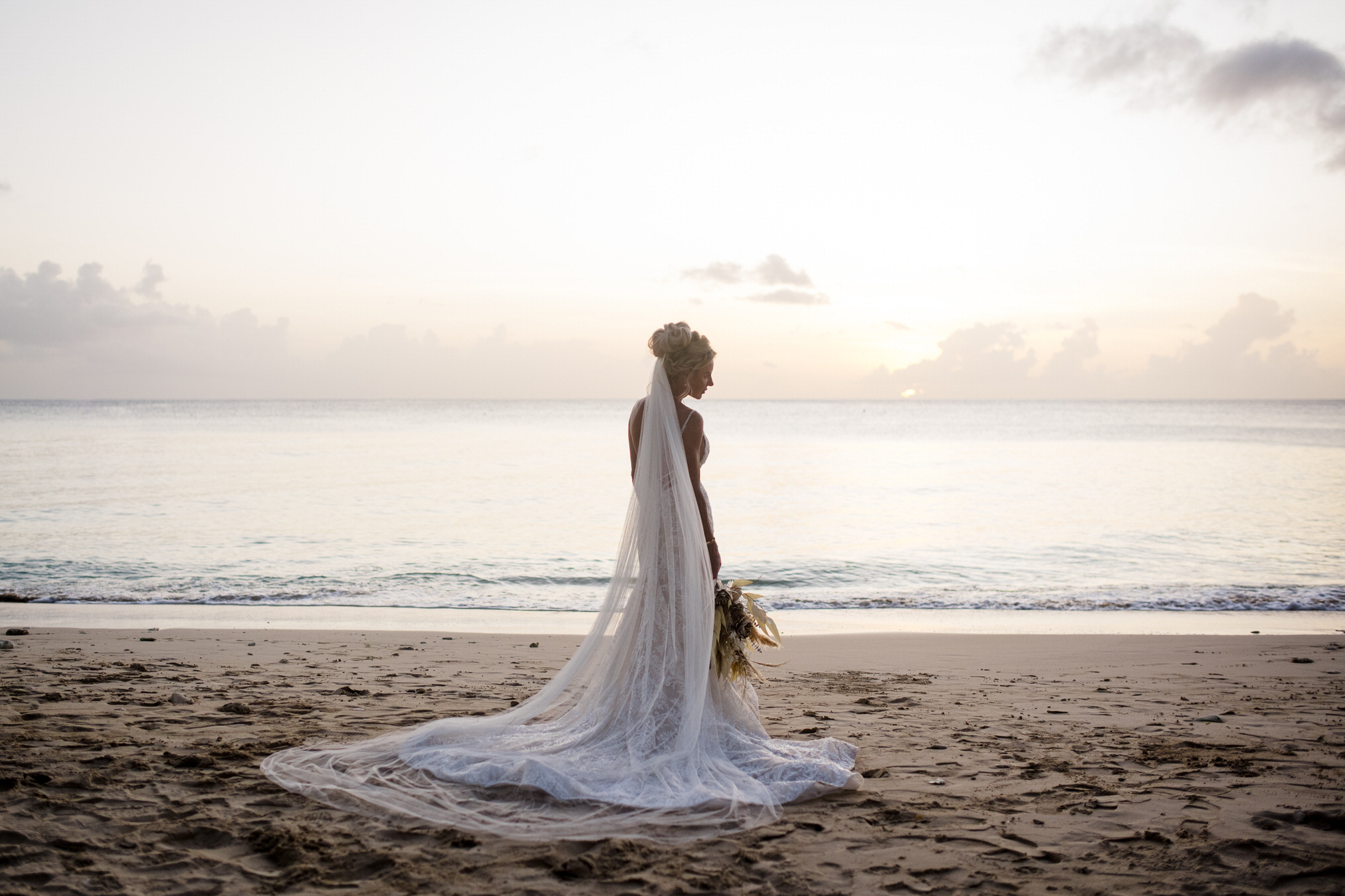
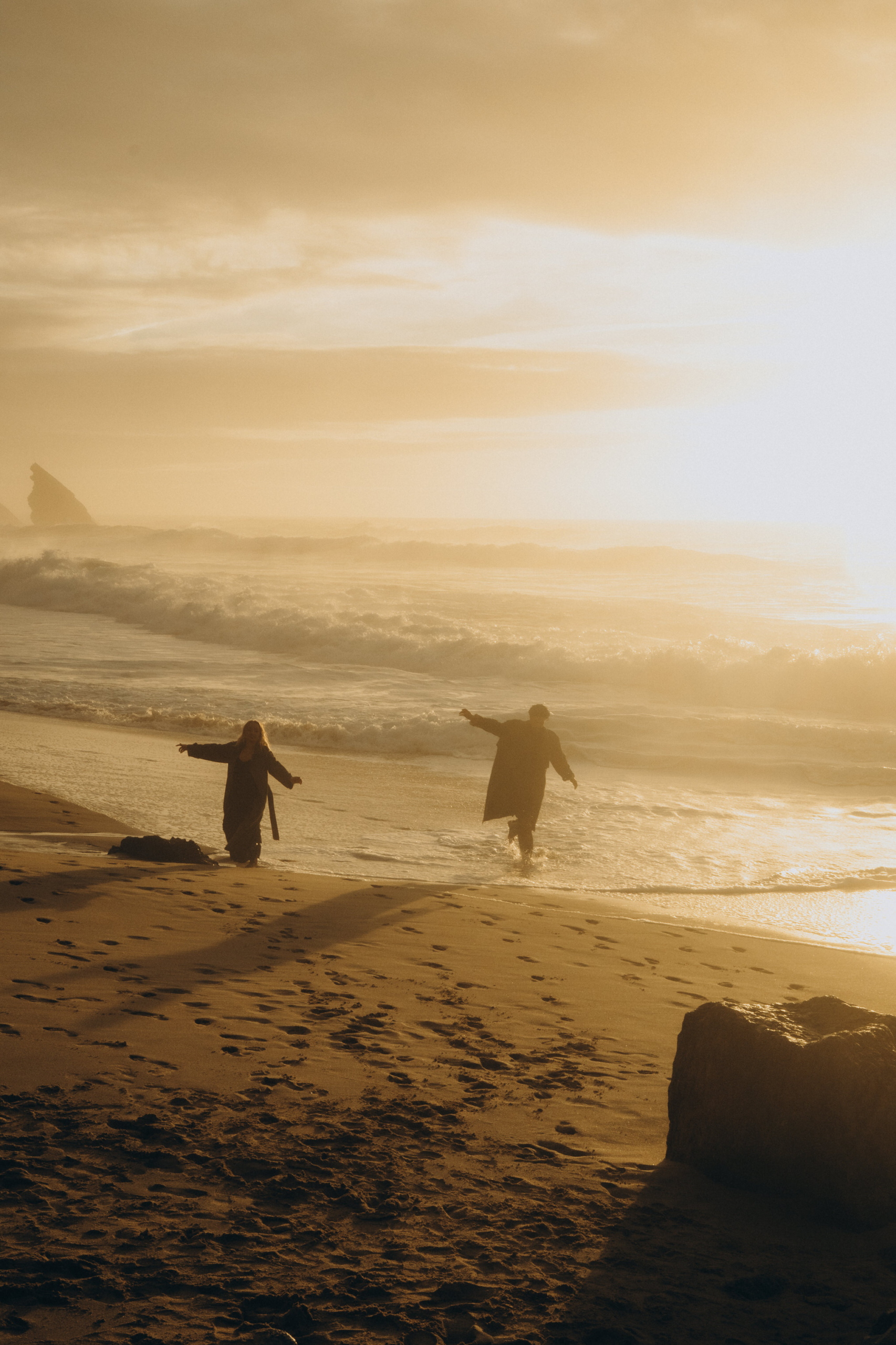
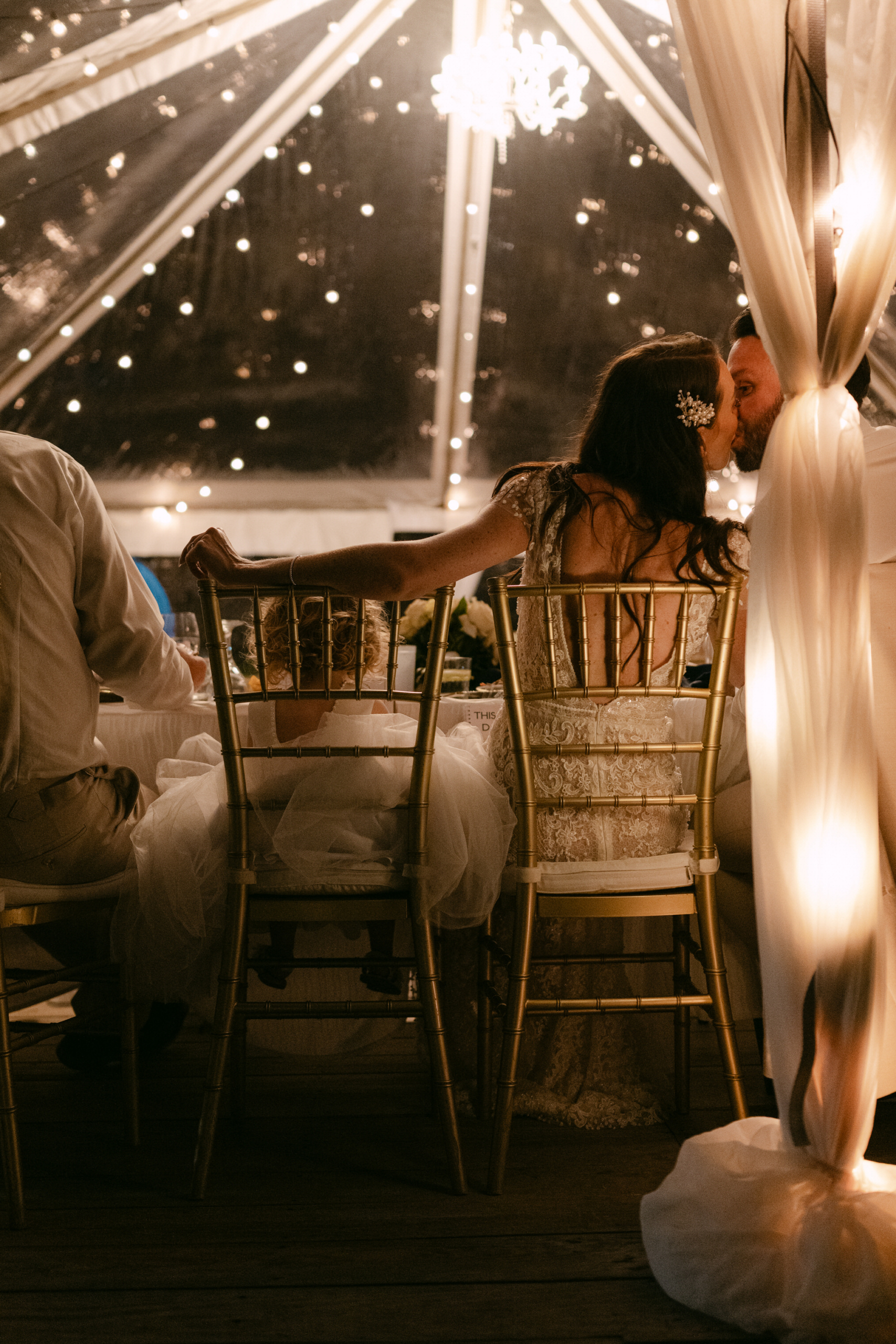
Your couples never feel like they’re posing for romance. They feel like they’re inside a memory.
I think that’s because I’m not really photographing poses.
I love period films – Pride and Prejudice, The Empress – stories where intimacy feels slower and less performed.
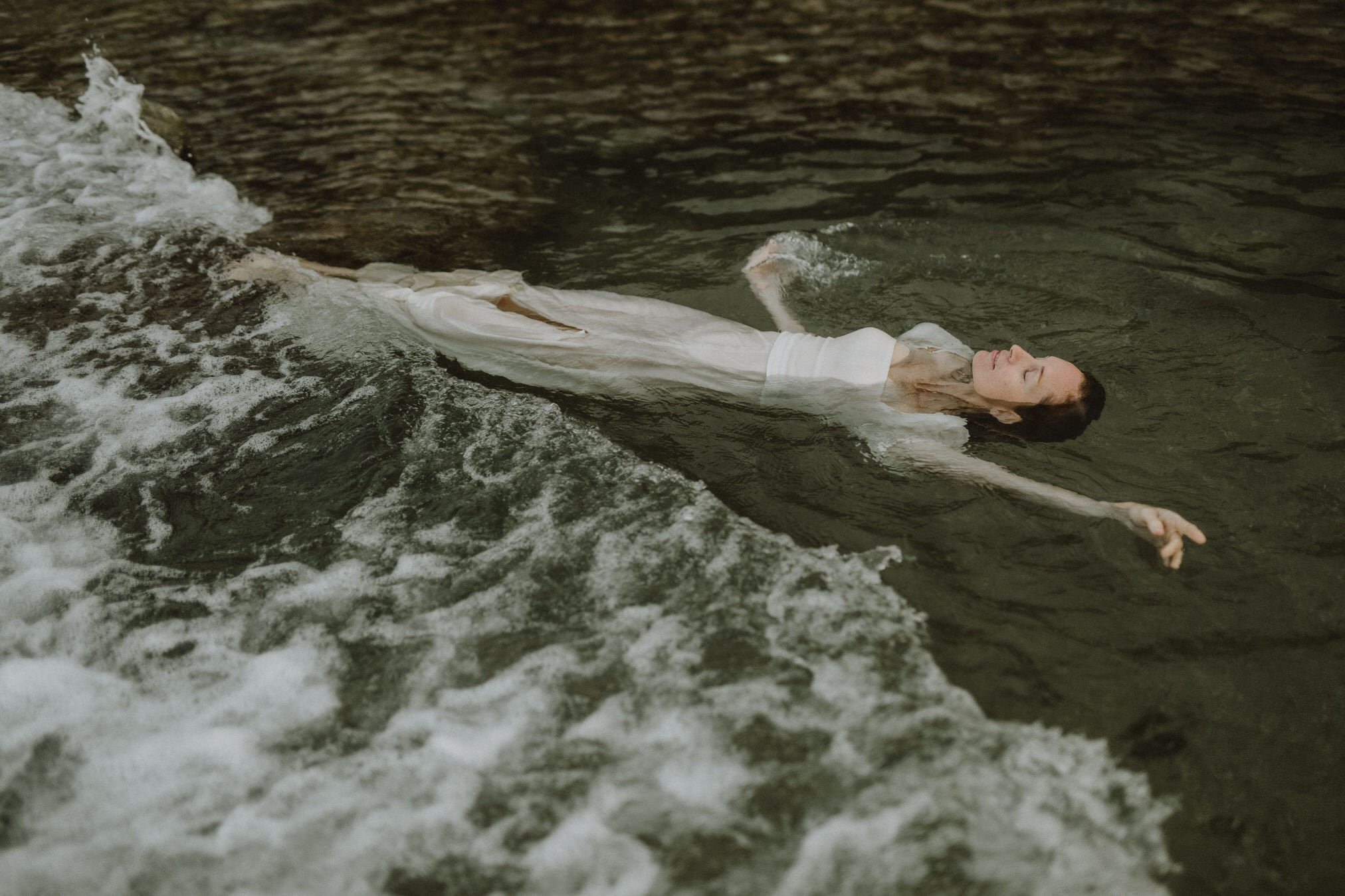
So when I photograph couples, I don’t tell them where to put their hands.
I give them scenarios.
I’ll say: hug each other like you haven’t seen each other in five months.
Or: go back to the hardest part of your relationship.
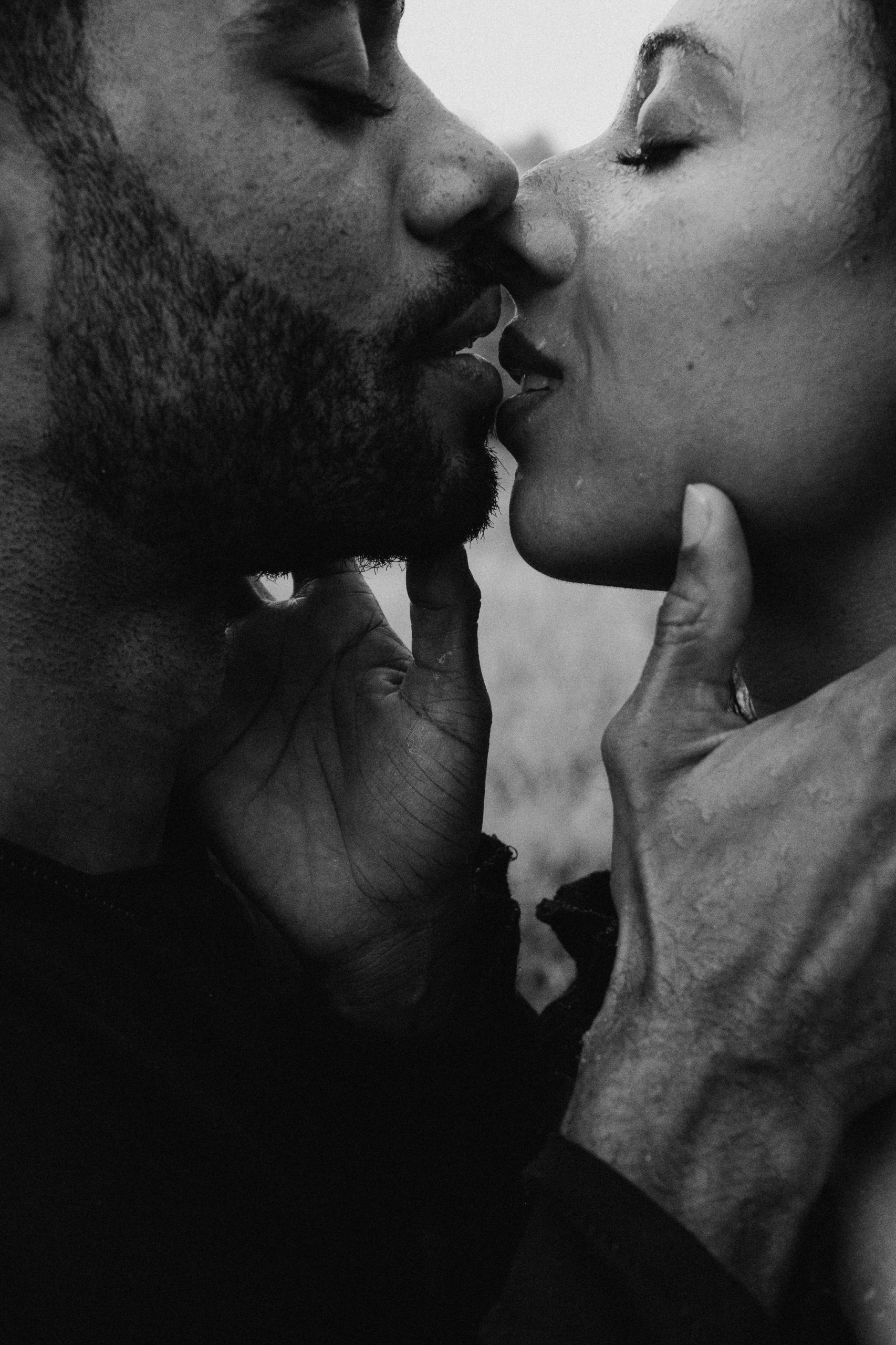
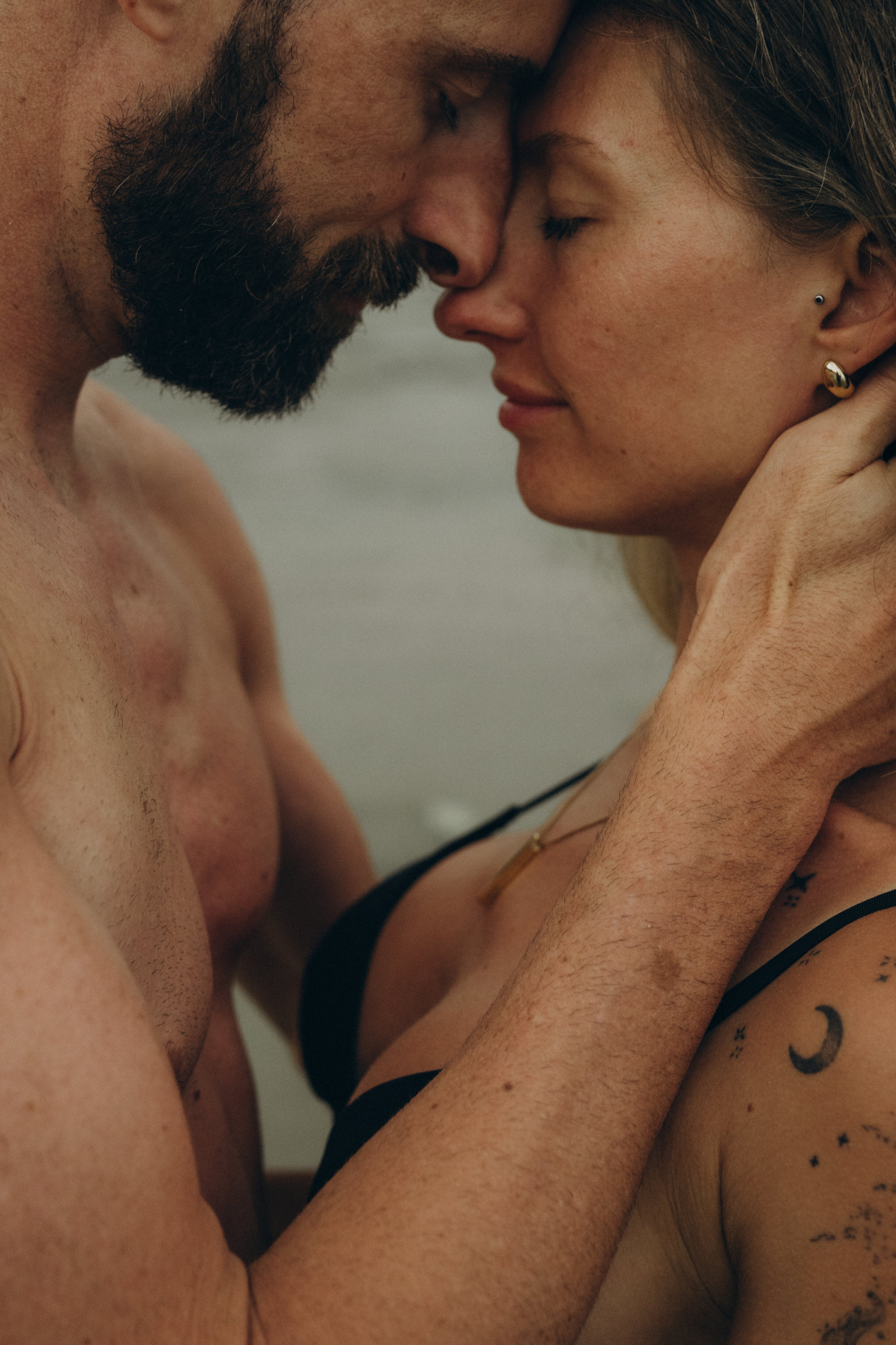
Because people don’t stay together because everything was easy.
They stay because of what they survived together.
And that changes the way people touch each other.
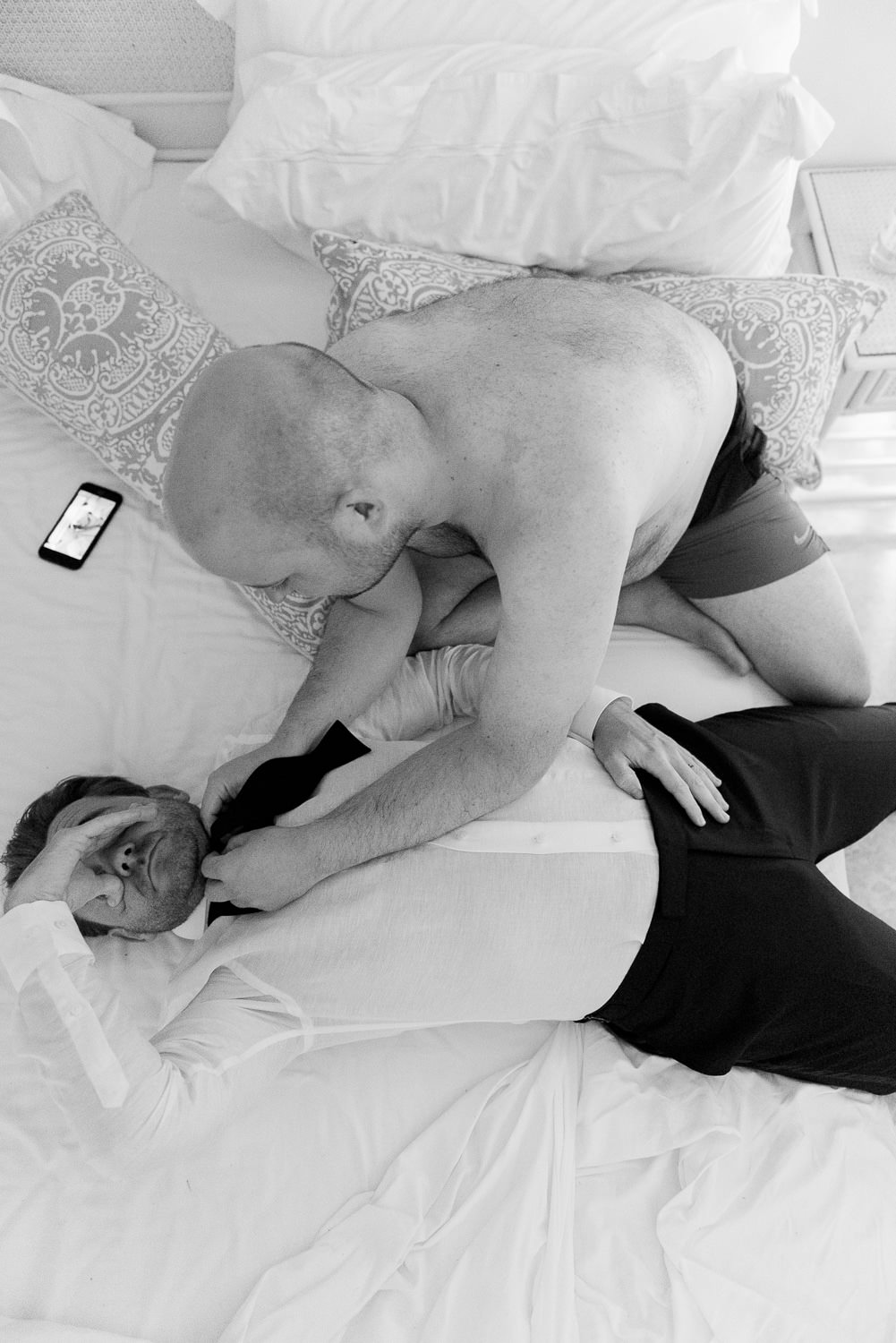
The little gestures become really important to me.
A hand on the shoulder. Someone leaning in without thinking.
The way a person reaches for the other one after they stop trying to look good for the camera.
That’s the part I care about.
You’ve been using JPEGmini for years. What made it part of your workflow?
I think I got JPEGmini around 2016, probably when it first came out.
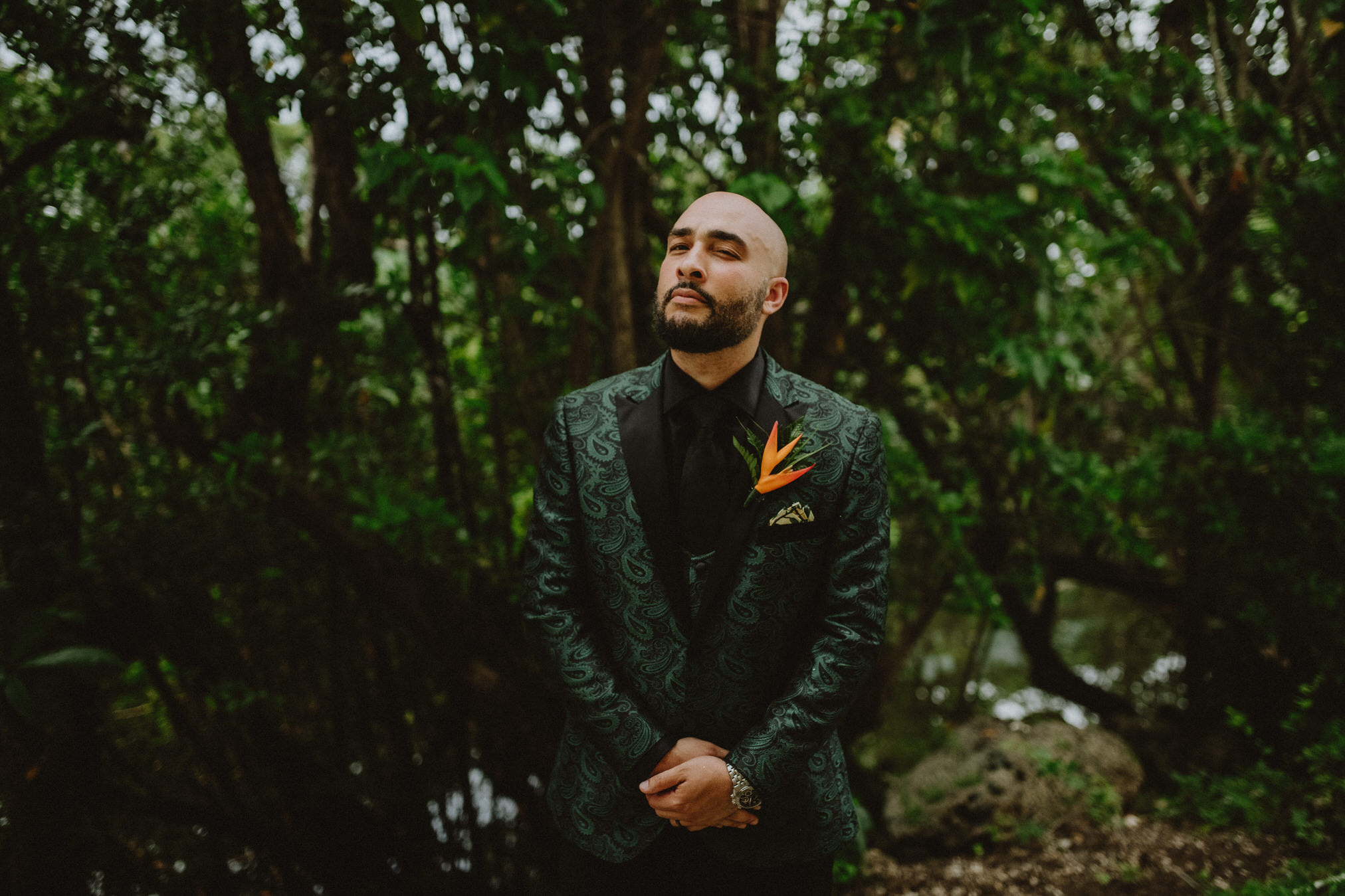
I had these wedding files, and someone messaged me asking if we could send them piece by piece because they were too large.
Back then, people didn’t have hard drives with terabytes. A gallery could be one or two gigabytes, and that was a lot.
My fear was always that if you cut down the file size, the images would look bad. But with JPEGmini,
I could see how much had been taken off, and the pixels were still the same – 5,000, 6,000 pixels. The images were still crisp.
That was a game changer for me.
As photographers, we have storage.
We pay for cloud storage.
But clients don’t always have that. Some people don’t even know what a JPEG is.
One client told me she didn’t even have a computer.
So everything gets run through JPEGmini.
It has to.
I can’t deliver a 10 or 15 megabyte file to a client. It’s too much. What are they going to do with that?
Nothing.
Final Thought
There is a tradition in documentary photography – from Diane Arbus to Mary Ellen Mark – of the photographer who brings a prior life into the frame.
Not as credential, but as wound.
Aniya Emtage Legnaro worked in rooms where people were reduced to case numbers, to policy language, to files that passed through government hands and changed nothing for the people inside them.
She left that world. But she didn’t leave the instinct.
What moved me most about Aniya is that she never pretended the darkness and the beauty were separate things.
She photographs her children crying on the floor.
She photographs couples at their most tender by asking them to remember their hardest days.
She went into a prison and gave a woman with three children something a courtroom never did – the chance to say: this is my story, and I am not a bad person.
You don’t get that kind of photograph from technique alone.
You get it from someone who has spent years understanding, at a very human cost, what it means to be unseen.
She photographs love the way someone photographs it who knows it isn’t only romance.
It’s also fear, conflict, and the hard unglamorous parts of being human together.
You see it in the small frames.
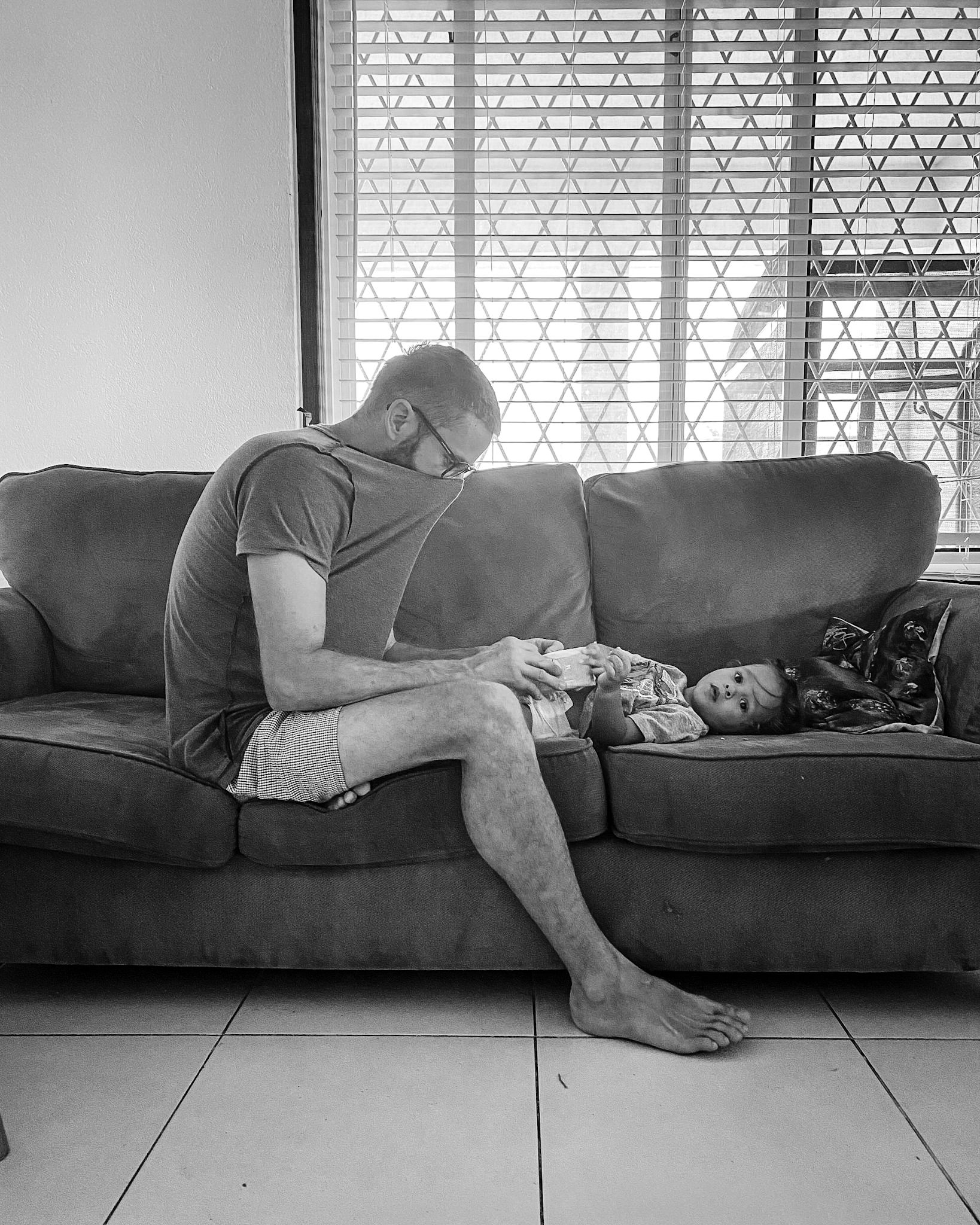
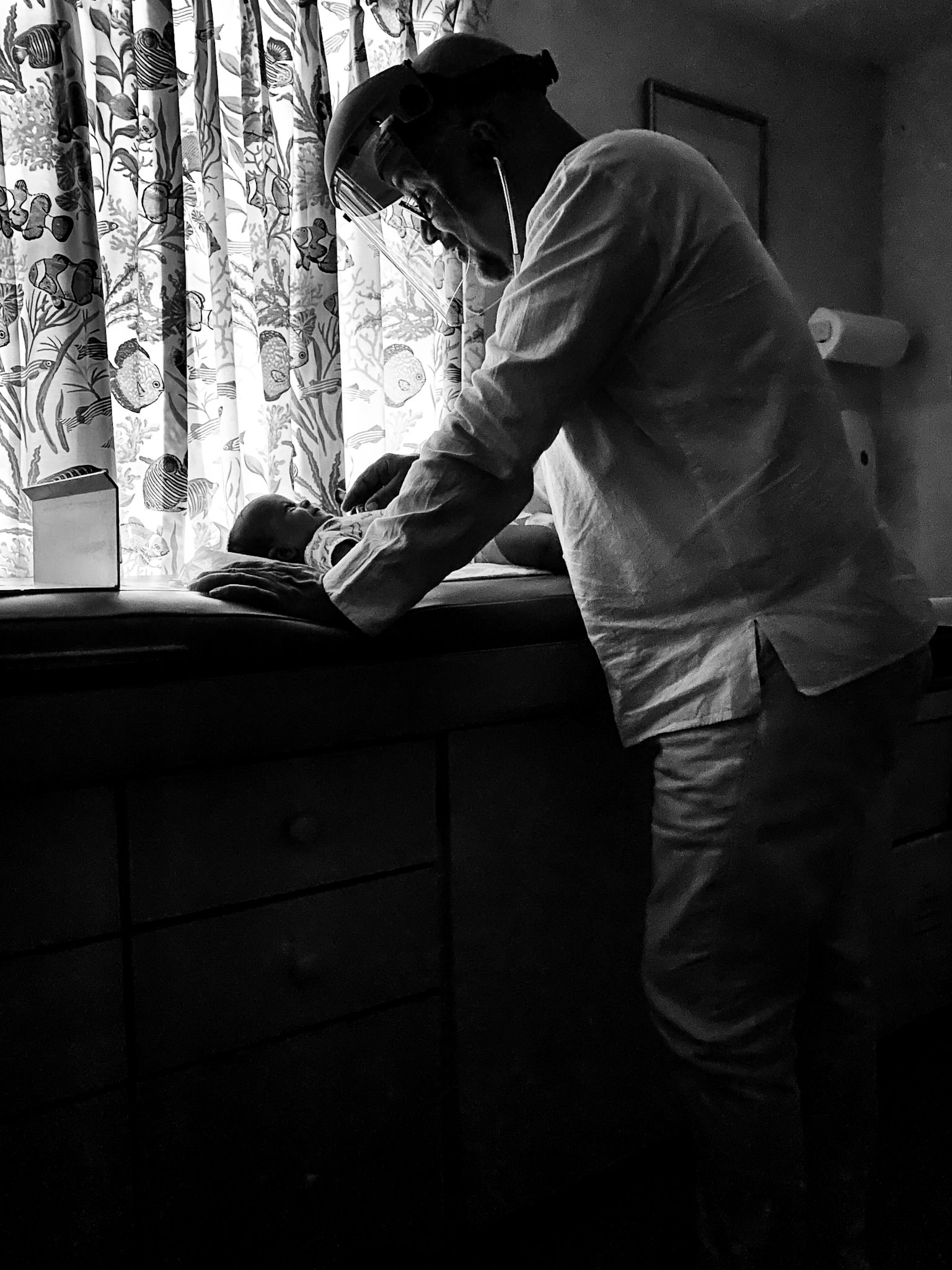
The child licking the car.
The father covering his nose from the smell of his kid. Nobody posed for those.
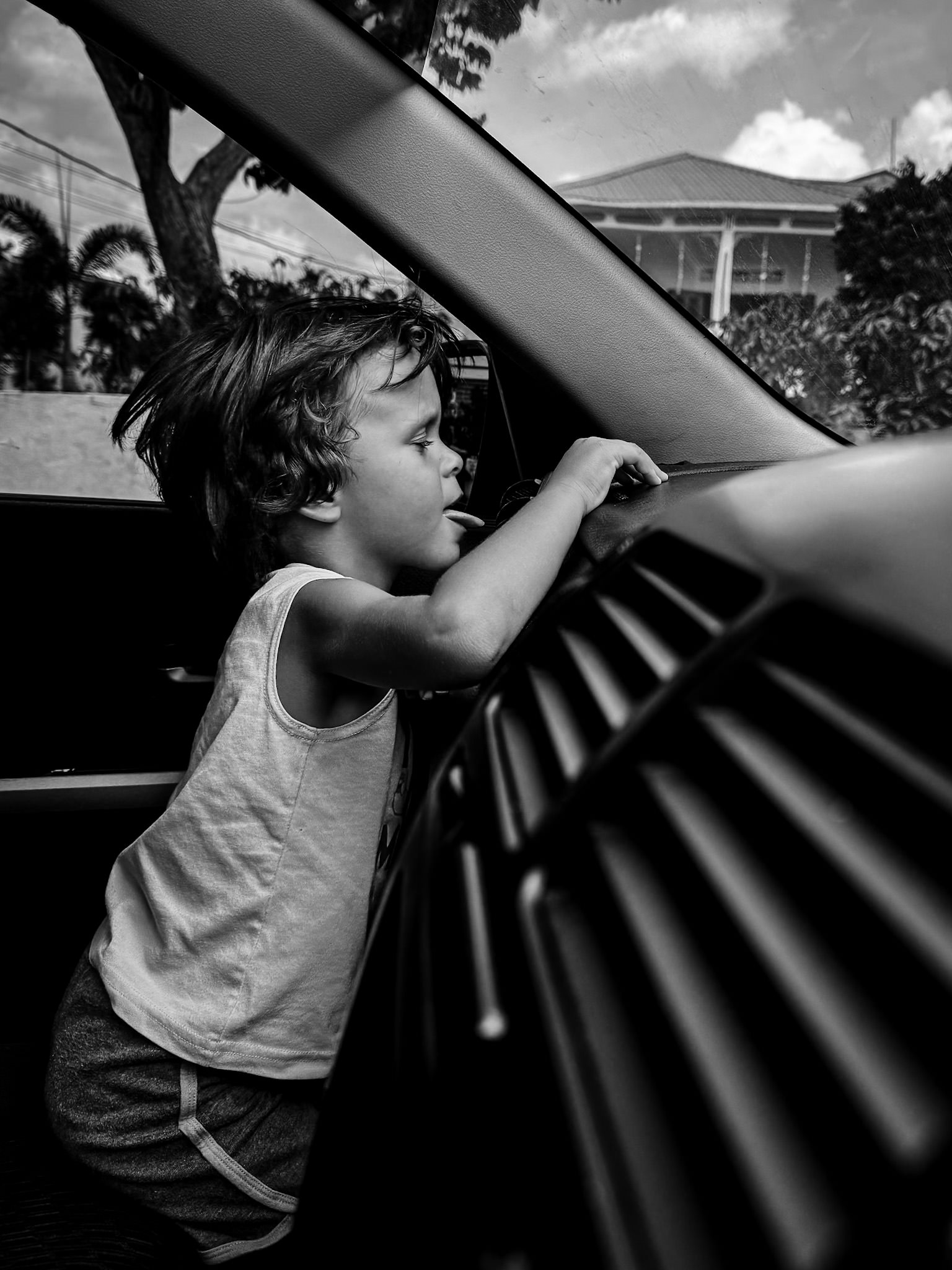
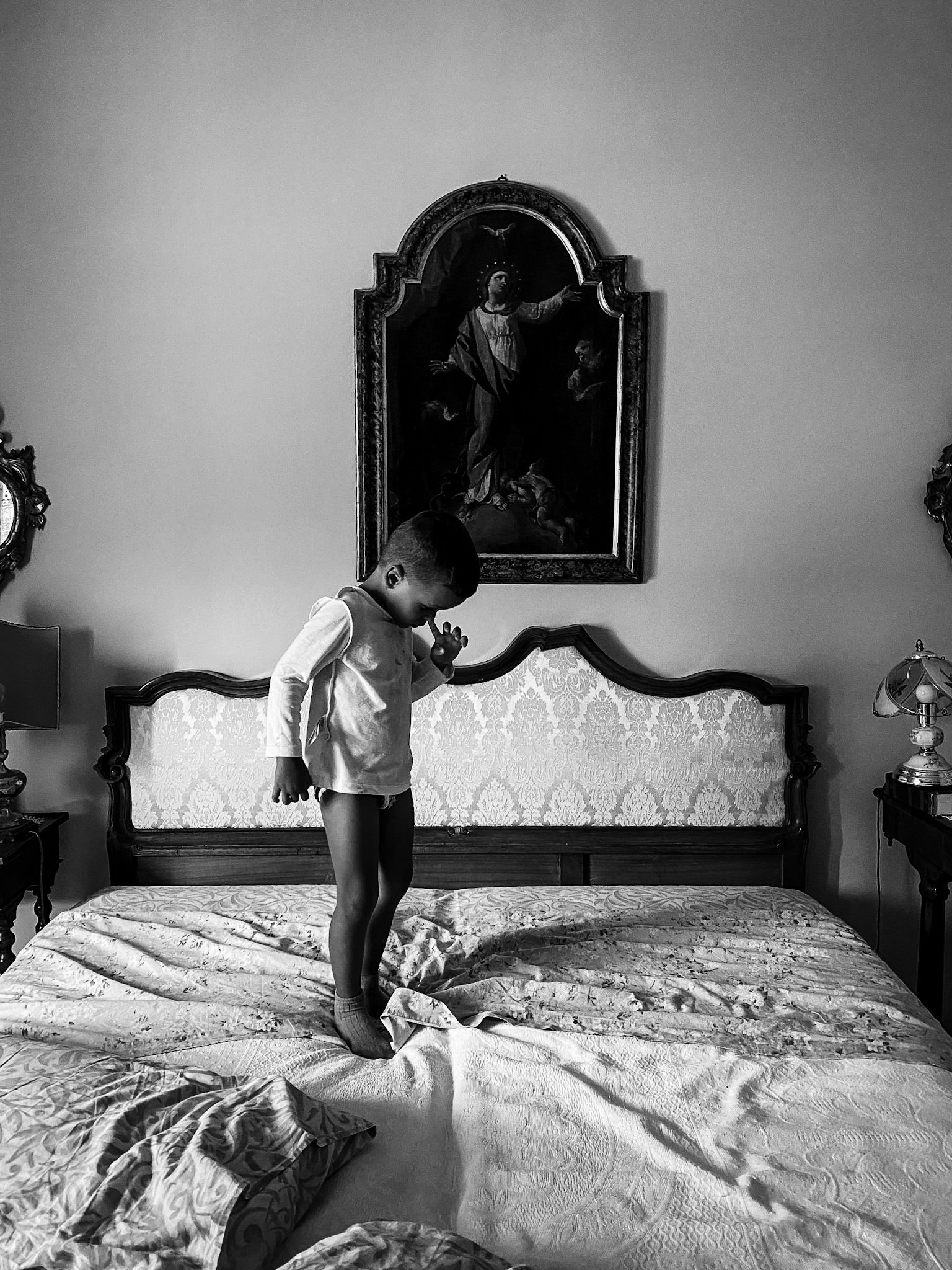
That’s just life, caught by someone who wasn’t looking away.
She doesn’t escape the truth – she exposes it to light.
The beautiful parts and the smelly ones too.