
From Magic to Michelin: A Conversation with Khoi Nguyen
Get to know Vietnamese food Photographer Khoi Nguyen
Introduction
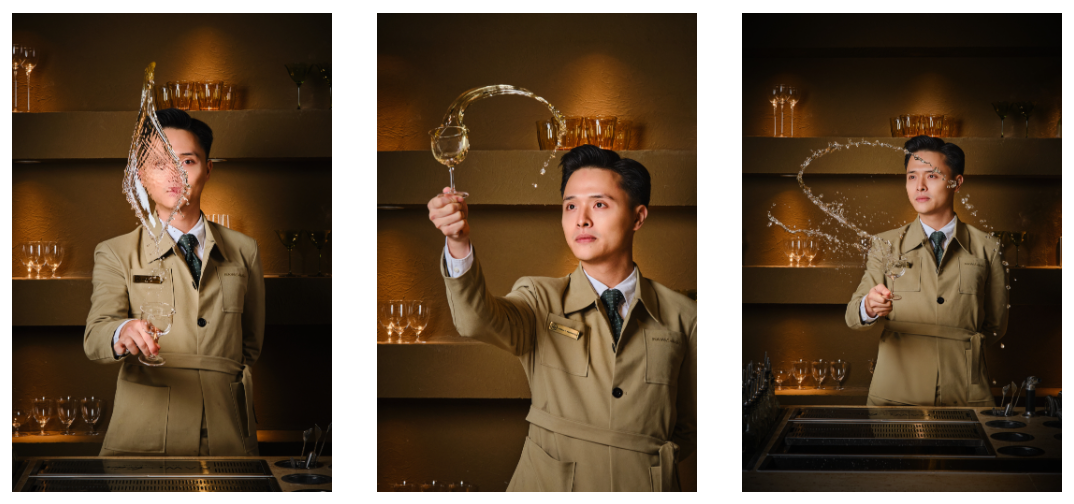
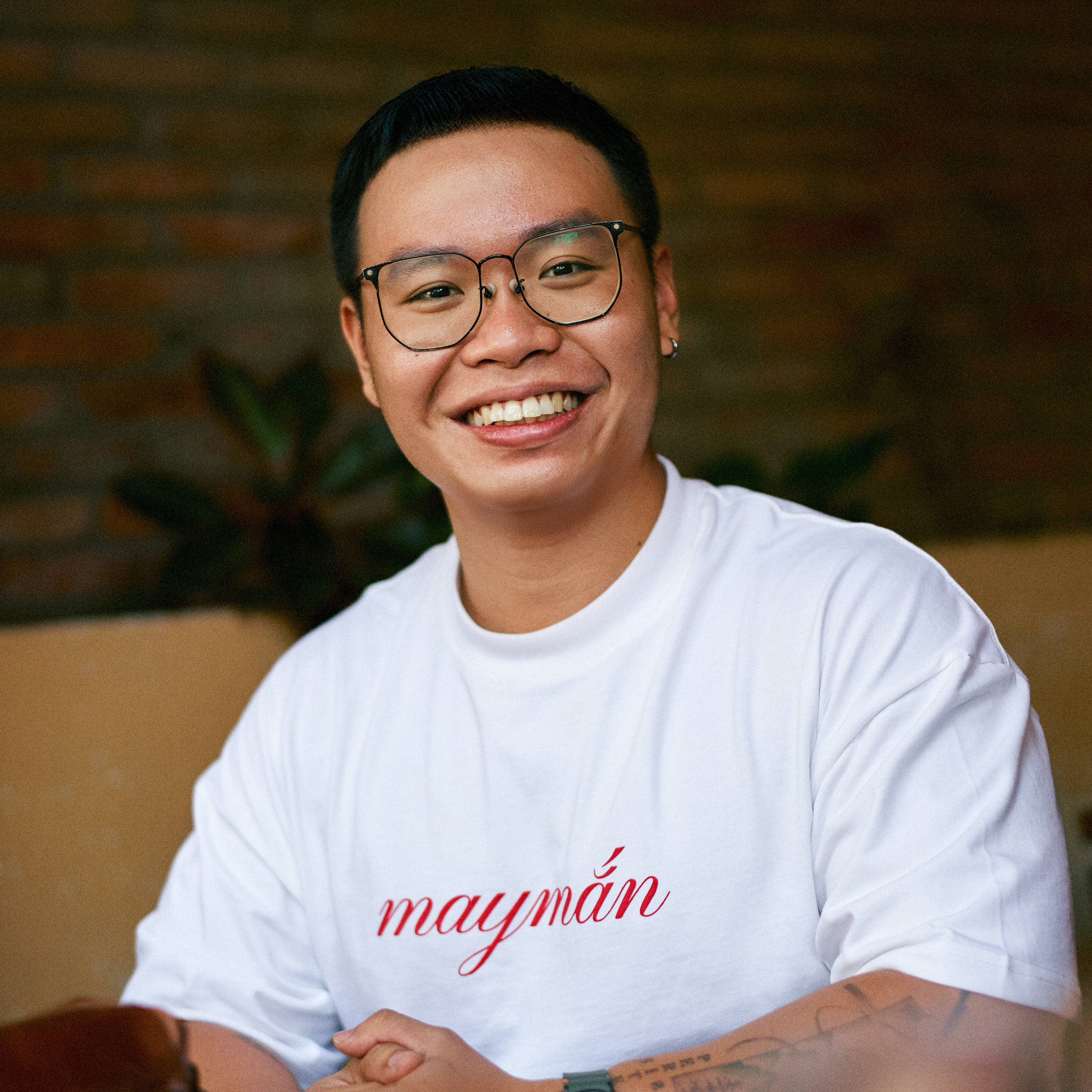
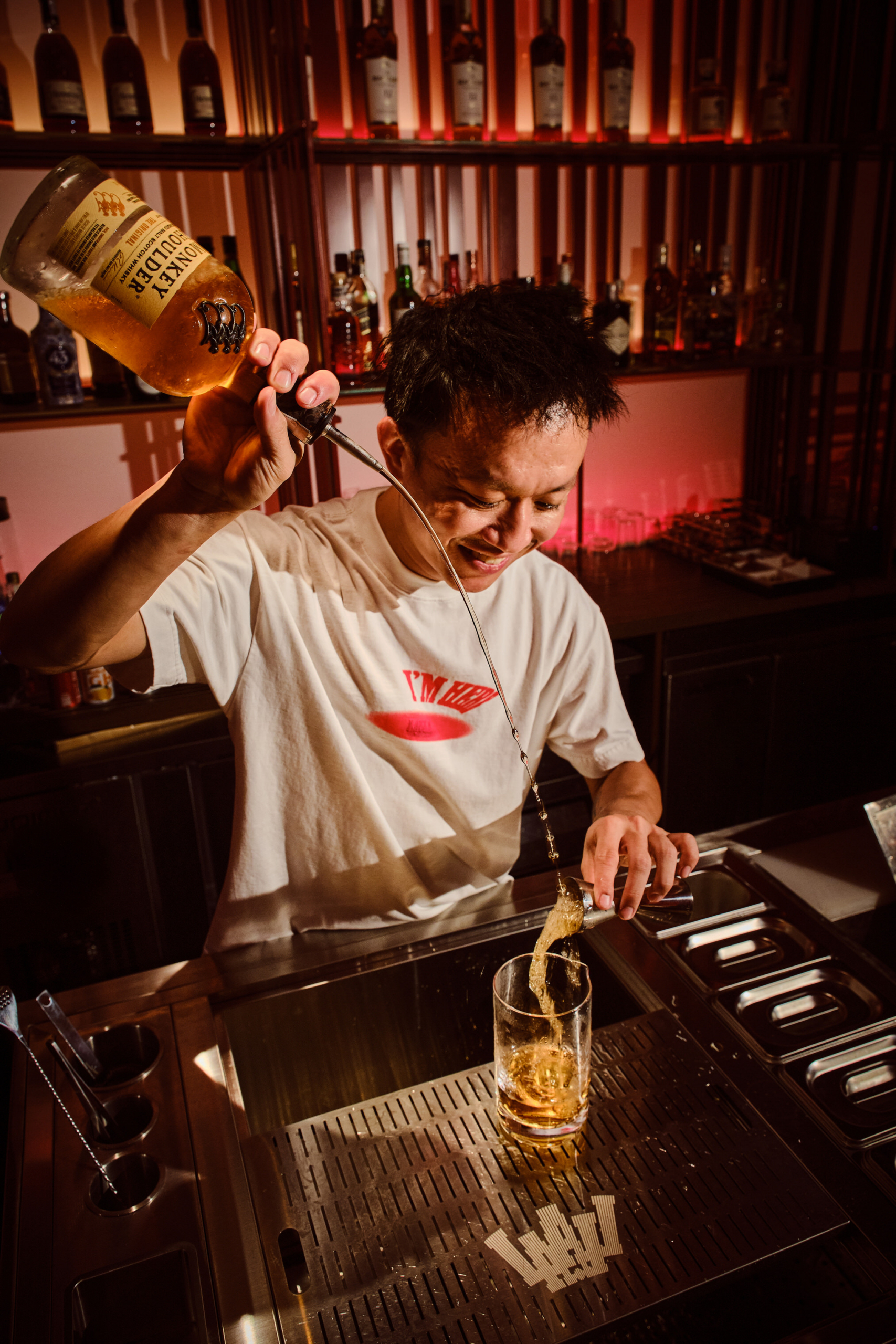
Based in Vietnam, Khoi Nguyen (known as Koi) is a food and beverage photographer specializing in restaurants, bars, and hospitality brands across Asia. We joined in as he was photographing at a bar Raw+Atelier to talk about his journey into photography, his approach to food as a product, his workflow, and how tools like JPEGmini and AI fit into his process.
Let’s start at the beginning. How did you become a photographer?
I actually started very young – around 14 years old. At the time, I was learning magic online, and while searching, I came across websites with really beautiful visuals, photos and videos. That moment really stayed with me. I remember thinking: wow, visuals are powerful. That curiosity pushed me toward photography and filmmaking.
Later on, I received a full scholarship to RMIT University, an Australian university, where I studied Digital Media Design. I got the scholarship through films and photography, so in a way, photography opened the door for everything that followed.
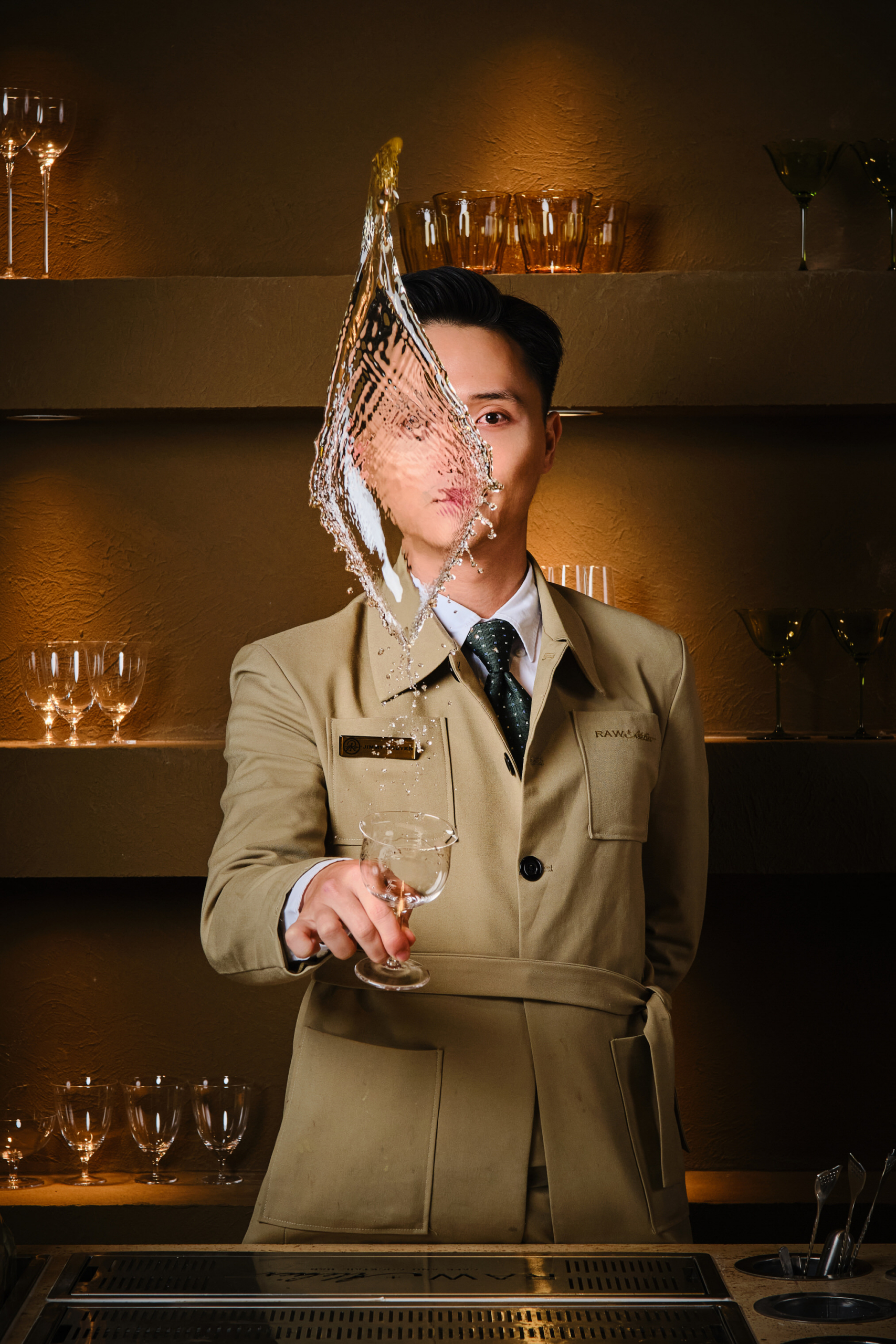
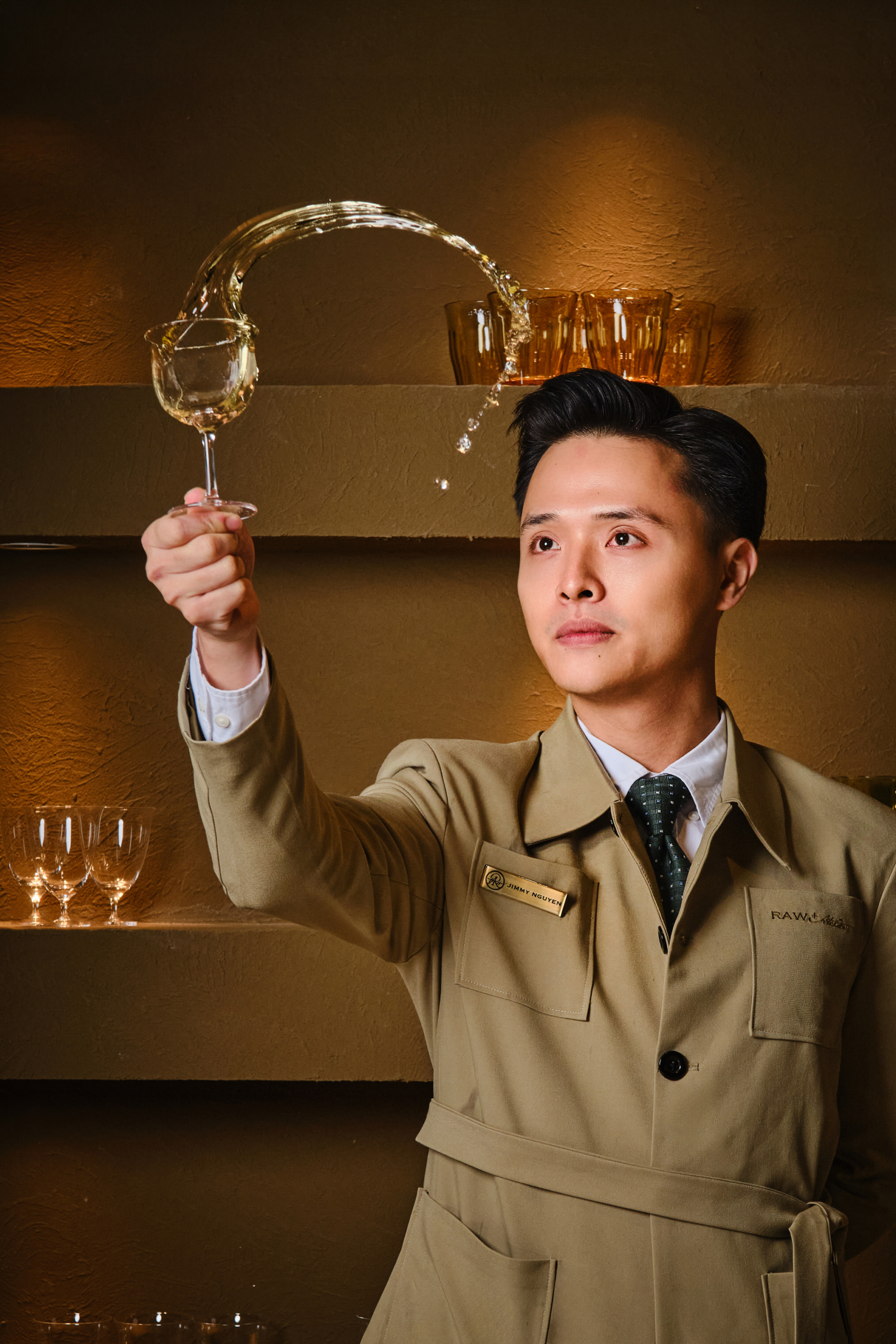
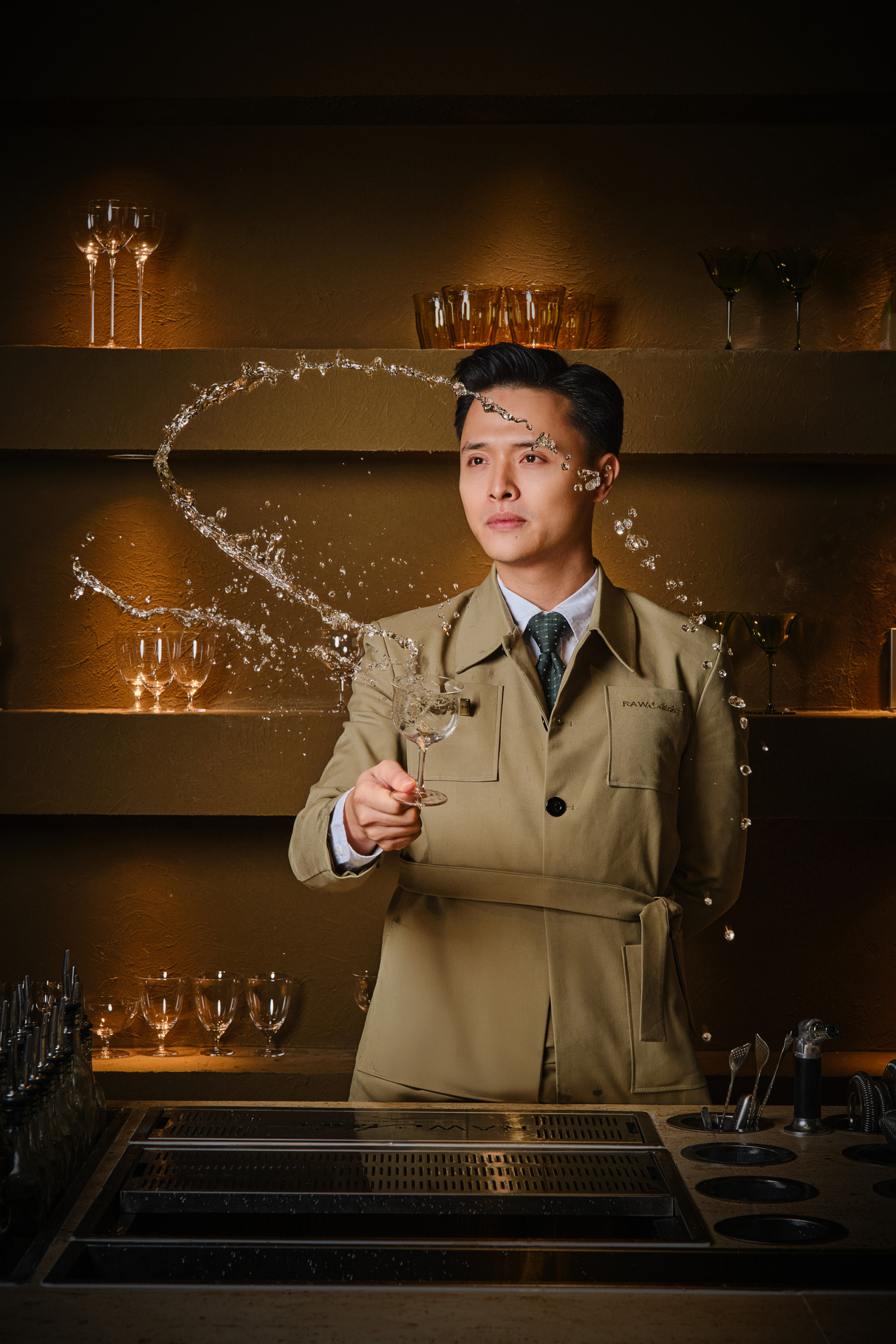
What was your first camera?
I won my first camera when I was 13. It was a Nikon D3100, from an online competition in Taiwan. I still have the winning photo saved somewhere on Facebook – honestly, it doesn’t look very good today. But this started my journey on exploring this medium. Winning that camera gave me the confidence to take photography seriously.

You didn’t start with food photography. How did that happen?
Not at all. At university, I was doing freelance filmmaking and commercial documentaries for small NGOs. Food wasn’t on my radar.
That changed in my final year when a friend opened a restaurant and asked me to help with marketing. At some point she said, “We have a dish we need to promote – can you shoot it?”
I told her honestly: I don’t know how to shoot food.
But I tried.
That first food photo led to more work. People in her circle noticed something different in my approach, and from there, restaurants, cocktail bars, clubs, and hospitality brands started reaching out. That was around 2019 – and that’s when my journey in food & beverage really began.
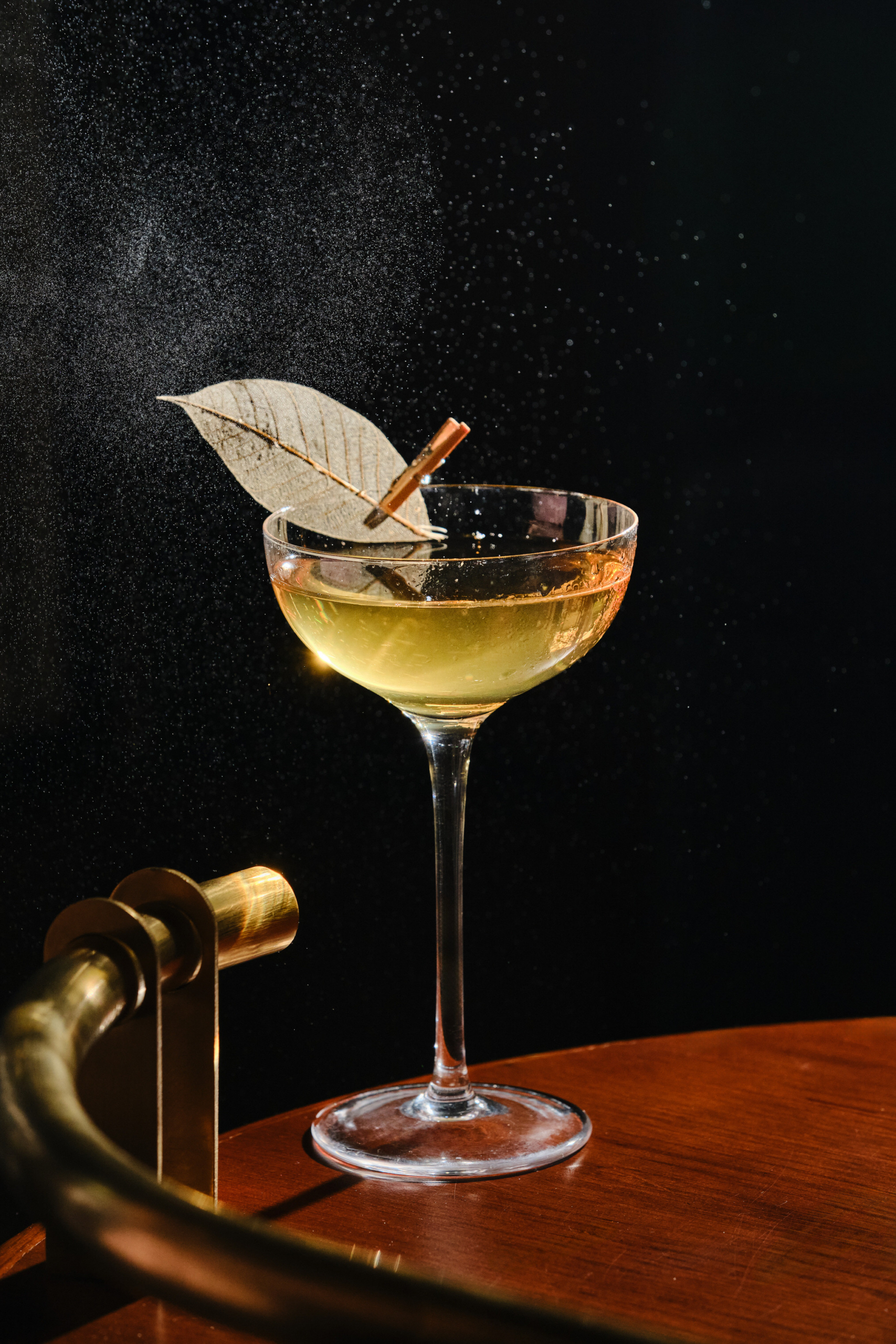
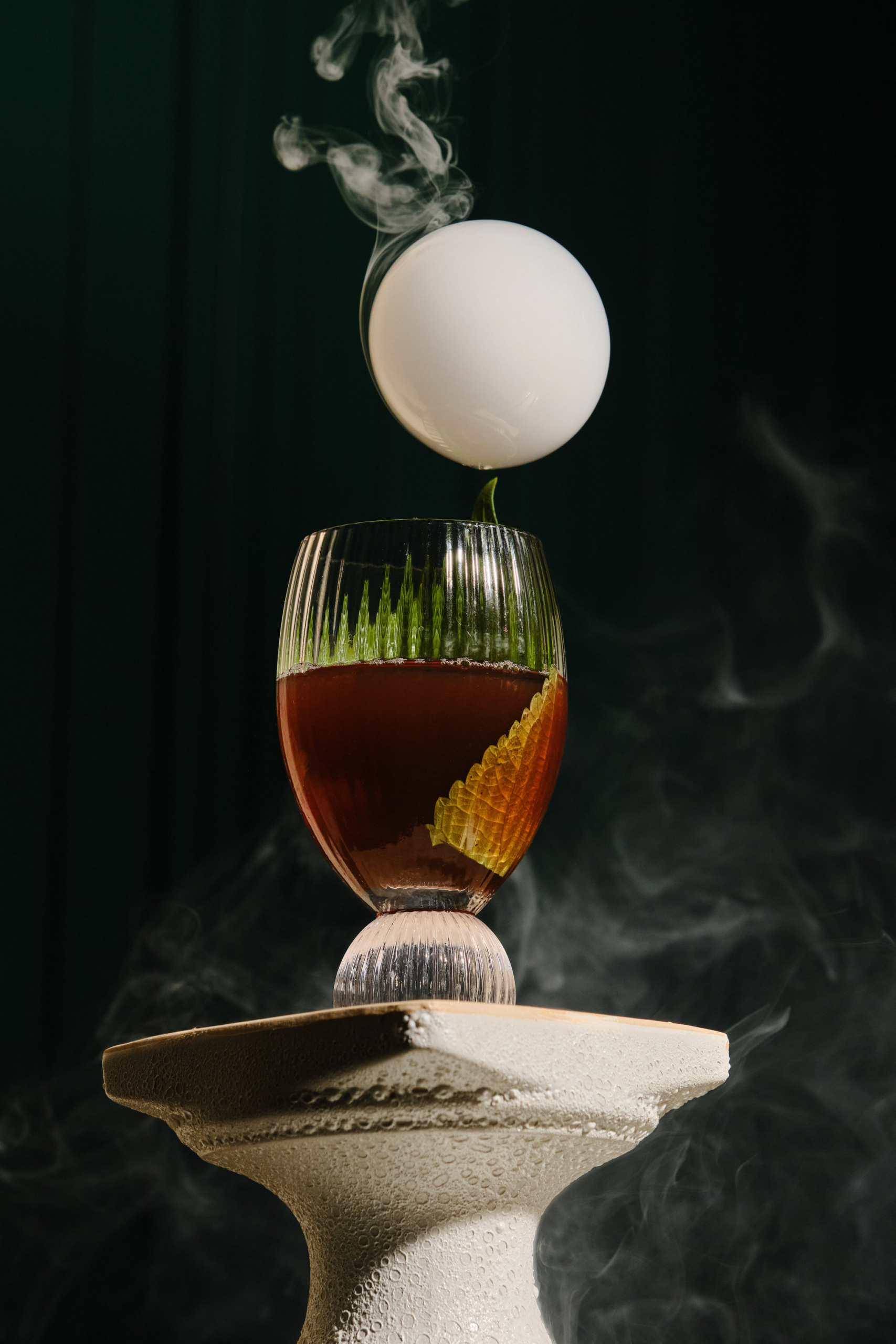
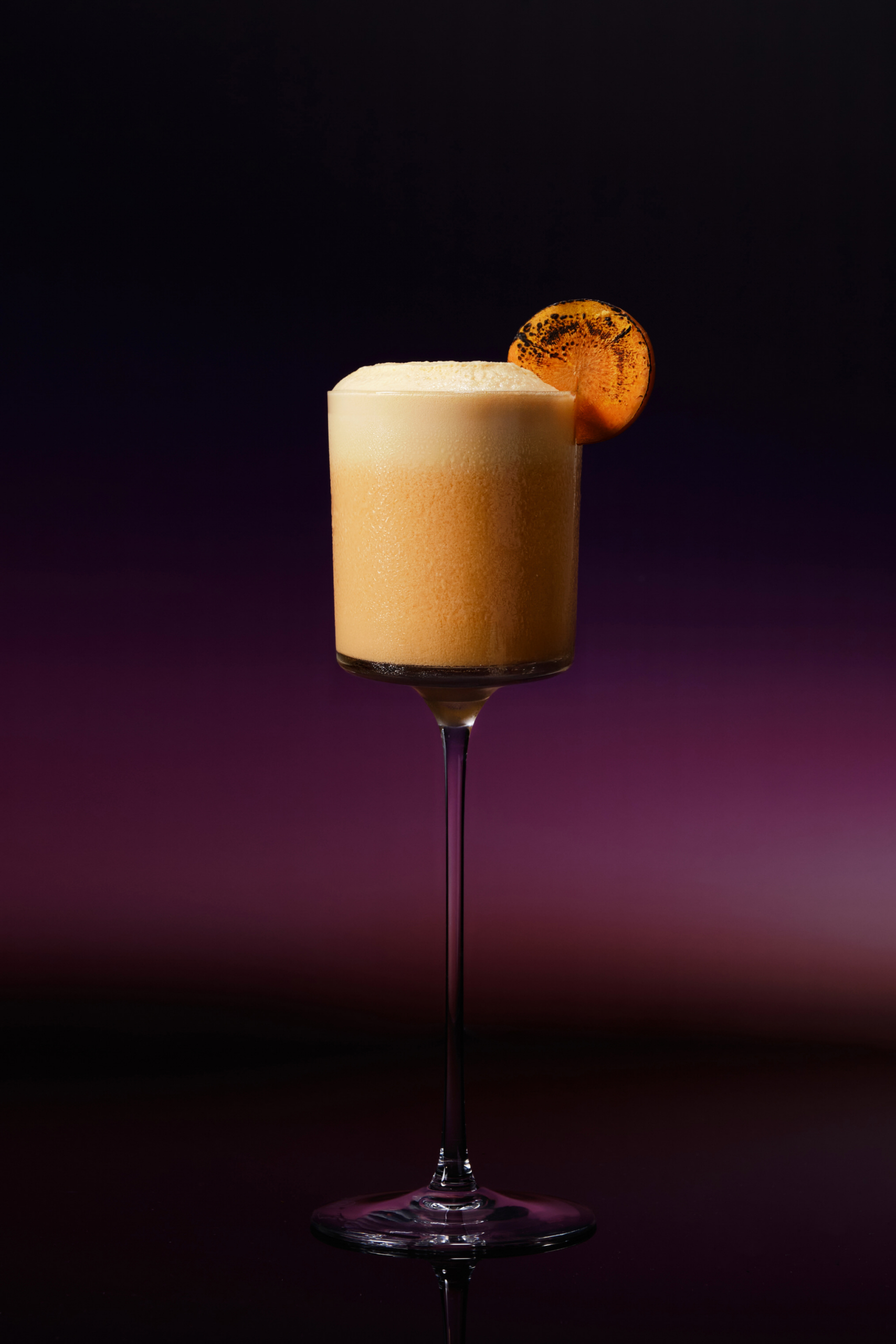
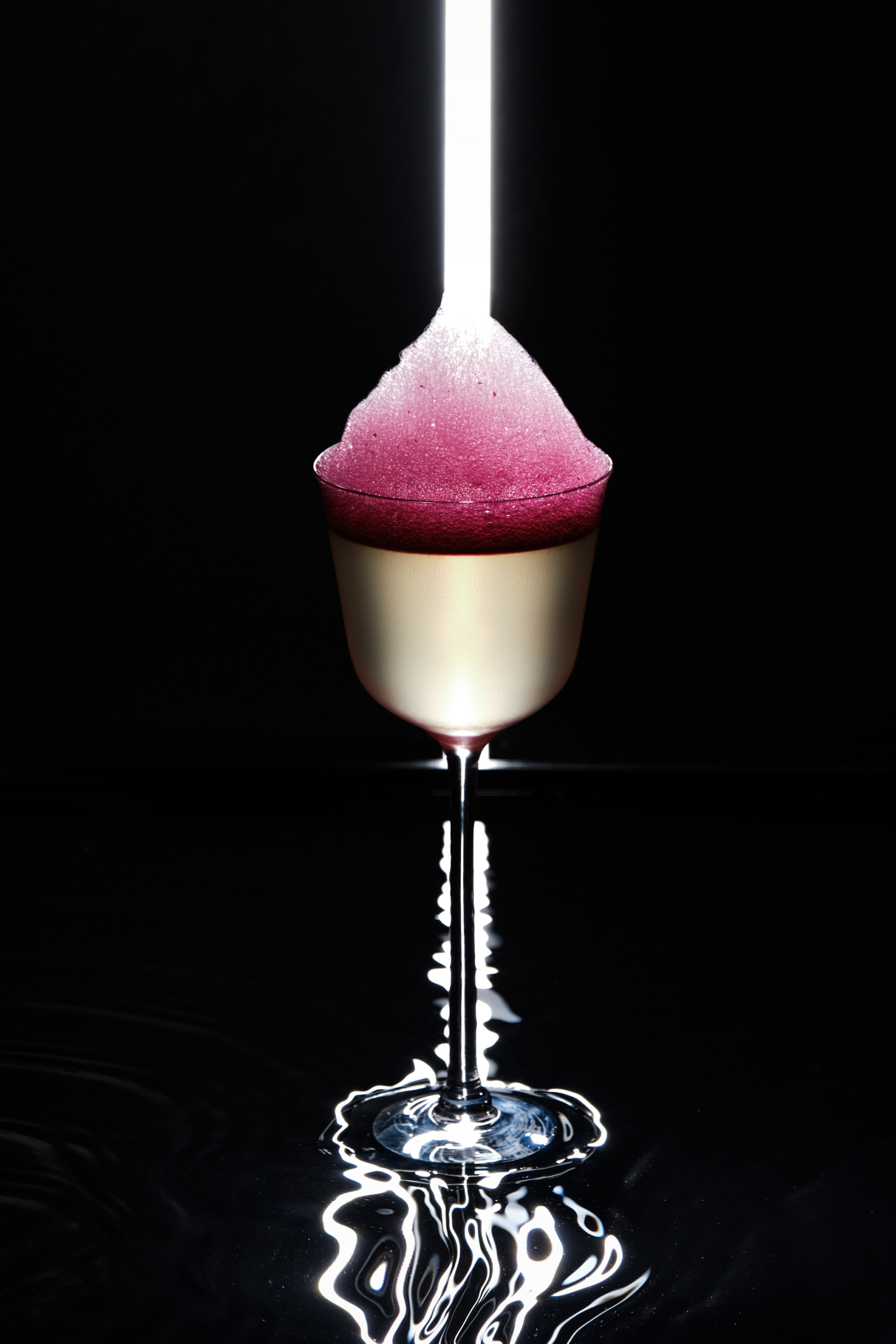
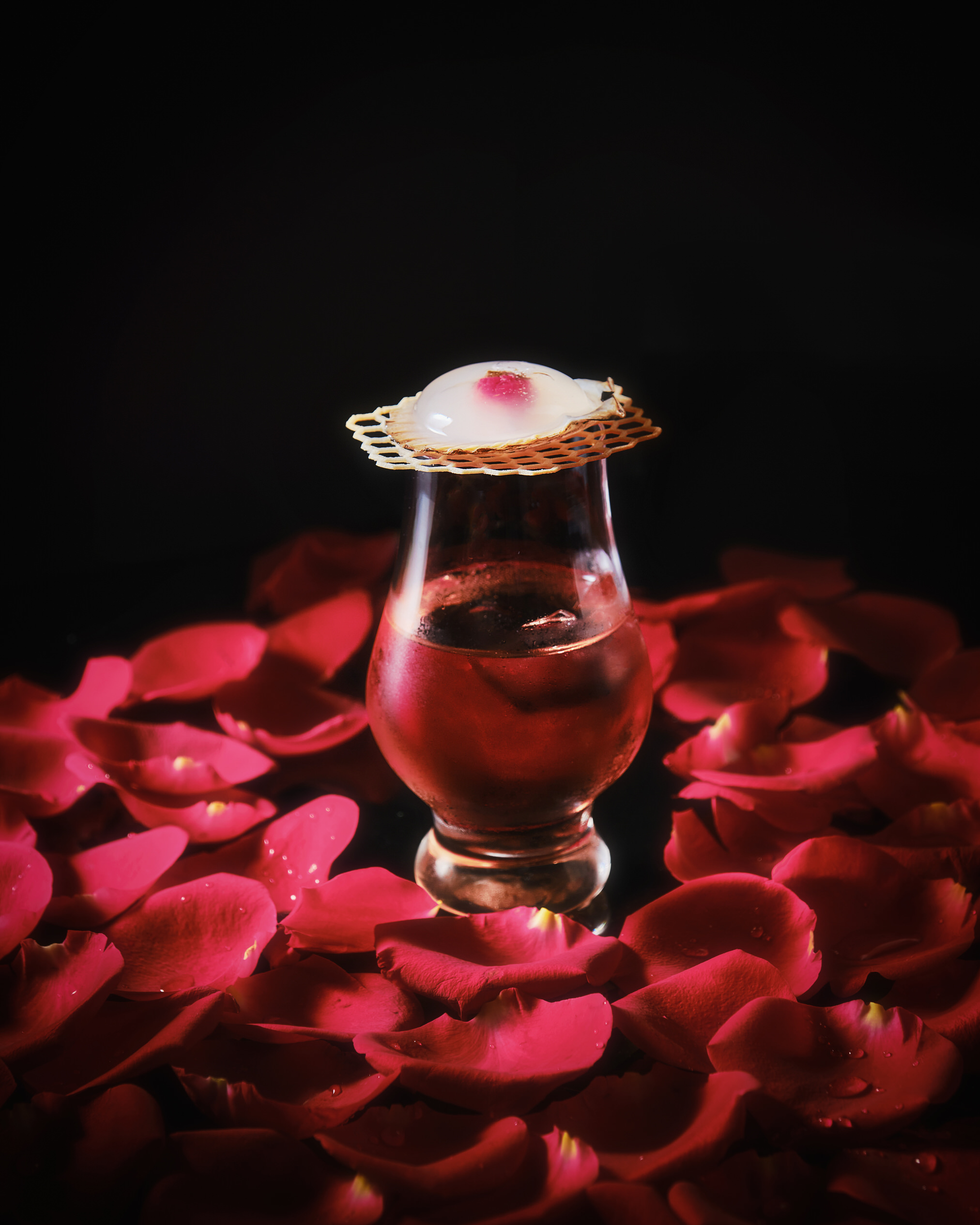
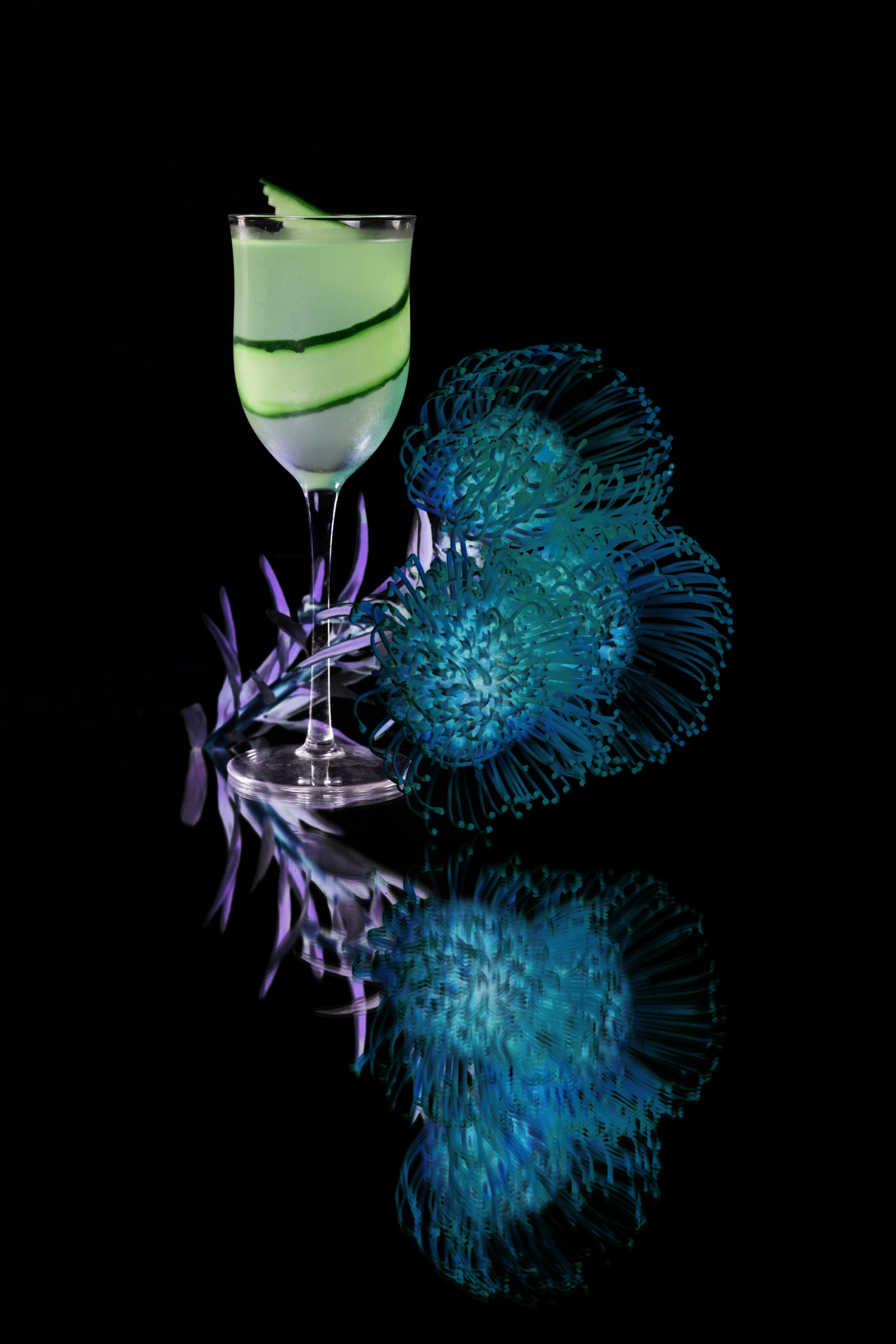
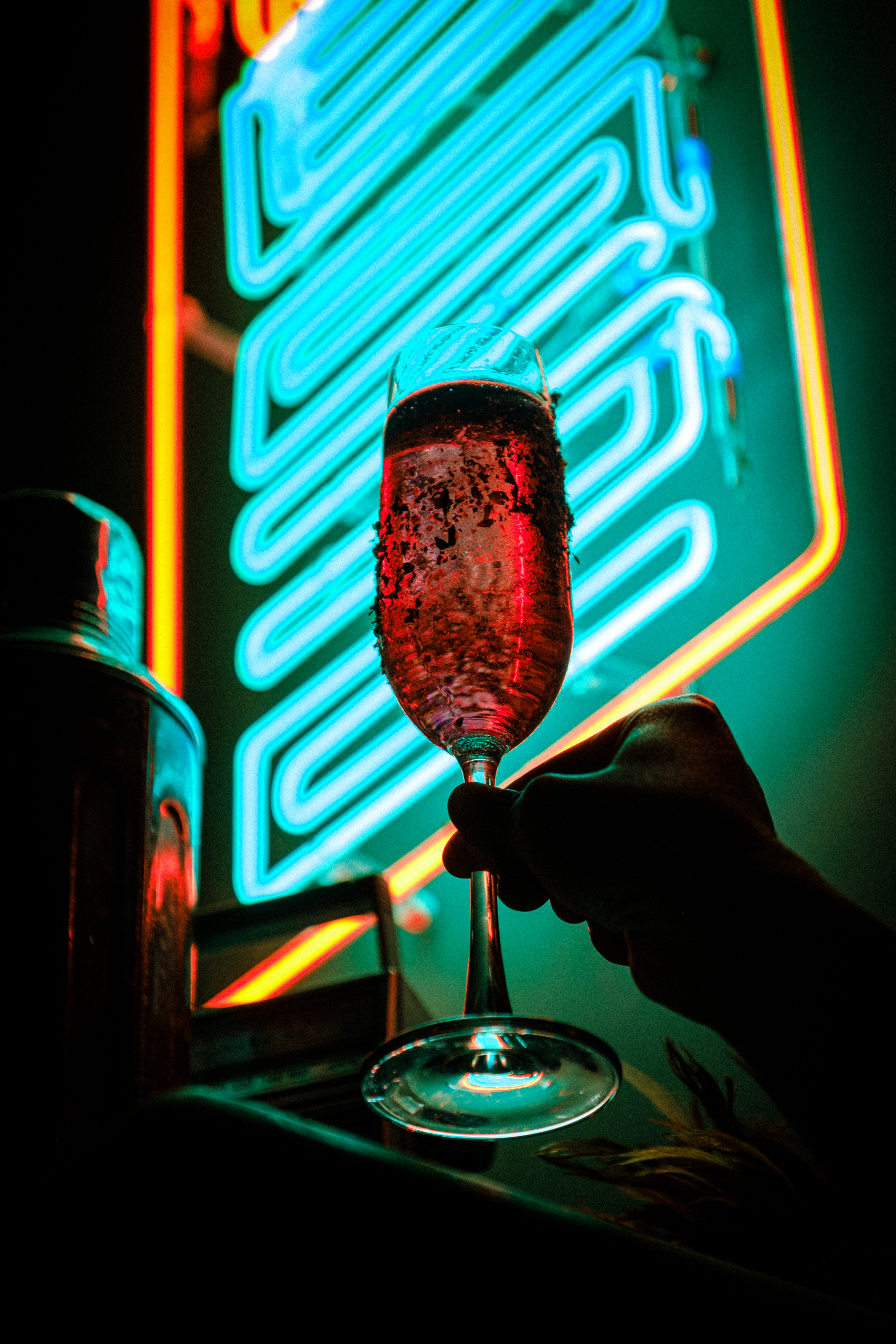
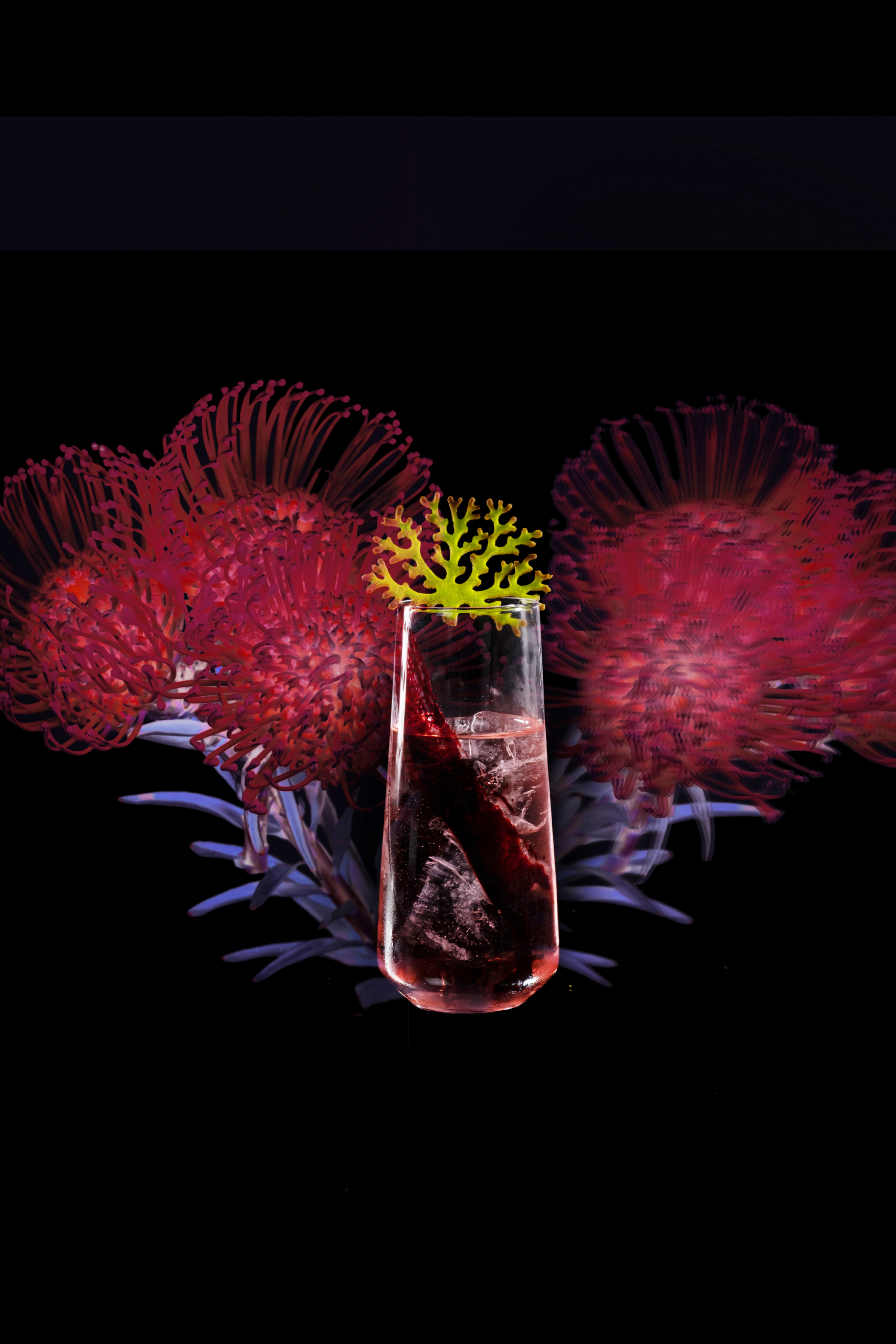
“I don’t see myself as a “still life” food photographer.
The image has to work for the business
not just look artistic”
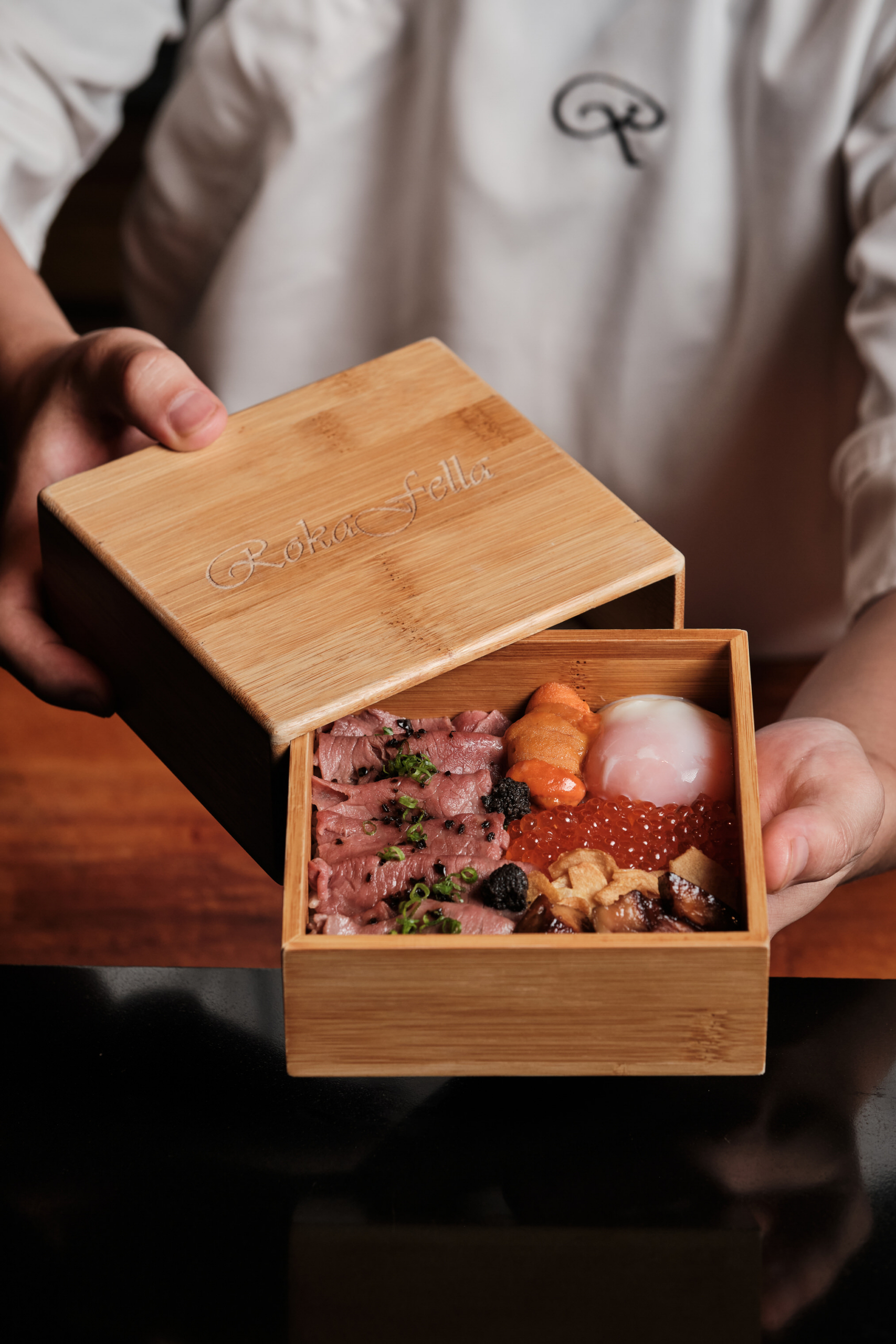
What makes food photography so challenging?
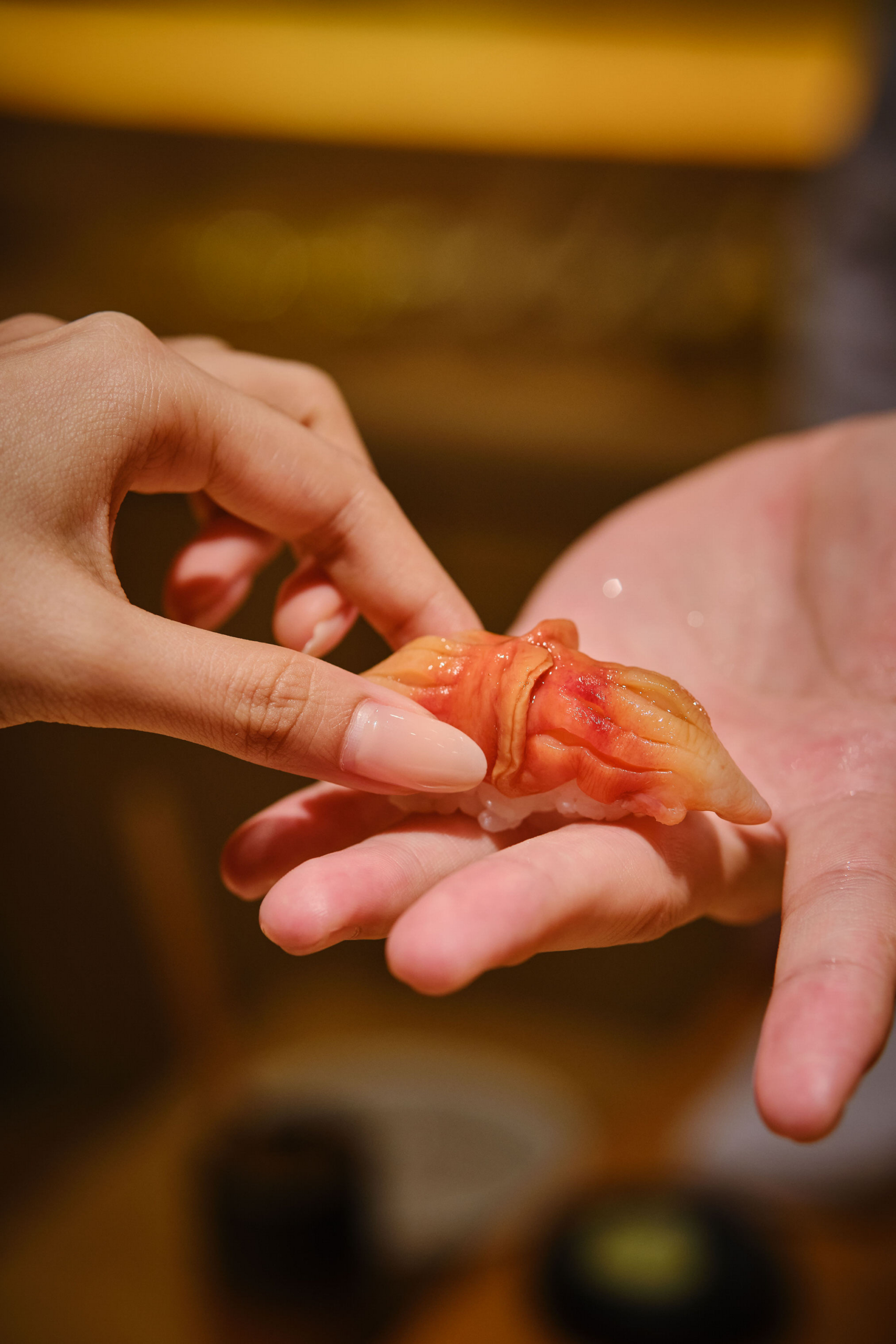
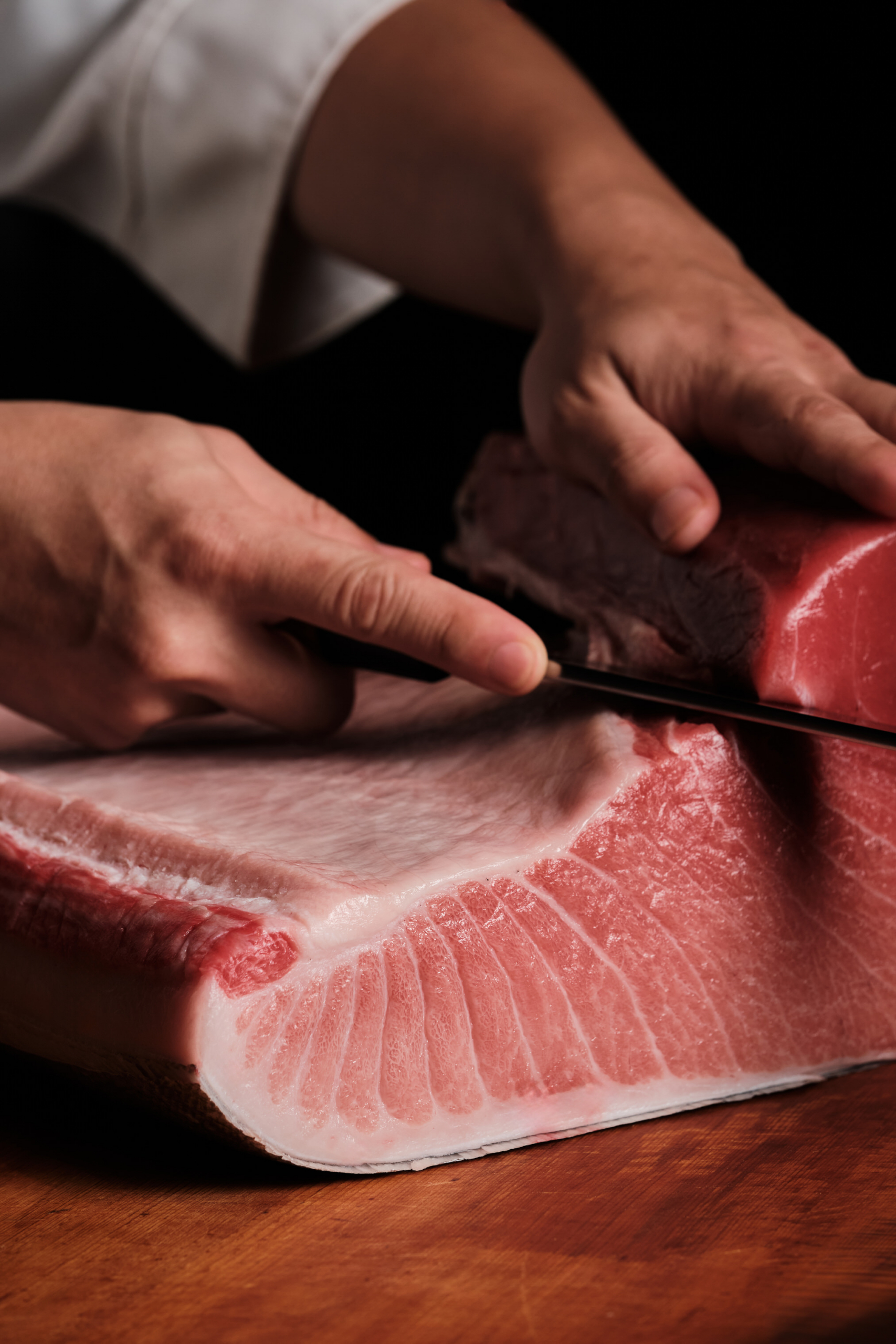
To do this job well, you need a strong connection with the chef and the bar team. You need to understand how kitchens operate, how bars work, timing, pressure, and hospitality culture. I started inside restaurants, so I understand those systems deeply.
That’s why I don’t see myself as a “still life” food photographer. I focus on sales, marketing, and communication. The image has to work for the business – not just look artistic.
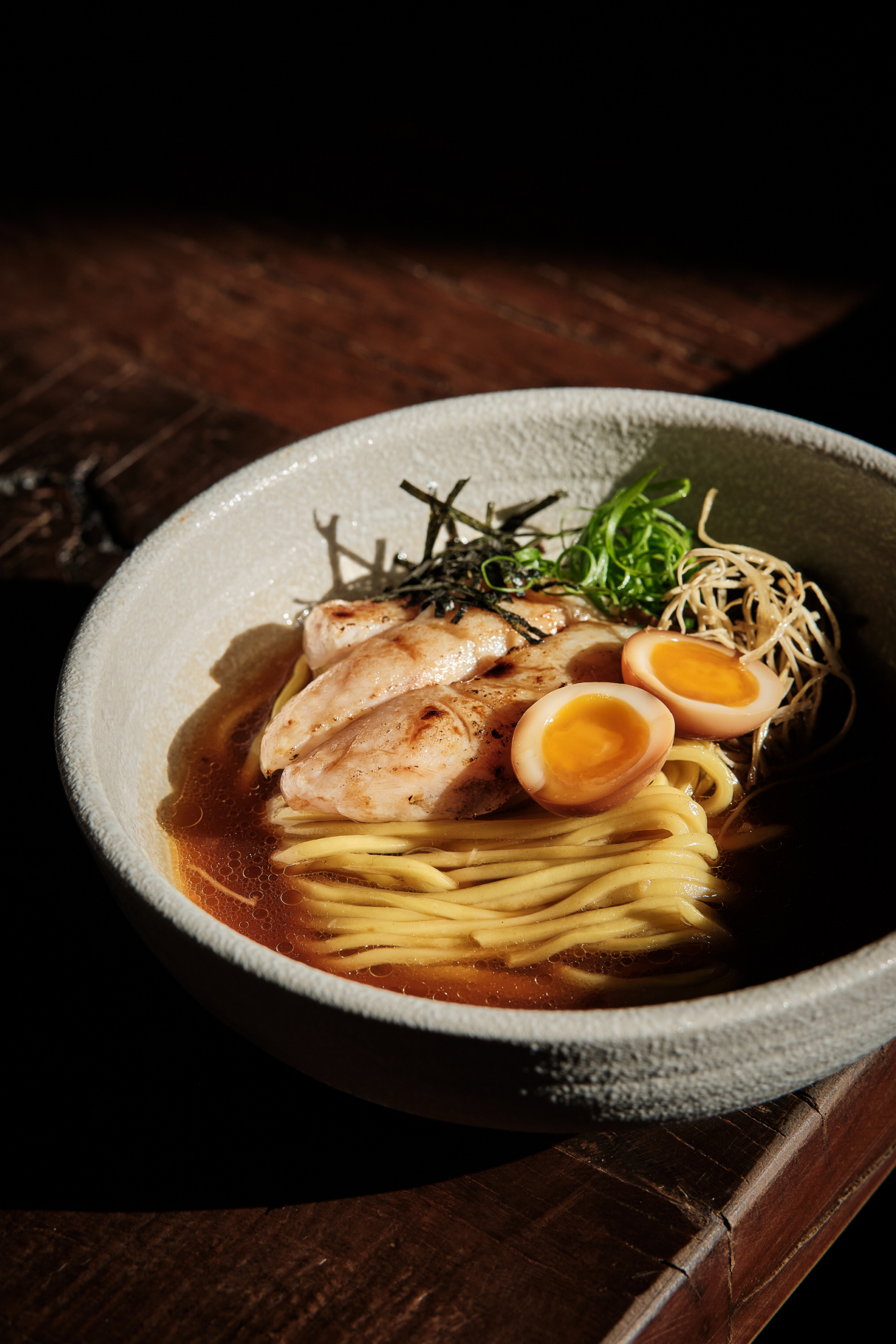
How would you describe your visual approach?
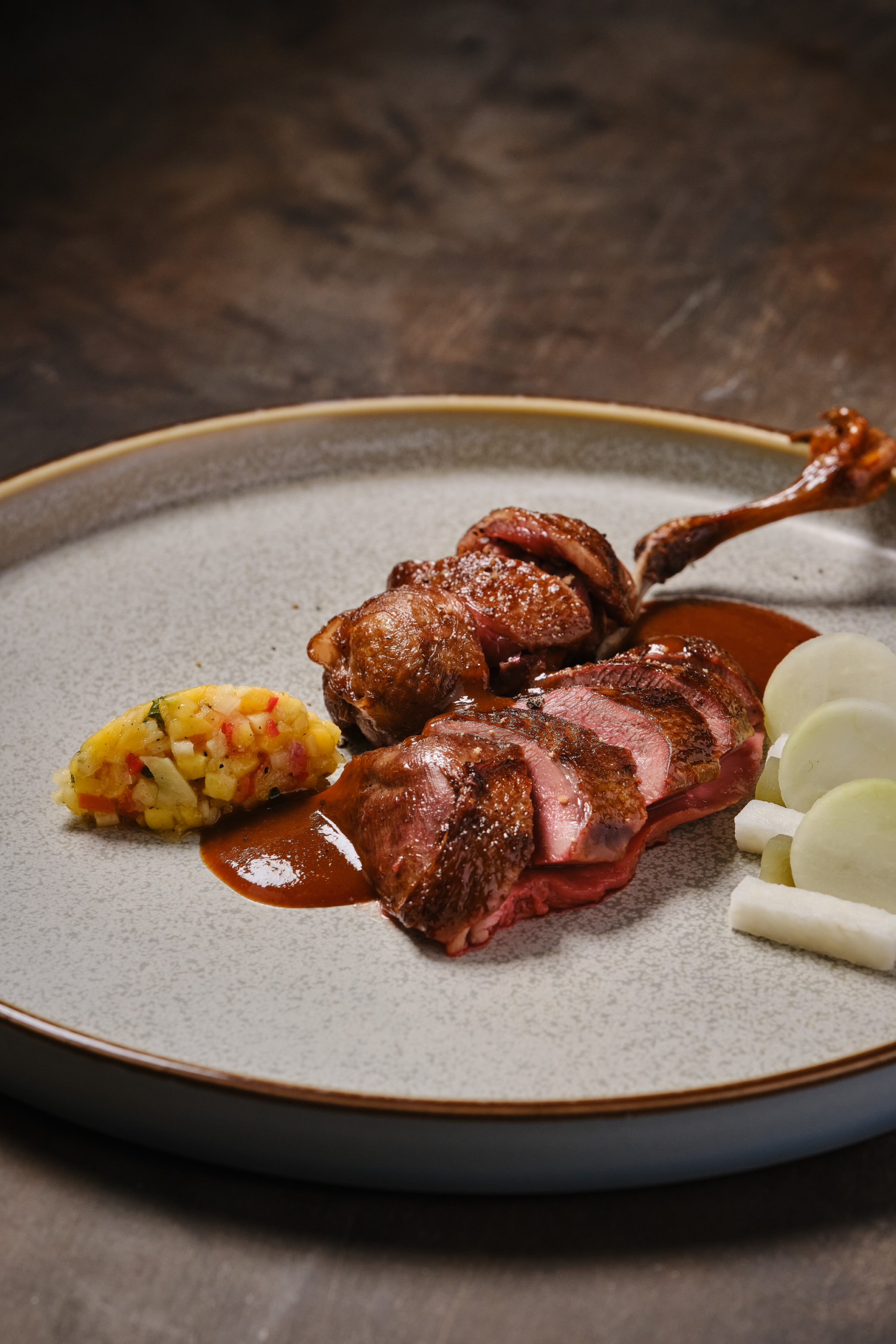
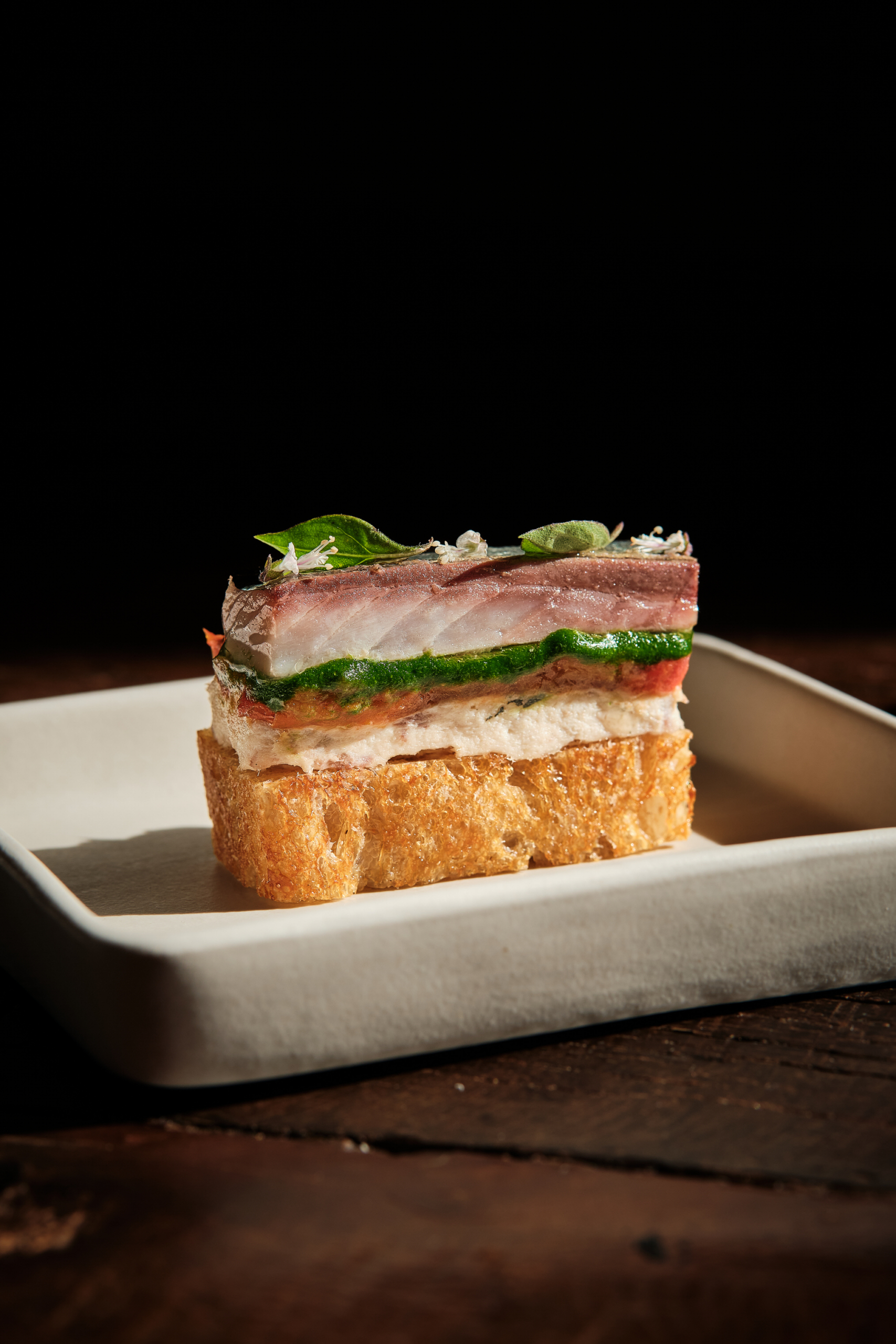
I don’t interfere with the chef’s work.
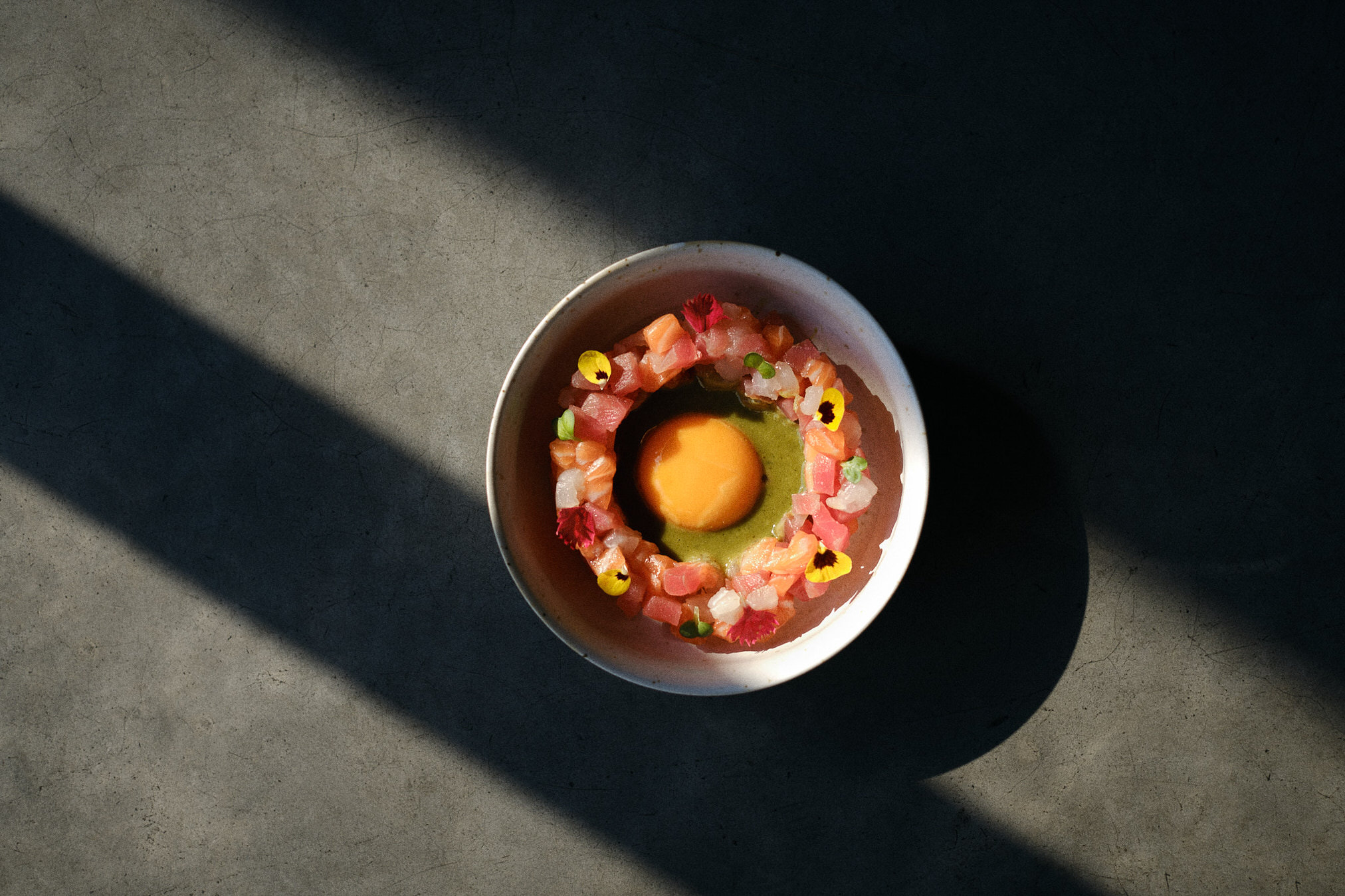
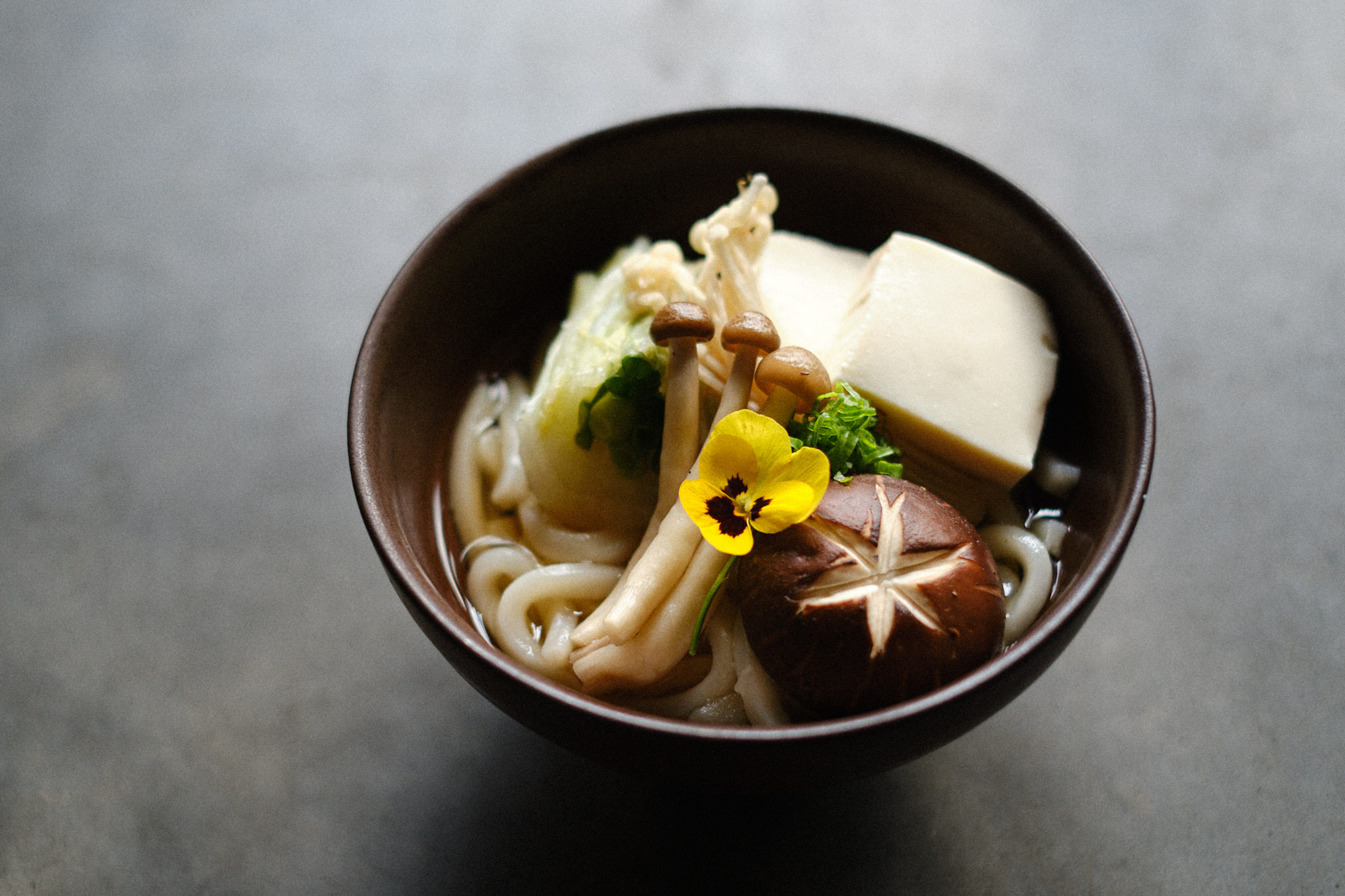
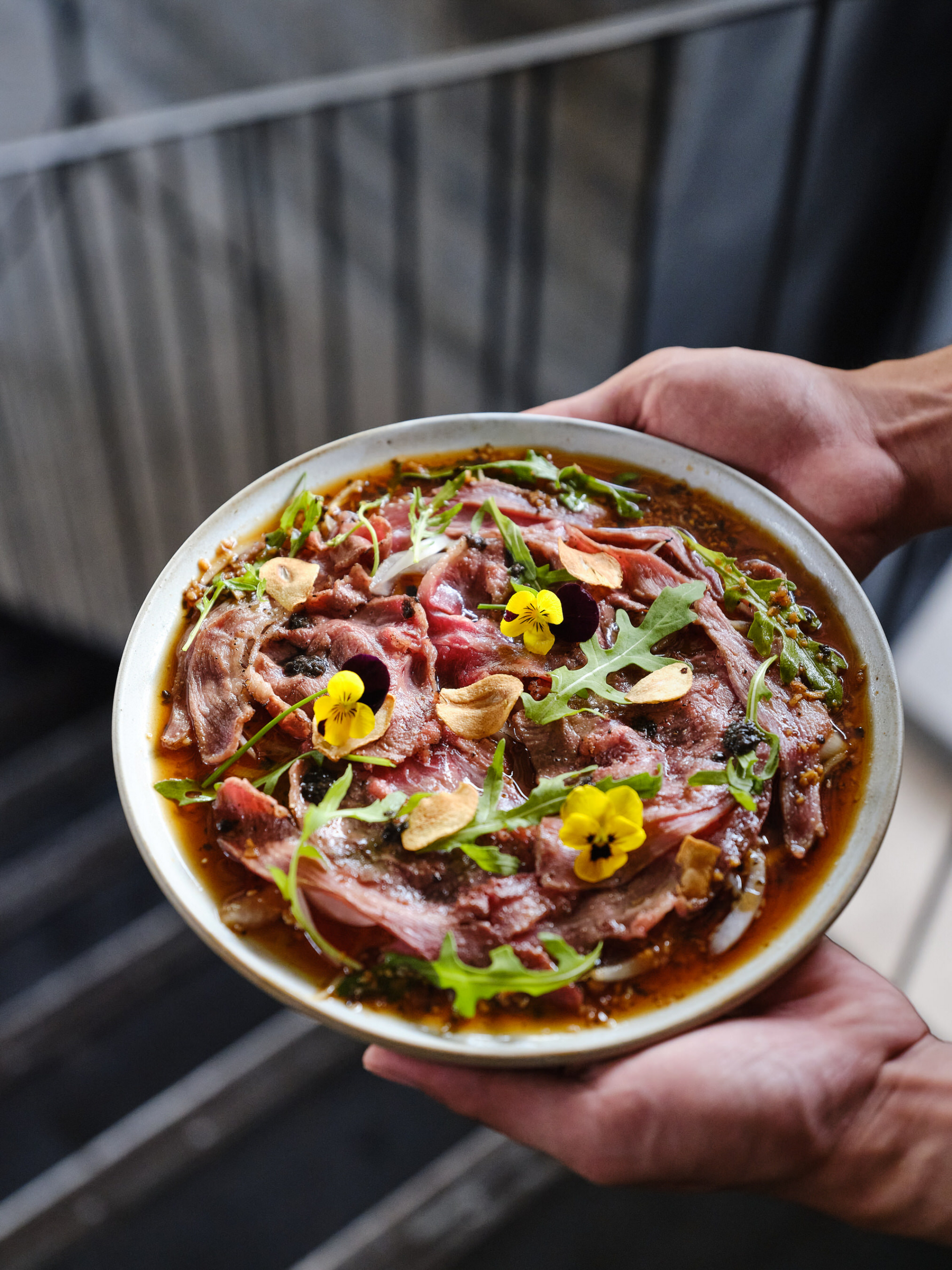
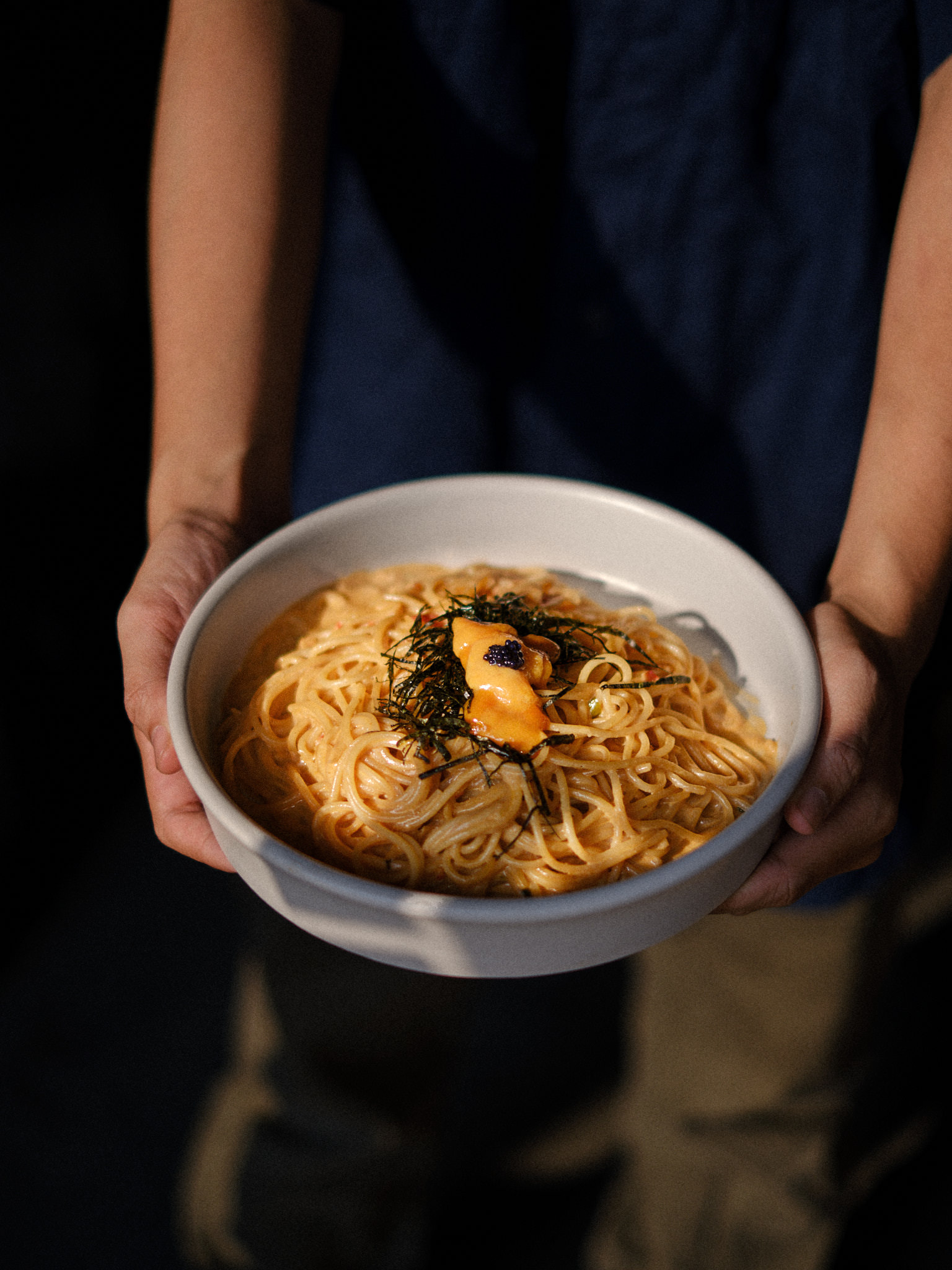
If a dish is served a certain way in real life, that’s what I capture.
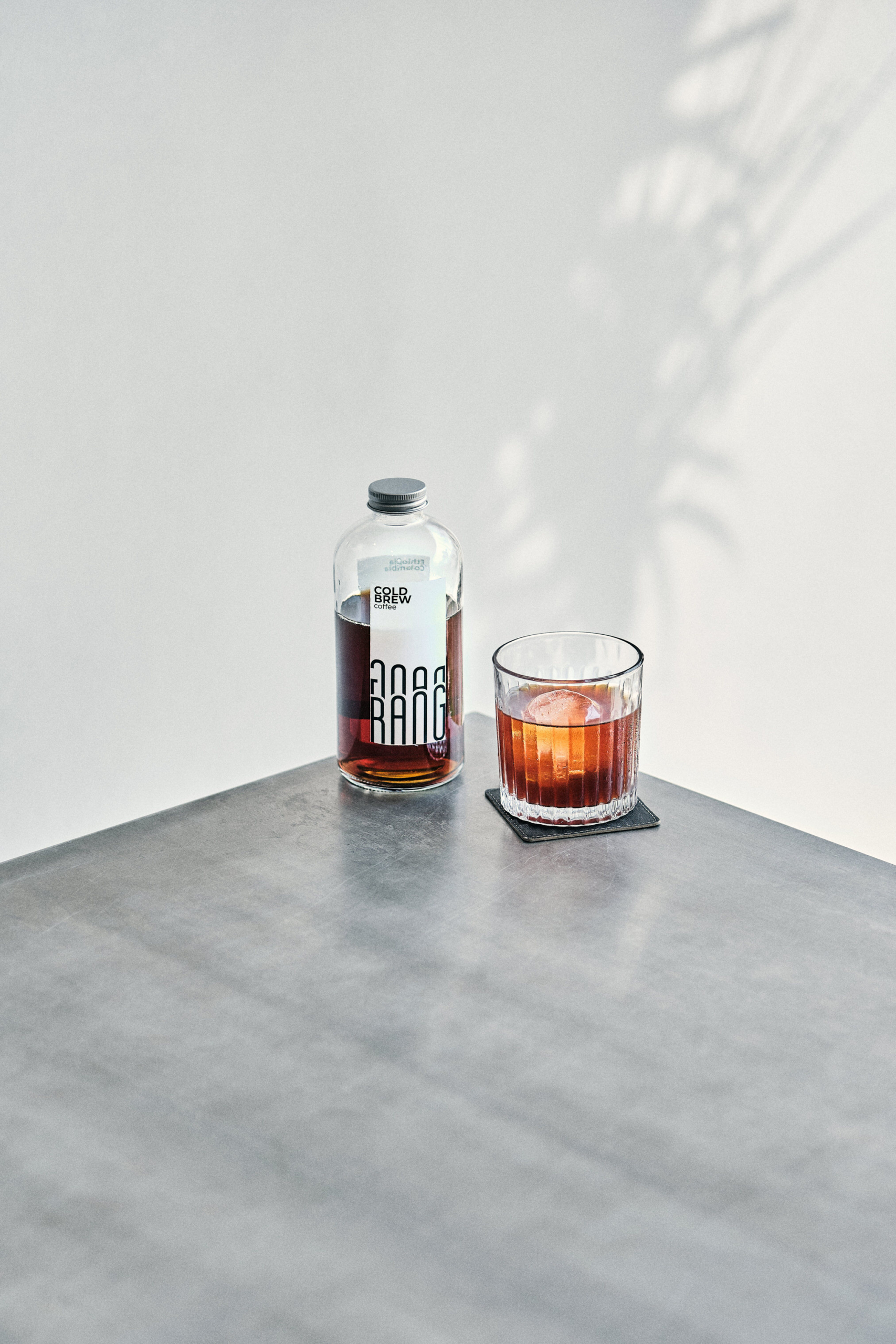
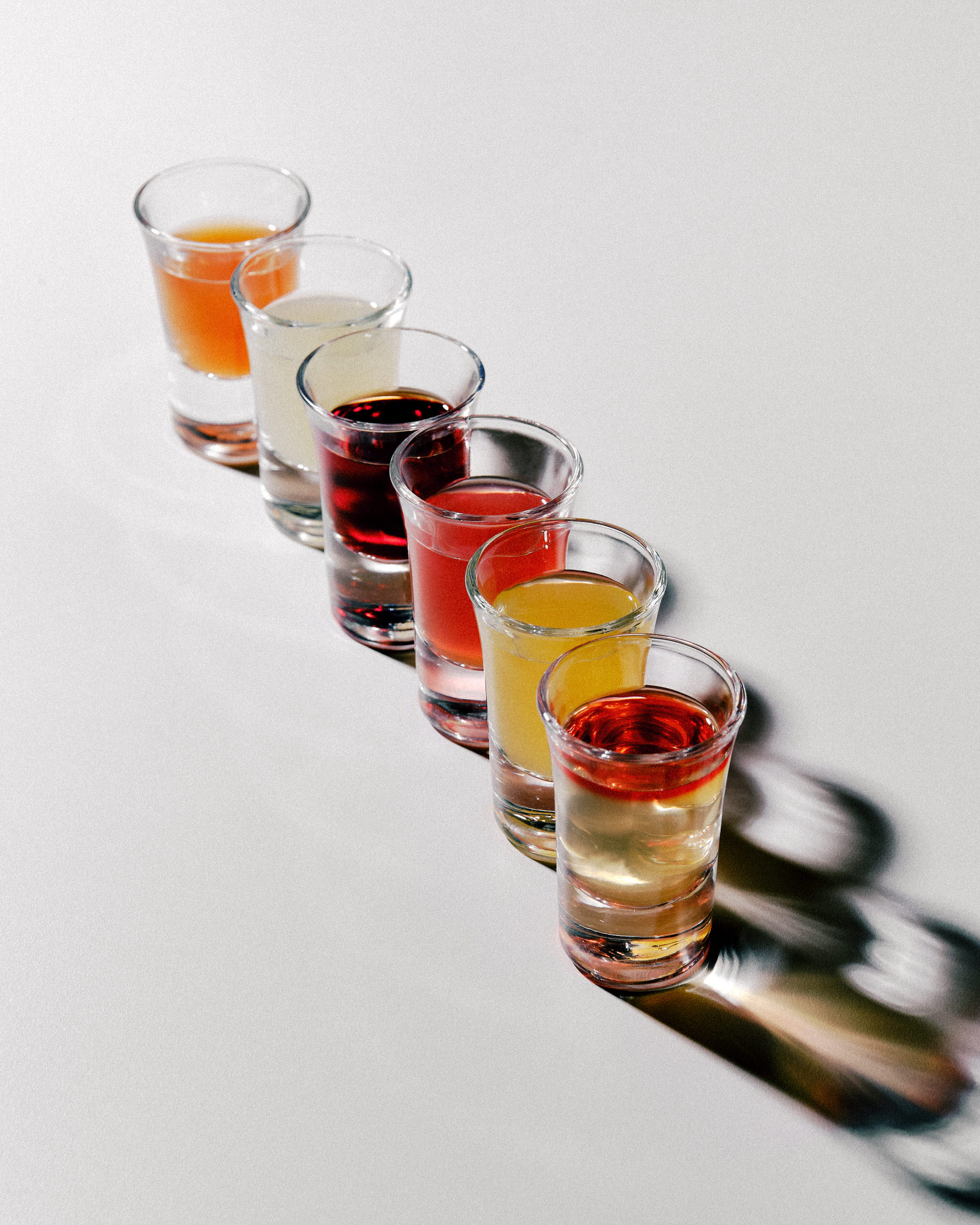
I want the food or drink to speak for itself. No unnecessary styling, no overproduction. When someone sees the photo, they should immediately understand what the product is and feel confident ordering it.
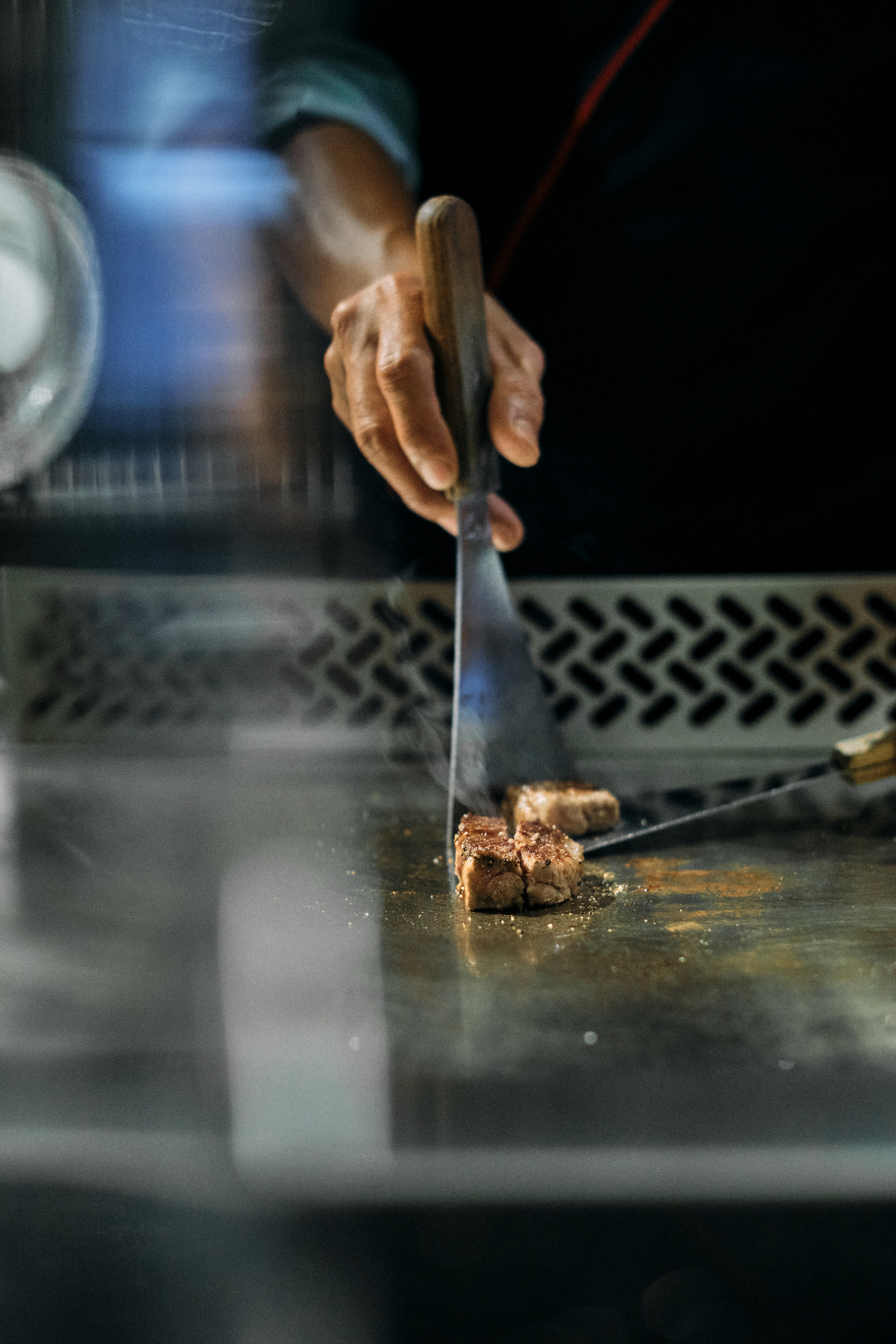
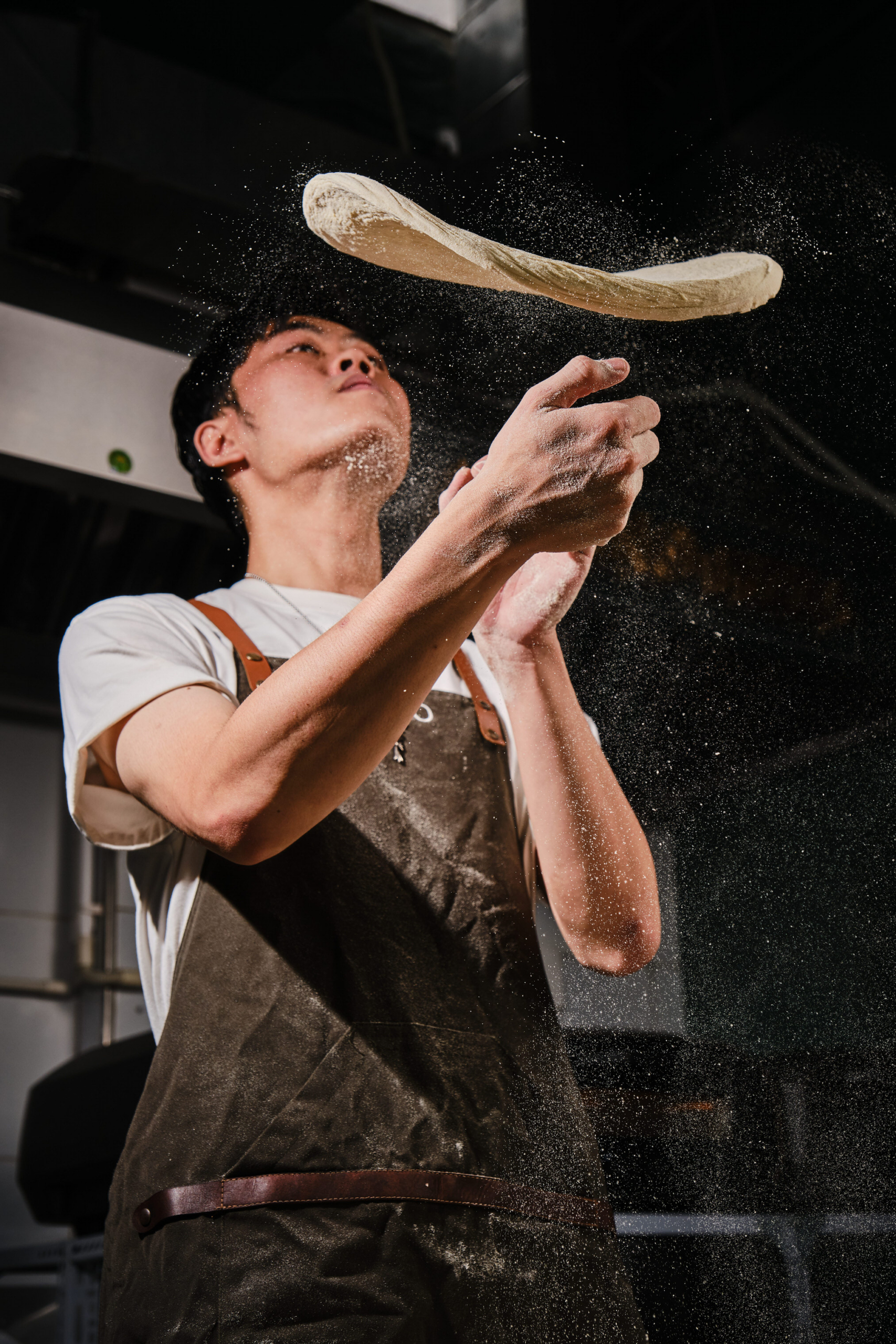
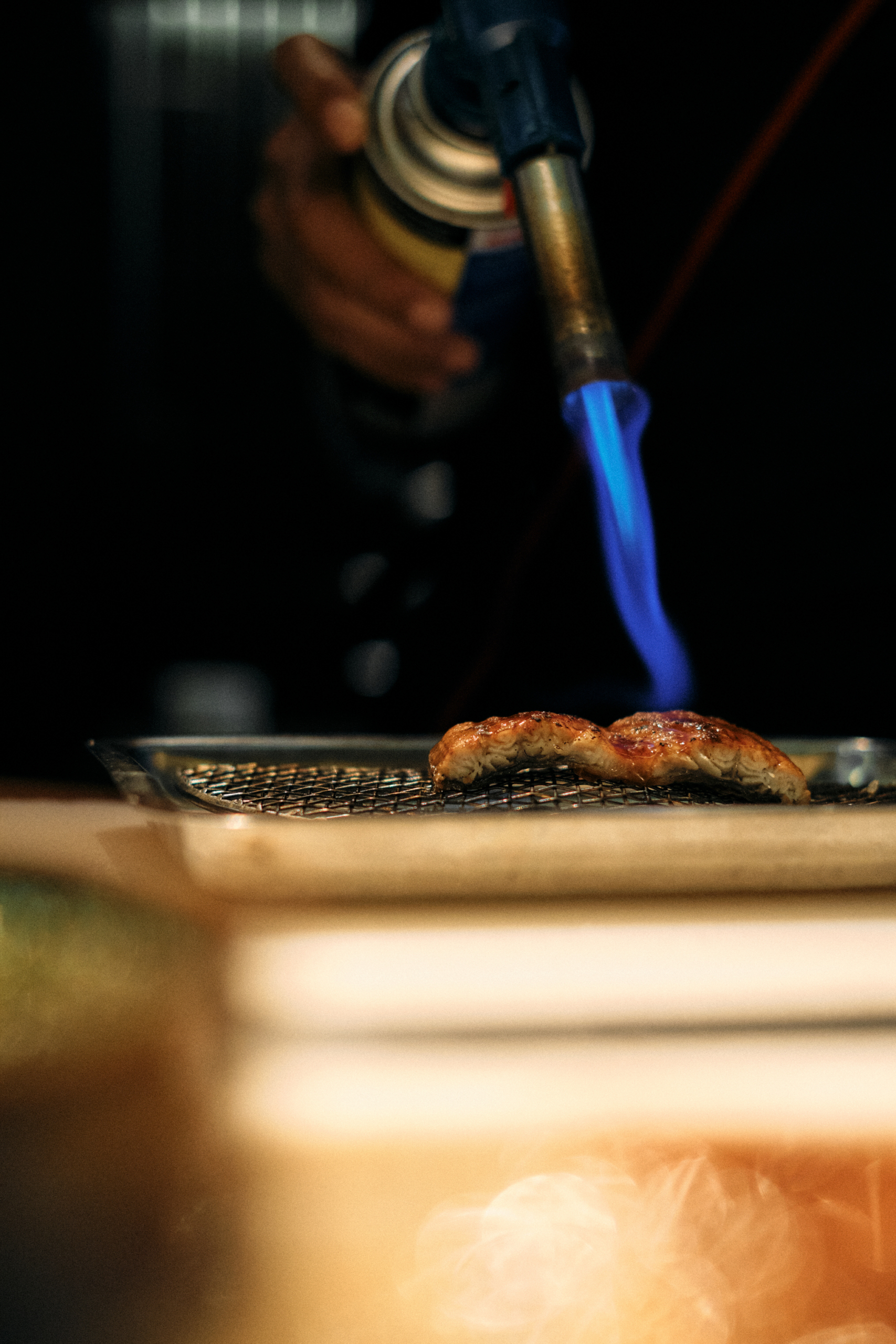
“JPEGmini helps me deliver files that are fast, efficient, and still beautiful.
I’ve even used JPEGmini files for real-life exhibitions, printed in big size,
and that worked perfectly!“
How did you discover JPEGmini, and how does it fit into your workflow?
I discovered JPEGmini many years ago through photography websites. I downloaded a very early version and have been using it ever since.
It’s incredibly useful. Sometimes clients are surprised when they see how small the files are – they ask me, “Is this really high quality?”
And I tell them: Yes. Full resolution. Just optimized.Most images go online anyways, not to print.
JPEGmini helps me deliver files that are fast, efficient, and still beautiful. I’ve even used JPEGmini files for real-life exhibitions, printed in big size, and that worked perfectly.
What are your thoughts on AI in photography?
I use AI – absolutely. Especially in pre-production and post-production.
Before a shoot, I use AI to generate shot lists based on the location, menu, and campaign goals. It saves time and helps me stay organized.
After the shoot, I use AI tools for removing elements or cleanup tasks that would otherwise take much longer manually.I’m not afraid of AI replacing photographers. AI can make things look too perfect. Sometimes people even comment on real food photos asking if they’re AI – which tells you something. Authenticity still matters.
What has photography given you beyond work?
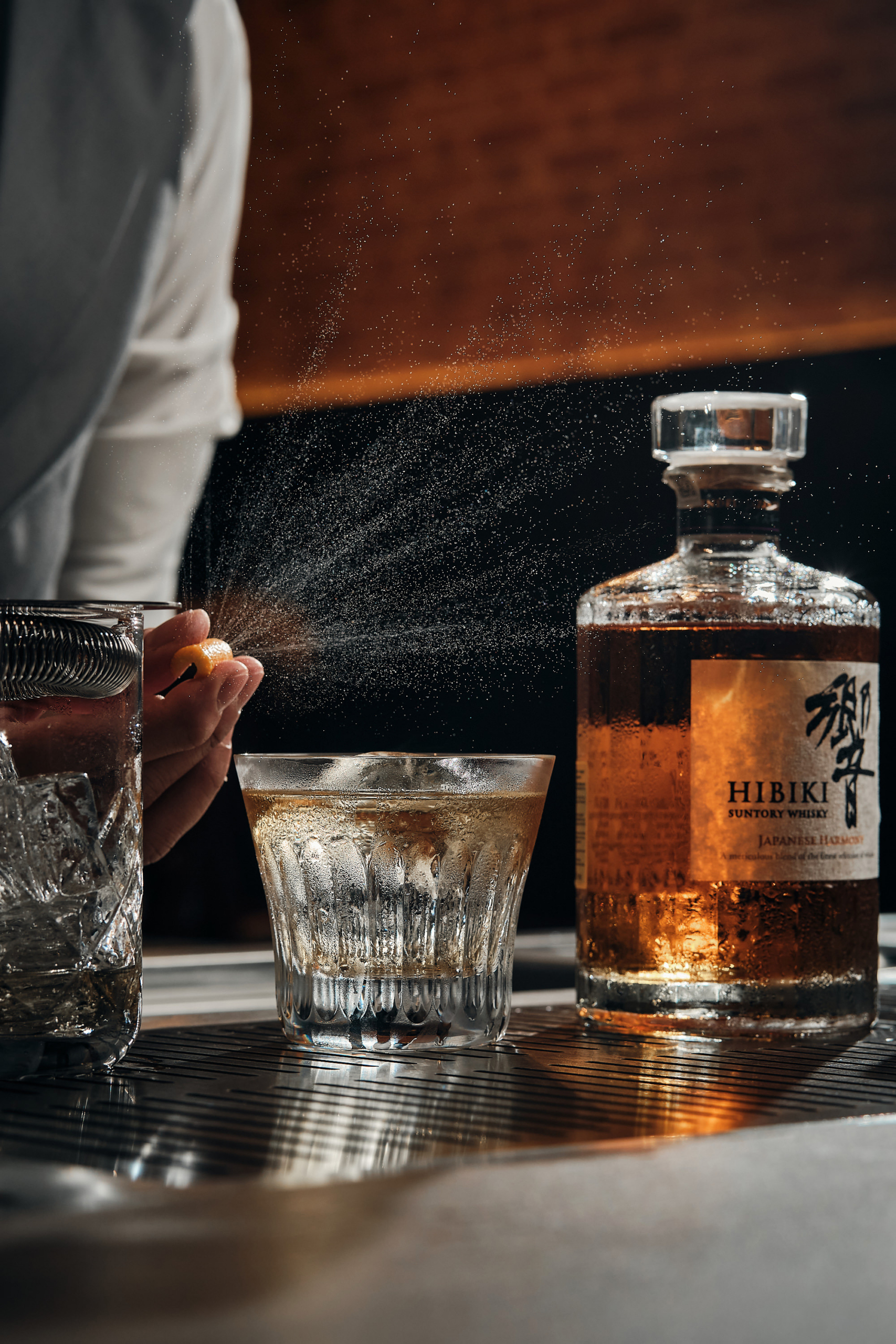
Food photography has taken me to incredible places – Singapore, Hong Kong, international campaigns with brands like whisky houses and world-class bars.
But more than travel, it’s the people. I’ve met chefs, bartenders, creatives from all over Asia. That’s the real reward.
Final thoughts
From early curiosity in visuals to working with top restaurants and bars in Asia, Khoi Nguyen builds his work on authenticity, speed, and smart workflow. JPEGmini and AI help him stay efficient — without compromising quality.