
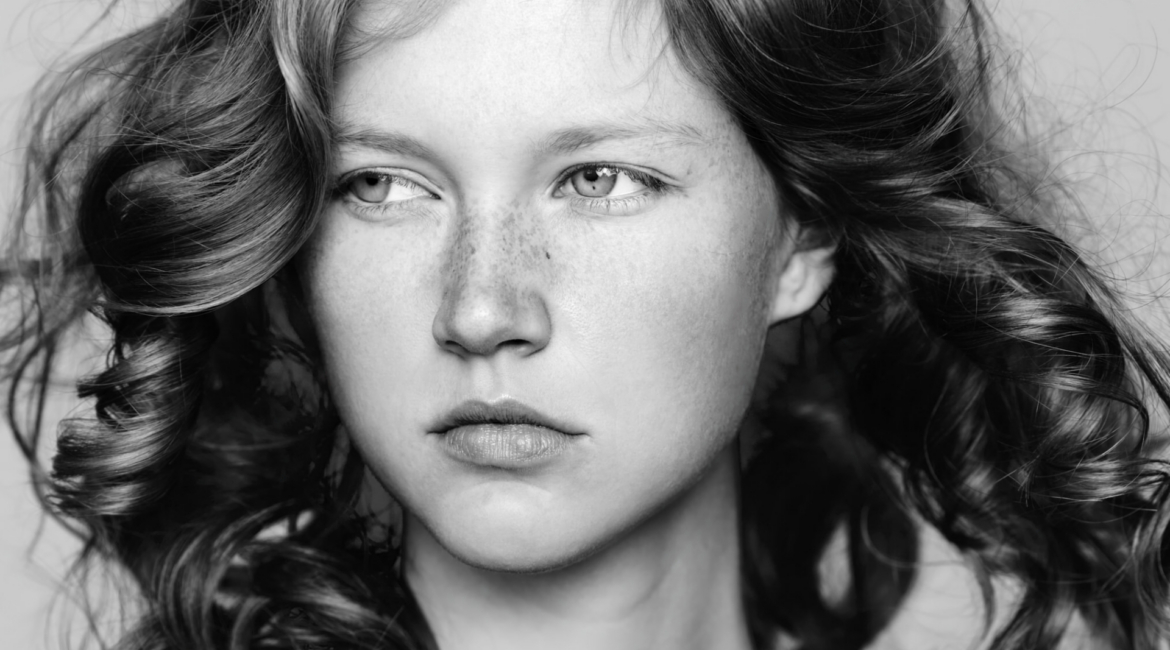
Konstantin Odin – Skin and Light
On black and white, the many shades of gray, and using photography as a way of thinking
Short Bio
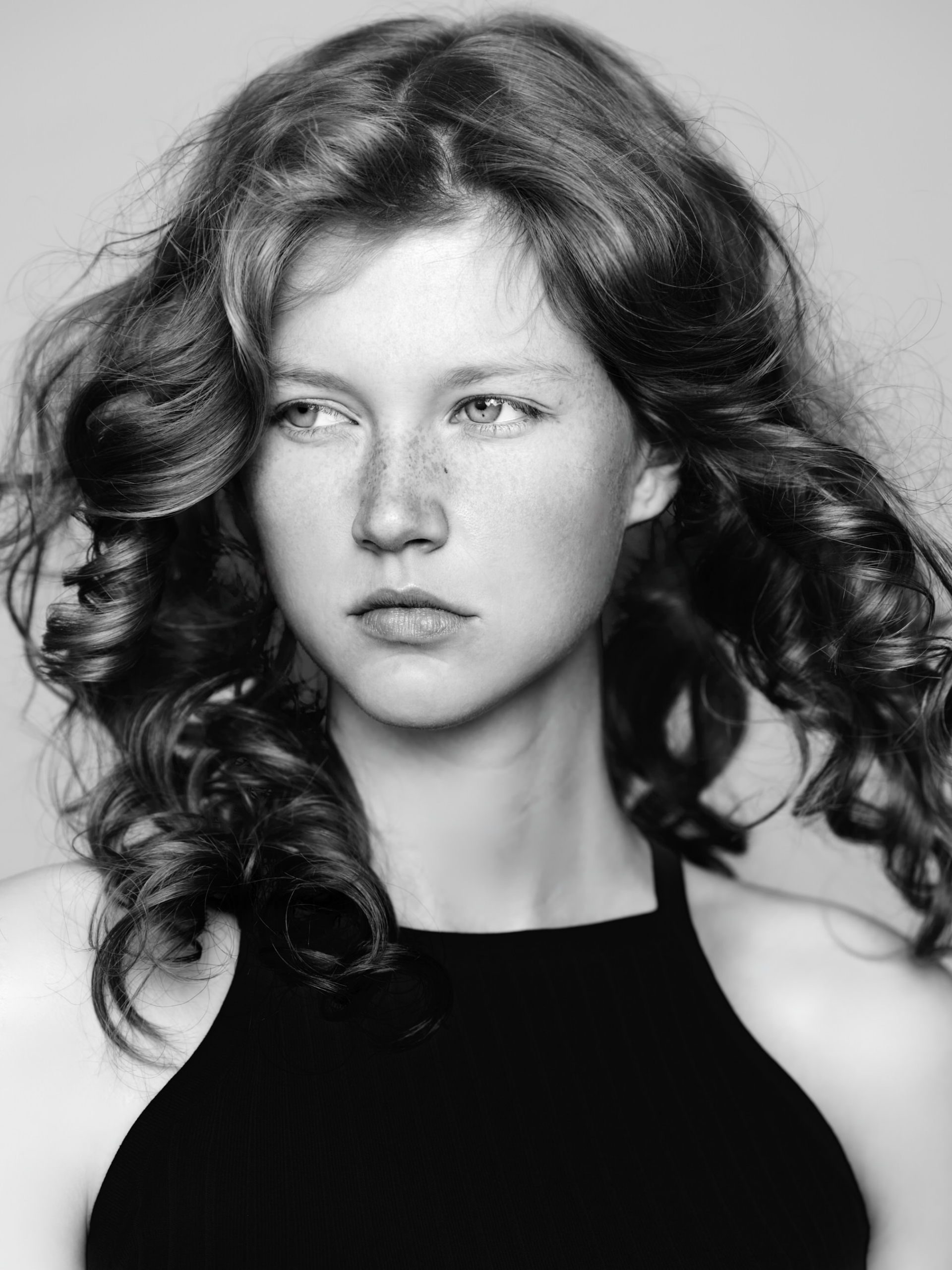
Konstantin Odin is a German fine-art portrait photographer based in Hamburg.
Working almost exclusively in black and white, Odin approaches photography as a form of
visual philosophy – combining extreme technical precision with emotional intimacy.
Self-taught and deeply influenced by German photographic traditions, his work focuses on
presence, light, and the relationship between photographer and subject rather than commercial
output.
https://www.konstantinodin.com
Your work is almost entirely black and white. Why?
The answer is simple and complex at the same time.
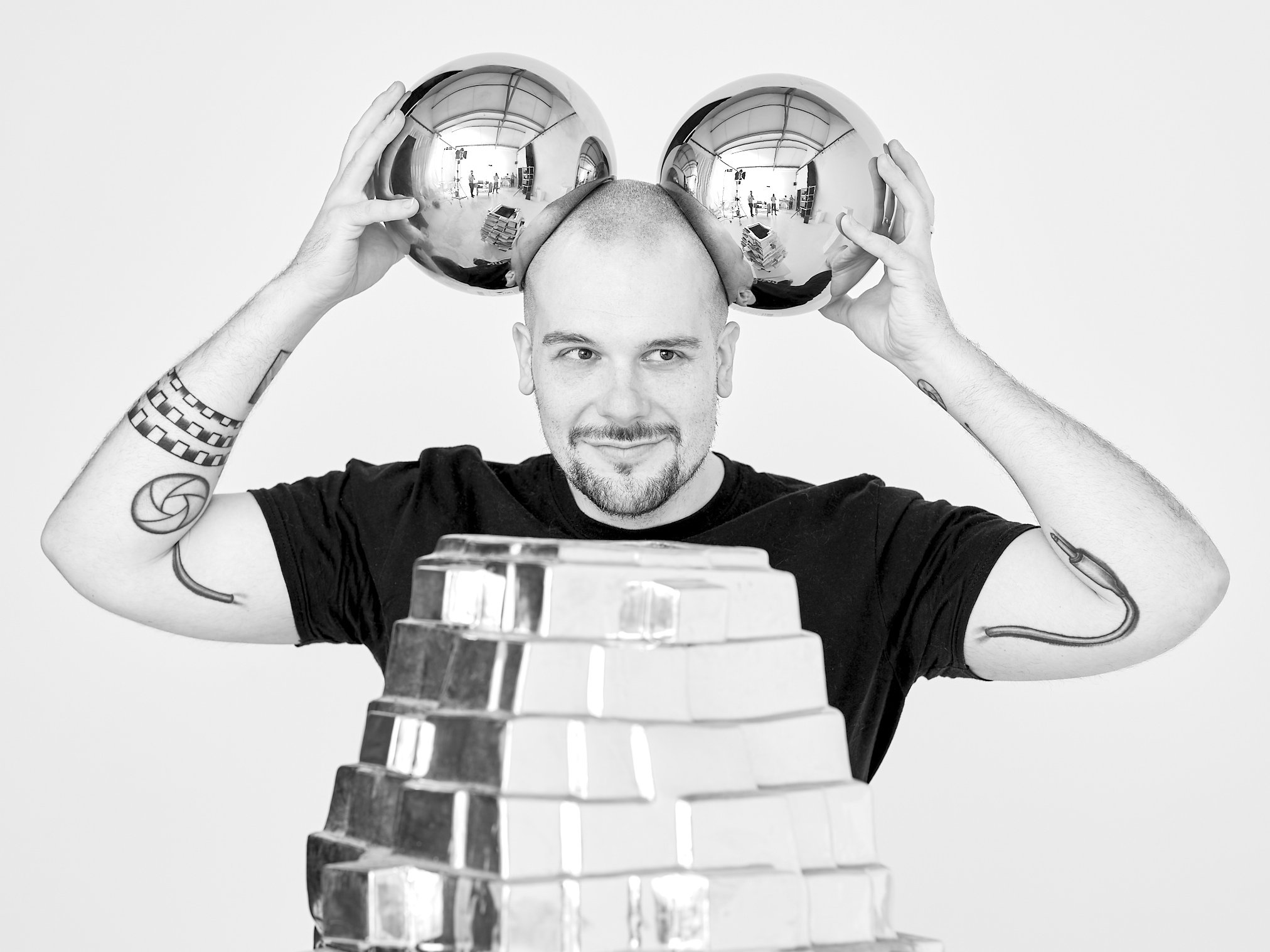
I like the idea of photography in a more physical, almost analog way, than digital manipulation.
My cameras are true monochrome, my studio camera, as well as the mobile one – they don’t
record color, to convert it to a monochrome picture later. They record true light information
without interpretation or algorithm manipulation by a color filter.
They are monochrome from the start.
That gives me much more control over any aspect of the picture and I can achieve a maximum
of quality and detail. It forces me to think ahead and plan the picture more, than taking a shot
and making the best out of that.
Your portraits feel very geometric and sculptural.
Most of my portraits are shot on modern digital medium-format systems.
The bigger the lens, the bigger the image, the more presence it has. It’s more impressive – but
honestly, it’s more fun.
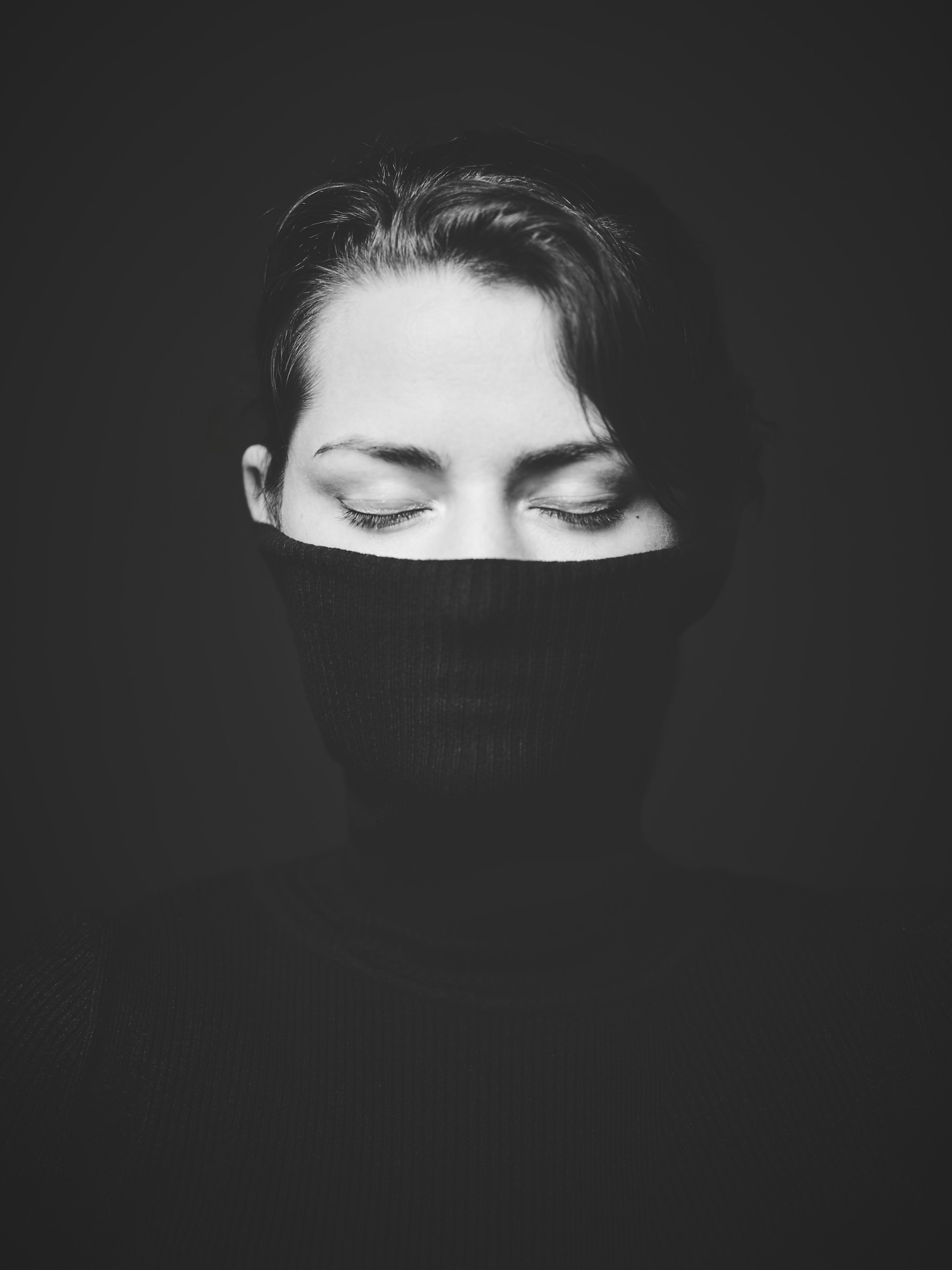
In reality I try to cut out anything that is not necessary for the image I want to take.
This minimalism process reduces any content in the frame to what is needed.
If not necessary, it will not be part of the final image.
That means having the right amount of light, shadow, background, structures, and clothing.
Nothing distracting from the important parts of the image. Whatever this is.
This feels a bit like creating a sculpture.
You start with a big block of stone and reduce it to the beauty inside.
“I once worked nine hours for two portraits”
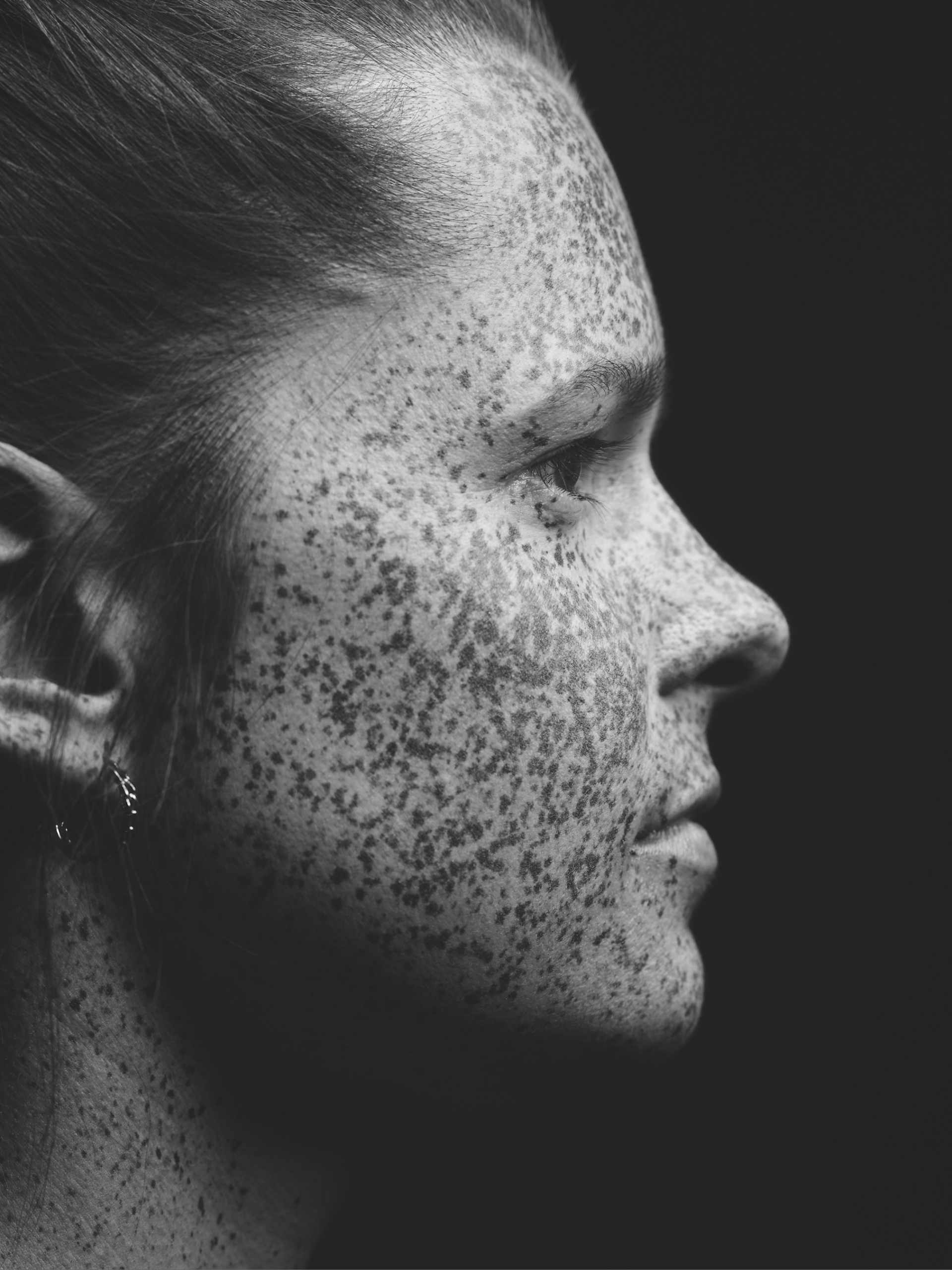
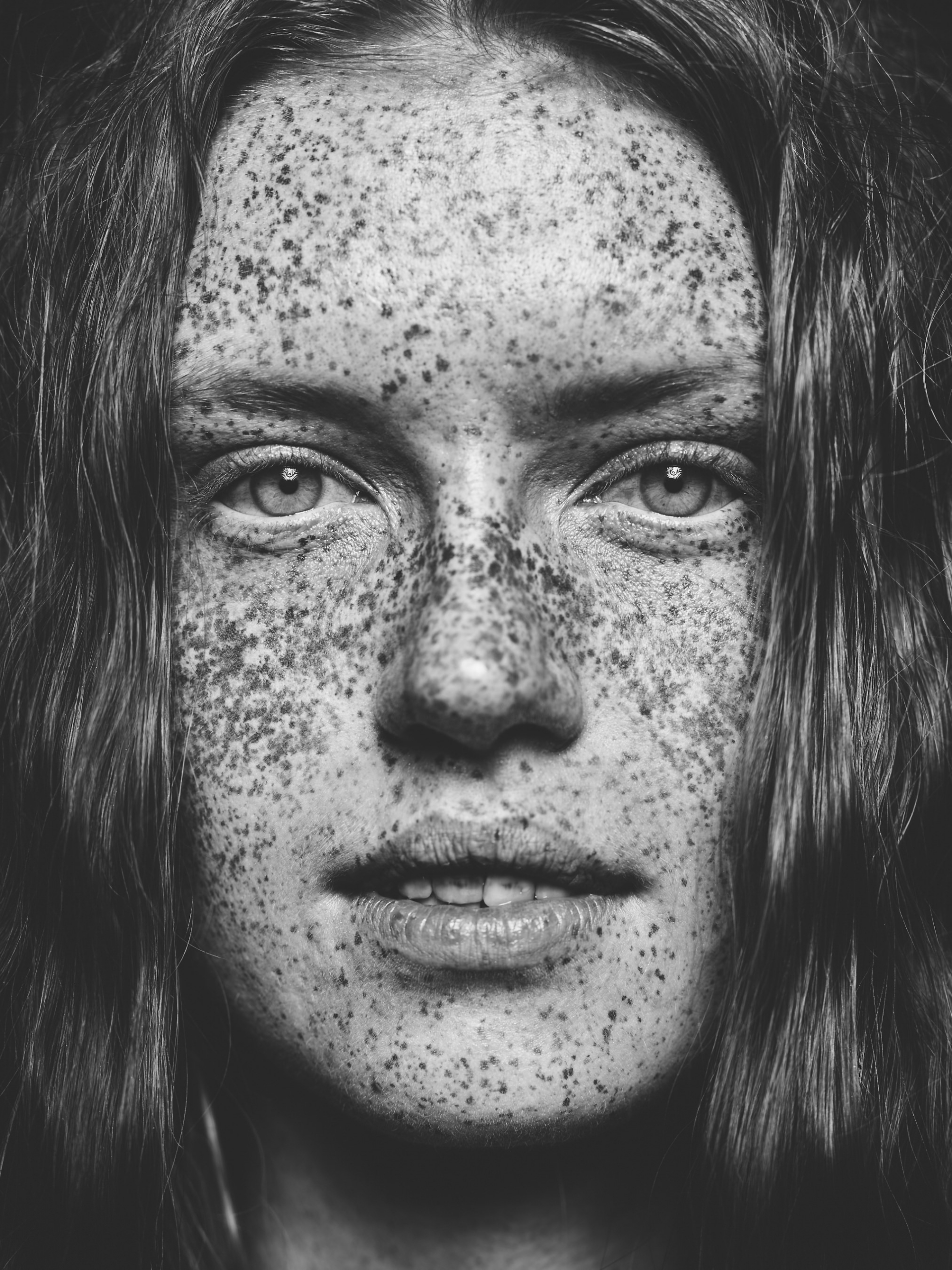
Your portraits feel extremely intimate. How do you achieve that?
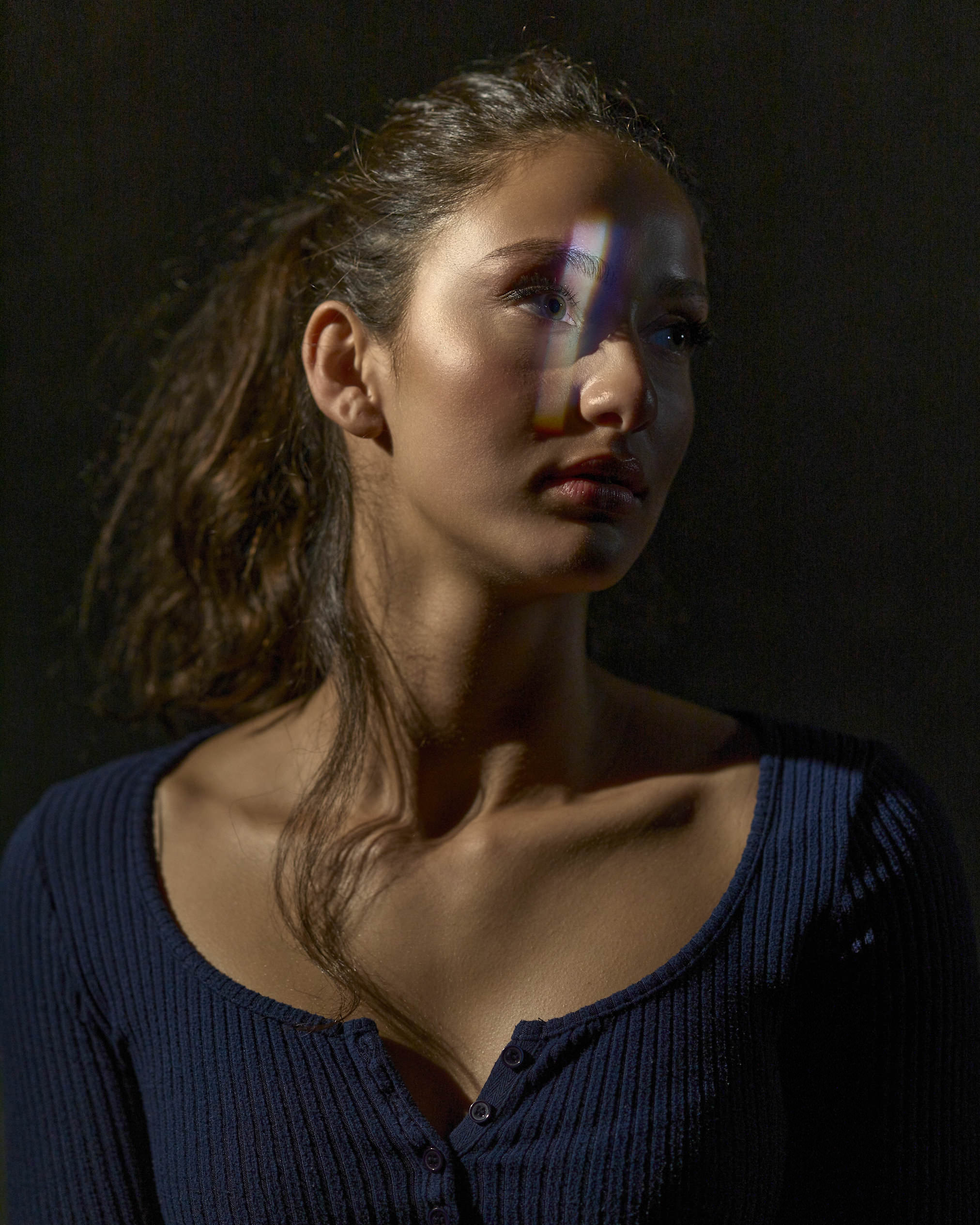
First of all, by treating my models with complete openness and respect.
It’s like creating a stage for the person I photograph and giving them the space and attention they want and need to be their true selves. I don’t want to judge them, but learn from them.
Learning what is important to them, what’s driving them. And then turn this learning into a picture.
This respect ranges from social and cultural origin, individual orientation and experiences over to any questions of identity and personal reality.
Not anyone is the same. So anyone needs all the openness.
I’m always directing, always talking, trying to understand who they are and what their story is.
For me, photography is about interaction. If someone feels safe, things can happen very quickly – sometimes in minutes.
Other times, it takes much longer. I once worked nine hours for two portraits.
The model was experienced, confident, and technically everything worked from the very beginning.
She was amazing and every image looked good, but yet I was missing the moment of a perfect portrait. We stopped, tried again, disagreed, and started over.
Only after hours of resistance did something suddenly shift.
The performance fell away, and two portraits emerged – both unmistakably her, yet completely different, and absolute true portraits.
That’s the moment we were waiting for.
When it clicks, it clicks.
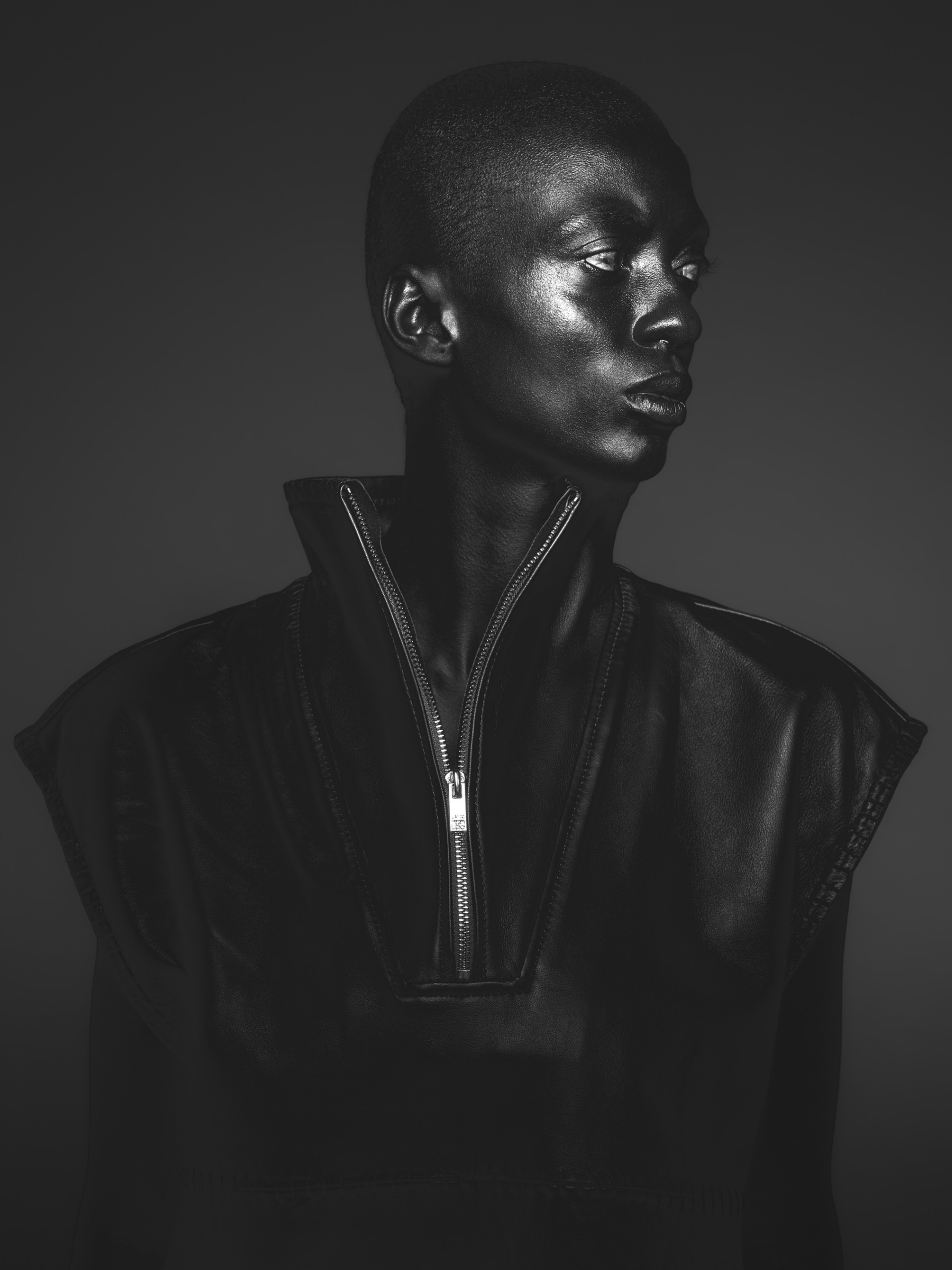
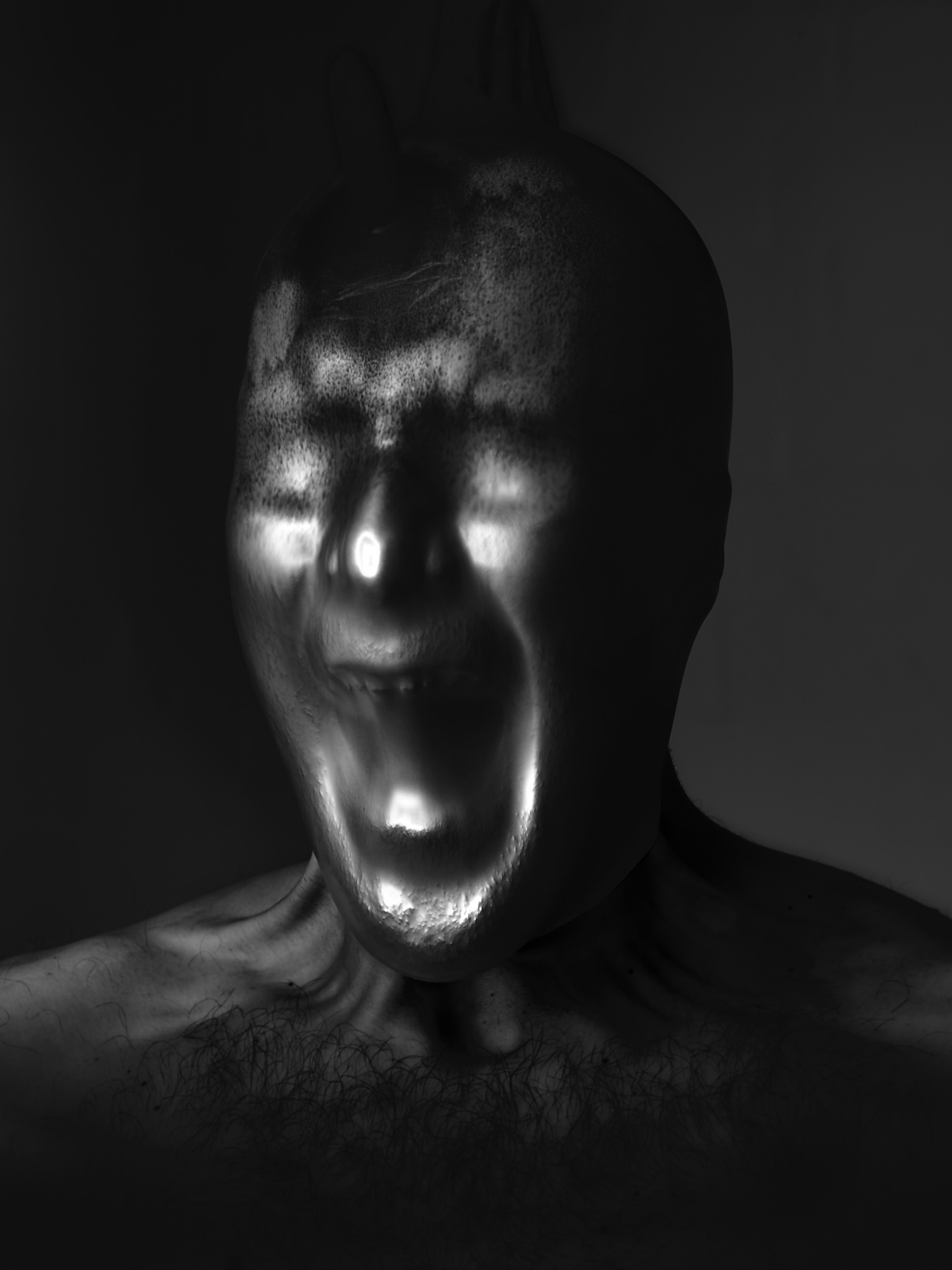
You never formally studied photography.
How did you develop your style?
In a former life, I studied public relations & communications and worked in advertising.
Yet my camera was always with me; it always felt like a natural way for me to interact with the world
and with people.
Also, I did a lot of fun side projects while working. So after a while, I realized that the camera is not a hobby, but a necessity to understand the world.
So I started getting deeper and deeper into photography.
Photography became a way for me to understand people, cultures, and different realities.
I’m completely self-taught. But of course, heavily influenced by photographers like August
Sander, Helmut Newton, Albert Watson, and probably most intensely by Nan Goldin – artists
who created images that stand for something much larger than the picture itself.
August Sander created portraits not about individuals, but a whole construct of an entire social
landscape. He didn’t just photograph people – he built scenes and worlds around stereotypes
and created a piece of work, extracting the society as he understood it.
That idea – that a single portrait can reflect a whole social structure – stayed with me.
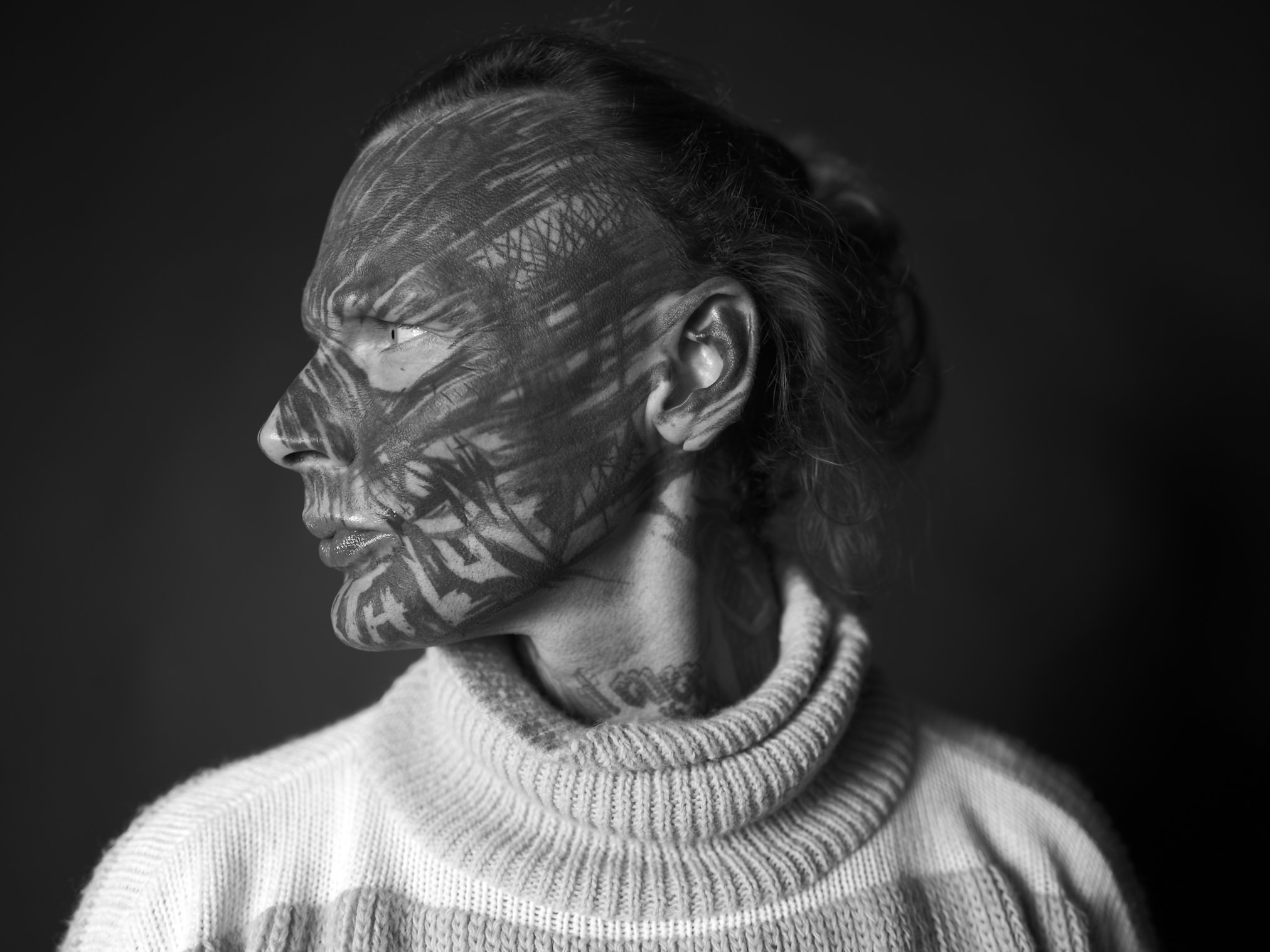
Nan Goldin influenced me in a different way.
I remember encountering one of her photographs and thinking at first that I understood it immediately – it looked familiar, almost obvious, like a known friend. But something felt off.
I kept coming back to the image, and it took me months to really understand what I was seeing.
The context wasn’t explained to me; it was embedded in the image itself and revealed itself, not until I was ready to understand what was going on.
That experience stayed with me – the idea that a photograph can unfold slowly, revealing deeper
layers only if the viewer is willing to open up to himself/herself to the world embedded in the
artist’s view.
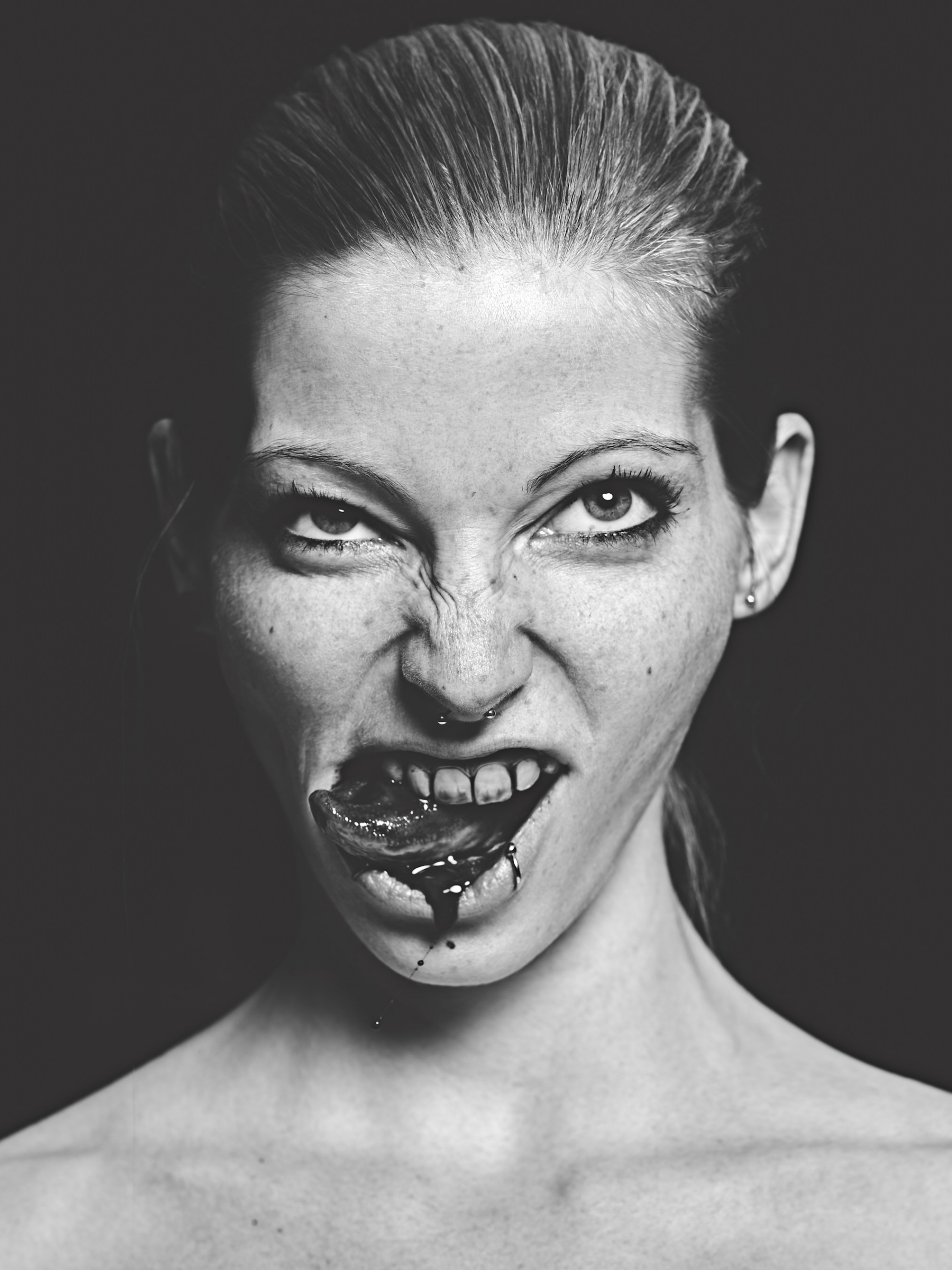
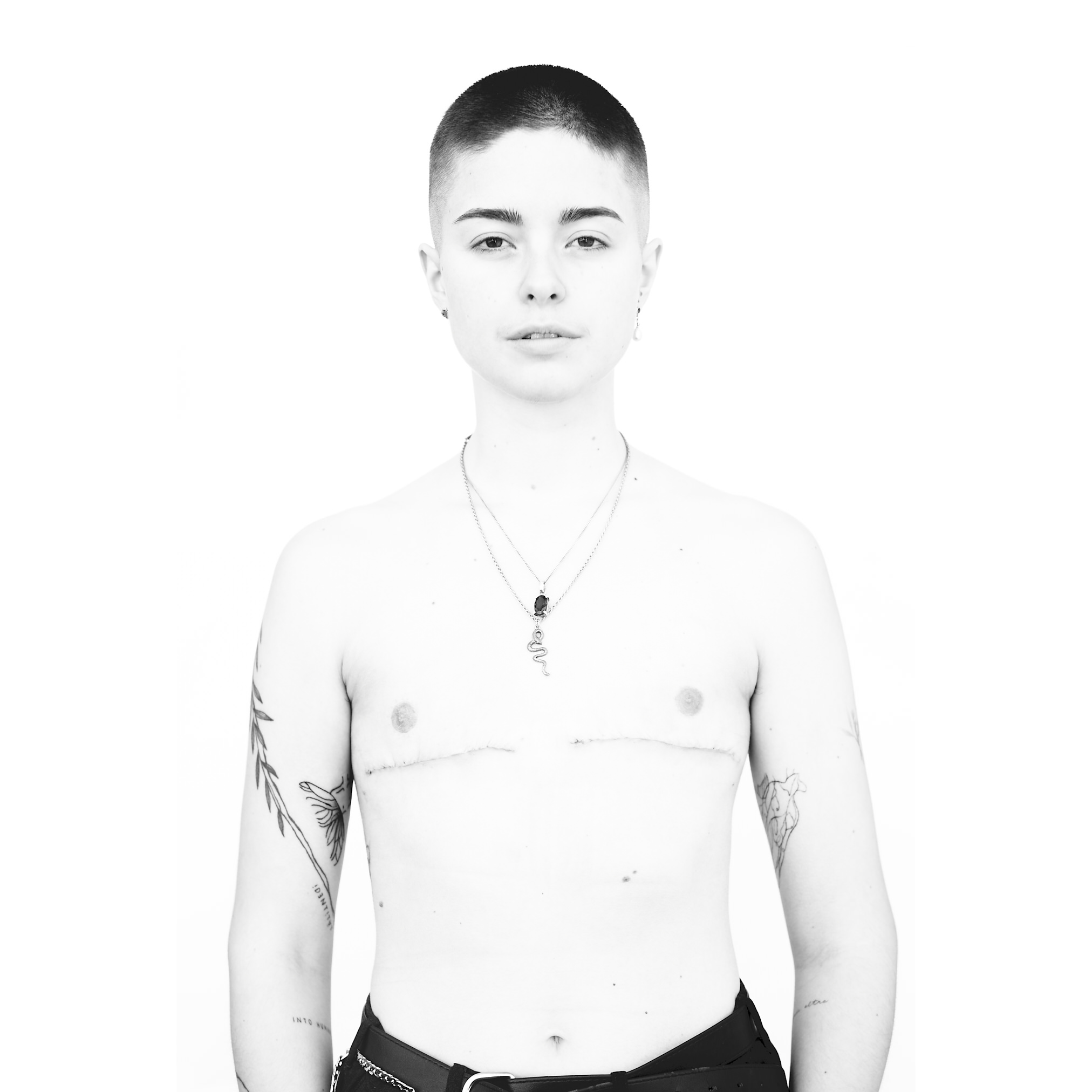
You usually photograph artists and models. How did photographing a politician like Olaf Scholz come about?
When I photographed Olaf Scholz, it was part of a series for the Hamburg Planetarium.
The idea was to connect Hamburgians with different elements – materials connected to the universe.
At the time, Scholz was the first mayor of Hamburg, and we simply asked if he would take part.
He agreed. And I had like five minutes with him.
With politicians, the situation is often very controlled.
They are used to being photographed and usually act pretty much as they are and cannot spend much time with a photographer.
That means everything has to be prepared in advance. The entire setup – the light, the composition,
the idea – was planned and prepared days before.
My set was ready when he arrived; all he had to do was step into the space.
The portrait was done professionally “quick and easy”, in less than a few minutes.
The approach with a conductor was very different.
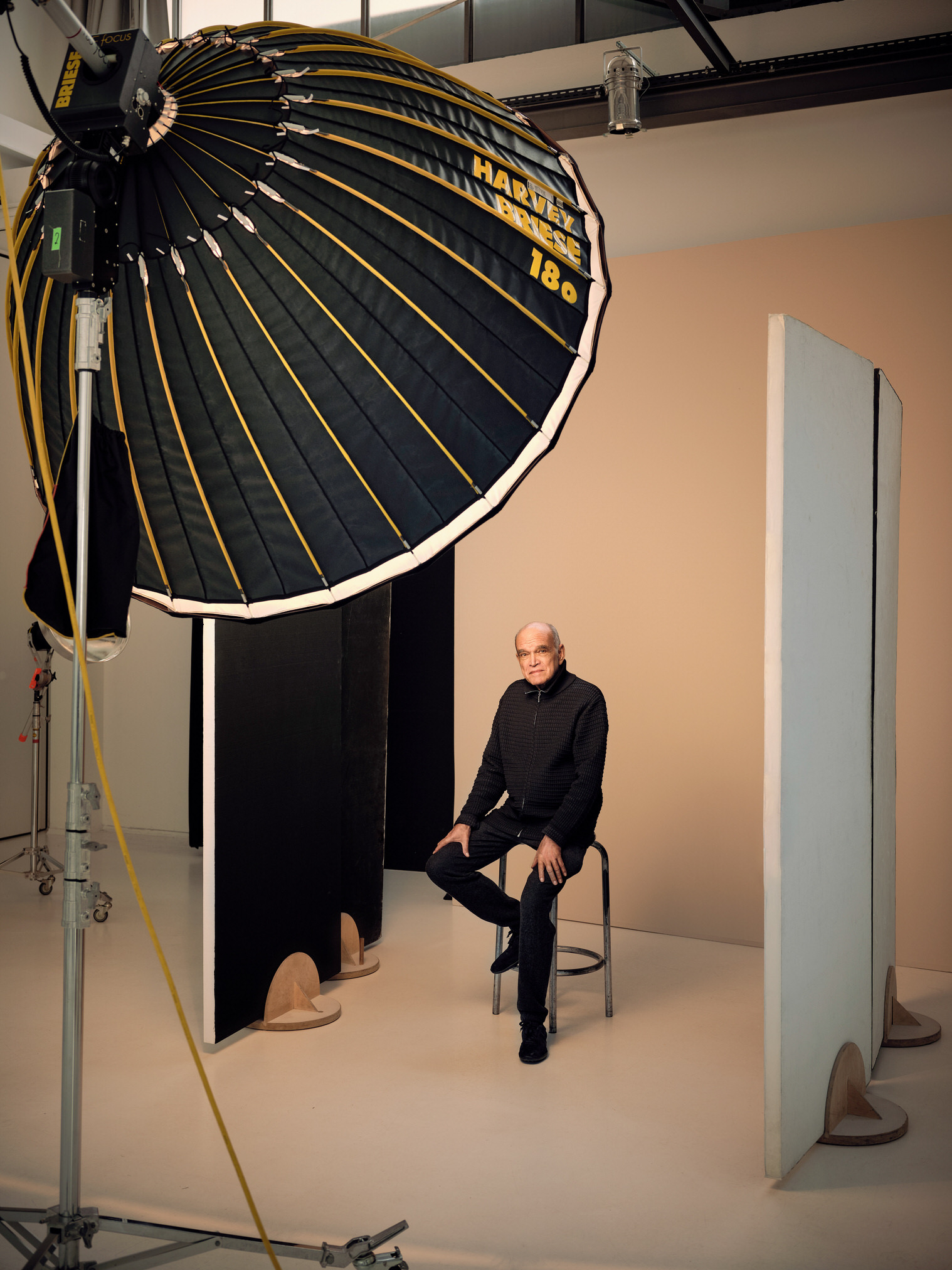
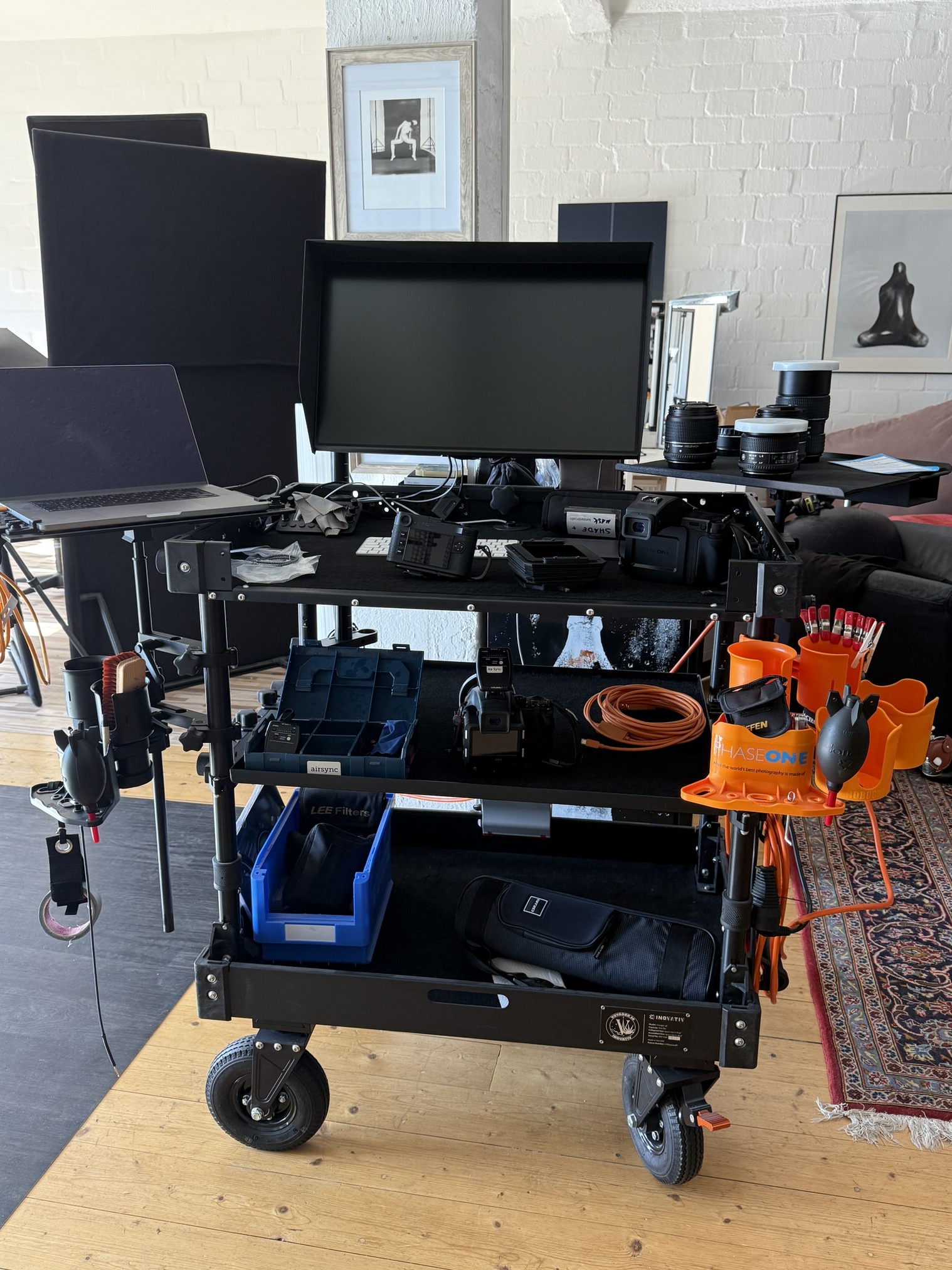
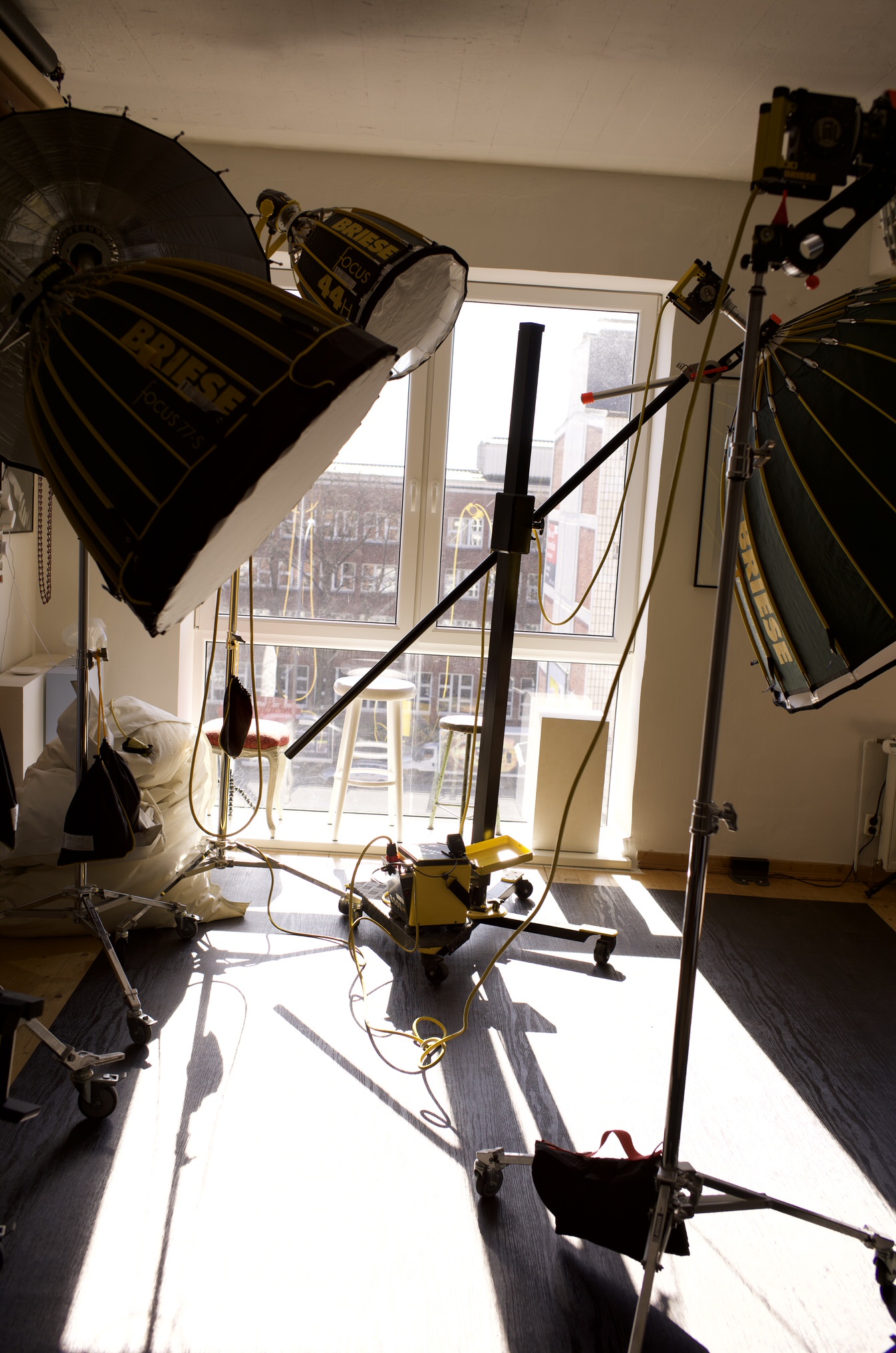
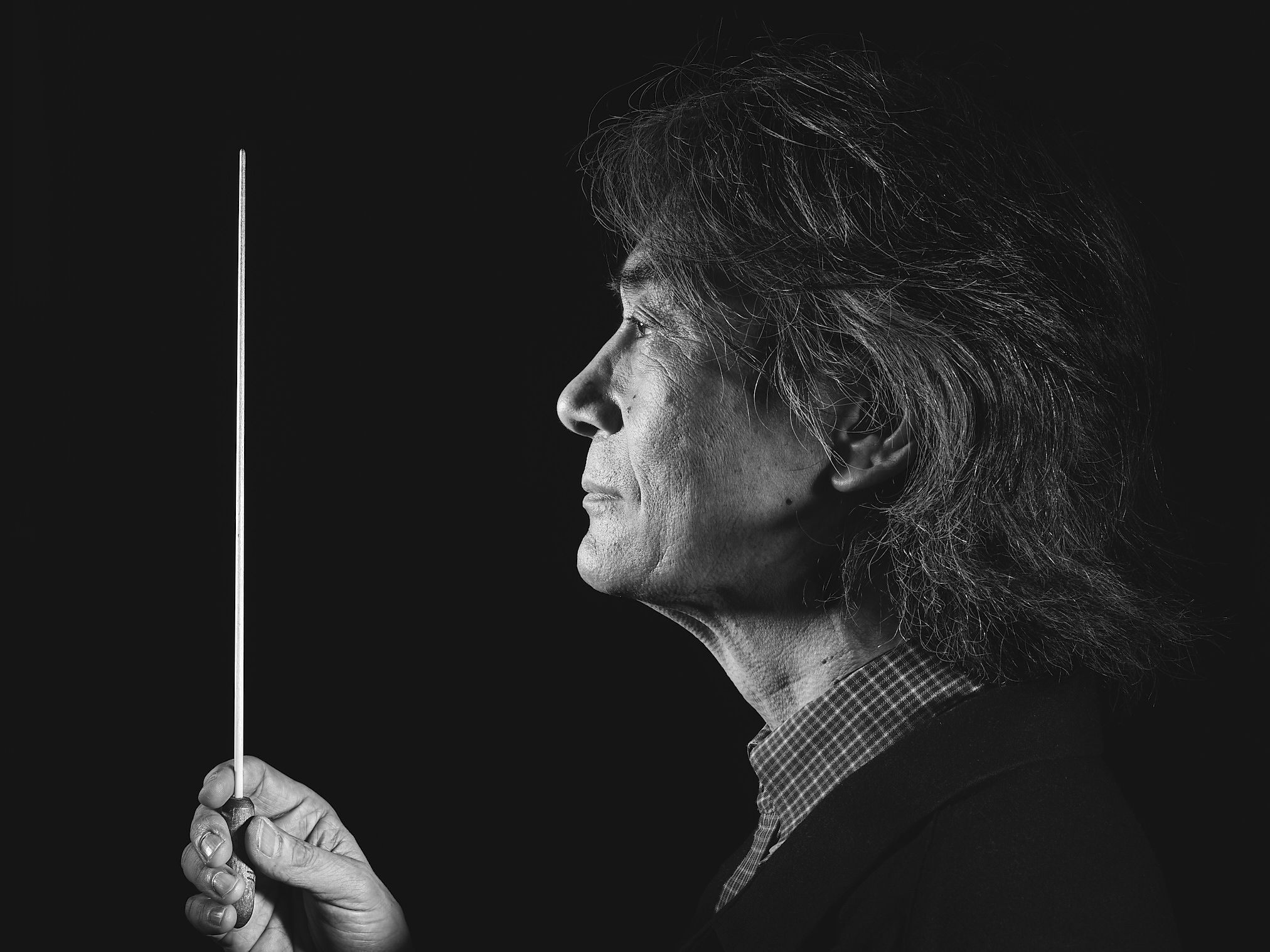
One of my all-time favorite portraits is of Kent Nagano, also in Hamburg.
He agreed to be photographed, but you could feel that this was not his favorite part of the day.
So instead of forcing engagement, I prepared a situation for him.
And removed any unnecessary presence from the room.
Once he felt safe and unobserved, he began conducting – almost creating music out of nothing.
His face was concentrated, and he did what he knows best and loves most.
I only needed three frames. The first one was perfect.
The other two were just to make sure everything was sharp.
For me, that’s what portrait photography is about: building an individual stage that fits the
person in front of the camera.
Whatever it takes.
You describe your work as “visual philosophy.”
What does that mean?
Photography helps me think and understand people and human society.
There is no plain right or wrong, but a lot of perspectives.
And I have been given the perfect tool to work and understand these perspectives.
This means I have to not only respect others’ points of view but also be open to learning something from anyone in front of my lenses.
This can be challenging, very interesting, and intense.
But at the end, I expanded my knowledge, therefore my world.
And I really hope to give the people in front of my lens something back, but taking pictures, that
includes as much of this understanding as possible.
This is what’s the core of visual philosophy:
Love, Respect, and Interest in all aspects of people and situations.
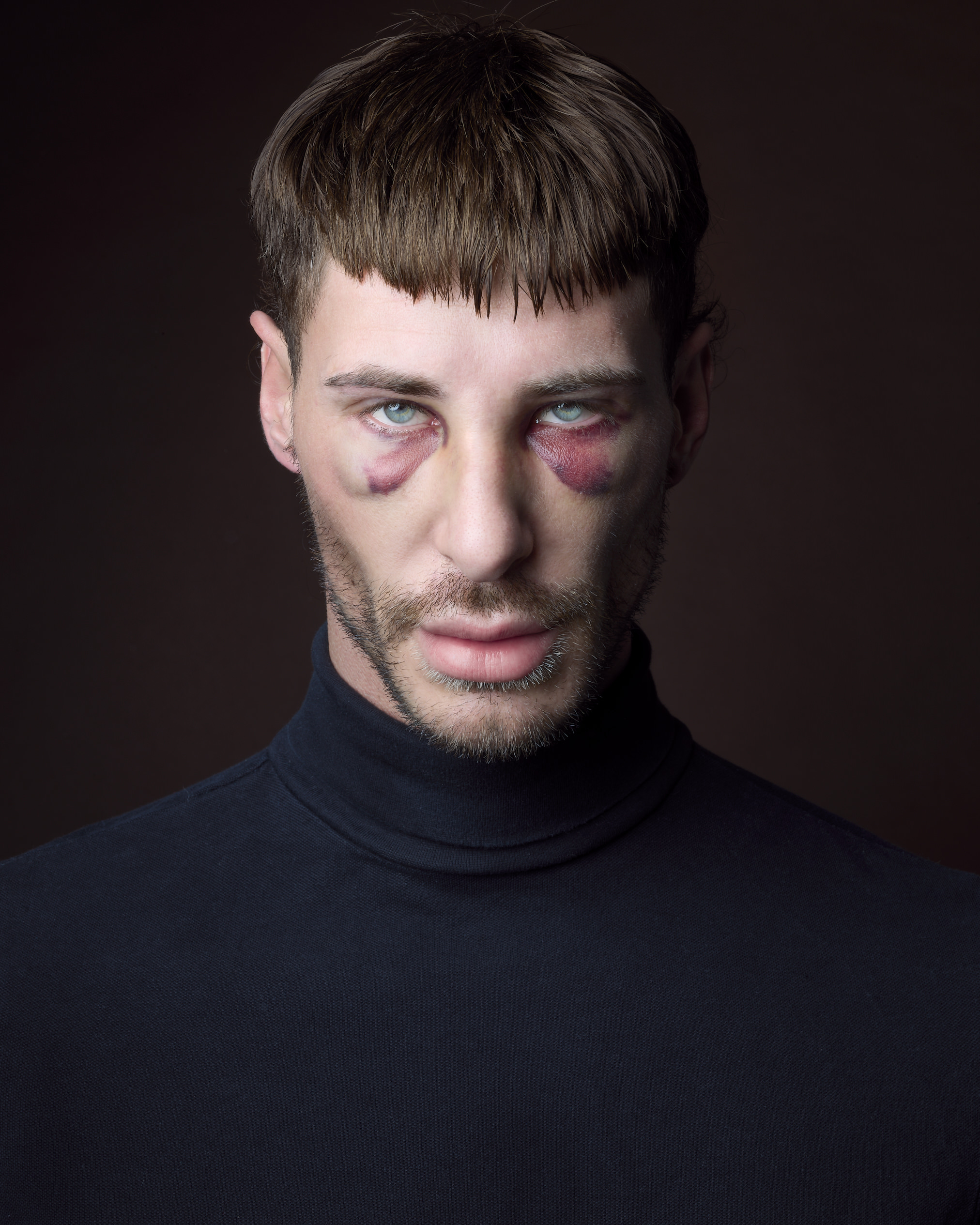
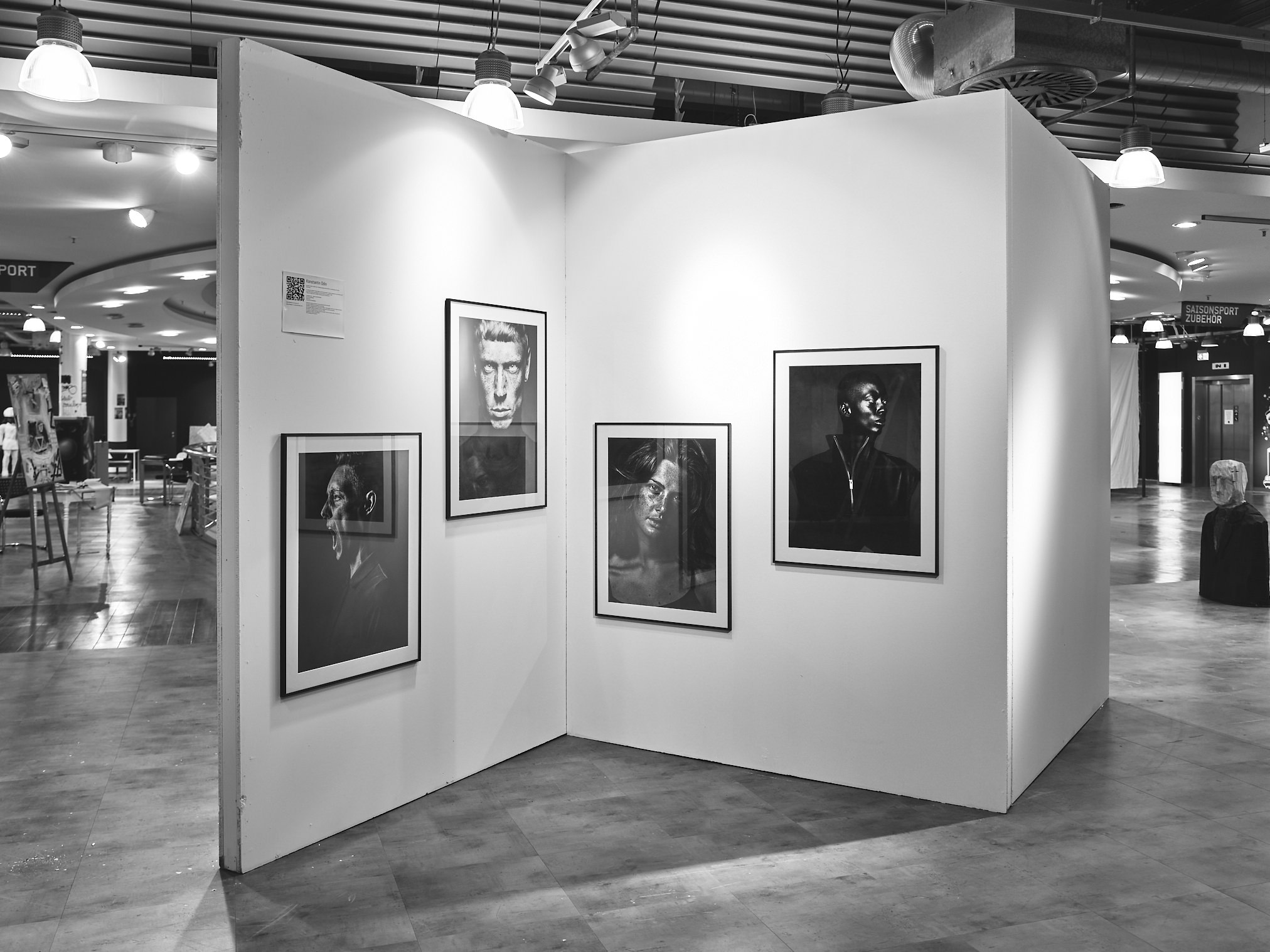
You mainly work for print and exhibitions.
What do you think about digital presentation?
I work for print. And I love prints on the wall. Digital reproduction is not my goal, but of course
today everyone expects images to work digitally as well. And I have to deal with this.
You always have to think about how any of your images, even a digital copy, will be received – on
paper, but also on a phone, a computer screen, or even on a television.
A photograph that works beautifully in large print needs to be rethought for Instagram or online
use.
That’s why downsizing, cropping, and optimizing images for digital viewing is a relevant
and necessary part of the process. Because total control across all screens is impossible, I’ve built my digital workflow around a clear baseline.
I optimize my digital exports primarily for Apple devices and DisplayP3 Colors,
since most agencies and clients use them. It’s not perfect, but it creates consistency – a
reference point I can trust when preparing images for the digital world.
And if you want to see the real thing, visit an exhibition to enjoy the prints.
How did JPEGmini become part of your workflow?
When I started working with professional models, I would shoot up to 2,000 images in a day.
This is why I needed a way to send selections to models without huge file sizes.
JPEGmini solved a very real problem: smaller files, great quality, fewer bandwidth issues.
I’ve been using it for years. Today I use the JPEGmini plugin directly from Capture One – it’s my
favorite way to export images, as cloud storage is getting expensive.
Not only for client sharing but also on my personal storage.
Every saved byte counts.
JPEGmini helps me deliver optimized files without sacrificing quality.
It’s practical, efficient, and fits perfectly into a workflow that values control and precision.
Final Thought
For Konstantin Odin, photography is a way of thinking and communication with the world.
A slow, deliberate practice built on precision, restraint, and trust.
His portraits are not designed to explain themselves or perform online – they ask the viewer to stop, look, and stay.
In a culture obsessed with speed and immediacy, Odin insists on something quieter and more
demanding: attention.