
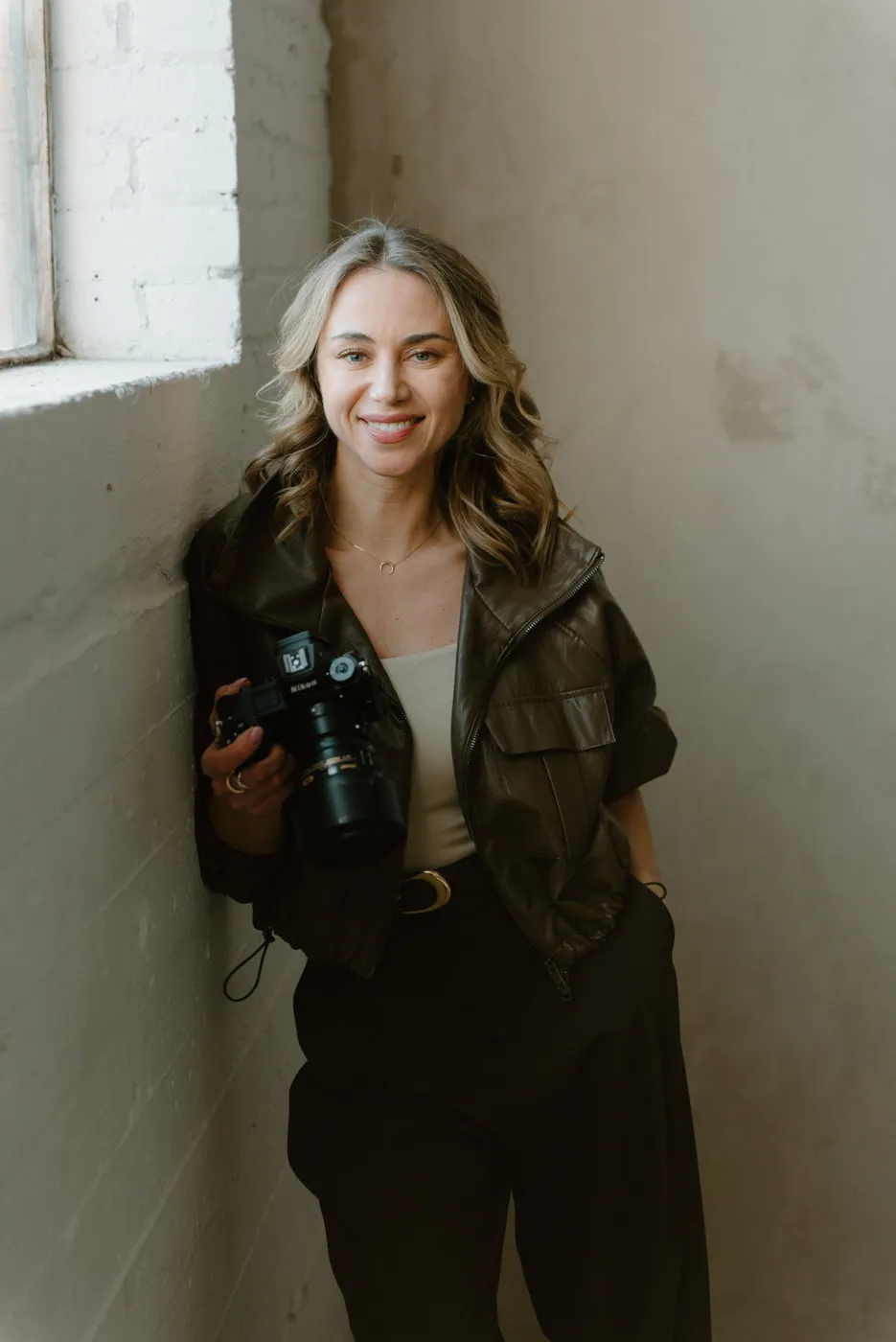
Meet Monika Grzelak – Founder of Everglow Photography
Short bio
Monika Grzelak left a decade in advertising for a newspaper ad about photography courses.
That was fifteen years ago.
Today she runs Everglow Photography in Toronto – fifty weddings a year, a team she built mostly through trust, and a preset she has been quietly refining since 2019.
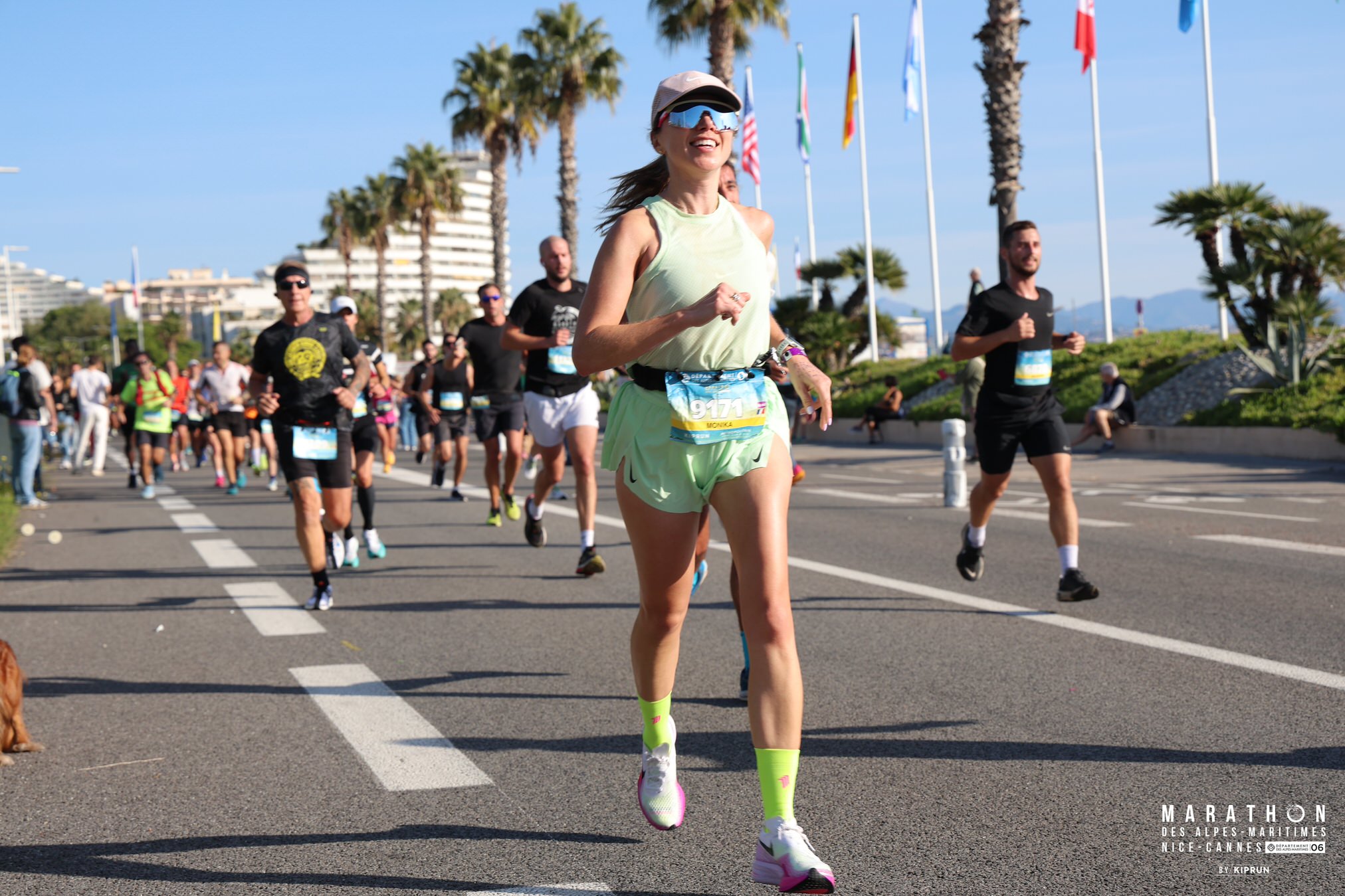
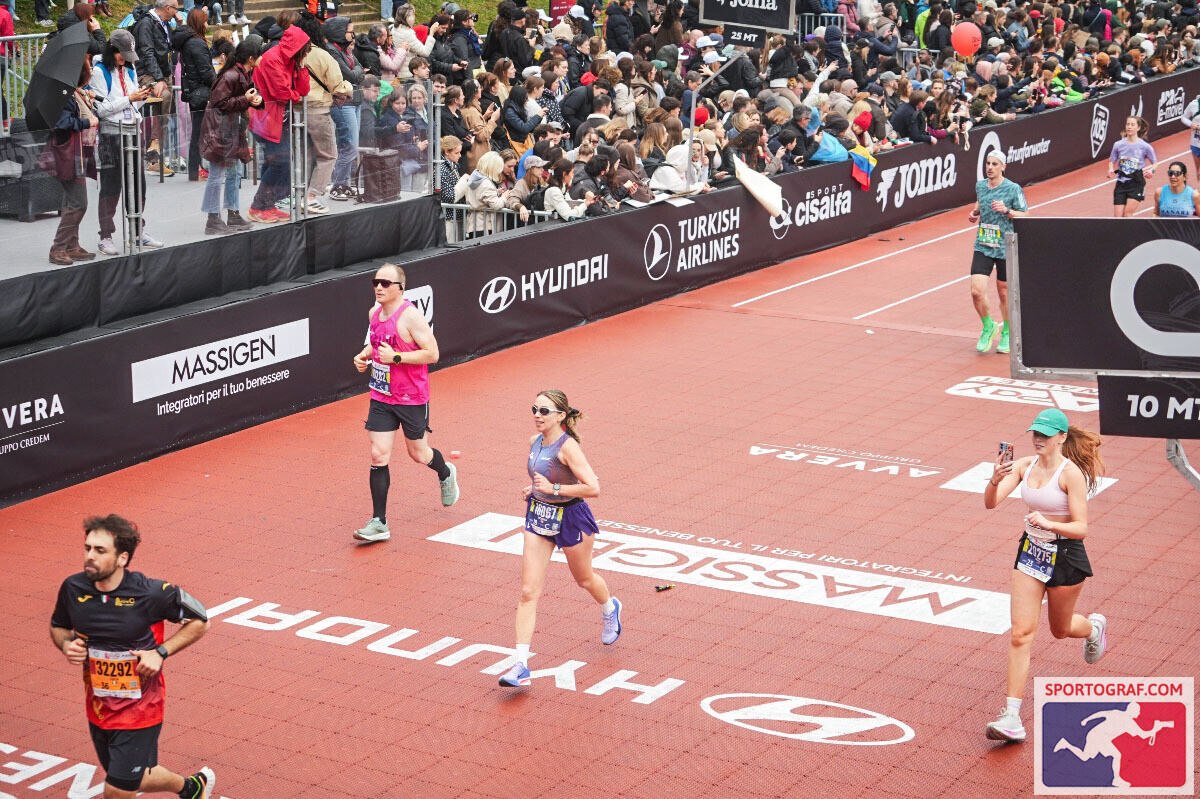
She runs marathons to stay focused and remind herself that everything is a process.
She is currently taking the business to Italy.
https://everglow-photo.com/
You left a career in advertising to become a photographer.
What actually pushed you?
I was sitting at a coffee shop going over a real paper newspaper, and there was an advertisement for photography courses at one of the universities in Toronto.
And I got this feeling inside me that I want to try it.
At first, I wanted to go into fashion photography. I was organizing styled shoots every weekend with models, makeup artists, and stylists. I got published in a few smaller magazines, but I didn’t make any money from it.
One of my teachers at Ryerson was a wedding photographer, and she was Polish, so we had this extra layer of connection. She said, “If you want, you can second shoot with me.” Back then, I didn’t even know all the wedding vocabulary. I was picking up the words while trying to figure out what was going on.
After that first wedding I thought: actually, I like that.
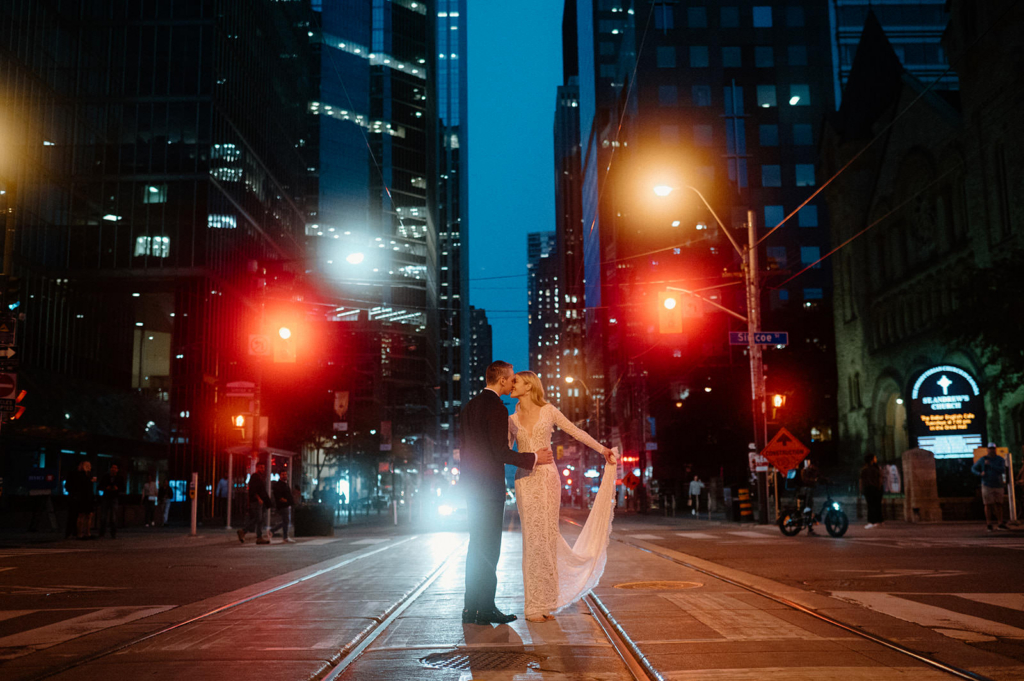
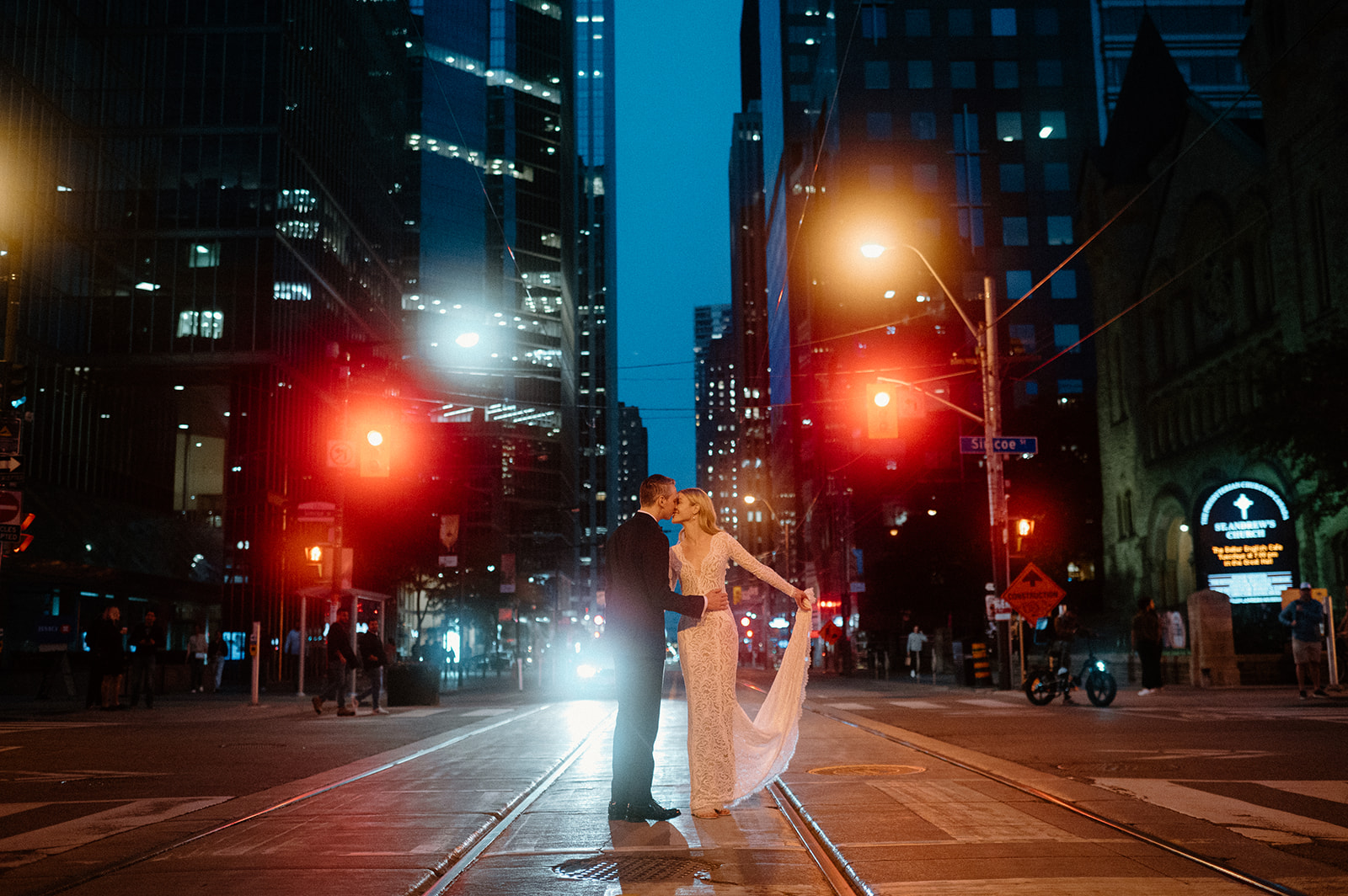
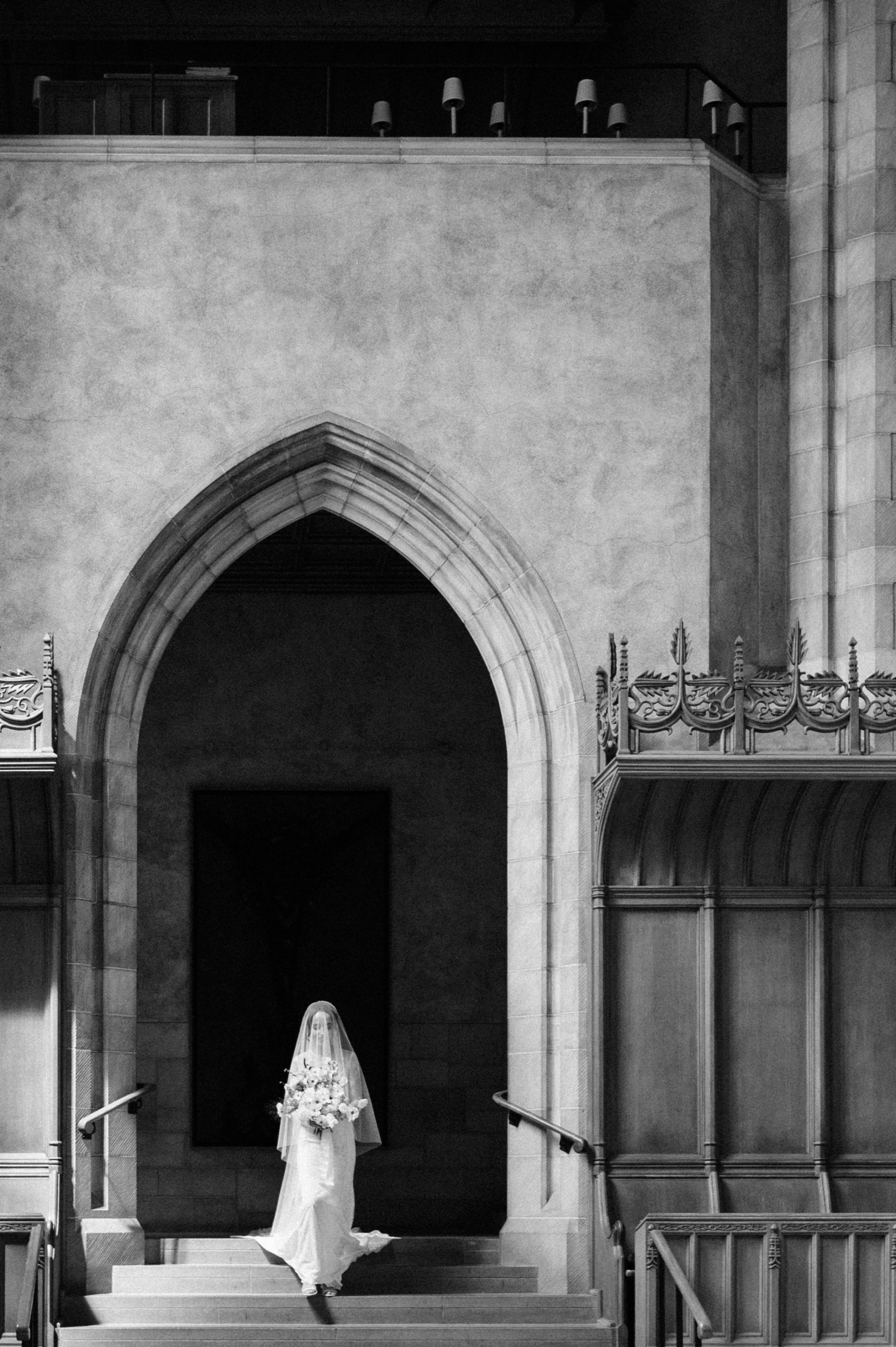
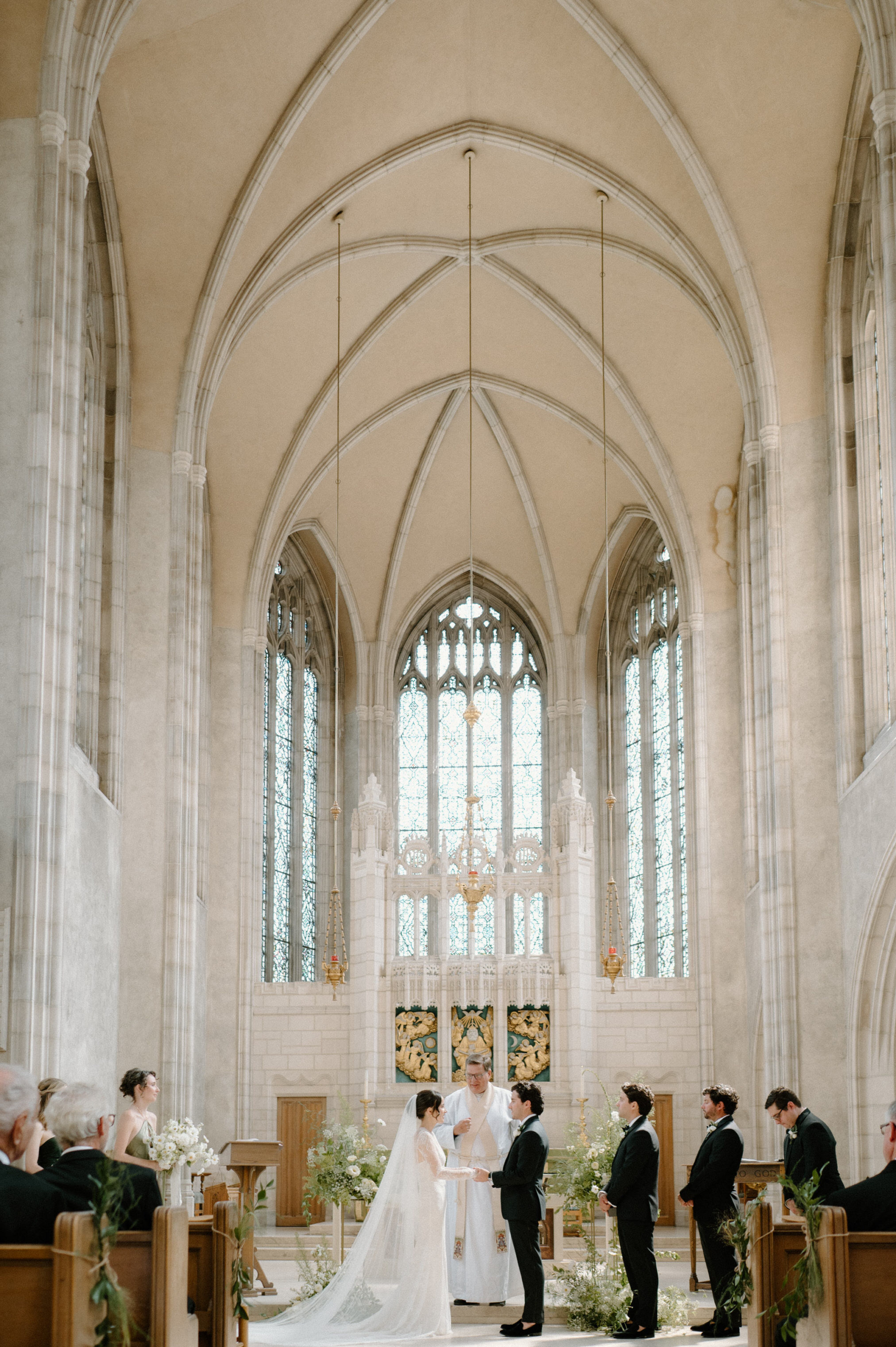
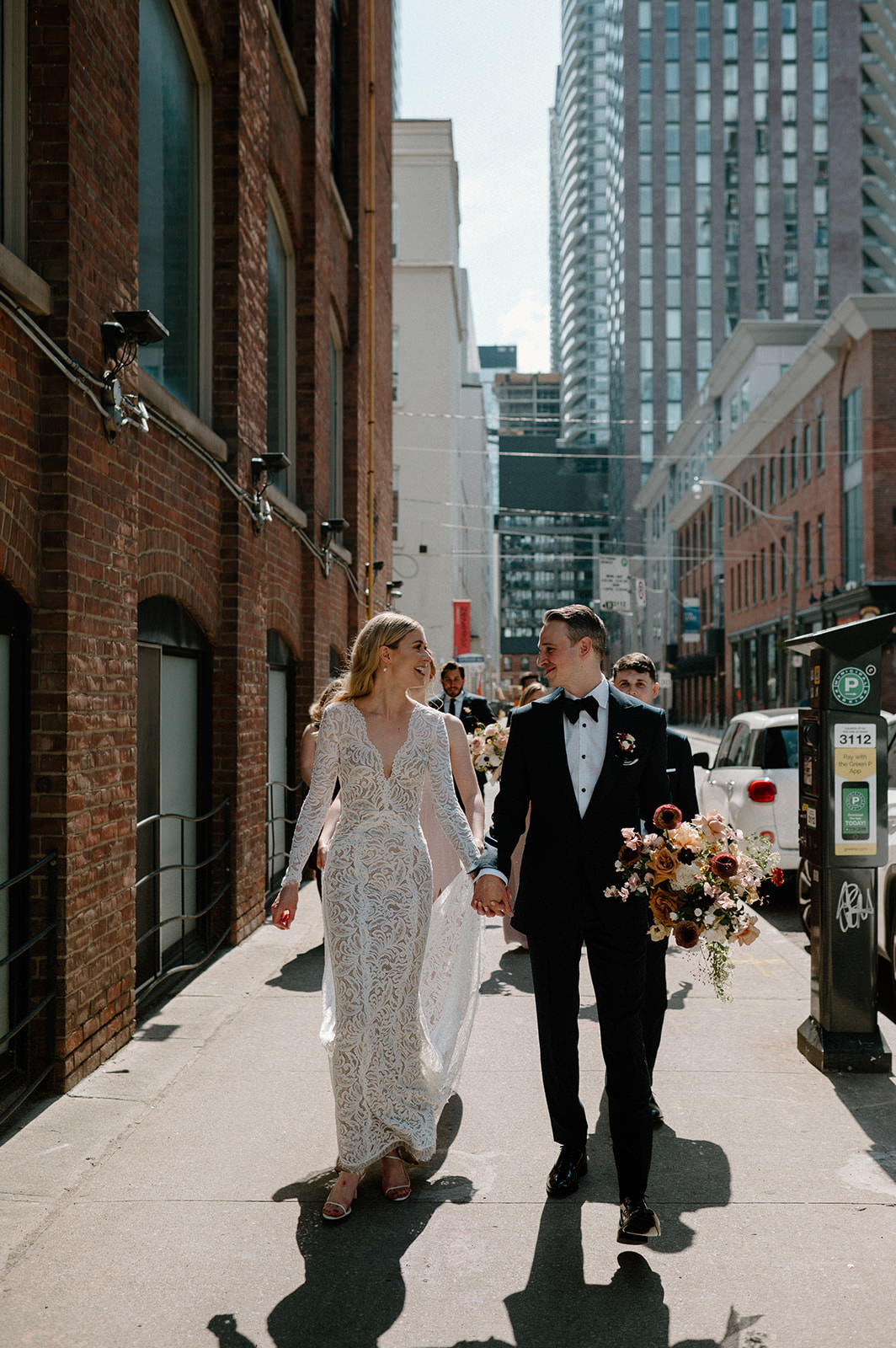
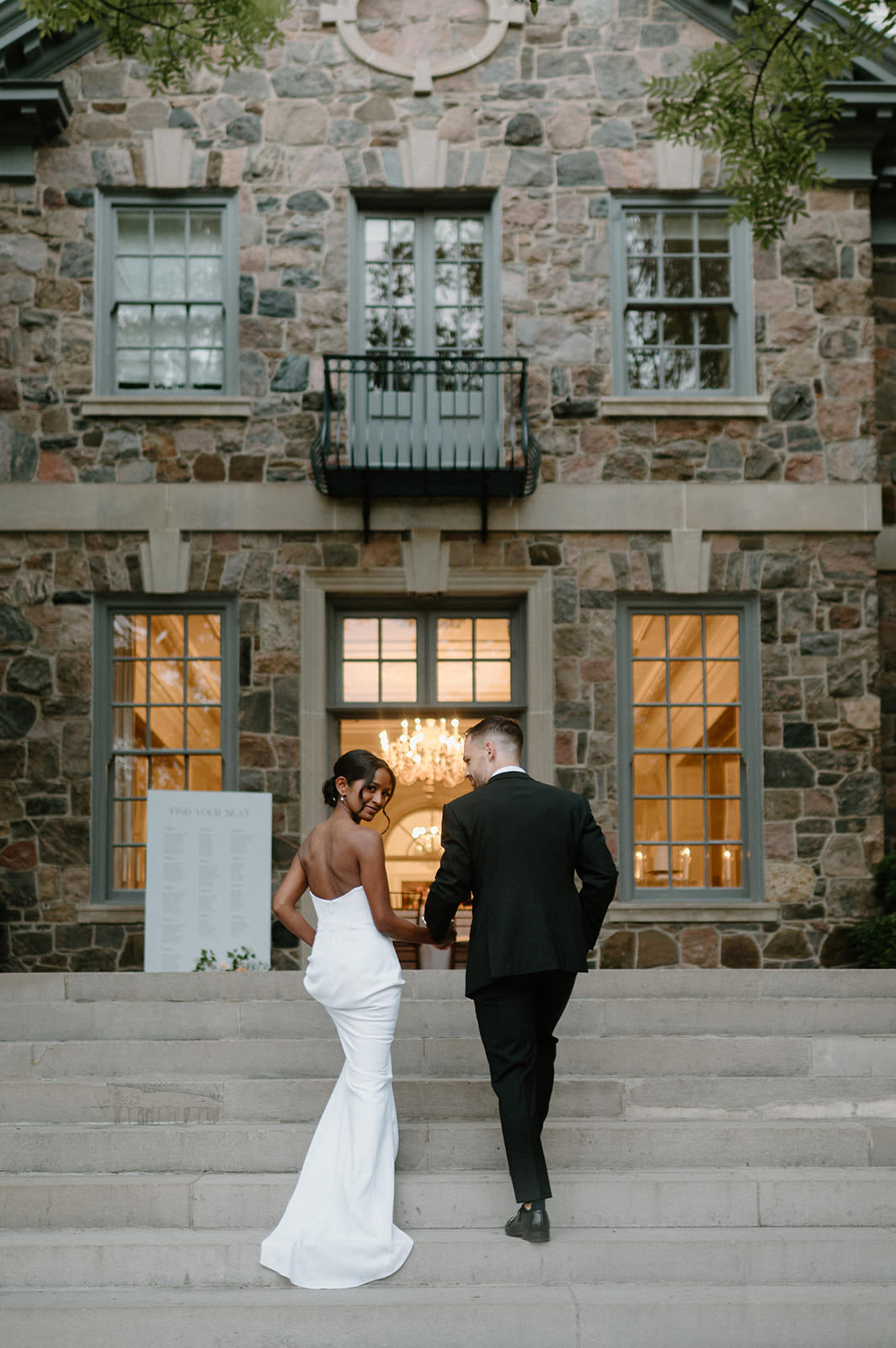
Weddings are a crossover of fashion and street photography.
Fashion, because this is the one day when everything is tip-top.
And street, because I love getting lost with my camera, watching people, waiting for the moment to happen.
You spent two years building a portfolio before seeing real money. How close did you get to stopping?
I was about to give up so many times.
I was living off my savings and got into some debt.
Luckily, I had a partner who worked full time and believed in this.
But I knew that if I went back to the advertising agency, they would welcome me.
That option was always there, and sometimes it was very tempting.
But I didn’t want to do it, because to me it meant giving up on the future I had created for myself in my head.
I’m going to go there.
Even though it’s going to be hard, I’m going to cry along the way, I’m going to curse.
I’m just going to go there.
When you were starting out, did you work for free?
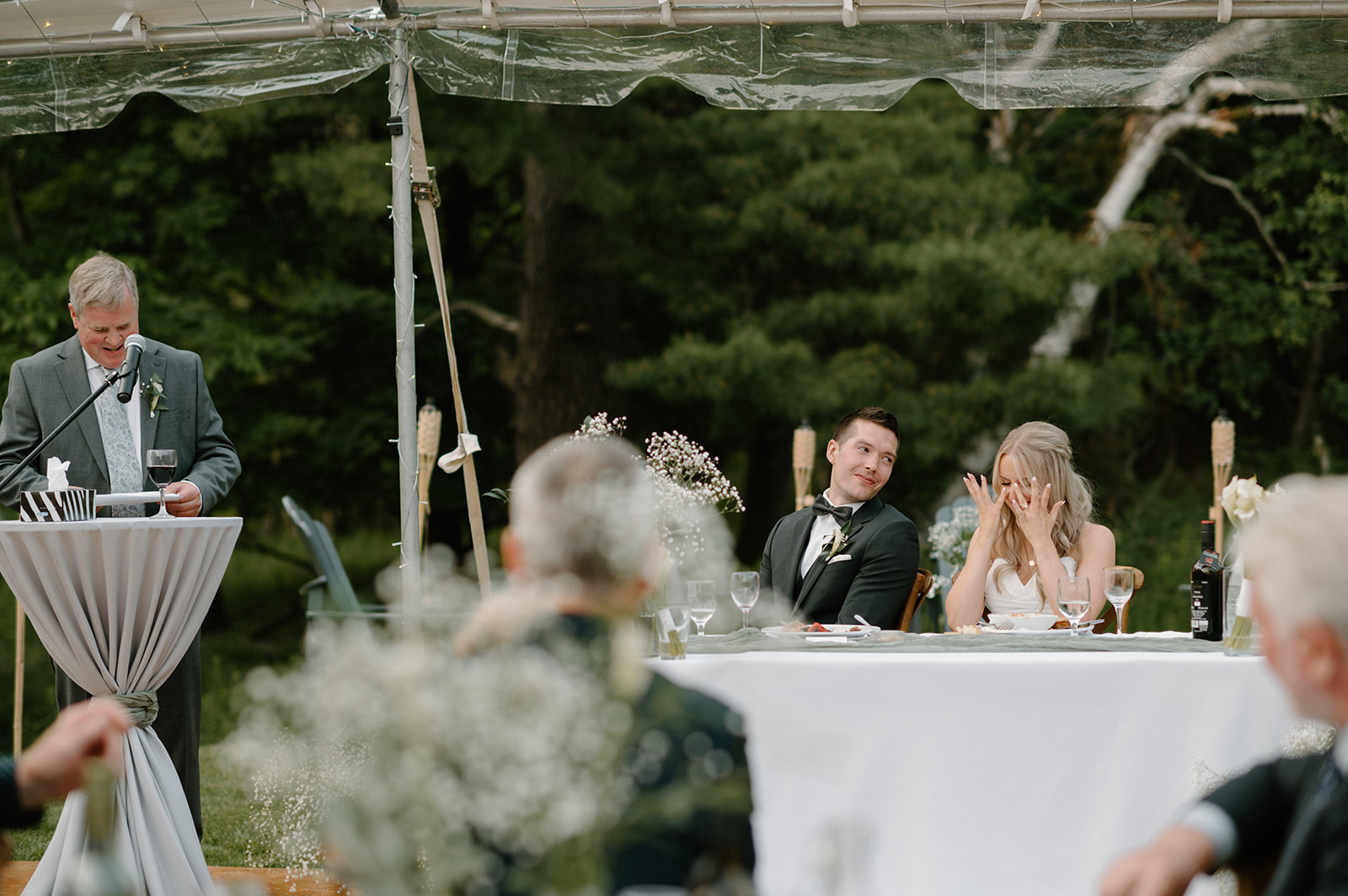
I reached out to photographers who were looking for second shooters.
They wanted me to work for free, and they wouldn’t even let me use the images.
Even though I was new to the business, I didn’t see the point.
I’d be working for free, without being able to build my portfolio or show the work to anyone.
I felt like I was being completely taken advantage of, so I didn’t agree to it.
I promised myself then: whenever I need someone to work with me, I will always pay them.
Even if I can’t pay much – I’m still getting value from their being there.
Your editing has something very specific.
Warm, but with a coolness underneath. Where does that come from?
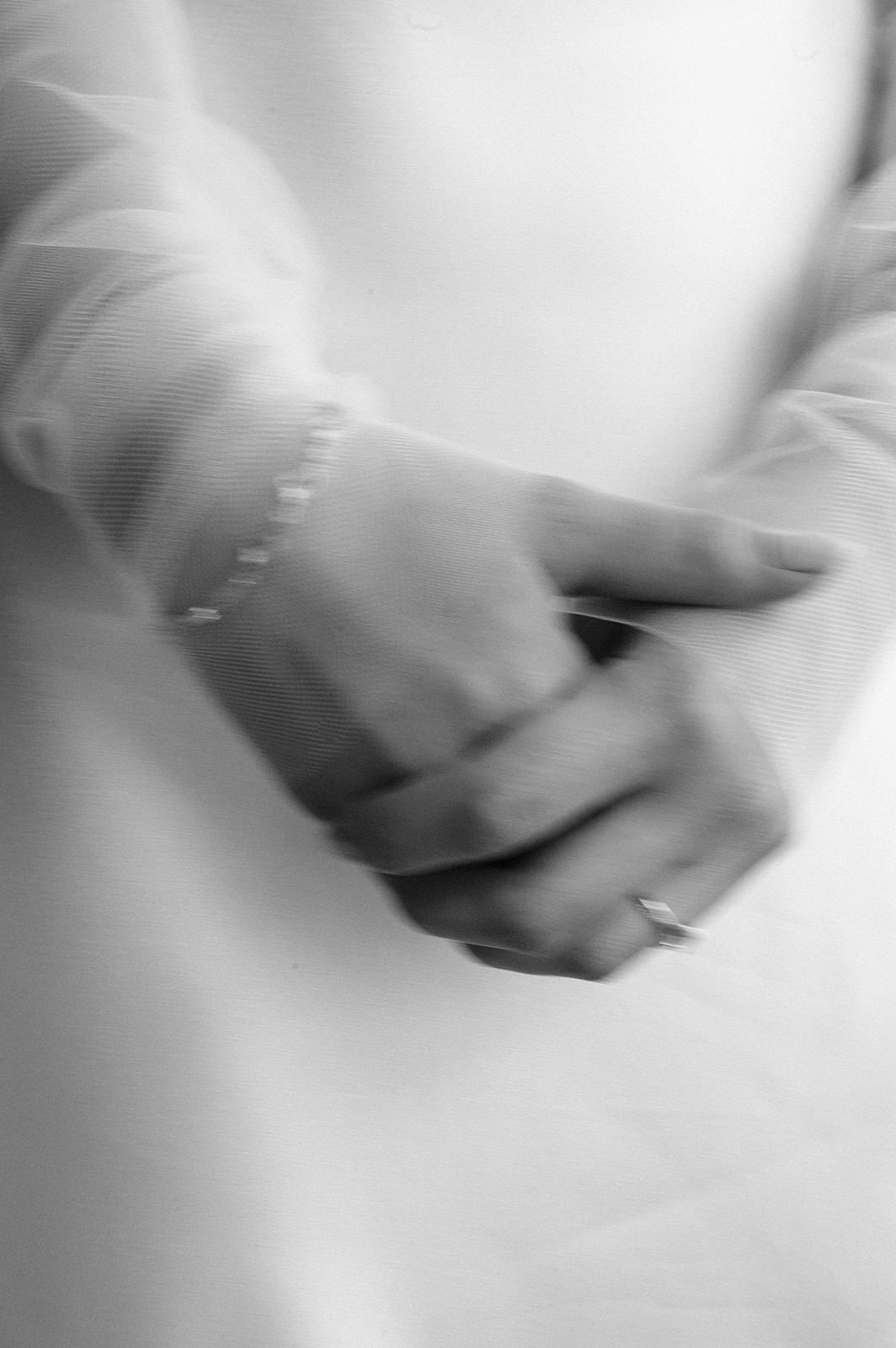
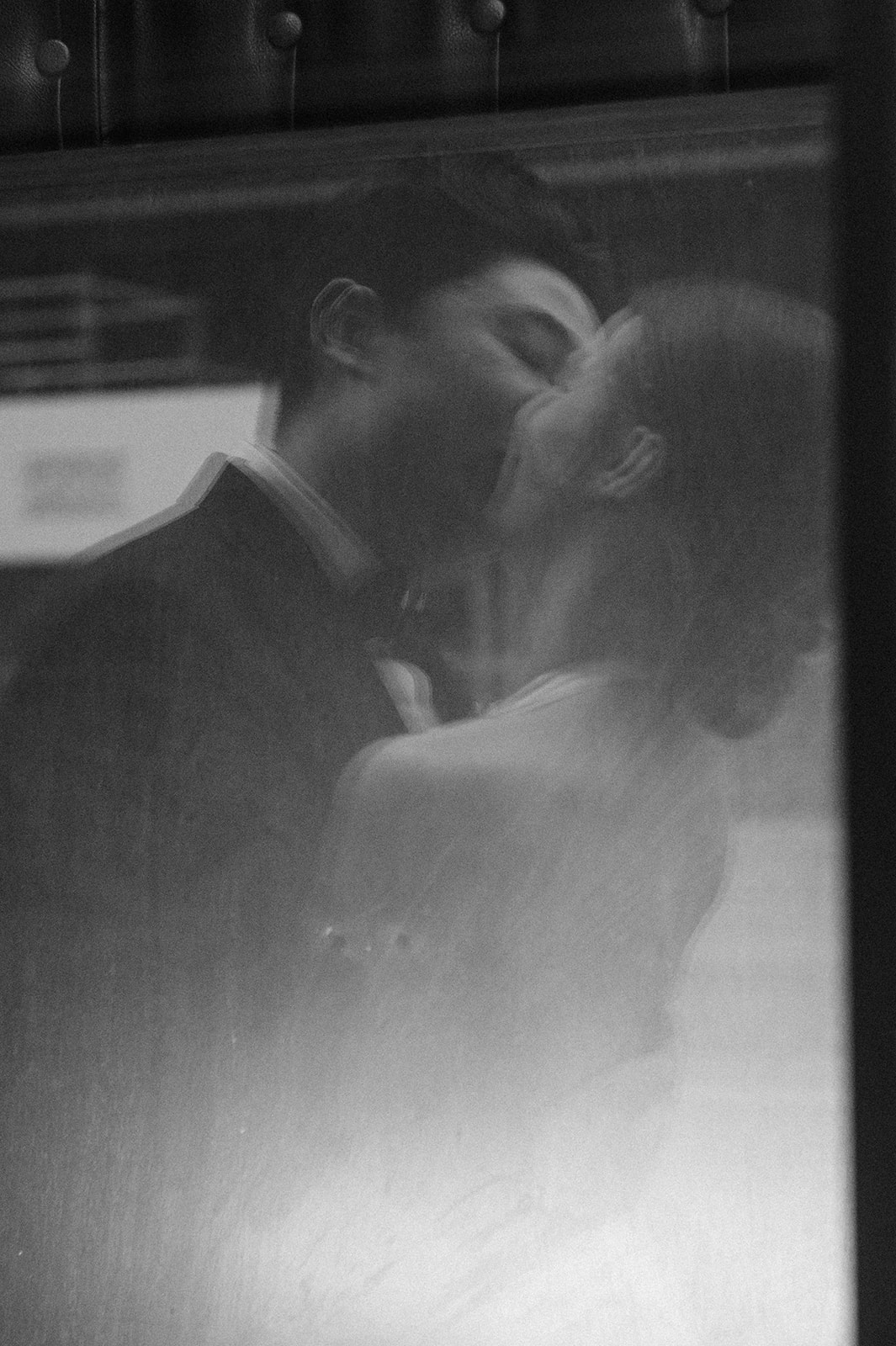
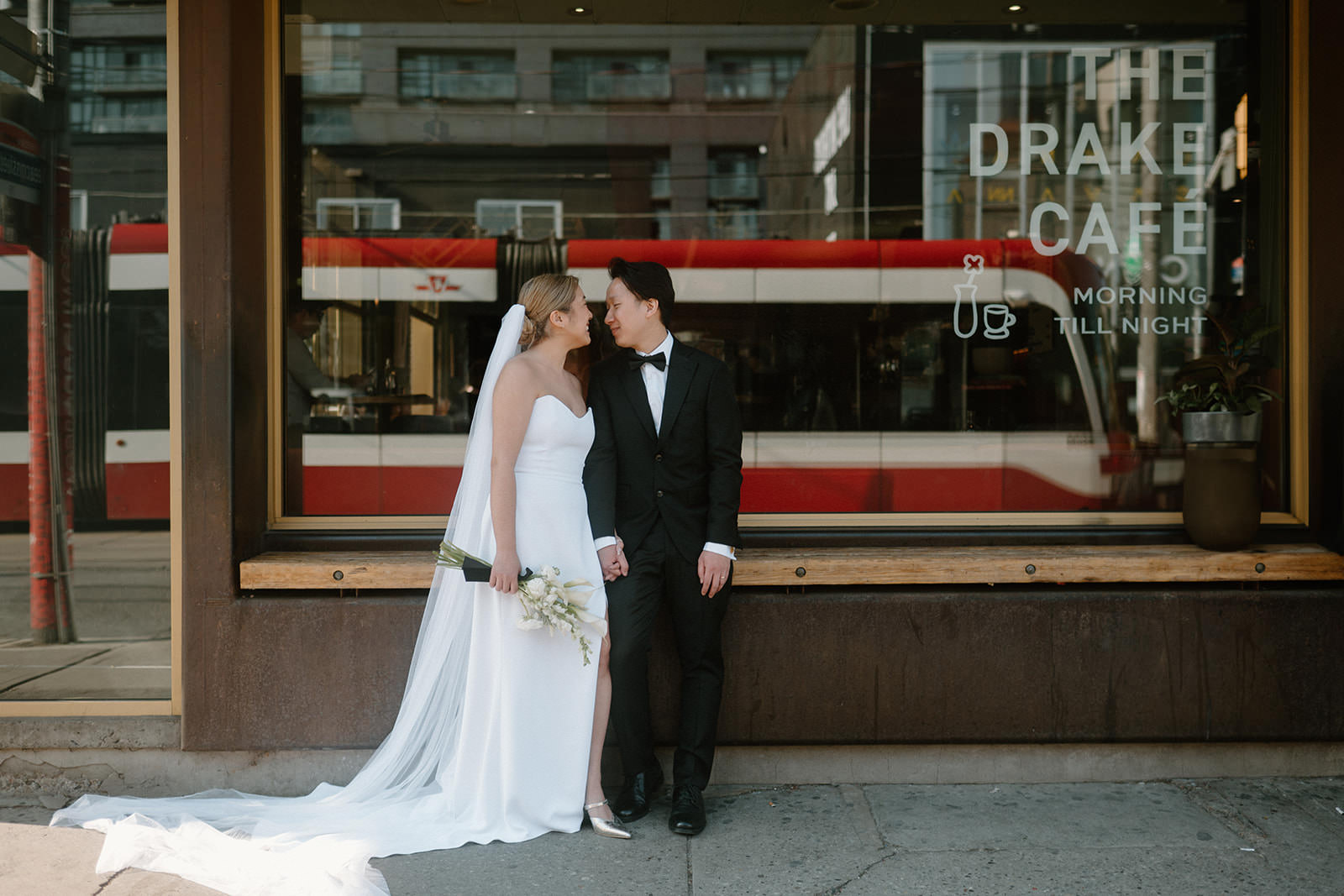
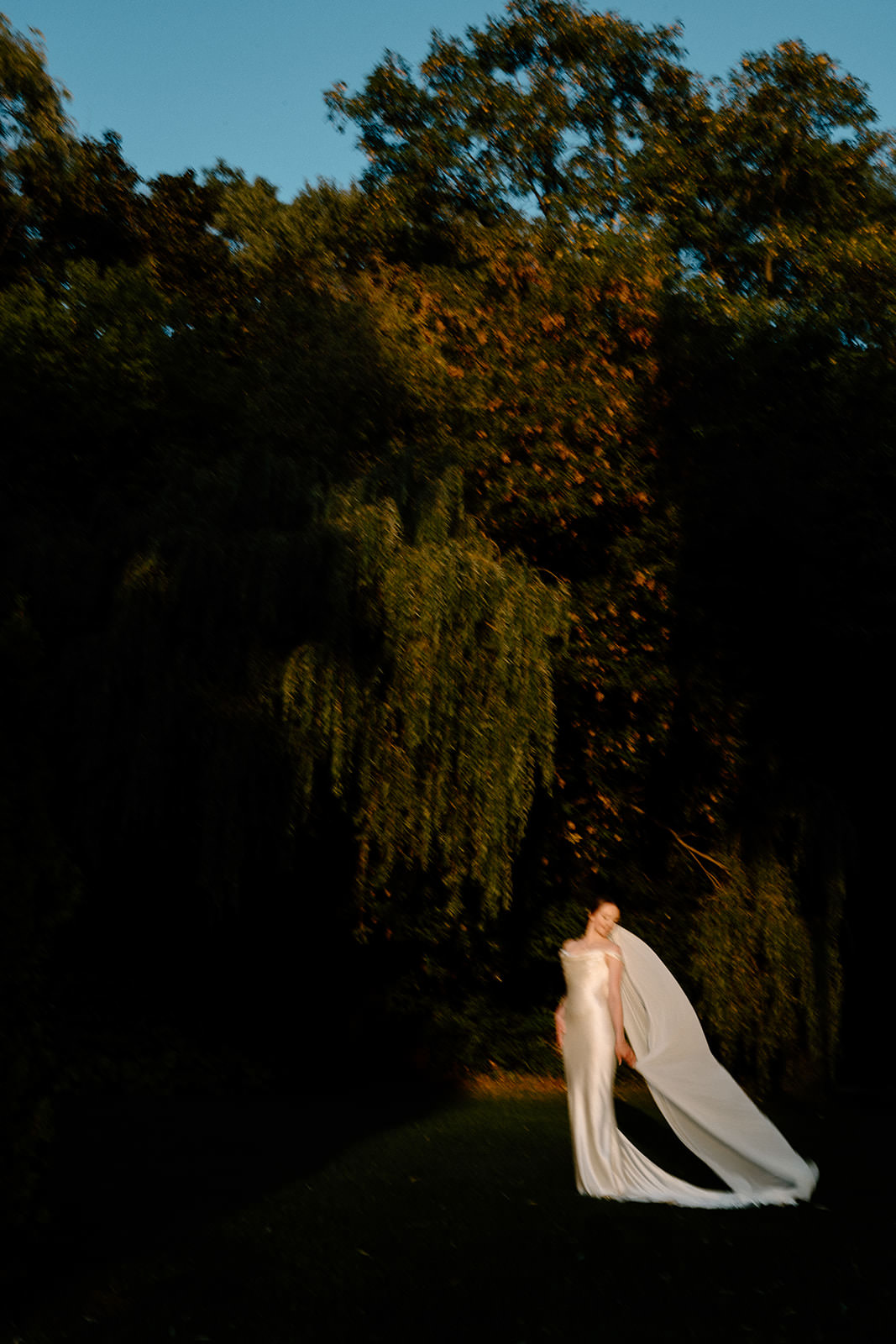
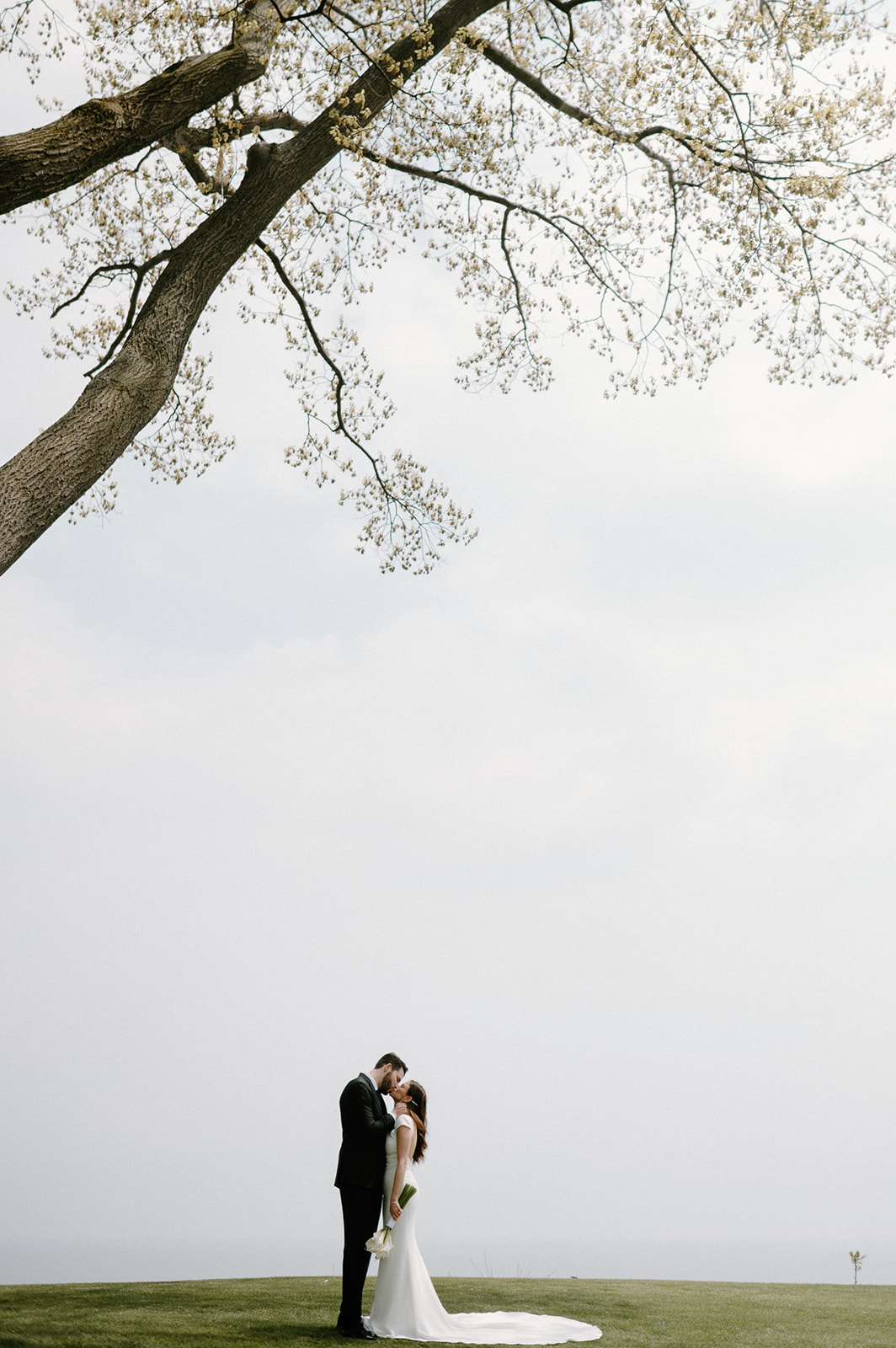
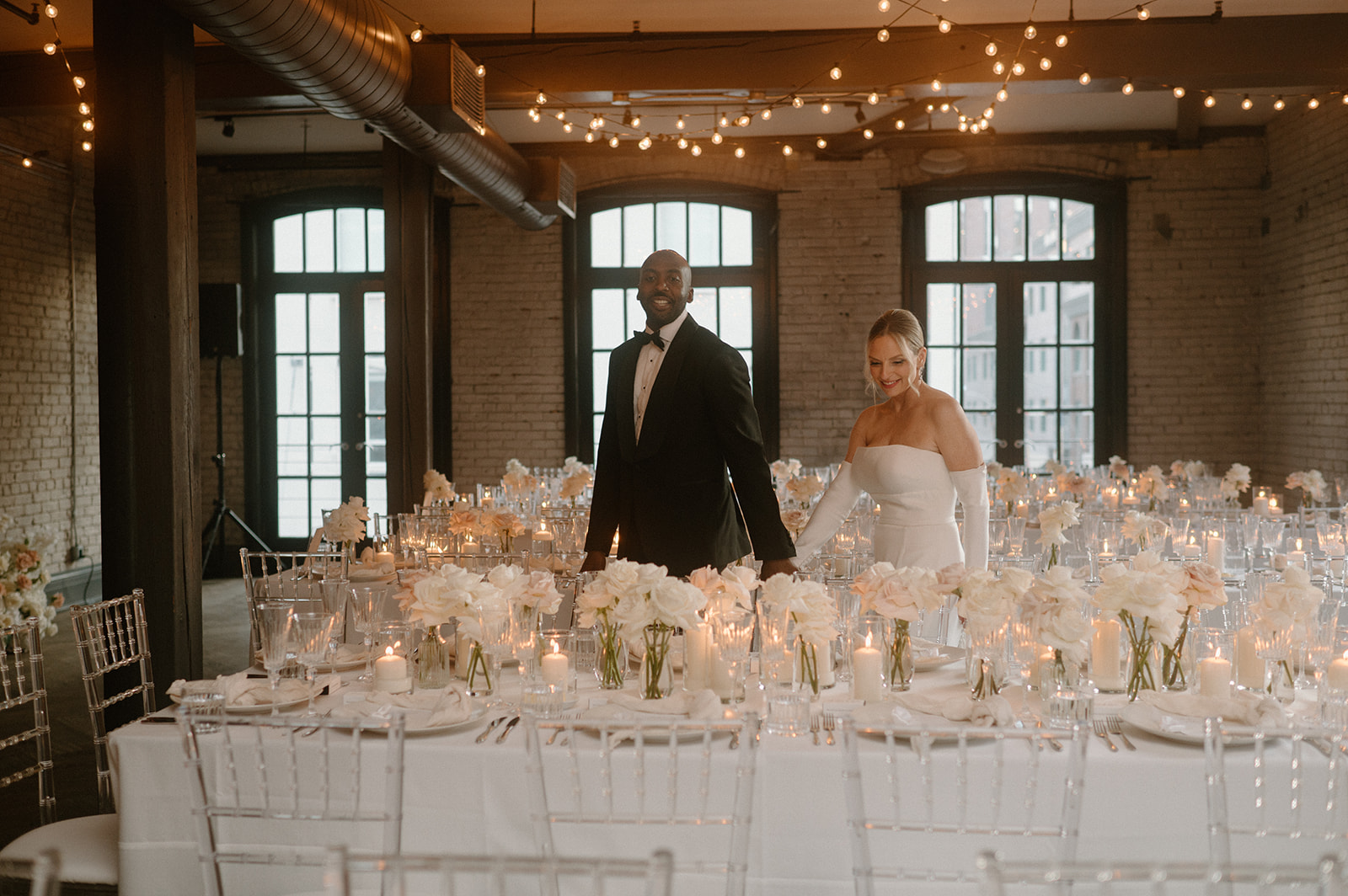
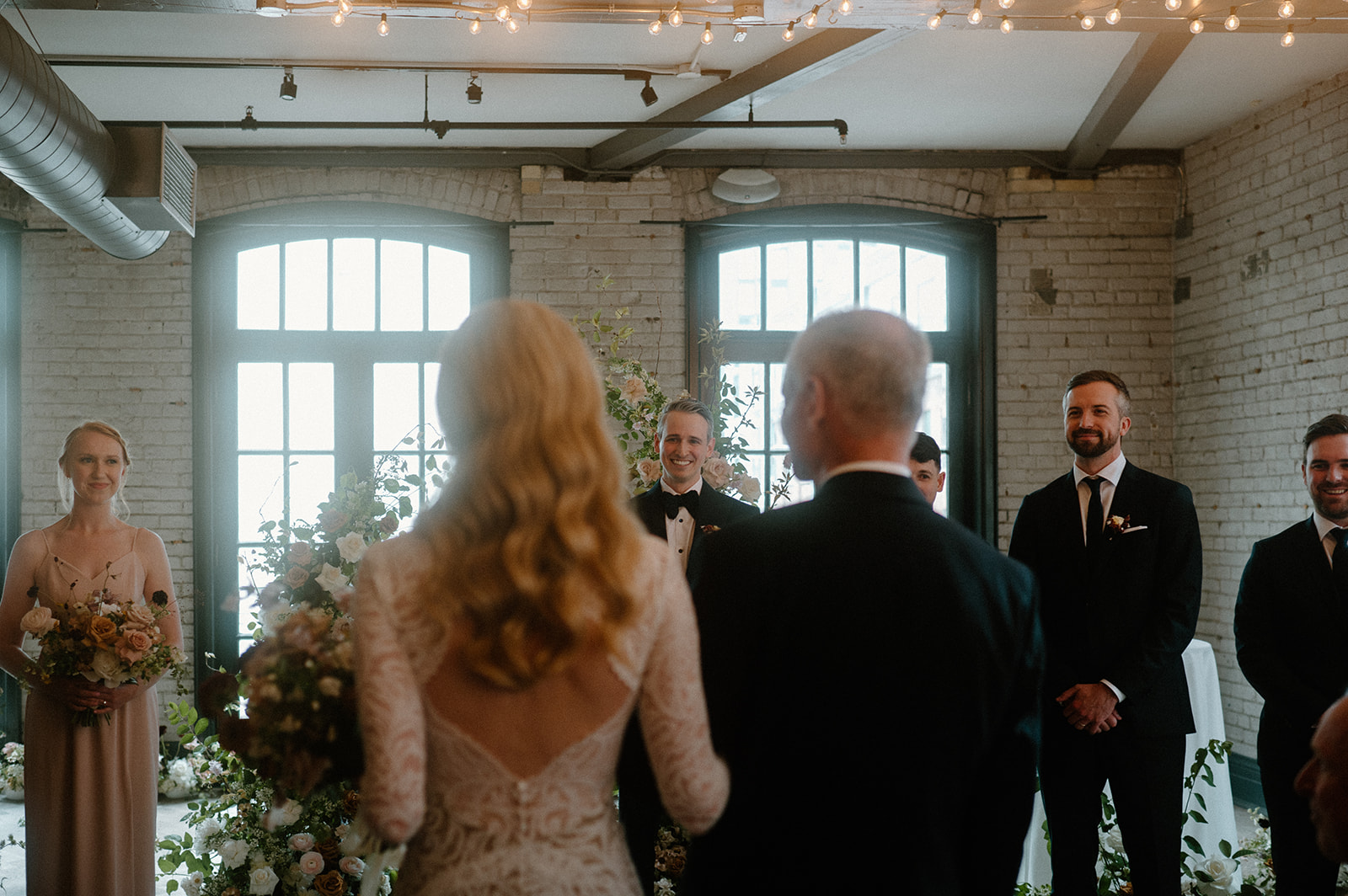
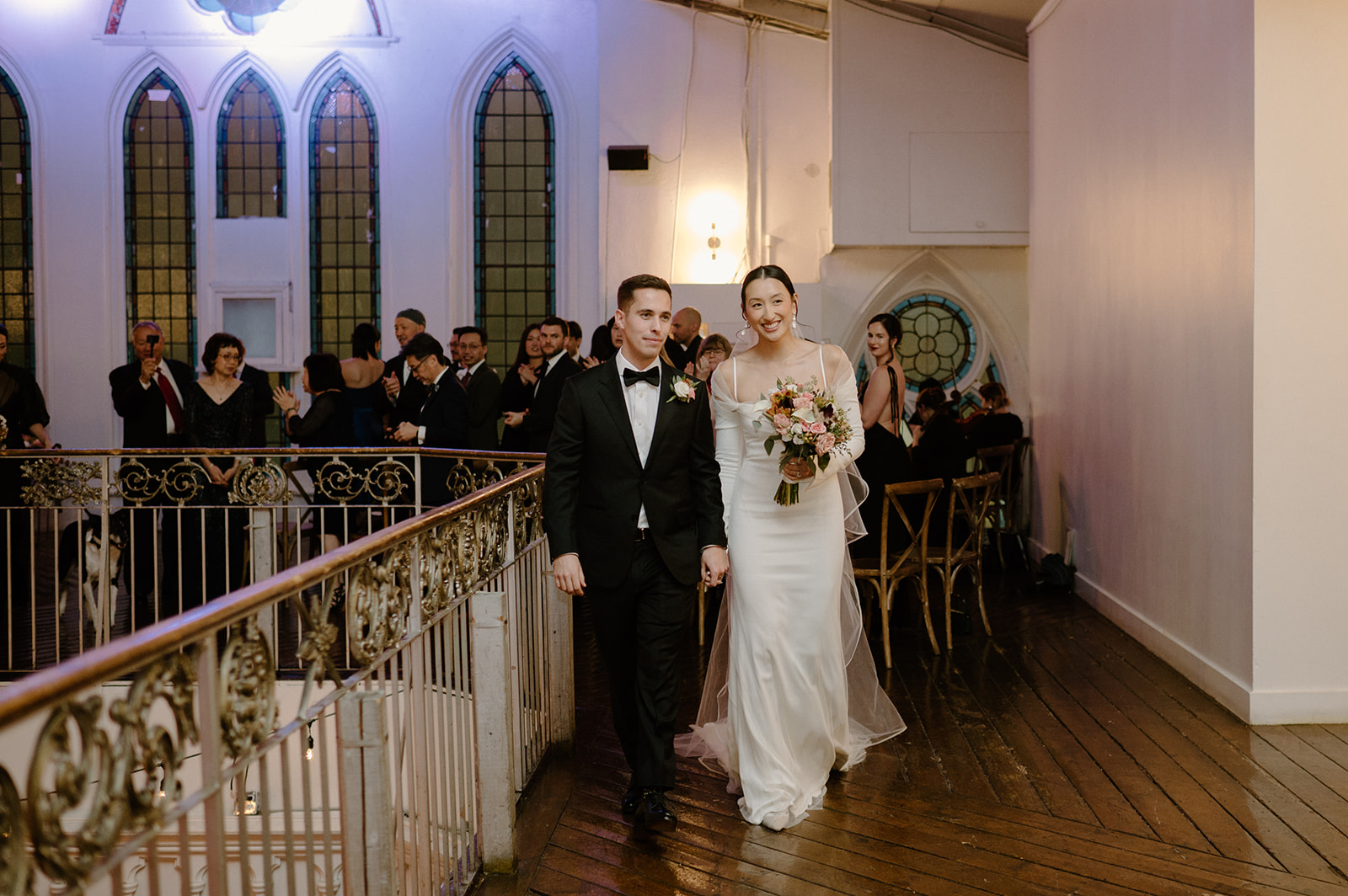
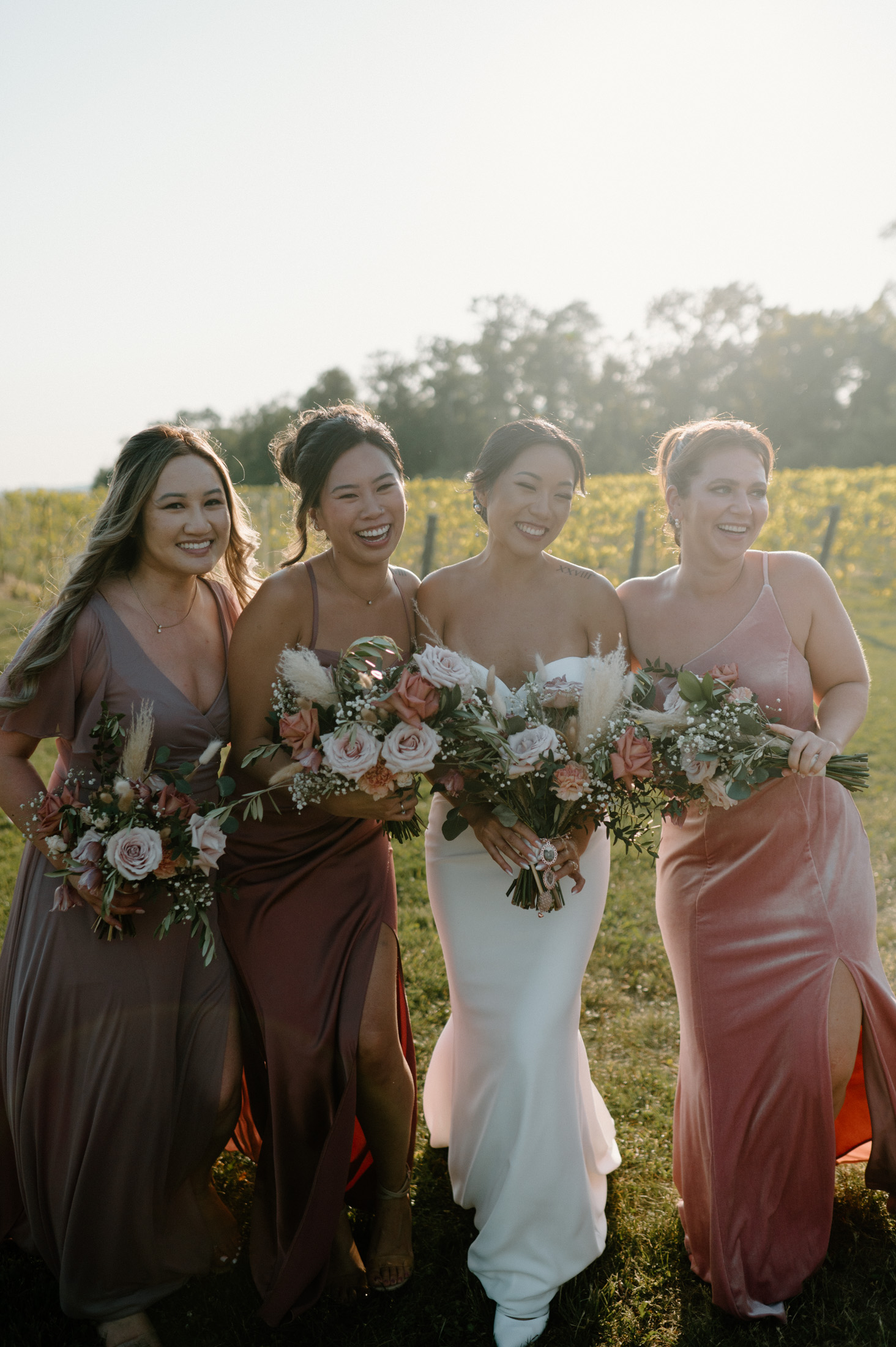
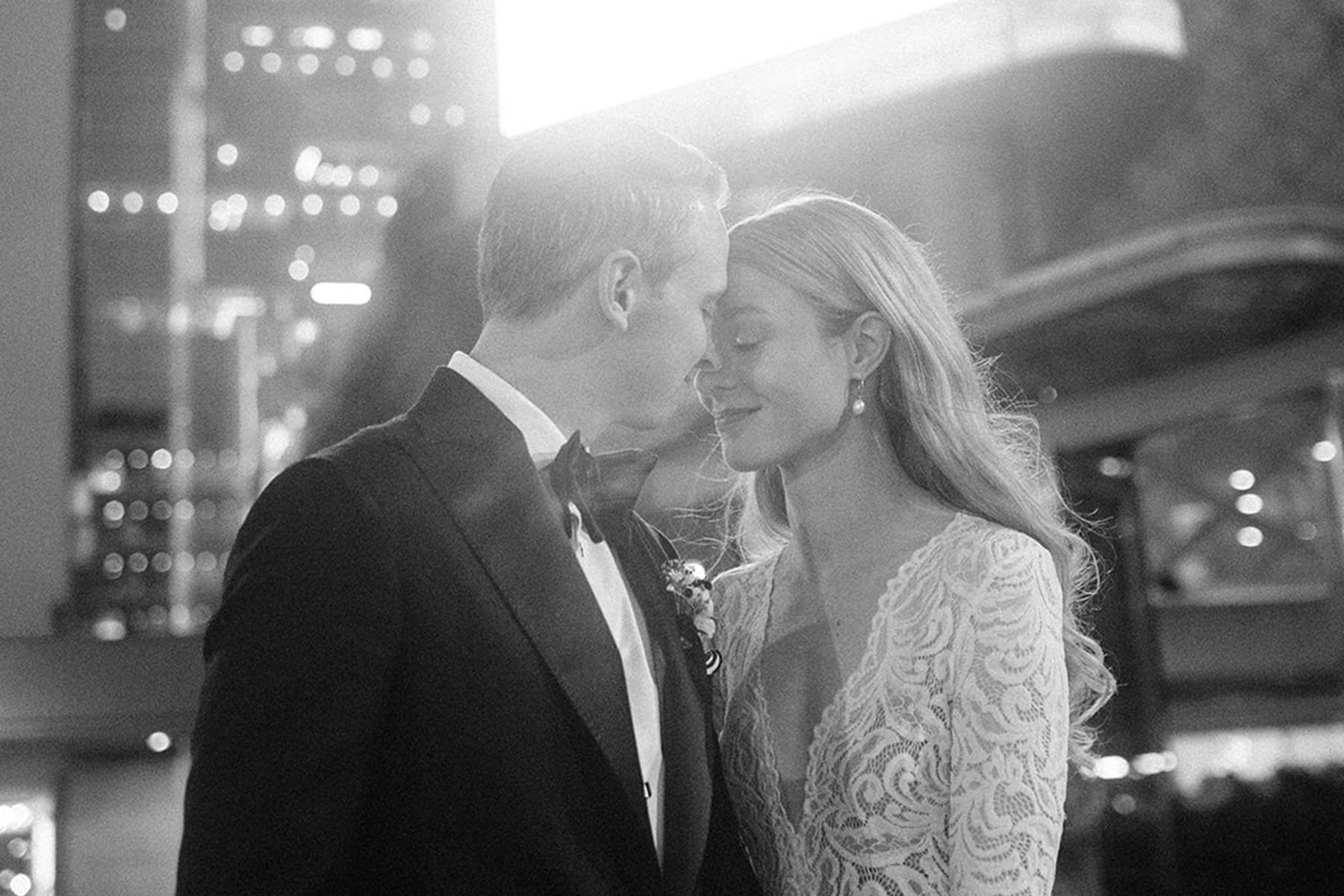
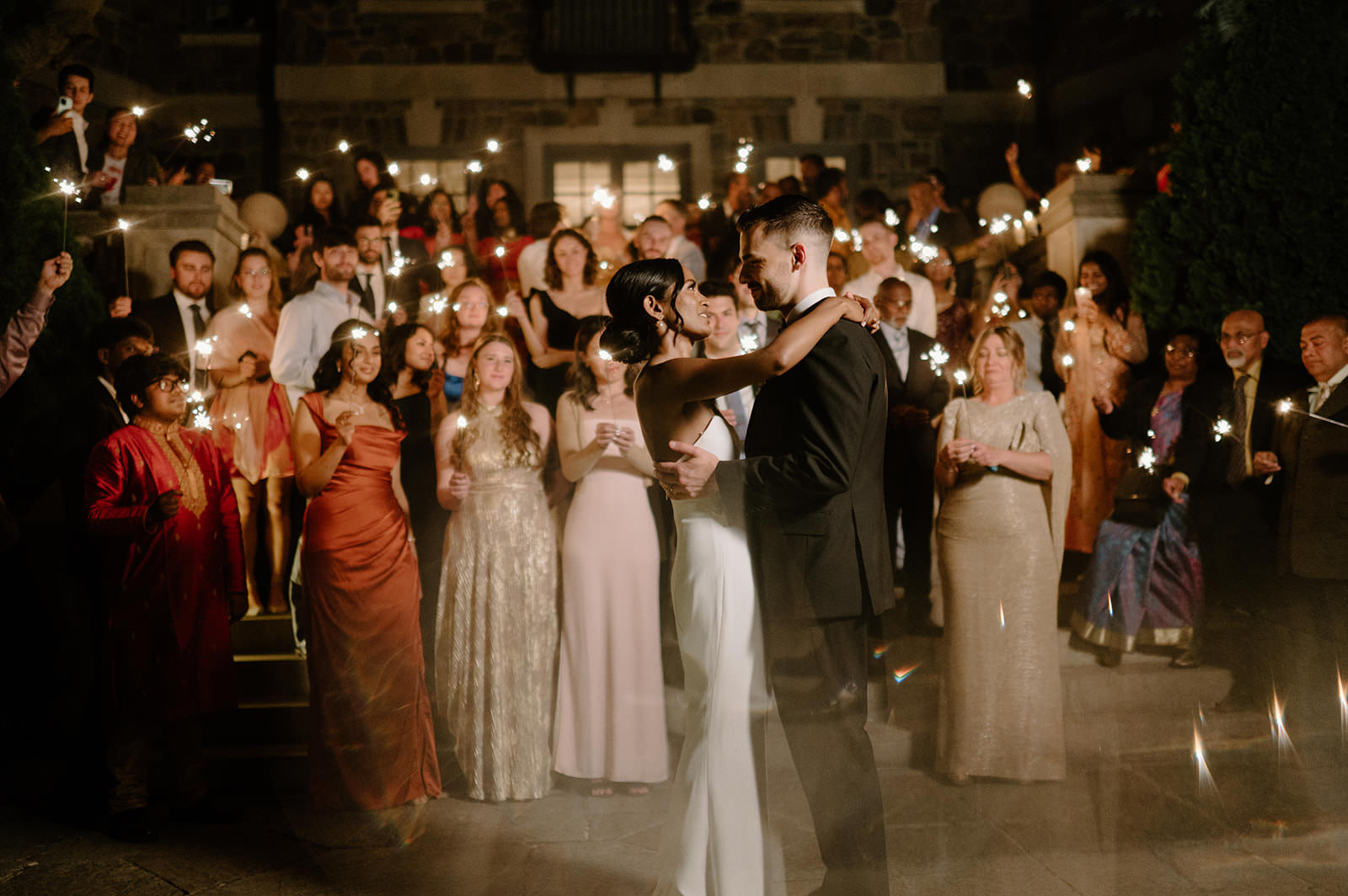
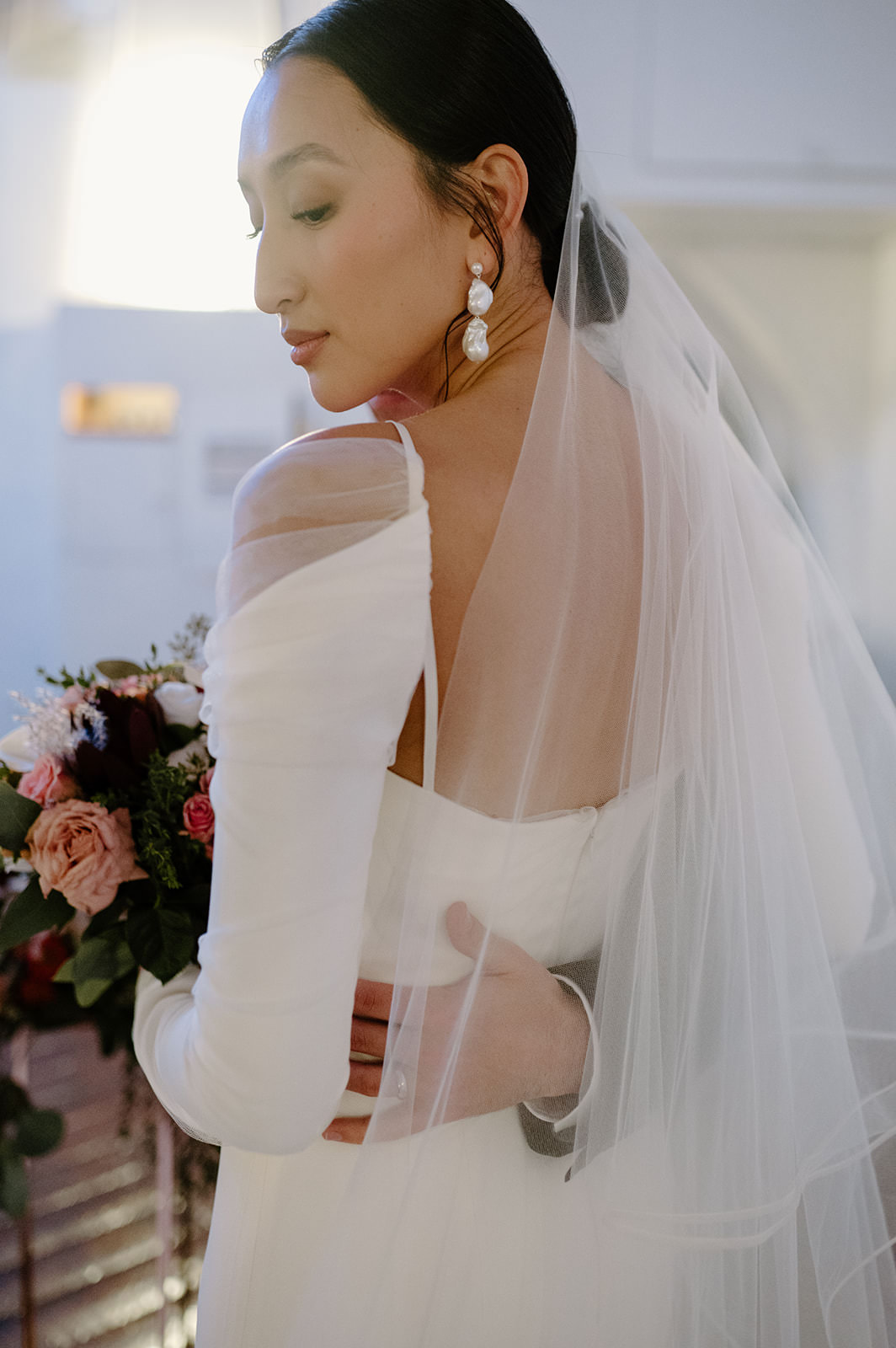
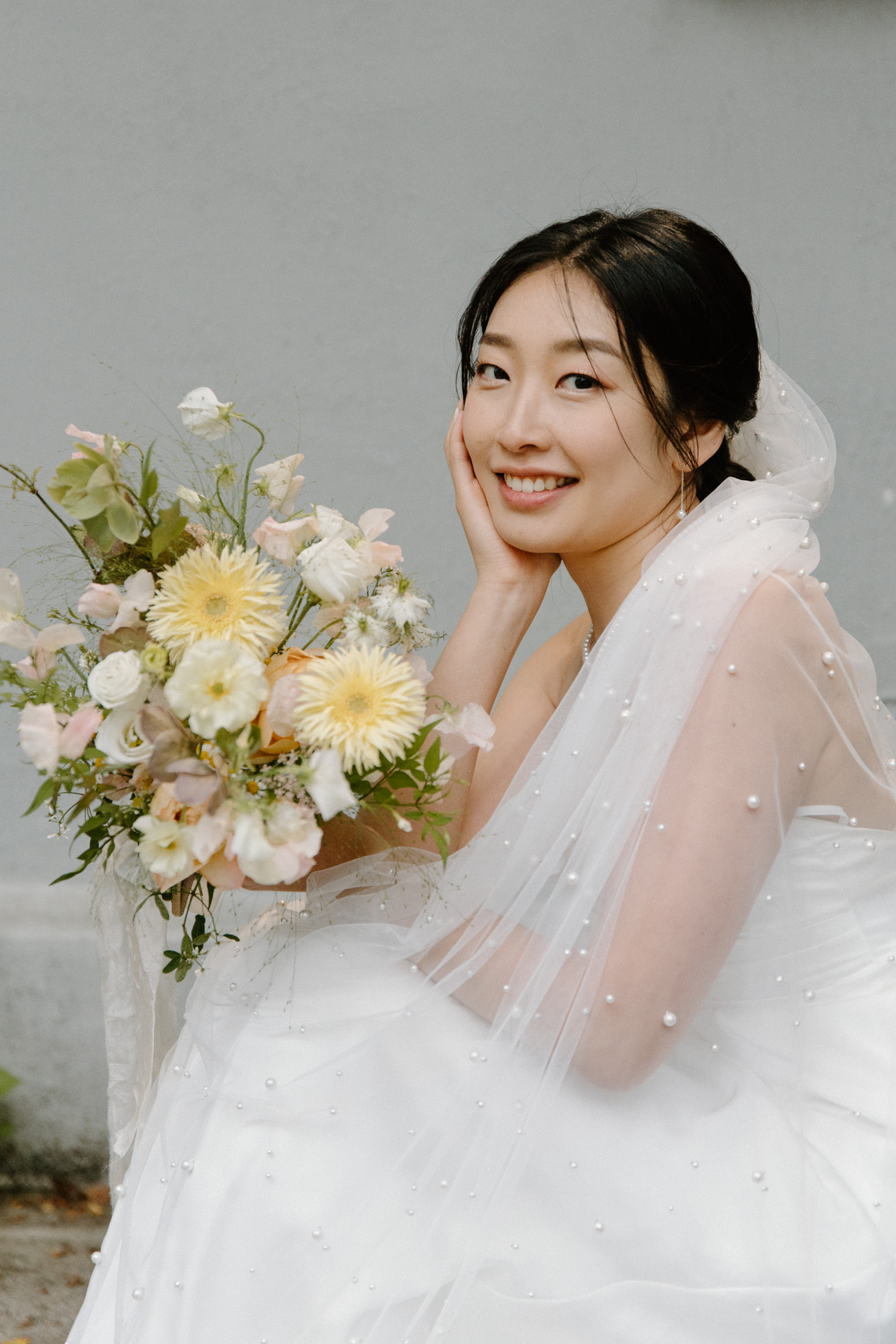
What’s important for me – maybe because I photograph weddings in Canada, where people have many different skin tones – is that I don’t want the images to be too warm, where everyone ends up looking yellow.
But I also don’t want to push them toward the blue side.
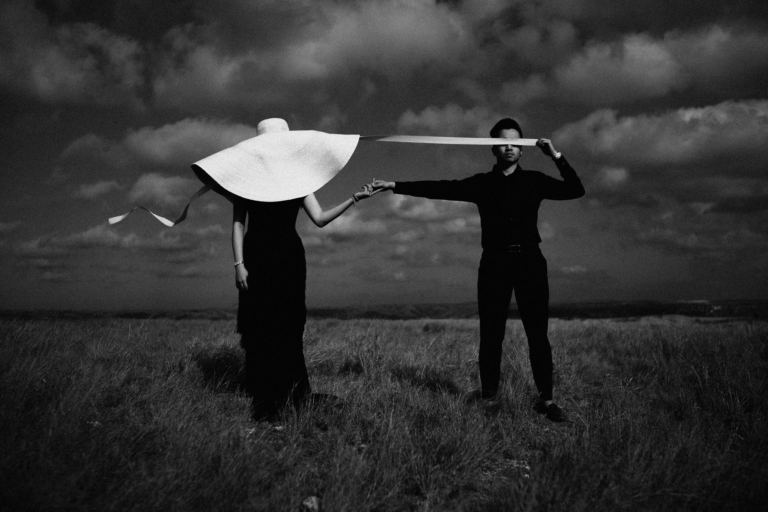
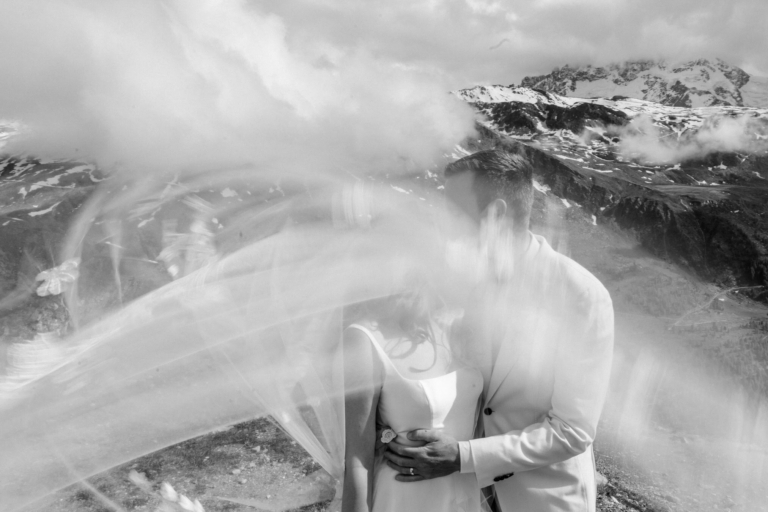
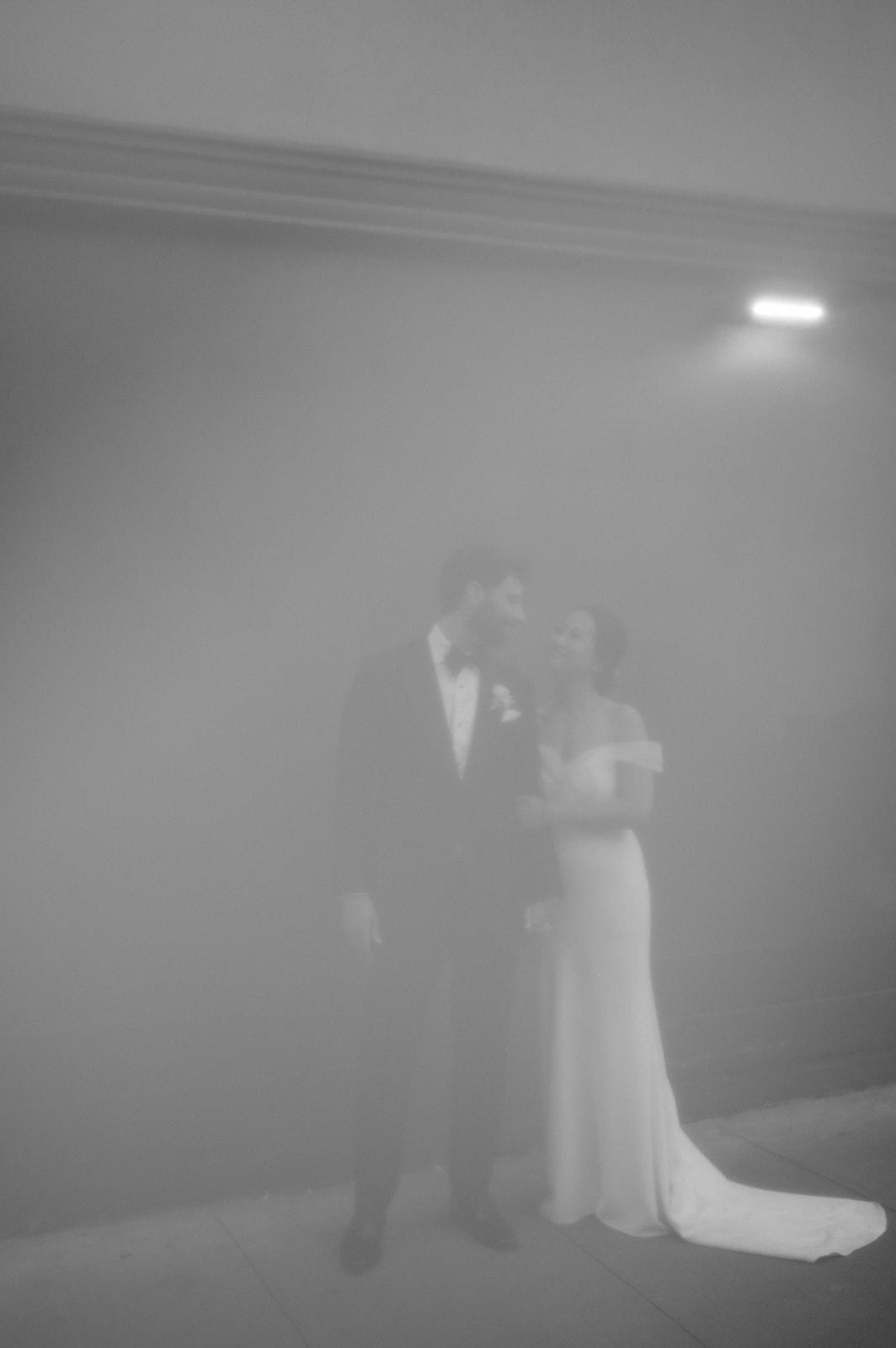
I love film photography, but I don’t want to imitate the film look too literally. It has its own very specific character, and sometimes it can feel a bit too heavy.
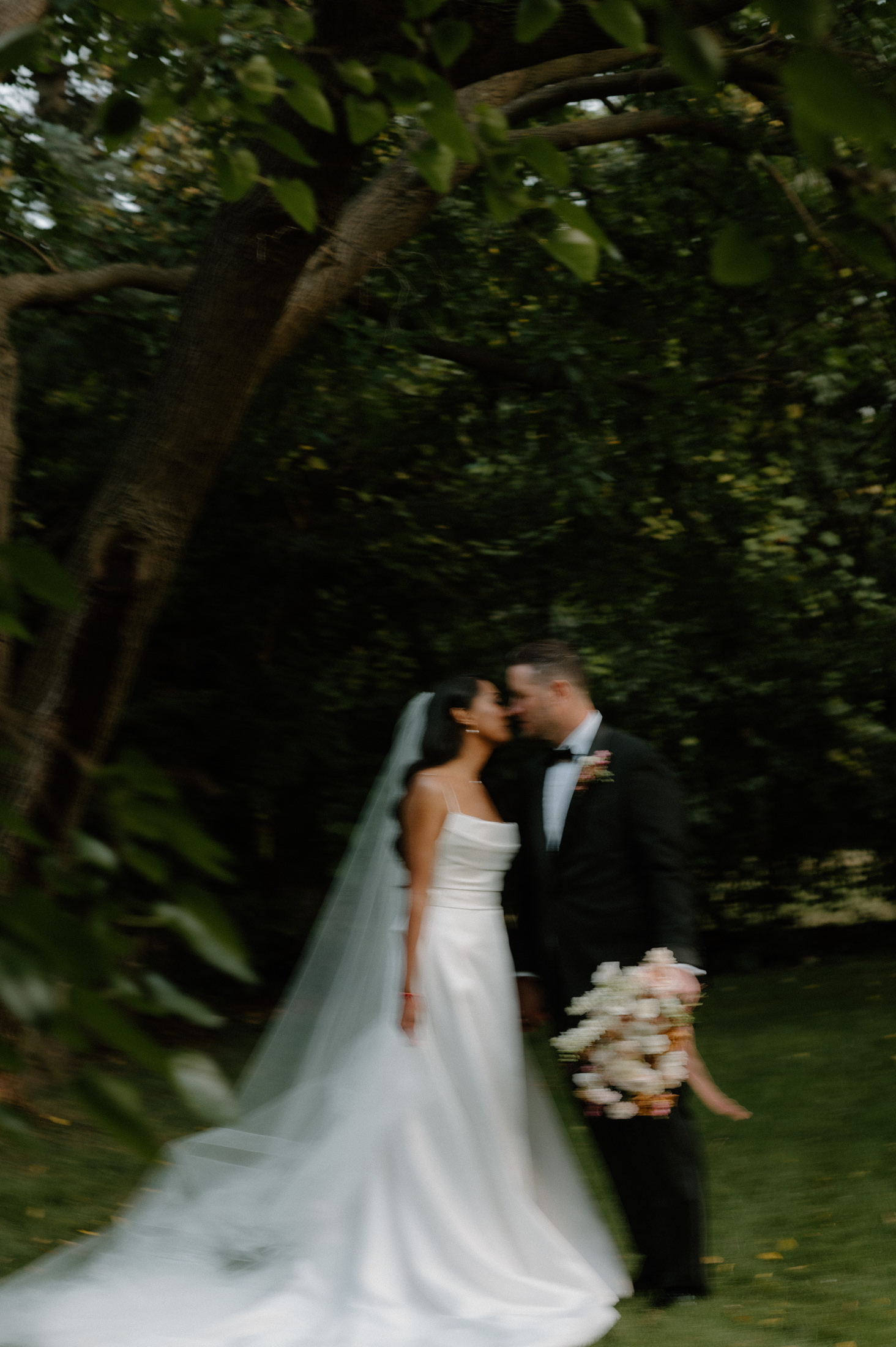
So my images are a mix of digital and film.
You get the clean quality of digital, but then there’s a layer of film.
At least – that’s how I think about it when I edit.
I’ve been using the same preset since 2019, but it has evolved over time.
I want couples to still be in love with their images in 30 or 40 years.
Maybe even more – because by then they’ll have an even stronger emotional connection to them.
If you change every time according to whatever social media says, you lose your personality and start looking like everyone else.
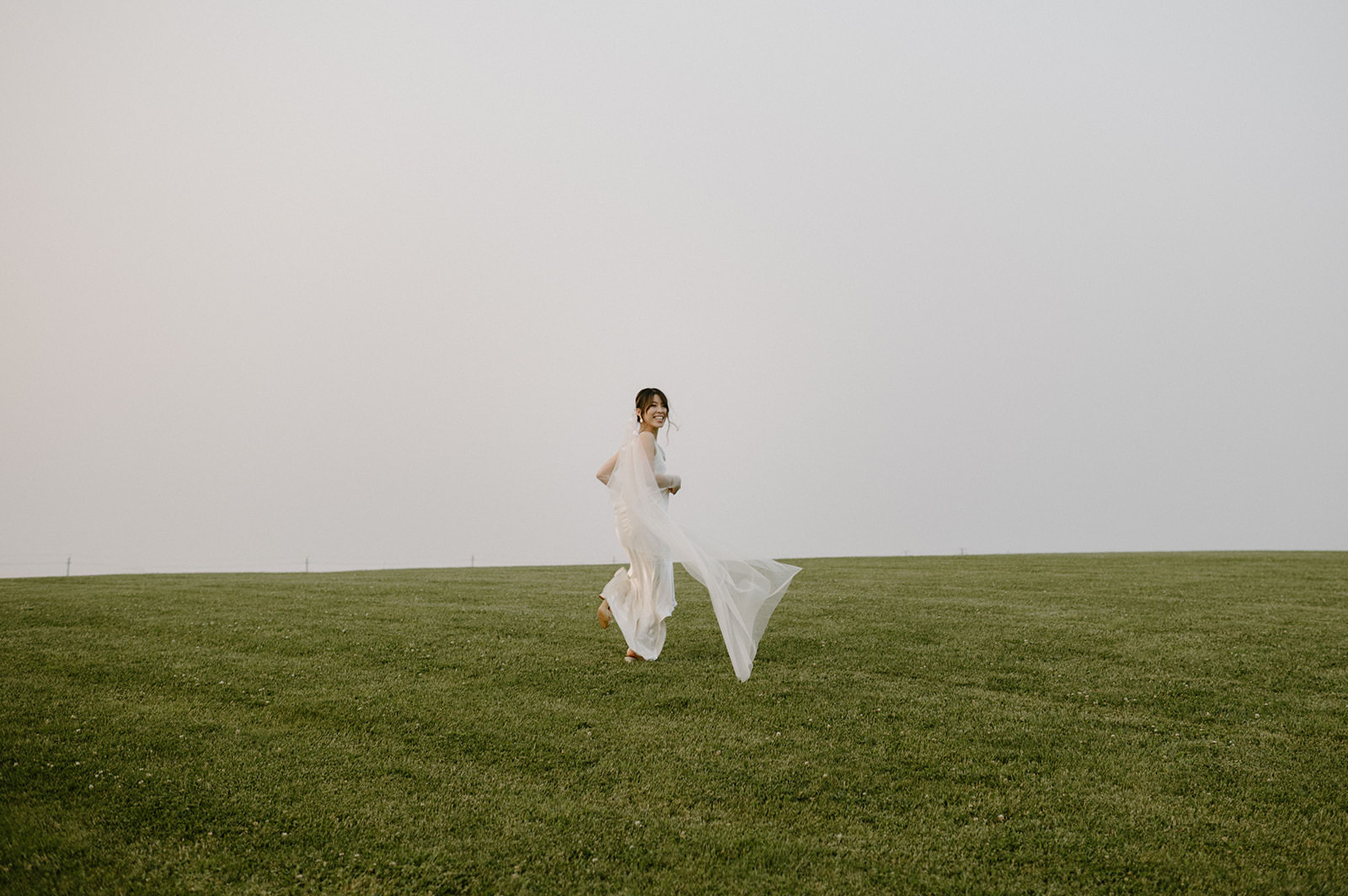
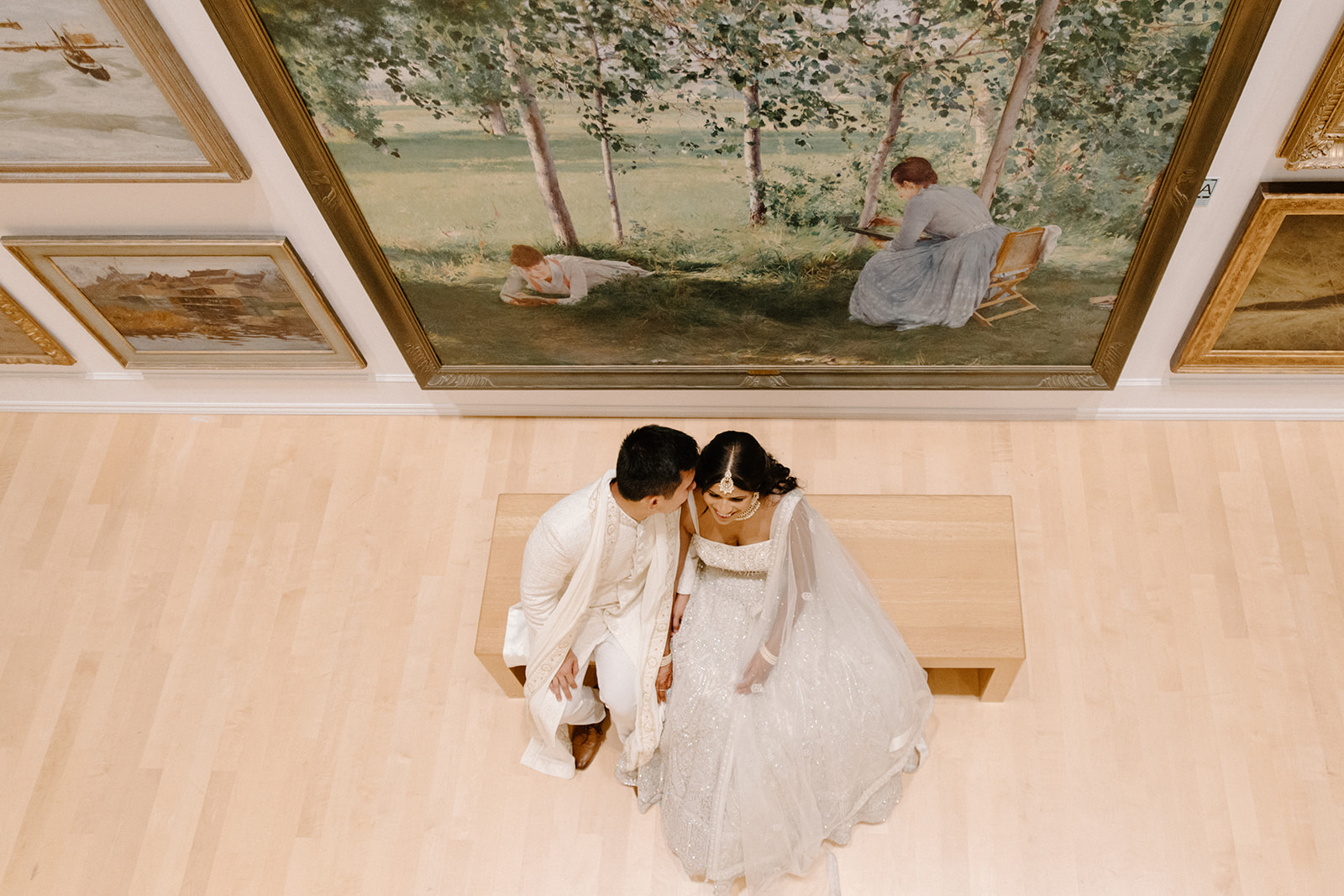
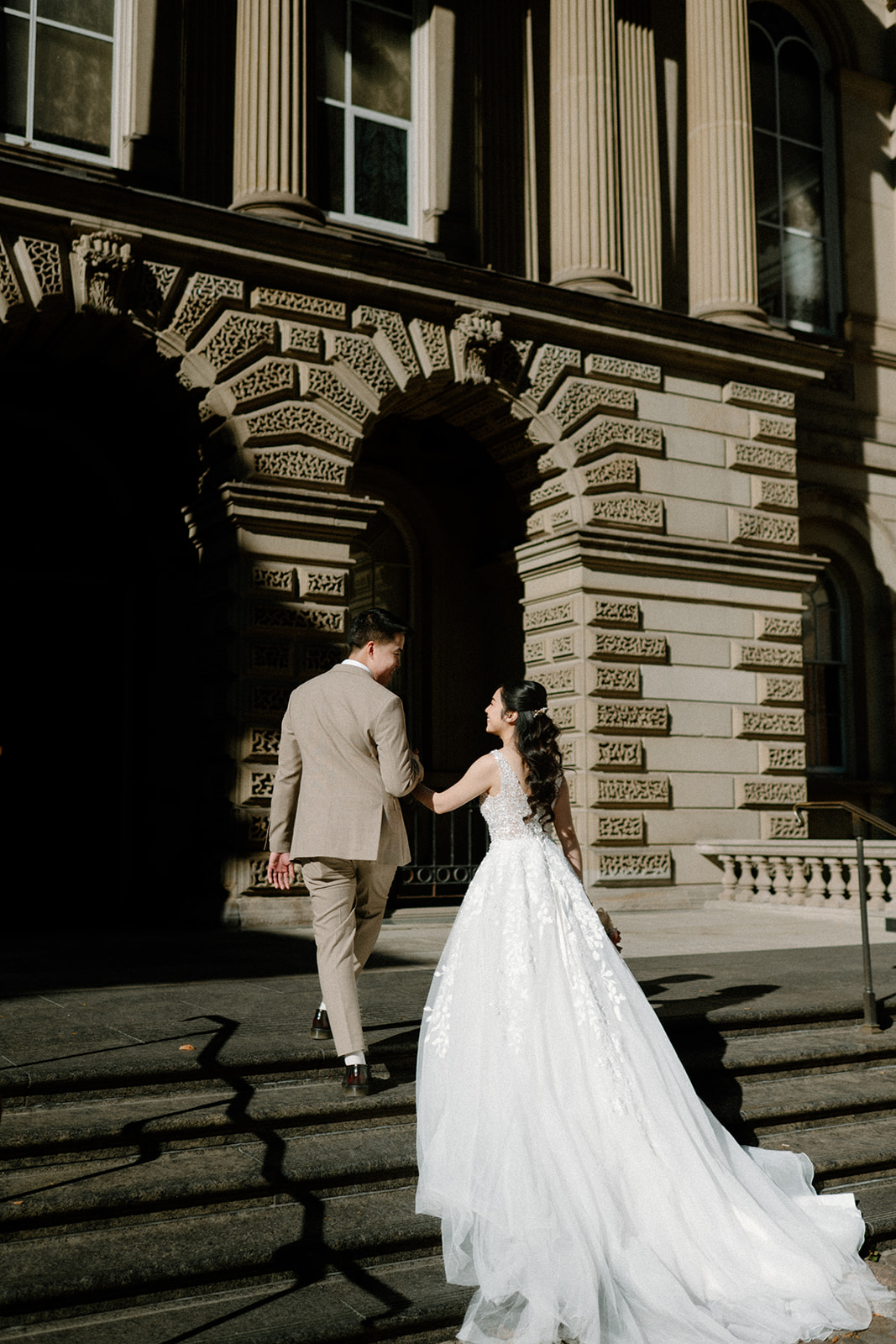
You split the couple’s session into smaller pieces across the whole day. Why not one long block?
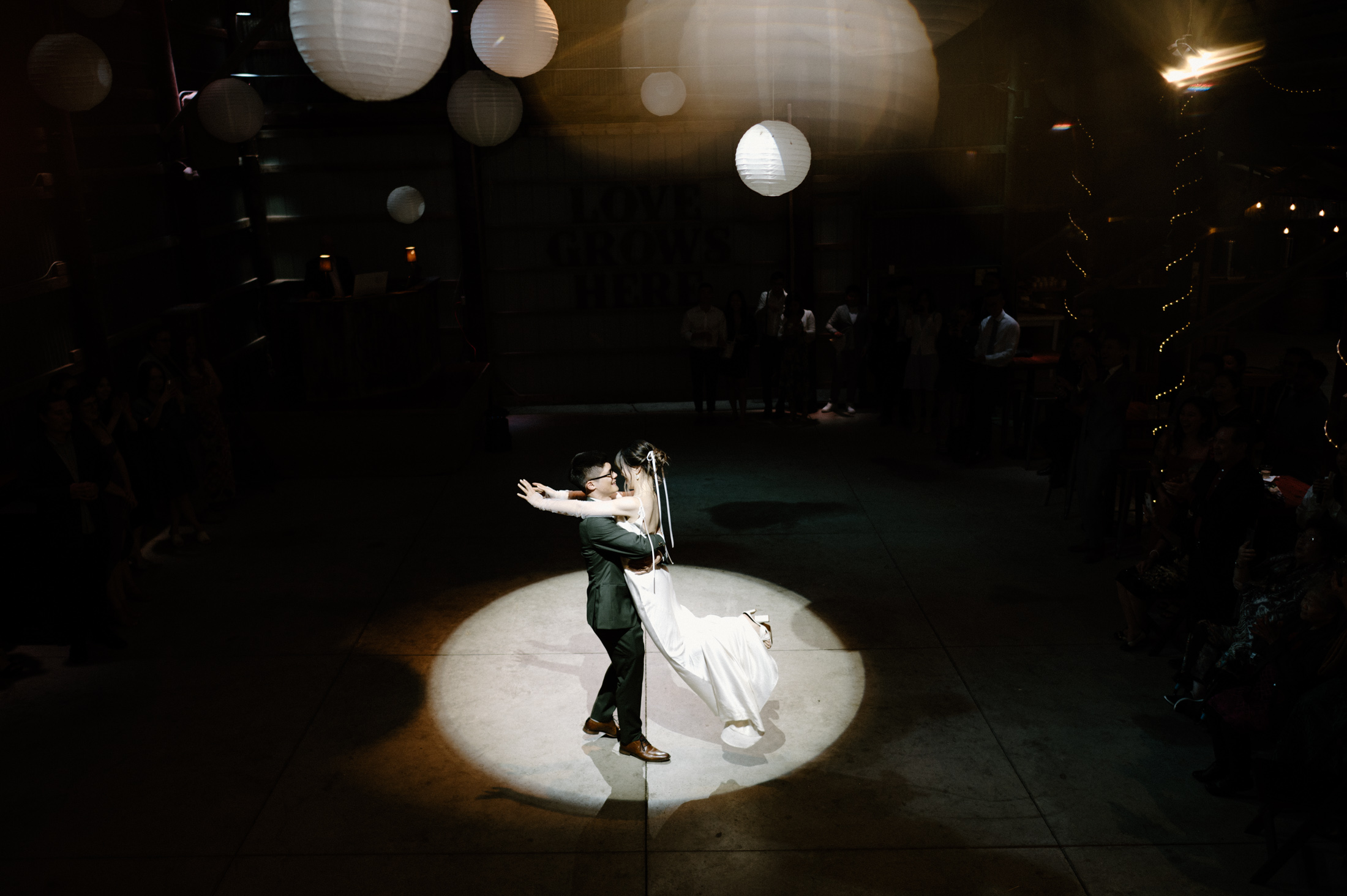
The mood changes throughout the day.
You feel different before the ceremony, after it, and again during the reception.
And the light changes too.
I want to take advantage of that light and have more creative freedom throughout the day.
I want my couples to be as present as possible on their wedding day, because that is when the best images happen.
I like 20–25 minutes after the first look, during cocktail hour, at sunset. Small moments, not a production.
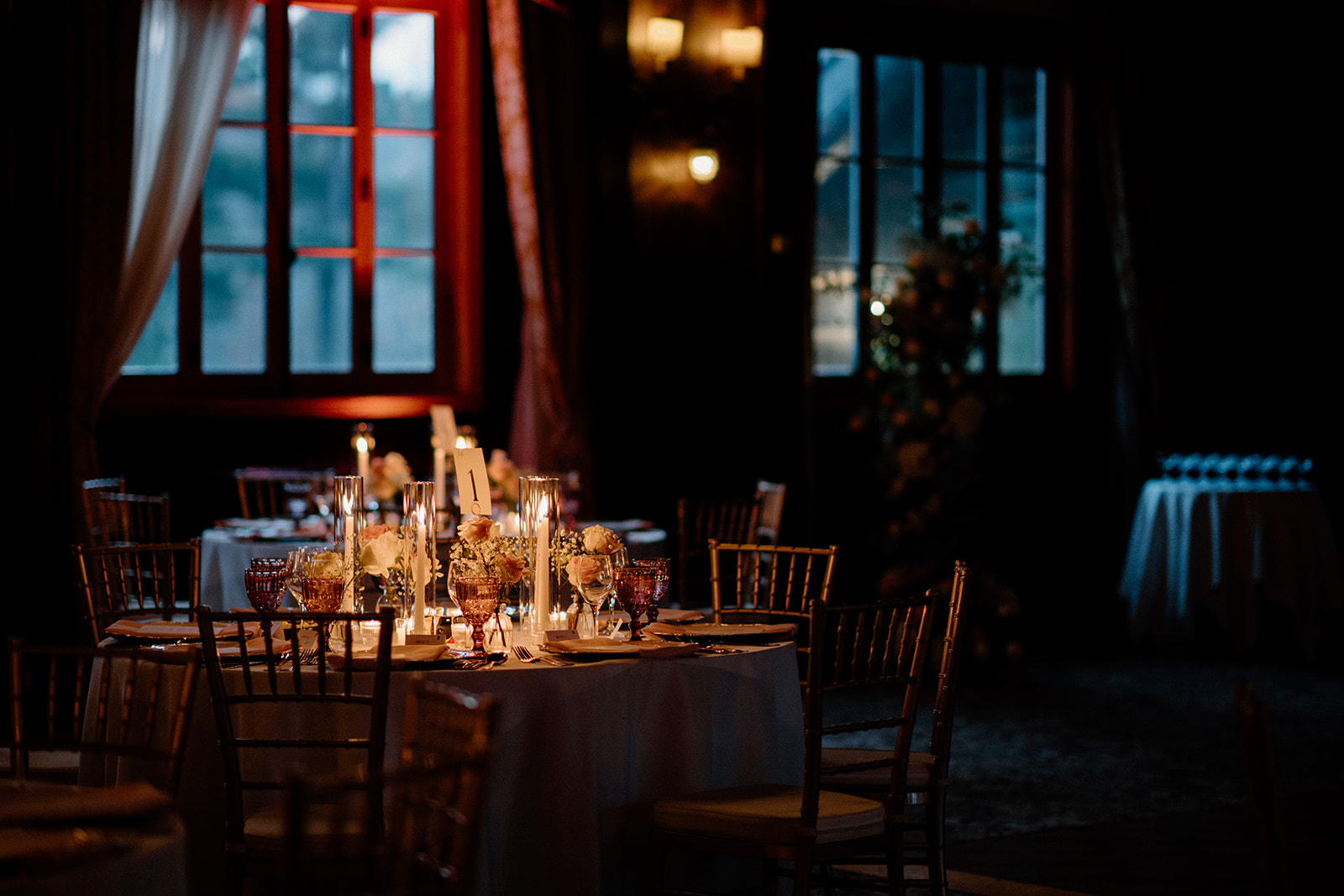
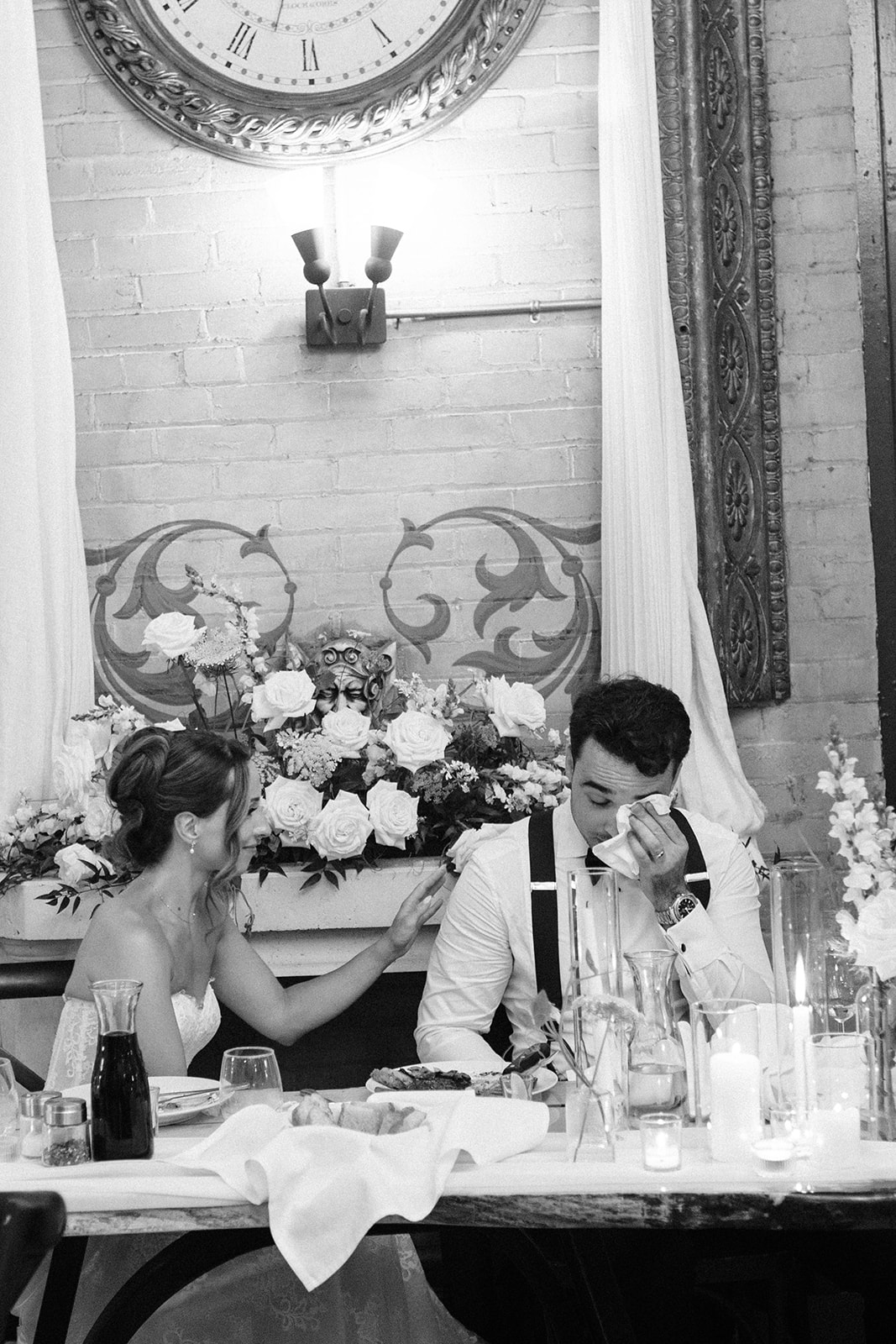
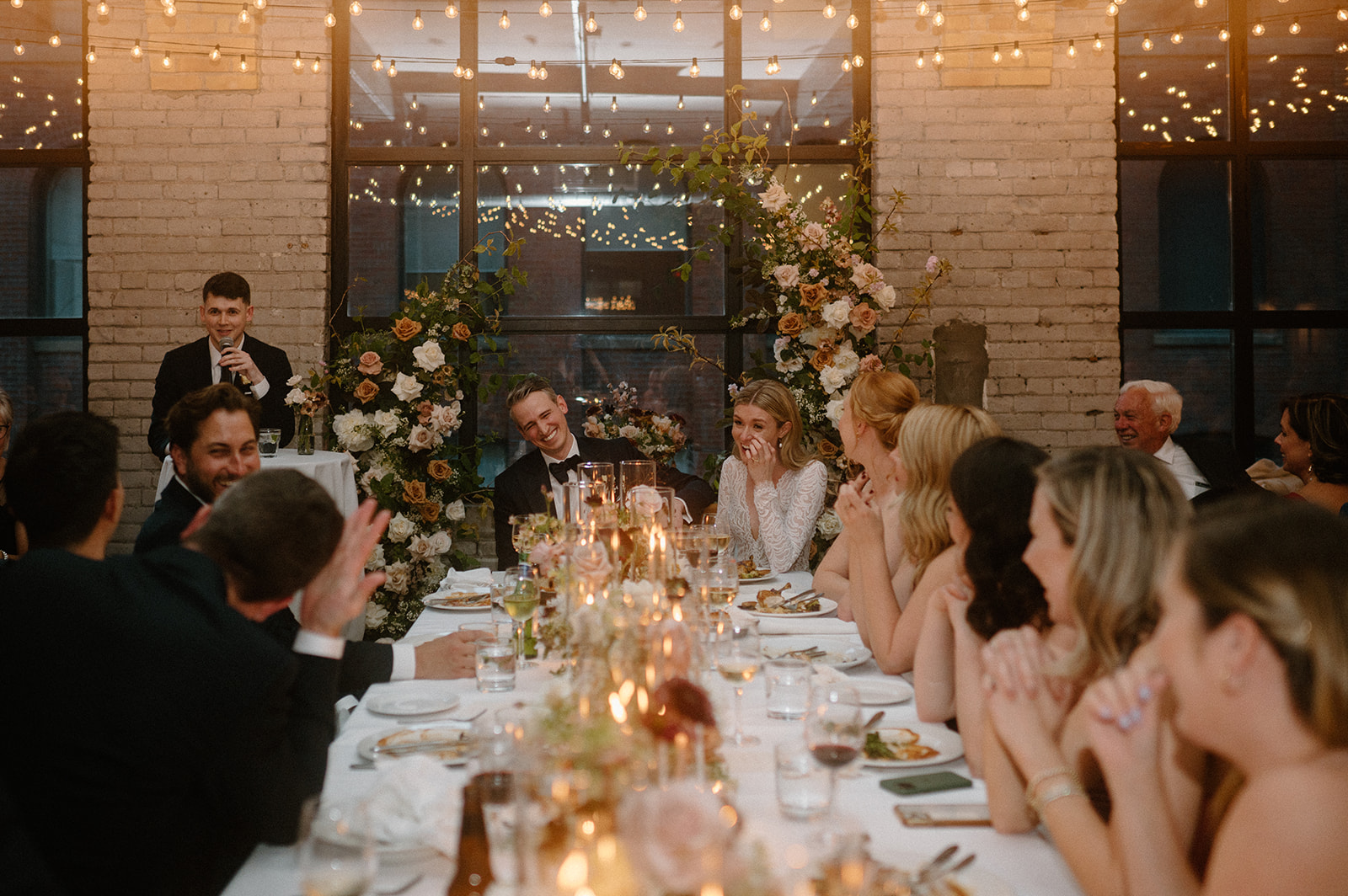
The best compliment I can get at the end of a wedding day is when someone says: it was so much fun. Even without saying anything about the photos.
Because when you have fun, you’re going to like the images.
You’re going to like yourself in the images.
How do you get real expression from people who have never been photographed?
I give directions, but then I give prompts.
I’ll say: let’s go back to your first date, let’s bring some memories back – what was the other person wearing? How did you feel when you left? Who called first?
I get into the details people don’t think about anymore after seven, eight years together.
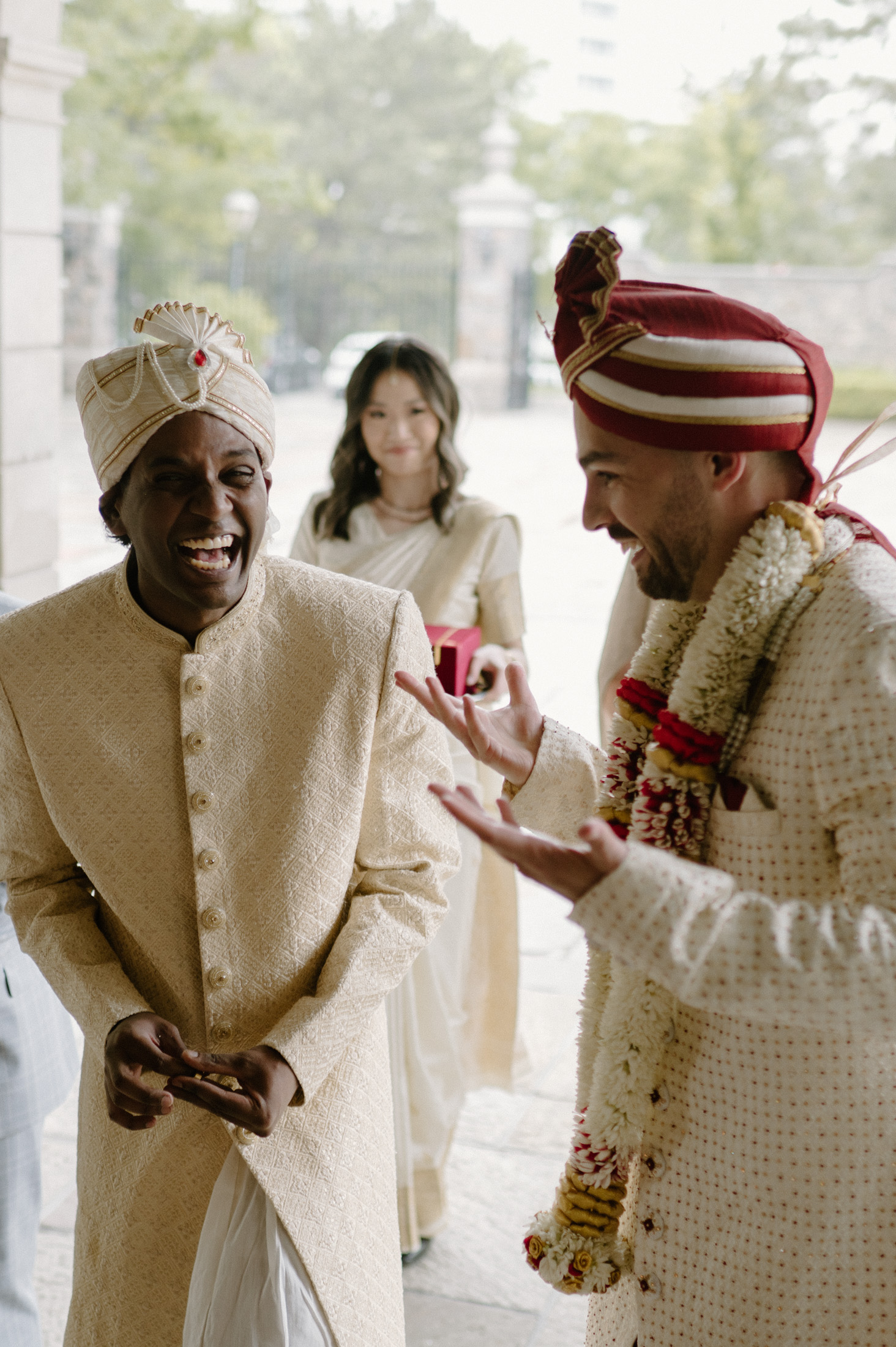
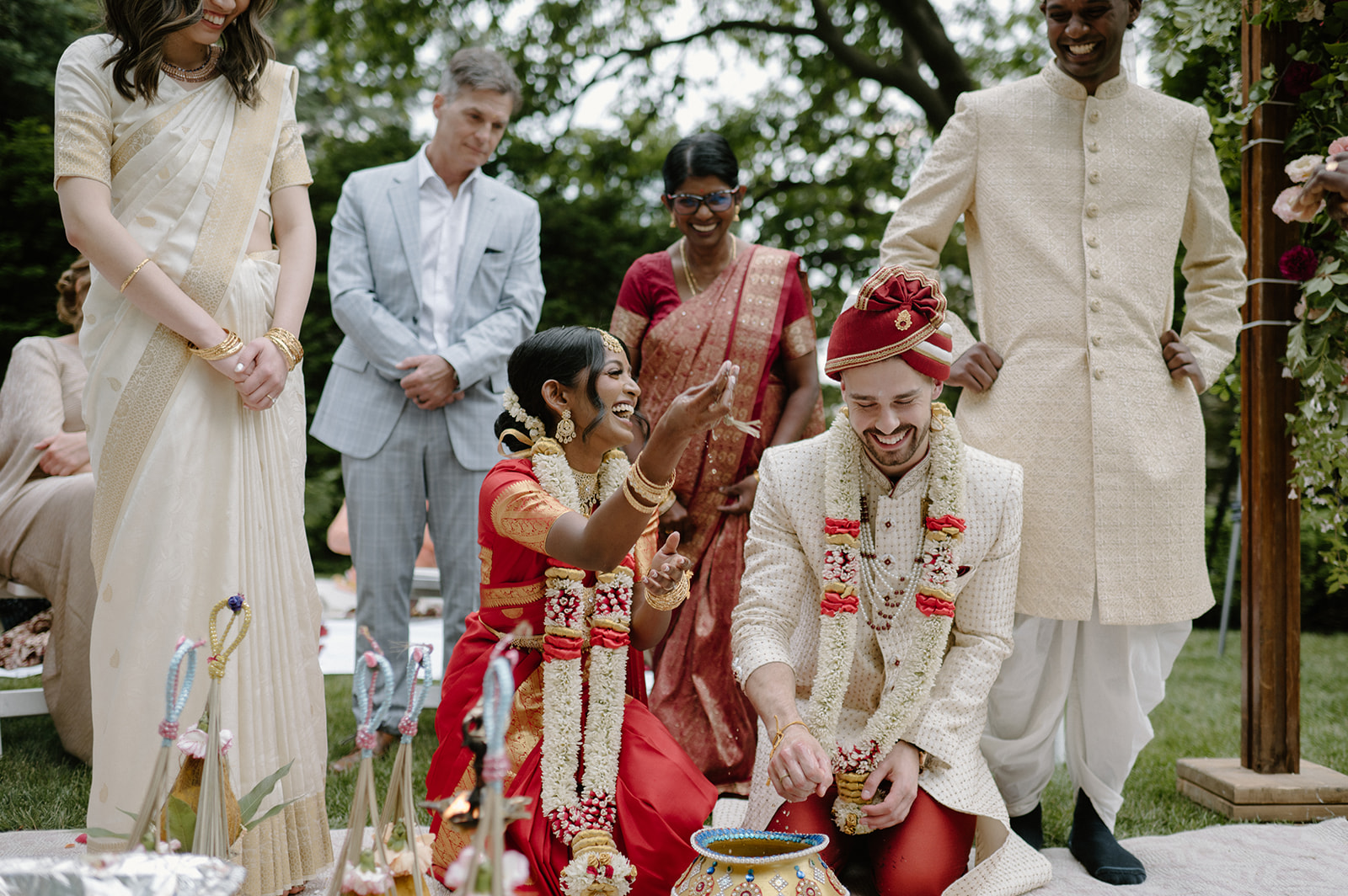
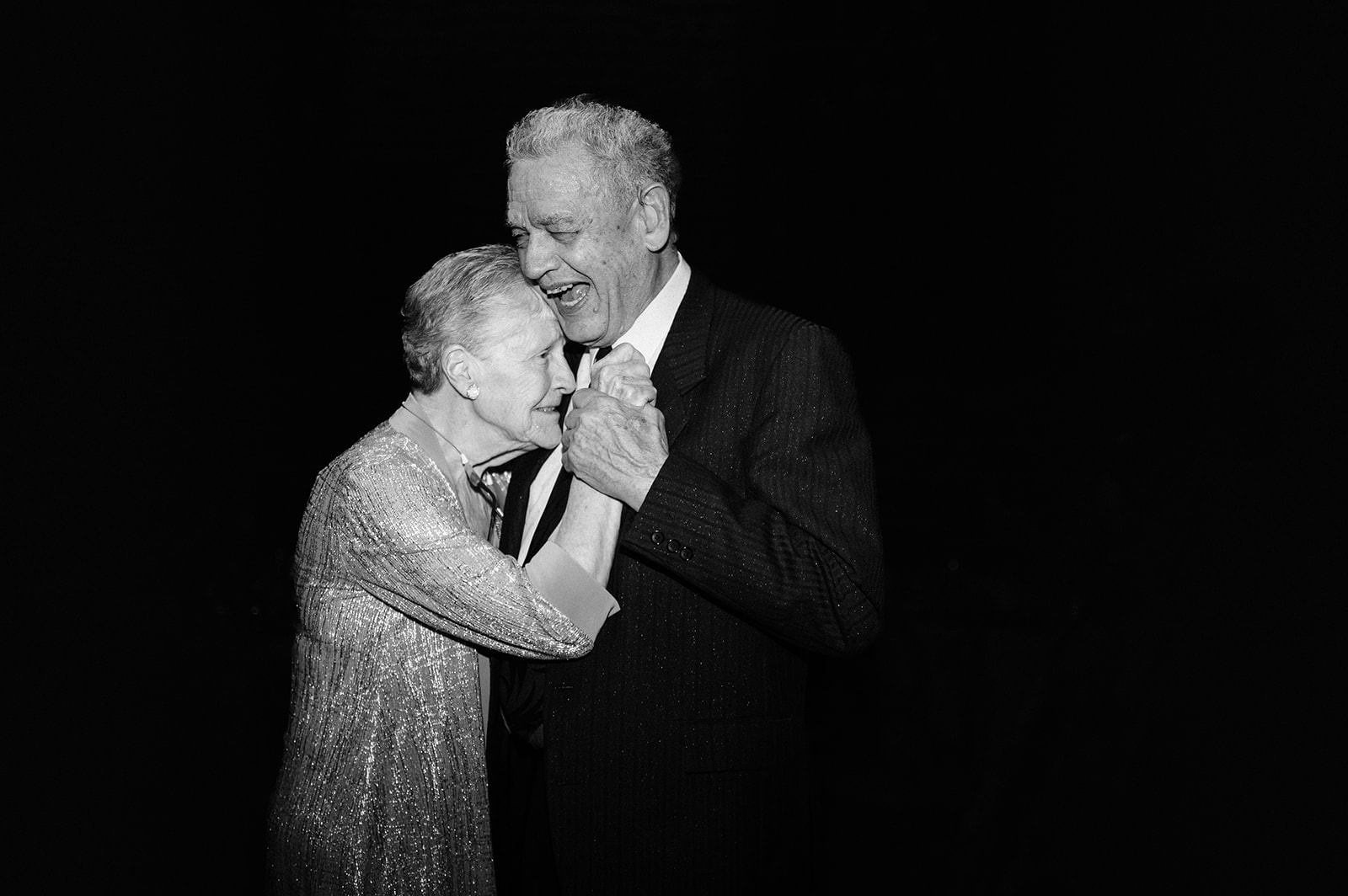
I never say “just laugh.” I want my couples to laugh at something real.
Then when they look at the images later, they remember exactly what they were talking about.
The best images happen when you stop thinking about your hair or your dress. You already look amazing – just relax and be present.
You’ve been using JPEGmini for a while.
How does it fit into your workflow?
One of my photographer friends recommended it to me, maybe five or six years ago.
I use it before I upload anything to my website – when I refresh images, when I create a blog post.
I run everything through JPEGmini first, then upload to WordPress.
That’s my go-to.
I’m old school with WordPress, but I love it – and JPEGmini just fits in without thinking about it.
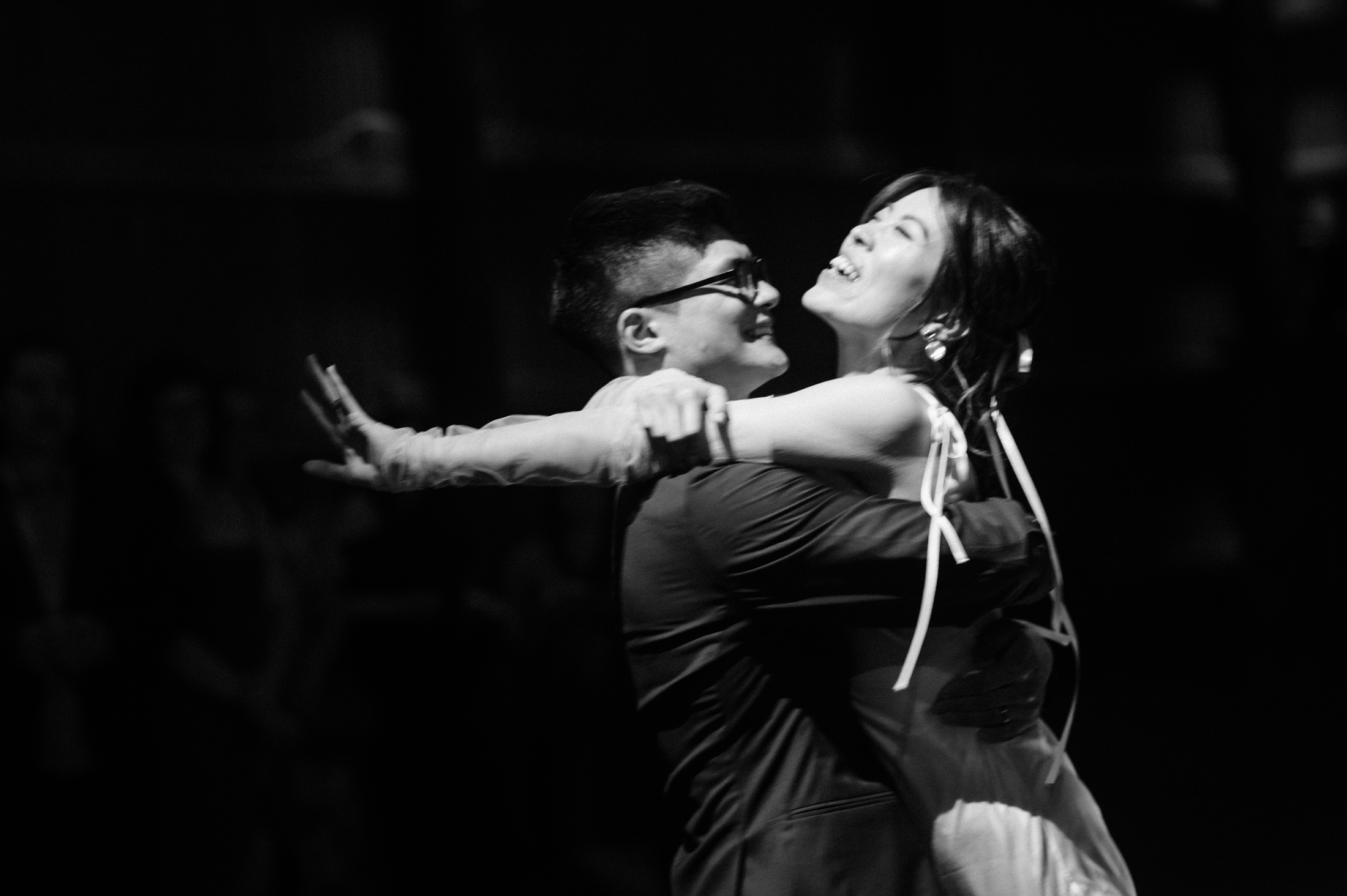
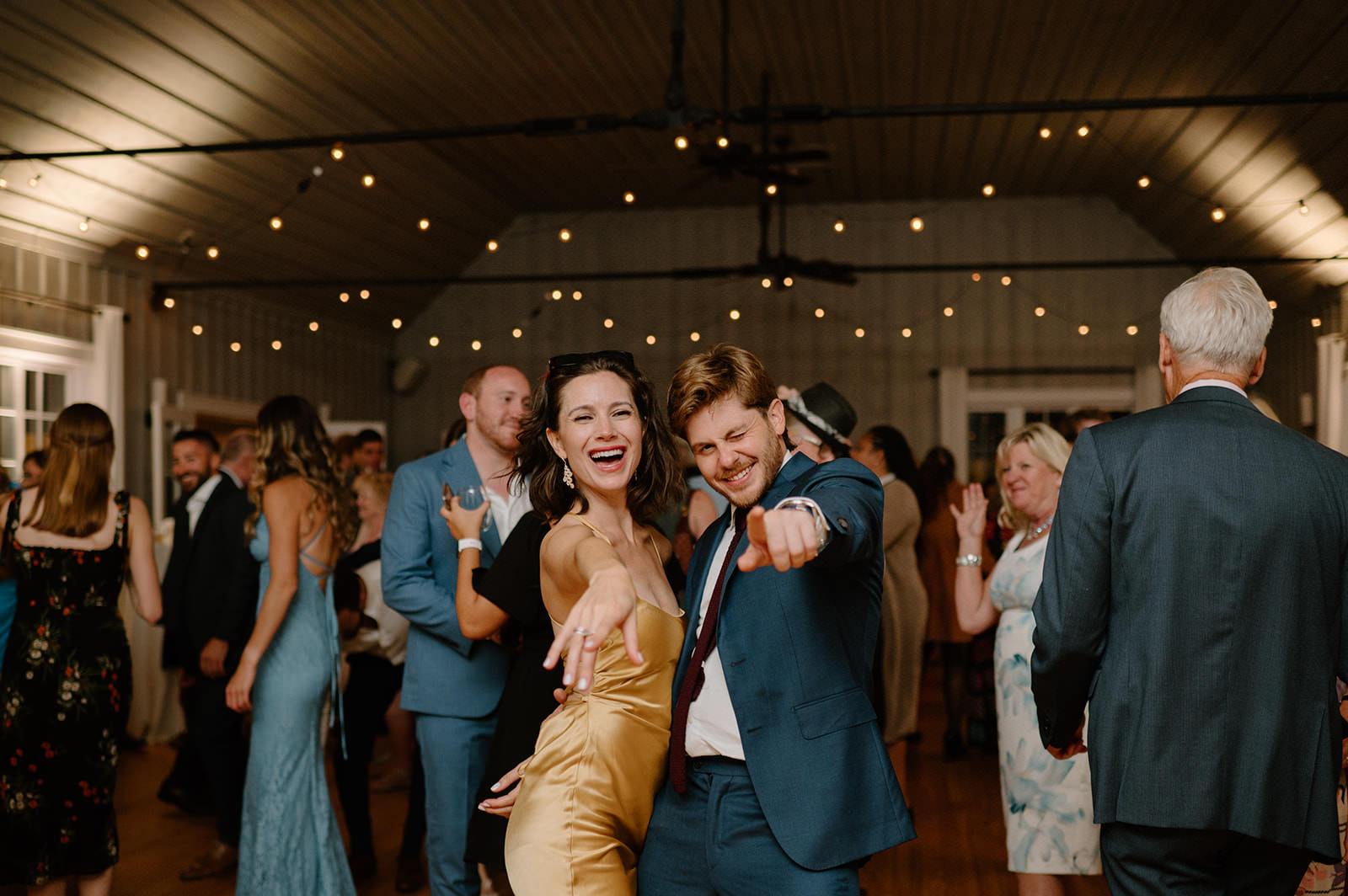
You have a team of photographers who shoot in your style. How did you learn to trust them with your work?
A lot of photographers are afraid to grow – and I was one of them.
We think we’re going to do the work the best ourselves.
All of my photographers were recommended by people I know, as well as through recommendations from one another.
The pandemic was the moment when I realized: if something happens to me – if I get sick, and won’t be able to shoot – who replaces me? So I started looking.
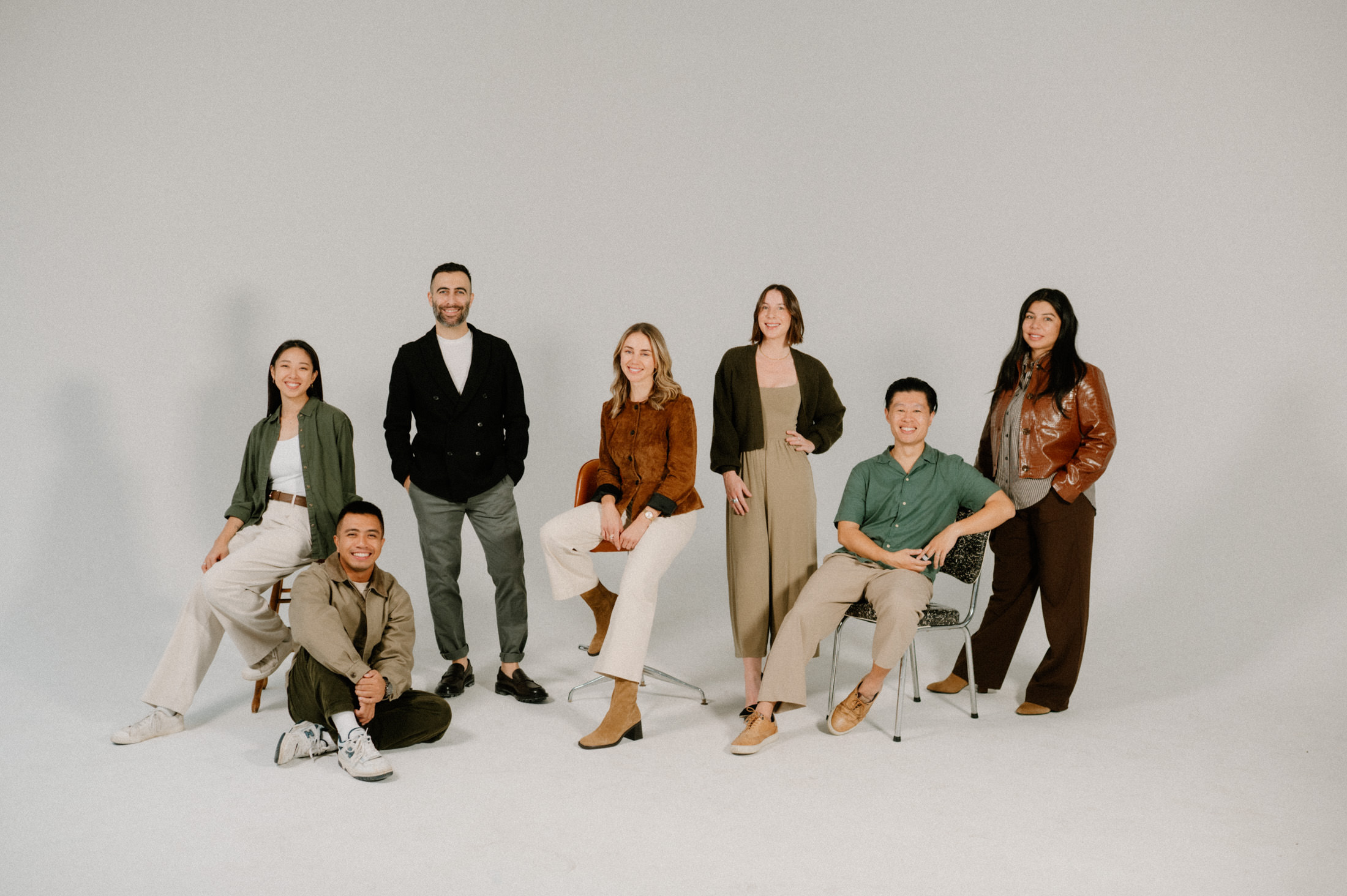
Carlo messaged me on Instagram. We met and immediately vibed.
He’s like my younger brother. What I love about him is that he follows trends, but he’s also building his own business.
I love watching him improve.
Ally joined through recommendation. She’s my lead photographer – very editorial.
She recommended someone else, and it turned out I had photographed his wedding three years earlier, and this was Matt.
Angela, one of my second photographers, was recommended by Carlo. Max was recommended by a photographer friend. Jess, who is my right hand and handles all the admin and some social media work, was recommended by Masoud, who works with me as a videographer.
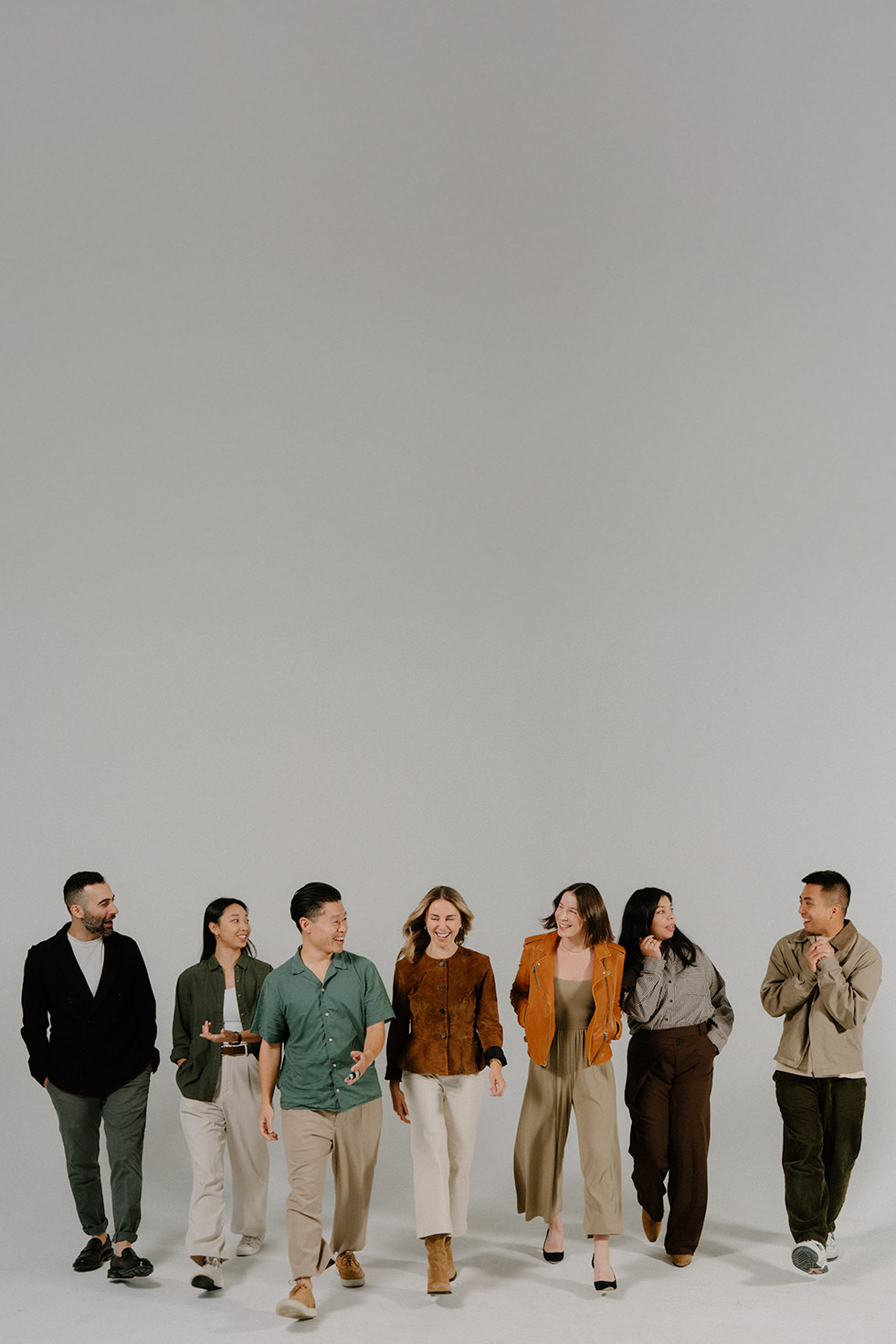
So, as you can see, everyone comes from the same circle, which is amazing.
I trust all of them, and I know they want to grow and improve. Having a similar mindset is so important.
Maybe it’s my Polish nature, but I like to give feedback.
I’m not afraid of saying what I like and what I don’t.
After every wedding I send them notes – what worked, what they could improve.
Because when couples book Everglow, they’re getting the product. Not whoever showed up.
I also learn from them.
I look through their images and sometimes think, that’s such an interesting angle.
I wouldn’t have approached it that way, but I really like it.
Tell us about the workshop you are organizing in Italy?
Who is invited? What is it about?
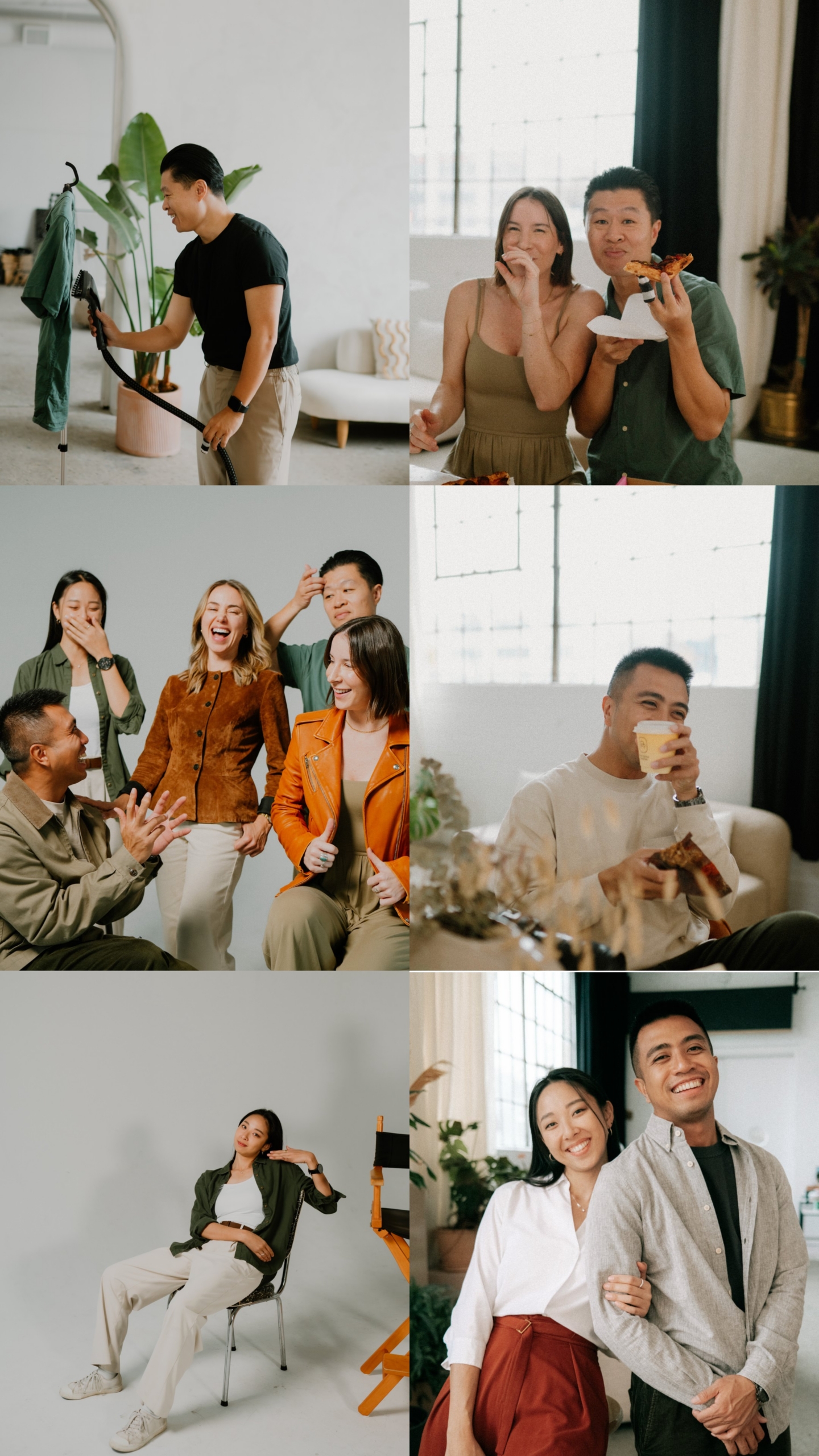
The workshop I’m organizing in Rome, Italy this October, alongside two amazing planners and floral designers from QDC Wedding, is a great opportunity for photographers who want to build their destination wedding portfolio.
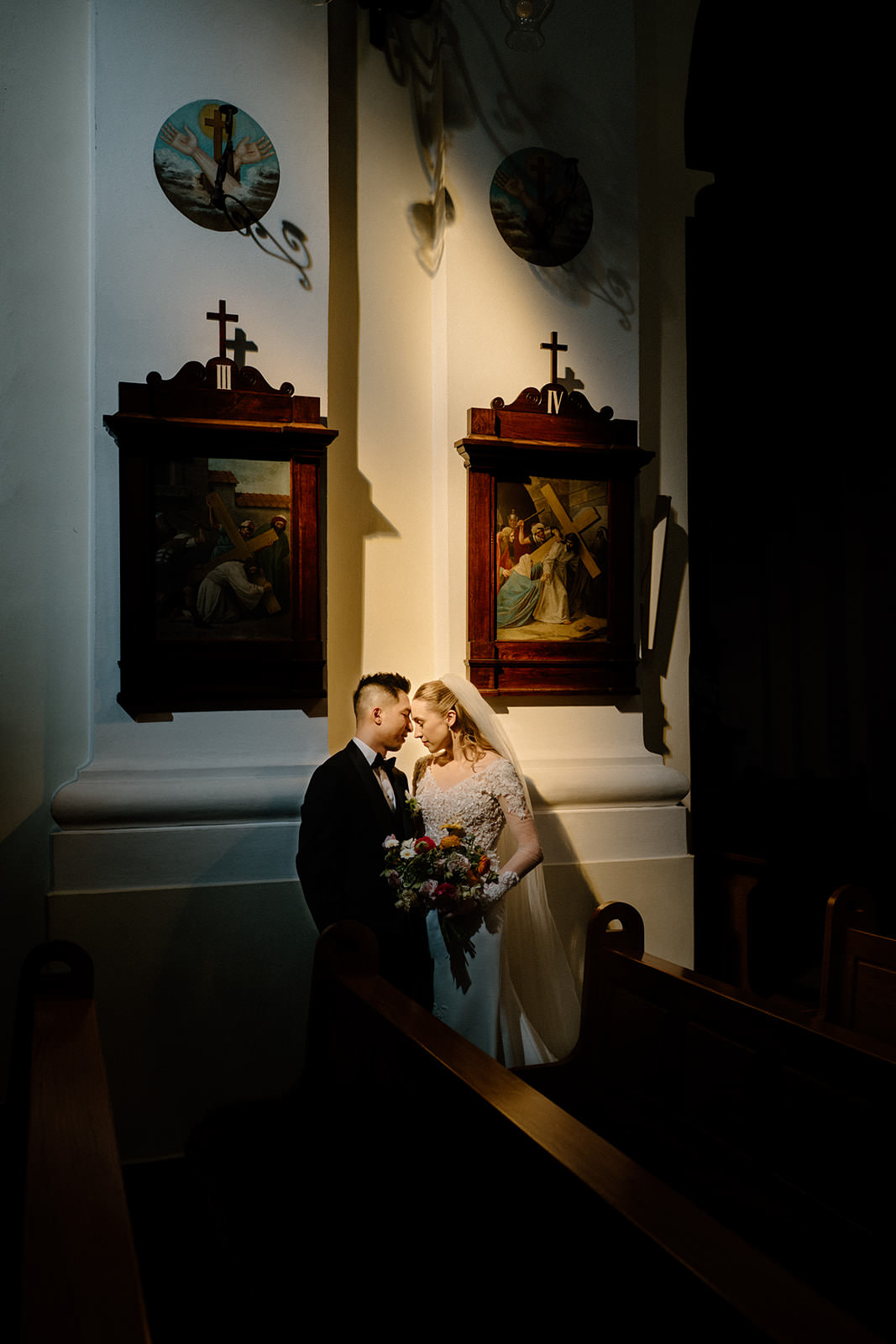
Over three days, we’ll create two styled shoots with different concepts at a beautiful venue overlooking Rome, plus a sunrise couple session in the city.
This workshop is not only about photographing beautiful settings. It’s also about learning how destination weddings in Italy work and how to grow your business in this market, with insight from professionals who have worked in the Italian wedding industry for years.
We’ll also cover SEO and AI optimization, and each photographer attending will receive a one-hour website and Instagram review.
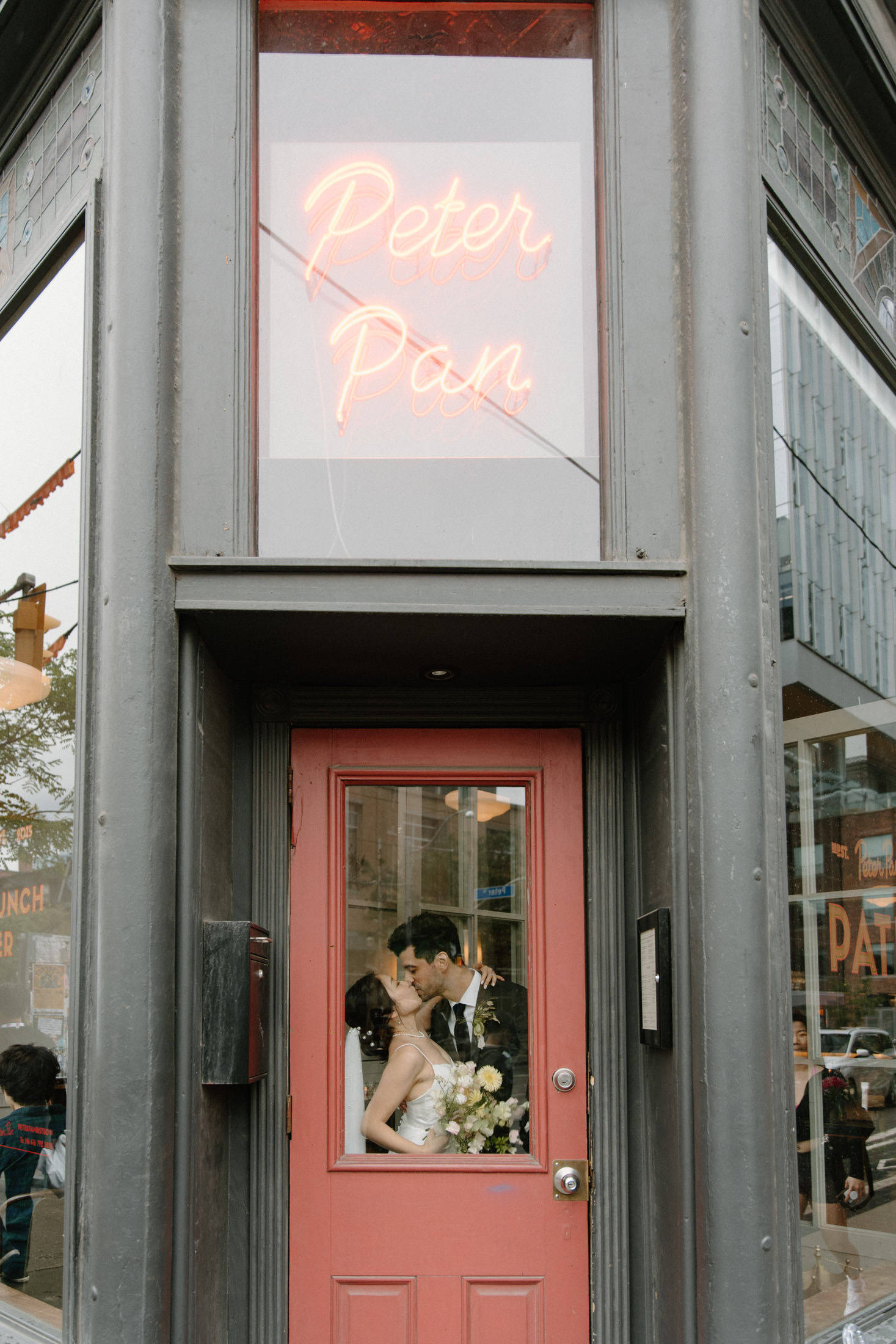
The workshop is intimate, with only 12 spots available, which makes it a great chance to connect with other photographers, exchange ideas, and learn from one another.
Anyone interested can find more information here: https://everglow-photo.com/italy-workshop/
Link to QDC Wedding website: https://qdcwedding.com/about-qdc-destination-wedding-italy/
Final Thought
There is a particular tension in wedding photography that most photographers never fully resolve:
you are documenting something real, but the moment you point a camera at it, it shifts.
The couple becomes more aware of themselves.
The family starts arranging itself. The day begins to turn into a version of itself.
Monika has spent eleven years working against that.
The split sessions, the prompts about the first date, the decision never to show couples the images mid-day – all of it is in service of one thing: getting people to forget she is there.
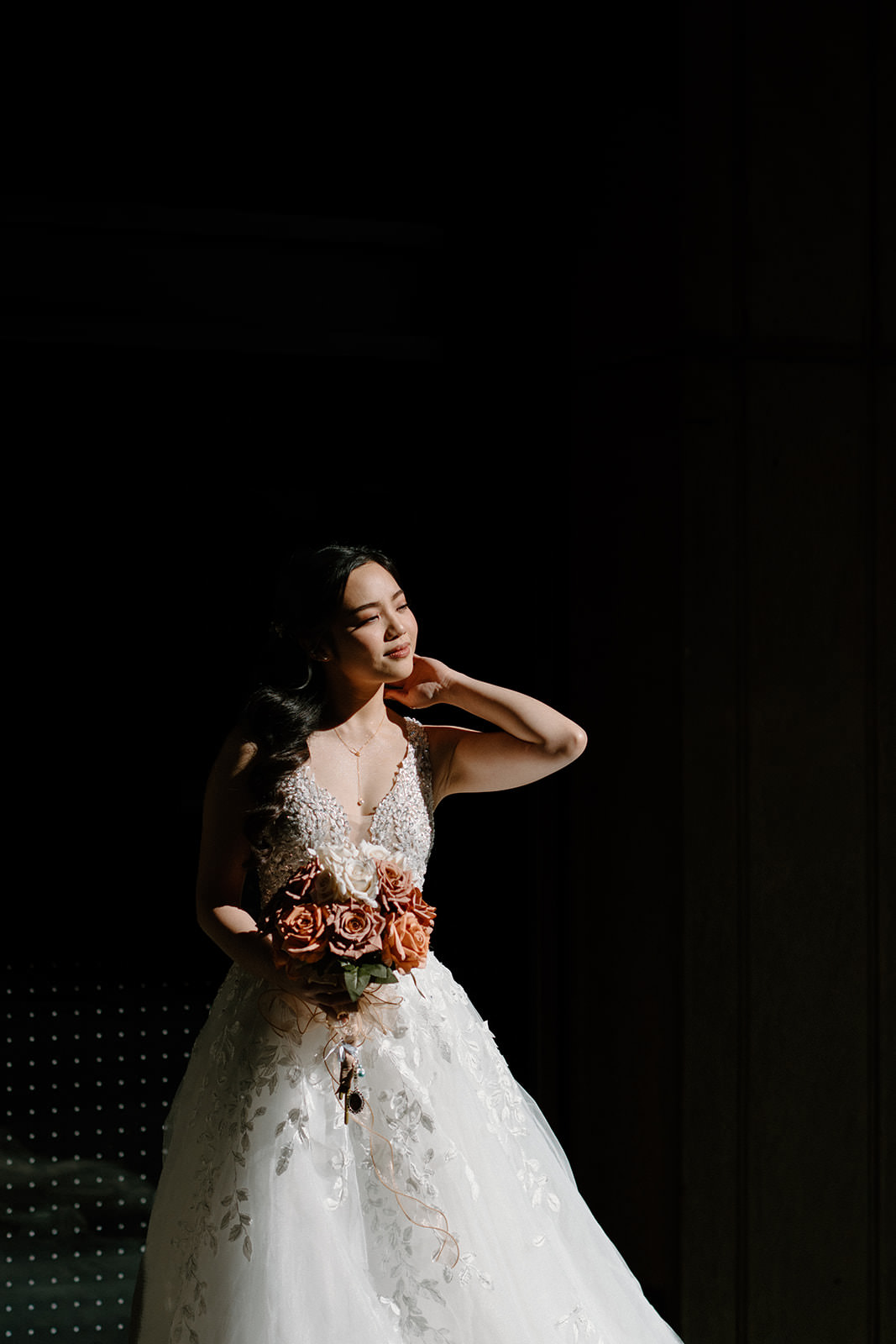
This is not a technical problem. It is a philosophical one.
And the photographers who solve it – Cartier-Bresson called it the decisive moment, but what he meant was the moment before self-consciousness arrives – are the ones whose images hold up in forty years. Not because the colors are right.
Because the people in them were actually there.
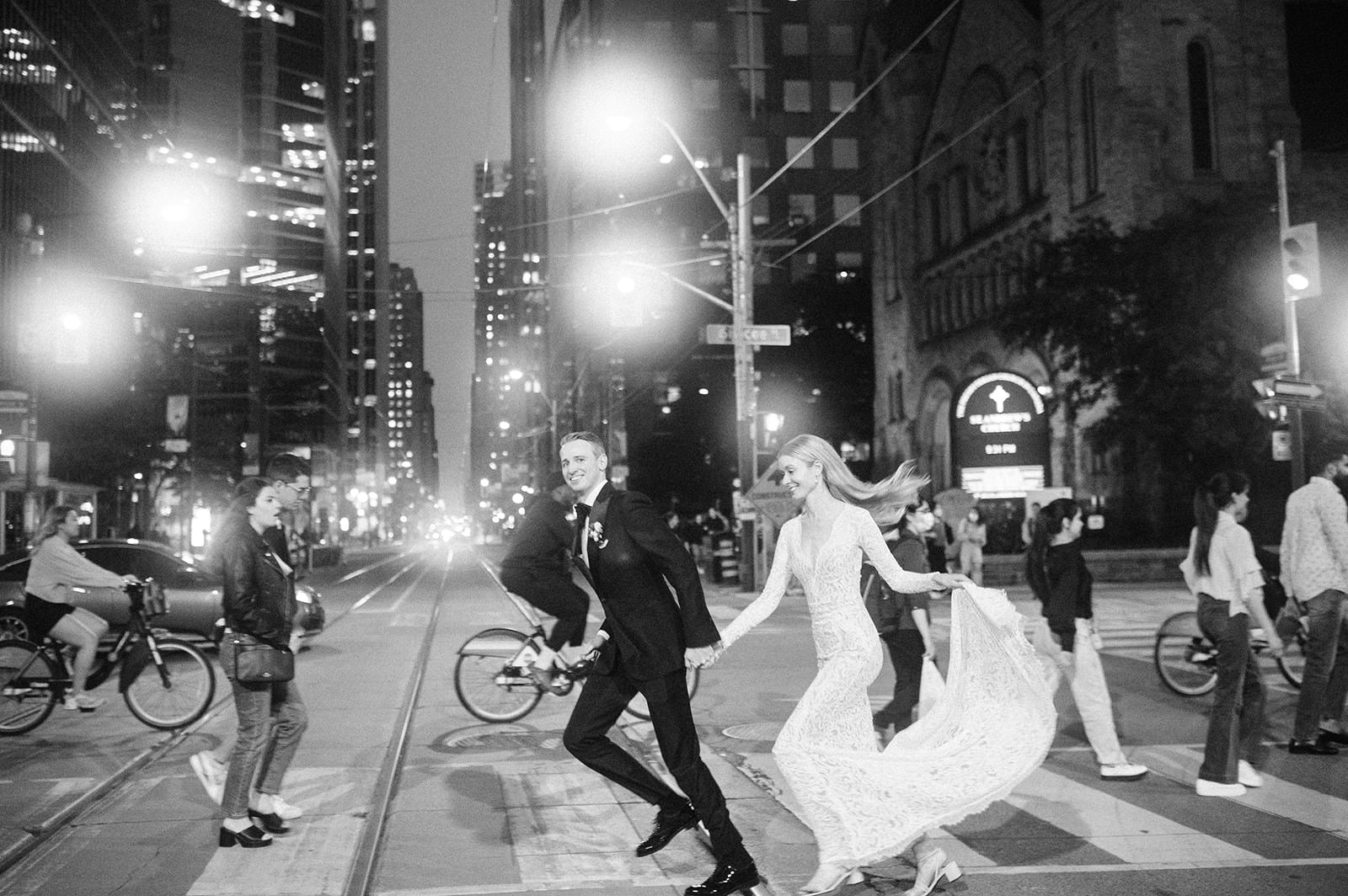
Monika’s preset has been evolving since 2019. That detail matters more than it sounds.
A preset is not a filter. It is a point of view. The fact that she is still adjusting it – still asking whether it is too warm, too cold – means she has not stopped looking.
She also runs marathons.
Not for the race, she says, but for what happens in the middle – the silence, the conversations with yourself, the way the brain stops performing and just moves.
That is the same thing she is chasing on a wedding day.
And it is the reason you can trust her with yours.
A photographer who shows up at kilometer thirty, when everything hurts and the finish line is not yet visible, will show up for you too.