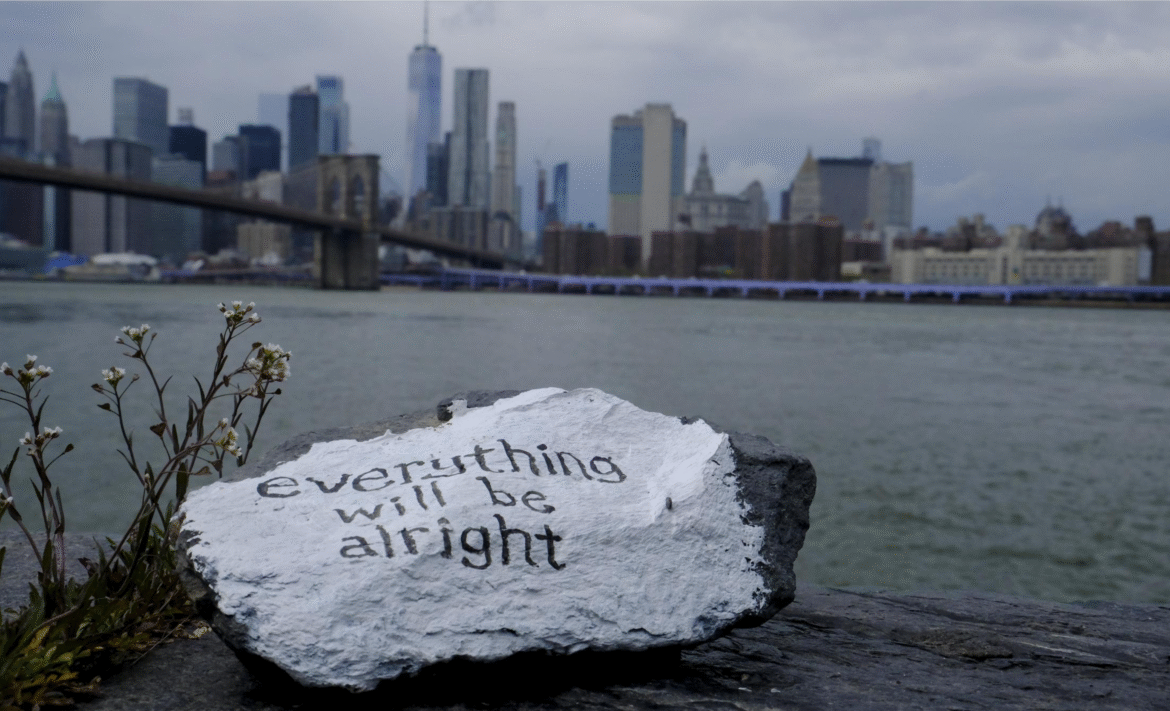
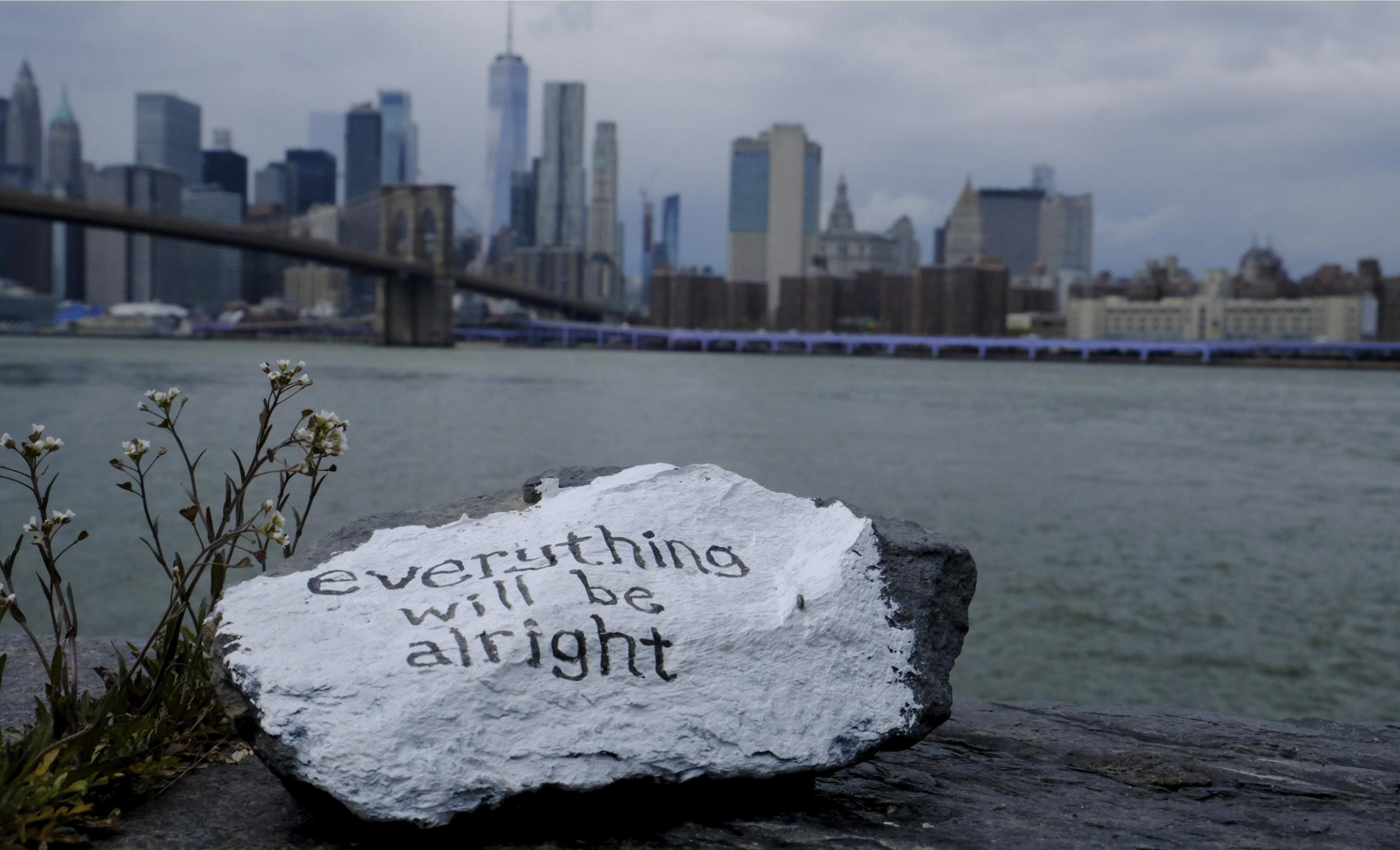
Photographer Luiz C. Ribeiro: “Everything will be alright”
Photographer Luiz C. Ribeiro on Photojournalism, Culture, and 10+ Years with JPEGmini
He arrived in the U.S. in 1986 with $500,
No English, and nowhere to live
and built a photojournalism career from the ground up.
The story
Luiz C. Ribeiro arrived in the United States in 1986 with $500 in his pocket, no English, and no place to live. He was 25 years old and had one dream: to become a photographer.
His first jobs were far from glamorous. He worked as a cleaner in a factory, then as a cleaner in a photo lab, sweeping floors. He describes himself as humble about it – but determined. Being inside that lab, even at the lowest level, placed him close to the craft he wanted to learn.
The spark came from home. Luiz remembers seeing photographs by Sebastião Salgado – and Salgado’s story, an economist who became a photographer, made him think: “If he can do that, I can do it too.” When Luiz arrived in the U.S., some Brazilians joked that he was a dreamer and would end up driving taxis or working in restaurants. Luiz says he was determined to prove them wrong.
He learned photography without formal education.
He is self-taught: processing film in the lab, reading everything he could, studying camera manuals “left and right,” practicing constantly, and staying informed about new technologies. Photography was his passion, and he educated himself through books and experience.
Three years after arriving, he sold two photos to the Associated Press – the turning point that launched his career. He was still working at the lab at the time. After that sale, AP started calling him first to pick up film from photographers, and eventually to work as a photographer himself. In 1992, the New York Post hired him as a staff photographer – six years after he arrived in America.
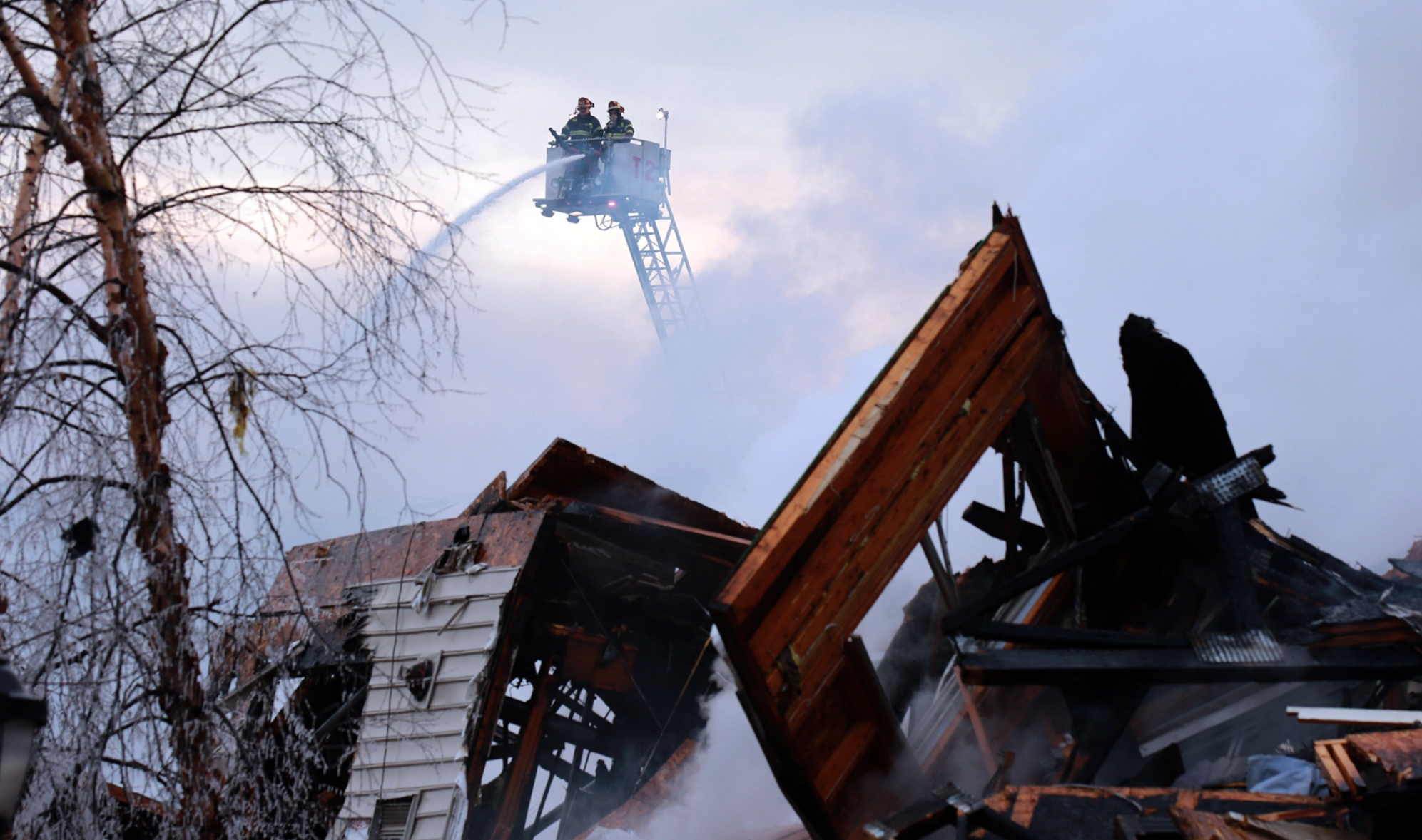
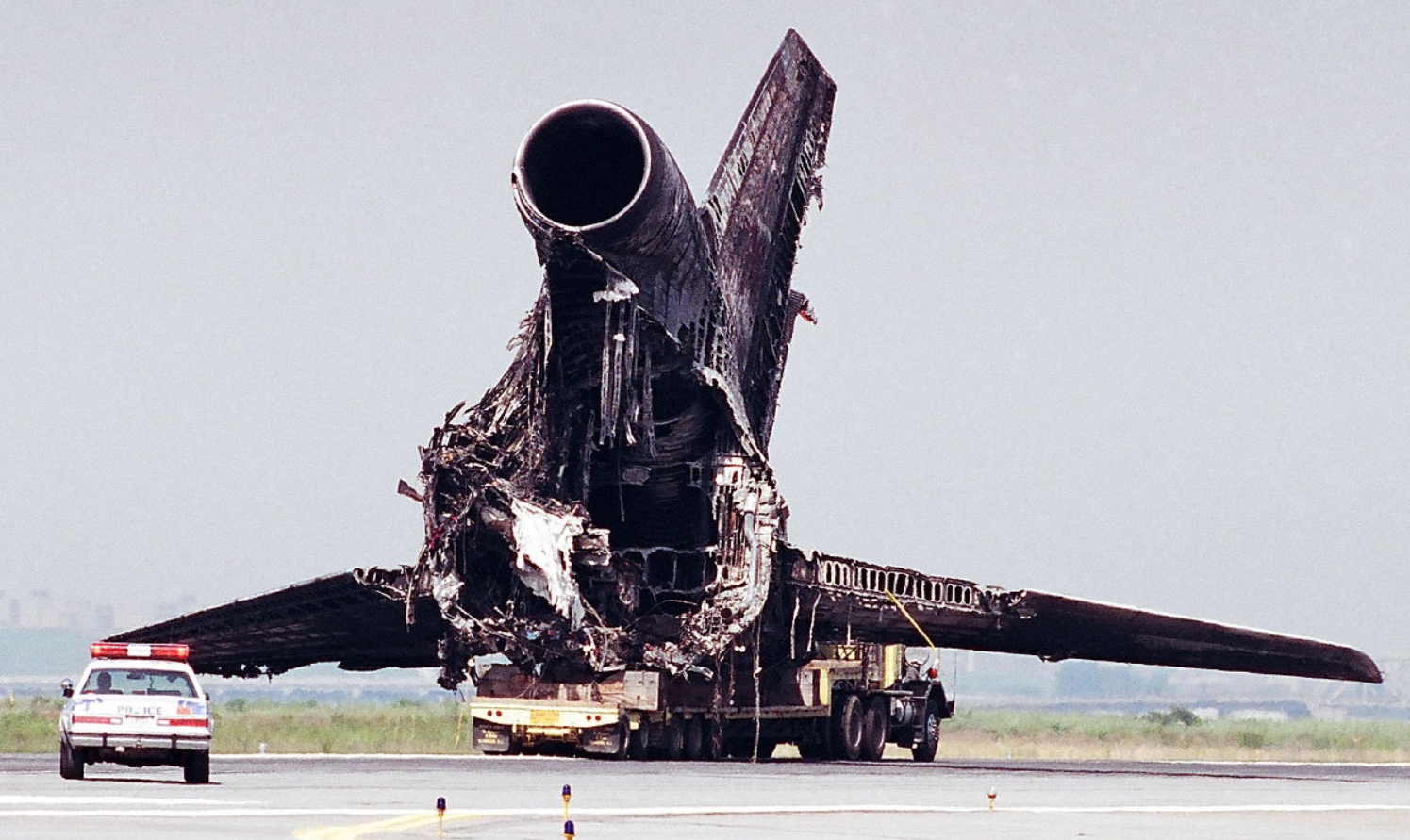
Even then, he continued working at the photo lab. In total, he worked there for about nine years. After the Post hired him, they asked him to stay another three years because he was very good at what he did and they needed time to replace him – while he kept learning photography the entire time.
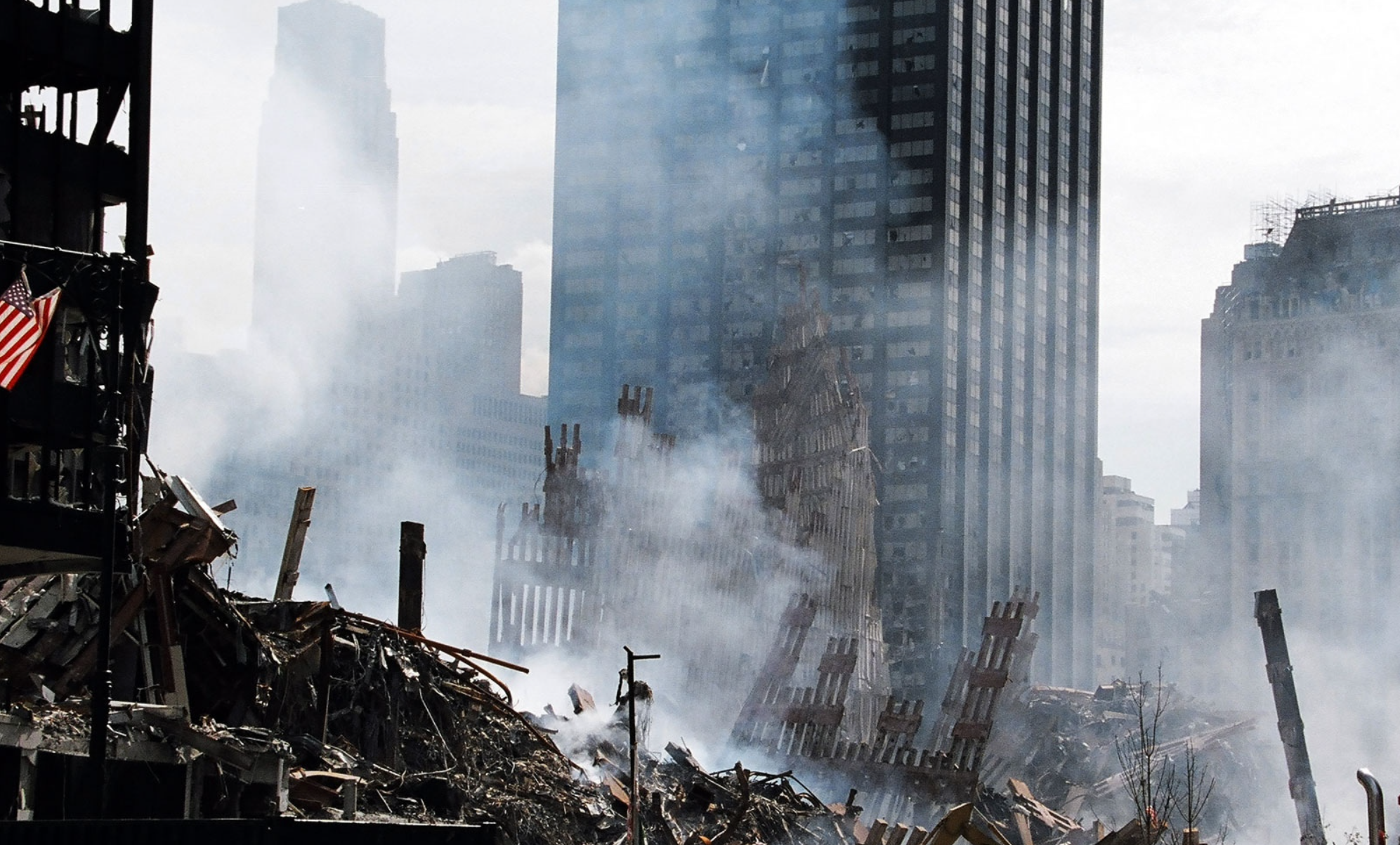
What major events have you covered as a photojournalist?
I’ve covered so much throughout my career. I photographed 9/11 with film cameras – I didn’t even have a digital camera at that time.
I covered the pandemic in New York, which was very emotionally difficult.
I’ve photographed presidents, popes, and major events.
Also I have worked as a set photographer for Sesame Street and for Brazilian TV productions.
I’ve been very prolific.
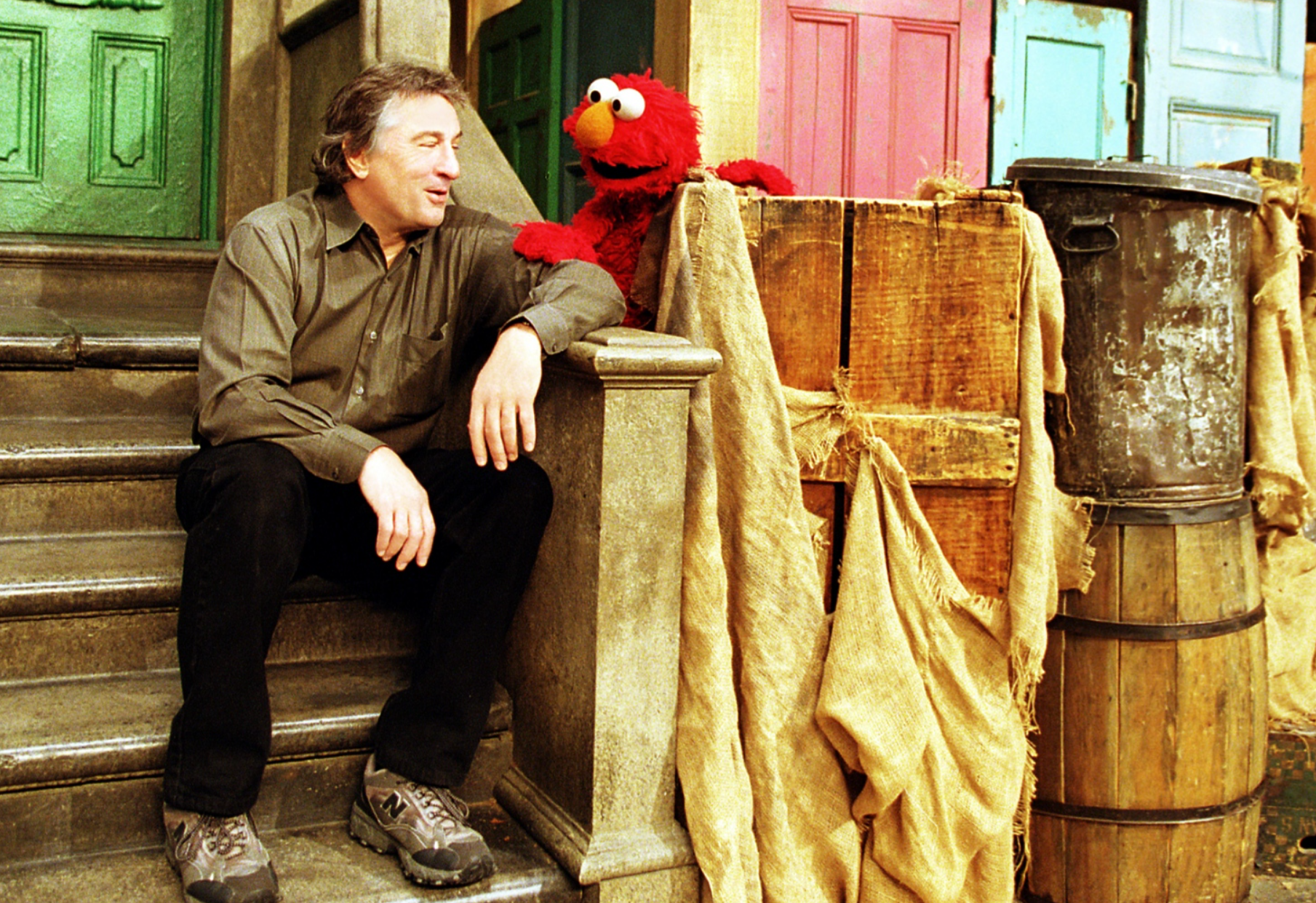
“It was very sad, I saw bodies coming out in body bags”
Tell us about your work during the COVID-19 pandemic
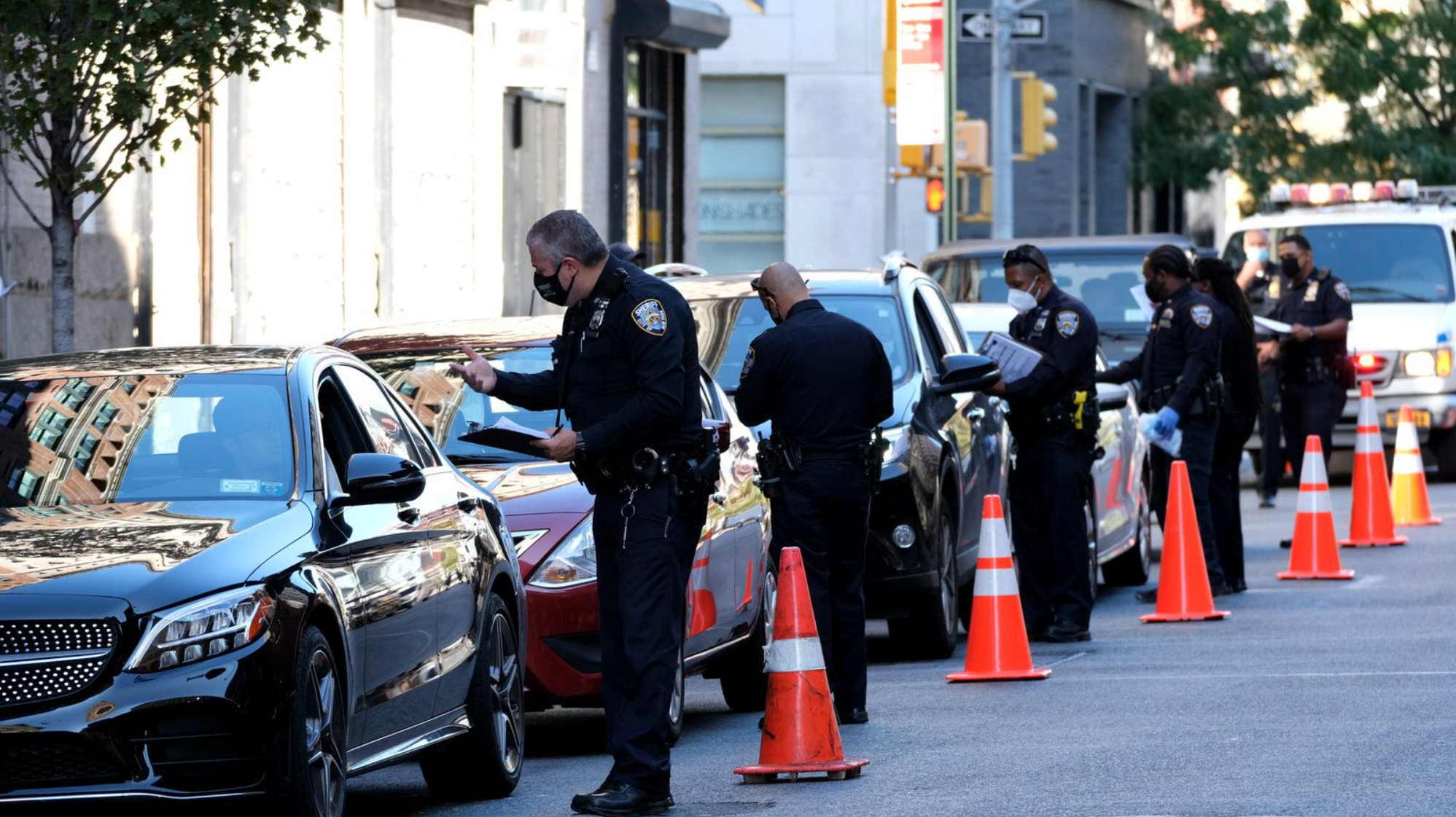
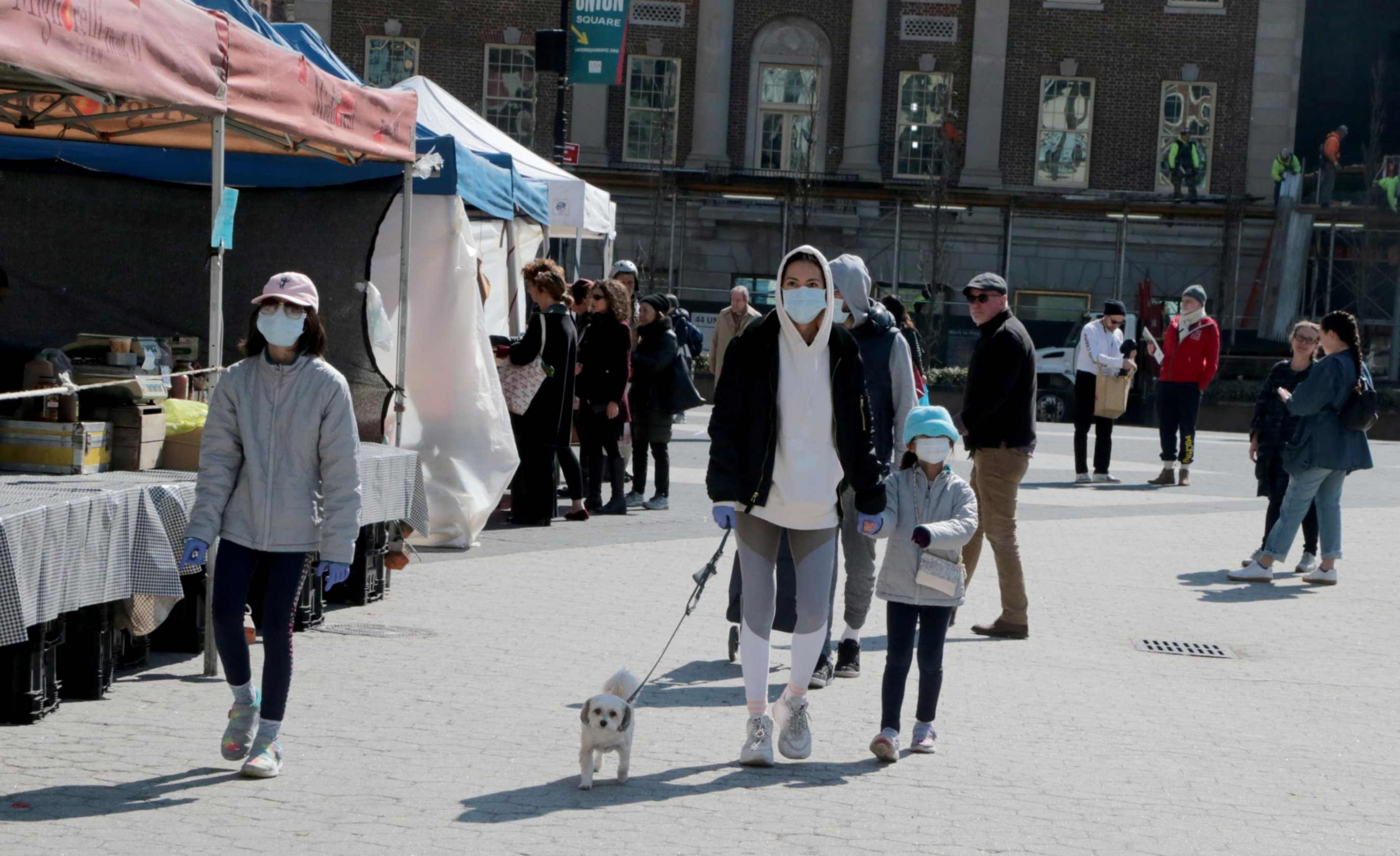
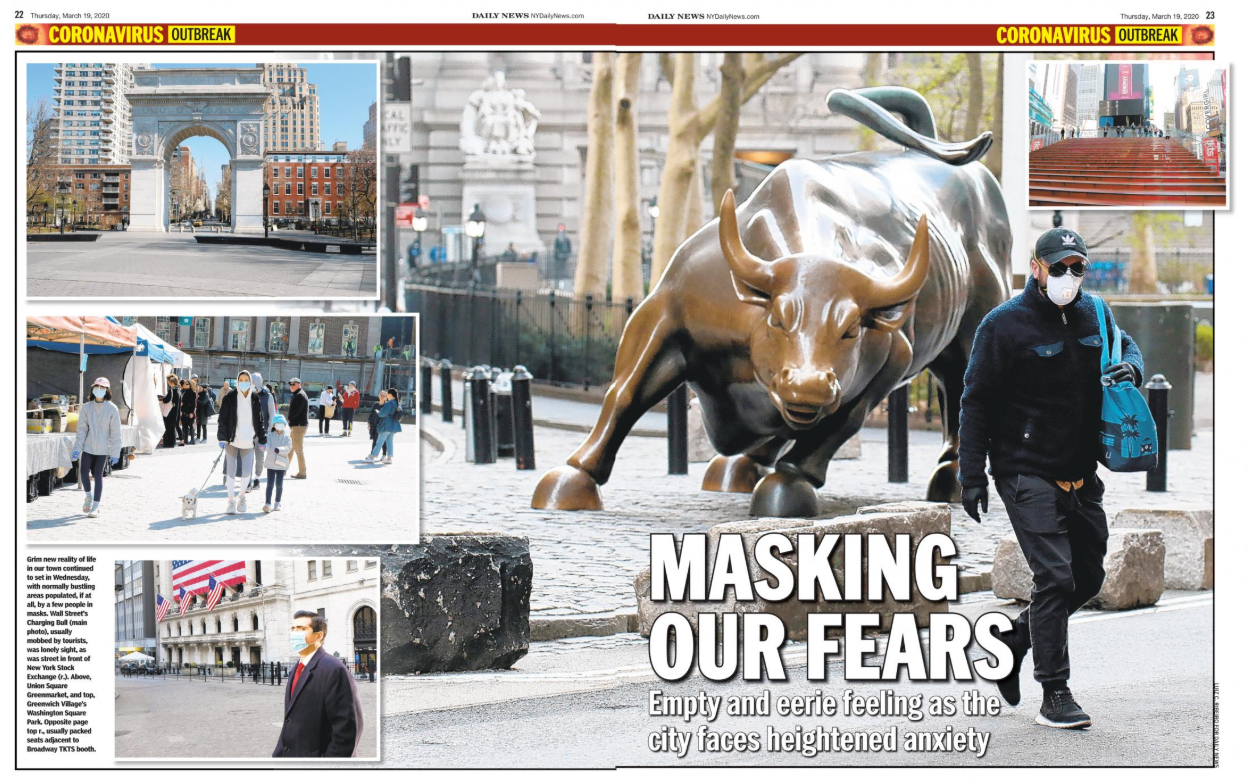
During the pandemic, I was one of the lucky photographers who had a job every day.
I worked for the New York Daily News throughout the entire pandemic.
It was very sad – I saw bodies coming out in body bags, trucks used as freezers to hold bodies.
I was deeply affected by it.
I actually won a director’s award for a short documentary about my pandemic work.
I didn’t get COVID until after the pandemic ended, when I went to Mexico for a client job.
Why do you use two different camera systems?
I use Canon for professional, high-quality work – the R1 and R3 models. But I also use Fuji cameras,
the XT5 and XH2, for street photography.
Canon cameras are big and heavy.
When I’m working on the streets and want to be discreet, I use the Fuji.
It makes me look like a tourist, not a professional photographer.
But the Fuji produces fantastic images – the color is beautiful and the file sizes are comparable with Canon Full size sensor cameras, they are huge and that is where JPEGmini comes into play.
“You photograph with your culture”
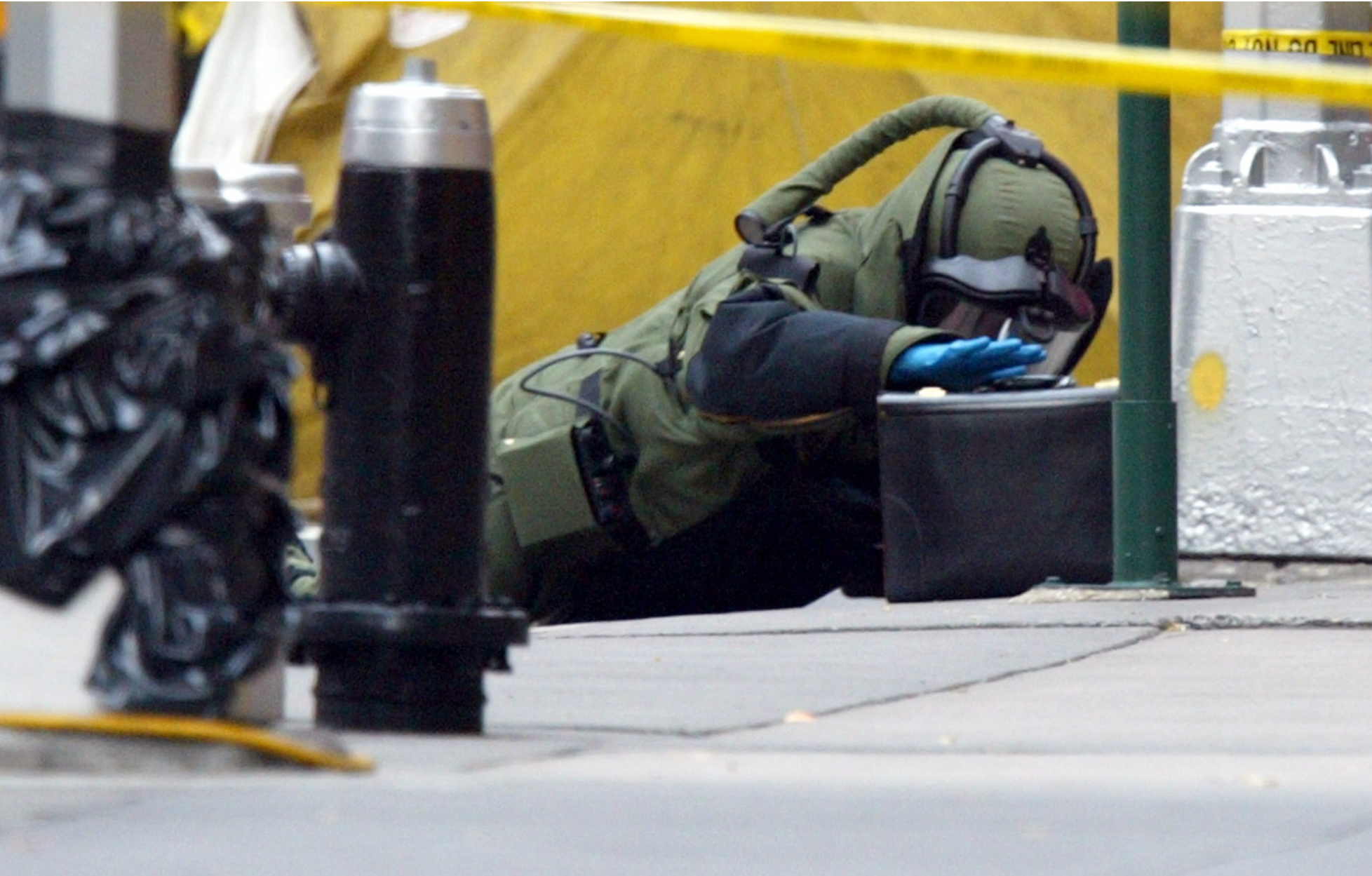
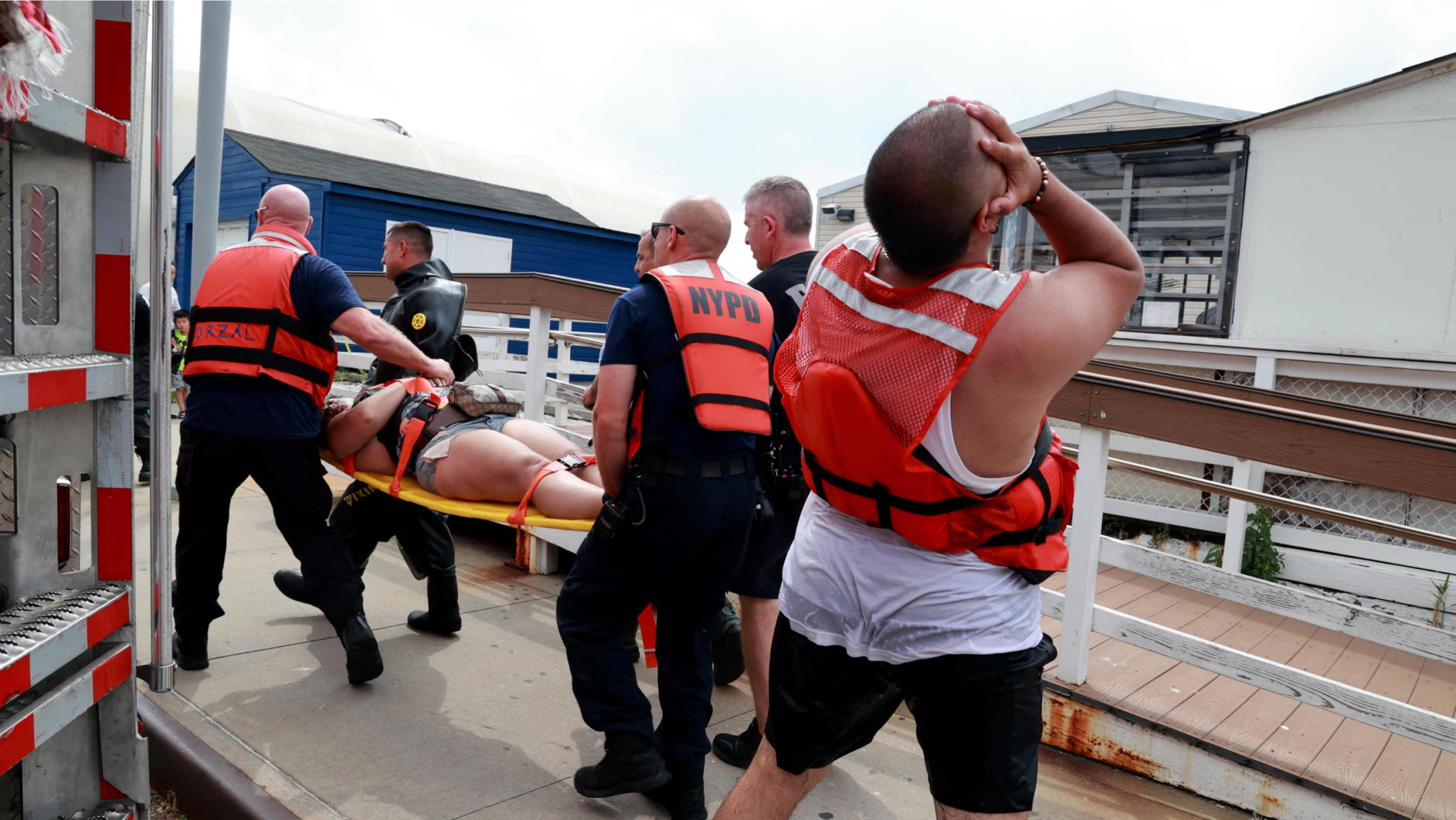
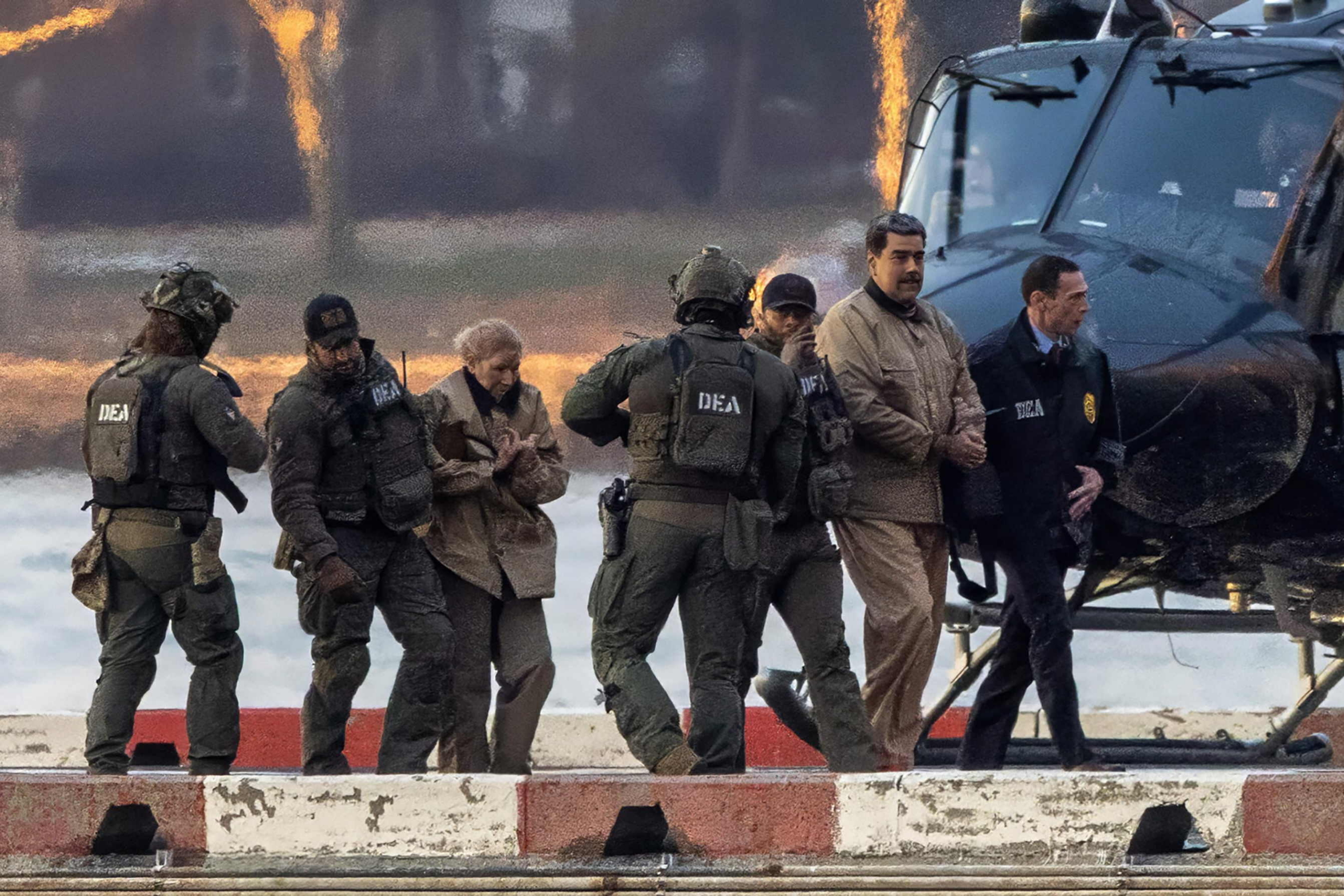
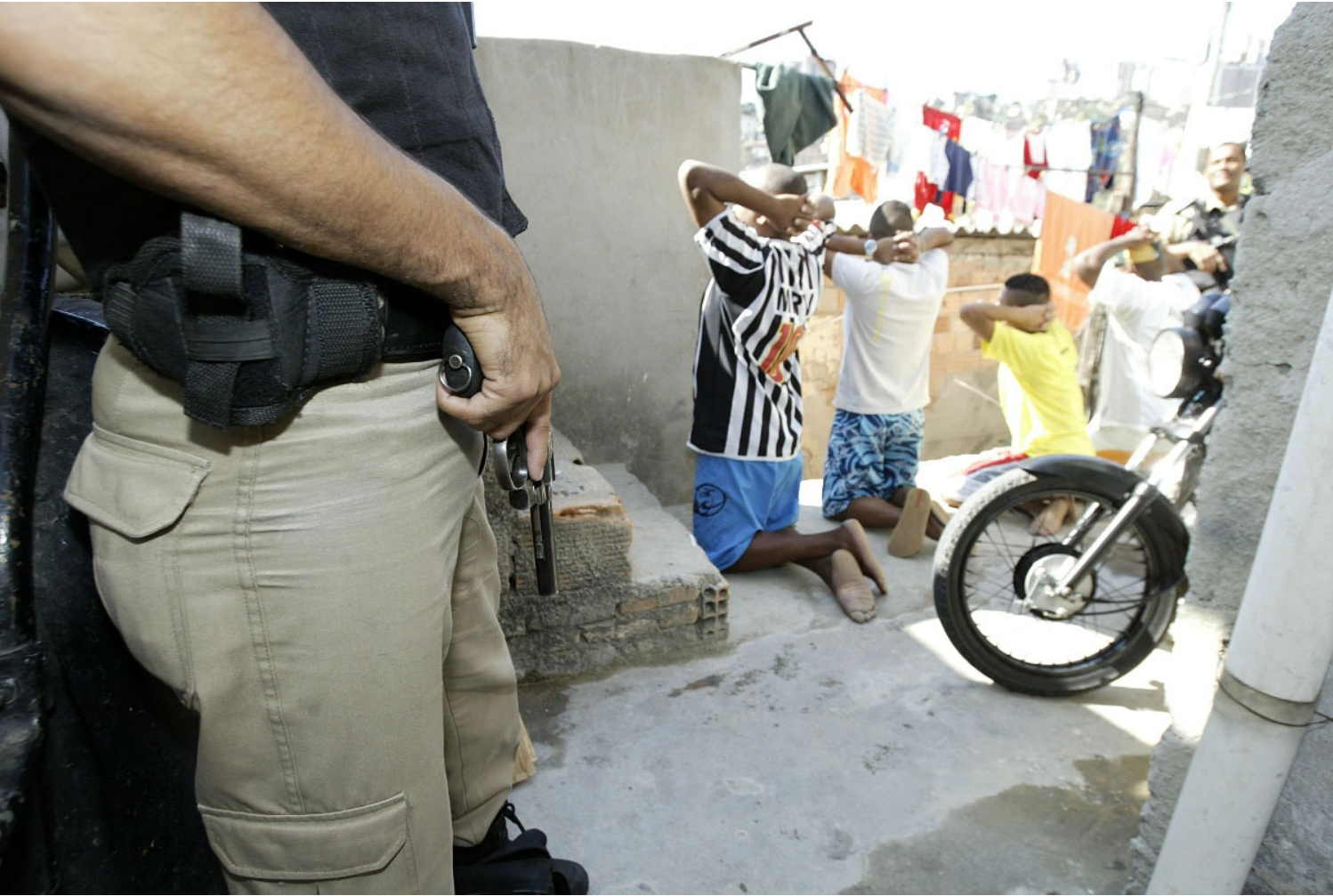
How does your immigrant background influence your approach to street photography?
You photograph with your culture.
What I learned as a kid in Brazil, my experiences, and the way people interact shaped who I am as a photographer.
Brazilian culture taught me how to approach people, how to interact with respect, and not to be afraid to talk or ask.
For me, photography is not about “stealing” an image. It’s about interaction.
You have to talk to people and let them open up to you.
If someone is closed inside, it will show in the photograph.
That openness, or lack of it, is always visible in the image.
“You need humor to survive in this world”
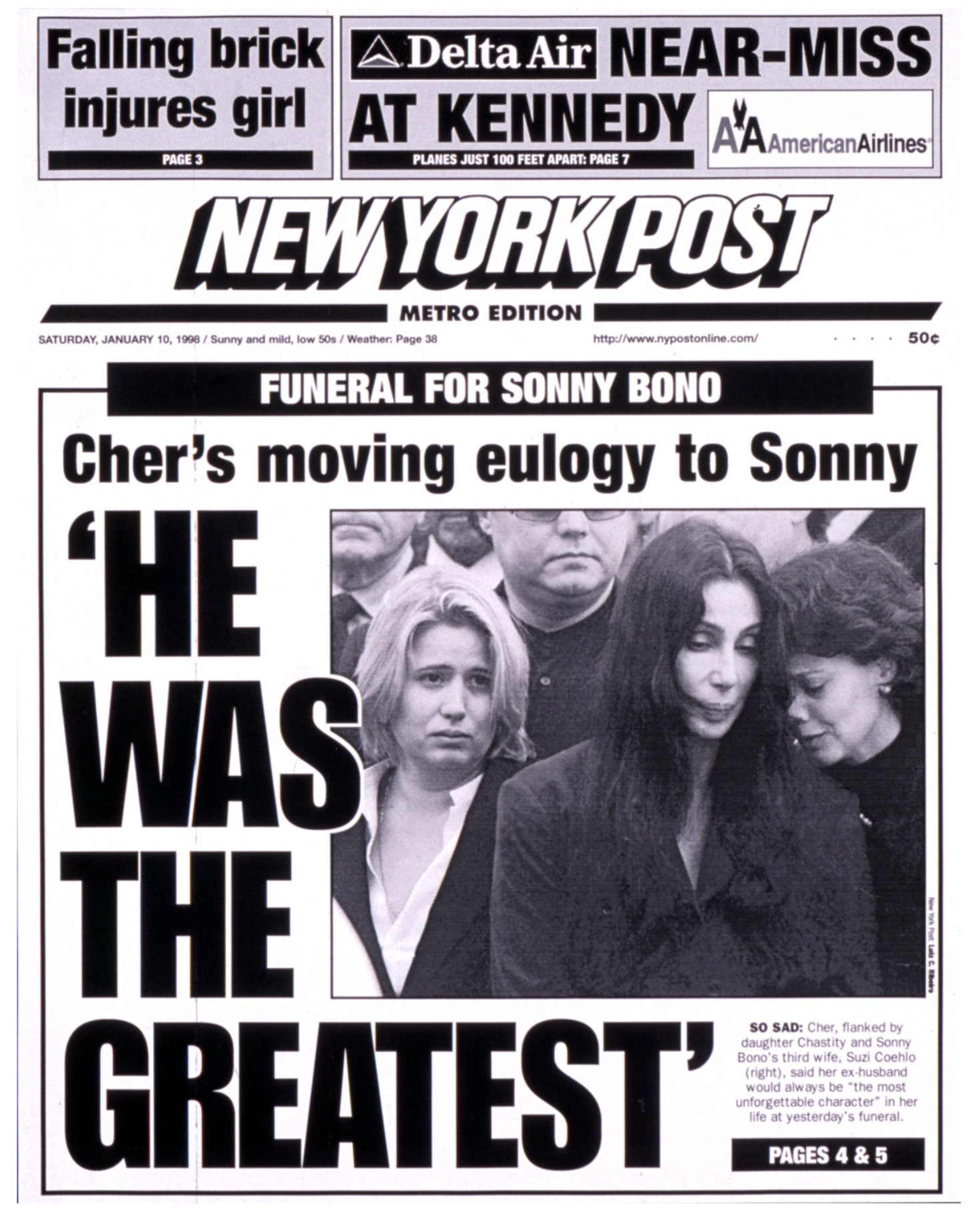
The main headline reads “‘HE WAS THE GREATEST’”, under the banner “Funeral for Sonny Bono.”
The cover story reports on Cher’s moving eulogy at the funeral of Sonny Bono, the singer, actor, and politician who had recently died.
The large black-and-white photograph shows Cher, visibly emotional, surrounded by family members during the funeral. According to the caption printed on the page, she is flanked by her daughter Chastity and Sonny Bono’s third wife, Suzi Coelho.
Smaller headlines at the top reference unrelated news stories, including a near-miss involving Delta Air Lines at Kennedy Airport and a brief item titled “Falling brick injures girl.”
Overall, the image documents a moment of public mourning, combining celebrity, grief, and tabloid-style headline design typical of the New York Post in the late 1990s.
What role does humor play in your work and life?
Brazilians have something special – we find humor in everything, even in suffering.
This is part of my culture, and it helps me deal with the heavy subjects I photograph.
You need humor to survive in this world, especially when you’re documenting difficult realities.
“It saves money and time”
You’ve been using JPEGmini for over 10 years. What do you love about it?
I love your product – it’s a lifesaver. I’ve been using JPEGmini since the beginning when you guys came out on the market.
It saves me money on hard drive space and lets me transfer images very fast to clients. I don’t have to send those big files that some clients don’t even know how to operate with.
I can make them smaller to the size I want, and I can also boost the file size if needed.
It’s fantastic!
When I send images to clients or newspapers, I don’t send the big files – I use JPEGmini to resize them. Online galleries don’t need big files anyway; they can take anything from a cell phone.
But for print and archives, I always keep the original files.
JPEGmini lets me send files quickly without taking up too much space on hard drives or bandwidth.
It saves money and time.
Why are captions and image protection so important to you?
Photos without proper information are no photos.
Newspapers receive thousands of images every day – a good caption makes a photo reusable weeks, months, or even years later.
I register my work and track where it appears online.
Protecting images is part of respecting the work.
When you look back – from arriving in 1986 with $500 to working for the New York Post – what does success mean to you now?
A lot of people in Brazil see me as a success story.
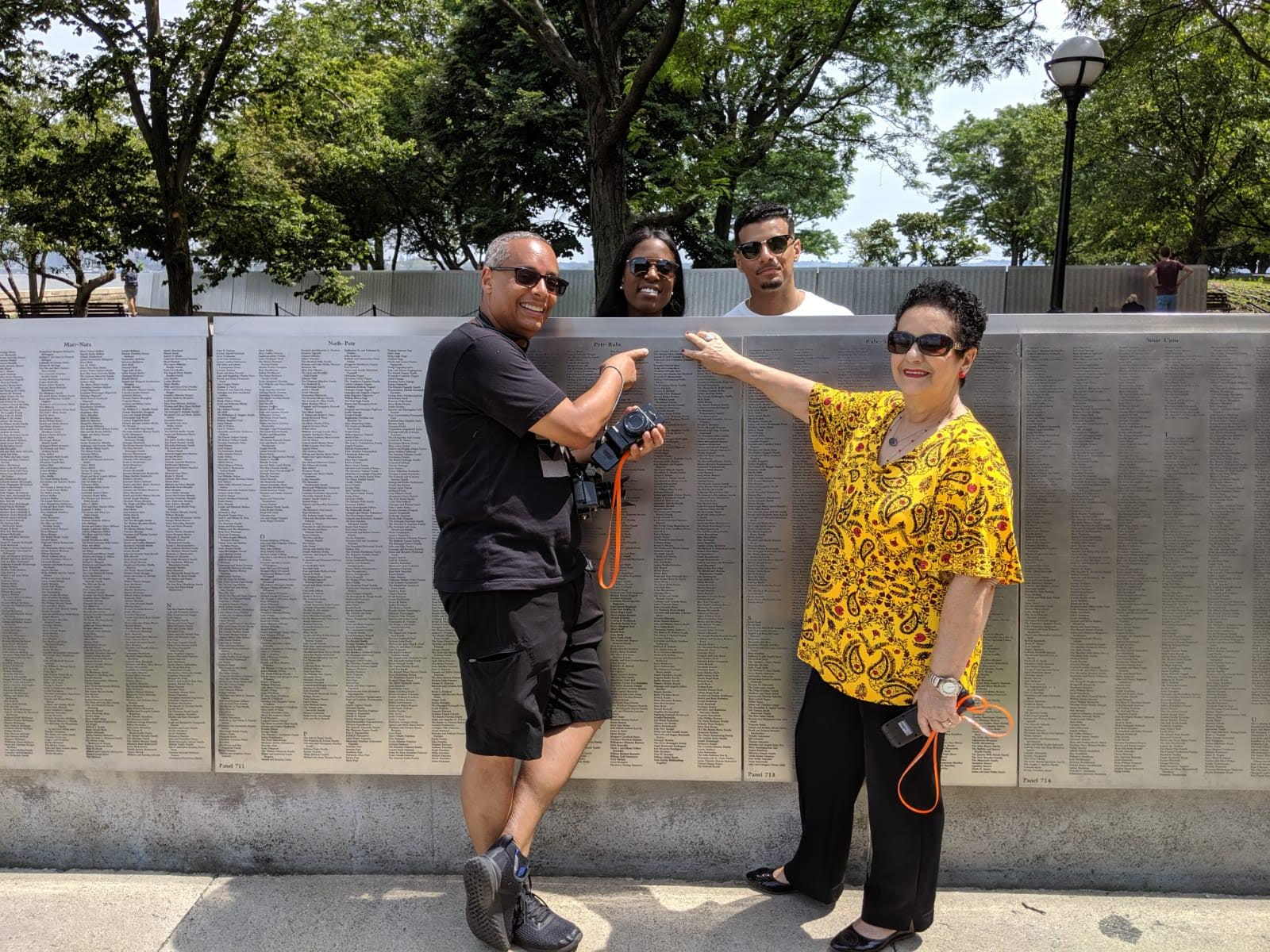
I don’t have a formal education, I don’t have a degree… My name is at Ellis Island, on the Wall of Honor of immigrants.
I came here with $500, no English…and my name is honored.
Final thoughts
Not because the world is gentle – Luiz has photographed enough tragedy to know it isn’t !
But because persistence, curiosity, and human connection still matter.
From sweeping floors in a photo lab to documenting history, Luiz’s story is not about overnight success or perfect conditions.
It’s about showing up, staying open, and trusting that the work compounds over time.
In a profession shaped by chaos, deadlines, and constant change, his calm optimism feels almost radical. It’s not denial – it’s experience speaking.
And after nearly four decades behind the camera, you just have to believe him:
Everything will be alright.