Takehiro Sasahara – A Japanese Graphic Designer Who Found His Voice Through Photography
Takehiro Sasahara is a freelance photographer based between Tokyo and Sendai, Japan.
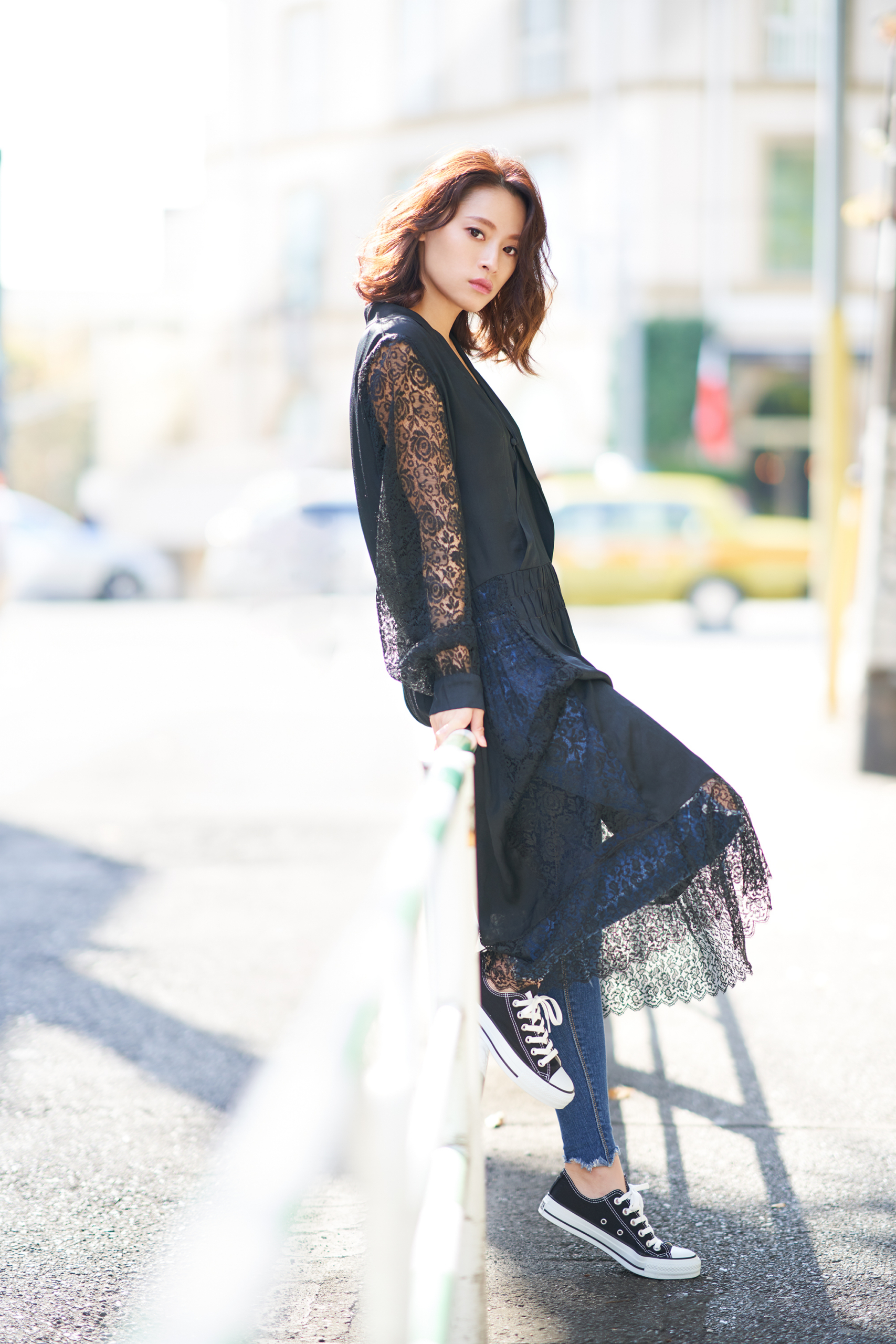
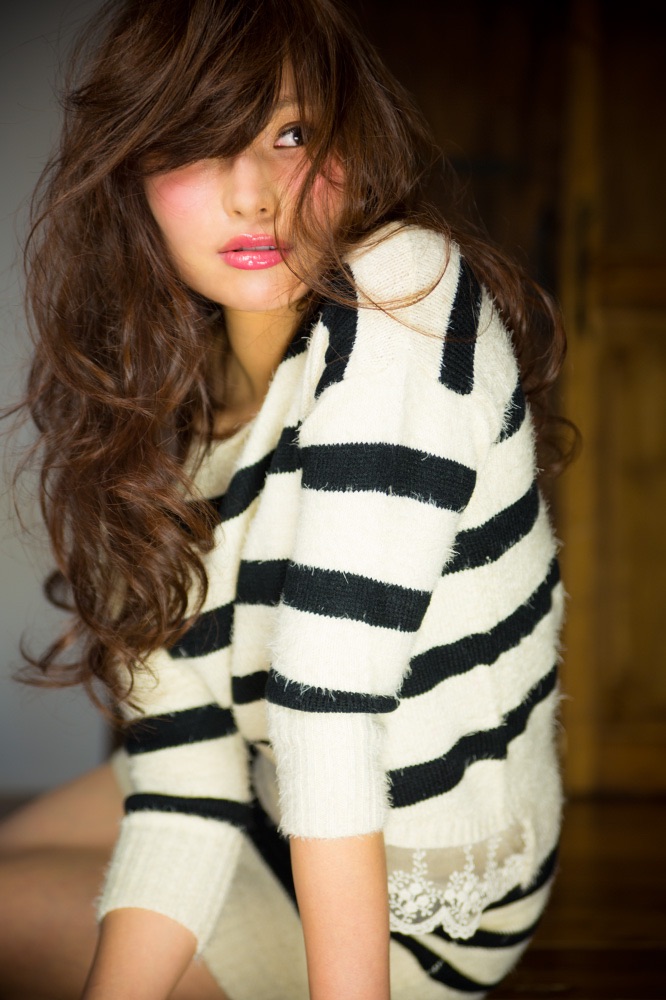
He originally studied graphic design and worked at a design studio, where his interest in photography gradually developed. Around 25 years ago, this interest led him to transition into professional photography. He initially focused on portrait and fashion photography, producing work for advertising campaigns, magazines, brochures, and promotional posters for television stations.
Over time, his practice evolved toward commercial and advertising photography.
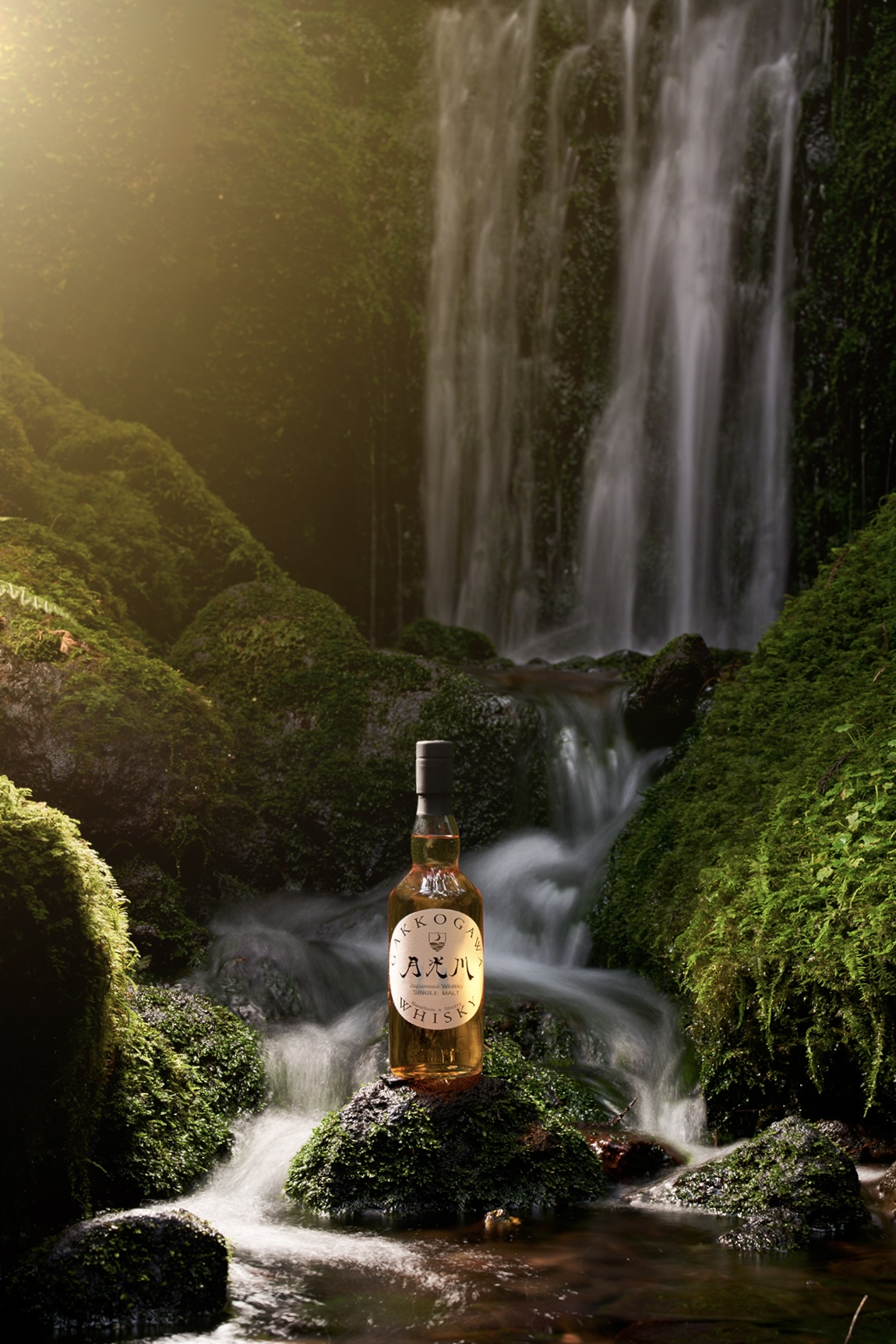
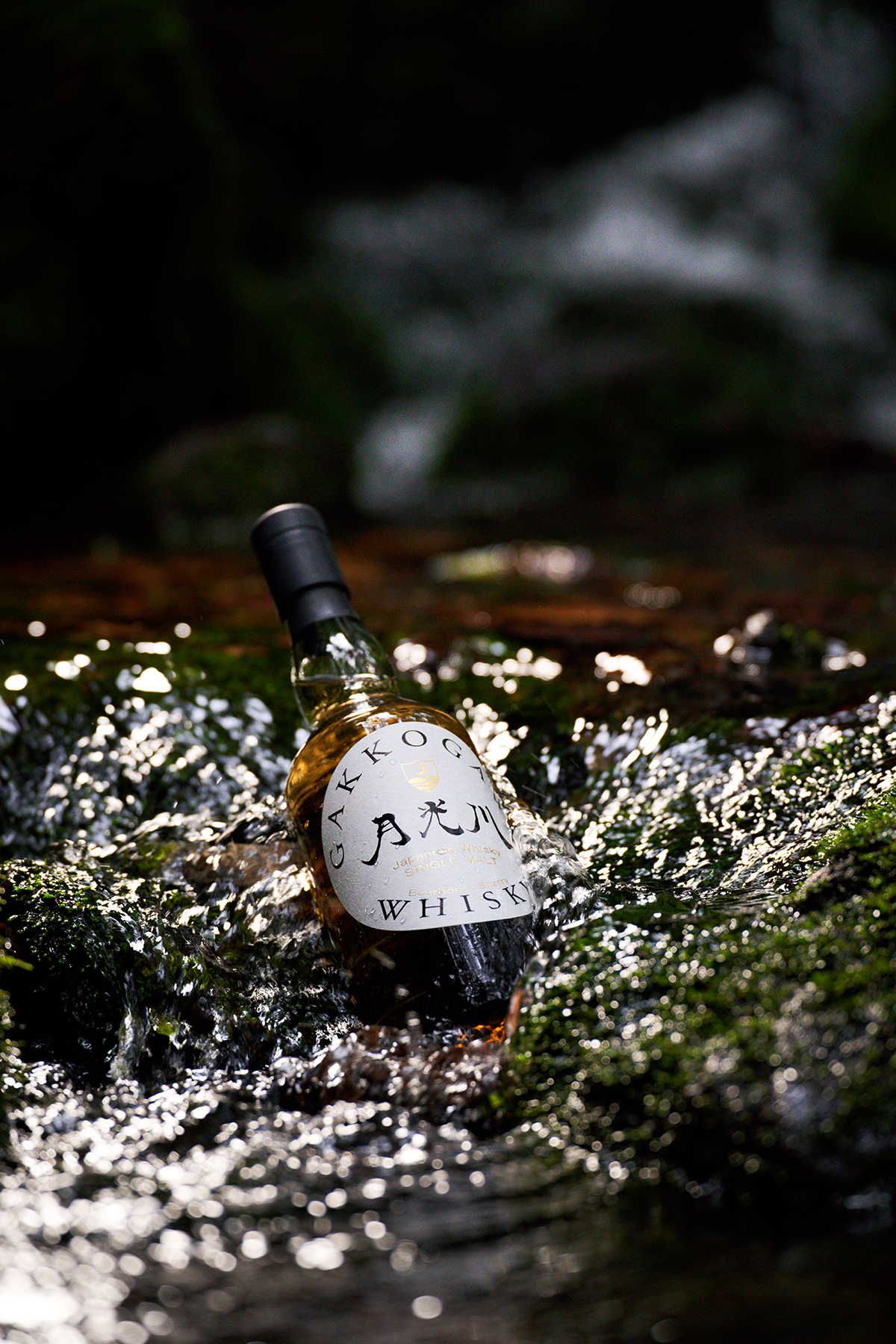
He now works with a wide range of clients, including hospitality venues such as ANGELINA Wedding Venue and Tendo Hotel, broadcasting companies like khb Higashi-Nippon Broadcasting, and beverage brands including Gekko River Distillery (Japanese whisky) and various sake producers. In addition to still photography, he also creates video content for clients such as Mitsui Fudosan Building Management.
https://www.takehirosasahara.com/
How do you think your background in graphic design helps you as a photographer?
I believe the fundamental principle of design is organization. The primary role of graphic design is to organize information in order to communicate something clearly. This applies to photography as well – I’m always thinking about what I want to show and how to organize the visual elements to convey that message effectively.
When I was a designer, I treated photographs as “background” or “material” – something to place text and graphics on top of. Now, as a photographer, the photograph is the main subject. But my designer’s perspective has stayed with me, and that’s become a real strength.
For example, advertising photography and editorial photography require completely different approaches. An advertisement needs a single image with impact and strength, while magazines or brochures need a series of images that tell a story. Having a design background allows me to understand and respond to these differences when I shoot.
I also find it easier to understand what art directors are looking for. Even when the layout hasn’t been finalized – whether text will go on the right or left, or which side the model will be placed – I can anticipate both possibilities and shoot accordingly. Being on the “receiving end” as a photographer while still maintaining the “creating end” perspective of a designer helps me work more smoothly with clients and designers. I think that dual perspective comes directly from my background in graphic design.
Japan is highly regarded for both design and photography.
Does this environment influence your creative work, or do you sometimes feel pressure from it?
To be honest, I do experience a bit of “the grass is always greener” feeling. When you’re in Japan, it’s easy to think that conditions are better elsewhere. But when people from overseas tell me that Japan is highly regarded, it makes me see my own environment in a new light.
As for Japanese advertising, the period from the 1964 Tokyo Olympics through the early 2000s was truly remarkable. Many global corporations invested heavily in creating outstanding campaigns for the world stage. Now, with the rise of global companies in China, Hong Kong, and South Korea, I see their advertising far more frequently. And to be frank, I find the photography and design coming from those countries to be truly excellent.
It’s true that large-budget advertising campaigns aren’t as common as they once were. But in response, we Japanese creators have sharpened our focus on the craft itself – on how to achieve the highest quality within limited resources.
I feel we’ve shifted toward valuing subtlety and narrative depth over spectacle.
I want to continue holding on to the distinctly Japanese approach to work – the attention to detail, the sense of care. And while it’s not always obvious when you’re living here, Japan offers a very free environment for creative expression.
The fact that there are almost no religious constraints is significant.
We celebrate Christmas in December, then visit Shinto shrines for New Year’s two weeks later – something nearly unthinkable in most other countries. This cultural flexibility, this openness to embracing different traditions, may influence photography in ways that are hard to define but deeply felt.
Being told that Japanese photography is highly regarded is genuinely wonderful. I don’t feel it as pressure. Instead, it motivates me to keep creating work that lives up to that recognitio
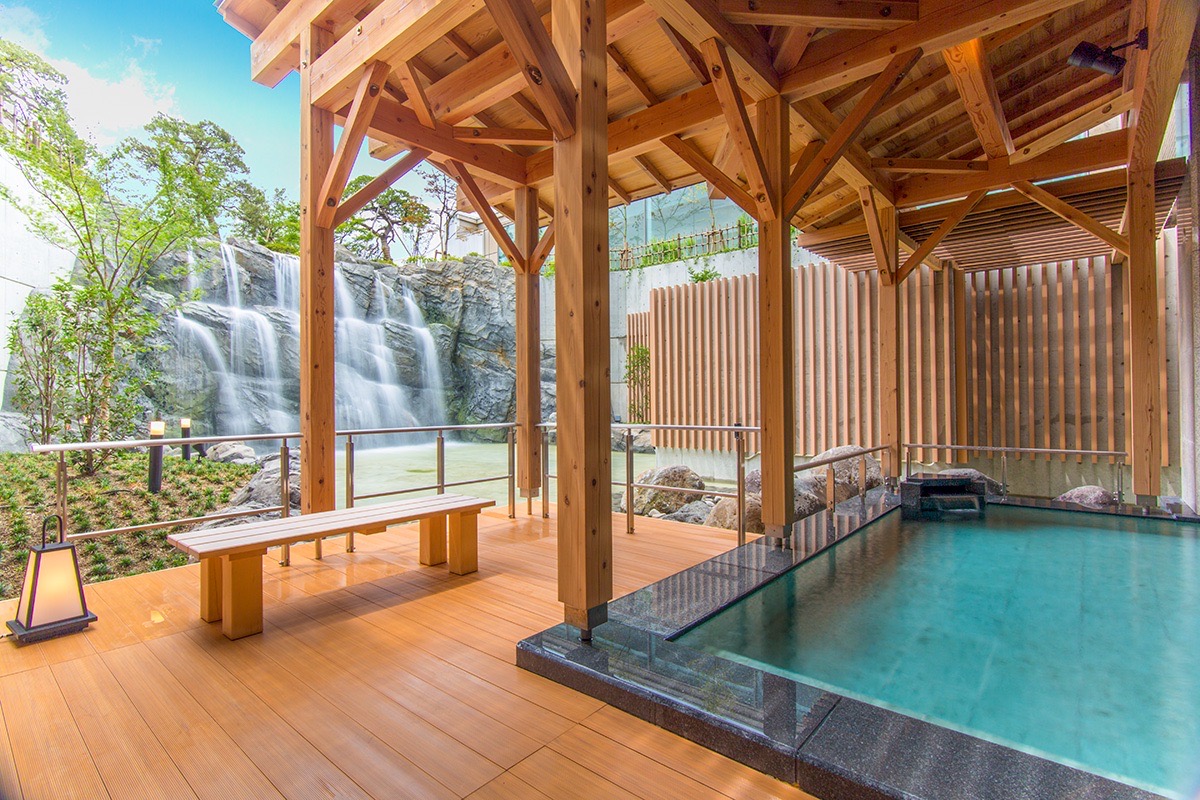
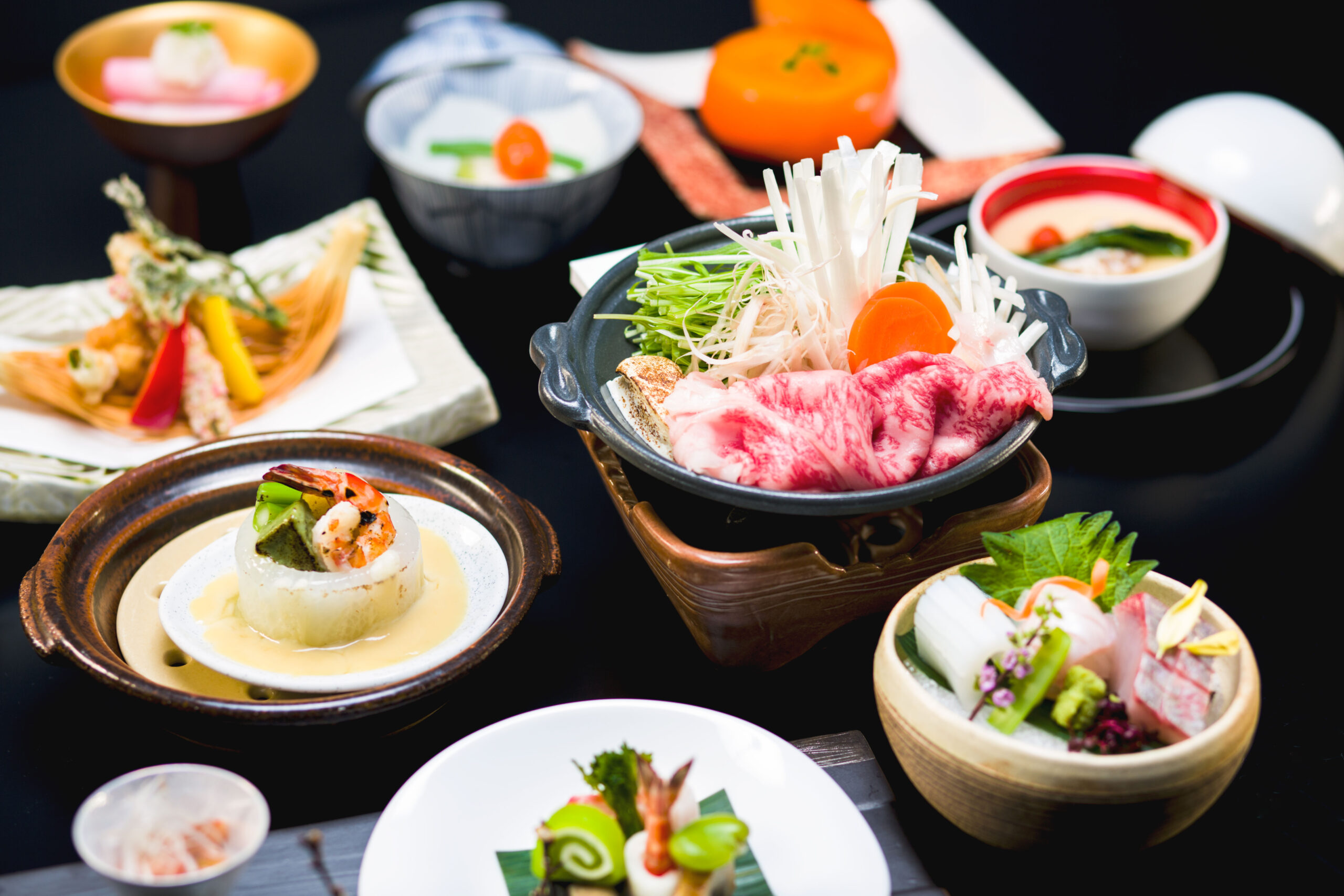
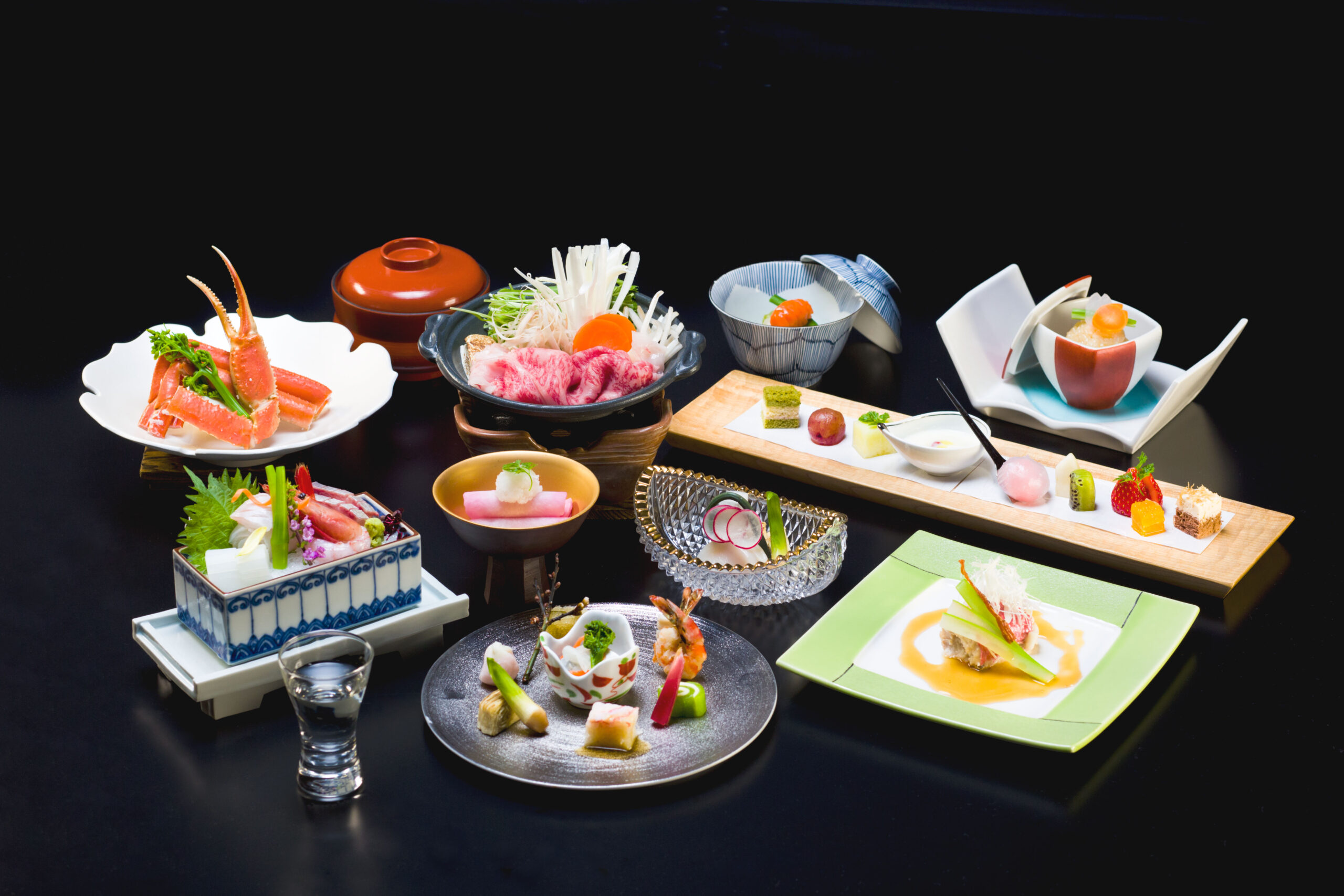
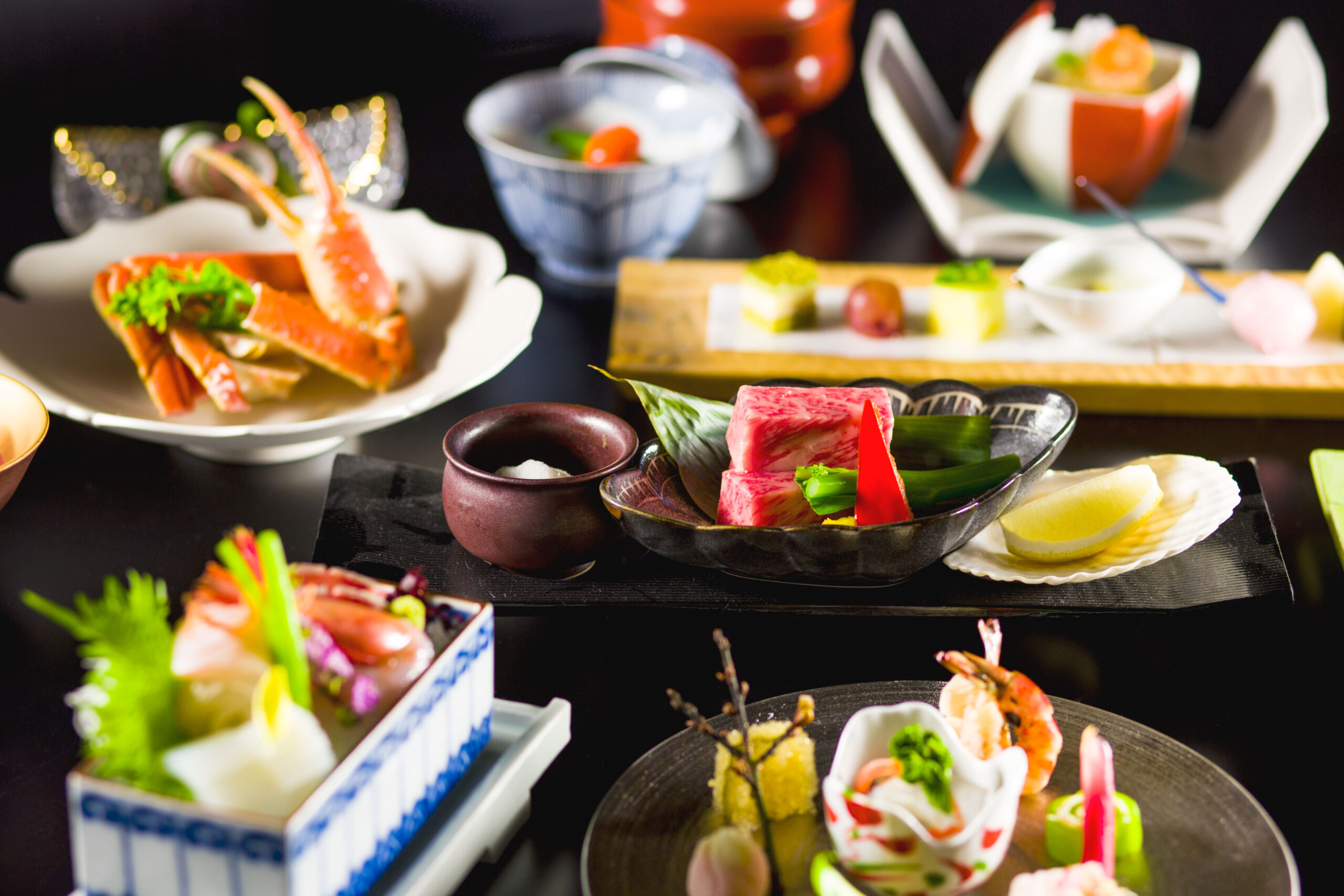
Looking at your website, I see that you mainly shoot in three areas: weddings, architecture, and food.
These are fields that require different techniques and perspectives, but how do they connect for you?
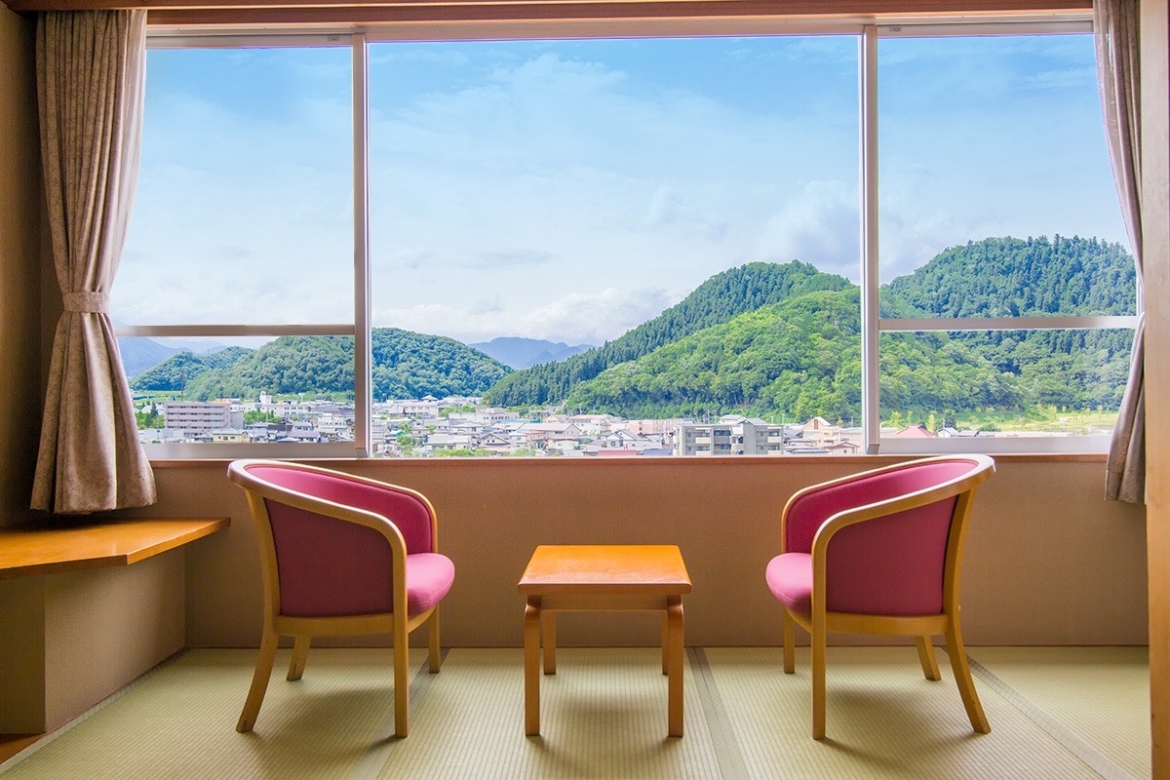
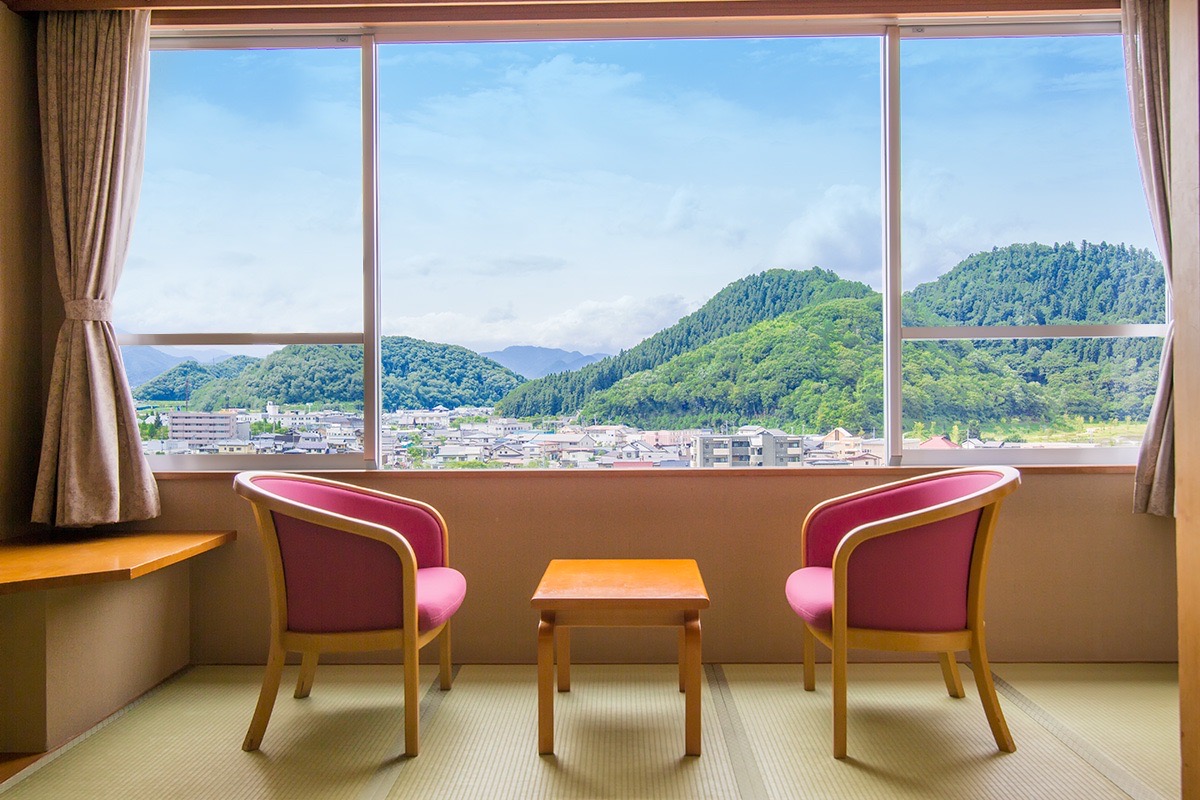
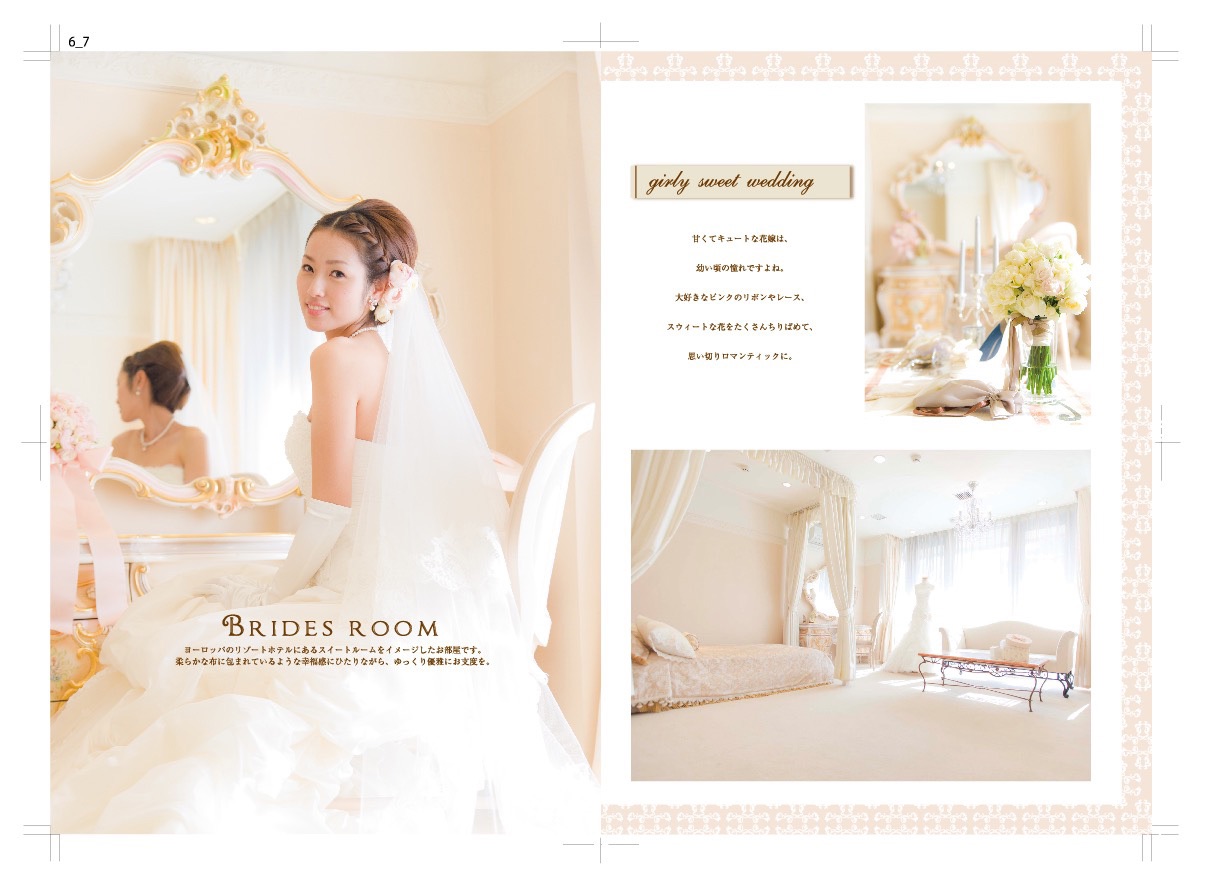
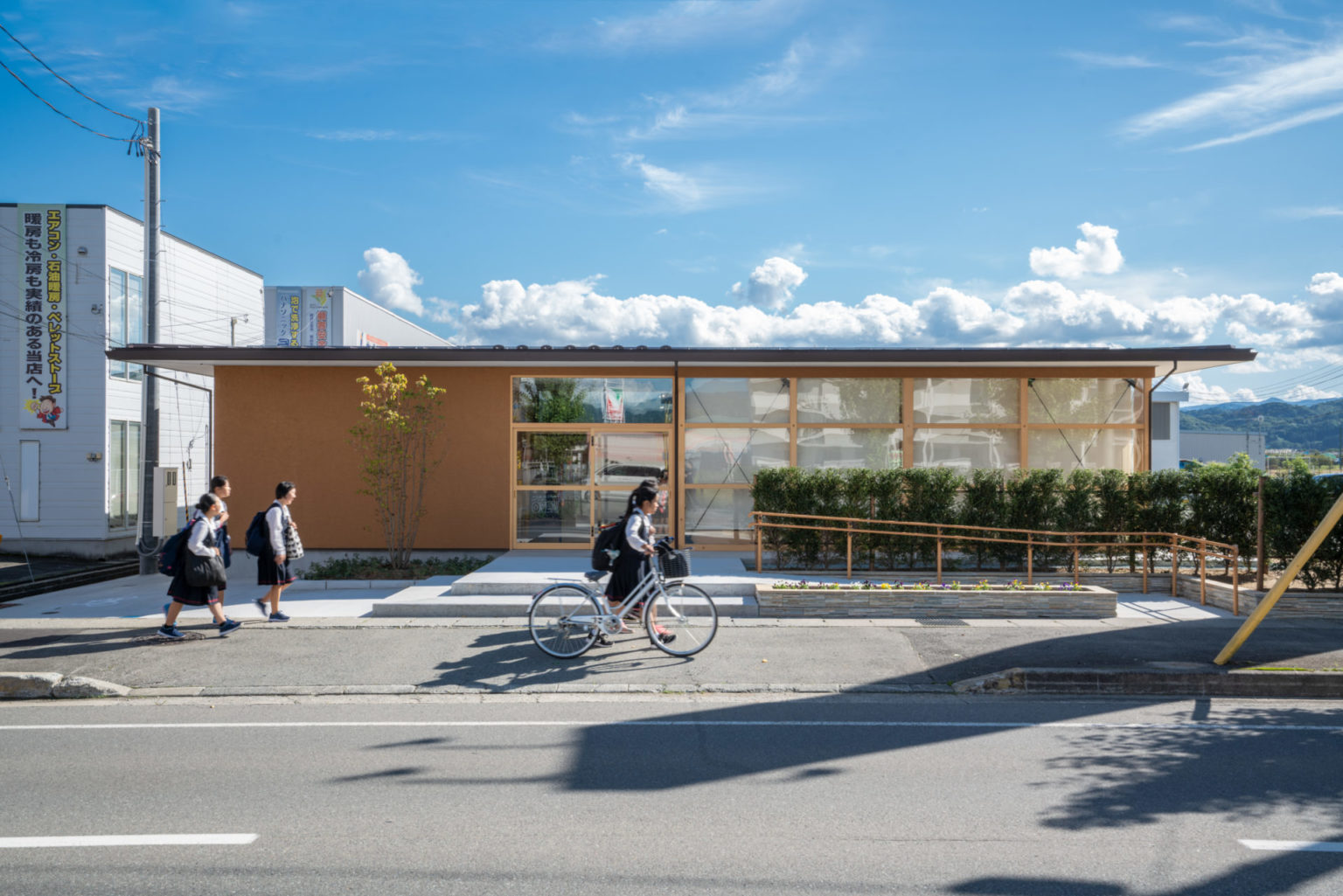
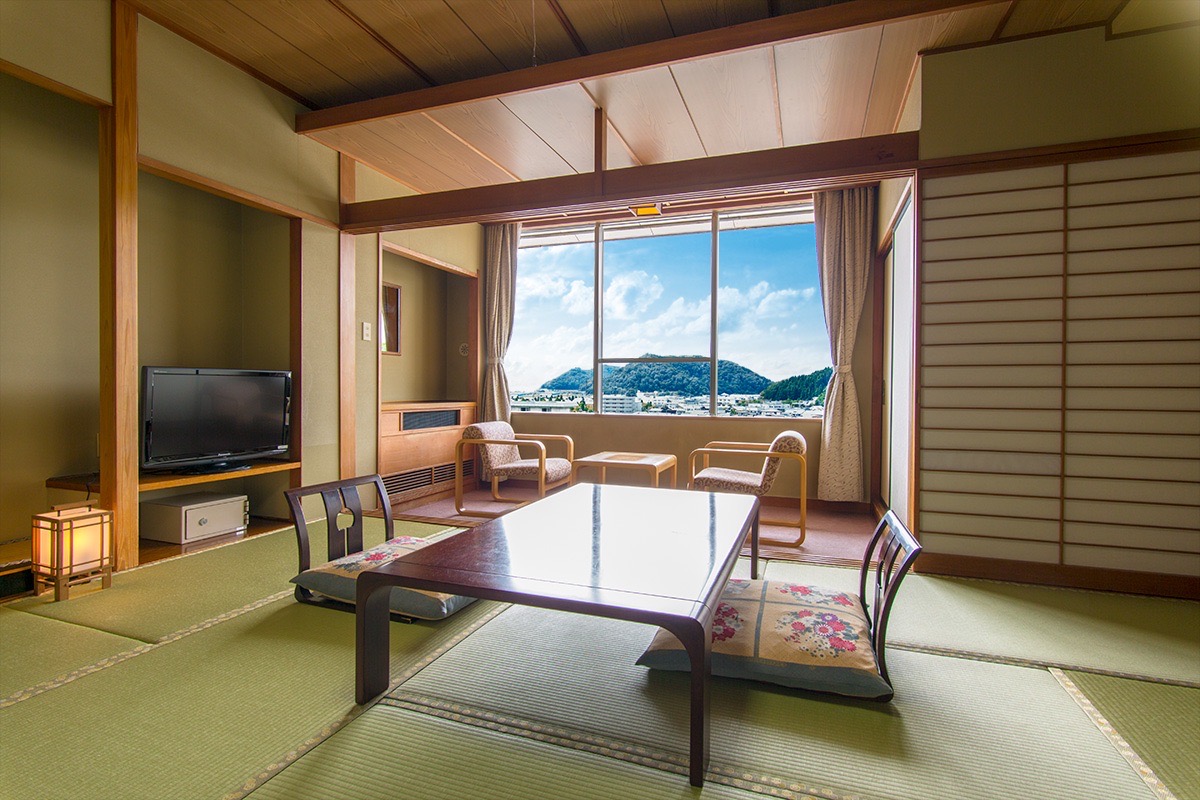
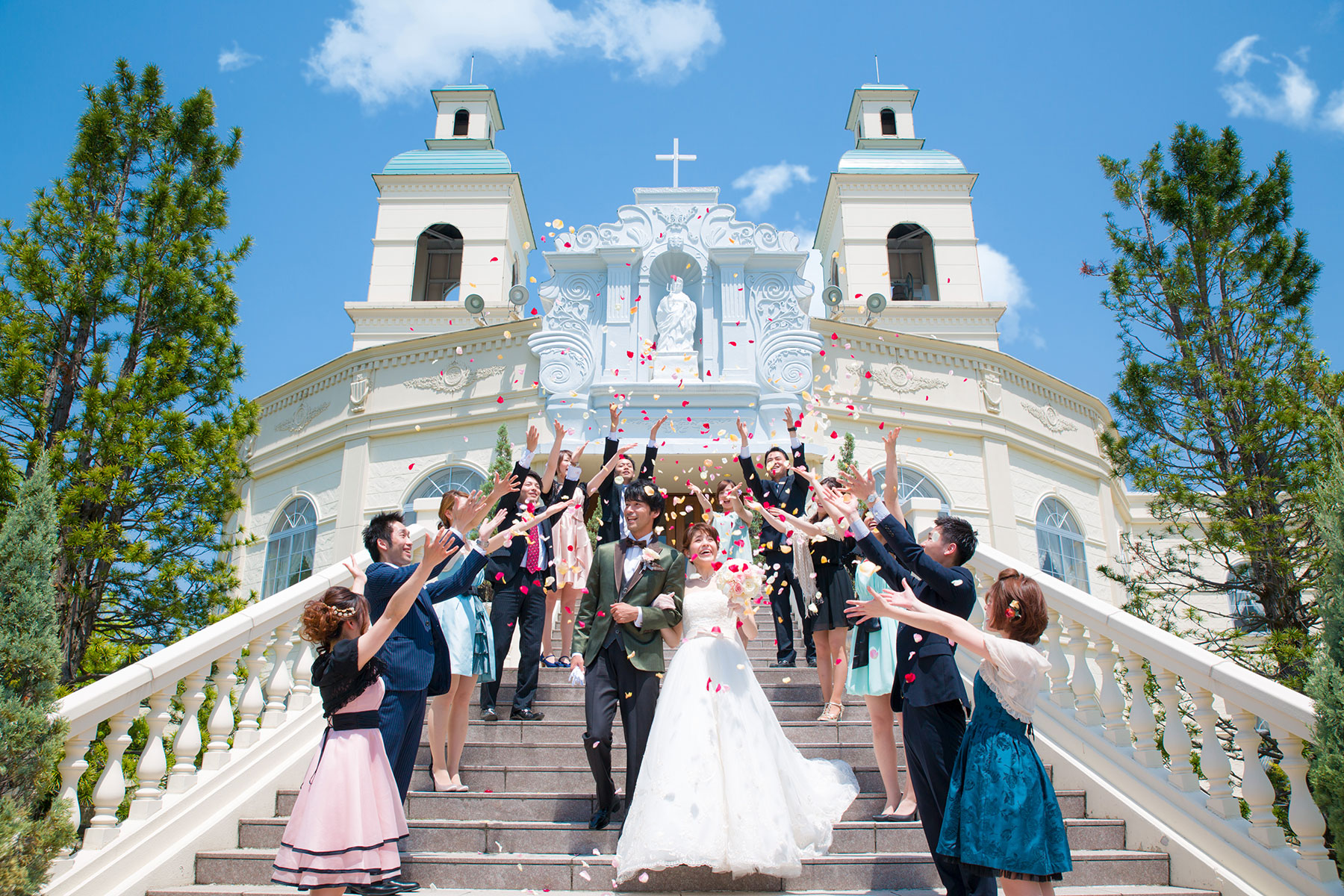
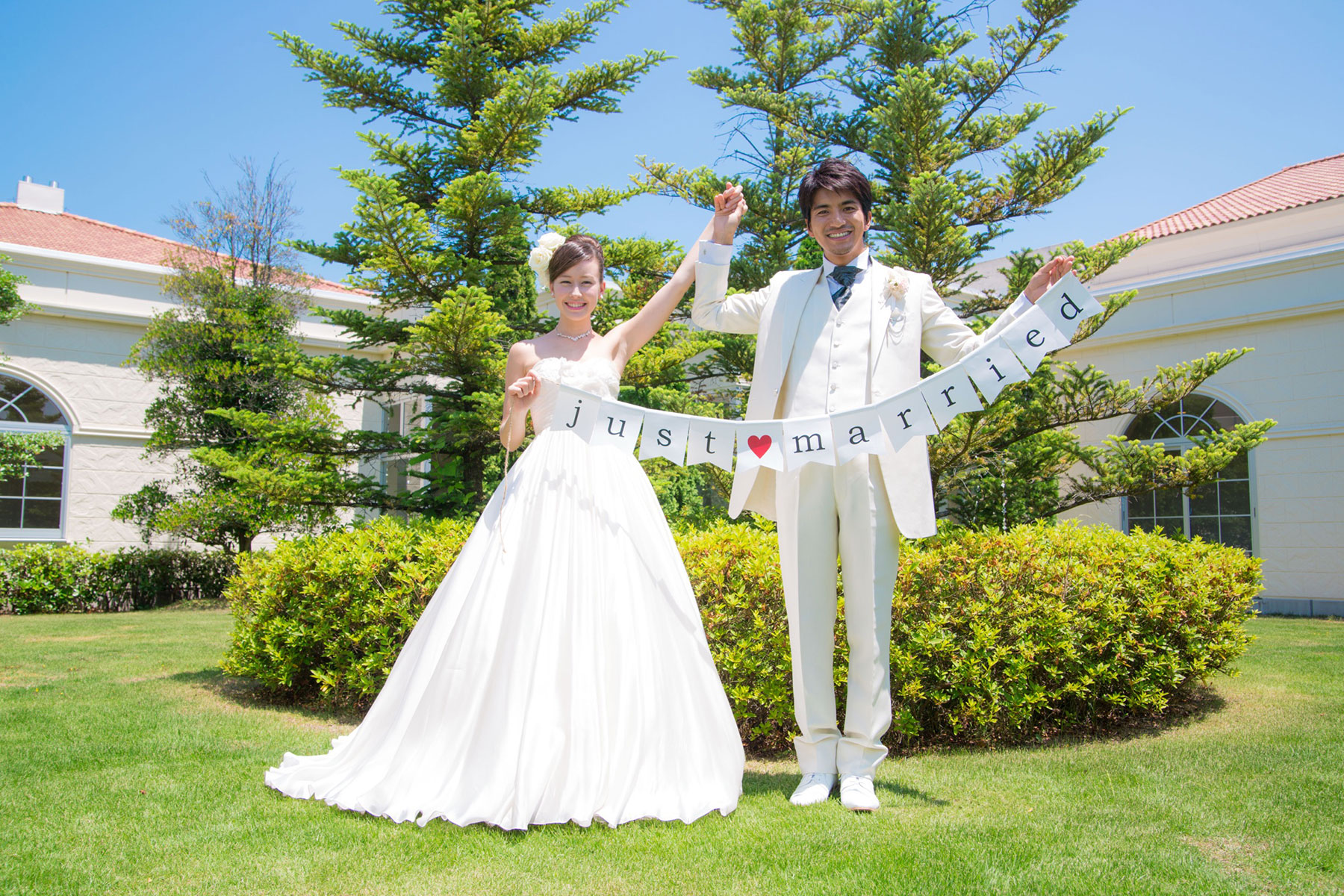
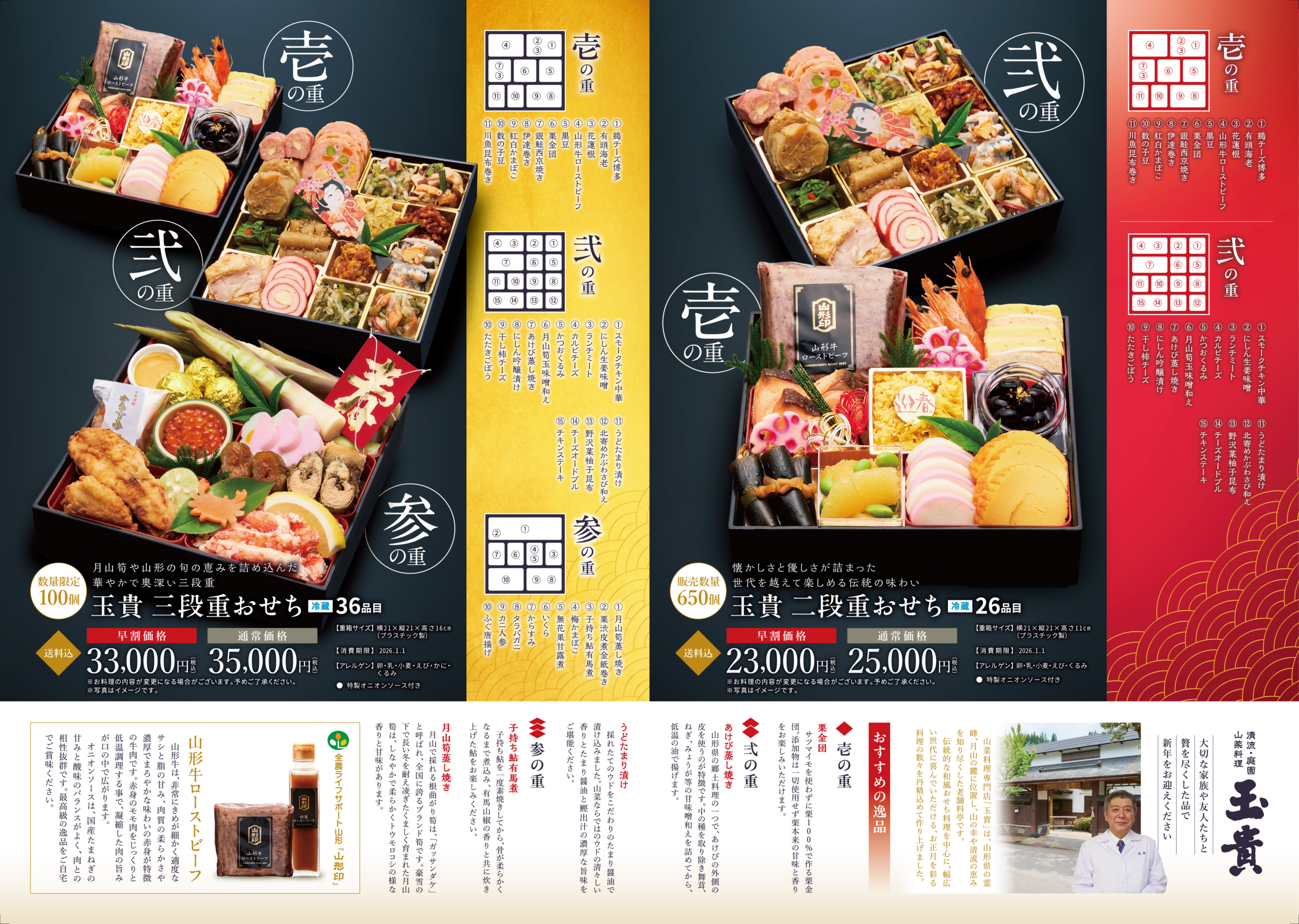
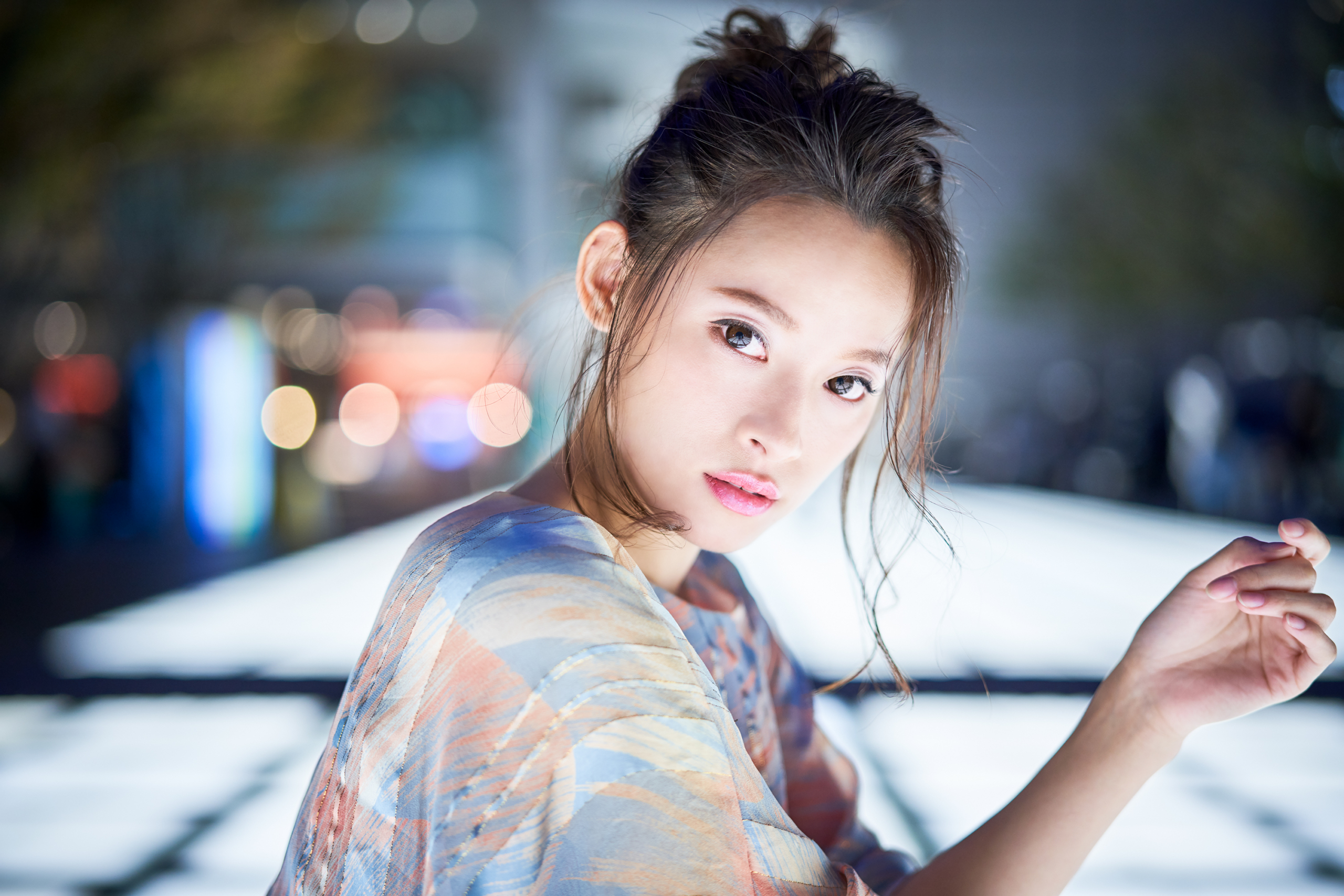
First, these are all commercial shoots. The weddings aren’t real couples – I’m photographing models for venue brochures. Architecture means ryokan and hotel interiors. Food is for restaurants, sake, Japanese whisky, and similar products.
It’s true that each field requires different techniques and perspectives. Or maybe it’s better to say the switch changes. The equipment and the way I shoot are completely different. But what I’m doing at its core is the same. I bring out the subject’s appeal and add something new to it. I organize the space and think about the light. That doesn’t change whether it’s a portrait, a building, or a dish.
What I value most is helping people discover something new through the photograph. For a model, I want to create images where they say “this is so me” and also images where they say “I’ve never seen myself like this” – both kinds. It’s the same with a ryokan interior or a client’s product. People often don’t see what’s right in front of them. Showing that through photography – that applies whether it’s a person, a space, or a plate of food.
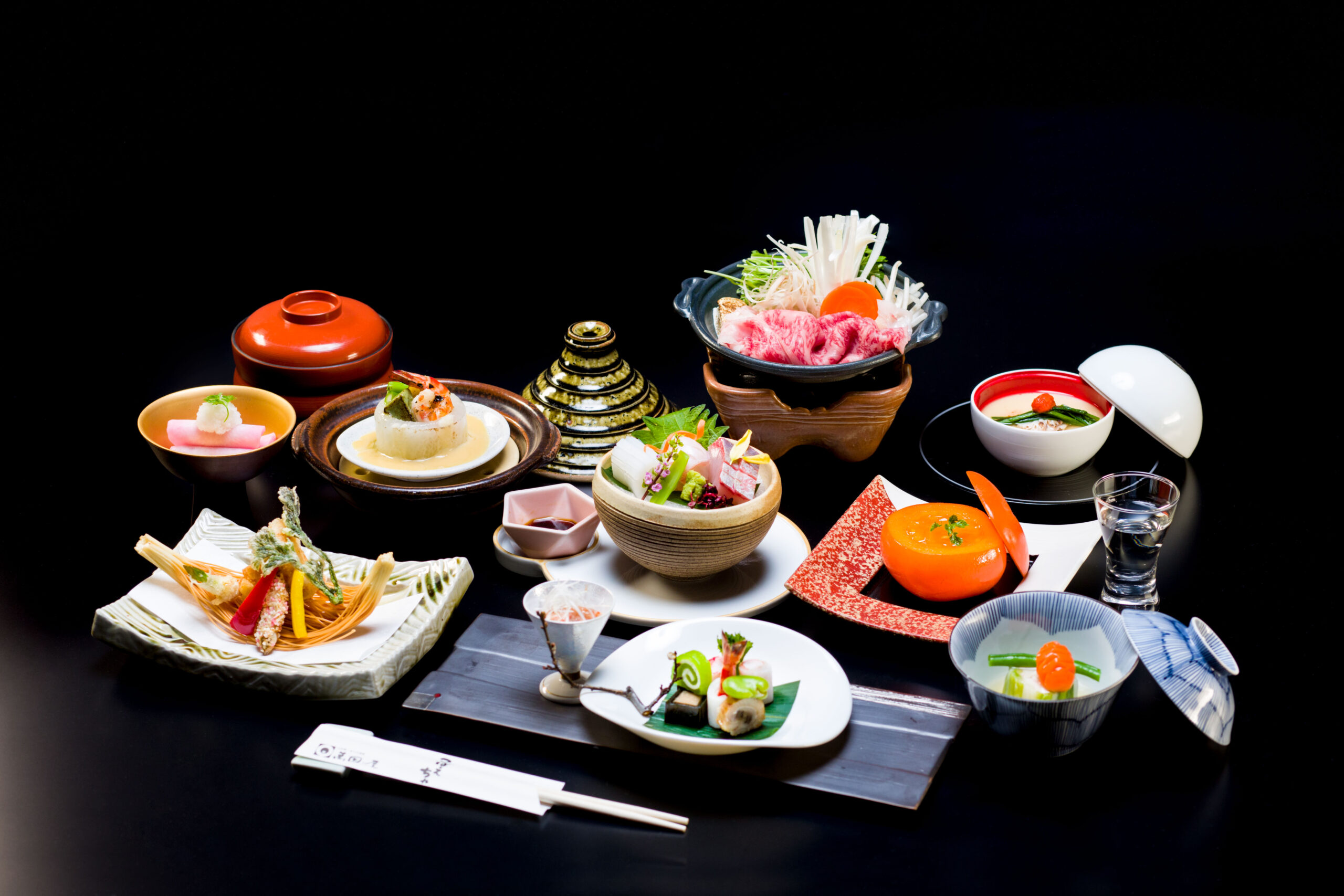
For readers not very familiar with Japanese visual culture, could you tell us a bit about the posters featured on your website? What role do they play in your work?
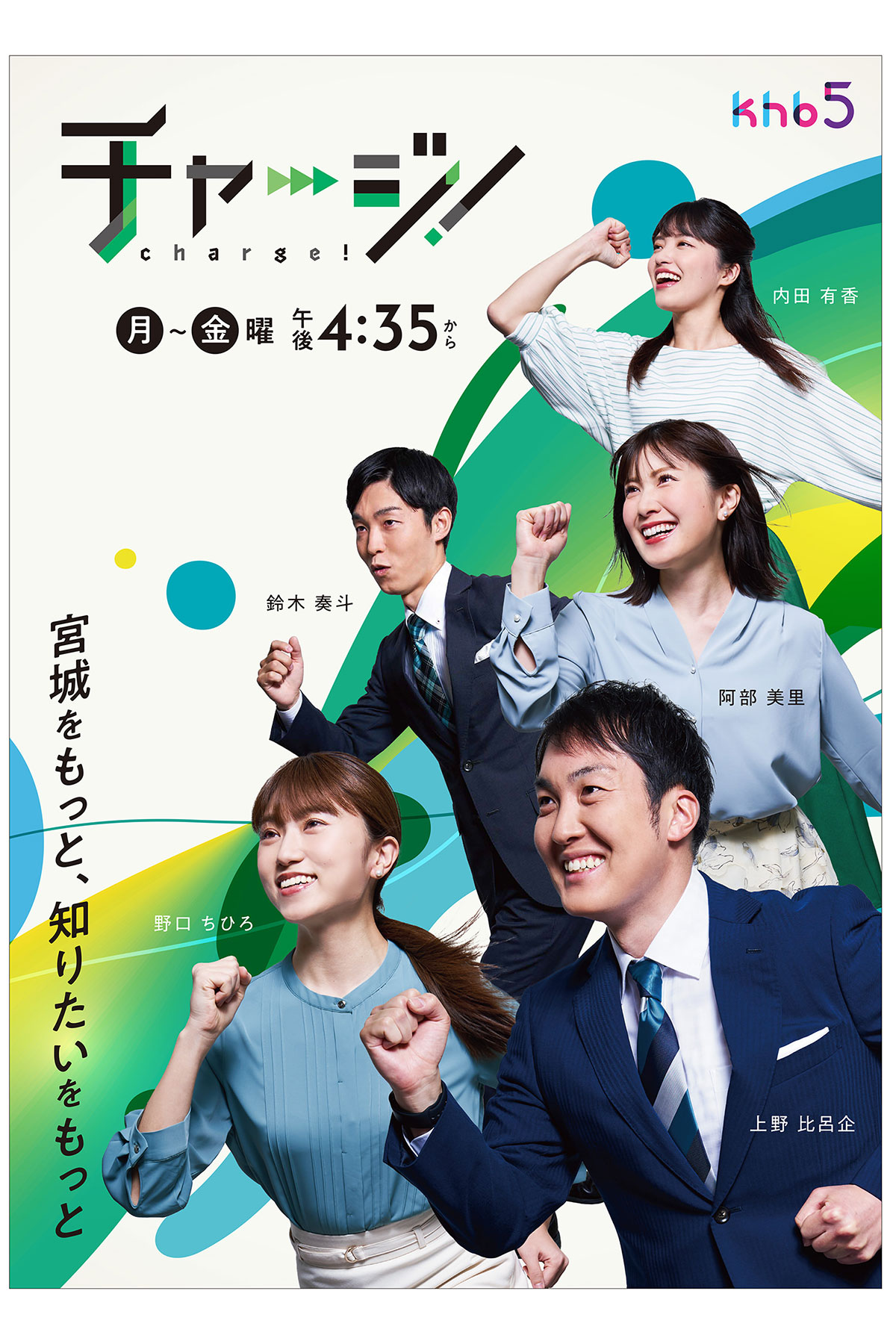
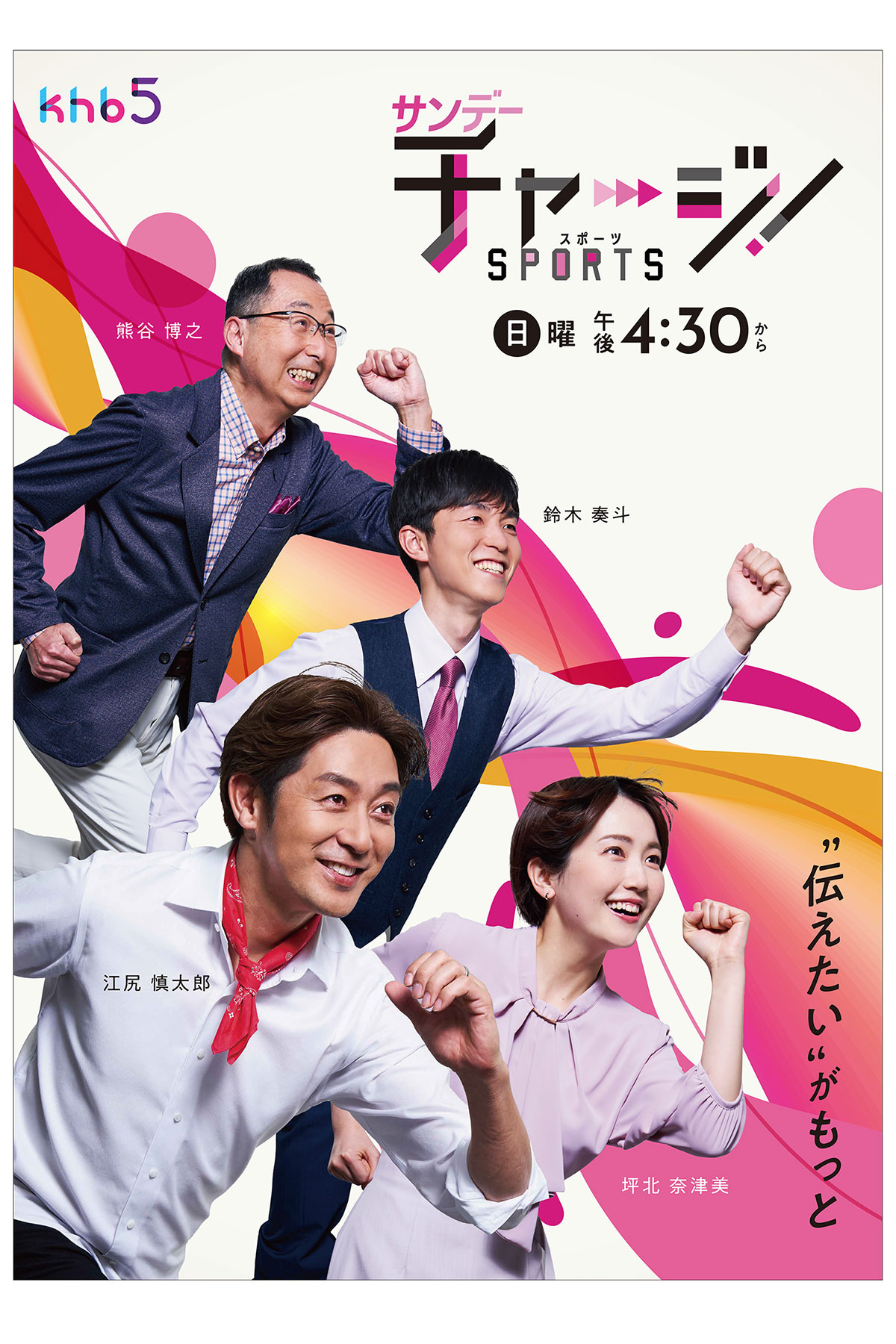
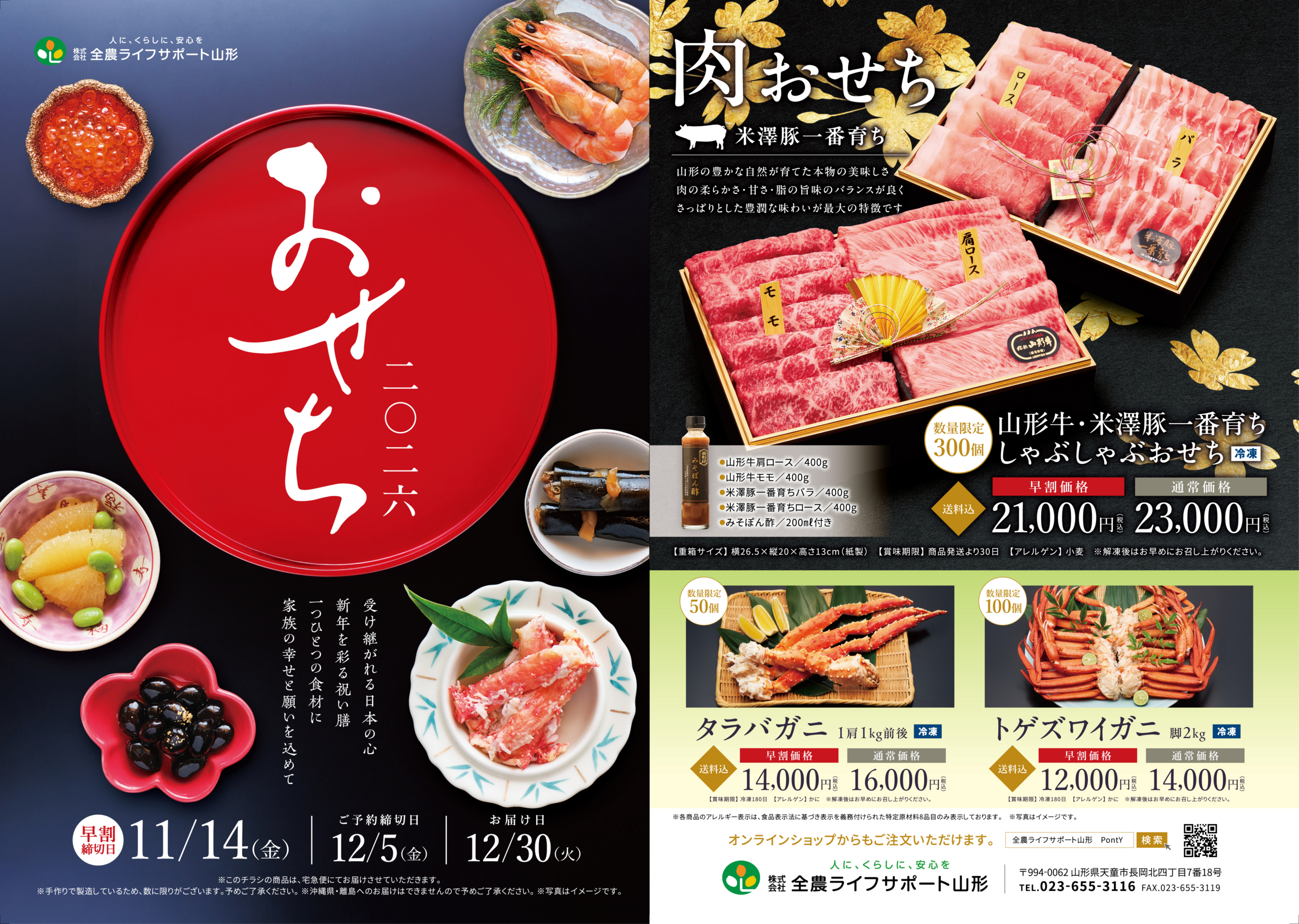
These are program posters for a regional television station. In Japan, there are not only nationwide network key stations, but also local stations in each region that produce their own original programs. KHB Higashi-Nippon Broadcasting in Sendai is one of them, creating programs that reflect the local culture and character.
For example, I photographed a comedian wearing Date Masamune’s armor. Date Masamune is an iconic historical figure in Sendai. For a program introducing Miyagi Prefecture, we created a poster with an illustrated version of Sendai’s cityscape, placing the cast members within it.
A distinctive feature of Japanese posters is that multiple writing systems – kanji, hiragana, katakana, and English – appear together, which tends to create layouts with a high density of information. I find that typography and margin design become especially important. As a photographer, I need to consider the space and margins where text will be placed when composing my shots.
My graphic design background may be at work here. And this too may reflect Japan’s unique ability to flexibly incorporate different cultures.
My role is to photograph the program’s cast, while an art director designs the poster.
For poster work, everything is carefully calculated before the shoot – the cast members’ positions, their poses, and even where the text will go. Since these are displayed prominently at train stations and become the face of the station, I work closely with the art director to plan every detail.
There are four commercial TV stations in Sendai, and being entrusted with the visuals for one of them is truly an honor.
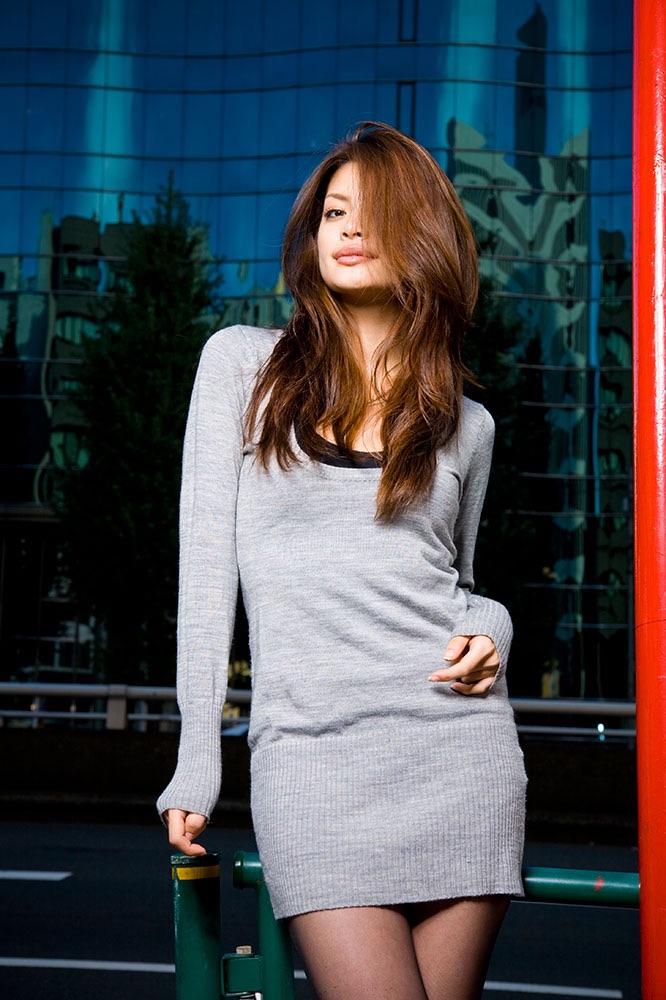
How do you envision your future as a photographer? What are you hoping to learn or explore further?
First, I’ll continue this work. What’s changed significantly in recent years is the increase in video work. It’s becoming common for photographers to shoot video as well, and that’s true for me too.
Photography captures a single moment, but I want to explore “the flow of time” more deeply going forward. I want to approach video not simply as moving pictures, but as photography with a time axis. How can I bring out a subject’s appeal within the flow of time, while drawing on the compositional skills and understanding of light I’ve developed through photography? It’s a different challenge from still photography, and one I want to pursue further.
I also want to challenge myself with work overseas. As I mentioned earlier, I’m curious to see how my Japanese sensibility might come through when shooting abroad. Now that I’ve connected with Merav through this conversation, if we could work together sometime, that would be wonderful.
There’s one more thing – not so much something I want to learn, but something I’m facing right now. The environment surrounding photography has changed dramatically. With digital and social media becoming central, the way photographs are viewed, presented, and treated has transformed.
Vertical photos and videos for Instagram and TikTok, shooting with smartphone viewing in mind, being aware of likes and engagement – when it comes to these changes, I learn more from the younger generation I work with, like assistants, than they learn from me.
Can you tell us about your relationship with JPEGmini? What’s your workflow like, and how does JPEGmini help you with your daily shooting work?
I discovered JPEGmini about 10 years ago. At the time, I was struggling with the trade-off between image quality and file size when posting photographs to my website.
Now that photographs are viewed on the web more than in print, JPEGmini has become an essential tool. It lets me reduce file size without compromising the quality of my work.
This isn’t just a technical matter – it’s crucial for client relationships.
Reducing data size and shortening download times means not wasting my clients’ time.
They’re busy, and they’re taking time to review my work. Being able to save them even a little bit of time is, I believe, an important consideration for a professional.
What advice would you give to someone in Japan who is thinking about a career change and wants to become a photographer?
I think it’s possible. Today, with the ability to freely share your work on social media, the possibilities have expanded. If you want to do both, you can continue your current job while also building your photography presence. The environment is much more accessible than it used to be.
Just as my graphic design background shaped my work, whatever you’ve experienced in other fields – sales, engineering, hospitality – will become your unique perspective and strength as a photographer. Technical skills come later. However, if you want to make it a profession rather than a hobby, you’ll need to learn the fundamentals properly.
First, look inward and find your core: “Why do I shoot?” “What do I want to convey?”
If you’re thinking about a career change, there must have been something that sparked that desire. Hold on to that feeling and take action without overthinking it. Start shooting, start sharing, meet people. Japan’s creative community is surprisingly small and welcoming. Have the courage to reach out to people and show them your work.
The most important thing is not “I want to” or “I’d like to become,” but rather “I will” and “I’m going to become.”
With that determination, the path will open up.
Final Thoughts
Takehiro Sasahara’s work is guided by clarity rather than spectacle.
Shaped by his background in graphic design and decades of commercial experience, his photography is attentive, deliberate, and deeply respectful of its subjects – whether people, spaces, or objects.
Across weddings, architecture, food, and video, what remains constant is his sensitivity to structure, light, and atmosphere, and his belief that good images are built through understanding rather than excess.
In an era of rapid technological change and increasing automation, Sasahara’s perspective is refreshingly grounded: tools evolve, but meaning comes from presence, care, and the human experience of being there.
His work reminds us that photography is not only about what is seen, but about what is felt – and thoughtfully revealed over time.