
Dan Morris: “There’s always something going on. Always.”
Short Bio
Dan Morris didn’t come to photography early, even though it was already in the house.
His mother and uncle worked for Kodak, another uncle photographed weddings on film, and his father was always the one stopping everyone to take a photo on family trips.
Still, Dan only bought his first camera at 29.
Before that, he was an electrical engineer and a rugby player for more than twenty years – something that still lives inside the way he works now: instinctive, fast, competitive, and completely at ease inside pressure.
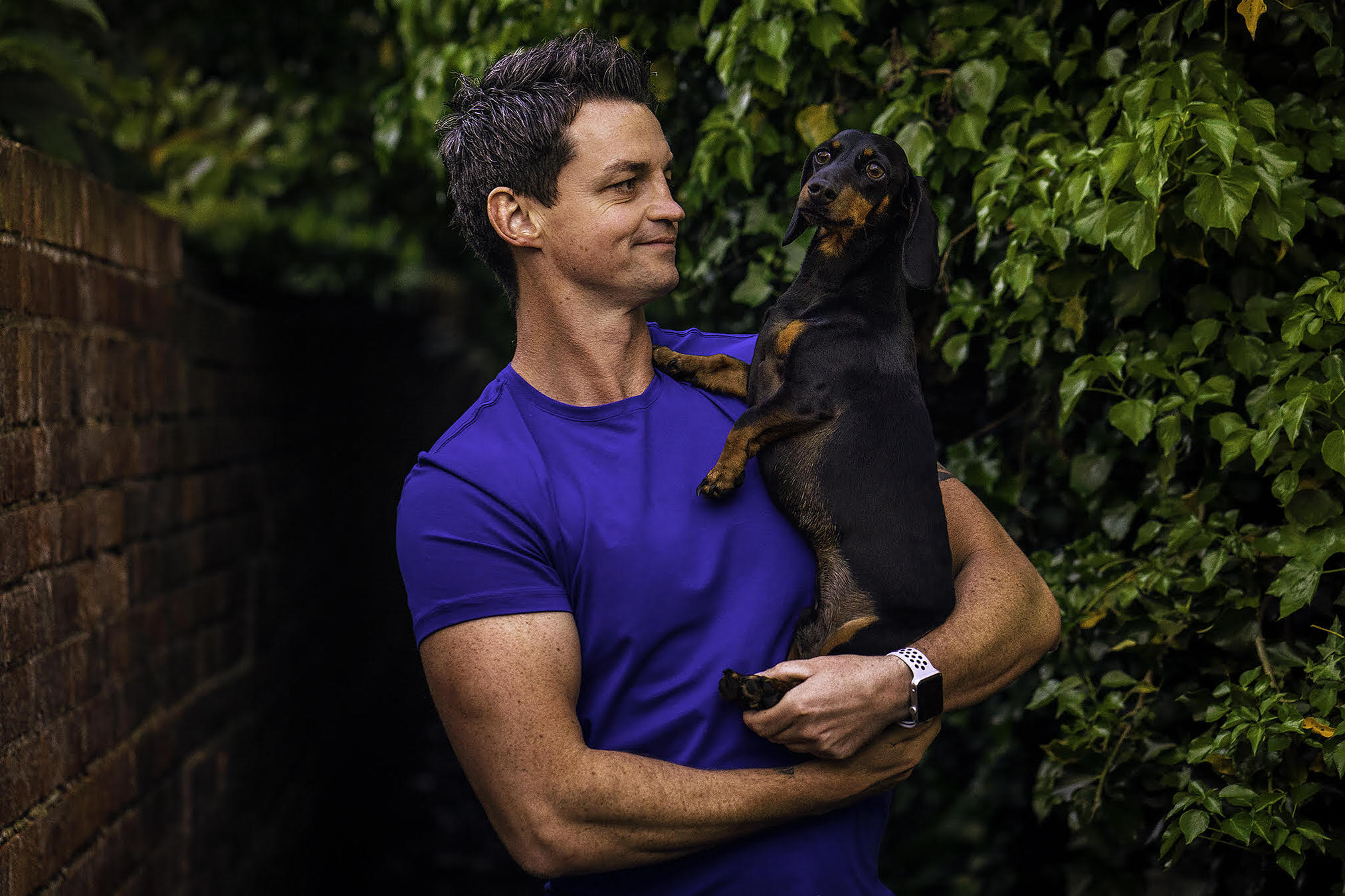
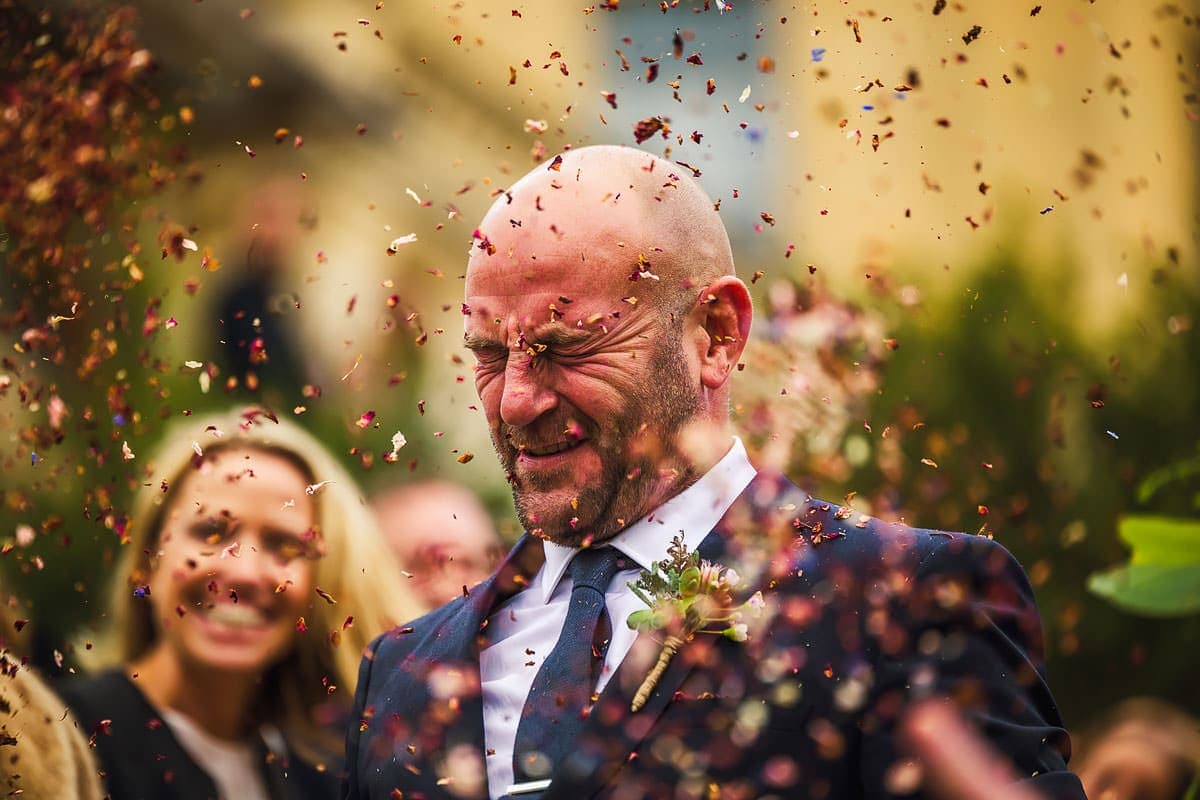
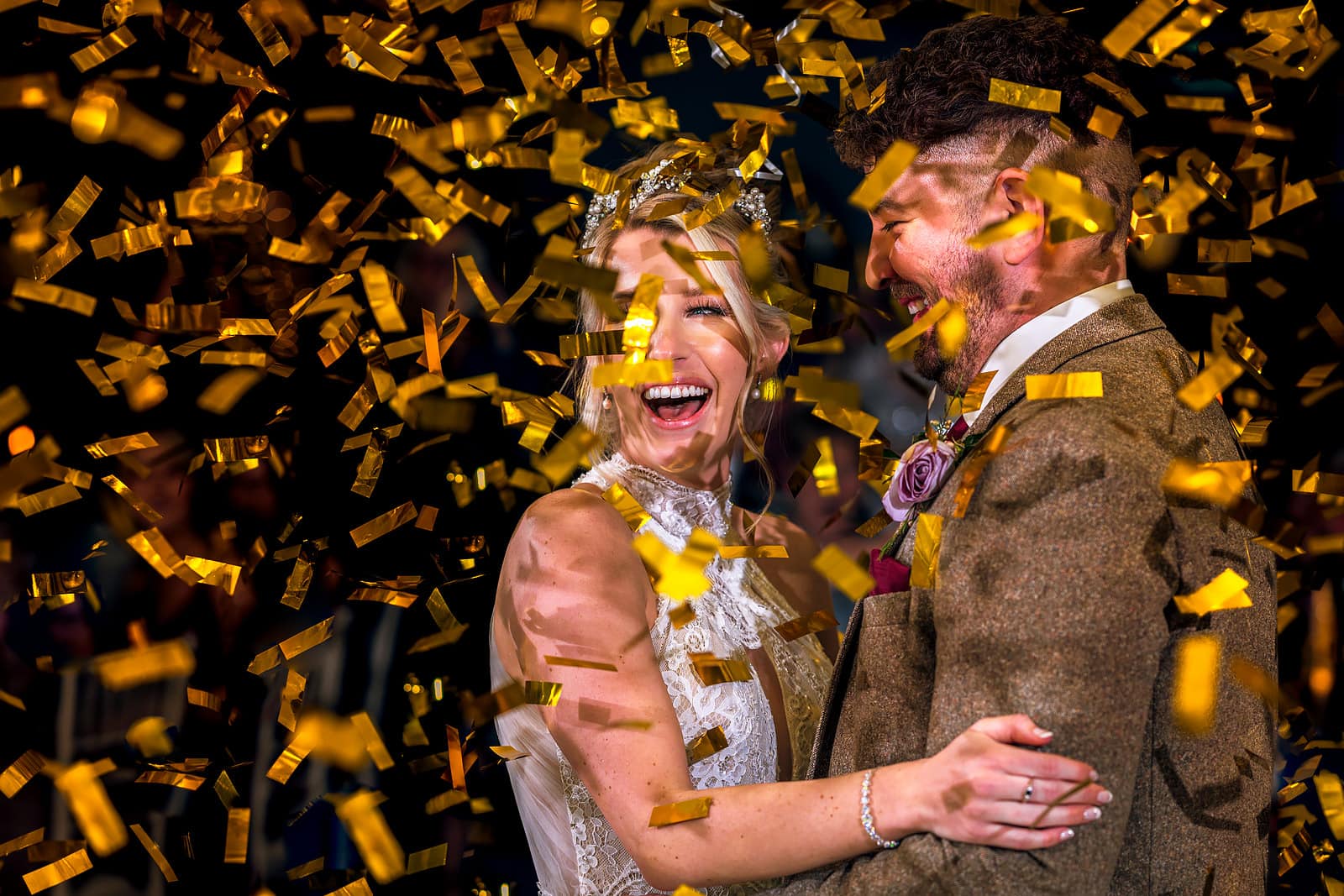
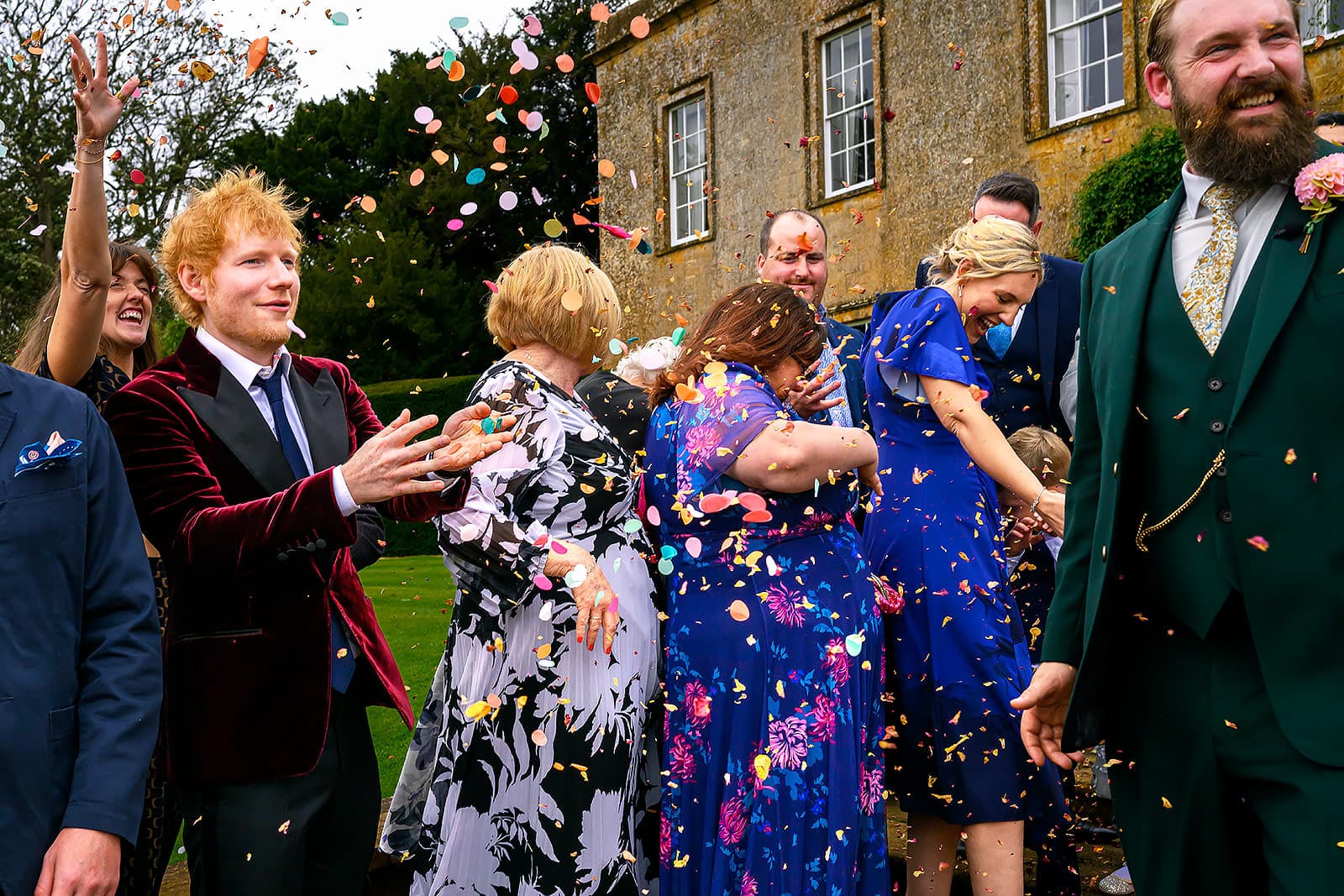
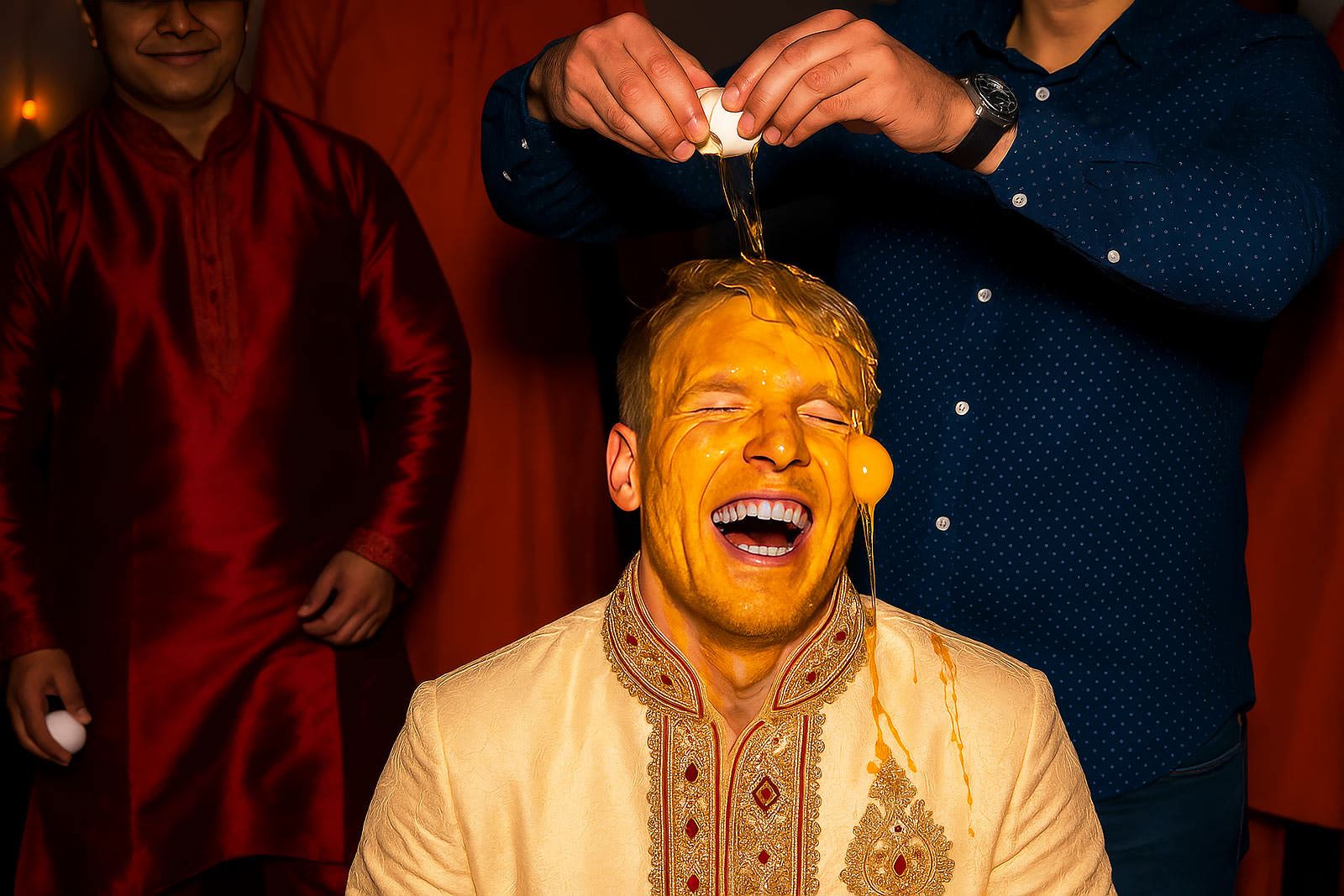
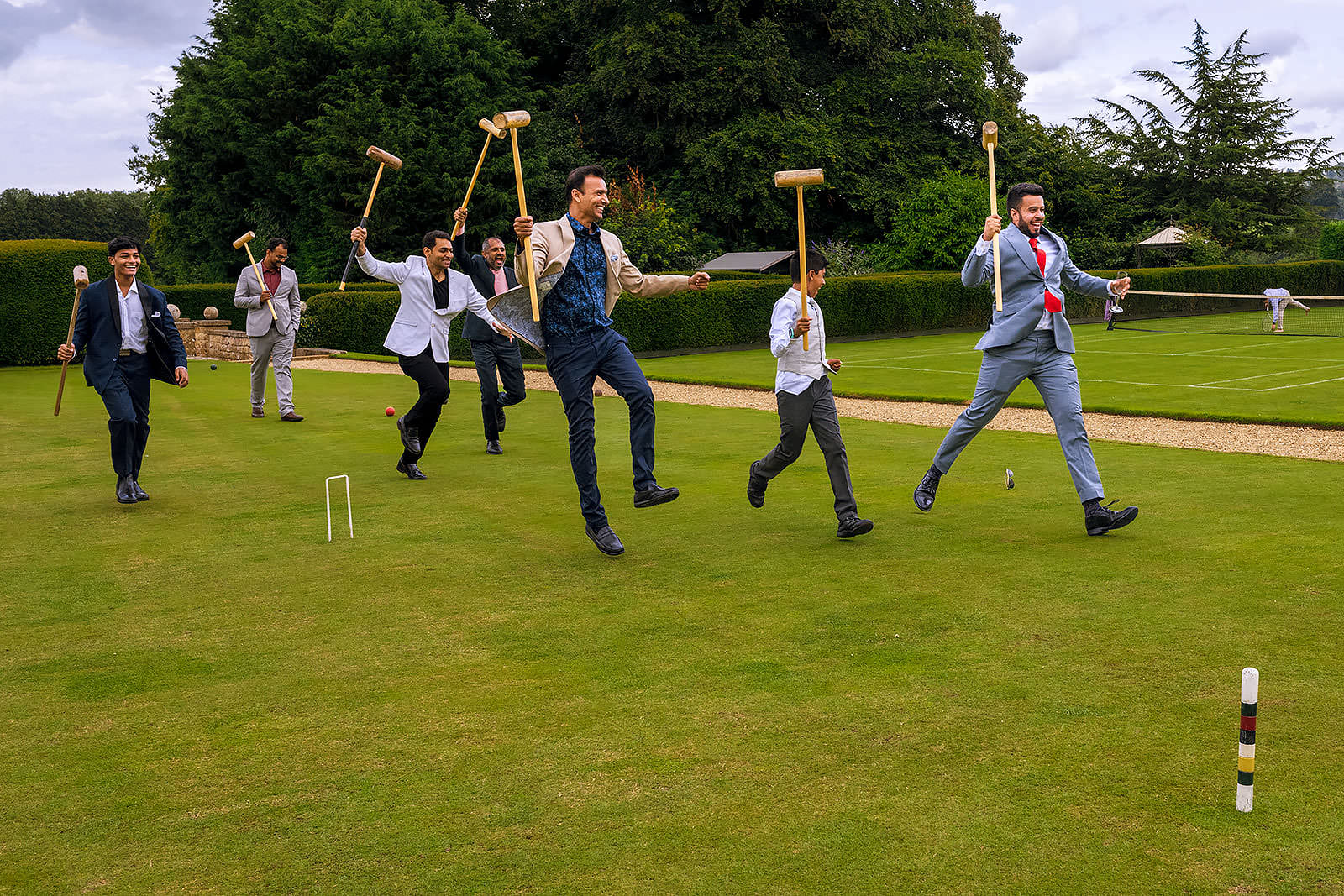
Originally from South Wales and now based in Cheltenham, Dan has photographed more than 450 weddings and built a visual language that feels unmistakably his: bold color, humor, strange repetitions, and a sharp eye for the kind of real-life chaos most people overlook.
His work has earned recognition from platforms including Fearless Photographers and This is Reportage, but what makes it memorable isn’t the awards. It’s the feeling that he’s always watching for the moment where the world accidentally lines up.
Website: https://danmorrisphotography.co.uk/
What brought you to photography?
I had an uncle who was a wedding photographer, film photographer.
My mum and my other uncle both worked for Kodak in a development factory.
And yet up until I was 29, I had no interest in photography.
I think part of it was I always wanted to go the opposite way to my dad.
Anything my dad wanted to do, I’d rebel.
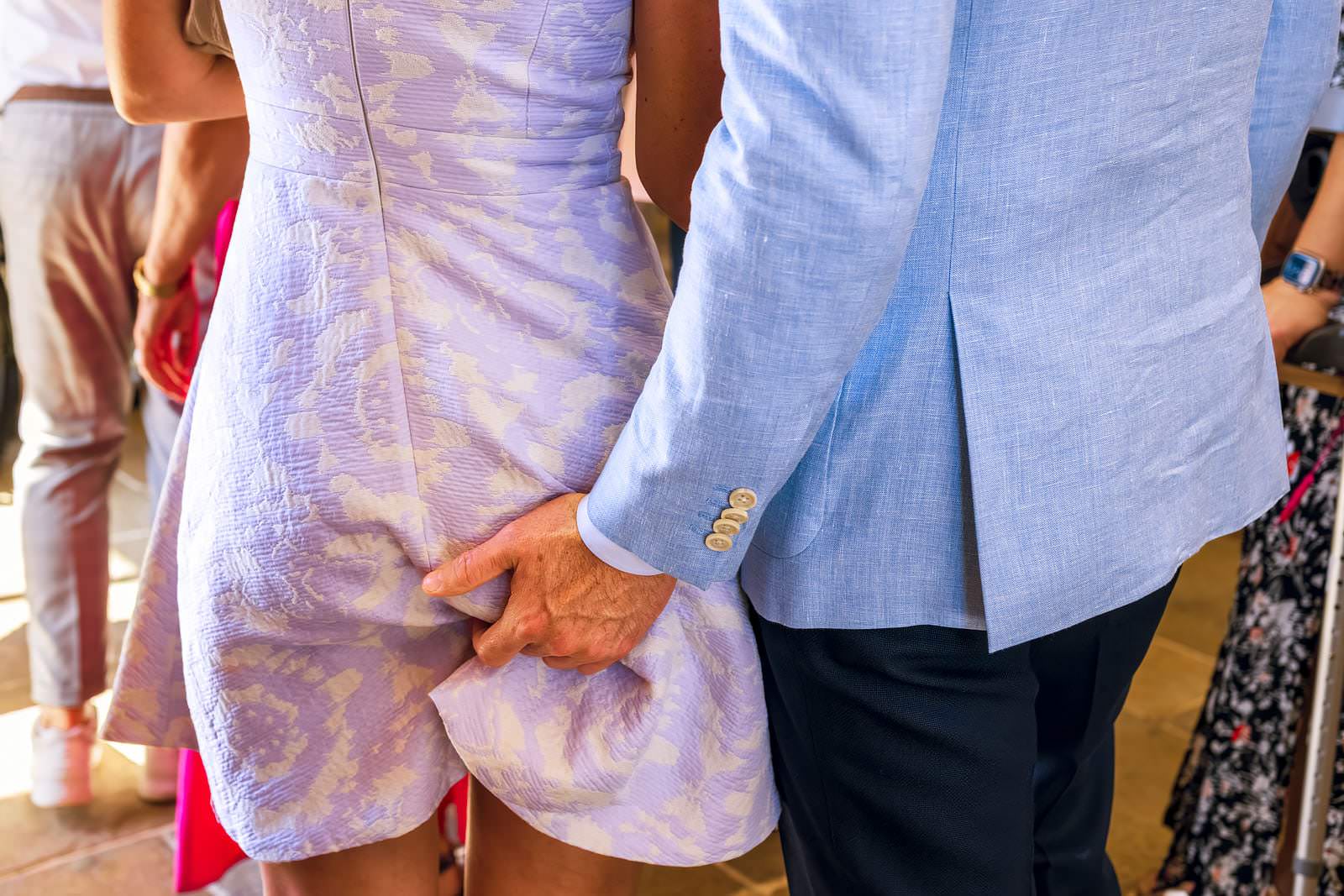
But when I look back now, everything before that-growing up in a rugby club, the humor, the way people didn’t take themselves seriously-that made me the photographer I am.
That’s why I think I’ve always seen the jovial side of photos.
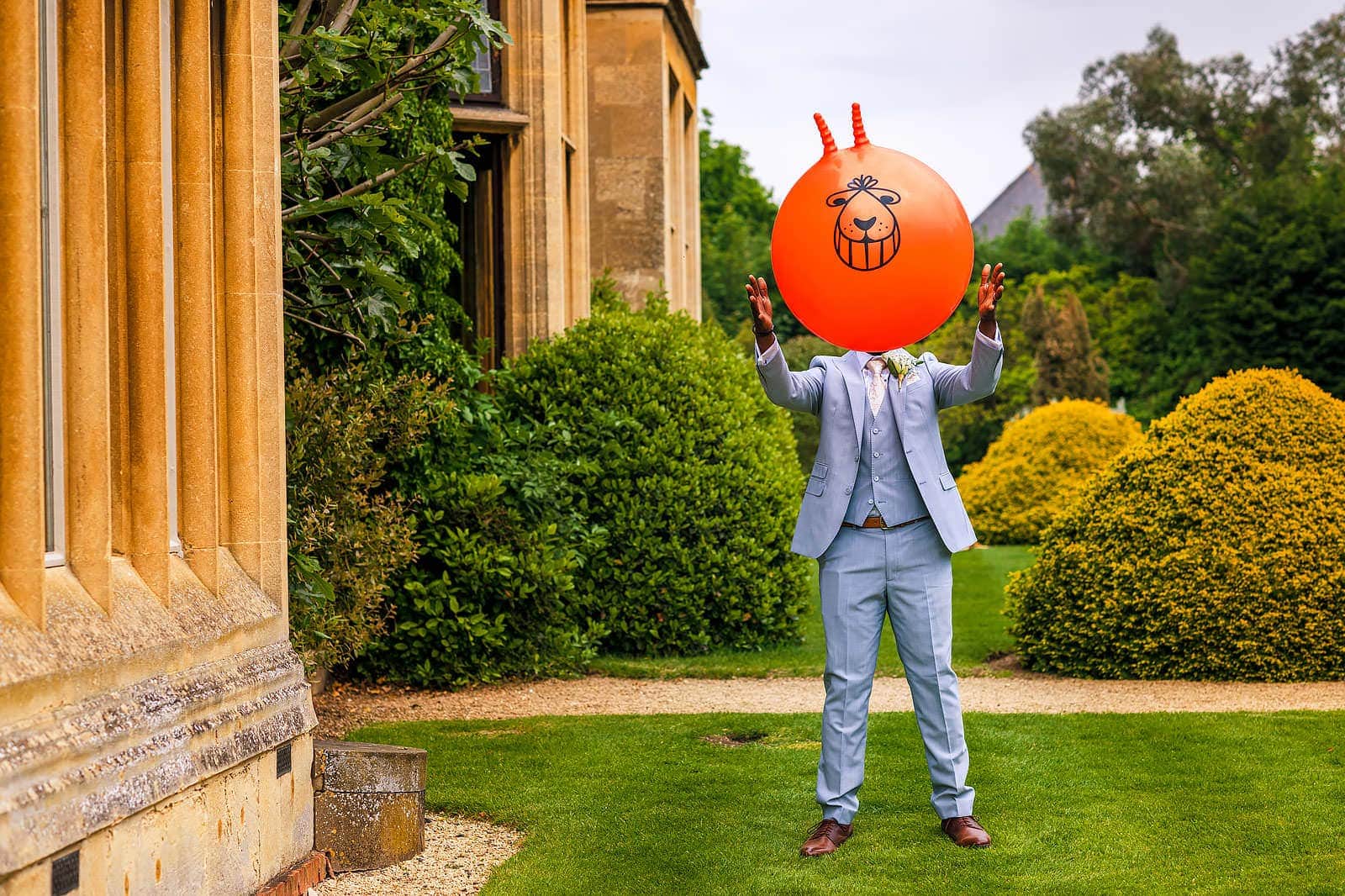
When I look at your work, there’s a lot of humor in it.
Where does that come from?
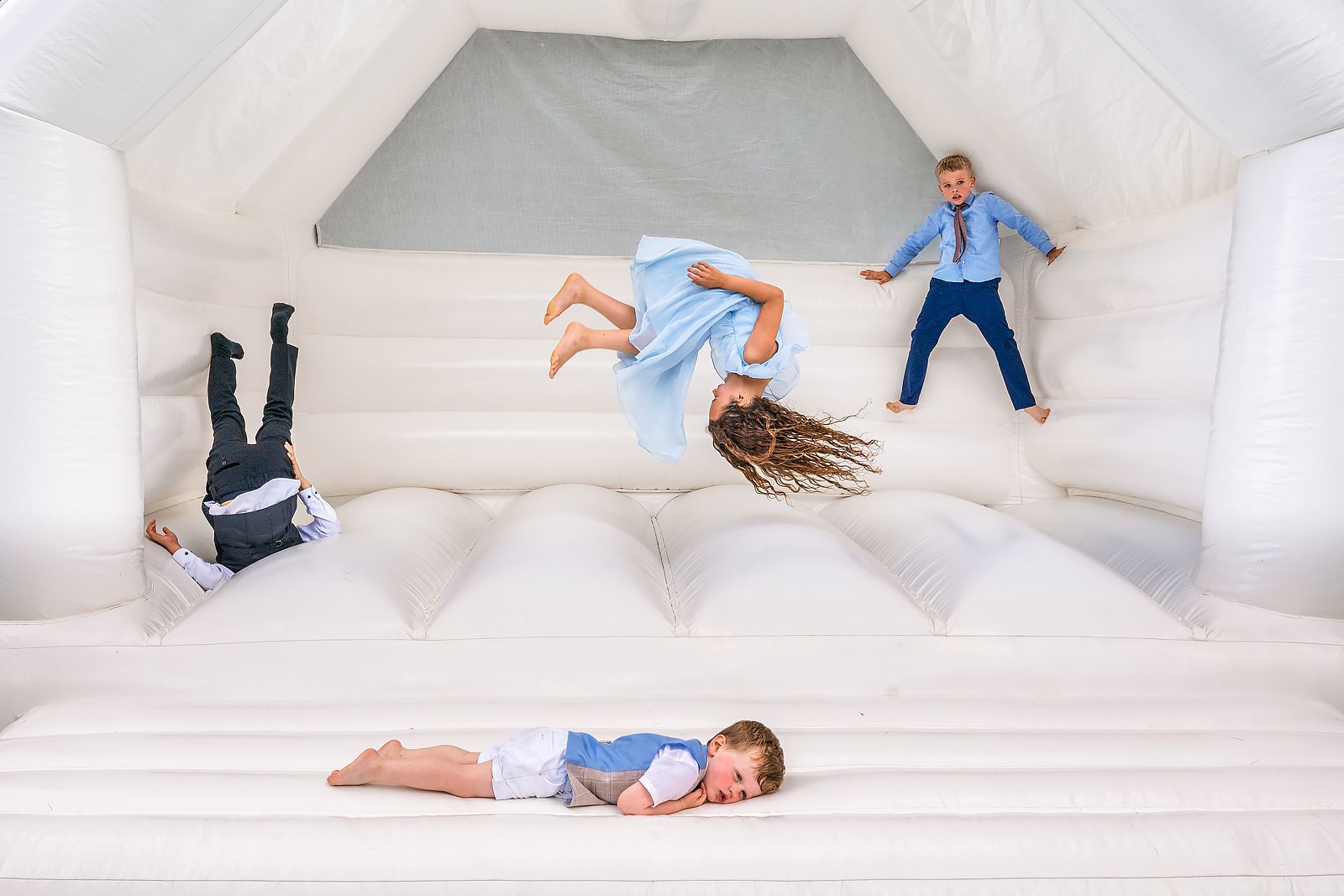
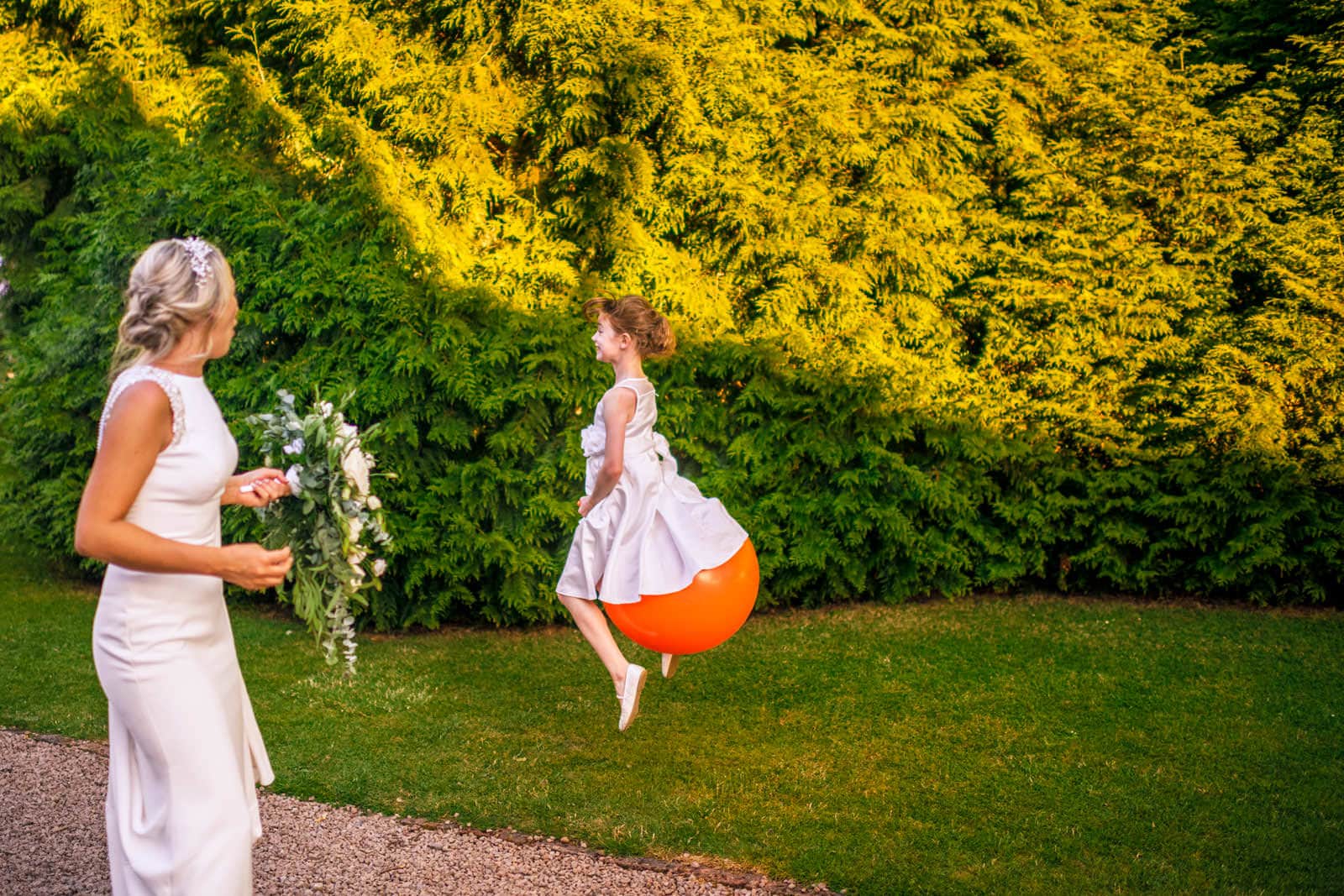
In Wales, people take the mickey out of each other constantly, but without harm.
That’s just how I grew up.
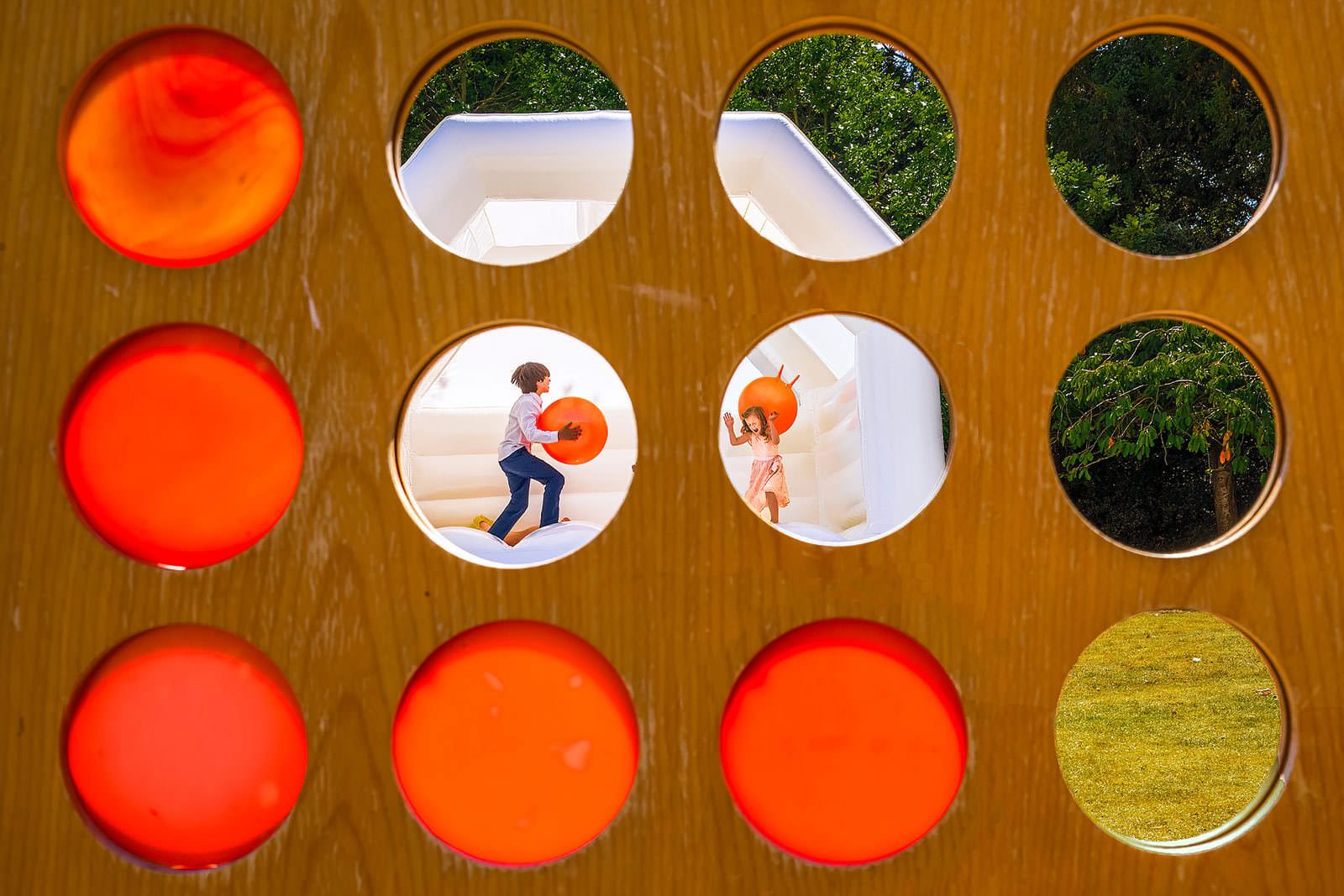
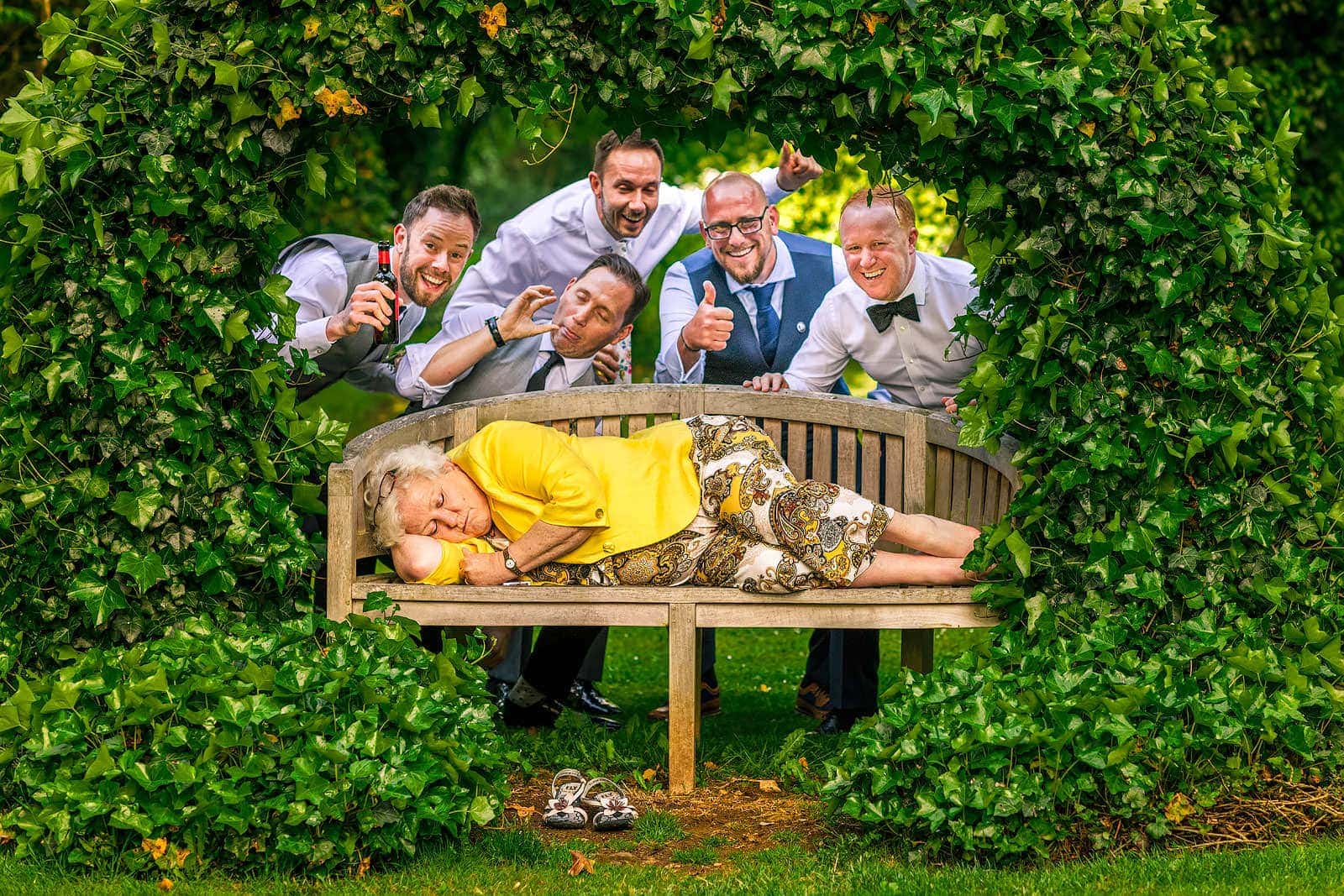
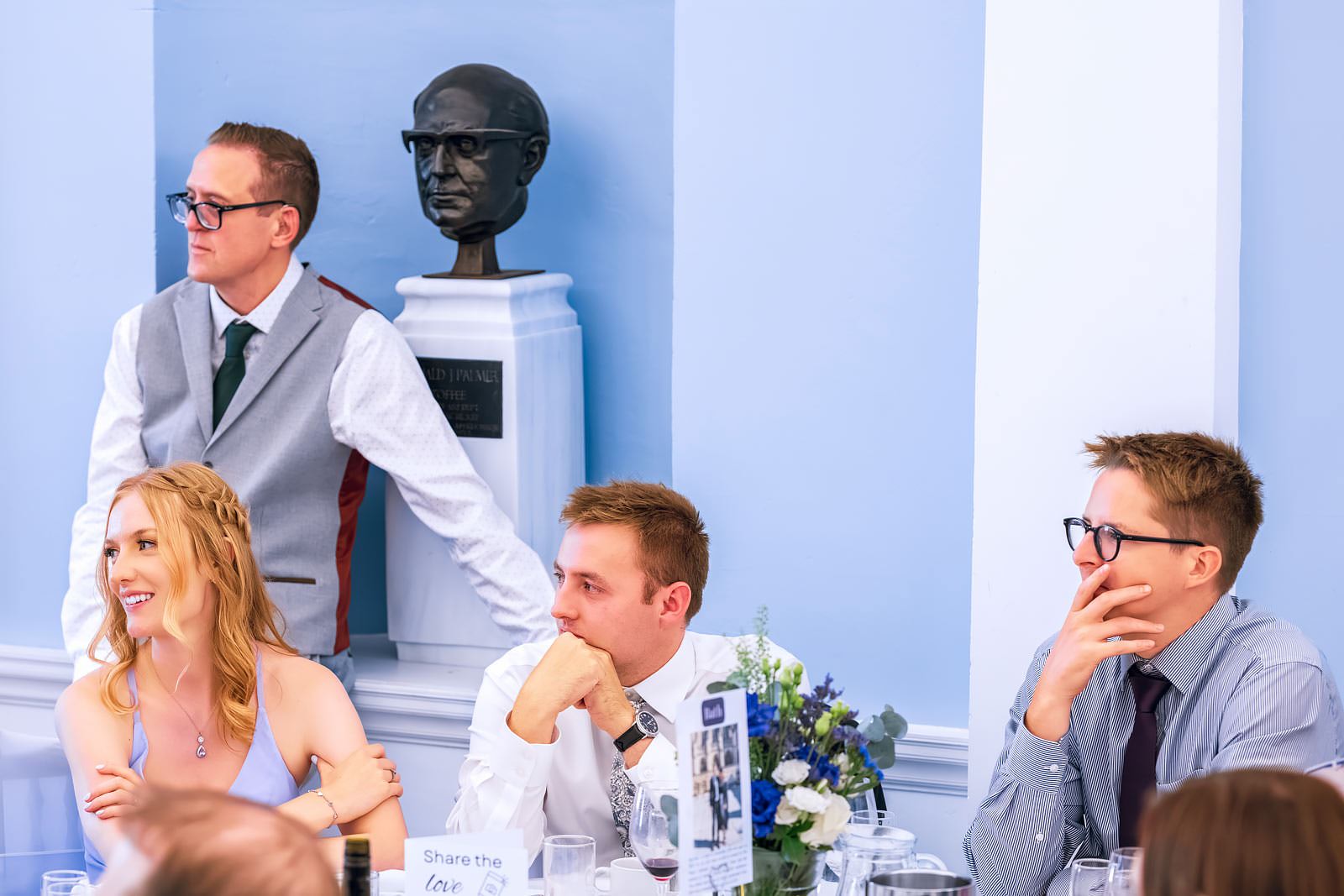
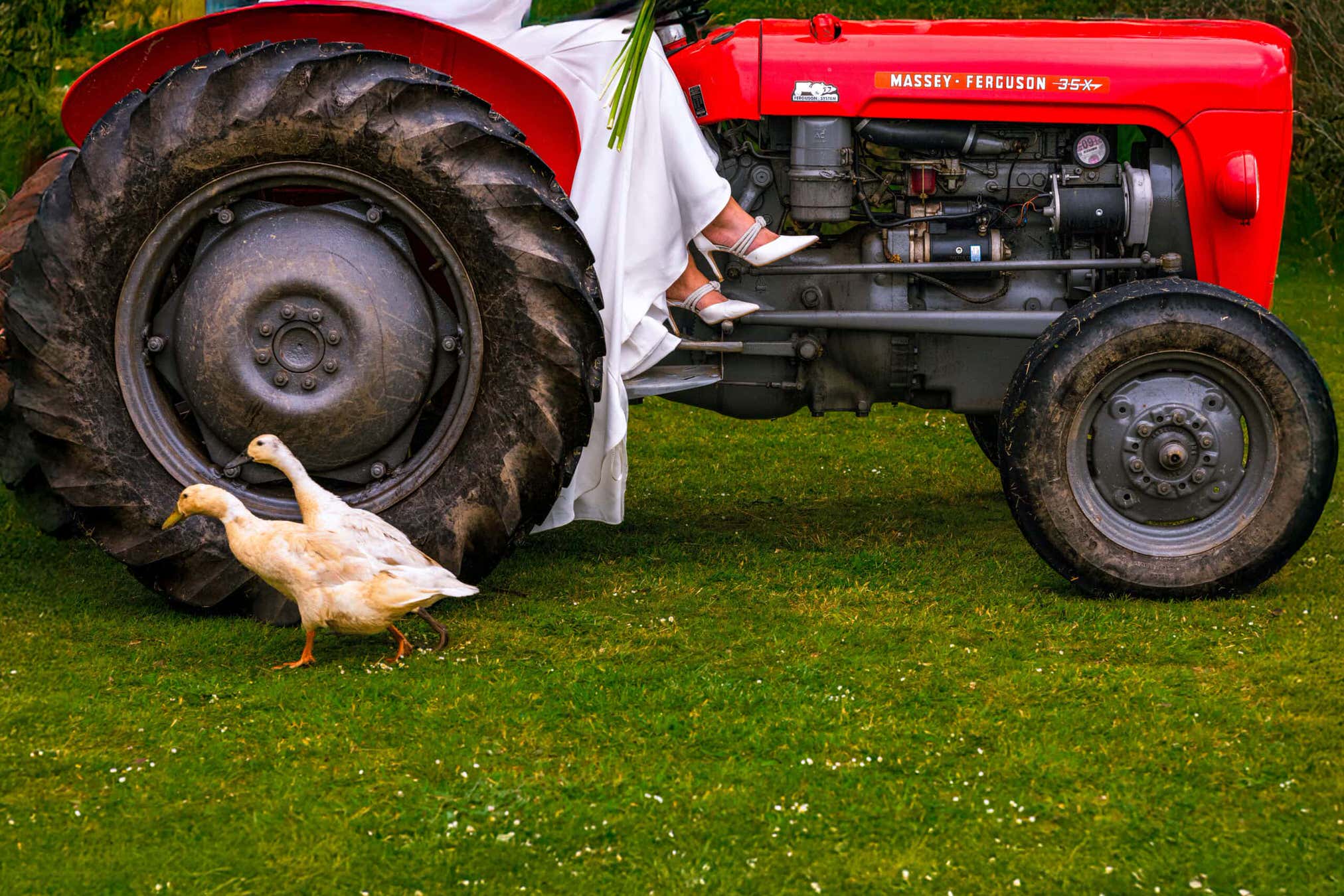
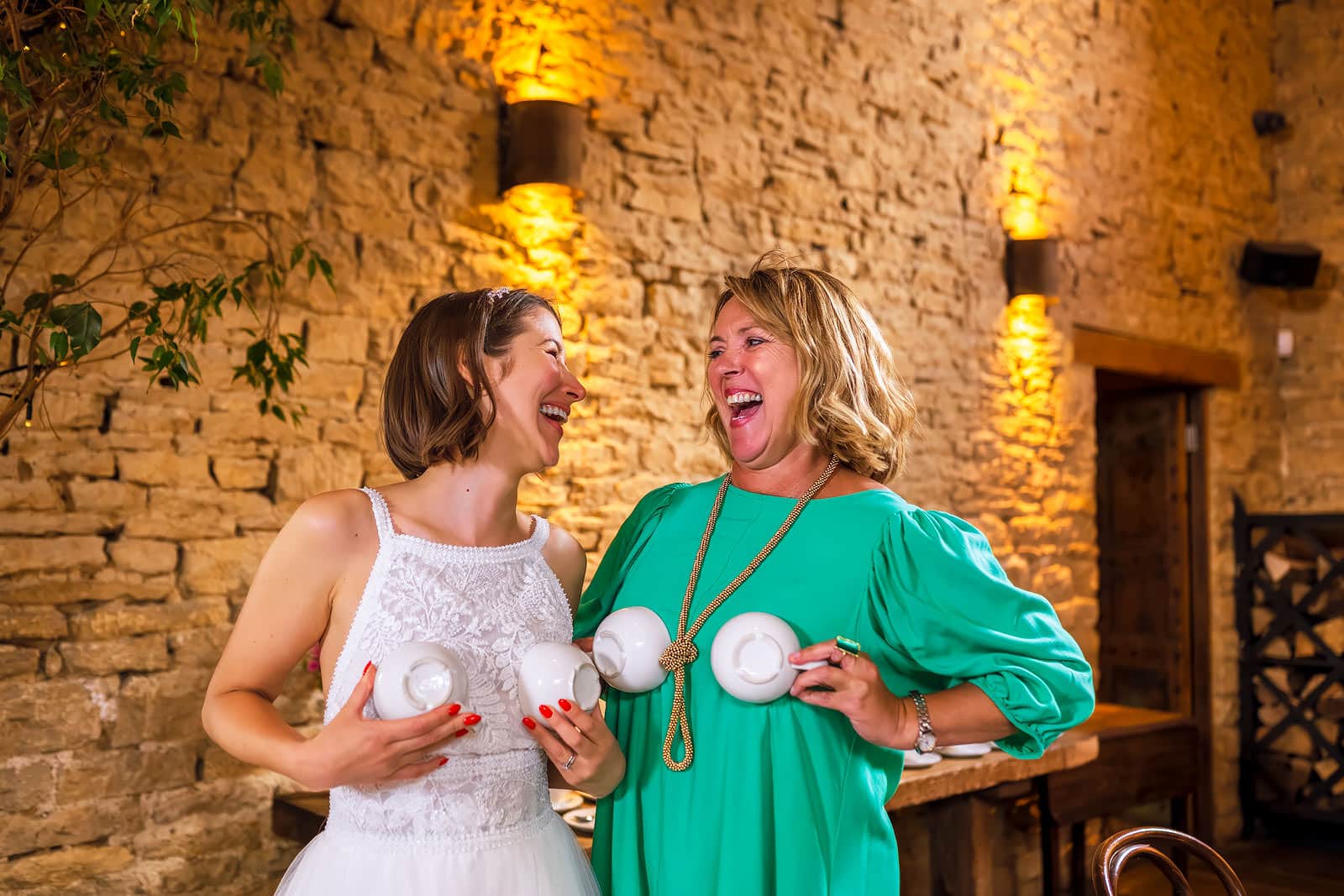
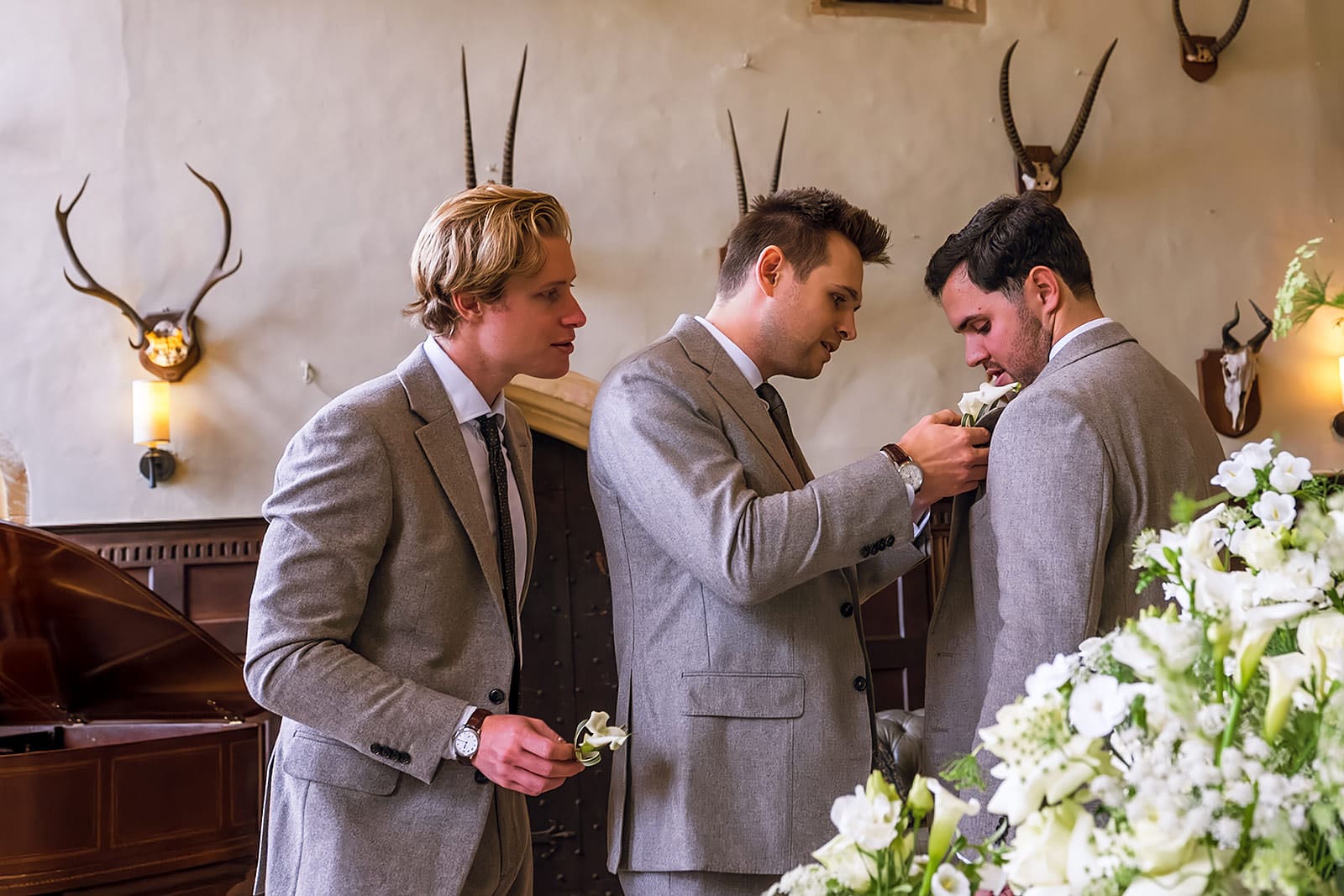
So even at weddings, I’m always looking for that-little moments, interactions, things that aren’t posed. Couples tell me they see humor and moments and color in my work.
And if that’s coming from the people who are paying me, then that’s what matters.
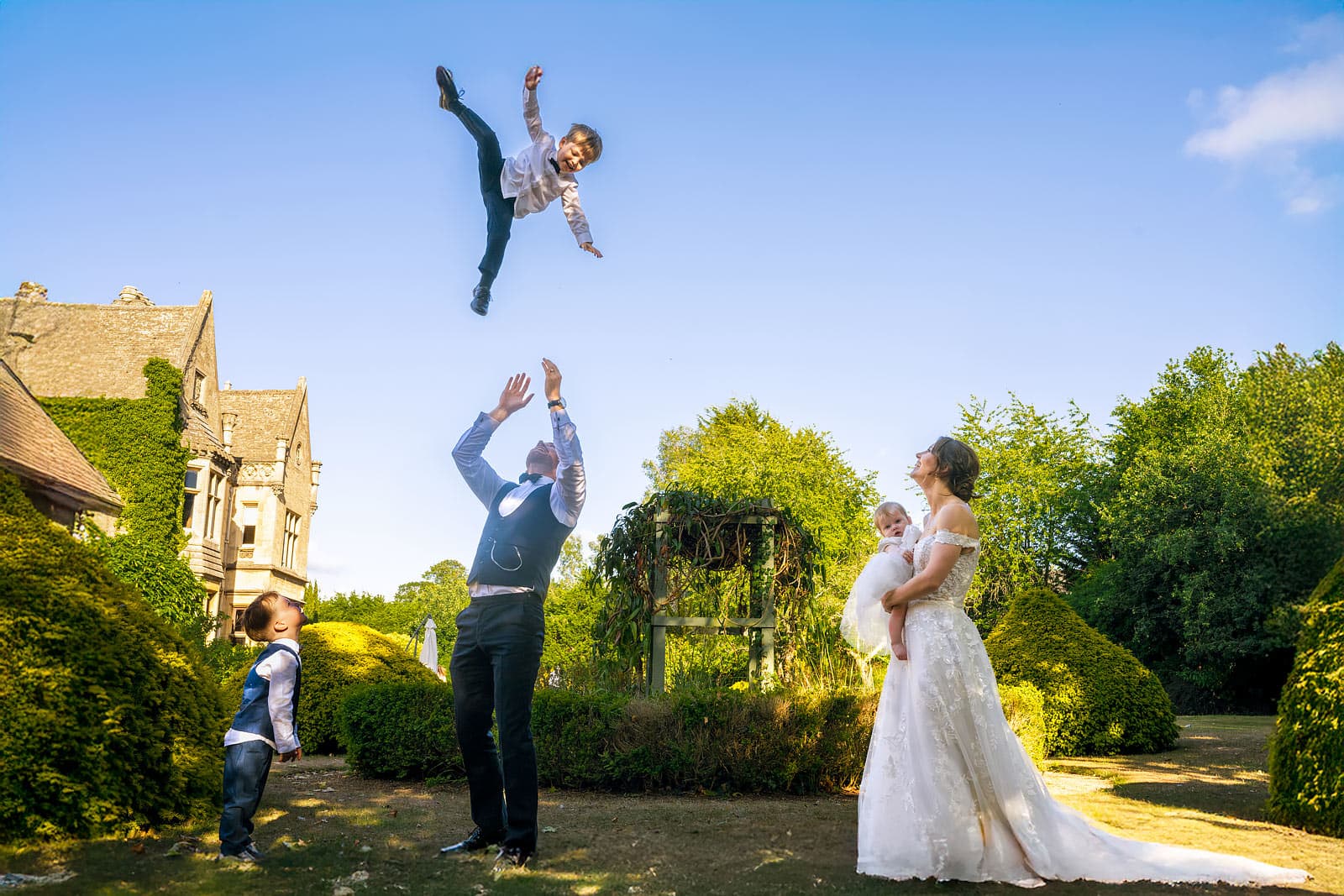
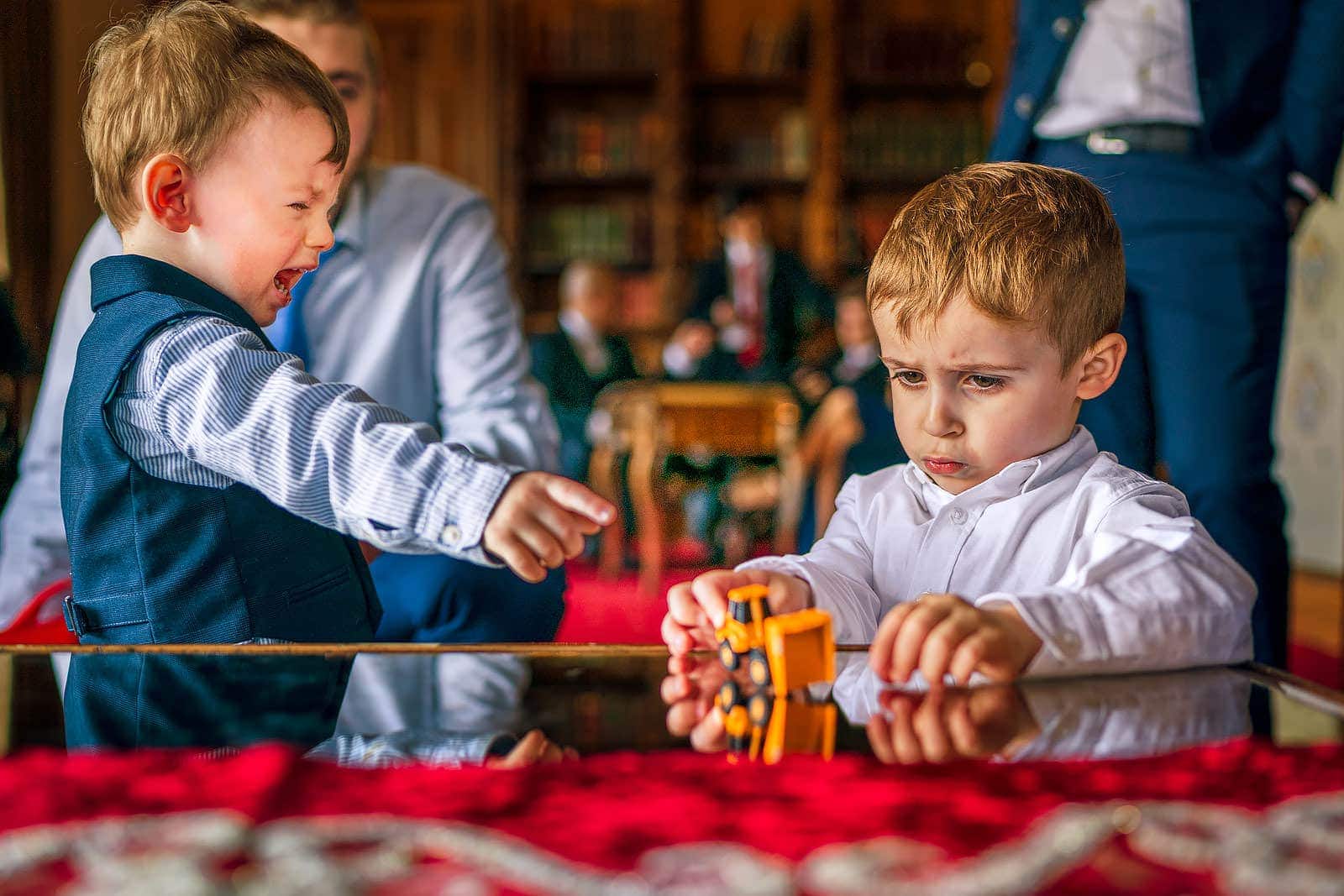
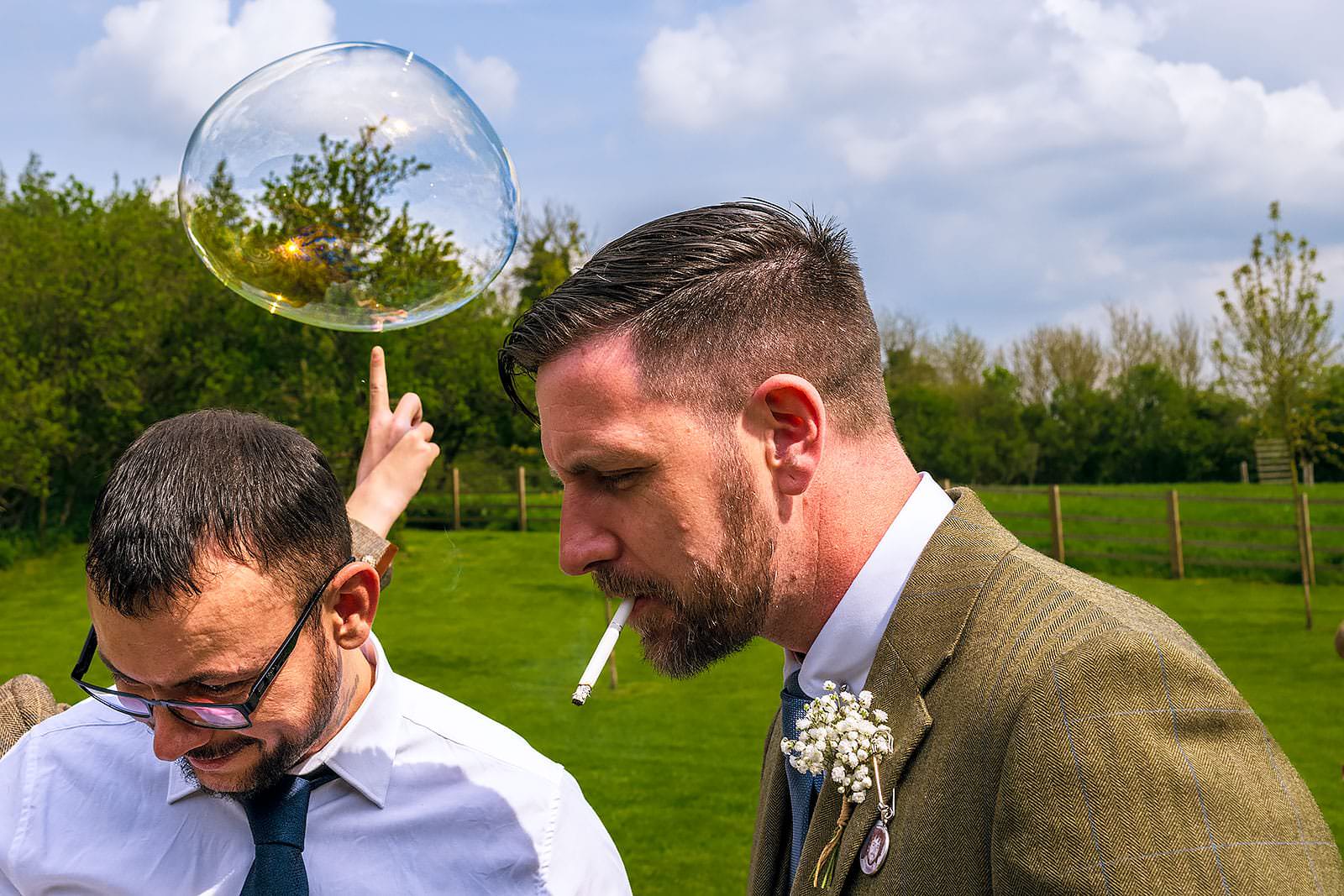
Your work is very committed to color.
You almost never use black and white. Why?
I’ve always seen weddings as bright and colorful. Always.
It took me five or six years to actually get the color how I saw it in my head.
Trying presets, making mistakes, all of that.
And then one day I woke up and thought, I think I’ve got it.
Now when I shoot, I already know how I’m going to edit it.
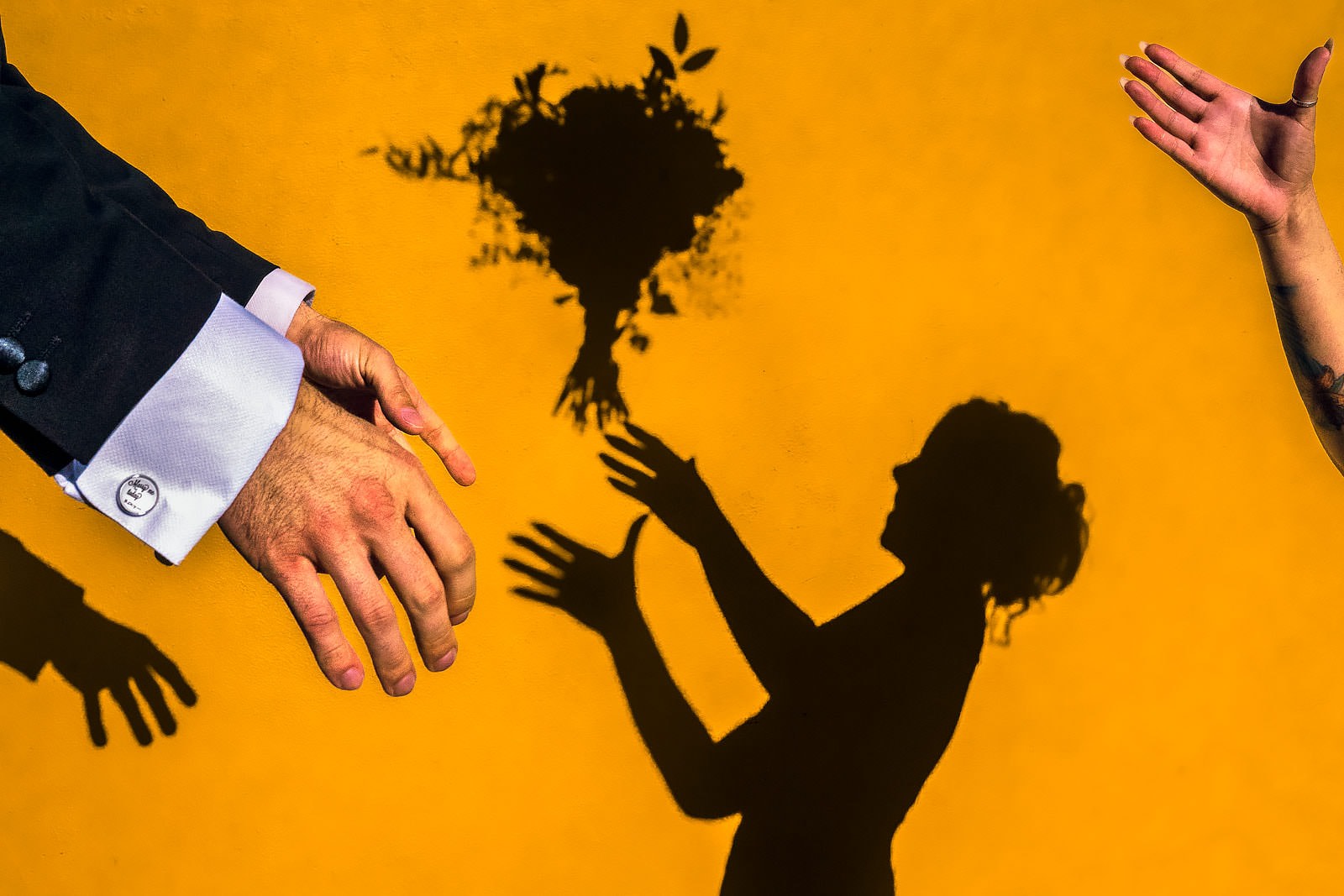
I want it to look like what my eyes saw-but with a little punch.
I tried black and white again last year for a couple, and I realized my eyes don’t see that way anymore.

When you look at your own images, do you recognize them immediately?
Yeah, I think so.
A lot of photographers have told me they instantly know it’s my photo when it pops up.
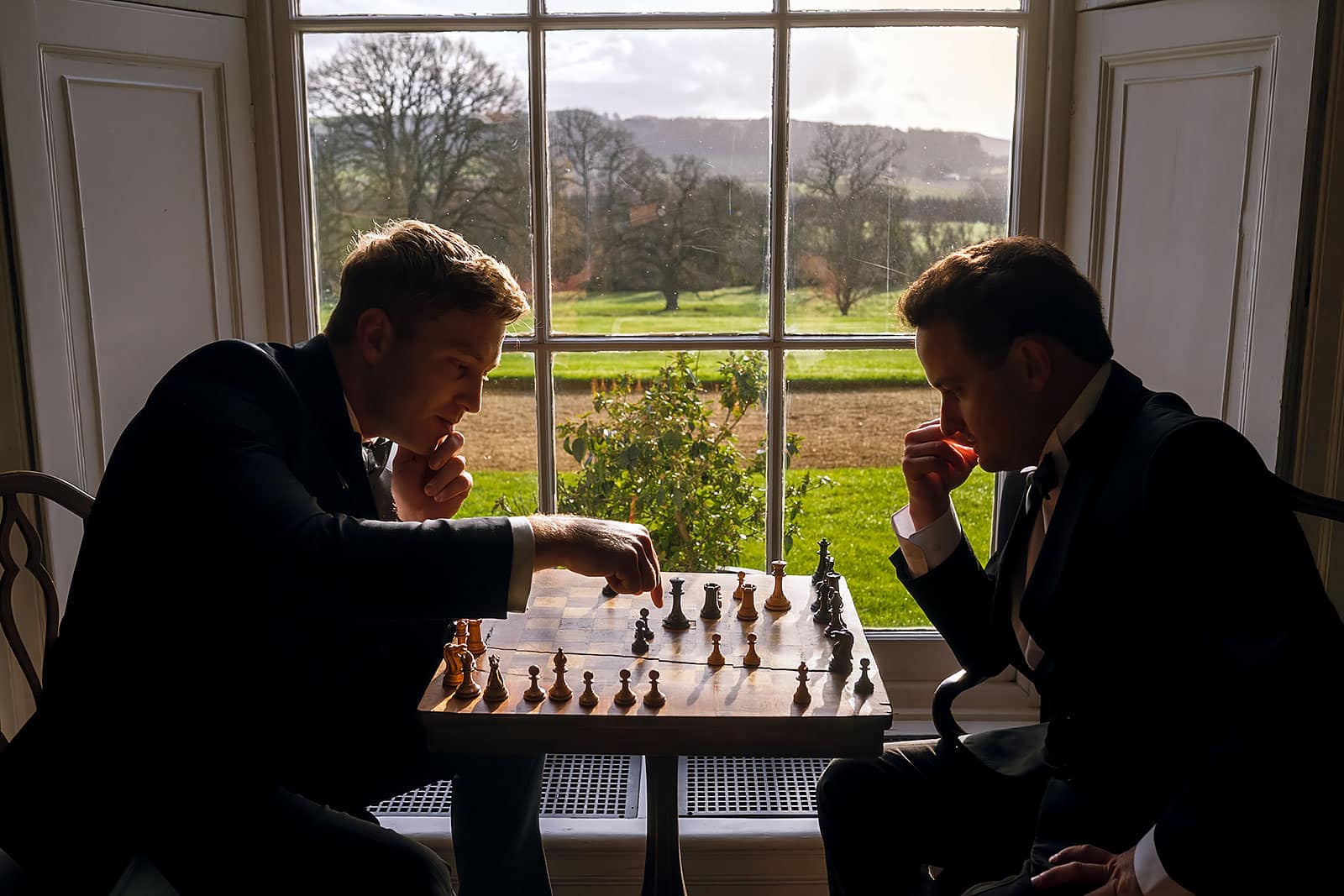
The color, the edit, what’s going on in the frame.
That’s probably the biggest compliment you can get.
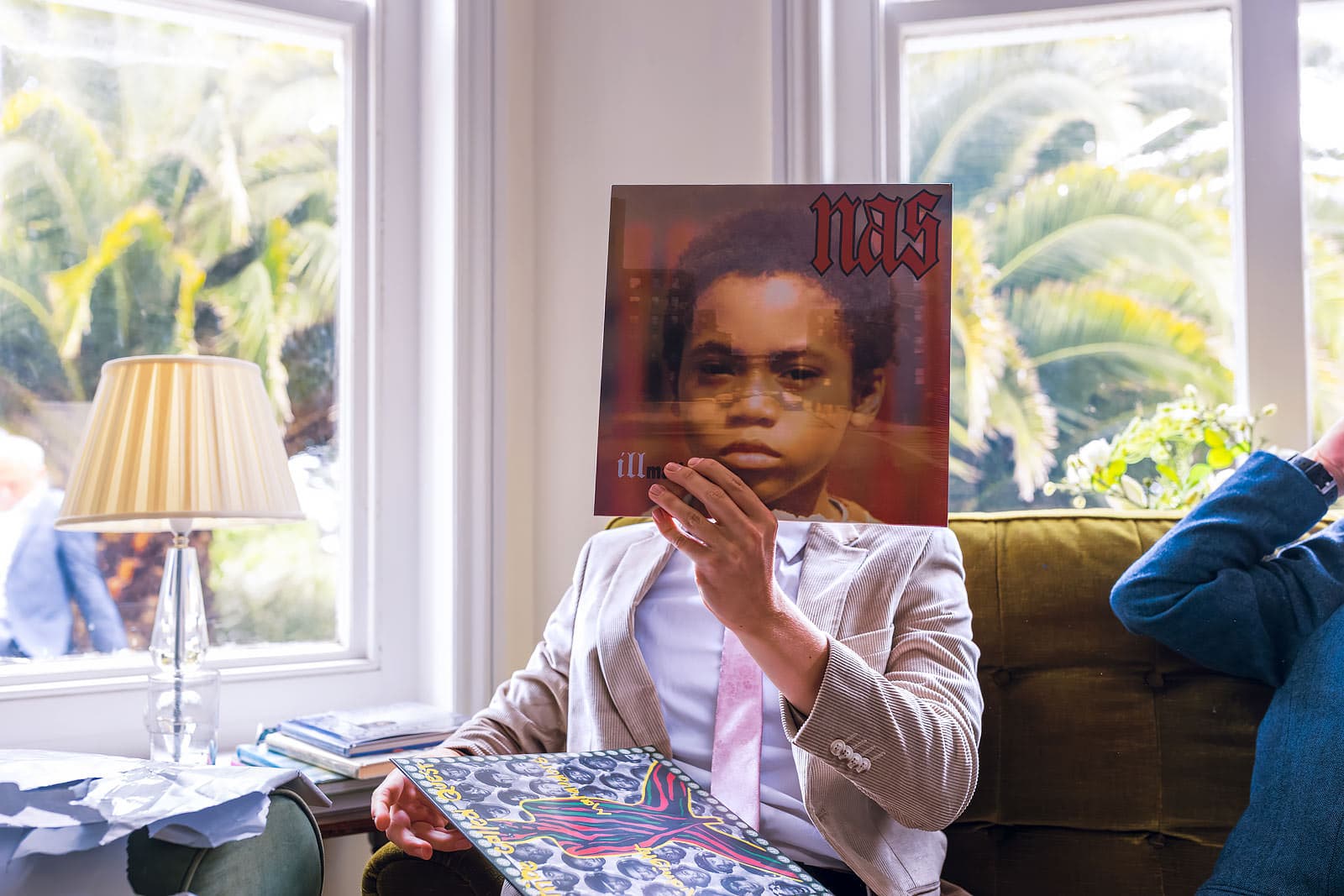
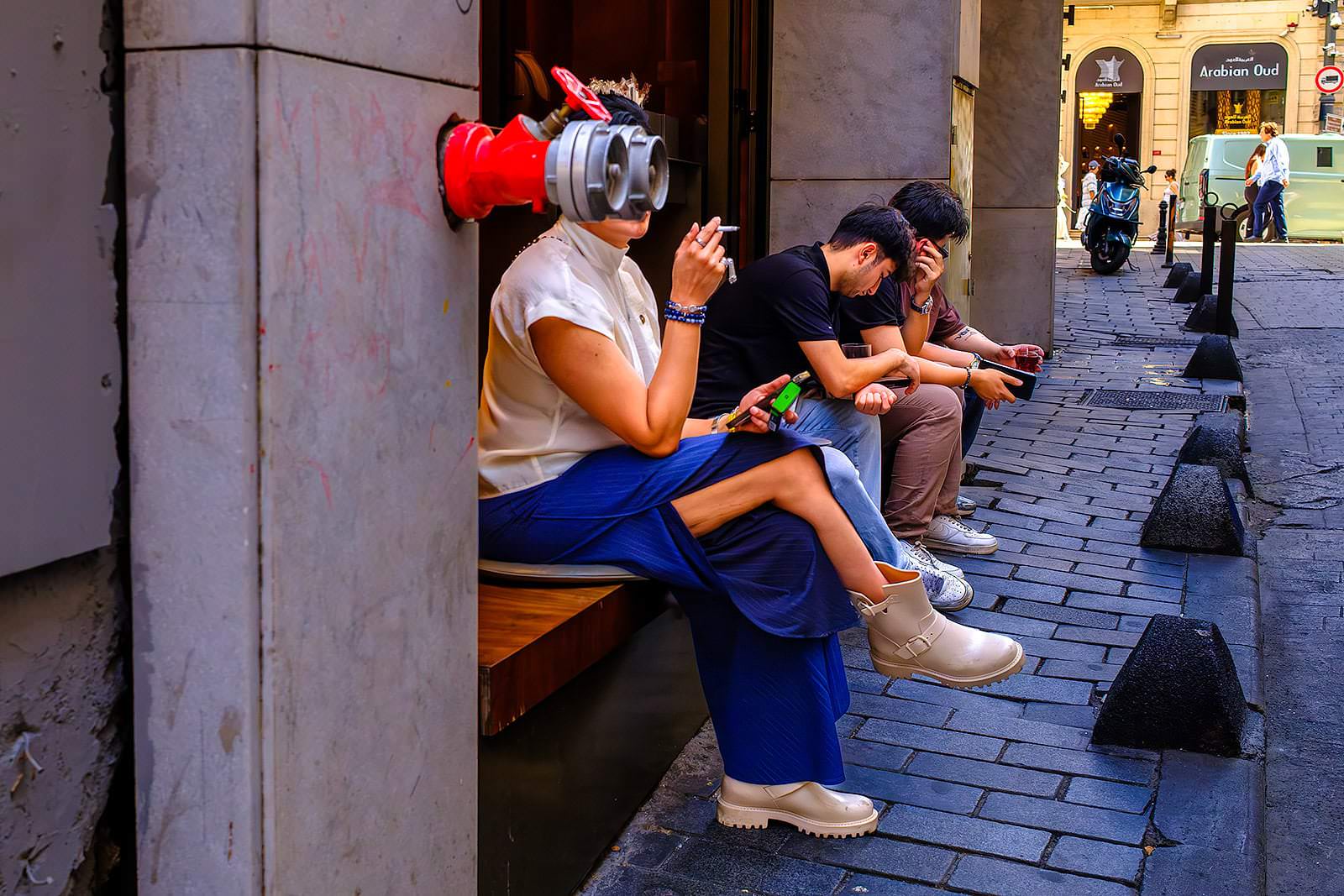
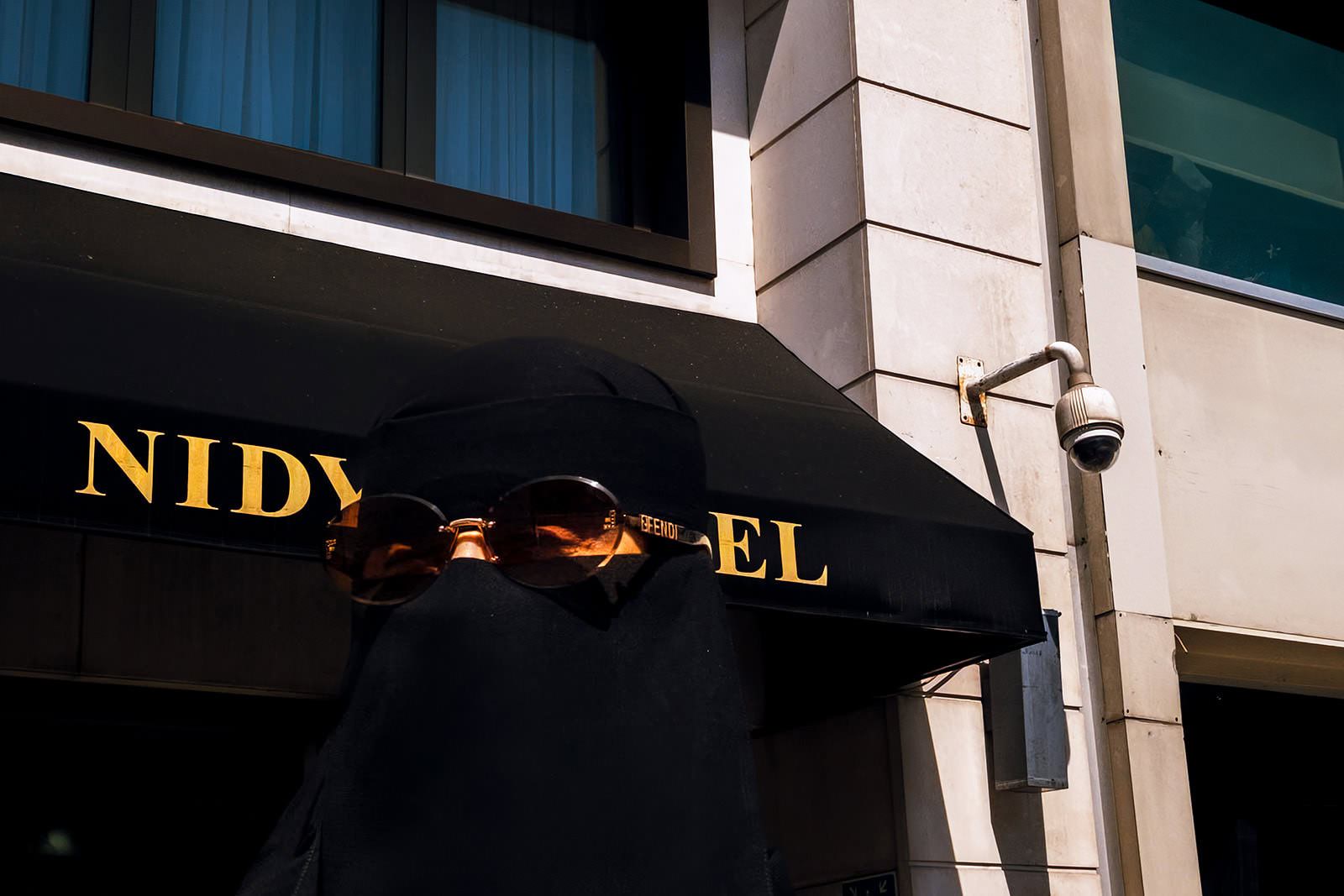
There’s a very specific way you see. You look for repetition, patterns, small visual jokes. Where does that come from?
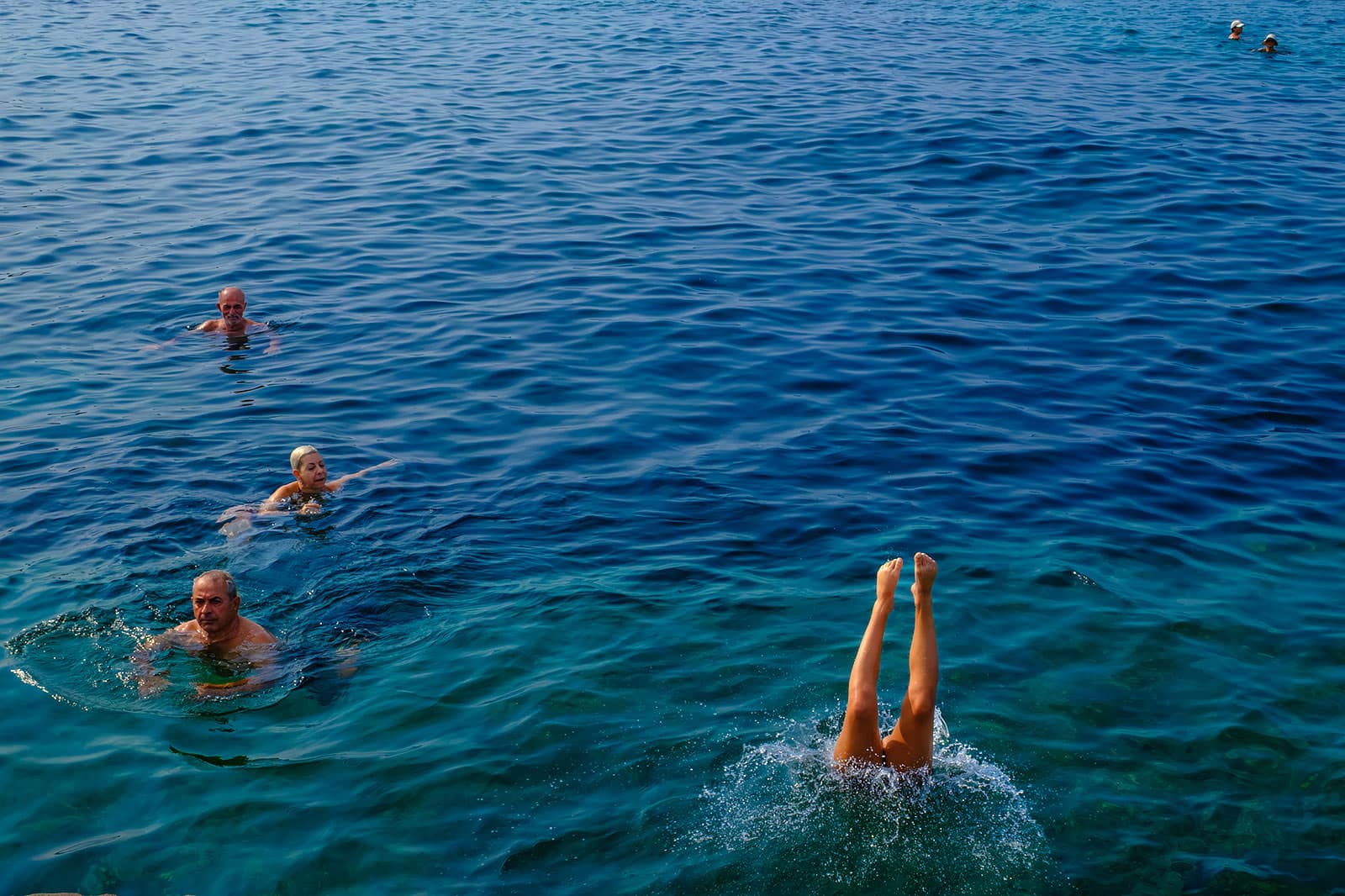
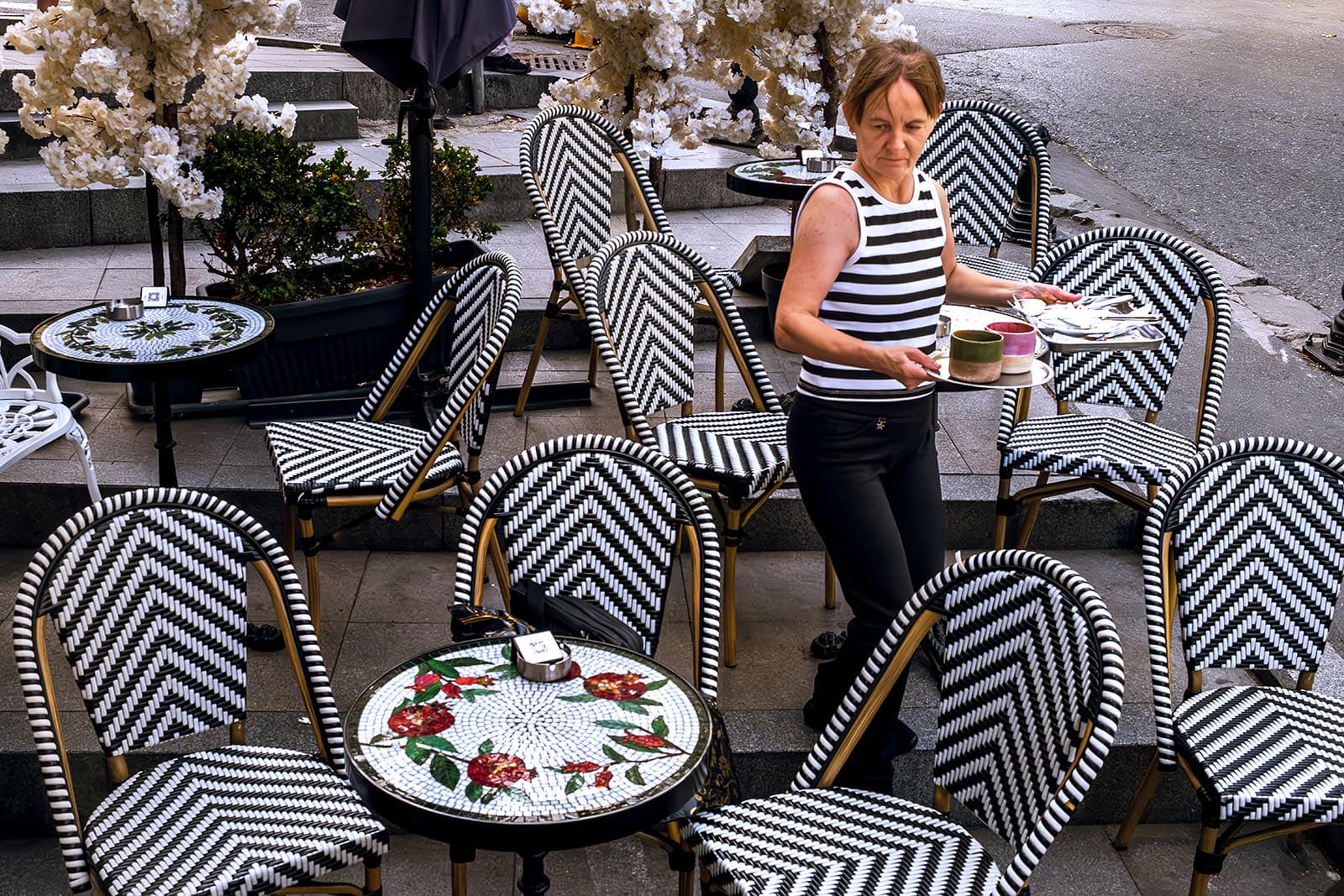
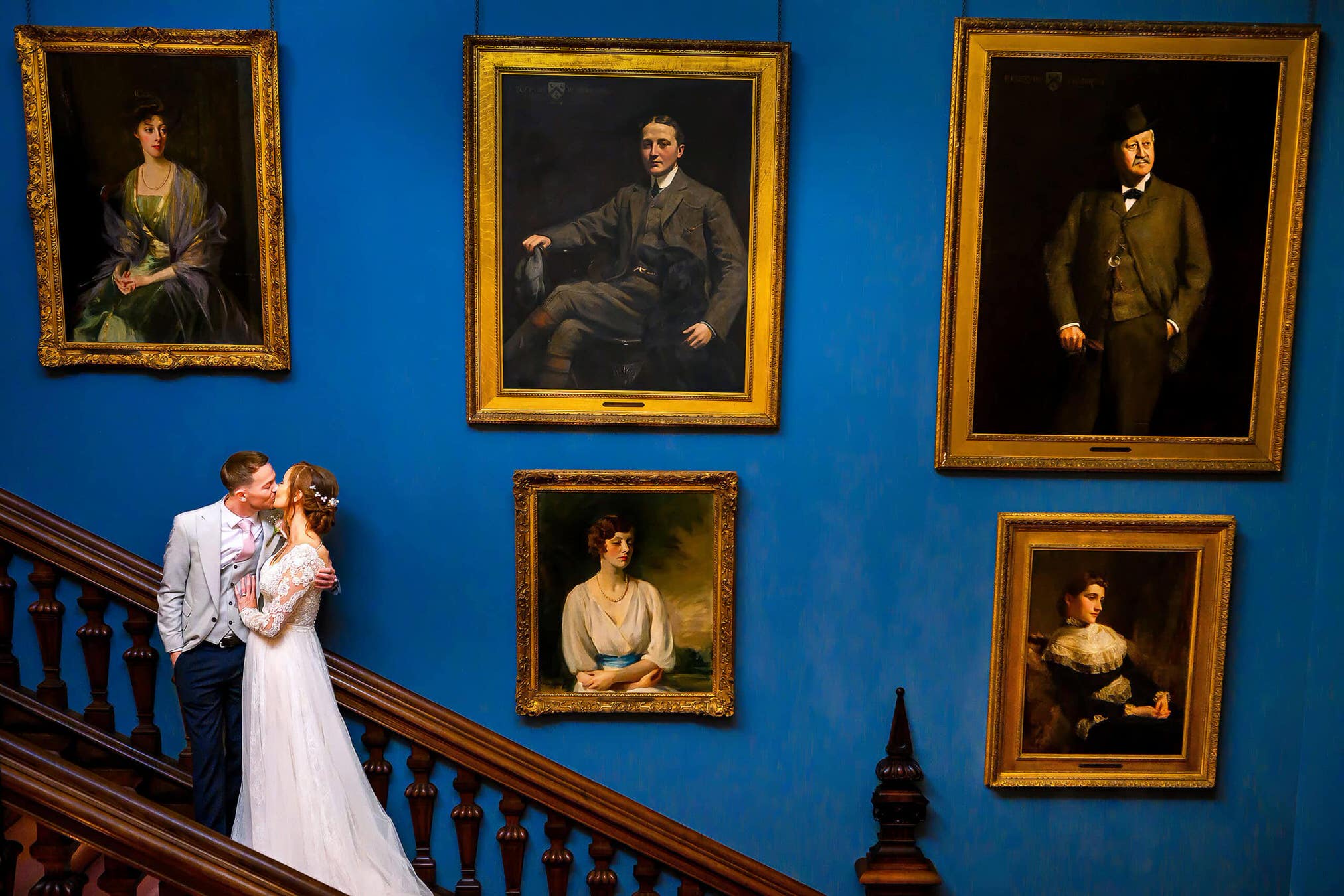
I like images where you scan them, then scan again, and then you see something else.
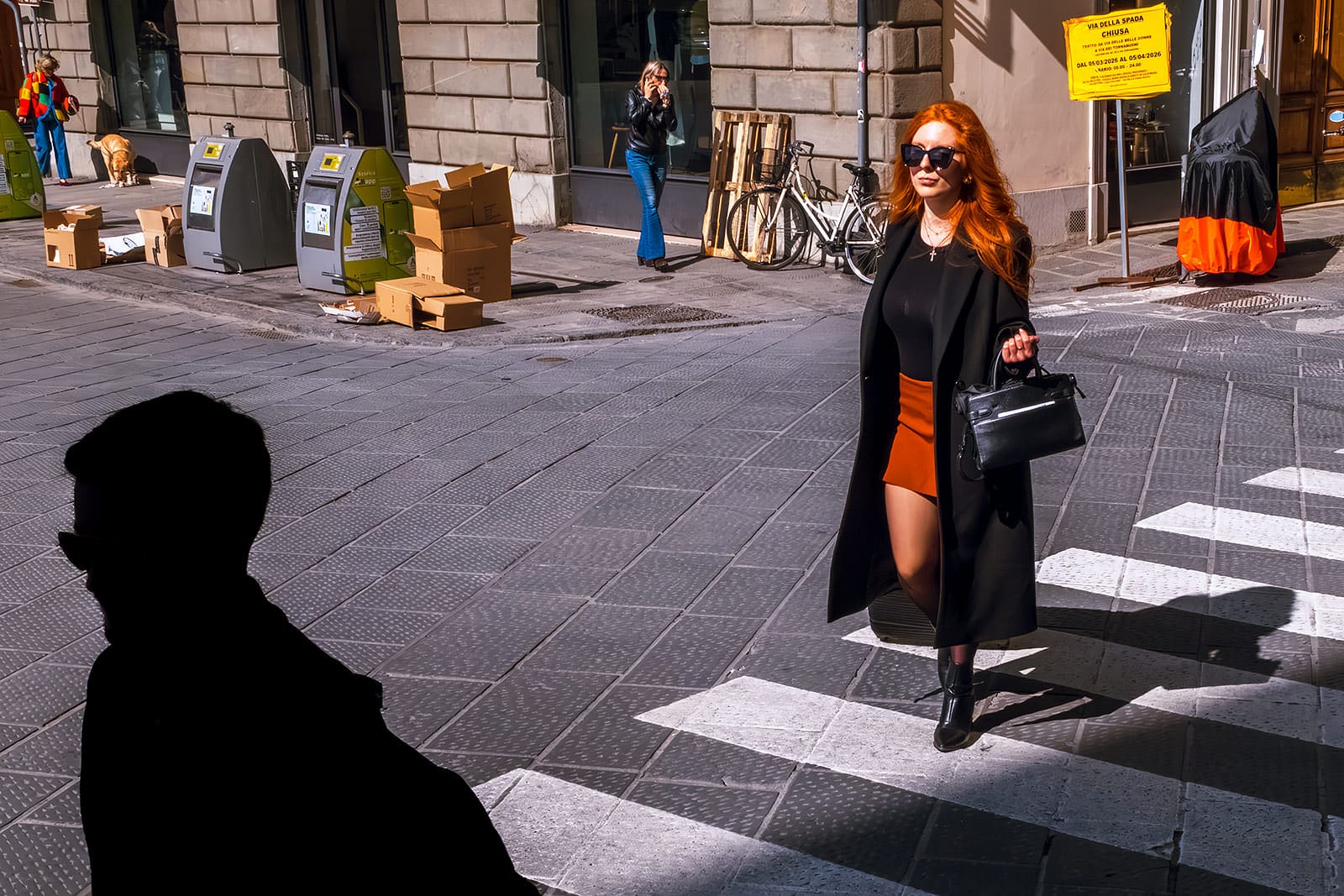
Like in Florence-I had a woman wearing orange and black, and behind her there was a bin with the same colors.
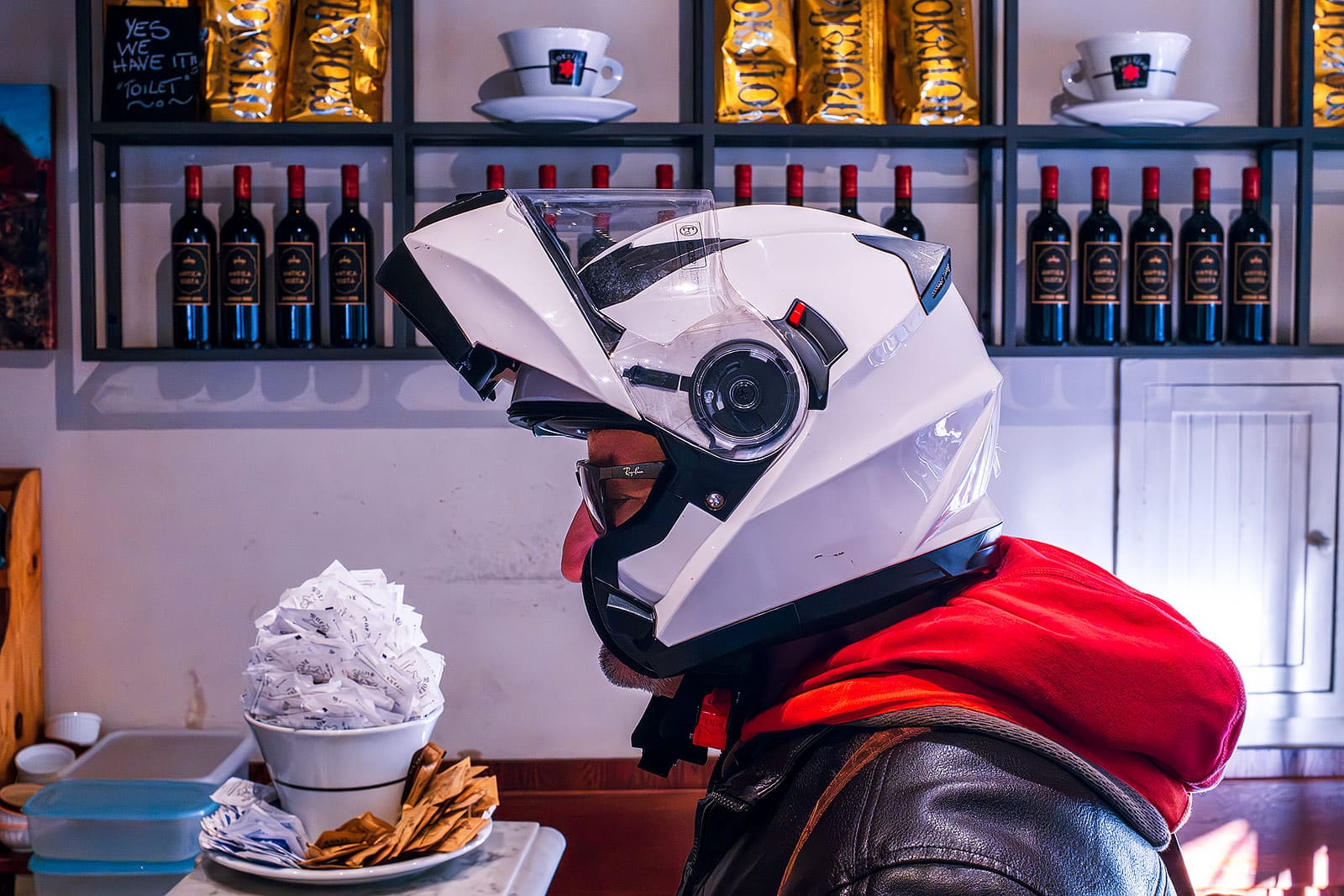
Or a motorbike helmet that matched two coffee cups on a shelf.
Those little things appeal to me.
I think my brain just looks for order in chaos.
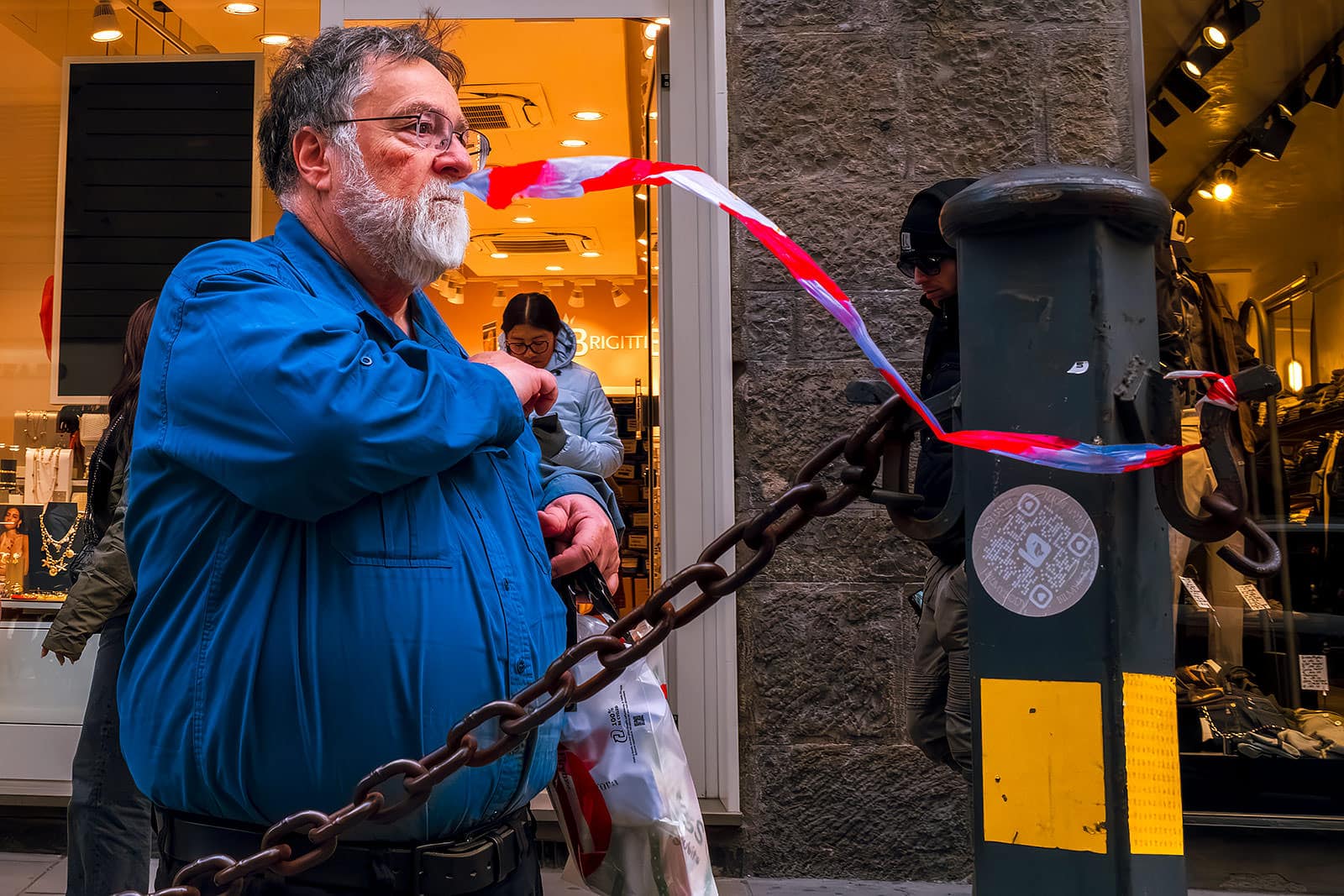
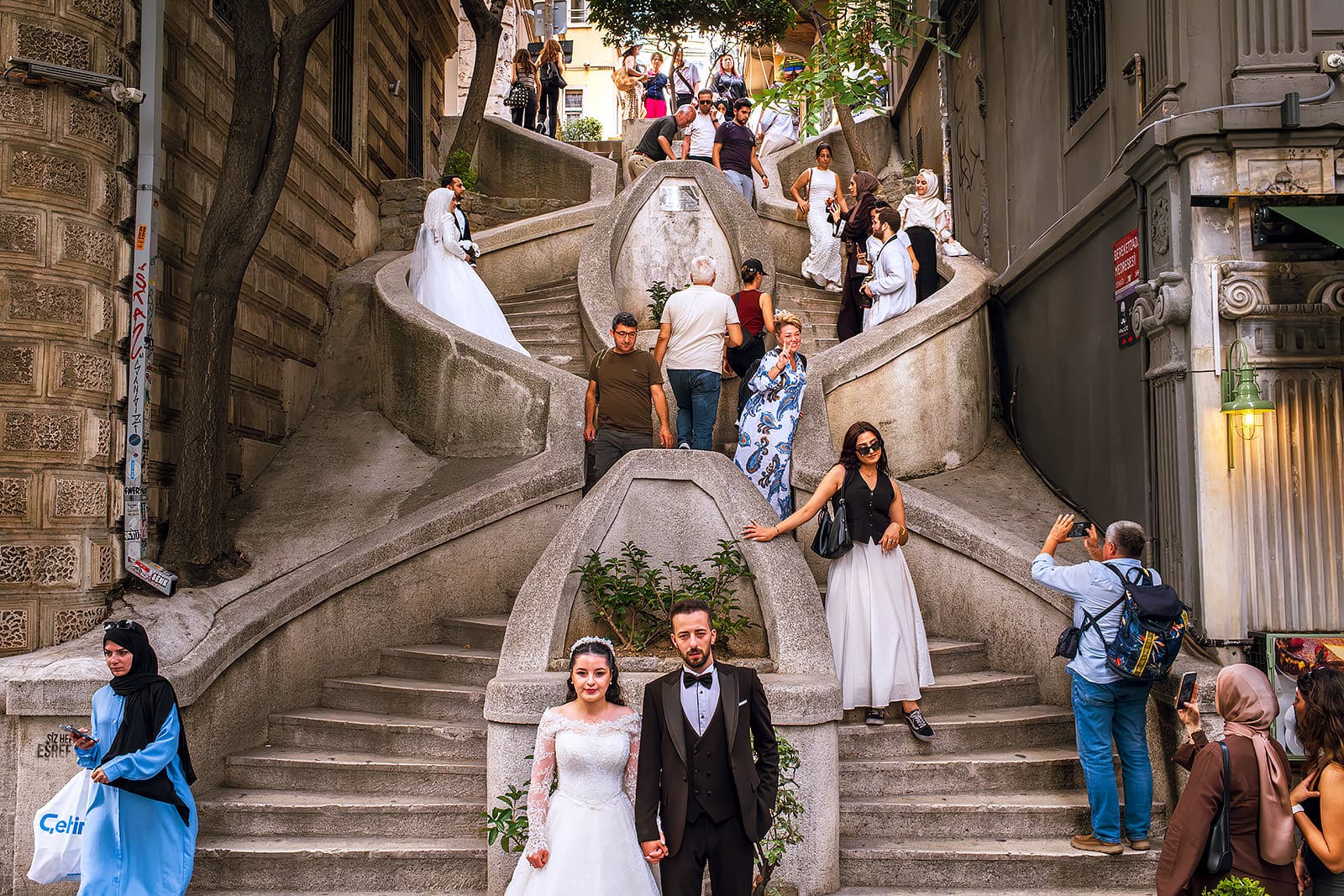
It feels like you approach weddings almost like street photography. Is that how you see it?
Yeah, definitely.
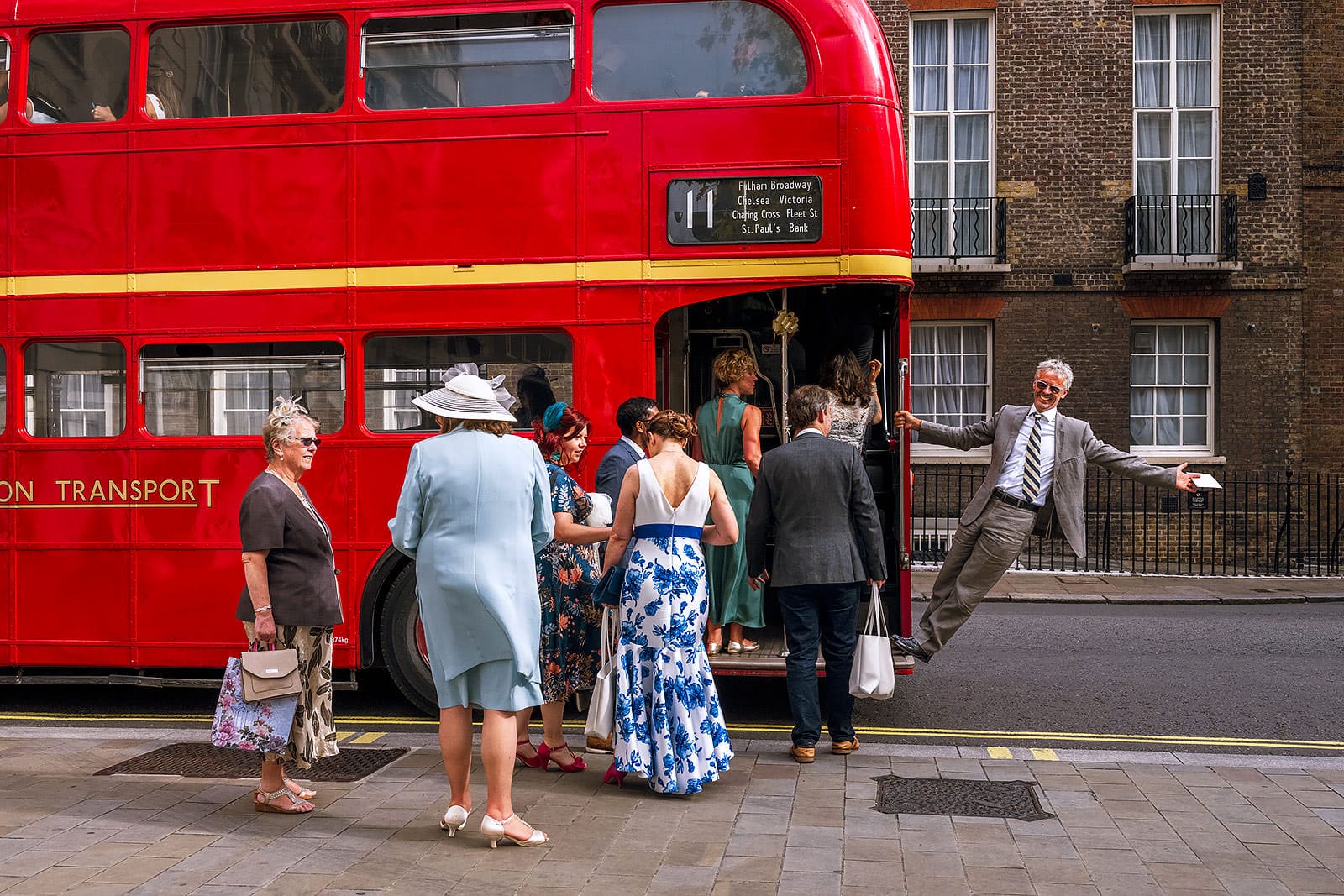
Even during group photos, I’ll sometimes notice something and just run off.
They’re standing there waiting and I’m gone.
There’s always something happening.
People say cocktail hour is boring-nothing’s going on.
I don’t buy that. There’s always something. Always.
That’s the challenge for me – finding something in the parts of the day other people might dismiss.
Was there a mistake early on that changed the way you photograph weddings?
Yeah, definitely.
I remember a church wedding, probably when I was about a year in, and I completely missed the first kiss. My settings were all over the place. I’d always shot manual because I thought that was the way to do it, but at that stage I just wasn’t quick enough yet.
At the time, in my head, it felt huge. Like, that’s it, I’ve missed it.
So later, when the couple were outside on their own, I said, “I’m really sorry, I missed the first kiss.
Do you want to go back in and restage it?” And they just said, “No, don’t worry about it.”
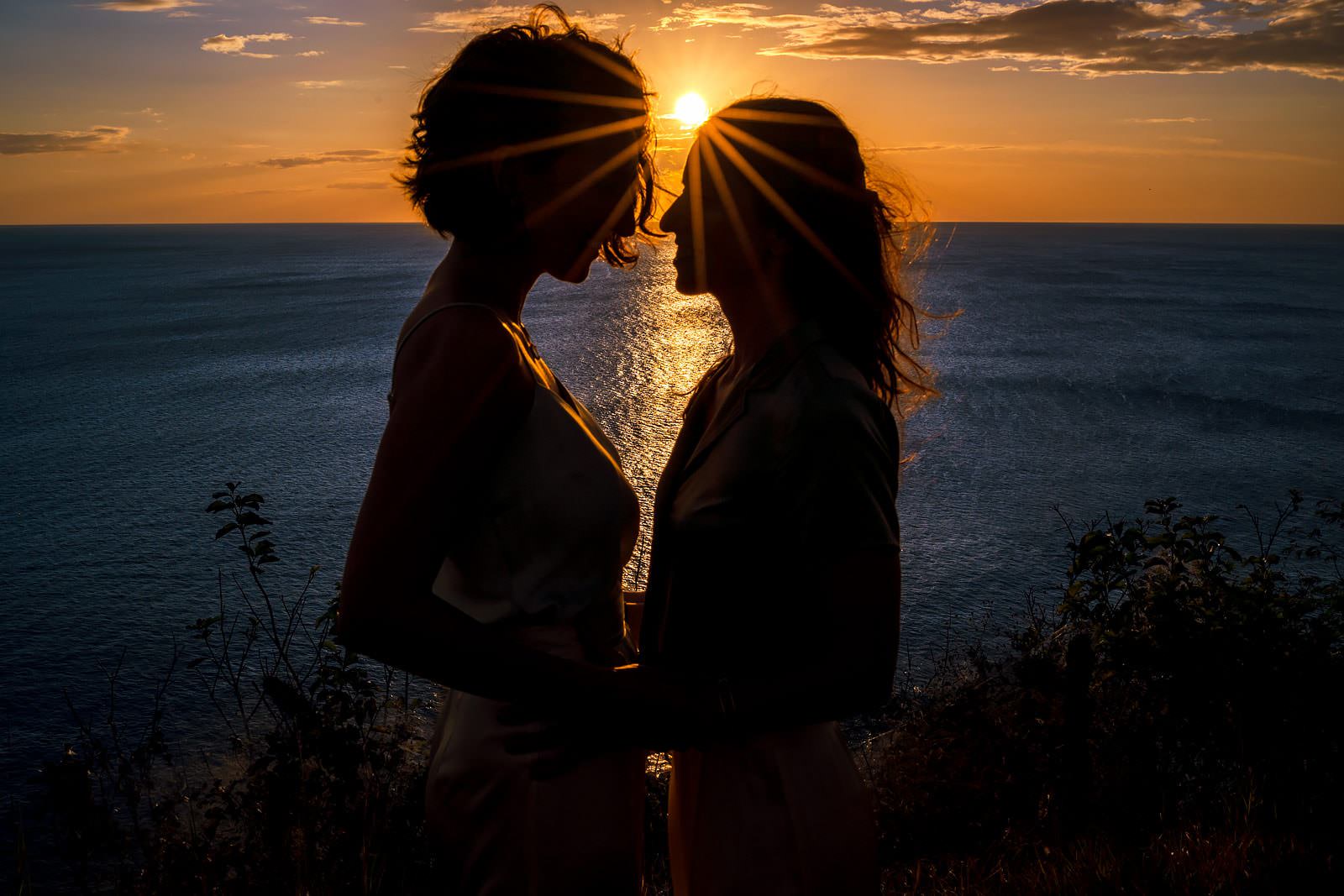
That stayed with me because it made me realize how much pressure I was putting on certain moments.
Now I think about weddings very differently.
There are maybe eight or ten photos you absolutely have to get.
If I can’t come back with those, then I’m probably in the wrong job.
But once those are covered, everything else is freedom.
And for me, that’s where it gets interesting.
What is The Edge?
I entered a lot of street photography competitions just to see how they worked.
Some were good, but a lot weren’t.
You pay money, you might make the finals, and then nothing.
No communication, no visibility.
One of them didn’t even tell me I’d made the finals – I only saw it because I checked the website.
So I wanted to build something different. It’s basically a street photography platform with four awards a year – spring, summer, autumn, winter.
Each photographer has their own gallery on the site, and you can submit multiple images per round. It’s more about building something ongoing, not just a one-off competition.
We’ve just closed the first round – 268 images – which is better than we expected.
Worst case, it fails and I’ve learned something.
Best case, it becomes something meaningful.
And I enjoy doing it as well, so even if it doesn’t go anywhere, I’ve learned something from it.
https://www.blog.theedgestreetawards.com/
How does JPEGmini fit into your workflow today?
I’ve been using JPEGmini for years now – must be around eight.
I first heard about it through Mitch Schneider, probably at a conference or a wedding photography workshop somewhere, and it just became one of those tools that stayed in the workflow.
I still use it the same way now.
I run my blog images through it before uploading – I literally just did that with my Florence post.
At the time, a lot of it was about making files smaller so pages would load faster, and that still matters. But now it’s also just part of keeping everything lighter and more manageable.
Lately I’ve started using it for video as well, which has been really useful.
Storage is more expensive than it used to be, and once you’re dealing with both stills and video, that space adds up quickly.
So my process is usually pretty simple: batch resize, run everything through JPEGmini, then upload.
It’s not glamorous, but it saves space, keeps things moving, and makes sense.
Final Thought
One of the biggest compliments a photographer can get is to be recognizable before their name is attached to the image.
Dan has that.
You can feel that it didn’t come quickly.
Not just technically, but visually.
His way of seeing had to be built – refined over years, through repetition, through editing, through learning what color needed to do in his pictures and what it didn’t.
What’s interesting is that even inside wedding photography, he still sees like a street photographer.
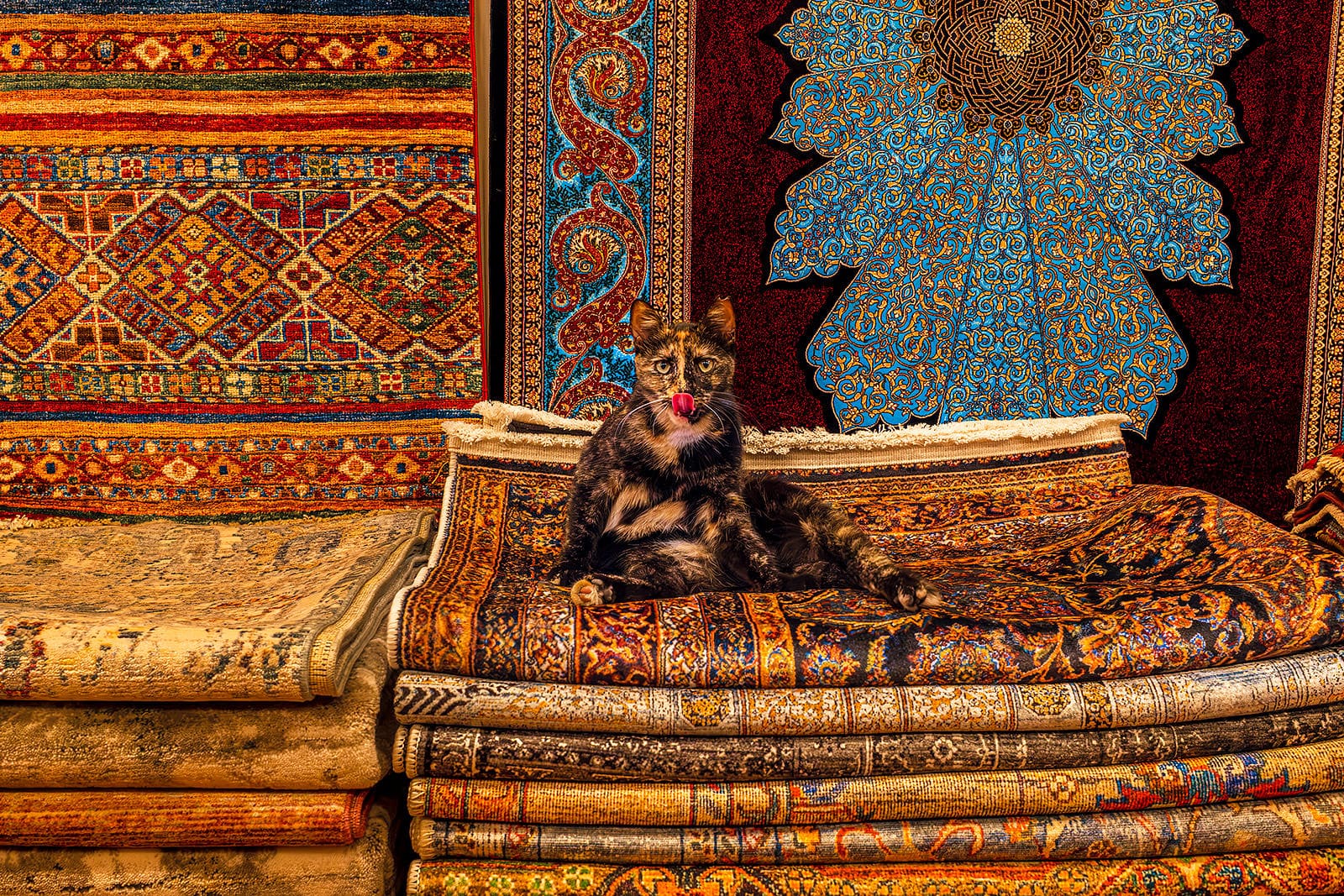
He’s looking for irony, for visual echoes, for those small accidental alignments most people would walk past.
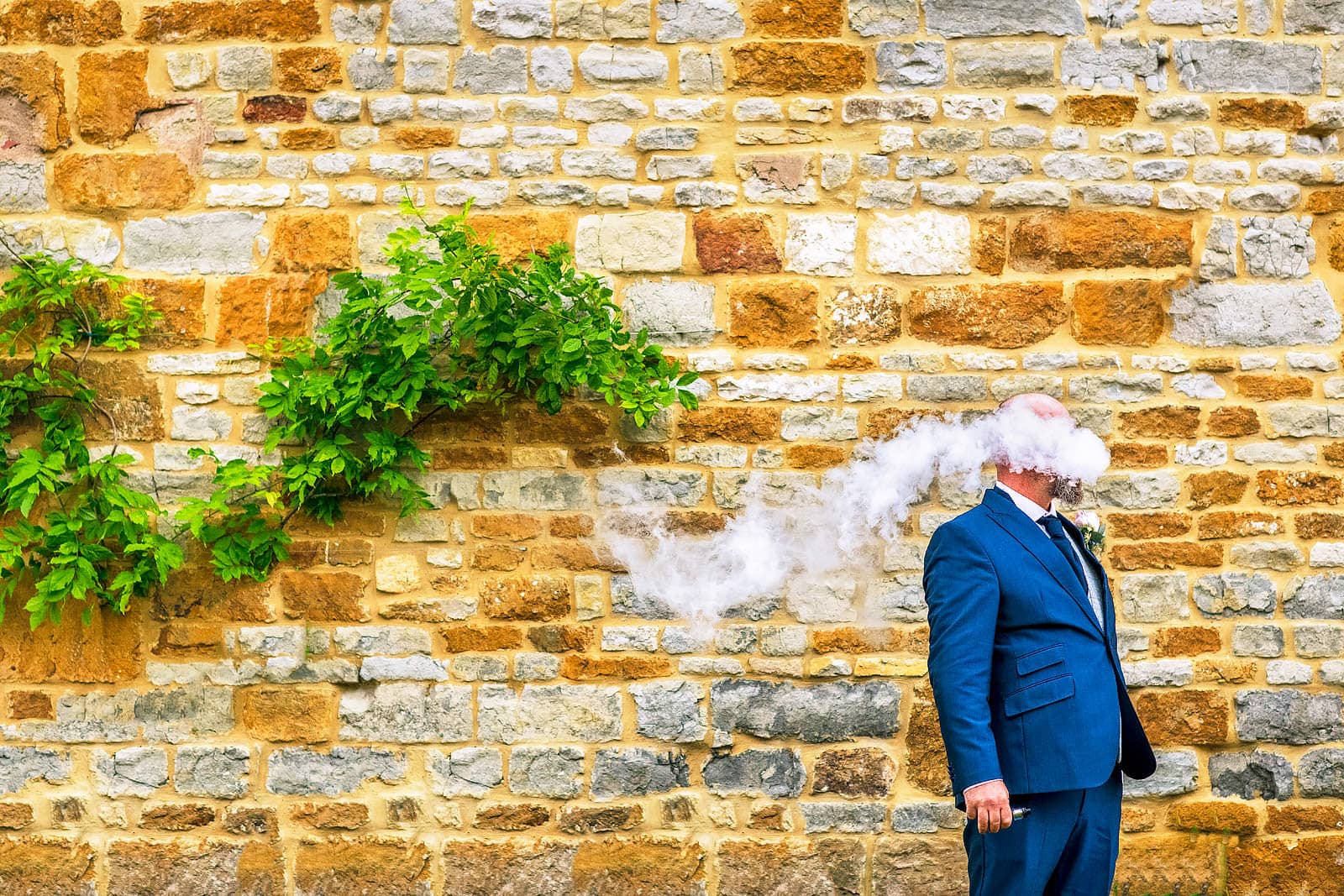
And once you start noticing what he notices, you can see the images he’s almost obsessed with: a dog’s-eye point of view, smoke repeating itself somewhere else in the frame, complementary colors quietly locking a picture into place.
There’s a speed to that kind of seeing.
Not luck- skill.
And maybe that’s what sits underneath the work.
Not style for the sake of style, but a photographer who stayed with it long enough to recognize what he was already drawn to.