
“It stops feeling like sports photography. It becomes a portrait”
Short Bio:
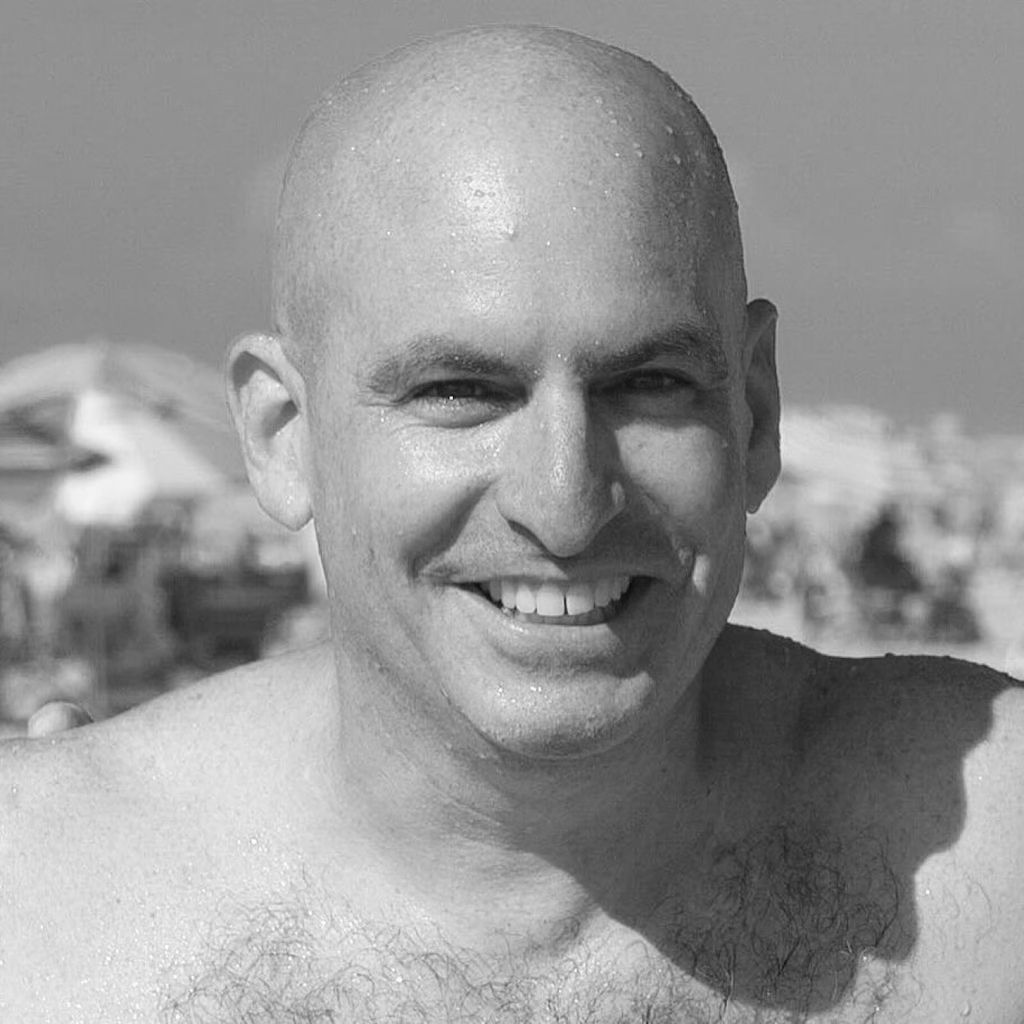
Phillip Belena is a New York–based sports photographer. He often shoots with a 50-millimeter lens, three feet from the athlete. He minored in photography at SUNY Fredonia where his photography teacher Therold Lindquist emphasized that great pictures couldn’t be achieved without knowing a person intimately.
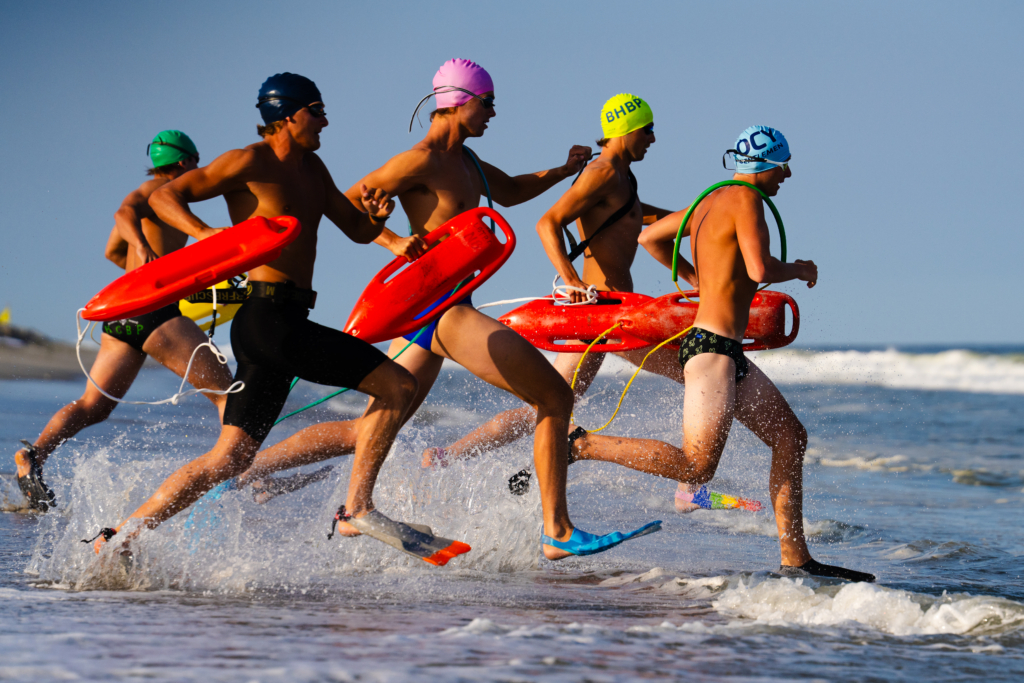
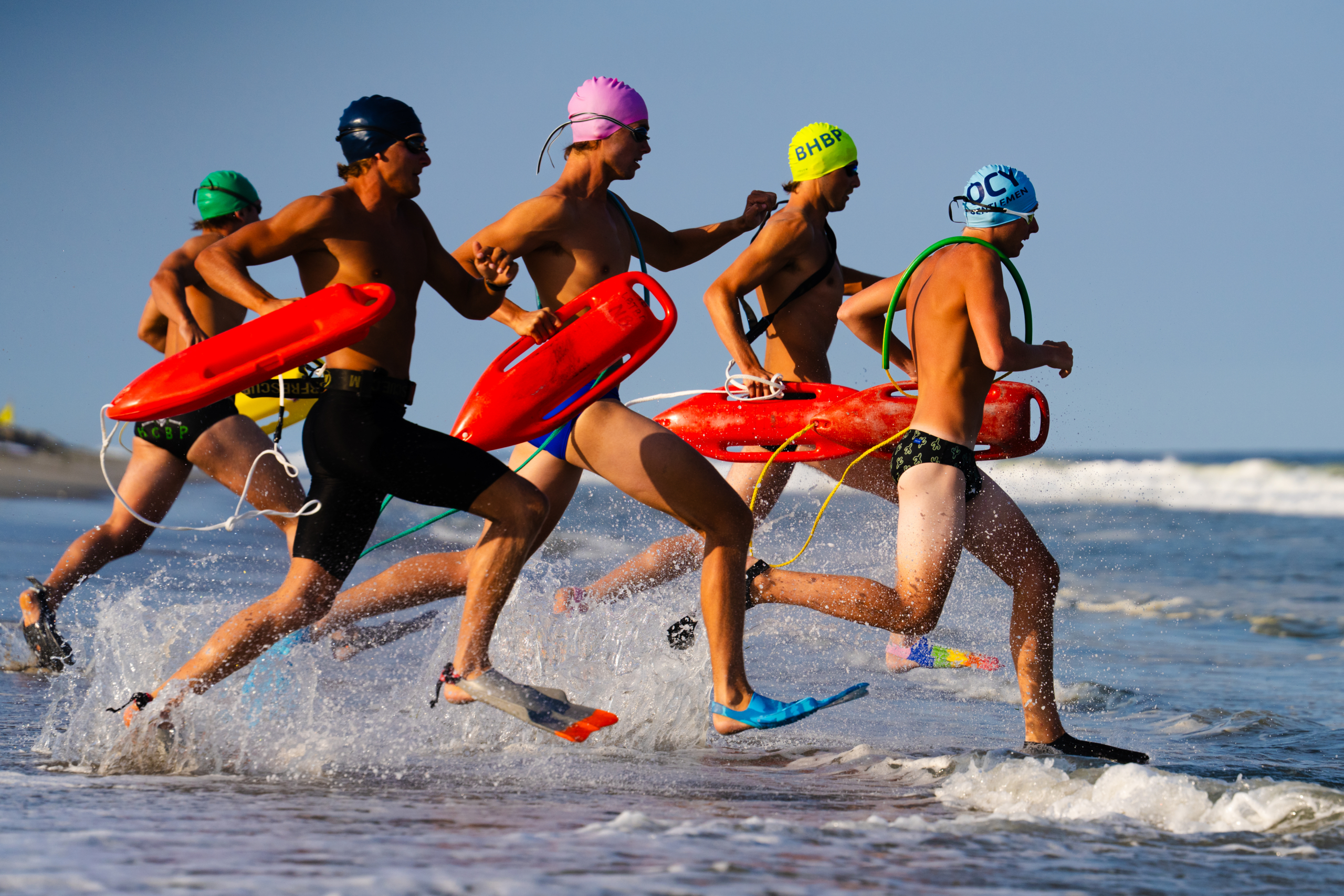
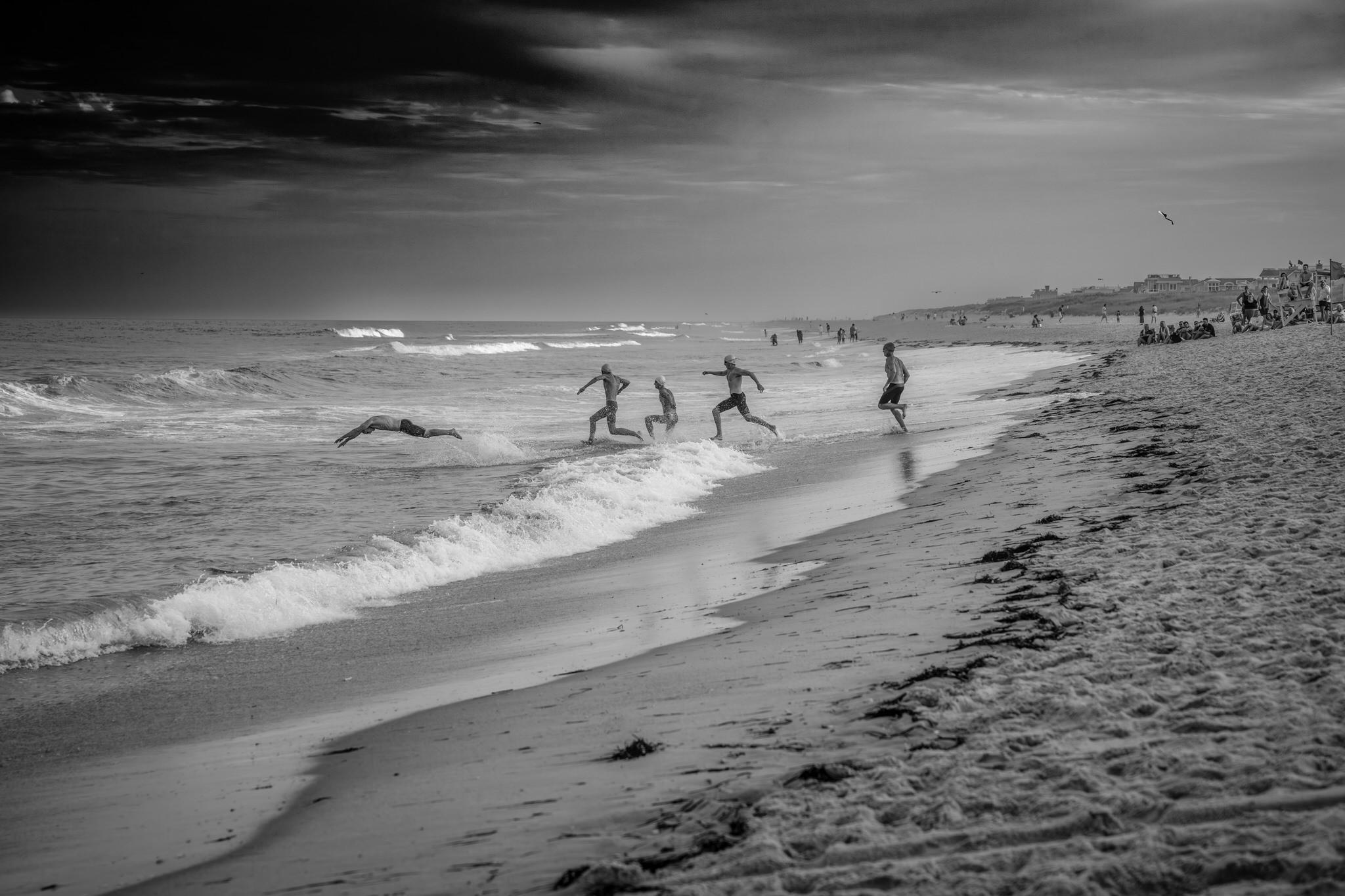
Phillip will be exhibiting his photography of the Long Beach Township Beach Patrol
on Saturday, July 11, 2026
https://phillipbelena.com/
Three feet – why?
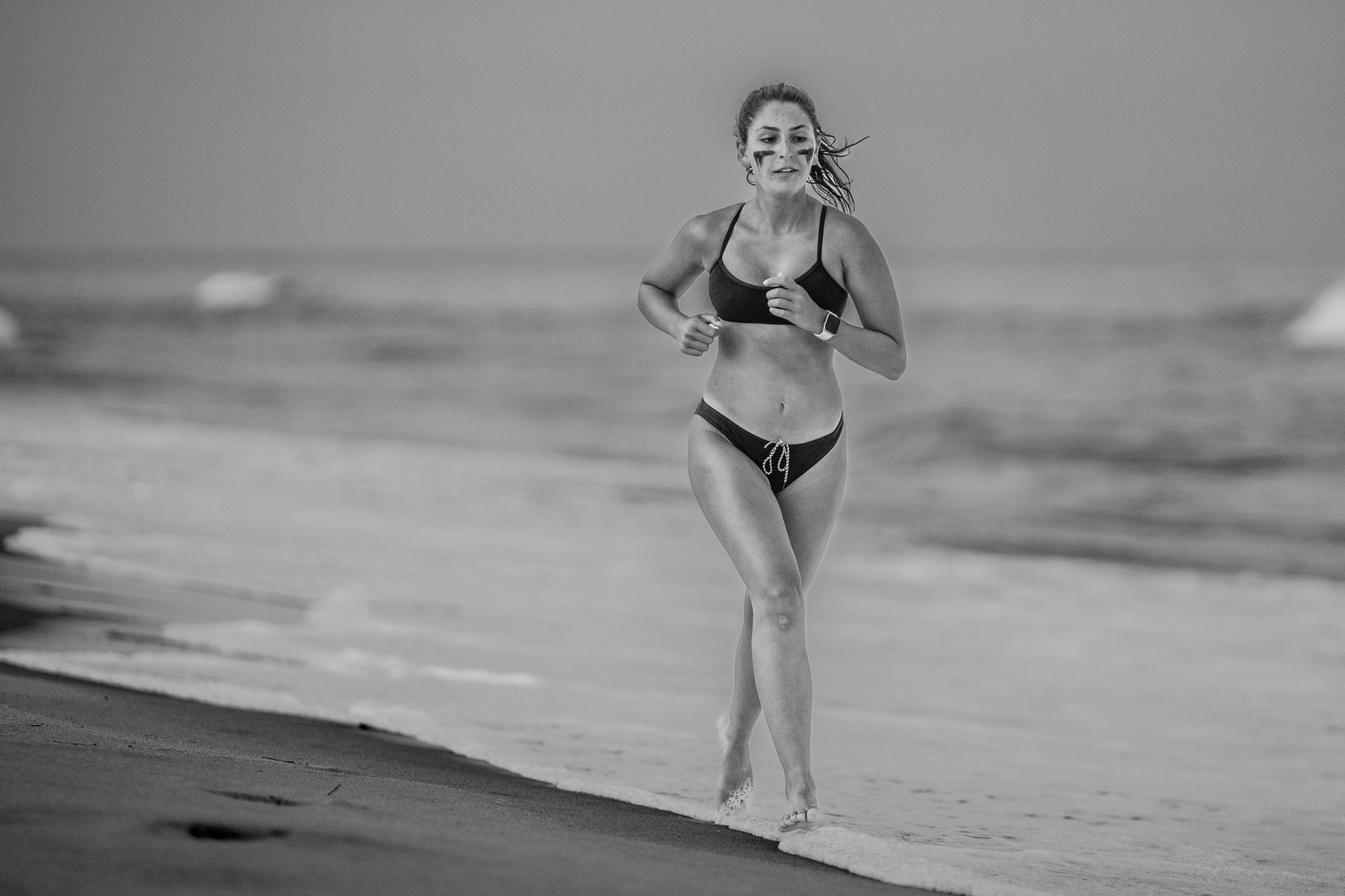
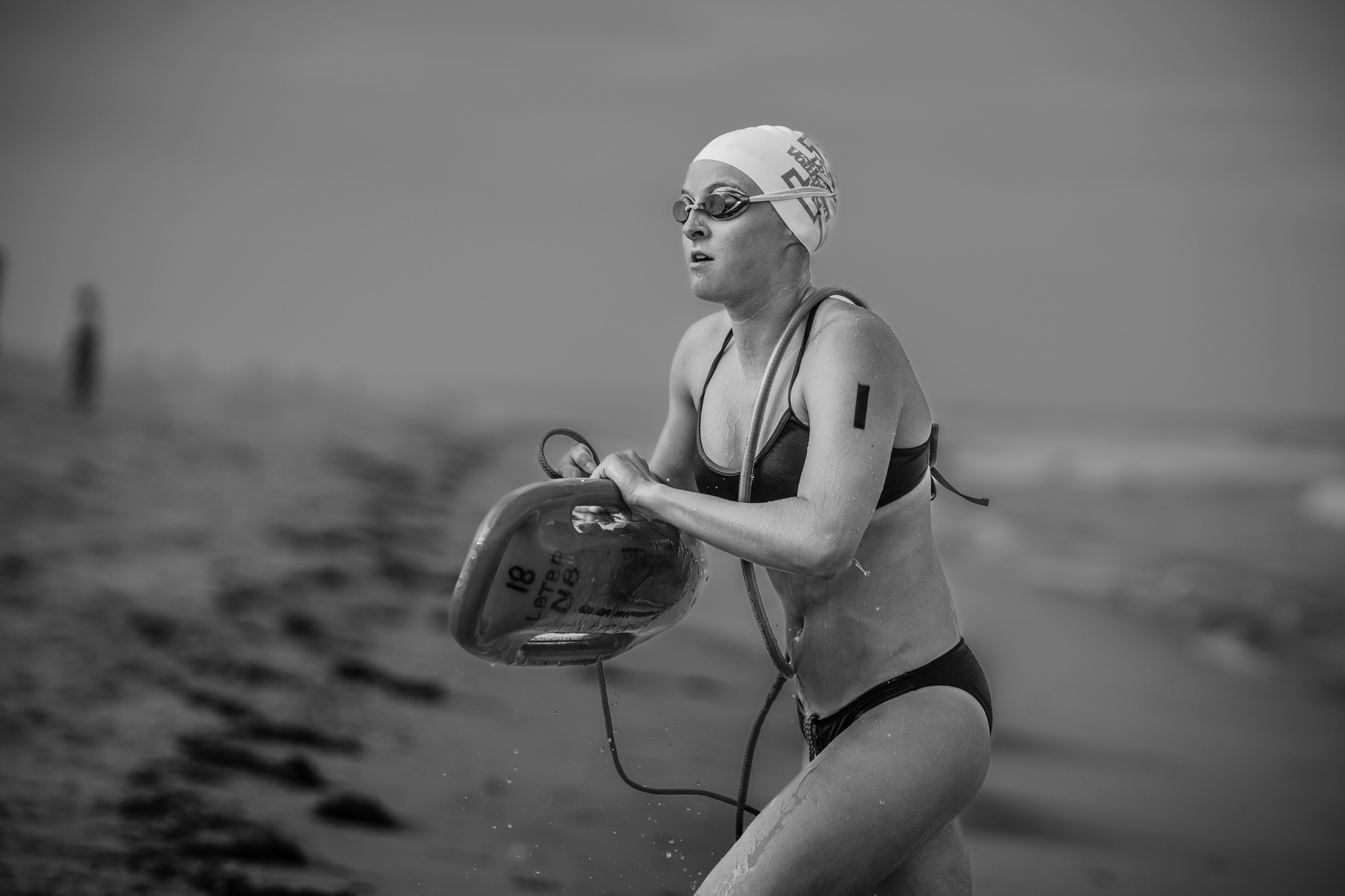
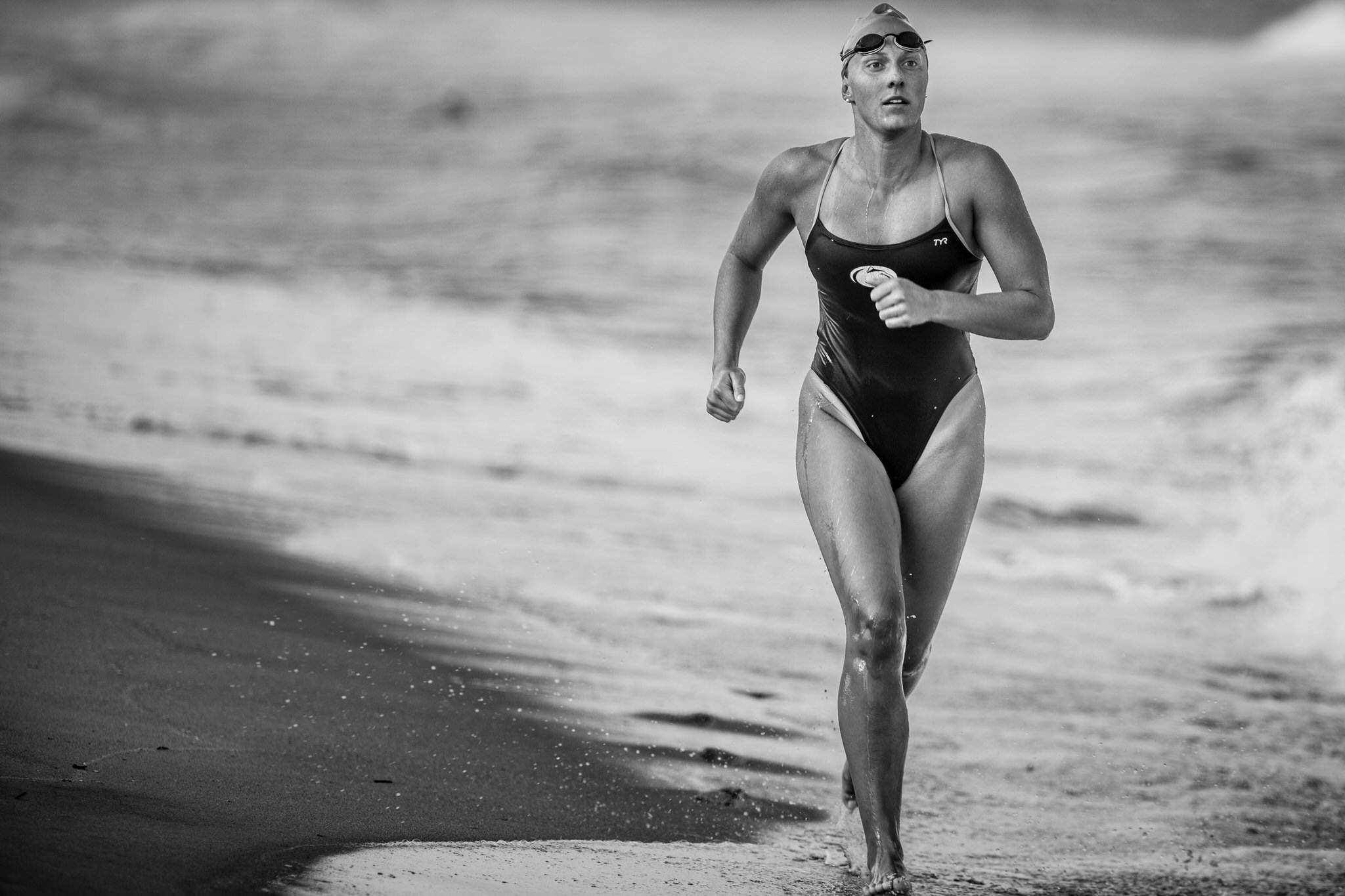
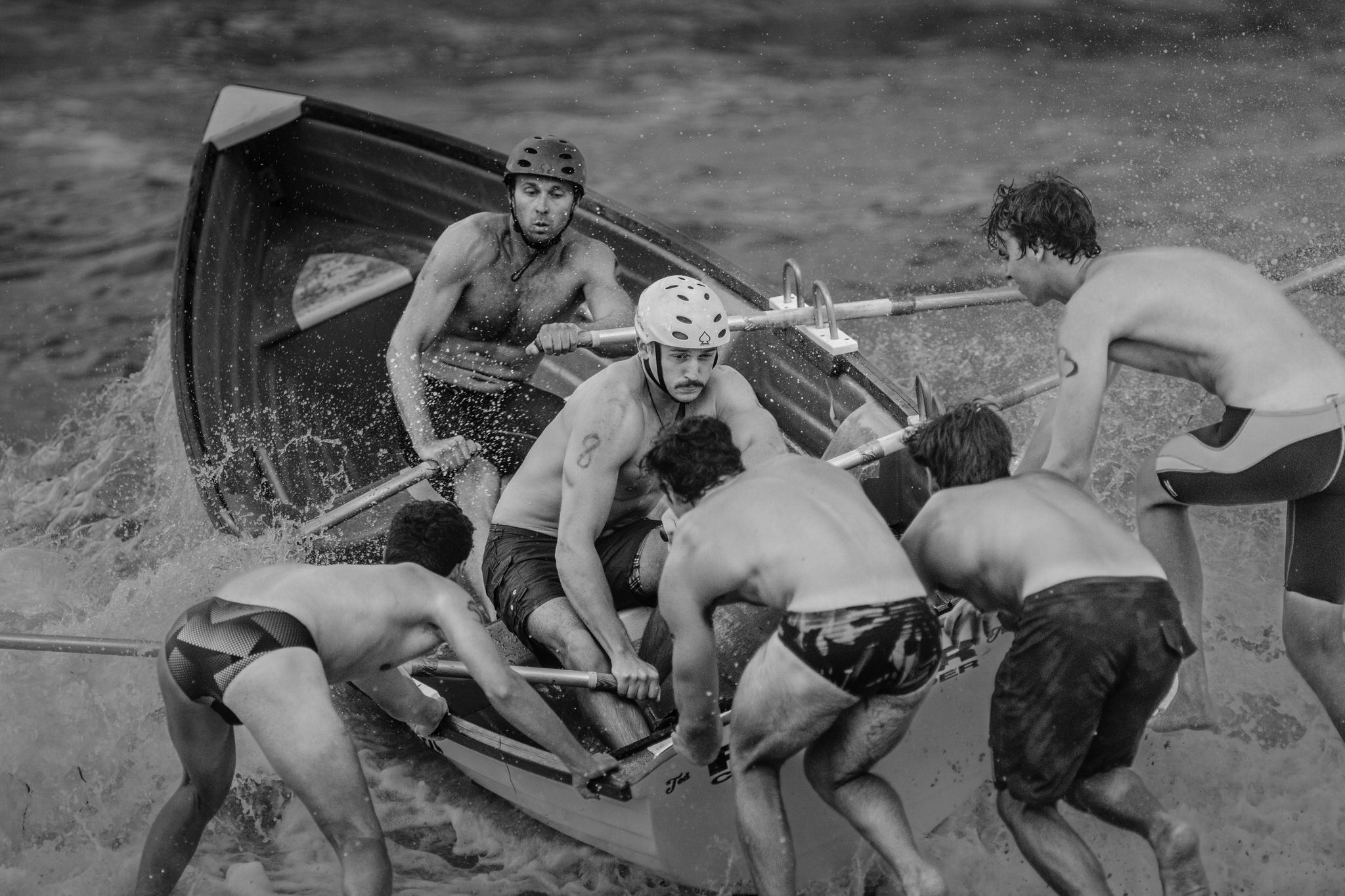
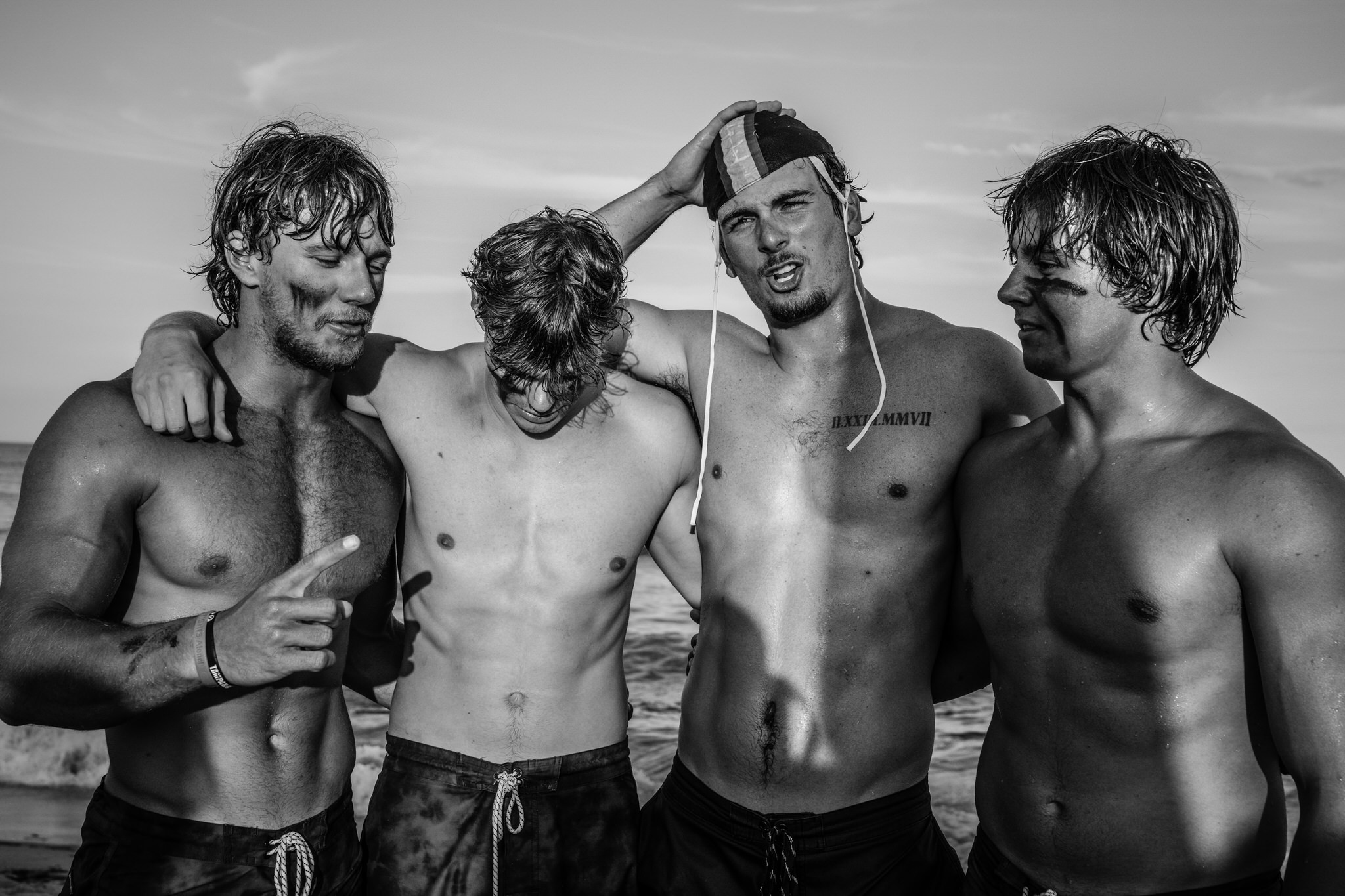
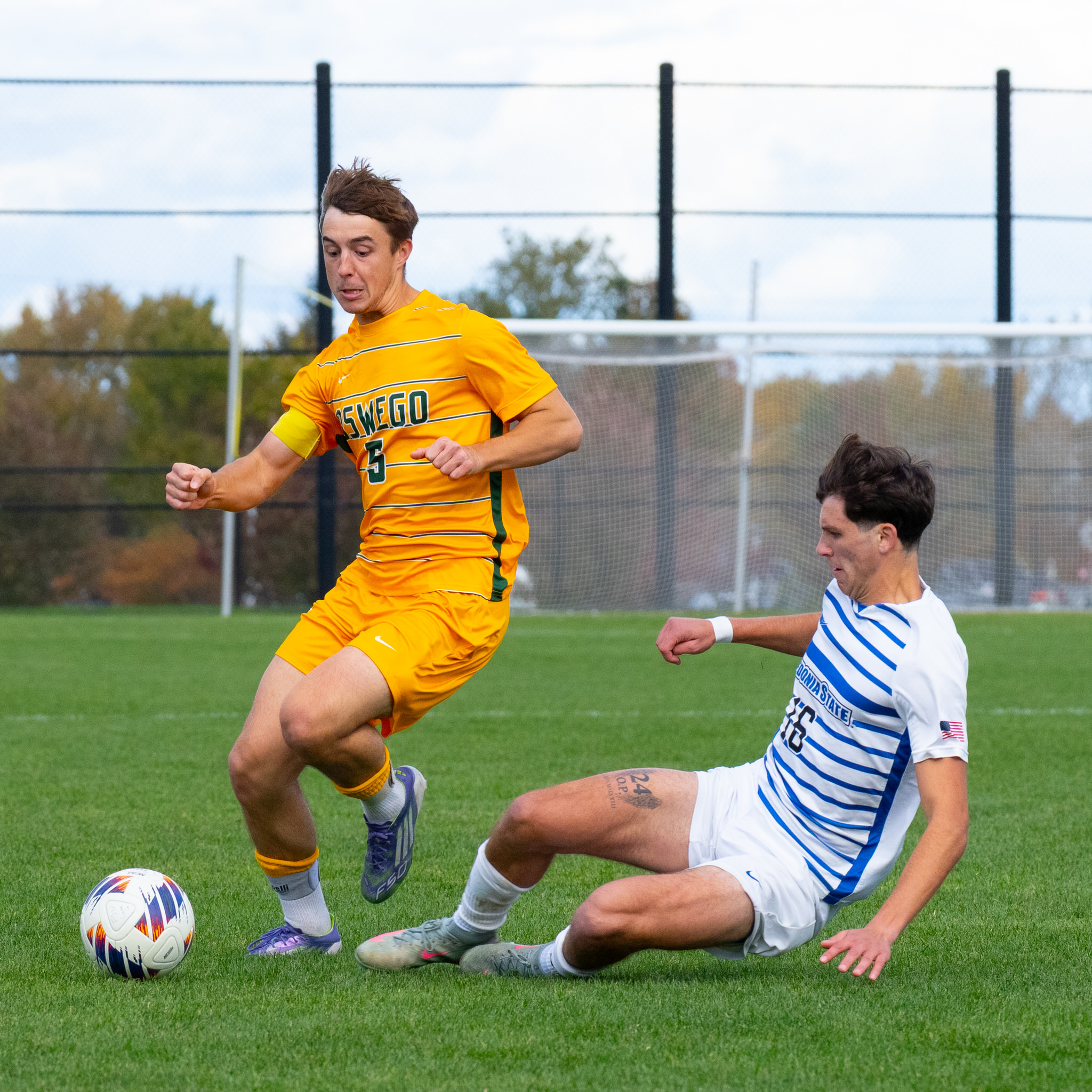
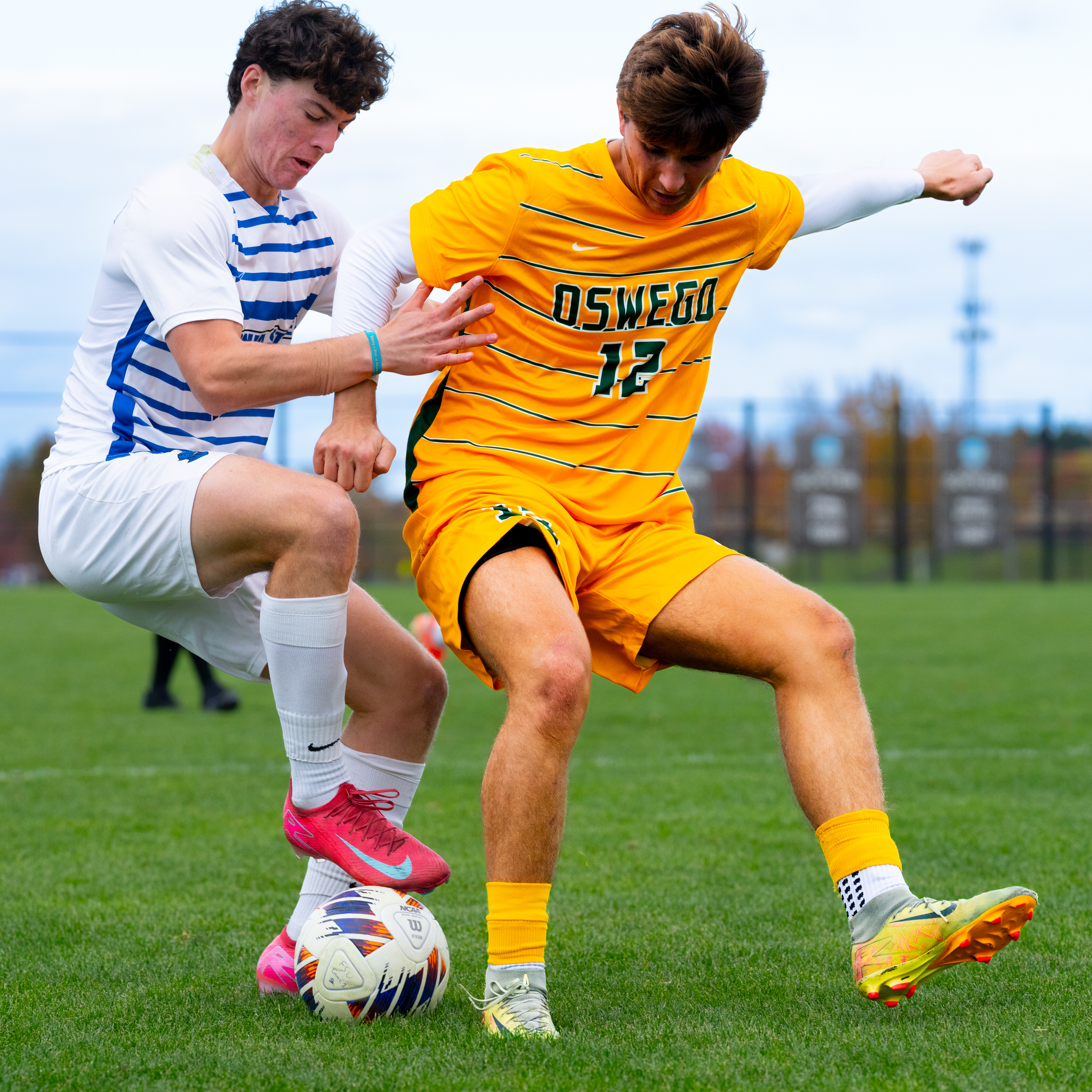
I prefer prime lenses. I shoot wide open. A 50 millimeter and a 135 – those are two of my favorites. And I get very close to the athletes. Many sports photographers, mostly because of logistics, rely on long telephoto lenses. The athlete often doesn’t even know the photographer is there, and later they’re surprised a picture was taken. That’s not my approach.
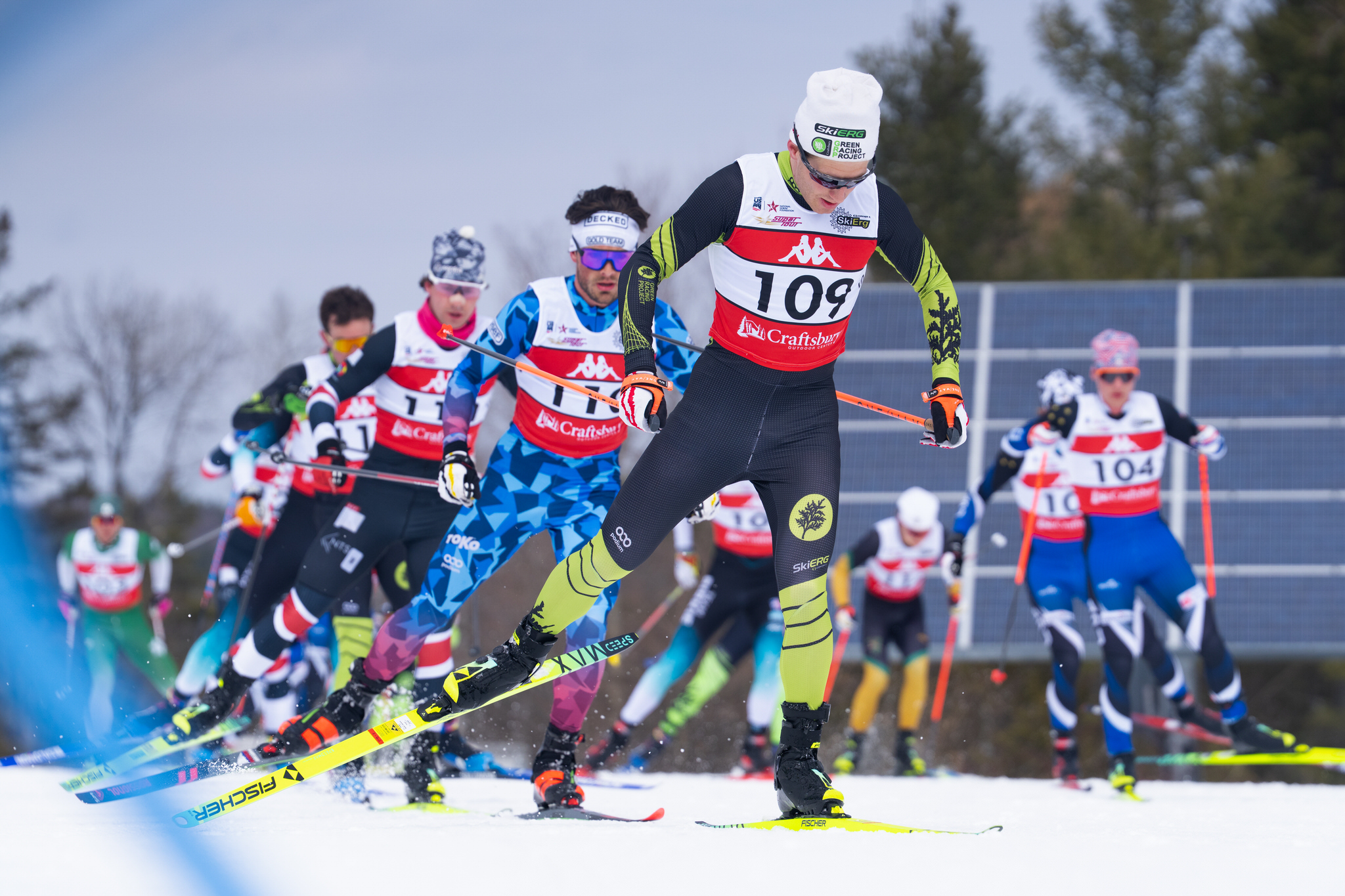
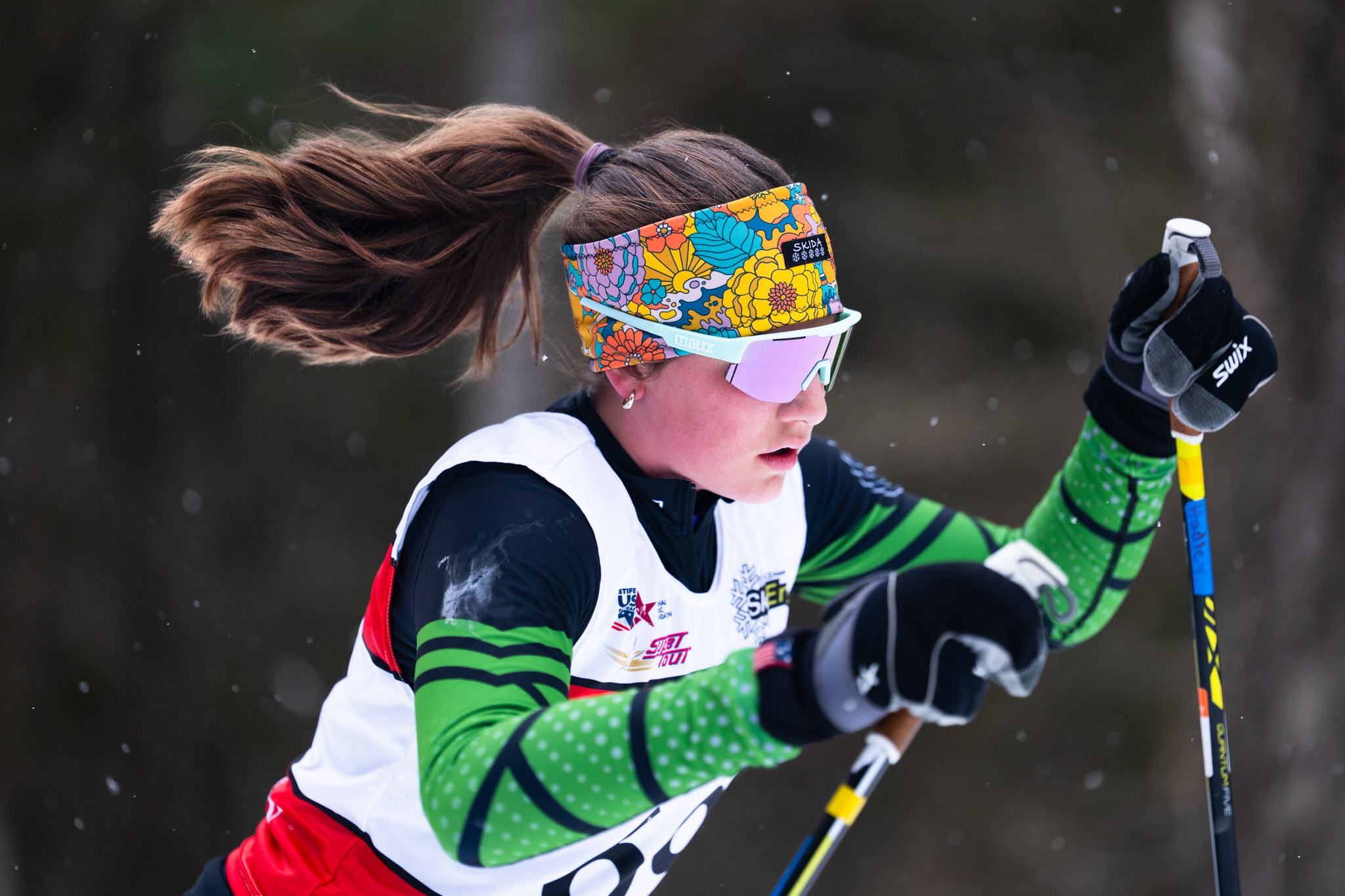
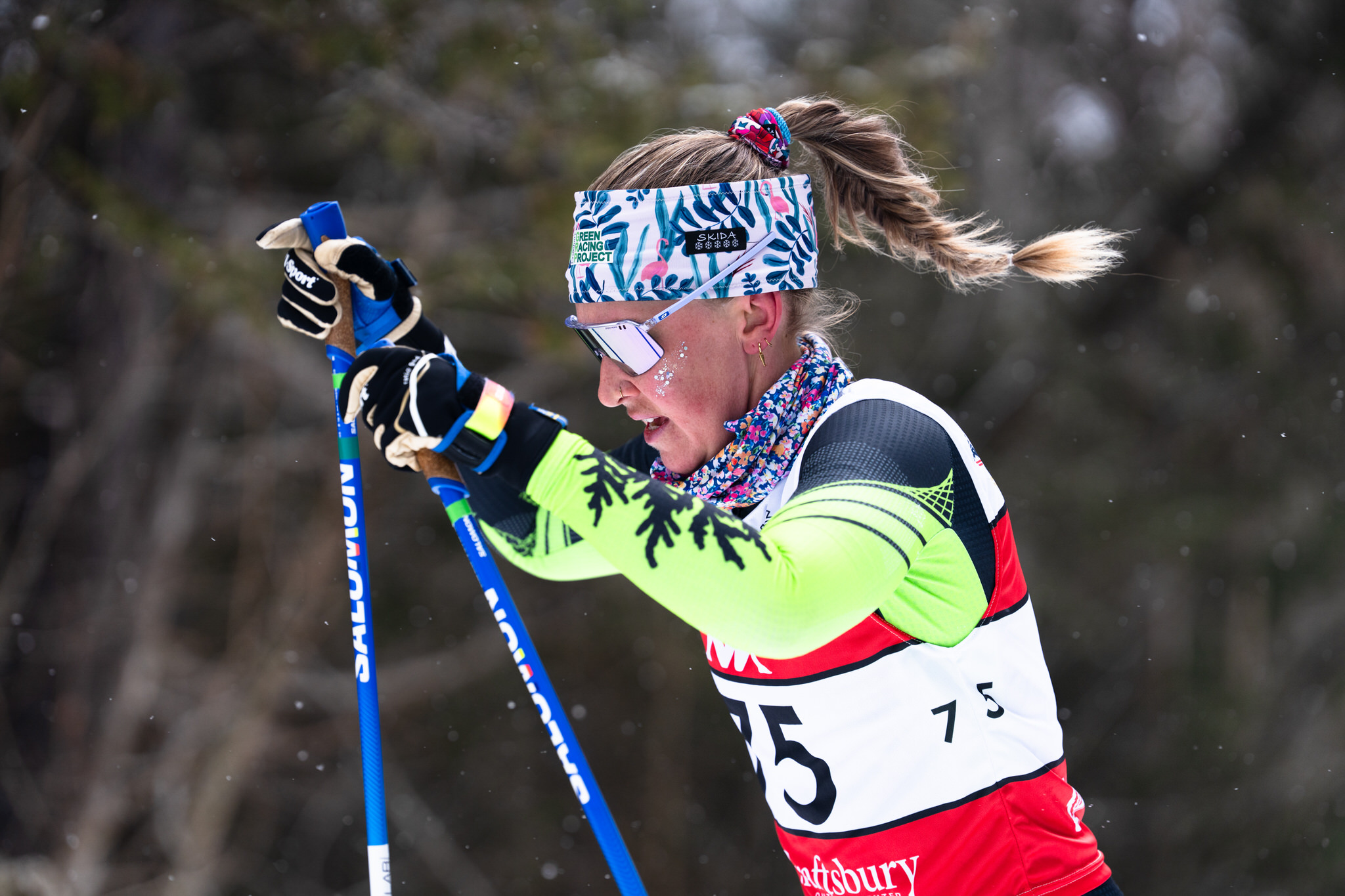
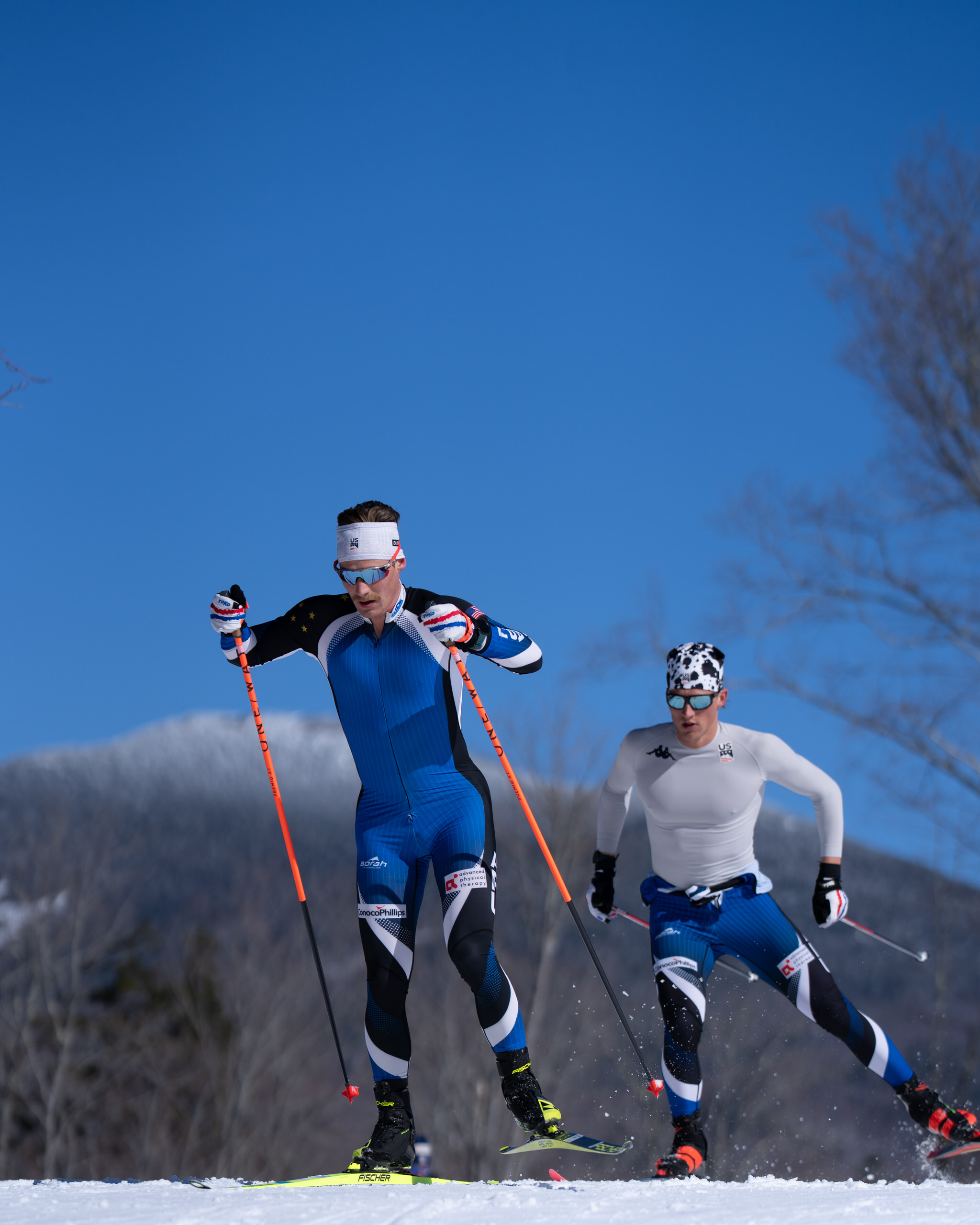
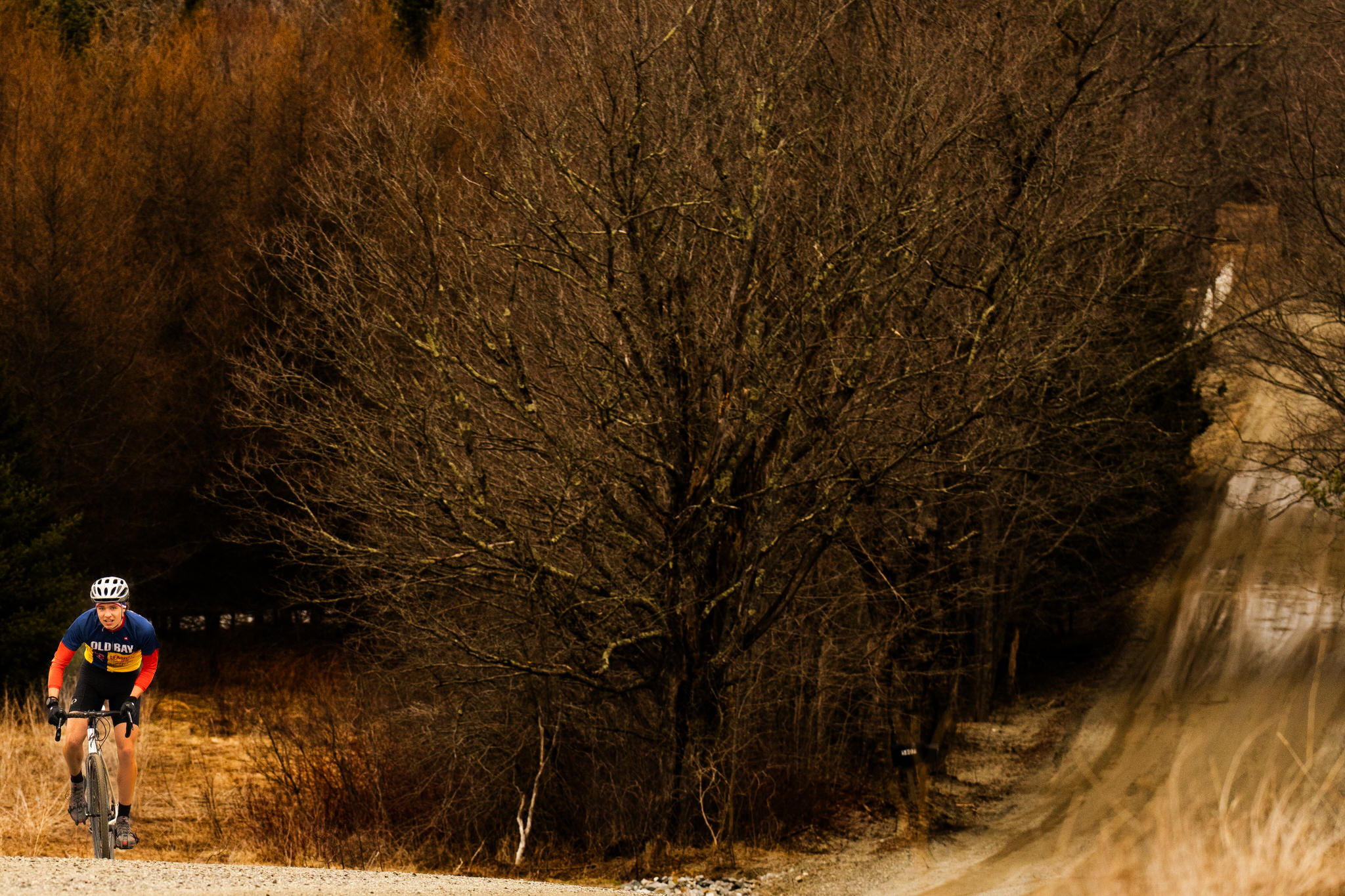
In some races I’m literally about three feet away when the athlete passes. With cross-country skiing you often have maybe thirty seconds before the athlete reaches your section of the trail. During those seconds you’re already thinking about the image.
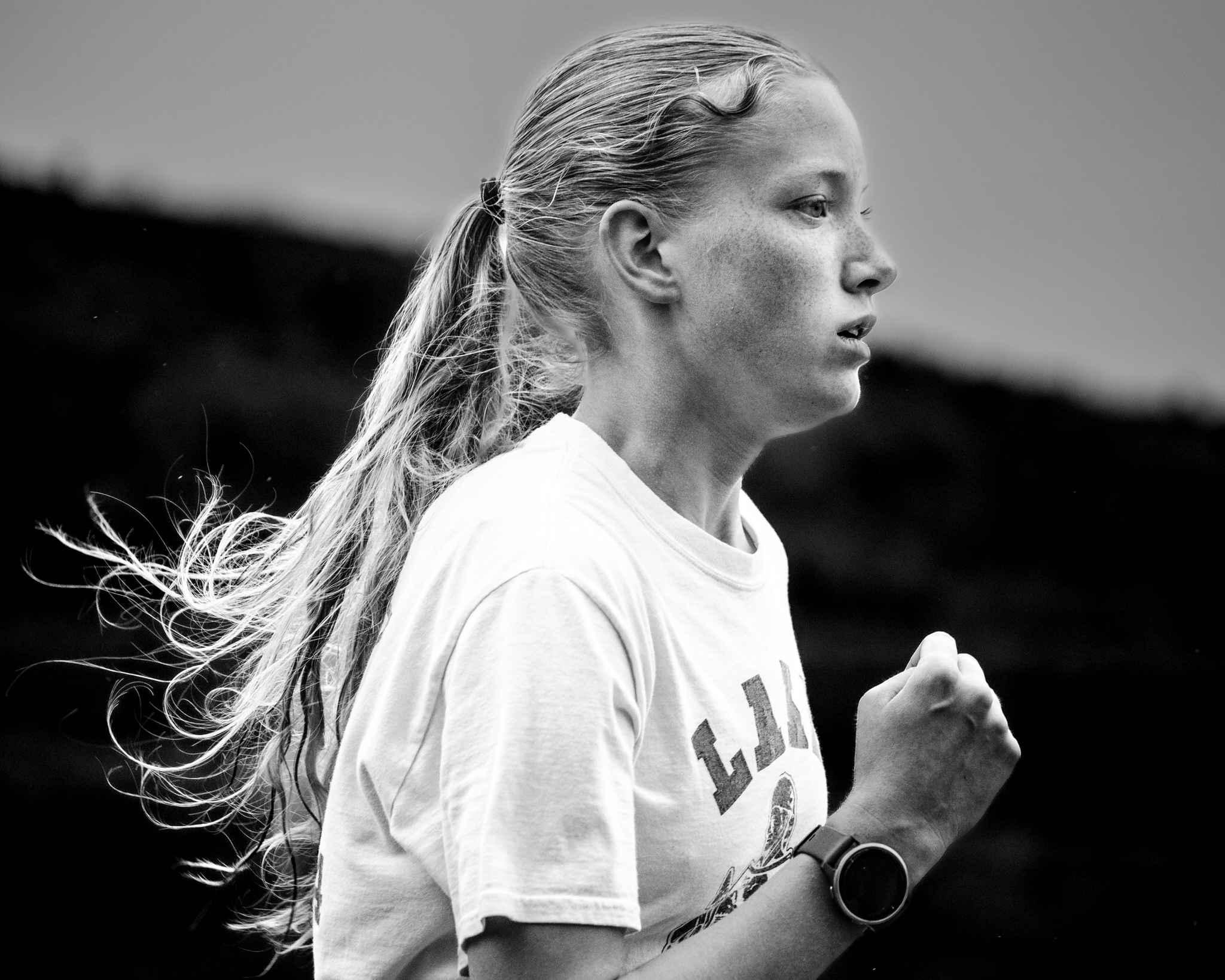
It’s almost like doing a portrait session – just happening at race speed. You’re standing in the woods with snow everywhere, which acts like a giant softbox. And suddenly an elite athlete appears in front of you with incredible physical presence.
At that moment it stops feeling like sports photography. It becomes a portrait.
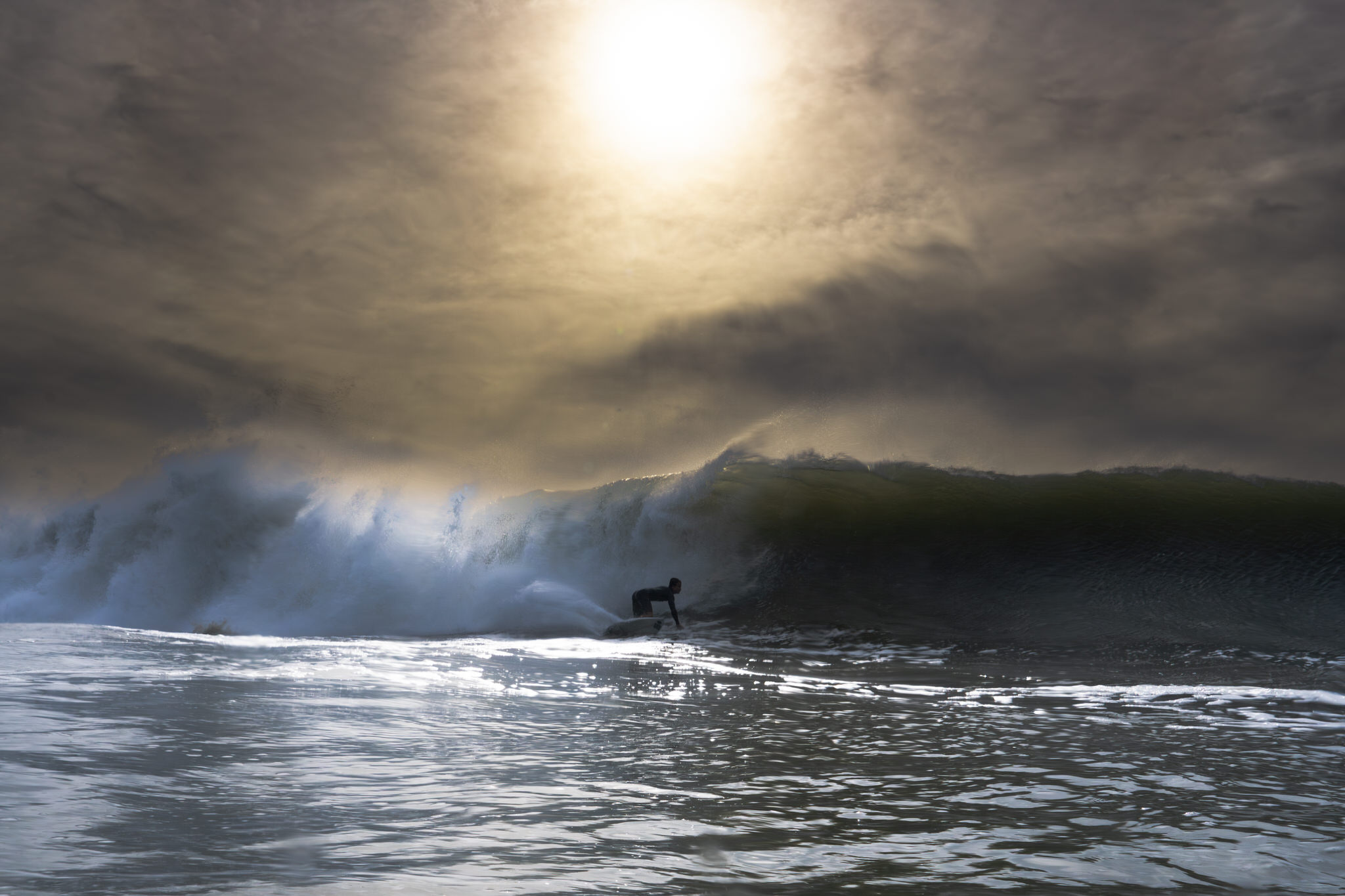
Getting close can present great opportunities, but also some danger. With sailing I am in the water near a buoy waiting for the boat to tack around me. Once a sailor was hiking out and didn’t correctly clip into the trapeze, she fell on top of me. With surfing, I have had surfers launch off a lip of a wave while I am right below them, you have milliseconds to get the picture before both the wave and the surfer come crashing down.
“The athlete doesn’t know you’re there, and at the end they’re surprised you took a picture. That’s not my approach.
What are you actually looking for when an athlete passes you?
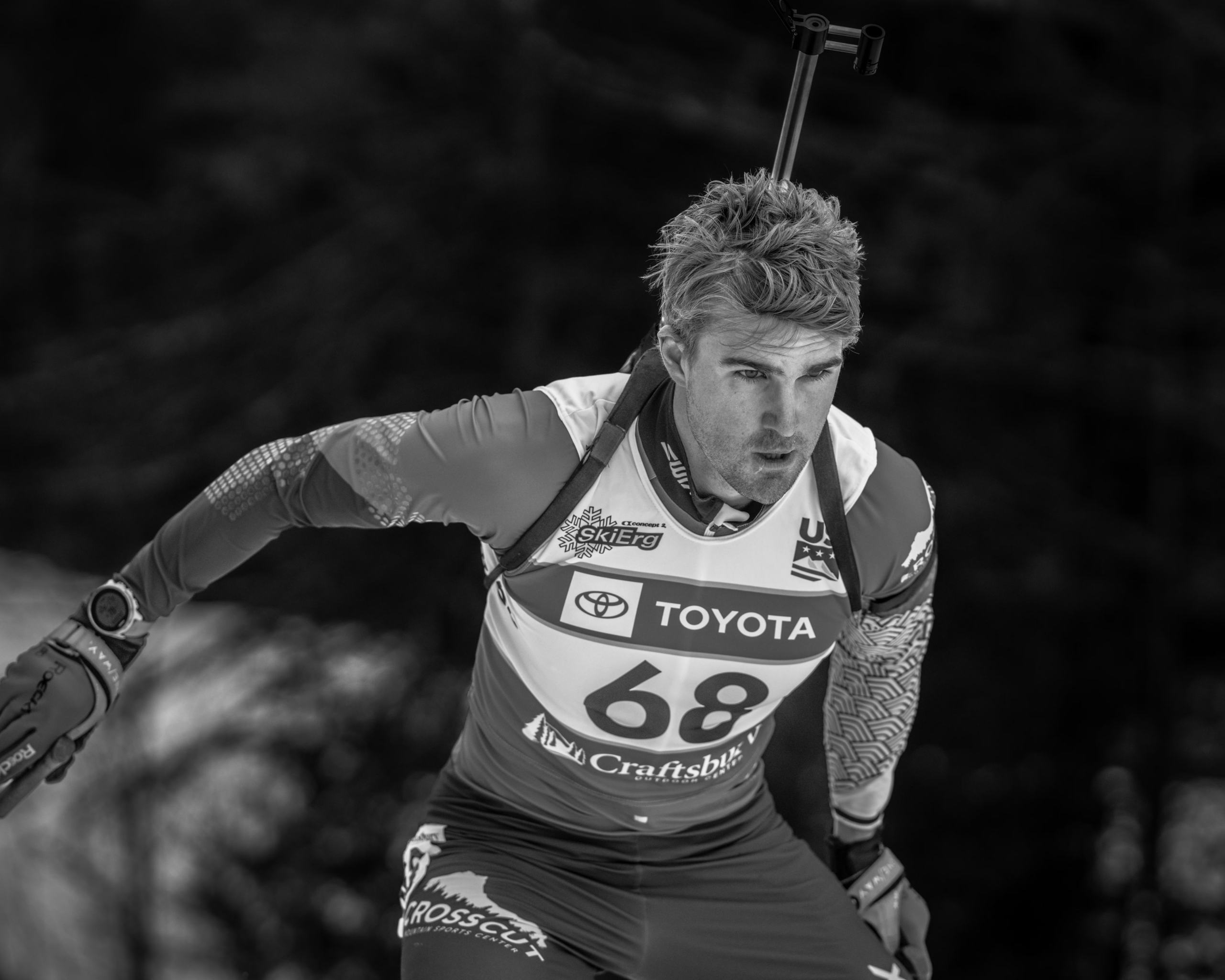
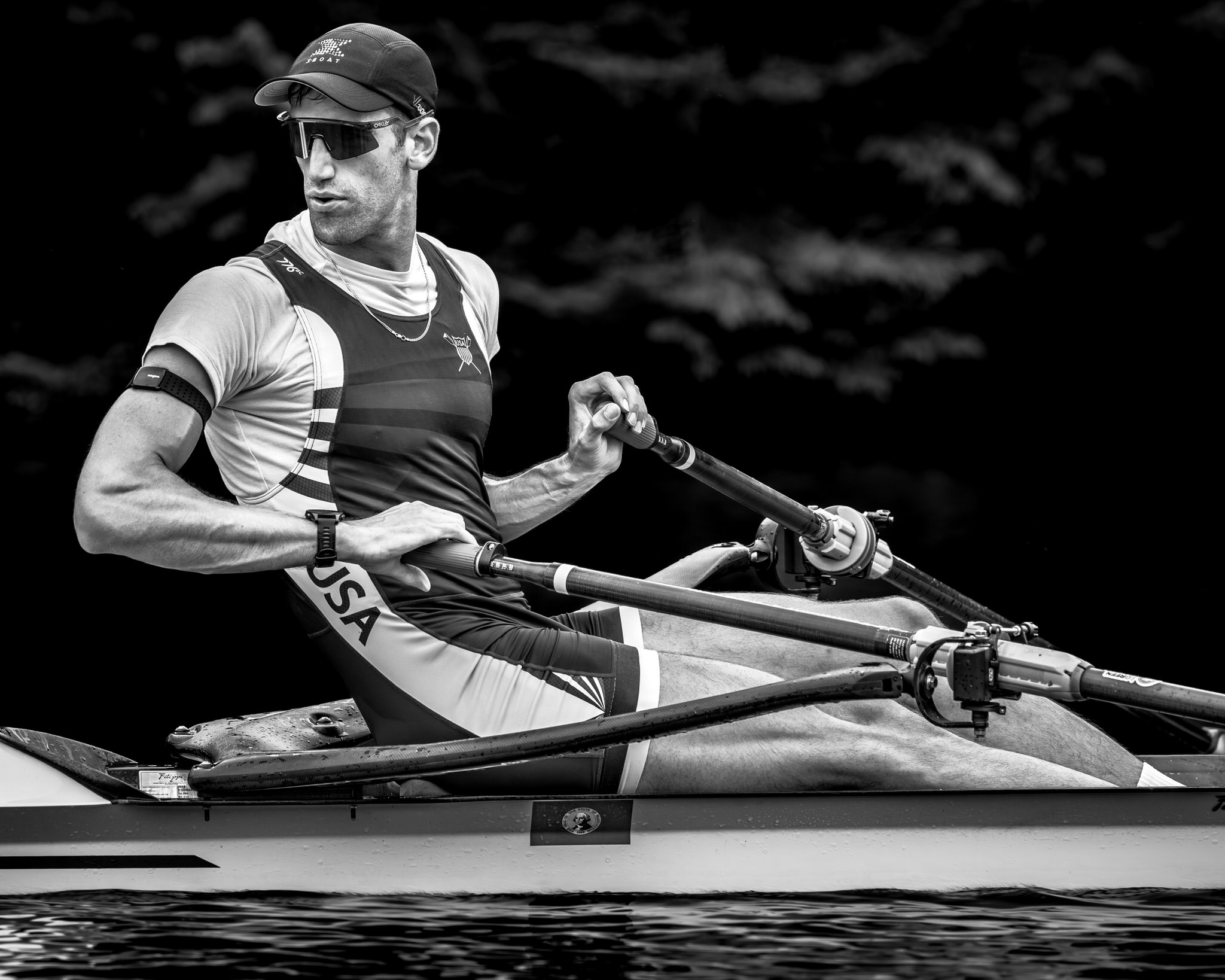
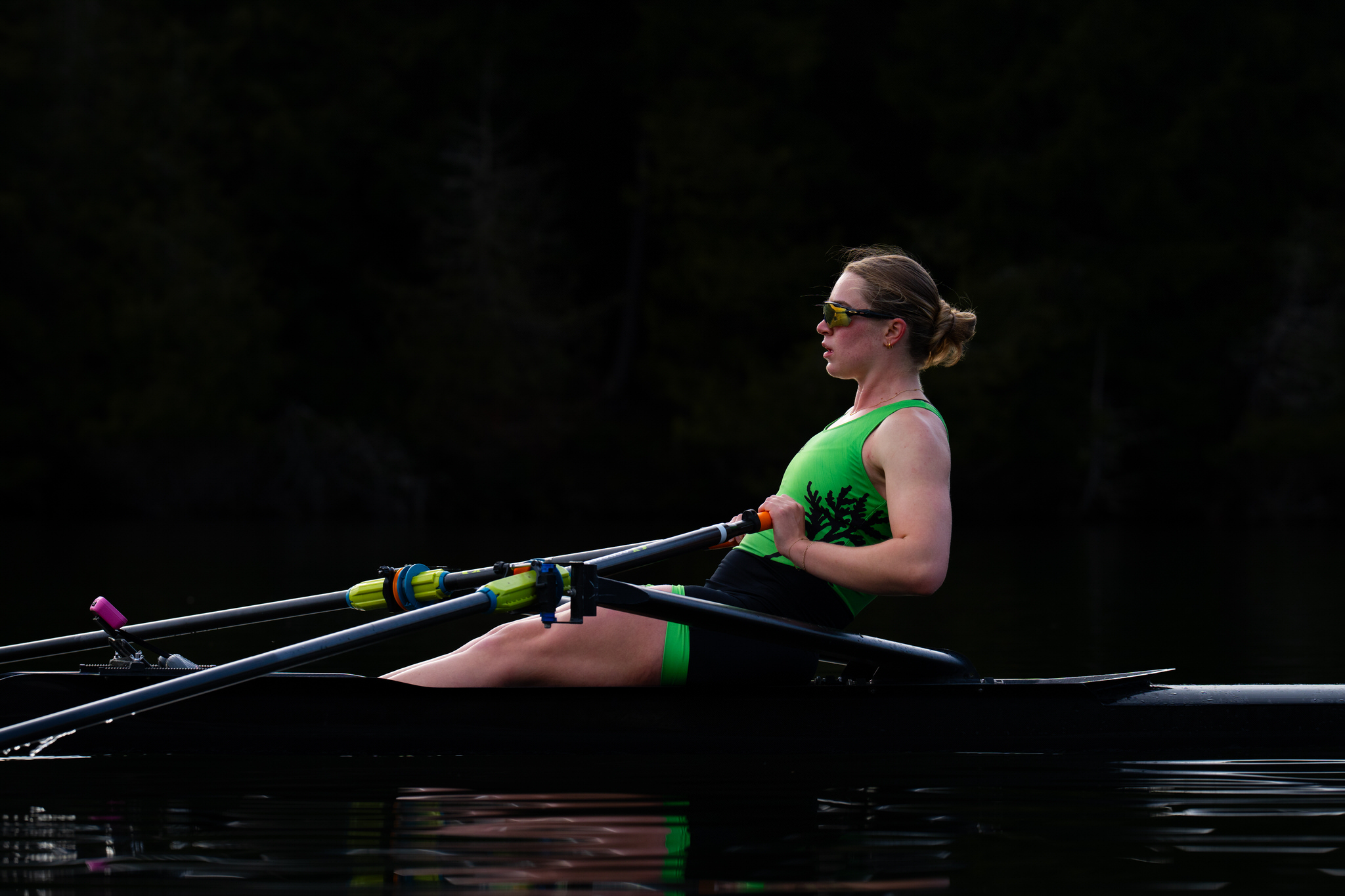
The most important thing is the athlete’s technique.
In sports like cross-country skiing, biathlon, and sculling, athletes train somewhere between 900 and 1,200 hours a year. Much of that training builds strength and endurance, but technique is everything. Athletes are extremely aware of how their bodies move — and are very critical of their own form when it isn’t exactly right.
So when an athlete passes, I’m looking for the moment when that technique is at its best. It is important that the image respects their training.
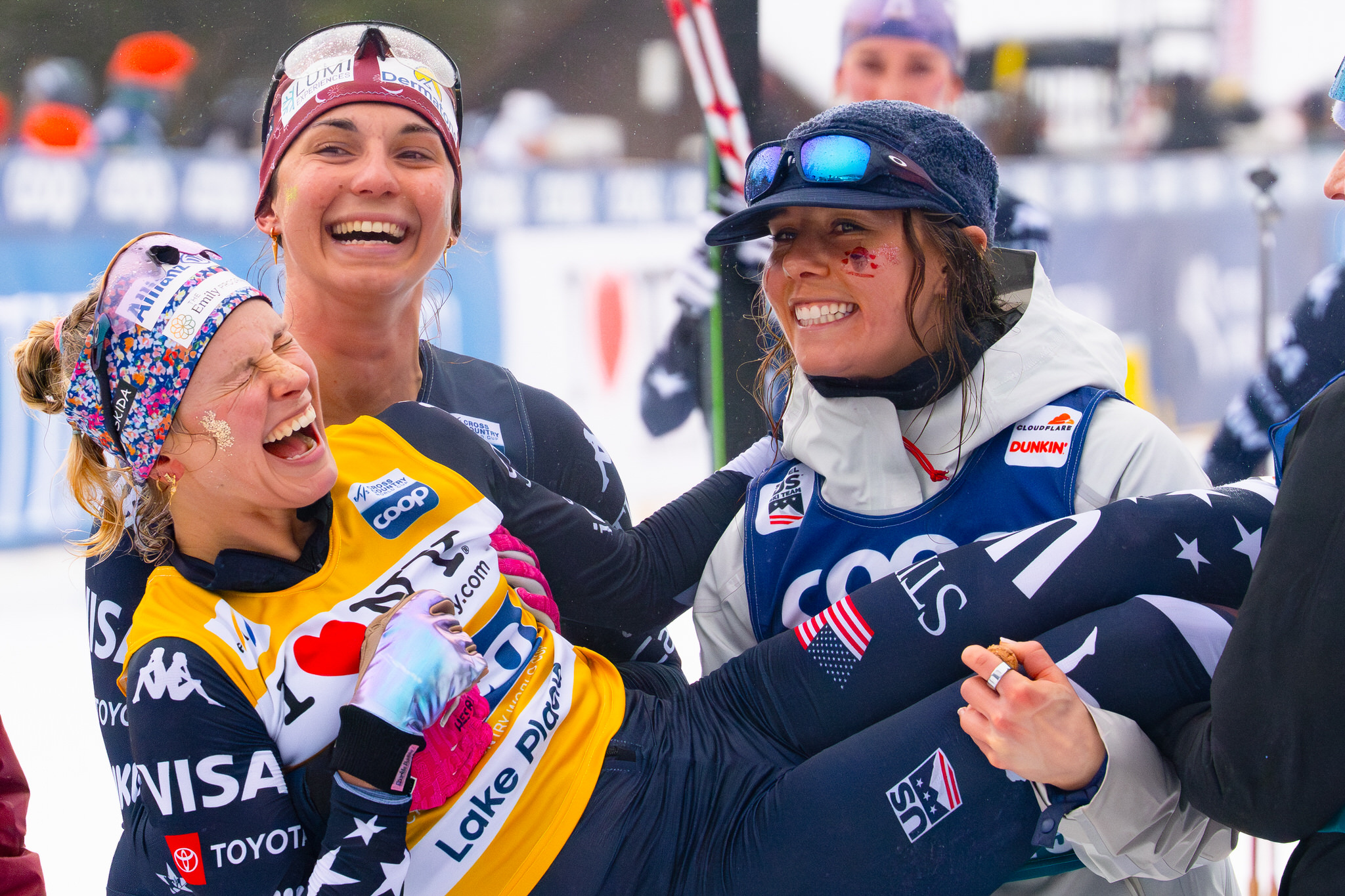
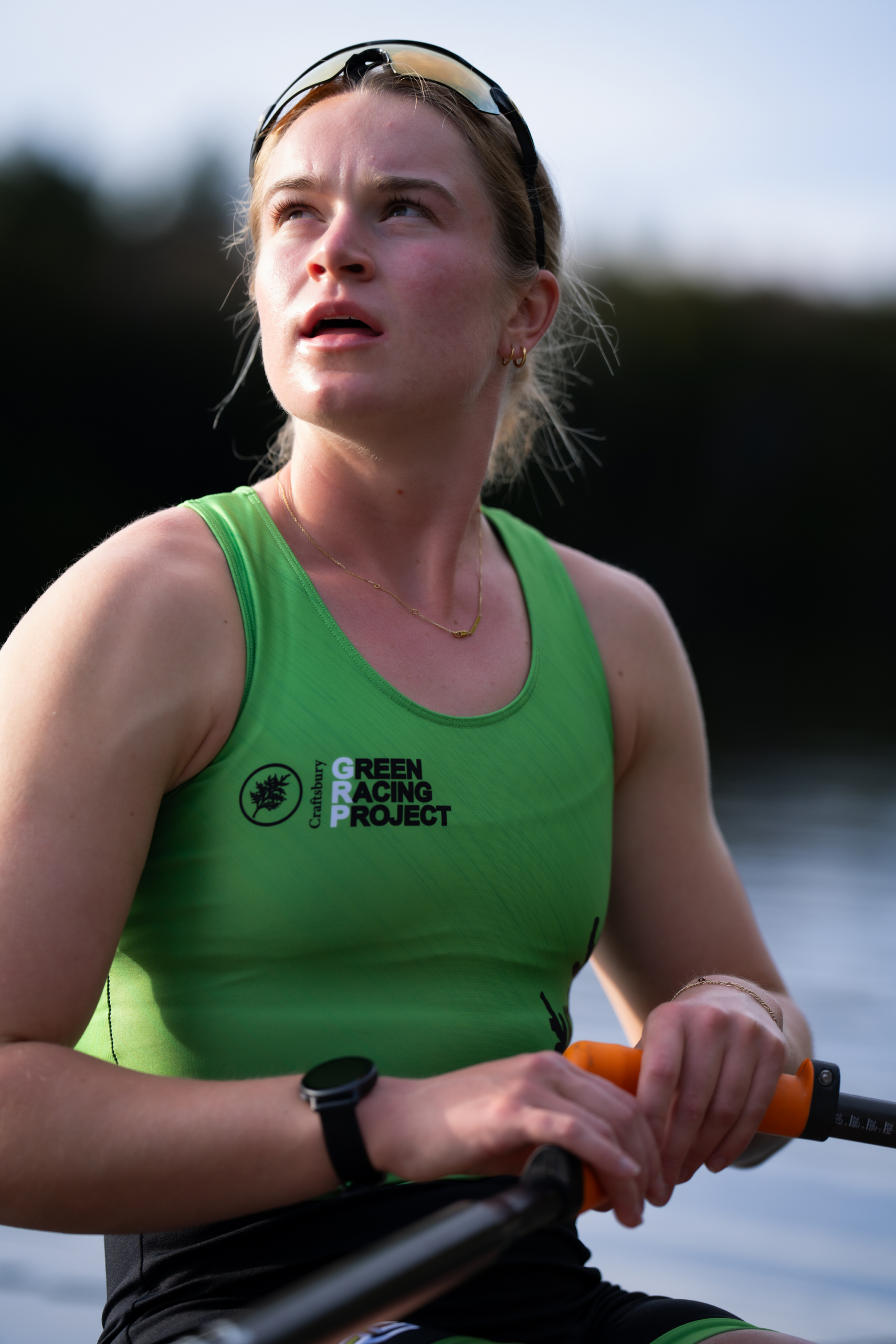
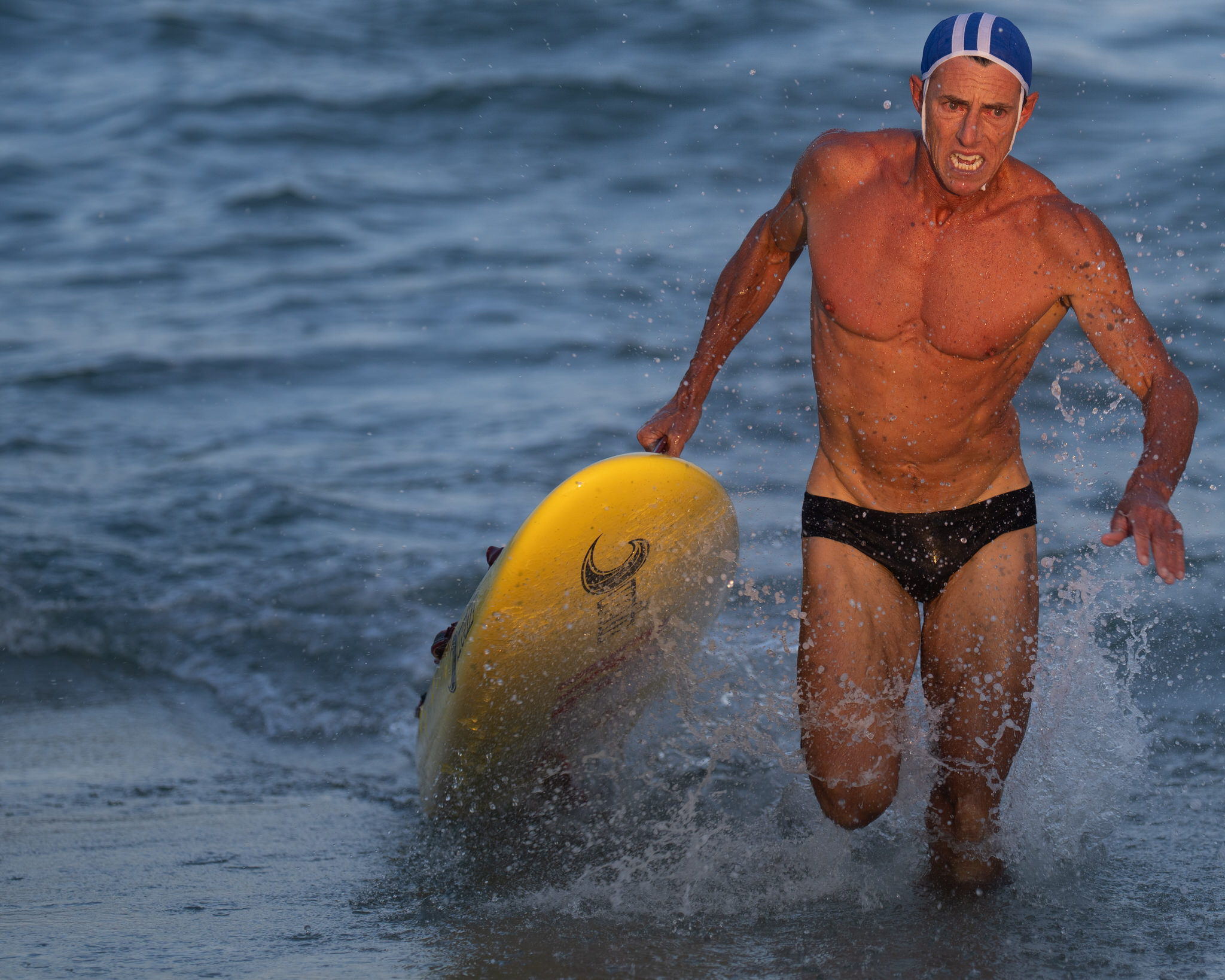
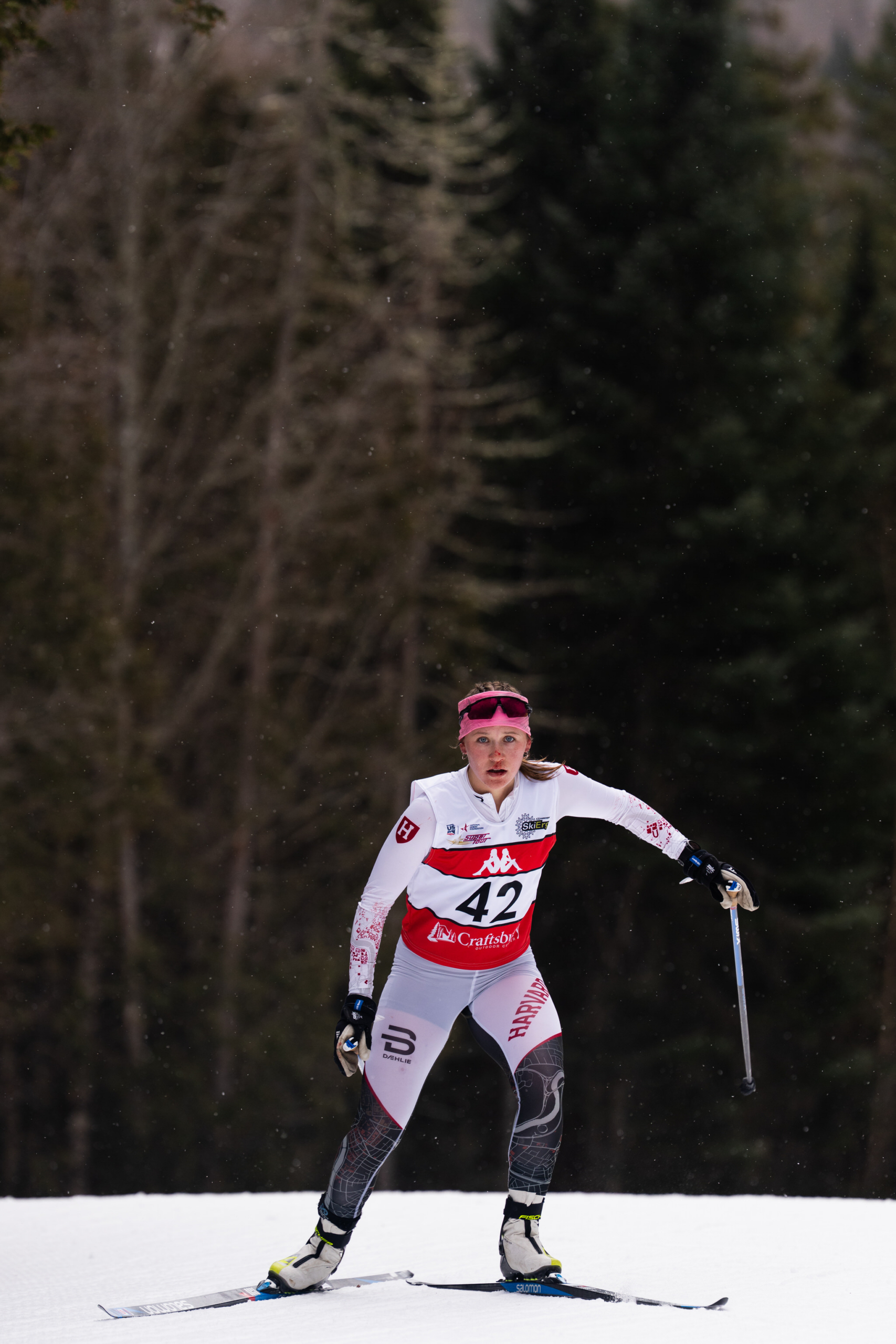
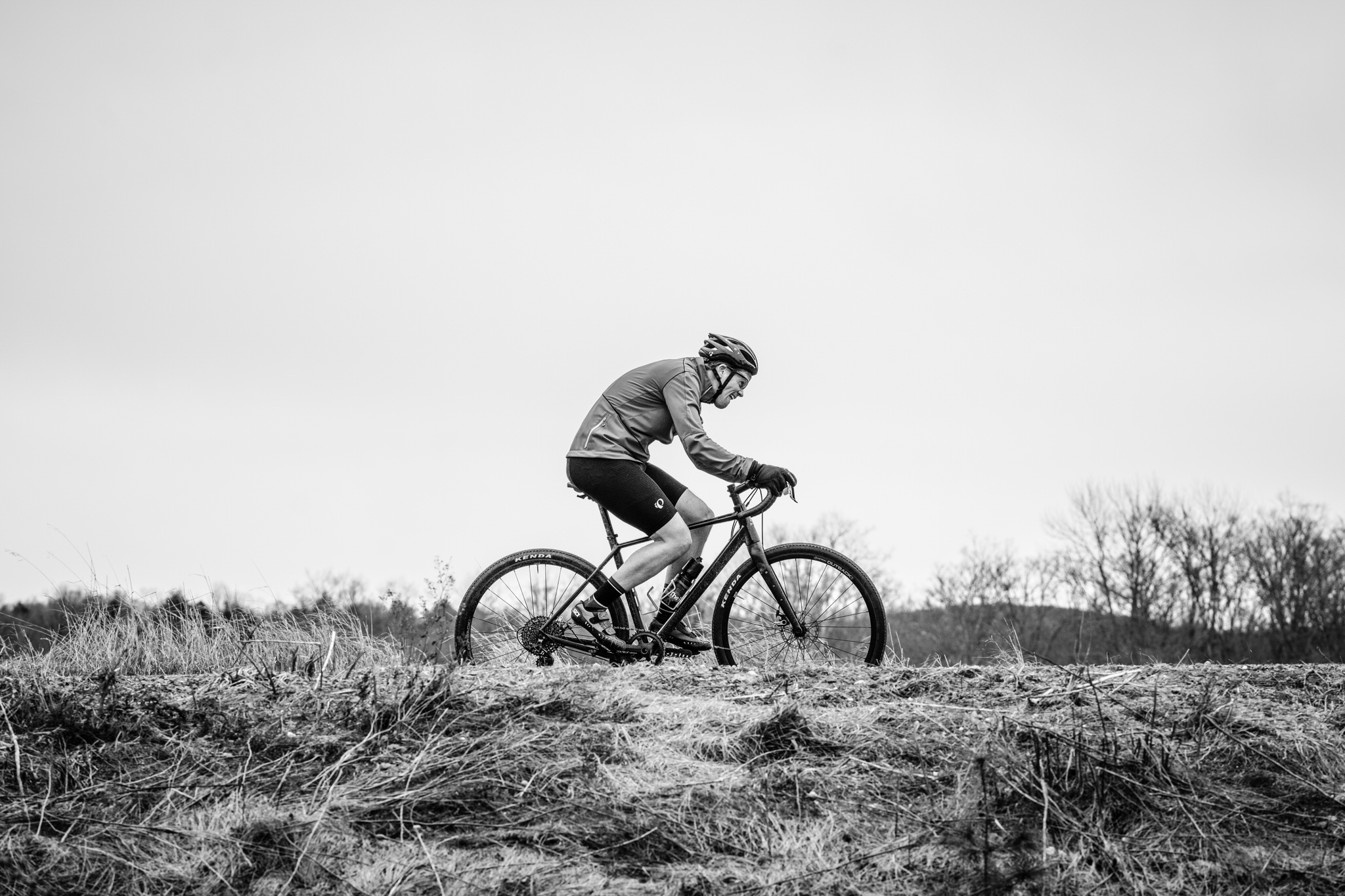
How do the muscles show the effort? How do I capture the suffering on their face?
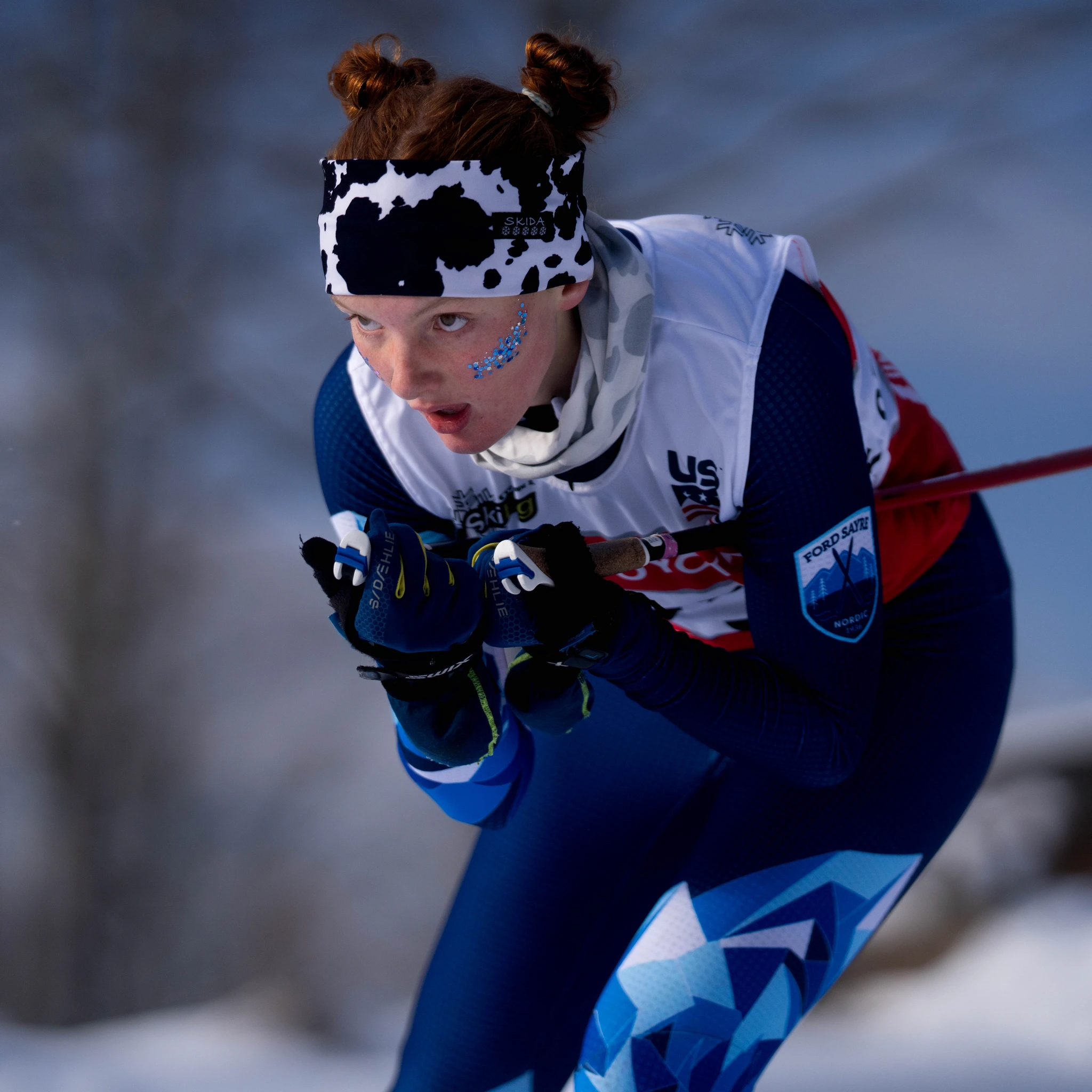
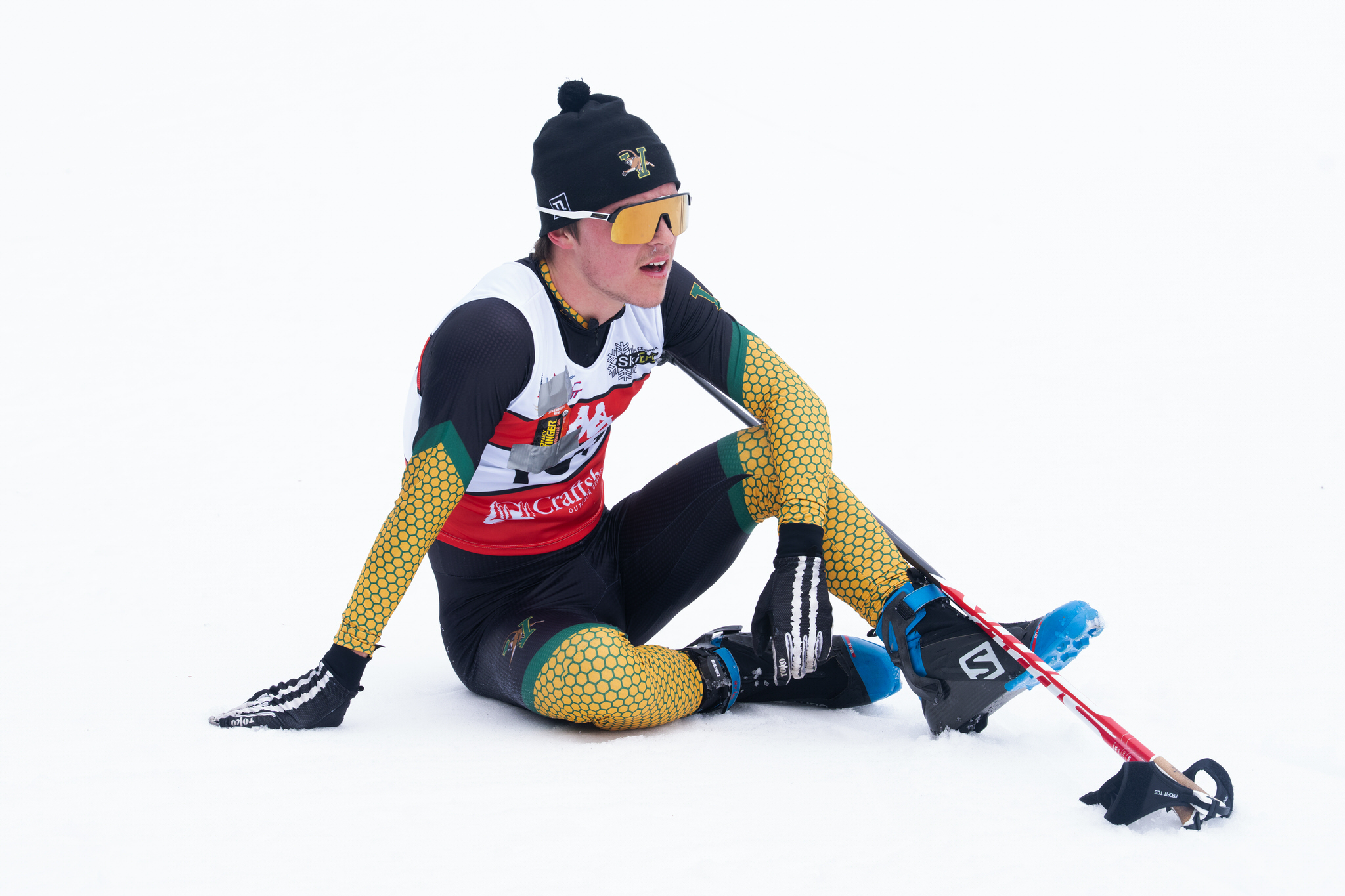
These sports involve an enormous amount of pain. Part of the photograph is revealing that moment – when the athlete is pushing as hard as possible – while the light and the movement still feel beautiful.
Often the most important part of the image is actually from the waist up.
If you capture a powerful expression – even if the rest of the body isn’t perfectly visible – the viewer understands what’s happening. The emotion carries the photograph.
“Eyes are incredibly important in photography. When there’s a day they don’t need sunglasses, the eyes carry all the emotion.”
You process a huge number of files. Where does JPEGmini fit into your workflow?
I shoot everything in RAW, because I want full control afterwards. The files become enormous.
Right now I’m working through 68,000 photos from Winter 2026. On a typical race weekend I might shoot 10,000 frames – maybe ten to twenty images of each athlete every time they pass.
At some point you simply have to compress all of that.
That’s where JPEGmini comes in. It lets me keep the quality I want while making the files small enough to actually use – whether that’s sending images to teams, Sports Information Directors, uploading galleries, or getting them onto Instagram.
I have recently been trying a Beta version of JPEGmini and I love that the app provides automations that automatically monitor folders for new files and create the perfect size needed for my clients.
You also mentor younger photographers. What’s the biggest mistake you see them making when it comes to pricing their work?
I told one photographer I mentor: you’re standing on the side of a ski trail freezing all day, and you’re telling me you make $4,000 for the entire season?
You should be making at least $1,000 per day.
Most of the images you produce end up in marketing departments at colleges – places that would normally spend serious money on content like this – and they’re getting it for free. People should be paid appropriately for their work. It’s an ethical issue.
Of course everyone builds a portfolio at the beginning – that’s normal. But once clients clearly see the value of what you’re doing, they should be paying you for it.
“Photographers are often not great business people. They’re artists. But the business model many of them are using simply doesn’t work anymore.”
How does the business model actually work?
The schools pay a per-athlete fee. My clients are the sports information directors at the colleges, and the images are used for recruiting and promotion.
The athletes themselves download the photos as part of that system. From about 200 athletes per weekend, I’ll see between 1,500 and 1,700 downloads of images.
Those photos then spread across Instagram and team channels — which means the images end up traveling far beyond the original race, increasing the profile of the sport and helping to build brand identity for the athletes, and colleges.
You came from business consulting. Did that help or did you have to unlearn it?
I have the fortune of working with elite athletes – Olympic athletes, World Cup competitors, Division I collegiate athletes with phenomenal presence and technique. That certainly helps when you’re trying to make strong images.
Consulting and photography feed each other now. The photography supports the consulting work, and the consulting work supports the photography. Clients actually use the images.
And I don’t spend $100,000 on cameras.
I default to prime lenses – a 50 and a 135. They’re expensive, but nowhere near the huge telephoto lenses that can cost tens of thousands. I also don’t use a dedicated sports camera. I don’t need twenty frames per second to get the shot in the sports I photograph.
Constraints are useful. They force you to focus on what actually matters.
Final Thought
There is a long tradition in sports photography of keeping distance – literally and emotionally.
The telephoto lens, the press pit, the athlete who never knows a camera was there. The image proves the moment happened. It does not ask anything more.
Phillip works against that tradition from three feet away with a 50-millimeter lens.
What he is actually doing – though he might not name it this way – is closer to what Dorothea Lange was doing when she stopped her car on a California highway in 1936. Not waiting for the moment. Moving toward it. Close enough to see the suffering, close enough that the subject knows you are there.
In cross-country skiing, he says, the snow acts like a giant softbox. The light is even, the background is clean, and suddenly an elite athlete appears with what he calls “incredible physical presence.” At that moment, he says, it stops feeling like sports photography. It becomes a portrait.
That shift – from document to portrait – is where the best sports photography has always lived. And it requires something most photographers are unwilling to do: get close enough that you can no longer pretend you are invisible.