Where Love Meets the Landscape: Inside Georgy Shishkin’s Quiet, Cinematic World
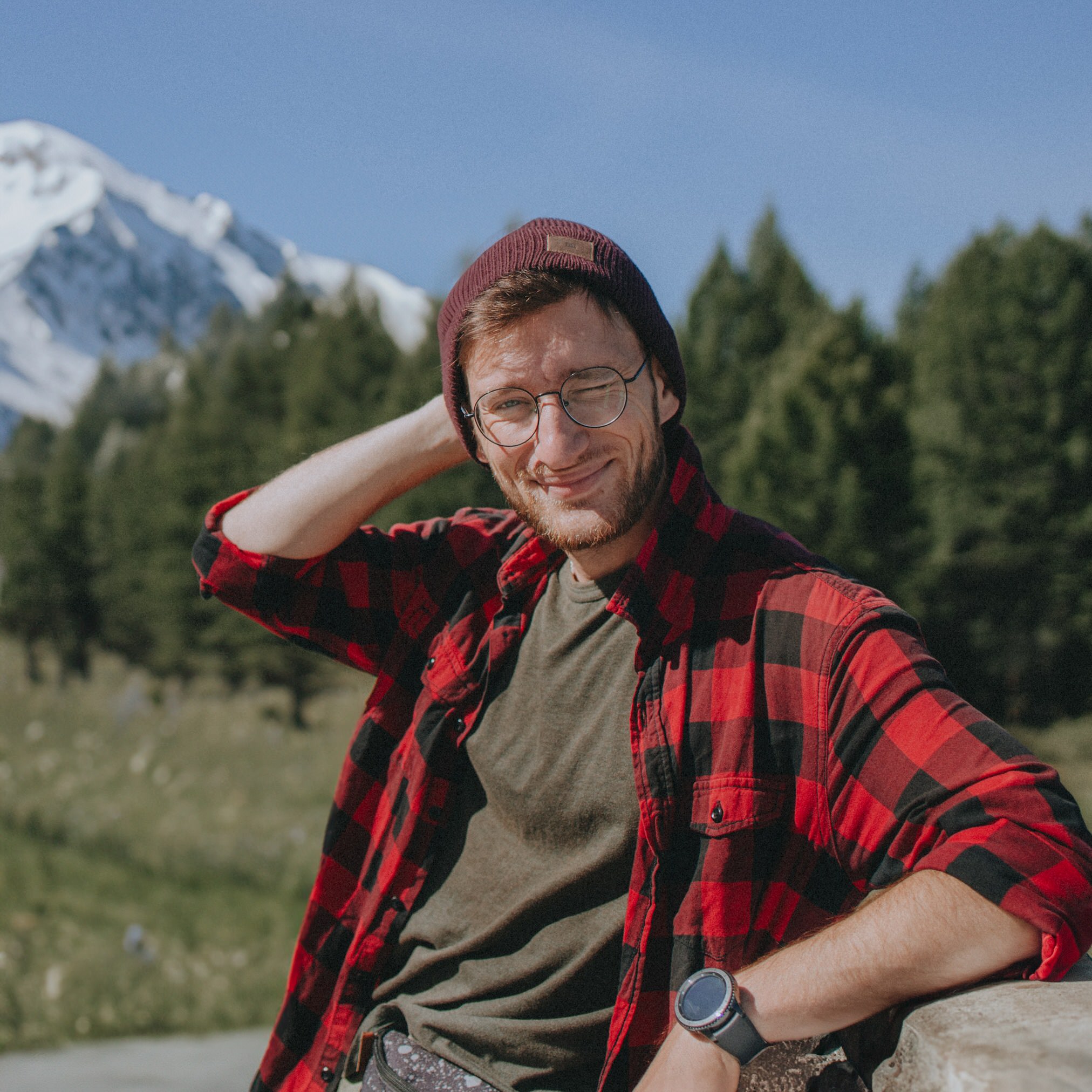
Georgy Shishkin is a wedding and elopement photographer based in the US, with over 19 years of experience photographing couples since 2006. He specializes in natural, emotional storytelling that blends photojournalism and contemporary portraiture, using wild landscapes and natural light to create cinematic images while helping non‑models feel relaxed and confident in front of the camera
https://georgyshishkin.com/
“We were taught by masters of Soviet and Russian art and journalistic photography, which had a strong influence on the way I learned to see and tell stories through images.”
Georgy, can you tell us a bit about your background and how you started in photography?
I’ve been working as a professional photographer since around 2005, for nearly two decades. Around that time, I also started earning some income from my work.
In the beginning, I photographed cars for a local car market. Later on, I began taking landscape photographs while hiking with my grandmother – an experience that played an important role in shaping my early relationship with photography.
After school, I decided to get a higher education in photography. I studied in Siberia at a university of art and culture, in the photography department. I studied there for five years and graduated with a master’s degree in photography.
What was it like studying photography in Siberia at the beginning of the digital era?
When I entered the photography program, I was part of the first major wave of photographers in Siberia working with digital cameras, around 2000–2002, when digital photography was just starting to become widespread. We still had some film classes, but most of our work was already digital.
Studying photography at university was very creative and inspiring. We were taught by masters of Soviet and Russian art and journalistic photography, which had a strong influence on the way I learned to see and tell stories through images.
This period also marked a shift in wedding photography – photographers could shoot many more images per day, and post-production became increasingly popular. Heavy editing, strong colors, and dramatic effects were very common at the time. While that style was popular, it was never really my direction.
I was always more interested in storytelling and a classic photographic approach. I prefer when editing supports the story rather than overtaking it. I focused on photographing real people and real moments.
Over time, this approach naturally led me from wedding photography to family photography as well photographing couples and later their children. Building long-term relationships with people has always been a central part of my work.
“Building long-term relationships with people has always been a central part of my work.”
Today your work combines weddings with epic landscapes. How did that develop?
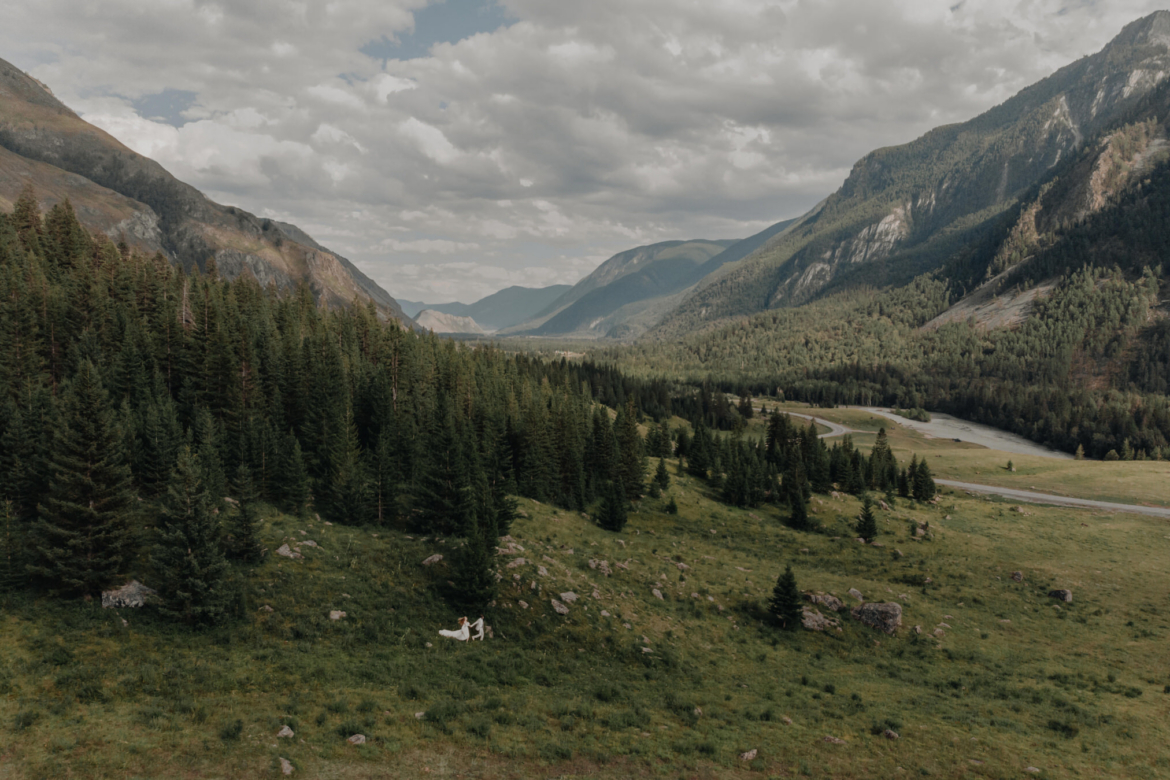
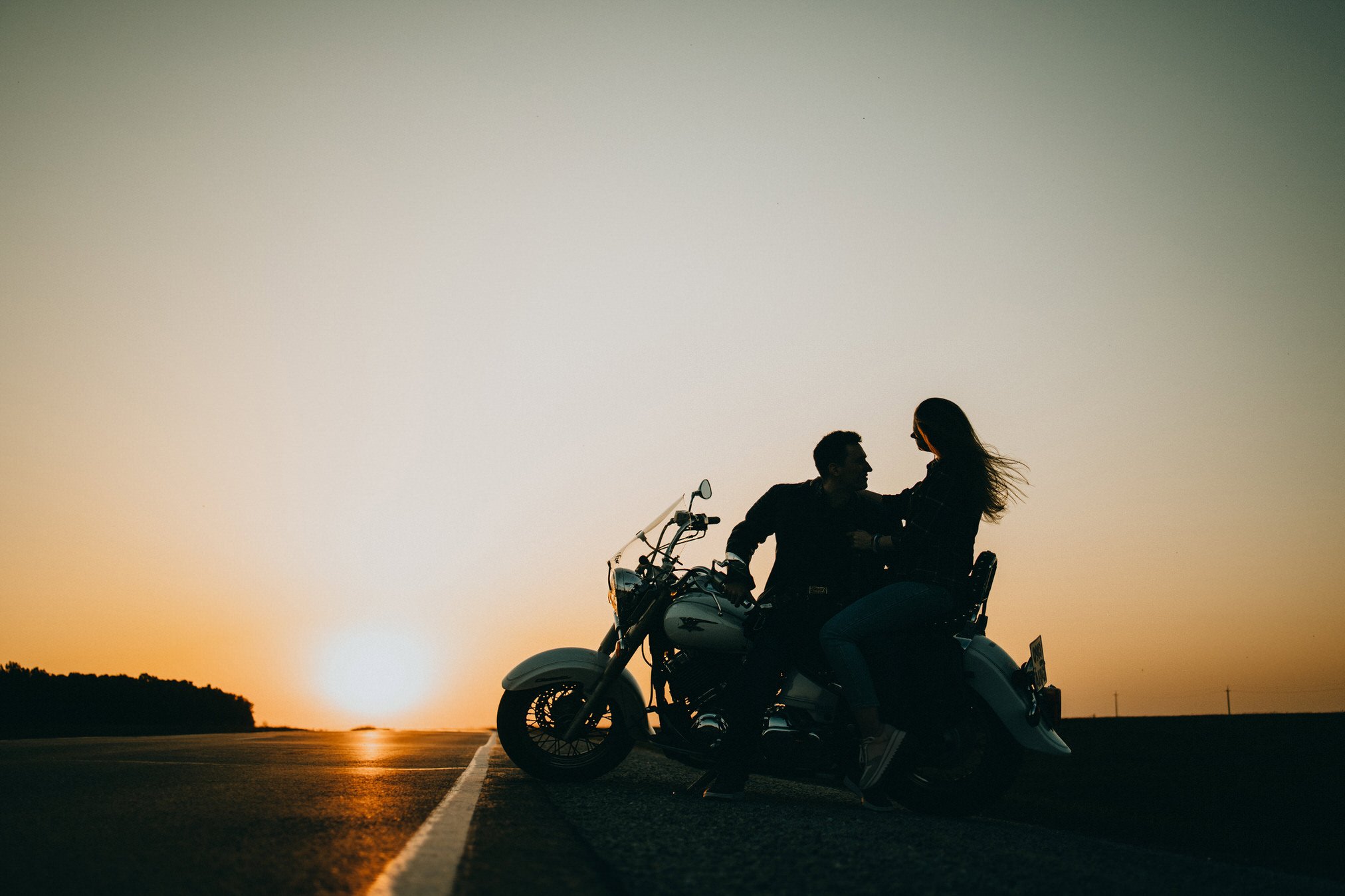
About six years ago, my wife and I started focusing more on combining weddings with nature and landscapes. Classic weddings are beautiful, but I wanted something more.
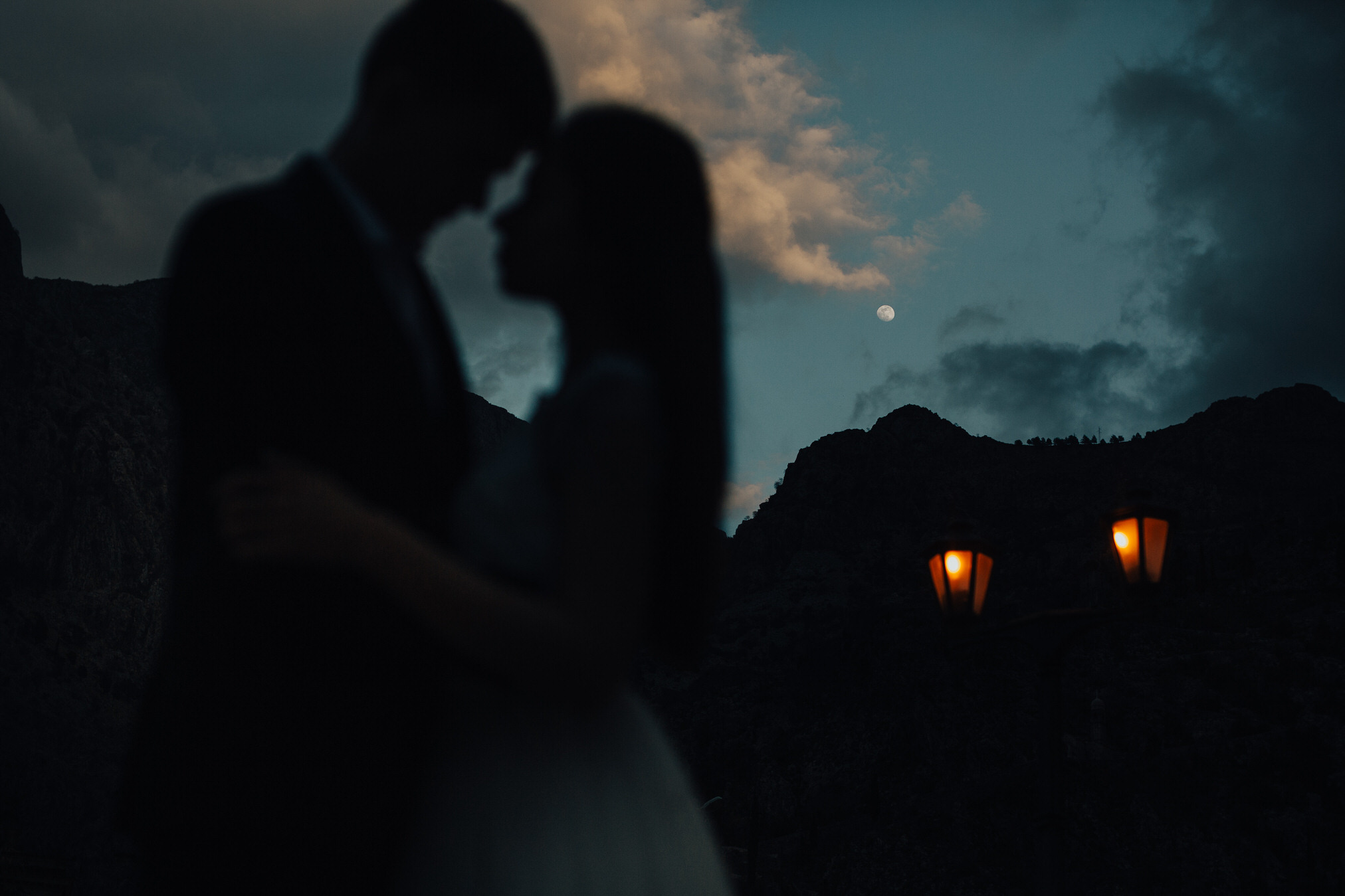
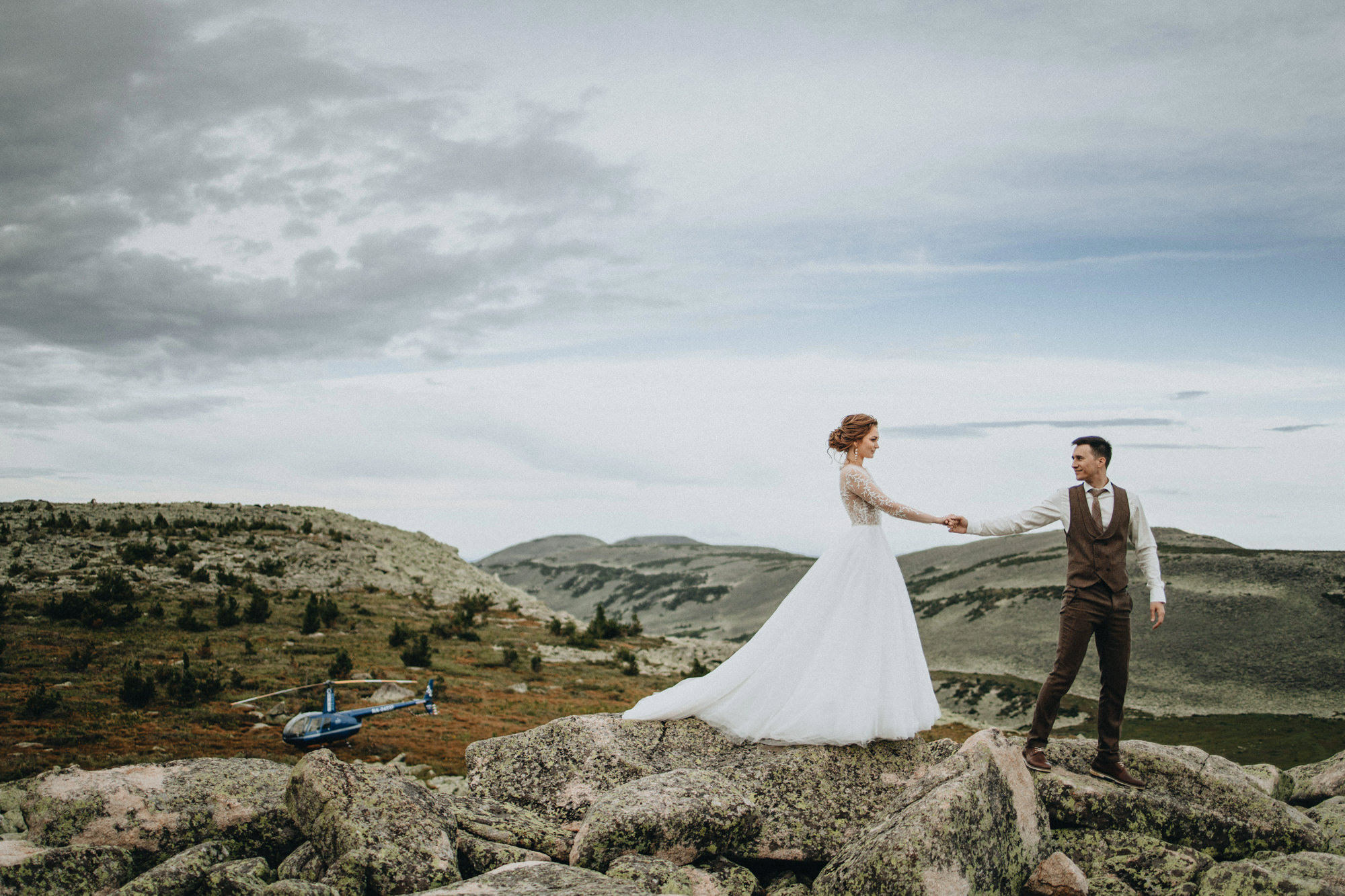
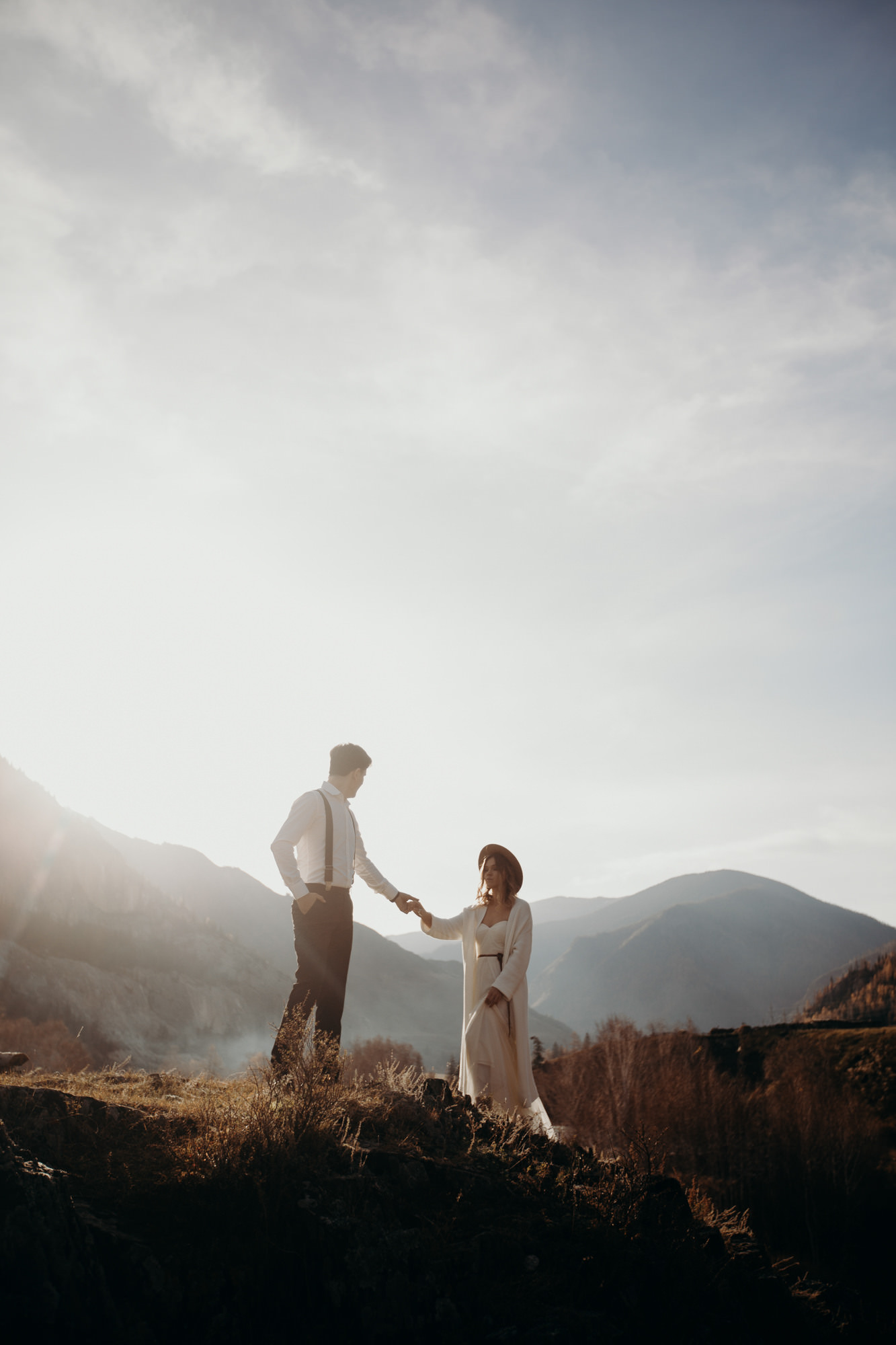
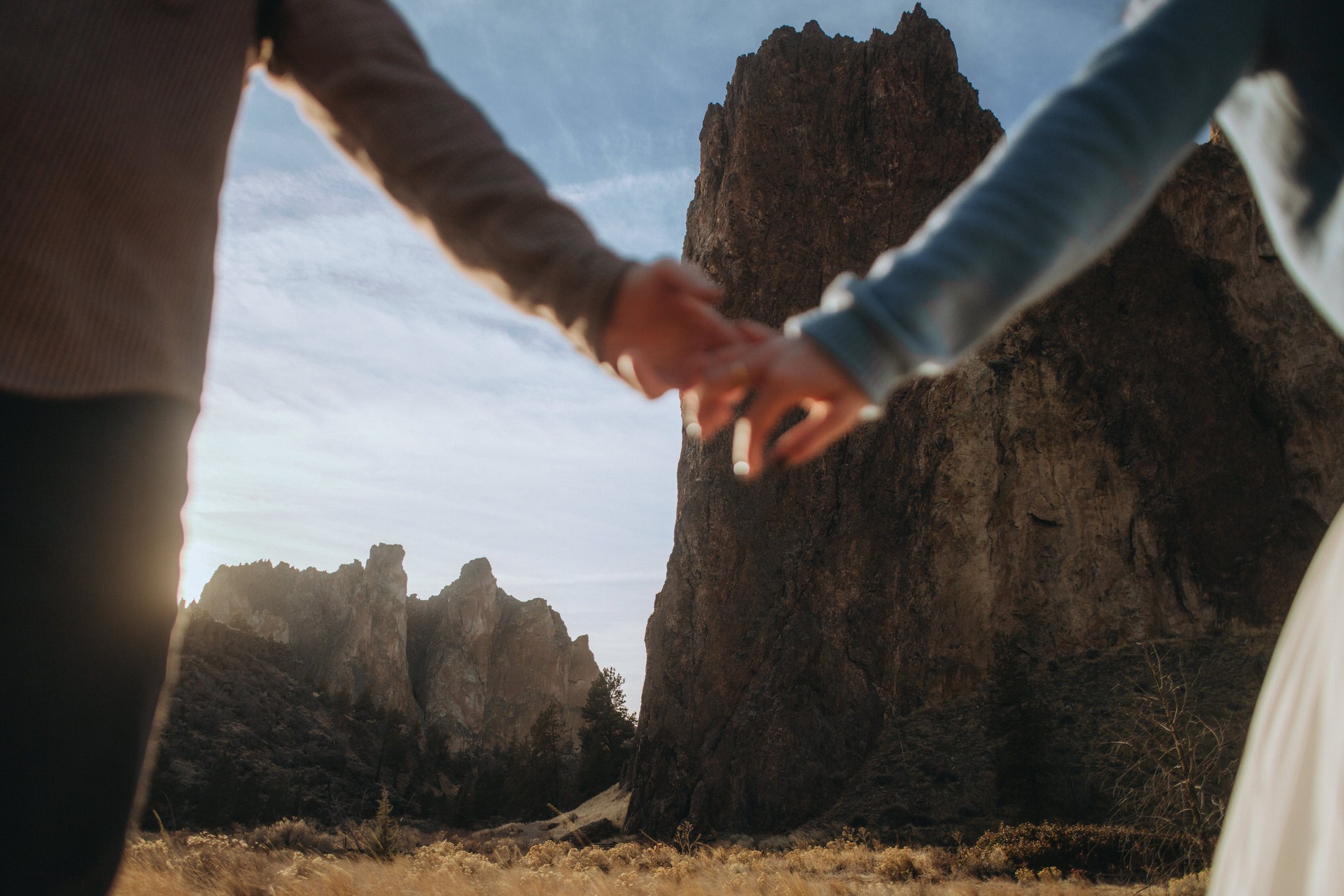
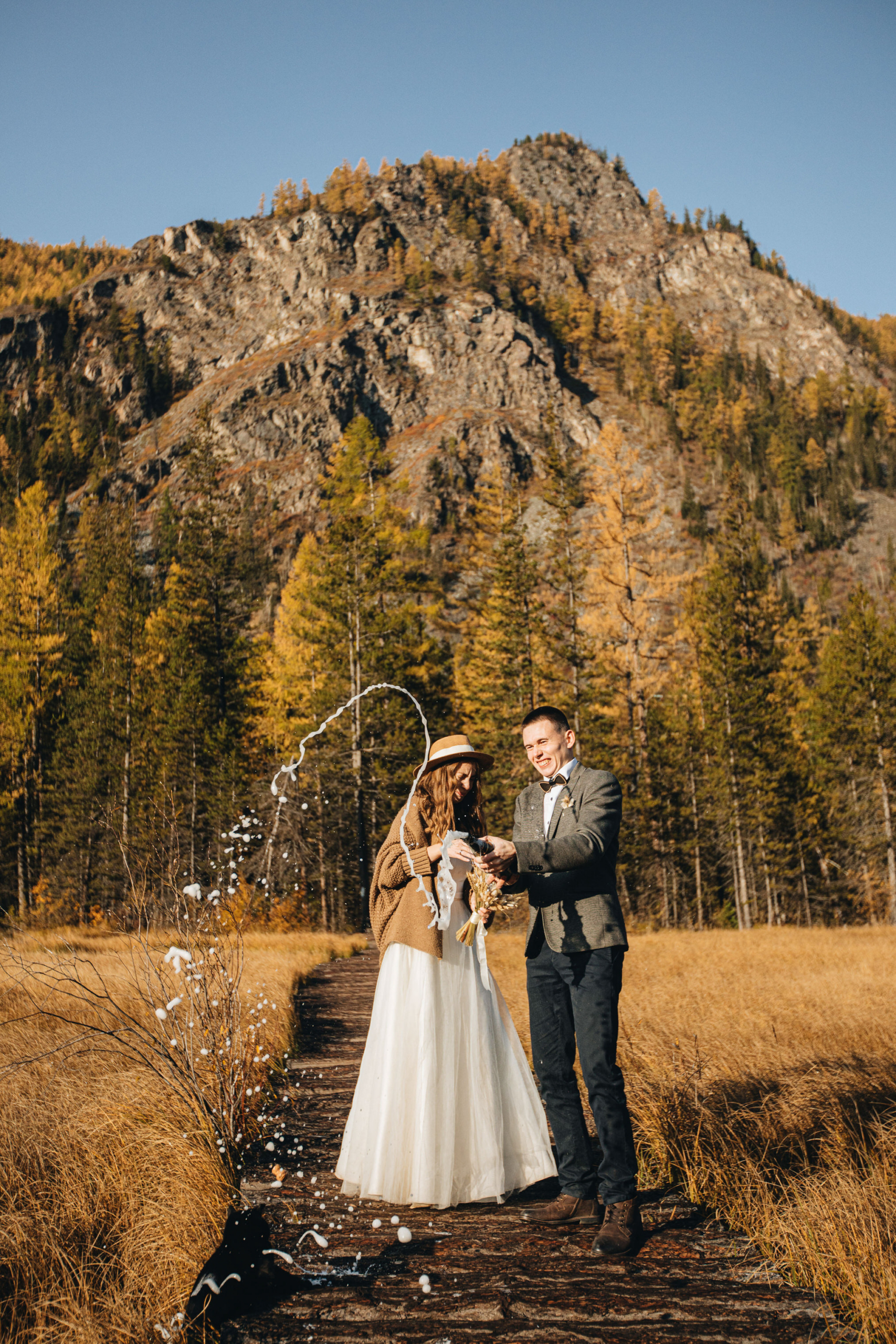
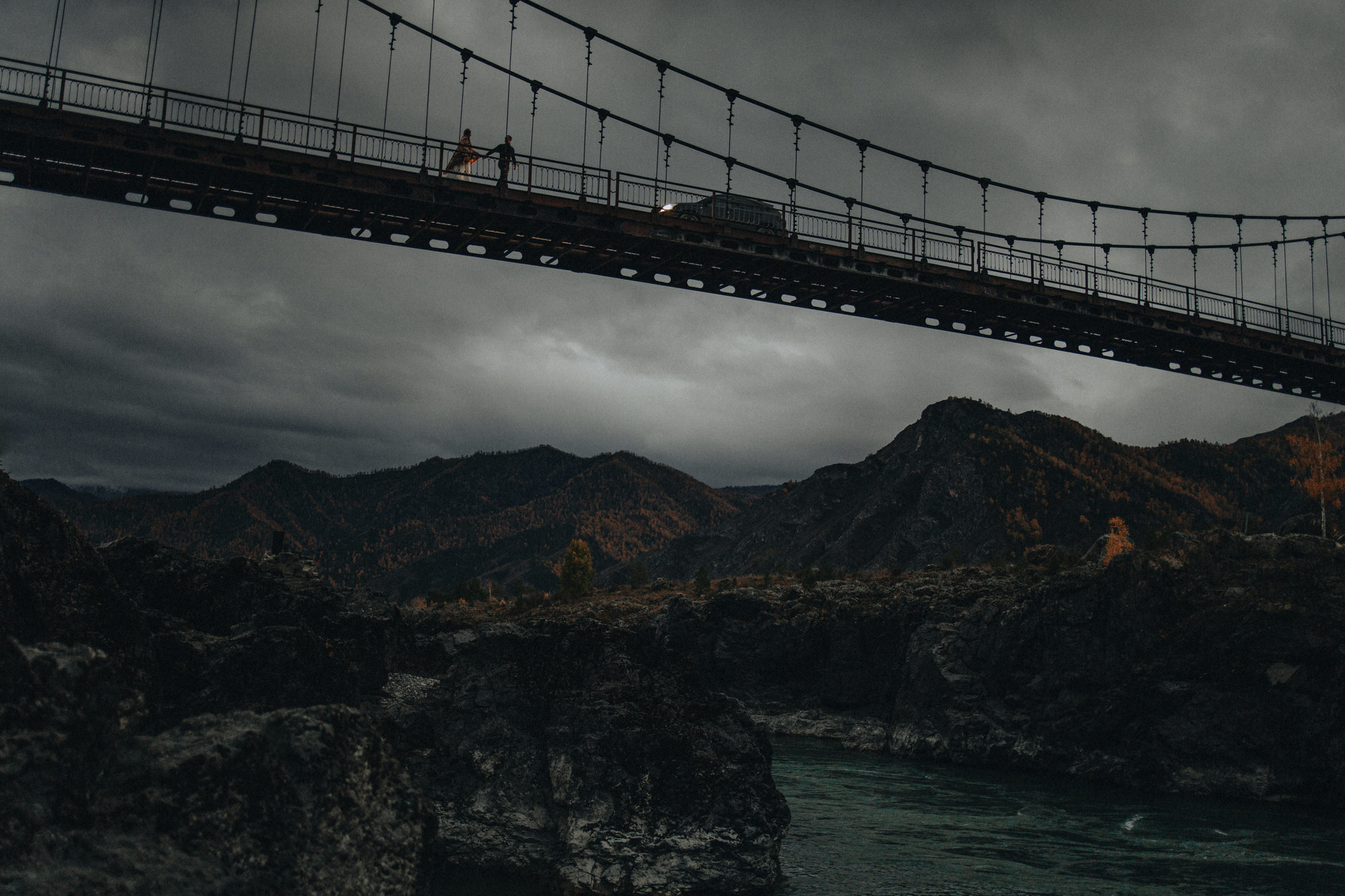
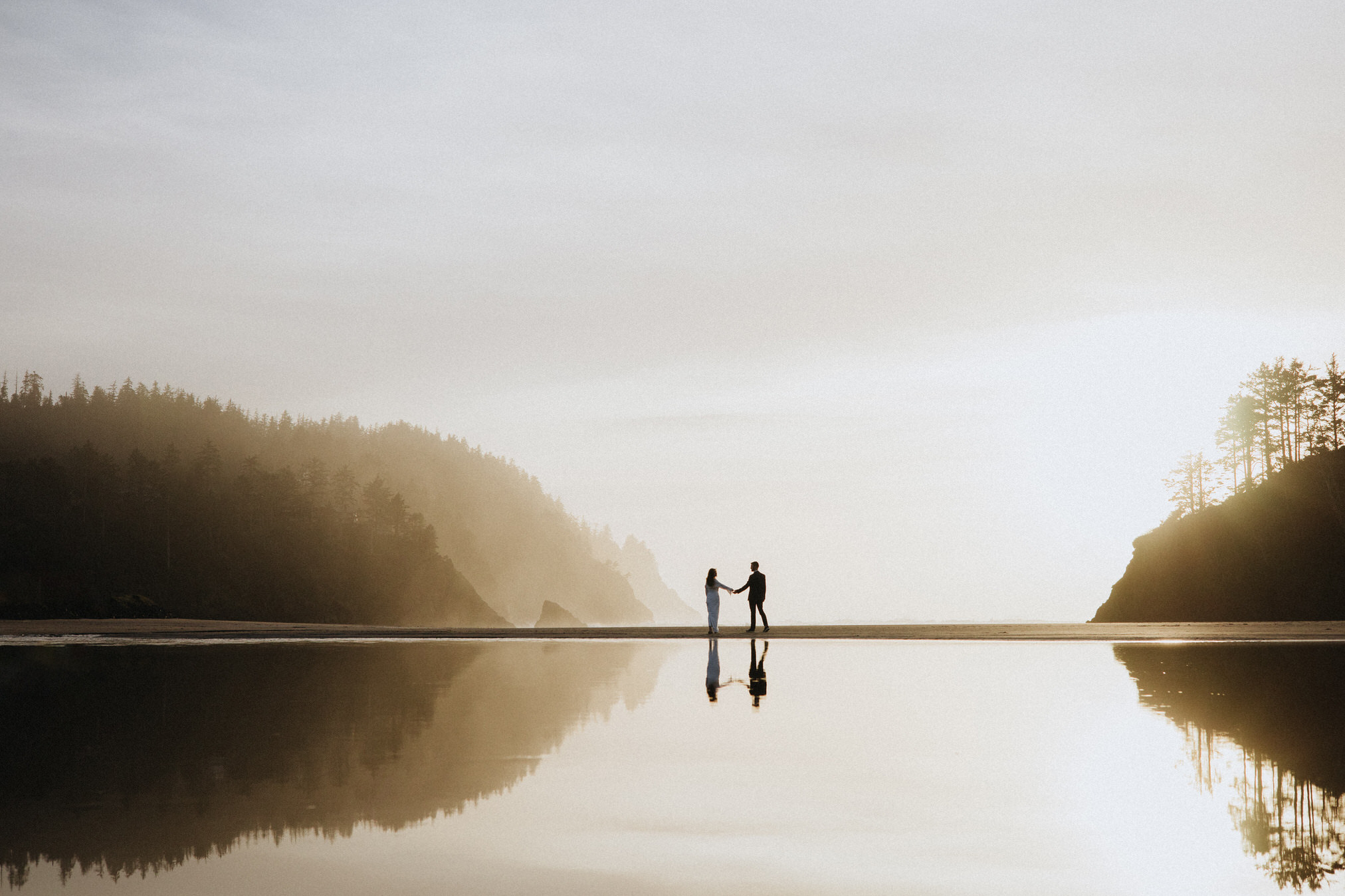
When couples hike together or go to wild places, they open up differently. After a long trail or shared physical experience, people become more natural and emotional. You can really feel the wind, the air, the mountains or the ocean. For me, this creates a much stronger connection and much more honest photographs.
You work with your wife sometimes. How does that work today?
Yes, sometimes. We now have a little daughter who was born here in Portland, so my wife spends a lot of time with her. But when I need a second photographer, my wife helps me. It’s not a commercial “extra service,” just support when needed.
Has becoming a father changed your work?
Yes, in a good way. Sometimes I even take my daughter with me on shoots. She already has a small camera and likes to take photos when I work. She watches me closely, and I think photography may become part of her life too.
How do you choose locations with your clients?
Usually, I suggest locations and give options – mountains, ocean, forest- and ask what feels closer to them. Sometimes clients have a special place that may not even be visually “perfect,” but it’s meaningful to them. That’s often more important than beauty alone.
What if the location is unfamiliar to you?
That’s not a problem. I research using Google Maps and 360-degree views. But sometimes surprises are good. When you arrive at a new place, your brain starts working differently. You notice light, weather, and angles in a fresh way. It’s good for creativity and experience.
“When couples hike together or go to wild places, they open up differently.”
You often hike to remote places. How do you handle gear?
I work very light. I have a simple setup: one main camera and a few lenses – usually 24mm, 35mm, and sometimes a telephoto. I carry two small bags, not heavy backpacks.
I’ve been using this setup for a long time and I’m used to it. It’s a simple setup – full-frame camera and lenses like 24mm and 35mm. Everything is easy and quick to access. I’m not scared if something falls down and breaks.
Do your clients usually choose the same “best photos” you would choose?
Almost never. It’s very difficult for me to choose the “best” photos myself. Clients often choose images that are emotionally important to them – moments that mean something personal. Those choices are always different, and that’s completely natural.
“JPEGmini is a must-have program for me”
How did you first discover JPEGmini?
I discovered JPEGmini in 2019 at a masterclass in Belarus. The photographers was Jane Iskra, who work in Iceland. They showed their workflow: Lightroom, Photoshop, and JPEGmini.
They demonstrated how JPEGmini reduces file size while keeping quality, and it really surprised me. Before that, I was manually resizing images in Photoshop or Lightroom, and the results were not as good.
How do you use JPEGmini today?
JPEGmini is a must-have program for me. I use it for all my photos. I print books, and I don’t see any quality loss. It saves a huge amount of storage.On this laptop alone, I’ve saved around 300 GB, and I’ve only been using it for about a year and a half. Storage always has limits, and JPEGmini really helps with that.
“People will always value work created by humans, with real emotions and experiences.”
What’s your opinion about AI in photography?
I’m not scared of AI. Some tools are very useful, like cleaning backgrounds or removing unwanted elements. It helps speed up the workflow.
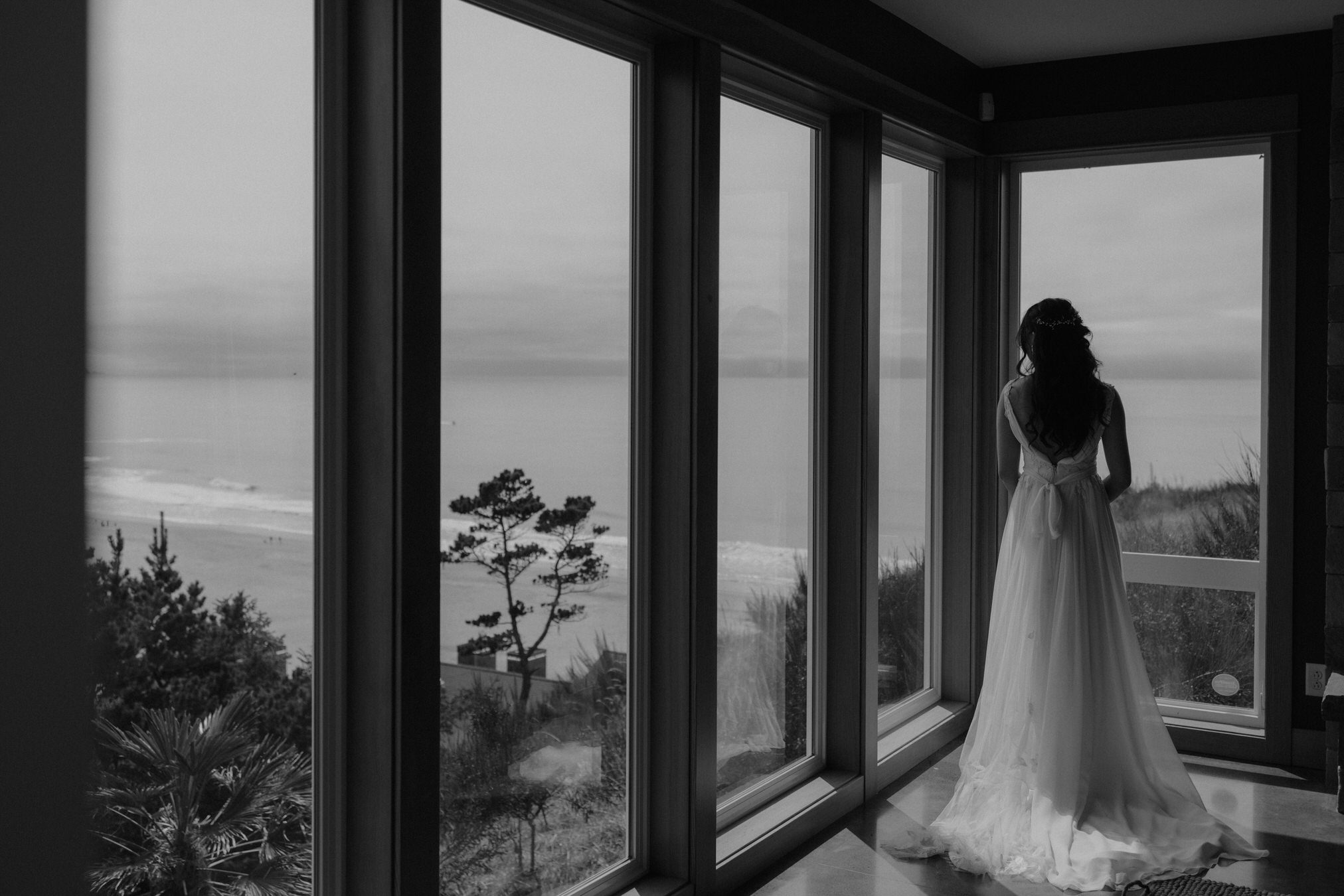
But I don’t believe AI will replace photographers. People will always value work created by humans, with real emotions and experiences.
What was one of the most challenging shoots you ever did?
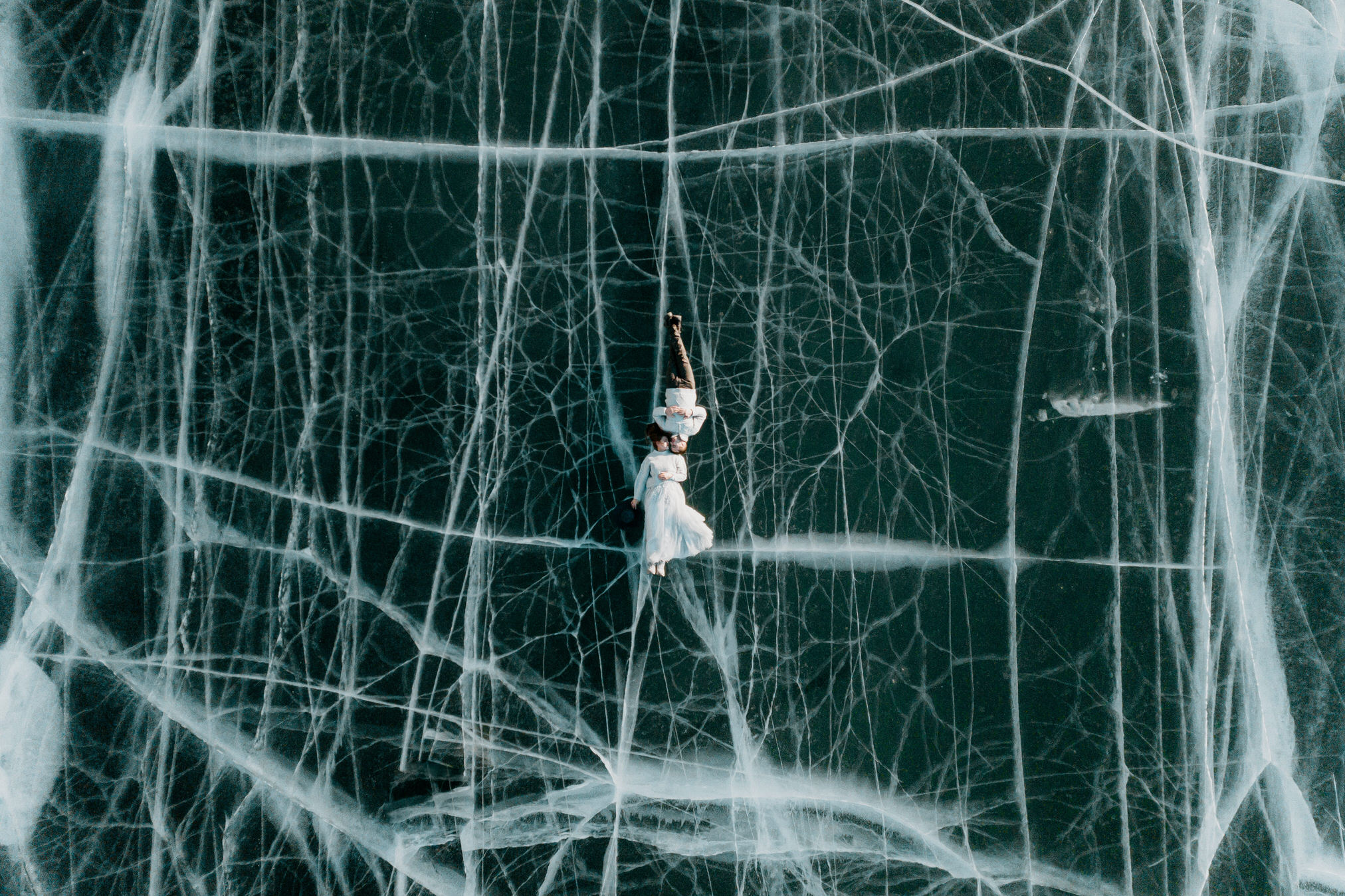
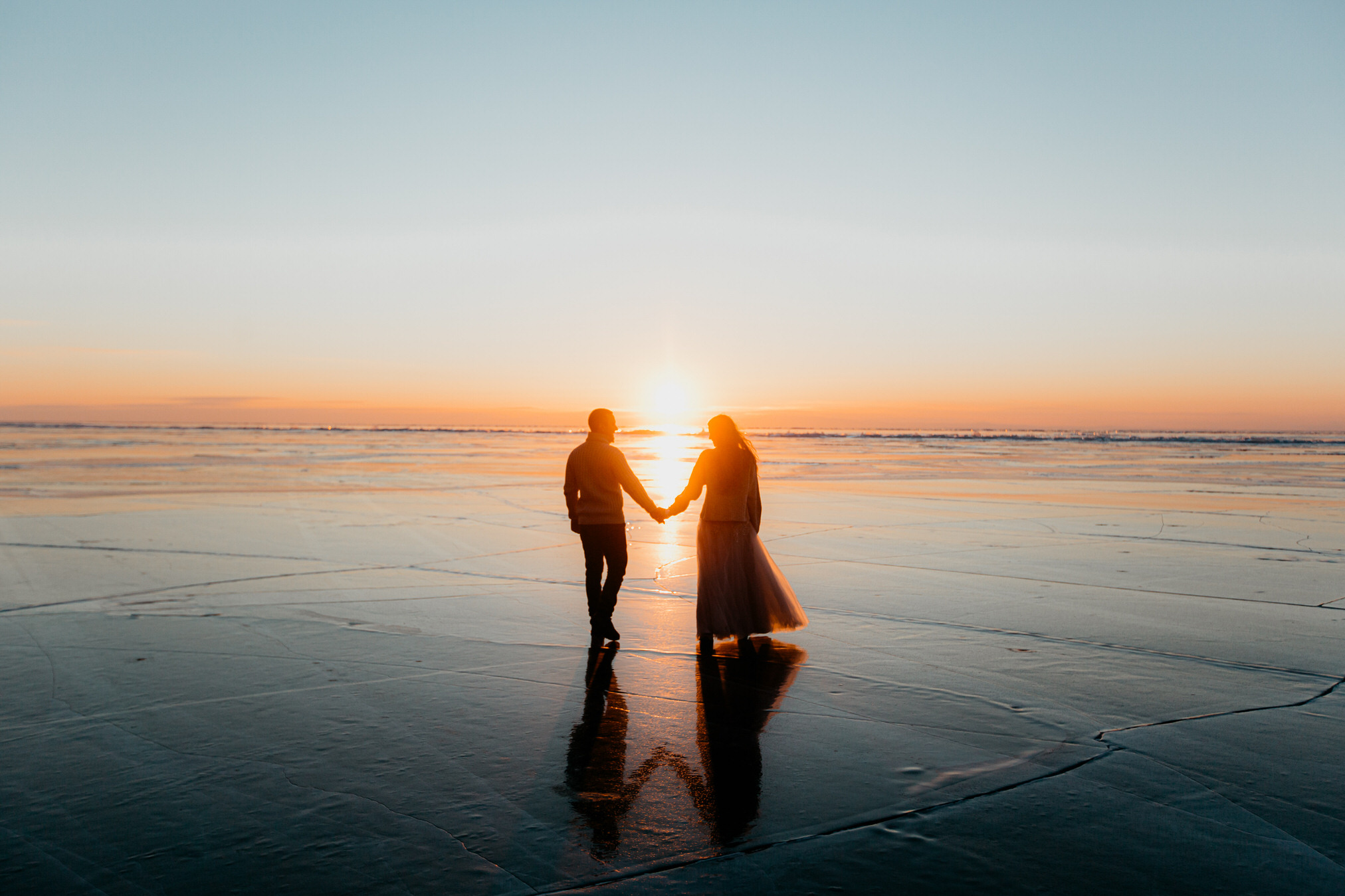
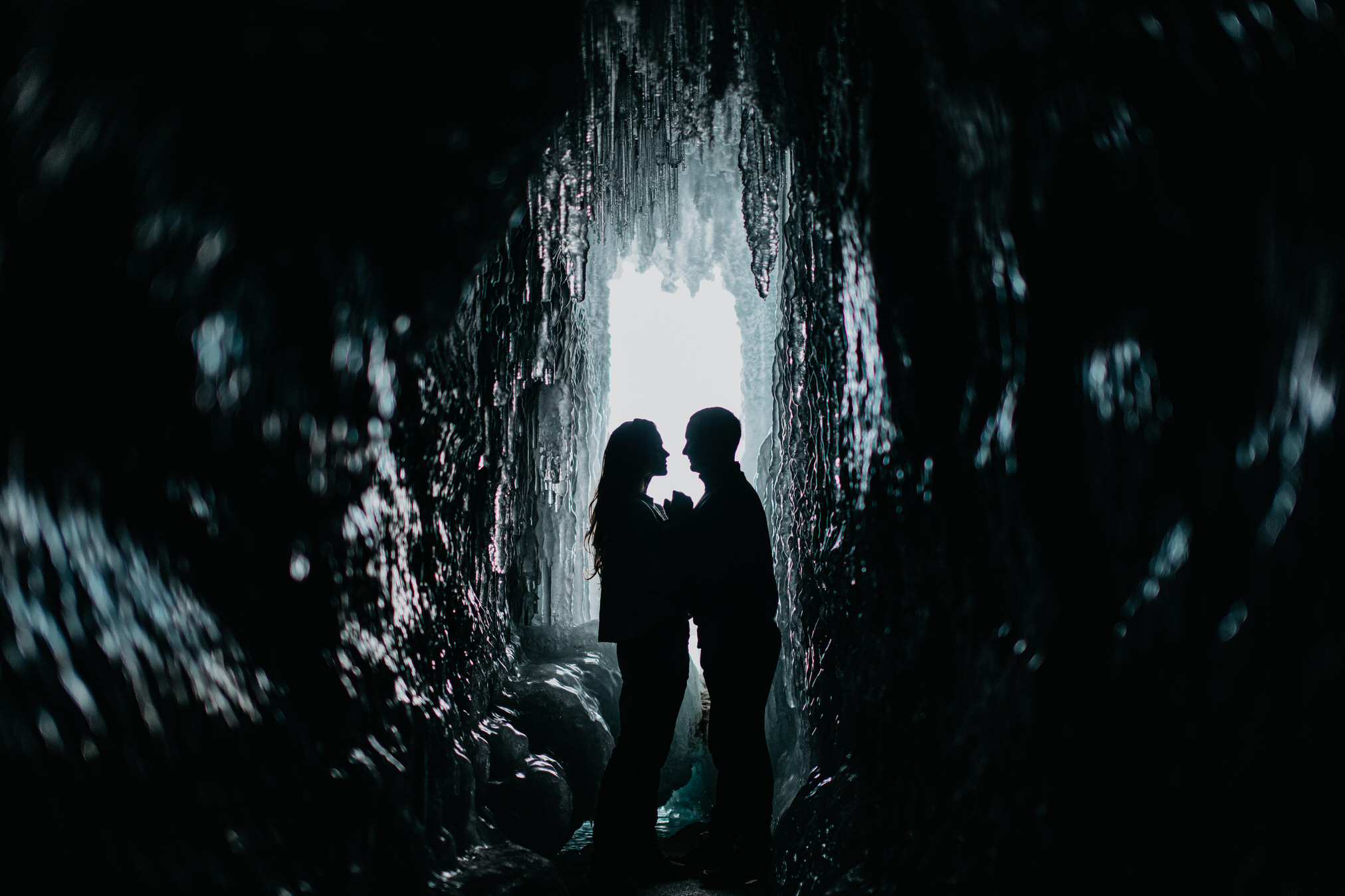
Maybe the hardest experience for me was at Lake Baikal in Siberia. We were shooting a couple early in the morning, and it was around –35°C, with cold, wet wind.
We arrived in the morning when everything was frozen. There was ice everywhere, and we started shooting in the morning light. We would take off our jackets, shoot for a few minutes, and I would pose the couple – asking them to hug each other, move a little, kiss a little.
Then we would run back to the car, put our jackets back on, drink a bit of Jägermeister to warm up, and go out again. That was probably the hardest experience I’ve had working in cold nature conditions.
After that, shooting anywhere else – especially here – never feels as cold. After Siberia, I feel ready for anything.
Final Thoughts
Georgy Shishkin’s photography is defined by restraint and clarity. Shaped by classical training and years of working in both weddings and wild landscapes, his images feel grounded, patient, and deeply human. Even in vast, dramatic settings, the focus never drifts from real emotion and honest connection. It’s work that trusts light, place, and people – and in doing so, creates photographs that feel timeless rather than trendy.