
“I want something minimal, but also striking.”
Short Bio
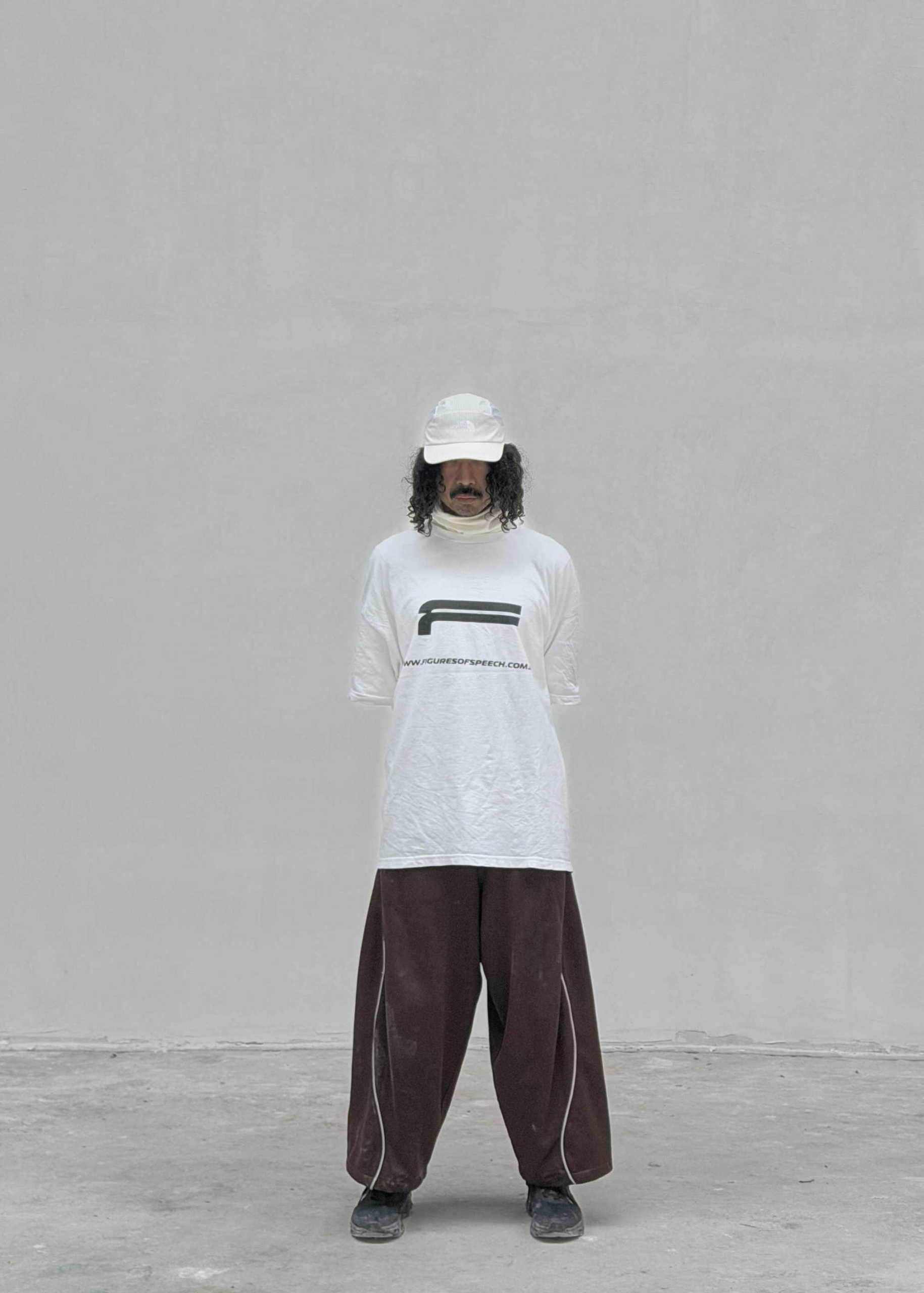
Jay Zoo grew up in South Korea, studied to become a secret agent, trained as a hairdresser in Australia, and moved through a surprising range of jobs before photography fully took hold – including working as a golf teacher, bodybuilder, interpreter, cleaner, and salesman.
That restless, shape-shifting path still shows in the work.
He doesn’t stay in one photographic style for long, and doesn’t seem interested in doing so. Instead, his images move between control and looseness, fashion and storytelling, surface and something more internal.
Now based in Berlin, he works across fashion, backstage, editorial, and AI image-making – always with the sense that he’s still figuring out what an image can do.
https://www.jayzoophotography.com
You didn’t arrive at photography in a straight line.
Does that still shape how you work now?
Yeah, definitely. My background is quite unusual.
I started out studying to become a secret agent in South Korea.
I finished the course, got the degree, and I was happy during that time, but at the end I wanted to try something completely different from what I was comfortable with.
So after that, I learned hairdressing in Australia.
Then I did many different jobs.
I think all of that made me who I am now, because I met so many different kinds of people and so many different personalities. A lot of what I make now comes out of what I’ve gone through.
Even before photography, I think I was already collecting things.
Different environments, different energies, different ways of seeing people.
How did you get so comfortable with lighting and different kinds of shoots?
Before I came to Europe, I had my own studio in Australia for quite a long time.
I think for a photographer, having your own space is one of the fastest ways to learn – especially about lighting.
I experimented a lot.
One light, two lights, three lights, four lights. Slow shutter, dragging the shutter, flash, light painting with a torch.
I was trying many different things, not just one style.
That helped me a lot later, because when you have a concept, you have more options.
You can think: maybe this needs one light, maybe this needs slow shutter, maybe something else.
It gave me more tools, more weapons, to support the story better.
Your images often sit between control and mess. Is that something you’re conscious of?
That’s actually very true to who I am.
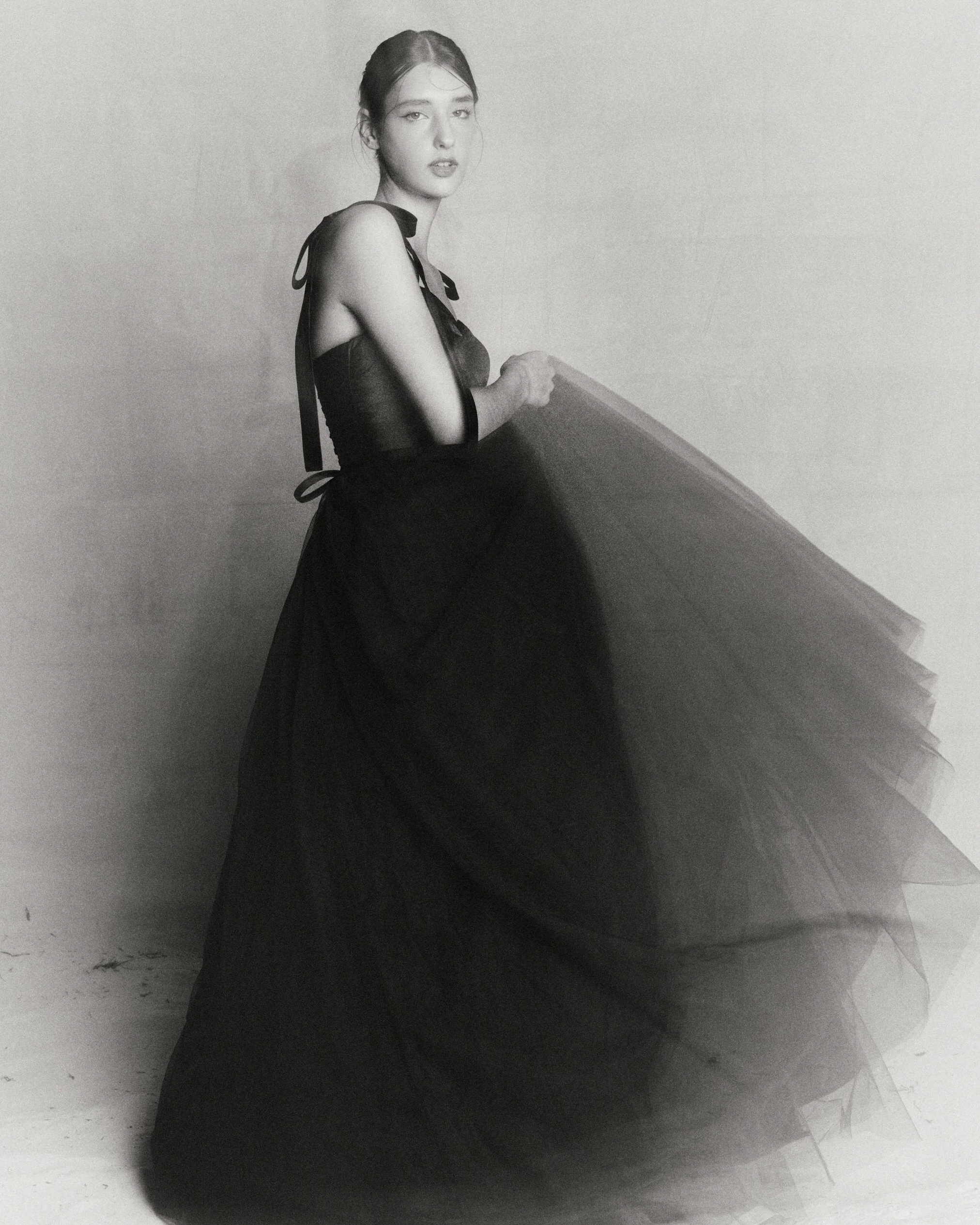
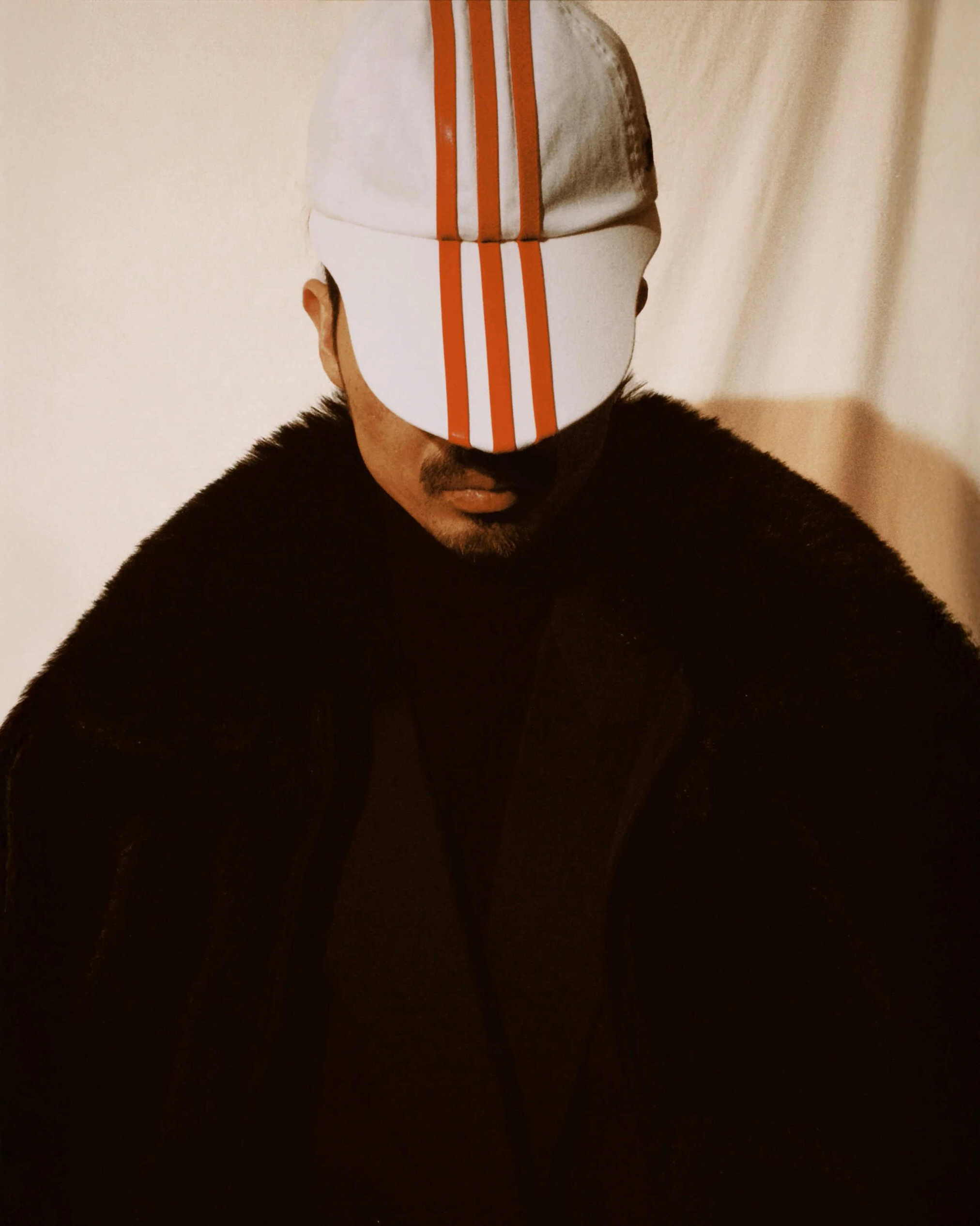
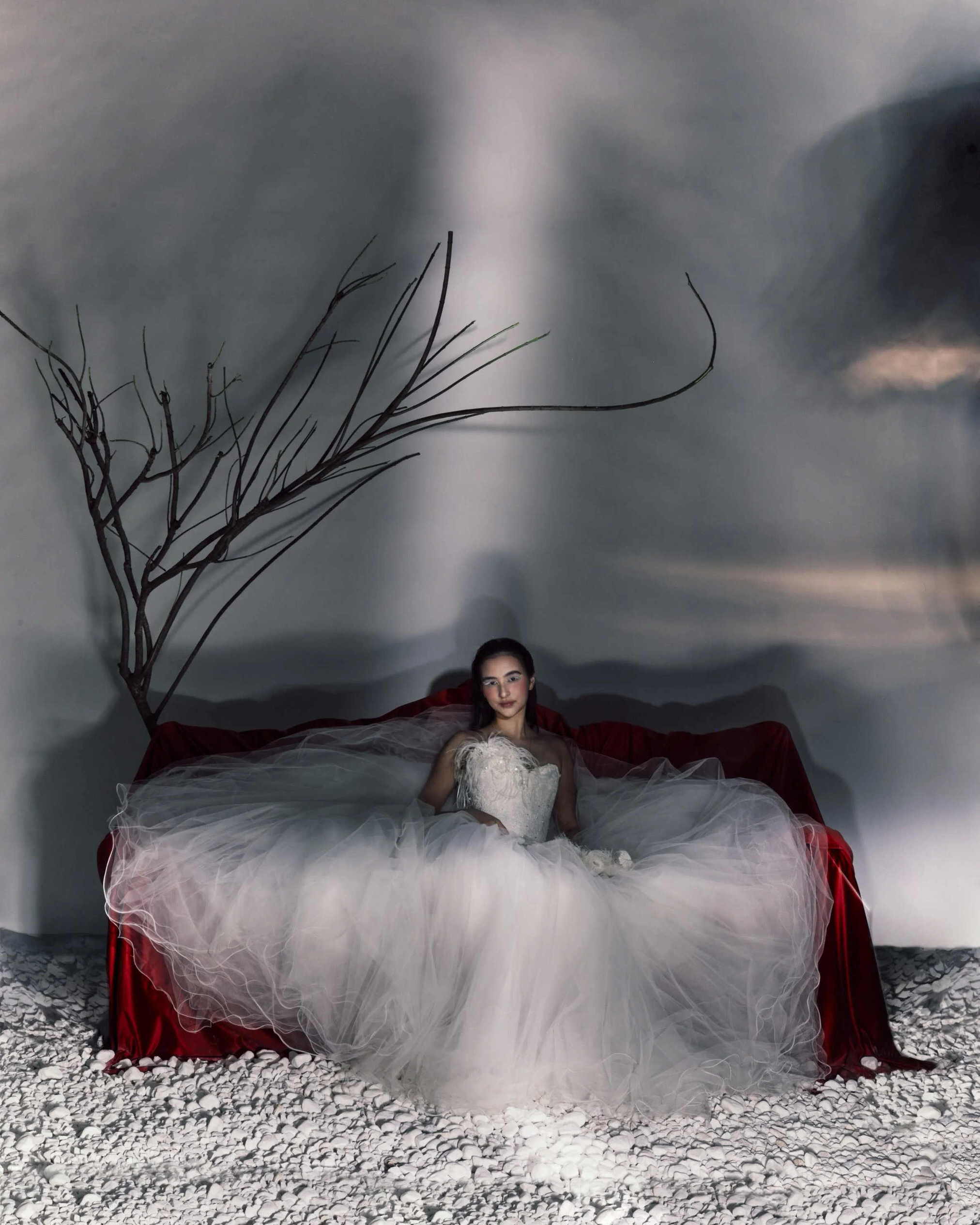
I love minimalism first of all, so that’s probably where the clean side comes from.
But at the same time, I’m always after the vibe, the energy, the visual storytelling.
That matters more to me than whether the image is perfectly lit or beautifully edited.
Of course I care about editing, color grading, all of that.
But the most important thing for me is the energy.
Does it speak to people? Can they stay connected with what I’m trying to say?
And I don’t want to lock it too tightly. I always want to leave room for people to interpret the image in their own way.
Not everyone sees things the same way, and that’s the beauty of it.
One day I’m a messy person, the next day I’m super clean. So it makes sense that the work moves between those two things.
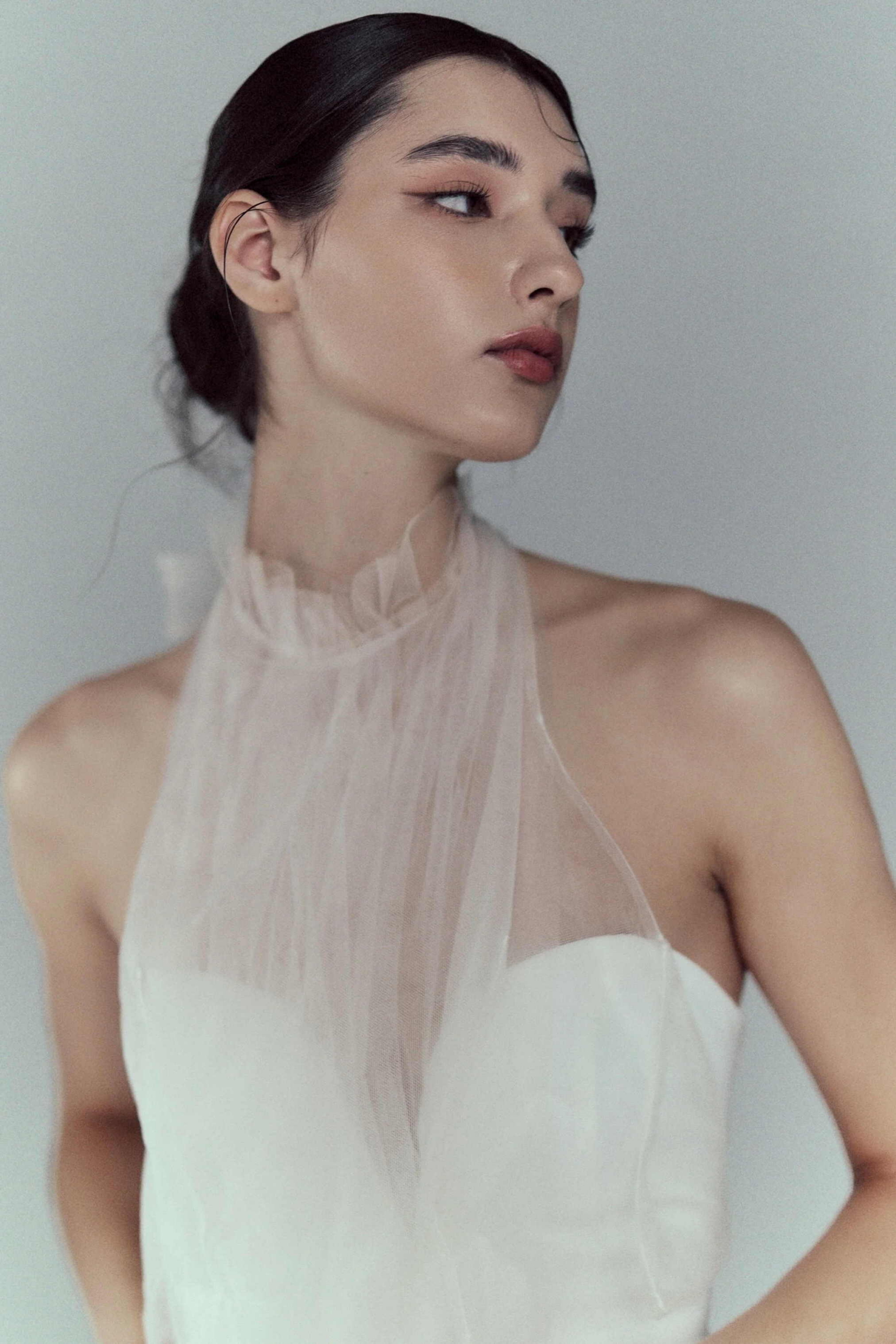
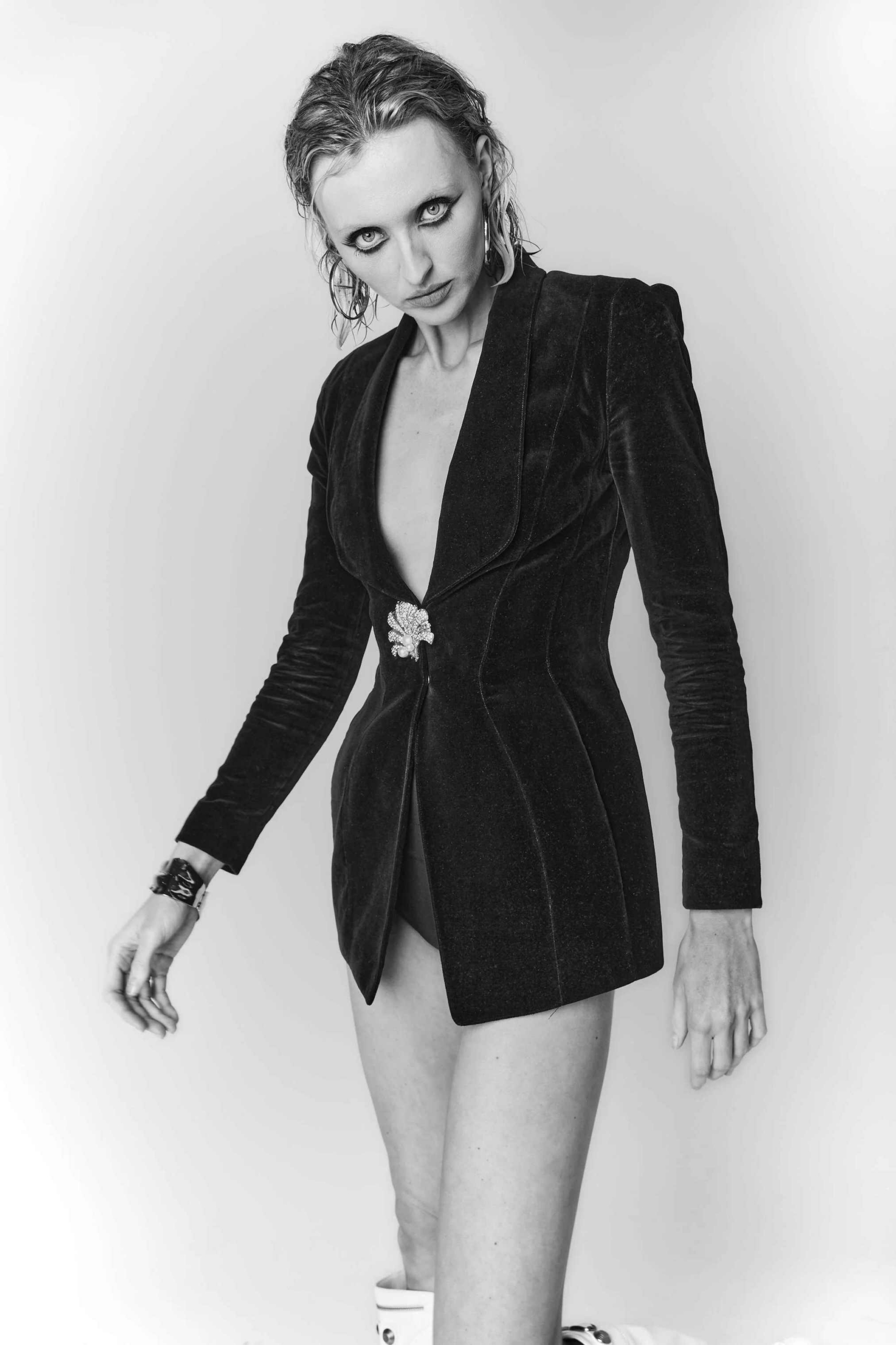
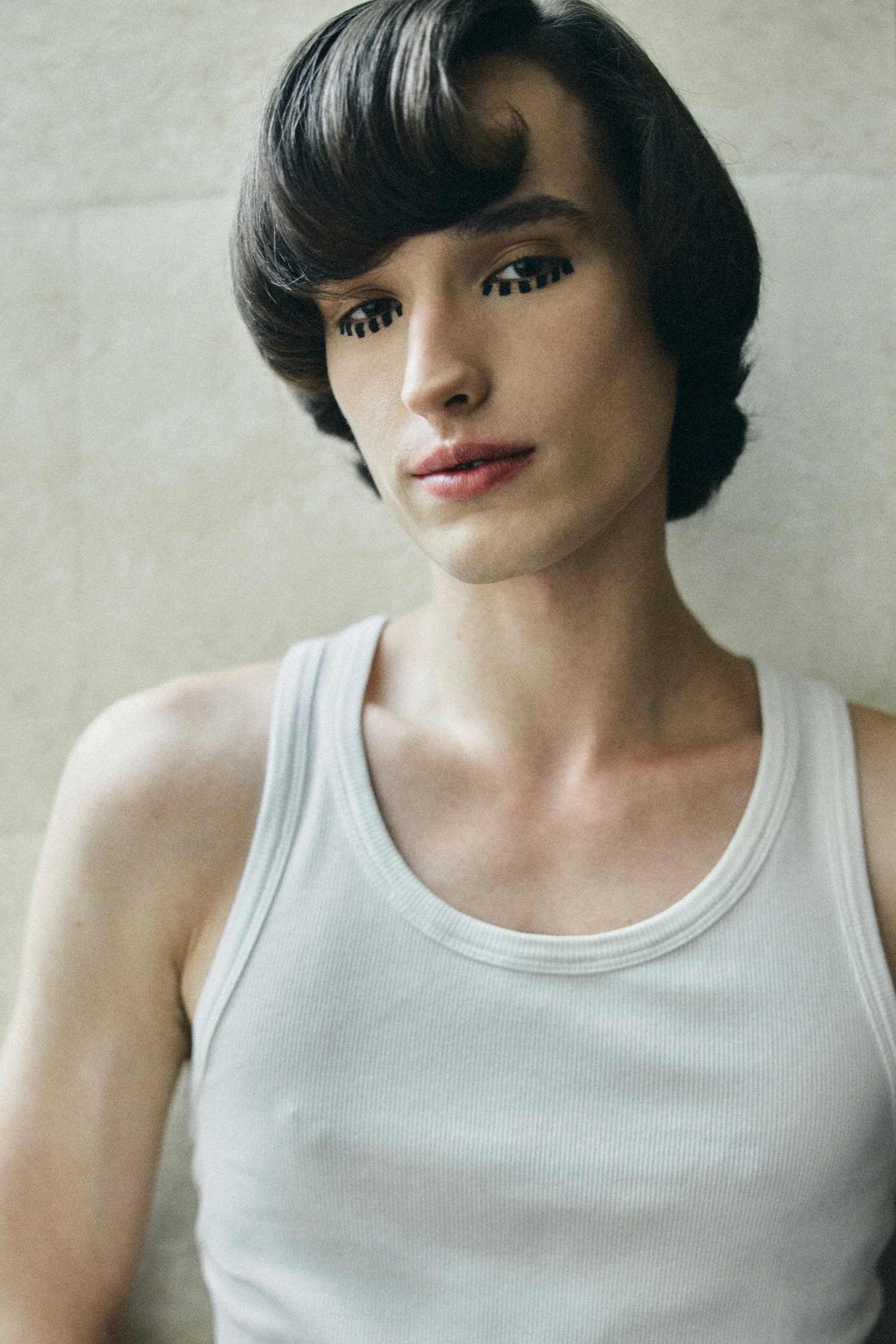
That tension shows up a lot in the posing too.
People in your images often look like they’re caught between movement and stillness.
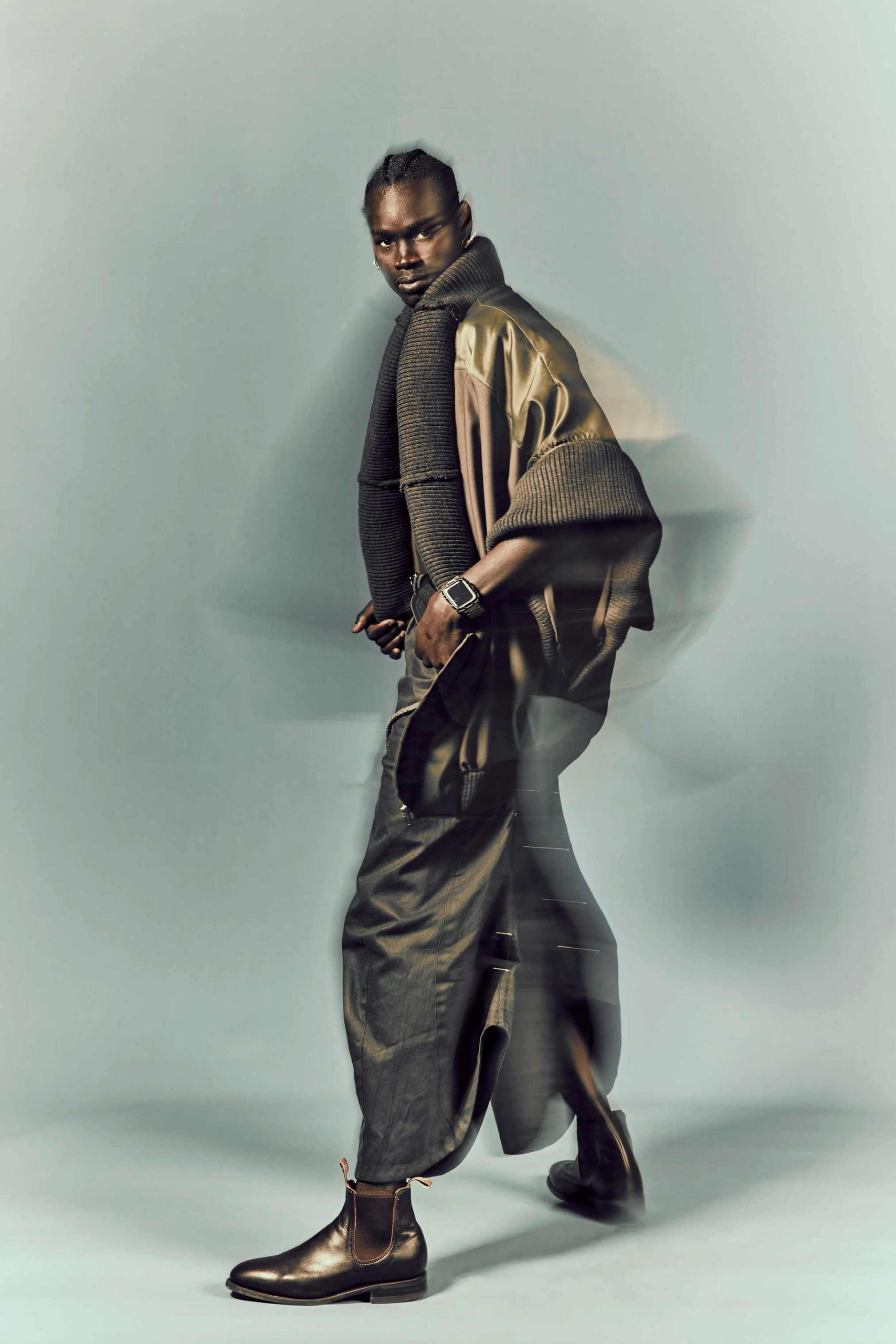
Yes, I think so. But funny enough, I’m actually not someone who likes to over-direct models.
Before the shoot, I really spend time with them. Sometimes 30 minutes, even more. We sit down, maybe have a coffee, and I explain the whole vibe, the energy, what I’m after. I’ll make specific mood boards just for the poses, or just for the emotion, or just for the feeling.
It’s more like acting than posing, to be honest.
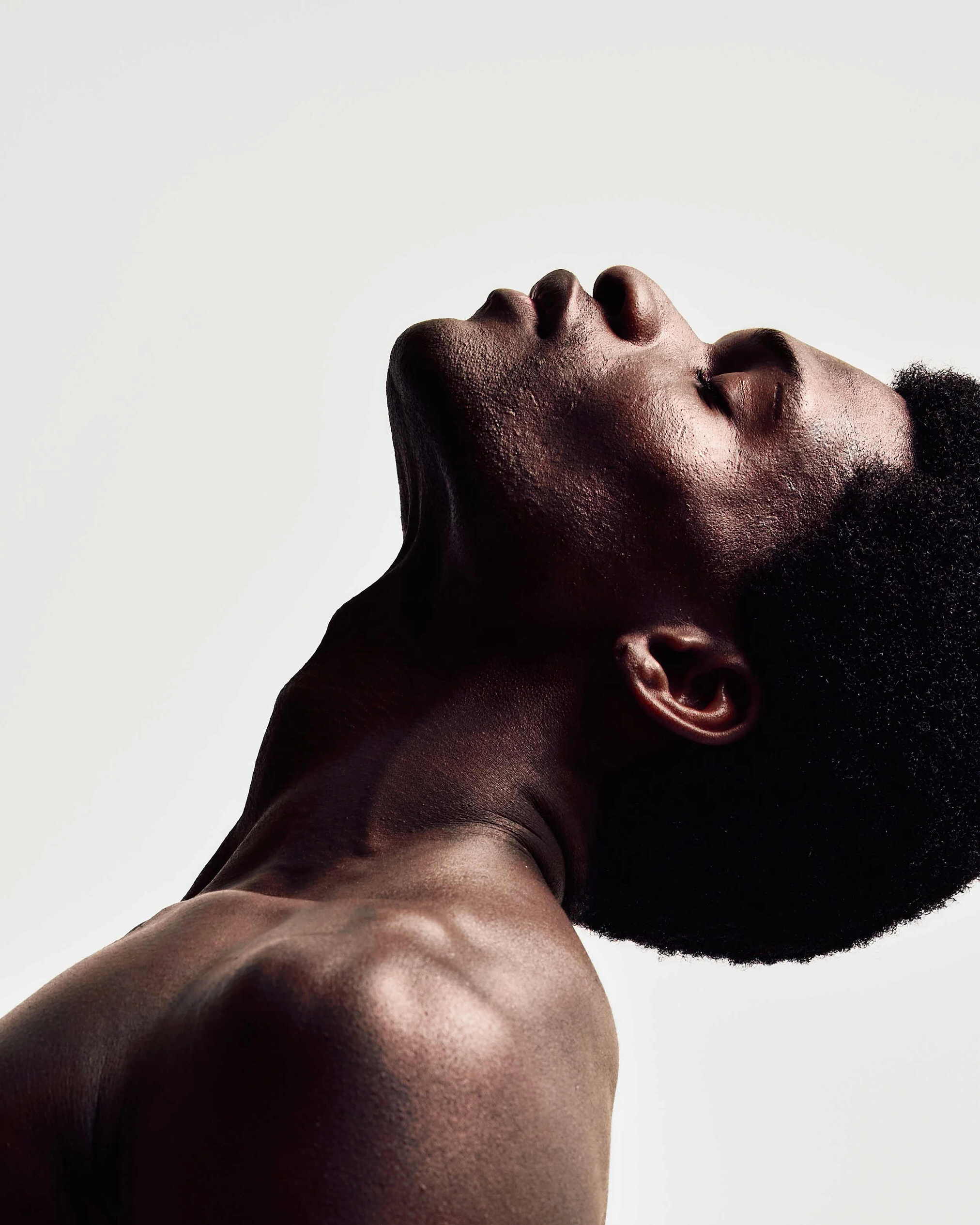
Once we start shooting, I try to trust the model. I want them to feel comfortable enough to bring something of themselves. In between looks, I’ll talk to them, go through some images, explain what direction is working, what emotion I want more of.
But I don’t like to tell someone every tiny angle and movement all the time.
I think people give you more when they feel they have freedom.
I want to bring out the best in the person, not just have them perform instructions. That first conversation is really important to me.
Once that trust is there, a lot of it can be improvised.
I like going with the flow after we’ve built that connection.
What does “fashion photography” even mean to you now?
The categories feel less clear than they used to.
Yeah, they really are less clear now. There are so many labels – editorial, lookbook, campaign, product photography – but for me, it’s less about the definition and more about what the images need to do.
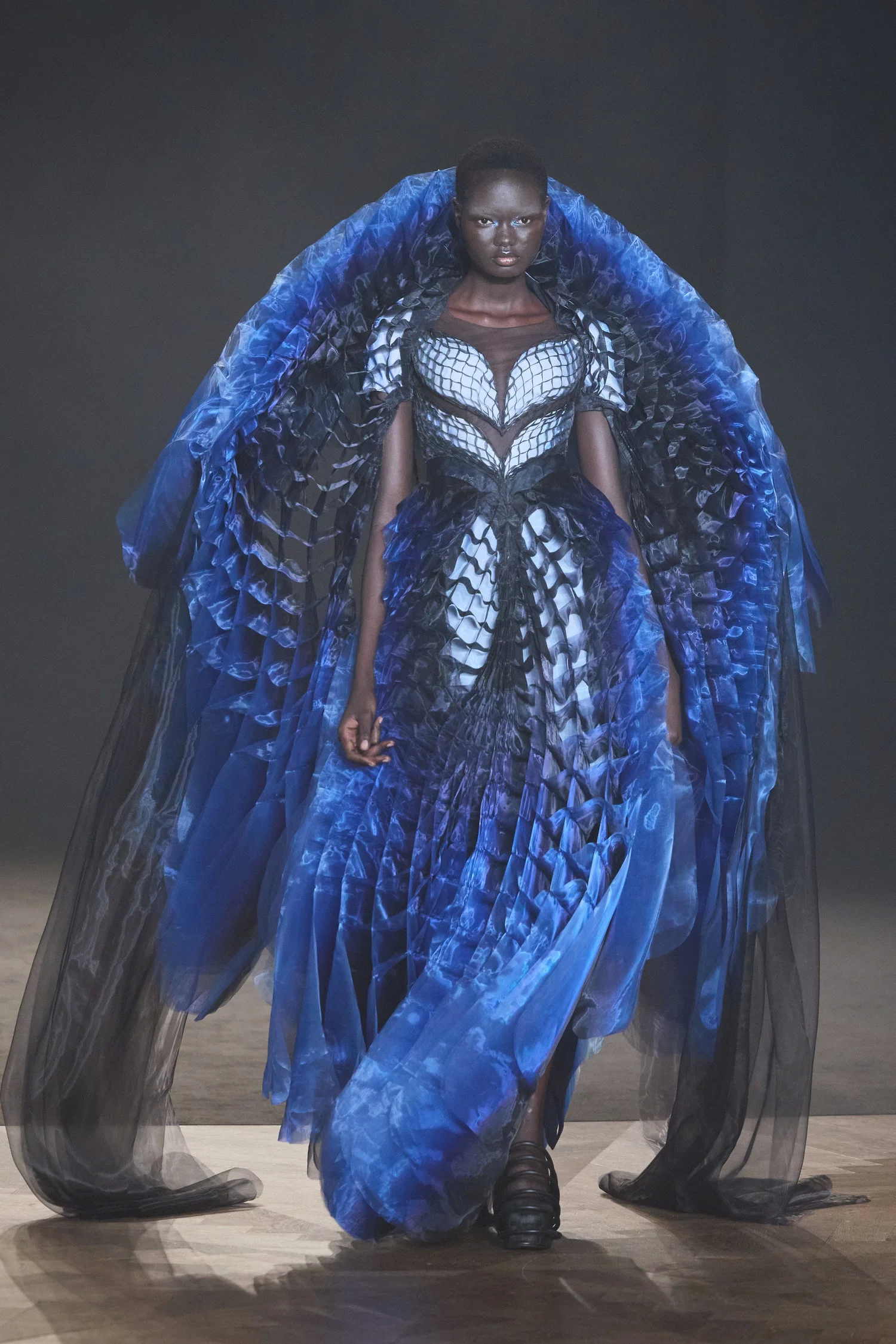
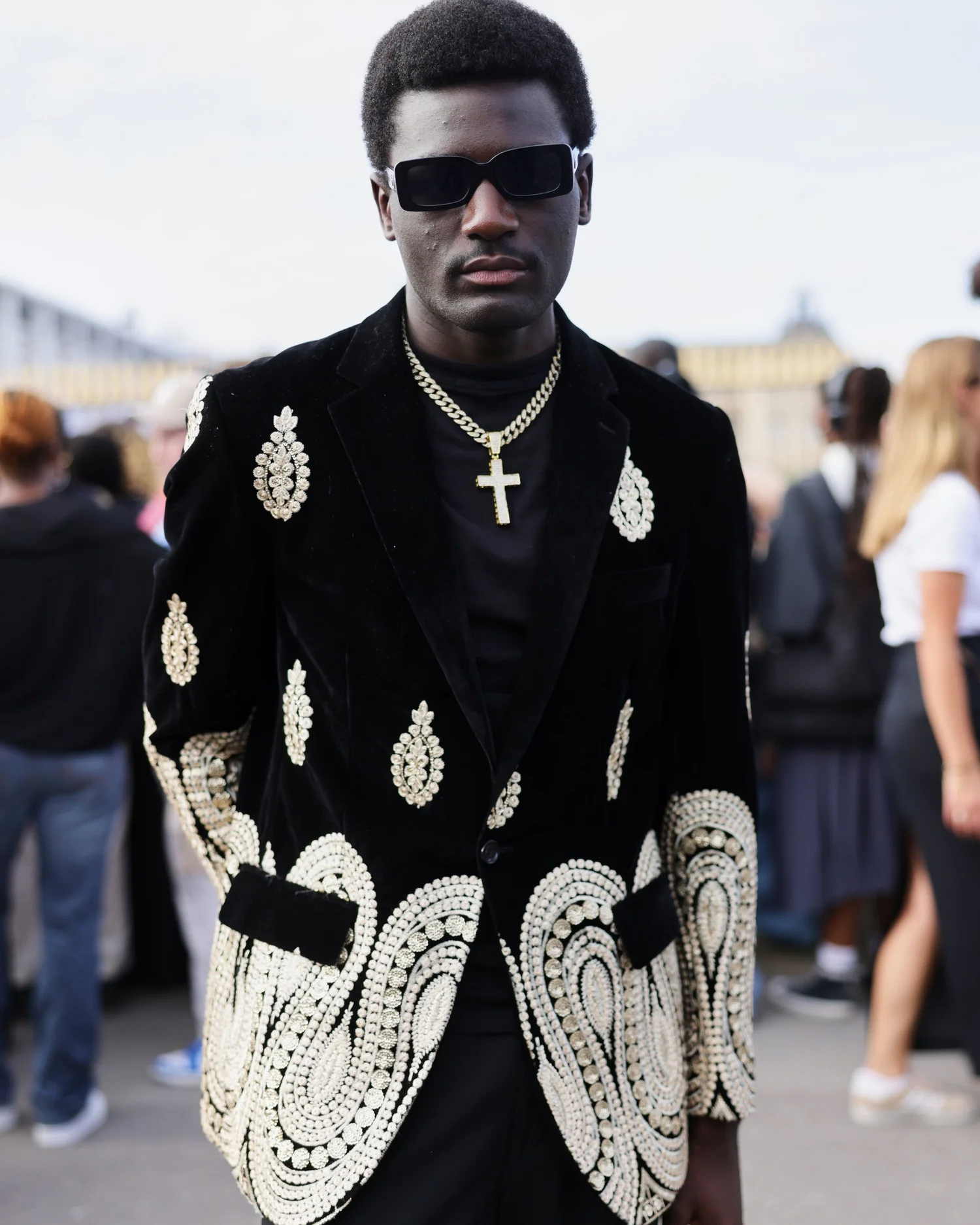
Do they need to show the exact texture and color because the brand wants to sell the piece? Then that’s one kind of image.
Do they want more storytelling, more atmosphere, more design language, more feeling?
Then that becomes something else.
I think now everything overlaps more.
A lookbook can feel like a campaign. Editorial can live on a website.
So I don’t get too attached to the labels.
For me, it’s always: how much storytelling does this need, and what kind of energy does it need?
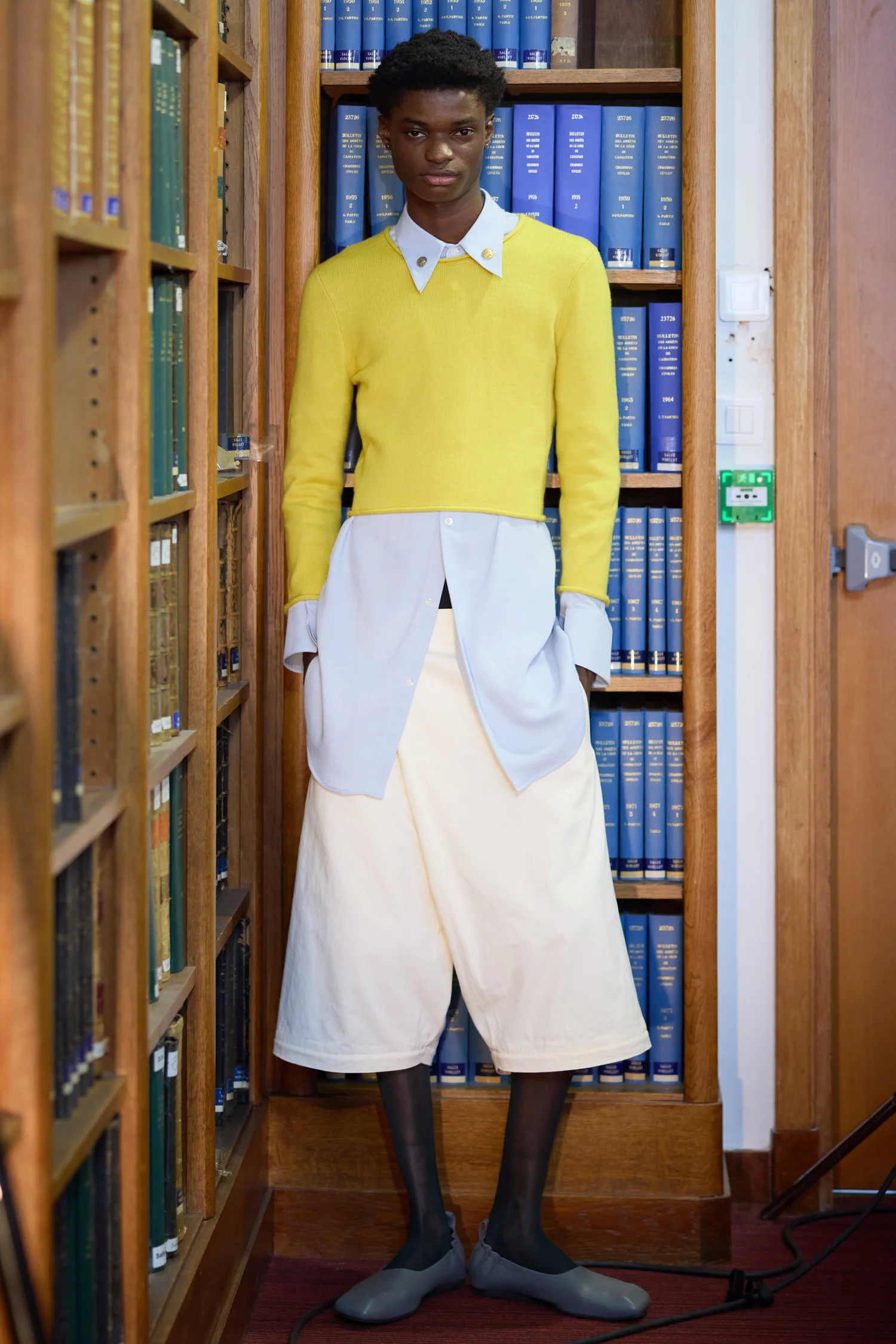
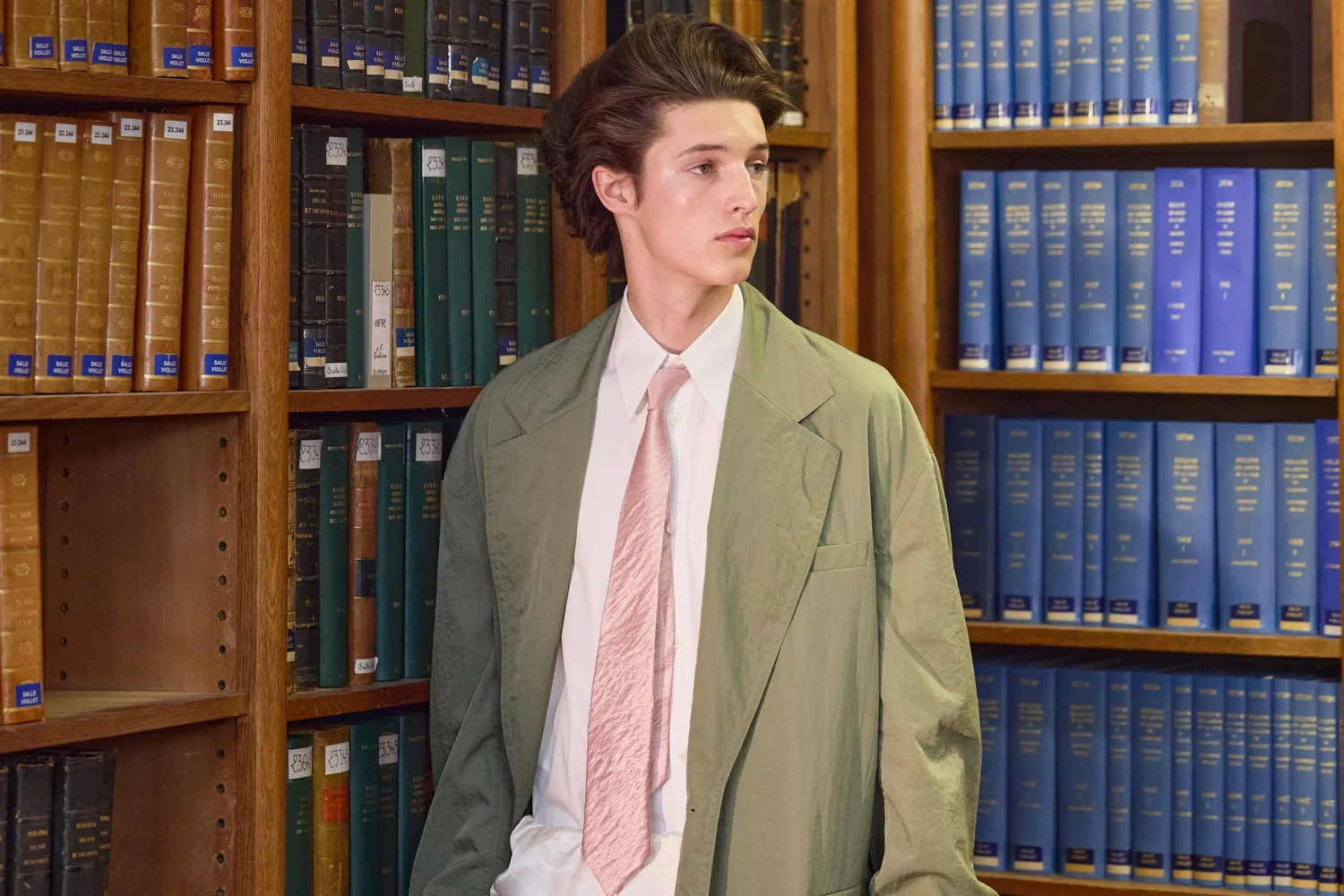
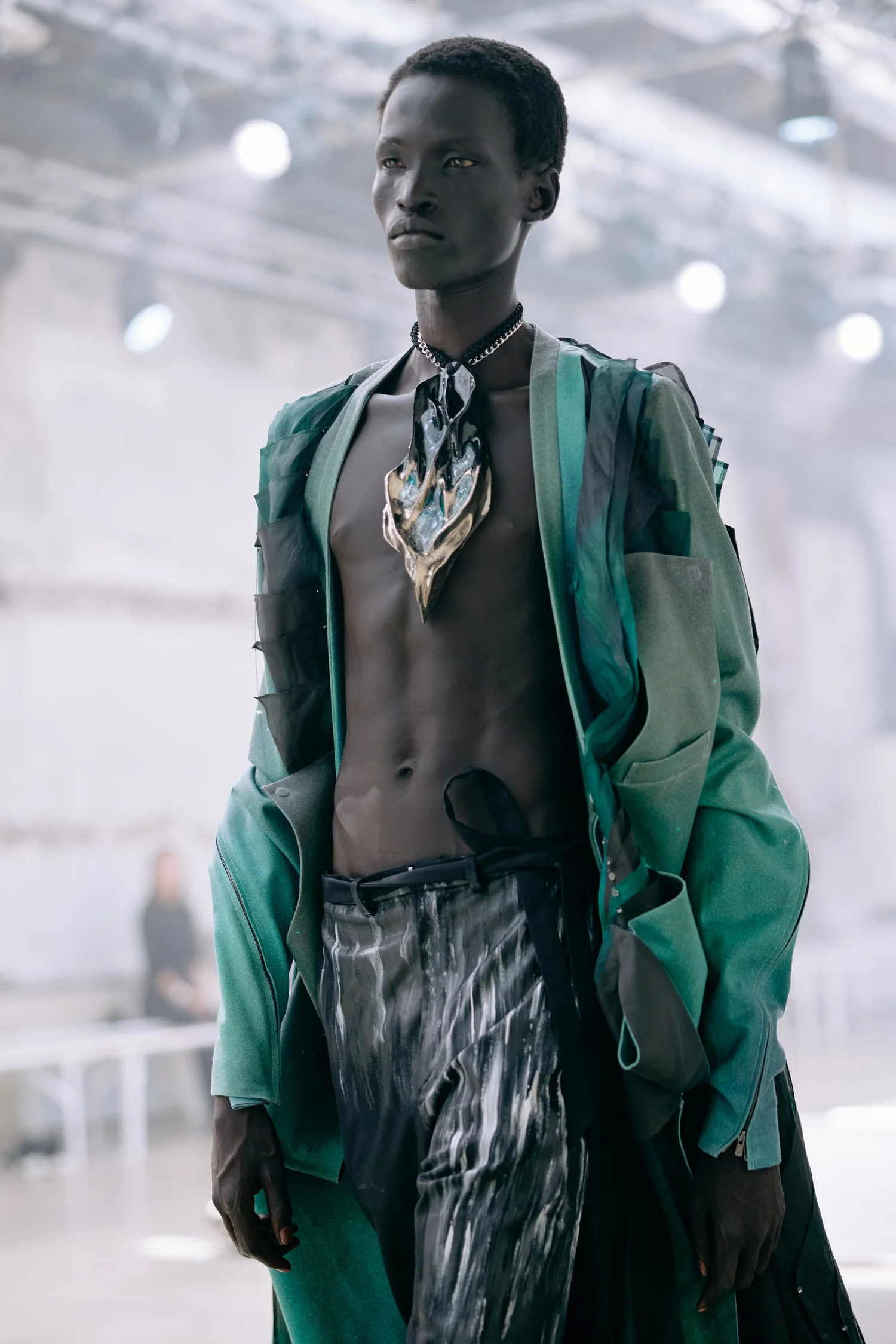
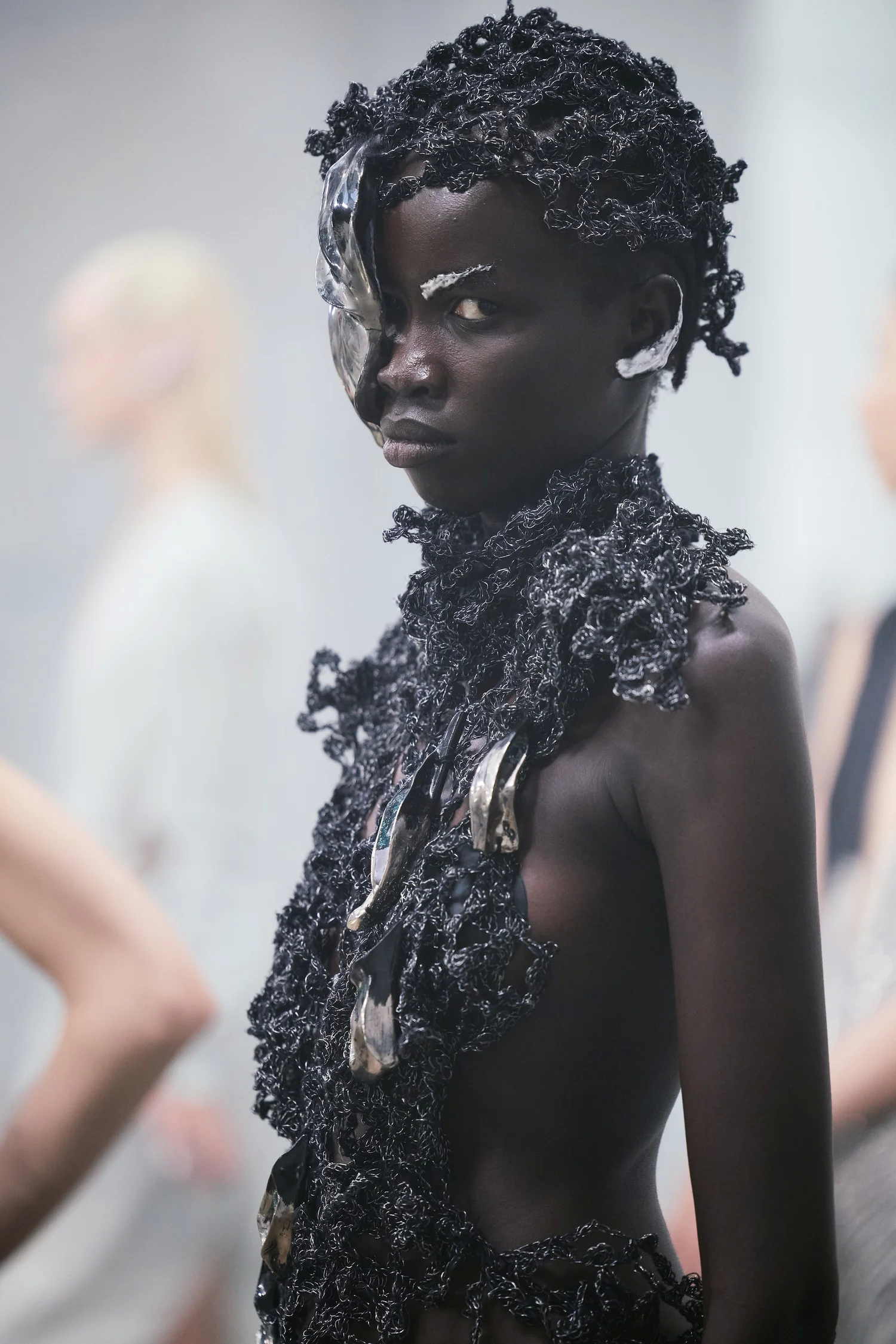
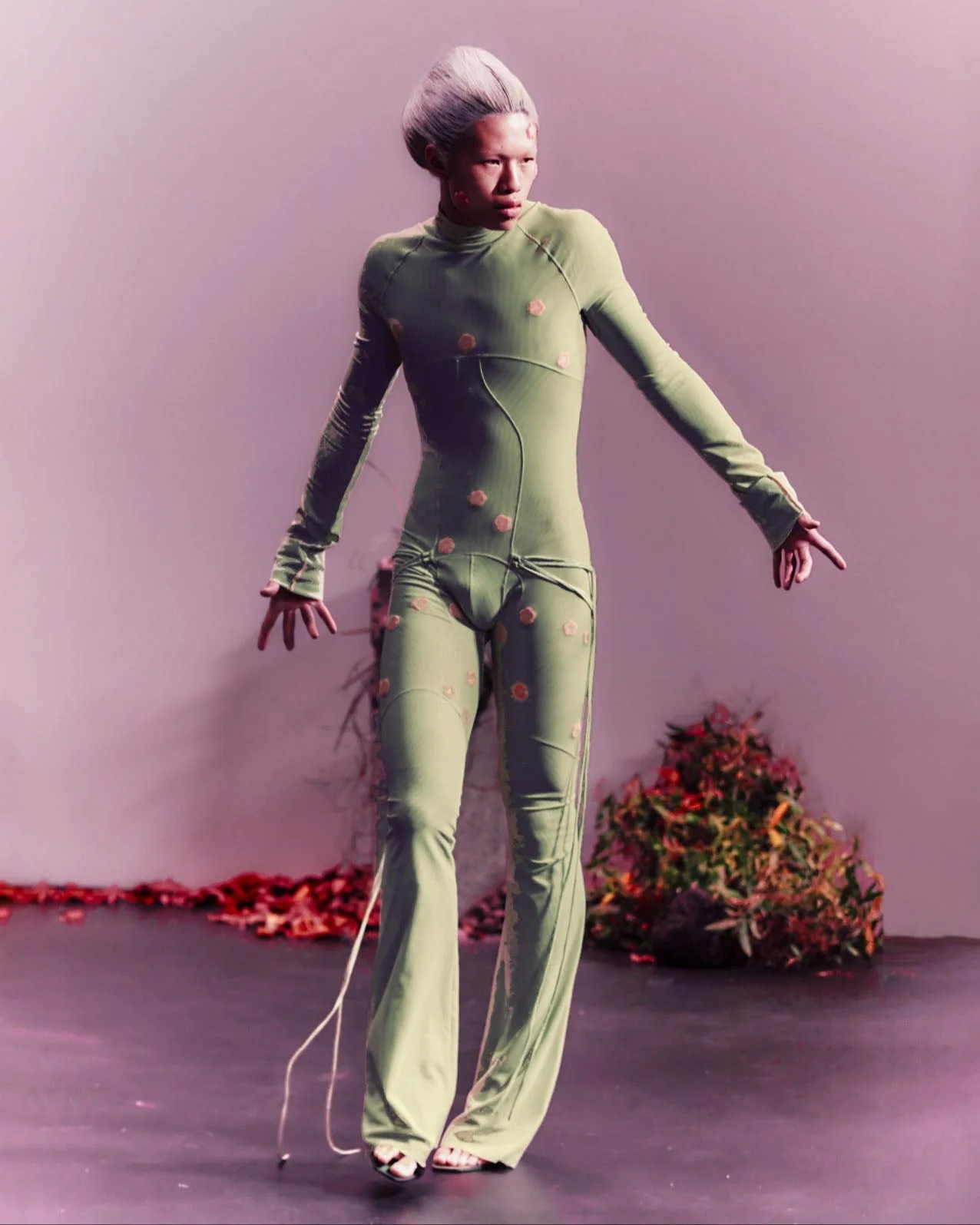
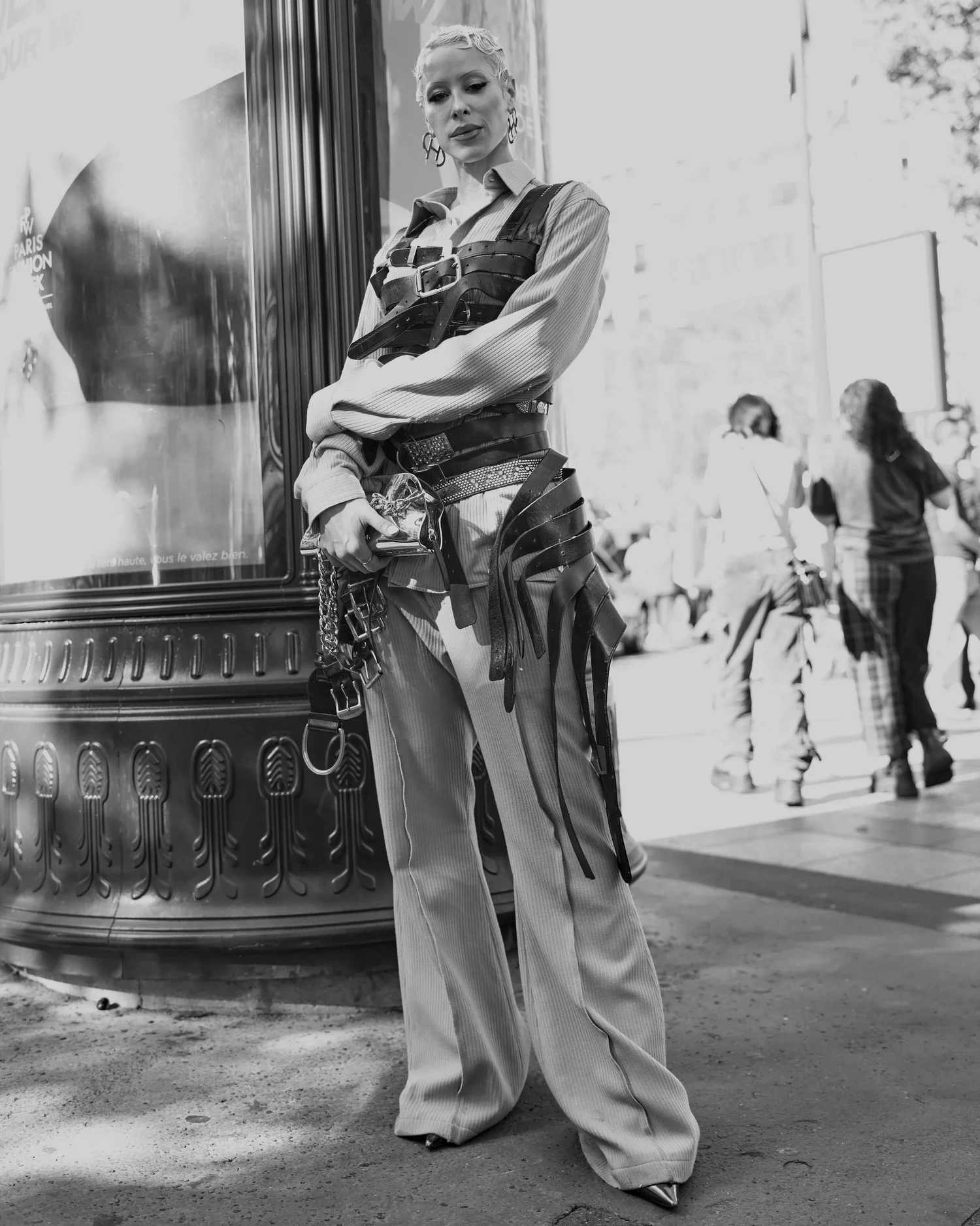
You also spend a lot of time backstage during fashion week.
That feels like a different kind of obsession than studio work.
It is. I really do have a big interest in fashion itself.
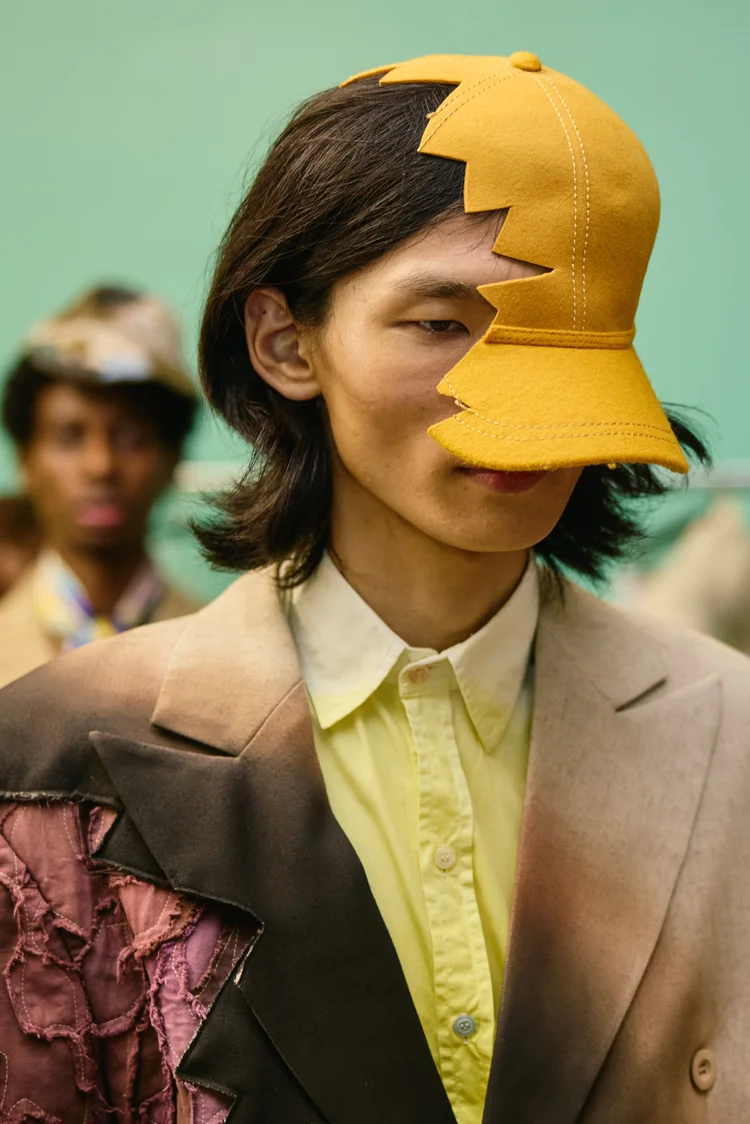
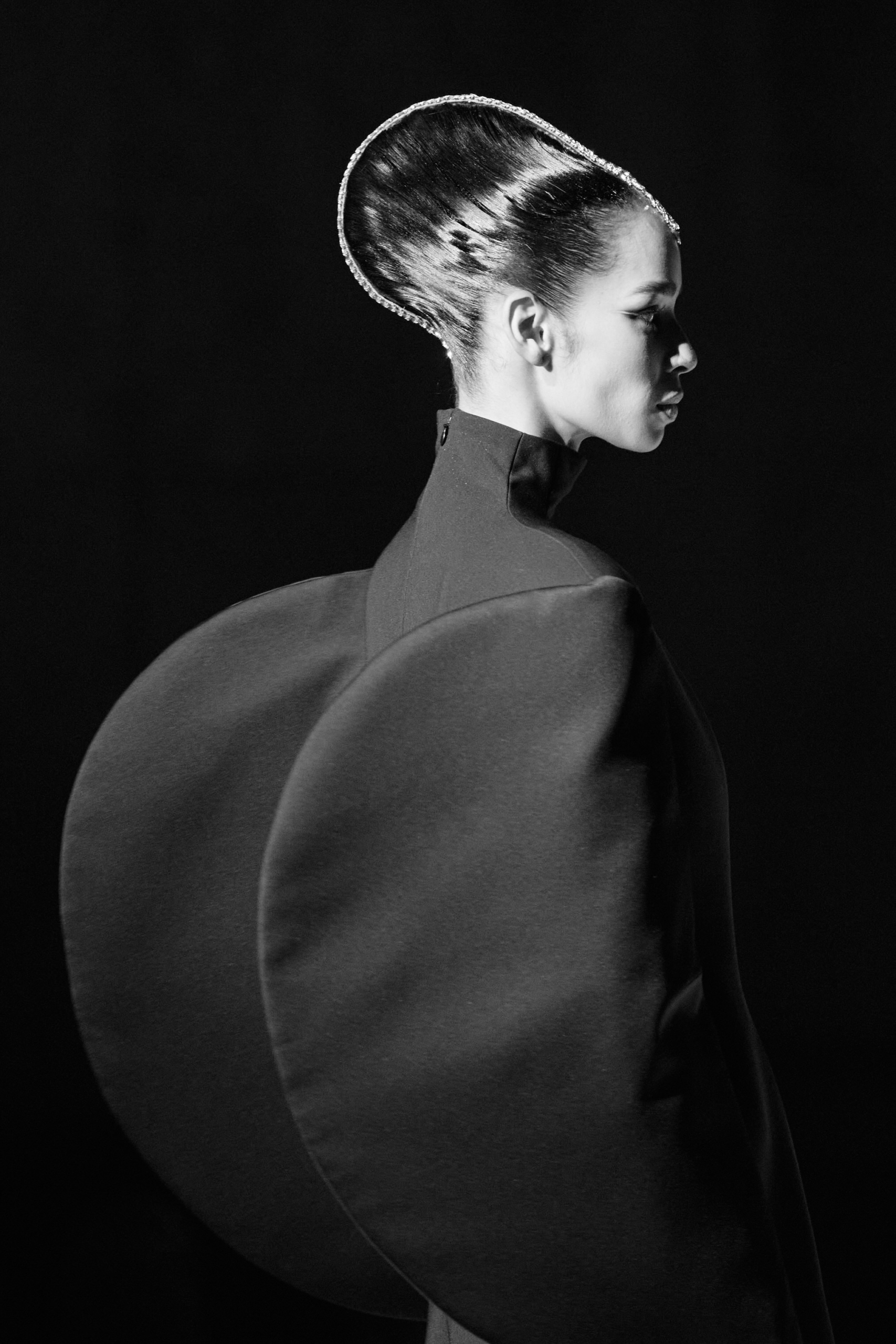
Going backstage and seeing garments up close, seeing how things are built, seeing what happens before the show – that teaches you a lot.
Last year I spent a lot of time traveling around Europe, going to Milan, Paris, Copenhagen, Florence, wherever I could.
It was my first year in Europe, and I just wanted to experience as much as possible. You learn a lot that way.
Each city has a different vibe. Each brand has its own DNA and narrative.
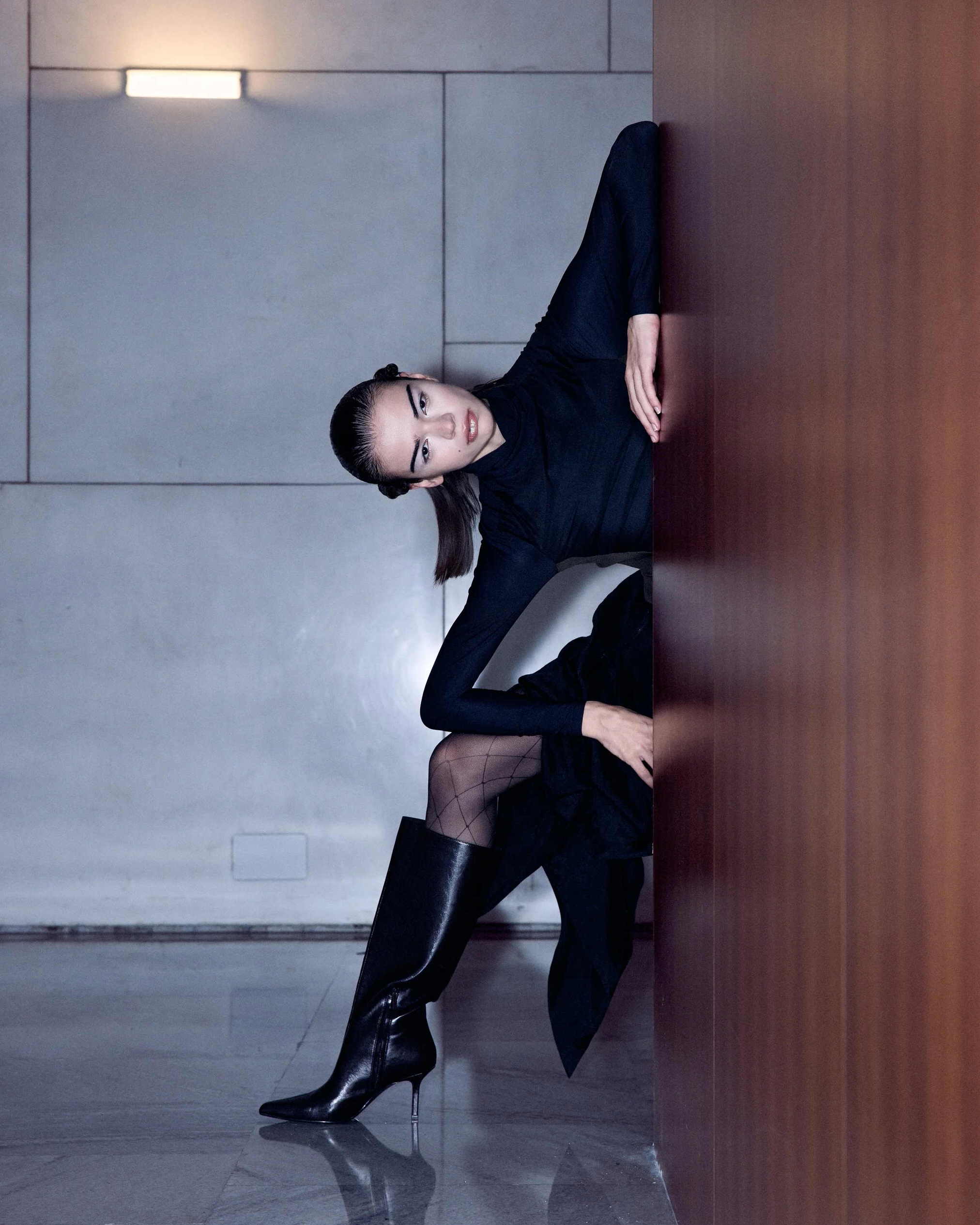
But at the same time, fashion is not everything to me.
Sometimes I detach from it completely.
Sometimes I want to shoot just skin, just energy, just something stripped down.
So yes, I care a lot about fashion, but I’m not trying to belong to only one thing.
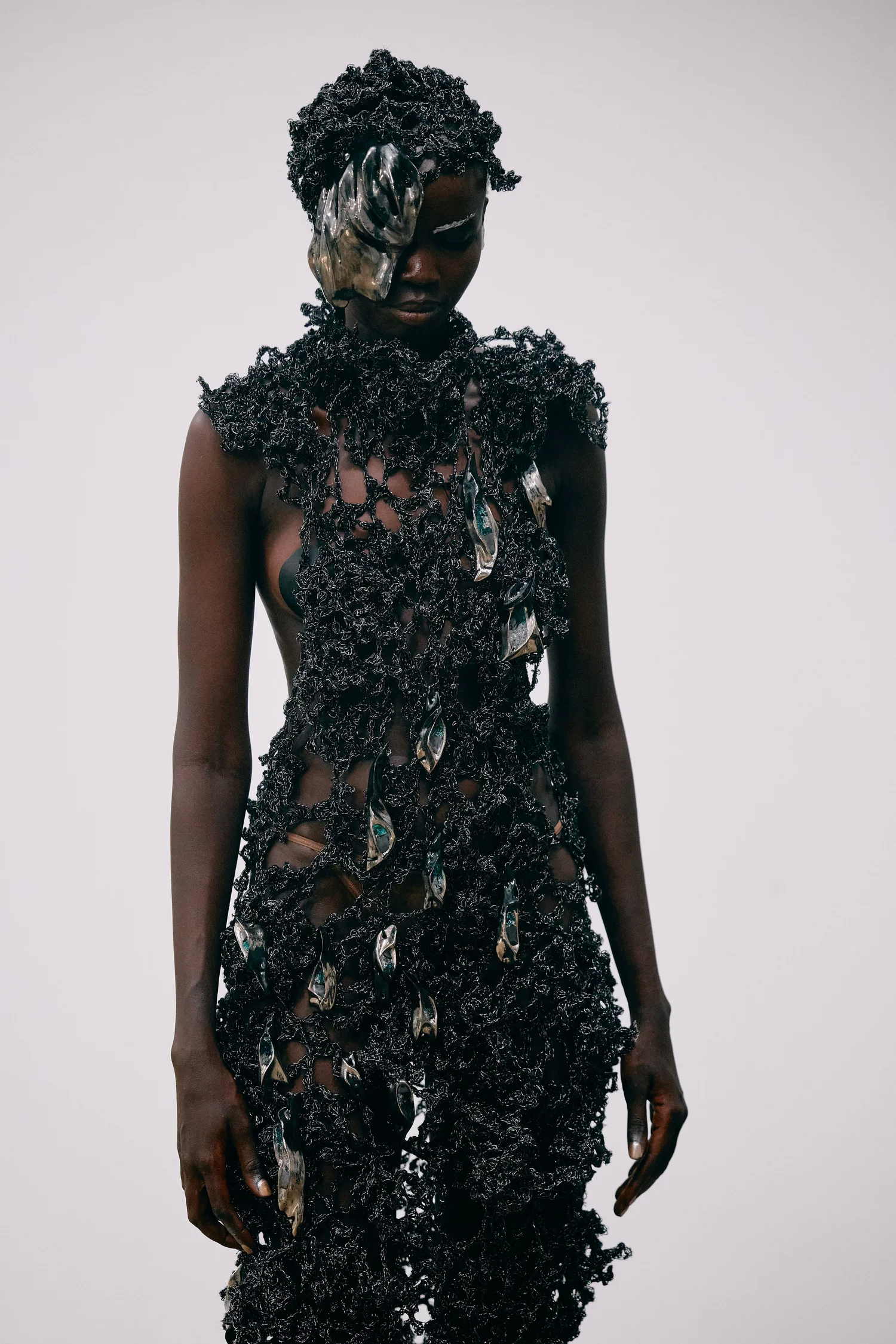
Jeanne-Marie has been a key figure in my journey into fashion event photography – a real source of inspiration and support, and the person who made it possible for me to have that level of access.
You seem to spend a lot of time trying to understand yourself – not just your work.
What does that process look like for you?
I question a lot of things. First of all, I question myself a lot.
I do long hours of meditation in the morning.
That’s the time I normally walk or run about 15 km almost every day.
That allows me to think about me, what I want to do, really dig deep into my brain, my ideas, and ask a lot of questions.
I’m learning about what I want to be, what I want to do, and also about my work.
I question my style a lot too – what kind of style do I want?
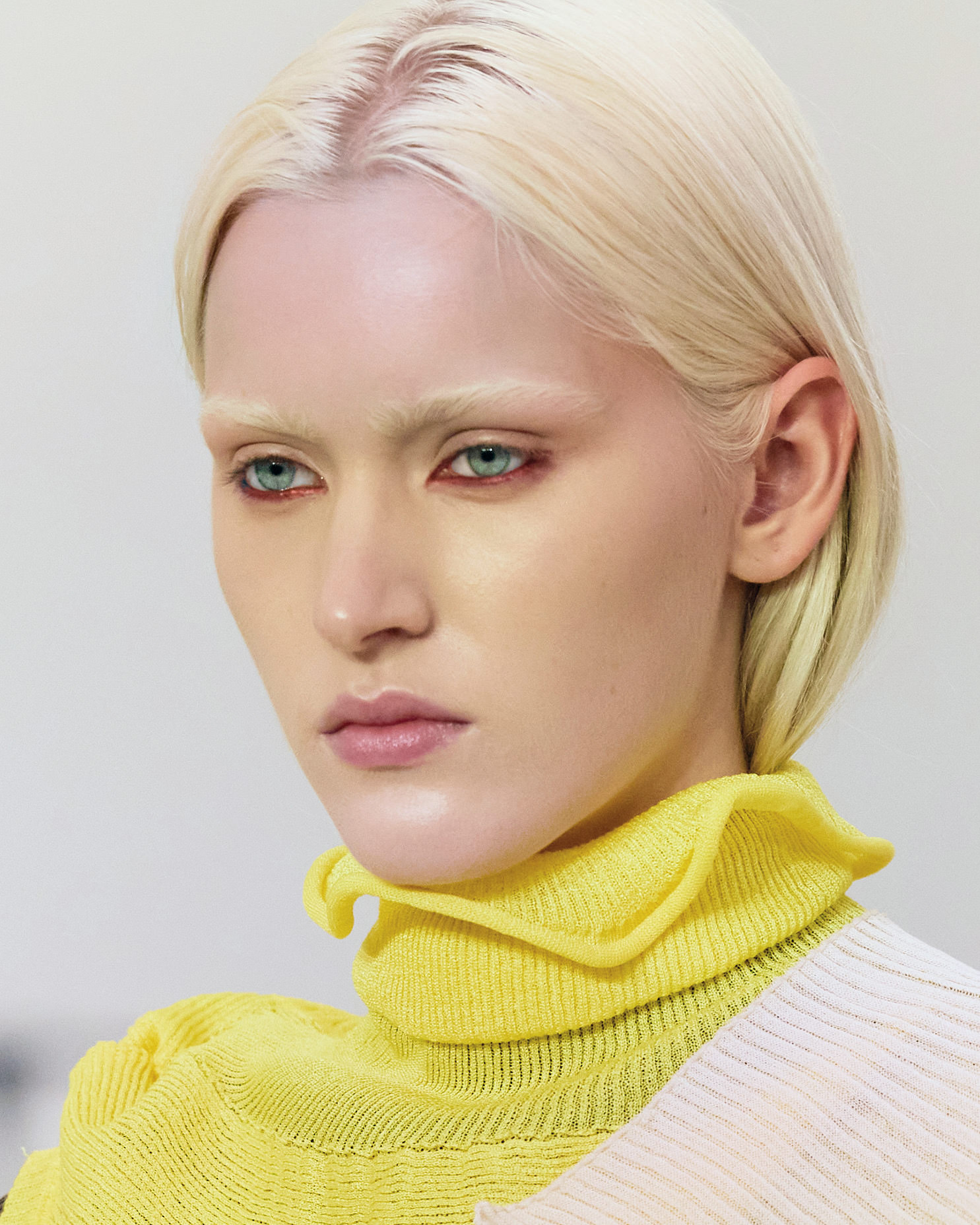
And it always comes back to the same point: I want something minimal, but at the same time, striking.
I don’t like to stay fixed as one kind of person.
Depending on where I am, I change. If I’m in Milan, maybe I feel like one kind of person.
In Paris, maybe another.
In Berlin, maybe I’m more talkative, more open.
I think because of my background, and moving through so many different roles and countries, I’m always picking things up and changing.
I really want to be like water – fluid.
To accept whatever happens, observe it, and keep moving.
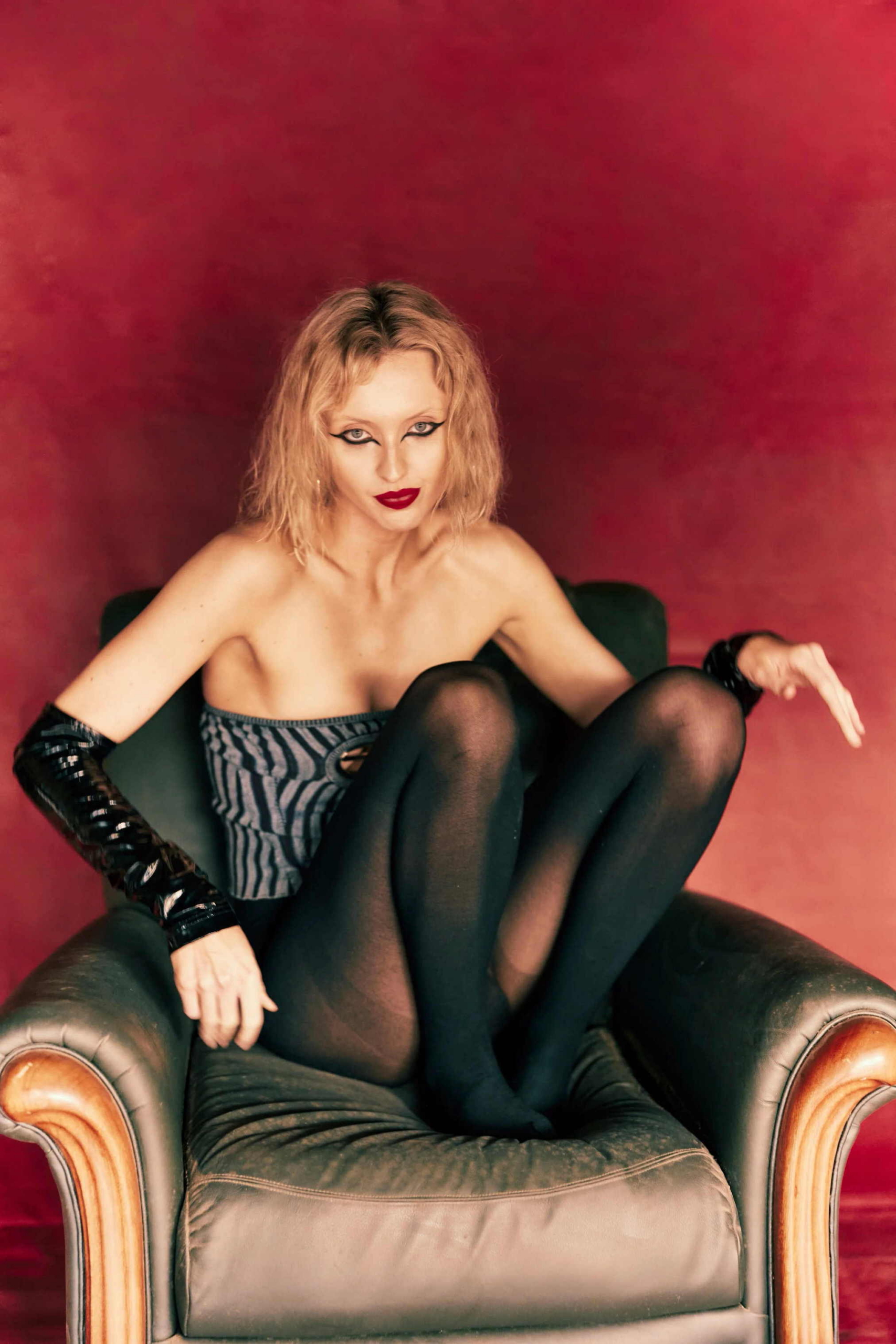
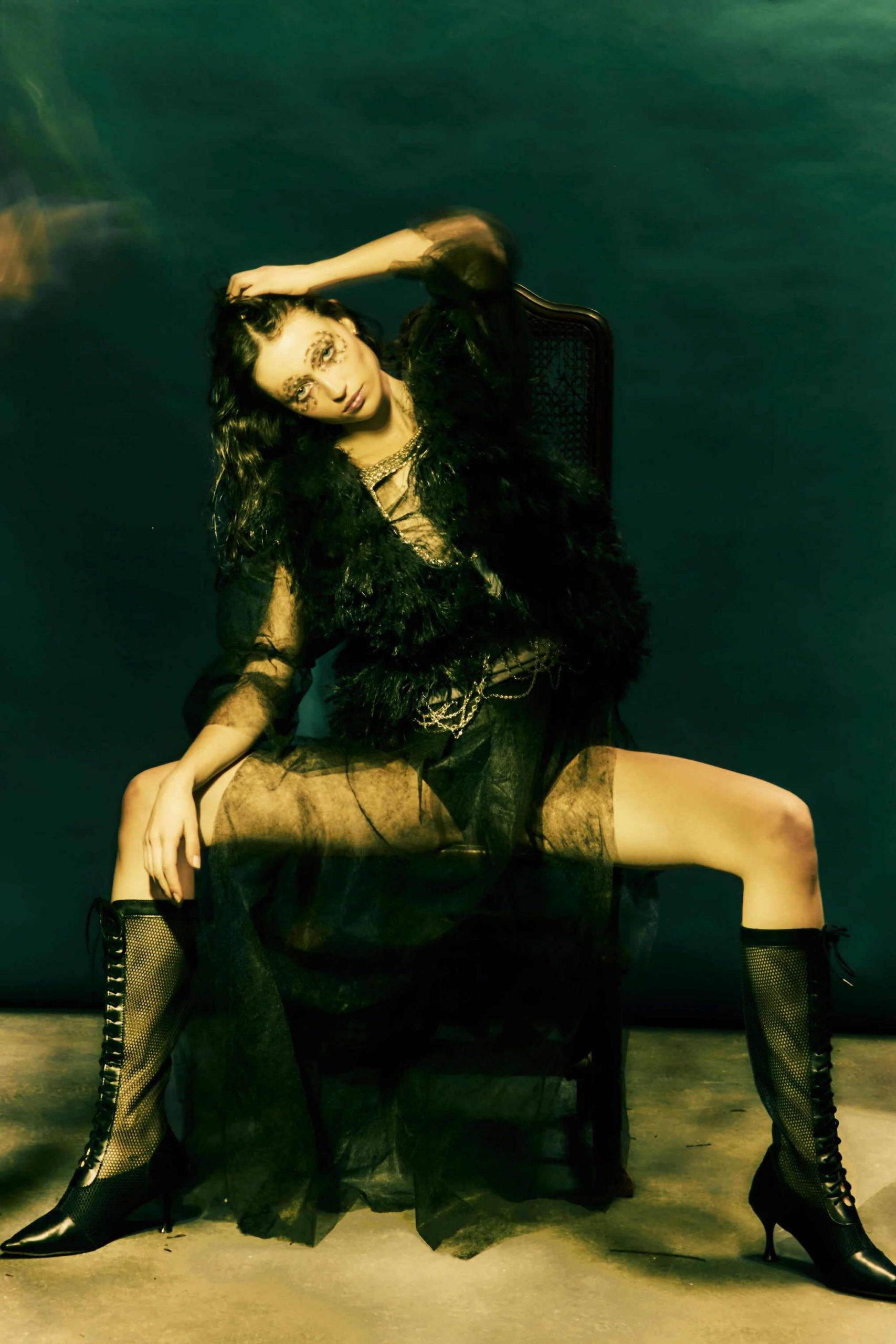
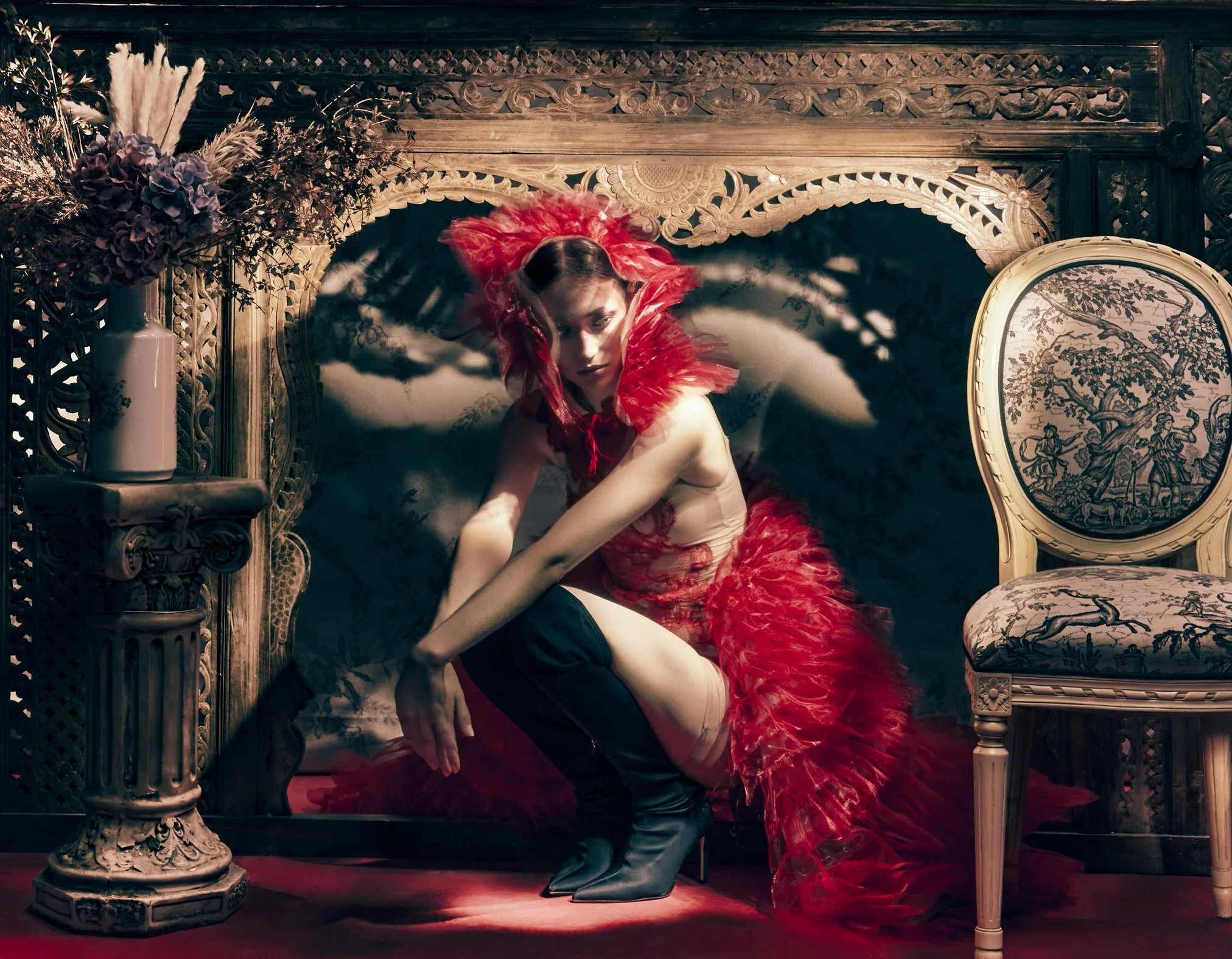
Your AI work feels connected to that too – not as a gimmick, but as another way of testing what an image can hold.
Exactly. For me, it’s still about storytelling.
I don’t really care whether I’m using a professional camera, an iPhone, video, or AI.
The question is always: how do I tell the story in my head in the strongest way possible?
When I started experimenting with AI, I realized there were things I could finally make that I couldn’t really make before.
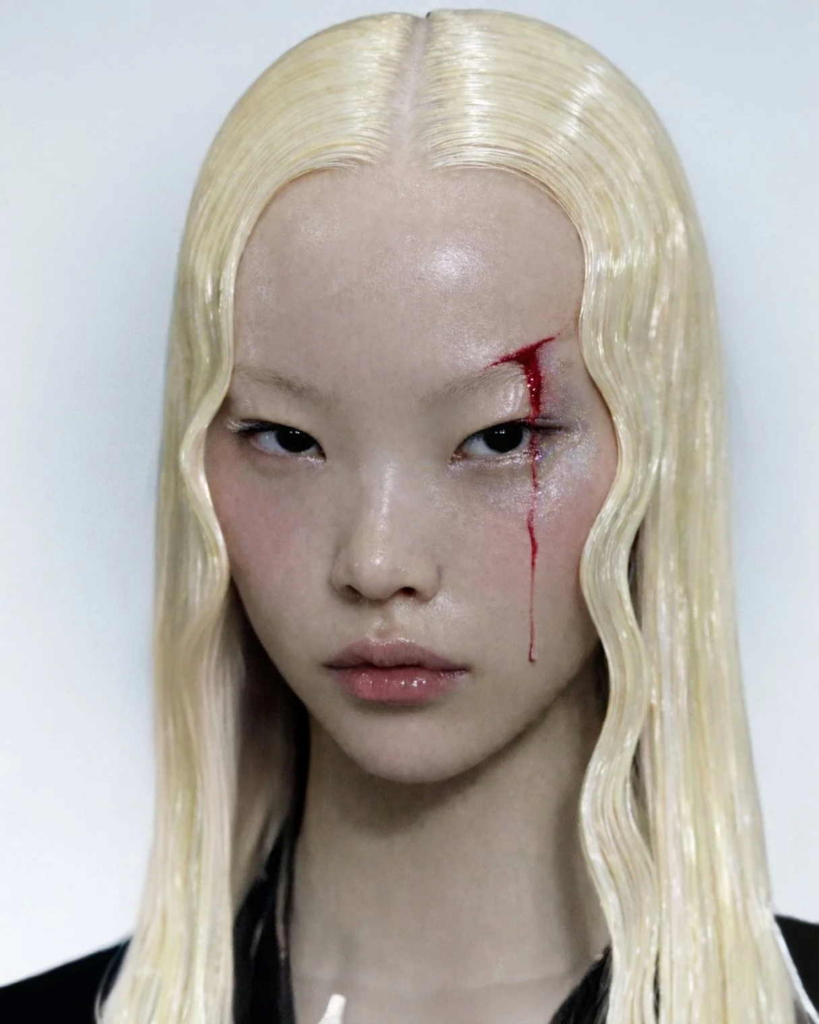
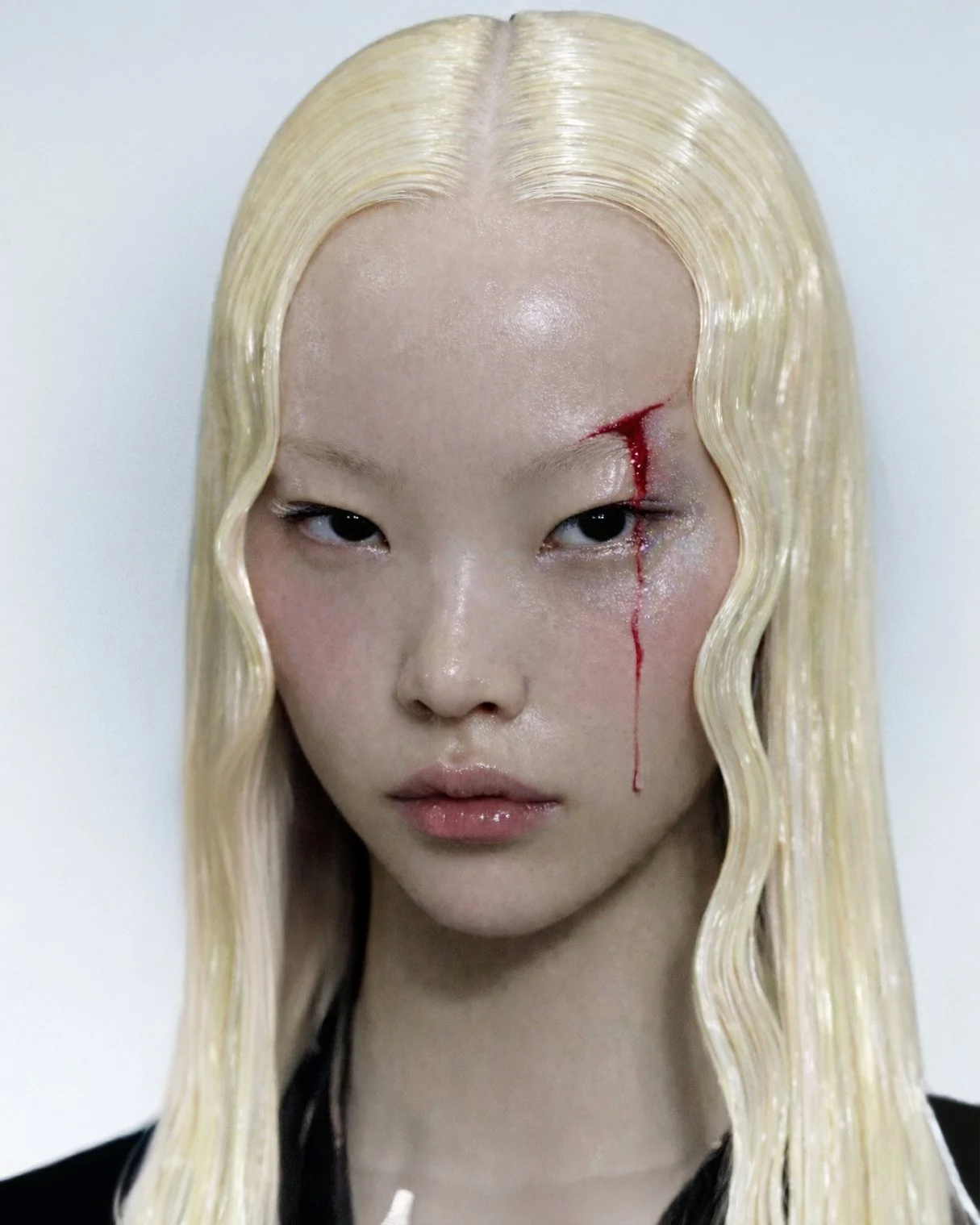
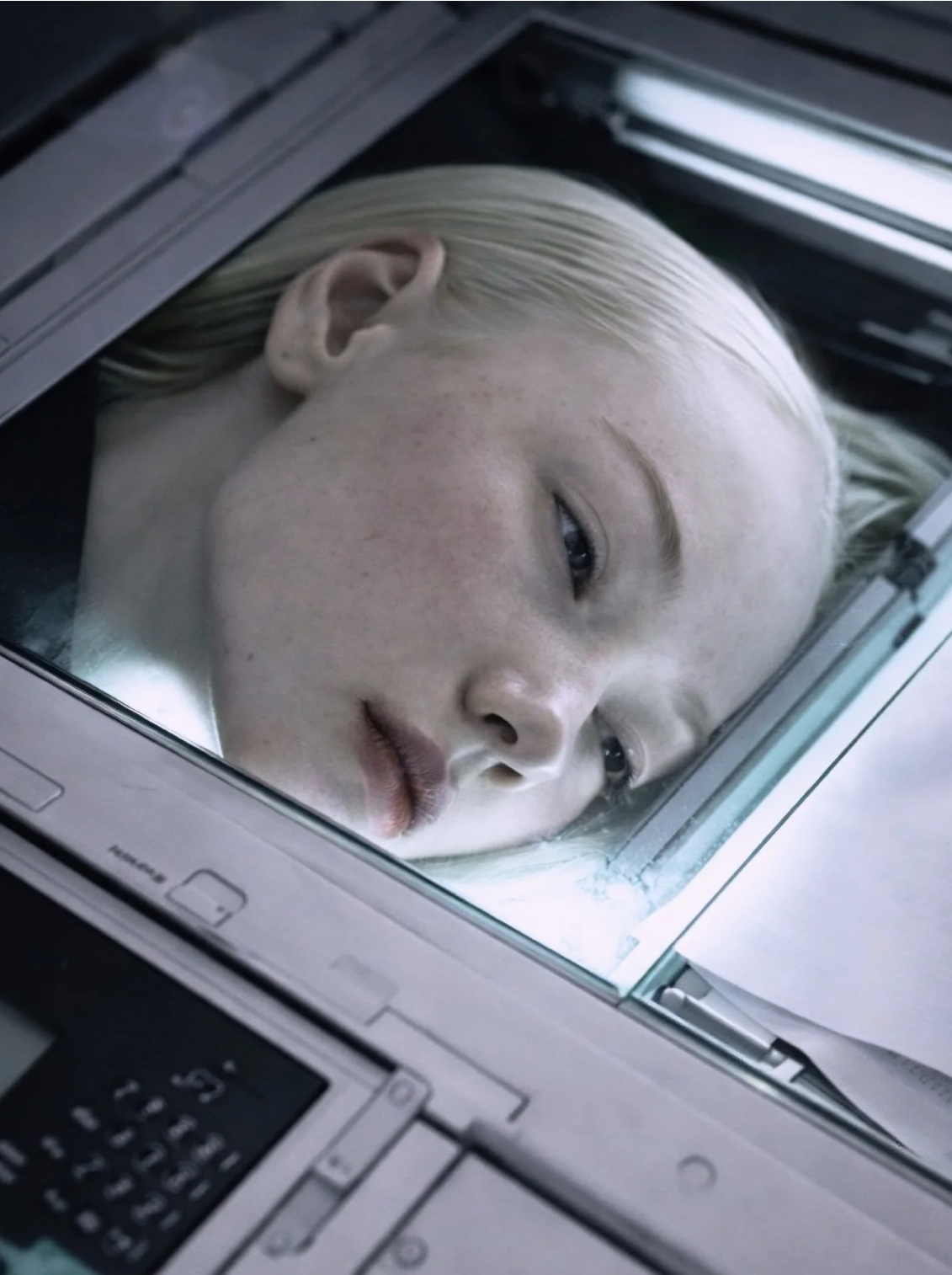
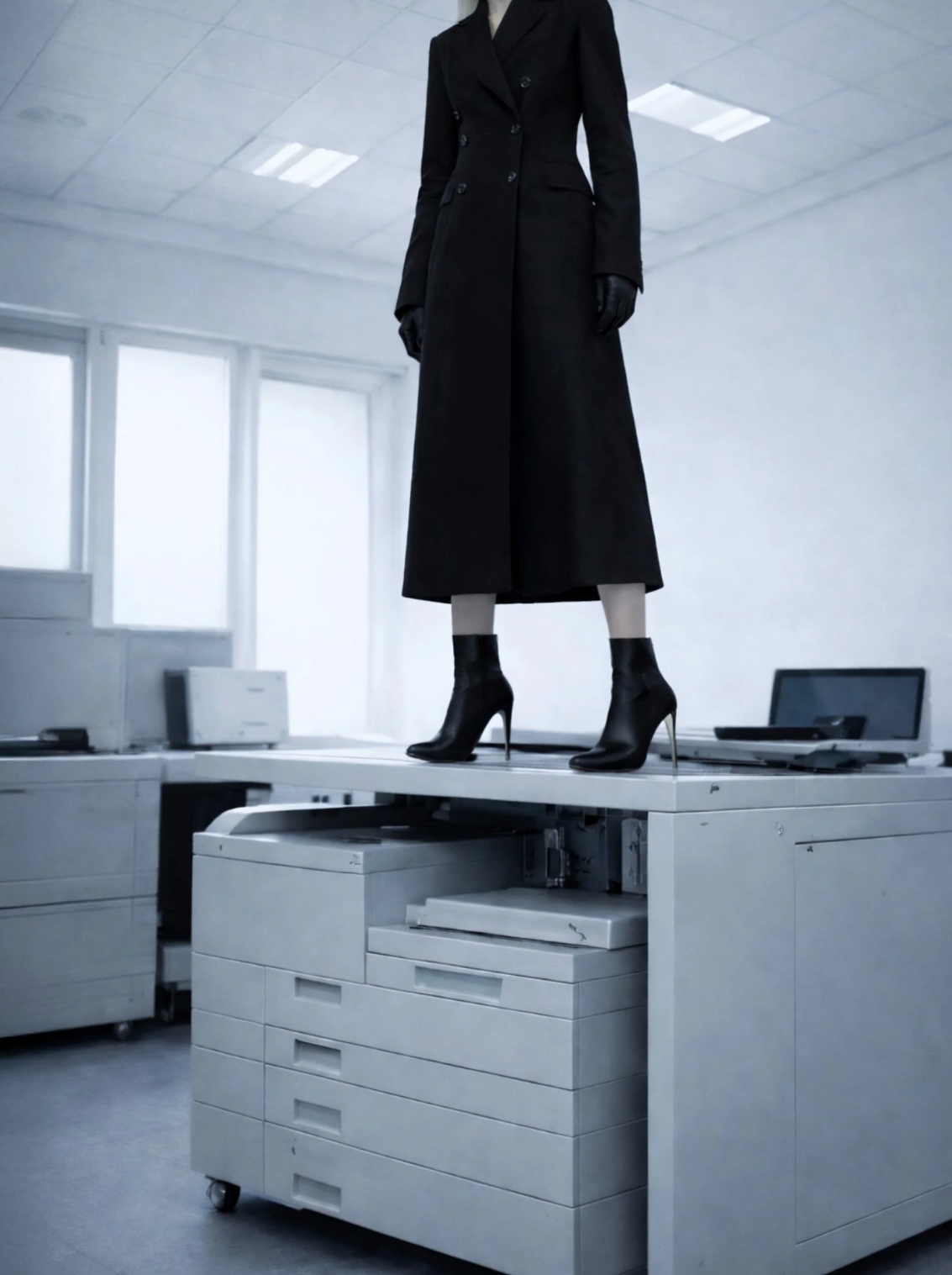
With a project like Paper Cut, for example, I had a very specific image in my head.
I wanted a blonde woman, I wanted the cut, I wanted a little bit of blood – but not in a disturbing way. More conceptual. More fashion, more artsy, but still emotionally readable.
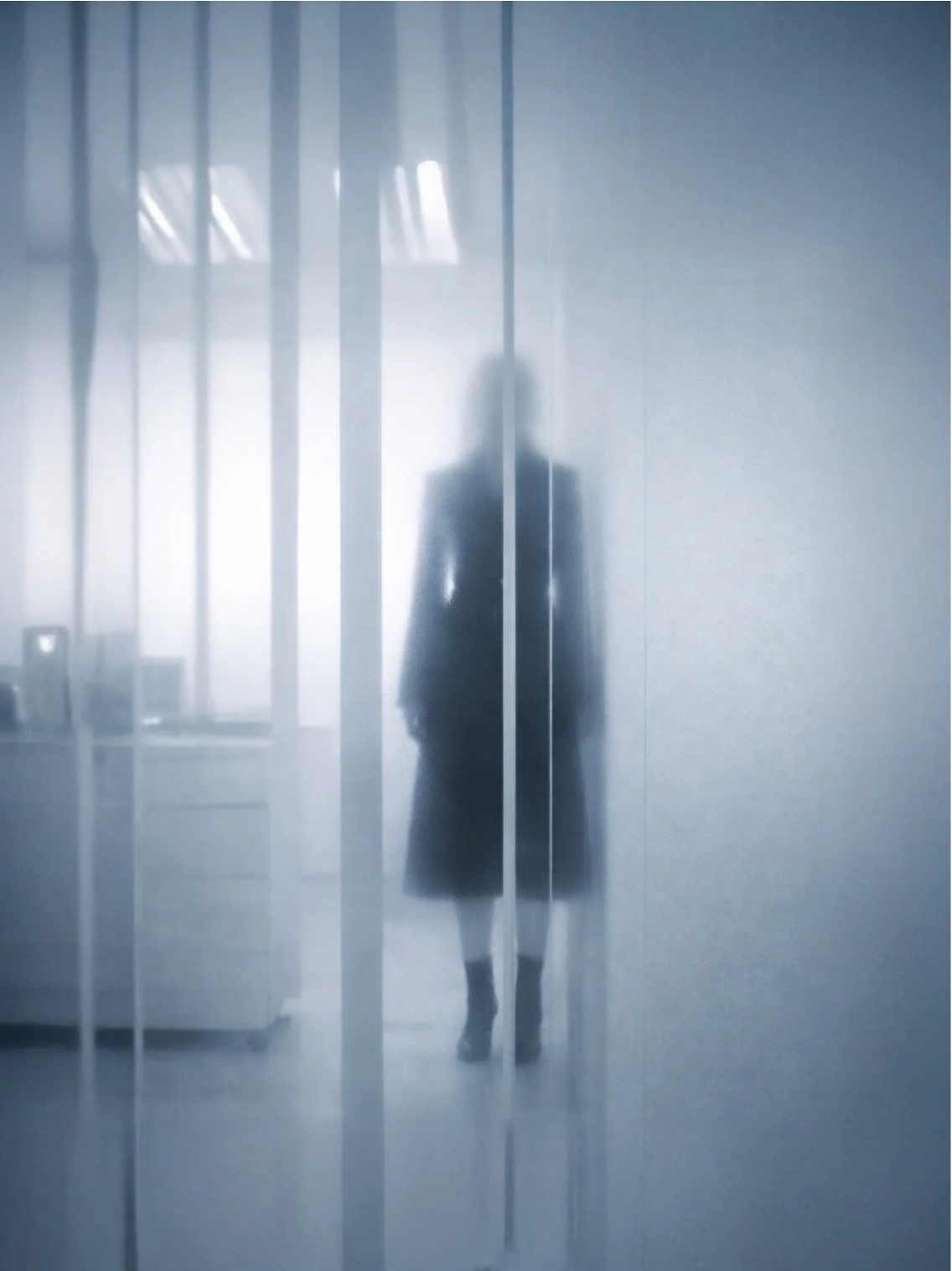
AI allowed me to build that world.
It took me about a month to make that story because I think about each image like a scene in a movie. I’m always thinking about what the next frame should feel like, but I don’t want it to become too obvious or too cliché. I want it to stay a little strange.
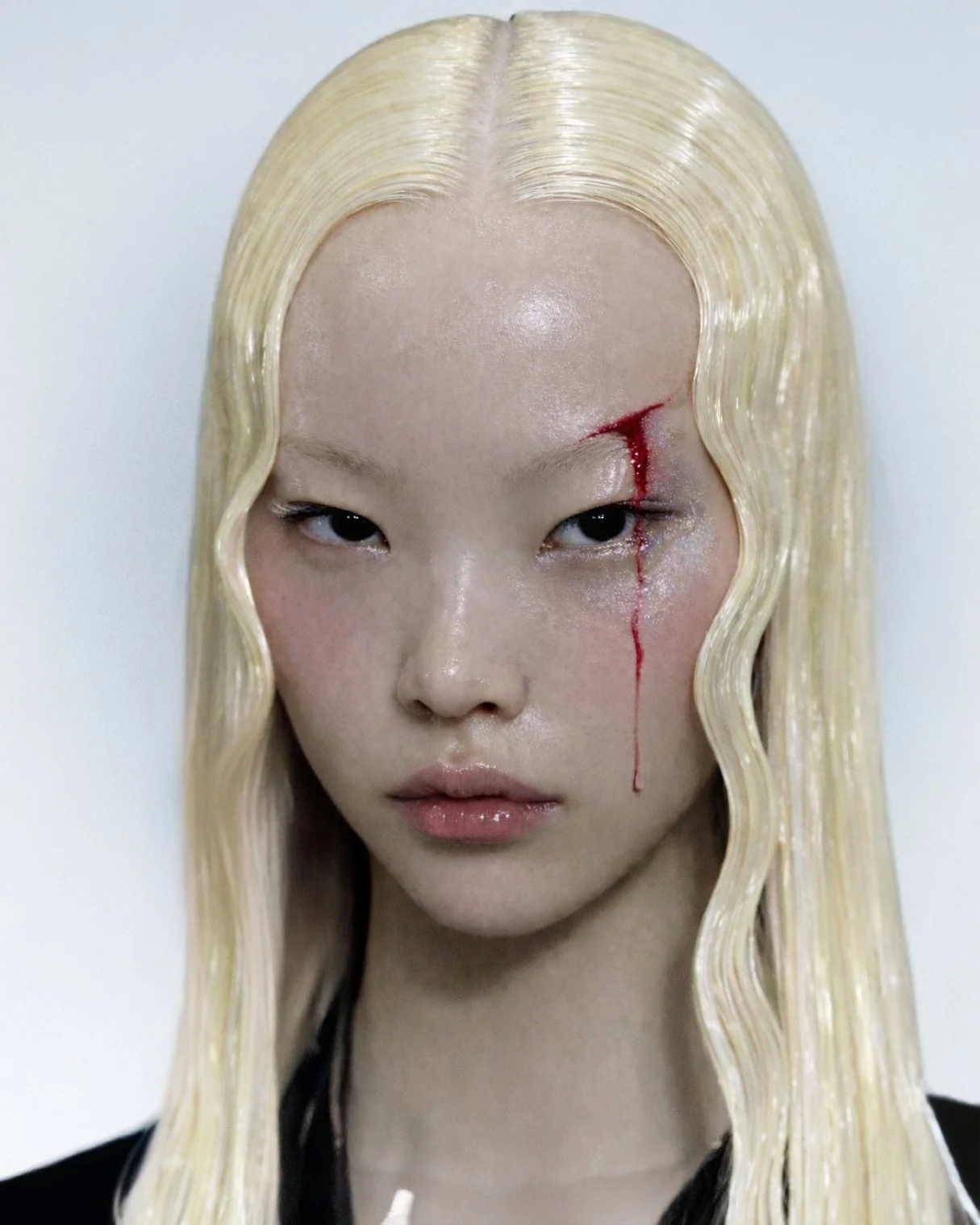
What’s interesting in Paper Cut is that the injury is there, but the pain is almost missing.
It feels emotionally displaced.
I like that interpretation a lot, actually.
That’s what I hope for – that people can read things into the work in their own way.
I do question a lot, not just in the work but in myself.
I meditate a lot. I walk or run long distances almost every morning, and that’s when I think.
That’s when I really dig into what I want to do, what I’m trying to say, what kind of style I want, what kind of image feels true to me.
And I think AI is teaching me a lot too. A lot of people are afraid of it, and I understand why.
I’m also a little scared of it. But at the same time, as an image maker, I’m excited by what it allows.
So I’m sort of in both places at once.
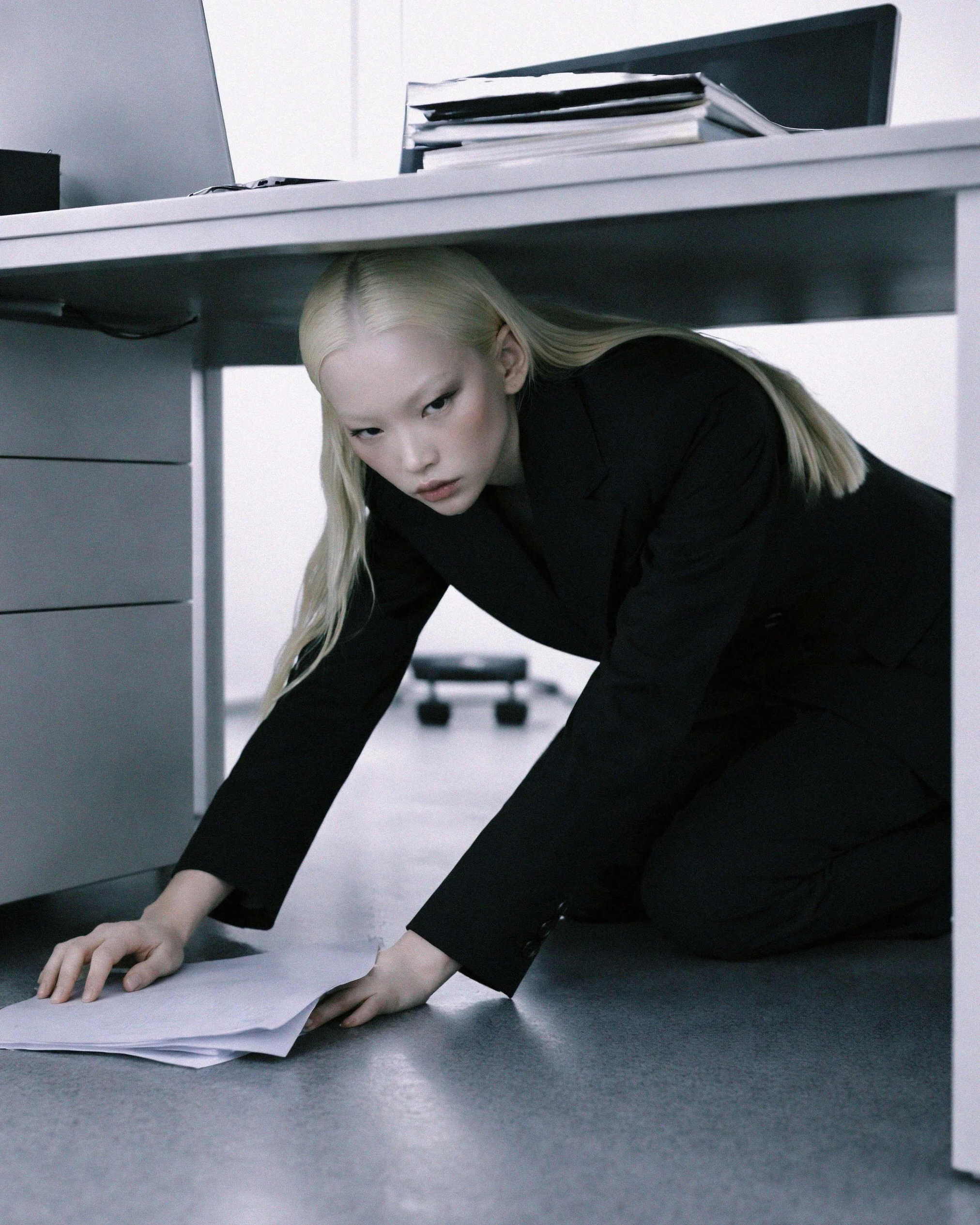
If someone really wanted to understand how your mind works, which three projects should they look at first?
I think it would be three quite different ones, because I don’t really stay in one place.
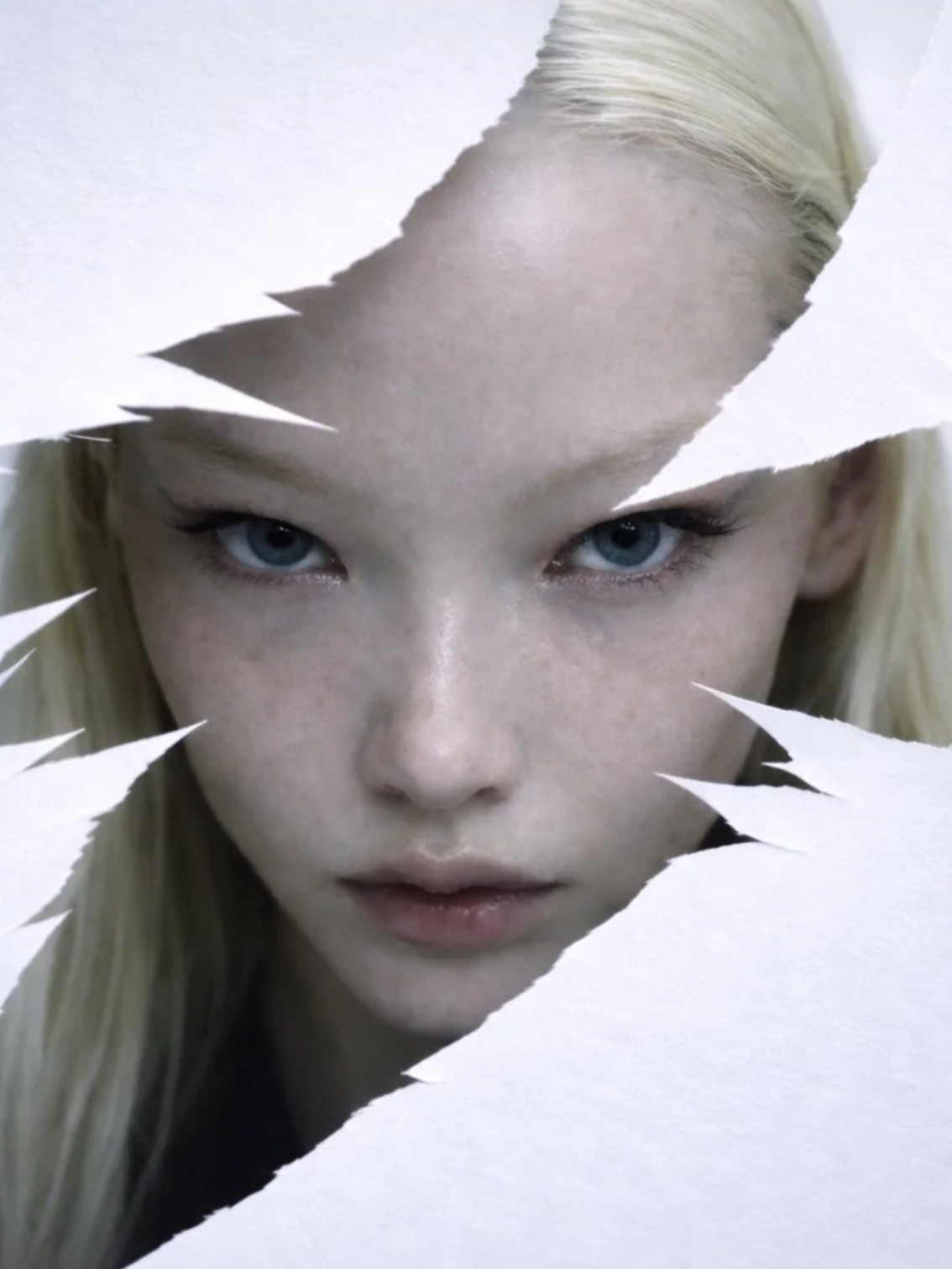
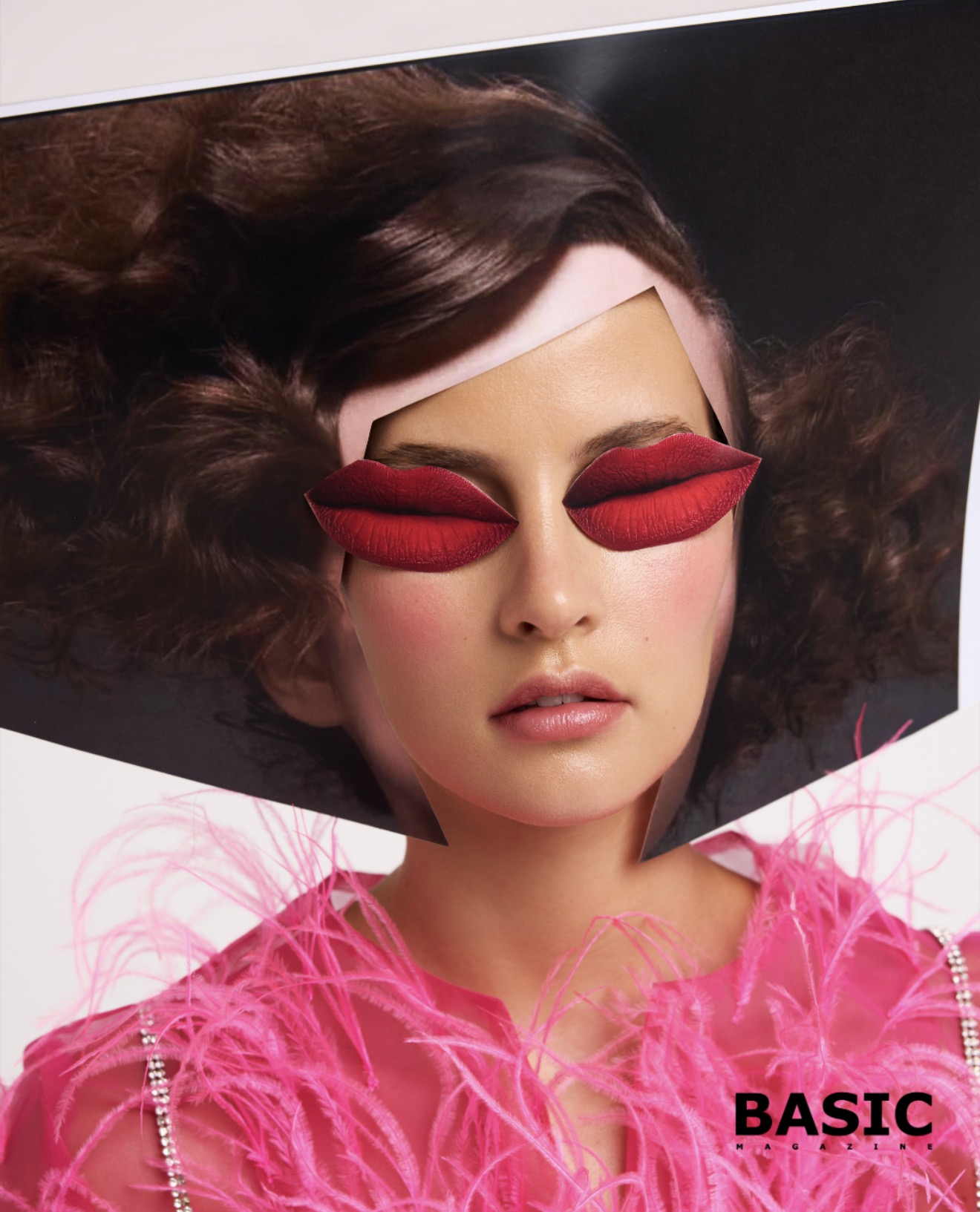
One would be the project I did with Einat, What If.
That one was very interesting for me because I wasn’t doing everything alone.
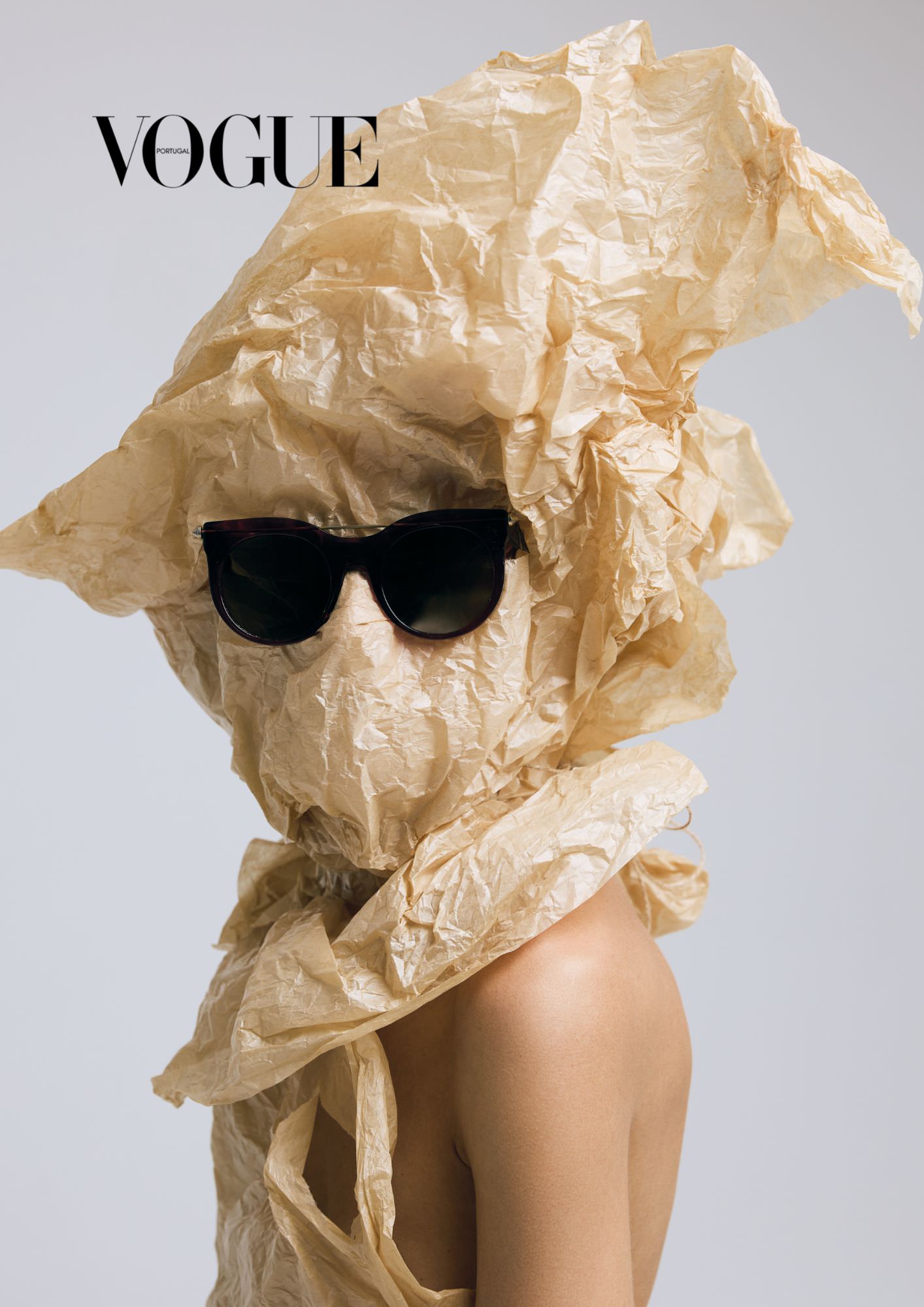
Usually I’m the photographer, but also the art director, set designer, everything at the same time. In that project, she came with the concept – the papers, the shapes, the lips, the hair – and I didn’t really know what was going to happen until I saw it on set.
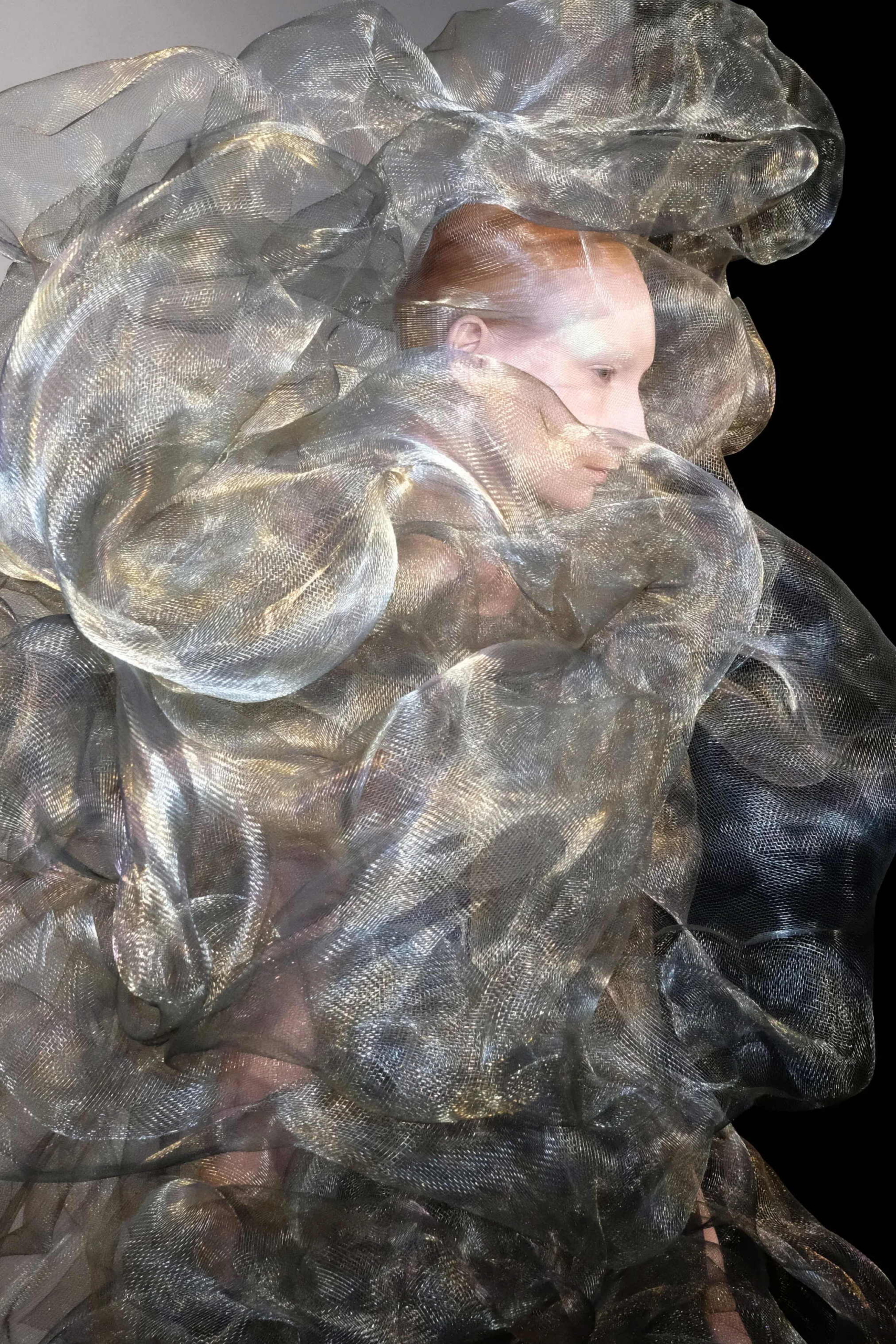
She was building the whole image with very simple materials, just paper, but the result was very strong. For me, it was also a different experience because I could focus more on the photography itself. Even technically, it wasn’t easy – shooting through paper, dealing with the light reflections – but I liked that challenge. It felt more like translating someone else’s idea into an image.
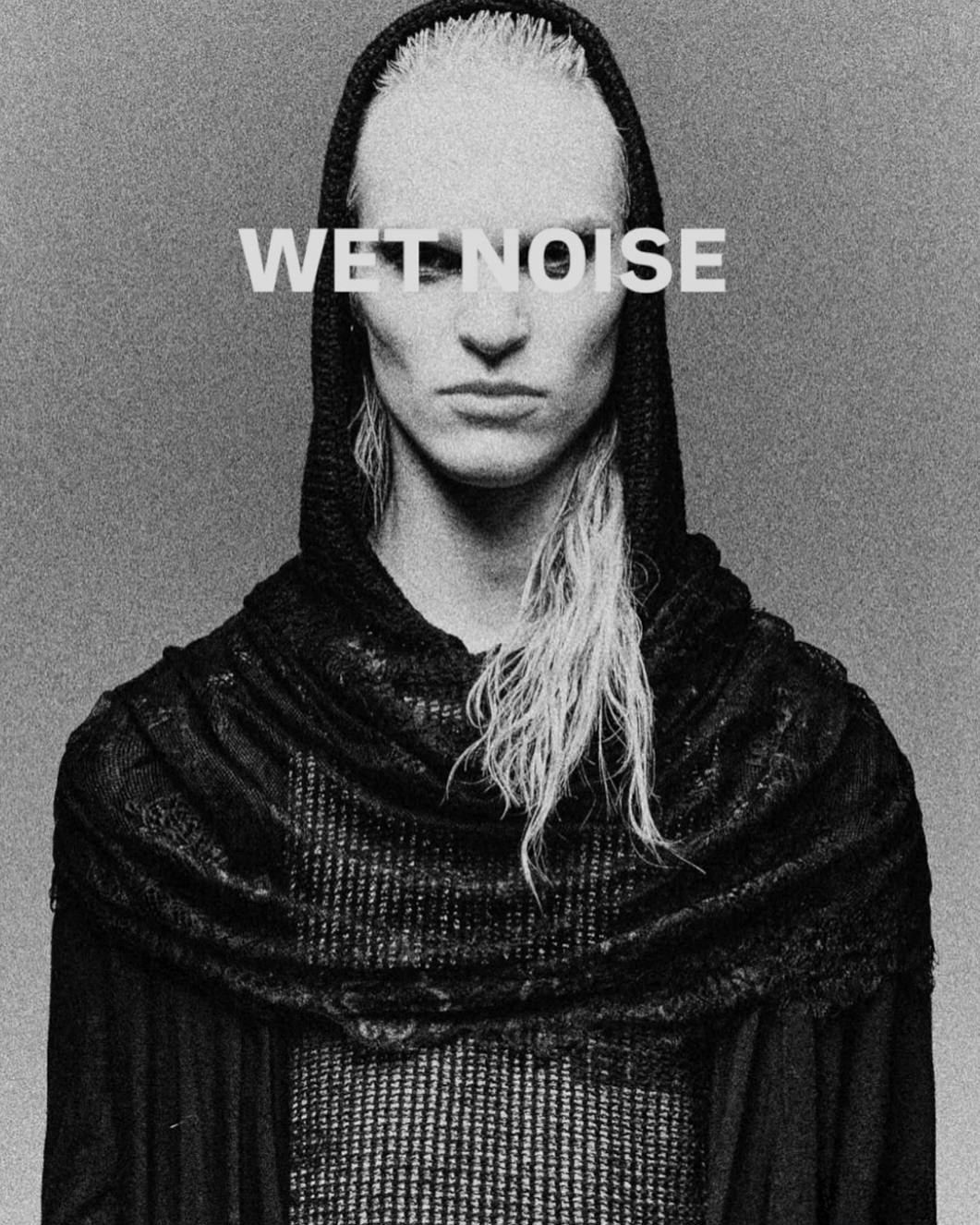
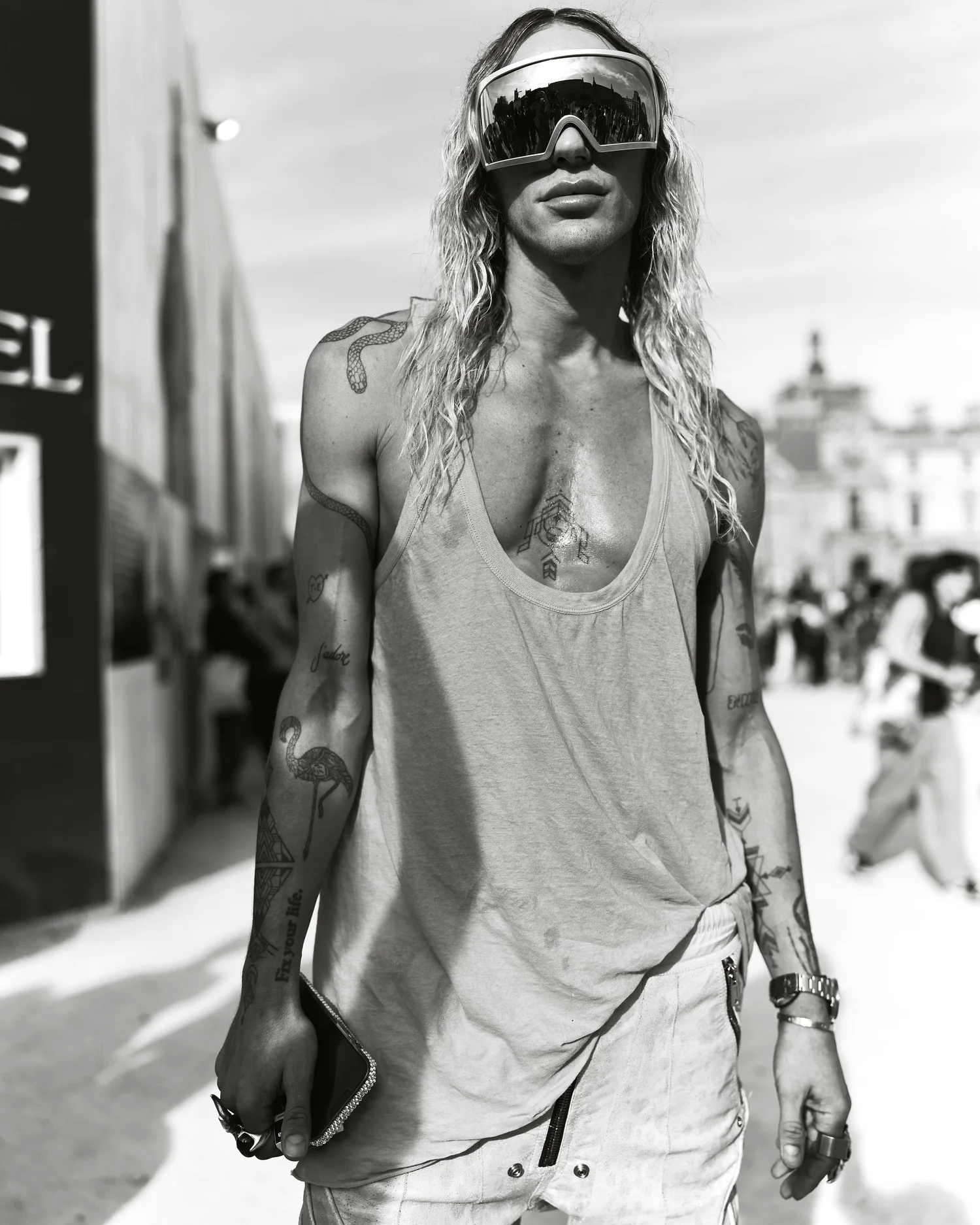
Another one would be Wet Noise, the editorial I did in Berlin.
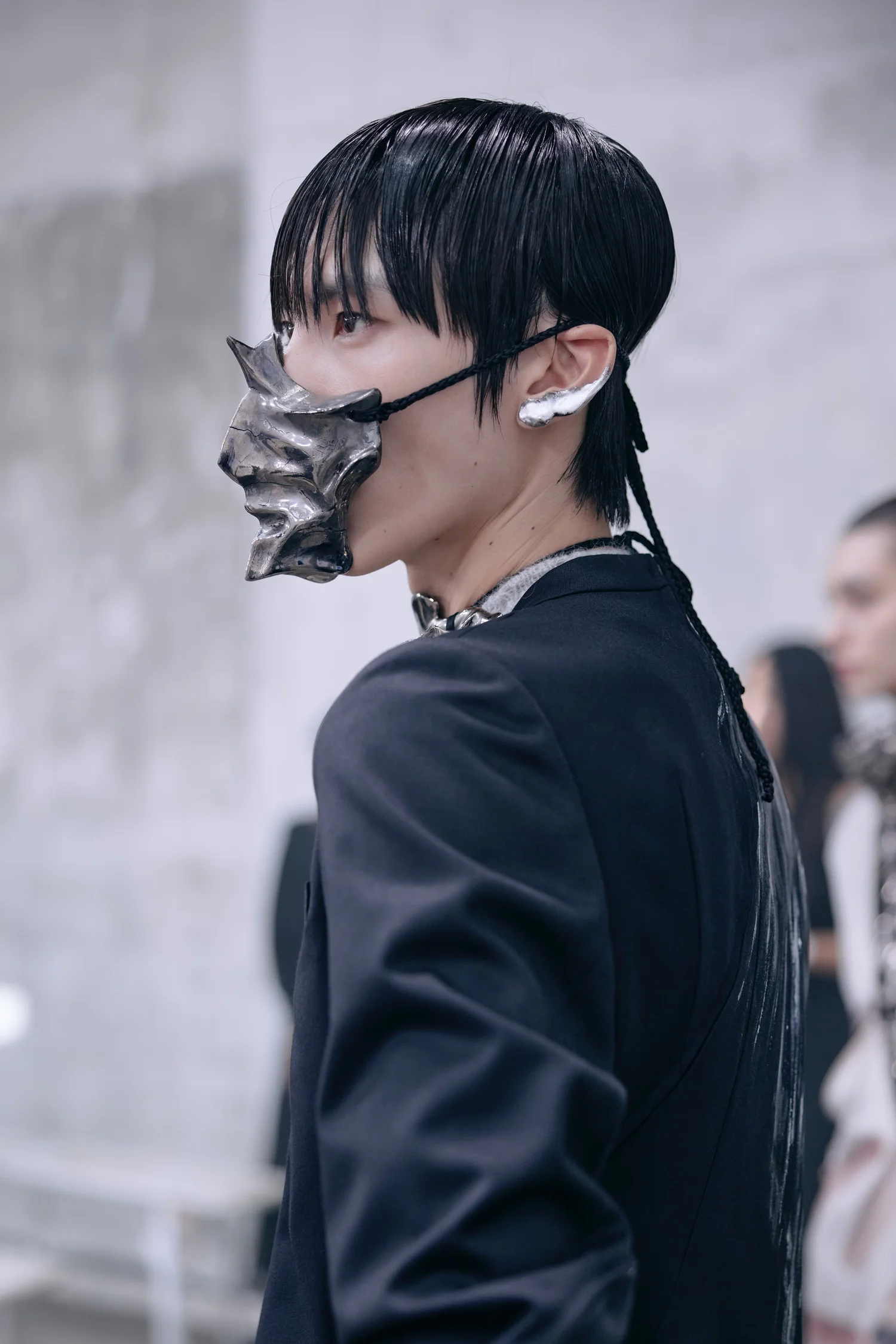
That one is more about working with a model and energy. I met this model during Berlin Fashion Week, and I really wanted to work with him because he had a very strong presence. For that project, the process was very important – talking, building trust, reviewing images together, adjusting the direction.
I don’t like to control too much, so it’s more about creating a space where something can happen.
That project shows more how I work with people, not just how I build an image.
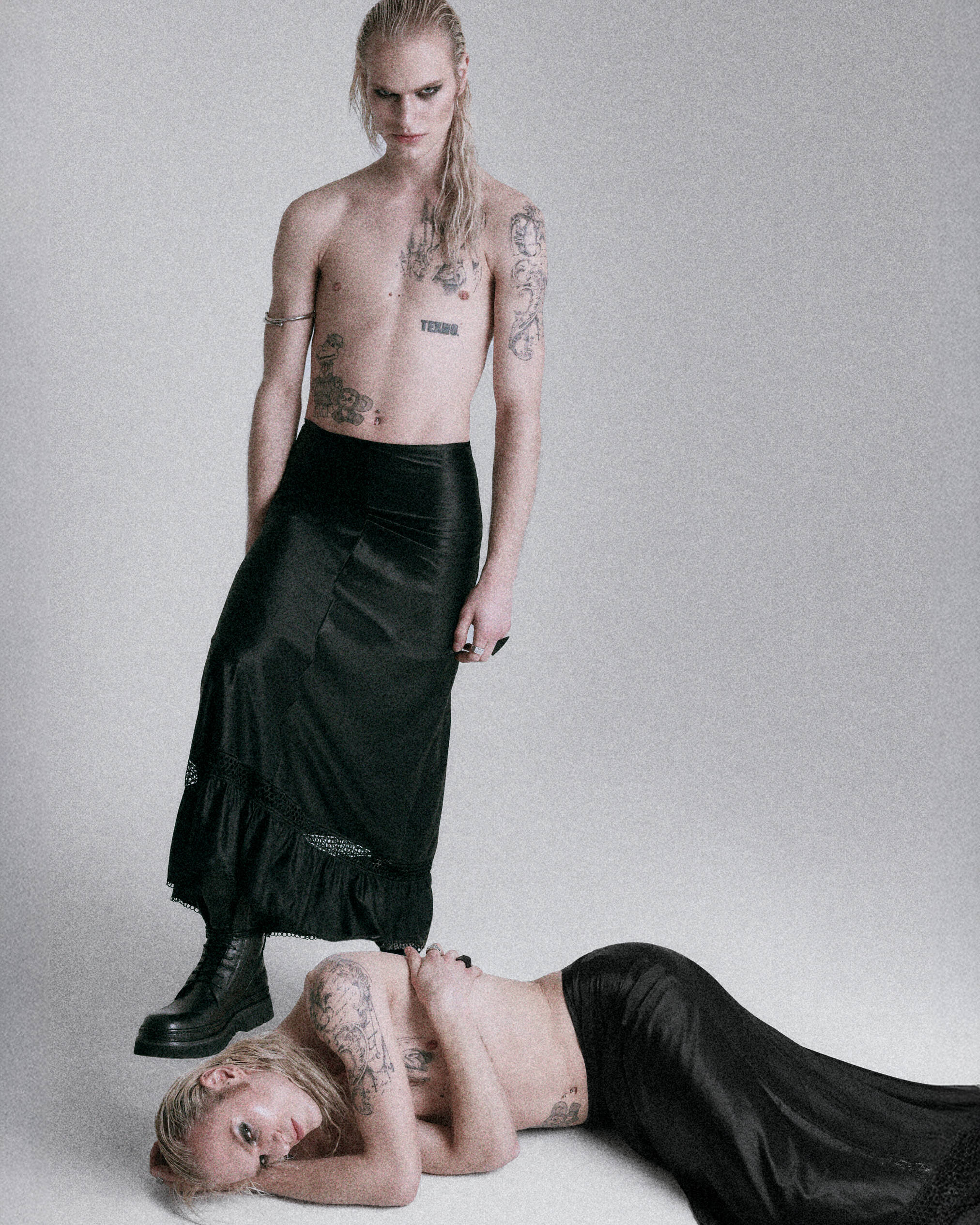
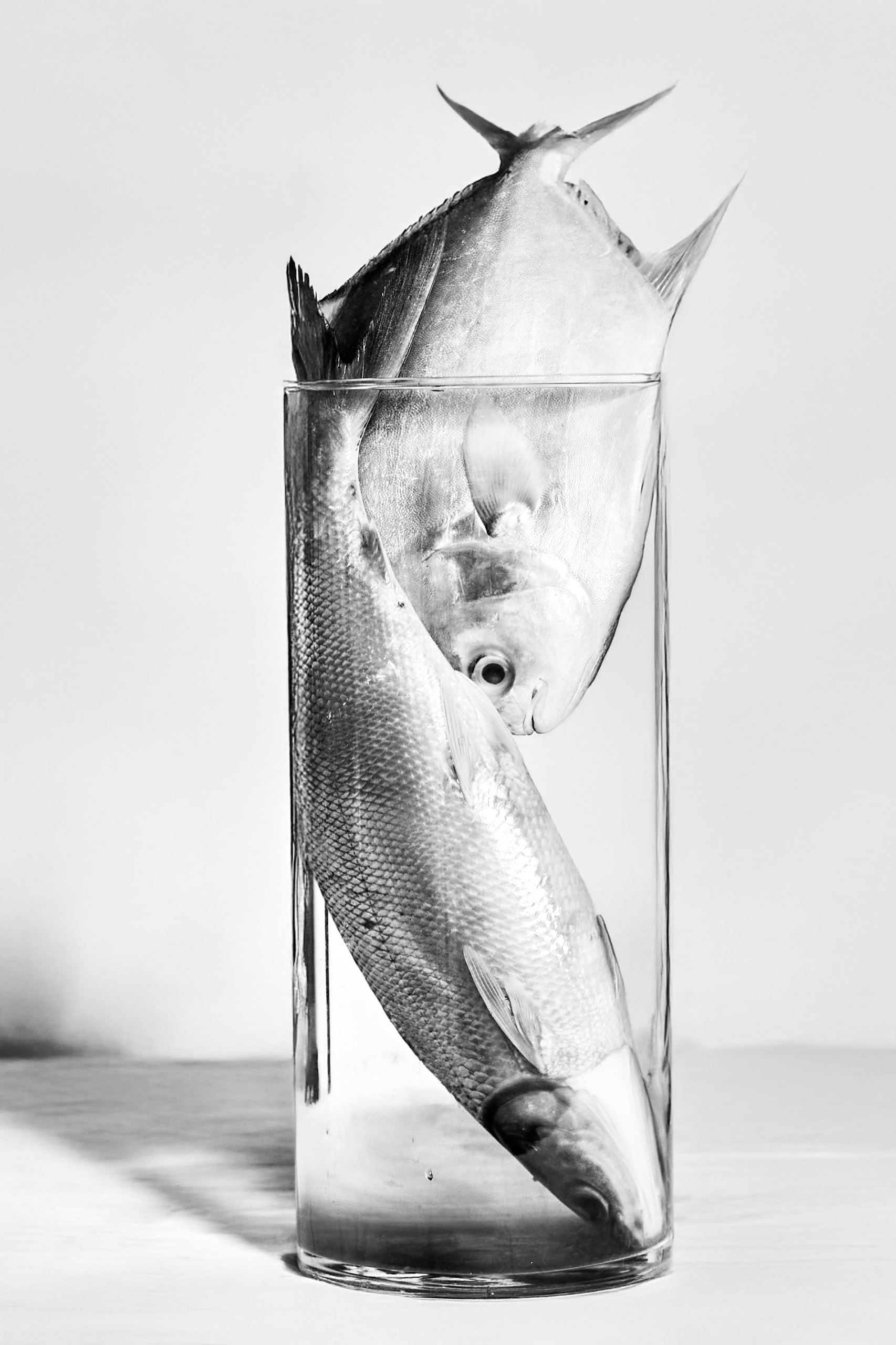
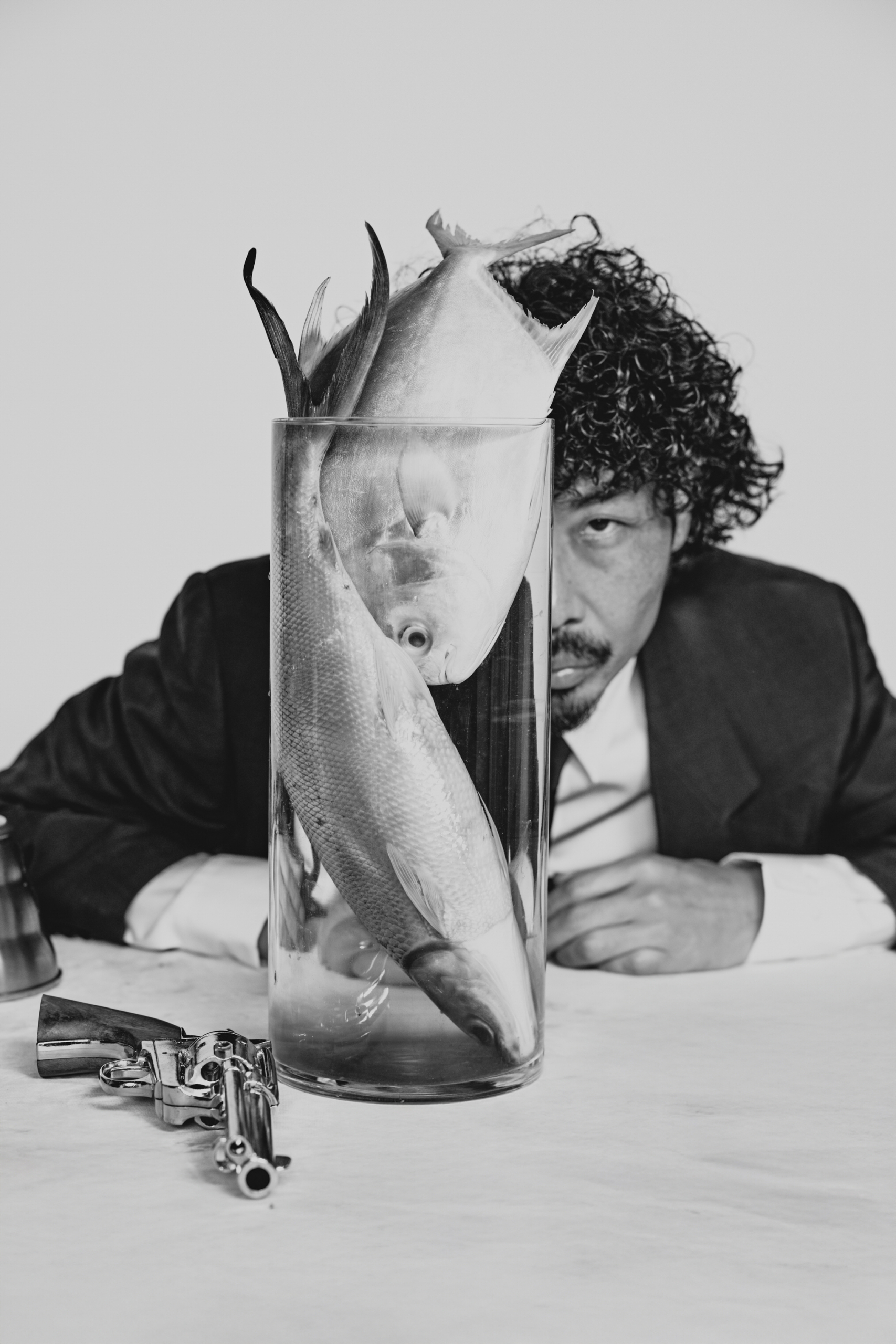
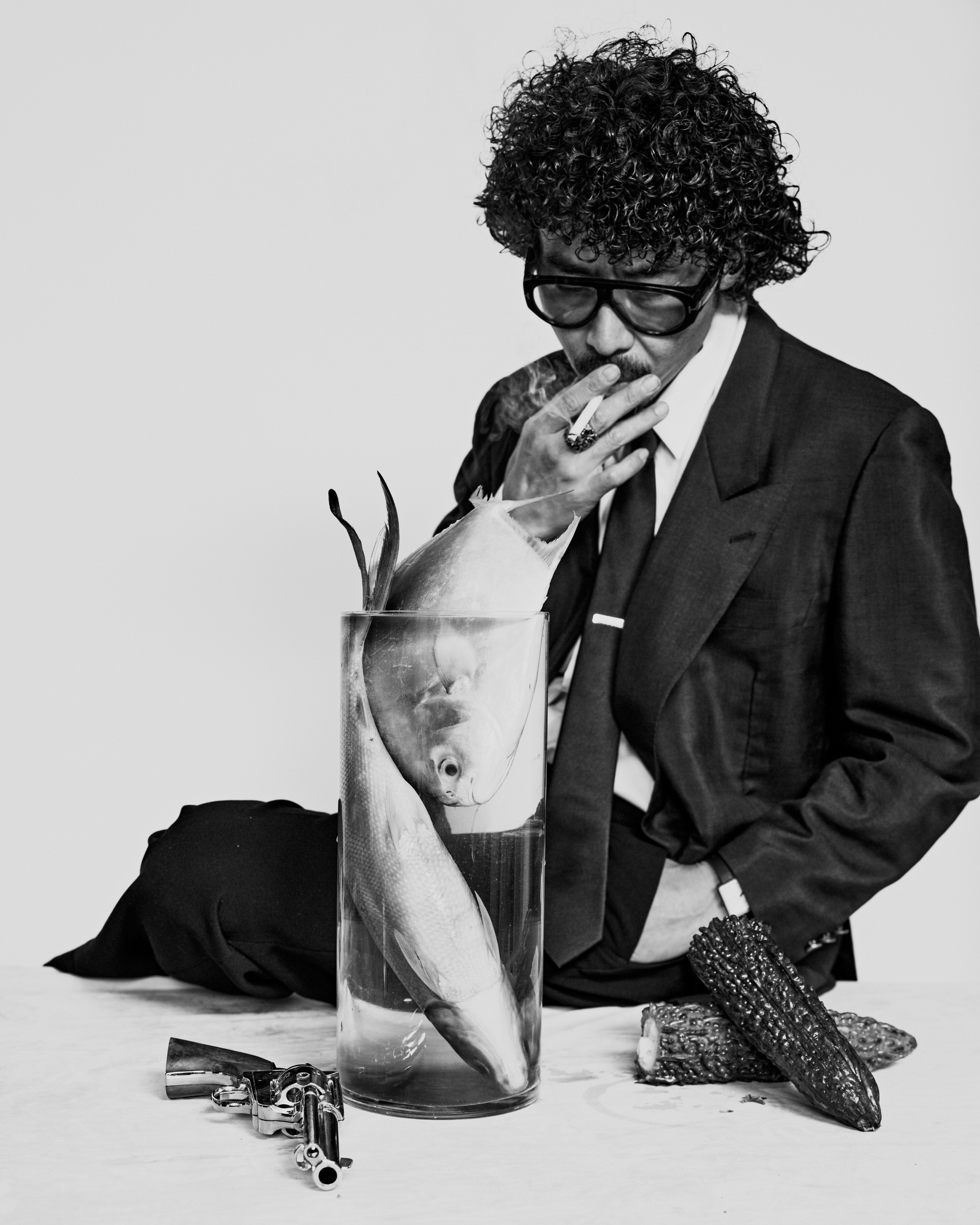
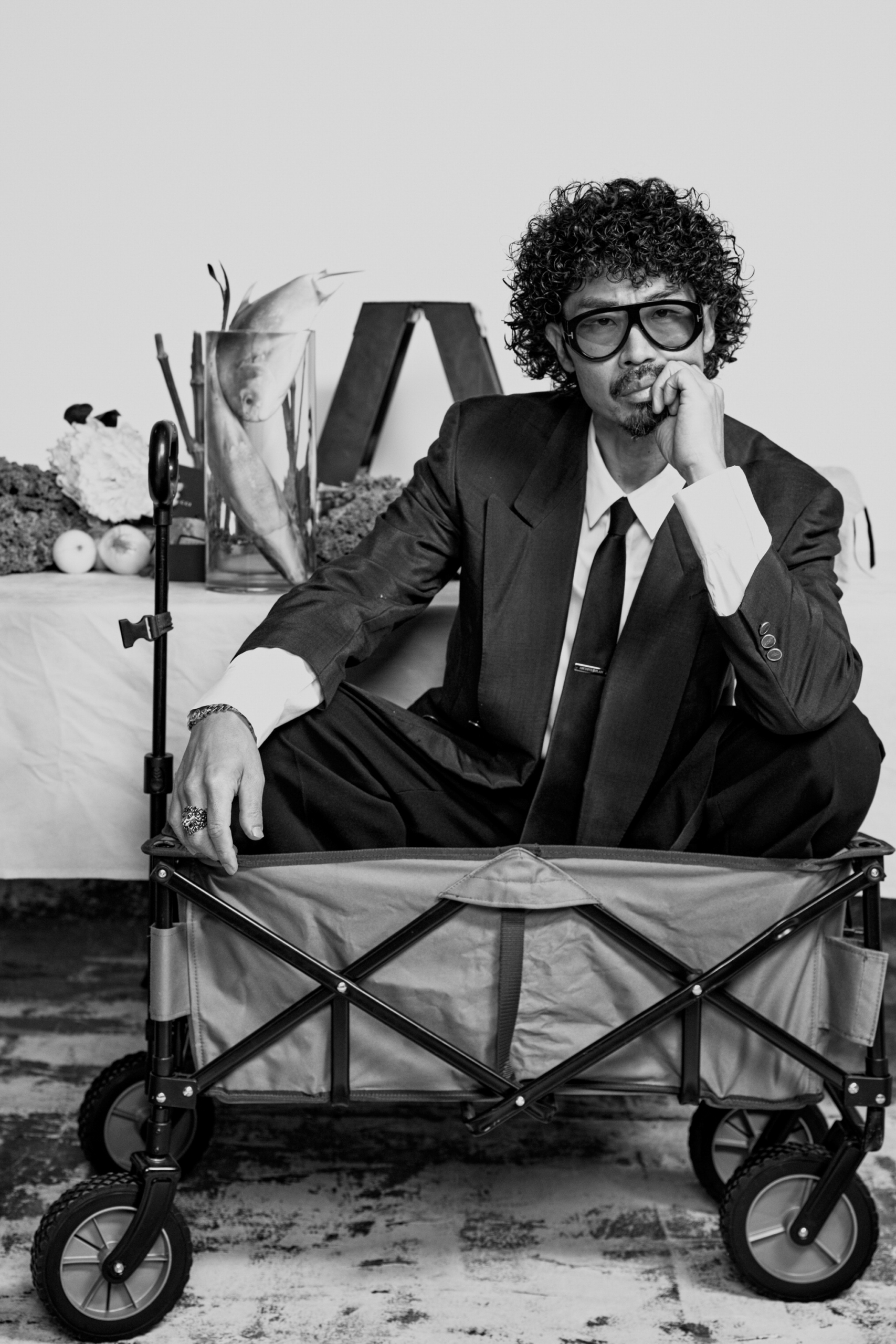
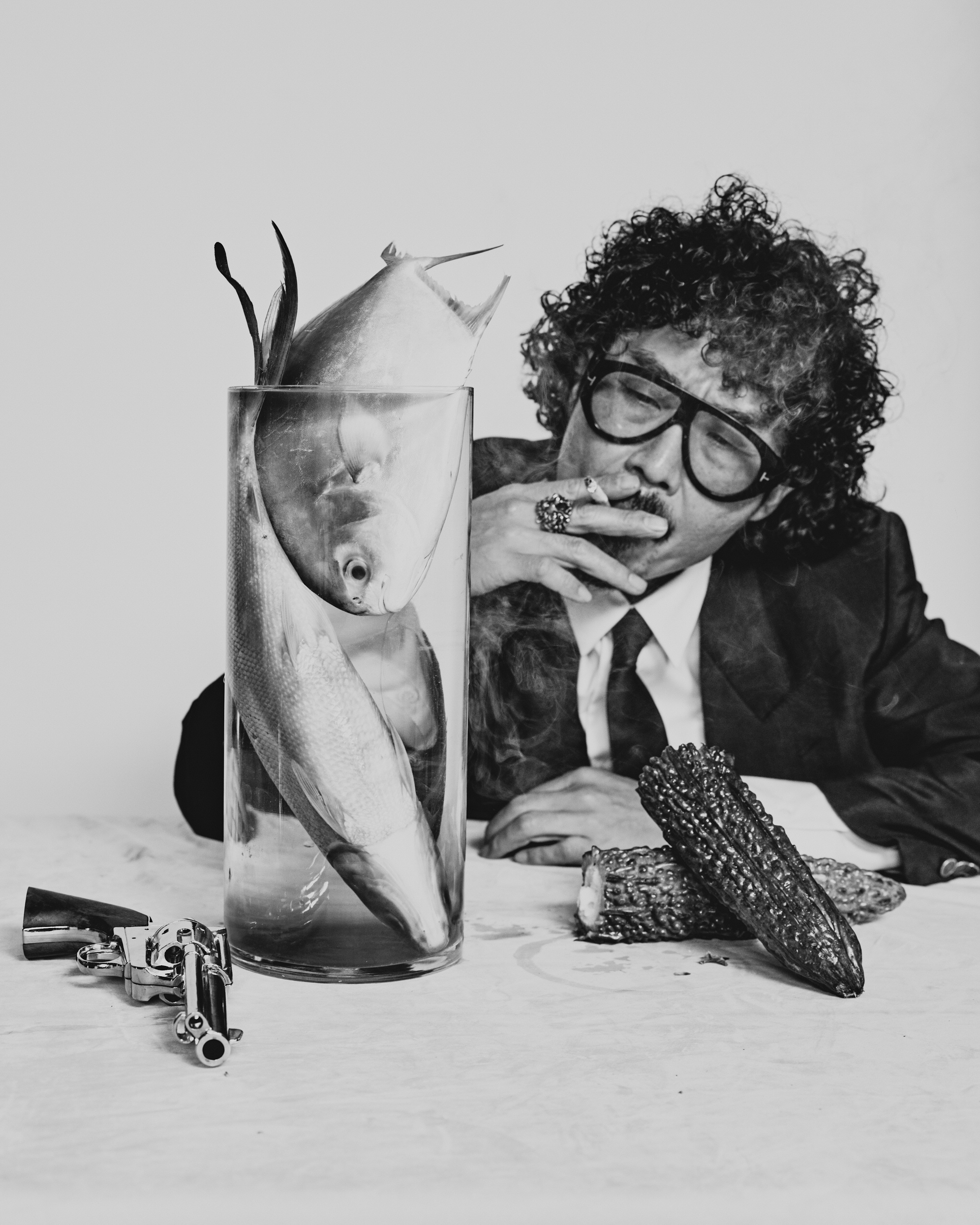
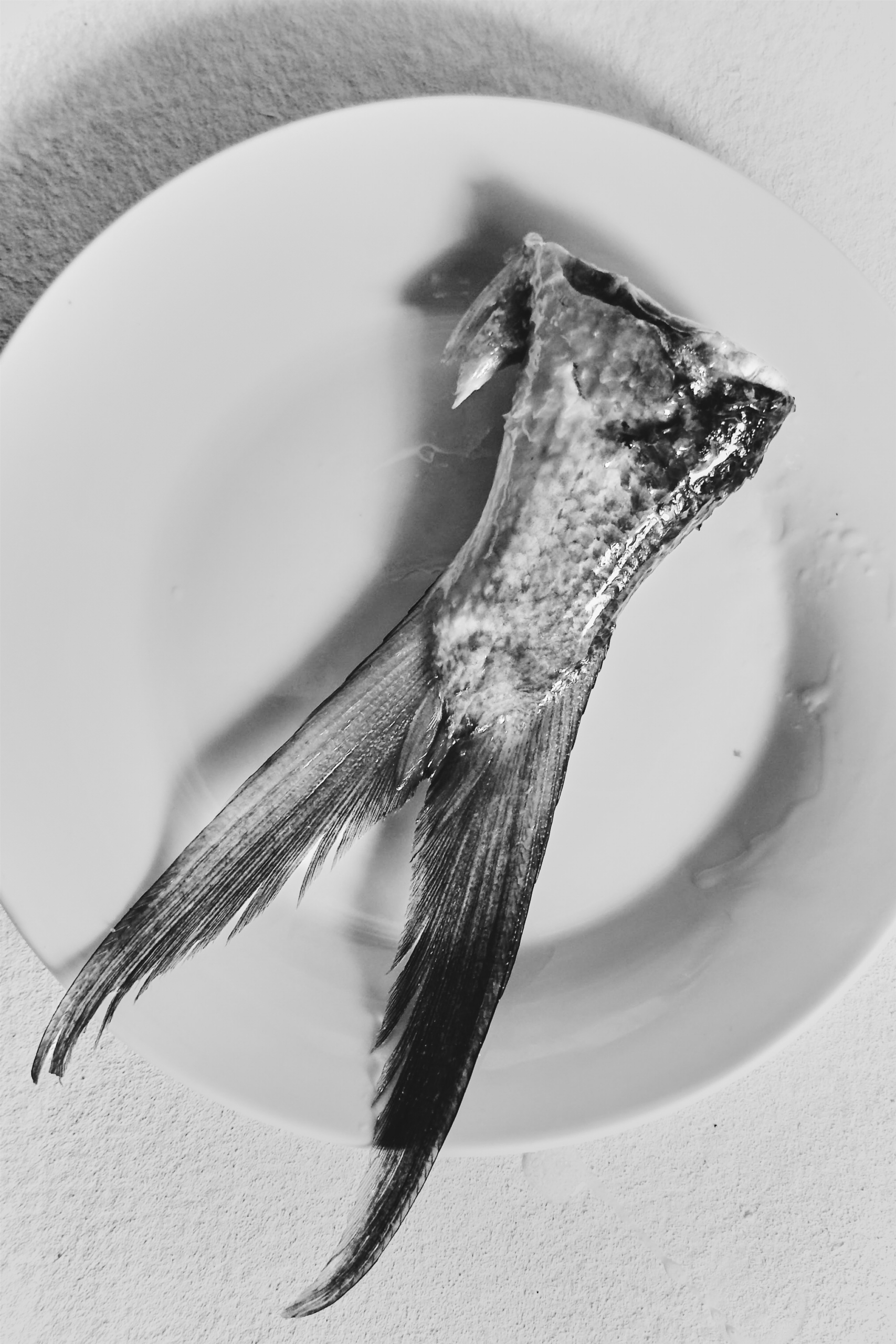
And then maybe one of my personal projects – the one with the fish and the gun.
That one is very different again. It’s more like something coming directly from my head. I bought the fish, I built the scene, I just wanted to create something a bit strange, a bit uncomfortable, but still visually interesting.
I really like that work because it feels closer to me, without any client or collaboration. It’s more direct.
So I think these three together – collaboration, working with a model, and something very personal – they show how I think and how I move between different ways of making images.
Final Thought
What makes Jay Zoo compelling right now is not just that he’s still searching, but that he hasn’t rushed to resolve himself.
A lot of young photographers are eager to arrive at a recognizable style.
Jay seems more interested in staying porous.
In learning through movement, through friction, through repetition, through change. The meditation, the long runs, the constant questioning – none of that sits outside the work.
It is the work.
When he says he wants to be like water, it doesn’t read as philosophy.
It reads as method.
To absorb, to reflect, to shift depending on where he is, and to keep moving without forcing a conclusion.
That’s what gives the images their tension.
They sit somewhere between fashion and something less obedient.
Between precision and drift. Between surface and interior.
There’s often a body, a gesture, a look – but also a slight emotional gap, as if something has been deliberately left unresolved.
That, to me, is where the work becomes his.
There are images of his I find genuinely hard to look away from – not because they demand attention loudly, but because they hold contradiction without trying to solve it.
And that’s still a rare thing in photography.