
David Melfi is a wedding photographer in Italy who blends engineering precision with emotional storytelling and cinematic wedding images
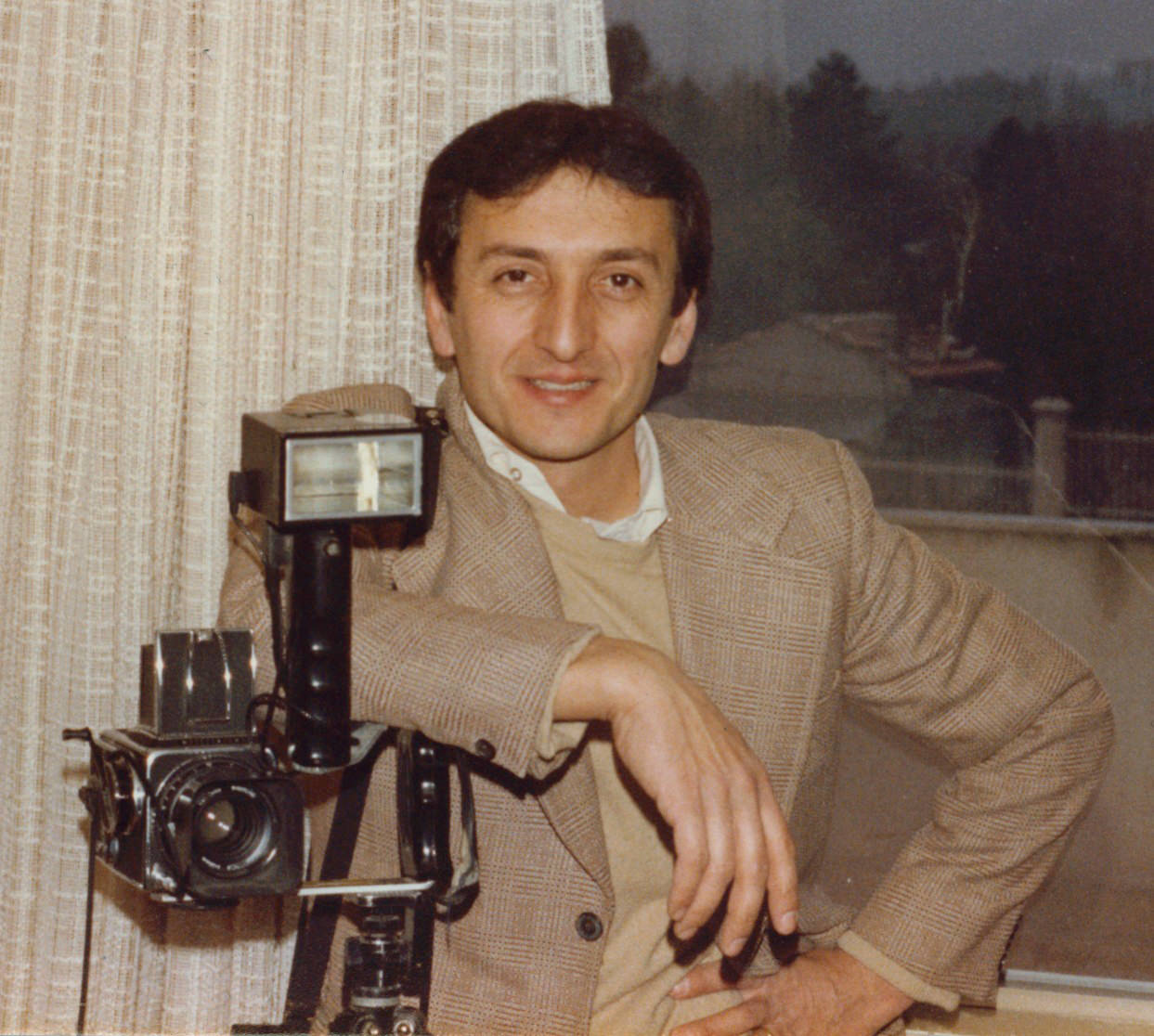
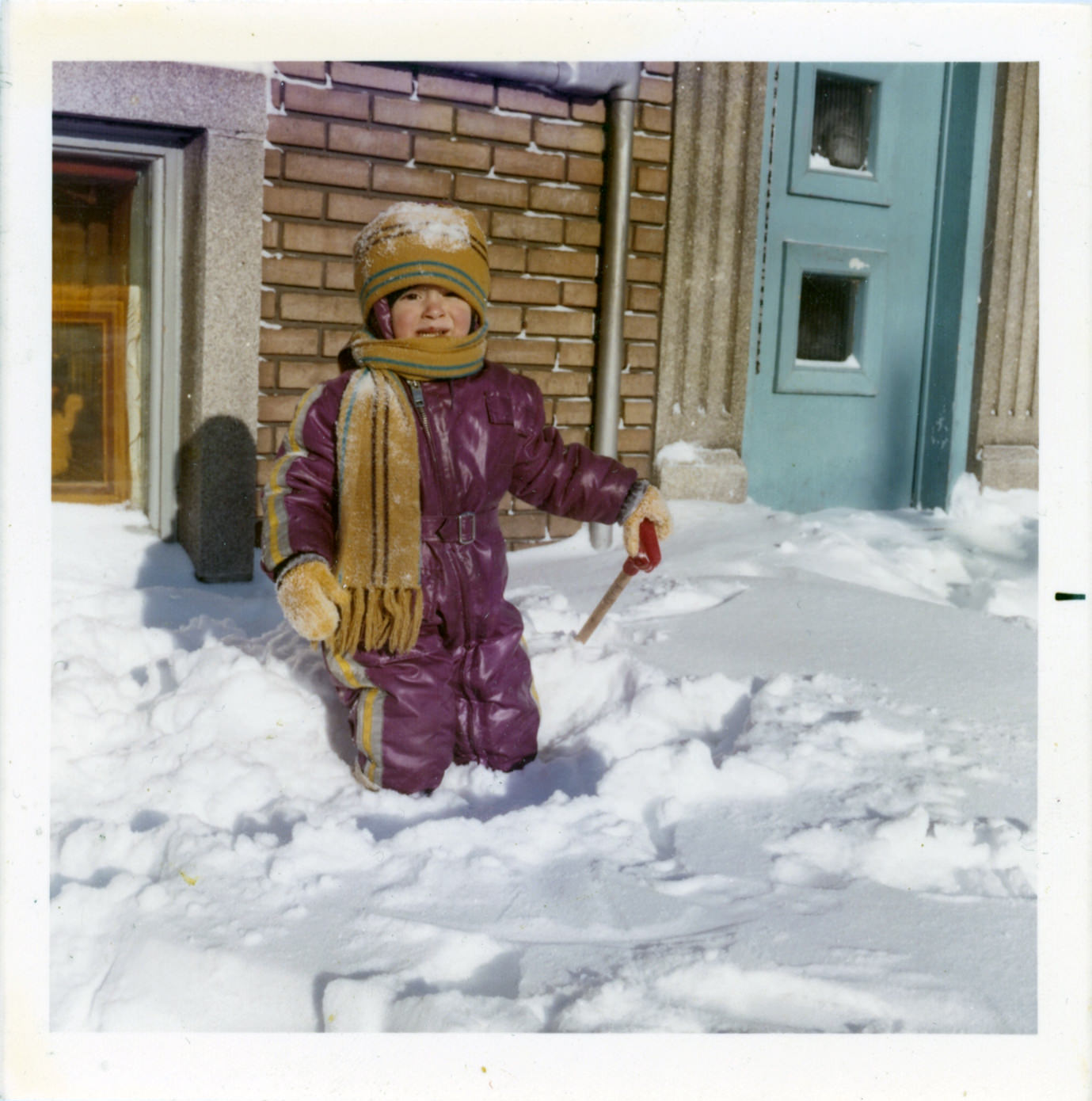
David Melfi was born in Canada to a photographer father.
When he was five, his family moved back to Italy.
He didn’t choose the move – he simply followed, like children do.
But that early split between two countries shaped how he sees the world:
He still feels connected to both.
Photography wasn’t a hobby in his house. It was everything.
In the basement of their home there was a working photo lab.
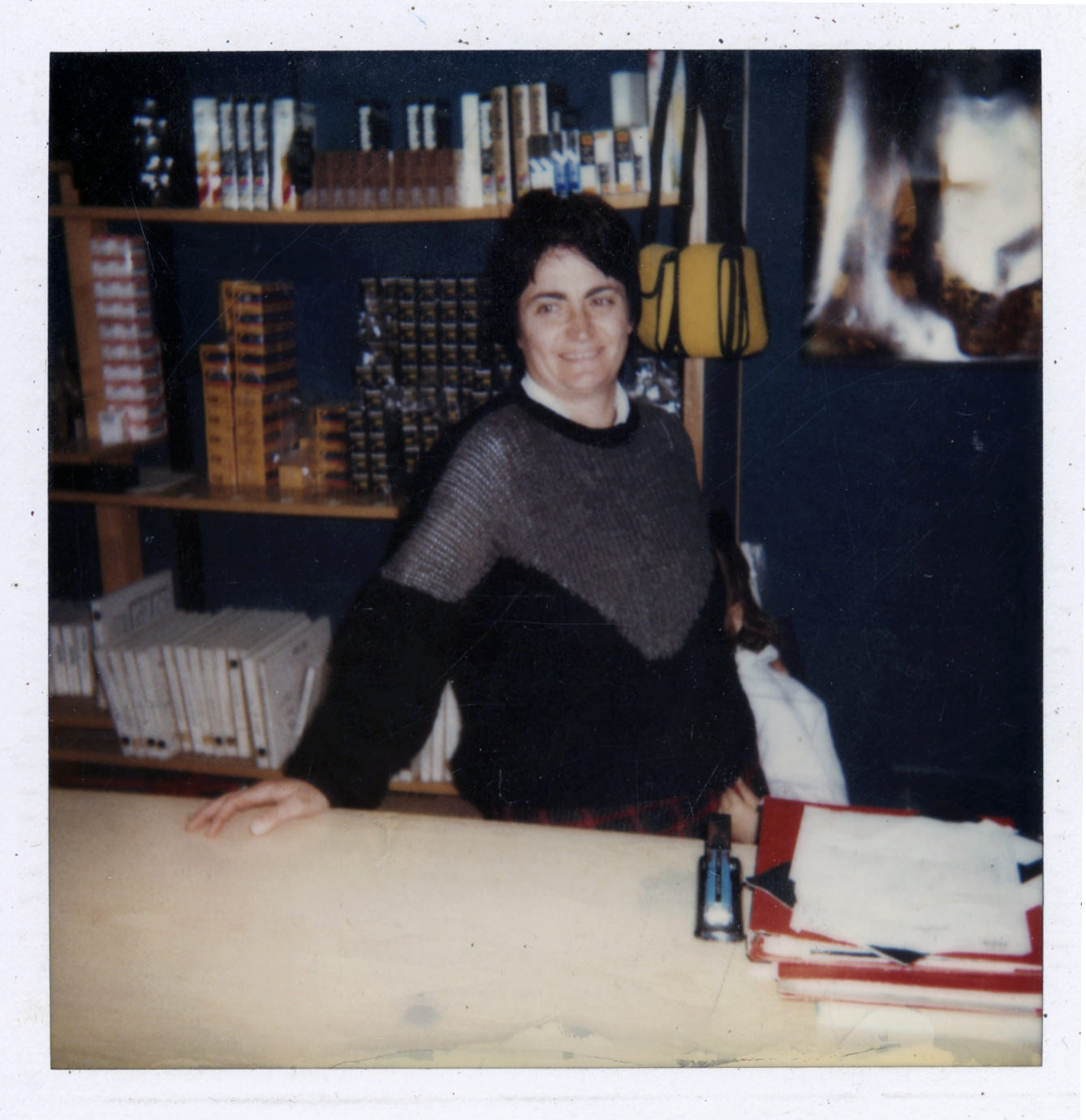
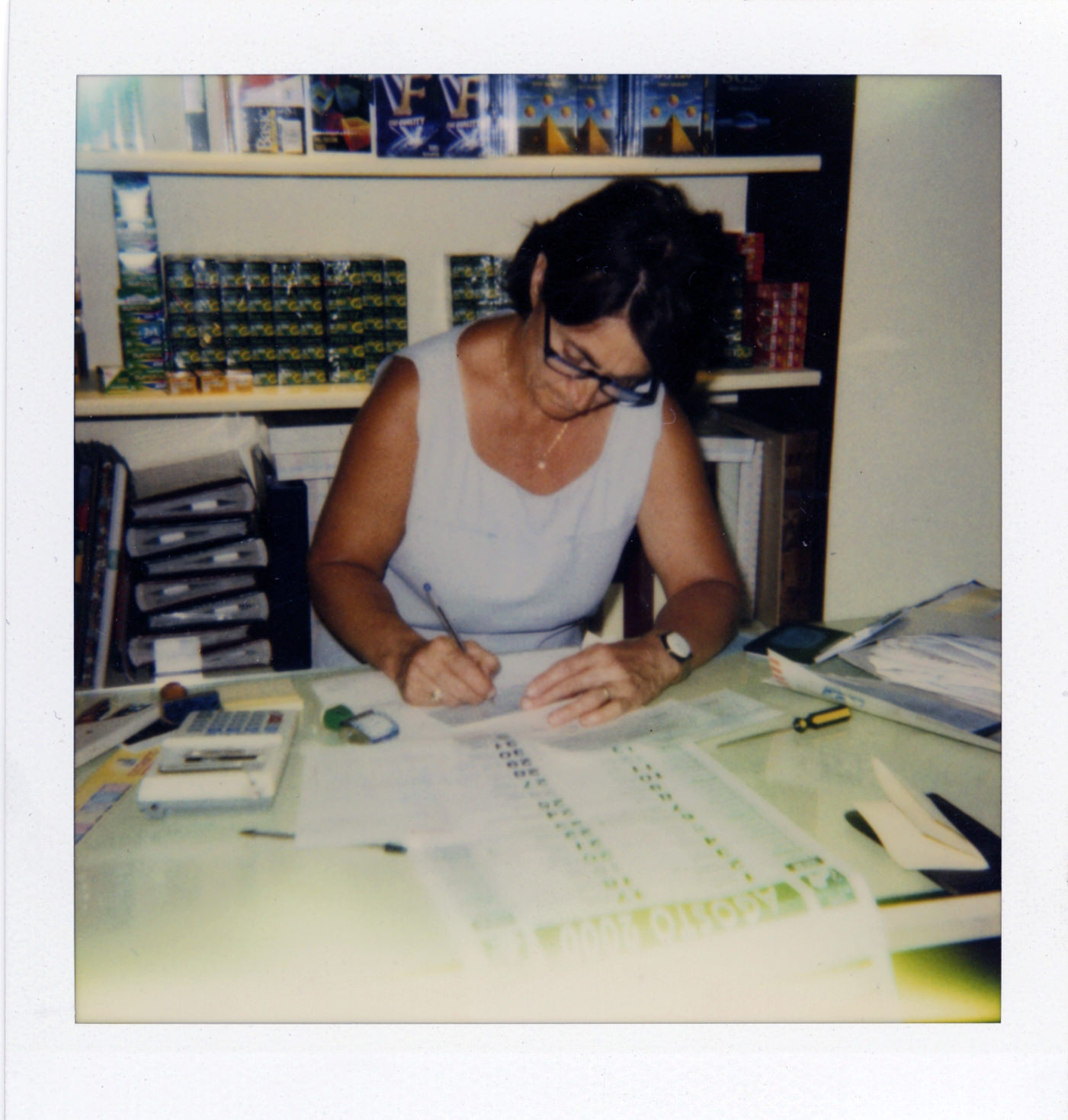
His father ran a studio, and David grew up surrounded by cameras, chemicals, prints, and clients. He learned lighting the old-school way: inside a lab, in a local shop with local clients.
And yet, when it was time to choose a career, he didn’t automatically step into his father’s role.
He studied engineering.
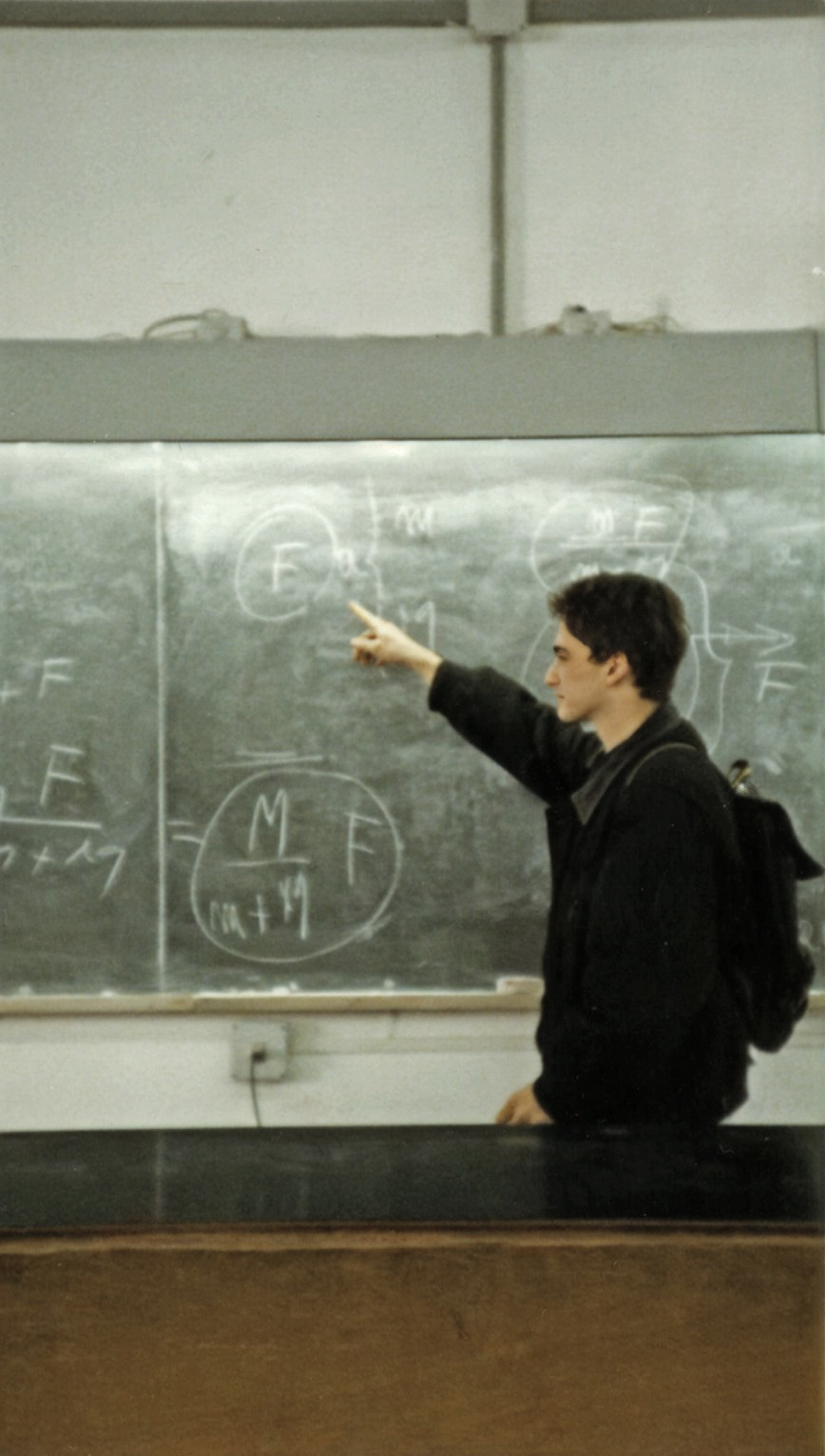
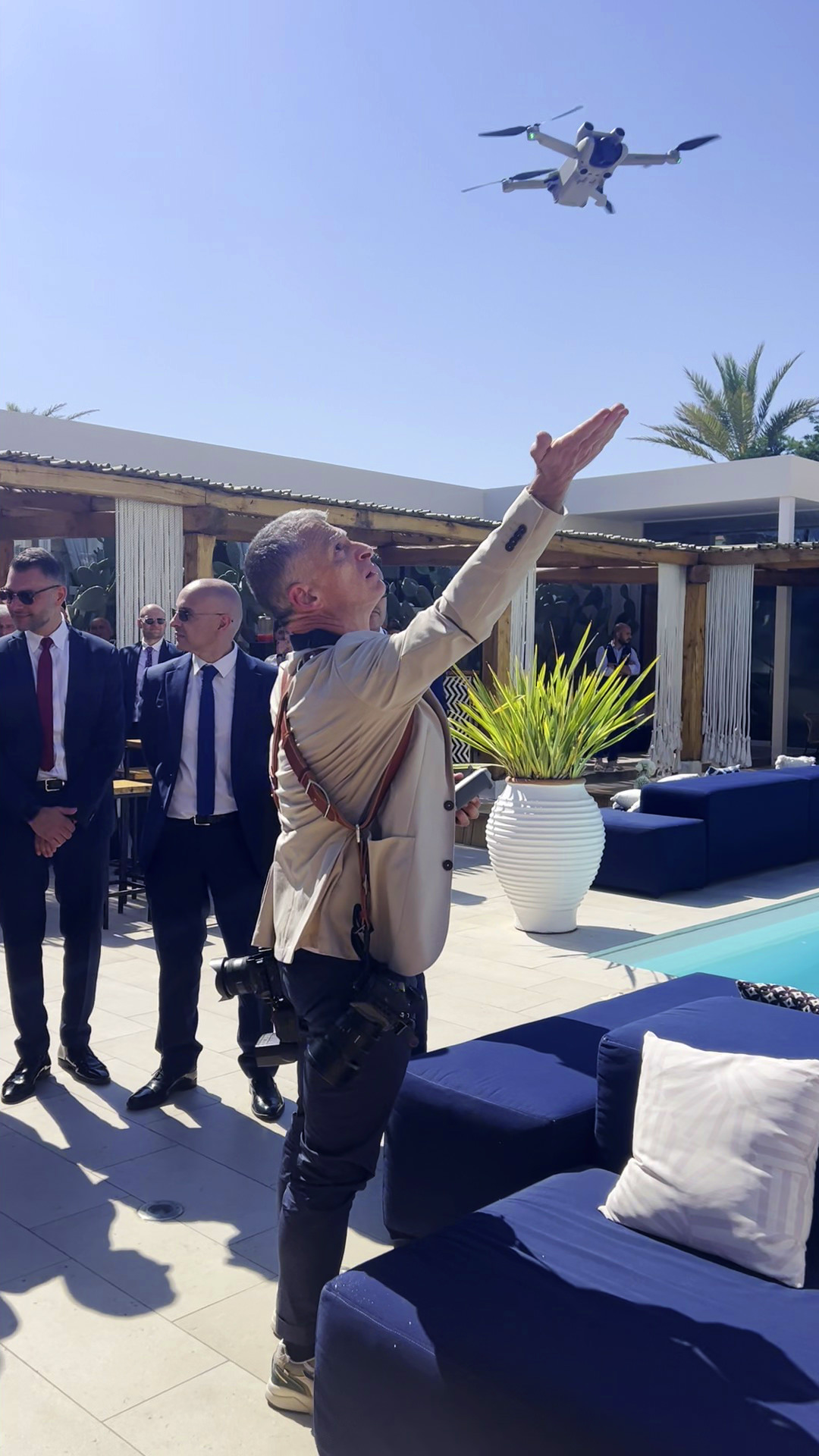
He was drawn to structure, systems, logic.
Engineering trained him to think clearly, to break complex situations into manageable parts.
That mindset still defines how he approaches weddings today – preparation, control, awareness of variables mix with emotions and movements.
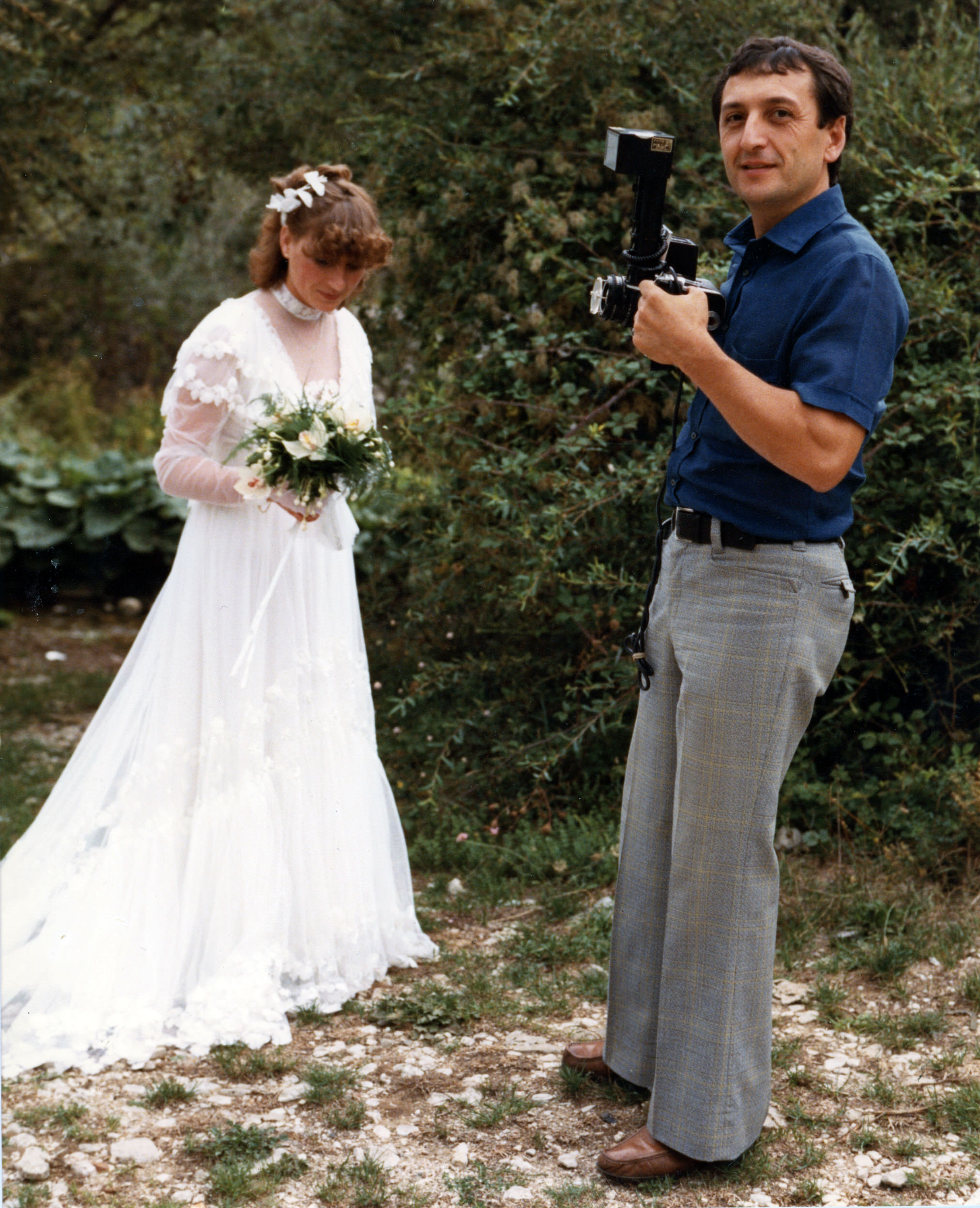
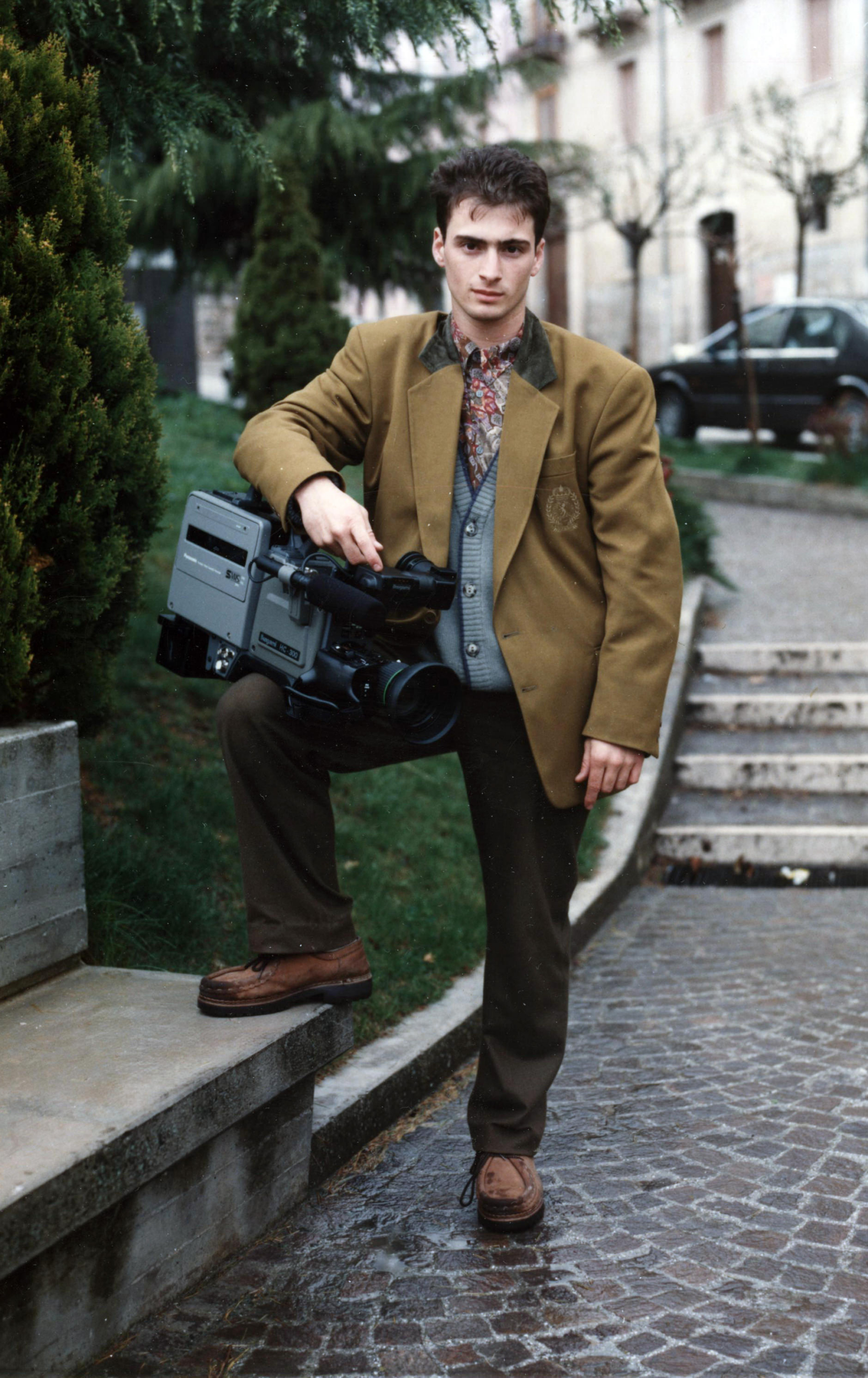
In 2010, his father reached the point where he could no longer continue running the studio.
Closing it was the logical option.
It meant watching the place that had shaped his childhood – the lab, the store, the rhythm of daily work disappear.
So he made a decision.
He stepped away from his engineering studies before completing his degree and returned to take over the business.
Not to copy his father.
But to rebuild it in his own way.
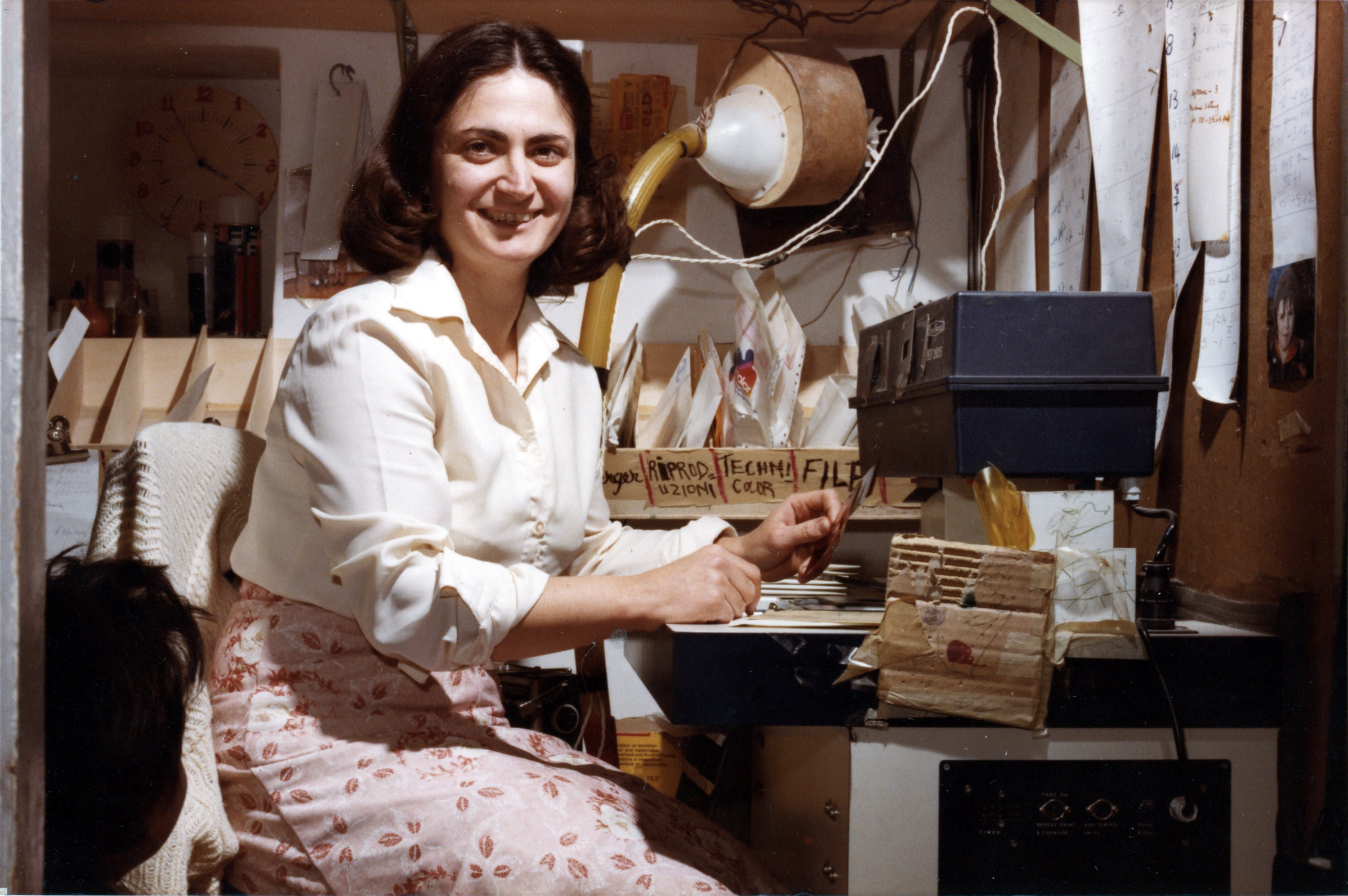
And now, he doesn’t just photograph weddings.
He engineers the experience around them.
He understands that the technical side is only half the job. The other half is human.
Sitting with couples. Listening. Translating emotion into something structured and visual.
He didn’t inherit a career – He inherited a foundation, and rebuilt it in his own way.
https://www.fotomelfi.it/
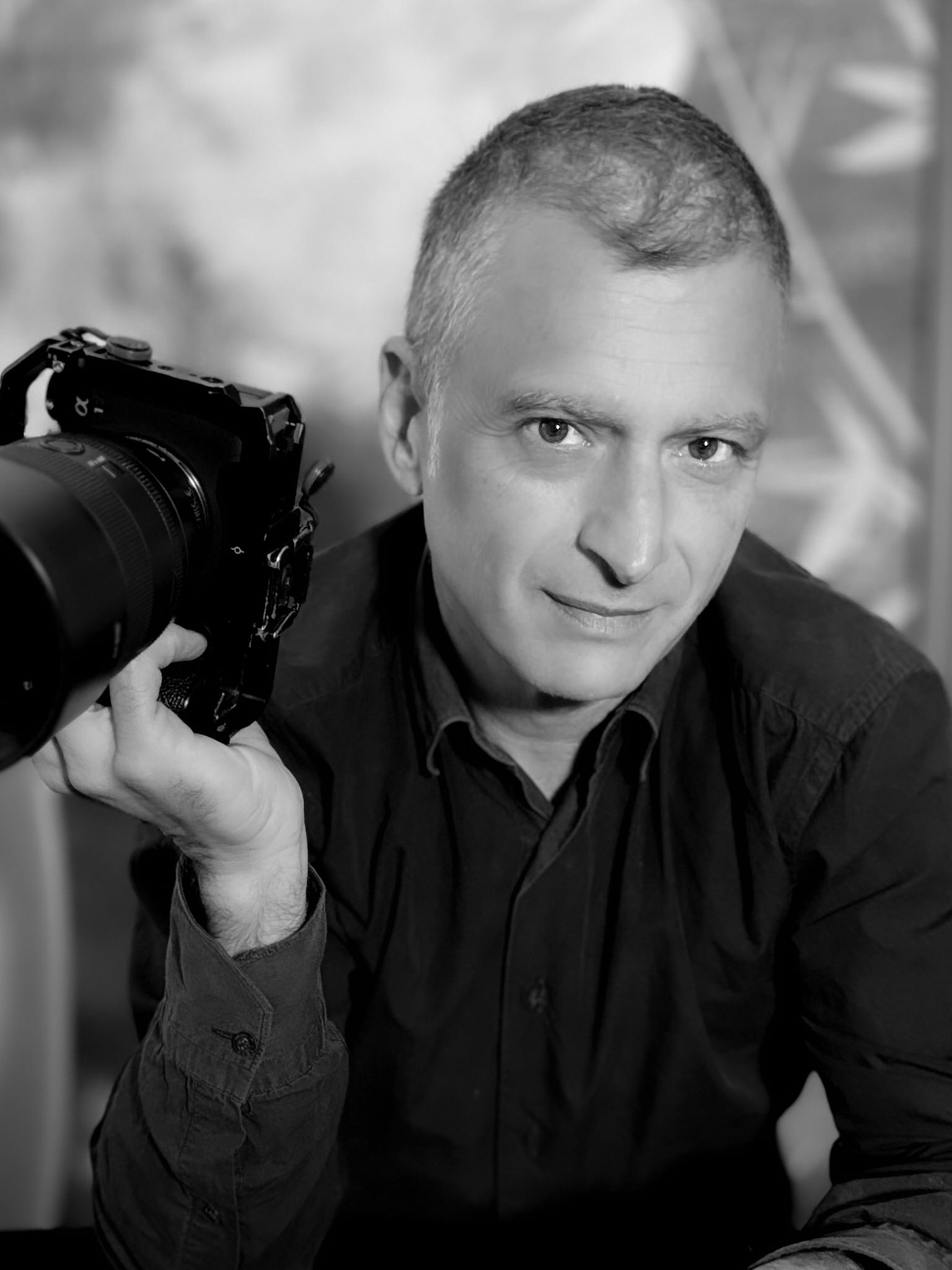
How do you blend your engineering mindset with your passion for photography?
The rational part of me – the engineer – helps me understand the technical side: camera settings, lighting ratios, composition, workflow.
But I’ve learned that there’s so much beauty in the irrational, in emotions and sentiments.
I get astonished by the beauty of nature, by the beauty of a photograph, by the emotions I capture at a wedding.
When I shoot, I’m curious about everything happening around me.
I’m sentimental about the moments. And I’m rational about how I capture them.
That combination allows me to tell stories in a way that’s both technically precise and emotionally authentic.
I believe in something bigger than us – spirituality, God – and when I’m shooting a wedding, I get very in touch with people, very empathetic with them.
That’s what gives me the ability to capture what they’re truly feeling in that moment.
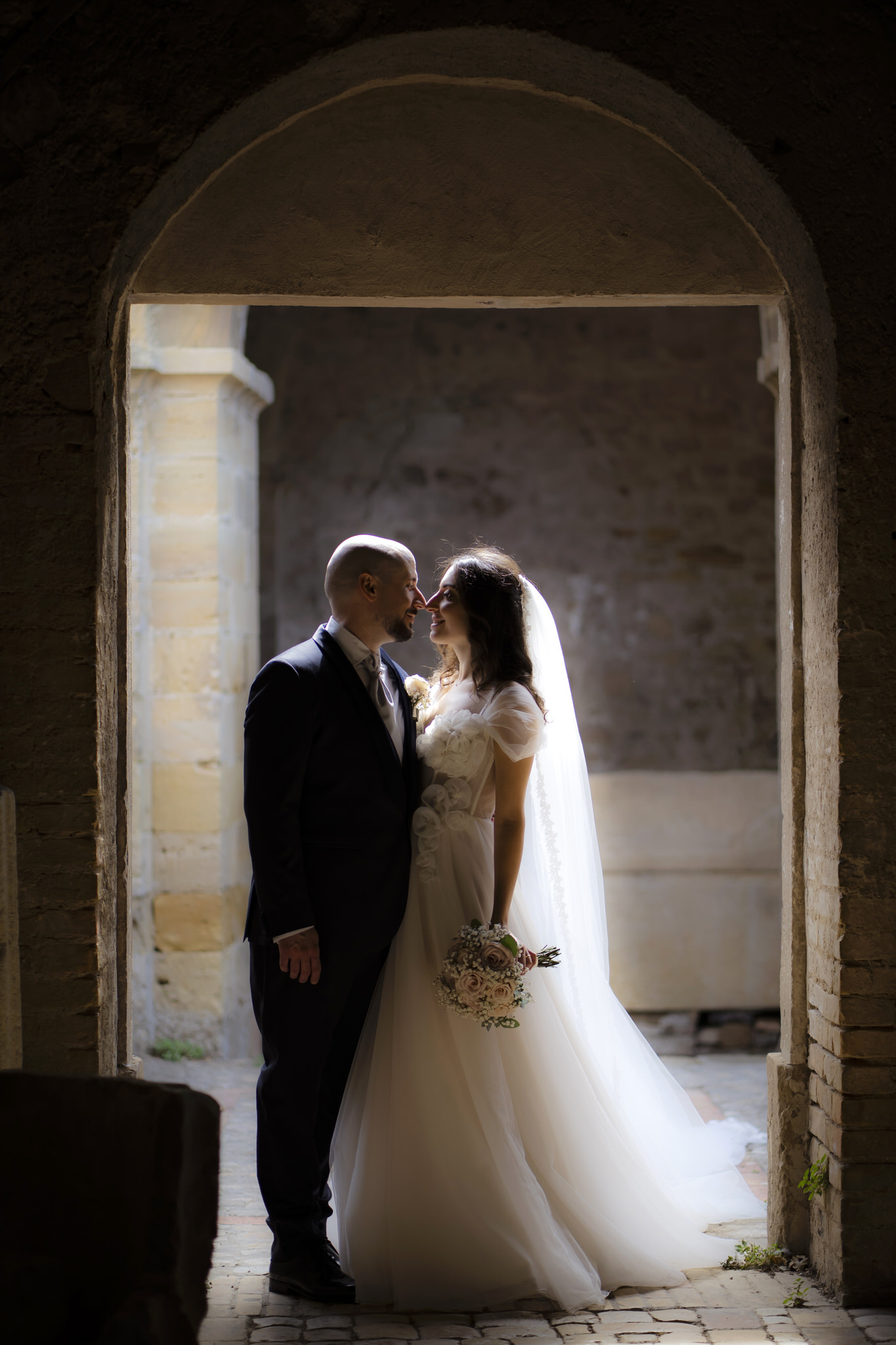
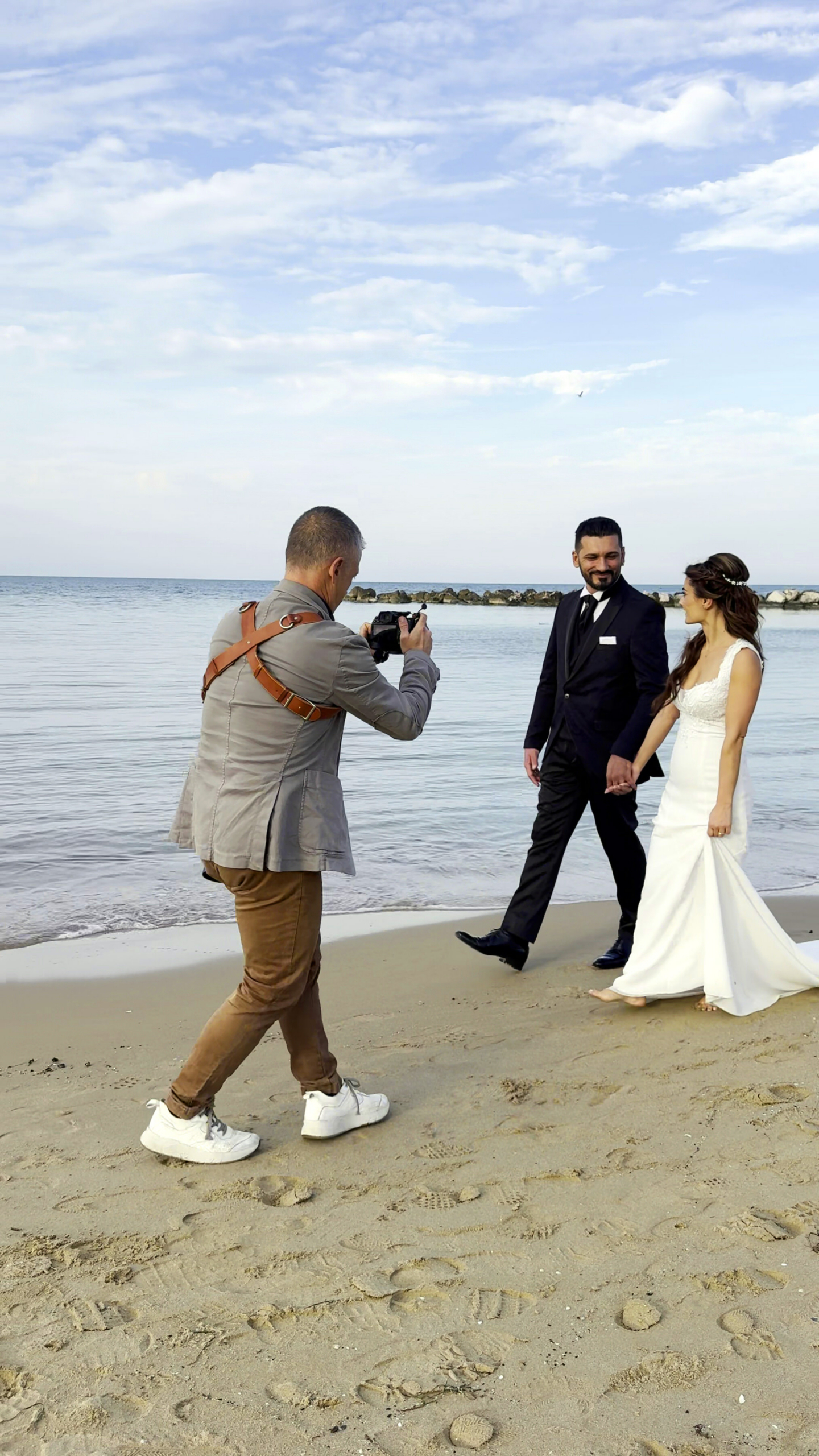
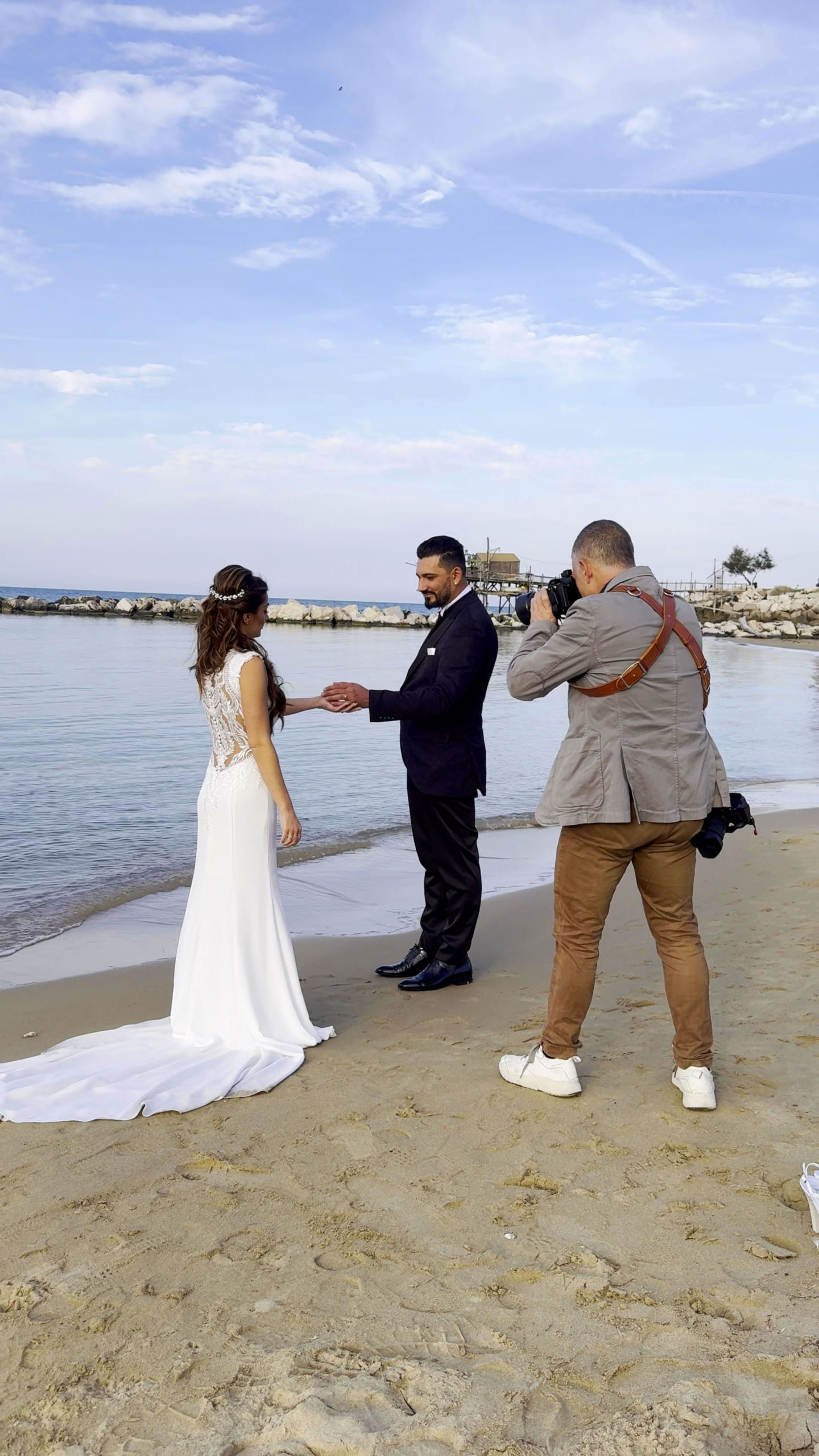
You work with both video and photography – which do you prefer?
I started as a videographer, actually.
My father wanted to add videos to weddings and that’s when I began doing video. But nowadays I feel familiar doing both, though I would prefer shooting video all the time.
There’s something about capturing motion, emotion, and the flow of a wedding day through video that speaks to me. But the market and my clients’ needs have shifted me toward photography as well.
I do both, and I’m experienced in both mediums. I can say I have stolen photography from video – the technique, the know-how, everything I rely on really comes from videography.
I see motion everywhere, I live in motion, I see things happening, and if I shoot a picture, I choose the exact moment (frame) to tell the story I would tell with a video clip.
Tell us about your wife. How does she fit into your photography business?
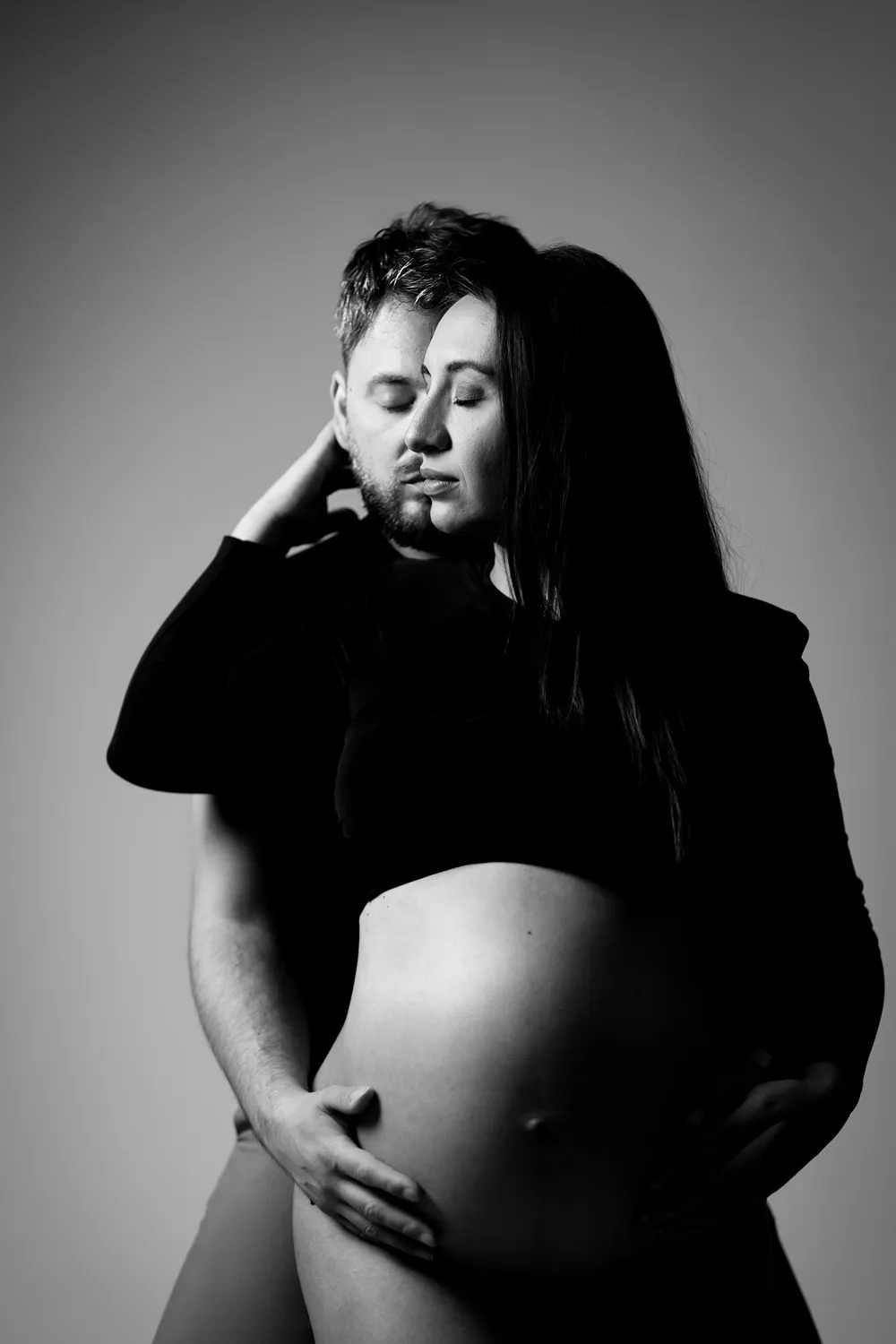
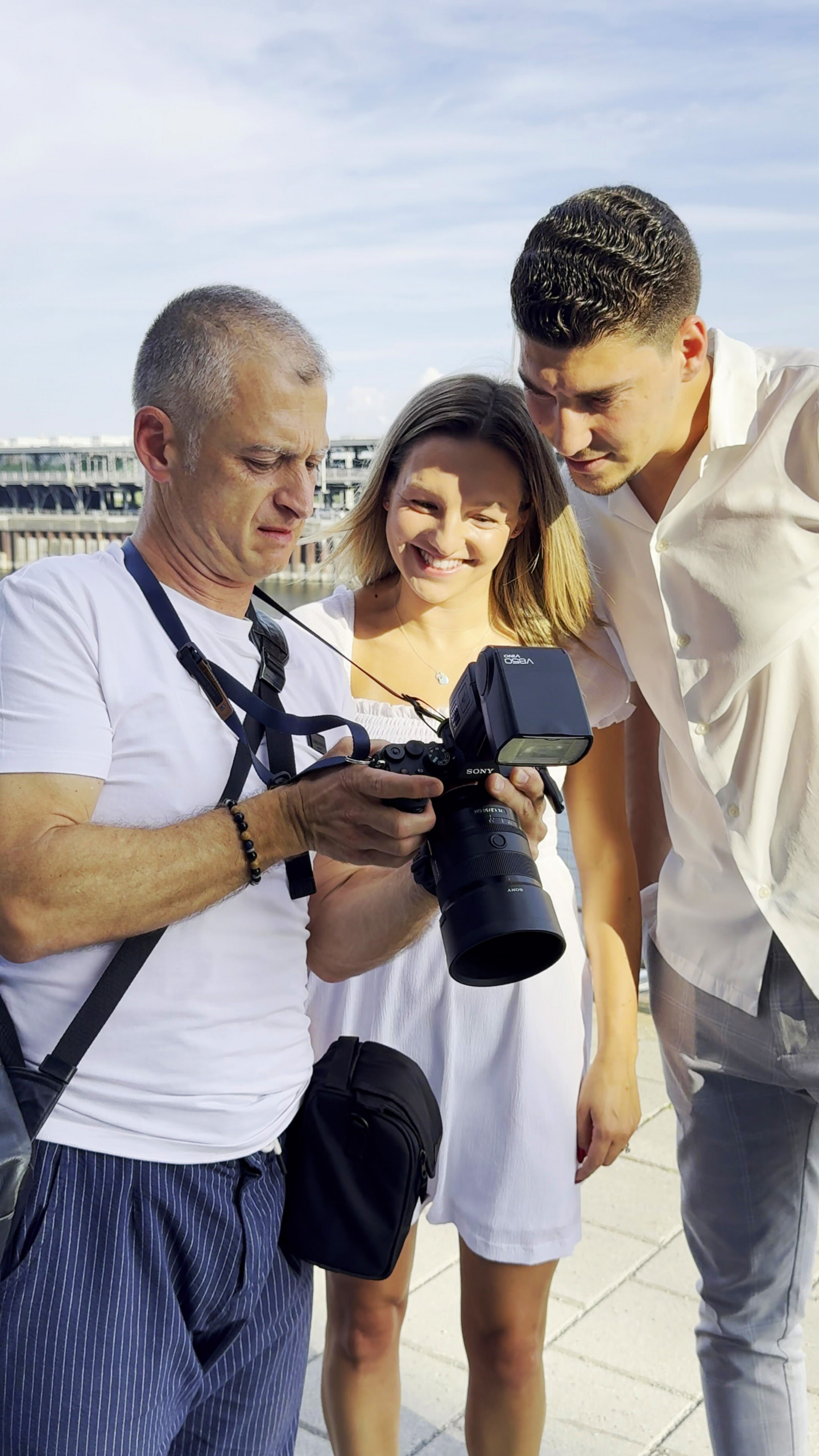
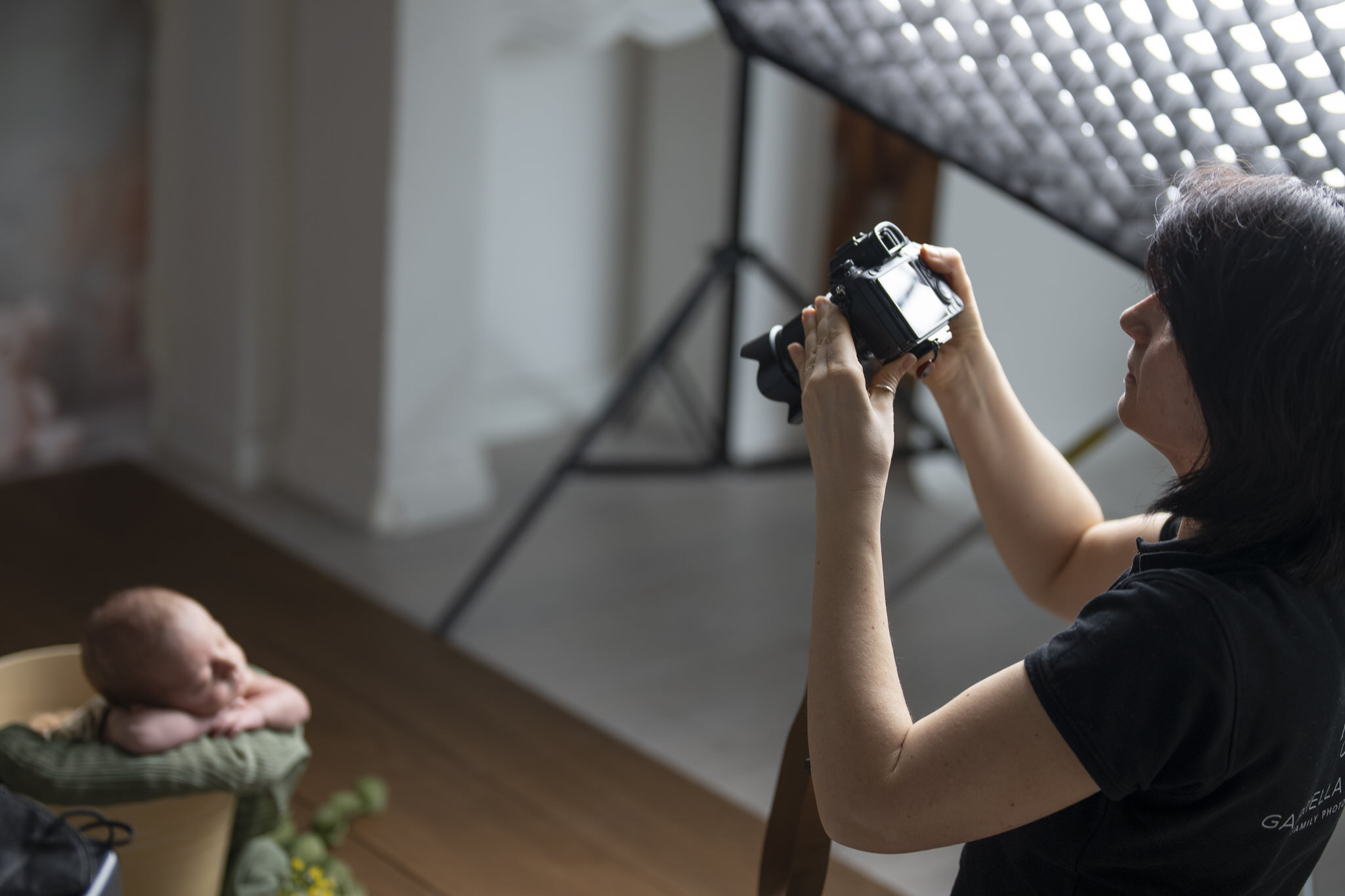
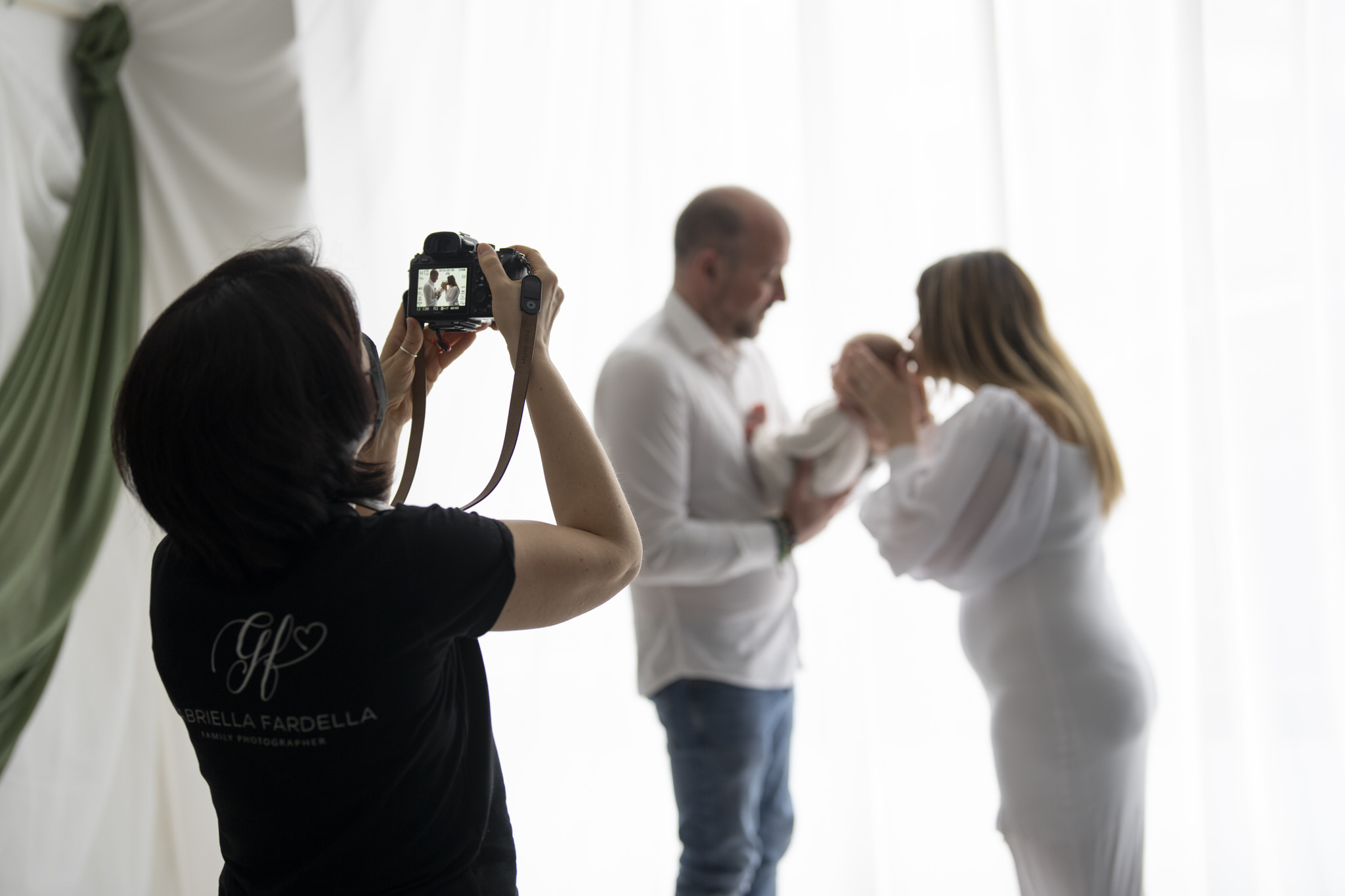
My wife Gabriella Fardella is an amazing photographer.
She specializes in newborn and family photography, and her work is performing incredibly well.
She’s built her own business alongside mine. We started together under the same name, but a couple of years ago, I encouraged her to go her own way and build her own brand.
I told her: “you are very talented in taking babies and family pictures, and you should go by yourself!” And she did exactly that. Now she has her own clients, mostly local, and she’s looking to expand further. I’m helping her grow her business while she’s also helping me with my wedding work when needed.
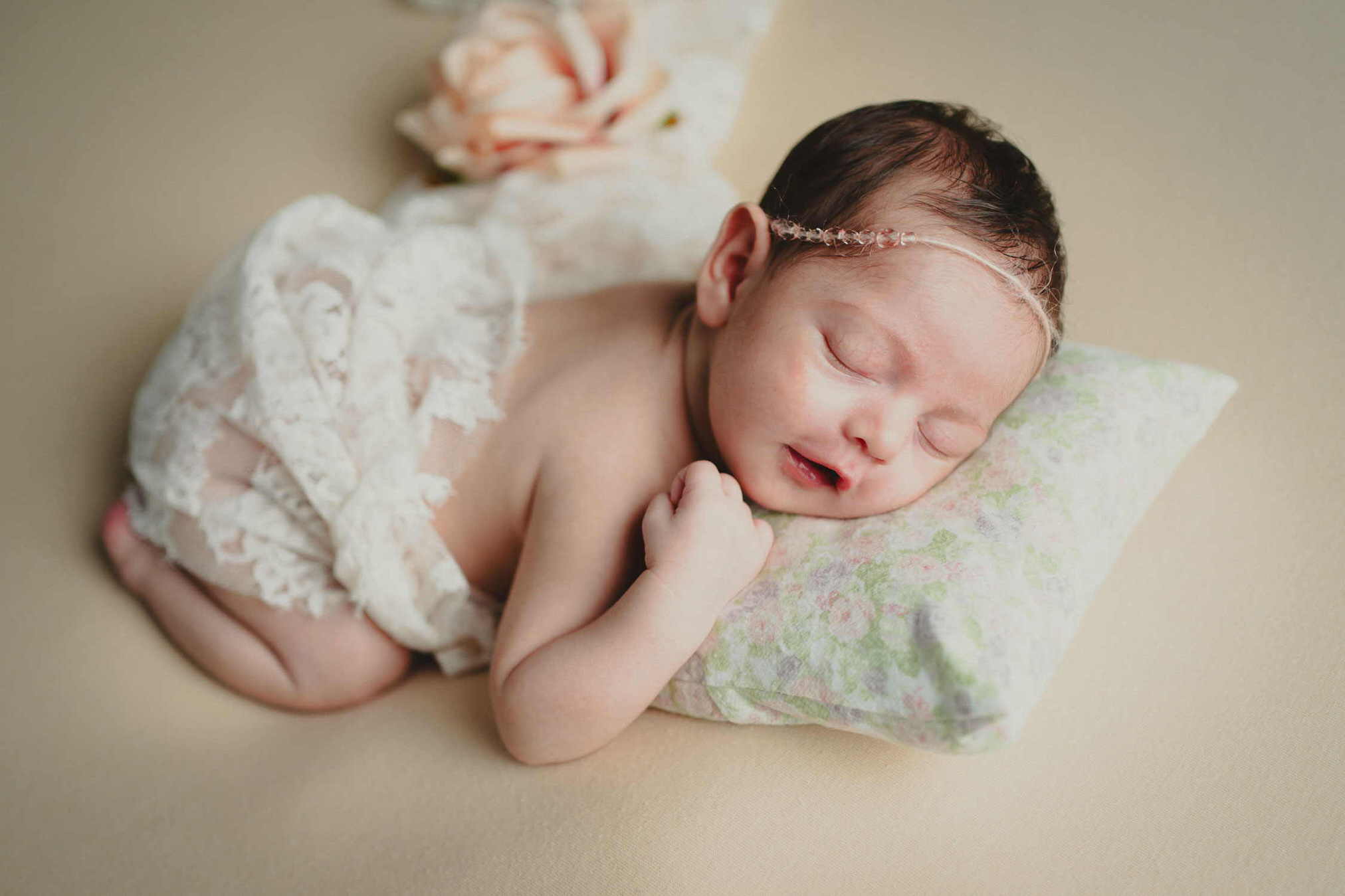
Her newborn and family photography is truly exceptional. The lighting, the emotion, the way she works with families – it’s beautiful. We’re working on separating our online presence so her work gets the recognition it deserves.
Looking back, what did that moment teach you about the kind of photographer you are?
That’s one of my favorite photos, actually.
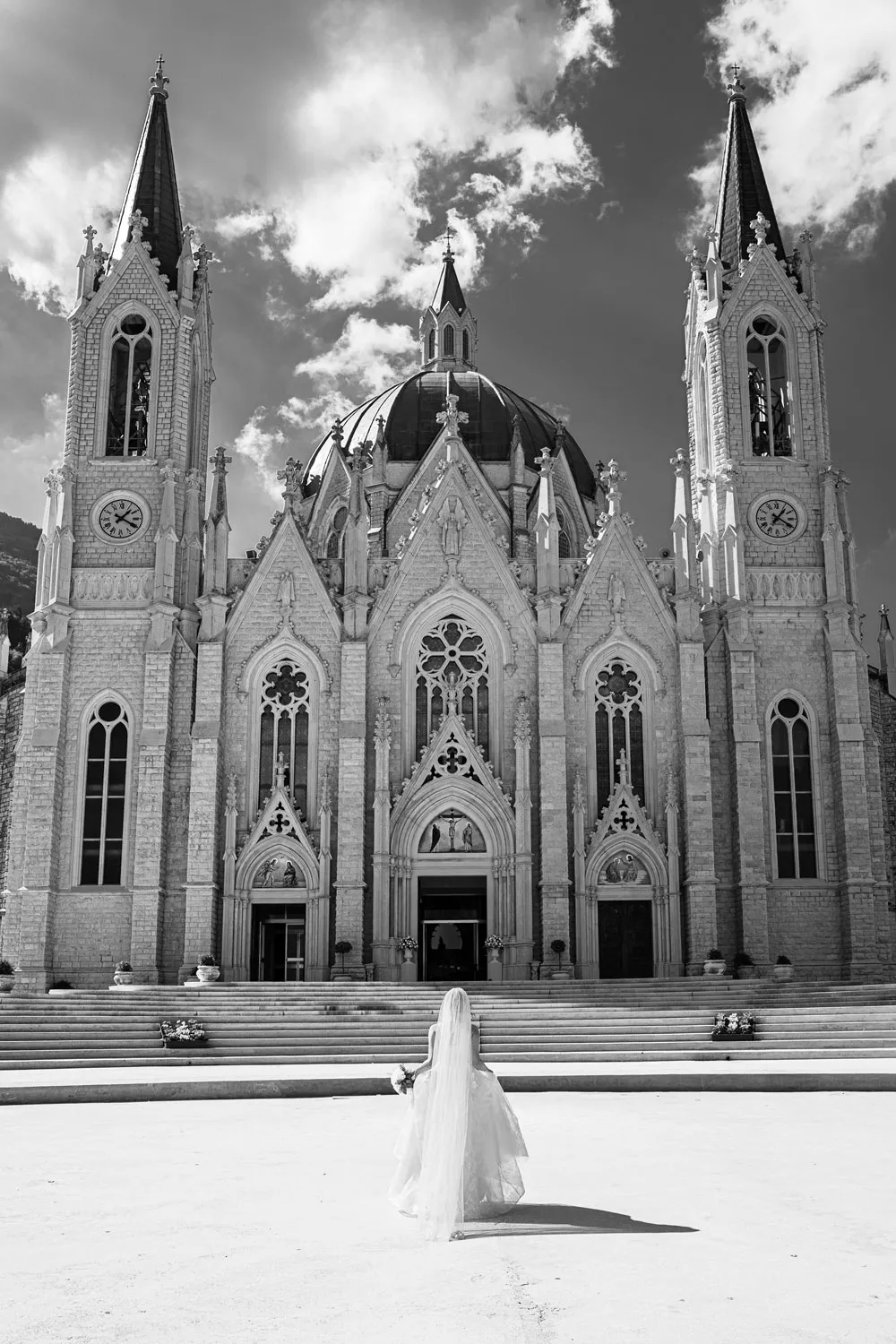
I was shooting a destination wedding with a Lebanese bride and a Mexican groom – a multicultural wedding, which I love. It was a beautiful celebration.
When the bride was getting ready to walk to the church, I noticed something unusual.
In Italy, traditionally, brides walk to the church with their father.
But this bride was walking alone – no father, no one.
She was just walking by herself toward the church doors.
I thought, “This is a powerful moment”. What would this look like from behind?
So I positioned myself to shoot her from behind as she approached the church.
And I captured this iconic image of her – alone, in her wedding dress, walking toward her future. It’s a beautiful, solitary, powerful moment.
That photo taught me something important: the best moments aren’t always the ones you plan for. They’re the ones you notice when you’re paying attention, when you’re curious about what’s happening around you.
That’s what I do most of the time – I look around, I notice things, and I capture them.
Tell us about secret Italian locations for weddings!
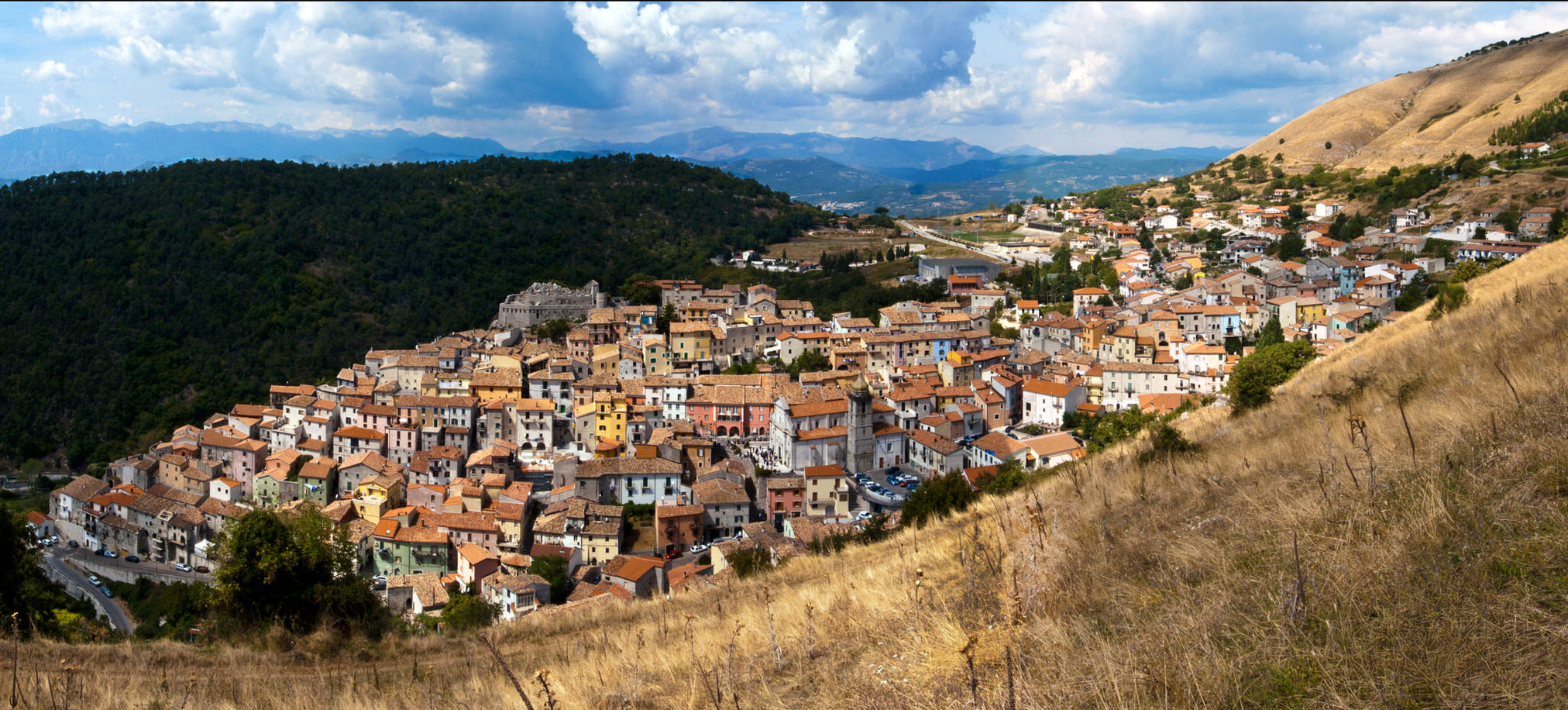
Yes, I have several secret landscapes in Italy that I love to use for weddings.
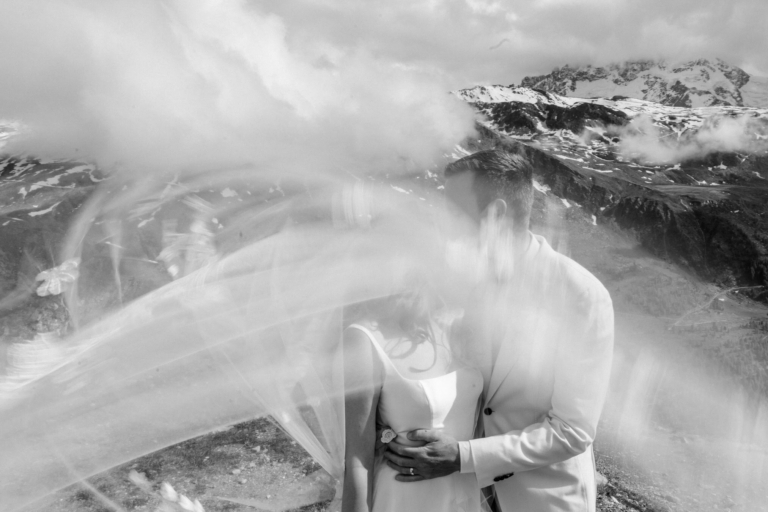
My favorite places are in the mountains – they’re not simple to reach, which makes them special. I have a few mountain locations that you can access by car, but they’re not well-known, not touristy.
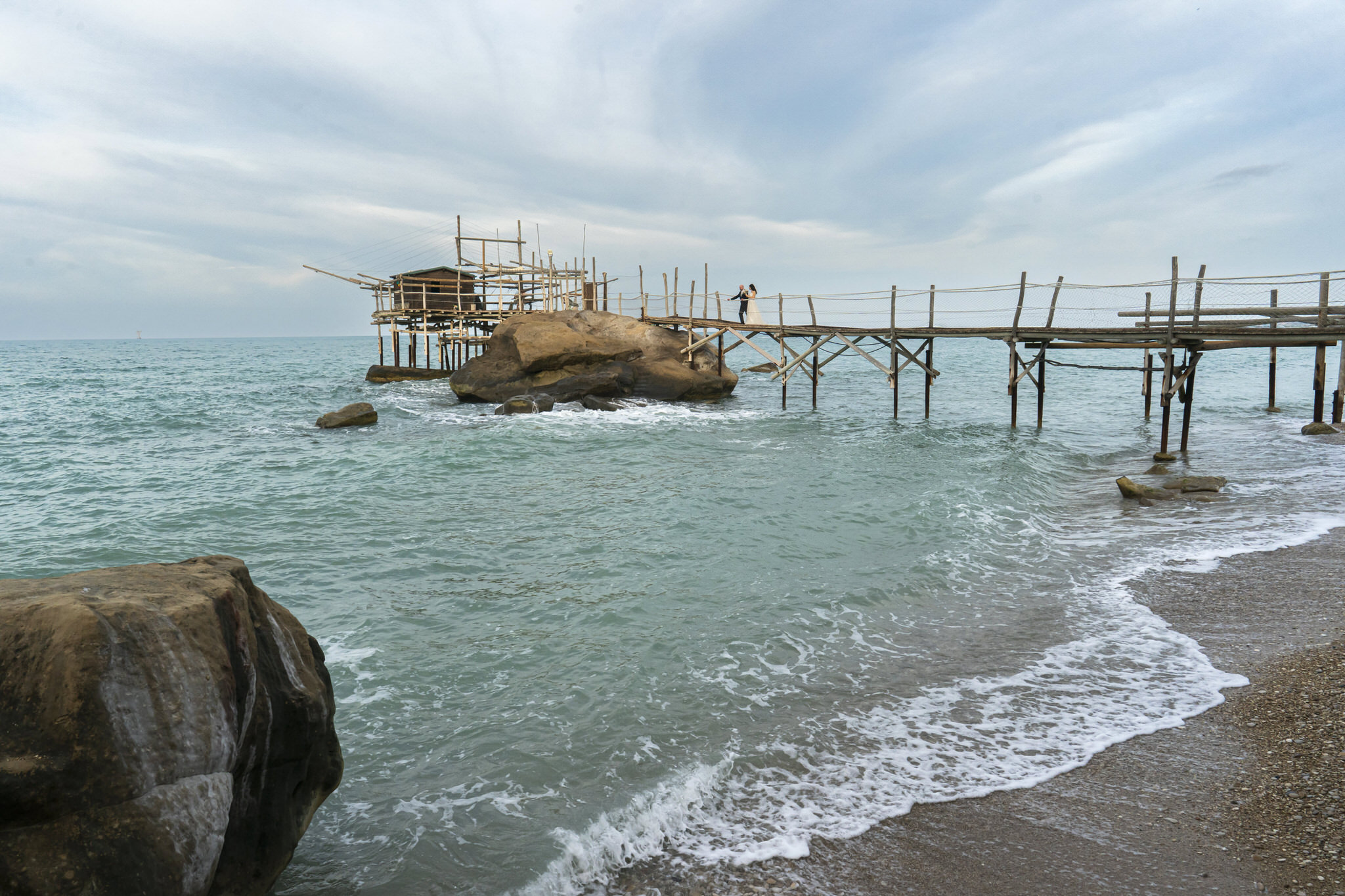
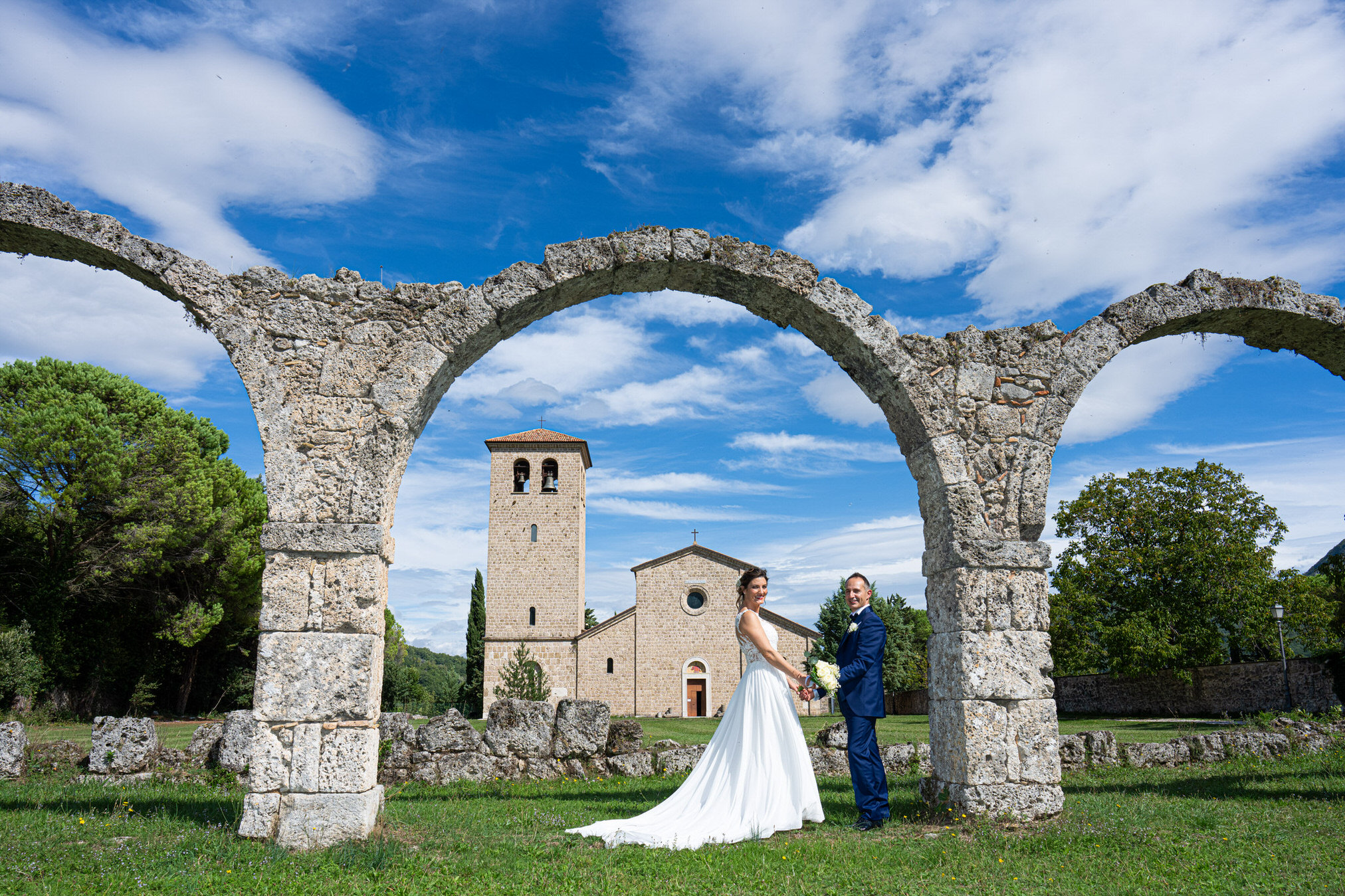
I’d love to share these photos to show potential clients: “This is a secret place I know. If you hire me, I’ll take you there. You’ll be the first couple to have their wedding photos taken in this exact spot.” That’s a unique selling point that sets me apart.
What’s your experience been like with JPEG Mini?
I first discovered JPEGmini during a workshop with the Italian photographer Fabio Mirulla.
He was explaining his workflow for delivering photos to brides and grooms, and he mentioned that he was using JPEGmini Pro for lossless compression.
That really stayed with me
I use it as a desktop app whenever I need to reduce file sizes – for uploading images to my website or delivering photos to clients. I don’t use it every single day, but I’d say two or three times a month, whenever I need smaller files without sacrificing quality.
What I like about it is that it’s fast and reliable.
I don’t see any loss of quality in my images, which is the most important thing for me when delivering work to clients.
It’s a very useful solution in that sense.
I’ve also tried JPEGmini Video and the cloud version.
the cloud version processes videos very quickly once the upload is complete.
Overall, for my workflow, it’s a practical tool.
It helps me keep my files lighter while maintaining the quality my clients expect – and that balance is essential in wedding photography.
Final Thoughts
David’s story begins in a basement.
Not metaphorically – literally.
His father’s darkroom – a photo lab.
Under the family home.
Red light.
Chemicals.
Images slowly appearing in trays.
That was his first education.
Photography as instinct.
As a mystery.
Later came engineering.
Schemas.
Structure.
Control.
The need to understand how things work, how light behaves, how systems hold.
And then there is the third layer:
The emotional self.
The part that believes, that connects, that feels the weight of a bride walking alone toward her future.
What makes David’s work compelling is that none of these parts dominate.
The instinct of the darkroom notices the moment.
The engineer frames it.
The heart gives it meaning.
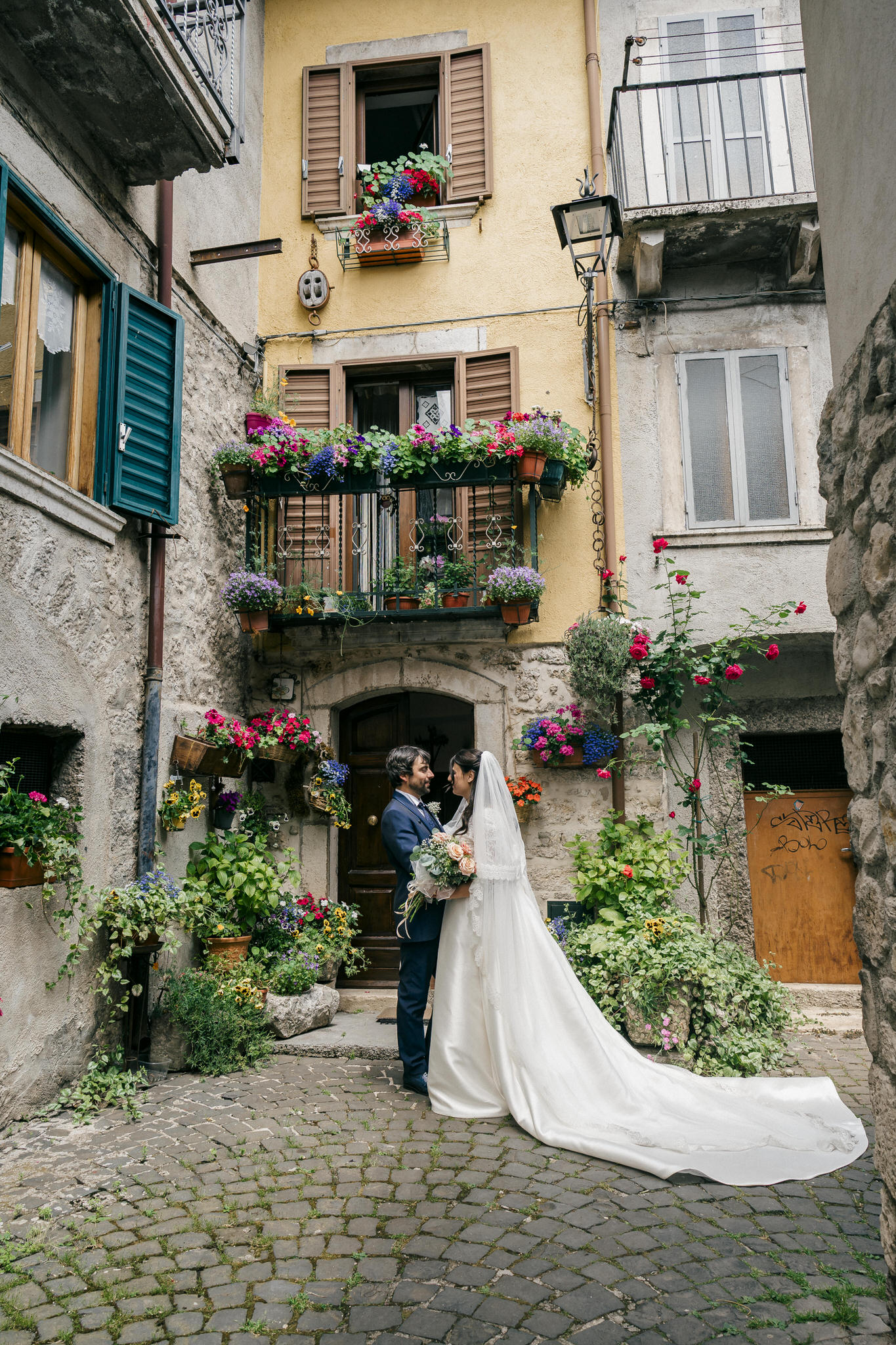
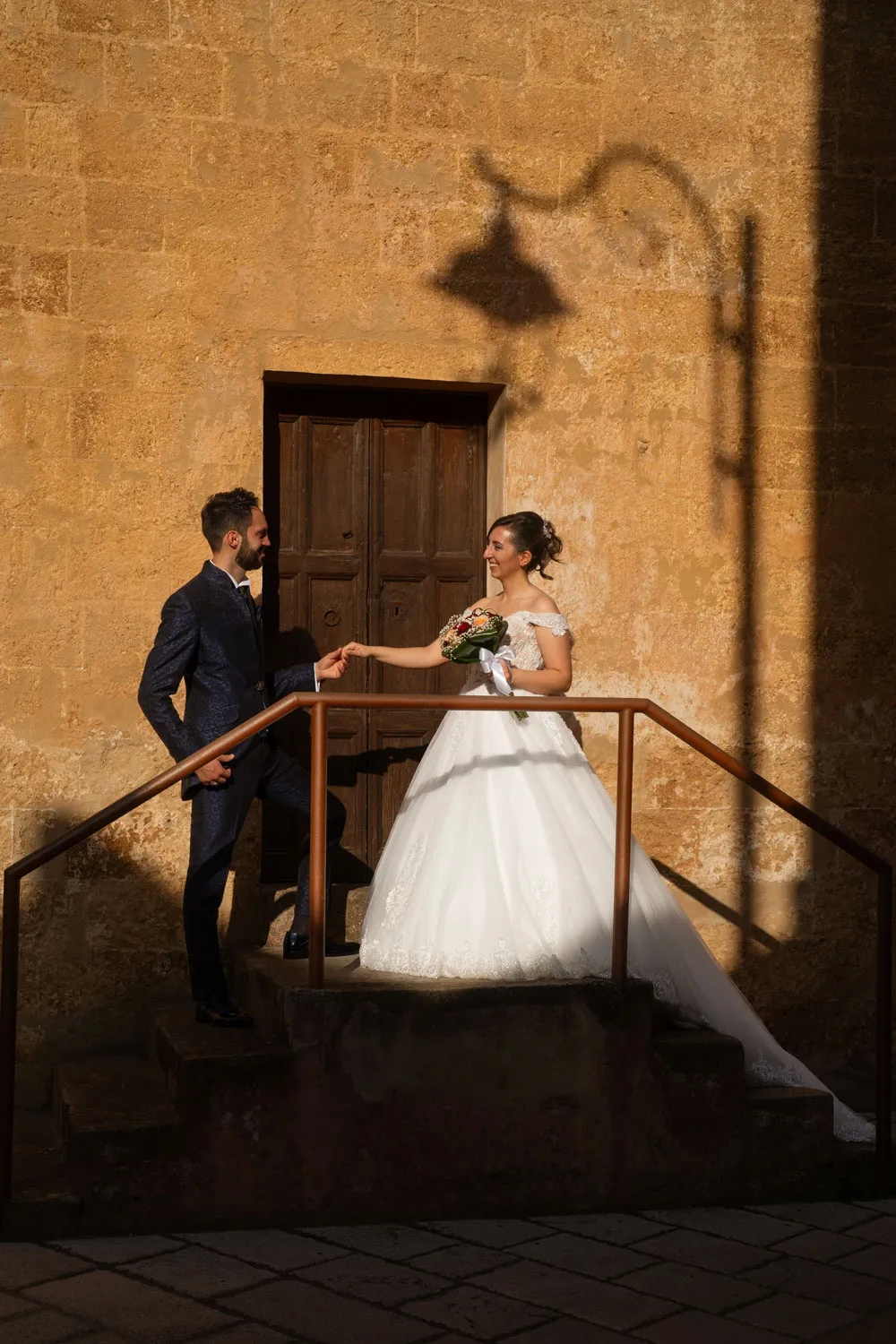
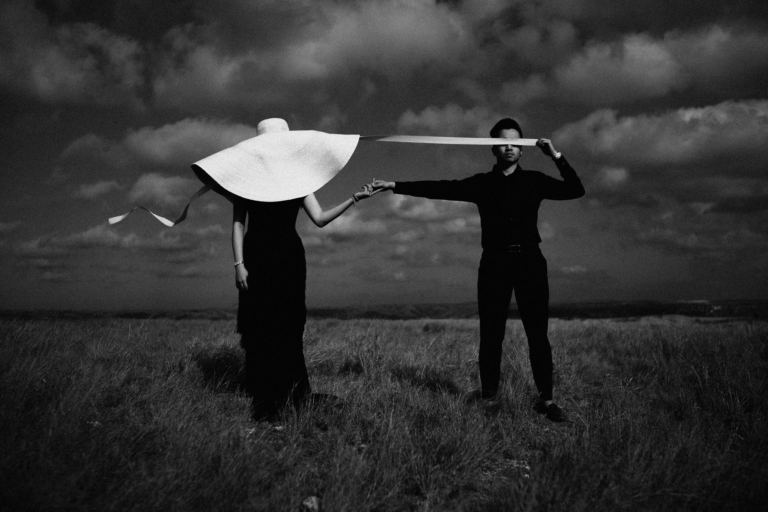
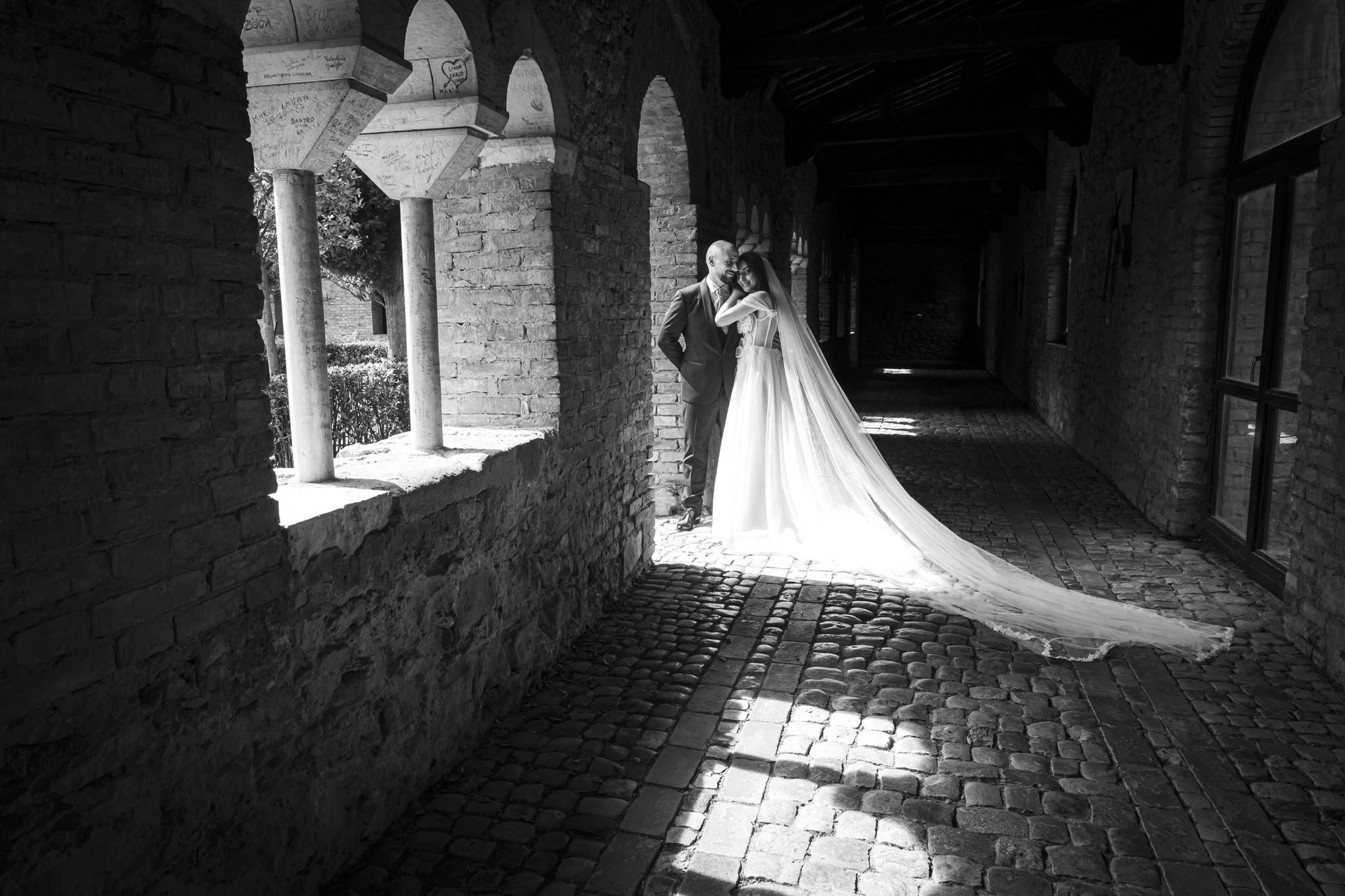
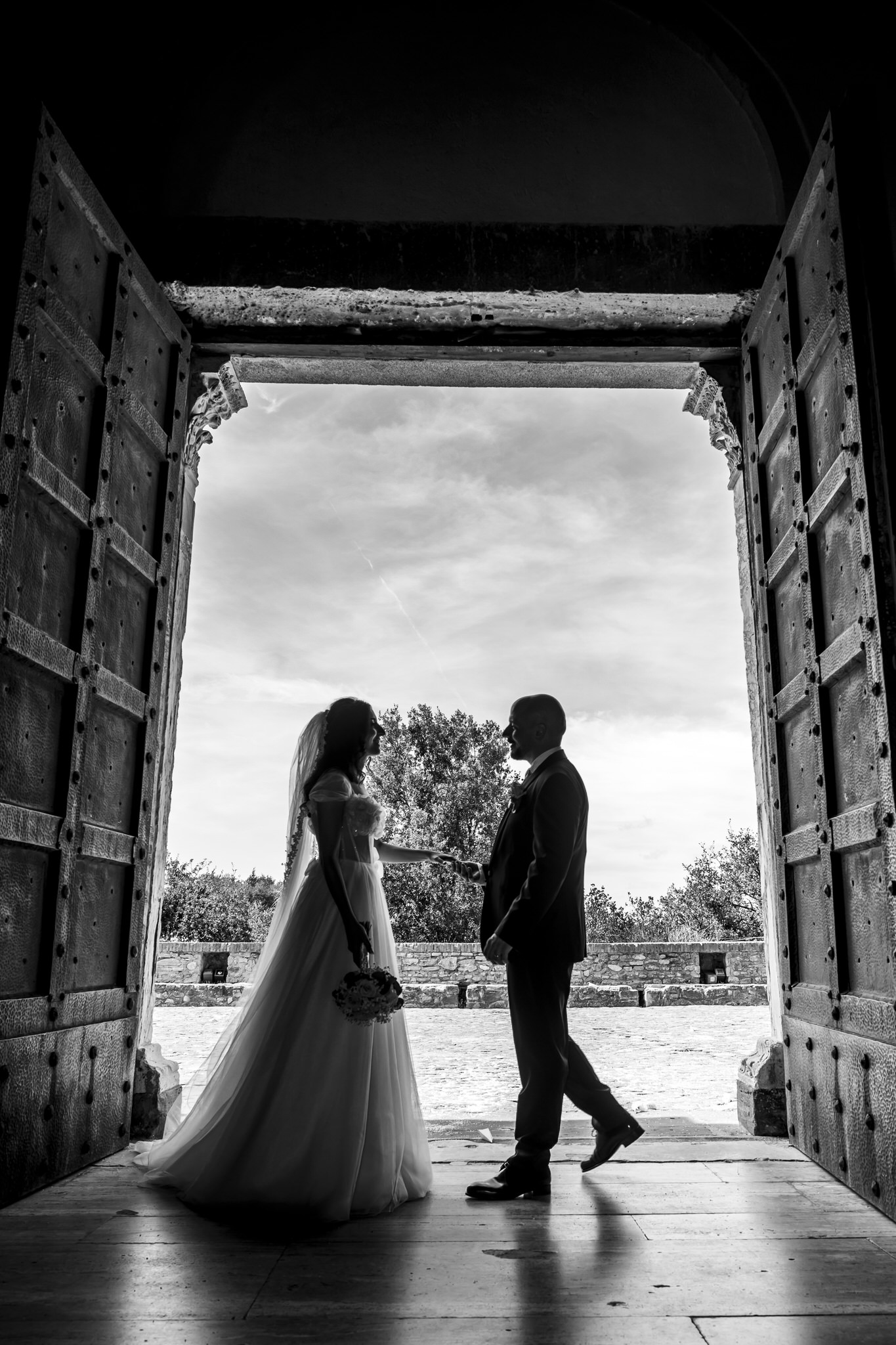
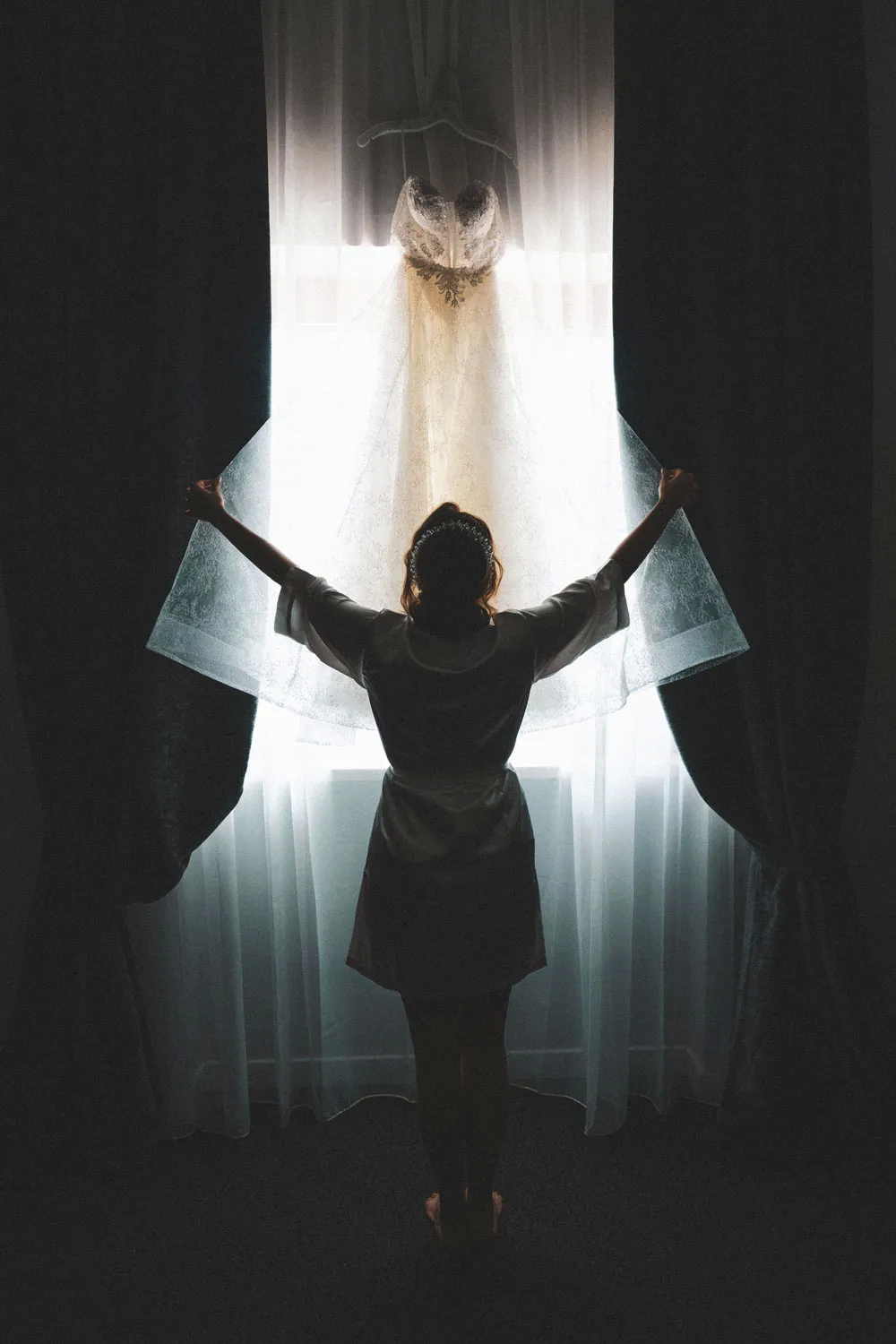
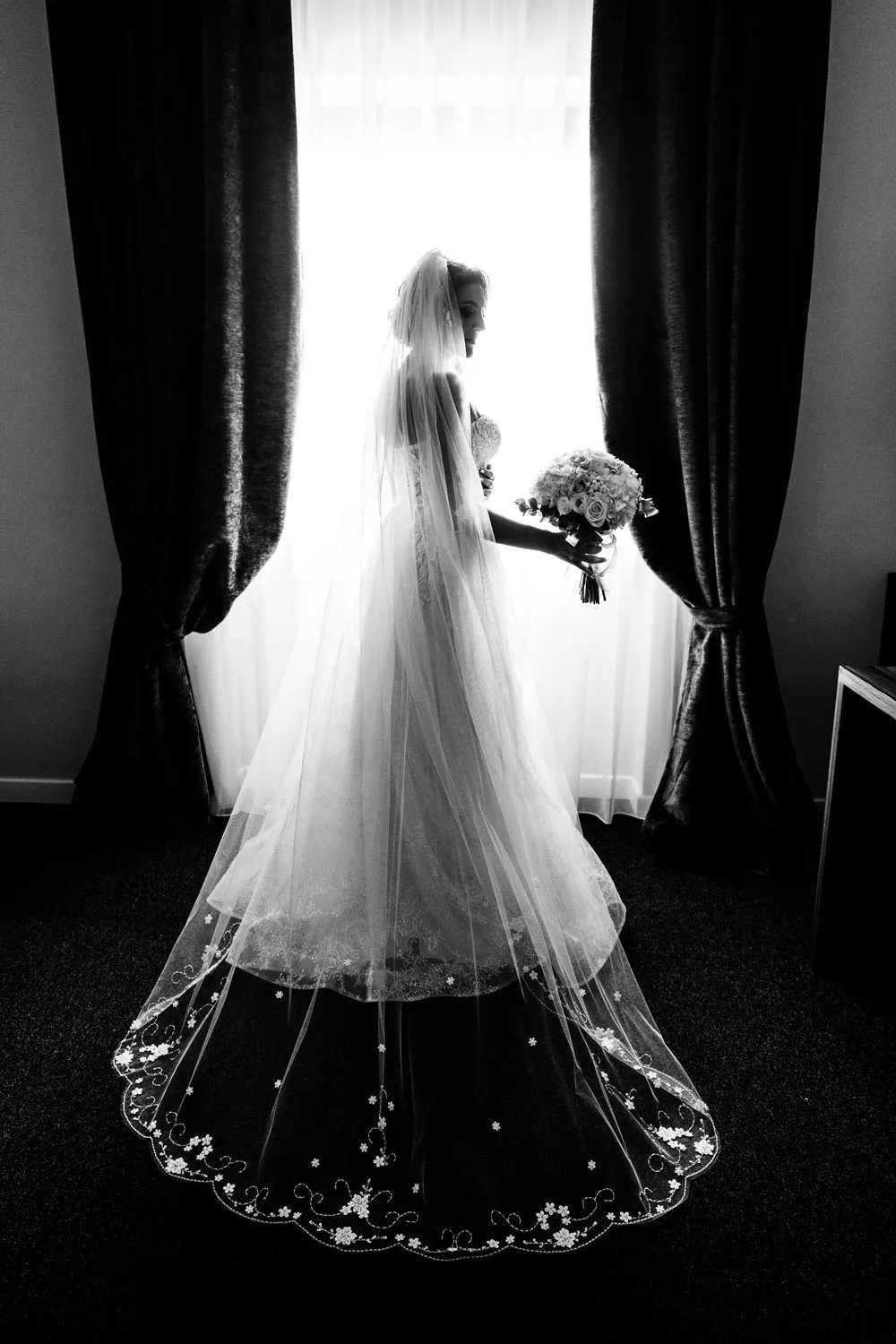
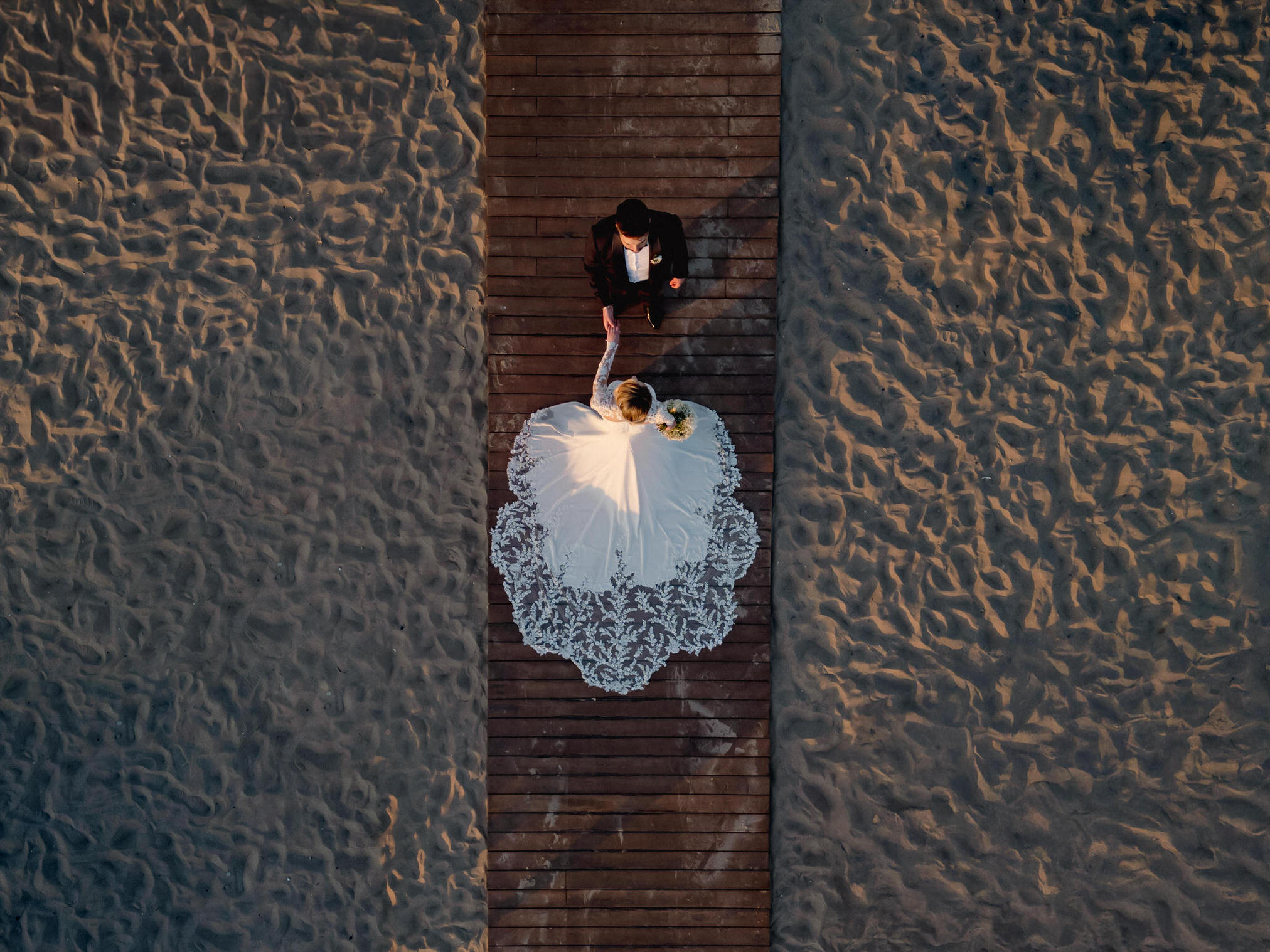
You see it in his images.
They are composed, precise, grounded – but never rigid.
His landscapes feel architectural, yet alive.
His wedding moments feel intimate, and full of empathy.