
Rafael Petrocco on Weddings, Education, and the Business of Images
Short Bio
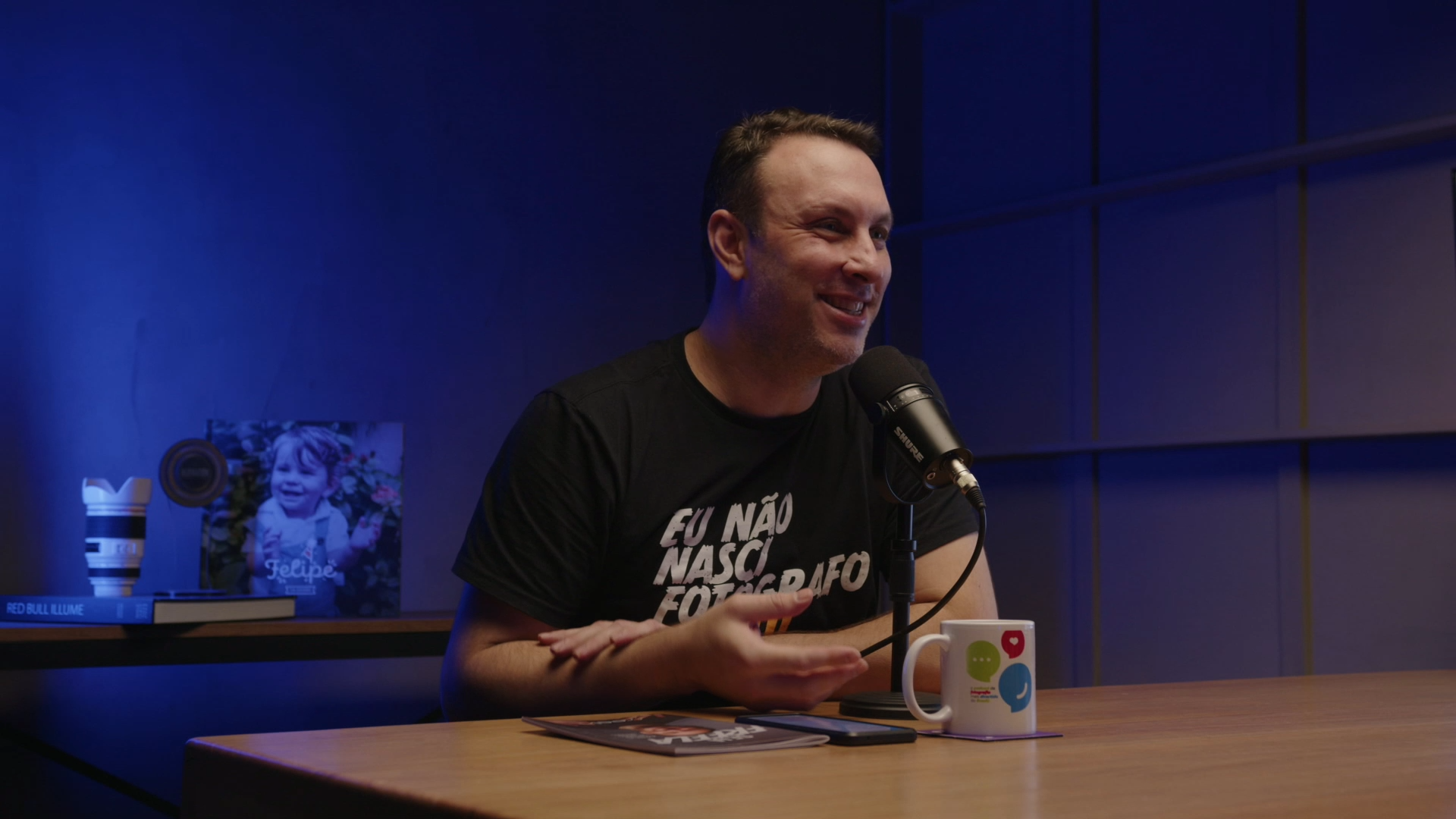
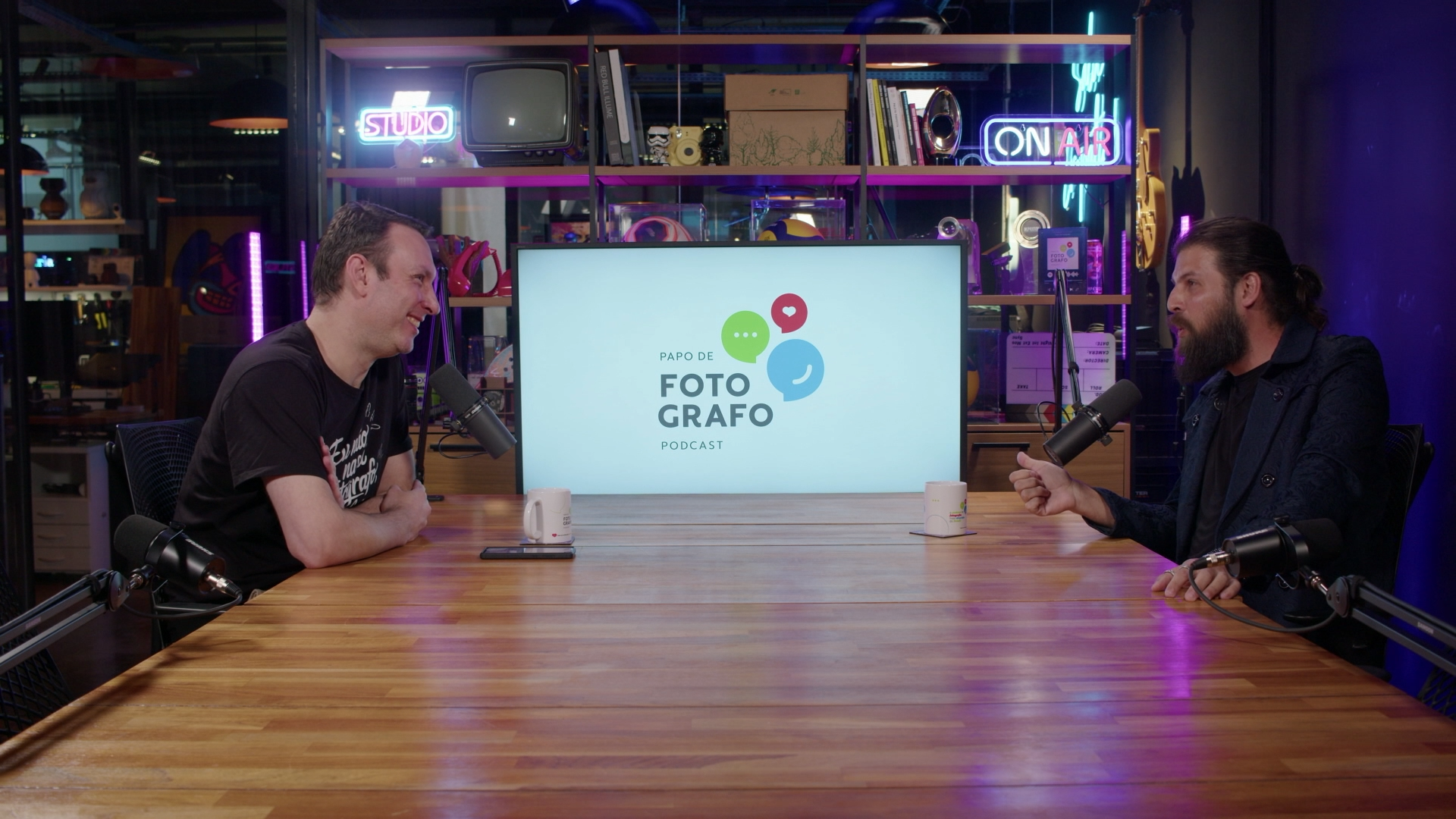
Rafael Petrocco is a Brazilian photographer, designer, and educator best known as the co-creator and host of Papo de Fotógrafo, one of the most influential photography podcasts in Brazil.
Launched in 2013 together with photographer Ana Cariane, the show has produced hundreds of episodes and reached millions of listeners, becoming a hub for conversations about photography, creativity, and the business of image-making.
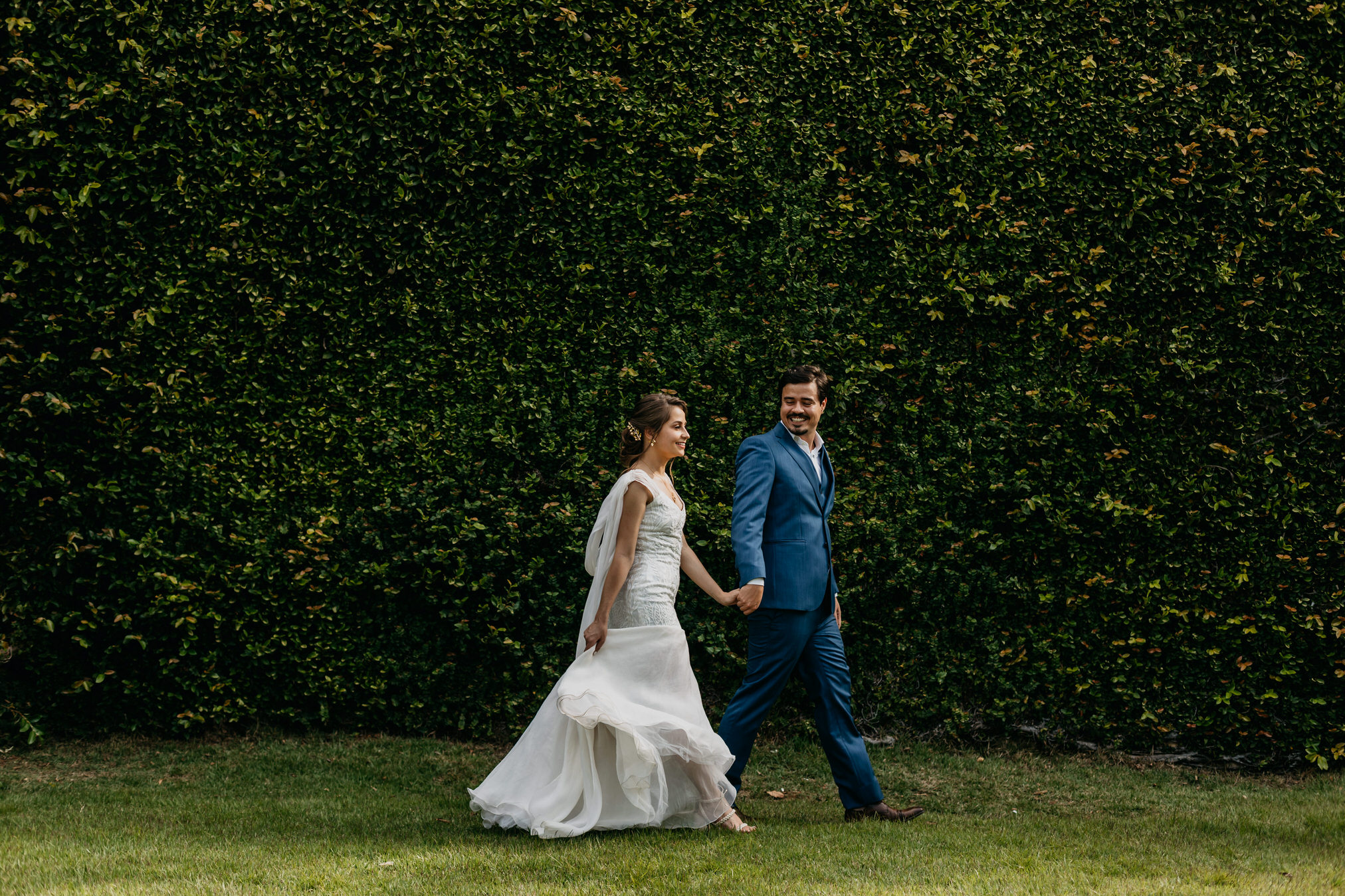
Before focusing fully on photography, Petrocco studied advertising and graphic design, and that background in communication still shapes the way he approaches images and storytelling today. Alongside running the podcast and teaching photographers, he works as a wedding and family photographer based in Campinas, Brazil, where he captures personal moments while building a strong community around photography and education.
Driven by a deep interest in people and their stories, Petrocco sees photography not just as a profession but as a way to connect with others and document meaningful moments in their lives.
https://www.rafapetrocco.com.br/
Brazil has a very strong visual culture – music, color, celebration, emotion. Do you feel that Brazilian culture influences the way you photograph weddings?
Brazil is a country of continental proportions.
If you travel through different cities, you’ll notice that beyond the music, colors, and emotions, there’s a huge mixture of cultures from all over the world.
We were colonized by the Portuguese, but we also received many waves of immigration – Italians, Spaniards, Dutch, Germans, Japanese, Chinese – all of which eventually blended into the local culture.
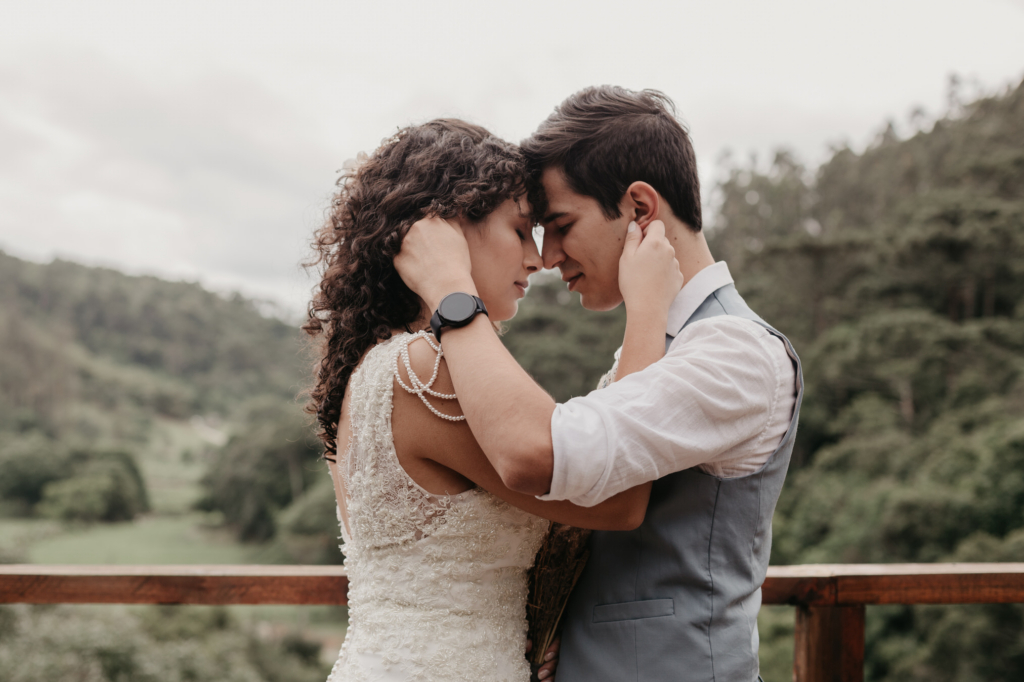
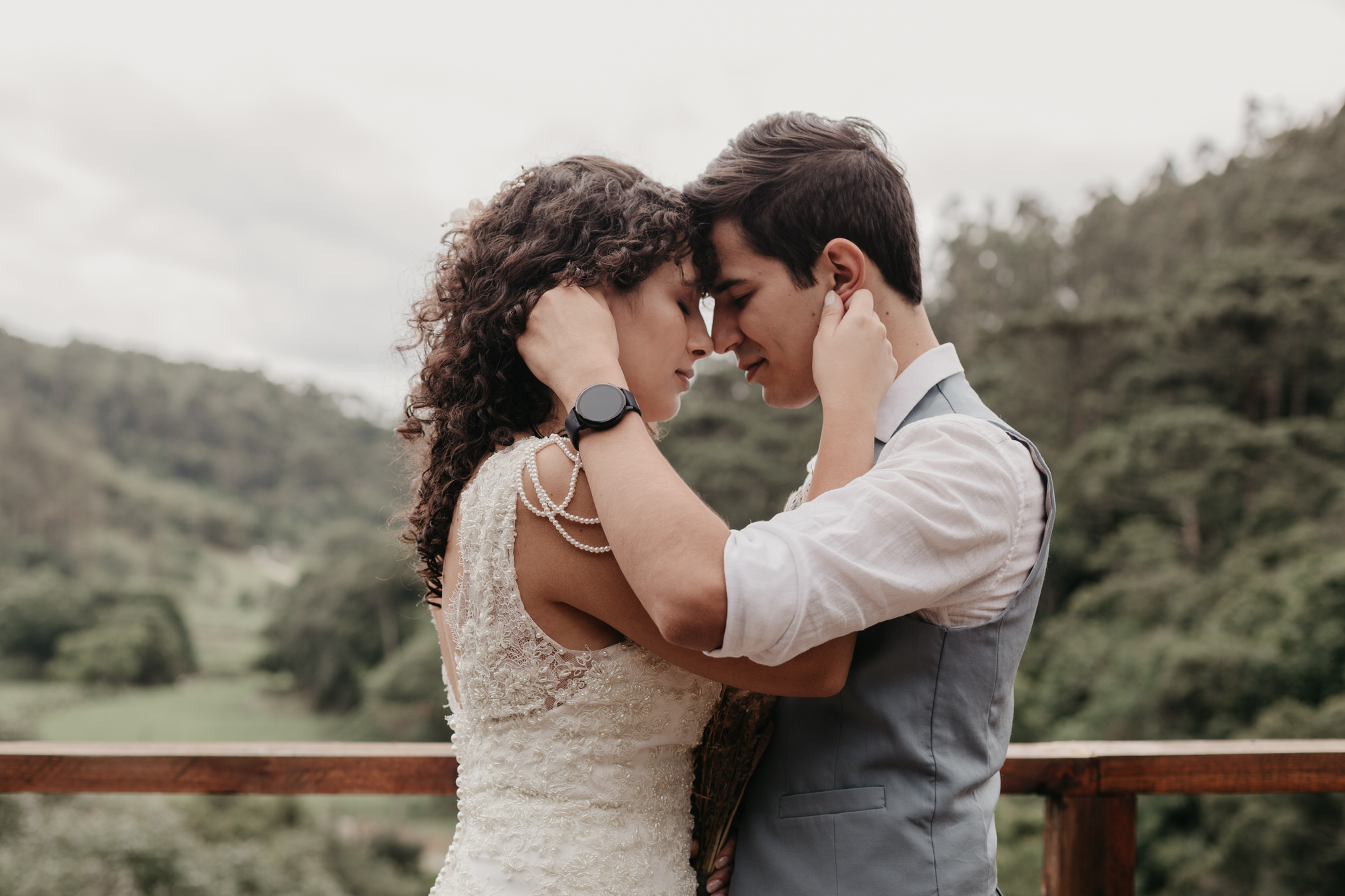
I believe that this cultural mixture, along with a bit of my own Italian heritage, influences the way I photograph. My work isn’t primarily driven by technical perfection or aesthetics. It’s much more about connection and the way I relate to people through photography.
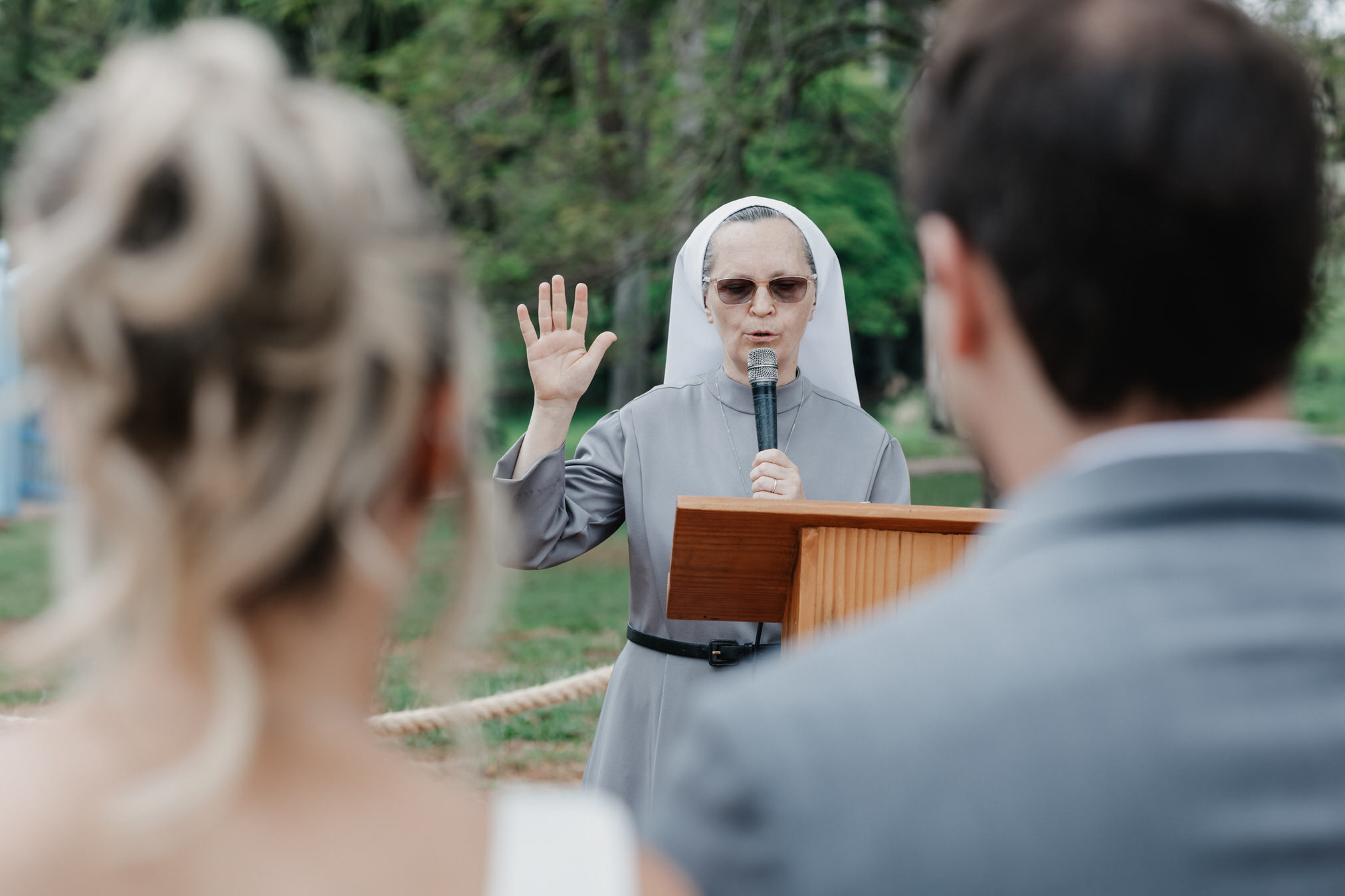
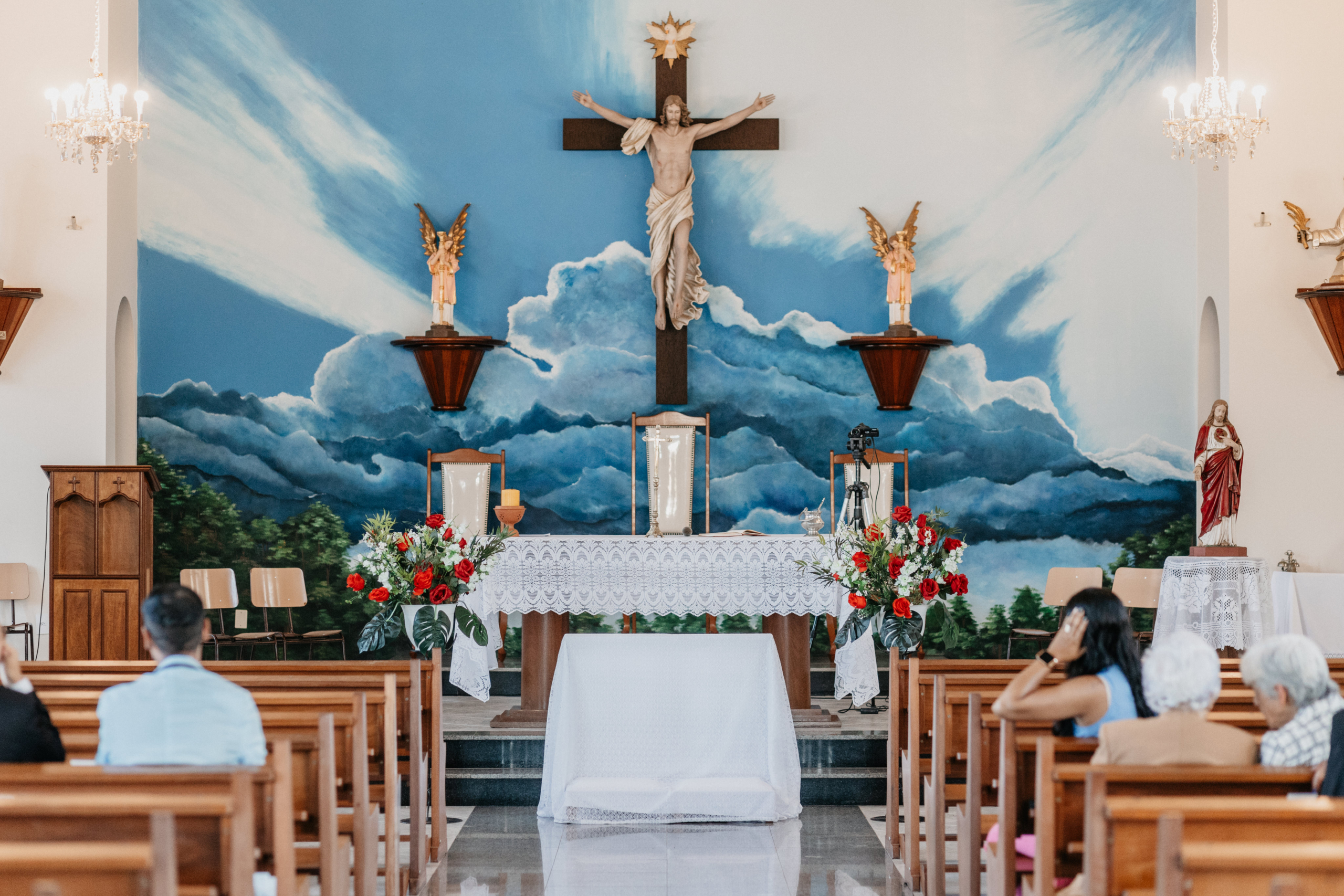
What is fundamentally different about photographing weddings in Brazil compared to other places in the world?
I haven’t yet had the opportunity to photograph weddings in other countries, but I have photographed international couples who came to get married in Brazil.
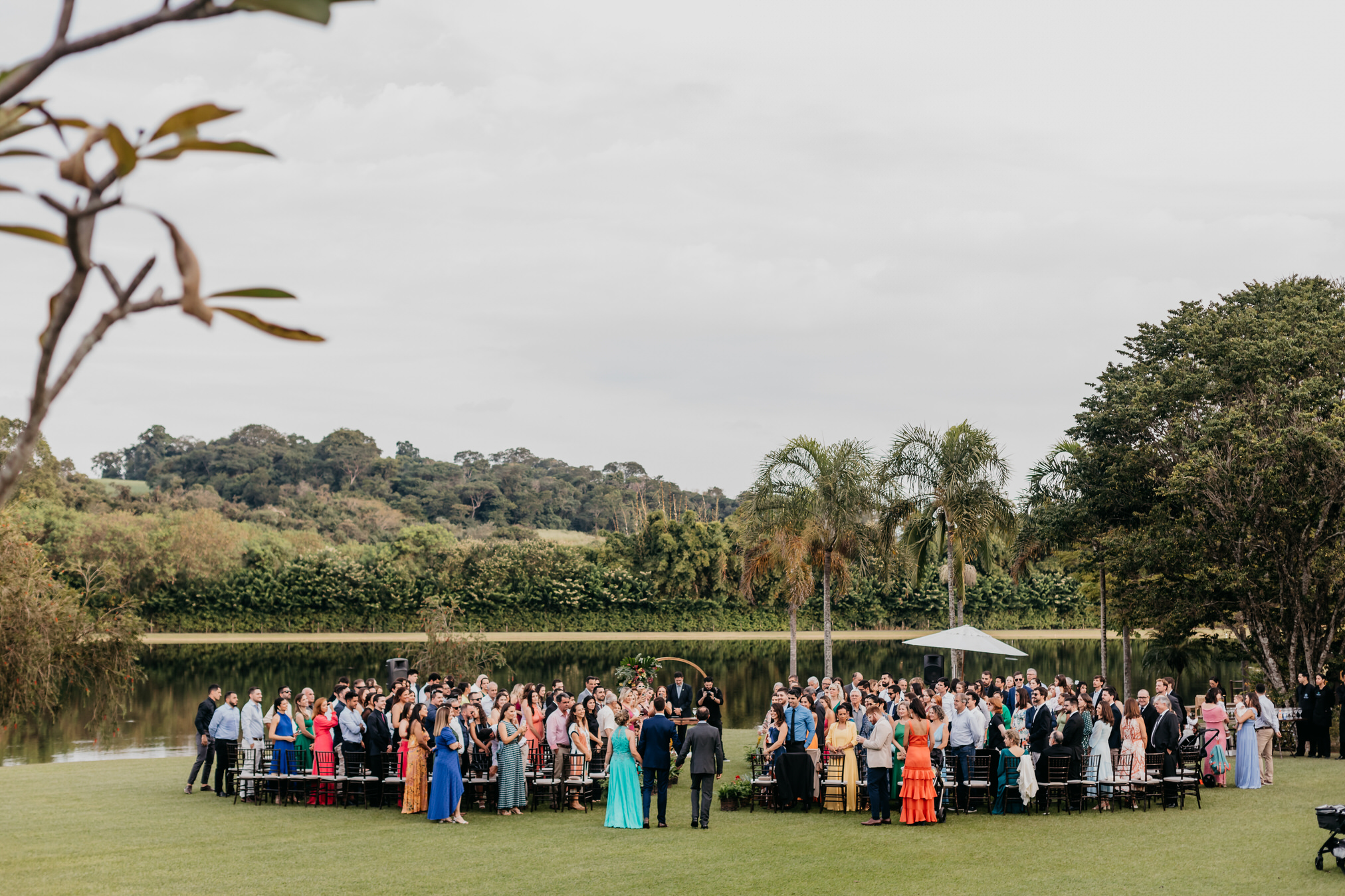
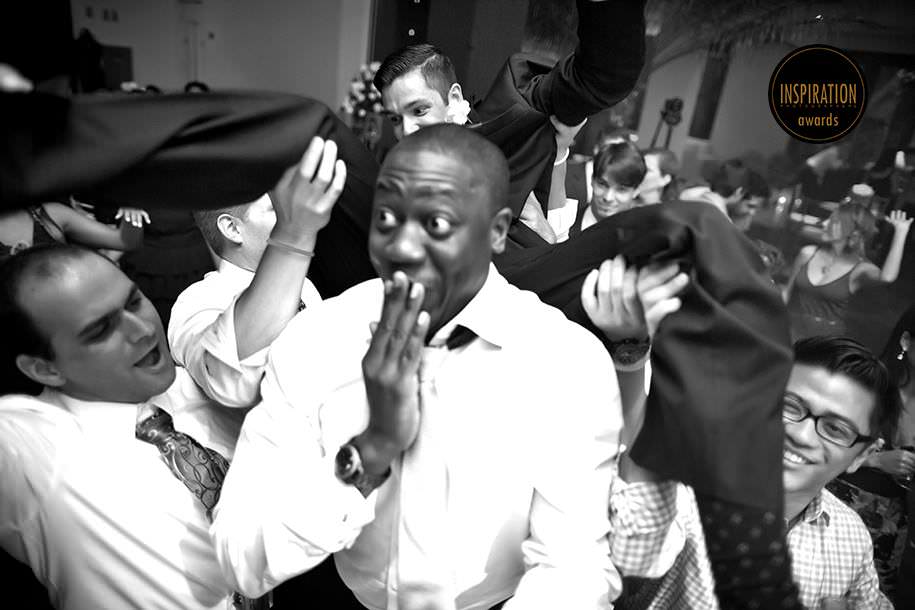
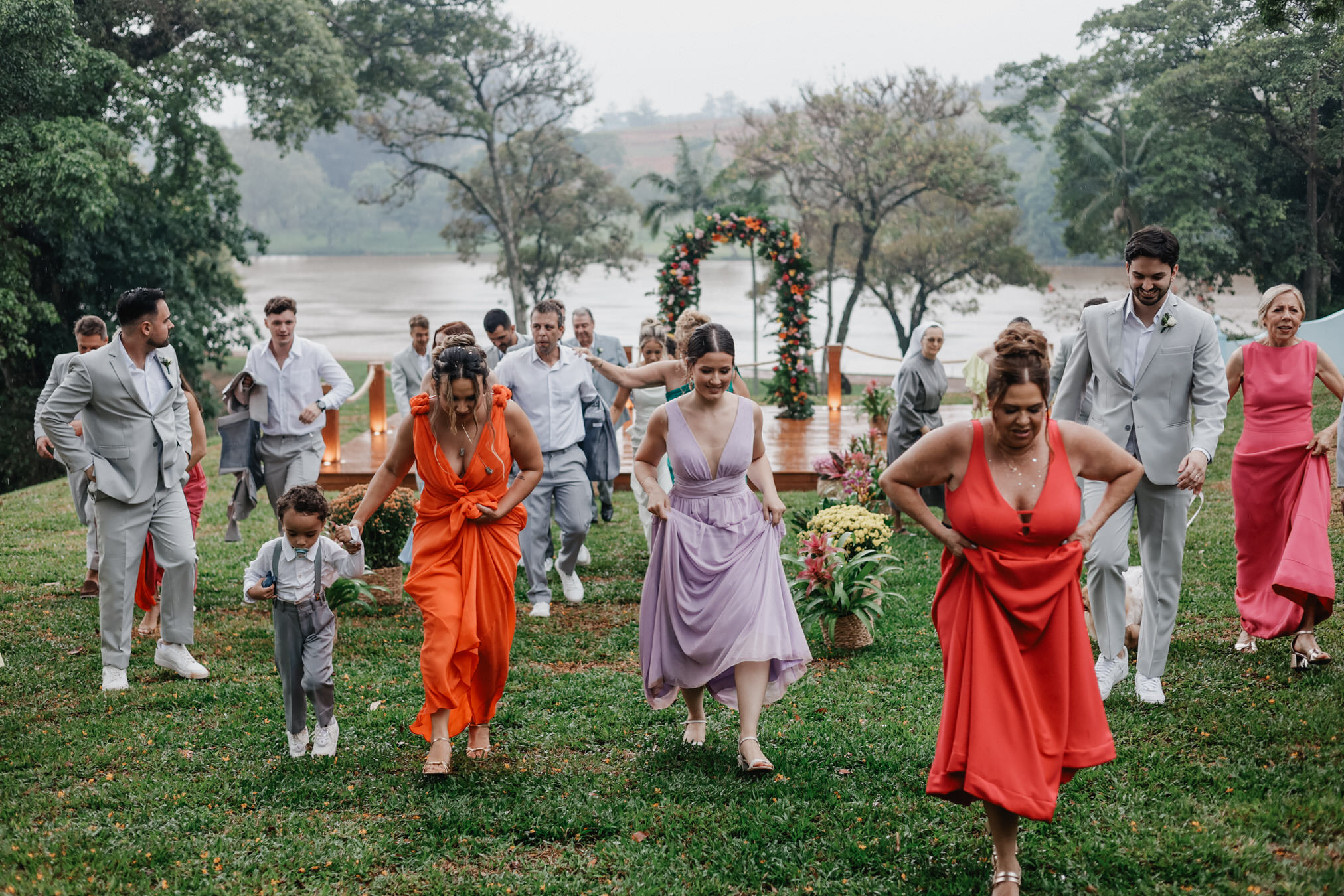
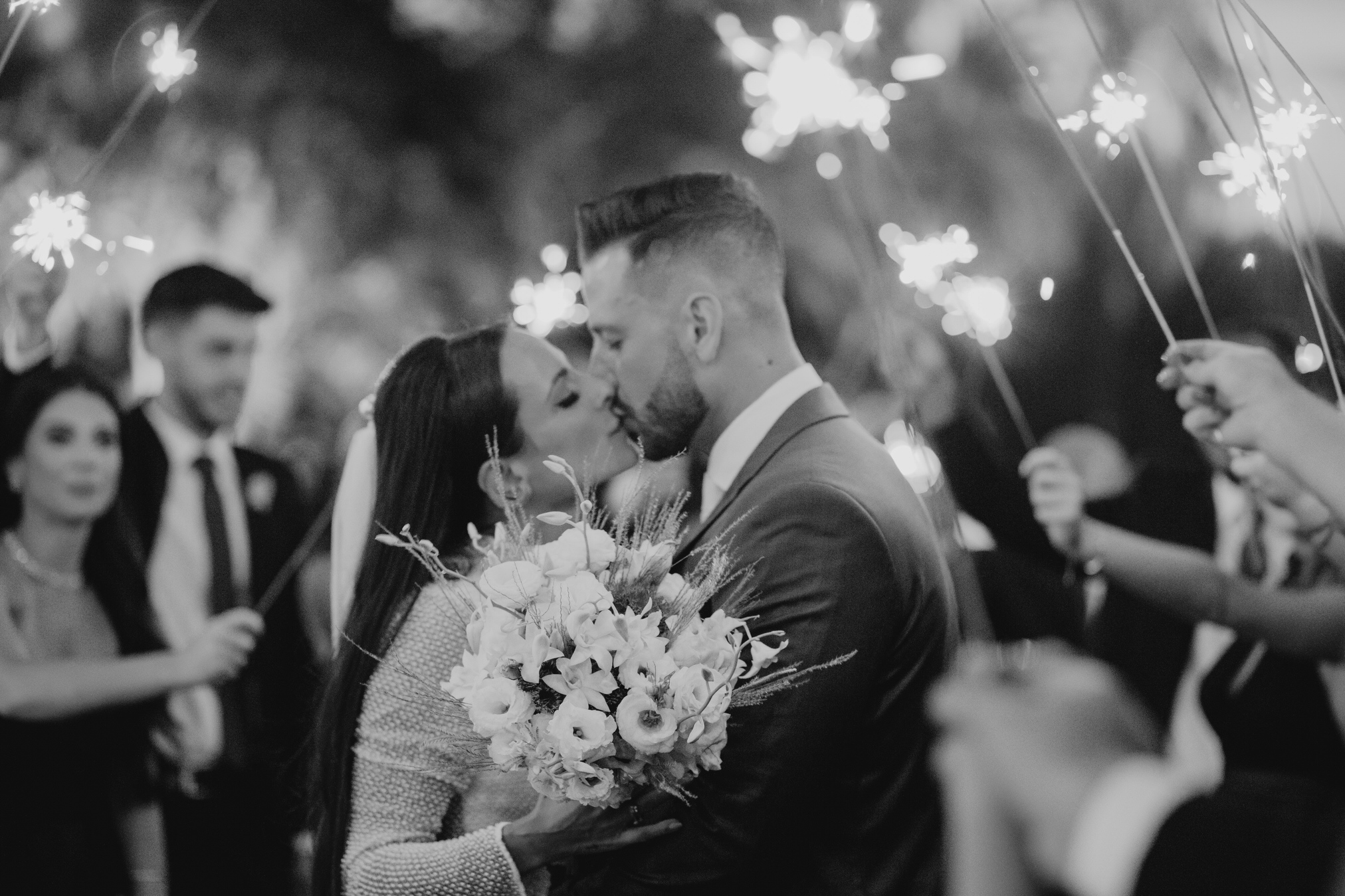
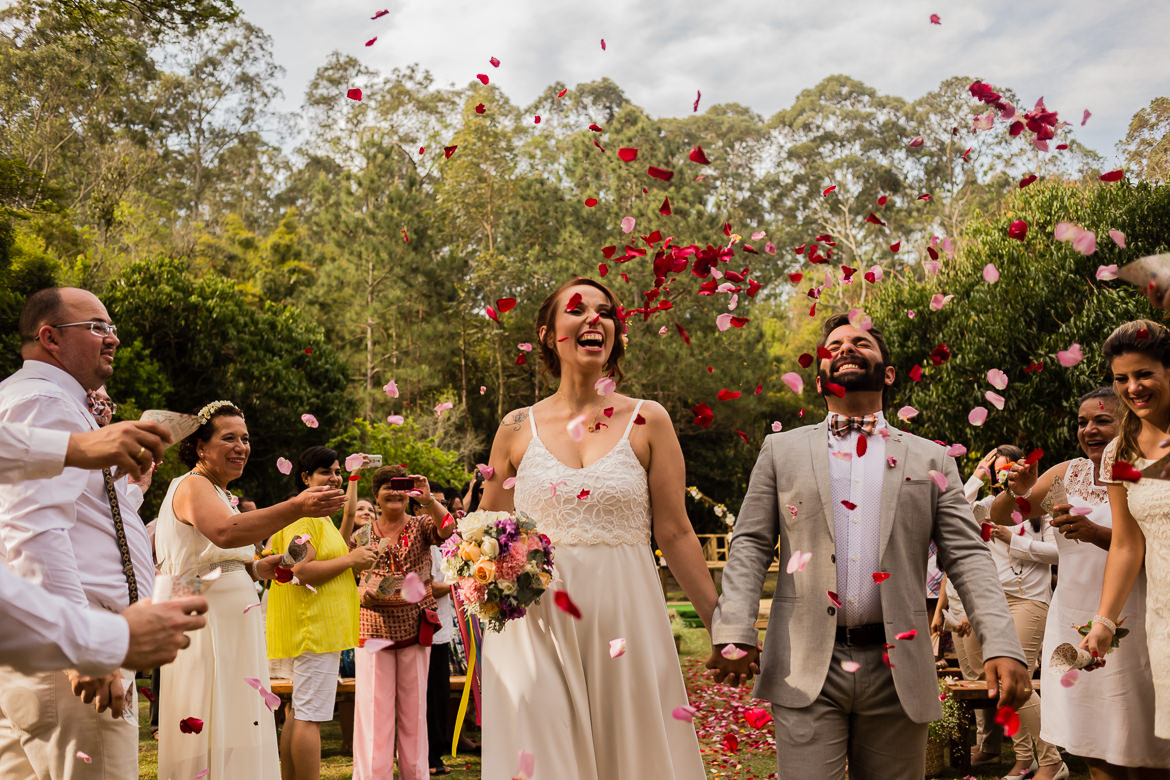
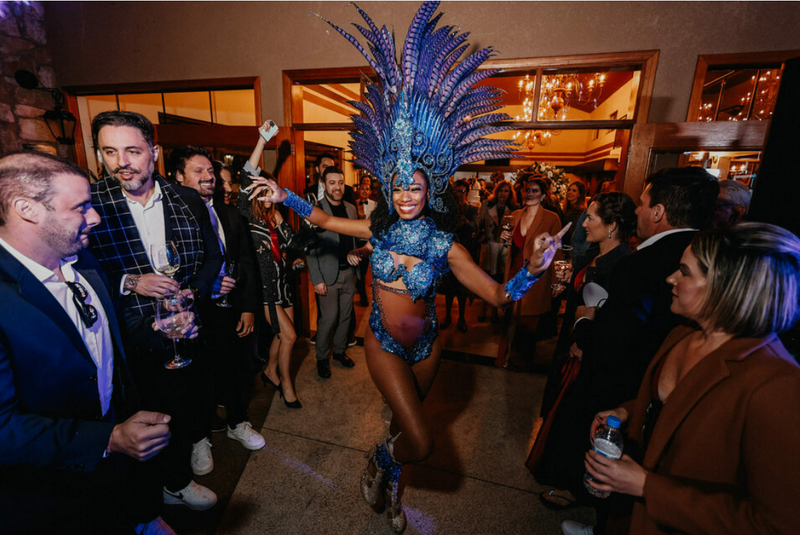
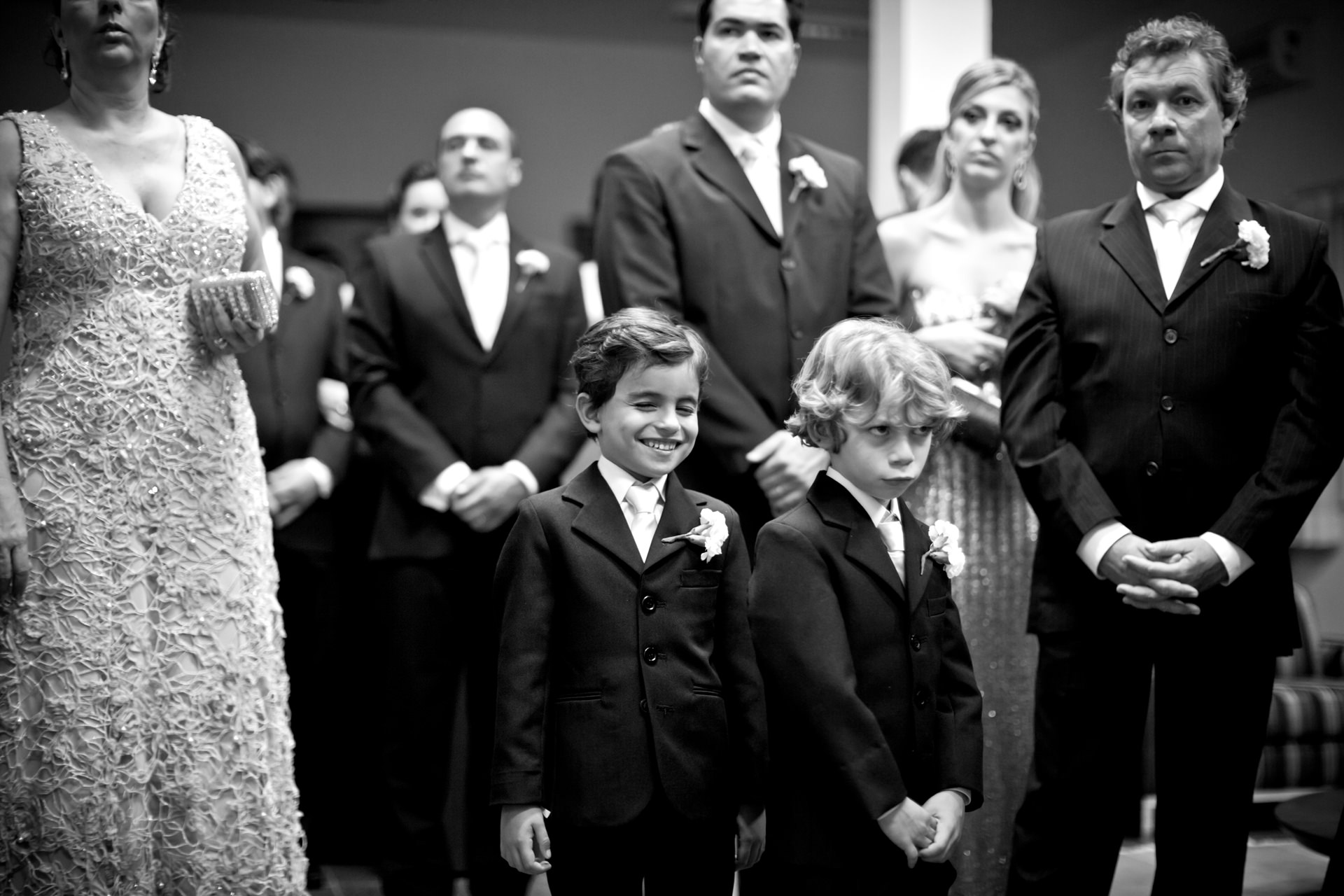
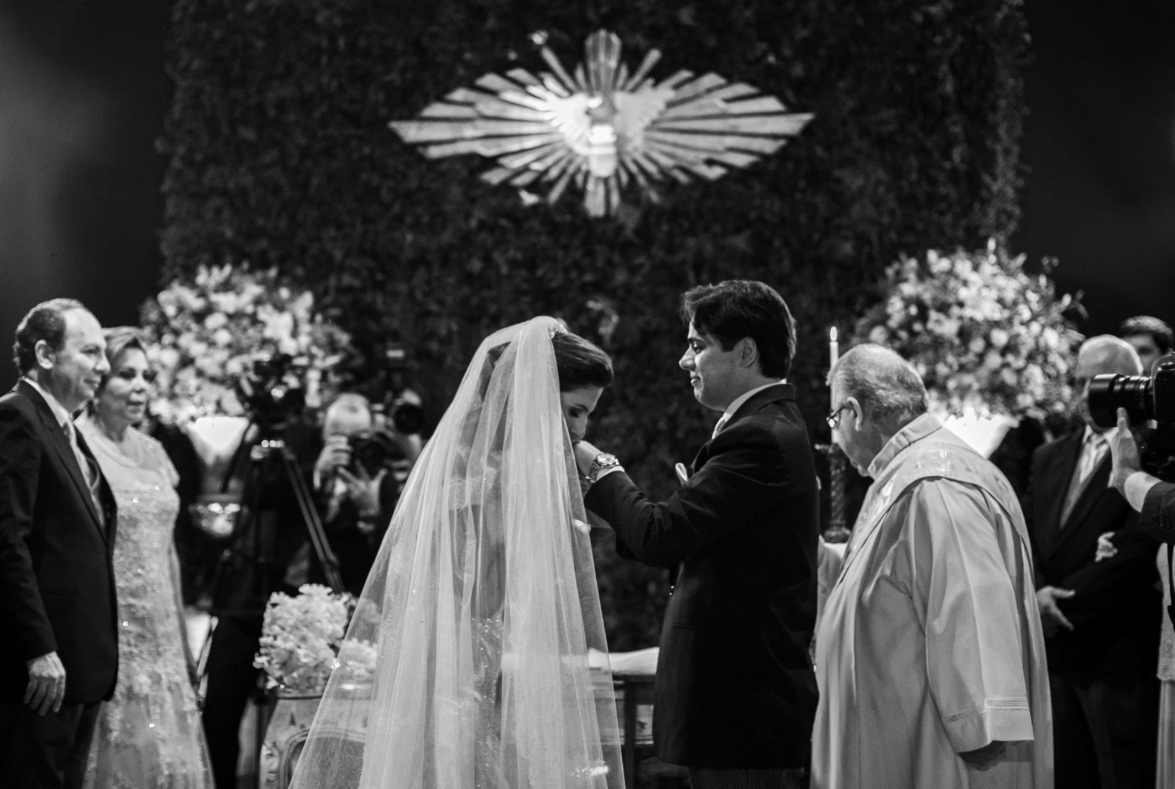
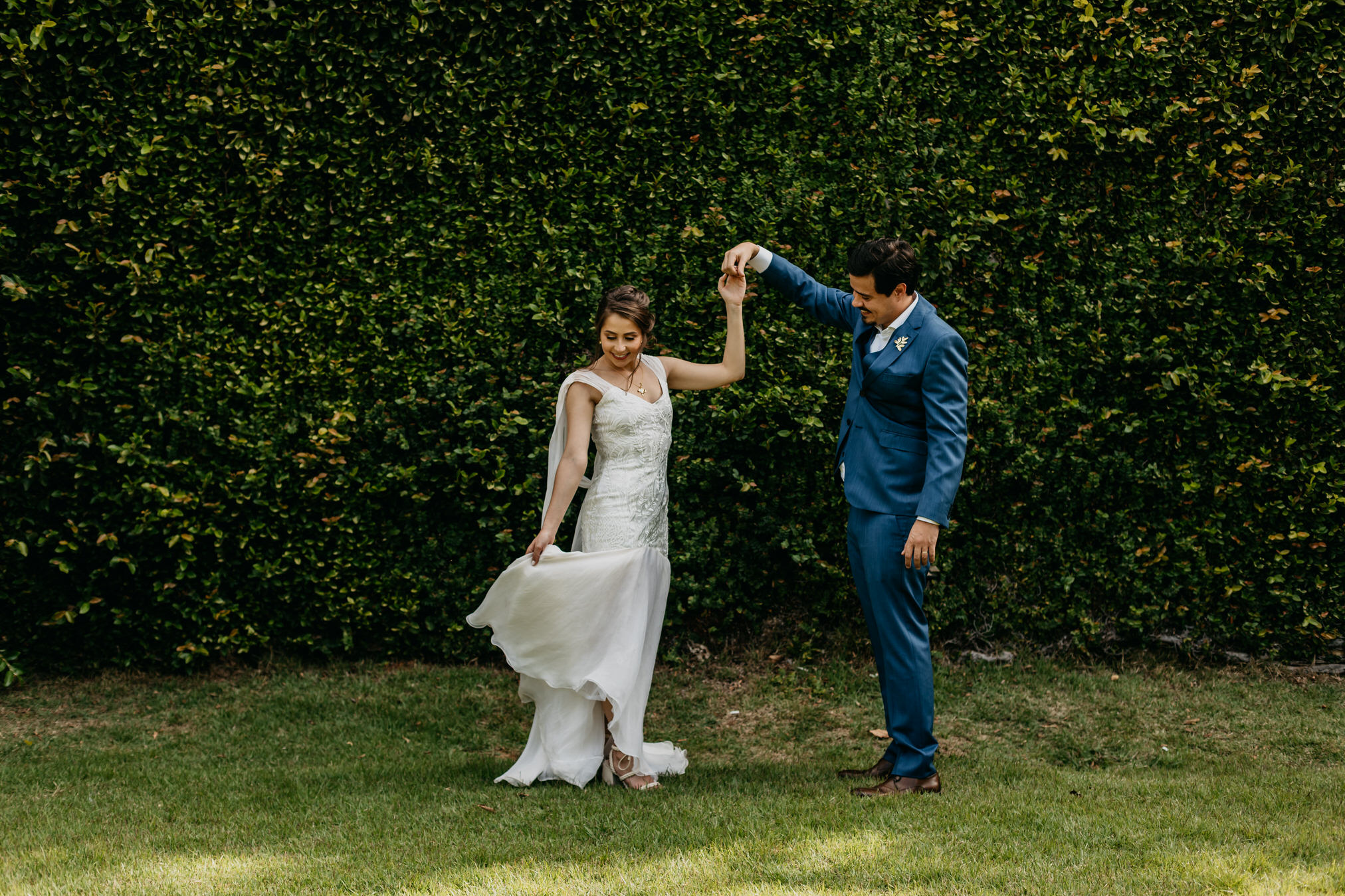
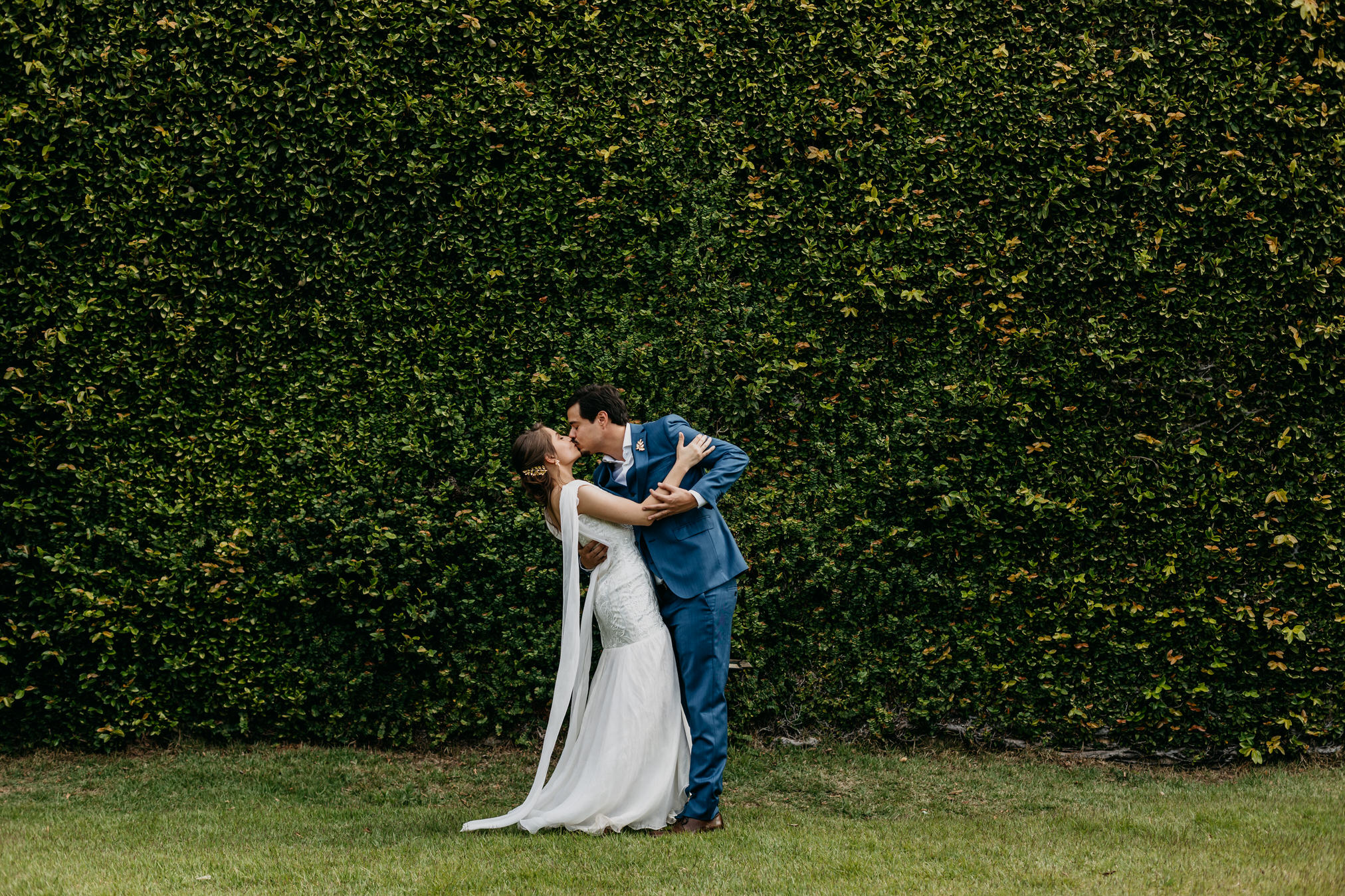
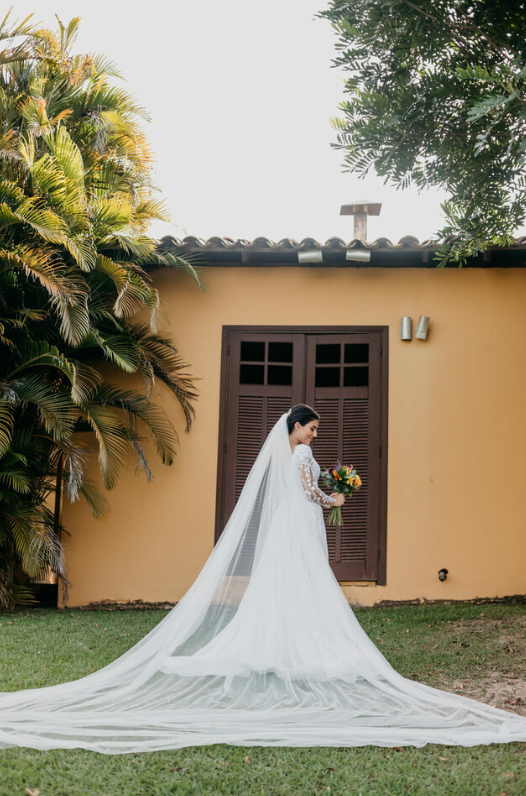
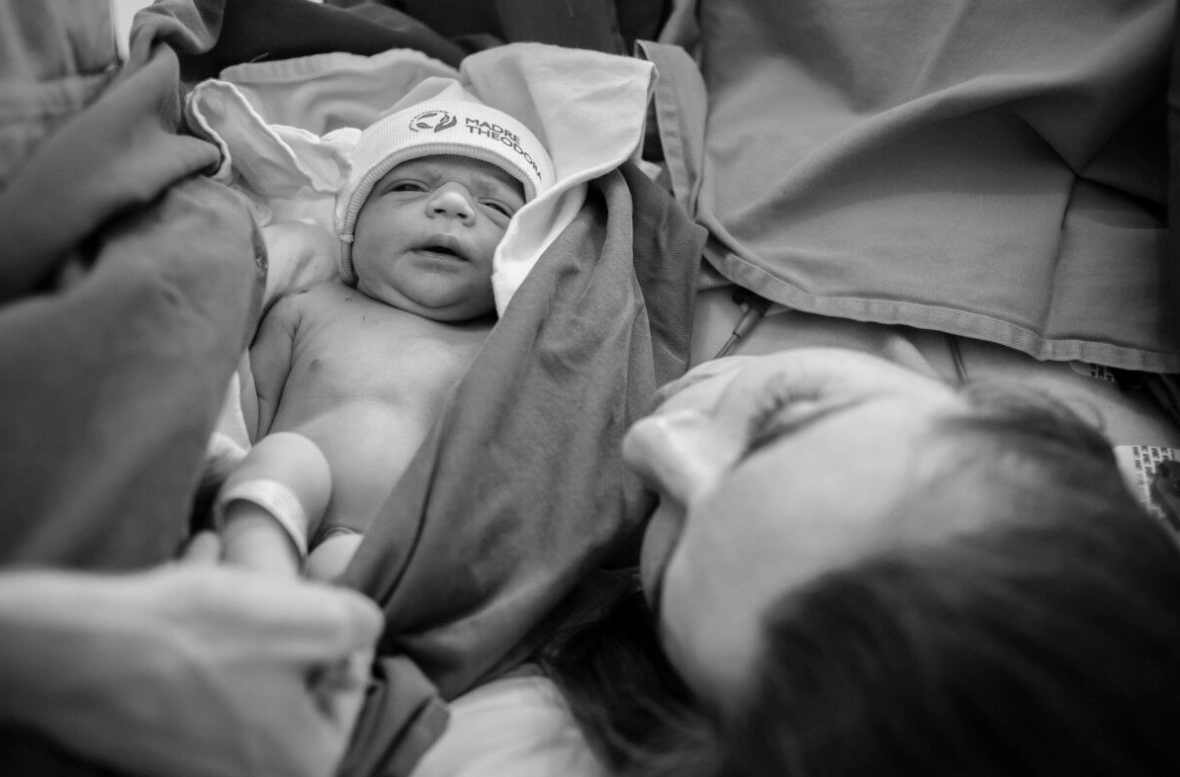
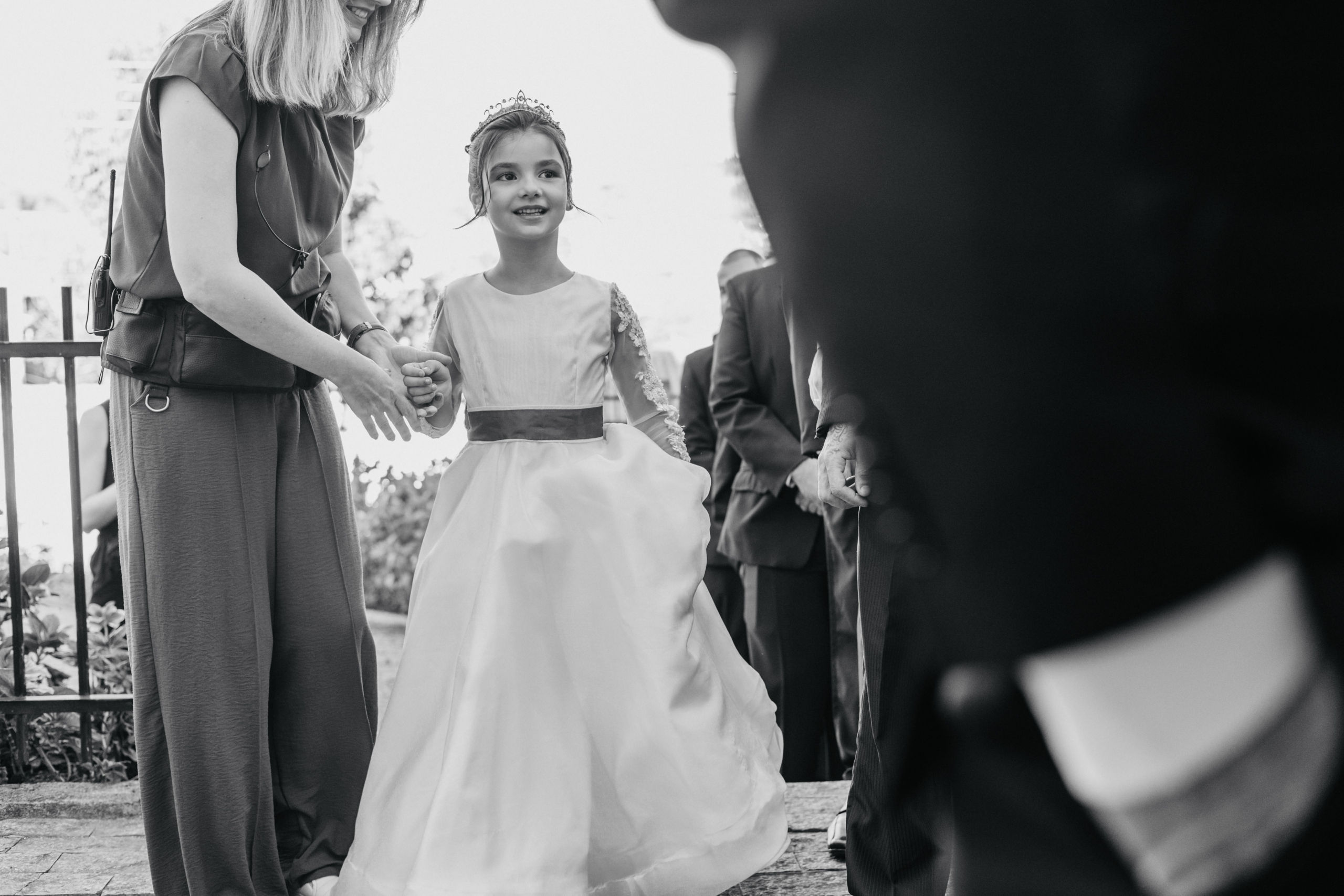
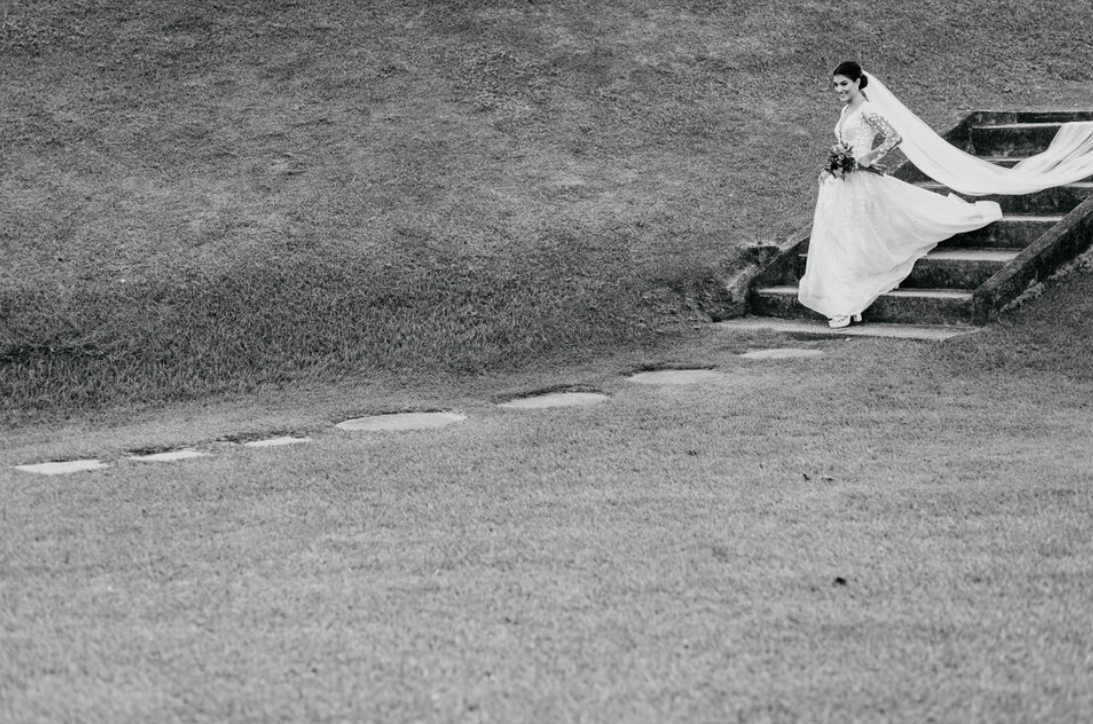
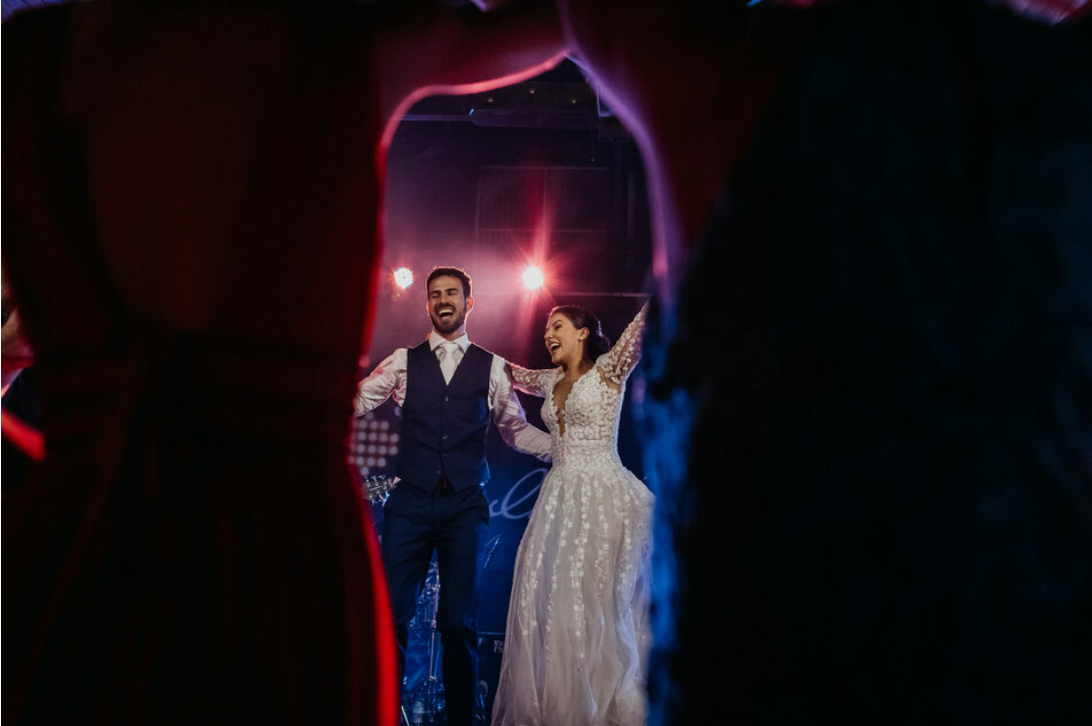
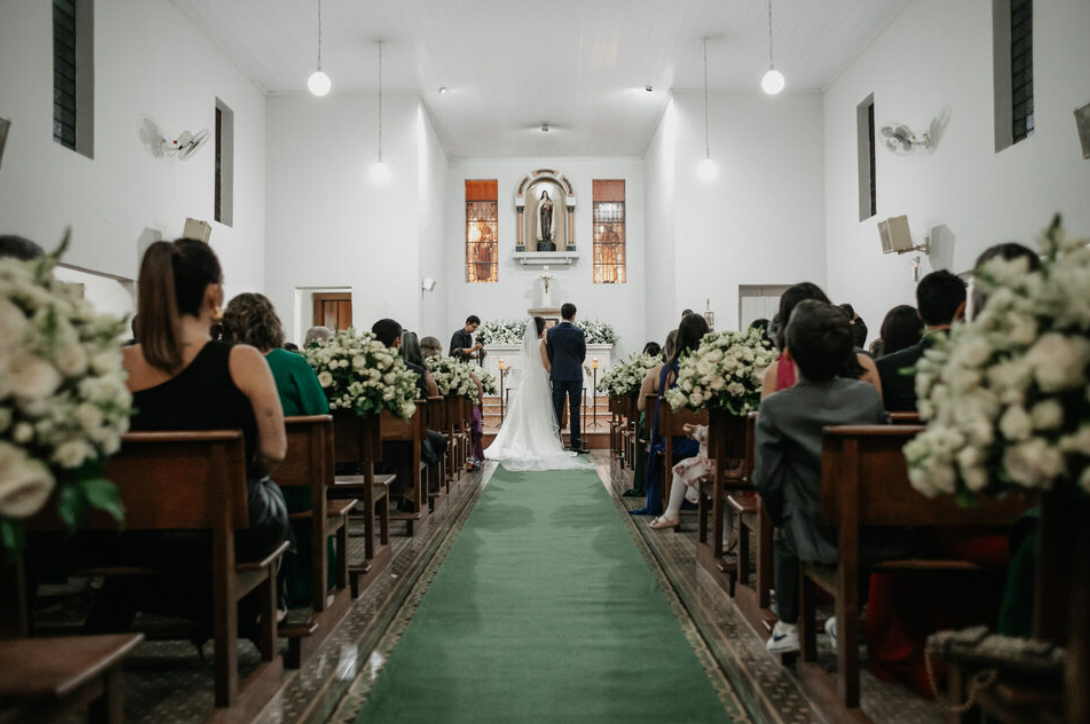
In general, Brazilian weddings are not just a celebration for two people – they are a rare opportunity to bring together family and friends, and they often turn into a major event, almost like a concert from a famous band’s tour.
In many countries, it’s common to see weddings documented by just one photographer, with a slower and quieter pace. In Brazil, it’s usually the opposite. Here, photography teams often have two, three, or even more professionals, because weddings tend to be large celebrations with 200, 300, or sometimes even more guests.
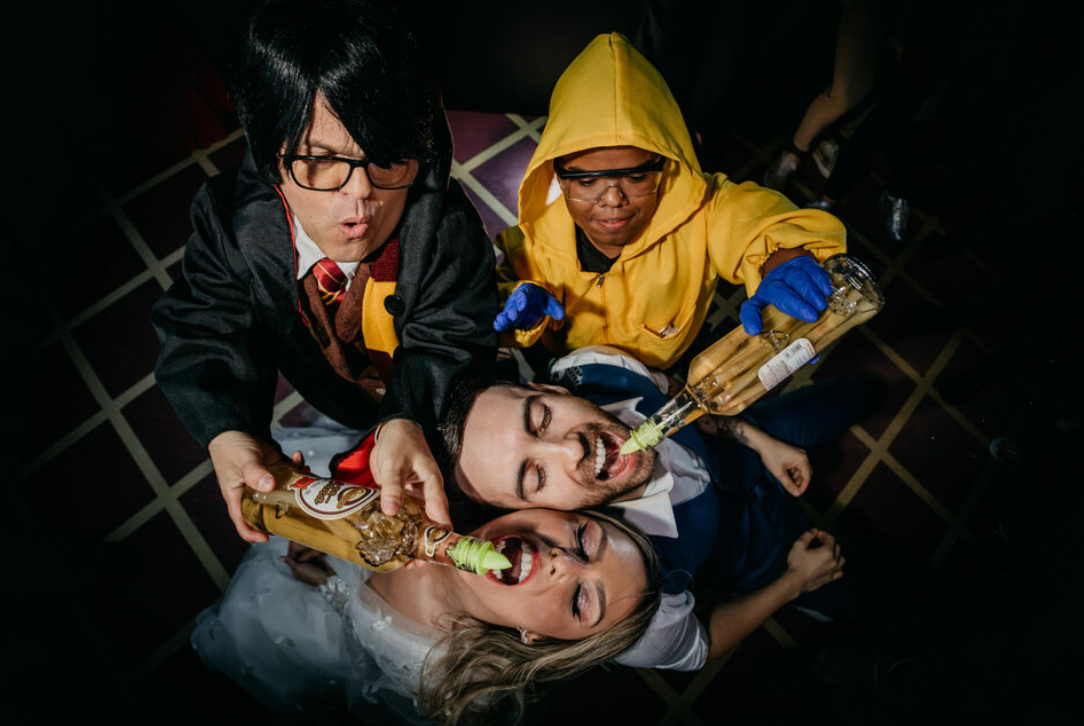
Another interesting difference is that in Brazil the party is the highlight of the wedding.
In many other places, the reception is just a complement to the ceremony.
Here, it’s the most anticipated moment of the day.
That’s why, for us, even six hours of celebration often feels like it’s not enough.
When you arrive at a wedding, what are you looking for first – the light, the people, the emotion, or something else?
I’ve never been – and maybe never will be – the kind of photographer who considers himself an artist.
I understand light, I can see composition, but I’ve always been a very intuitive person.
I don’t overthink things; I just do them.
Because of that, what matters most to me is the relationship with people and their emotions.
The moment and the expression are far more important than perfect lighting or a sophisticated composition.
I believe that’s exactly what makes some people connect with my work.
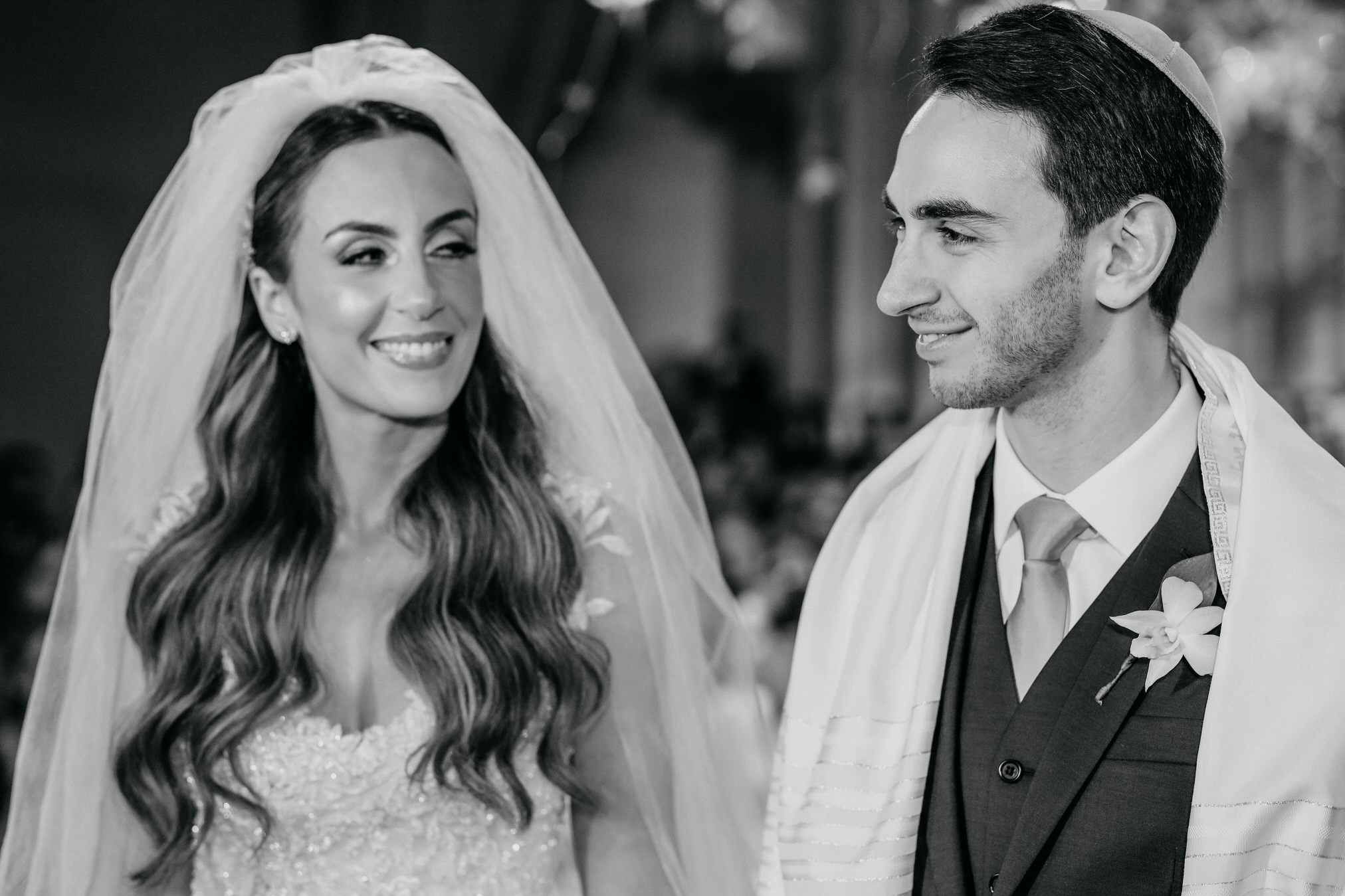
They see natural moments and genuine spontaneity instead of highly constructed visual ideas that the people in the photograph may not even have experienced.
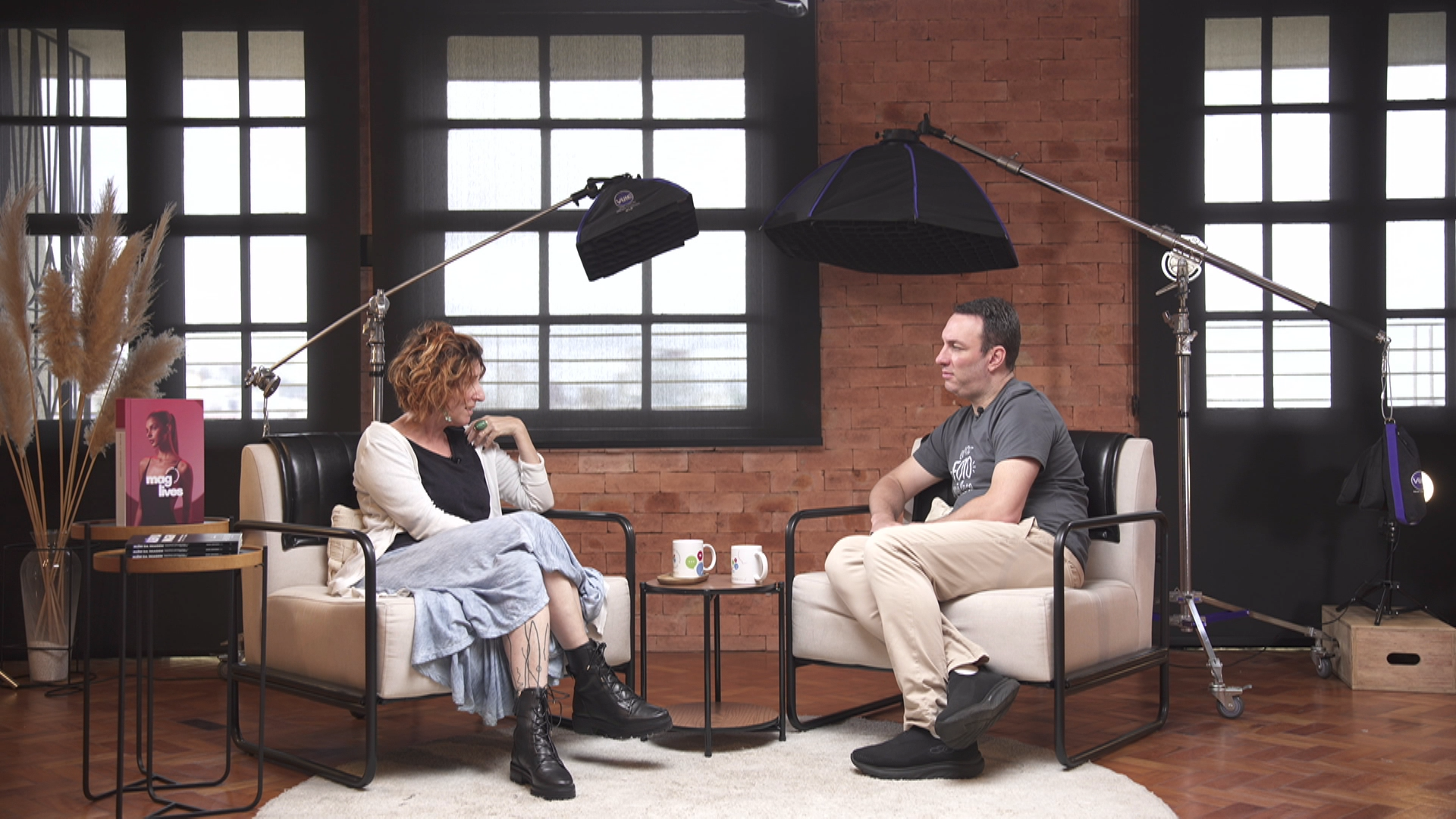
Teaching and sharing knowledge seems to be an important part of your work.
How has educating other photographers changed the way you think about photography?
As long as I can remember, I’ve always enjoyed sharing what I learn with others.
The more I connect with other professionals, the more I absorb ideas and perspectives that eventually influence my own photography – sometimes even unconsciously.
And when knowledge is shared, it often generates questions and discussions, which creates even more opportunities for growth.
After 16 years working in photography and 13 years producing the podcast, I’ve learned to see photography as a whole.
Some people like to call it a passion, others see it as a business. In reality, I believe the best path is finding a balance between the two – so you can live with photography and also live from photography.
Your background is in advertising and design. Do those skills make you a better photographer -and perhaps even a better teacher?
I wouldn’t necessarily say better, because photography isn’t only about aesthetics.
A background in advertising and design certainly helps when it comes to communication and presenting your work.
But there are other factors – often more important than formal education – that shape a photographer.
In my case, I believe those differences come much more from the way I was raised, the experiences I’ve had, the advice I received along the way, and the professionals I had the opportunity to observe and learn from.
I’ve also learned a great deal from photographers I met throughout my career and from the exchanges we had.
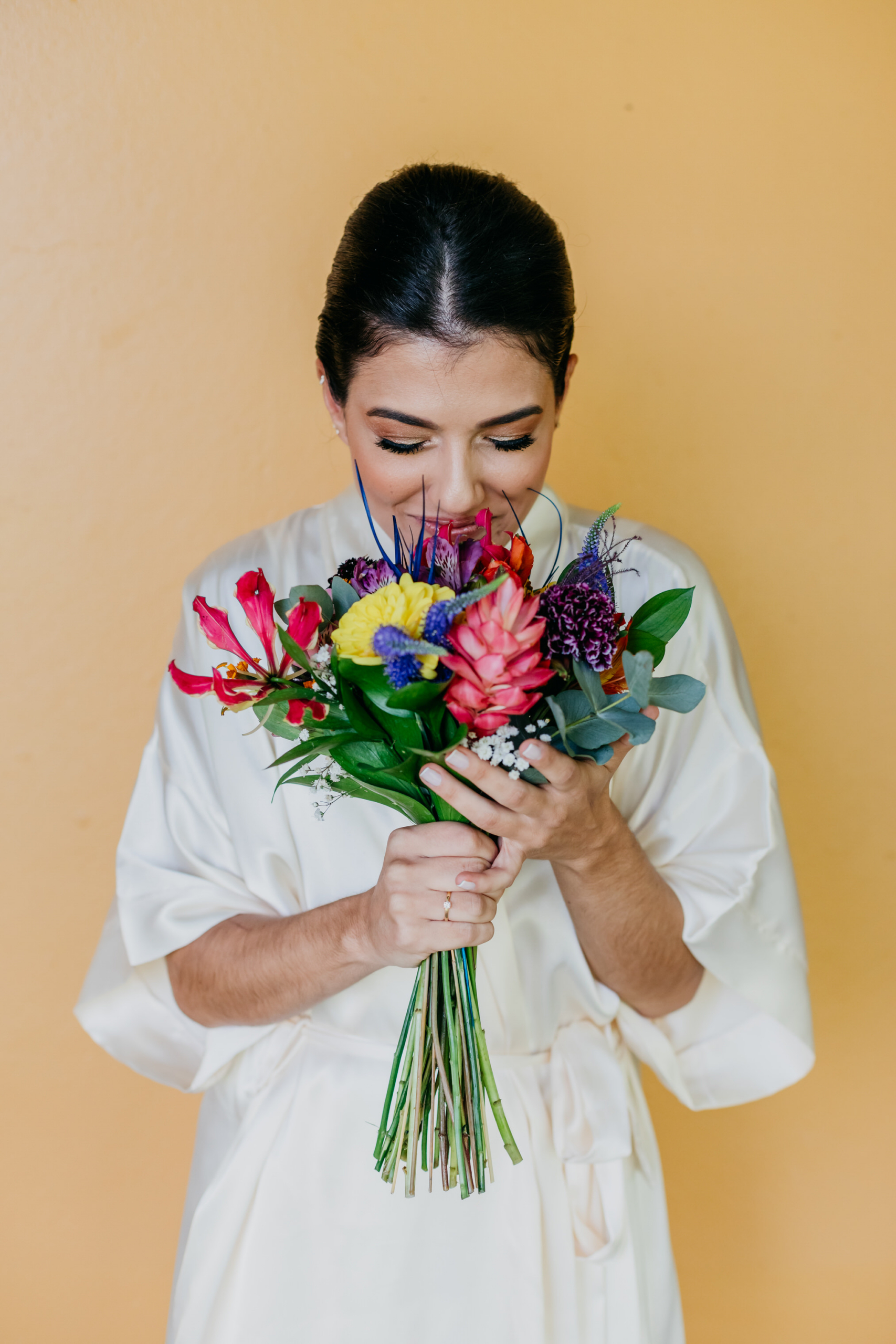
Looking back at your journey so far – what has photography changed in your life?
I often say that photography, for me, is simply a tool that allows me to do what I love most – and what people say I do well – which is communicating.
Maybe I’ll only have a clearer answer to that question in a few years.
Or maybe I’ll never have a definitive answer at all. But I can say that photography changes my life every time it becomes the instrument that allows me to experience something new – something I might never have had the chance to live if it weren’t through photography.
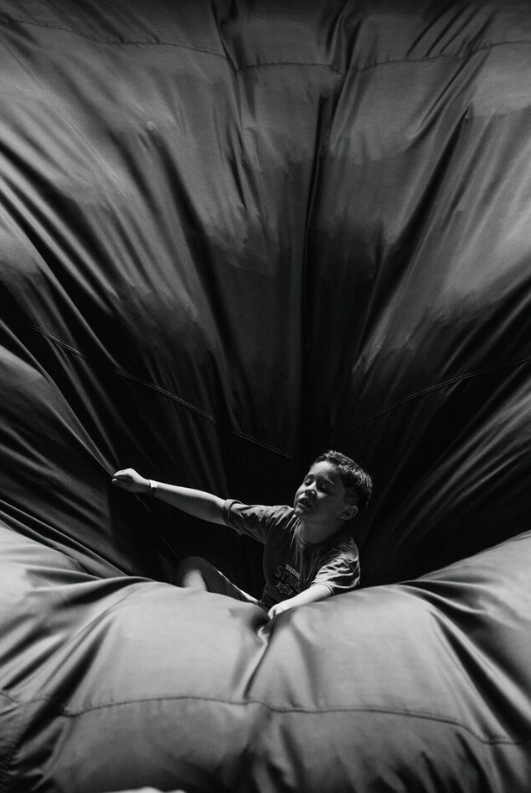
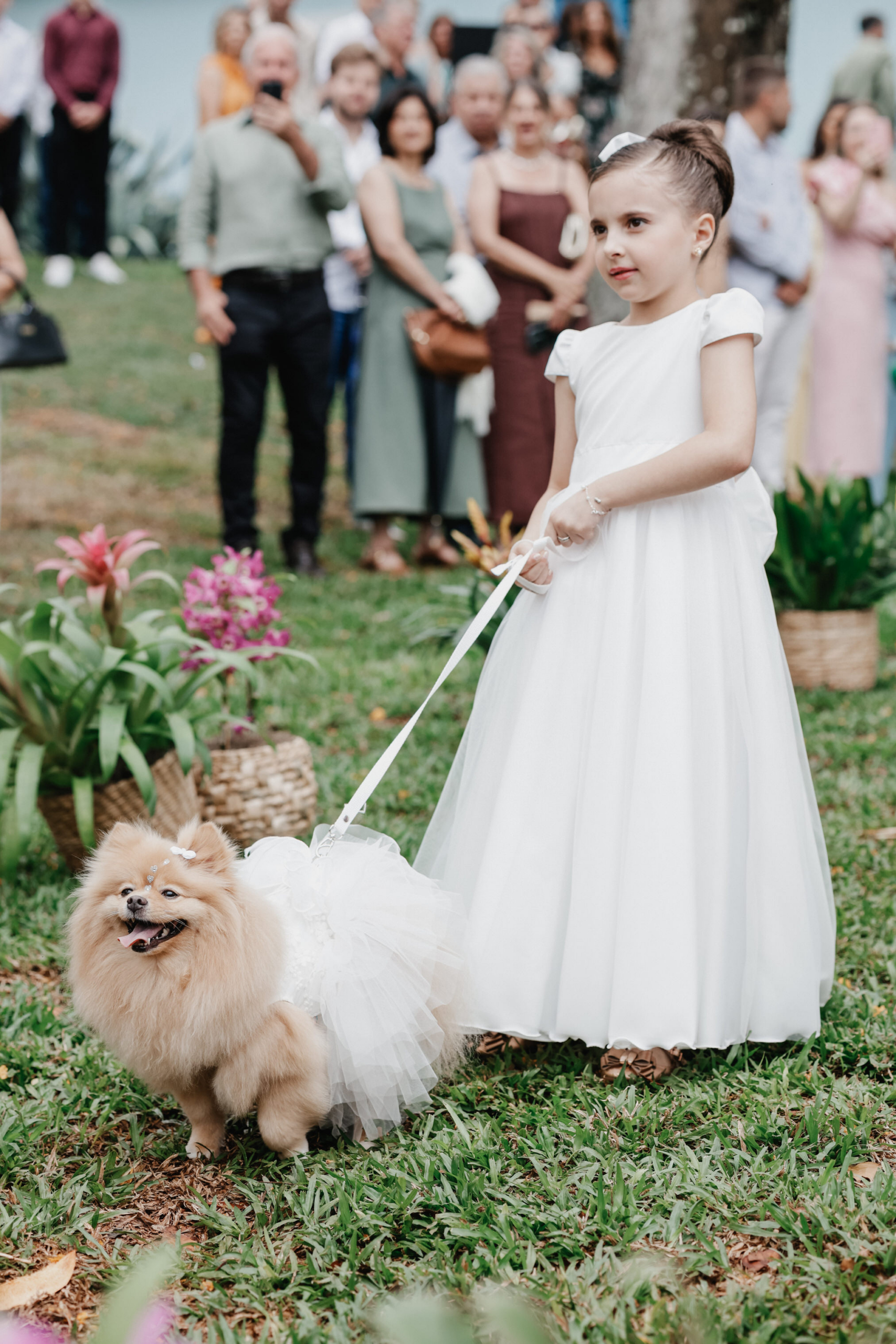
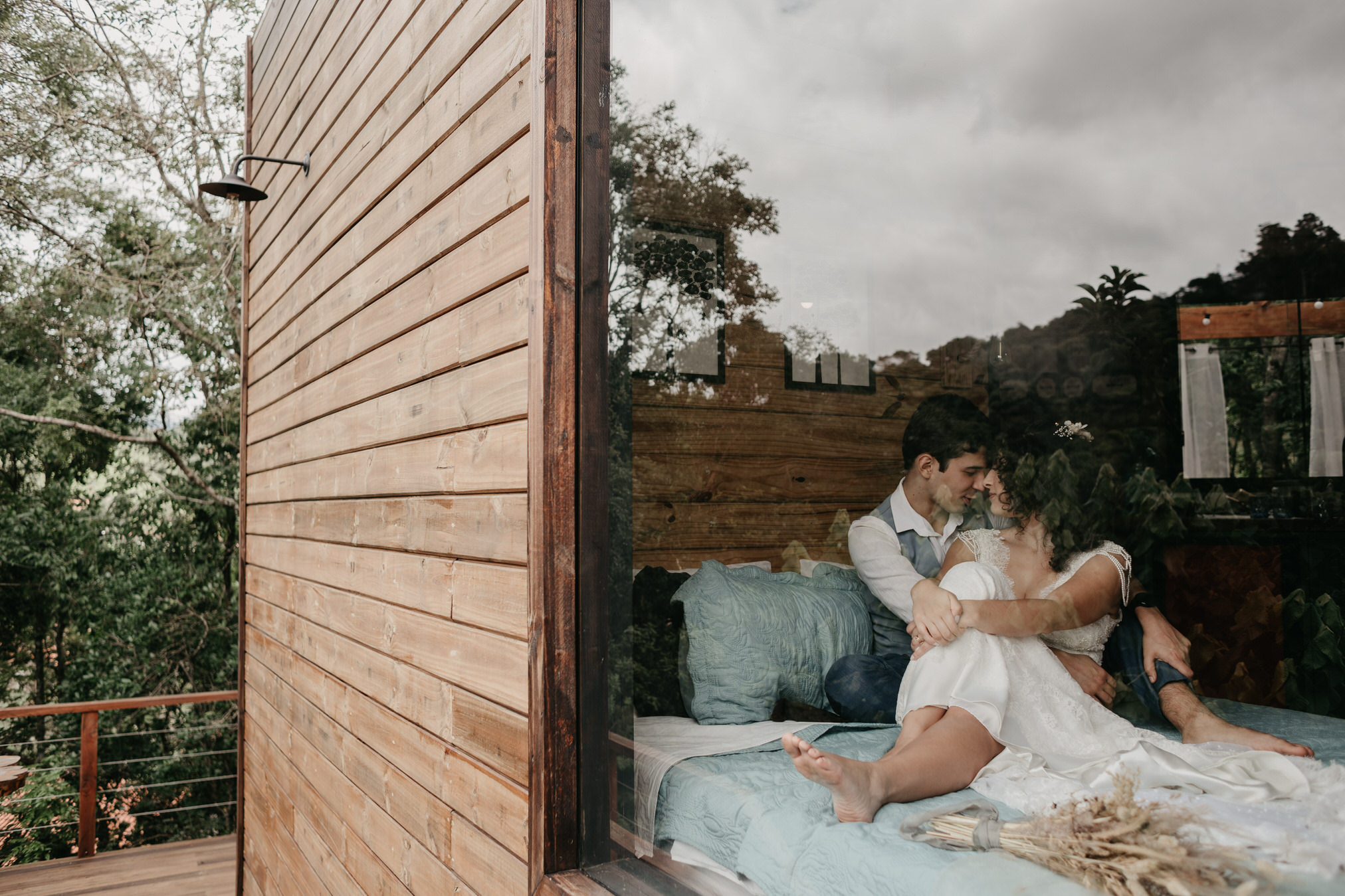
Many photographers today struggle to balance creativity with the business side of photography. What advice would you give someone trying to build a sustainable career in this field?
There’s a sentence I always use at the beginning of my talks:
“If you’re not doing well, motivation and creativity won’t show up.”
I use it to show that one thing – the passion for photography – cannot exist without the other – the business side.
Whenever I have the chance to give advice, I try to show the behind-the-scenes reality of photography. The part that exists beyond what social media tends to present as success.
I often joke that I’m almost a “Disinfluencer,” because I don’t like to romanticize the profession.
One thing I often say is that the time it takes to achieve success is proportional to the time you dedicate to studying and applying what you learn. And learning doesn’t only happen in courses or conferences – it also happens in real life, working with clients and photographing.
If someone truly wants to become a recognized professional, they need to understand that they can’t choose only the battles they enjoy.
Many times they’ll have to face work that isn’t exactly their dream job.
But over time, those experiences can open doors to the work they truly want to do.
Photographers today produce more images than ever before. How important is workflow and file management in your daily work – and where does JPEGmini fit into that process?
Image by image, photographs can sometimes be recreated.
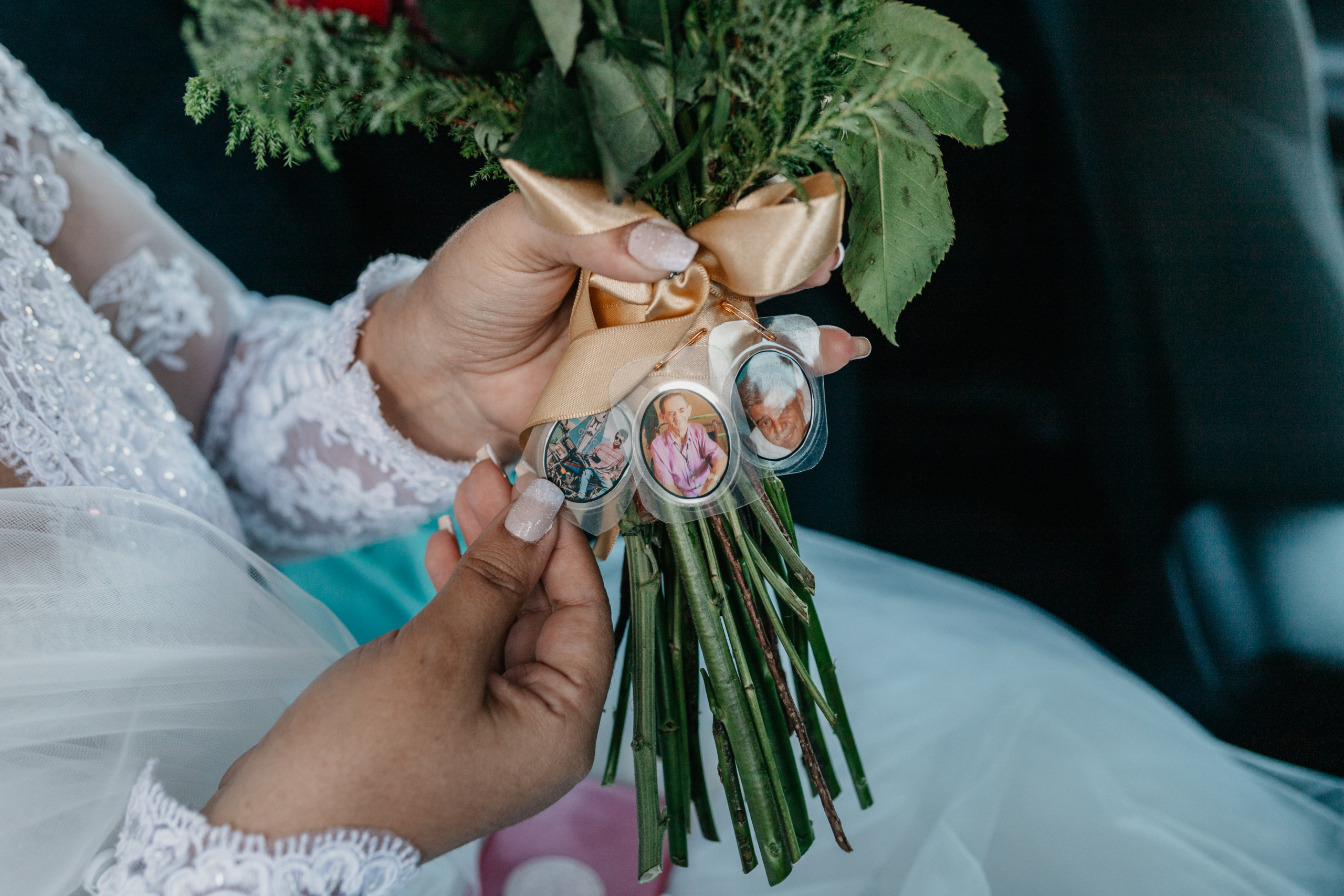
But photographers who work with social events aren’t just producing images – they are documenting memories, telling stories, and preserving moments for future generations.
In a way, we have to act almost like librarians.
Backup systems play a fundamental role in making sure those memories aren’t lost.
A photographer needs a workflow that guarantees the preservation of these “documents.”
And our “library” keeps growing. We’re no longer dealing with 12, 24, or 36 exposures, or albums with 100 images.
Today we’re dealing with gigabytes and terabytes of pixels that need to be stored – and that directly affects the financial side of the business.
Having a tool like JPEGmini, which reduces file size without compromising one of the most important aspects of our work – image quality – is extremely valuable.
It helps photographers manage storage costs and allows them to invest the saved resources in other areas, whether that’s improving their craft, growing their business, or simply enjoying life more.
After all the photographers you’ve met and interviewed, what is the one thing that tells you someone is truly a great photographer?
I believe there are two types of great photographers.
Those whose photographs become iconic, where the art eventually becomes bigger than the artist.
And those whose photography becomes a very faithful reflection of who they are as a person.
The second type doesn’t always receive the same recognition as the first.
But that doesn’t make them any less significant – at least in my opinion.
For me, a great photographer cannot be separated from their photography.
I only consider someone truly great if they are also a good person, with principles and values that align with the images they create.
If someone produces incredible photographs but, once they put the camera down, becomes a person I wouldn’t want to be around, then the magic of their photography simply disappears.
I like asking photographers not only about their successes, but also about their failures -because we often learn more from the moments when things go wrong. Do you have a story from a shoot where everything went completely off track – something chaotic, funny, or unexpected – that taught you something important?
I often say that there is no such thing as a perfect job.
Because when everything is perfect, there are no stories to tell.
Think about conversations people have about their travels.
Which part of the trip do we tell with the most energy? The part where everything went perfectly, or the moment when something unexpected happened?
I could probably write a whole book about the stories from weddings I’ve photographed.
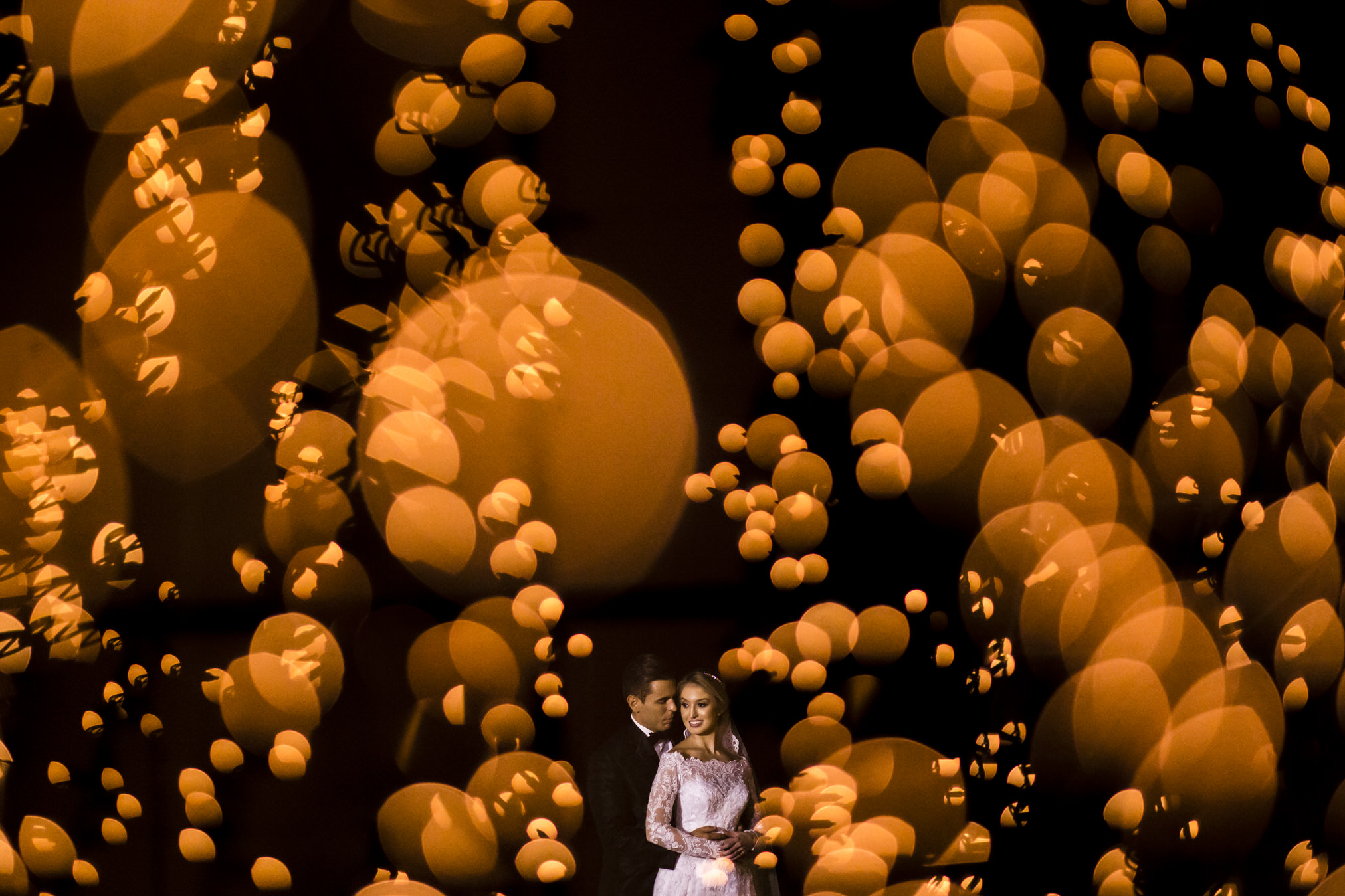
From a couple who had already separated but decided to go through with the wedding because the bride’s mother didn’t want to cancel the celebration, to a bride who got sick, had to go to the hospital, refused to take off her wedding dress, and then returned to the party – celebrating until sunrise.
What I learned from all these experiences is that no matter what happens, we have to remain professional.
We have to honor the agreement we made, do our best work, and – if possible –
Keep a good sense of humor along the way.
Final Thought
What stayed with me from this conversation wasn’t technique – it was perspective.
Rafael doesn’t talk about photography as art or even as a career.
He talks about it as something that sits between people, moments, and time.
Something that needs to be handled with care.
But more than that, he spoke about character.
About not separating the photographer from the person behind the camera.
Most people talk about light, vision, and timing.
He talked about responsibility.
And that shift from how you shoot to who you are feels like the real point.
***Leia aqui o blog em português:
https://blog.jpegmini.com/viver-a-fotografia-e-da-fotografia/