
Short Bio
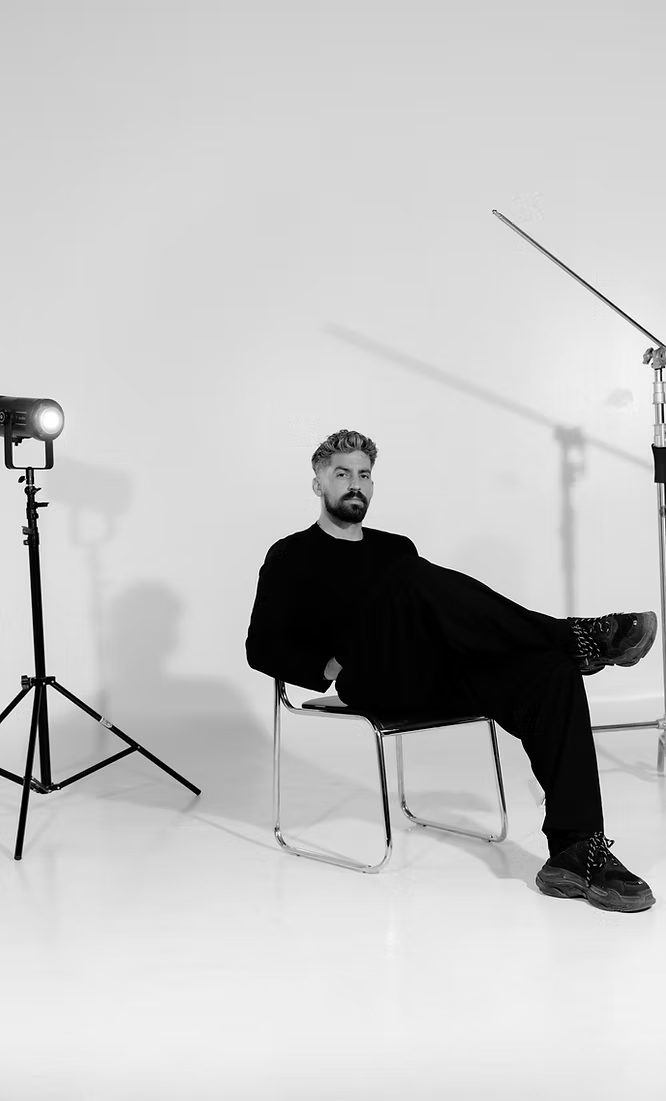
Fotis Sideris Tasios is a destination wedding and elopement photographer based in Athens, Greece. He began his career in 2011 photographing live music and night events, before transitioning to professional wedding photography in 2017. Known for his cinematic, editorial-documentary style, he captures weddings across Greece and internationally — from Santorini and Athens to Tel Aviv, Lake Como, and Charleston. In 2021, he was named among the Top 5 wedding photographers in Greece and Top 3 in Athens by MyWed, and in 2022 received the #1 distinction in the Igoumenitsa region on Eagle Page. He has also been honored twice with the Wezoree Awards. Since 2020, Fotis has been a photography instructor at IEK Delta360, a vocational studies school in Greece.
https://www.fotissidweddingphotography.com/
What brought you to photography?
I was growing up in Germany, in Munich, and later I was based in a small city in Greece. From early on, I wanted to become an international wedding photographer because I always wanted to travel and do something bigger than just stay in one place.
At the beginning, it wasn’t easy because in a small city people are used to a certain type of wedding photography – very standard pictures, very standard poses.
And I was trying to show something different: different posing, different editing, a different perspective.
At that time, it was difficult for people to understand.
But now, when I think about it, it was actually the best thing for me. It pushed me to believe more in myself and in the kind of work I wanted to make.
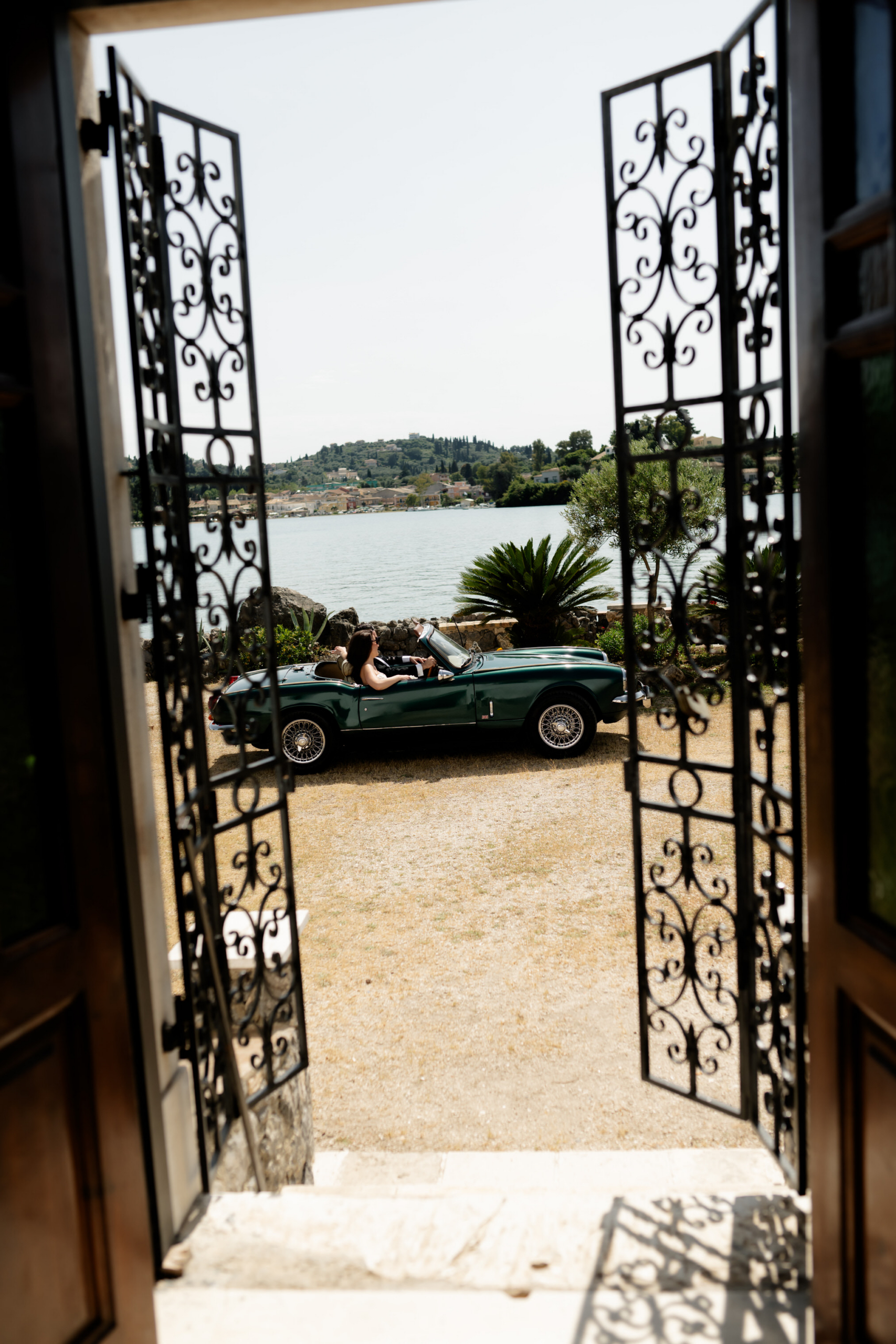
How do you take a real moment and make it feel like a dream?
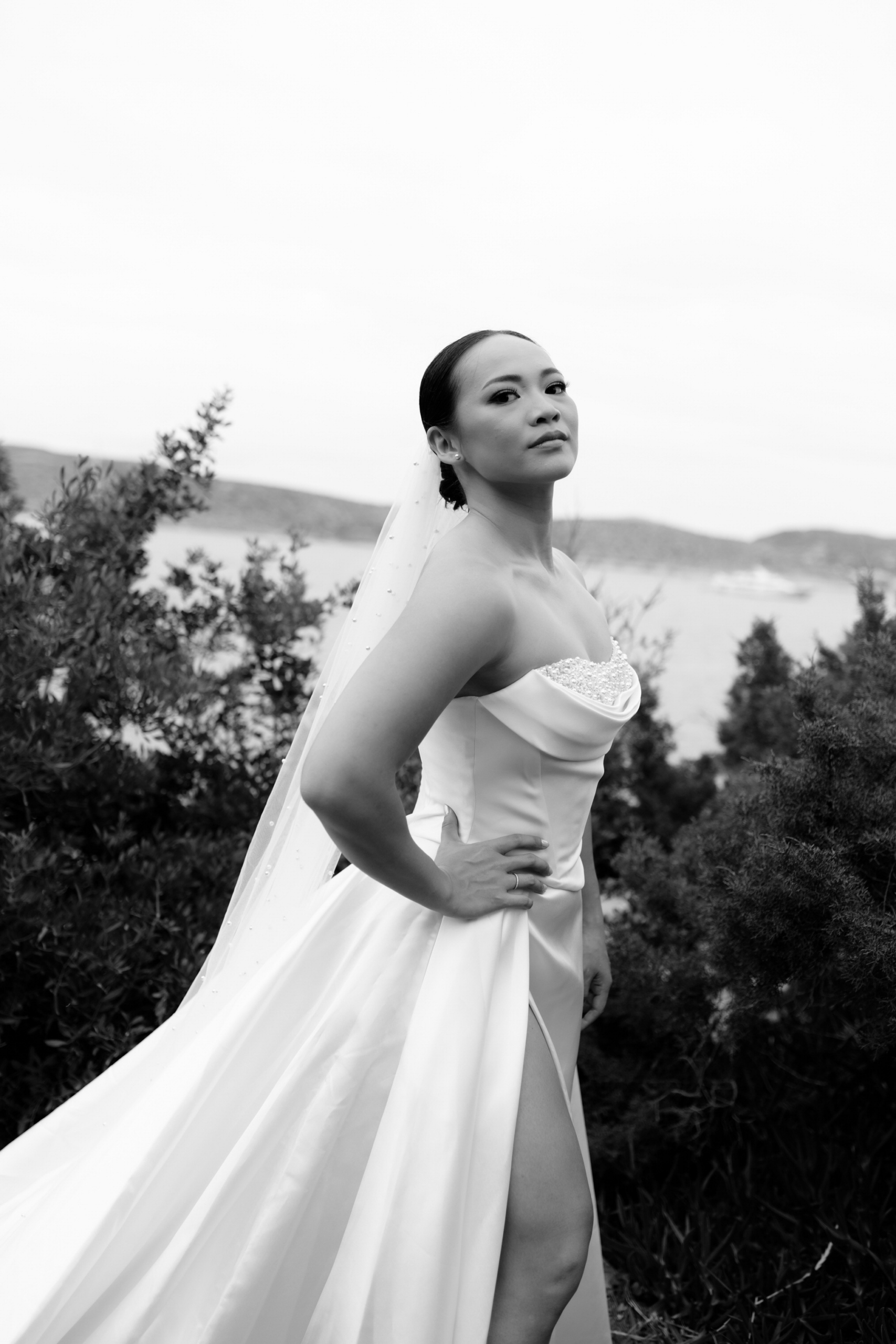
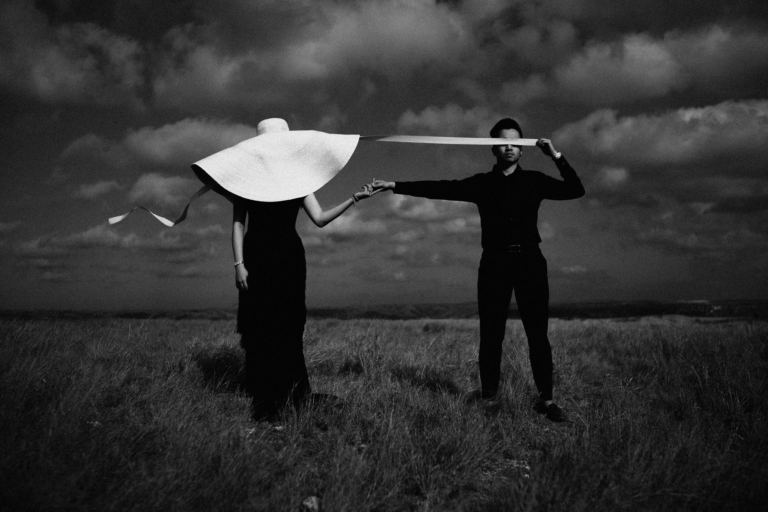
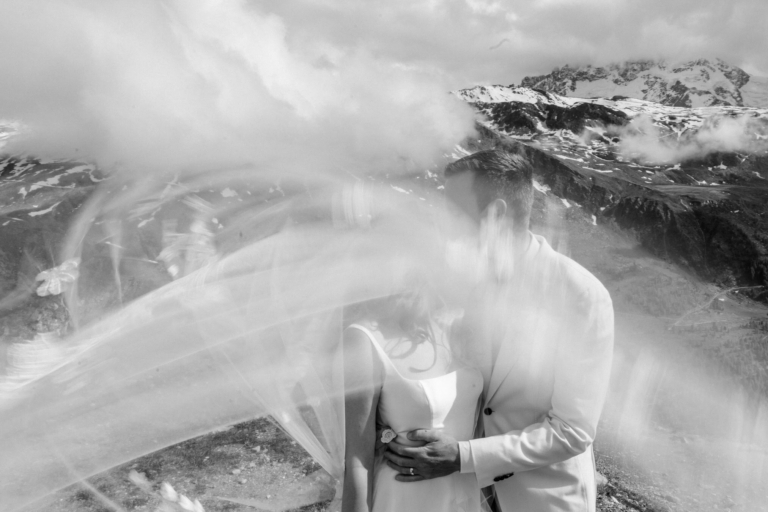
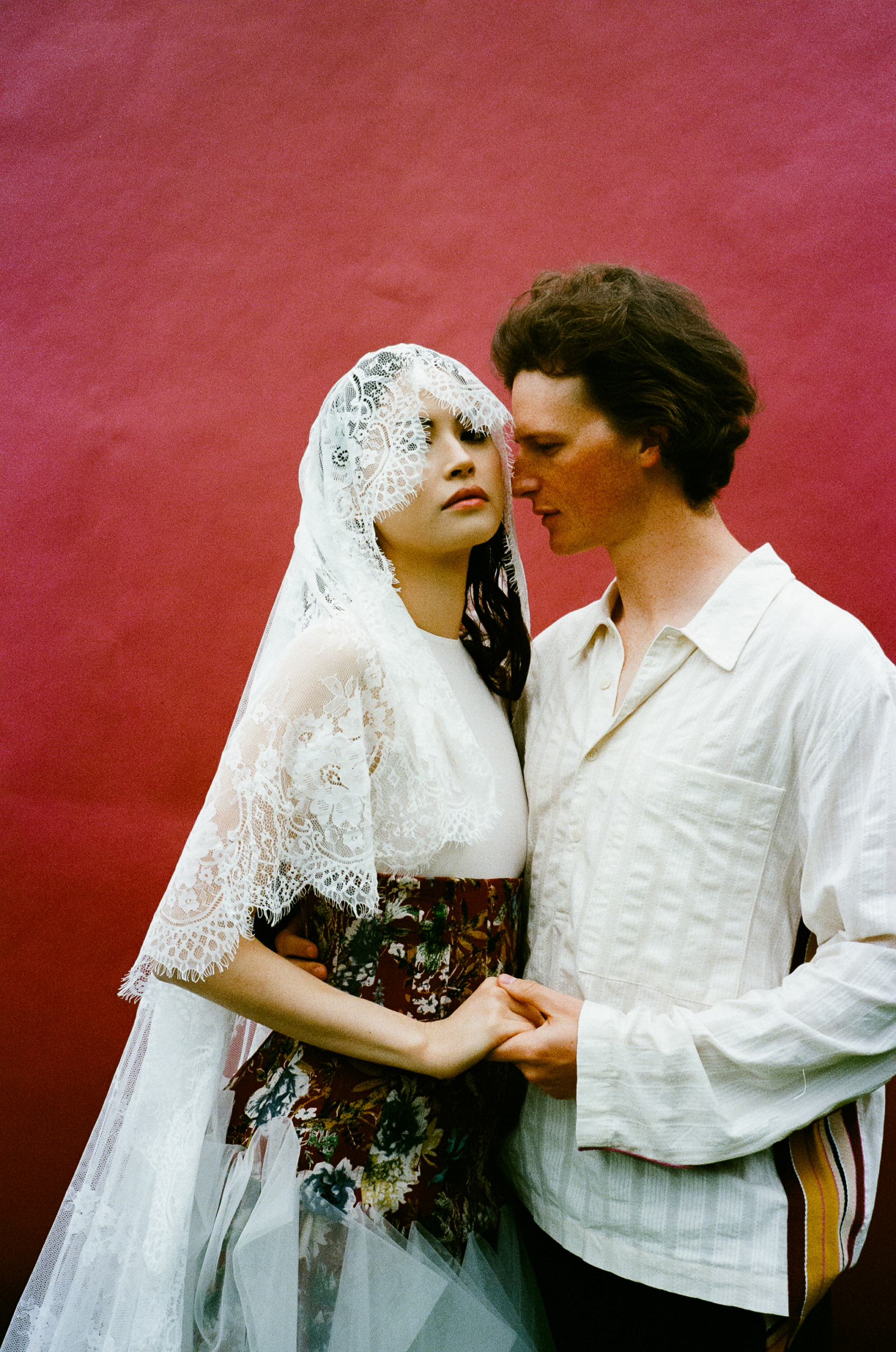
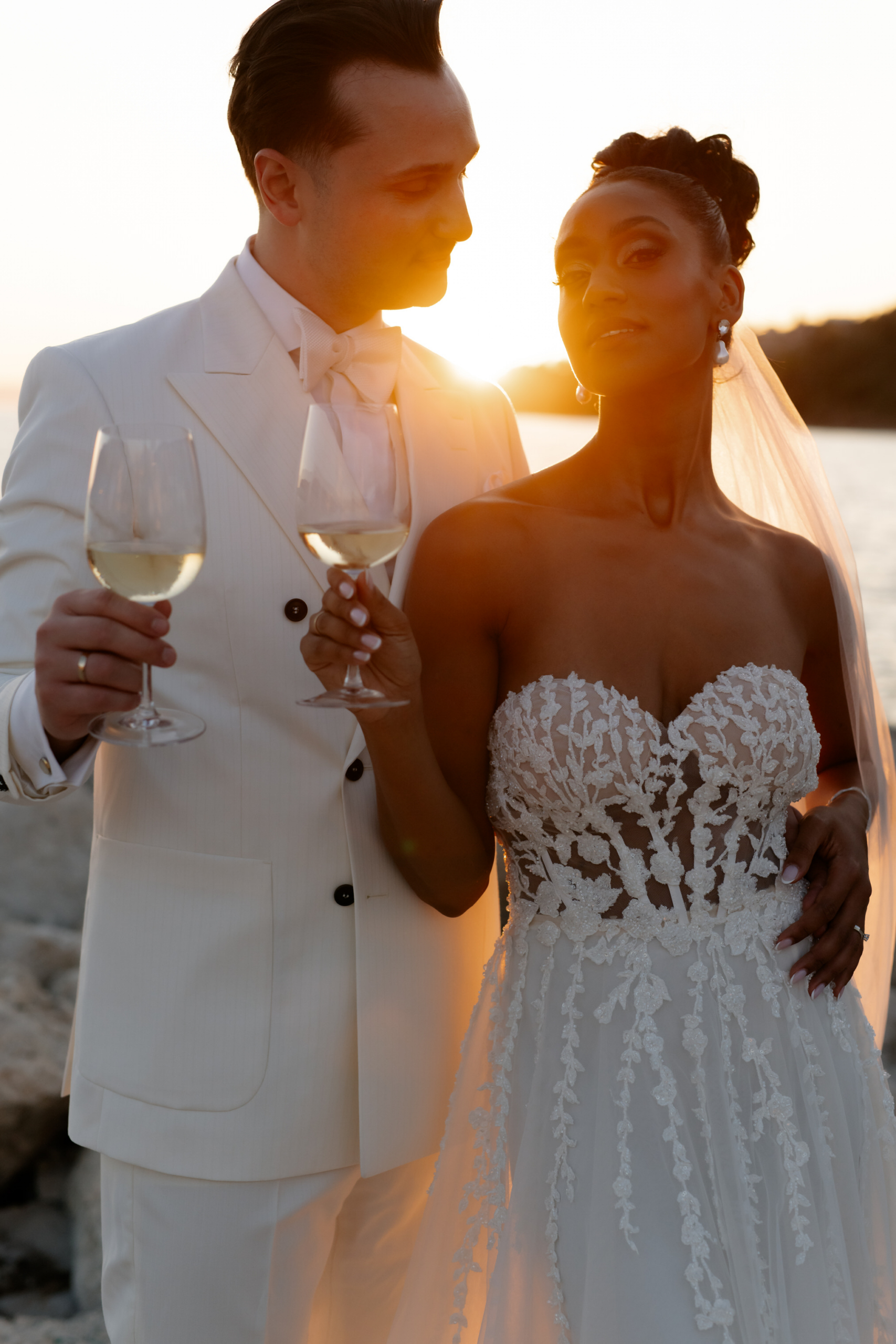
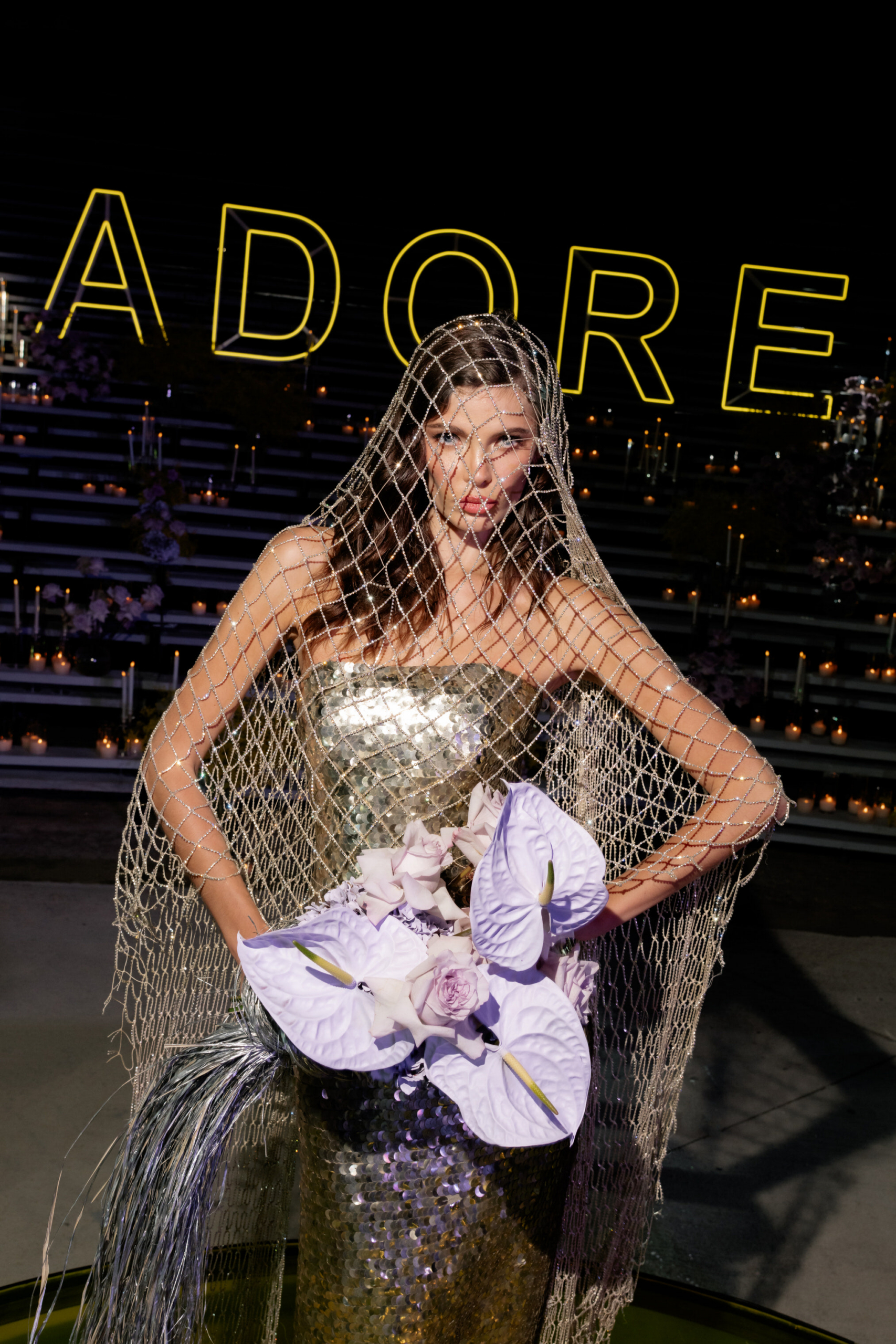
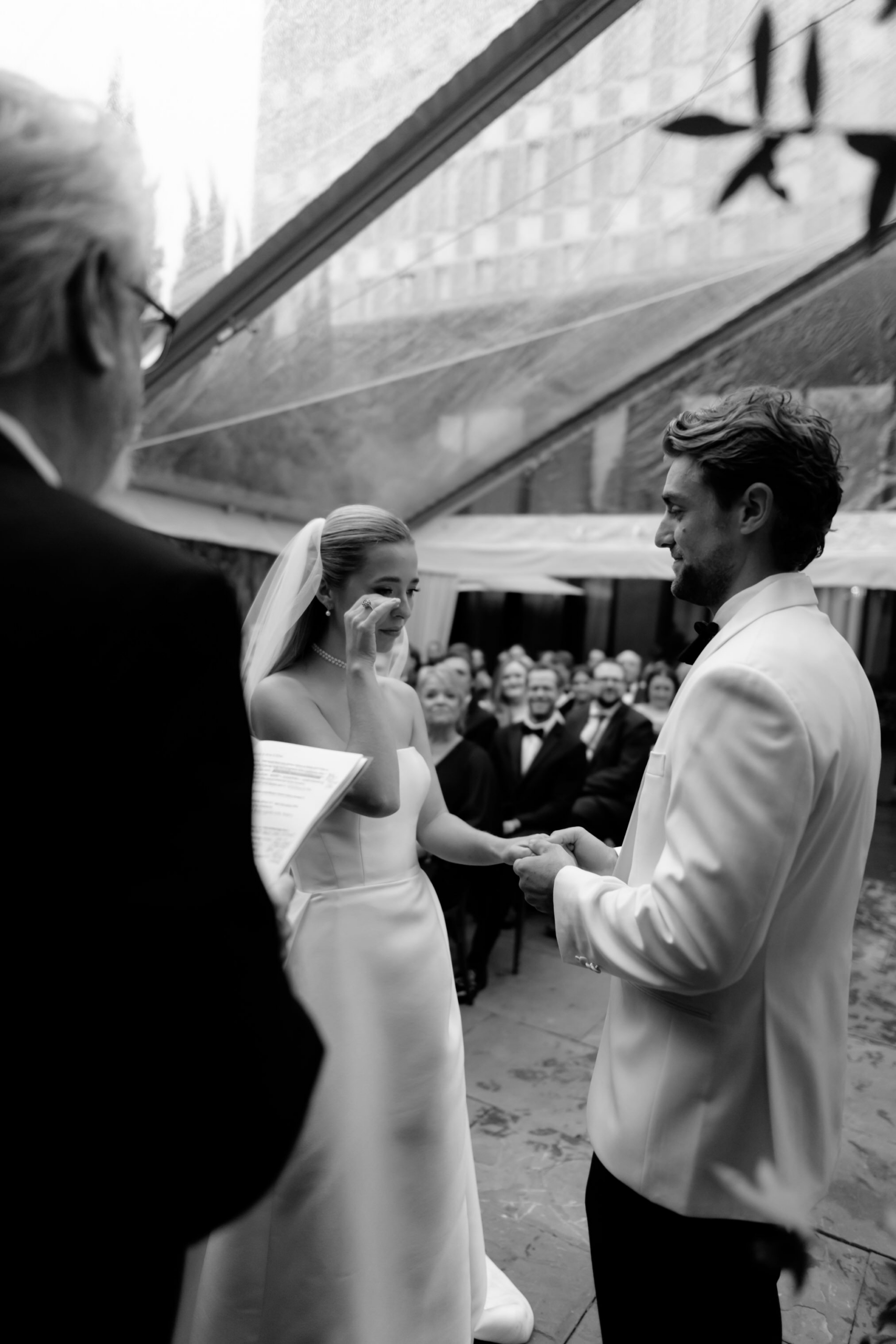
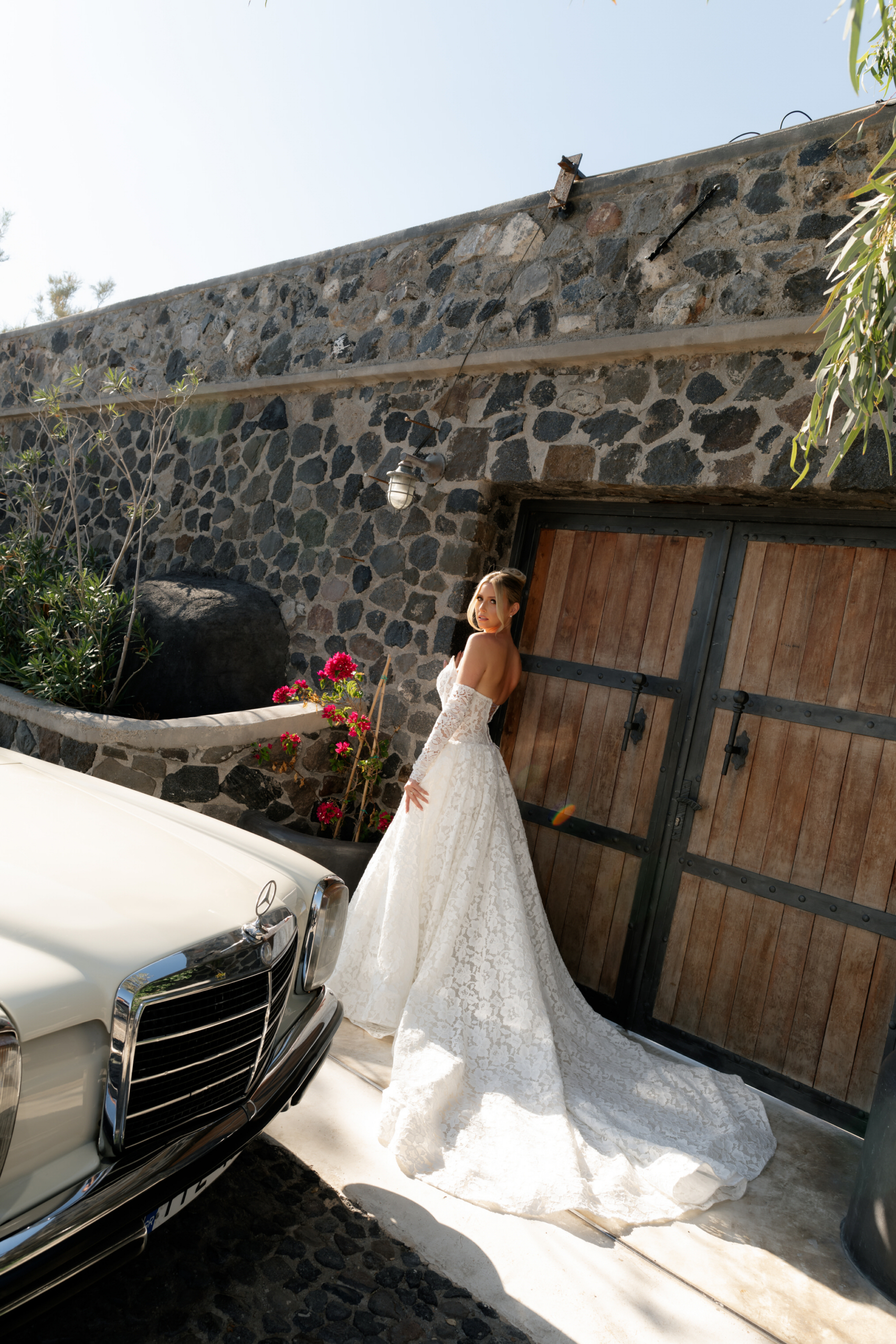
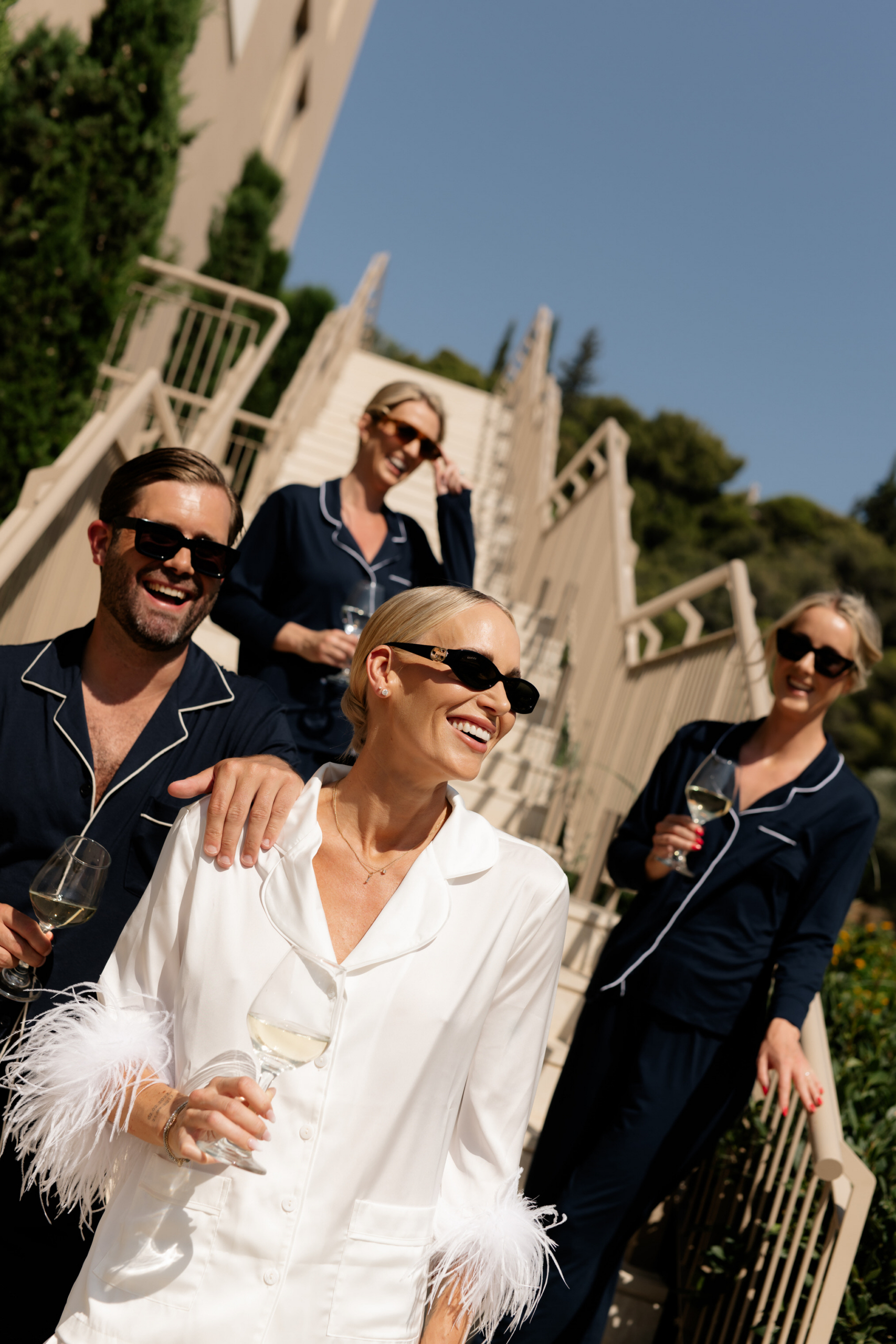
I like real moments and candid moments, of course, but I also like to create something more dramatic and more editorial.
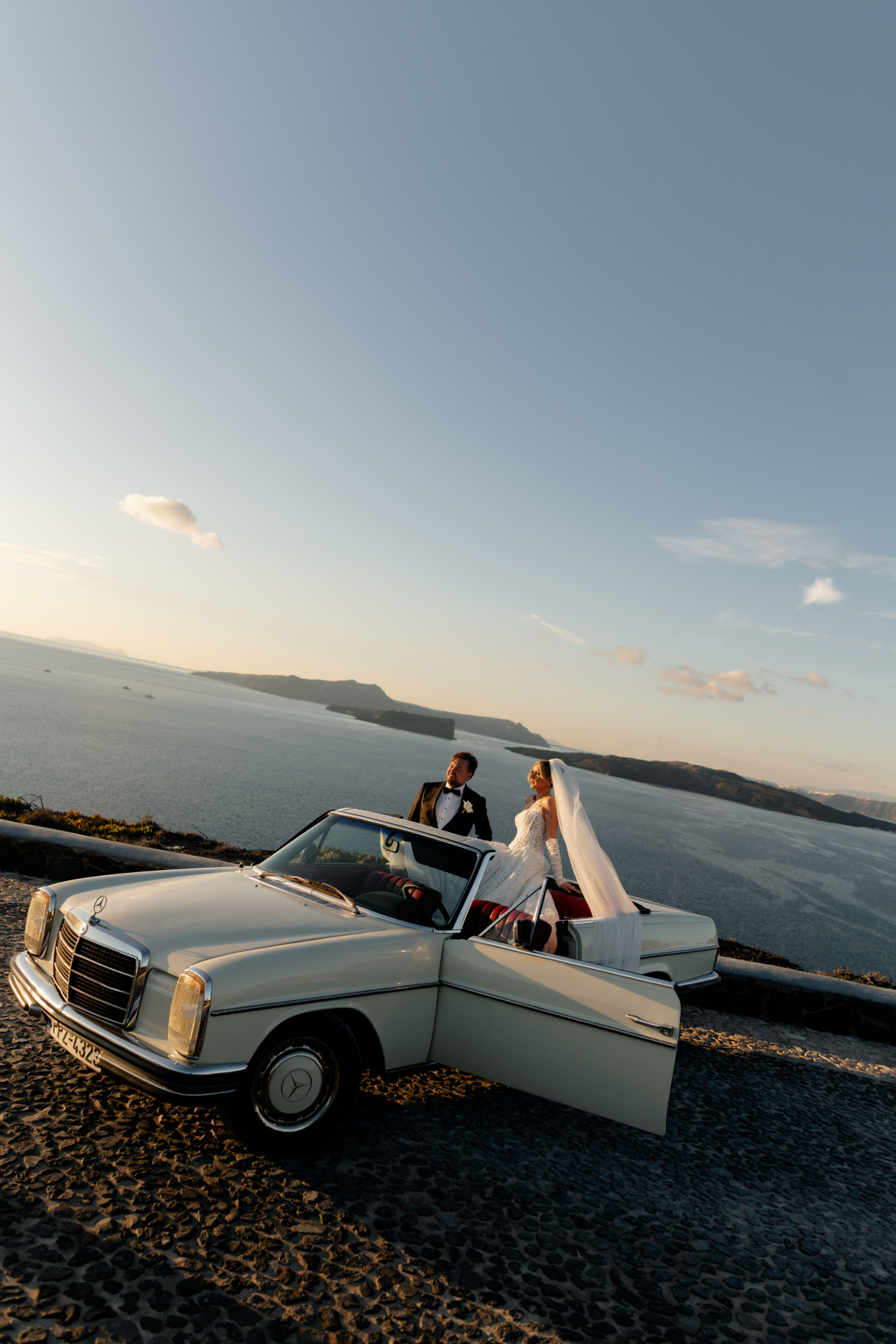
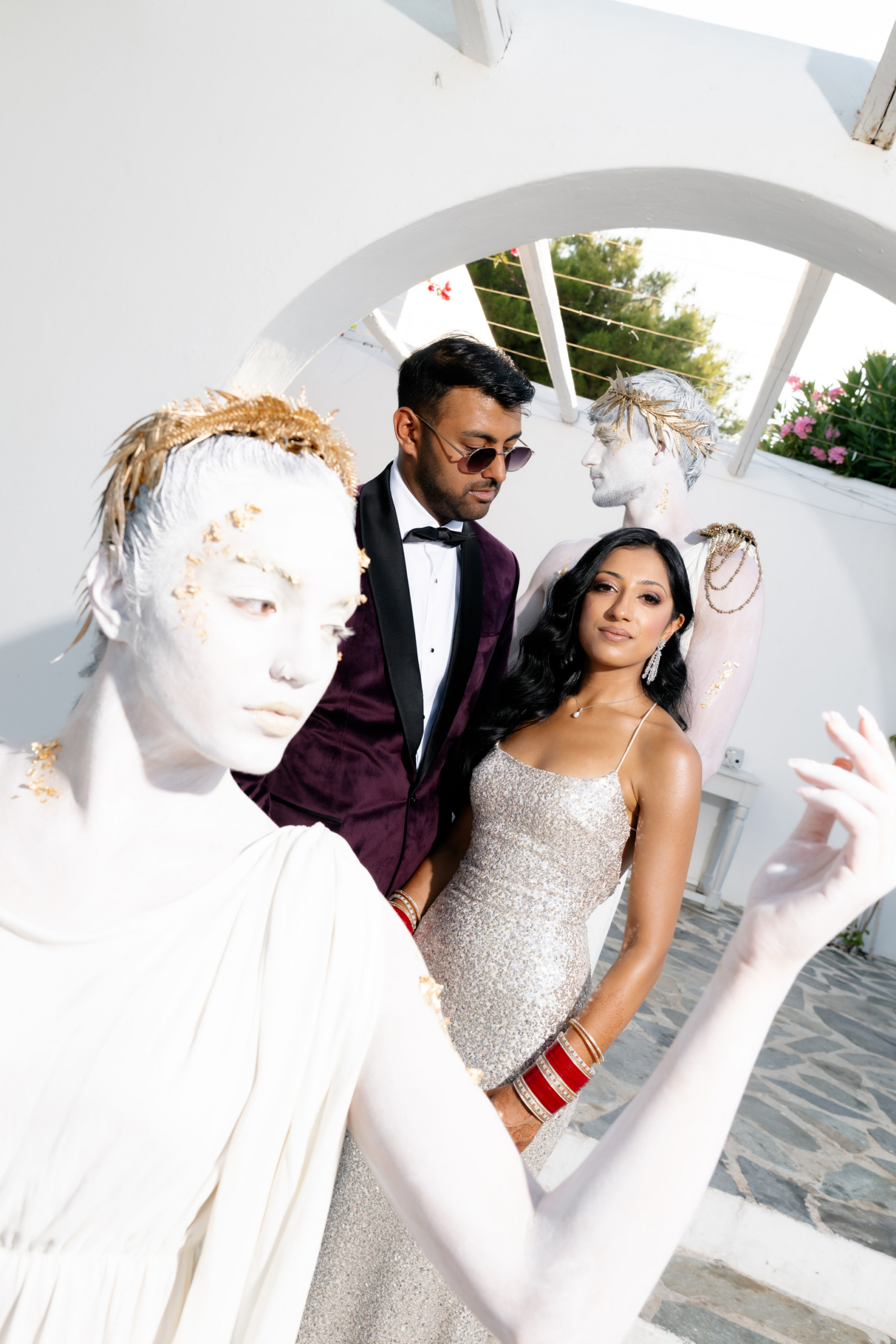
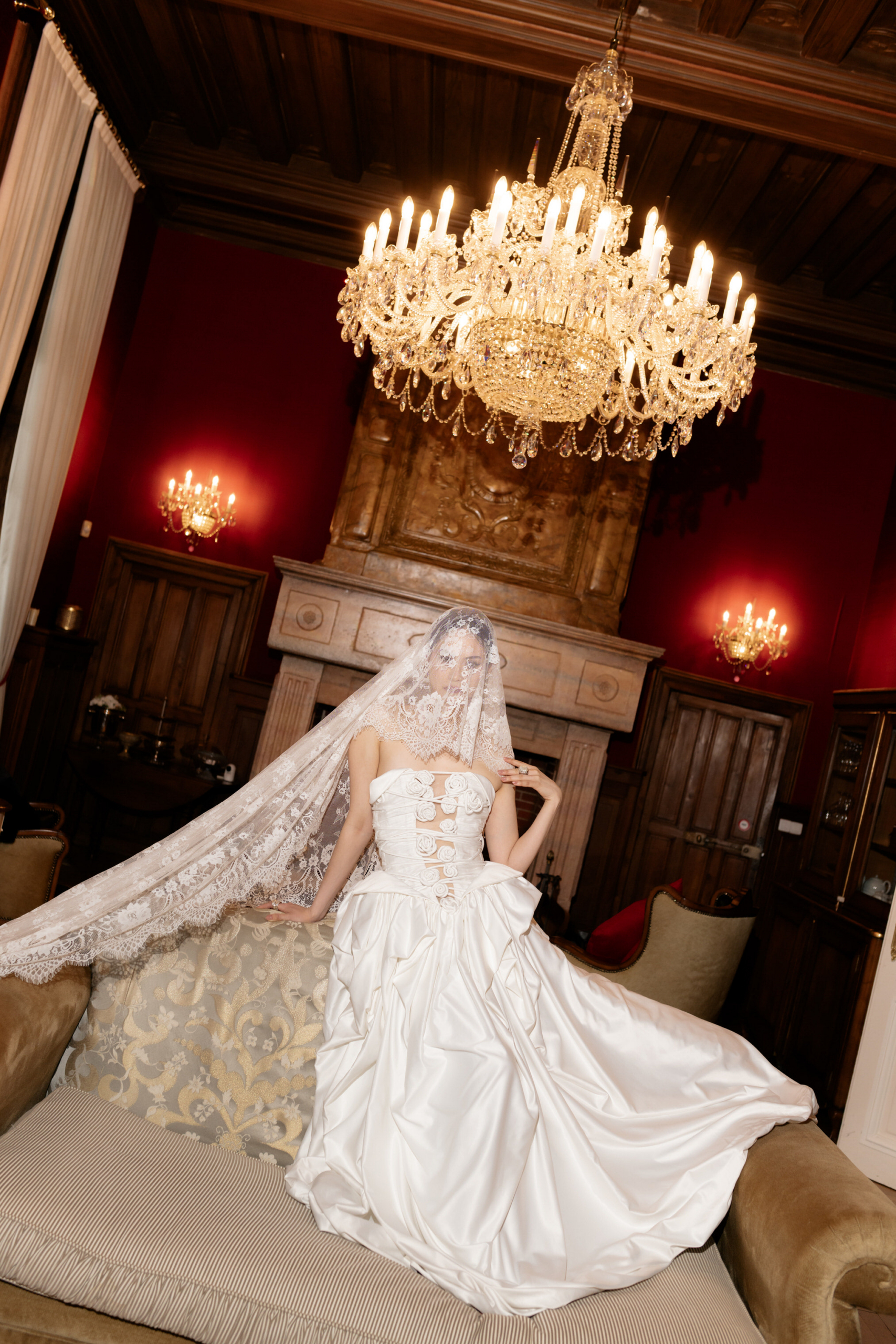
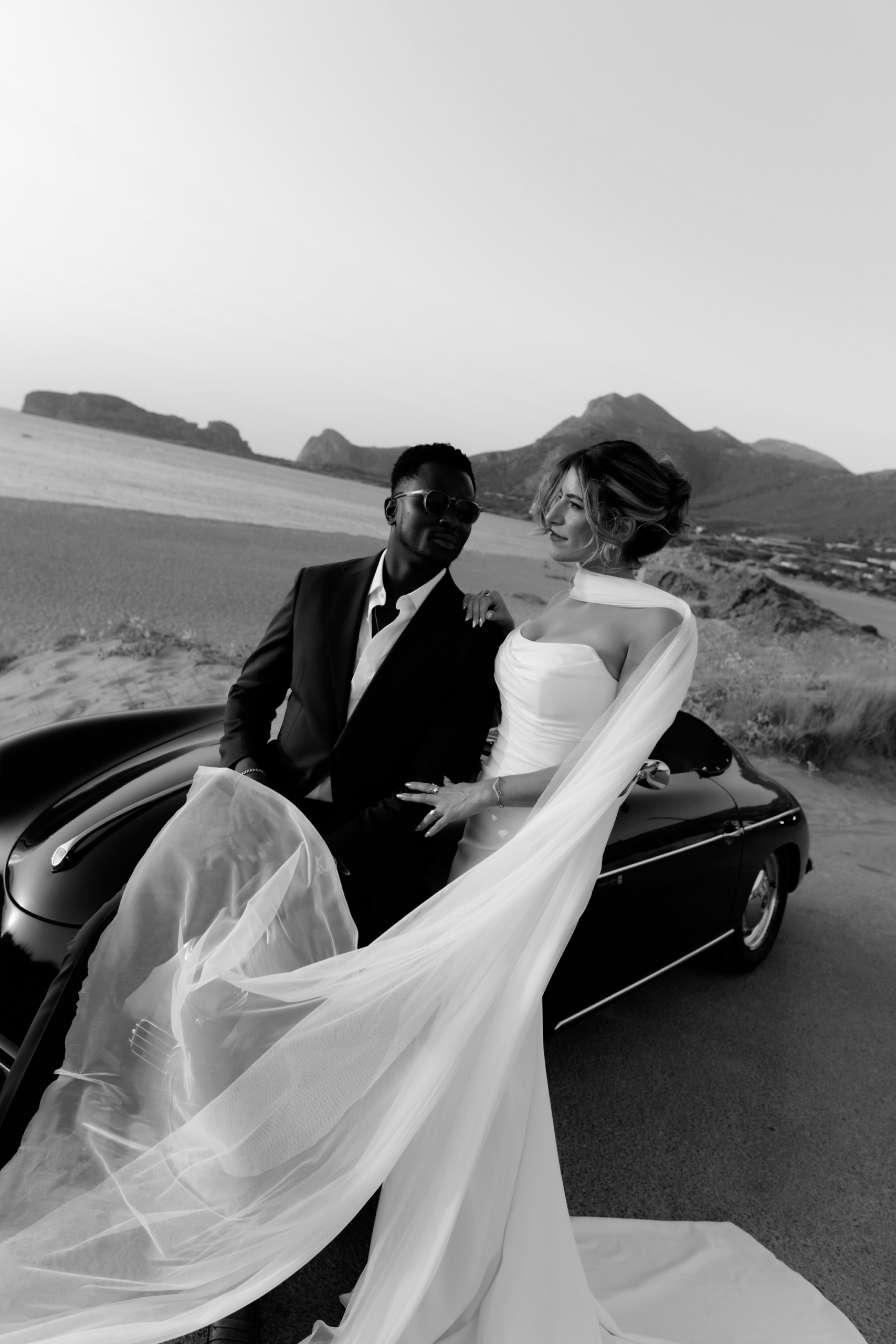
For me it’s always a mix. I give some direction, especially during couple portraits, to create something more cinematic, more elegant, more Bond style. Sometimes it’s the posing, sometimes it’s the angle, sometimes it’s the light, and sometimes it’s the editing that brings a little more drama into the frame.
But I still want it to feel real.
That’s important for me. I don’t want it to feel fake or too controlled.
That’s what I’m always trying to do.
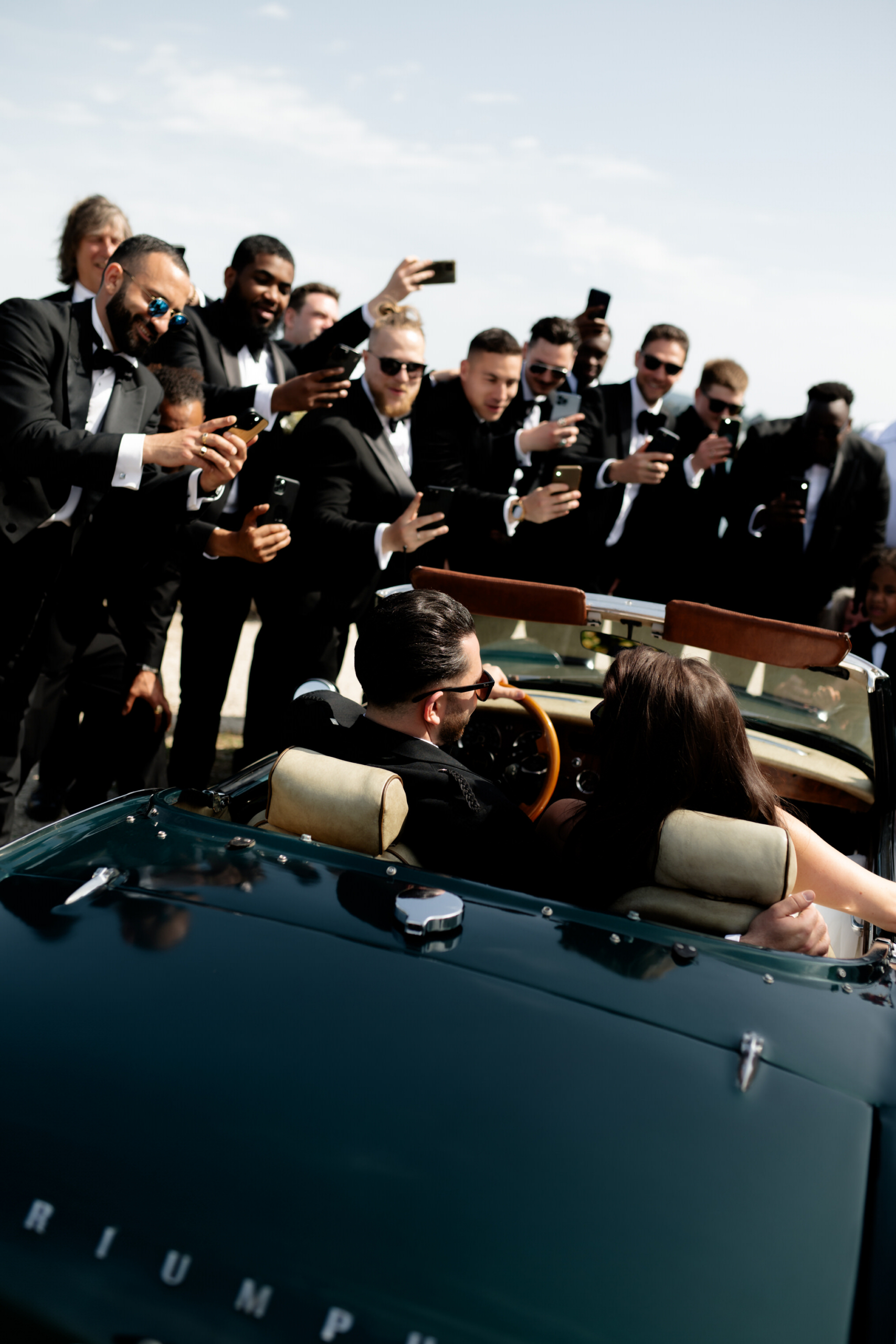
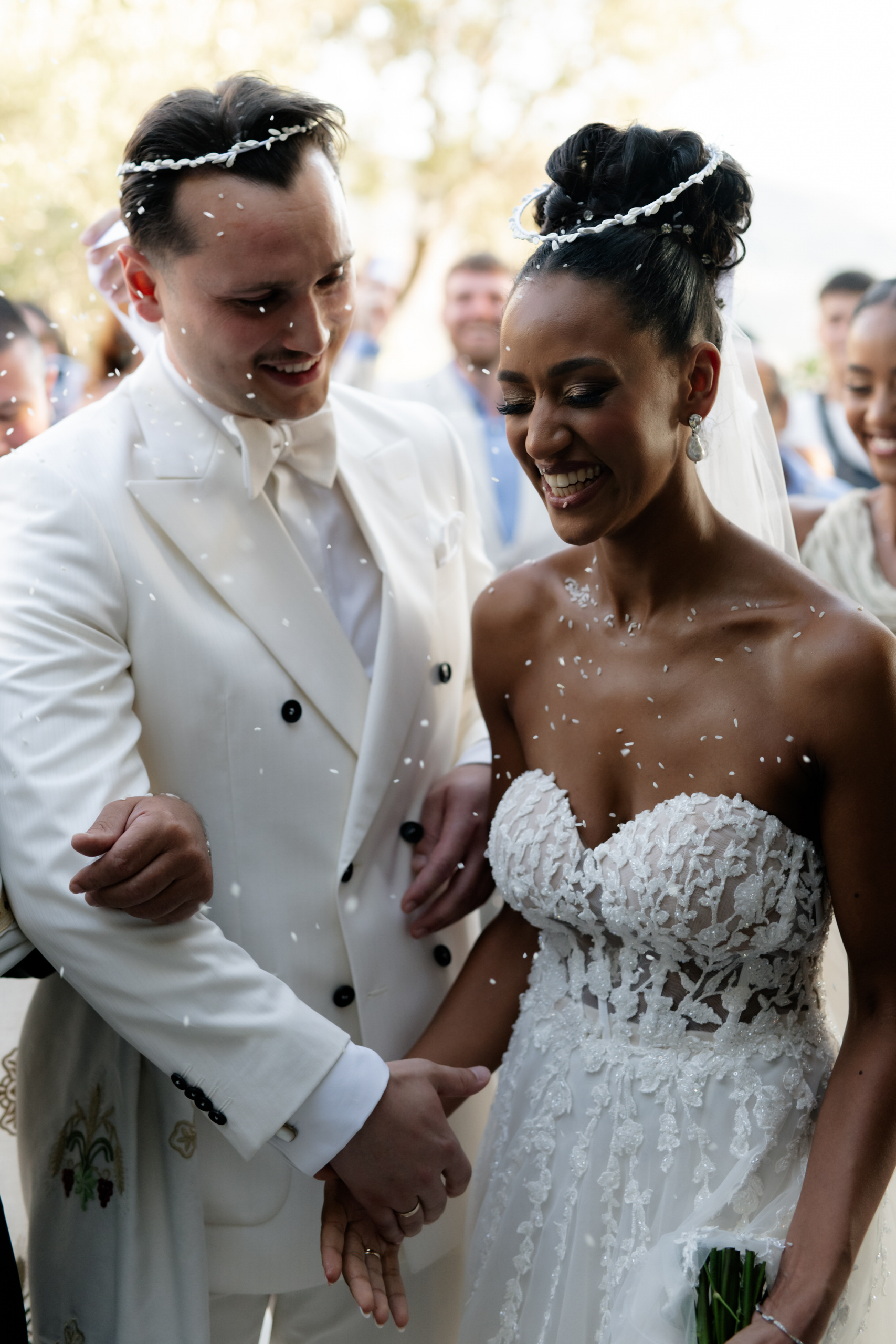
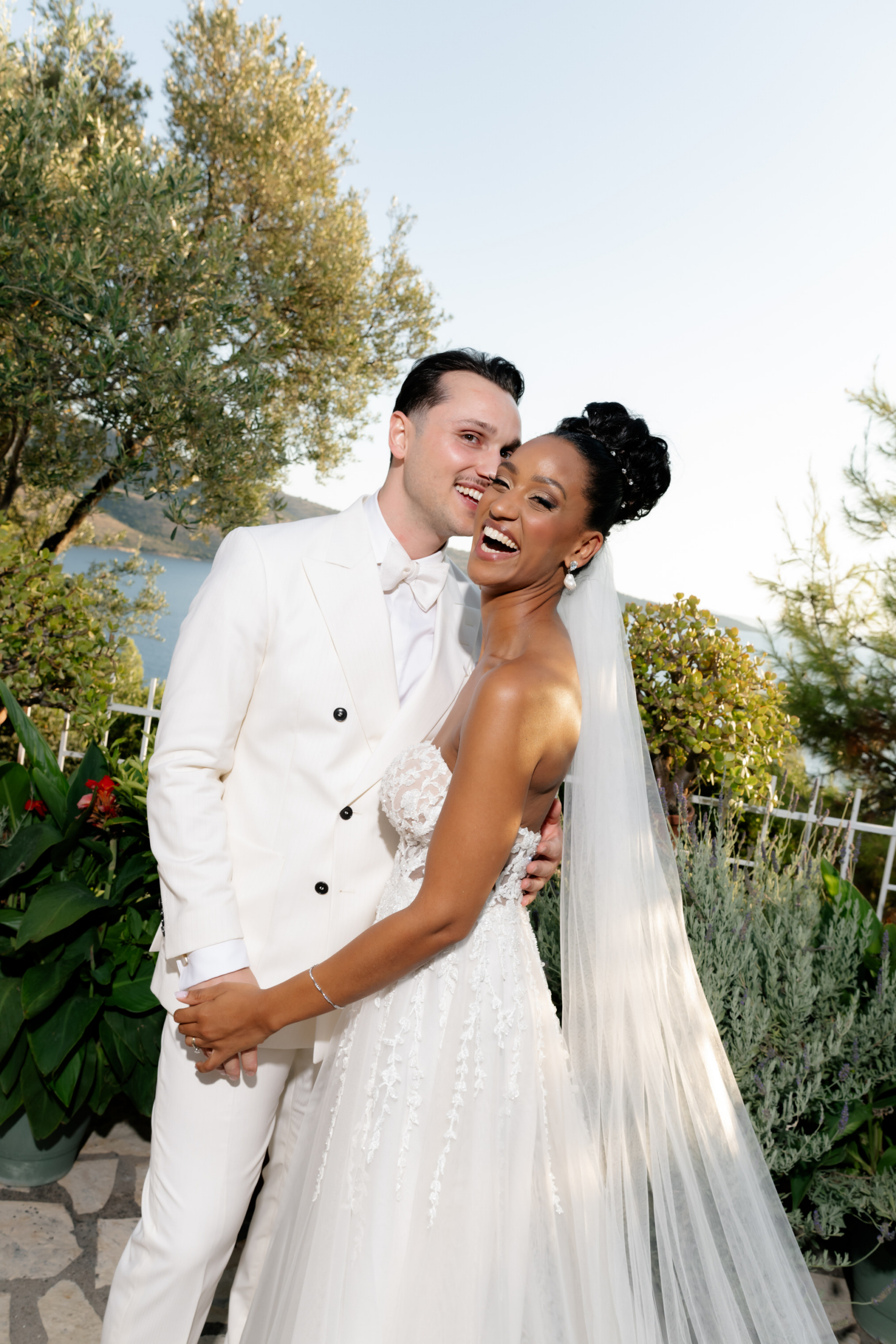
What does “editorial” mean to you?
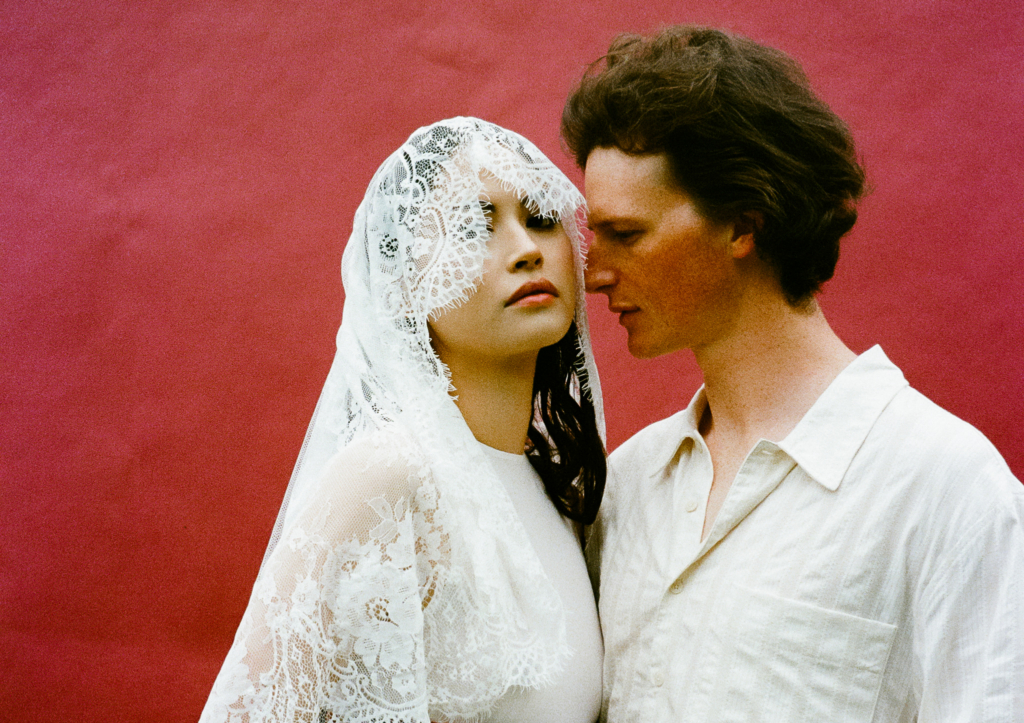
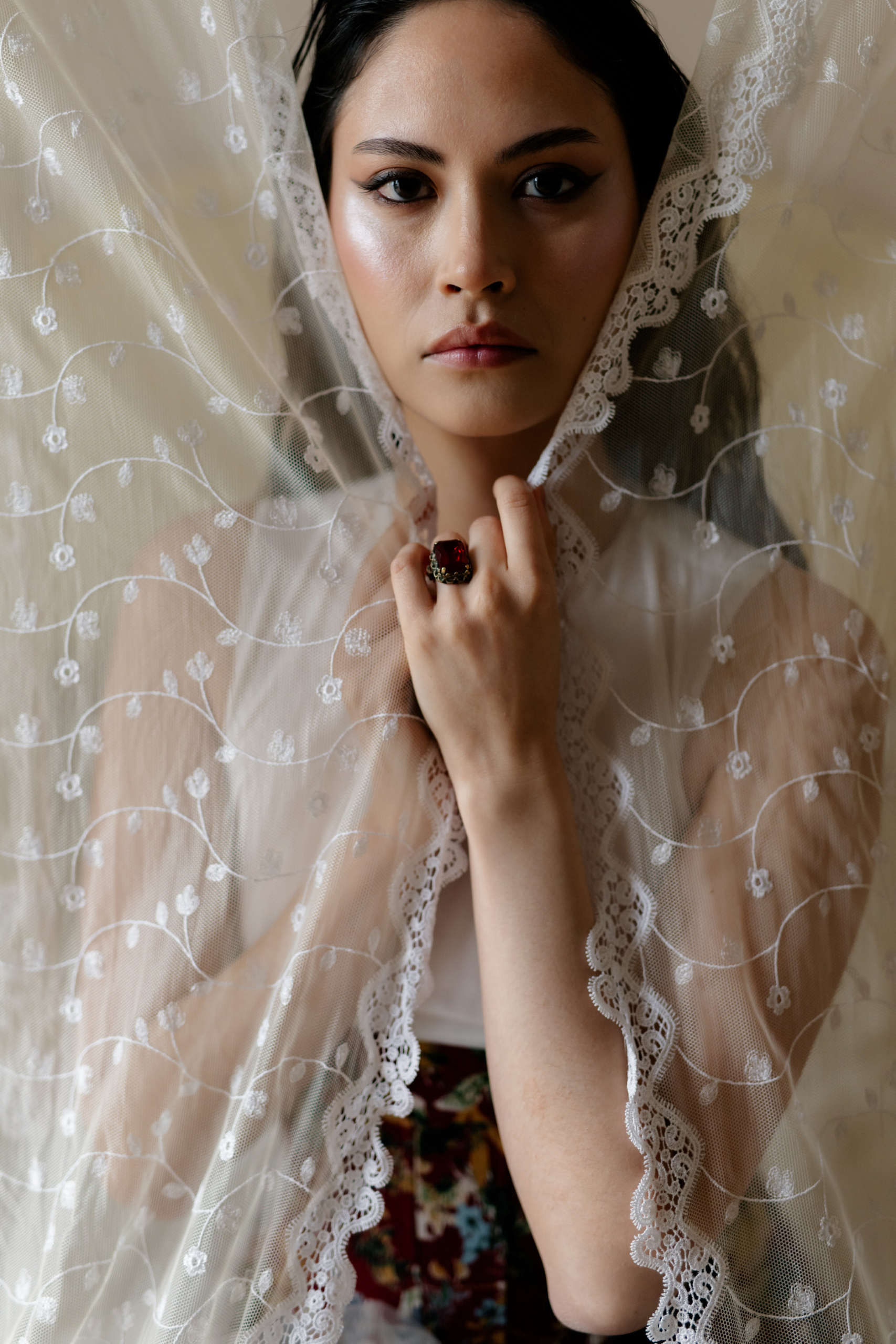
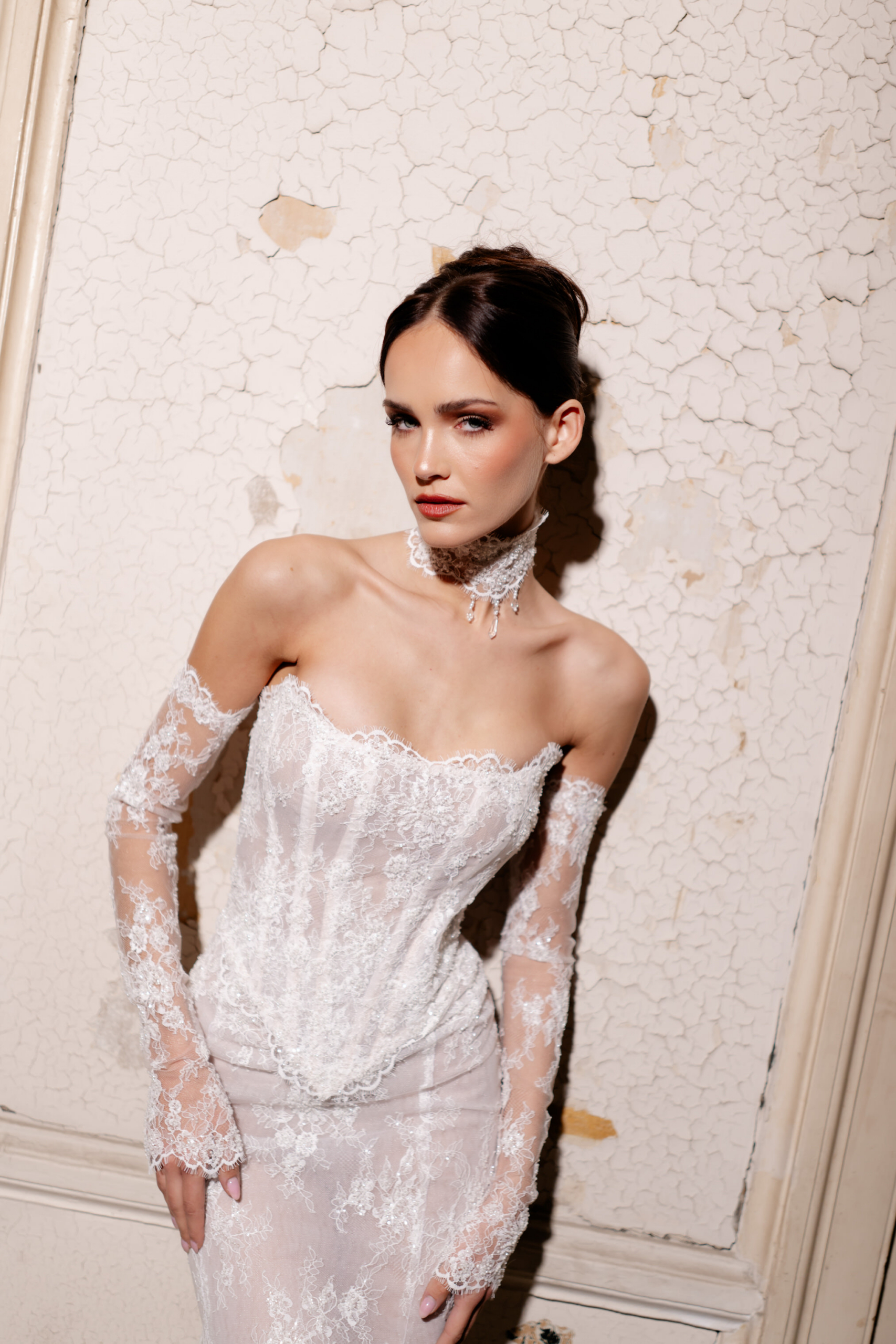
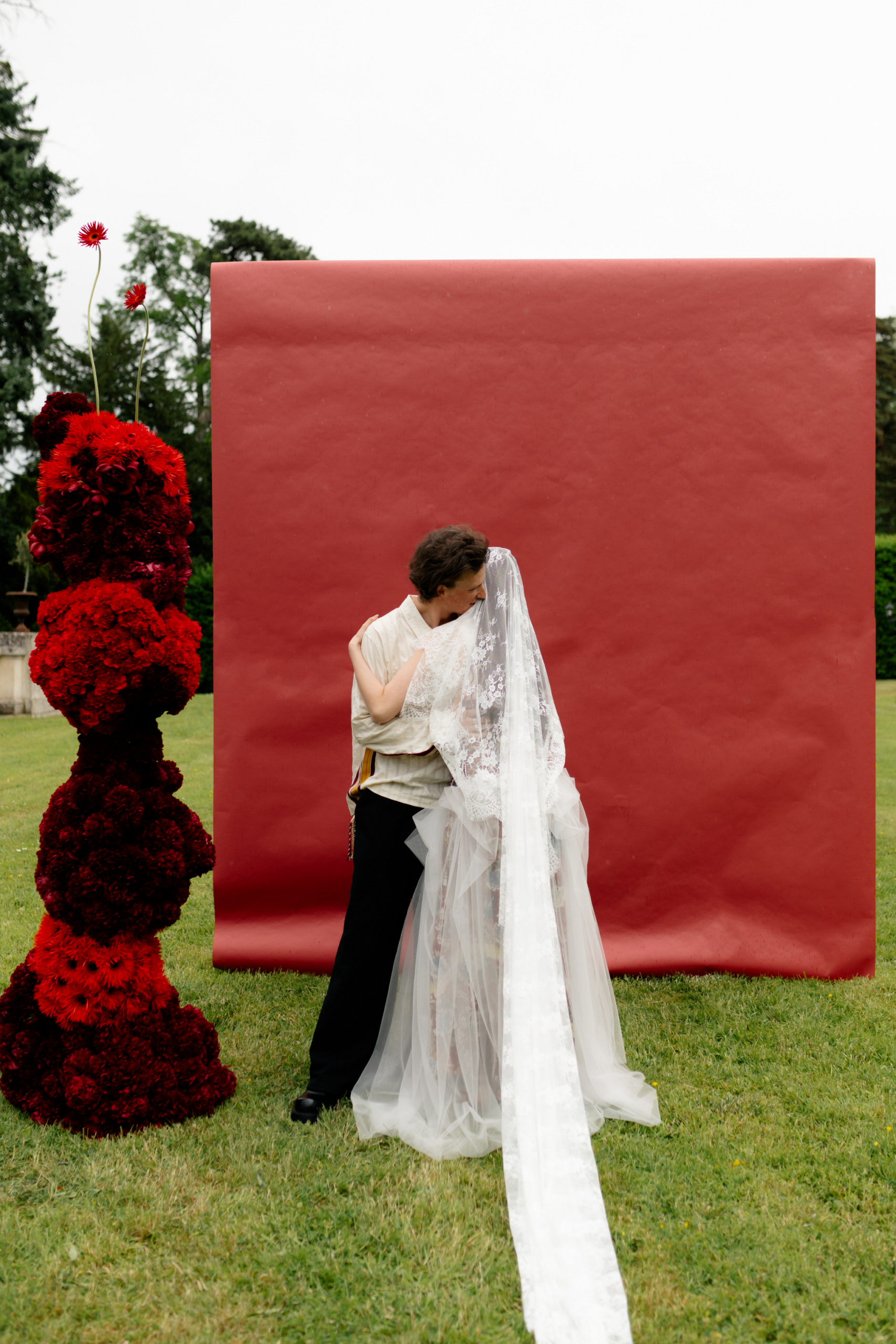
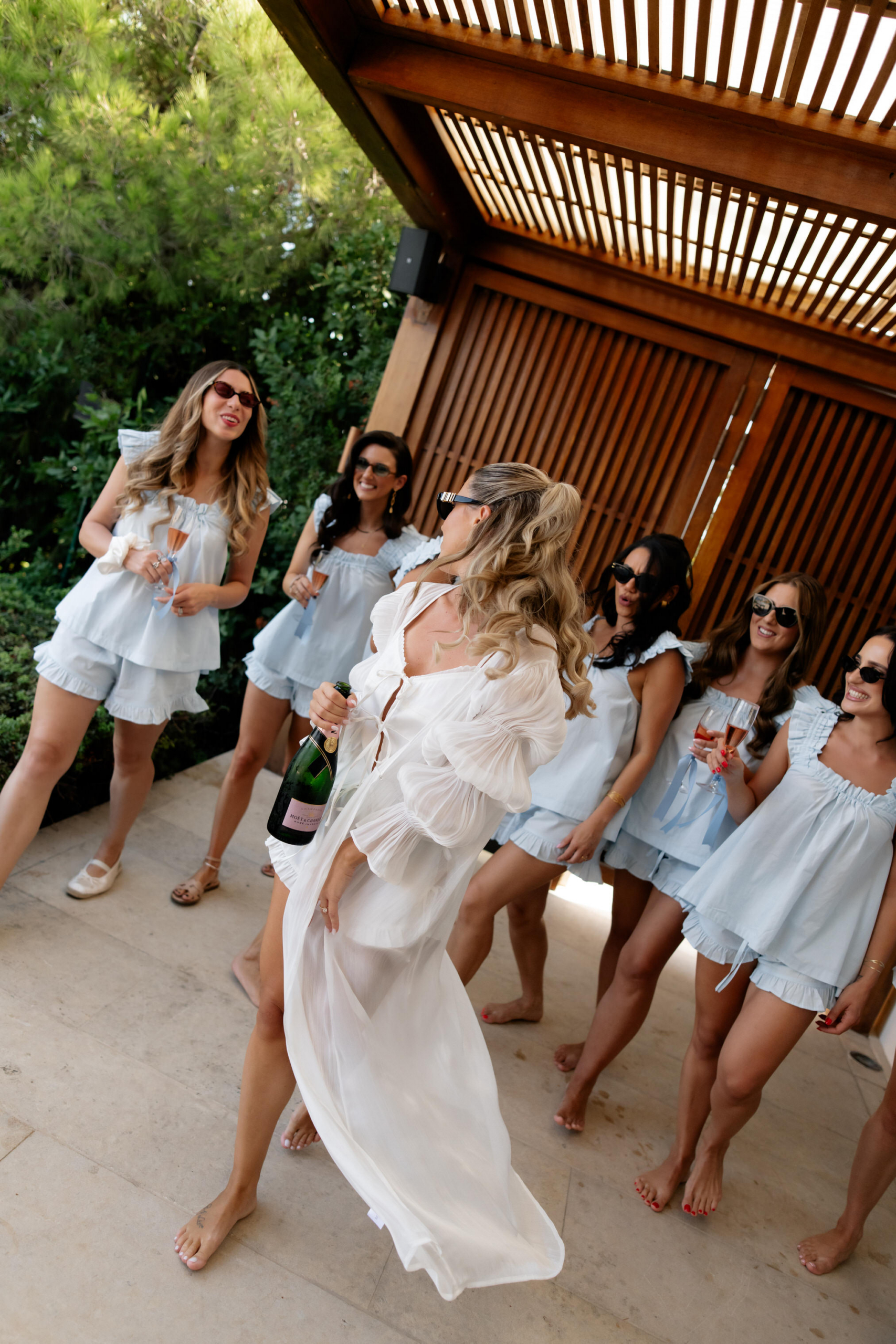
Editorial for me is something that looks like a real wedding day, but everything is under control.
We create a timeline that feels similar to a wedding – preparation, guests, couple portraits, everything – but we control the light, the timing, the styling, the clothes, the color palette, all of it.
That’s what I like about it. It gives you the chance to create exactly the atmosphere you want.
And even if it’s not a real wedding, it helps me explore ideas that often come back later into my real wedding work
How do you think about composition?
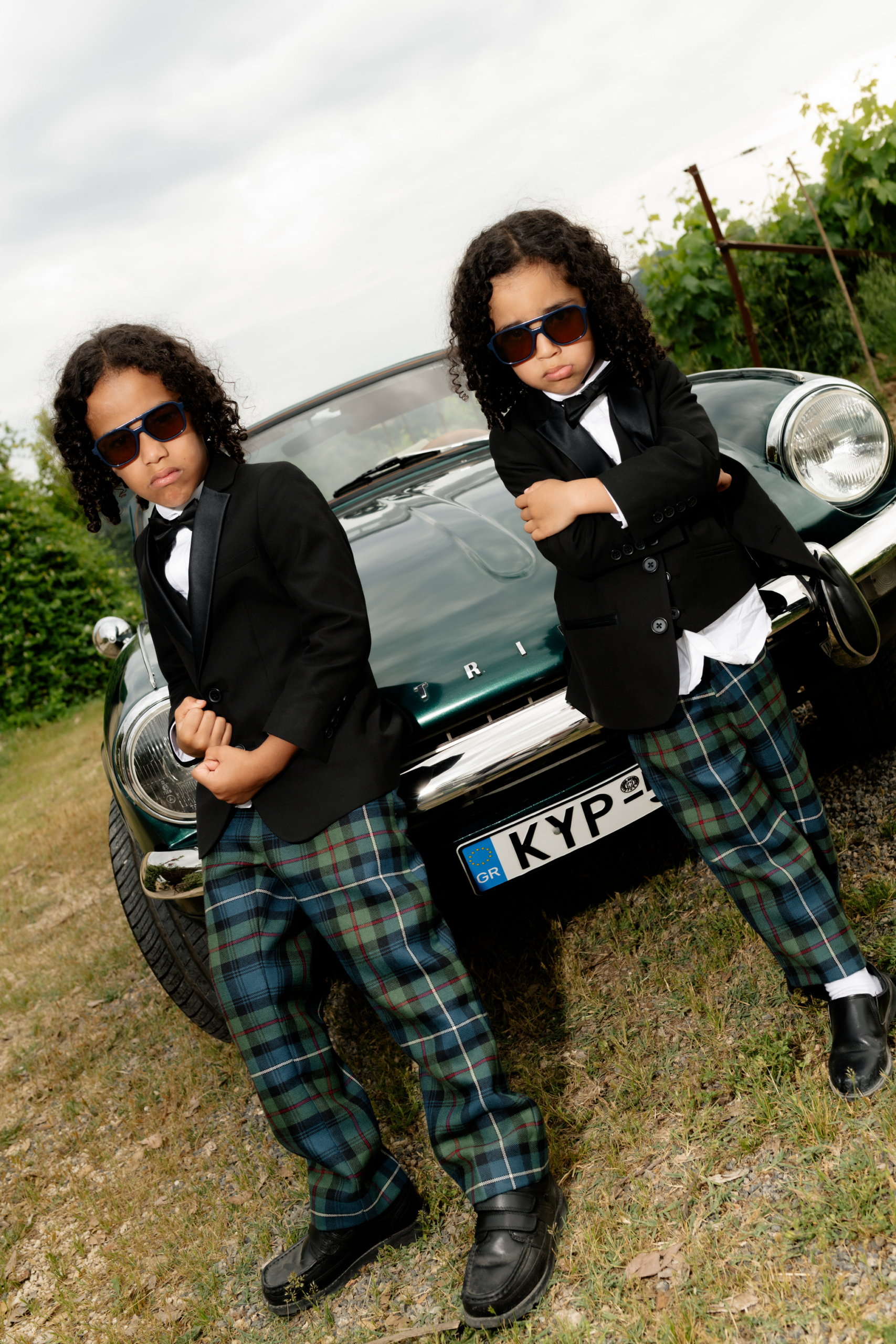
I’m very strict about composition.
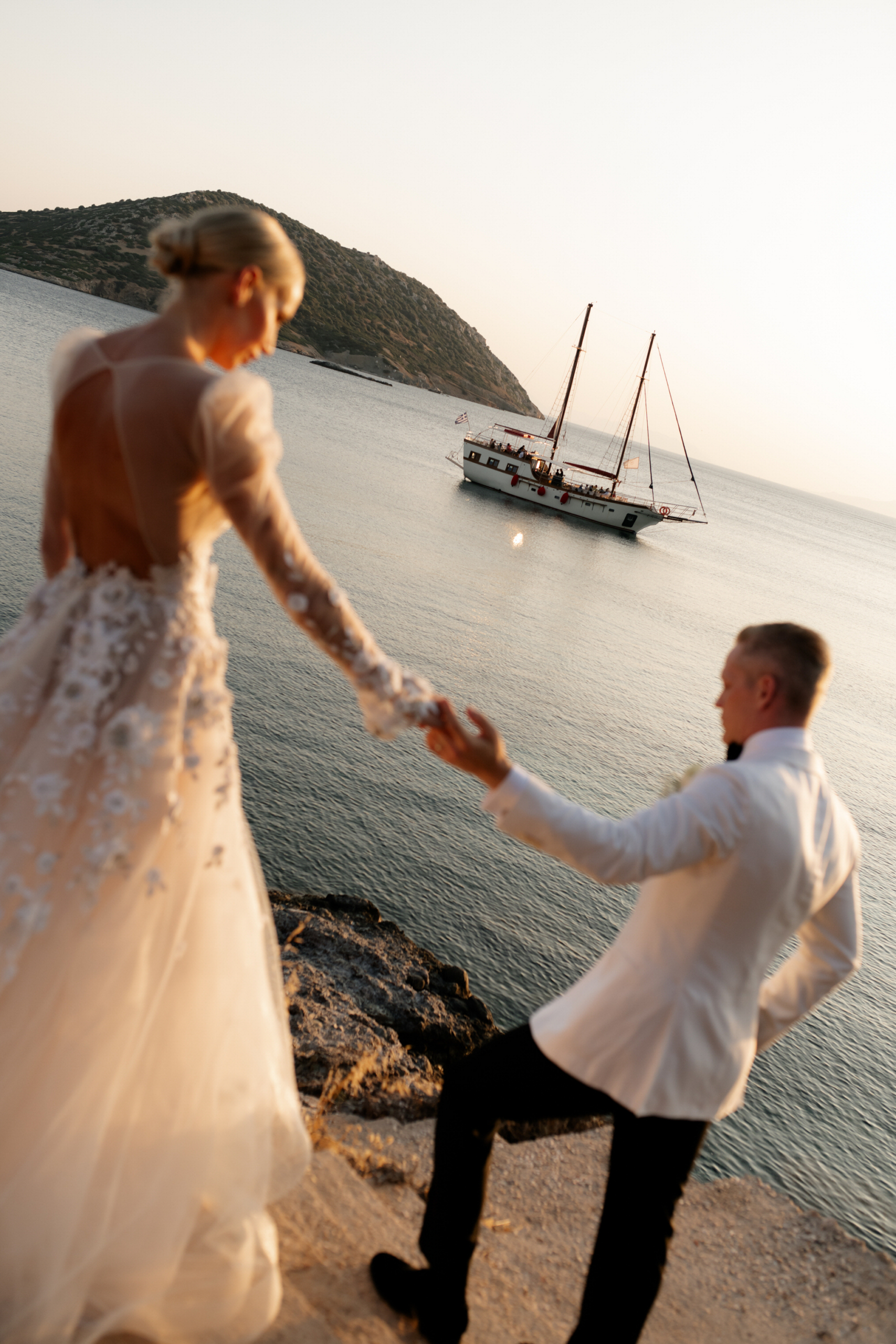
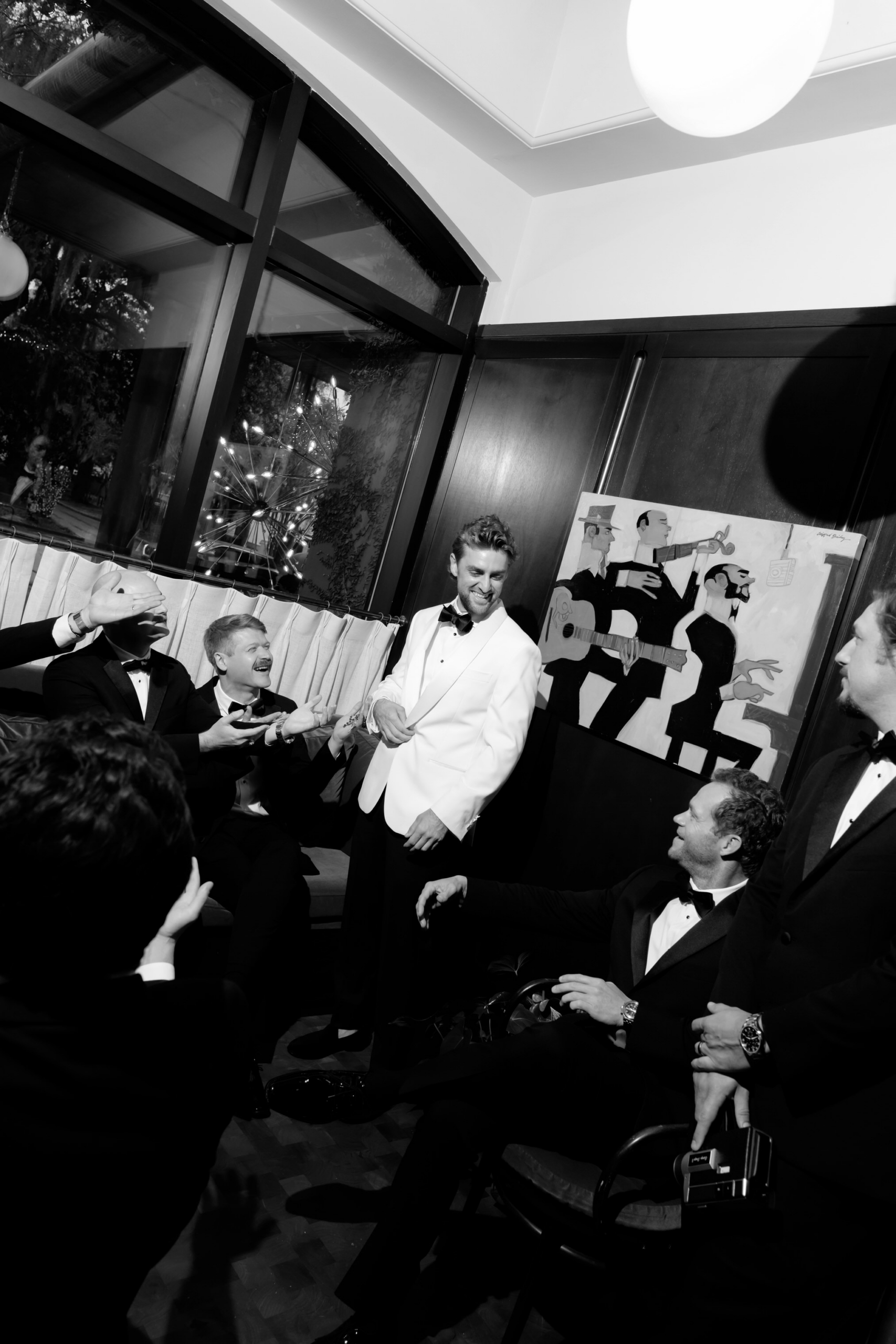
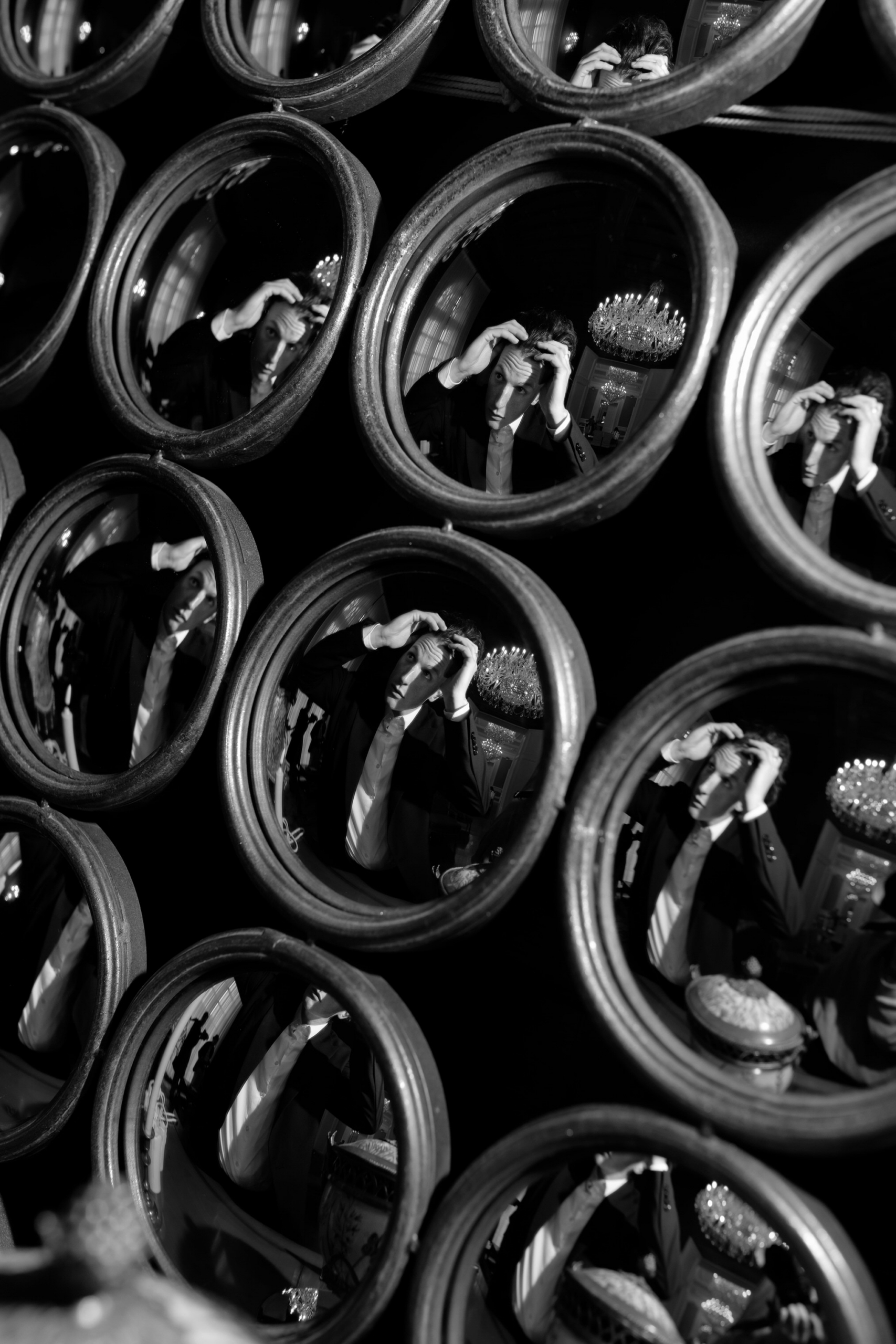
Even if some people don’t always like it, I know it’s part of my style. Sometimes I shoot a little bit tilted or a little bit off, and later I decide in the edit how much I want to keep from that movement. For me, it gives the picture a little bit more emotion and energy.
And composition is not only about framing.
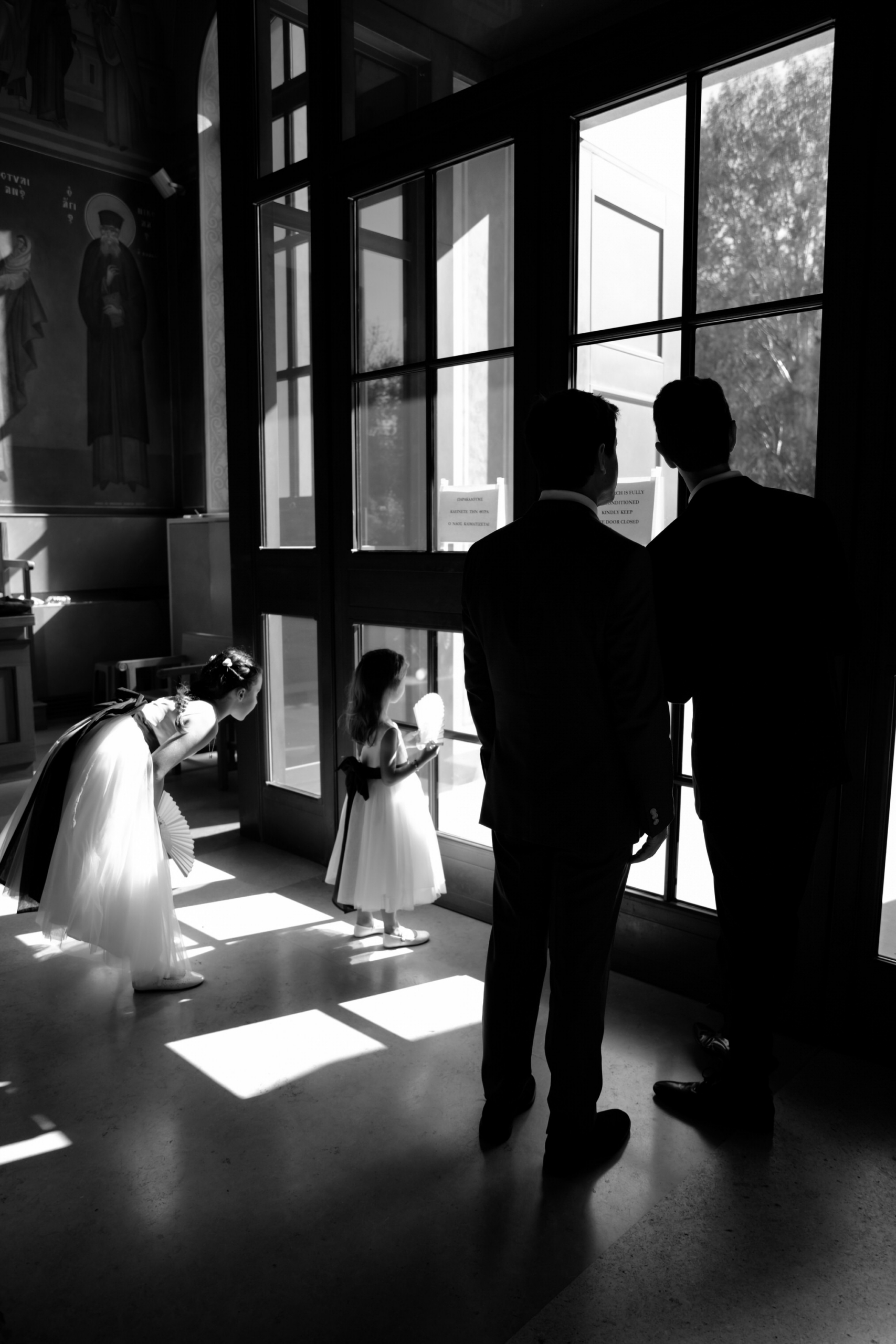
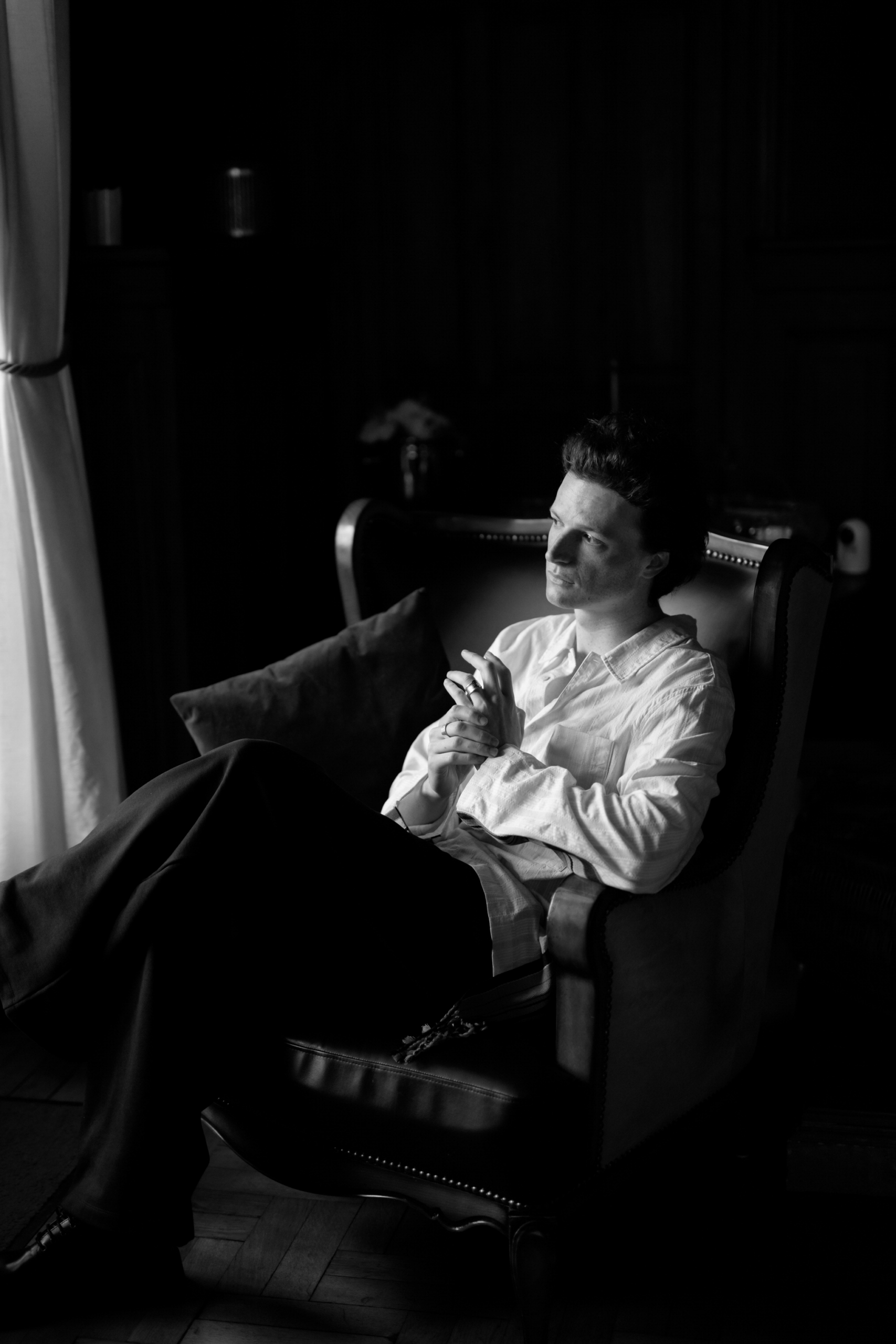
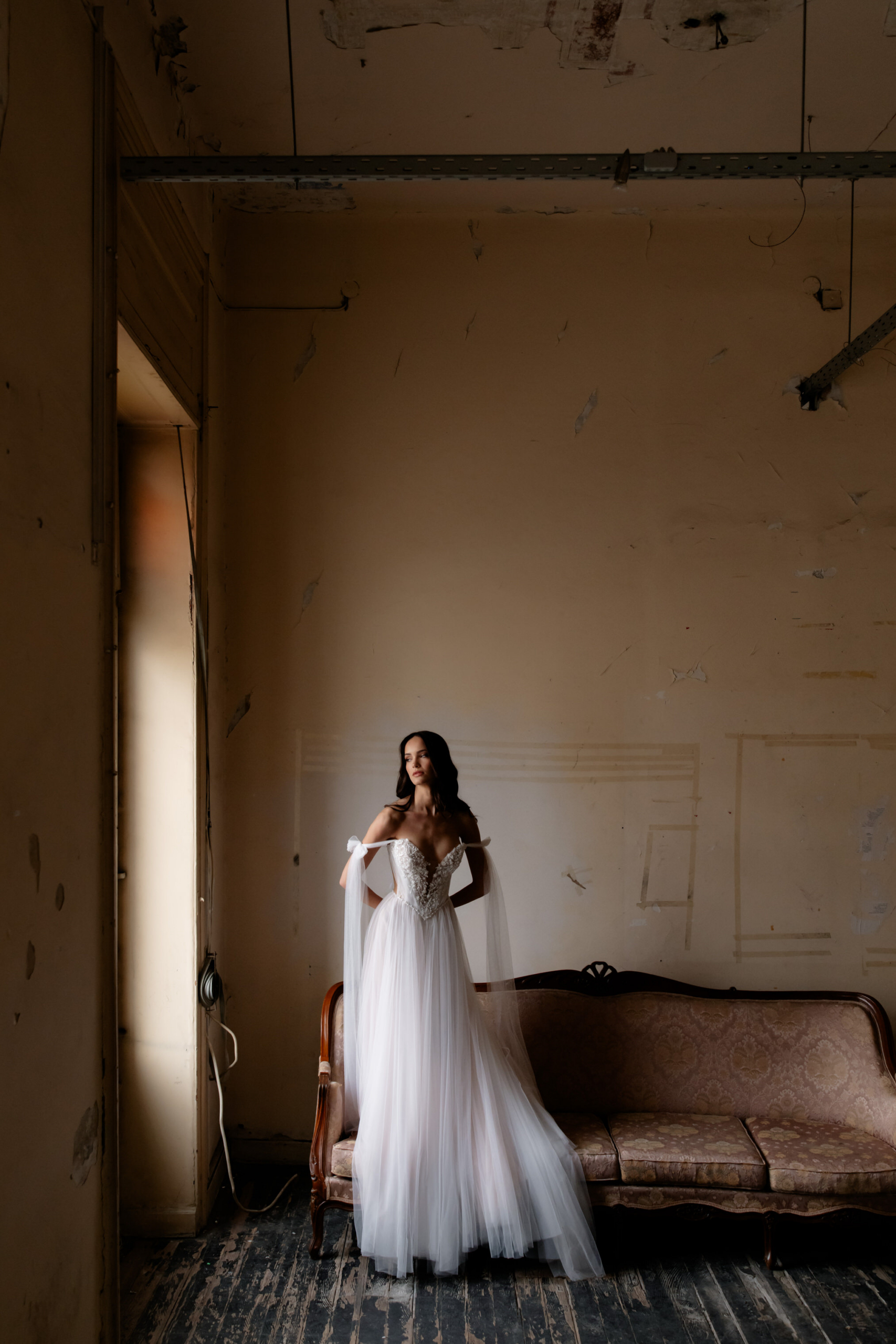
It’s also about how the light comes through the window, how the shadows fall, what is happening in the background, and how clean the final image feels.
That’s something I care about a lot – not only for myself, but also with my team.
What are you looking for at a wedding?
Emotion, of course – but also style.
When I’m in contact with a couple before the wedding, I try to understand their story and what matters most to them.
Their chemistry, their connection, the people around them, the atmosphere they want.
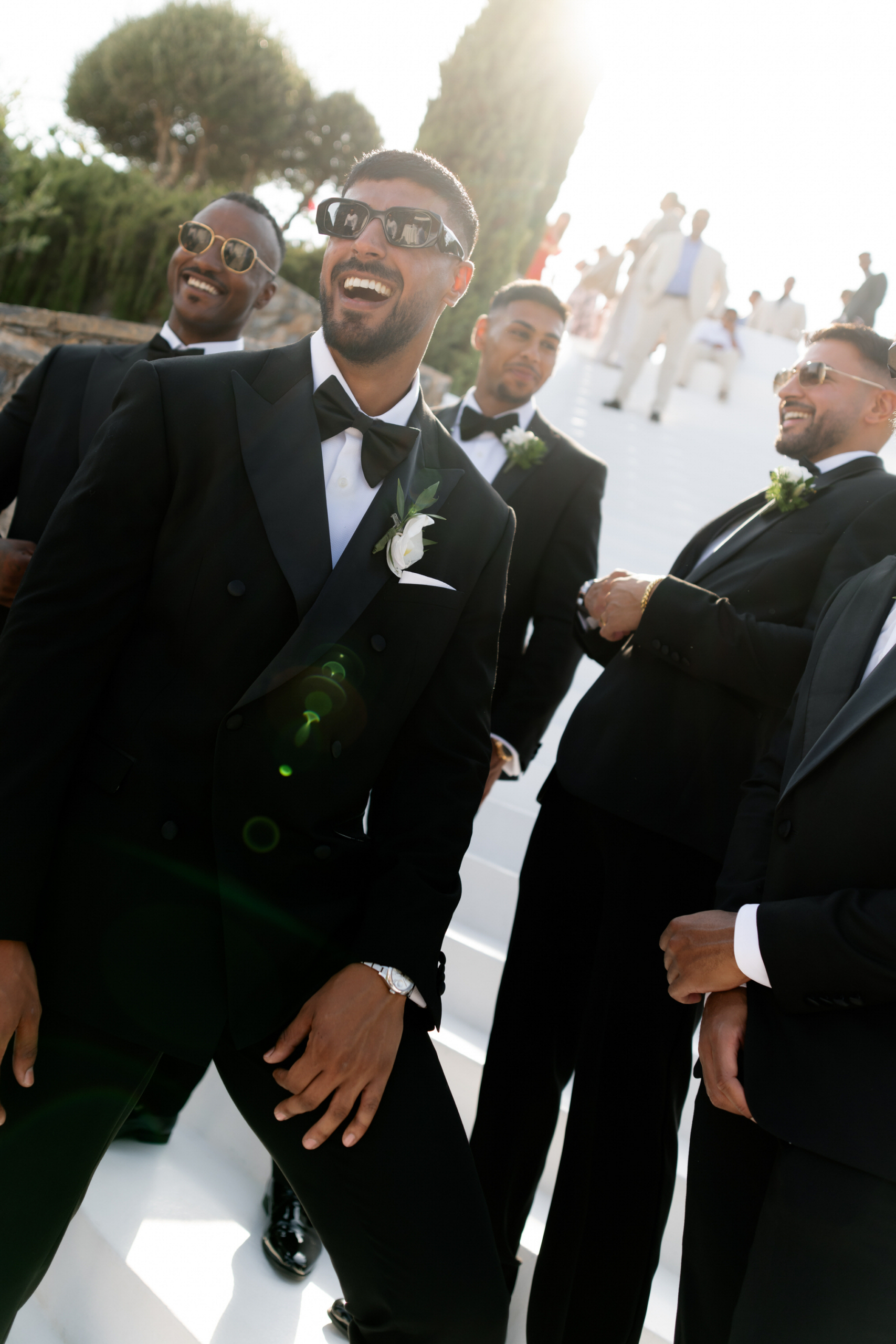
And on the wedding day, I’m always looking for those emotional things, but also for the modern side of it for the details, the fashion, the styling, the little things that complete the frame.
For me it’s not only about one big emotional moment.
It’s about building a whole visual story.
Do details matter to you?
Yes, a lot.
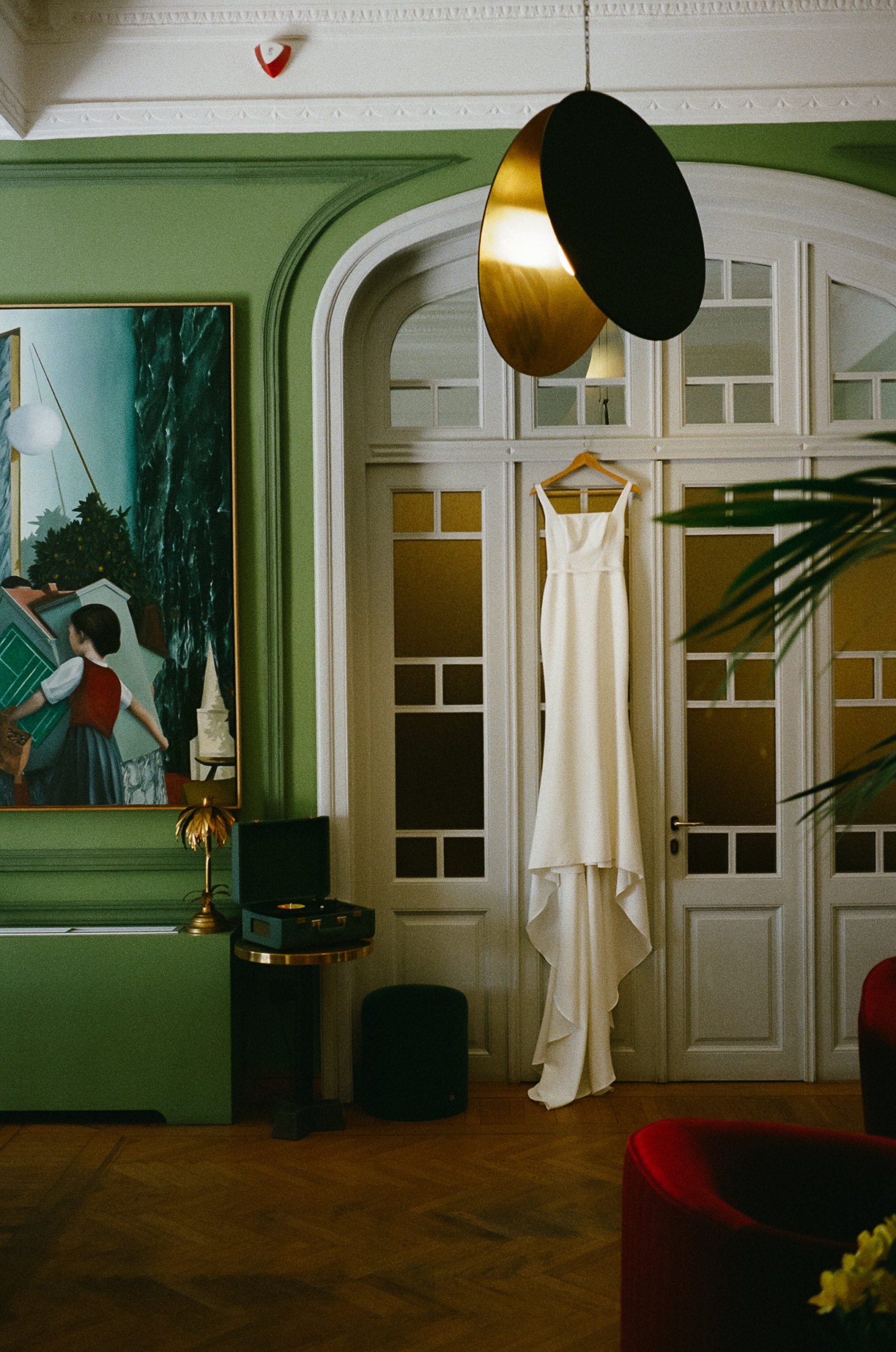
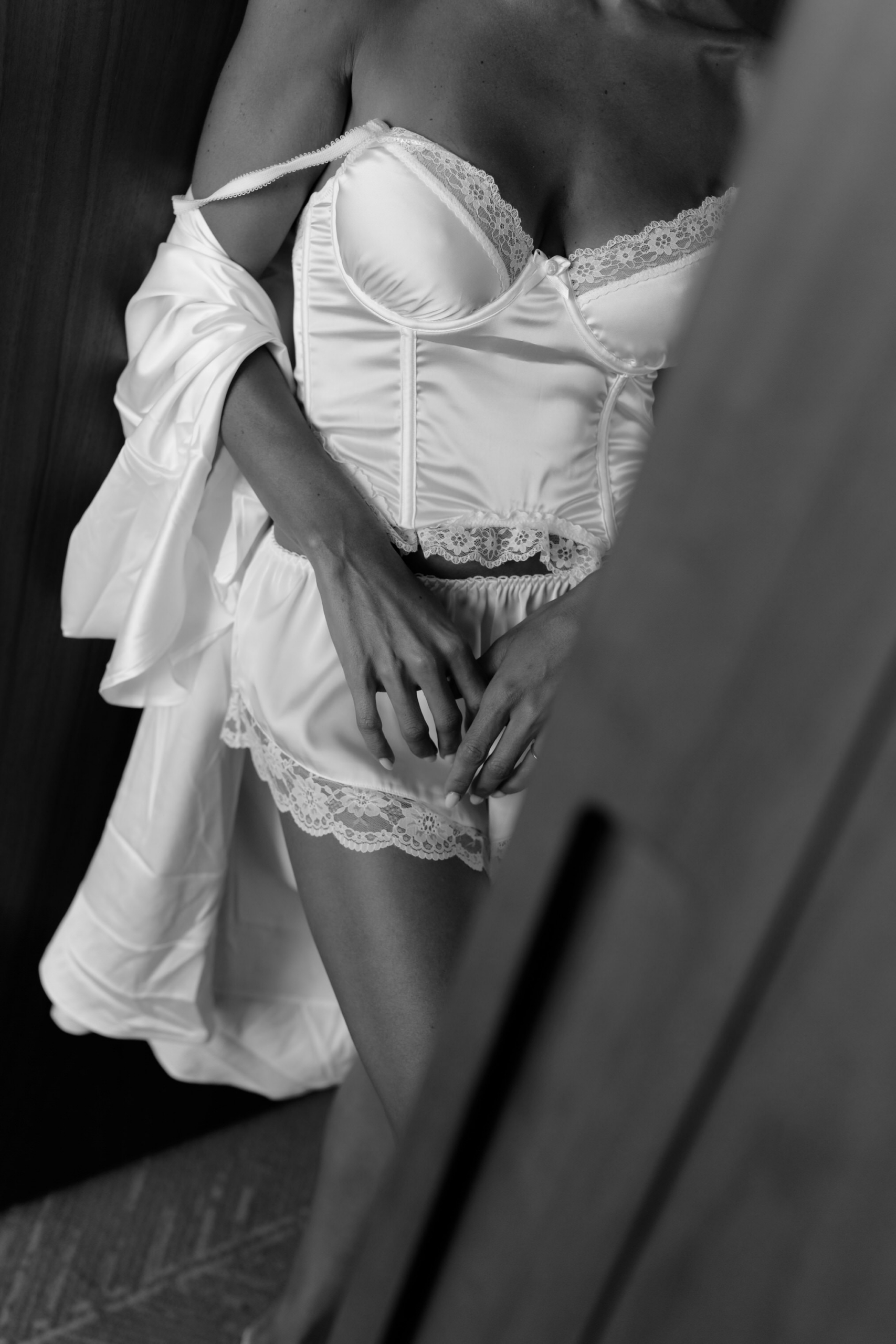
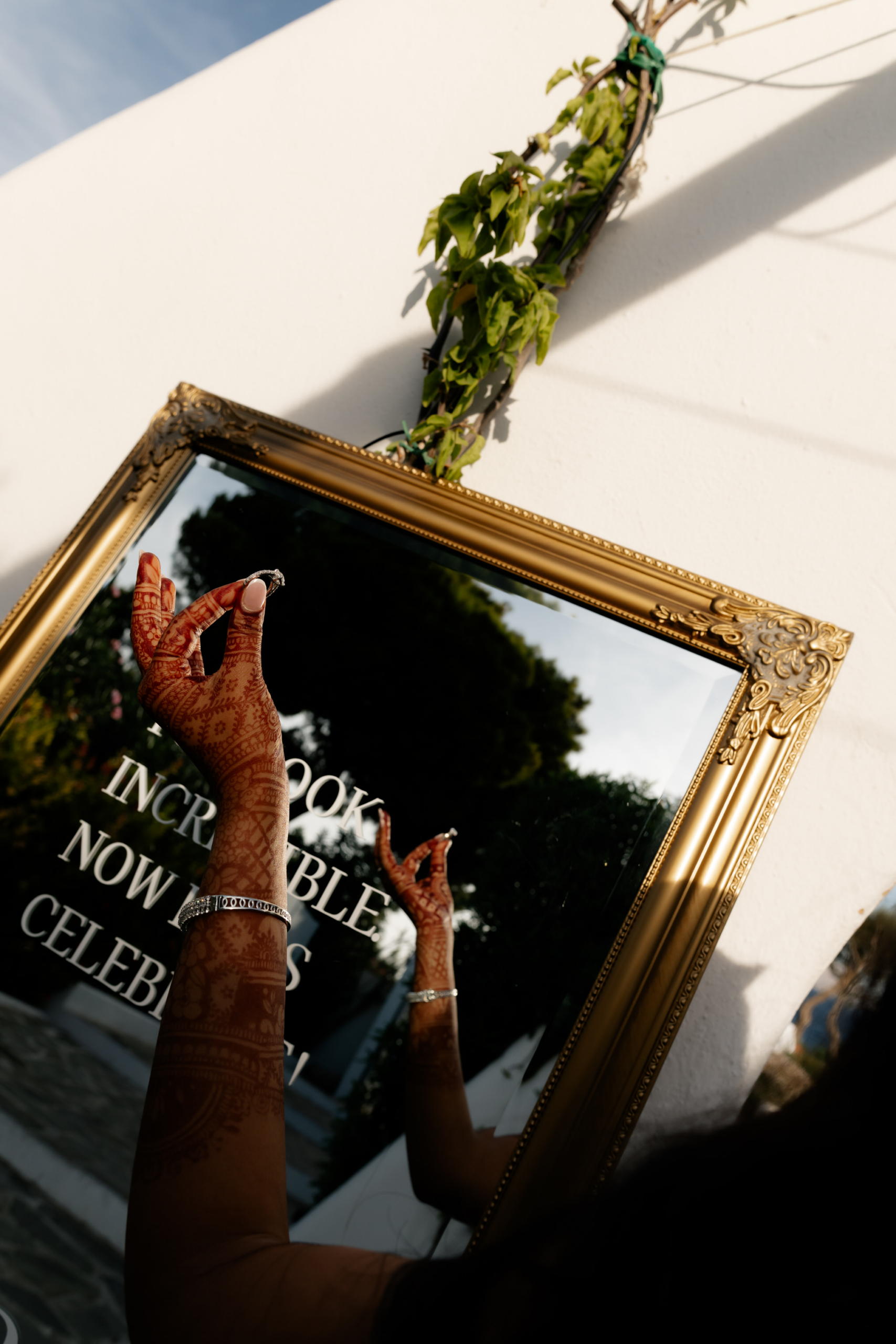
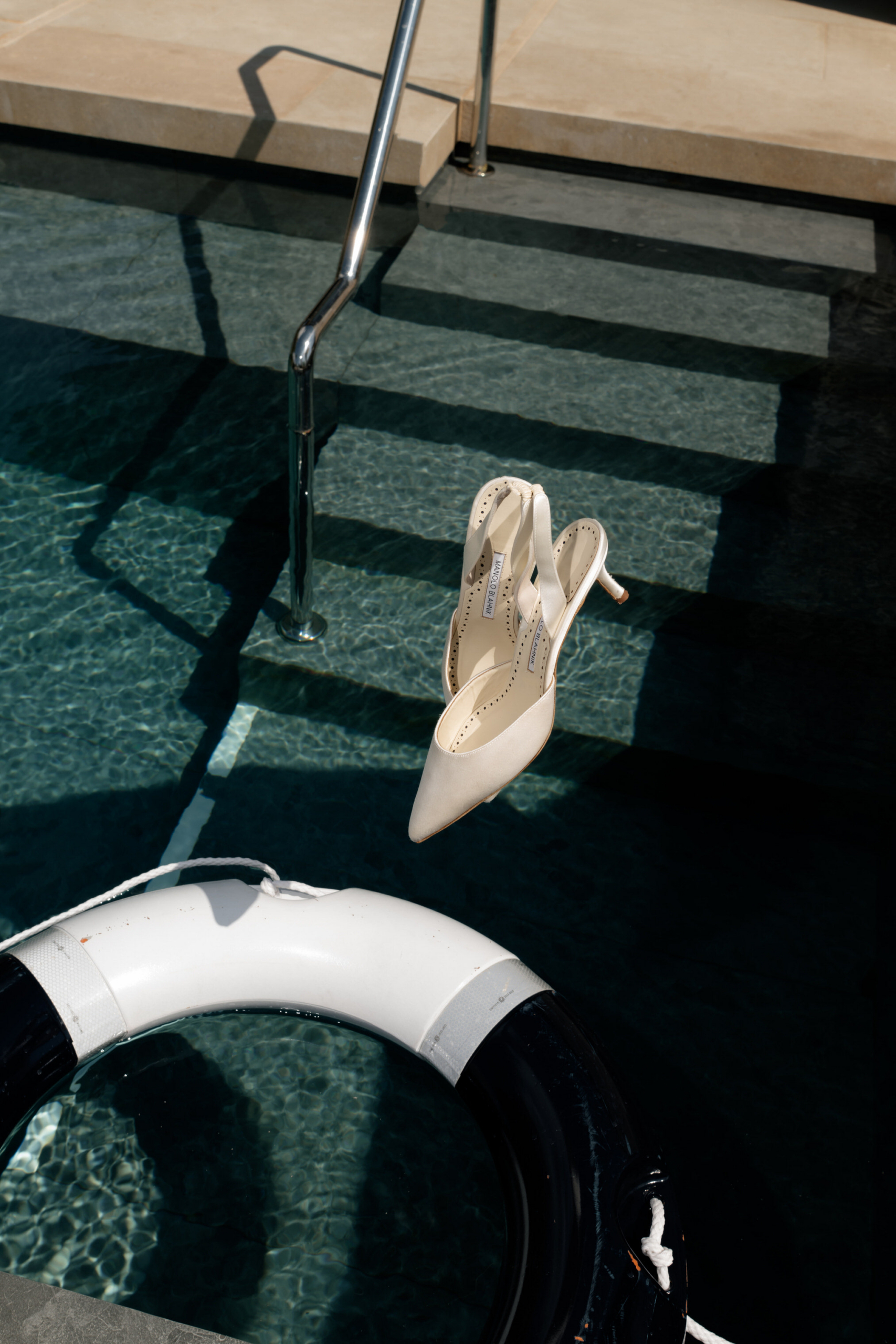
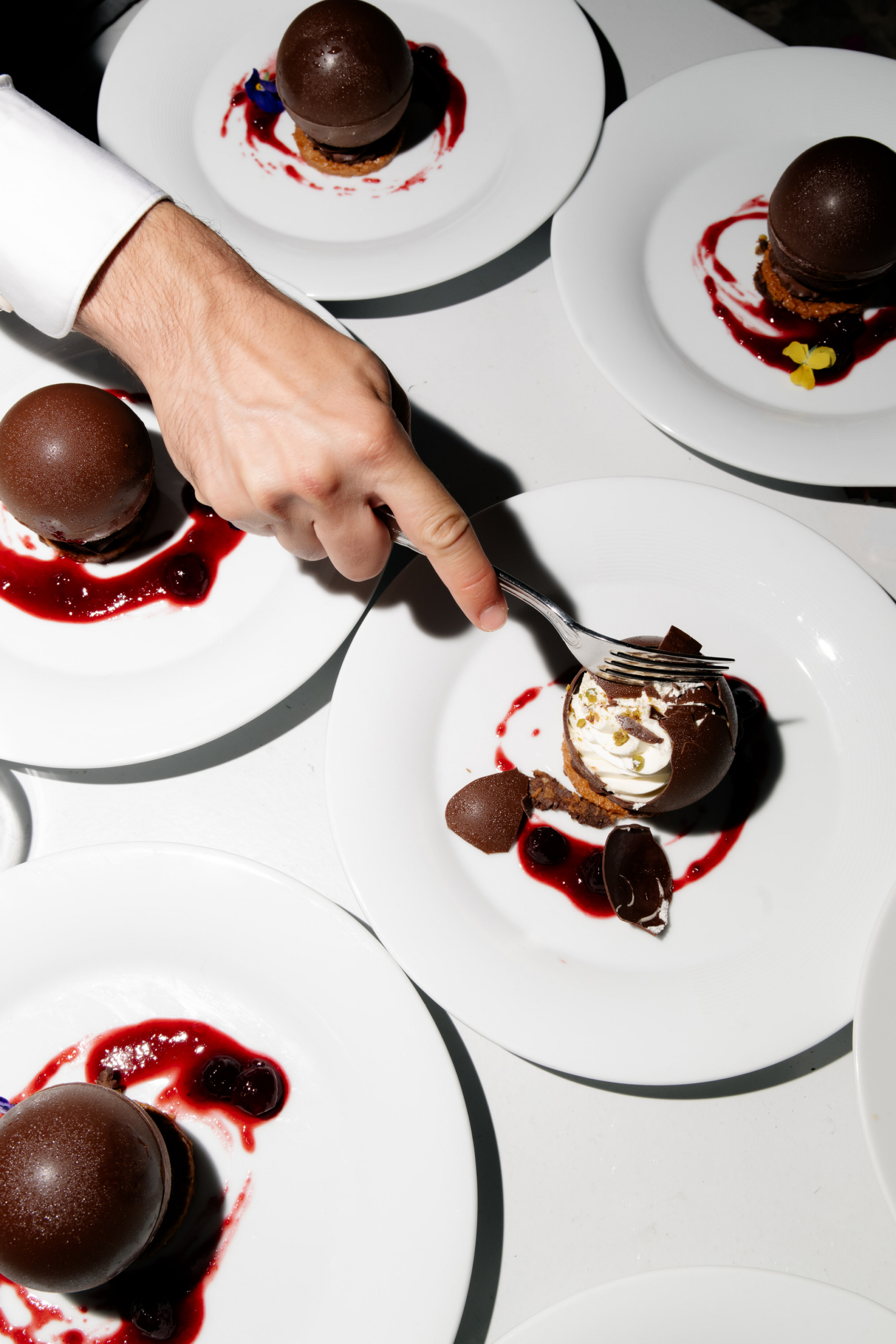
Details are what complete the frame for me. They’re like the last small thing that gives the image something extra.
And they matter because when you show your work online, you can’t show everything. On Instagram or on a website, maybe you only show twenty images from a whole wedding. So those pictures have to do a lot of work.
You have to create the feeling of a whole story with a very small number of frames. And details are a big part of that.
What was difficult in the beginning?
The beginning is always the most important part, and also the hardest one.
When you are starting, especially in a smaller city, you hear a lot of opinions from other photographers. People compare, they talk, they question what you’re doing – especially if your work looks different.
At the time, that was difficult for me. But now I think it helped me a lot. It made me focus more on what I wanted and on what kind of photographer I wanted to become.
I always wanted to show a different perspective.
Not because I wanted to fight with anyone – but because I wanted to show that there is more than one way to photograph a wedding.
How does JPEGmini fit into your workflow?
I think I started using it maybe five or six years ago.
Another photographer from Austria told me about it when we were talking about how big wedding galleries are and how much storage we need for every job.
At the beginning, I was a bit confused.
I was asking, “Is it really the same resolution?” And then I understood that yes – it keeps the quality, but the file is much smaller.
Since then, I use it after every wedding.
It helps a lot because I want to deliver high-resolution images to my clients, but I also want to keep everything easier to store and easier to upload to online galleries.
So now I have it installed on all my computers and I use it all the time.
For me, it’s just one of those tools that makes the workflow lighter and easier.
What makes a wedding image last?
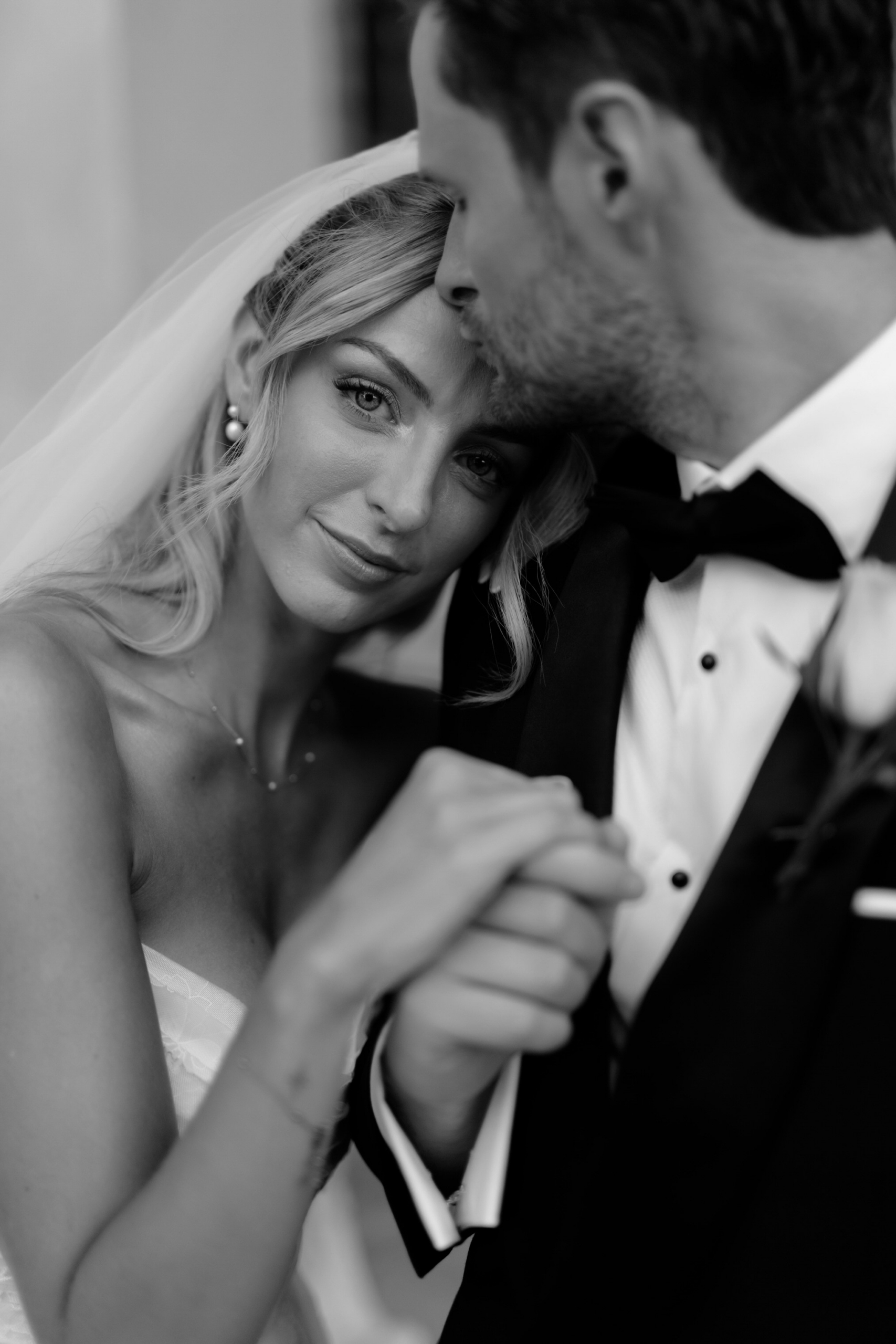
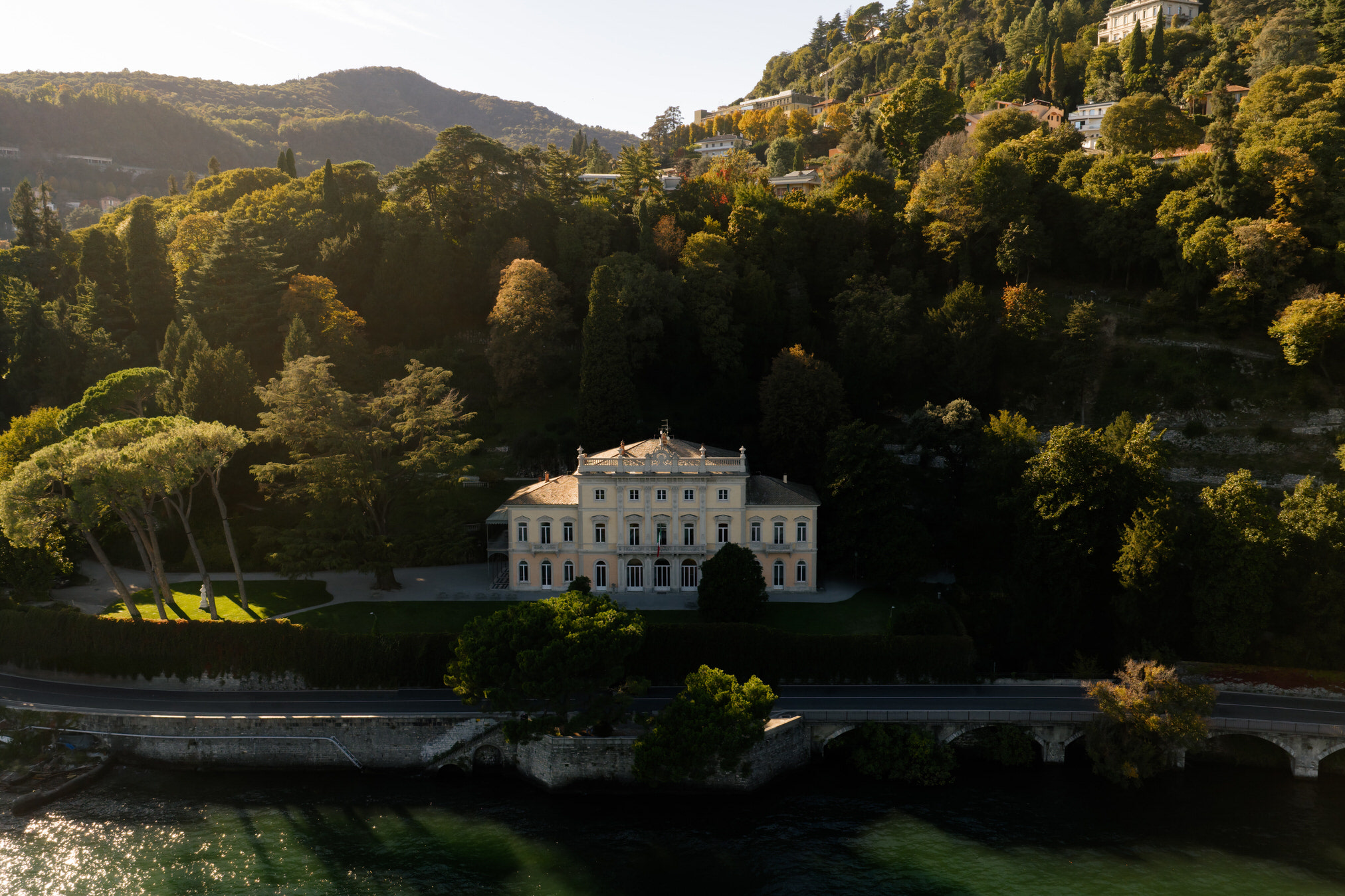
I think it has to feel real, but also beautiful enough that people want to live with it.
Because these are not pictures that disappear after a week.
People print them, they keep them in their homes, and they return to them again and again.
So for me, a lasting wedding image has to hold both things.
It has to carry a real feeling, but it also has to be strong enough visually that it stays with you.
Final Thought
What Fotis keeps returning to, again and again, is love.
Not only in the obvious sense – between the couple – but in the way he talks about family, connection, celebration, and even photography itself. There’s a real sincerity in the way he approaches all of it.
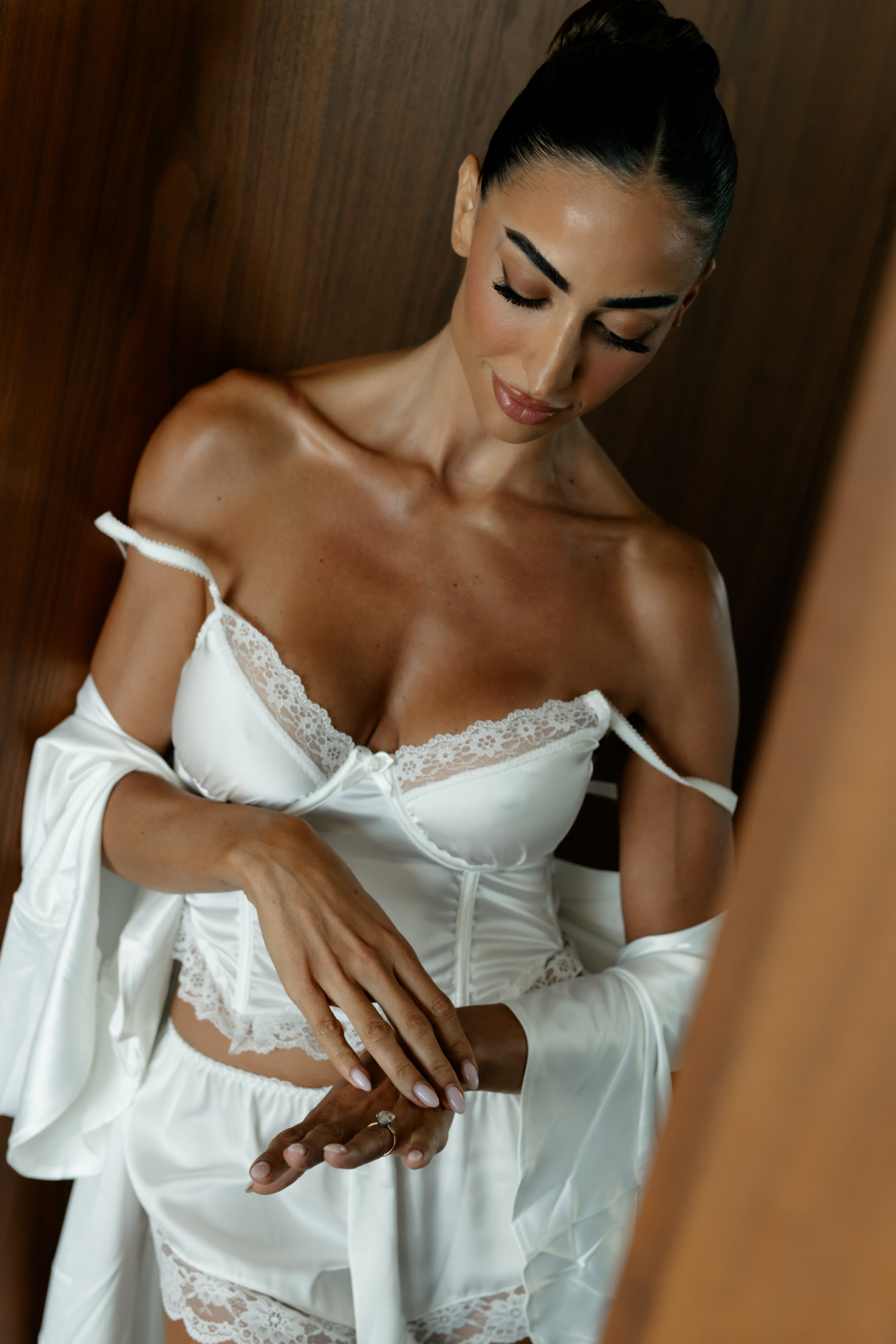
And that sincerity sits in an interesting place, because his work is also highly controlled.
He’s clearly ambitious, highly skilled, and deeply invested in the craft.
He studies constantly, teaches others, and thinks carefully about what makes an image hold.
You can feel that in the work.
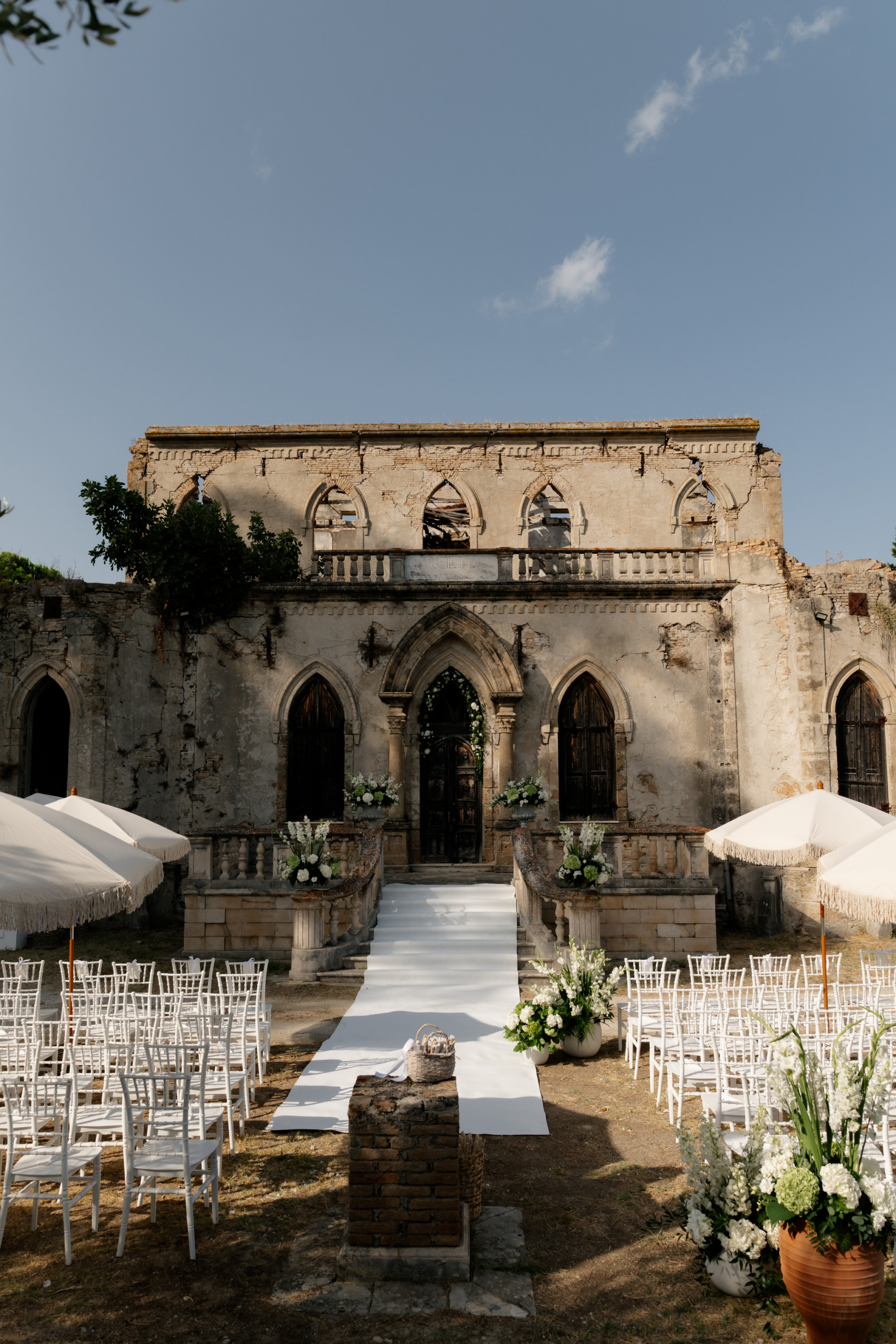
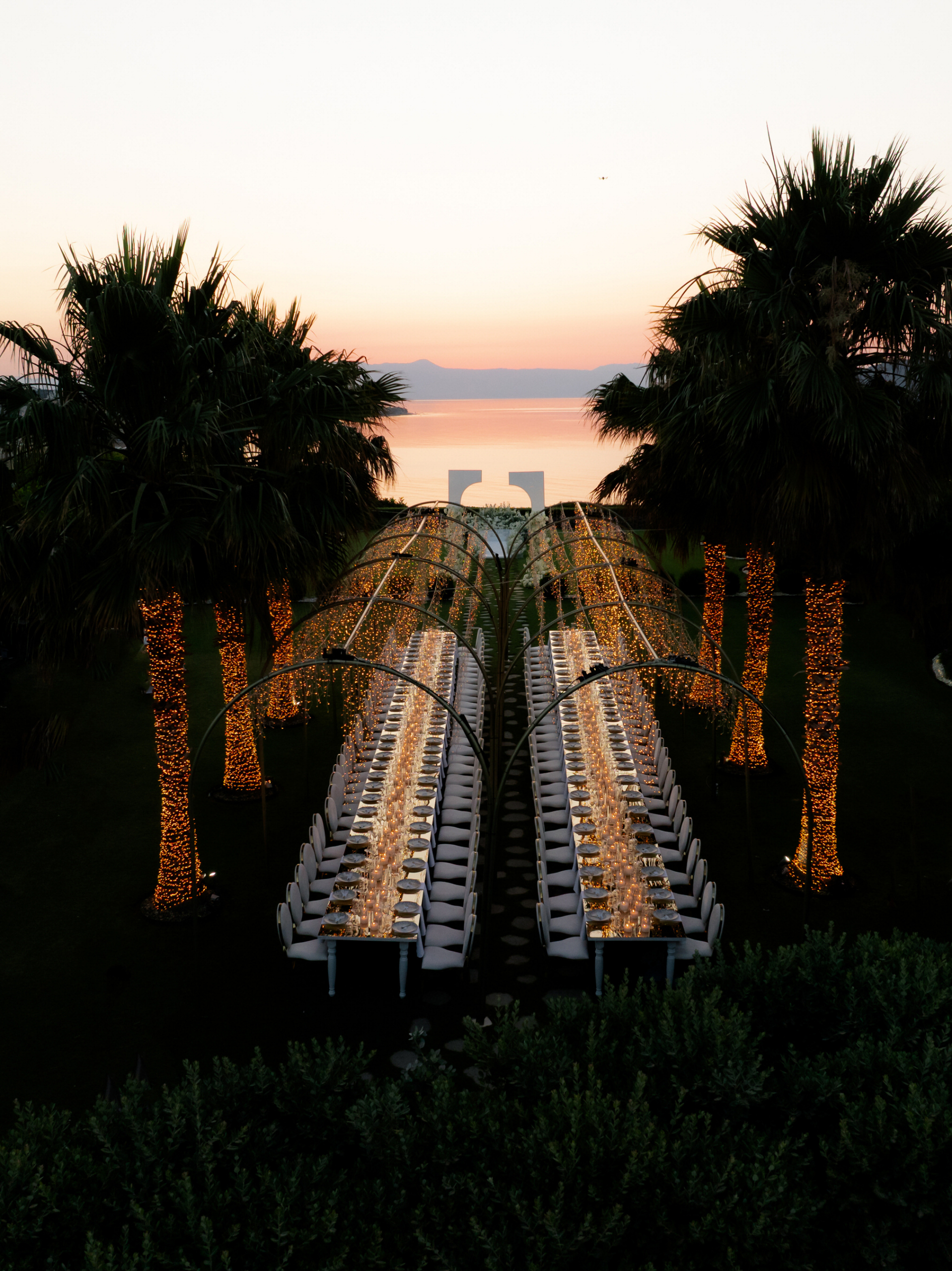
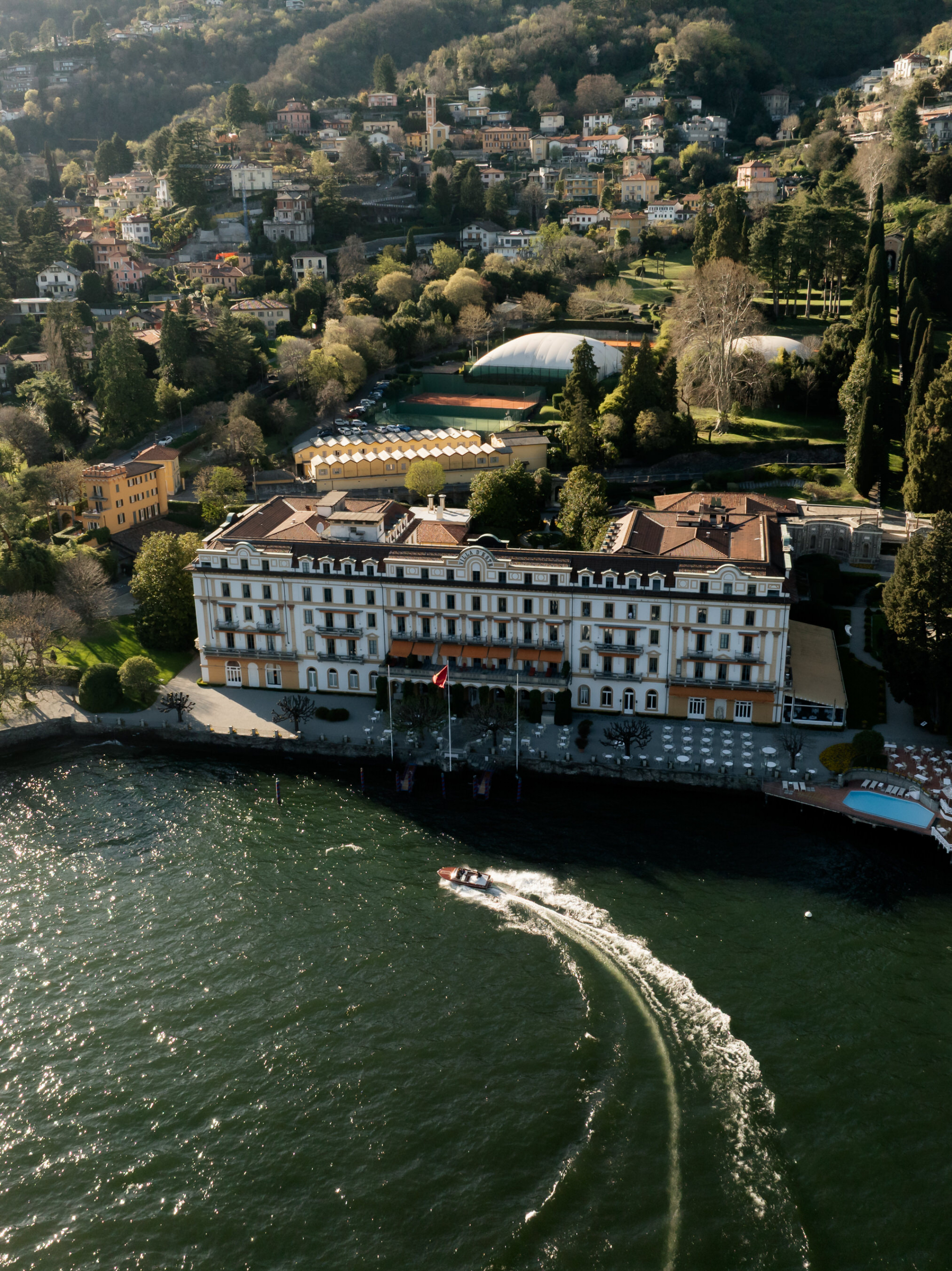
What makes his photographs distinct is that they sit right on the seam between worlds: between wedding and fashion, between a real moment and something more imagined, more cinematic. Sometimes the pictures feel like they belong to a celebration, and sometimes they feel like they’ve slipped out of a film.
That tension is what gives the work its shape.
Because underneath the polish, what he’s really trying to preserve is not only beauty.
It’s feeling – made elegant enough to last.