
Betto Robles:“I look for how people feel, not how they look.”
Short Bio
Betto Robles is a Mexican documentary wedding photographer.
He is based in Hermosillo, Sonora.
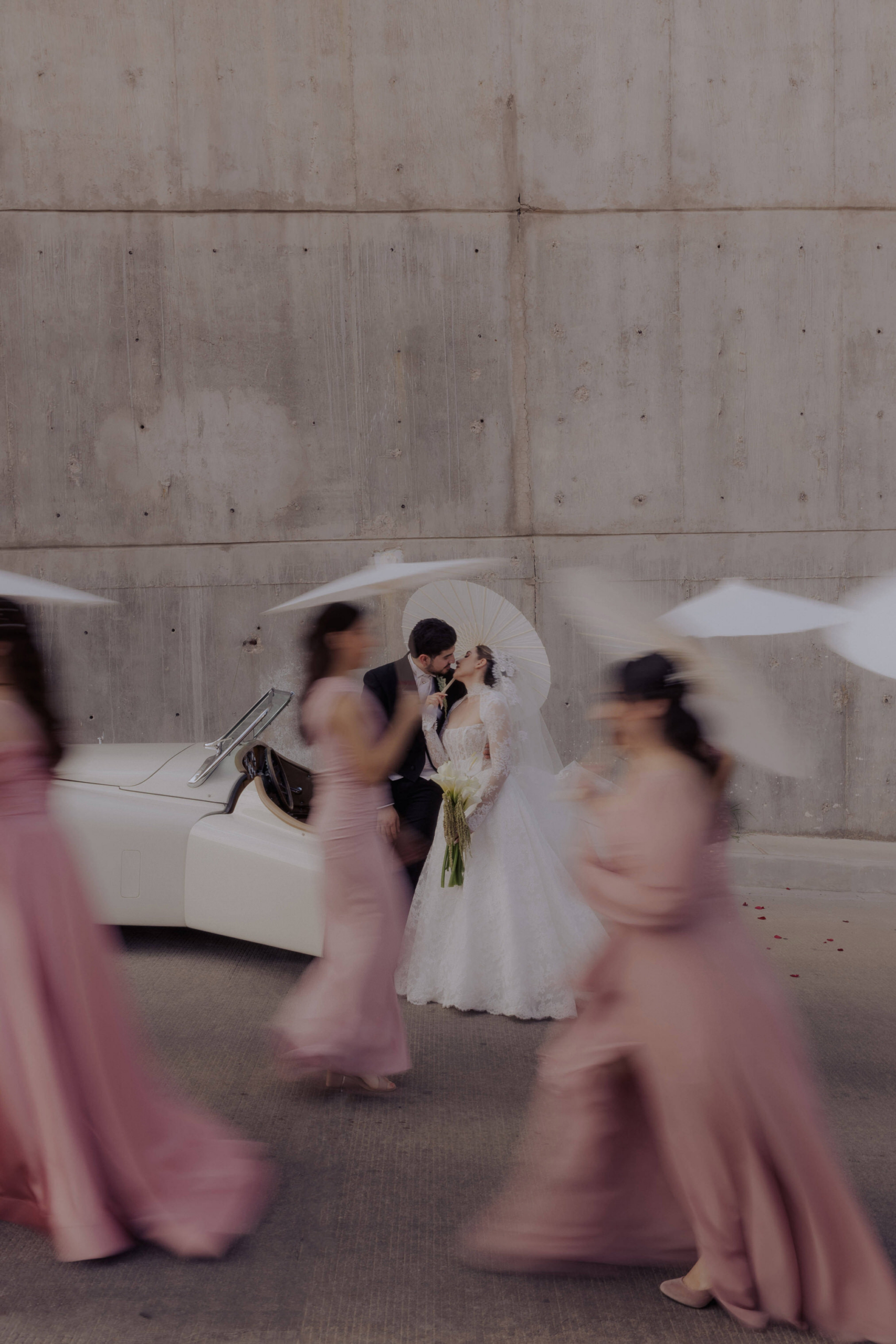
Since 2012 he has been photographing weddings with a style that blends natural light, emotion, and quiet observation.
Influenced by the light of the Sonoran desert and by everyday life around him, his work focuses on authentic moments and human connection.
Robles works alongside his partner Mayra, together building a visual language that prioritizes real emotions over posed images.
Beyond photography, he also contributes to cultural storytelling projects such as Conecta Arizona, where he writes about photography, creativity, and the stories that shape communities.
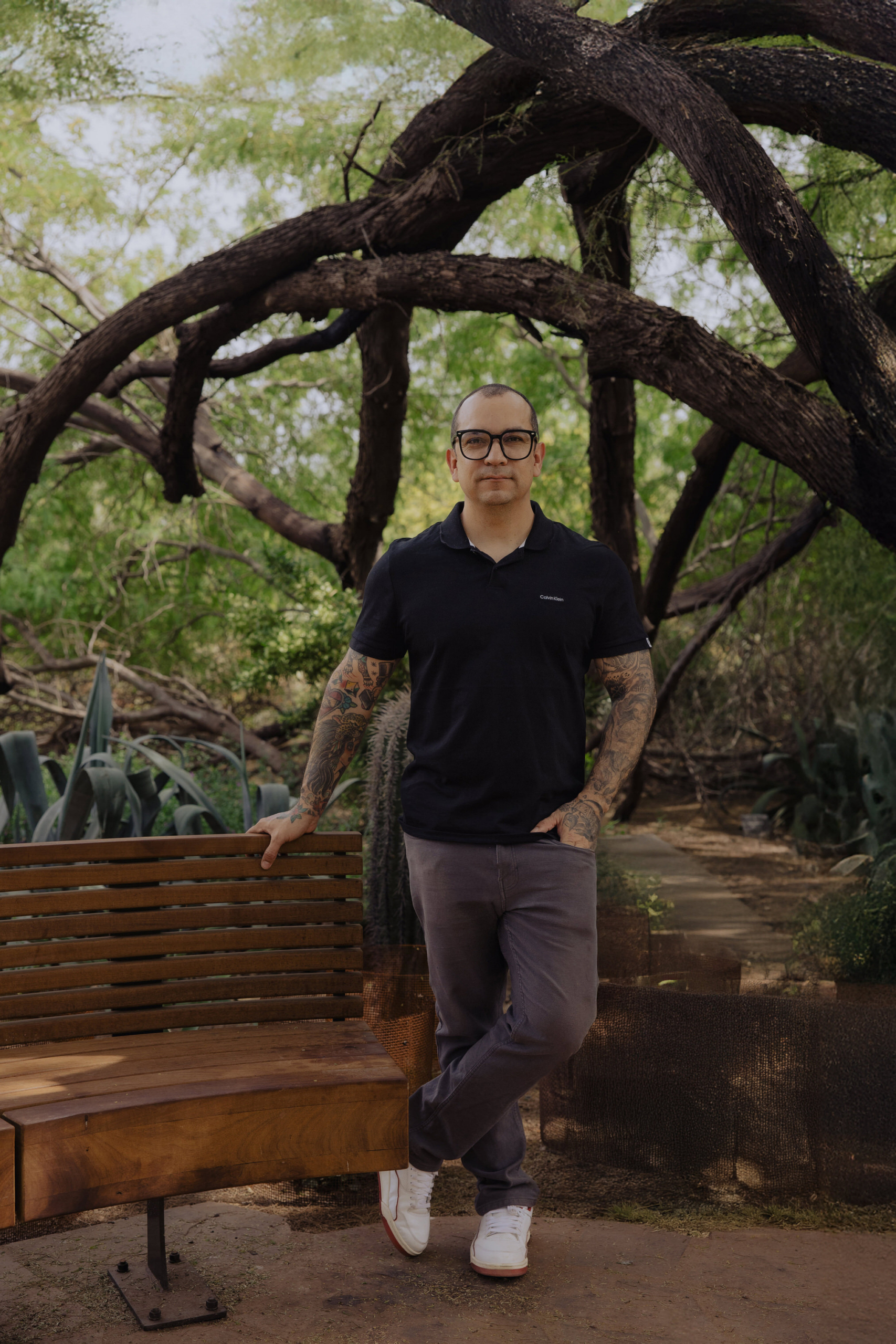
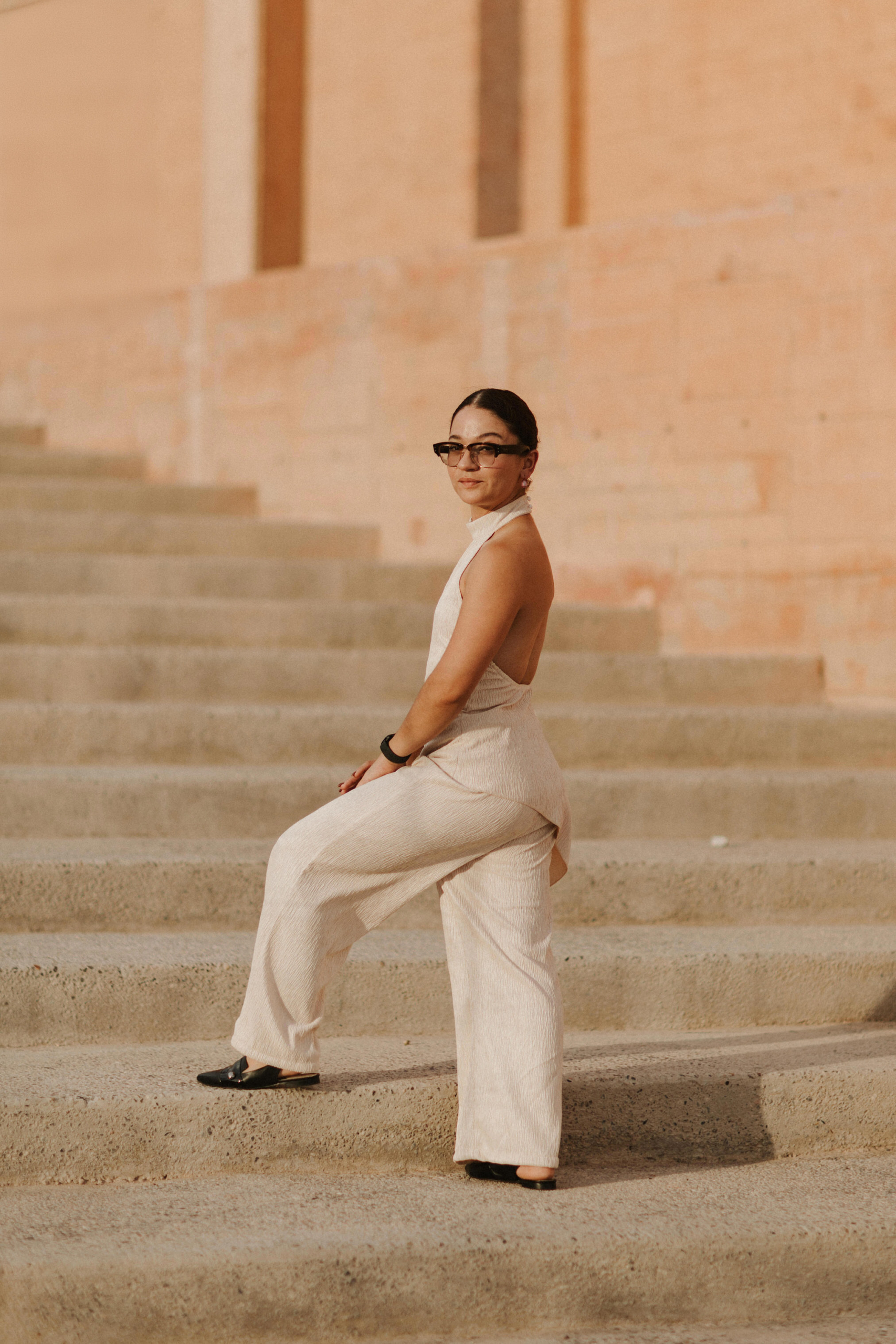
Driven by curiosity and a desire to keep growing, Robles often describes himself as a lifelong student. Someone who believes photography is not only about images, but about understanding people and the moments that connect them.
You were born in Hermosillo, in northern Mexico, where the desert light is very distinctive.
Mexico is also a country of powerful colors and textiles – something that feels very present in your photographs.
Do you feel that the light and visual culture of Mexico have shaped the way you see and photograph the world?
Yes, definitely.
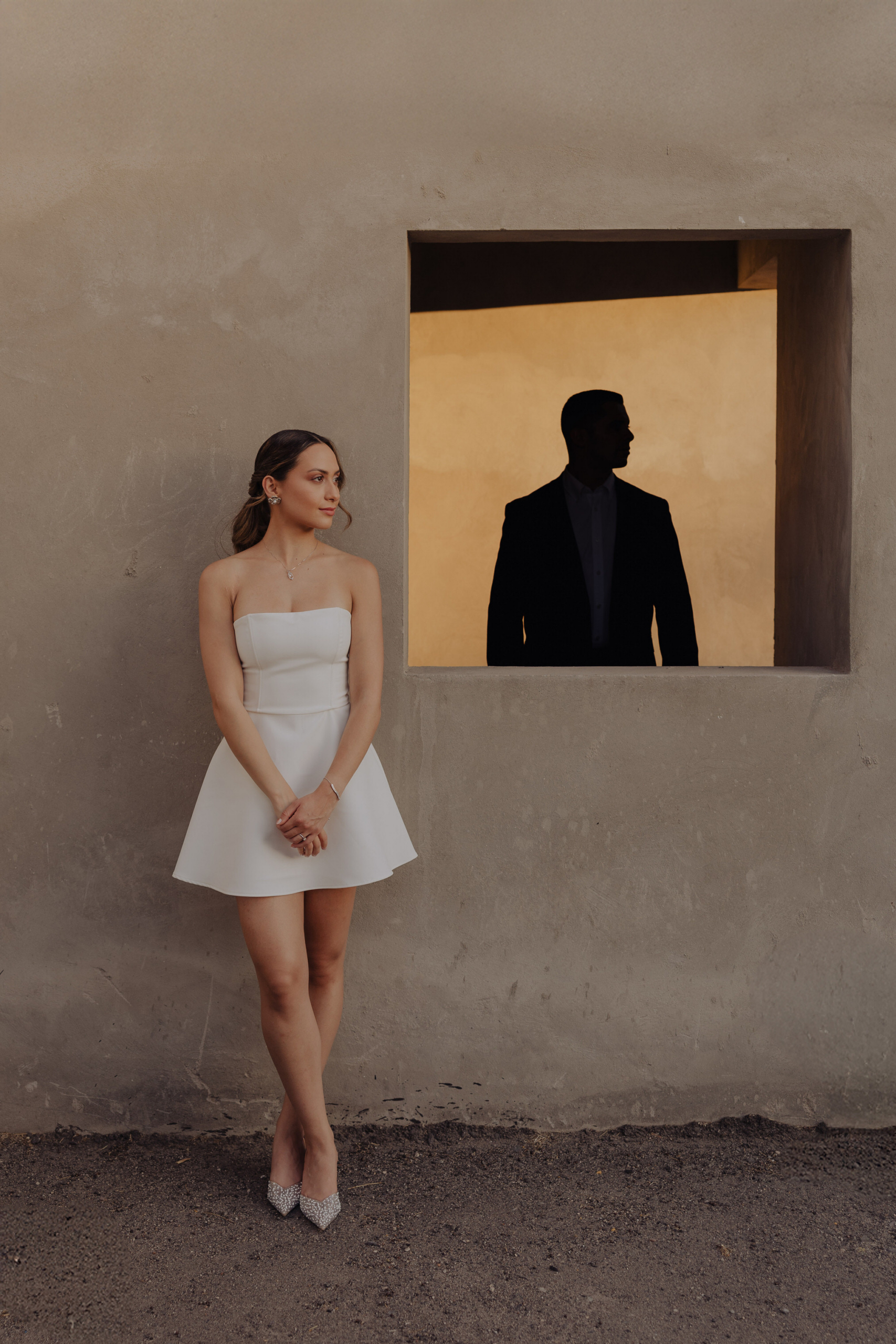
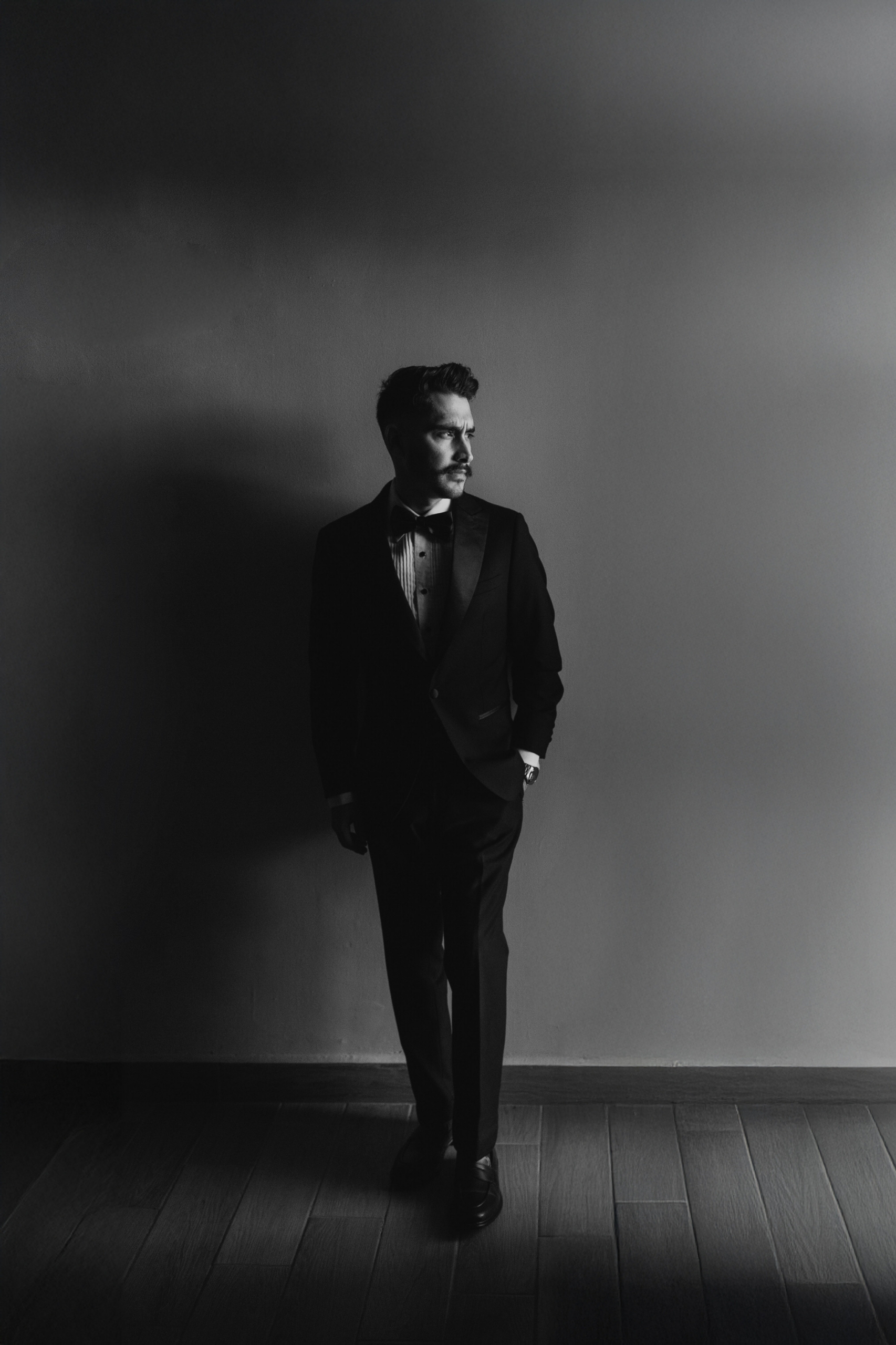
I grew up with a light that doesn’t forgive… here, the sun is not soft – it is direct, harsh, honest.
And without realizing it, that shapes your eye.
Mexico is color, texture, noise, but interestingly I moved toward the opposite: simplifying, taking away, staying only with what is essential.
I think that because I grew up surrounded by so much stimulation, I learned to look for silence within chaos.
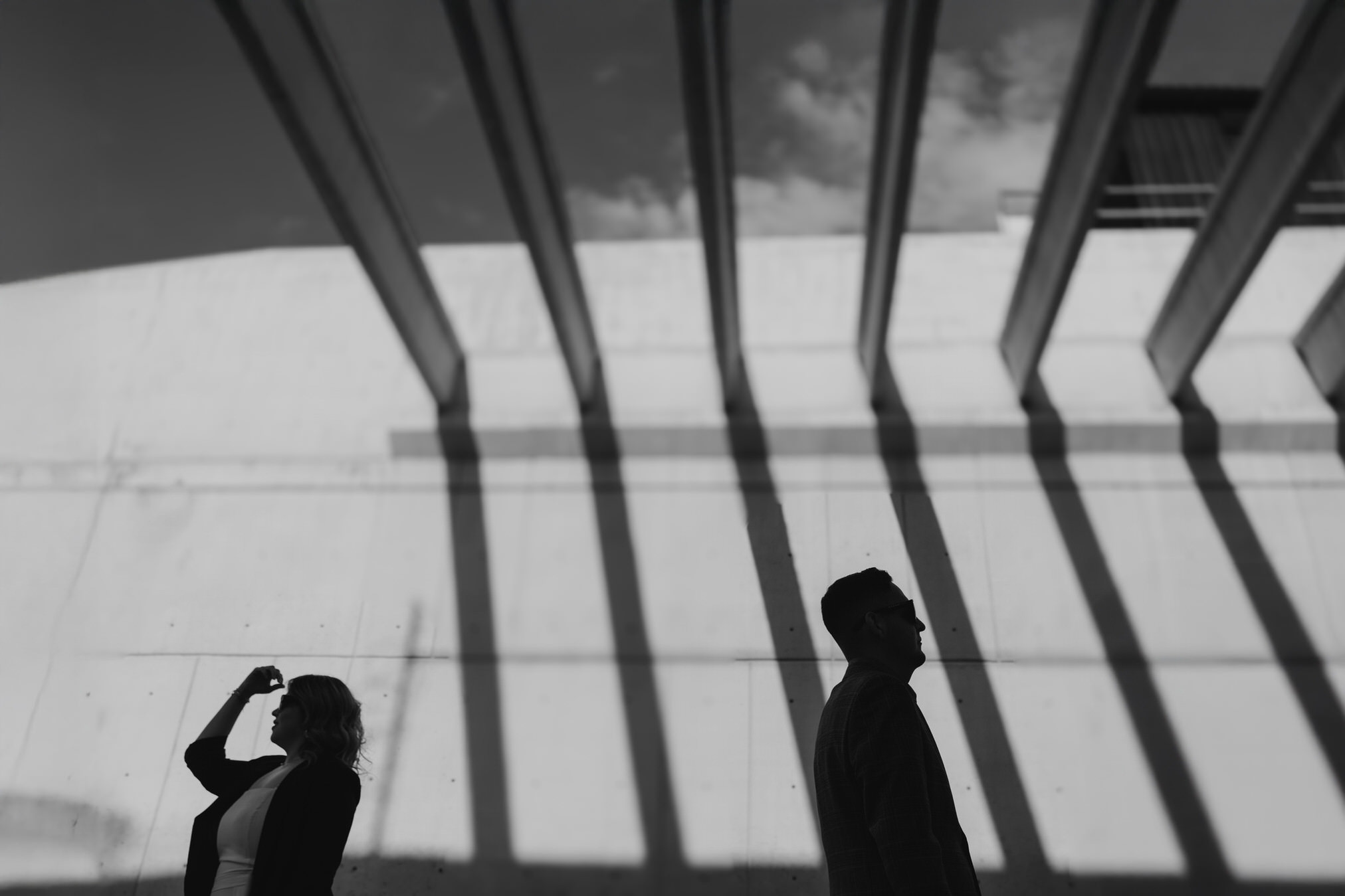
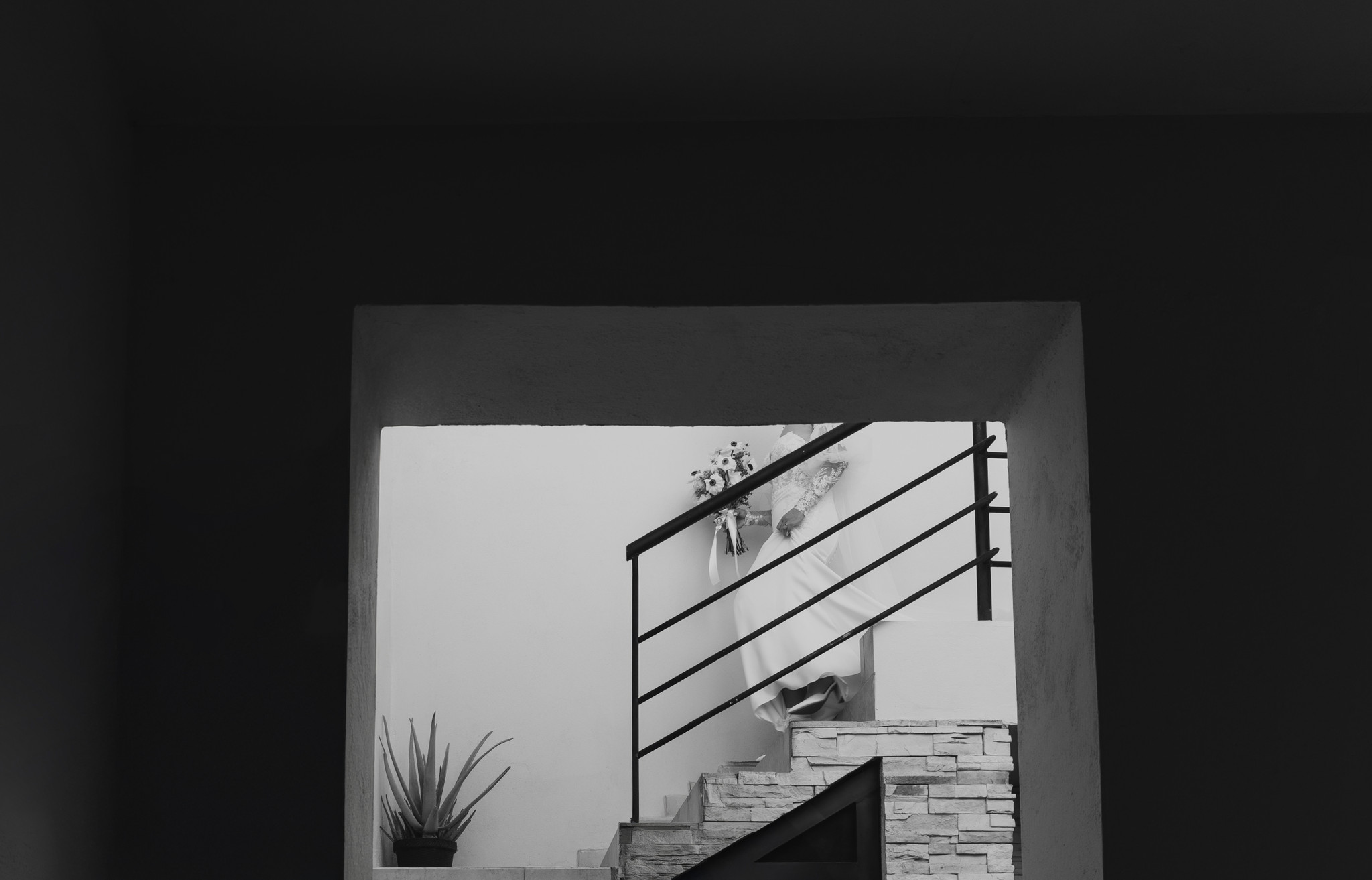
The desert light taught me to respect shadow, and in the end that became more important to me than the light itself.
Your photography often feels very emotional and intimate.
When you arrive at a wedding,
what are you actually looking for first – light, gesture, connection, or something else?
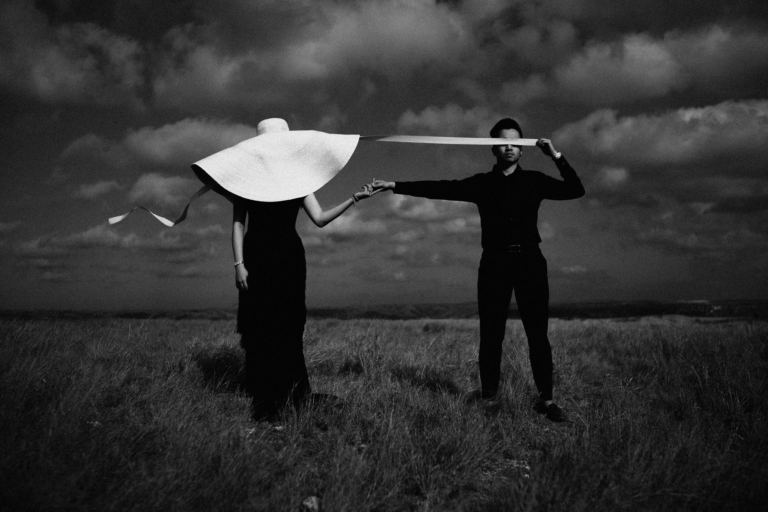
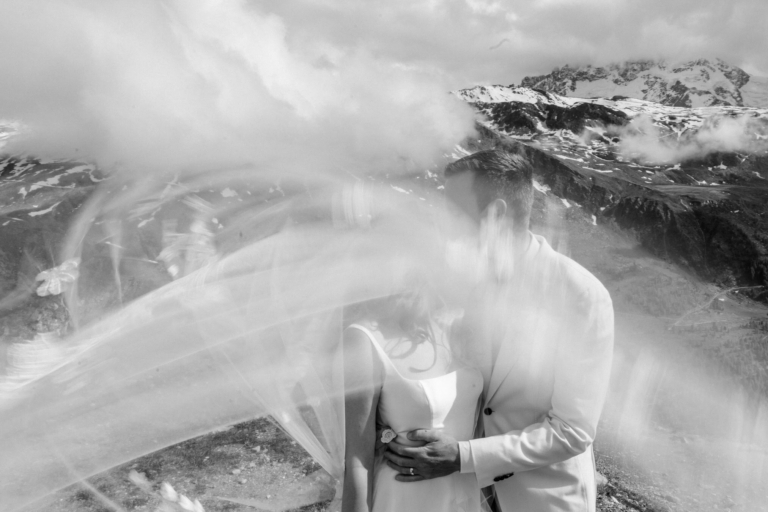
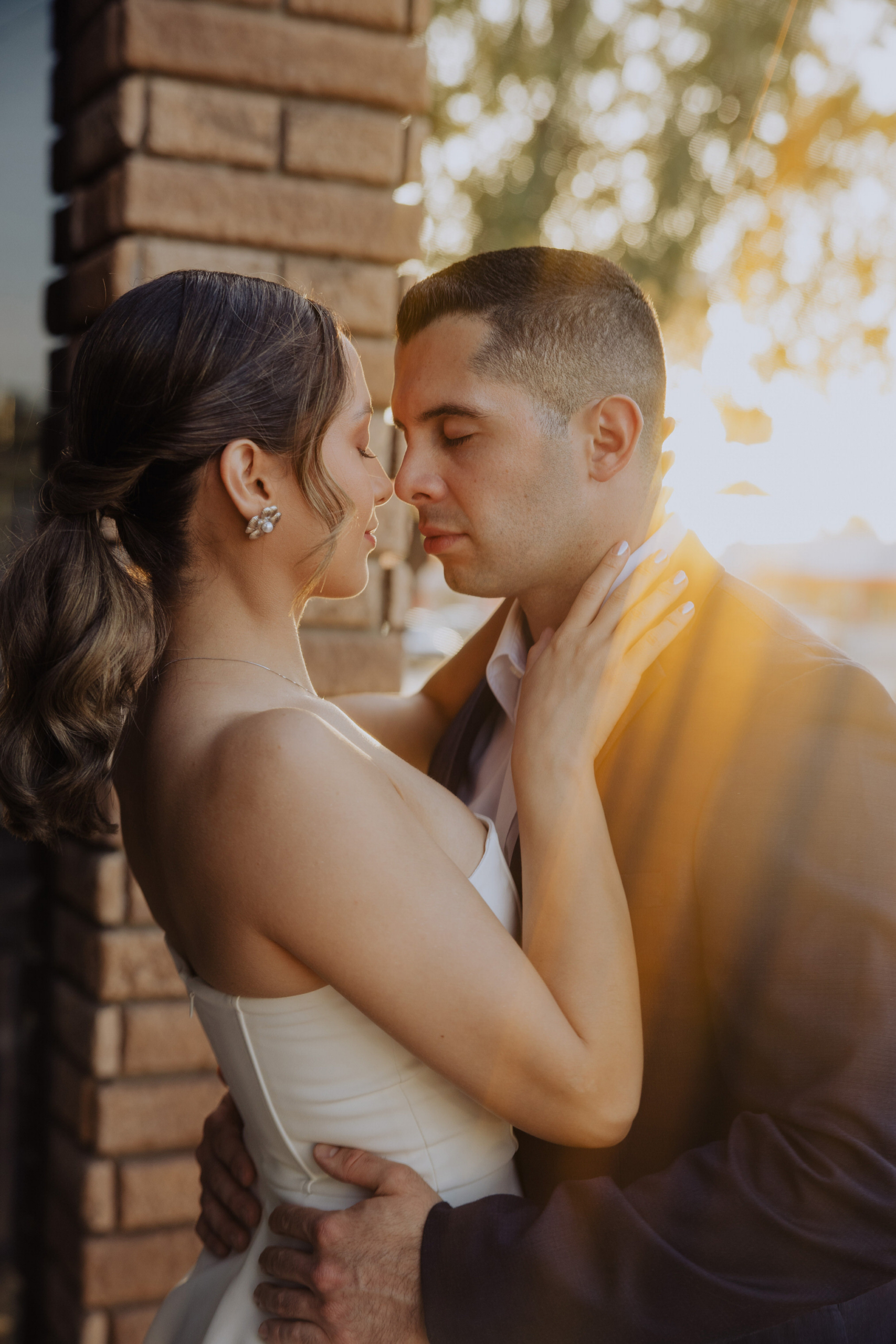
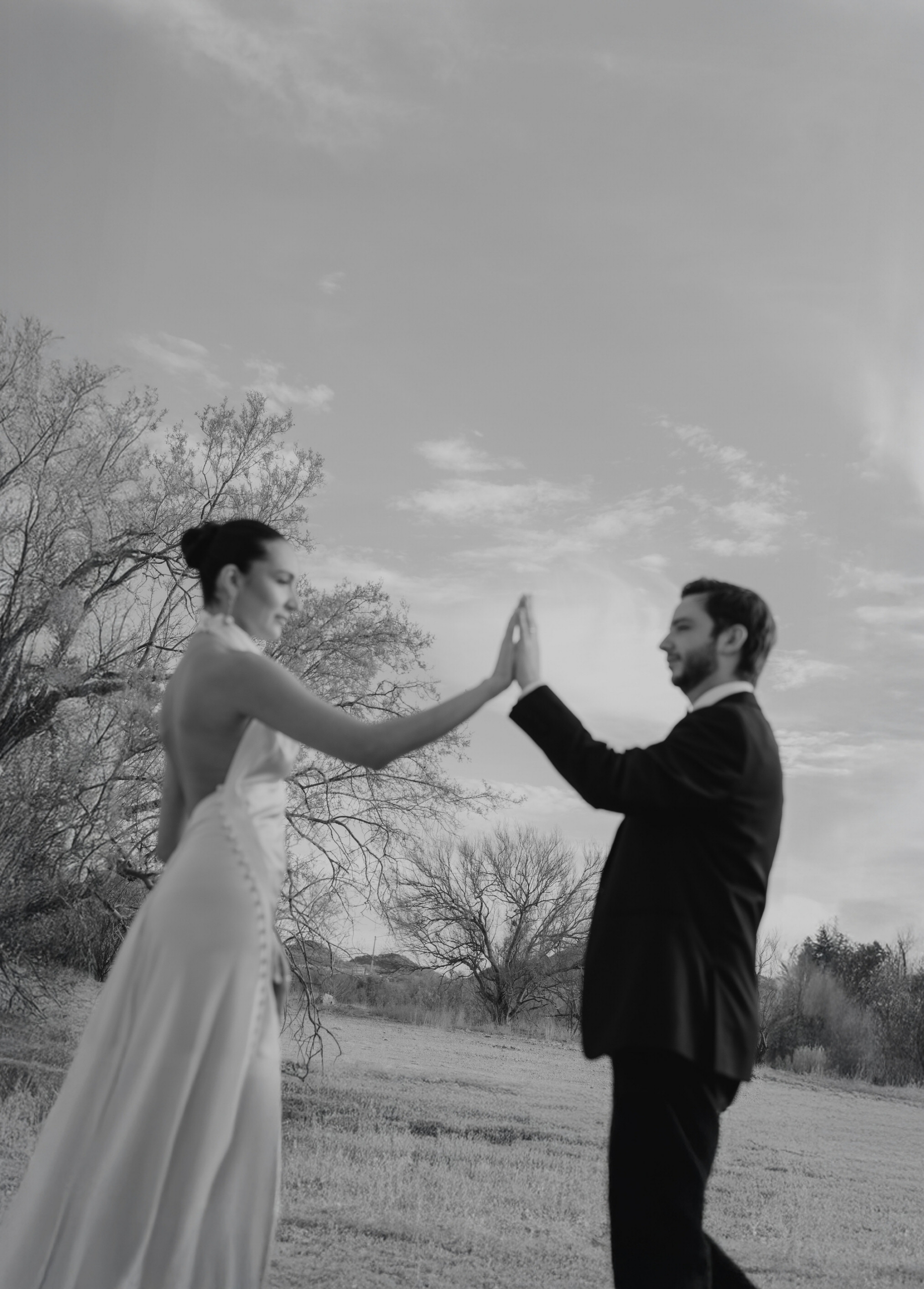
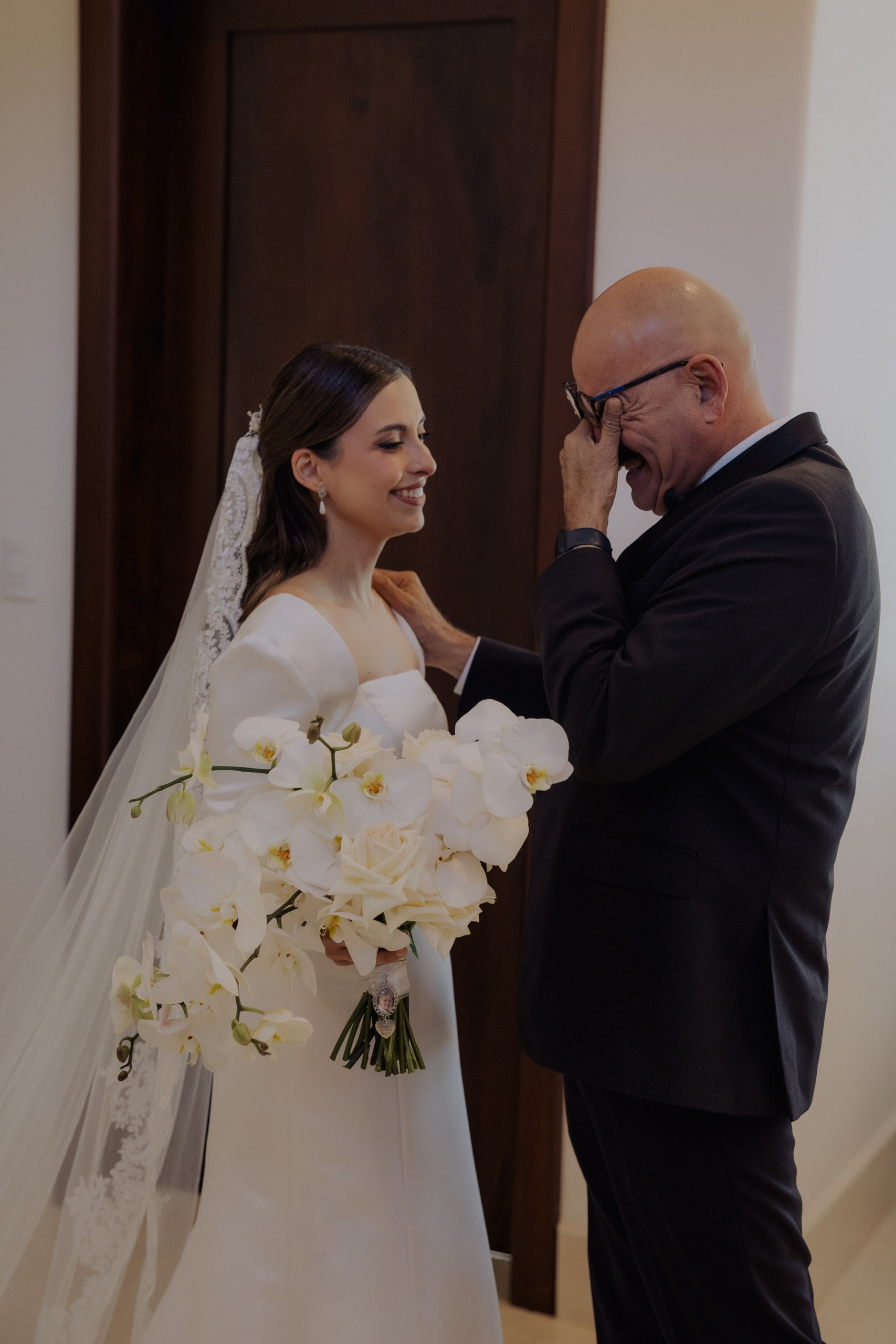
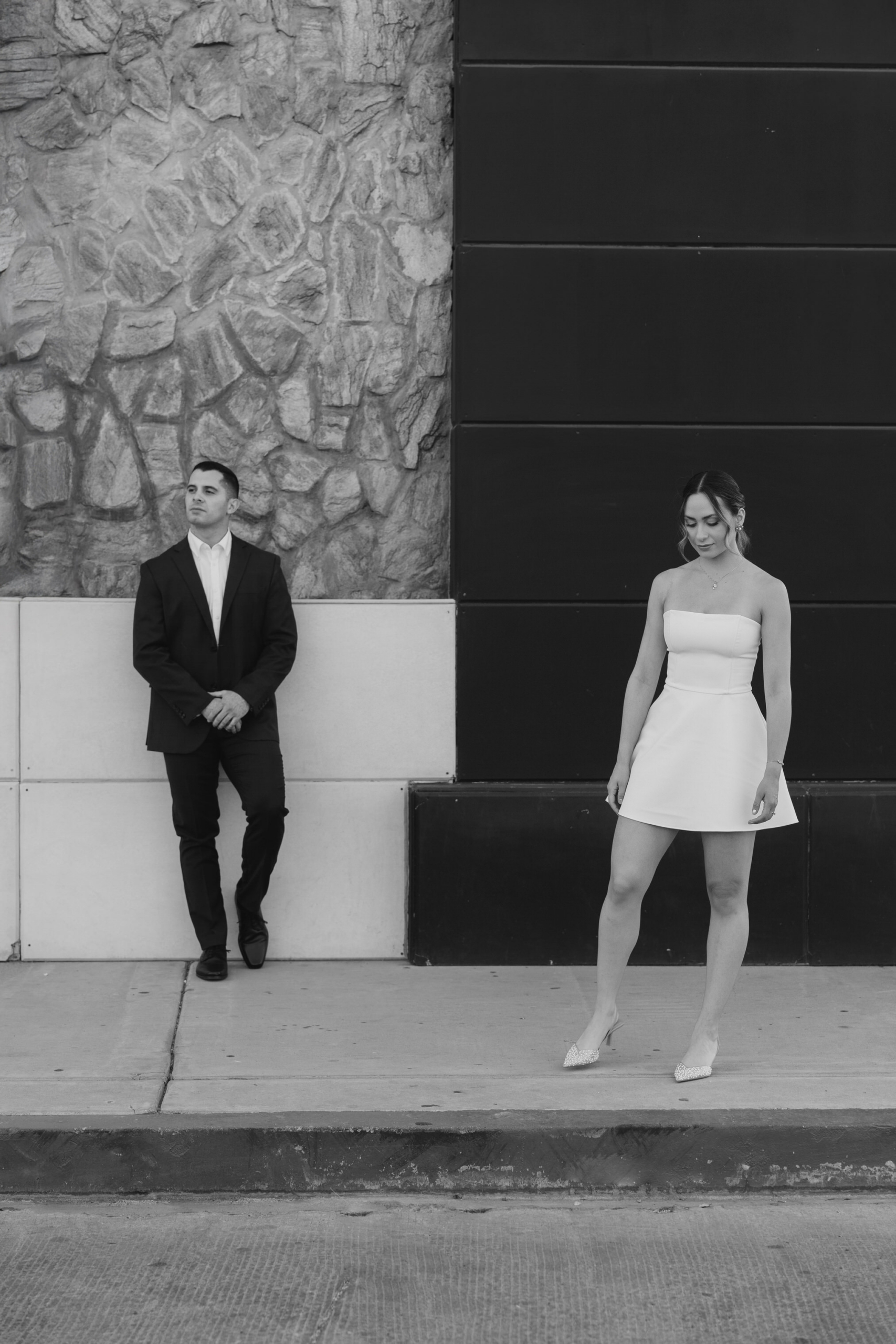
I look for how people feel, not how they look.
The light is always there… you can find it or create it. But connection is not.
So I arrive, observe, listen a little, and try to understand the dynamic between them and the people around them.
From there, everything else begins to fall into place on its own: the light, the gesture, the moment.
But if there is no connection, the photo stays empty even if it is “perfect.”
You often describe yourself as a storyteller.
What makes a moment worth photographing for you?
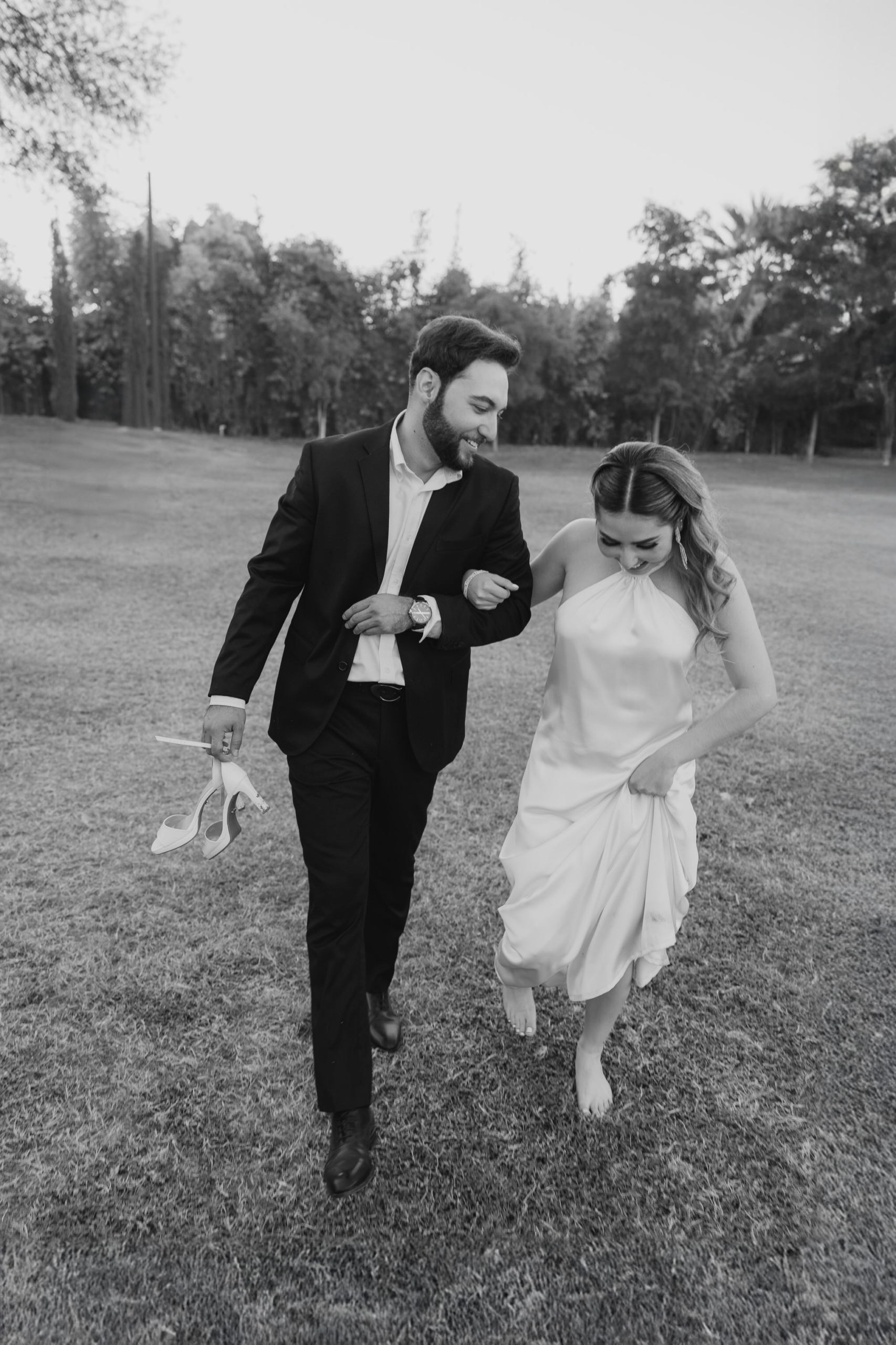
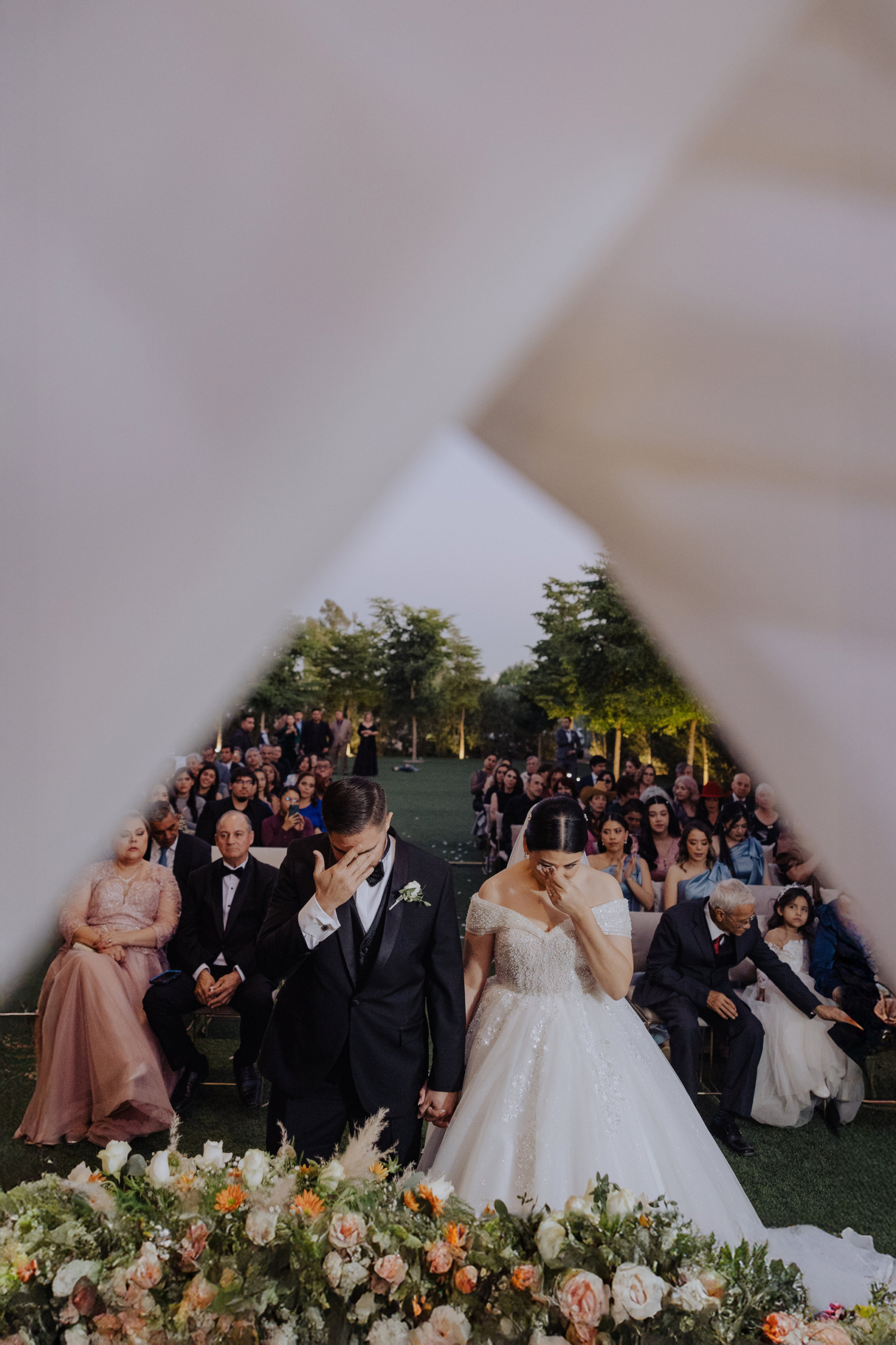
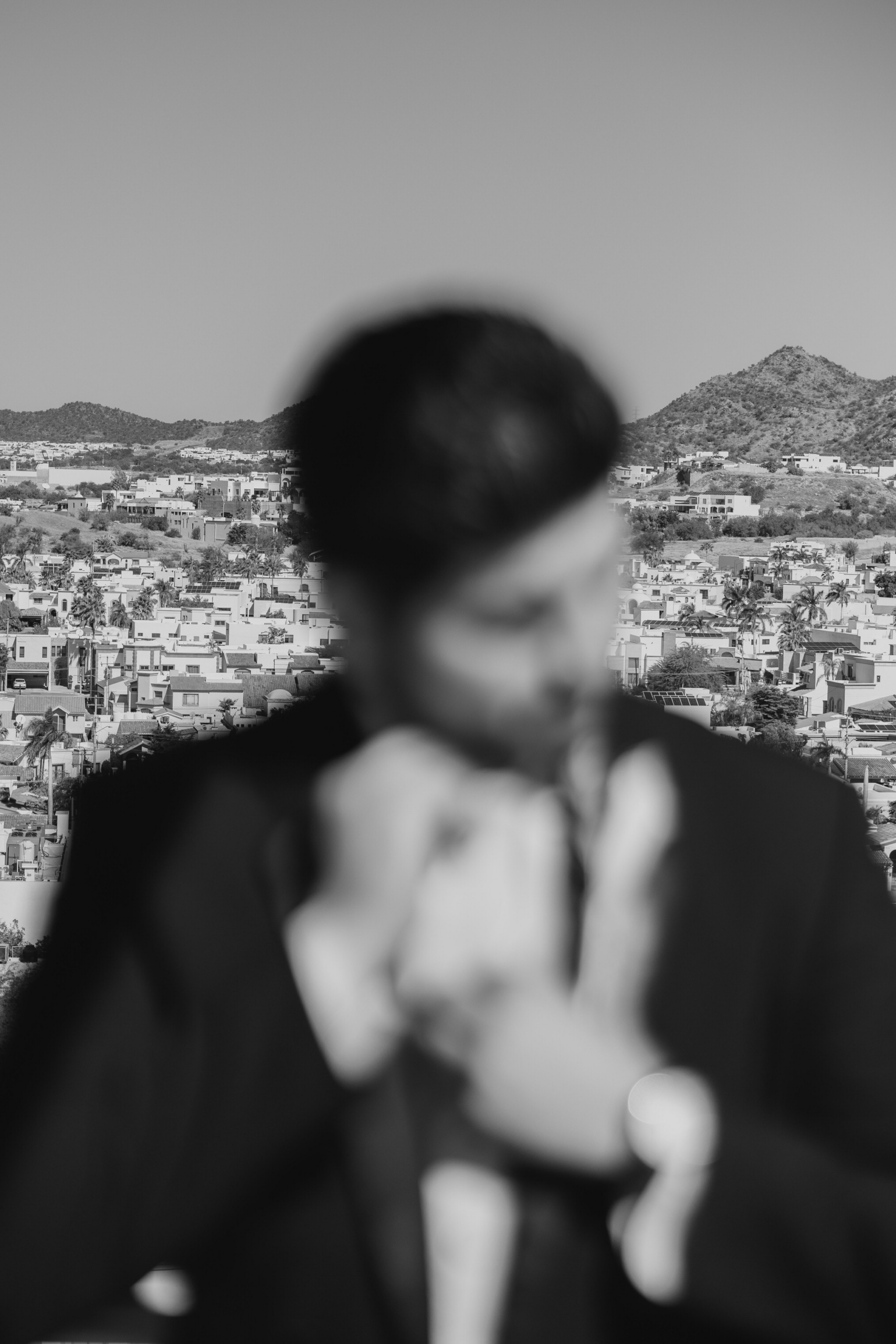
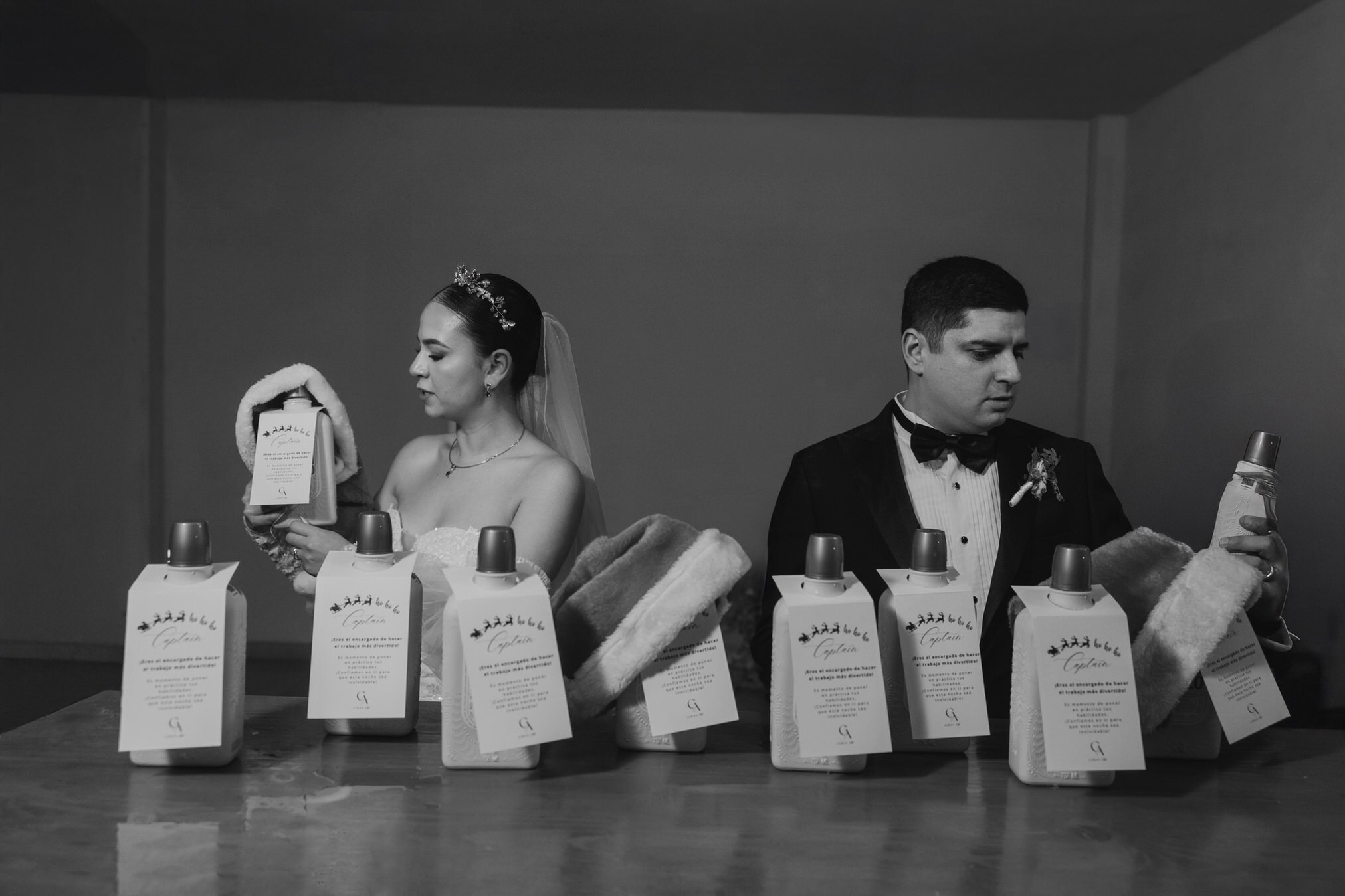
That it is real, even if it is uncomfortable.
I am not interested only in “beautiful” moments.
I am interested in the ones that say something.
Sometimes it is a laugh, sometimes it is an awkward silence, sometimes it is someone who does not know what to do with what they are feeling.
If there is truth, it is worth it.
If it is performed… you can tell, and it loses its strength.
You work together with your partner Mayra.
How does working as a couple influence your creative process and the way you tell stories at weddings?
Working with Mayra has been one of the best decisions of my life, not only professionally.
We complement each other a lot.
I am more about observing, staying quiet, waiting.
She has a very special sensitivity when it comes to getting close, building trust quickly.
In the end, it is not that you “cover more angles” – it is that you understand the story better because you are seeing it through two different ways of feeling.
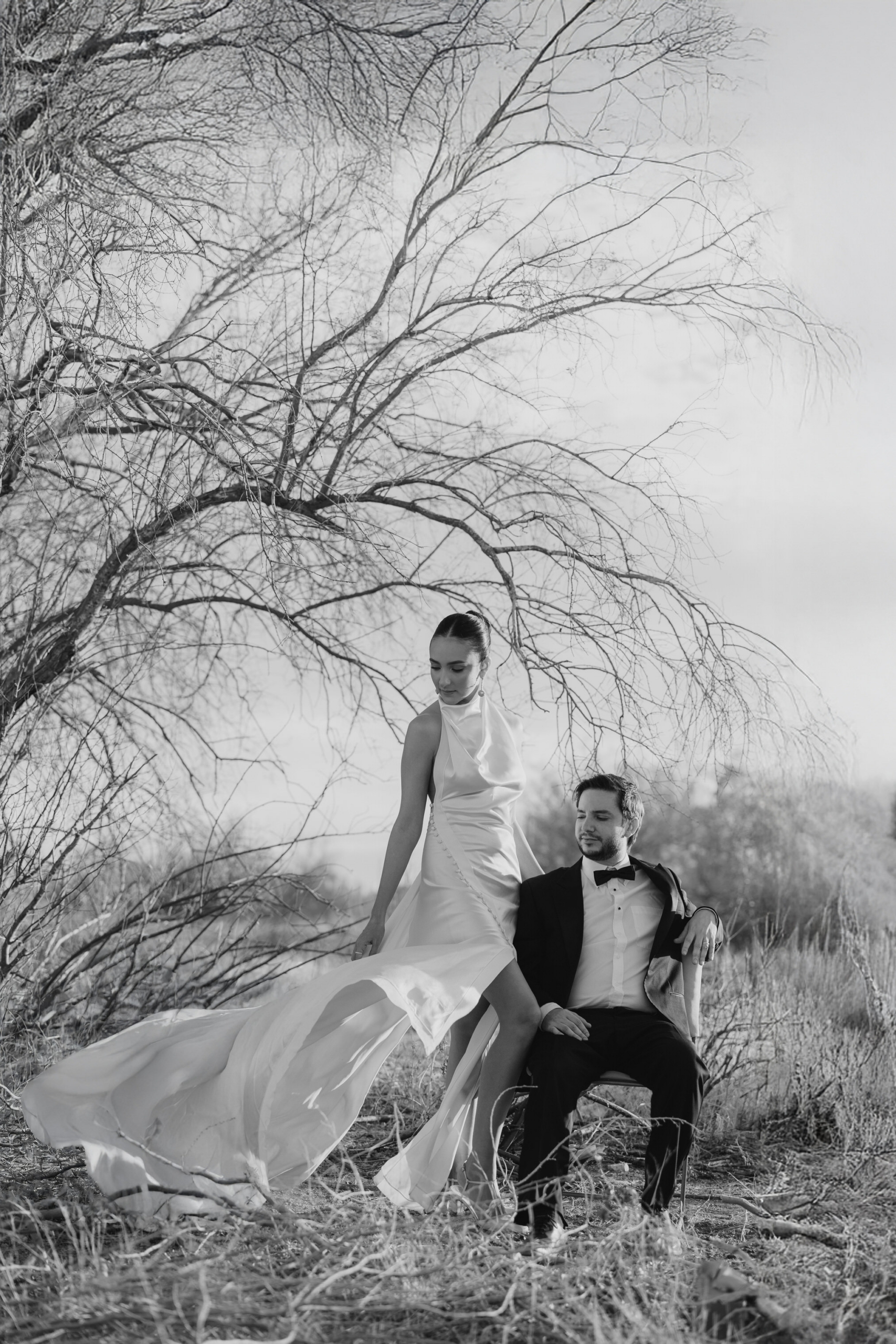
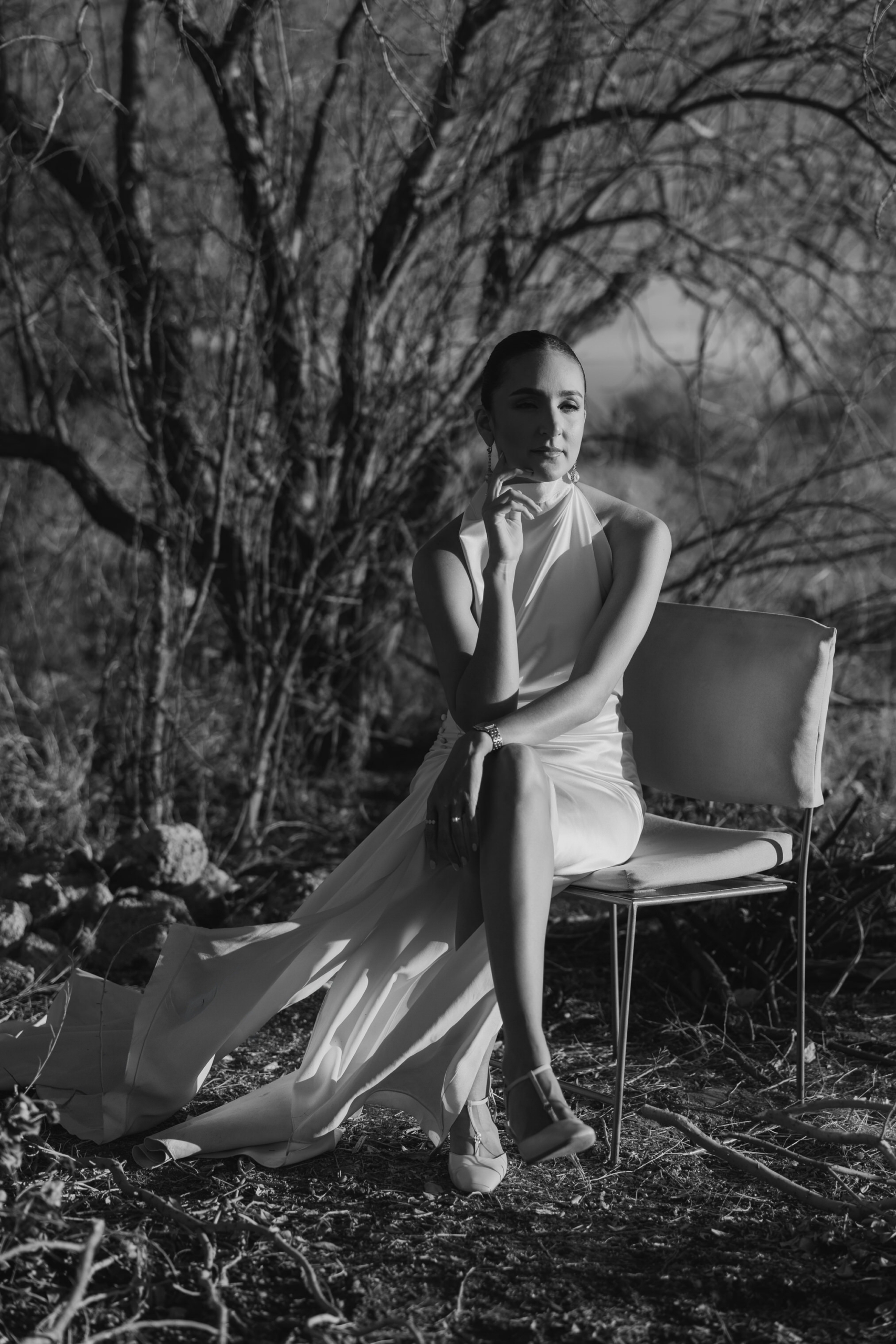
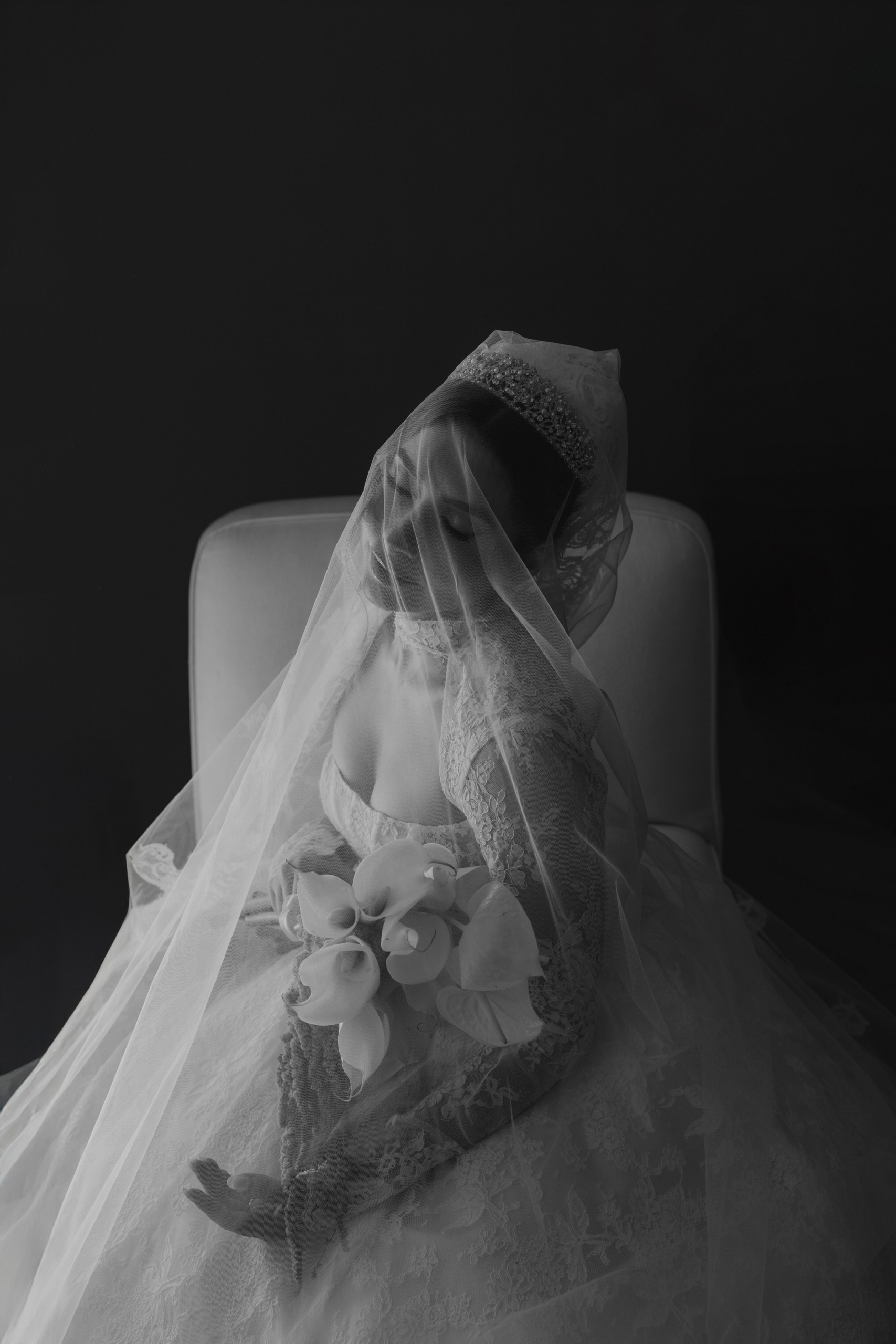
When you look at your images later, can you tell who photographed what – you or Mayra?
Sometimes yes, sometimes no… and I like that.
Before, it was more obvious.
Now it has started to blend together.
I think that when it no longer matters who took the photo, it means the visual language became one.
And for me, that is more valuable than having an individual signature in every image.
Many photographers today struggle to balance creativity with the business side of photography.
What advice would you give someone trying to build a sustainable career as a wedding photographer?
It is uncomfortable, but it is necessary to accept that this is also a business.
You cannot romanticize everything. If there is no order, no clarity in your prices, no processes… you are going to burn out.
My advice would be: take care of your work the same way you take care of your photos.
Be clear, be firm, and do not be afraid to say no.
And at the same time, do not lose the reason why you started, because that is the only thing that will truly sustain you in the long run.
Wedding photographers produce thousands of images for every event. How does JPEGmini help you manage and deliver those files efficiently?
Honestly, it is a tool that helps me not complicate things more than necessary.
We work with a huge number of files, and the last thing I want is for delivery to become a technical problem.
JPEGmini lets me maintain the quality and reduce the weight of the files without having to think too much about it.
And for me, that is key: less friction, more focus on what matters.
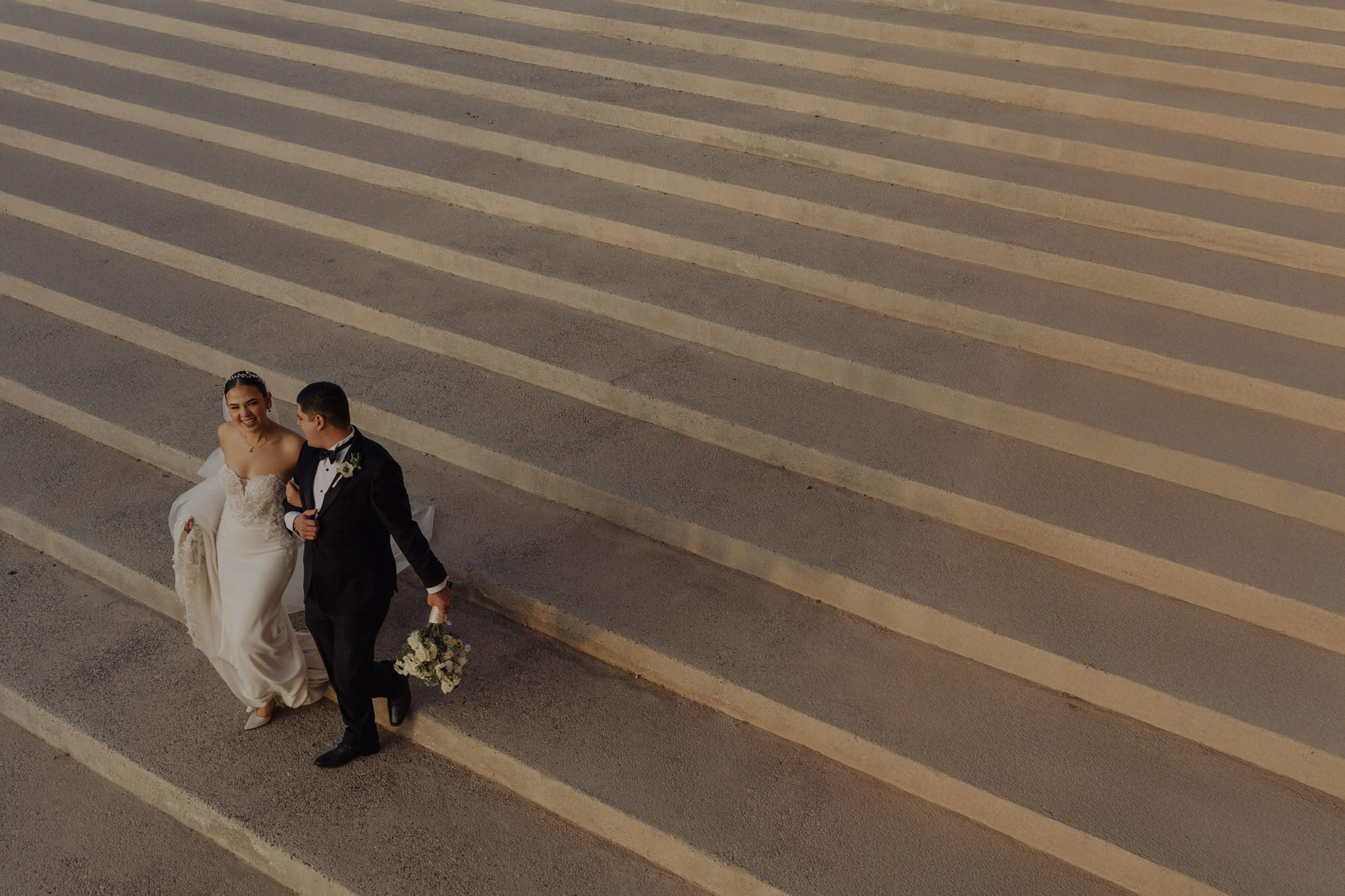
I like asking photographers not only about their successes but also about their failures – because we often learn more from the moments when things go wrong.
Do you have a story from a wedding where everything went completely off track – something chaotic, funny, or unexpected – that taught you something important?
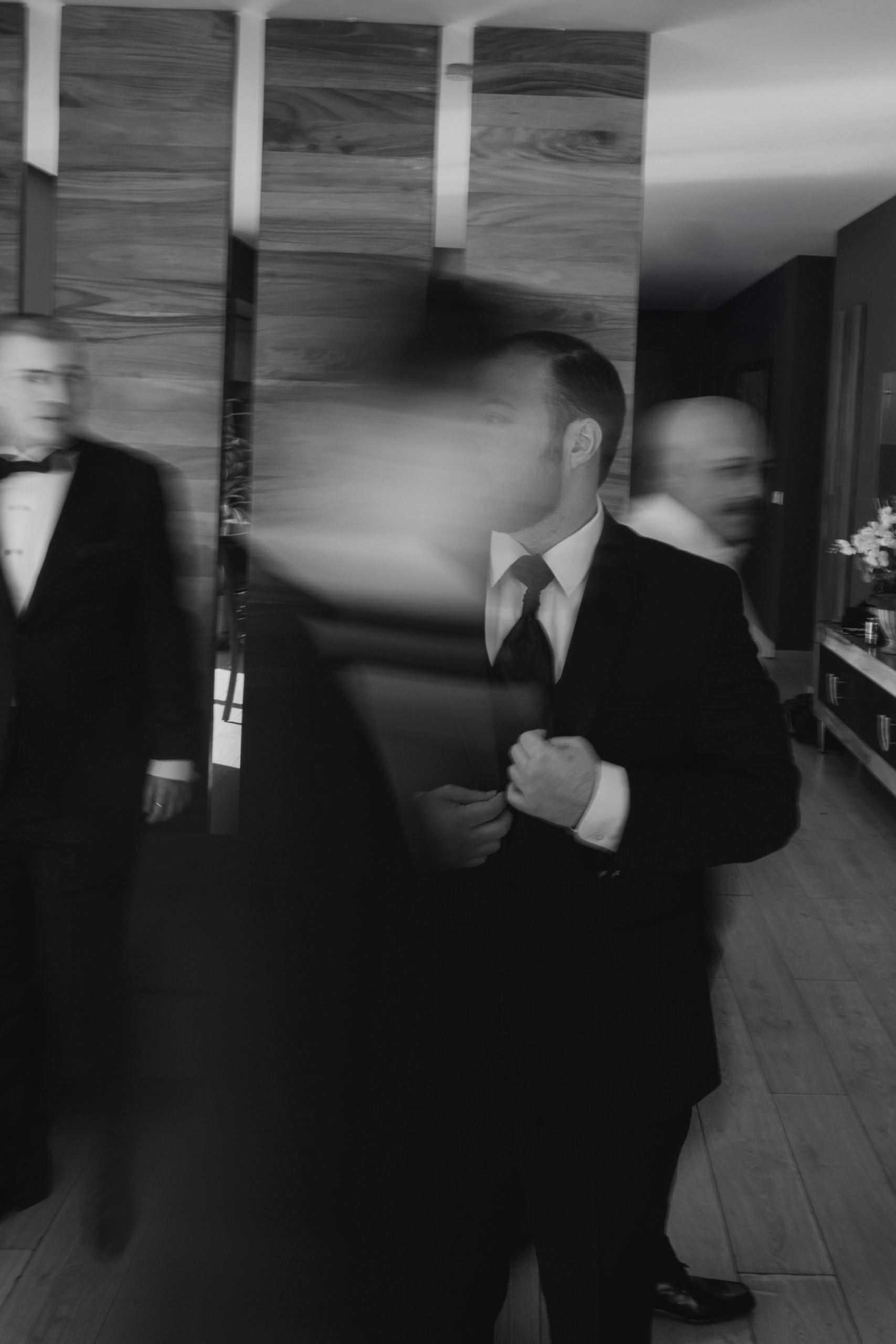
Yes, several… and they always end up being the ones that teach you the most.
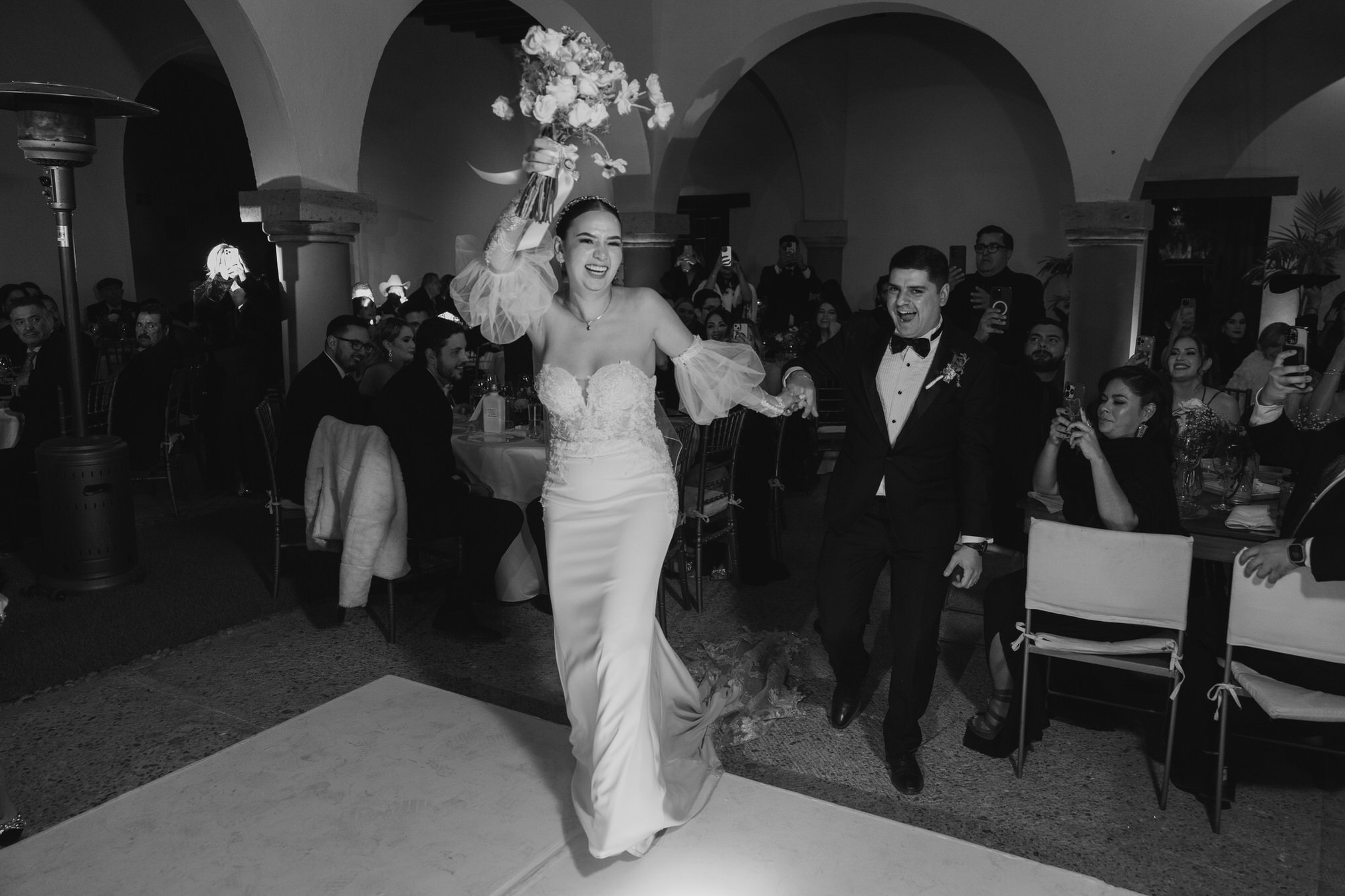
I remember one where everything shifted: timing, weather, people… nothing happened the way it was planned. In that moment, you feel like everything is spinning out of control.
But that was exactly where I understood that you are not there to control the wedding – you are there to adapt to it.
When you let go of control, you begin to see things you would not have seen any other way.
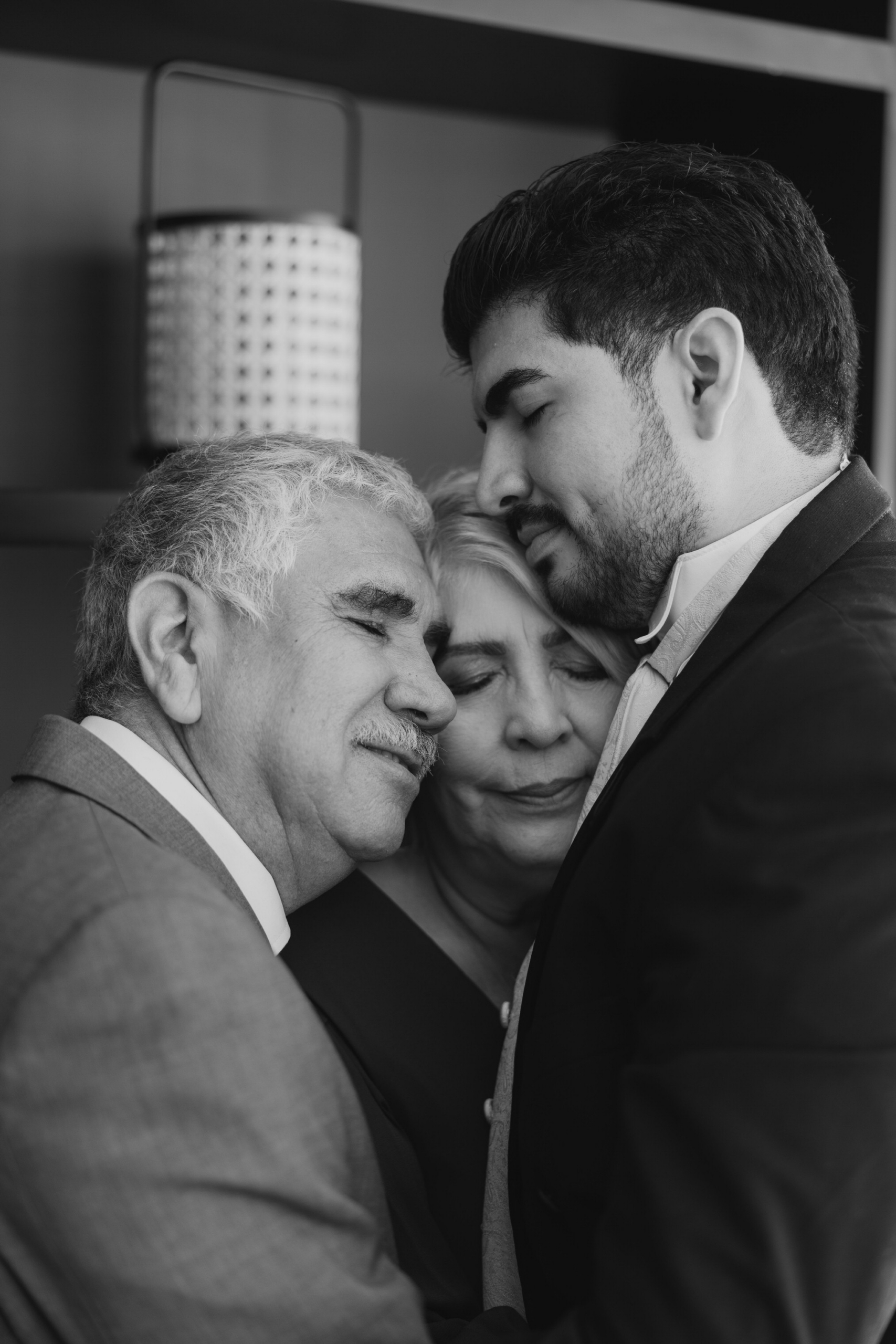
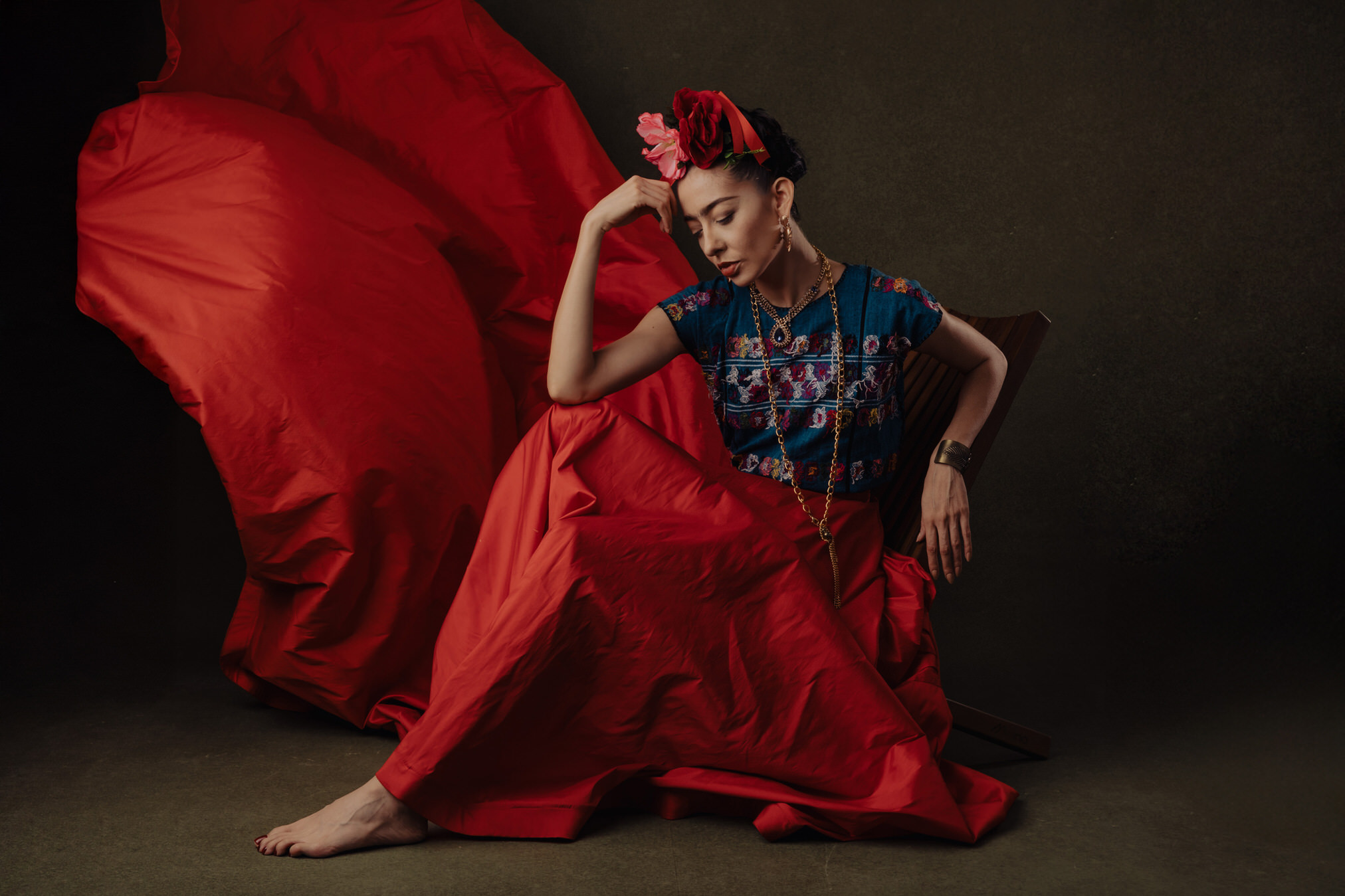
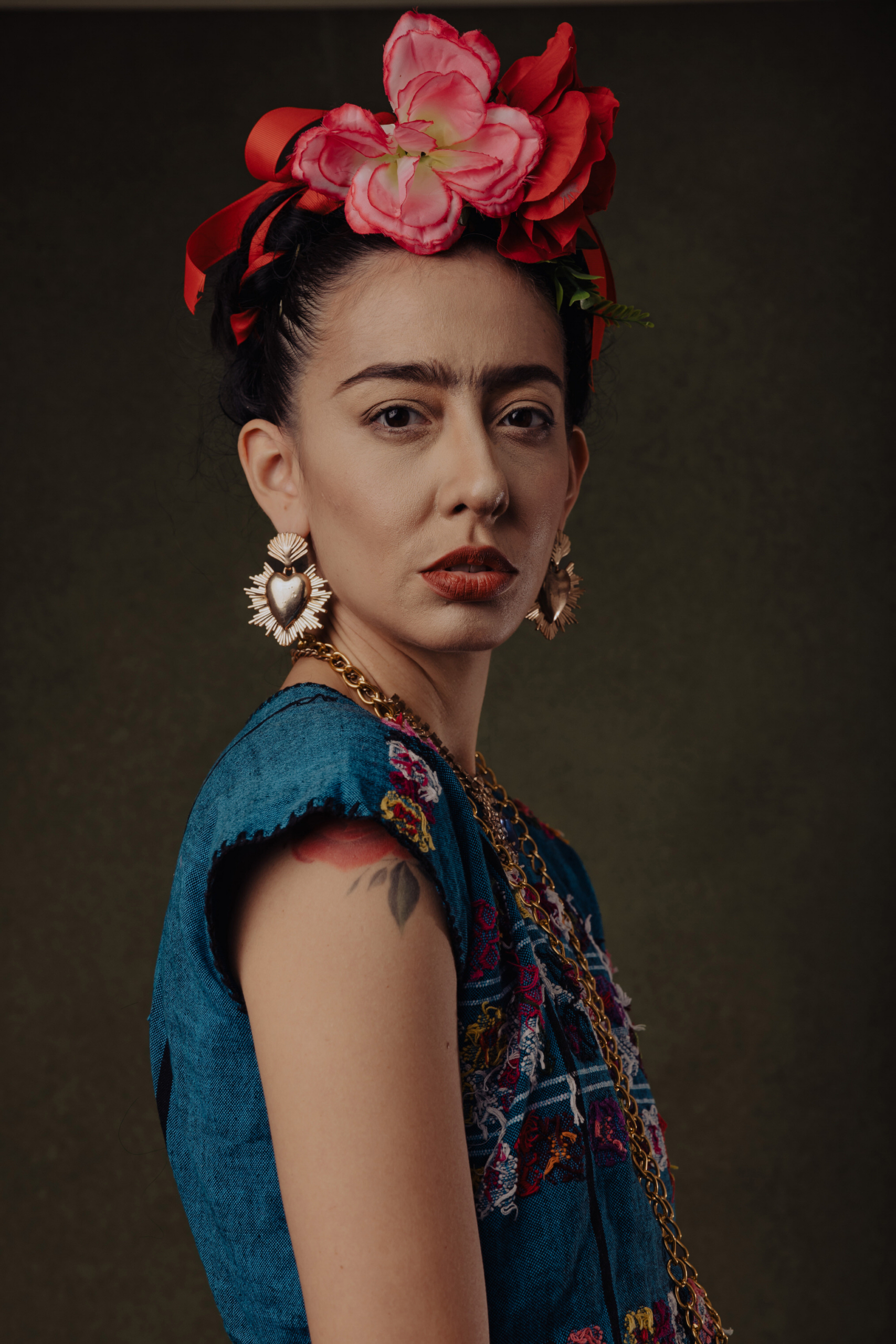
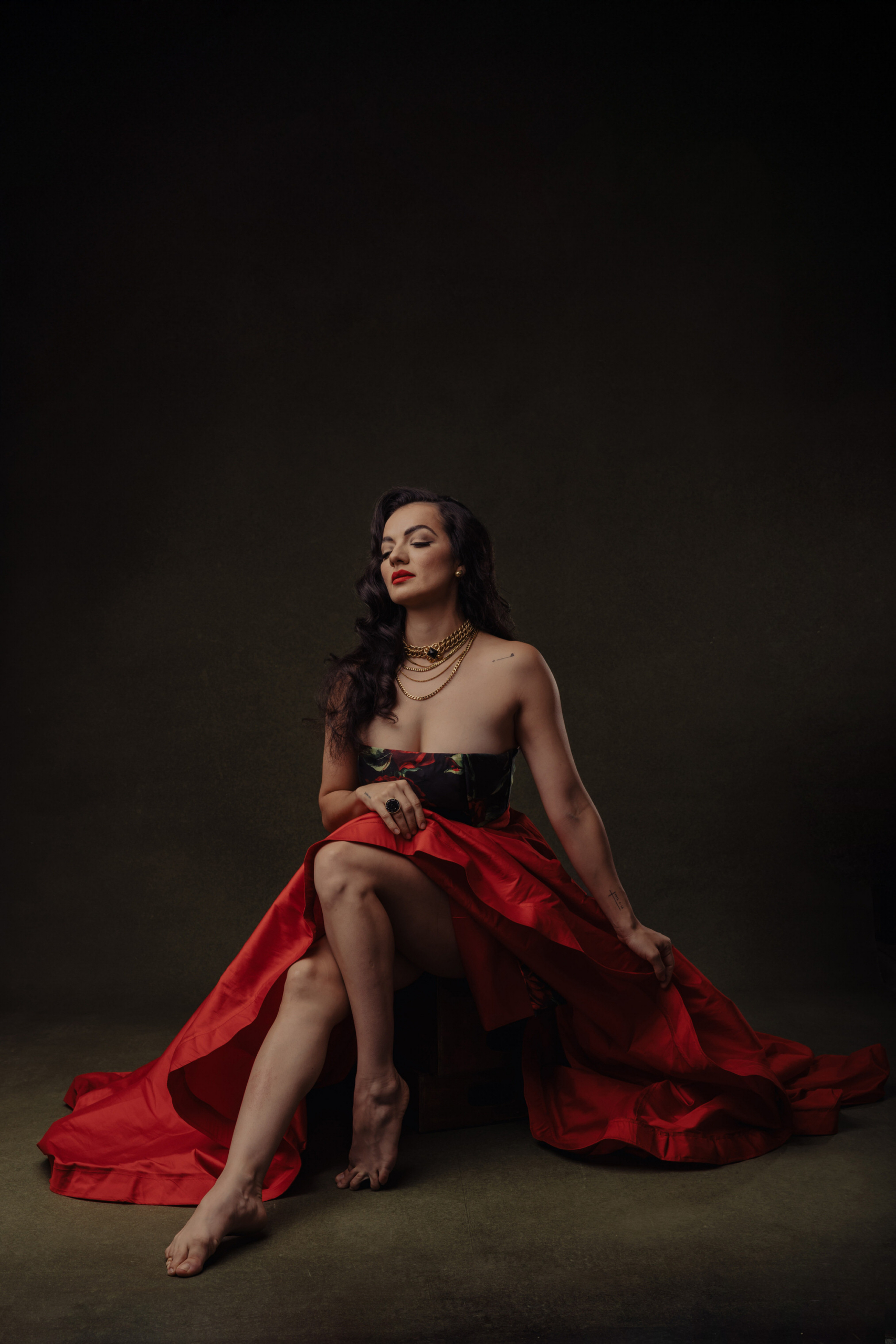
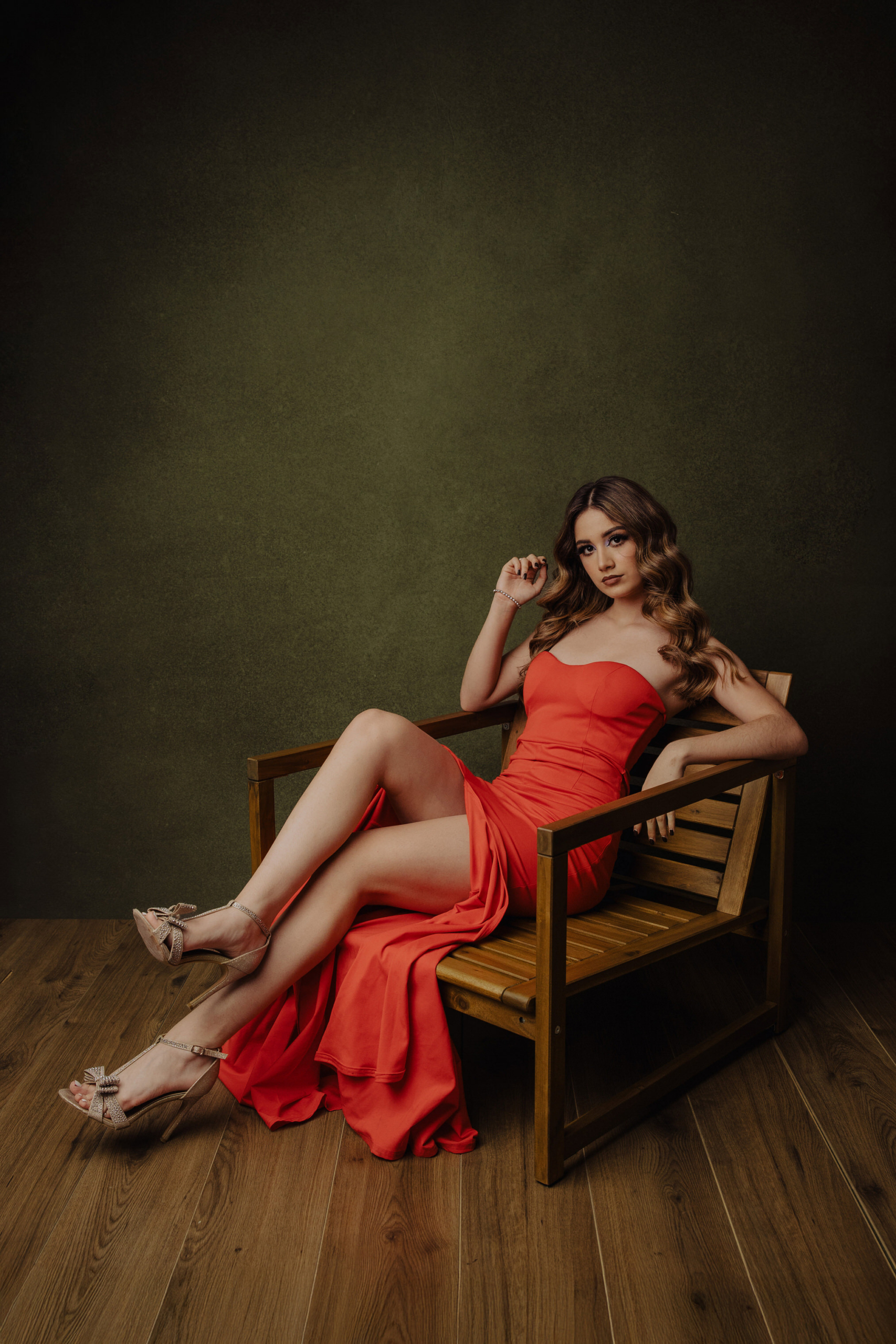
You once sent us a series of images from a shoot with Jessica from AIRE Studio.
Can you tell us about that project?
What drew you to photograph her, and what were you exploring visually in that series?
That session was more personal.
I was not trying to “show something beautiful” – I was exploring sensation, texture, movement… even a certain discomfort. I was more interested in what was not completely clear.
Jessica was very open to that – to not posing, to simply being there.
It was an exercise in letting go of expectations and trusting intuition more.
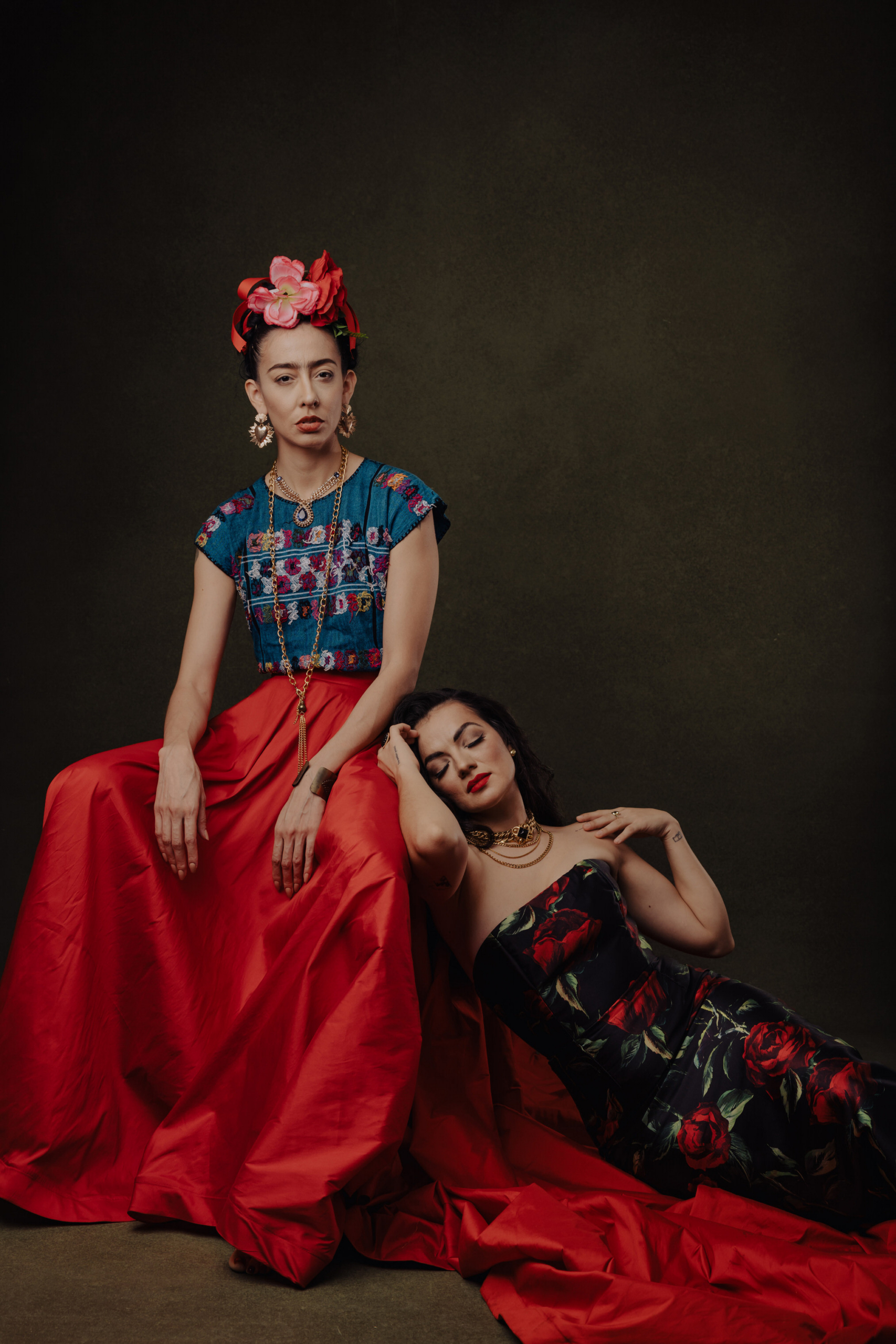
After all these years behind the camera, what do you think photography has taught you about people?
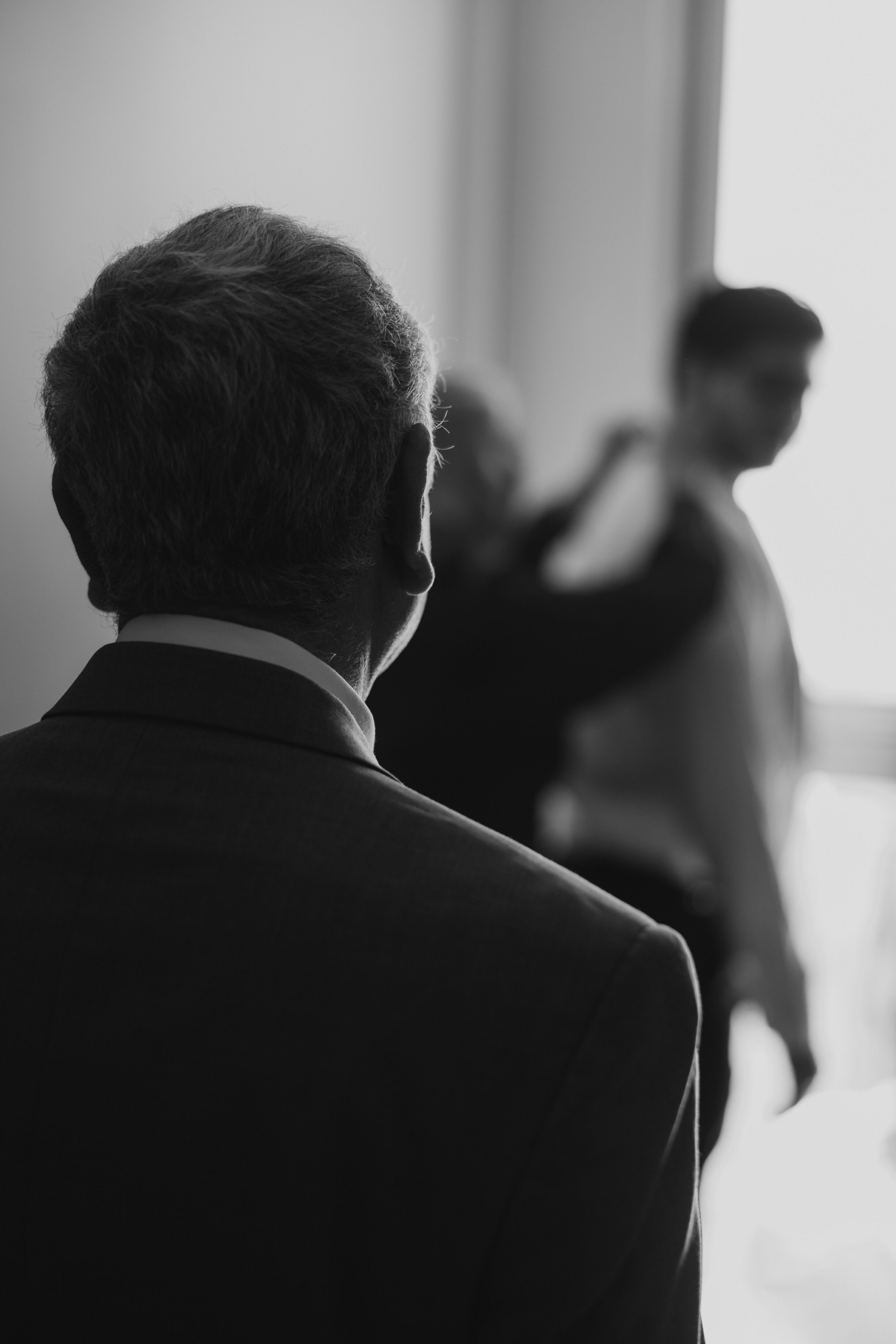
That everyone feels more than they show.
Photography taught me to observe without judging so quickly.
To understand that everyone is living their own story,
even if from the outside you do not get to see all of it.
And it also taught me something important:
the simplest moments, the ones nobody plans… are the ones that stay with you the most.
Final Thought
Betto Robles grew up with a light that doesn’t forgive – and it taught him, paradoxically, to love shadow.
It shows in the photographs.
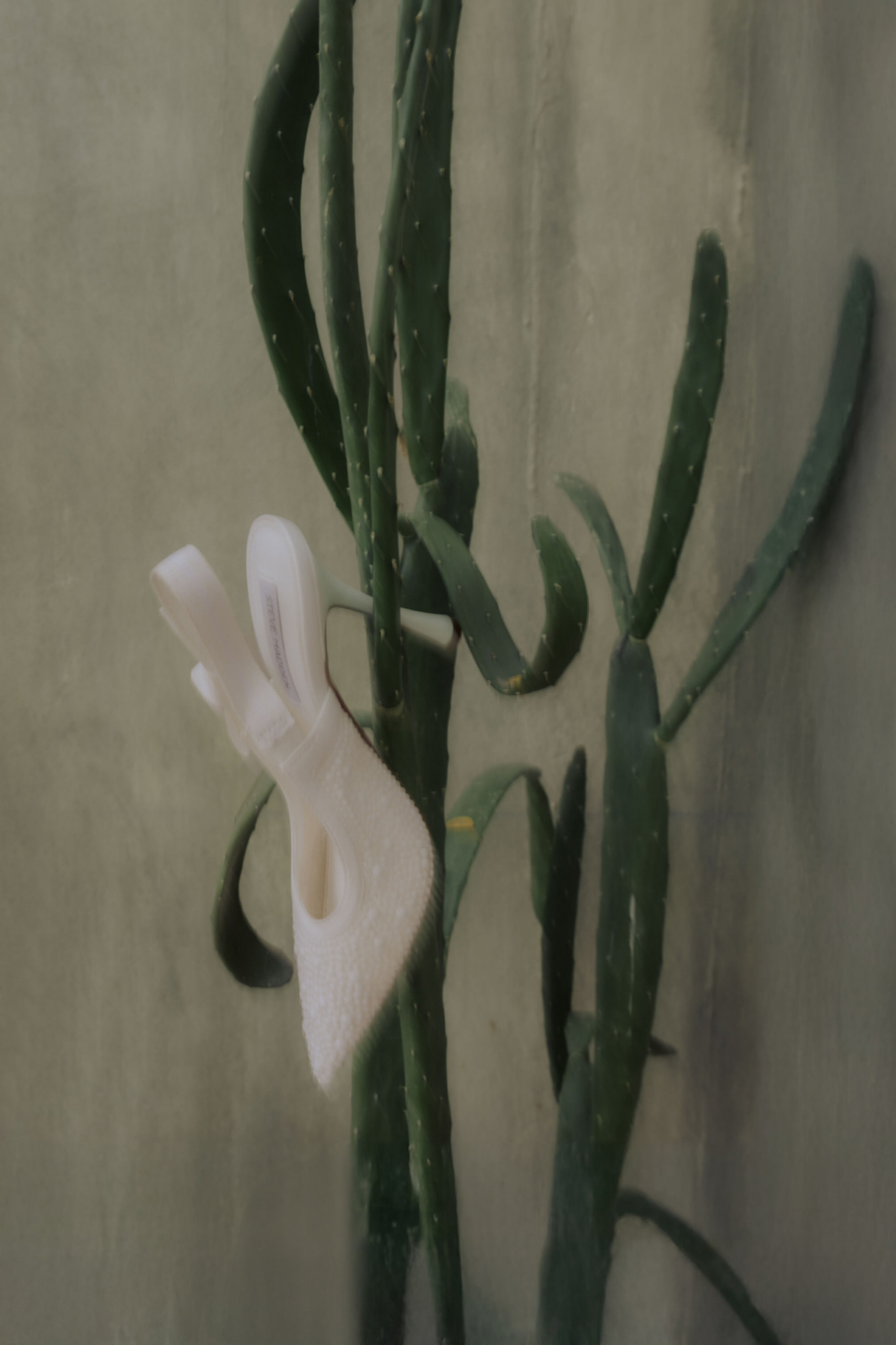
His images are quiet – color held just below saturation, a movement caught mid-breath, a smile that hasn’t finished forming, eyes on the verge of filling.
There is just presence, and the feeling that the camera knew when to stay still.
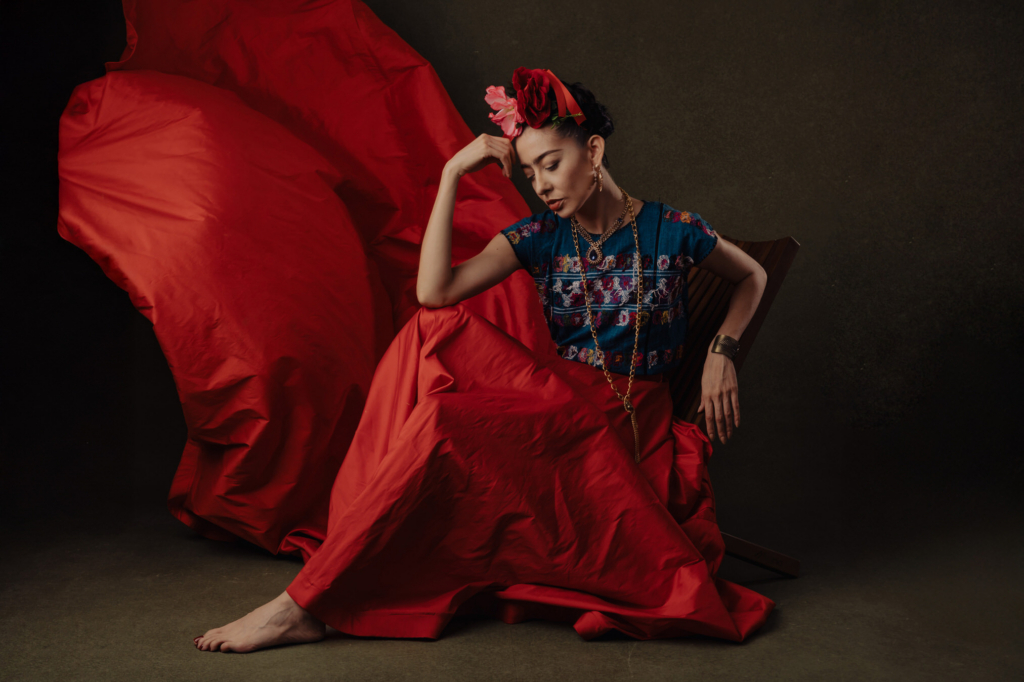
What first caught my attention was the Jessica series – a woman carrying all the richness of Mexican culture, placed against a plain background.
That simplicity is the decision.
It gives the cultural depth room to breathe, and the femininity room to be strong without having to compete with anything.
She carries echoes of Frida Kahlo – not as imitation, but in the same way: a woman who is fully herself, fully of her culture, and still somehow her own.
It is simply beautiful – I want a poster of it on my wall.
His interest is in the in-between: the person who doesn’t know what to do with what they’re feeling, the silence that sits slightly wrong, the moment that is true but not beautiful.
Photography taught him, he says, that “everyone feels more than they show.” That sentence could be a caption for his entire body of work.
He is not photographing weddings.
He is photographing the gap between what people are experiencing and what they let themselves show and learning, quietly, to wait for the moment when that gap closes.
Leer el artículo en español:
https://blog.jpegmini.com/un-fotografo-de-bodas-del-norte-de-mexico/