
Meet Mantas Kubilinskas
Short Bio:
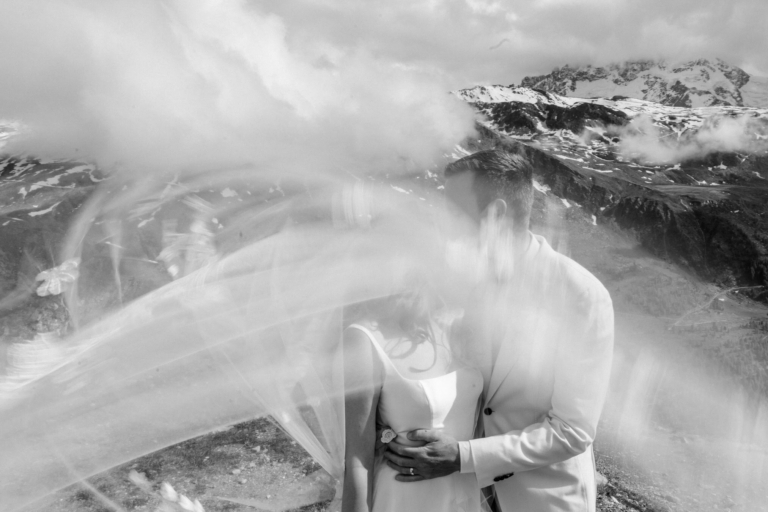
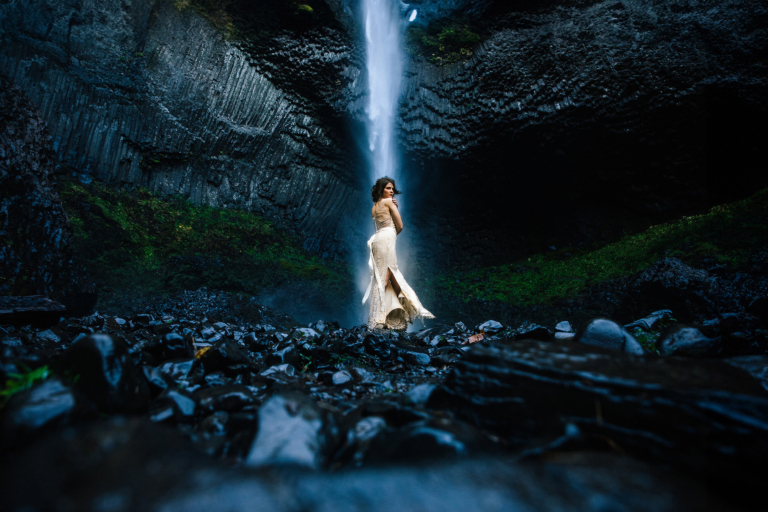
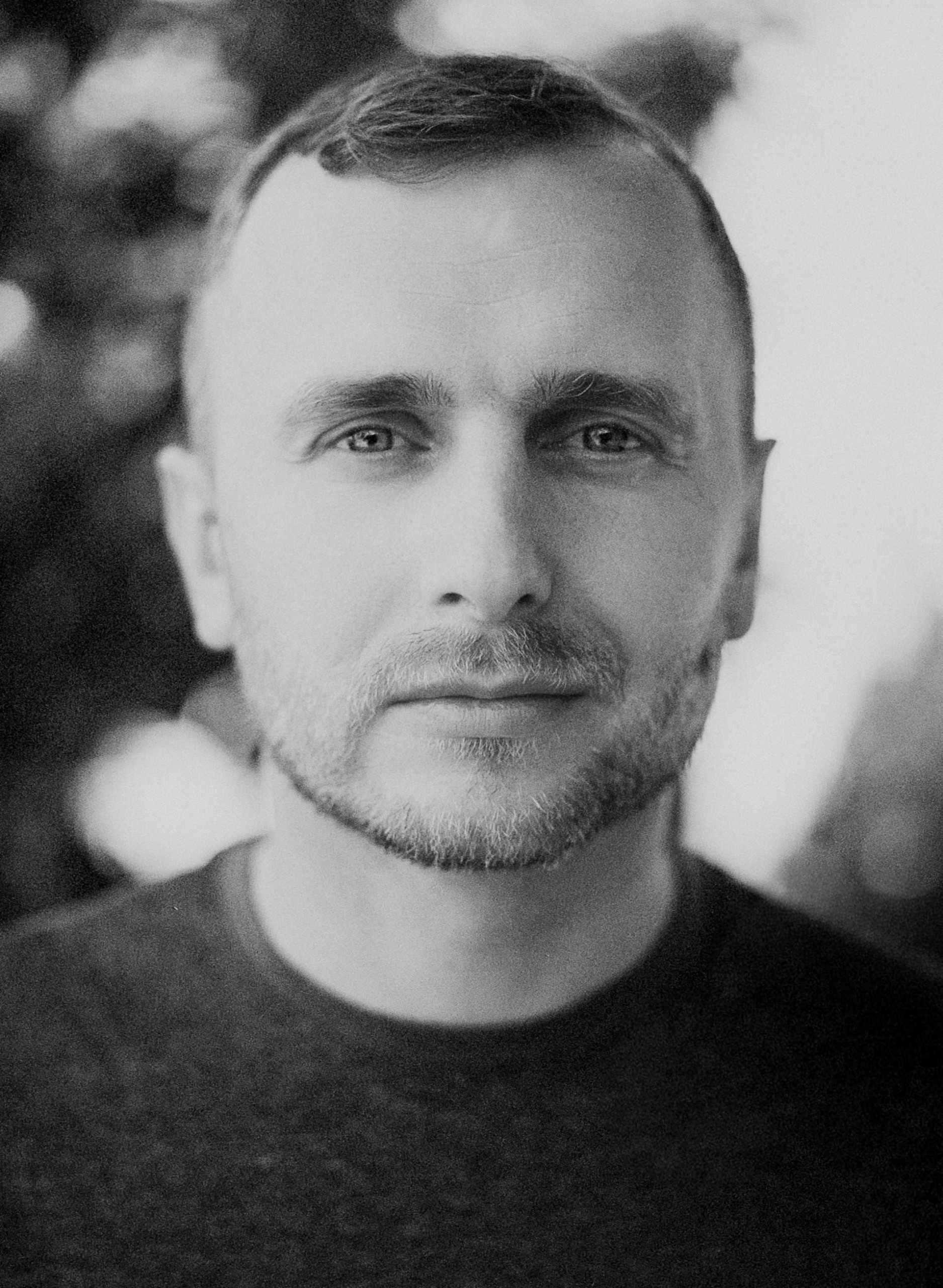
Mantas Kubilinskas is a Washington, DC–based wedding photographer known for blending documentary storytelling with fine‑art elegance to create bold, emotionally driven images for couples across the US and beyond.
Originally from Europe, he brings a refined, cinematic sensibility to his work and focuses on authentic, unscripted moments rather than staged poses.
His photography has earned major industry recognition, including Grand Prize and First Place at the Rangefinder Wedding Contest, being named one of Rangefinder’s 30 Rising Stars of Wedding Photography. Selection as one of SLR Lounge’s Top 100 Photographers in the US and Canada.
Multiple Fearless Photographers features and a spot among their Top 30 Fearless Engagement Photographers in the world. Repeated multiple times Best of the Best from Junebug Weddings for engagement awards, over 35 Diamond Awards from the Wedding Photojournalist Association, and additional accolades from the Artistic Guild of Wedding Photojournalists.
https://www.mantasphoto.com/
How did you get into photography?
I started by buying a camera, thinking that owning one would immediately make me a professional photographer. Unfortunately, it did not. After eight months, I got my first paid gig.
I took pictures, and they looked terrible. So I went back to the basics. I purchased foundational books by Scott Kelby and read them step by step, practicing the exercises, and then bought another book, The Photographer’s Eye by Michael Freeman.
I taught myself through these books and through a Lithuanian photography forum where photographers had very high standards.
They were very direct – if a photo was bad, they would tell me it was shit.
This helped me develop as a photographer because I received critical feedback that was essential to my growth.
What’s the difference between your approach to photography and that of other wedding photographers?
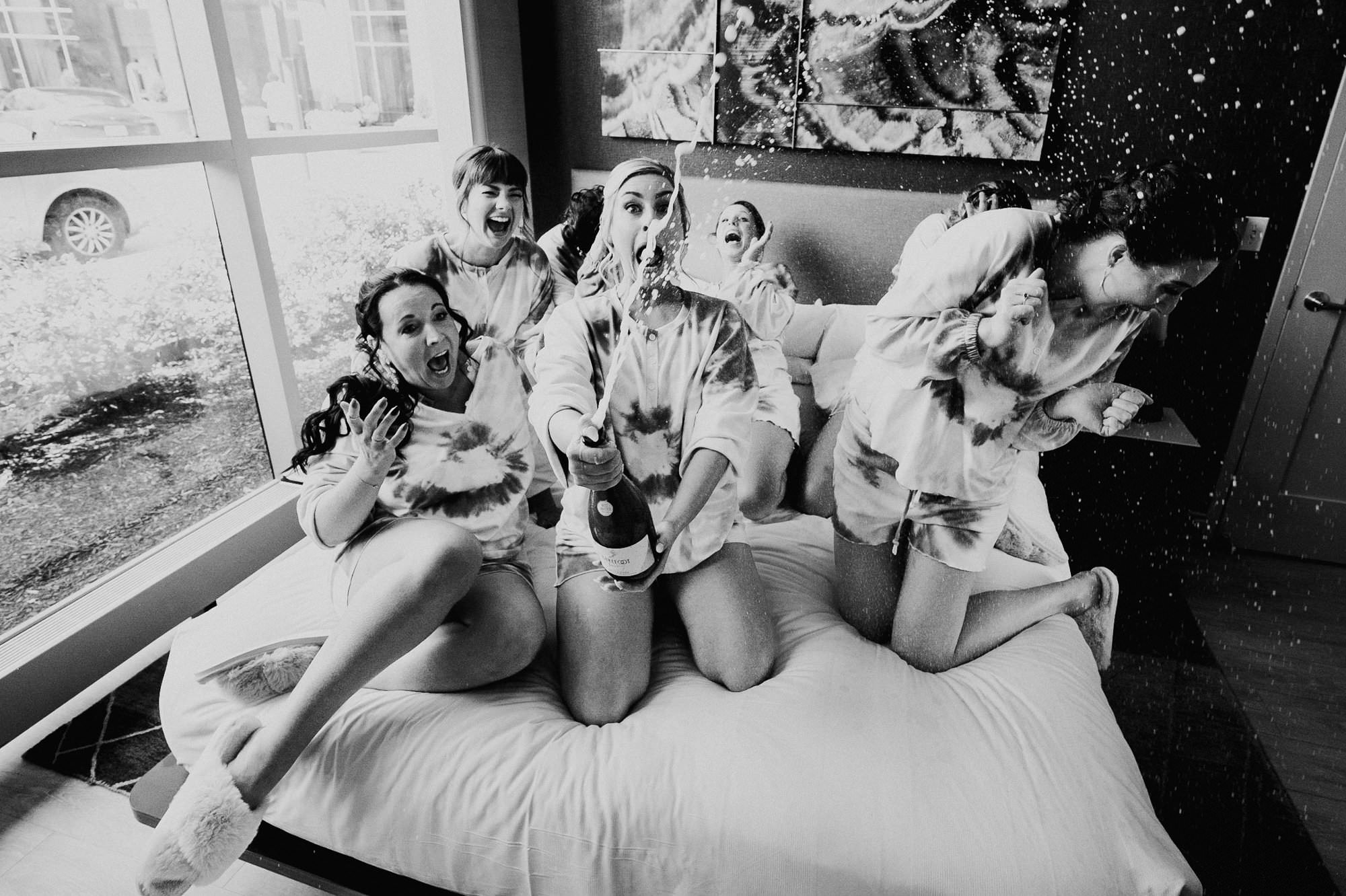
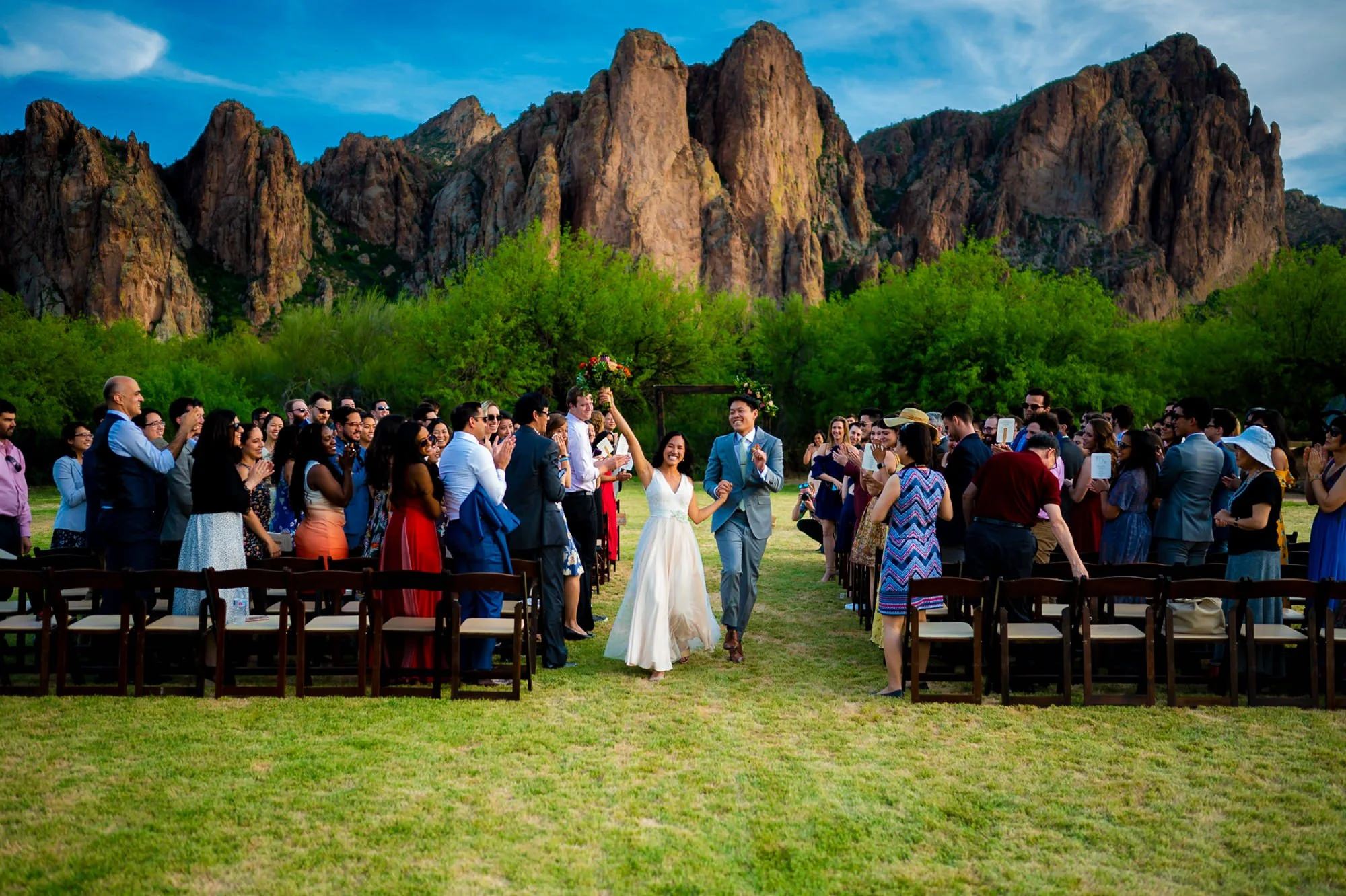
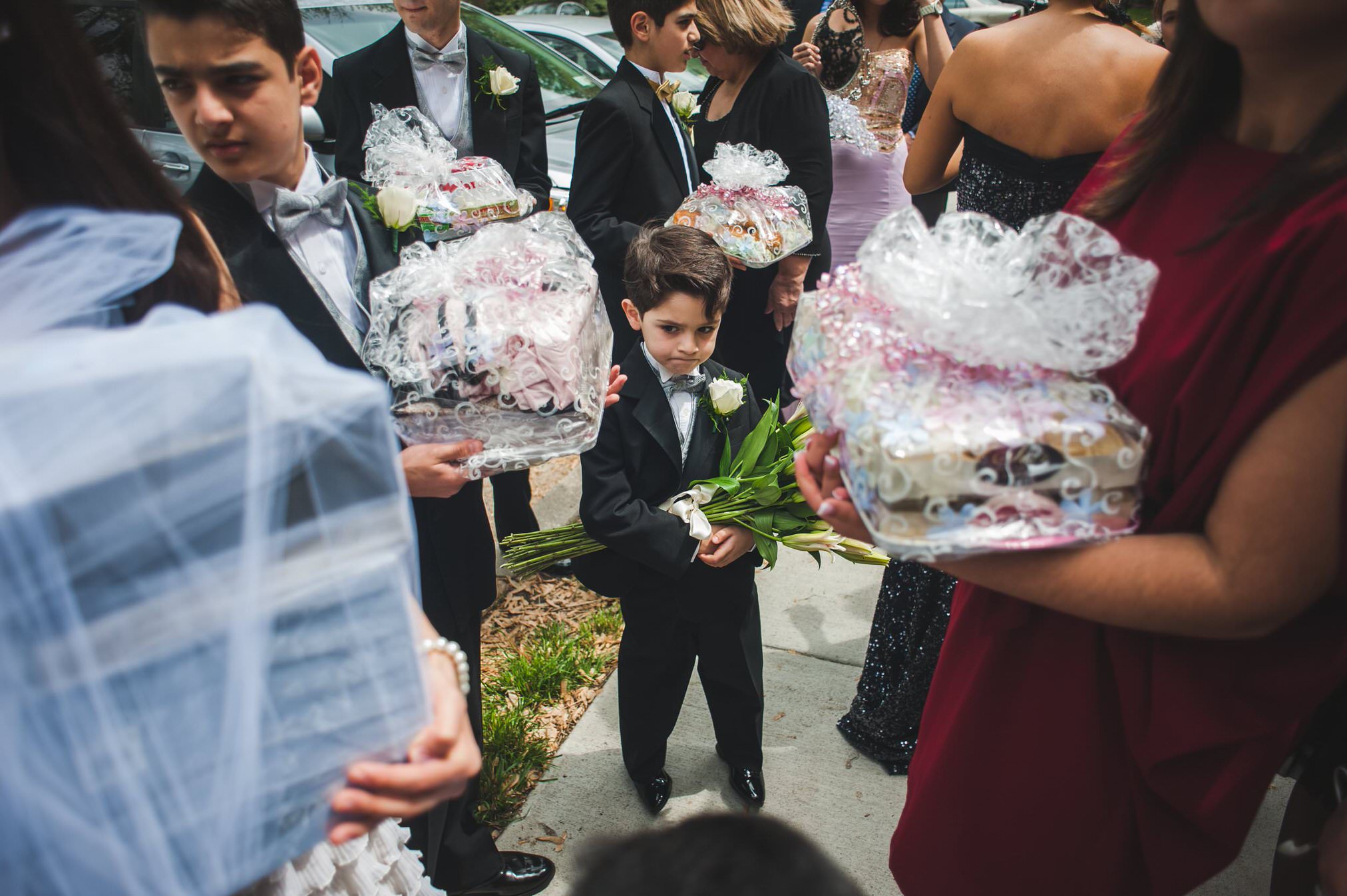
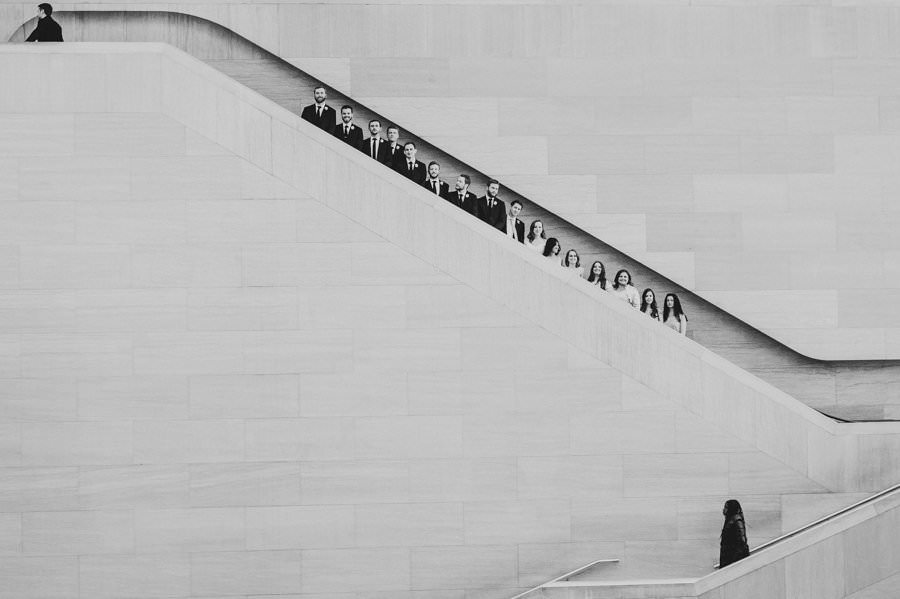
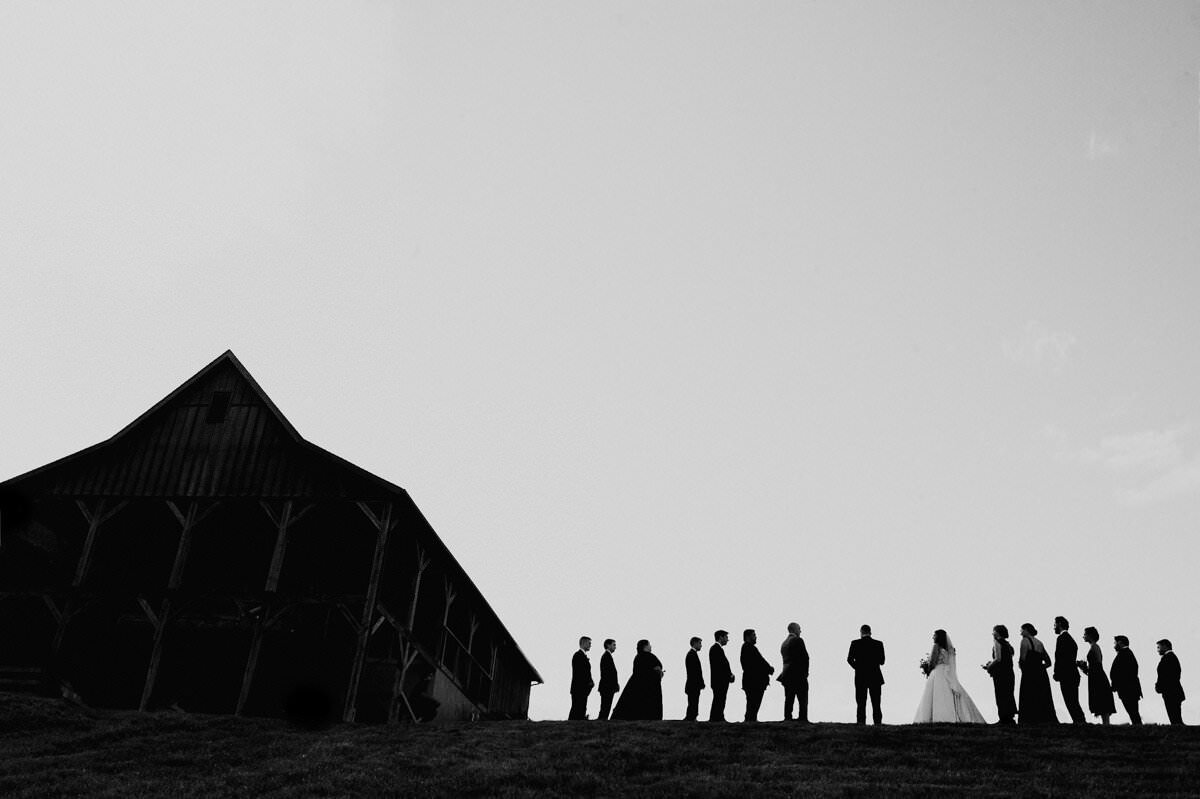
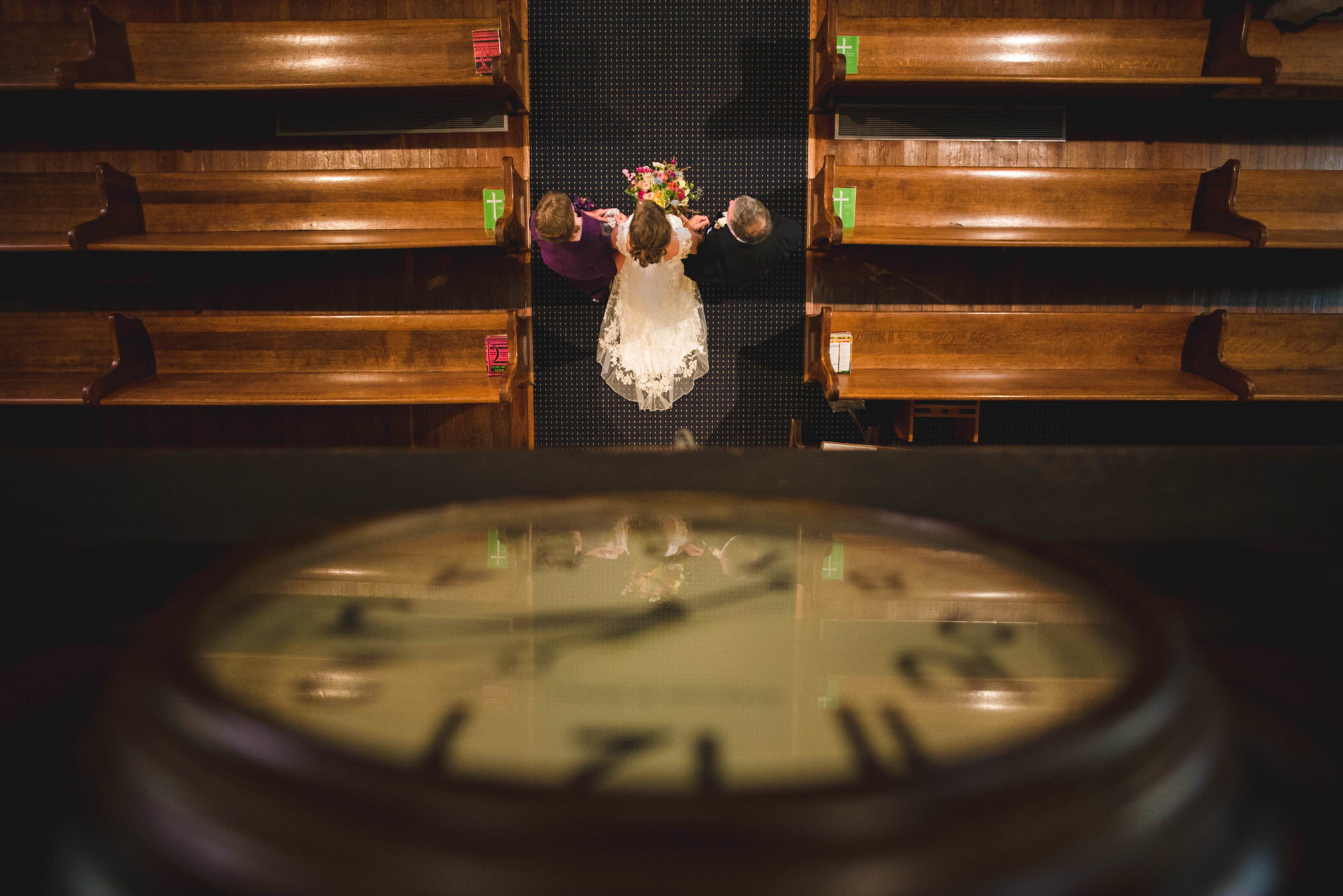
I do pure documentary photography.
I don’t prefer staged shots.
I compare photography to fishing – you just sit and wait. When I enter a wedding with a camera, people are aware of my presence at first, but if I sit in one spot for five minutes, everything becomes natural.
How would you describe your niche?
I compare it to music. Pop music – 95% of the world listens to it. Hip hop – 0.5%. Country music – even less. My photography is like 0.1% – it’s not for everyone.
I serve architects, military personnel, doctors – people who appreciate art and want memories, not just pictures.
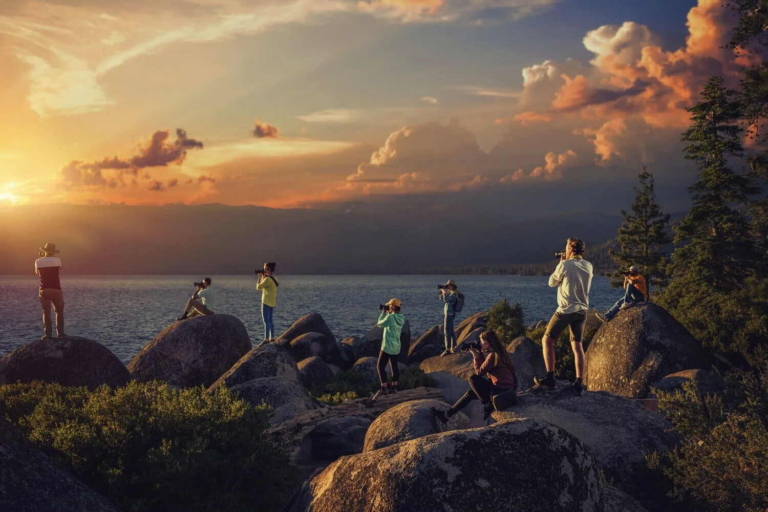
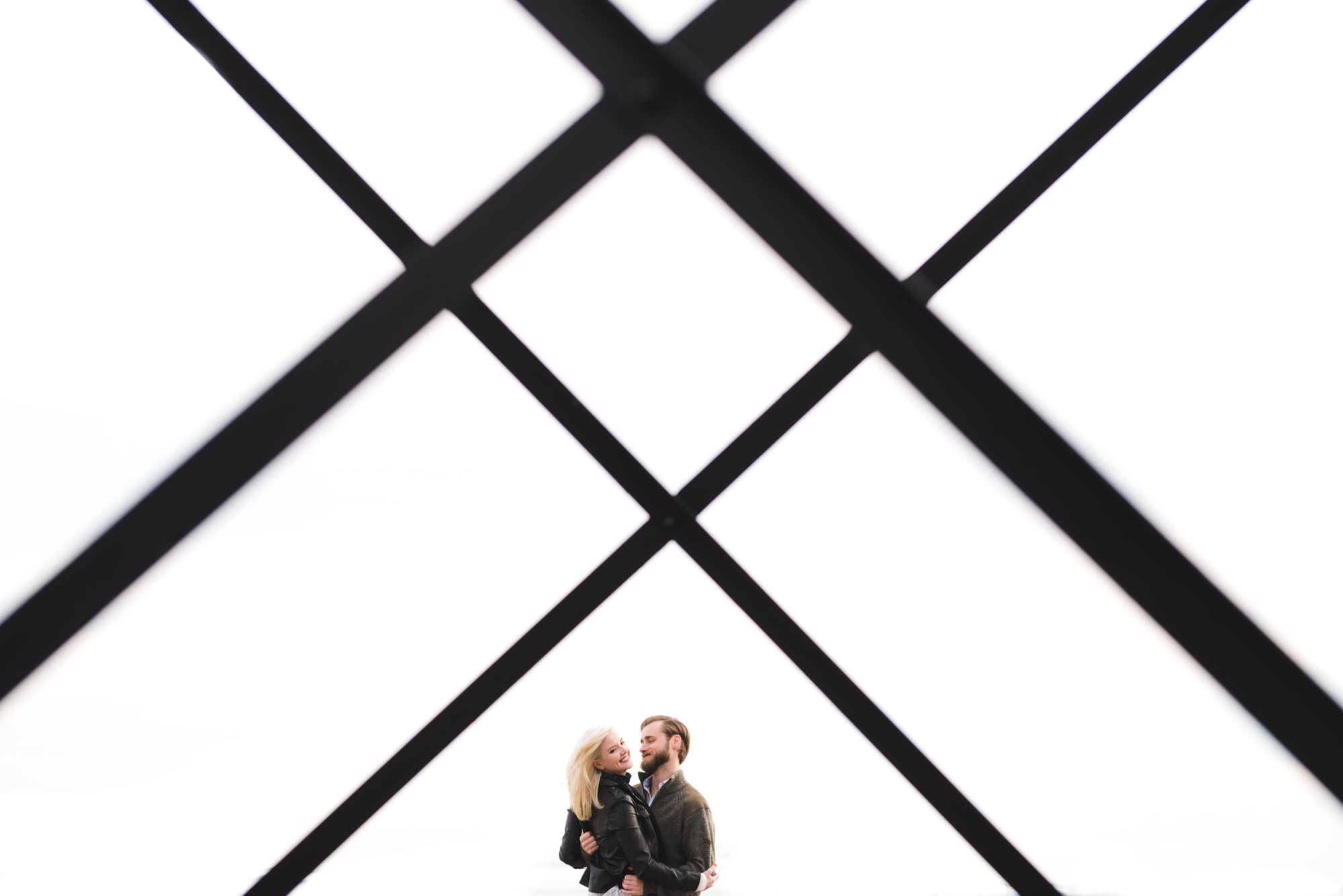
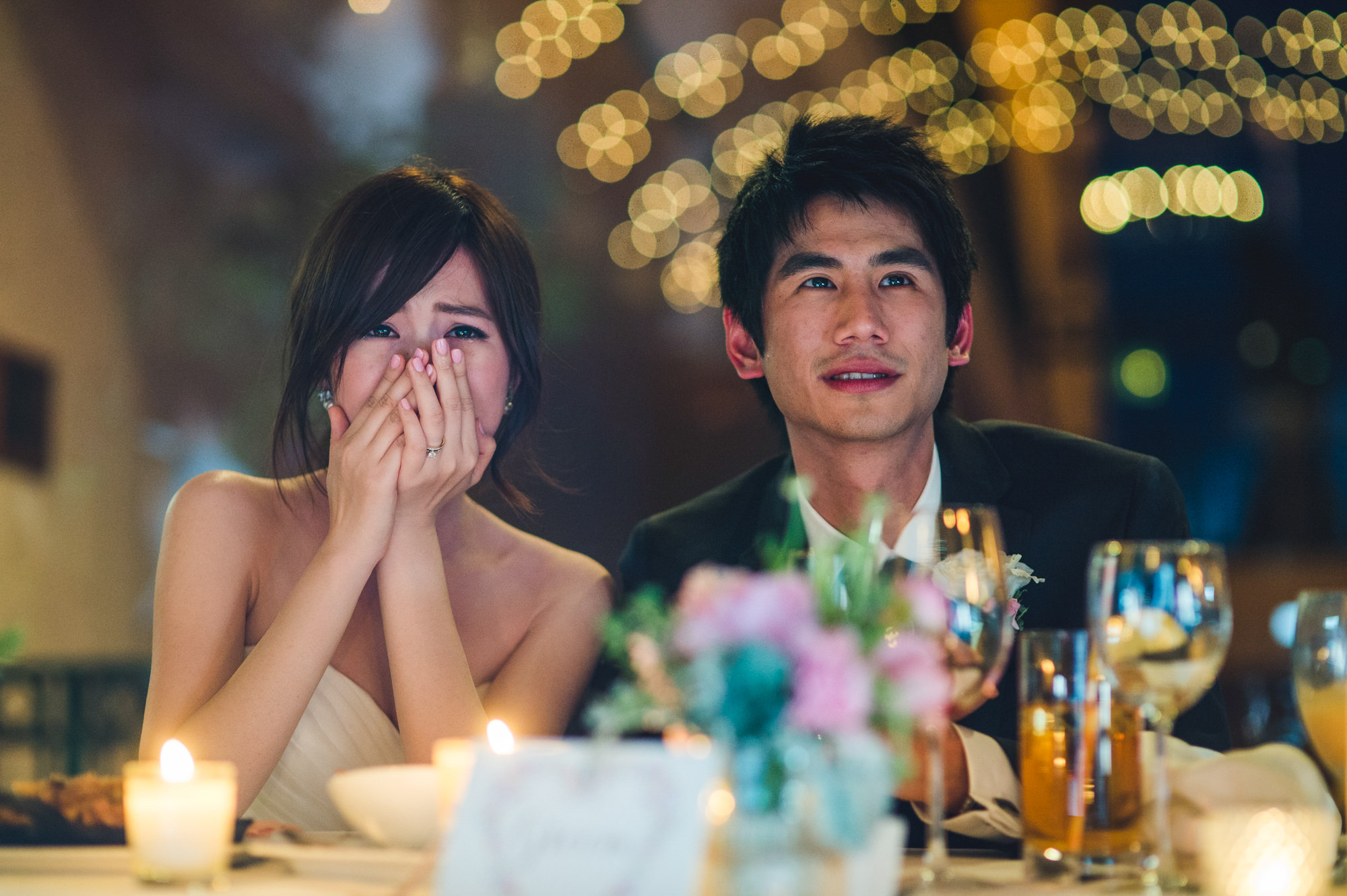
“Documentary creativity” – documentary photography with creativity. I love creating one unique shot that I’ve never done before and that nobody has seen before.
How do you capture natural moments at a wedding?
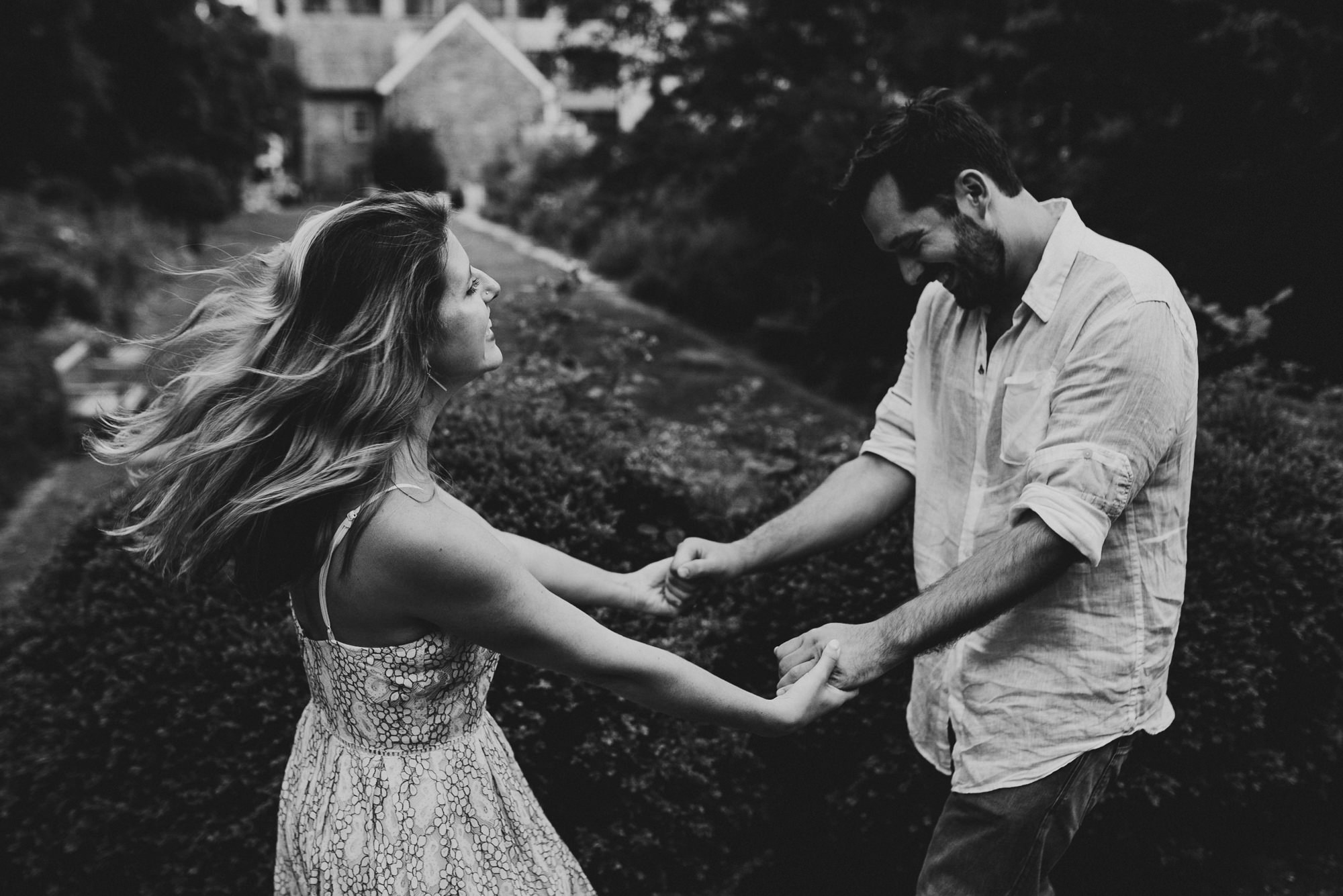
At first, people see me with the camera and start posing.
But after a few minutes, they get tired of posing and return to natural behavior.
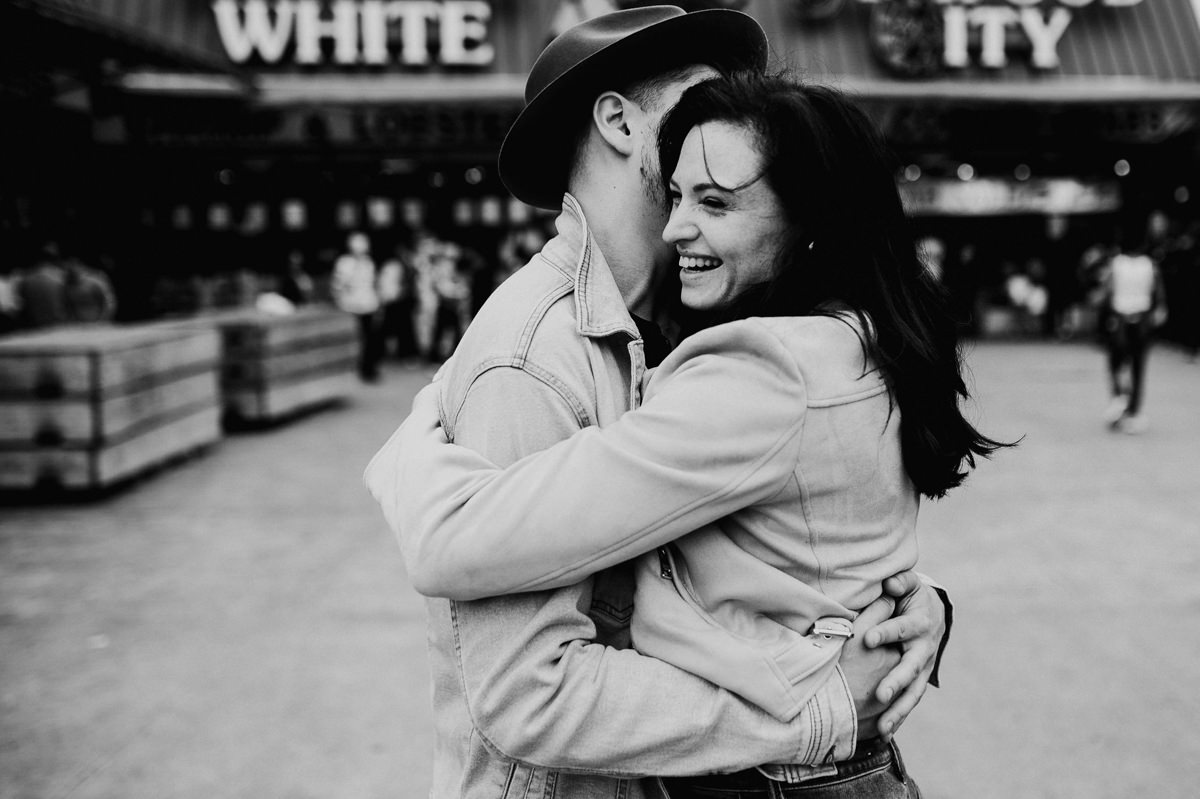
I call this “micro mimics” – small movements that happen when people aren’t aware I’m shooting.
I simply sit and wait for those moments.
Are there differences in shooting weddings between Lithuanian and the US?
Yes, the differences are huge. In the U.S., weddings typically last about 8 to 12 hours. In Lithuania, they last 36 to 48 hours. In the U.S., people have to pay to rent the venue by the hour, so they try to finish quickly. In Lithuania, it’s completely different – they can use the space for days.
I remember one Lithuanian wedding where they started serving food at 12 midnight. I had to leave at 6 a.m. to catch a flight to London.
You are a long-time user of JPEGmini! How does it help you in your workflow?
I’ve been using JPEGmini since day one, and it’s become an essential part of my workflow.
What I love about it is how simple and effective it is. After I manually select my images, color correct them, and export them for the website at 2,200 pixels, JPEGmini does the heavy lifting.
A file that’s 400 kilobytes gets compressed down to 200 kilobytes without losing quality – and probably not many people think about that kind of optimization, which is a must to maintain website loading speed.
Even though Lightroom has similar options, I still use JPEGmini because it’s reliable and it works.
When you’re shooting weddings and accumulating massive amounts of data – I have a server with 12 terabytes – every bit of storage you can save matters.
I can throw everything to JPEGmini overnight and wake up to hundreds of gigabytes saved.
It’s become such a habit for me that I can’t imagine my workflow without it.
It’s one of those tools that does exactly what it promises, and does it well.
Do you teach other photographers?
Yes, I taught one – Gabrielė Stonytė – https://www.gabrielephotos.com/ who became a phenomenal photographer.
I understood that you need a foundation to succeed. I gave her the books I mentioned before to read and exercises to do.
After three years, she became a fantastic photographer.
Most people who contacted me to learn failed in the first two weeks – they weren’t willing to put in the effort. They were willing to spend thousands of dollars on a better camera, but not $5 on a book that could change their life.
Final thoughts
Mantas doesn’t chase moments – he waits for them.
And in that waiting, something rare happens.
The chase in wedding photography usually creates noise.
Interruptions.
Repetition.
A subtle pressure to perform.
By choosing not to chase, Mantas lets the space calm down.
The couple stops feeling watched. The day becomes theirs again.
When you stop forcing moments, you stop inventing stories that don’t exist.
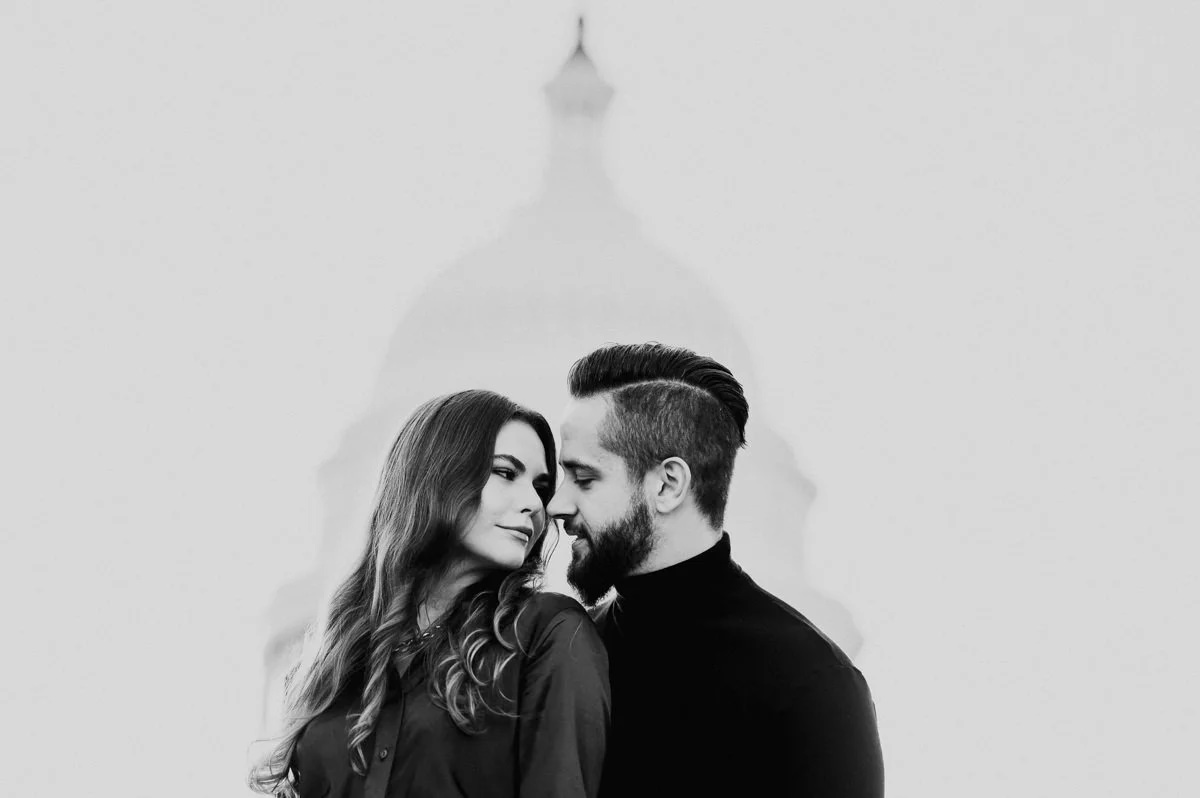
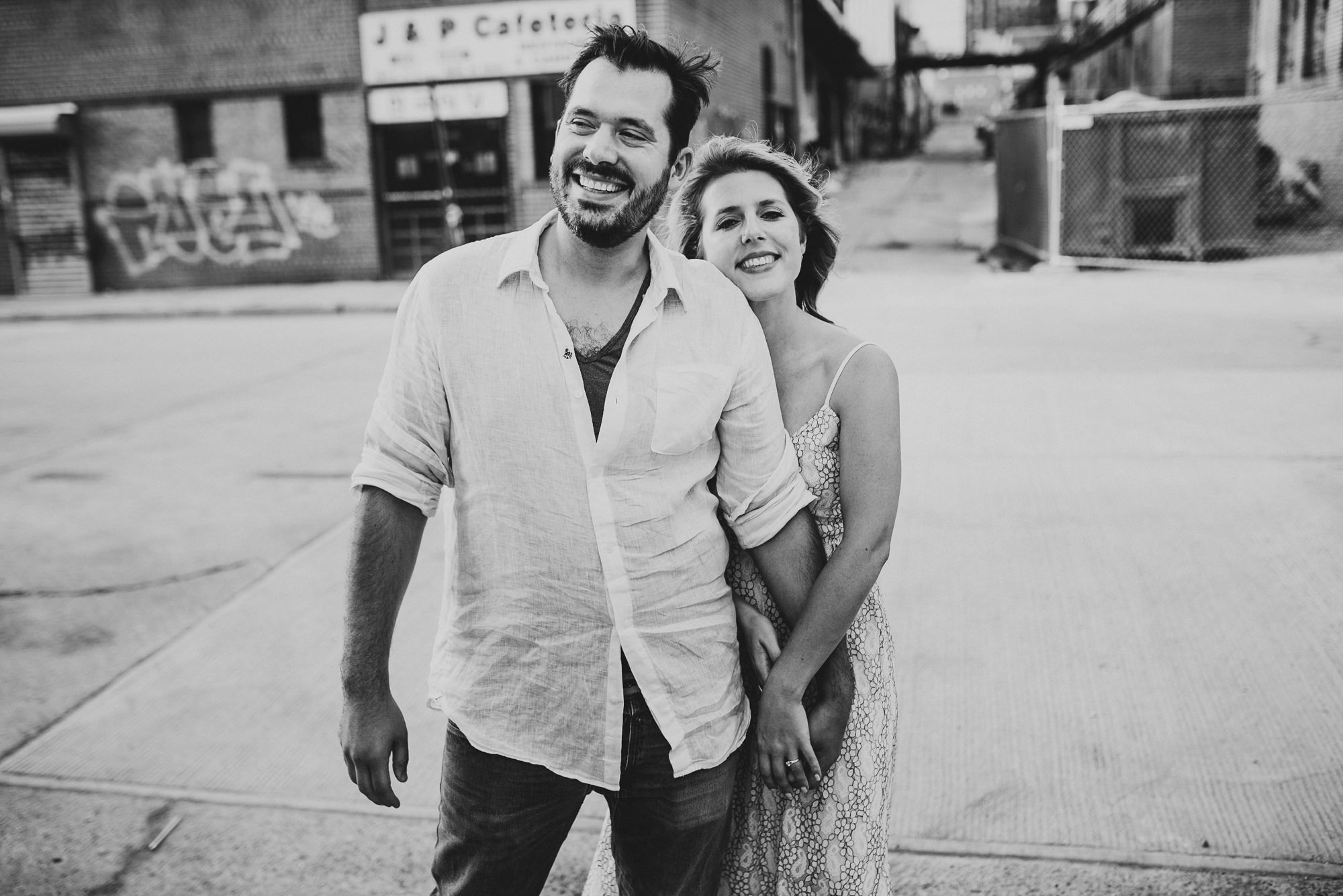
You make room for what’s real – a restless hand, a quiet tear, a look that only lasts a second.
Those micro-movements that say more than any pose ever could… and often more than words.