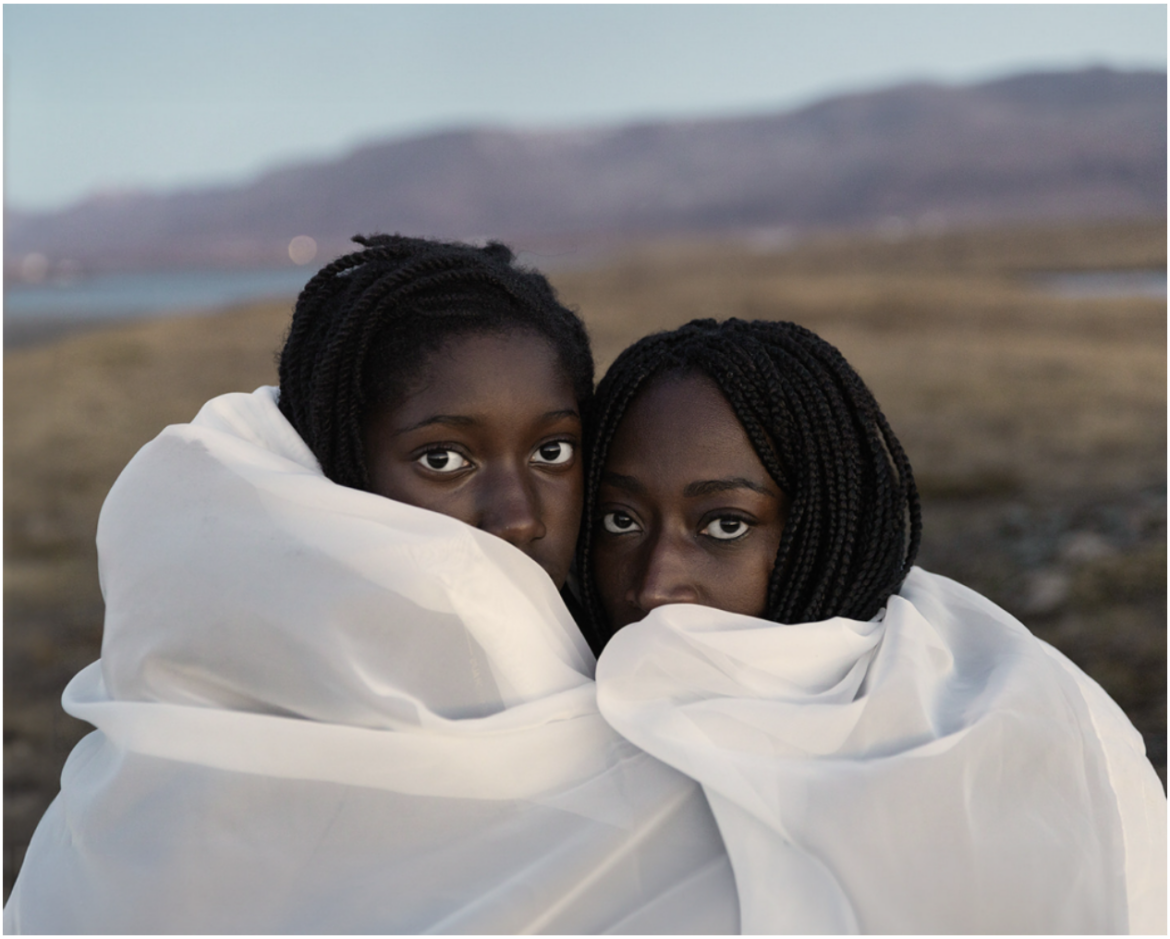
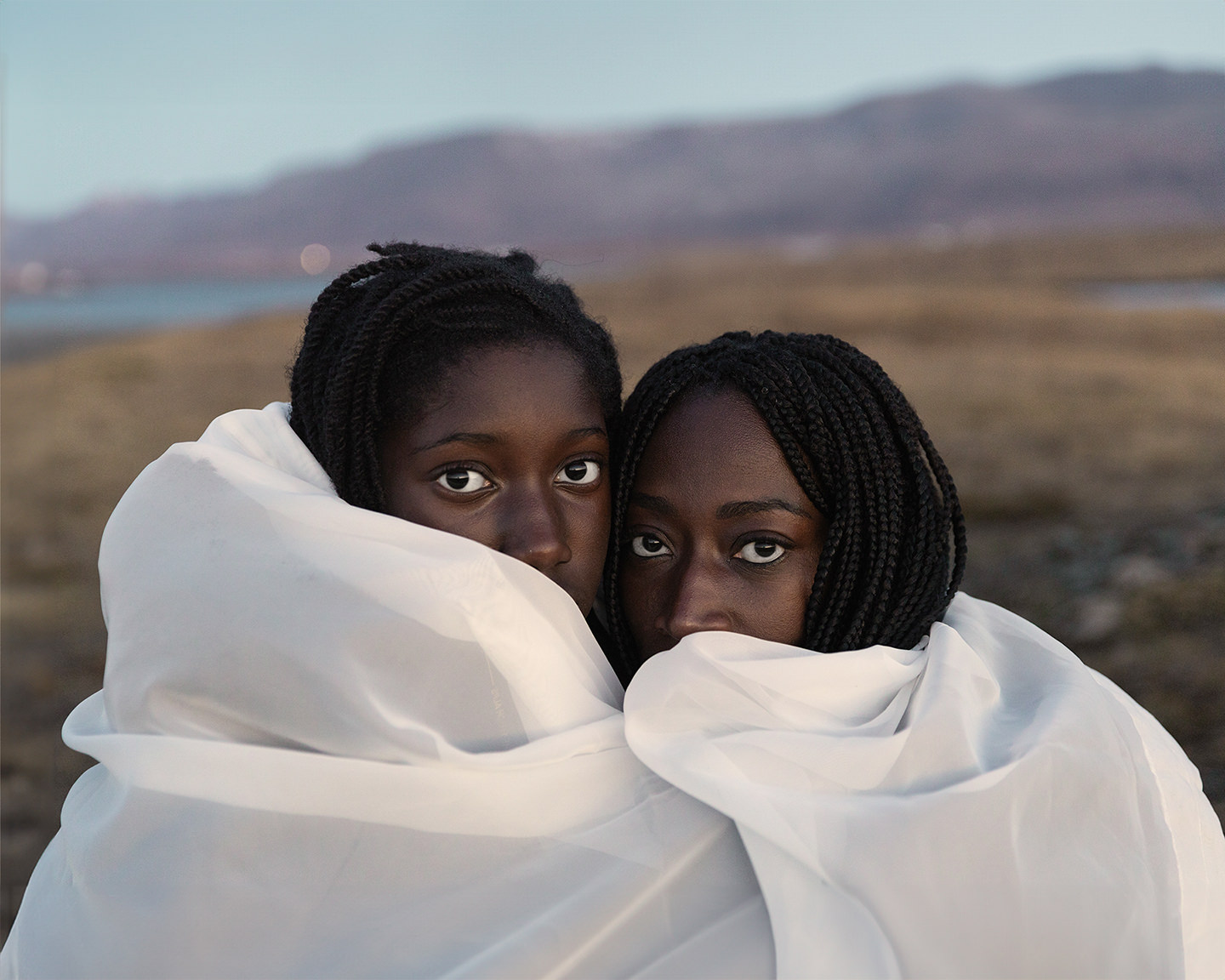
Yael BC: Building Images from the Restless Mind
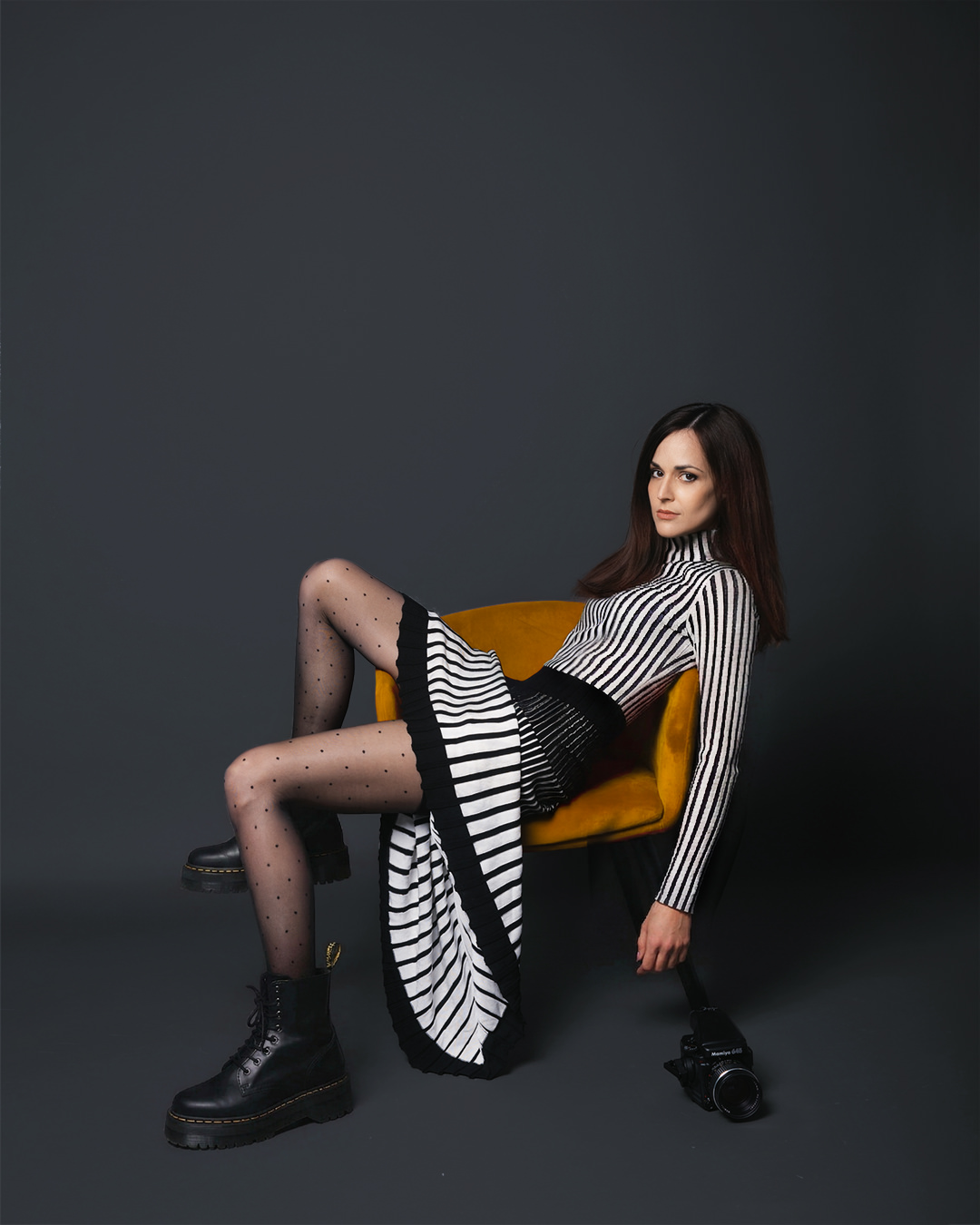
Short Bio:
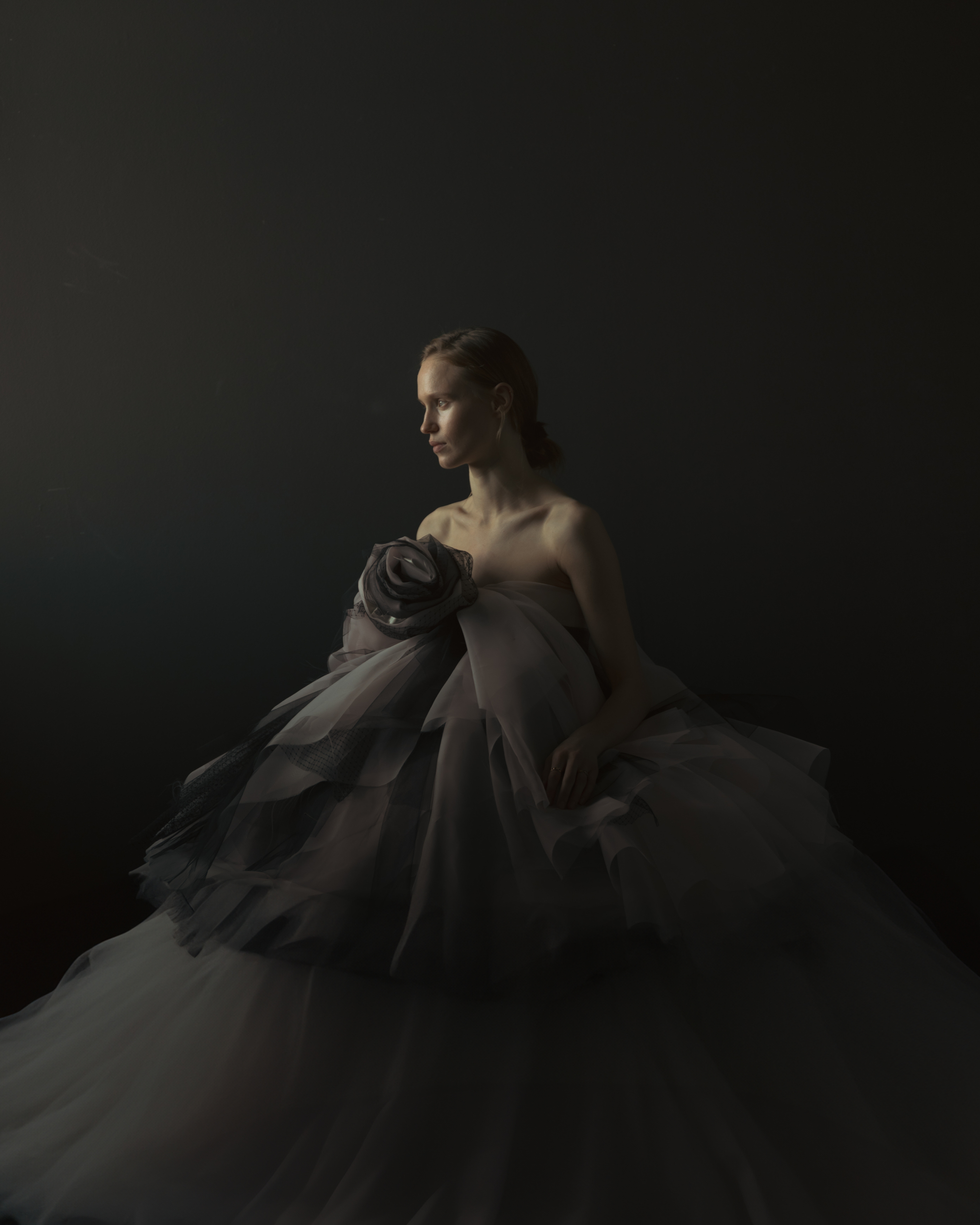
Yael BC is a Reykjavík-based photographer and art director whose work moves between portraiture, fashion, conceptual image-making, and music visuals. Her images often feel still at first glance, but there is usually something unsettled underneath- a shift in mood, a quiet tension, a sense that reality is only half behaving.
A graduate of Bezalel Academy of Arts and Design, she has been featured in PhotoVogue, Schön! Magazine, Flanelle Magazine, and other international publications, and has exhibited in Paris, Milan, Rome, Bucharest, Tel Aviv, Reykjavík, and across Canada. She is also a member of FÍSL – The Icelandic Contemporary Photography Association, and works as both a curator and a fashion photography teacher.
What came up in our conversation was not only process, but temperament: insomnia, longing, distance, and the need to make something honest inside images that are often carefully built.
Your photographs feel quiet, but they seem to come from a restless place. Where do they begin for you?
A lot of them begin at night, in the narrow strip between exhaustion and sleep. I’ve had insomnia for most of my life, so I know that territory very well.
When my body is tired and ready to stop, my mind stays bright.
It keeps scanning and making connections.
That’s often when images or ideas begin to appear.
I’m very aware of the first moments of falling asleep, the subtle shift when thought starts to loosen and image takes over.
It can be just a fragment, a visual flash, something half-formed, often surreal.
If I catch it, it gives me something. If I miss it, I’m fully awake again.
So even if the images appear quiet, they often come from a mind that doesn’t switch off easily.
They come from staying close to that threshold and learning to catch what appears there.
Is this why your art feels like dreams?
Probably.
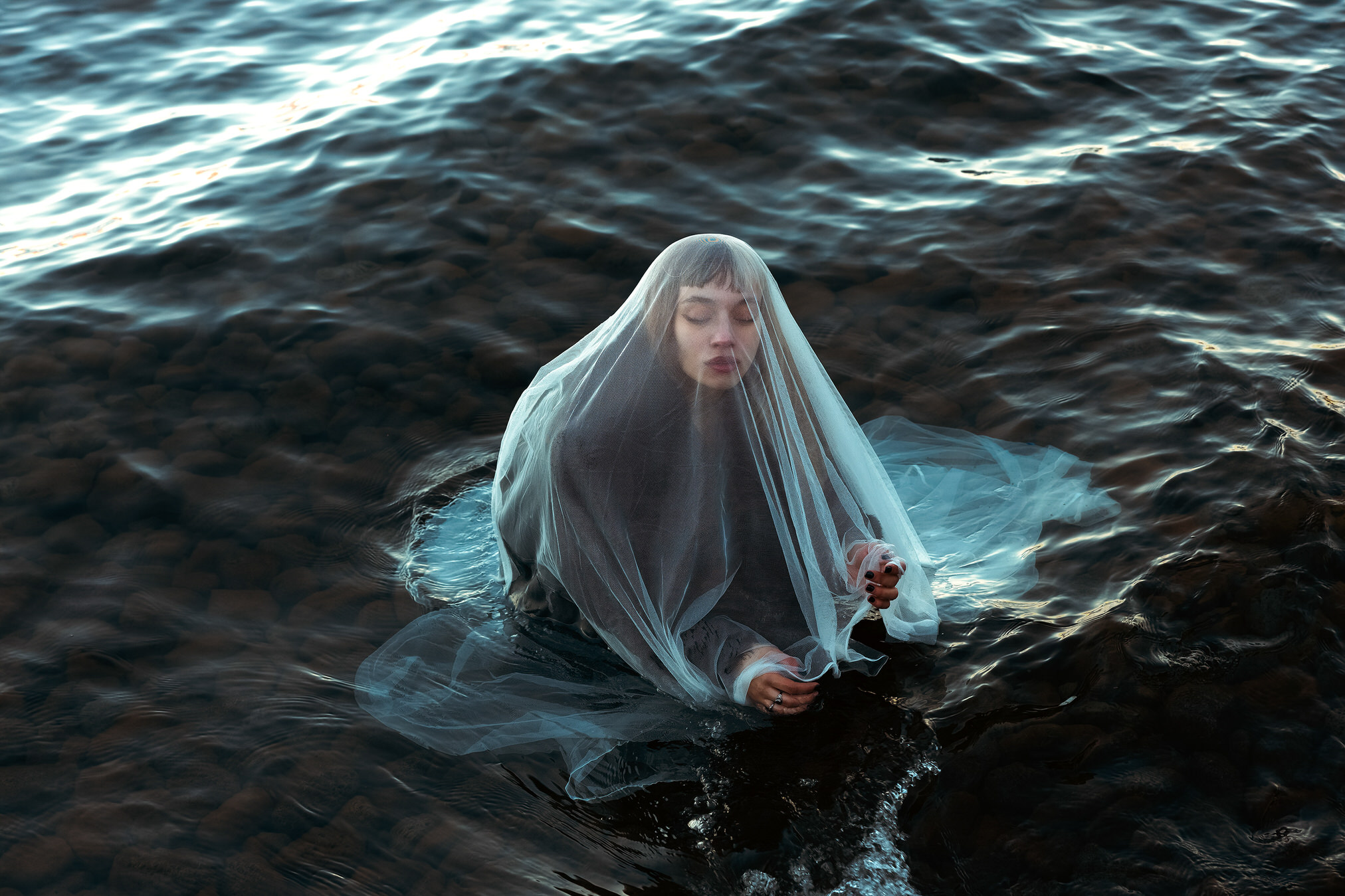
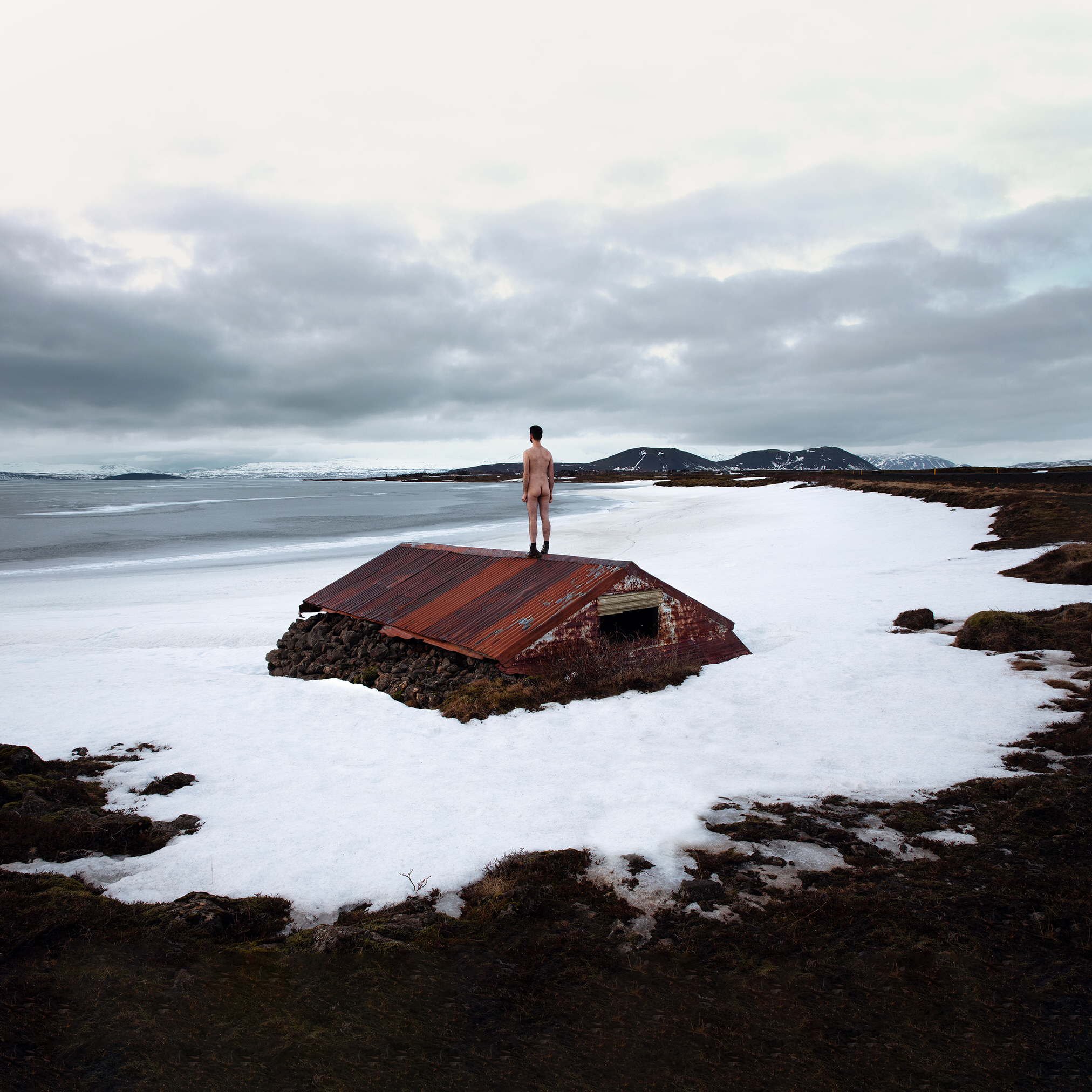
Though I’m less interested in “dreamlike” as a style, and more in the moment where reality starts to loosen a little.
I like images that feel familiar at first, and then not entirely. Not surreal in a loud, theatrical way. Just slightly off. Slightly shifted. Enough for something else to open underneath
When you choose someone to photograph, what are you responding to first?
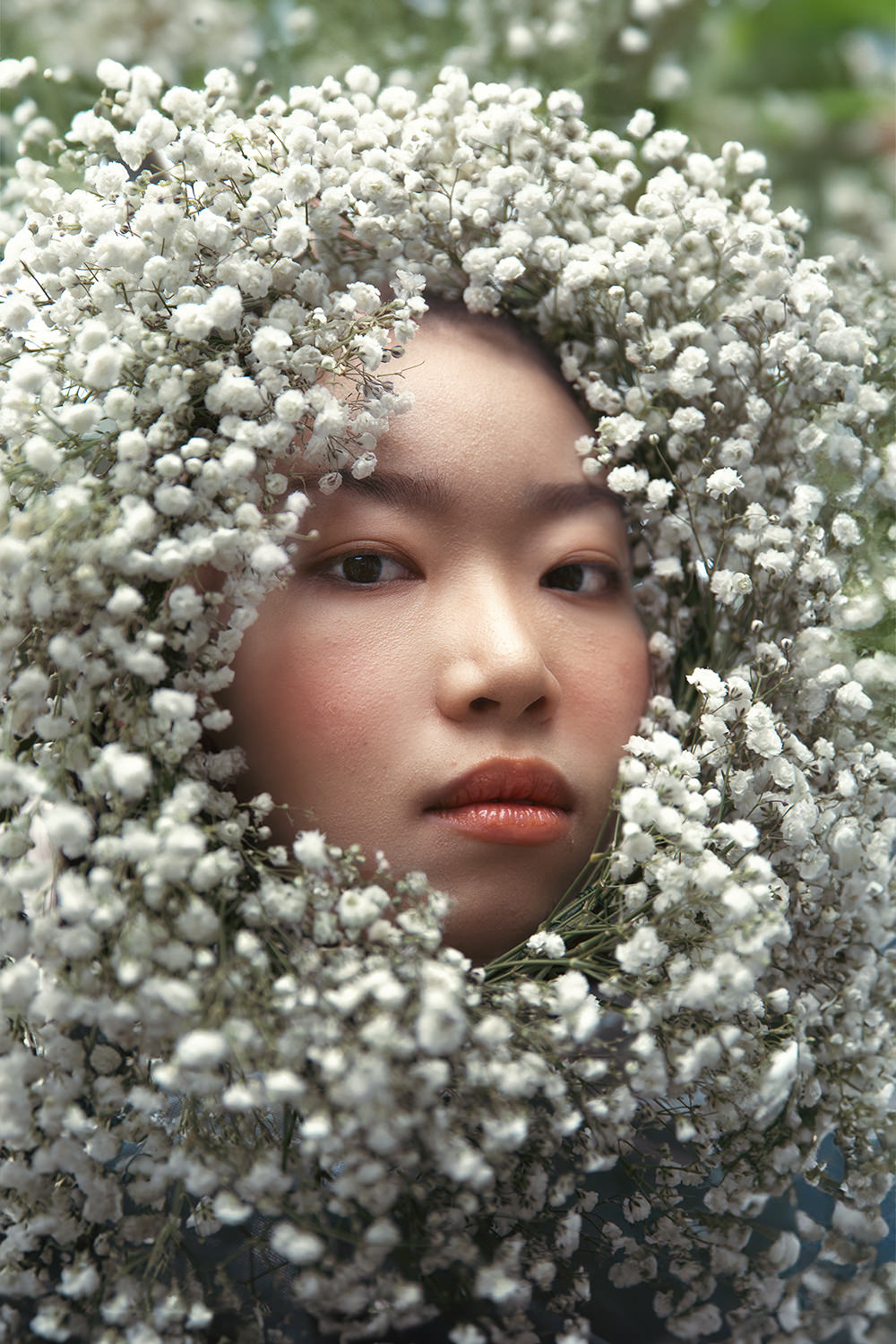
Not only how someone looks.
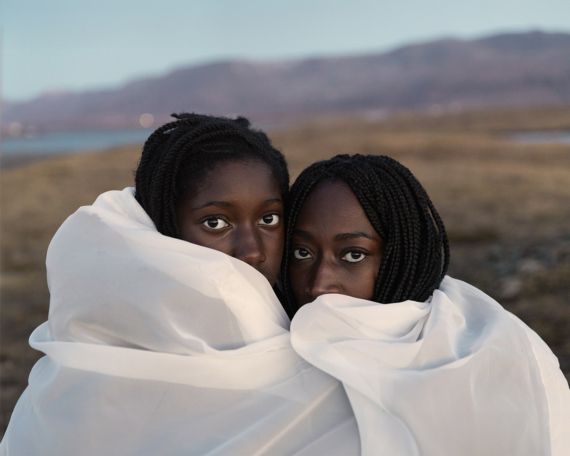
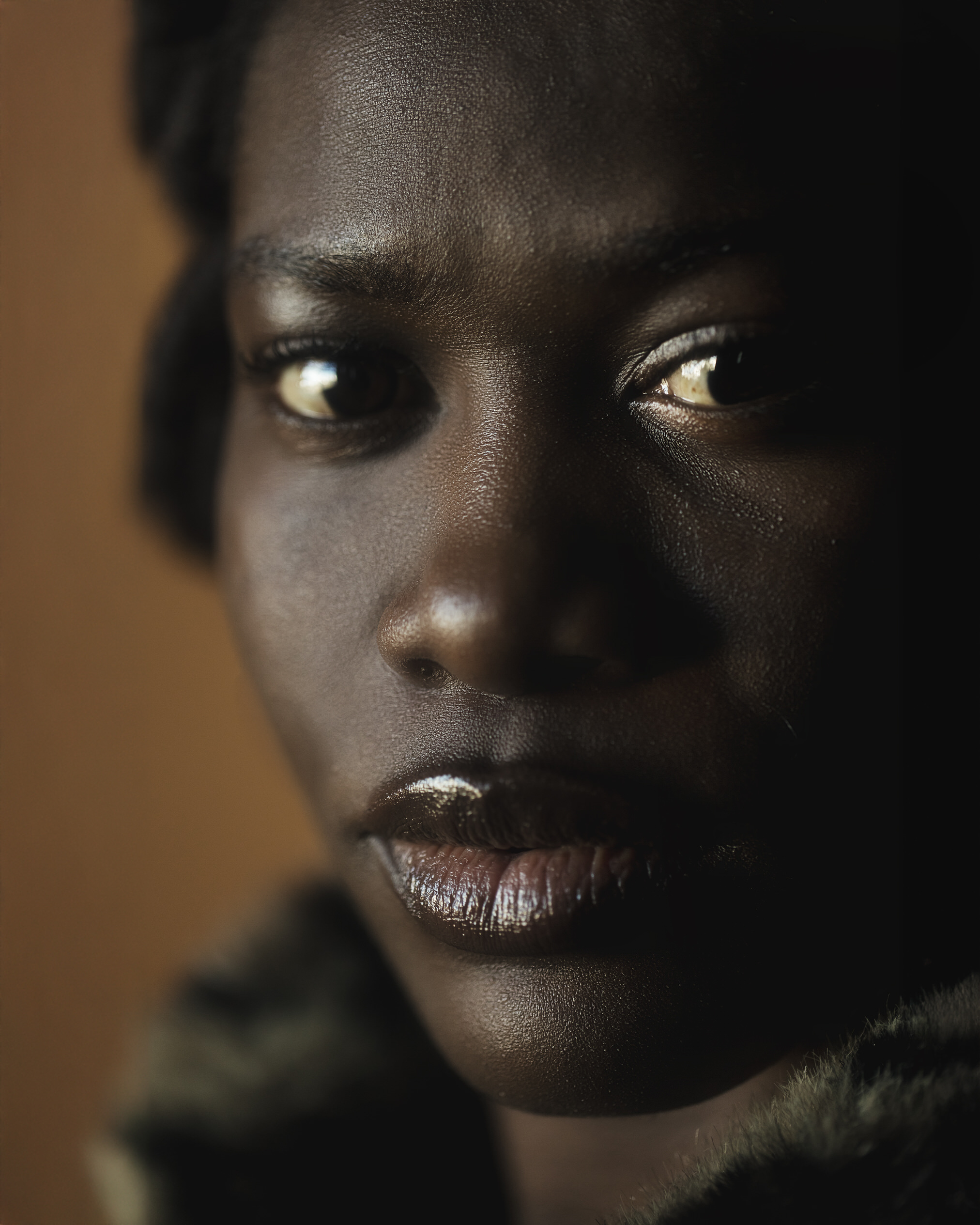
I’m usually responding to presence, hesitation, tension, something internal.
I tend to notice small things very quickly: a shift in breath, the effort behind someone’s composure, a look just before it settles into expression.
I think my internal filtering is more porous than average, which can be exhausting in life but very useful with a camera.
It means I can get overloaded by something as unpoetic as a supermarket, but it also means I notice very small shifts when I’m photographing people.
So I’m rarely looking for perfection. I’m looking for what slips through.
Many of your portraits feel deeply honest. How do you get people to stop performing?
Most people start by performing; that’s normal.
The second a camera appears, people become aware of themselves.
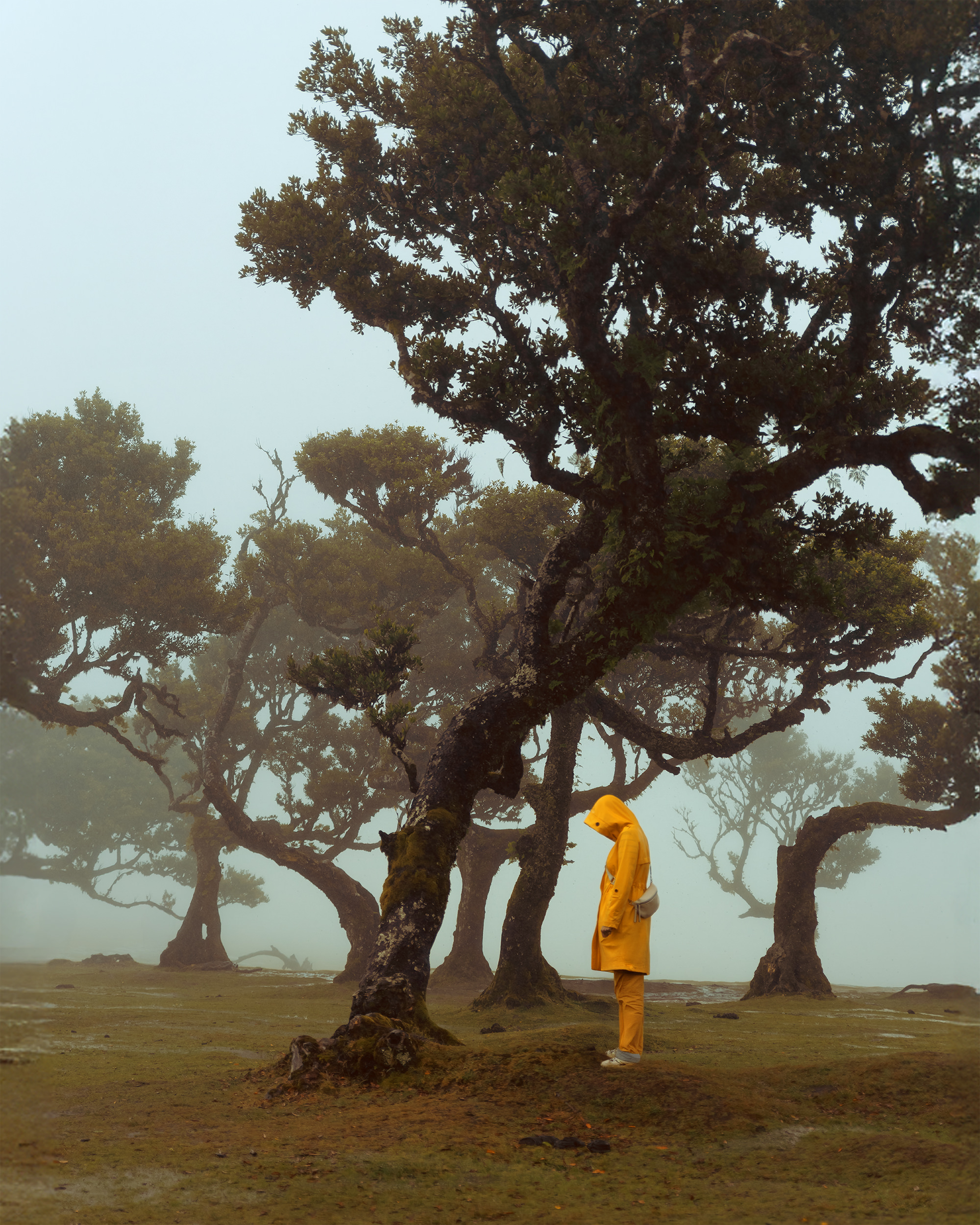
I do direct people, but usually not in a very mechanical way. I’m less interested in telling someone exactly where to put their hand, and more interested in shifting their state. Giving them something to react to. A feeling, a tension, a task, a bit of discomfort even.
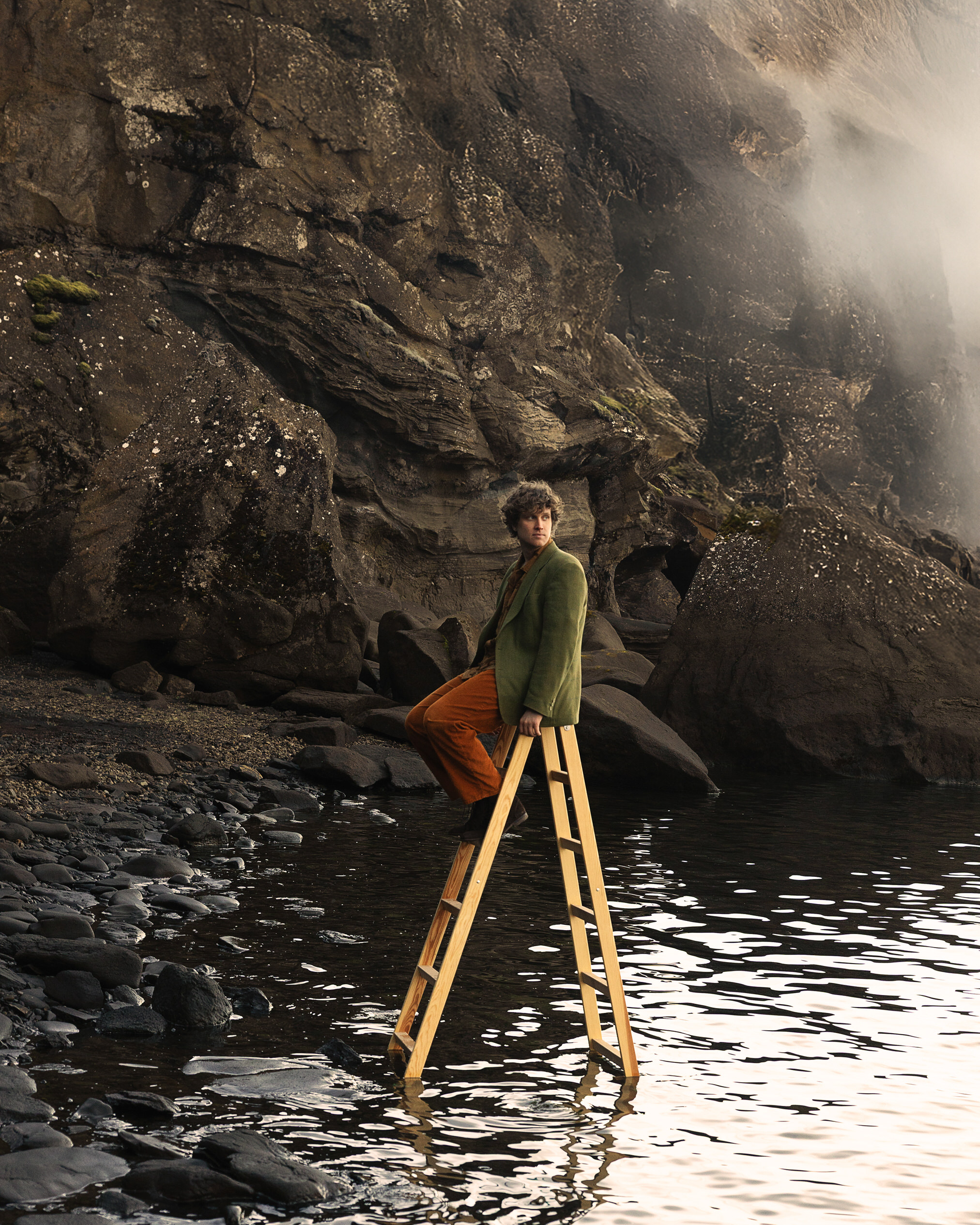
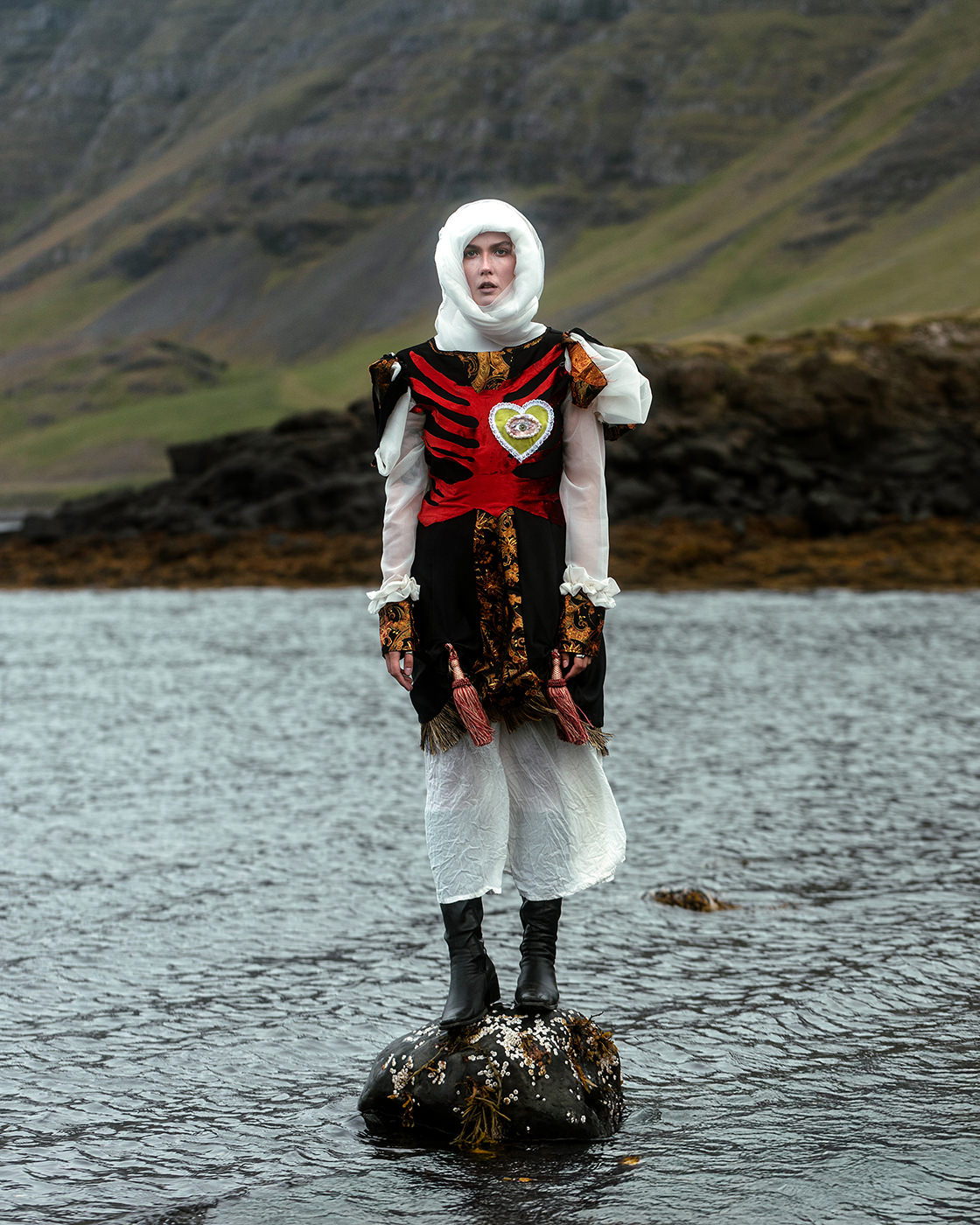
Also, Iceland helps.
Wind helps.
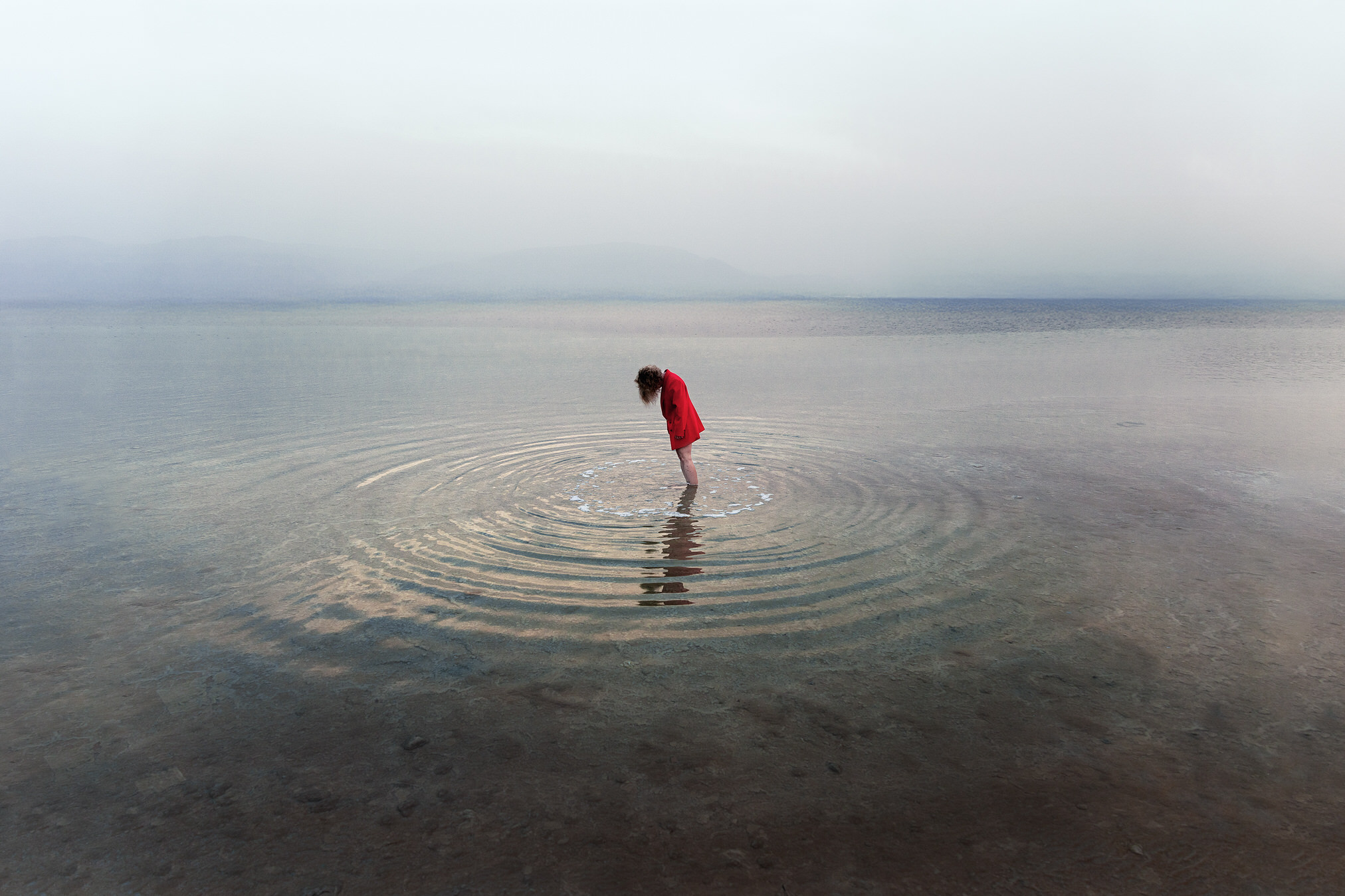
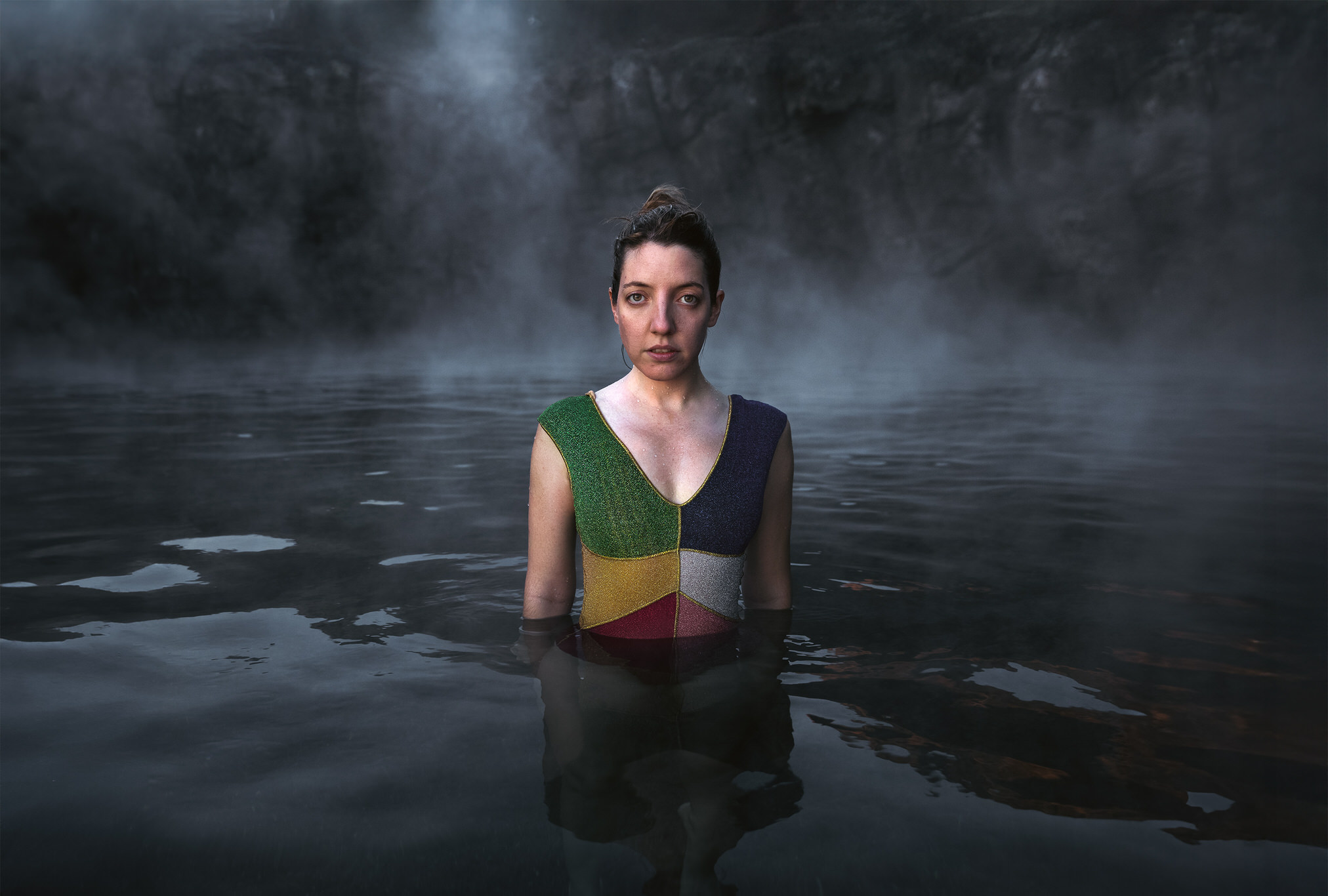
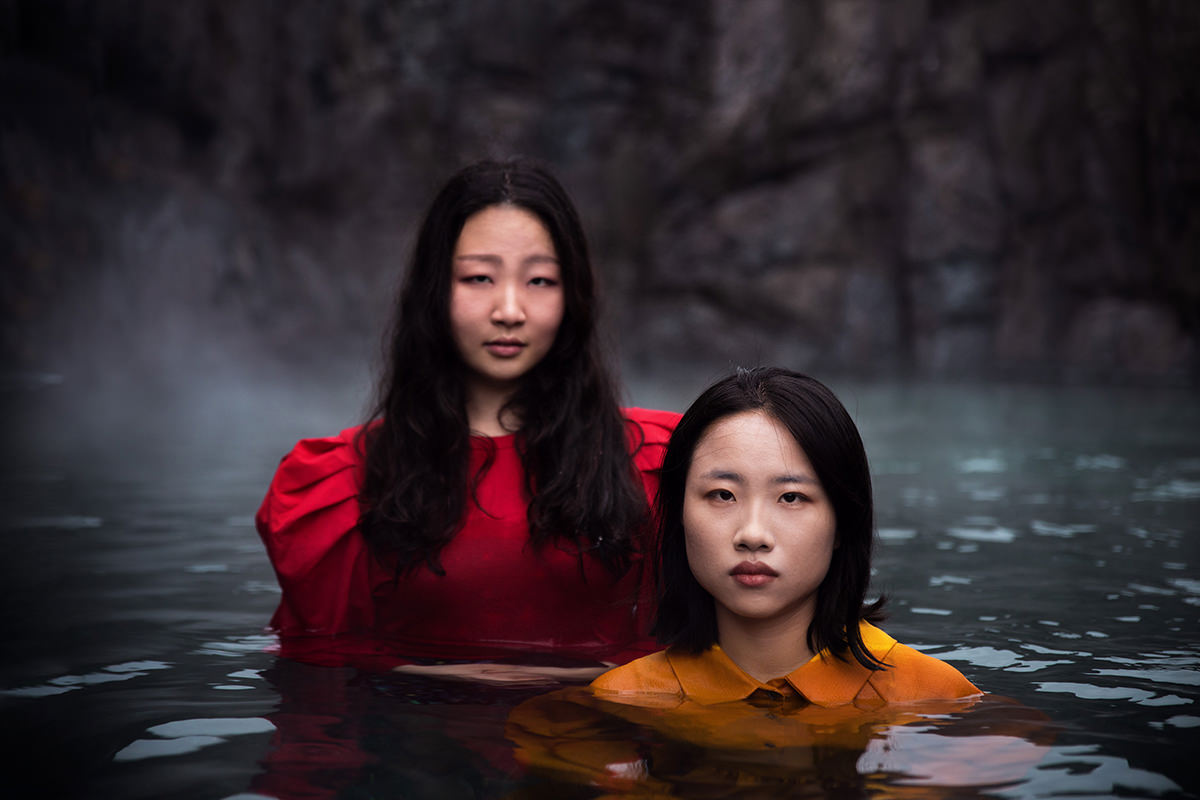
And if you ask my clients, freezing glacial water is surprisingly effective.
Once someone is standing in it, the performance tends to fall away pretty quickly.
Why Iceland? What did you find there?
I felt drawn to Iceland years before I even visited here.
First through music, then the landscape, then films, and then through something less rational.
When I finally came, it felt strangely familiar.
Not perfect, but familiar in a deeper way.
Like the place already spoke to something in me before I had the words for it.
I think some places just make immediate sense.
Iceland felt like that.
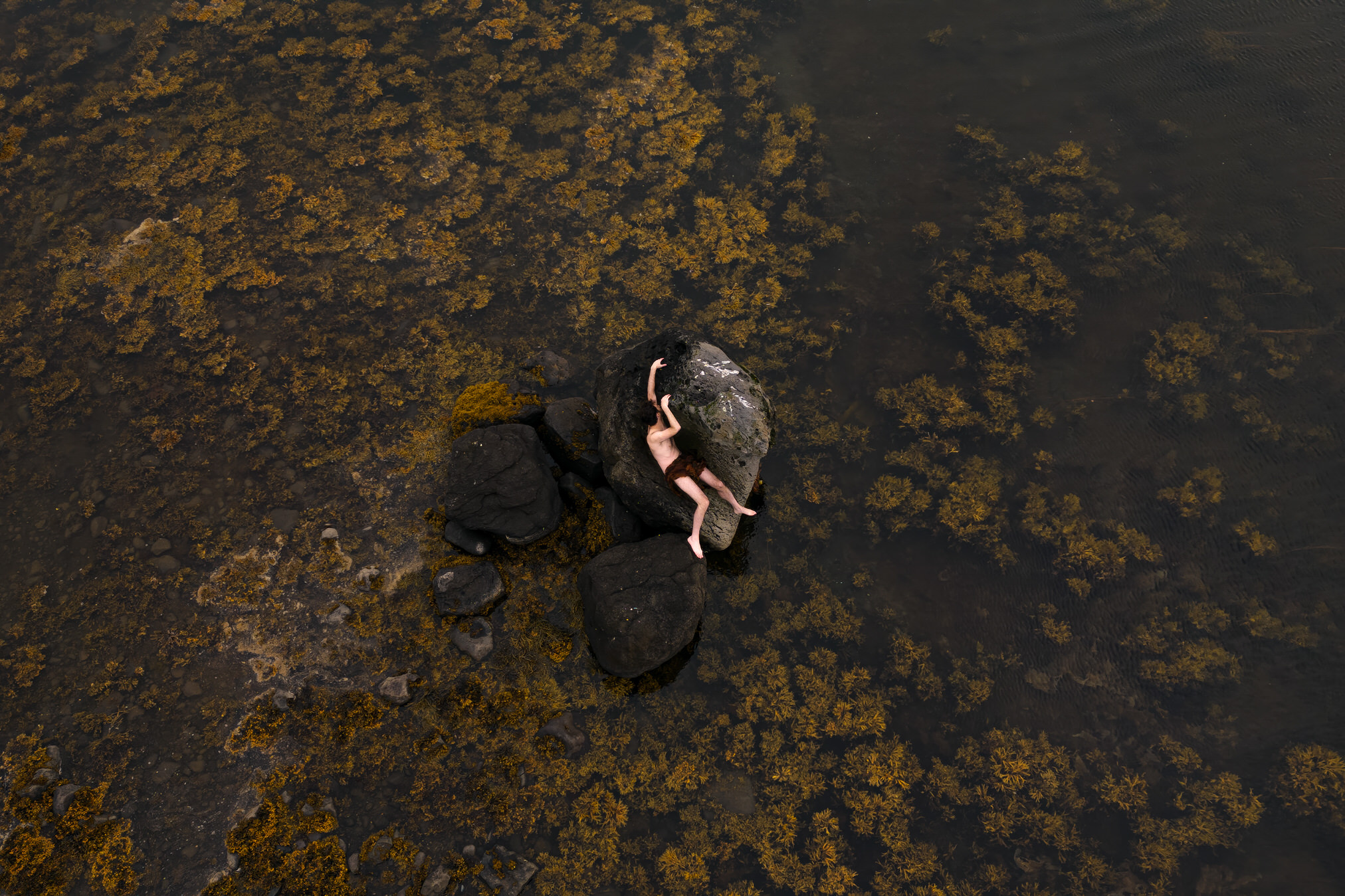
You made a striking portrait of a mother and son. How did that image happen?
I saw them on the street and instantly knew I wanted to photograph them.
The image almost appeared in my mind right away.
There was something very clear in the way they were together.
Not performative or sentimental, just real. I went up to them, asked, and they said yes.
I like that not every meaningful image has to come from a big setup.
Sometimes it’s just about recognizing something when it appears and having the nerve not to walk past it.
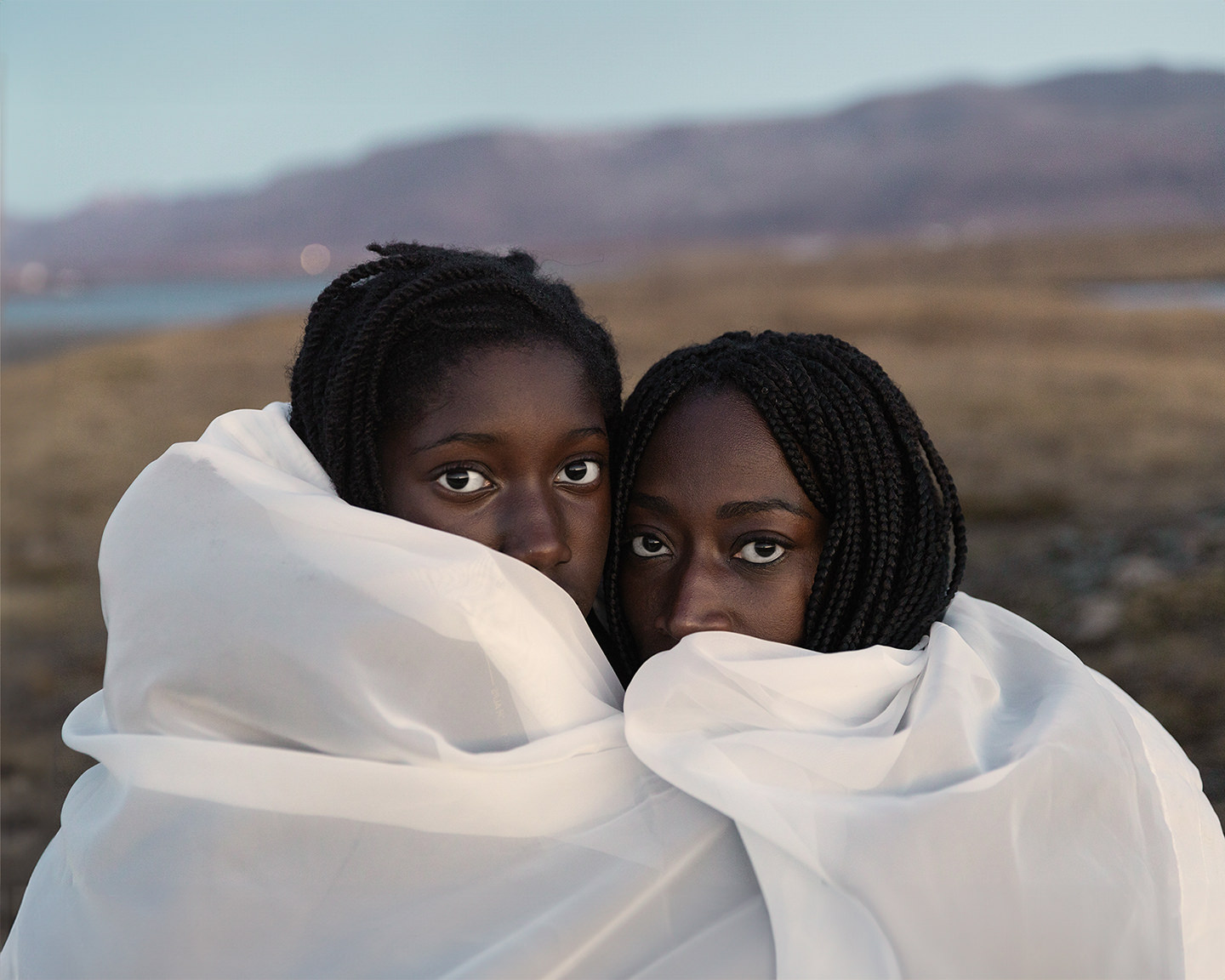
You’re also creating album covers and visuals for musicians.
What do you enjoy about working with music artists?
Music already carries atmosphere, tension, rhythm, and identity.
So when I work with musicians, I’m not starting from zero.
I’m responding to something that already has an emotional temperature.
What I love most is building a visual world around that. Not just taking a portrait, but helping shape how the music might look, how it might breathe visually.
That interests me a lot right now- especially larger, more concept-led projects where the still image is part of a bigger whole. That has also pulled me further into video.
Sometimes a photograph can hold everything.
Sometimes it can’t.
Sometimes movement is the missing piece.
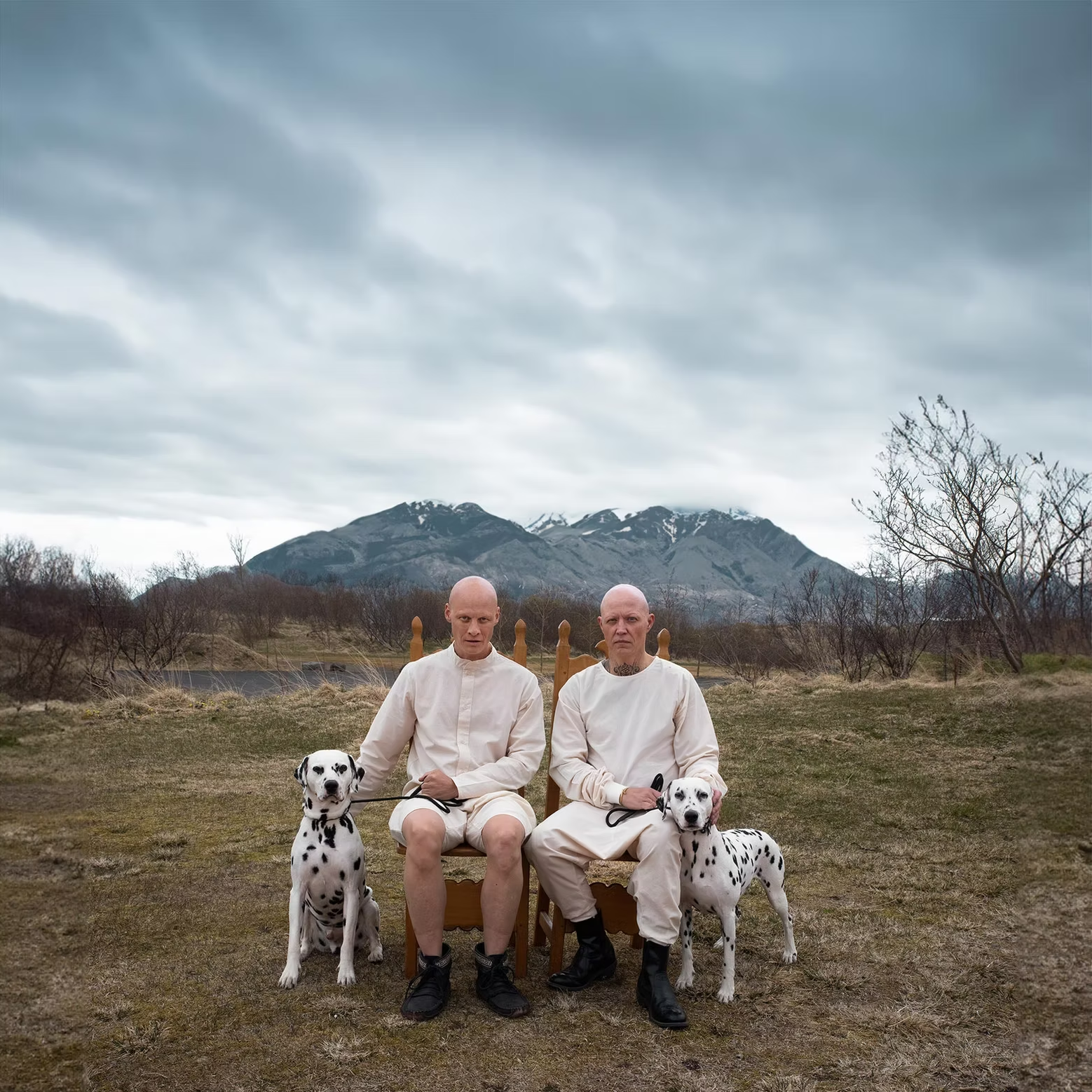
One of your most memorable images places a bed in open water. Where did that image come from?
Probably from the same part of my brain that wouldn’t let me sleep.
A bed is such a private object.
It holds sleep, thought, vulnerability, memory, anxiety, intimacy, all of that.
Putting it out in open water changed its meaning immediately. It made something private feel exposed, and something ordinary feel impossible.
I created it for an album cover with a composer, and the process was far less serene than the image suggests: it was -17°C, the bed started drifting, and eventually we pulled him from shore with a rope.
The image looks quiet and surreal, but the making of it was cold, improvised, and ridiculous, which made it even better.
I’m drawn to images that don’t make literal sense but still feel emotionally accurate.
What feels unresolved in your work right now?
I think I’m at a point where I know how to make a controlled image.
I know how to build something precise, polished, deliberate.
But that’s not enough on its own anymore.
What interests me now is how to keep the precision without losing the human part.
How to make space for instinct, awkwardness, and also chaos and mess.
Something less over-corrected. Less eager to prove itself.
That feels more alive to me.
You’ve explored AI as well.
What role do you think it has in photography?
AI is already changing the field, whether people like it or not.
It has opened up new ways of thinking visually, especially around concept development, pre-visualisation, world-building, and testing ideas that might be difficult, expensive, or impossible to produce immediately. So I understand why artists are drawn to it. It can be a powerful creative tool.
But I also think it changes something fundamental about the image.
For me, photography is not only about the final result. It’s about the fact that something actually happened. A person stood somewhere. Light touched a body. A moment unfolded in real time. There was weather, hesitation, timing, accident, resistance, presence. Even in highly constructed work, photography still carries a trace of reality.
That matters to me.
AI can generate images, and sometimes very compelling ones, but it doesn’t carry that same existential weight. It can simulate atmosphere and emotion, but simulation is not the same thing as encounter.
What I care about in photography is the exchange: between photographer and subject, between person and place, between intention and accident. A photograph holds not only an image, but a set of conditions. A meeting. A fragment of time. A negotiation between control and unpredictability.
So I’m not interested in rejecting AI in some purist way. I think it has a role, and probably an expanding one.
But for me, photography still has to do with presence.
With a person actually being there.
With the emotional exchange that happens between people, location, timing, accident, and intention.
That’s the part I still find irreplaceable.
You’ve said the camera became your “ticket in.” In to what?
To people, first. To connection.
To situations I might never have entered otherwise.
I’ve met some of my favorite musicians and artists through photography.
I’ve often felt outside of things.
The camera gave me a role. A reason to approach. A structure inside which I could be bold.
So yes, it became a way in.
Not only into rooms or situations I might not have entered otherwise, but into a version of myself that could take up space.
Final Thought
Yael’s art touches me in an almost personal way, and that is where its power lies.
What is deeply personal often becomes universal.
To me, she photographs loneliness – but not a cliché version of loneliness.
In every subject she touches, there is also a paradox.
Solitude carries connection within it.
Distance carries closeness to nature, and sometimes even comfort.
The dream in her work is both fantasy and rooted in reality.
The people she photographs seem to hold a secret, and I want to know what that secret is.
They look at her, and she looks back at them.
When I imagine Yael trying to fall asleep and failing, year after year – as if climbing a steep hill she cannot conquer – I understand the tension inside her photographs.
The longing for rest.
The cold water and the warm gaze.
Her art does not come only from natural talent.
It comes from effort.
From climbing a hill again and again.
Trying, struggling, understanding, refining, improving.
Intelligence comes from the ability to hold two contradictory truths at once without rushing to choose one.
Simply to hold the tension between them.
Yael offers that kind of intelligent, sensitive, honest photography.
I stand in front of her work with tears of love and sadness.
I understand her, and I do not understand her.
In the cold lakes she shows us, it is possible to disappear.
And her photography gives me the option to drown.