
Short Bio
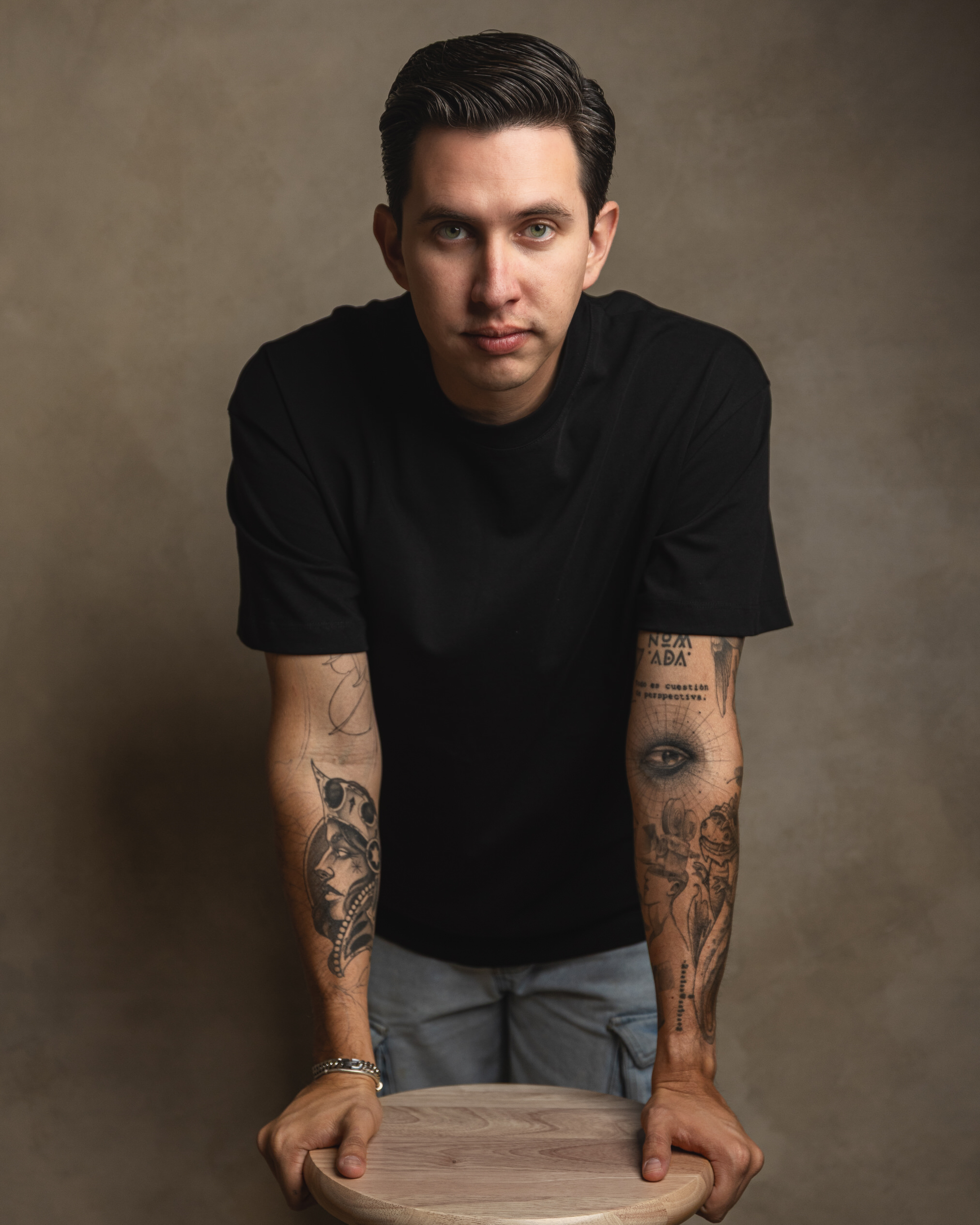
Miguel Angel “Demo” is a destination wedding photographer based in Colima, Mexico, with over nine years of experience capturing authentic love stories around the world.
Known for his warm energy and constant smile, Miguel approaches photography as a way of life-one that allows him to travel, connect with people, and witness deeply emotional moments.
Whether photographing intimate local ceremonies or destination weddings abroad, he brings creativity, joy, and sincerity to every story he tells through his lens.
https://www.demofotografo.com/
What attracted you to wedding photography, and how has your personal experience influenced the way you work?
What attracted me most to wedding photography is the ability to tell love stories in my own way.
I feel very free and creative when I’m in those moments with a camera in my hand.
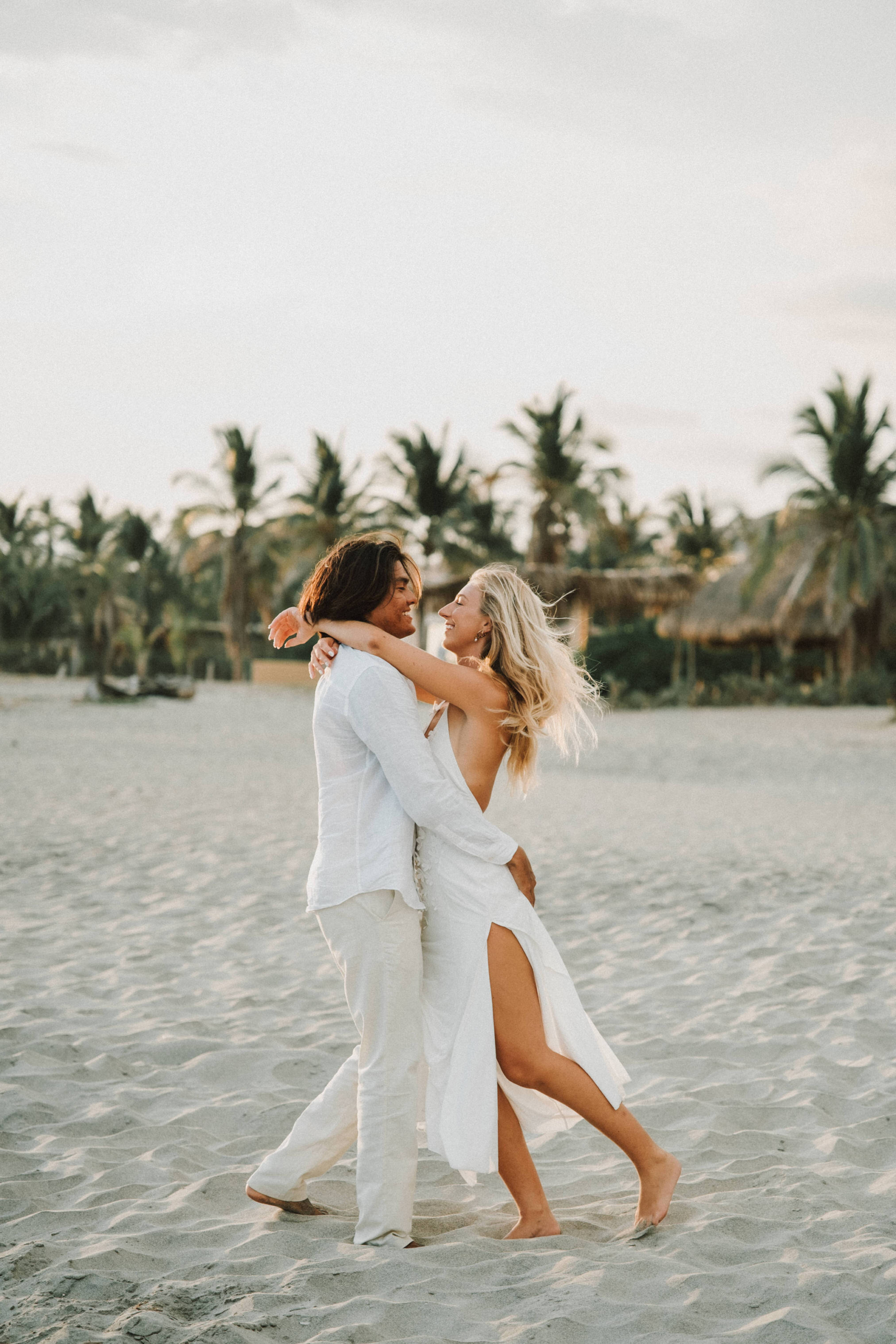
Being present during such emotional and intimate experiences allows me to connect deeply with people, and that connection shapes the way I photograph them.
Growing up in your hometown, what visual or cultural influences shaped the way you see and photograph people?
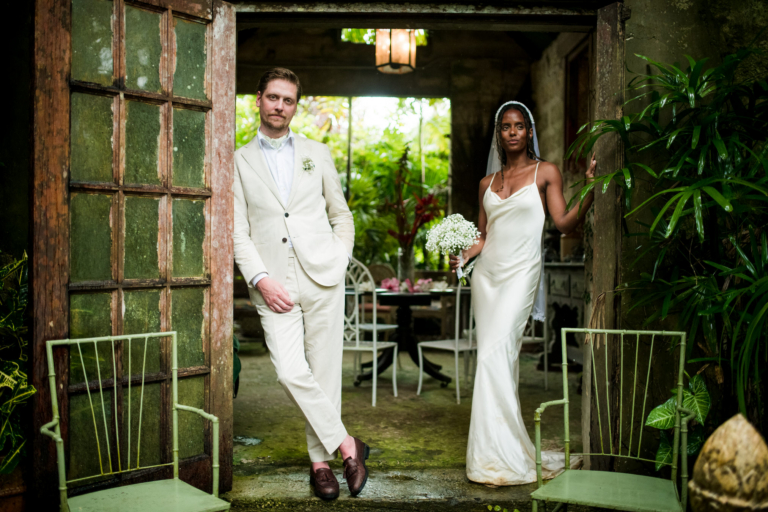
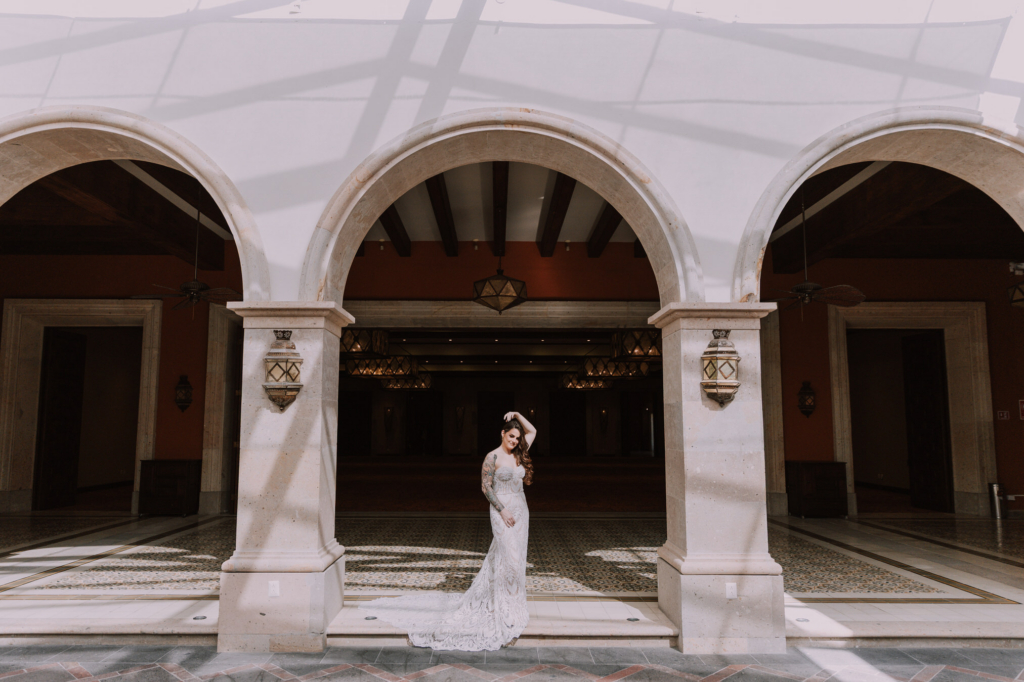
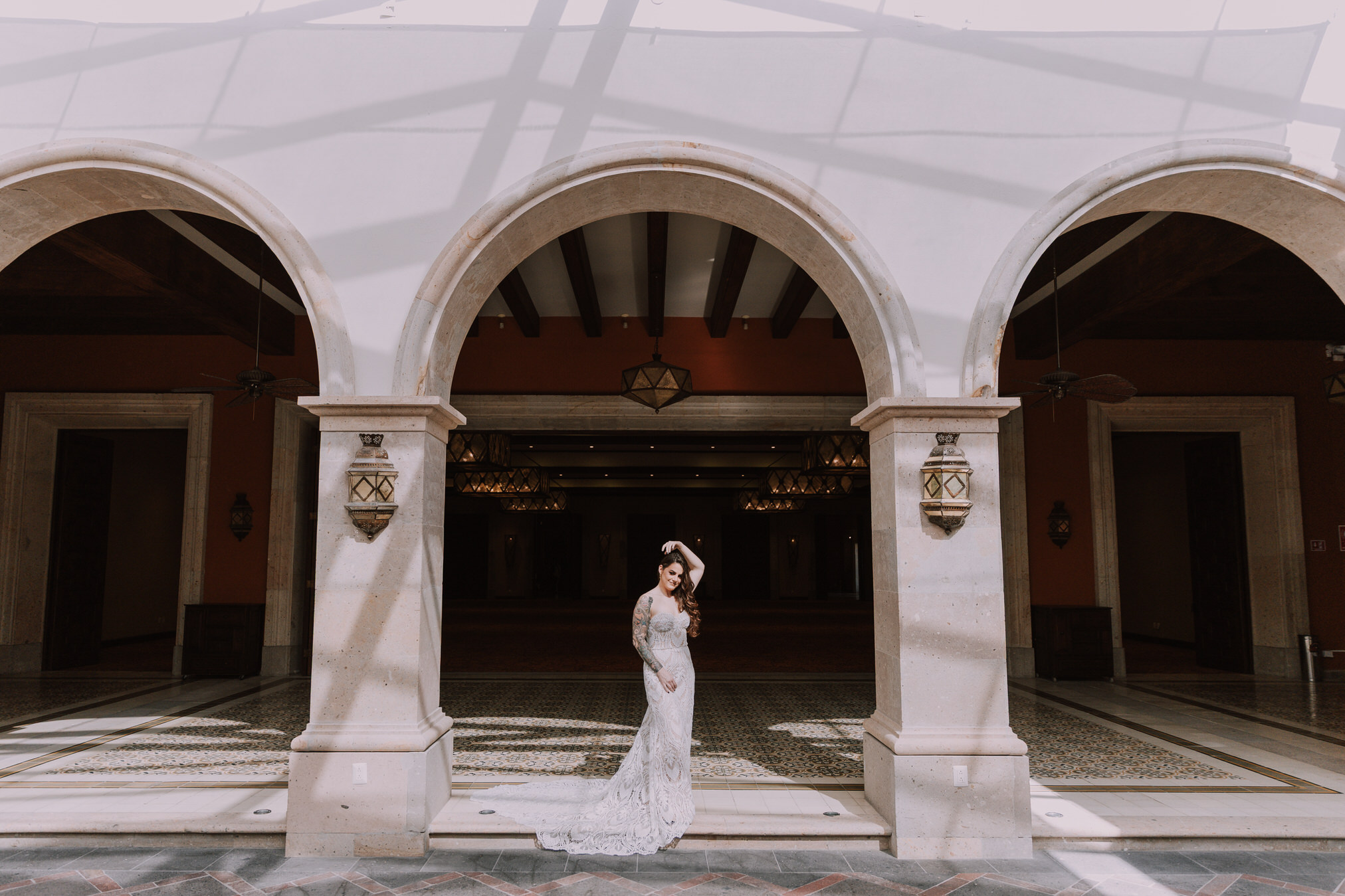
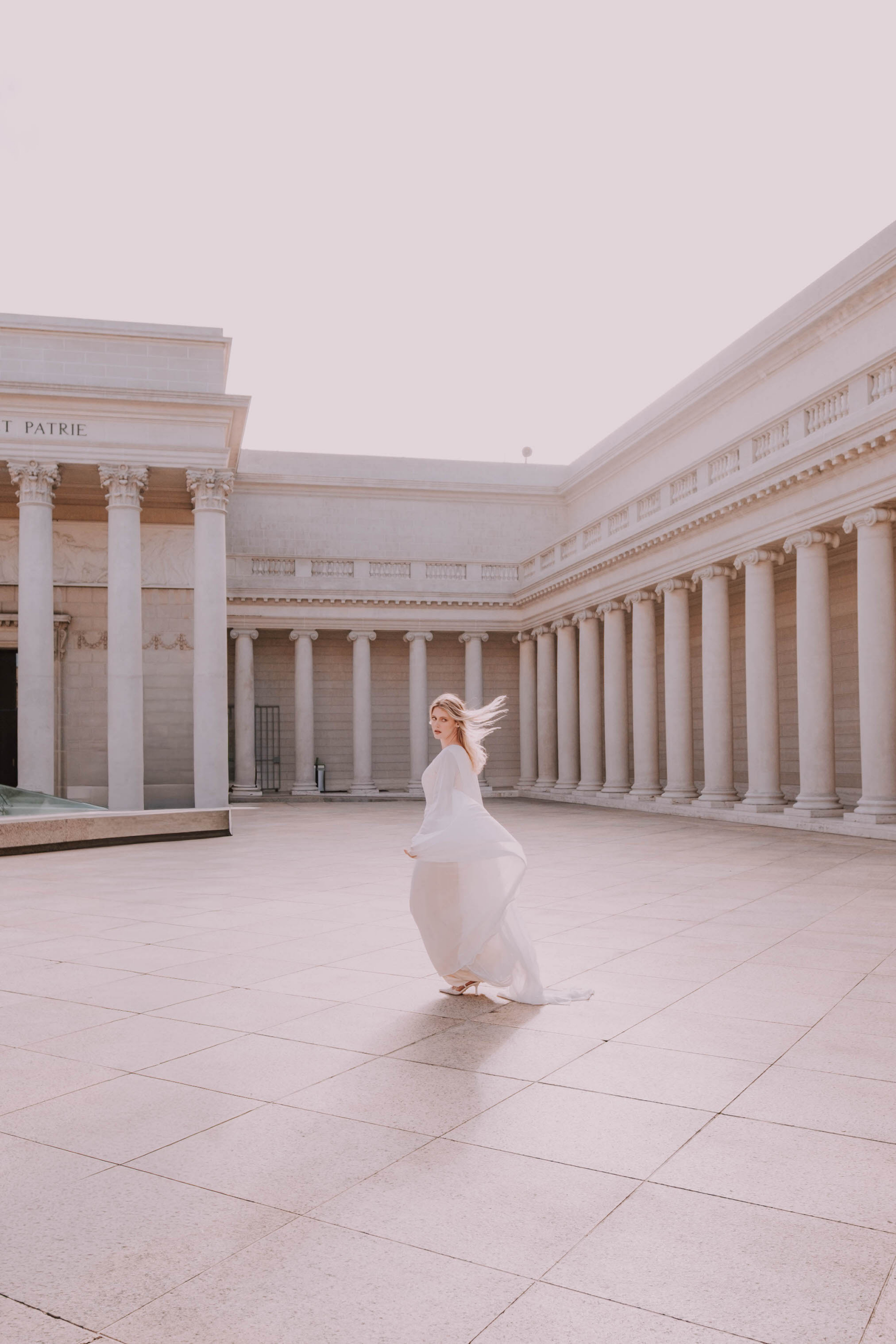
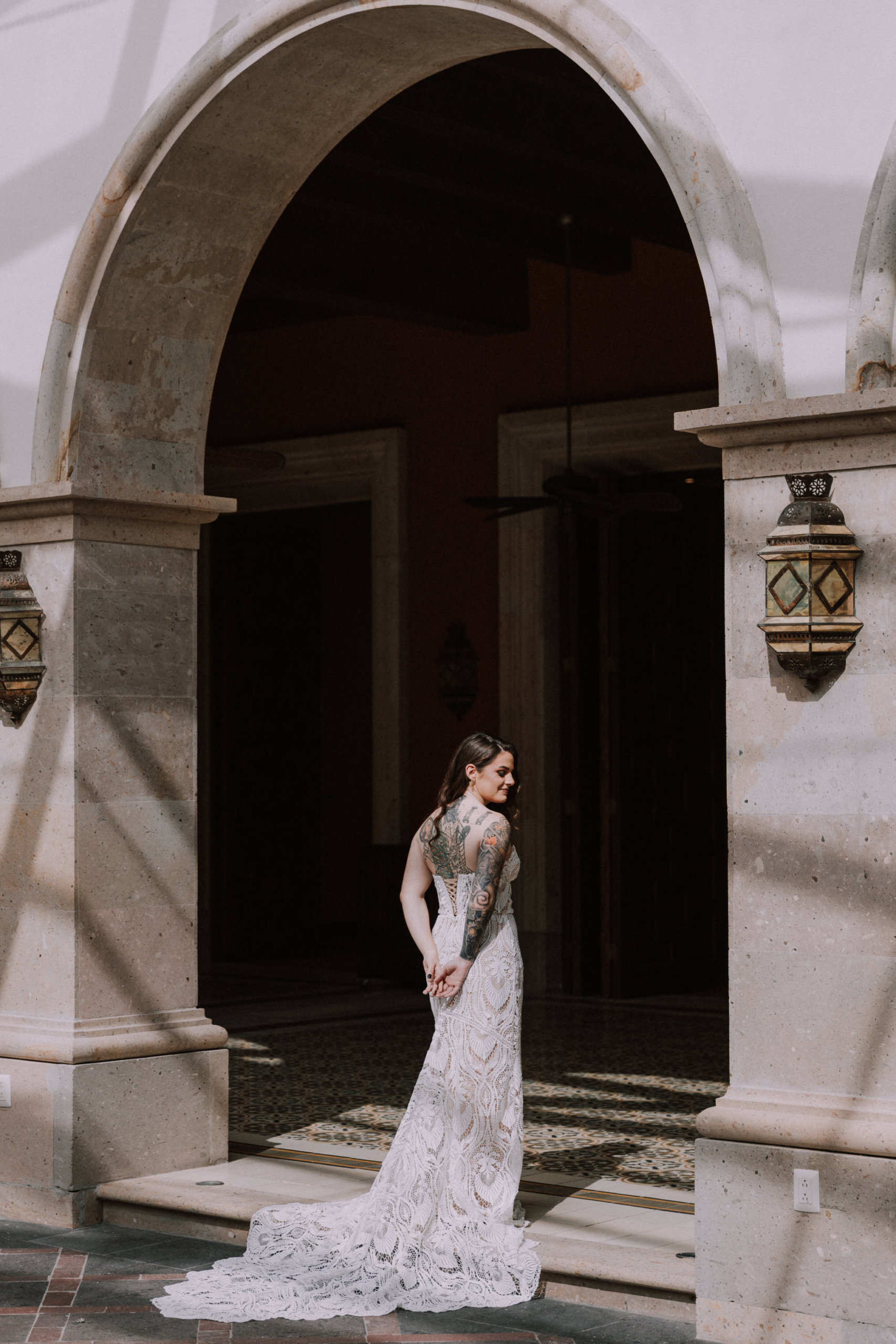
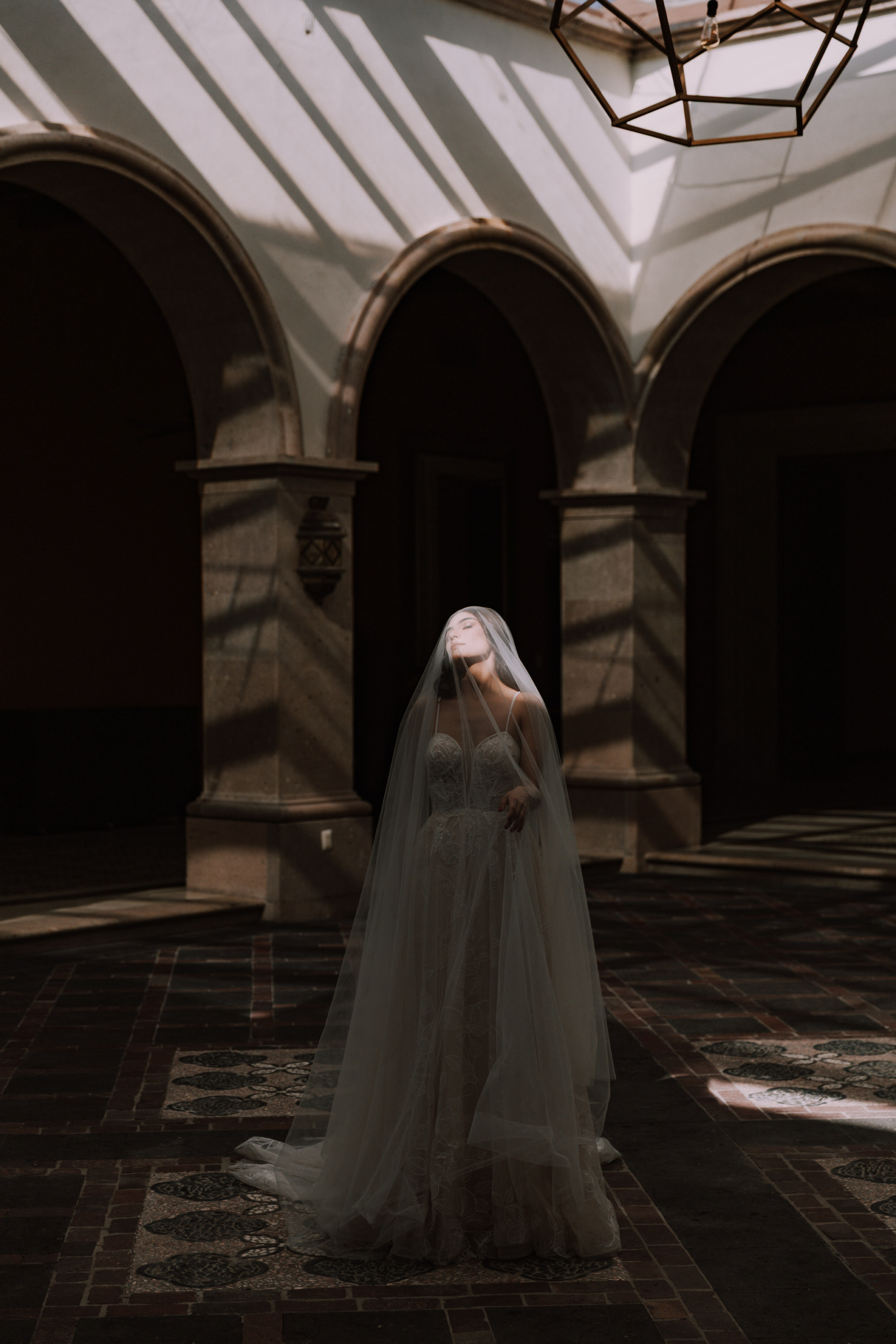
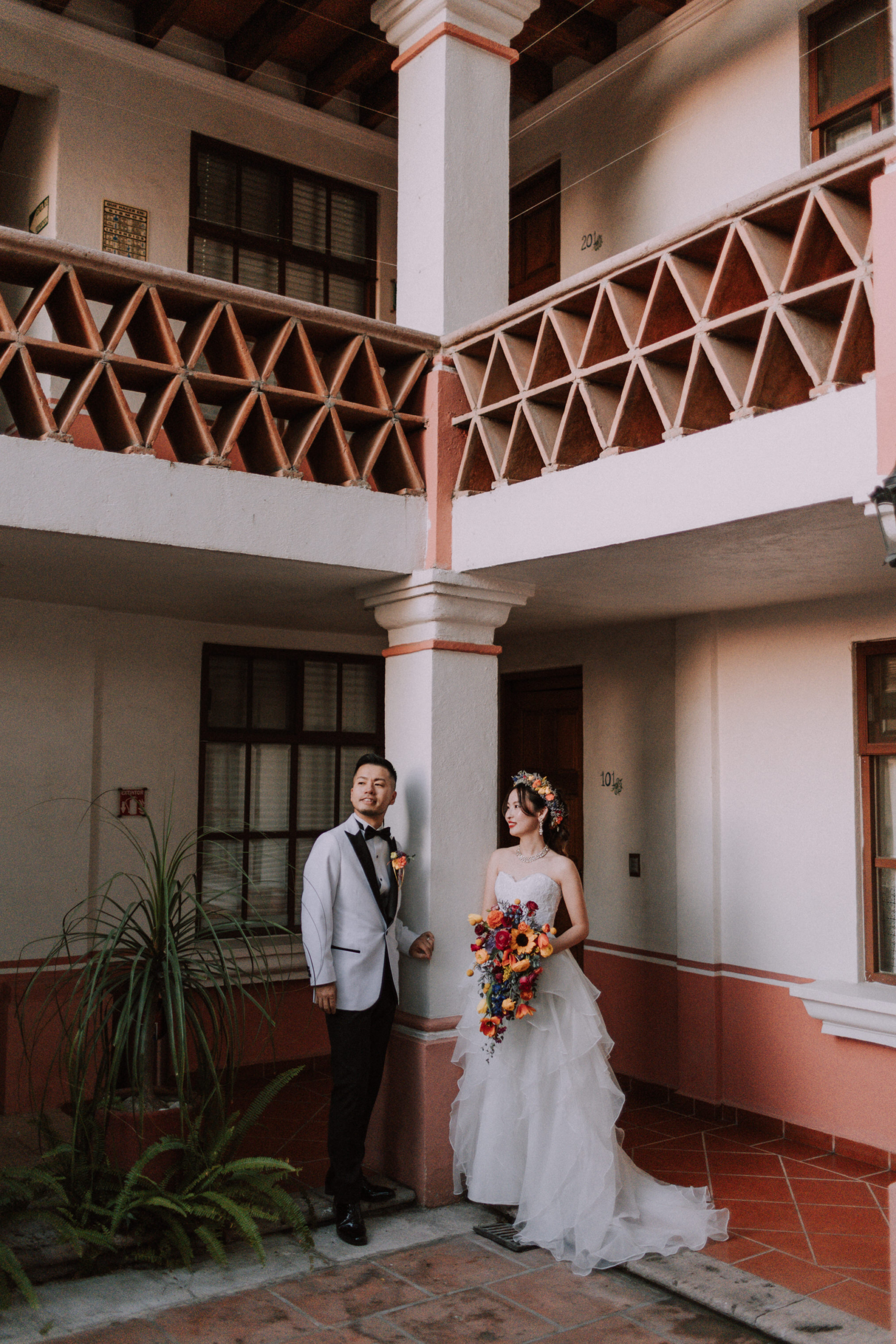
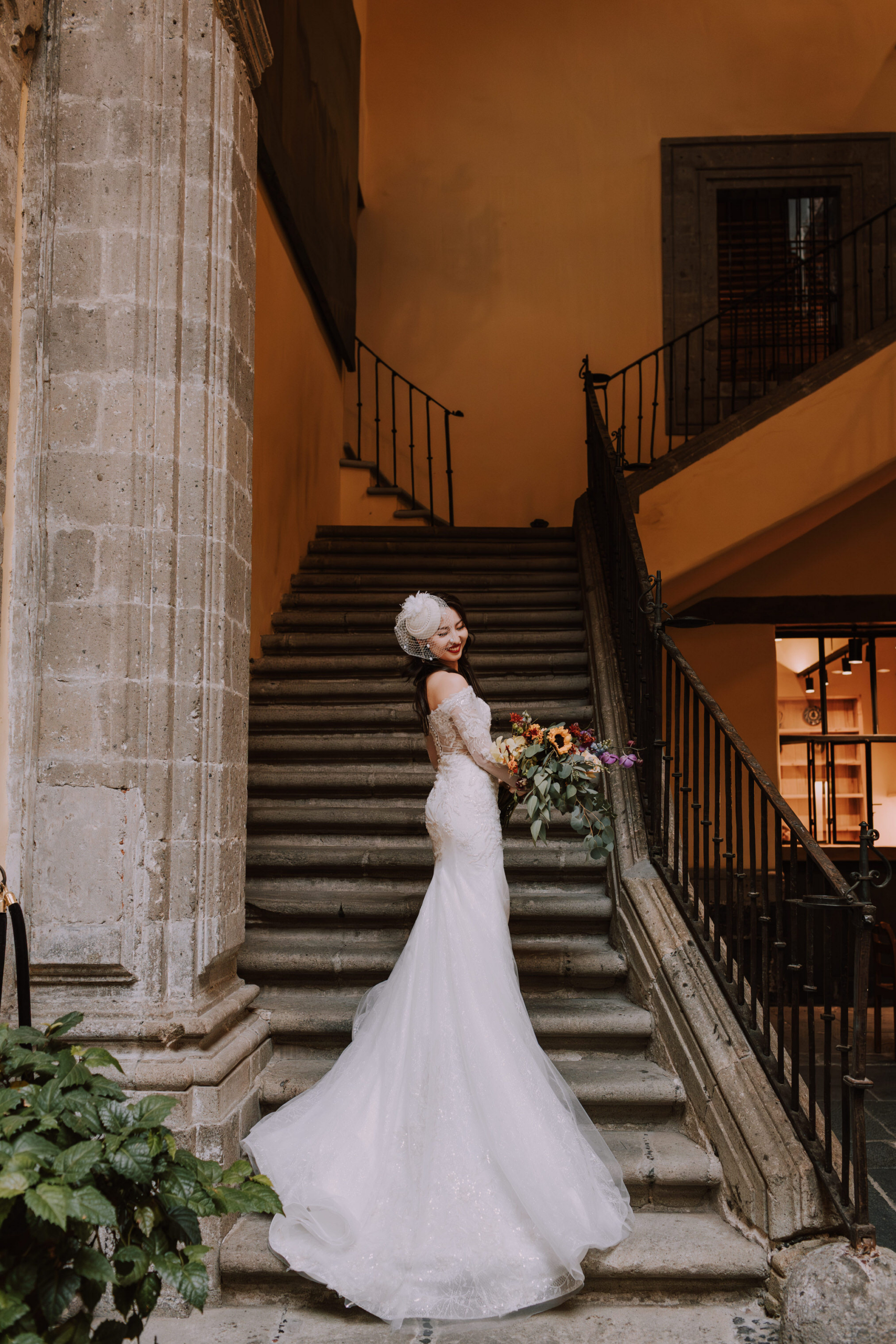
Visually, I’ve always been drawn to architecture, and I think that had a big influence on how I developed my photographic style.
I pay a lot of attention to aesthetics, colors, and composition.
At the same time, I’m always looking for emotions within those spaces-how people move, interact, and express themselves within their environment.
How do you help shy or nervous couples relax and feel like themselves in front of the camera?
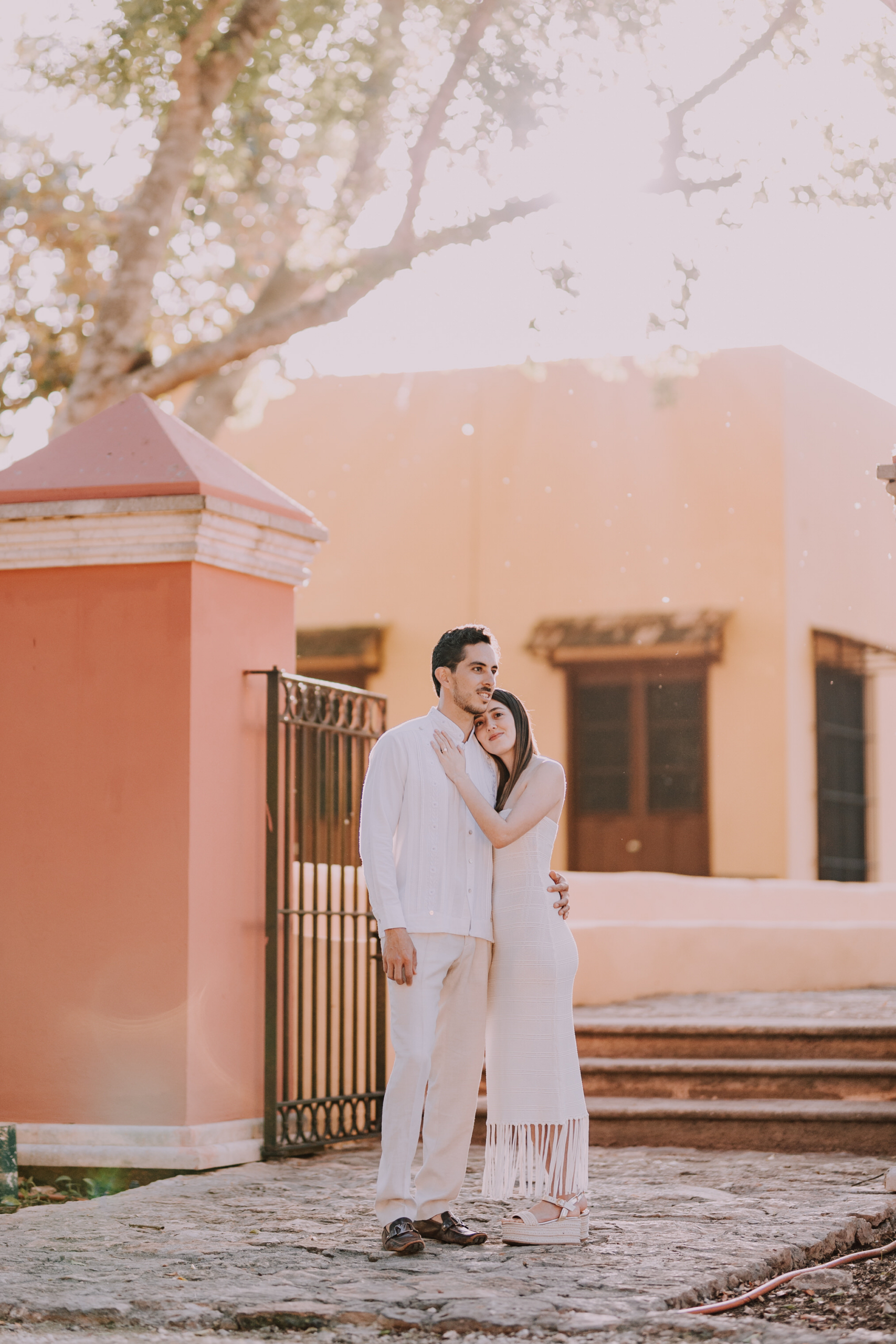
For me, everything starts with trust.
I focus first on getting to know the couple and creating open, easy communication.
When people feel comfortable and understood, everything flows much more naturally.
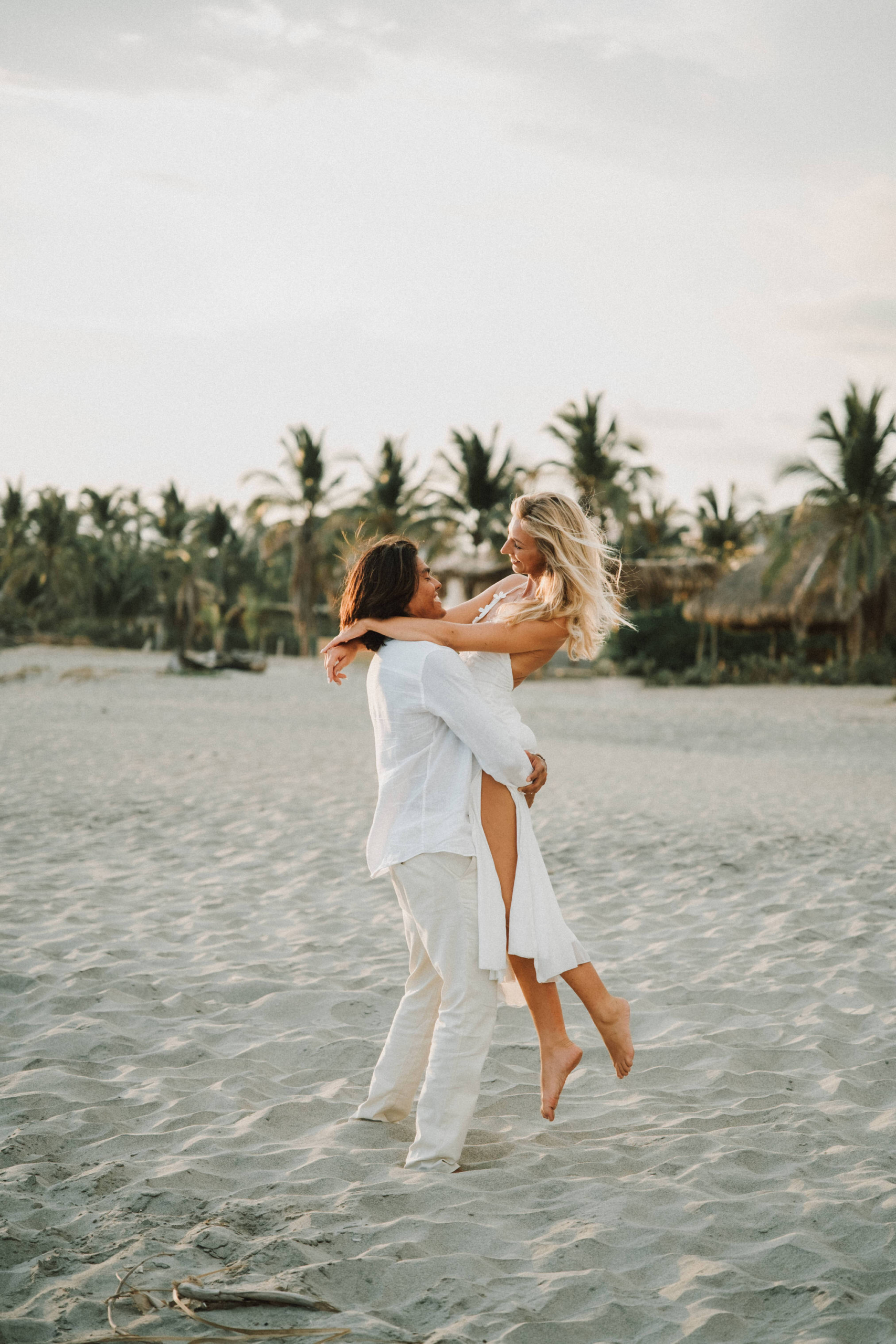
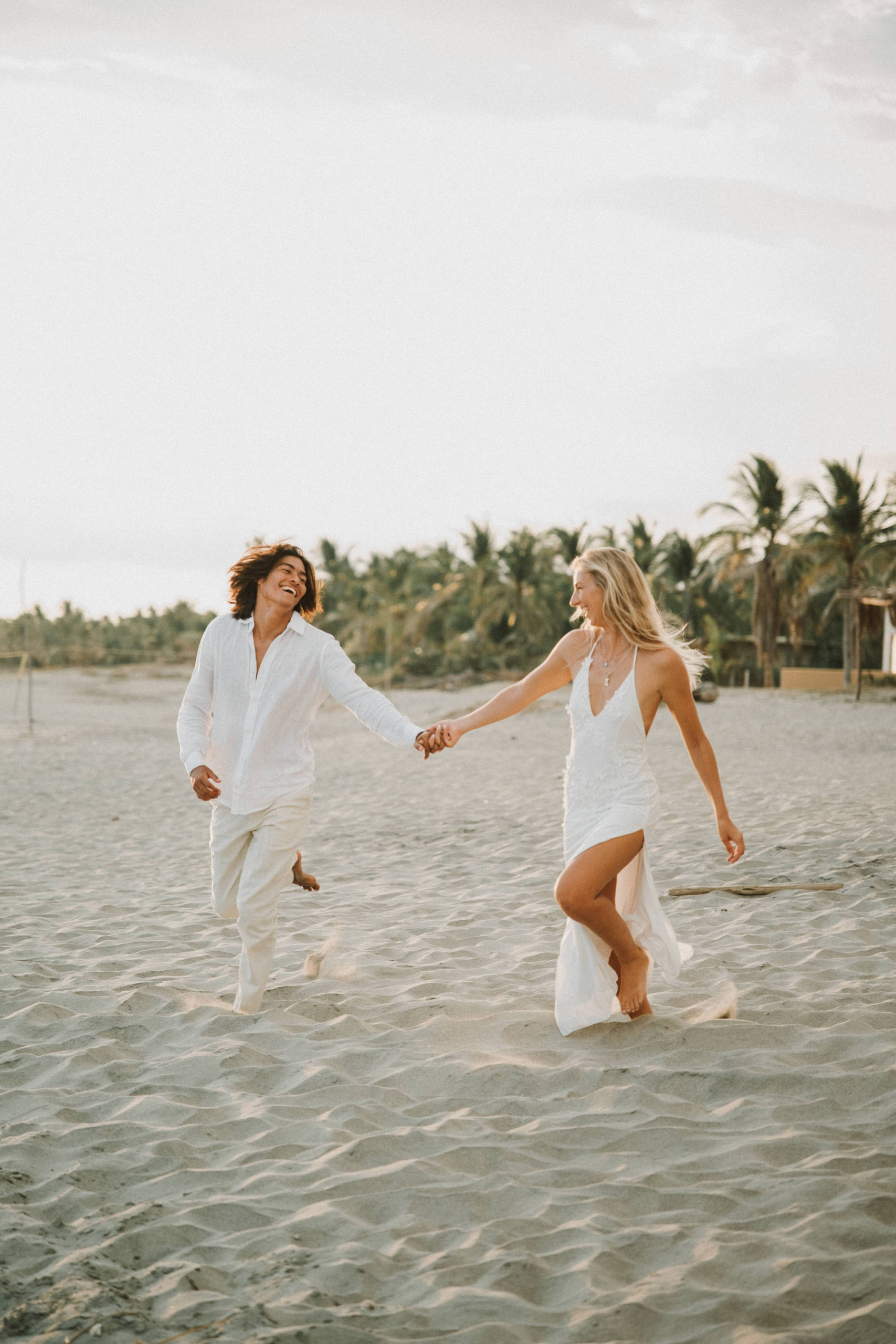
I never force poses. I let them be themselves, and little by little, more intimate and emotional moments appear on their own.
How has artificial intelligence impacted your work as a wedding photographer?
I like some of the tools that AI has brought into photography.
I’m not a big fan of relying entirely on it, but I do use AI to support certain parts of my workflow.
Little by little, it has become part of the way I work, mainly as a tool to assist and speed things up rather than replace creative decisions.
Tell us about your workflow with JPEGmini and what you think about it as a tool.
I love JPEGmini and I’ve been using it for a long time.
Being able to significantly reduce the size of my galleries while maintaining image quality is incredibly important for my workflow, especially when delivering large wedding collections to clients.
It helps me keep things efficient without compromising the visual quality of my work, and I always recommend it to other photographers.
What is it like to work within the wedding photography market in Mexico?
It’s beautiful.
This profession has allowed me to teach more than 15 workshops across Mexico and abroad, and even to organize the first edition of a wedding photography conference.
Of course, like in any creative field, the market is competitive-but it’s also full of passion and community.
I believe that having your own voice and visual differentiators helps couples connect with your work and choose you.
Could you tell us about your family and how they relate to your work as a photographer?
My family is very aware of what I do and why I do it.
They support me because they see how happy I am doing photography full-time.
They’re always interested in my projects, where I’m traveling, and what I’m working on. Having that support system means a lot to me.
How did your transition into teaching happen, and what inspired you to create an online school?
I don’t really have a single mentor.
Teaching came naturally from sharing content on social media.
People became interested in what I was saying in my videos and in the results of my work, and they started asking me to teach workshops.
I love sharing knowledge, so this direction made me very happy.
Creating an online school felt like a natural next step to reach more photographers and help them grow.
What has been the worst experience you’ve had at a wedding, and what common mistakes do you see beginners make?
One of the most difficult experiences I’ve had was when a bride fainted during the ceremony.
It completely changed the atmosphere of the wedding, and nothing went as planned after that moment.
As for common mistakes, I see many beginner photographers constantly comparing themselves to others. That mindset can really block growth.
When you’re too focused on what others are doing, you become afraid to experiment, to share your work, and to grow publicly.
I believe it’s important to focus on your own journey and allow yourself to evolve.
How would you define your photographic style?
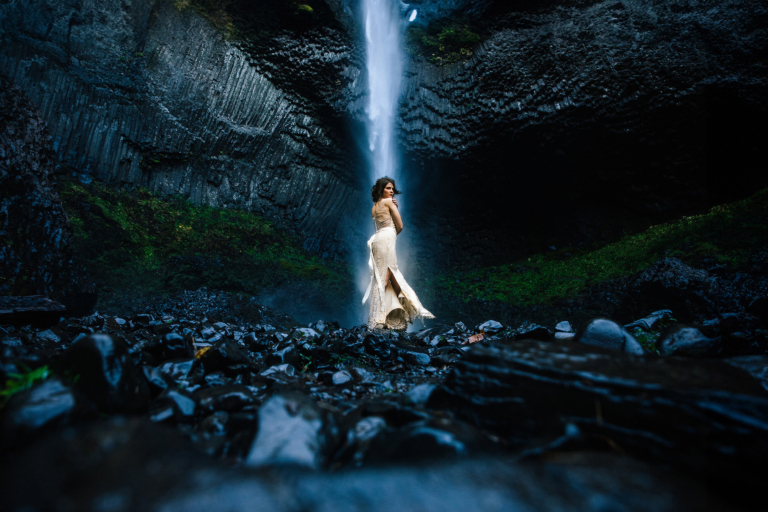
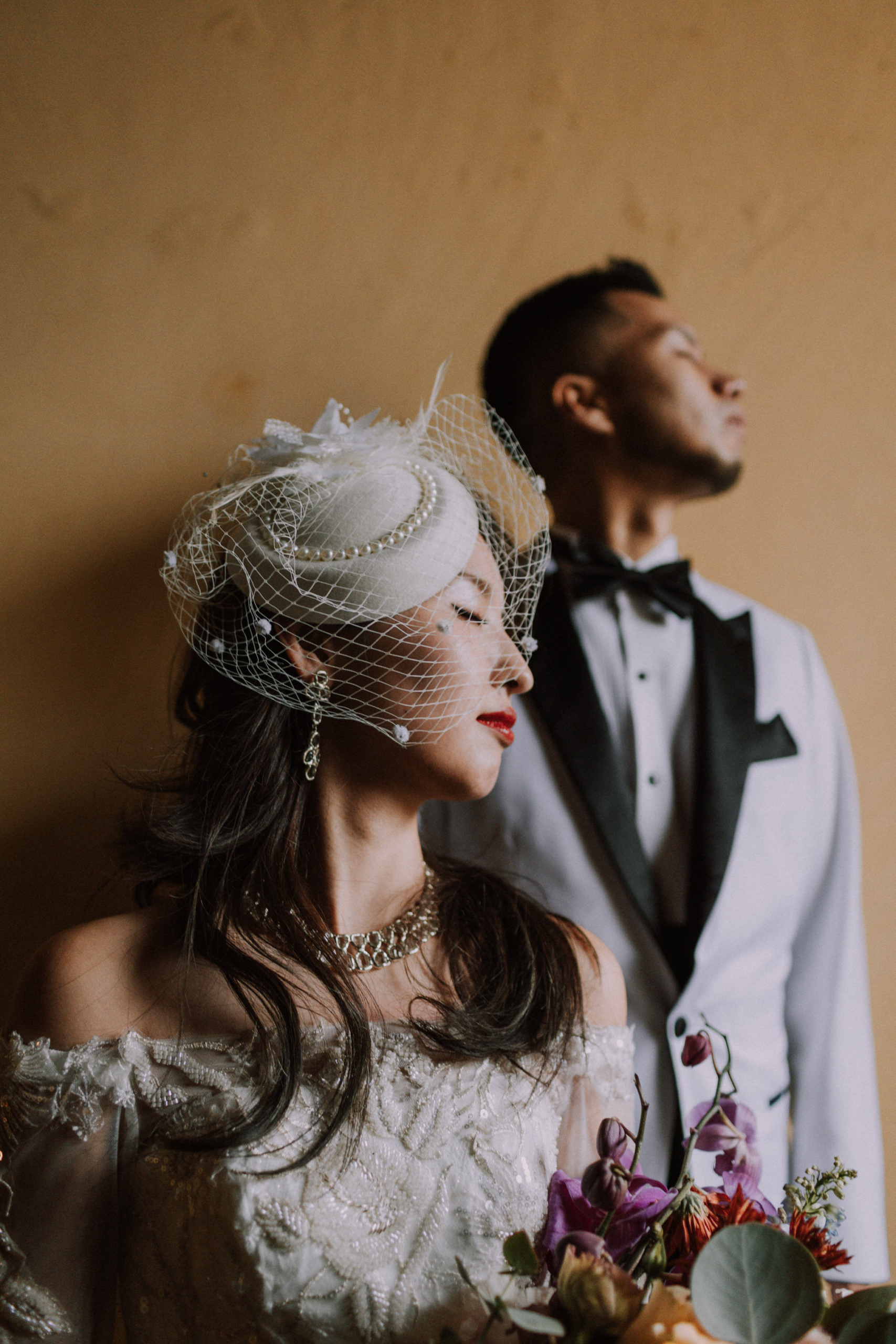
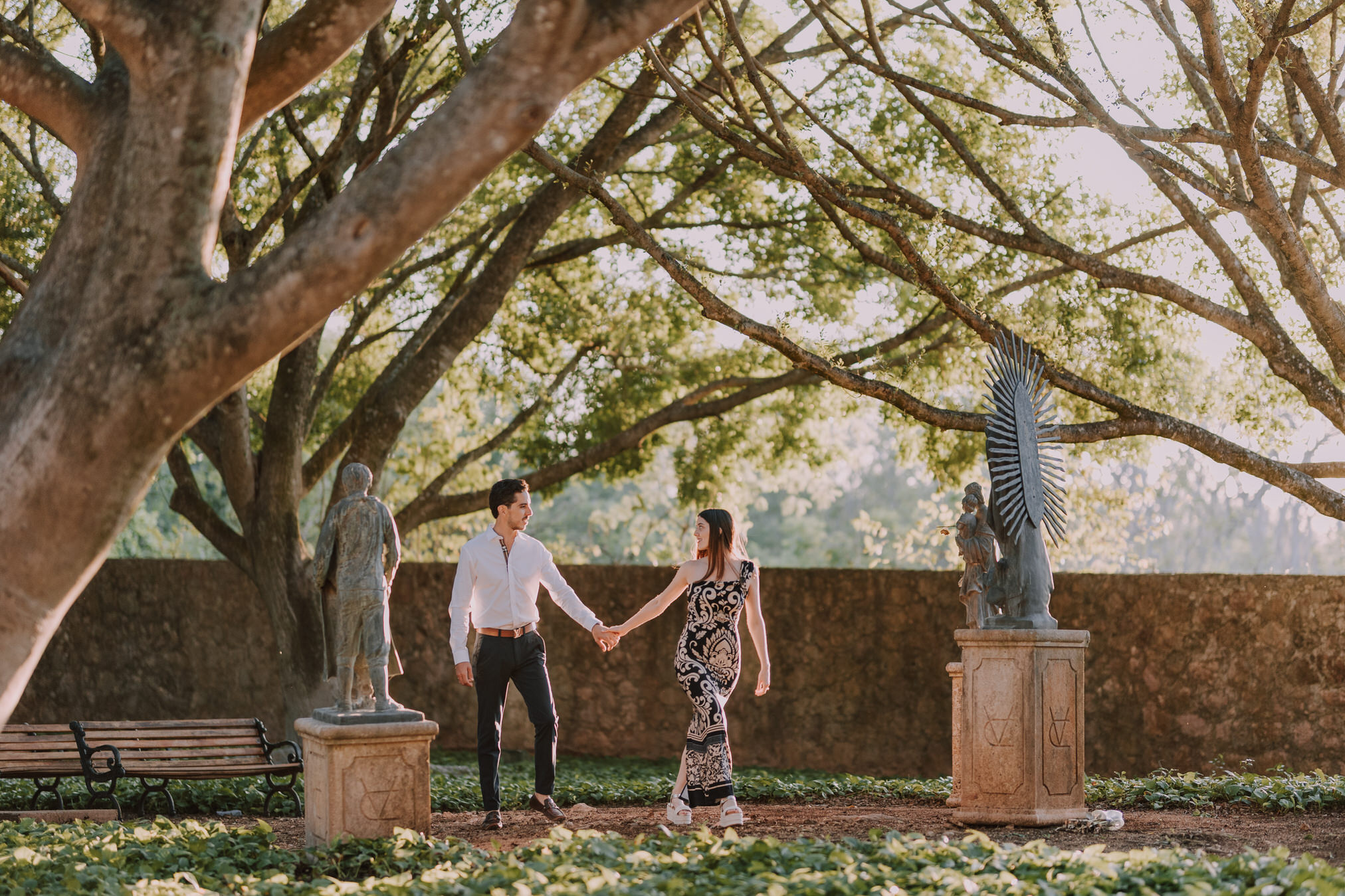
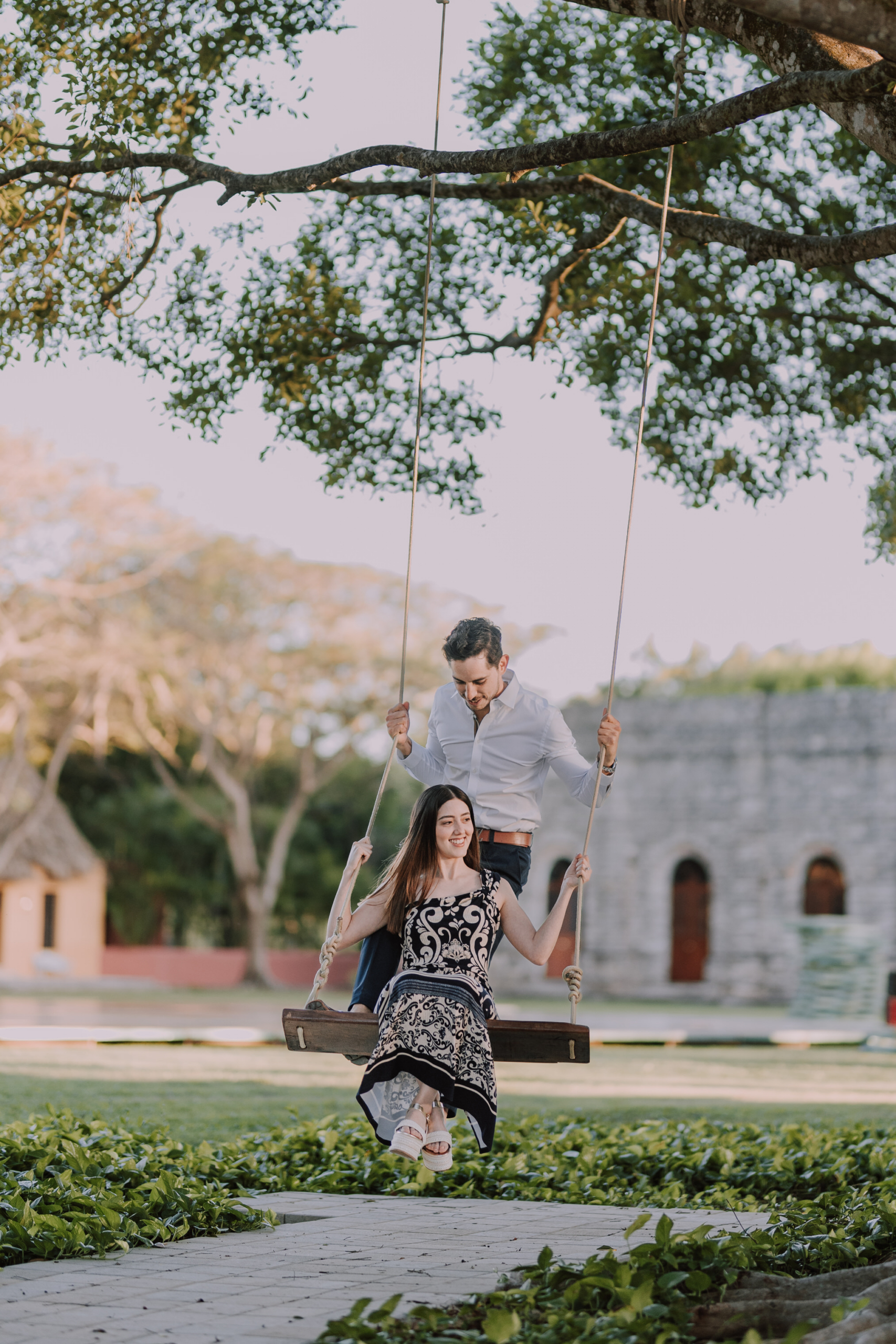
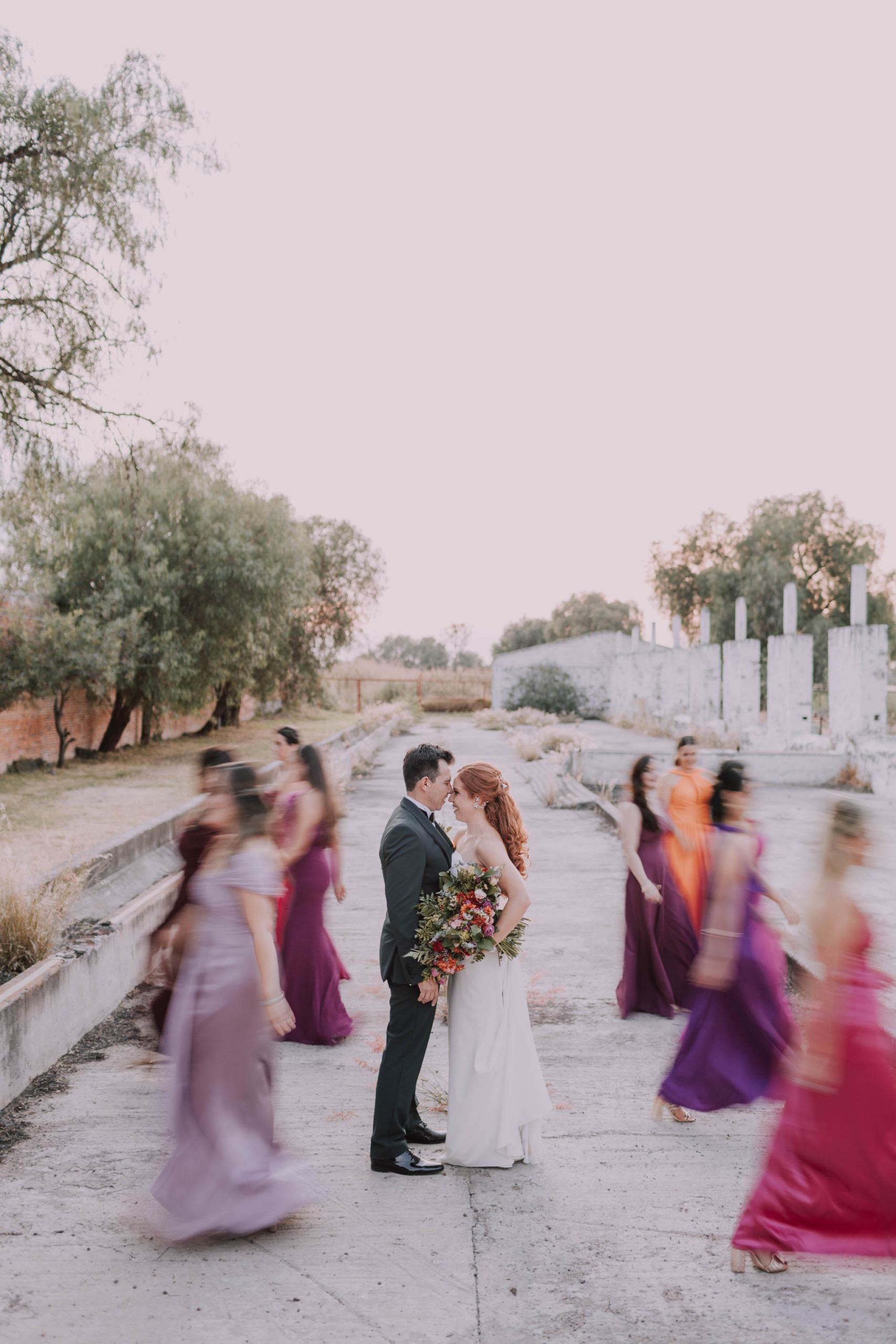
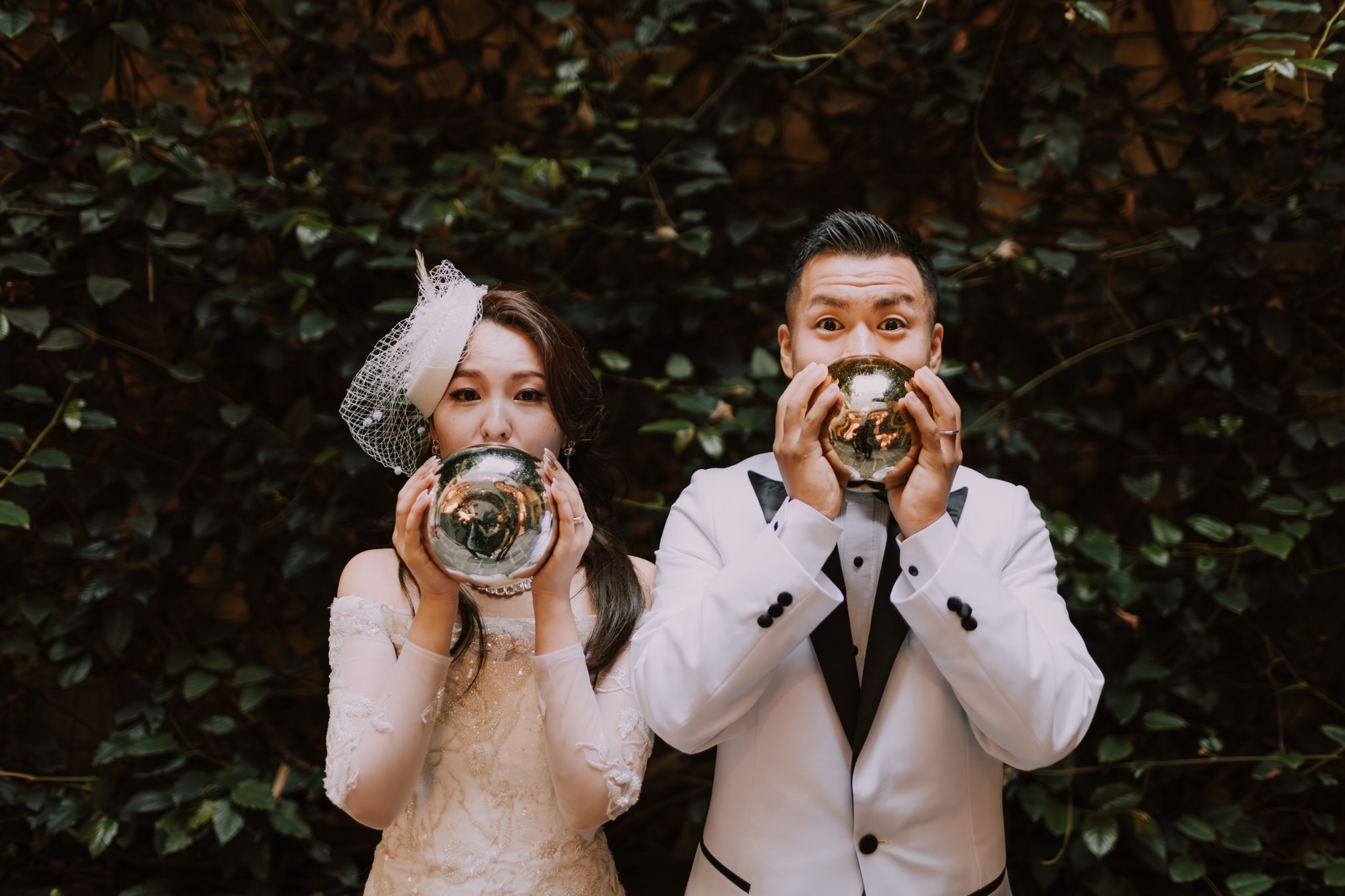
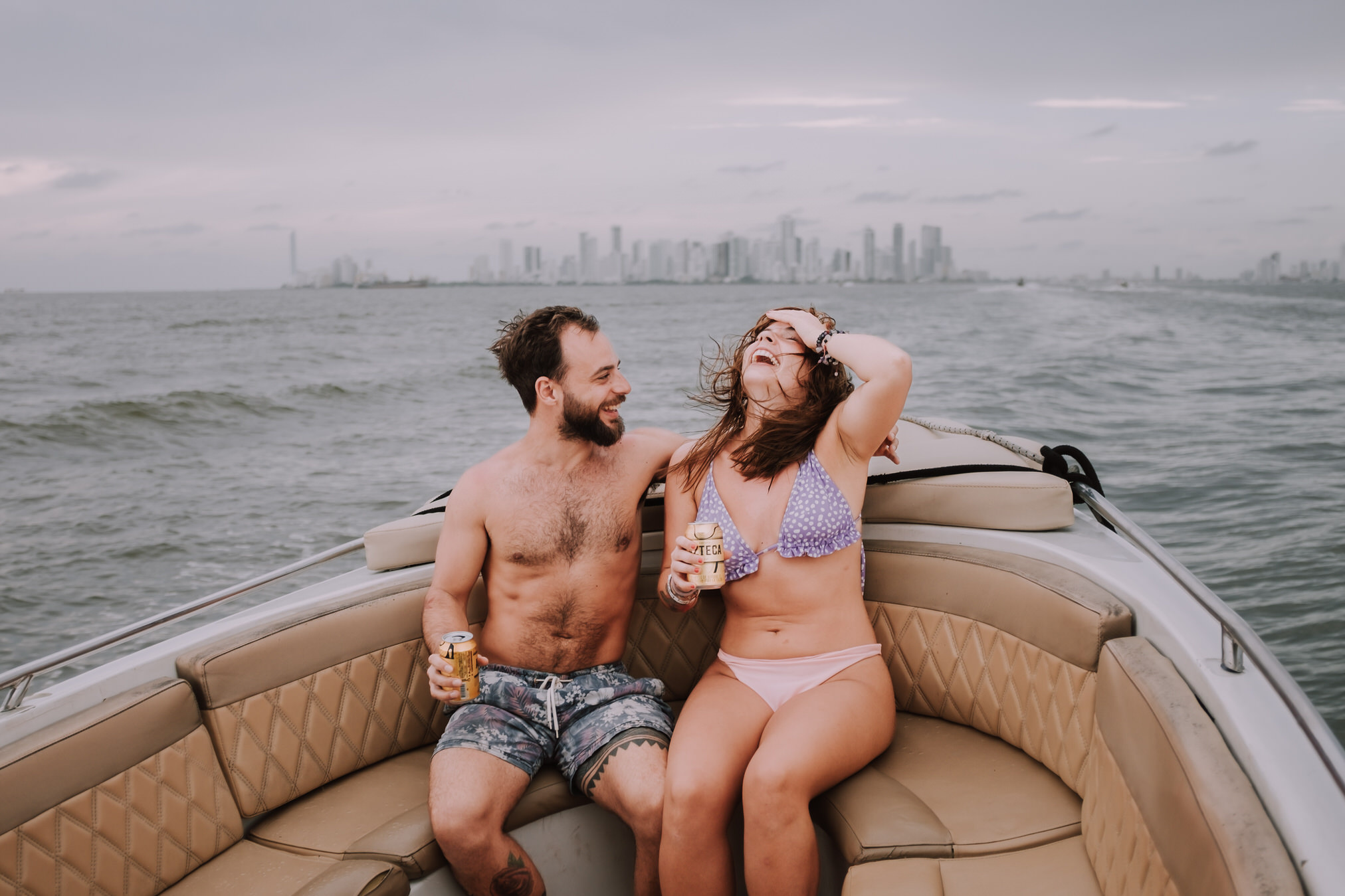
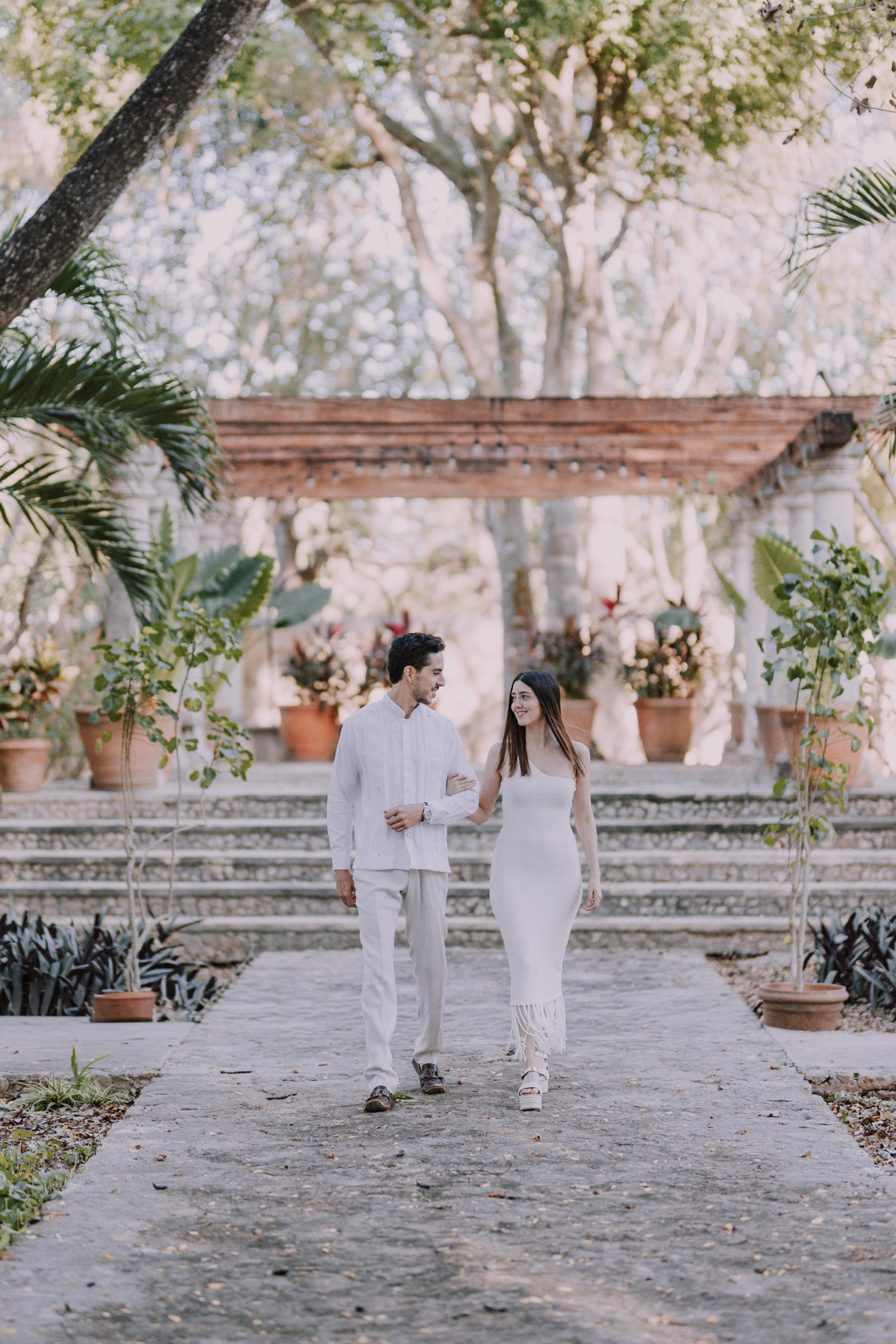
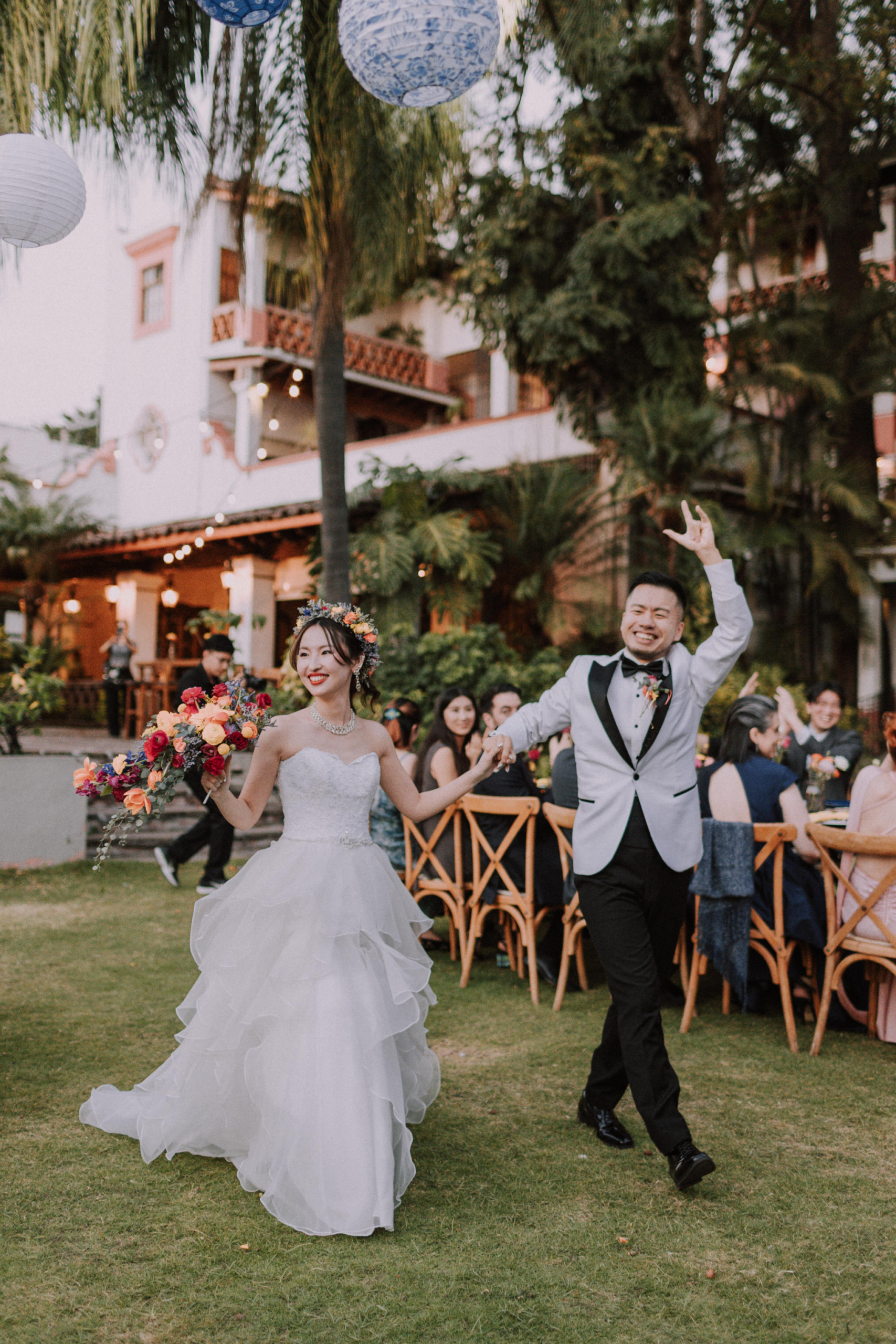
I would describe my style as elegant, spontaneous, and romantic.
I’m drawn to dreamlike, emotional moments with a cinematic feeling, but I always want the images to feel natural and honest to the couple’s story.
Final Thought
That instinct toward structure, toward how people exist within a space – is what makes his Miguel Angel work feel different.
He doesn’t just find the emotion. He places it.
He has taught more than fifteen workshops, organized the first wedding photography conference in Mexico, and built an online school – all from sharing freely, without holding anything back.
The biggest mistake he warns beginners against is comparison. “When you’re too focused on what others are doing, you become afraid to experiment and to grow.” That is not abstract advice.
It is learning to look inwards.
The joy is not a performance. Nine years in, he still describes photography as a way of life. That is not something you fake. That is something you earn.